Dubai has never waited for the future to arrive. From launching one of the region’s most advanced metro systems to the early adoption of electric buses, smart taxis and autonomous mobility trials, the city has consistently stayed ahead of the curve in mobility innovation. Today, that forward-thinking mindset is reshaping how homes are designed and where communities are built by placing Dubai’s mobility, sustainability, and liveability at the heart of residential development.
As part of the emirate’s long-term vision, the Dubai 2040 Urban Master Plan reimagines the city as a network of connected, people-first neighbourhoods in which homes are active components of a wider urban ecosystem where daily life is easier, greener, and far less dependent on private cars.
From addresses to connected neighbourhoods
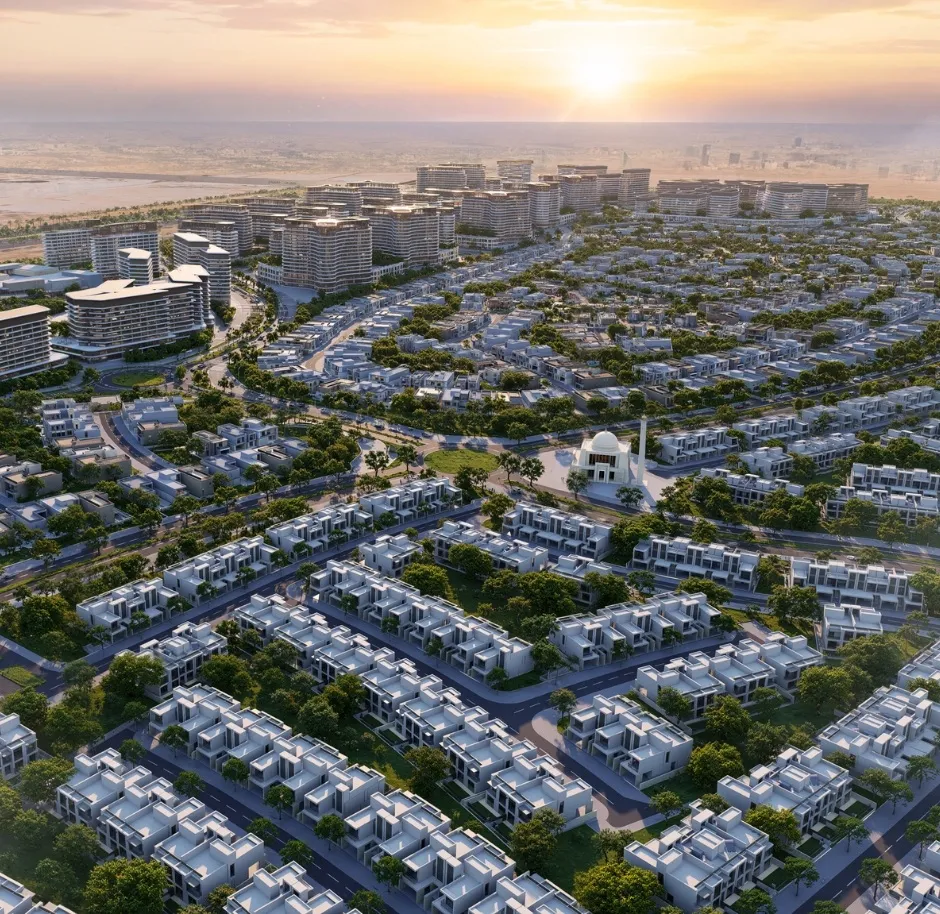
Central to Dubai’s approach is the concept of the ‘20-minute city.’ New residential communities are being planned so that workspaces, schools, healthcare, retail, and leisure facilities are accessible within a short walk or cycle. This shift towards transit-oriented development places homes closer to metro stations, tram lines, and bus routes, ensuring residents are seamlessly connected to the city. The ambition is clear: more than half of Dubai’s population will live within walking distance of public transport. With an expanding network that already includes metro, tram, taxis, and air-conditioned electric buses supported by the Roads and Transport Authority—getting around the city has never been more efficient. Residential developments are now aligning themselves with this infrastructure, ensuring mobility is embedded from the ground up.
Find out how to choose the right residential community in Dubai.
Designing for people, not just cars
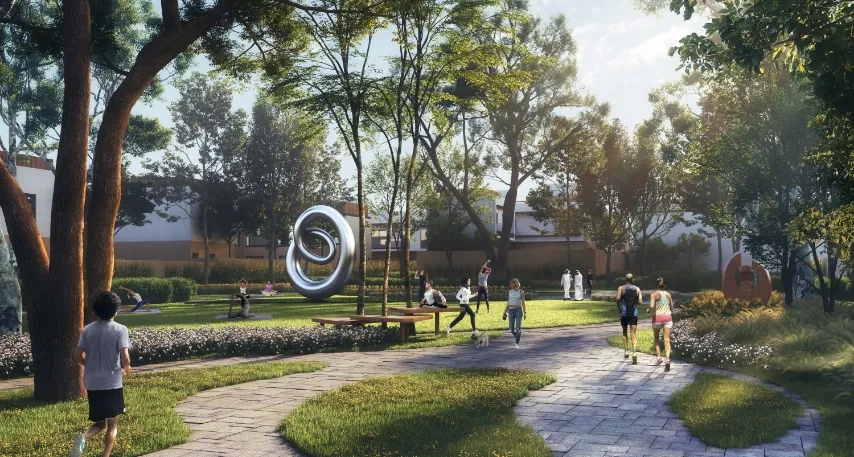
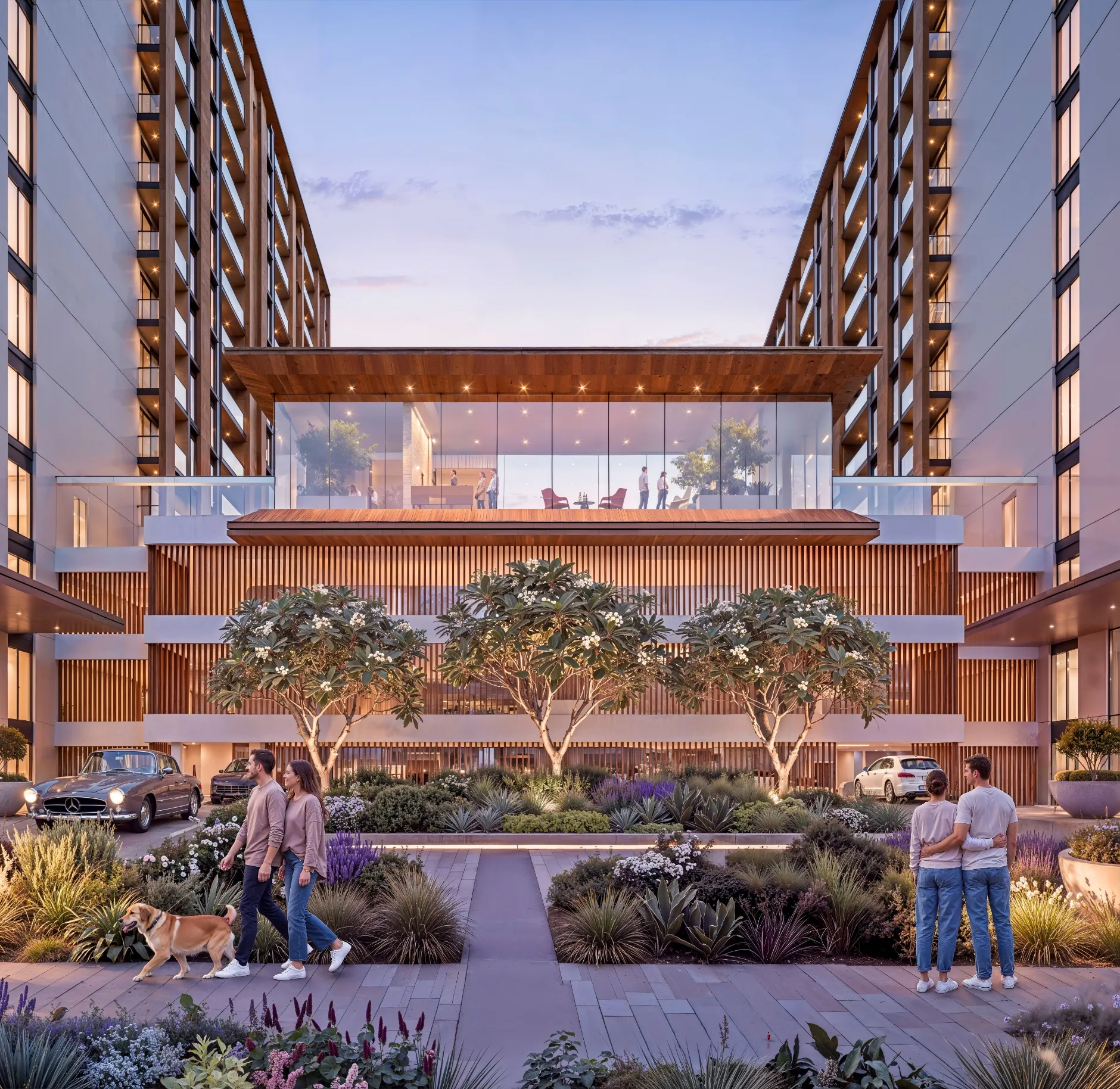
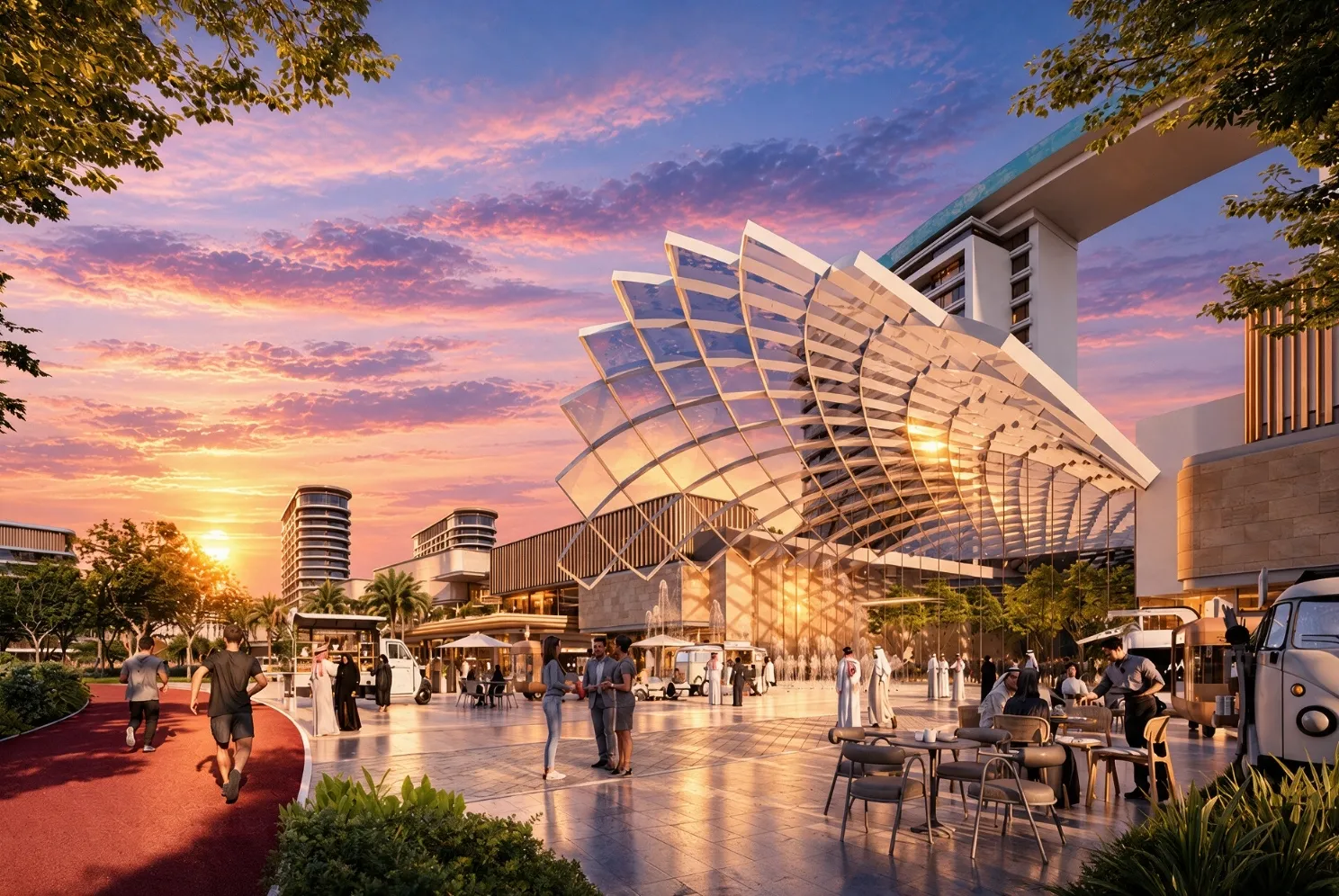
Walkability is becoming a defining feature of new neighbourhoods. Shaded pedestrian pathways, tree-lined streets and dedicated cycling tracks are transforming how residents move within their communities. What was once car-centric is giving way to human-scale design, encouraging walking, cycling and micro-mobility for everyday journeys. This focus on active movement is not limited to leisure. Dubai’s growing network of cycling and e-scooter routes is being designed for daily commuting, while shaded corridors and climate-conscious planning ensure comfort year- round. Homes are positioned to connect effortlessly with these networks, making sustainable mobility the most convenient option.
Smart homes in a smart city
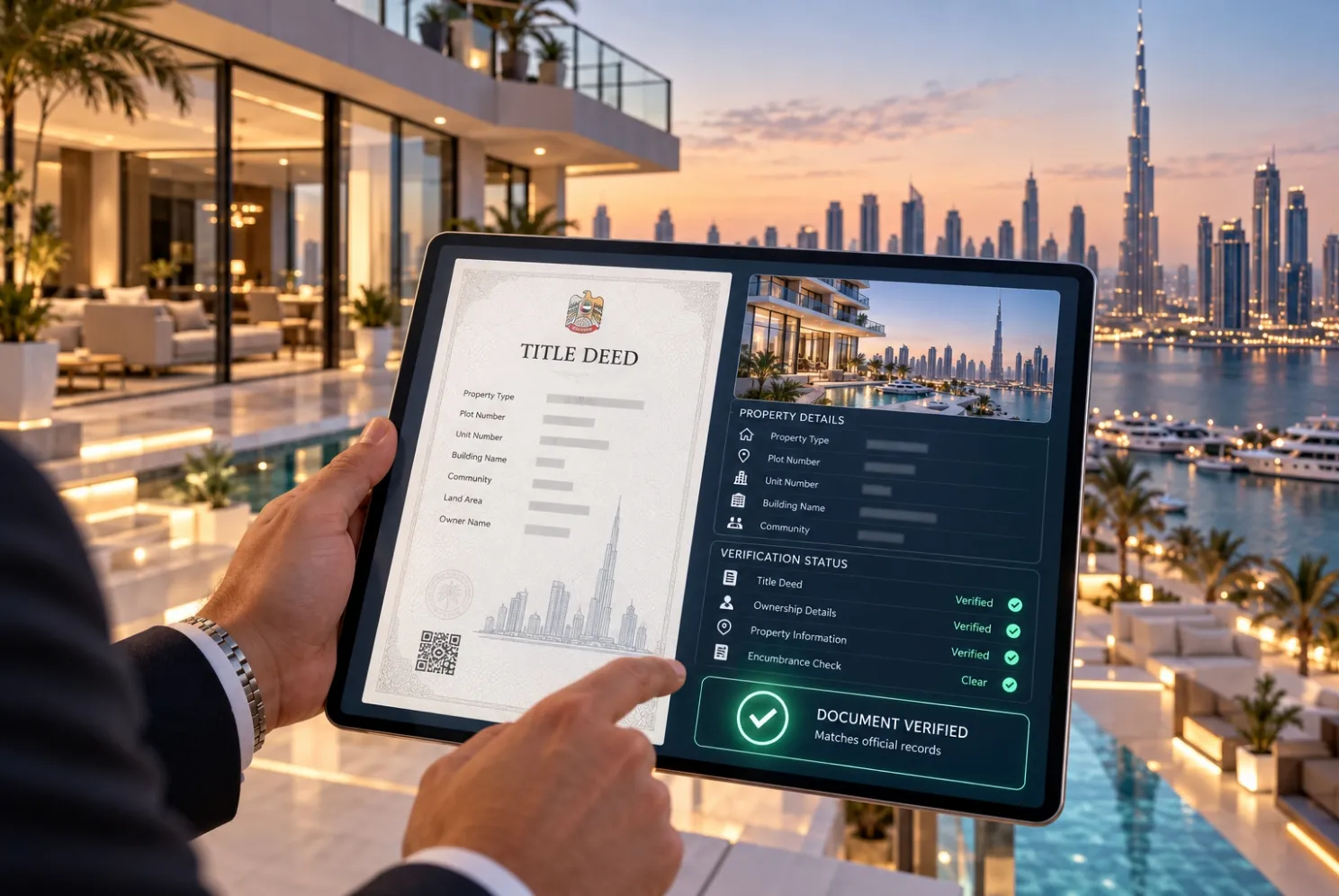
Sustainability and mobility go hand in hand. Energy-efficient façades, district cooling systems, and rooftop solar solutions help lower carbon footprints, while supporting the city’s broader transition to electric and autonomous transport. As Dubai moves towards cleaner mobility, homes are evolving to support that journey with technology playing a critical role in enabling future, mobility-ready living. Today’s homes are increasingly intelligent being equipped with systems that optimise lighting, temperature and energy use based on daily habits. Internet of Things sensors, smart meters and AI-powered controls reduce consumption while enhancing comfort and security.
Preparing for electric and autonomous transport
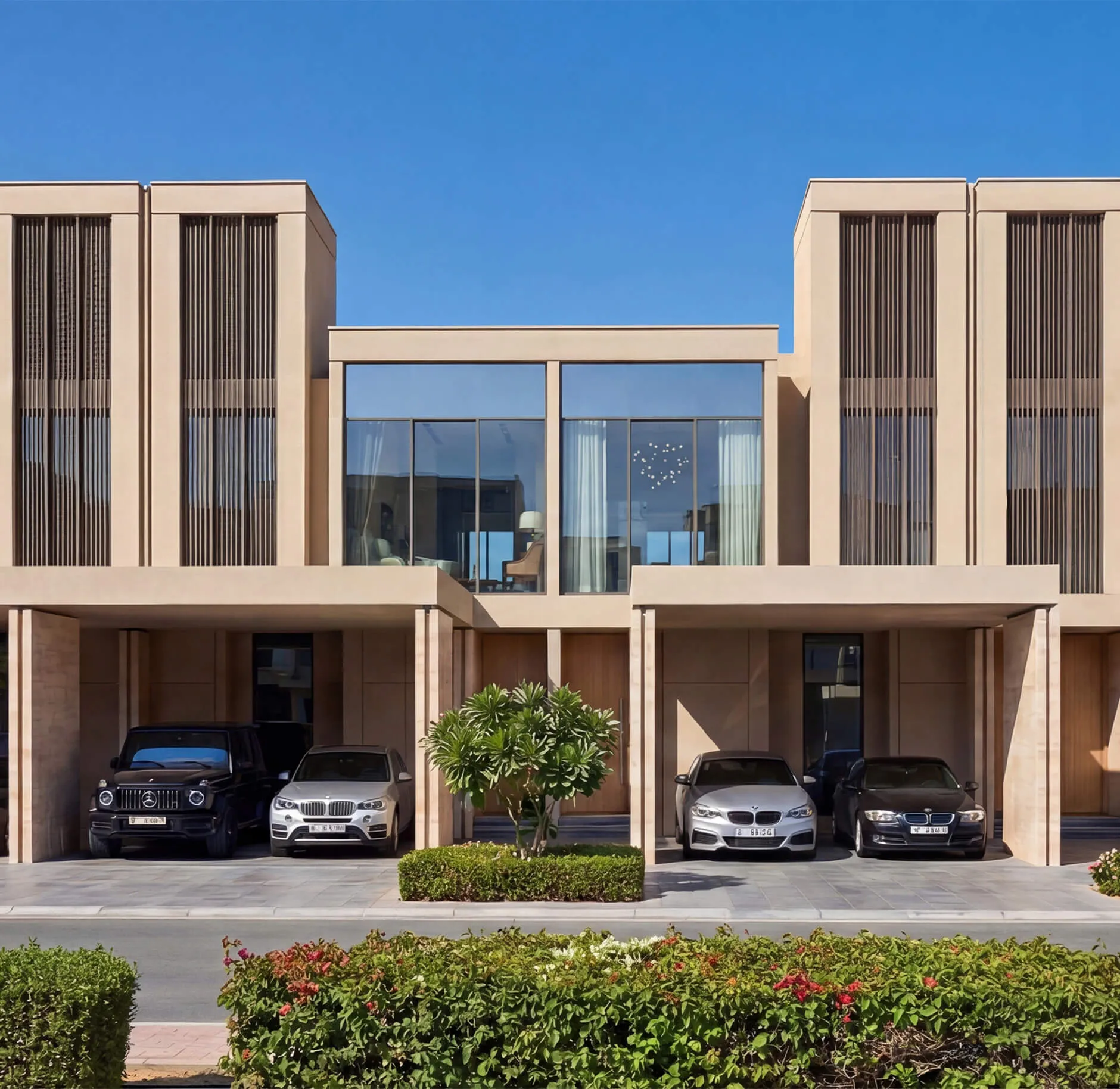
Electric vehicles are becoming an integral standard of residential planning. New developments are incorporating EV charging infrastructure as a baseline amenity. At the same time, Dubai is actively testing autonomous taxis, delivery robots, and drone logistics. Residential communities are being designed to accommodate these innovations, from shared mobility hubs to layouts that reduce the need for excessive parking. The result is a more efficient use of space and a reduced reliance on private vehicles.
Sobha Realty: building mobility into modern living
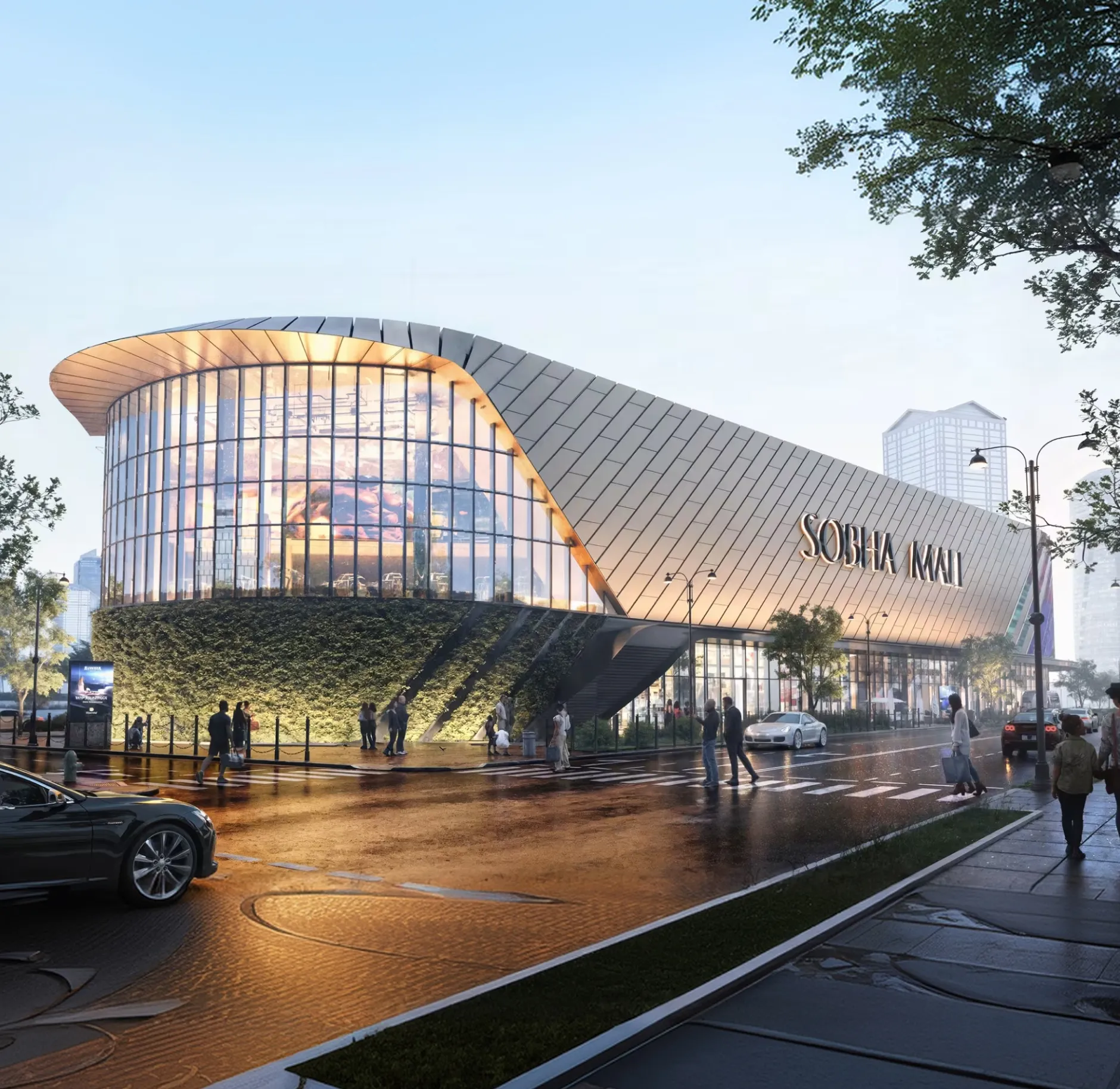
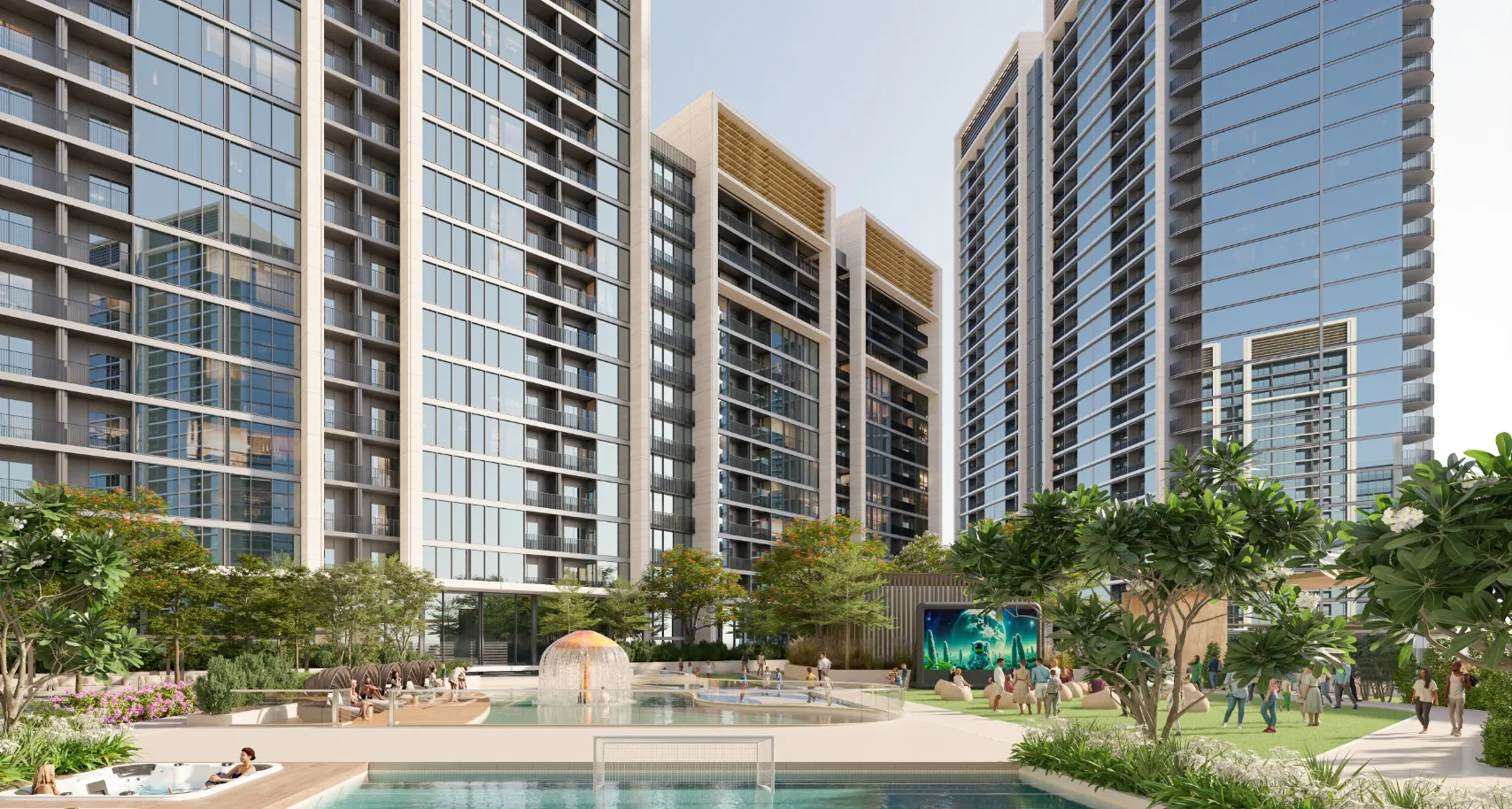
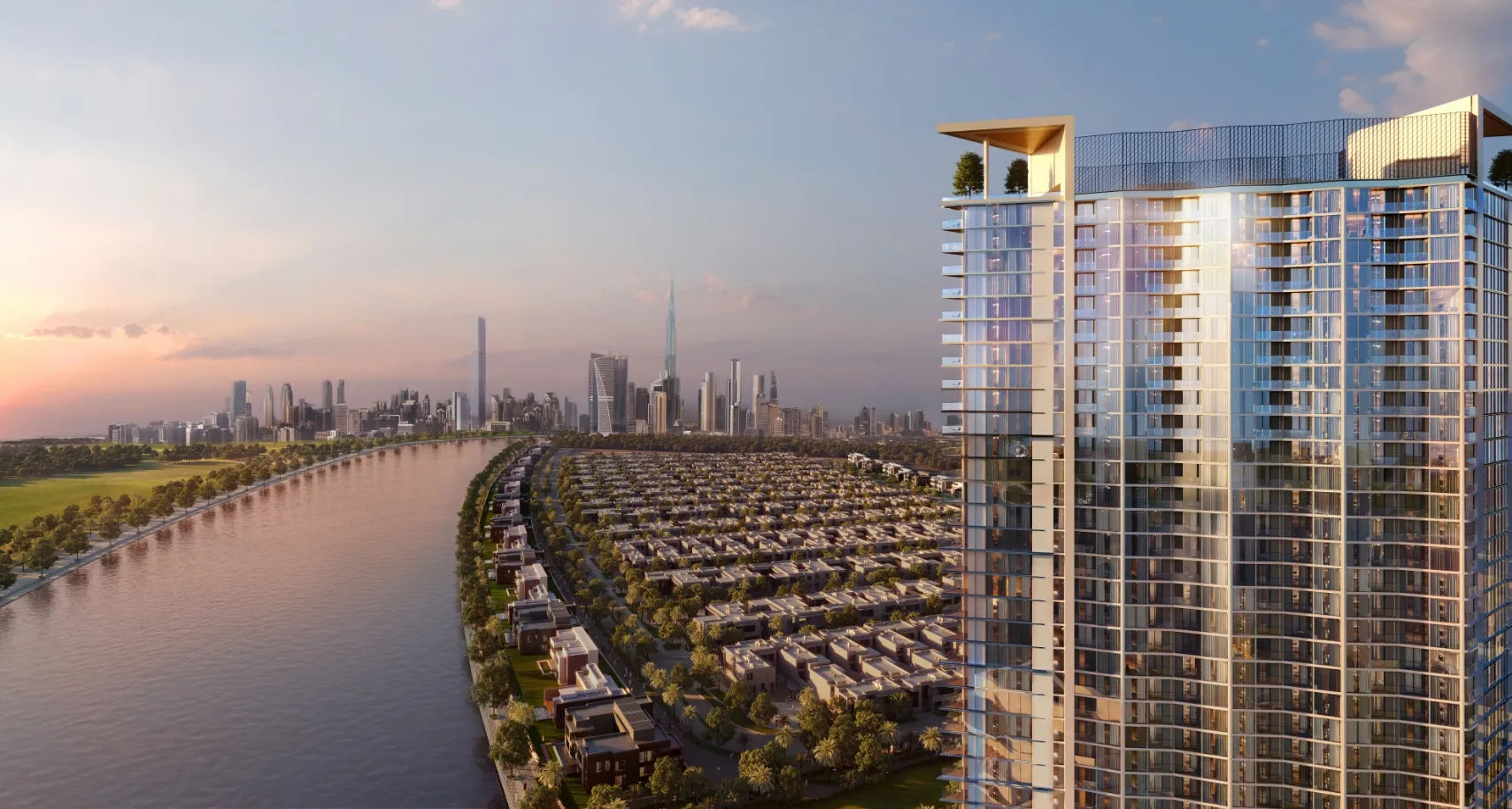
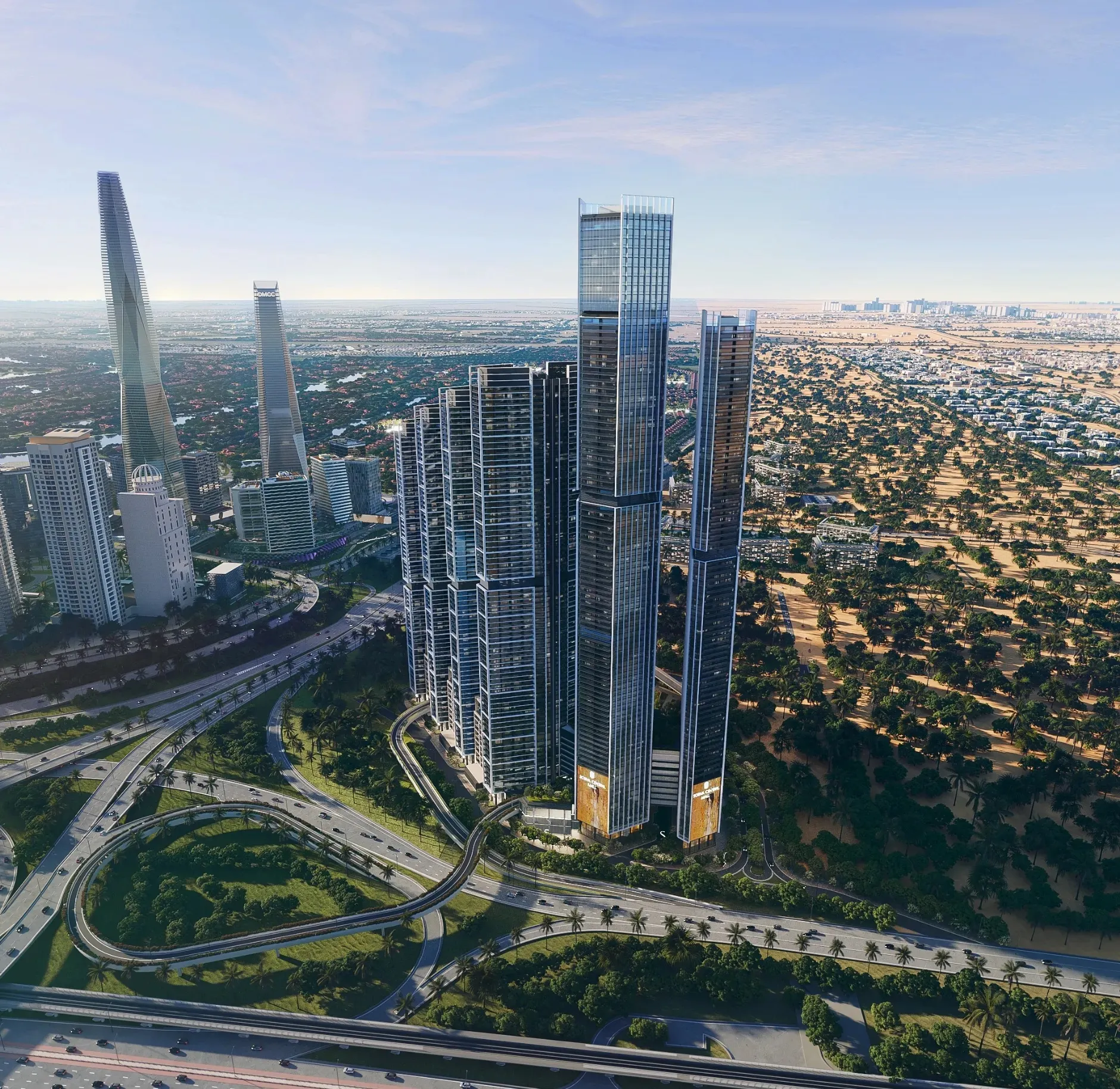
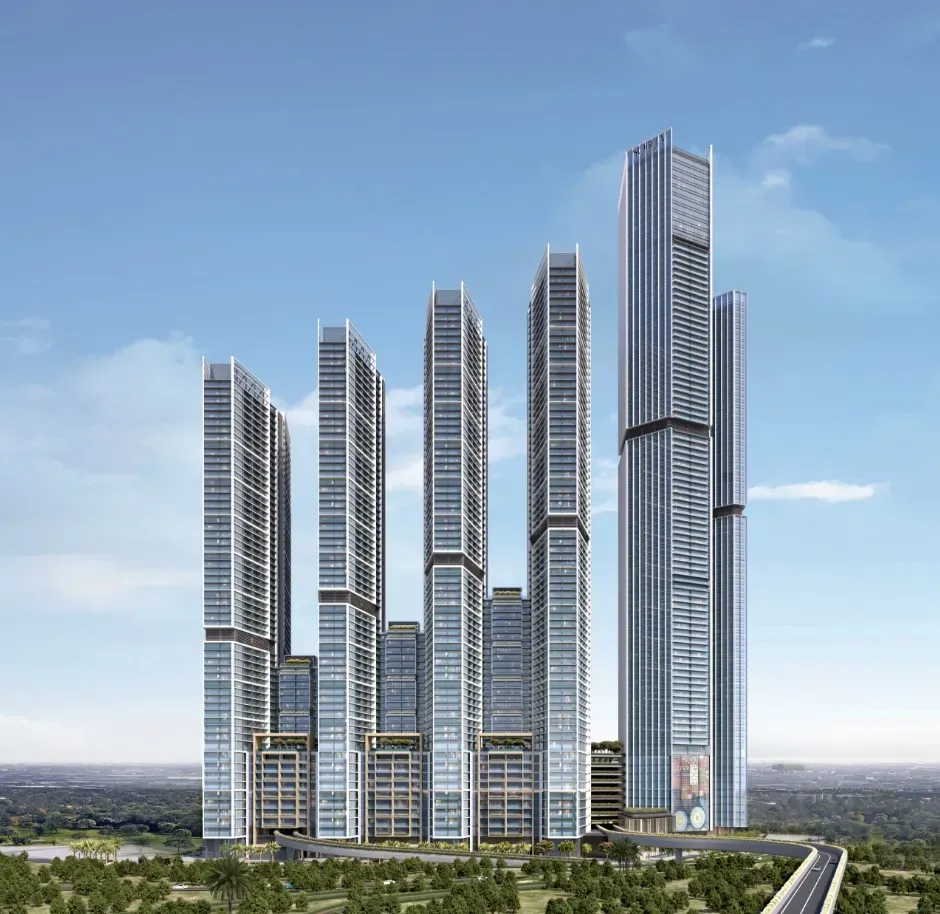
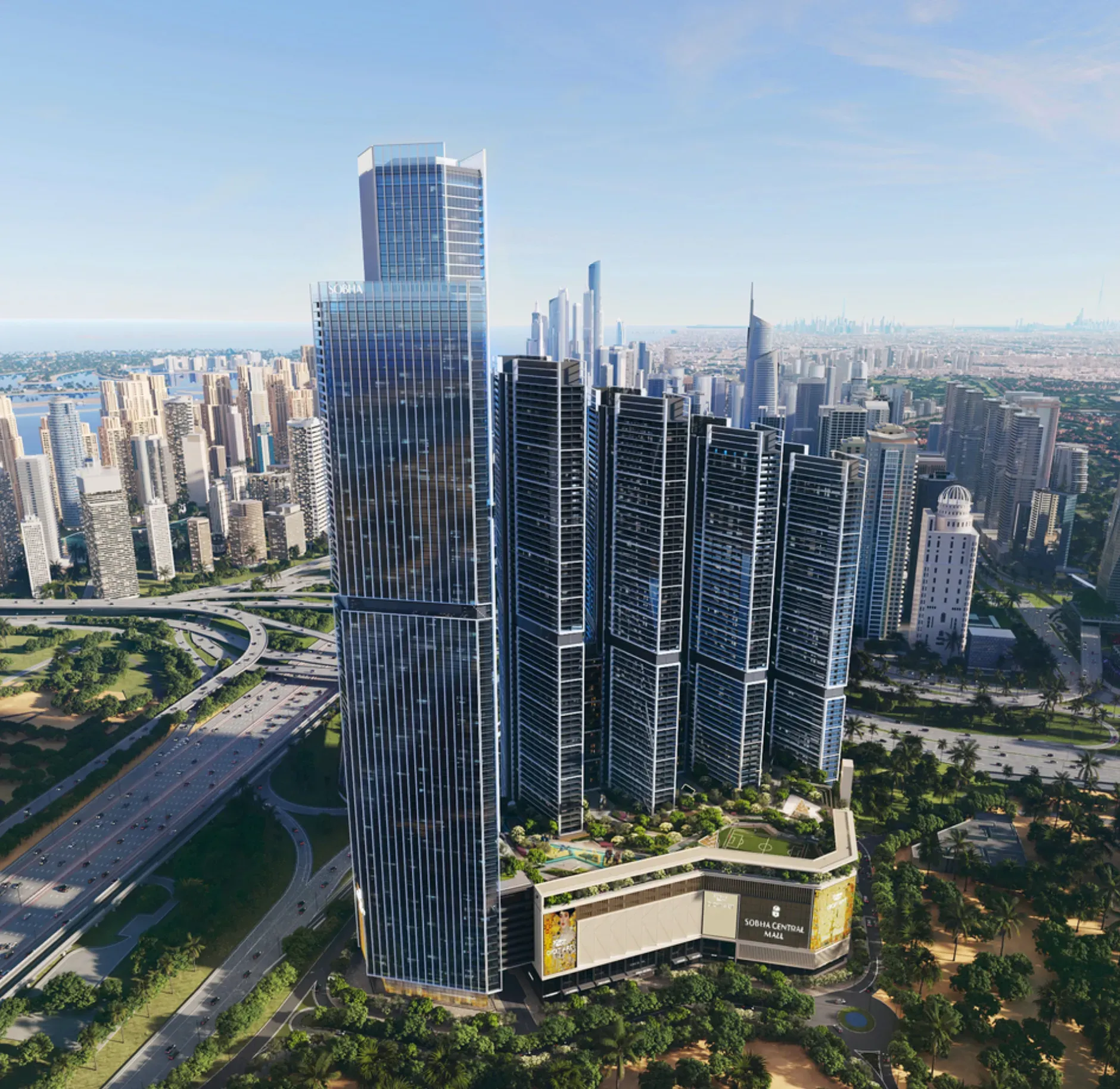
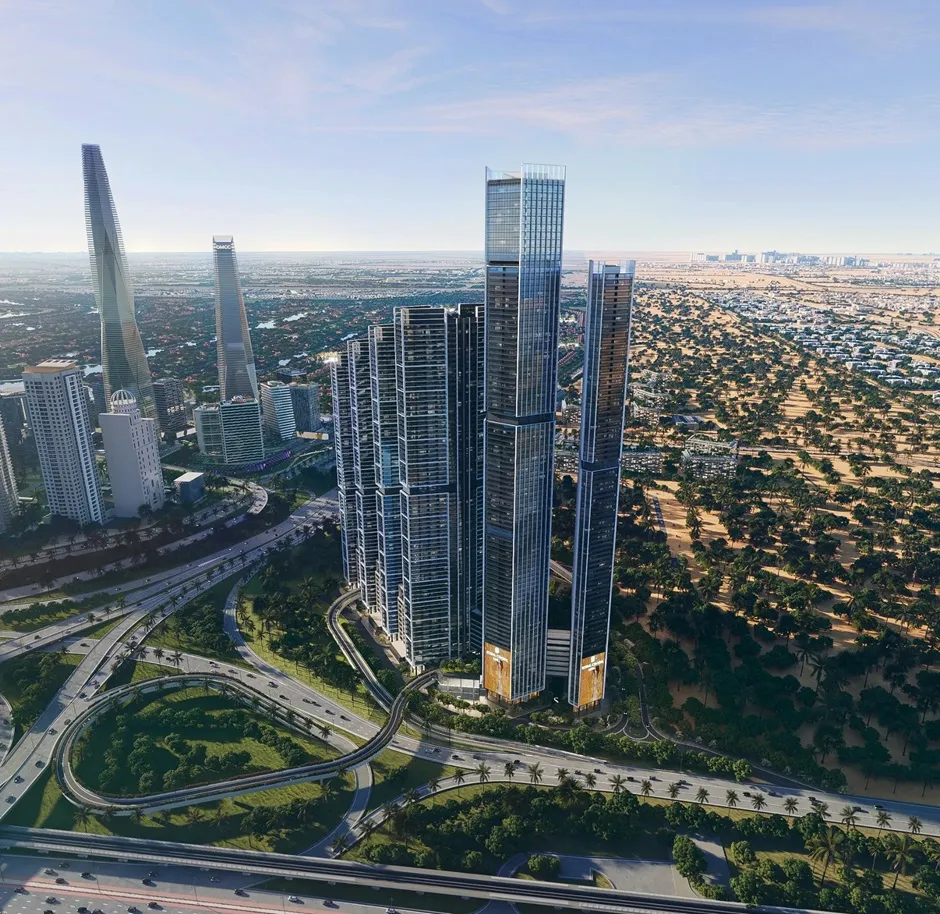
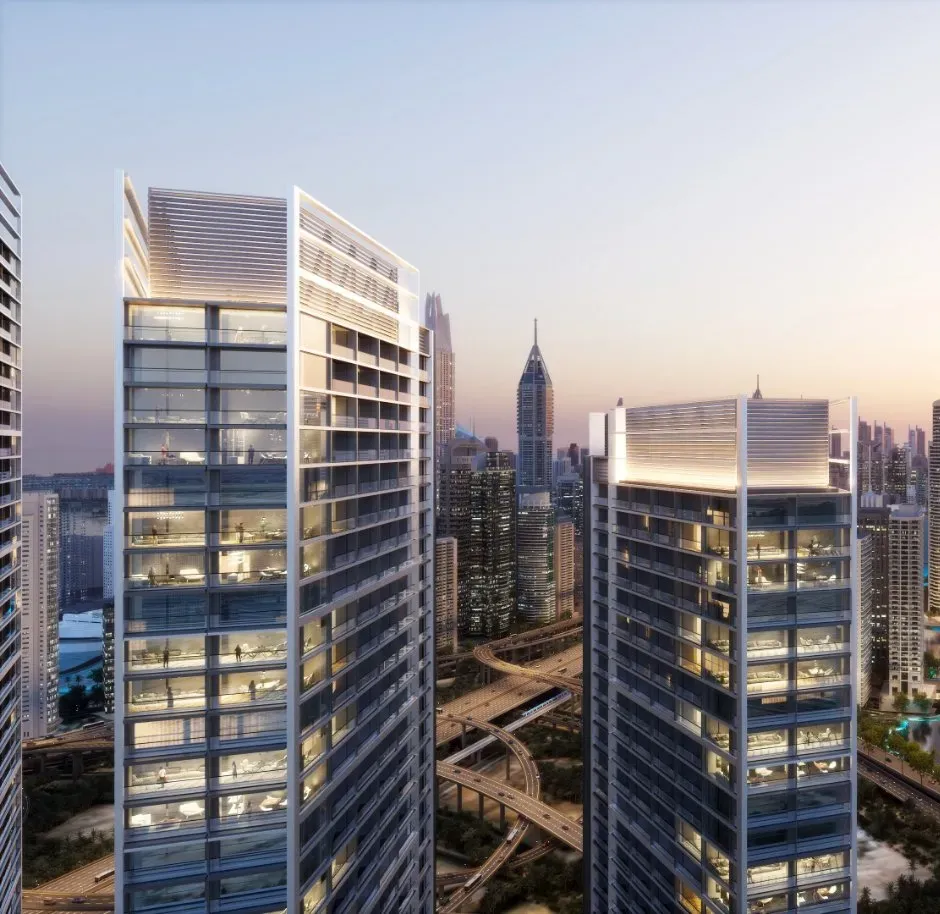
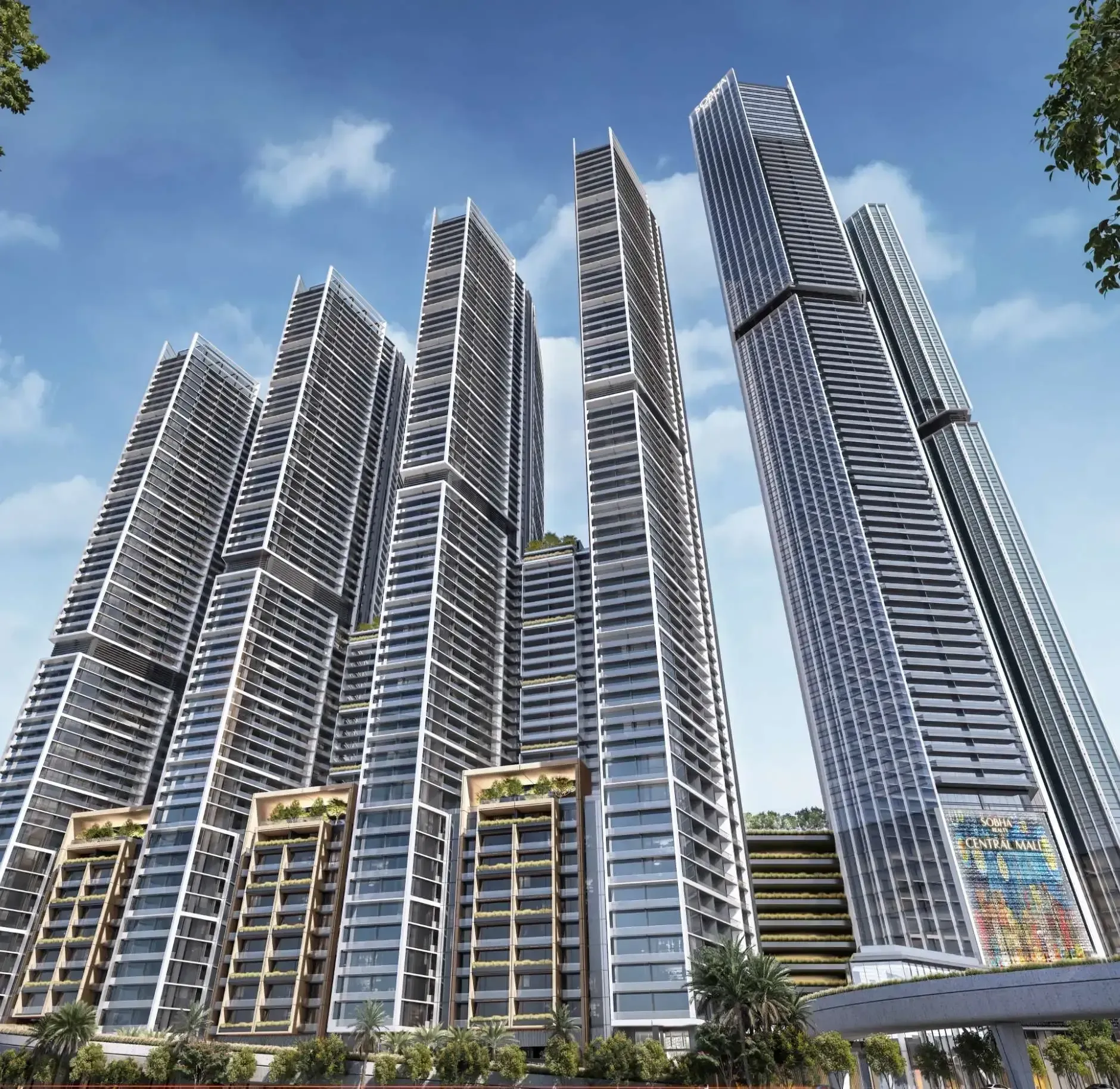
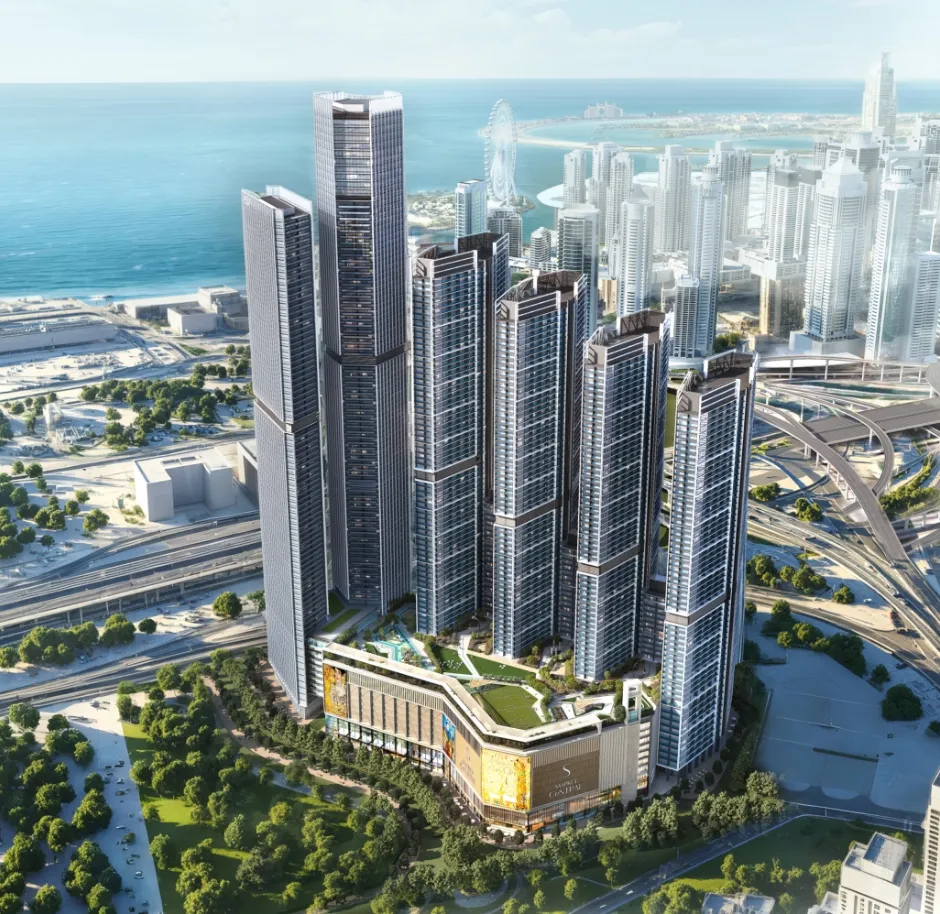
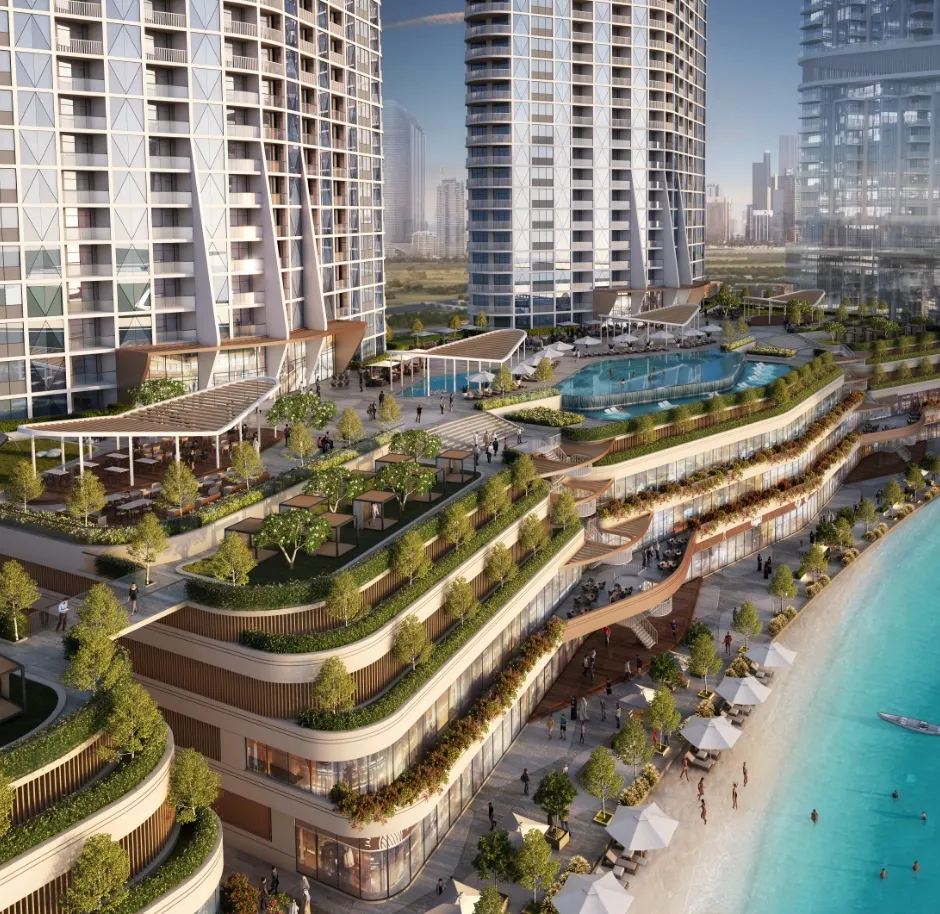
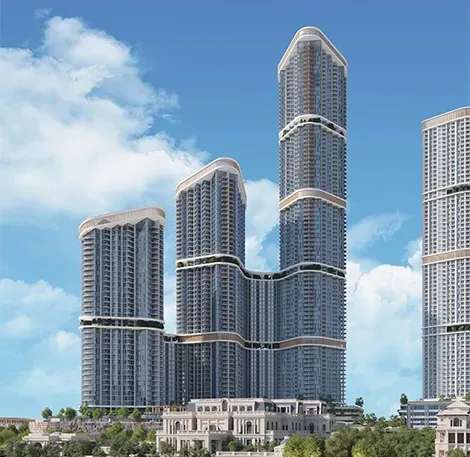
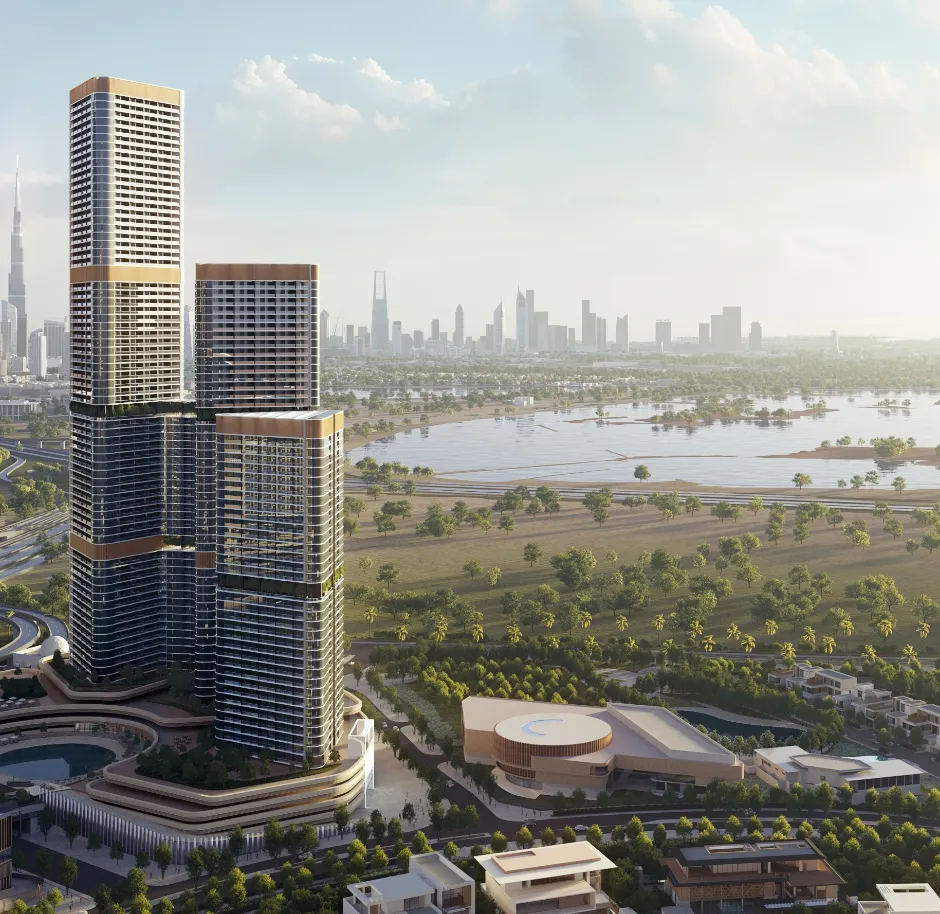
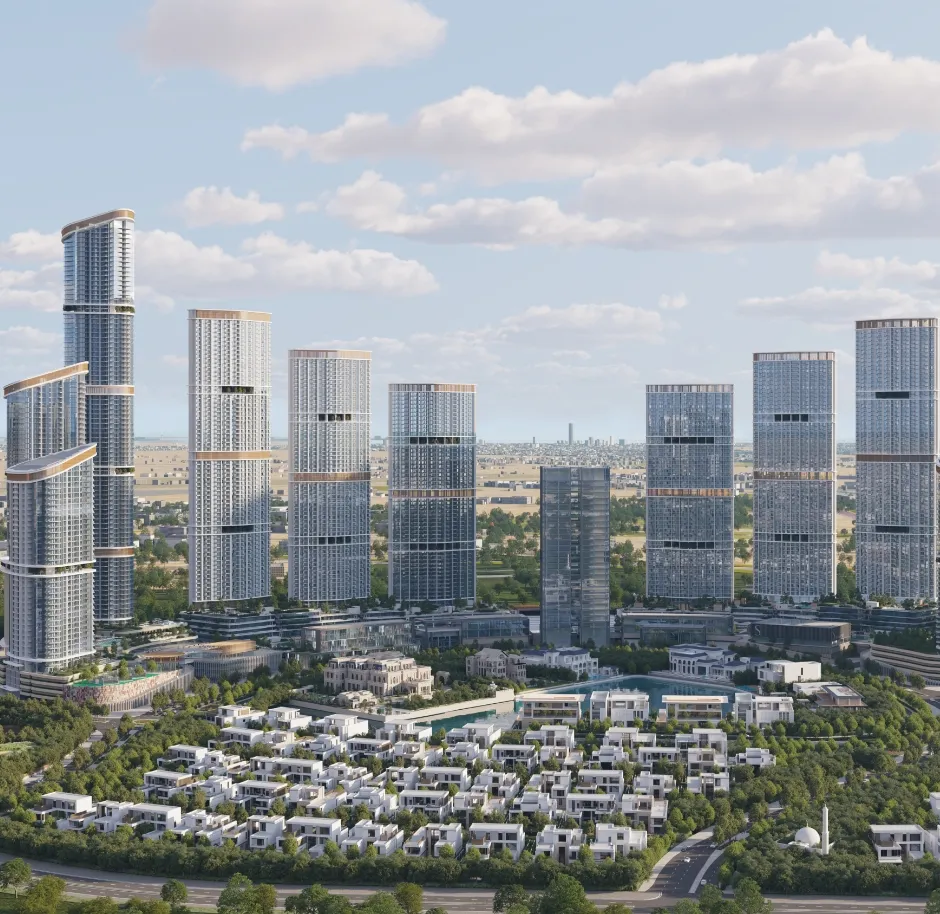
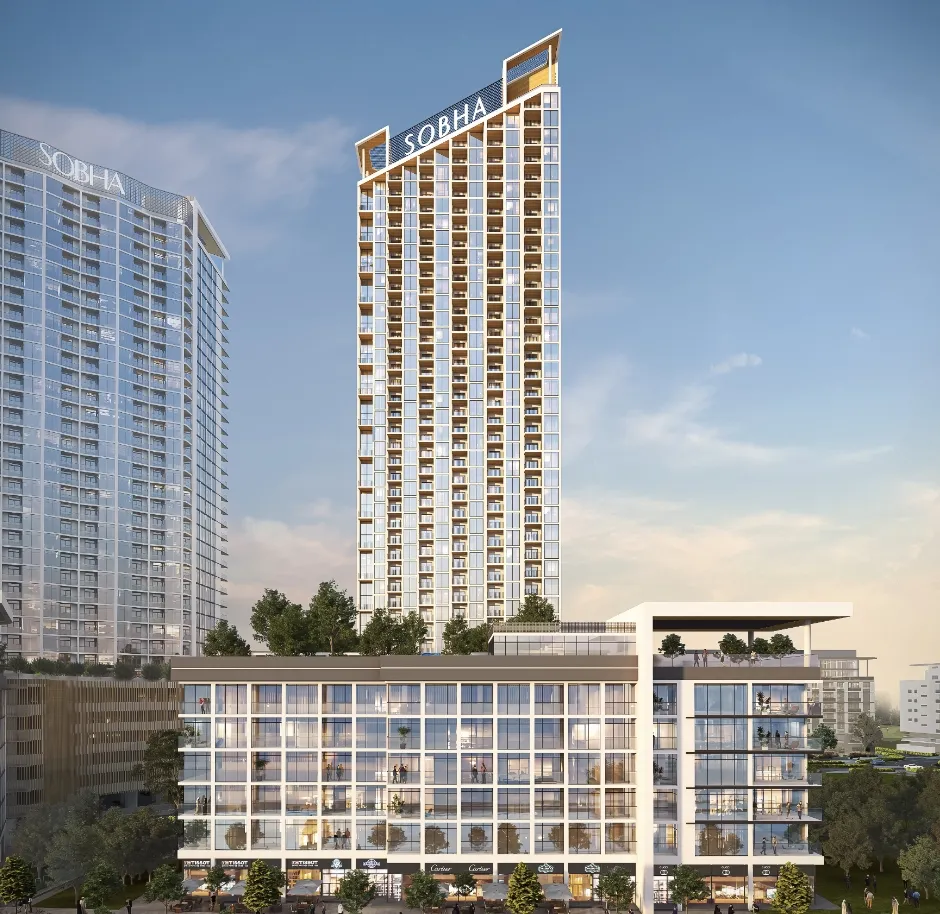
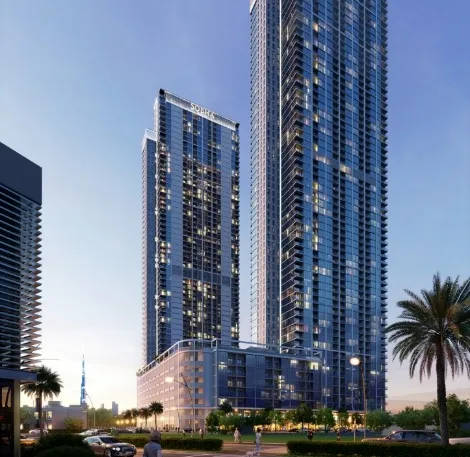
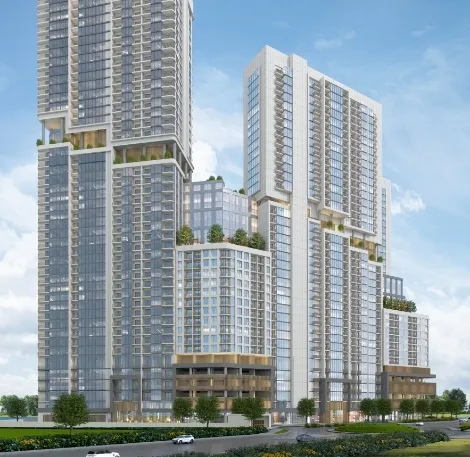
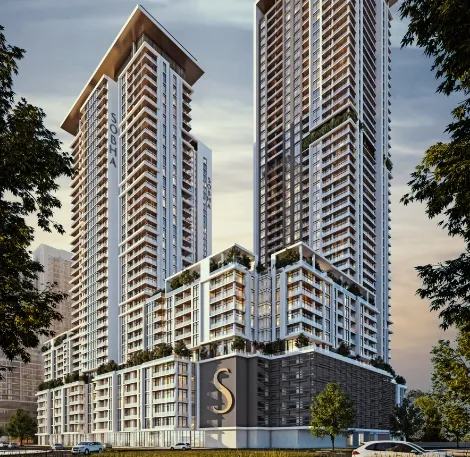
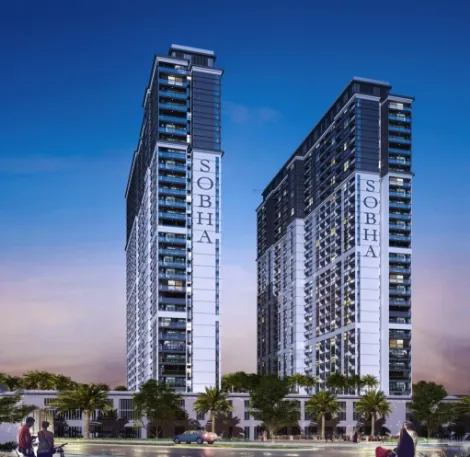
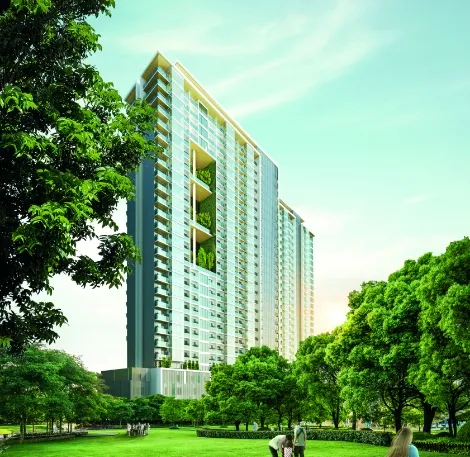
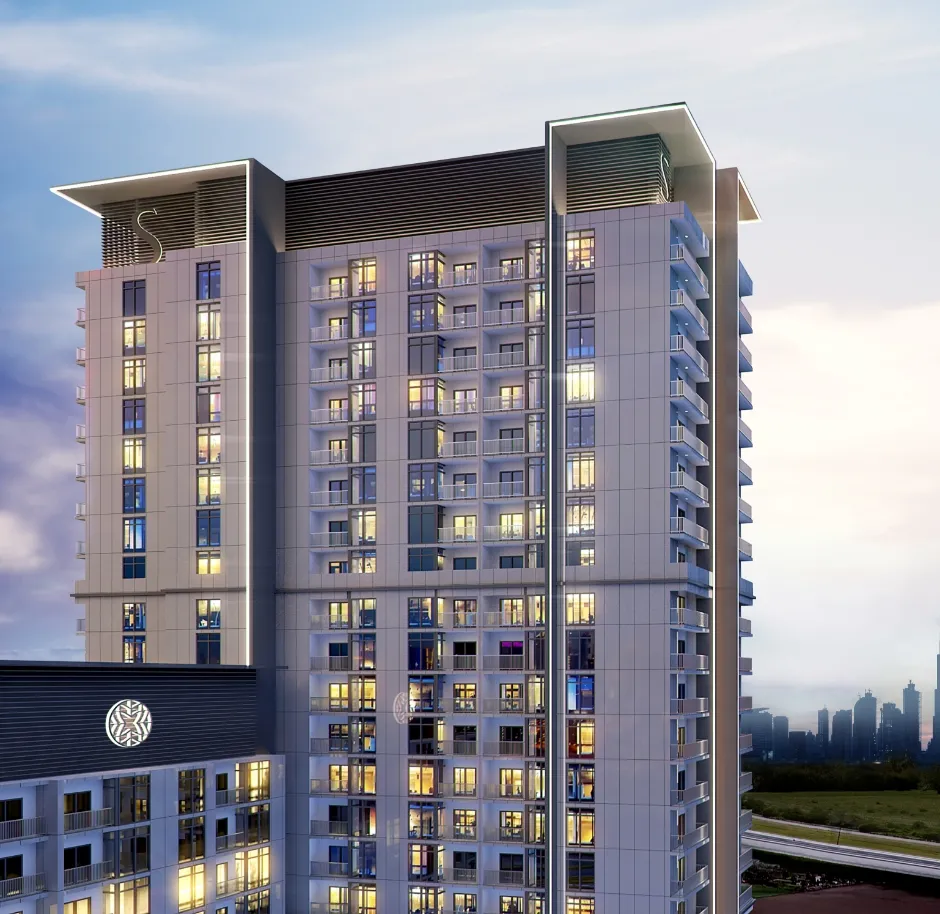
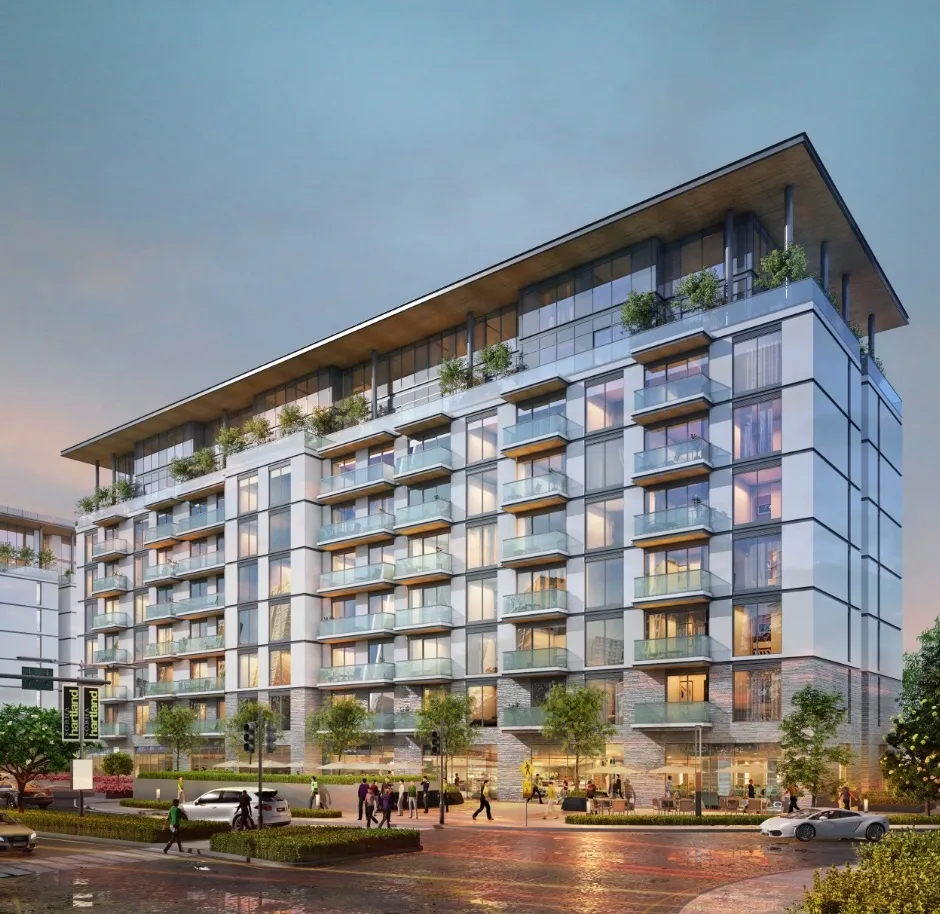
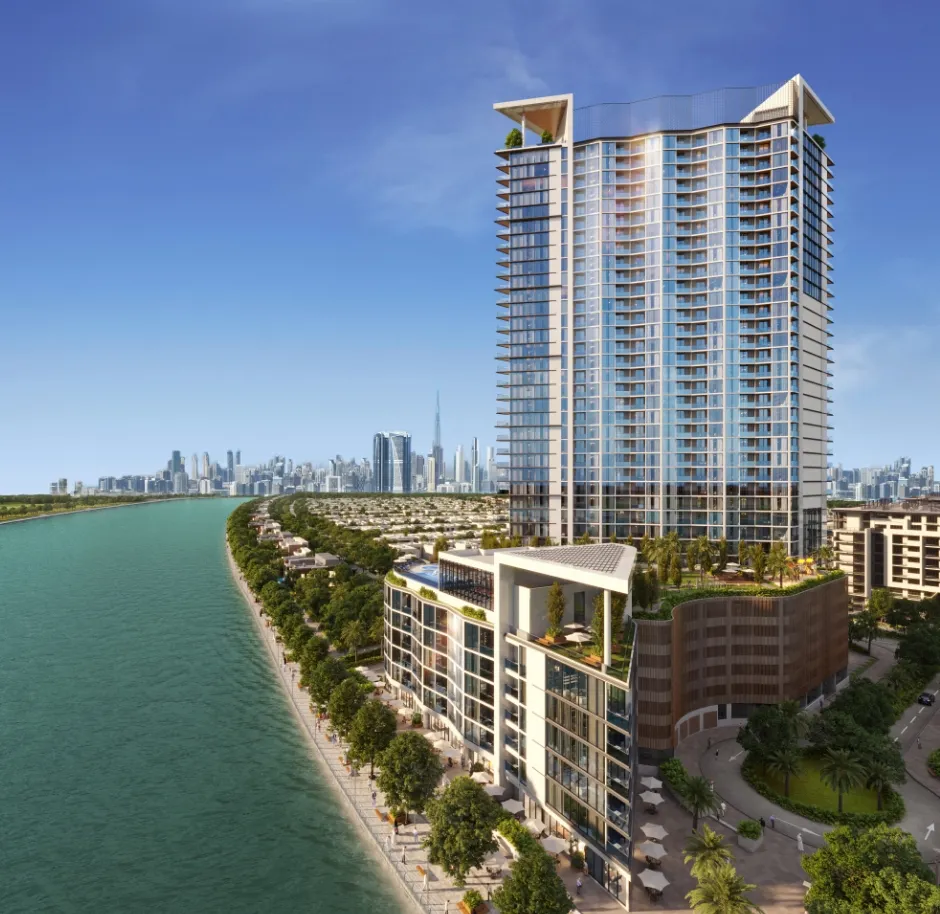
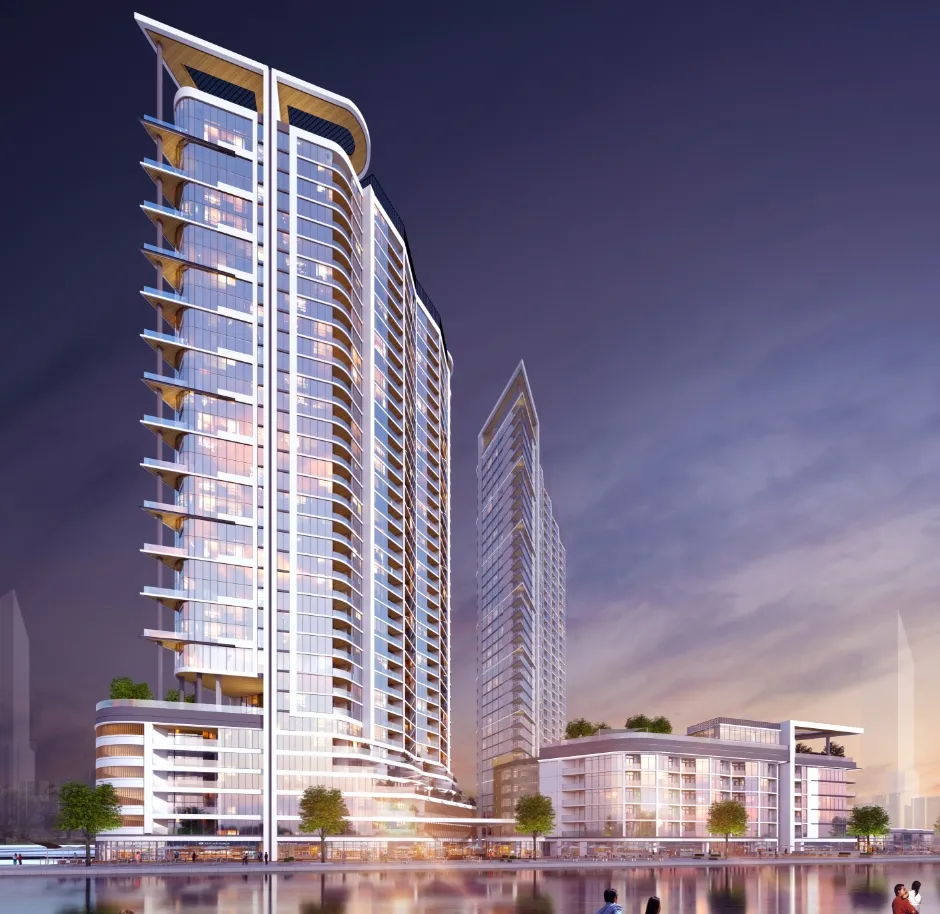
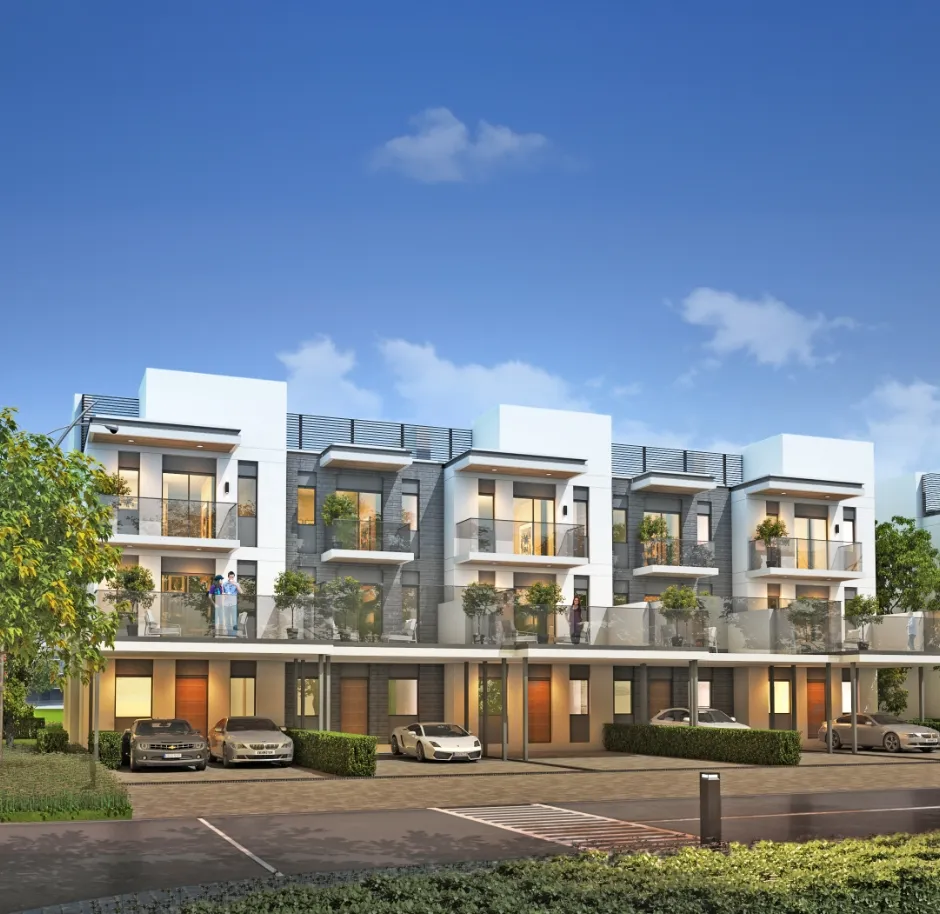
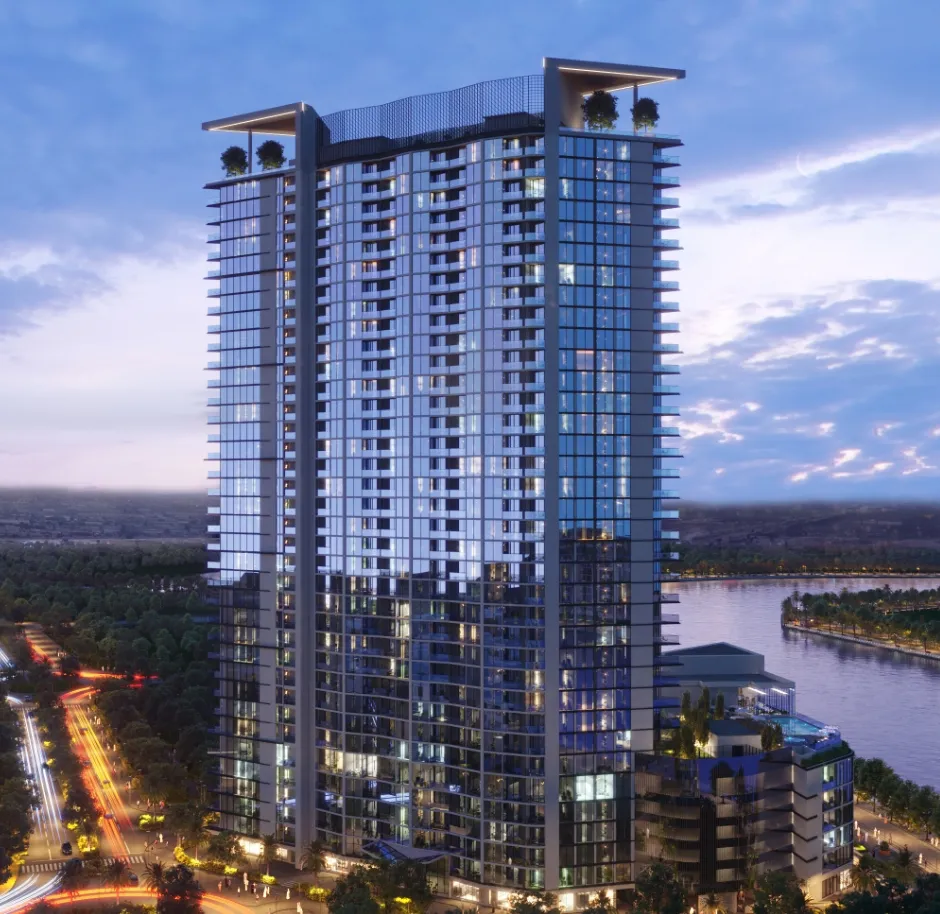
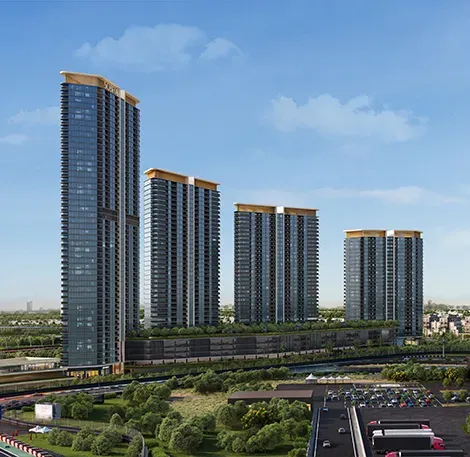
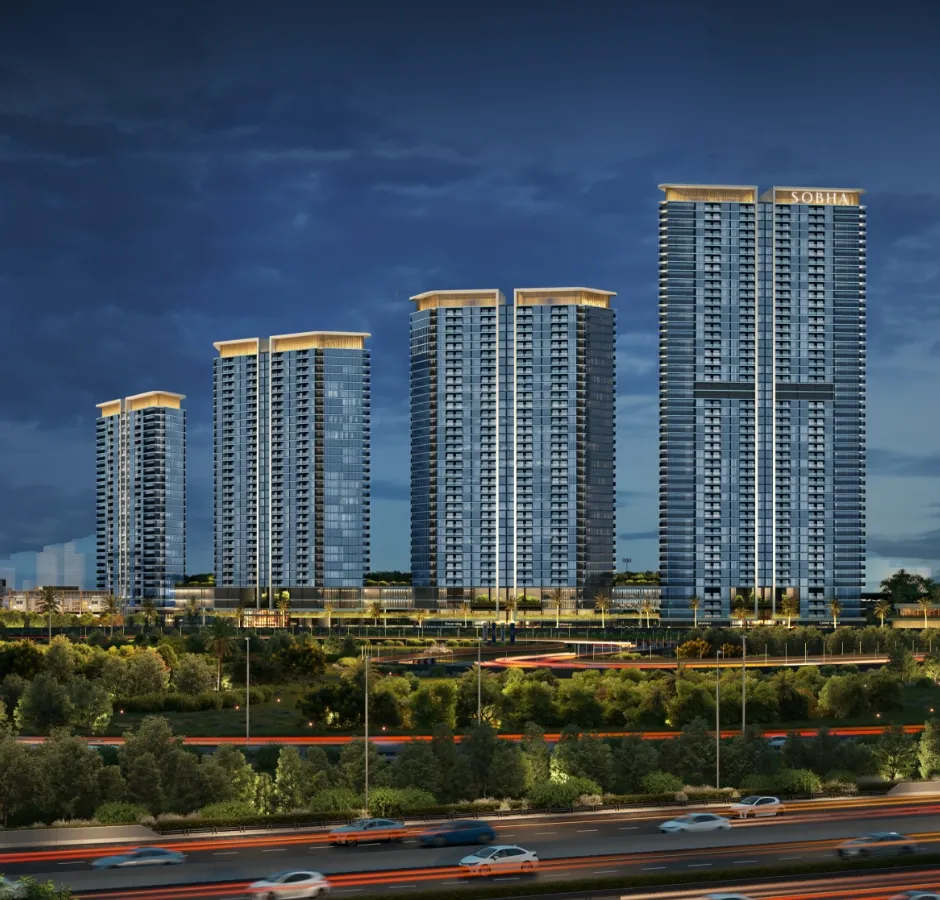
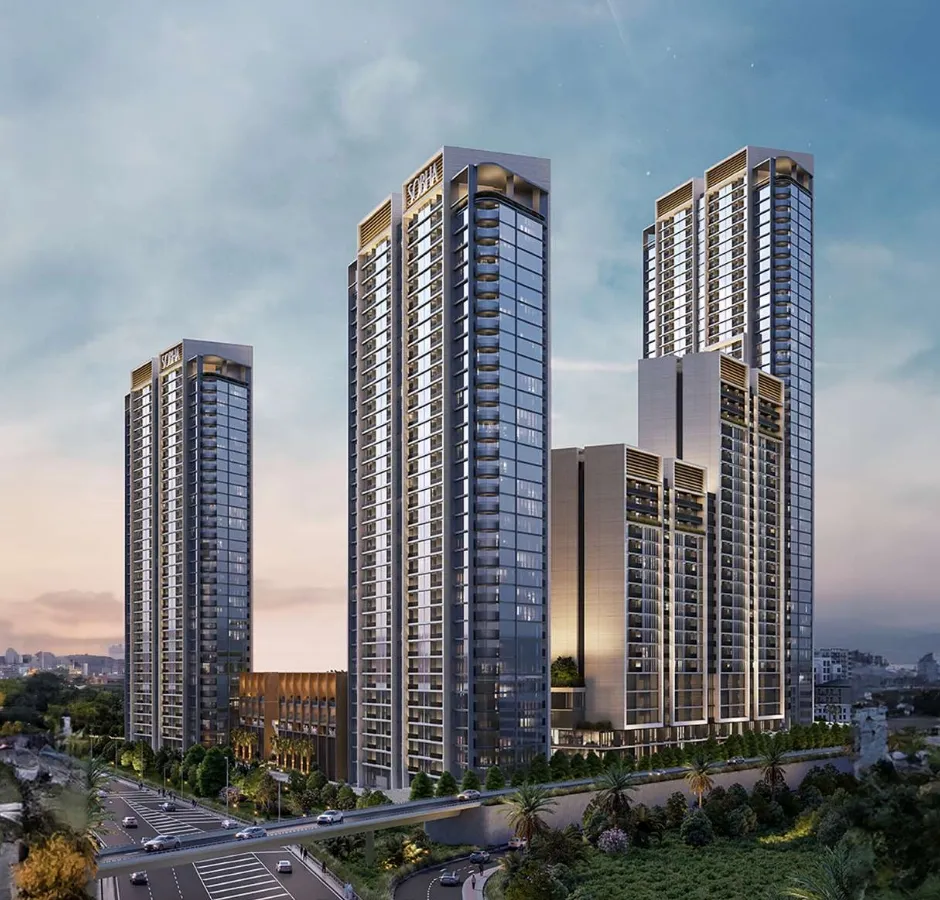
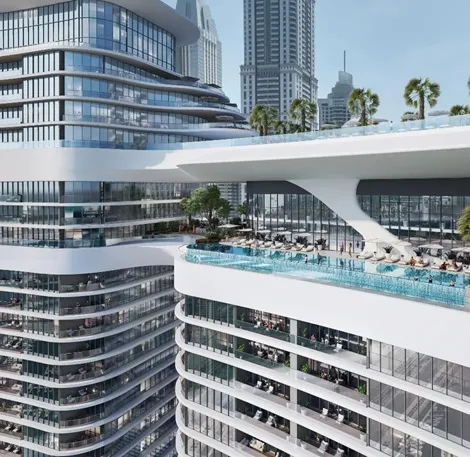
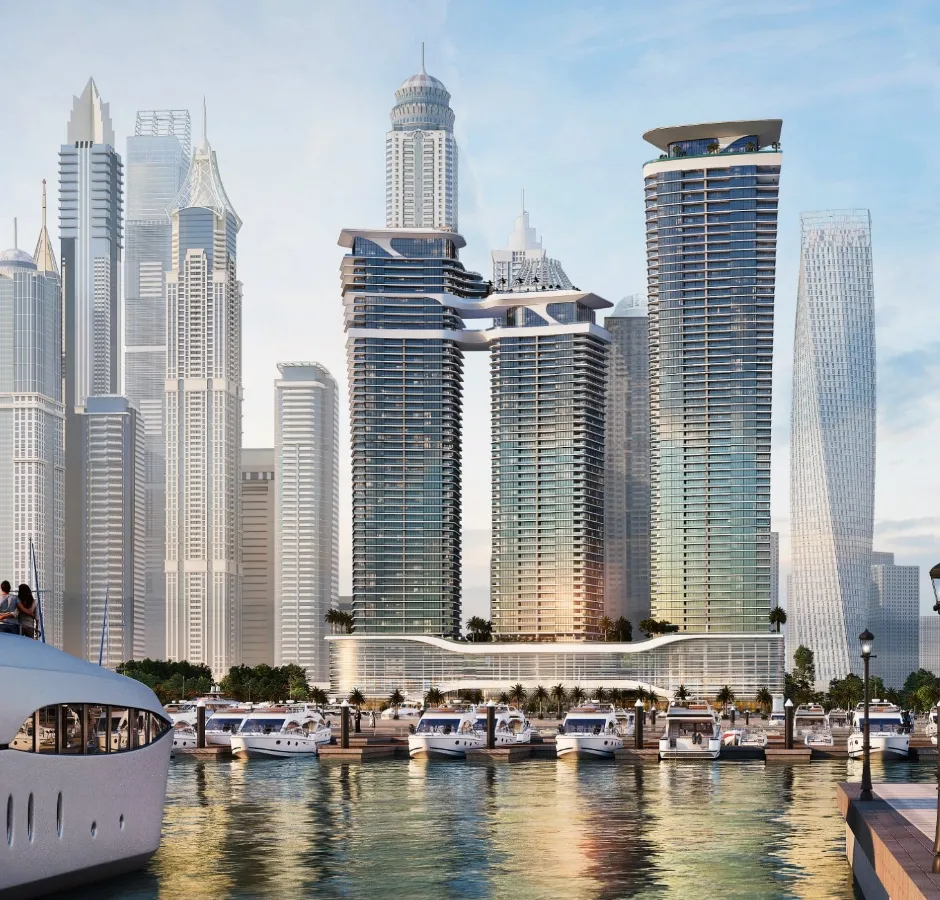
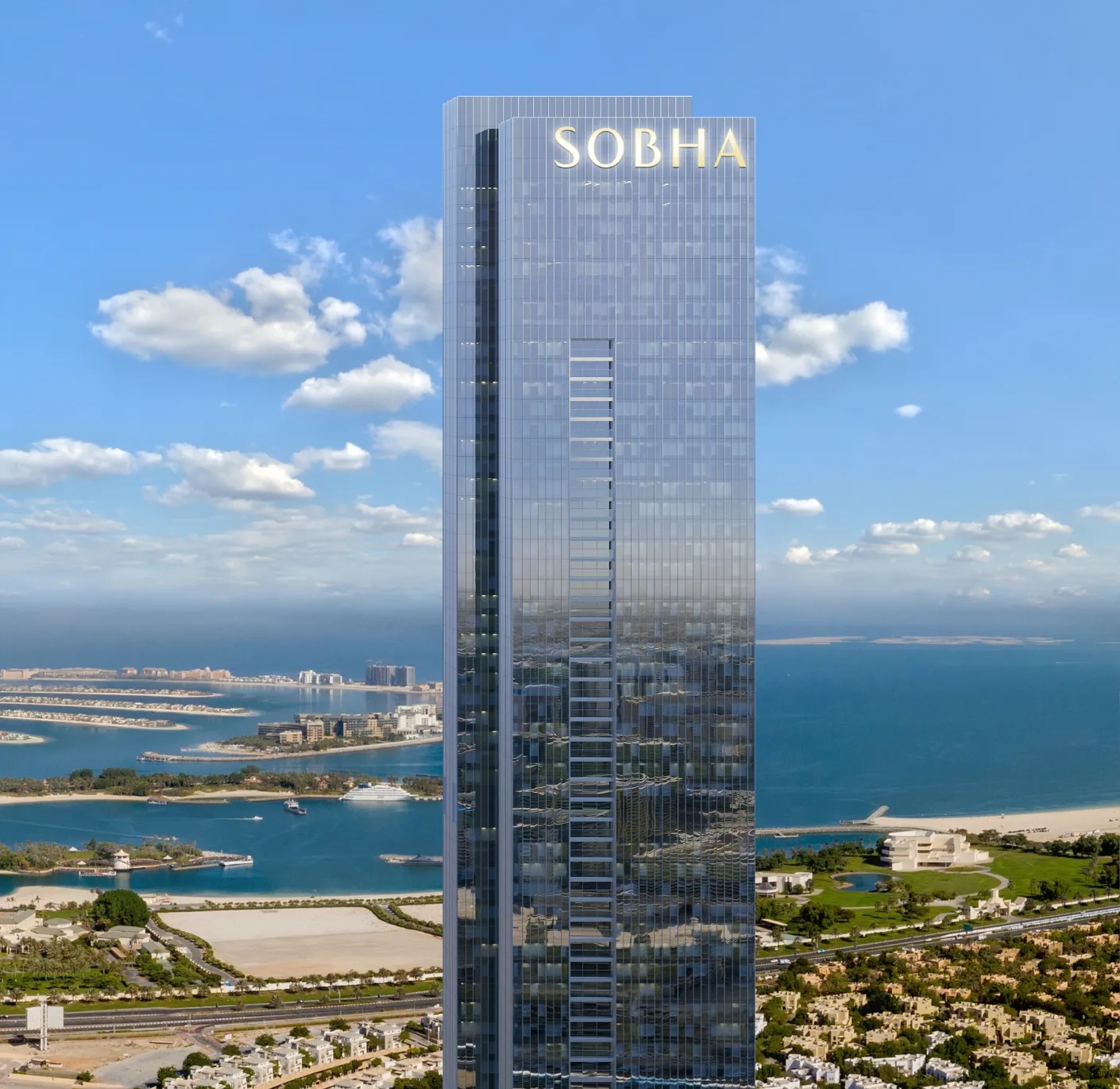
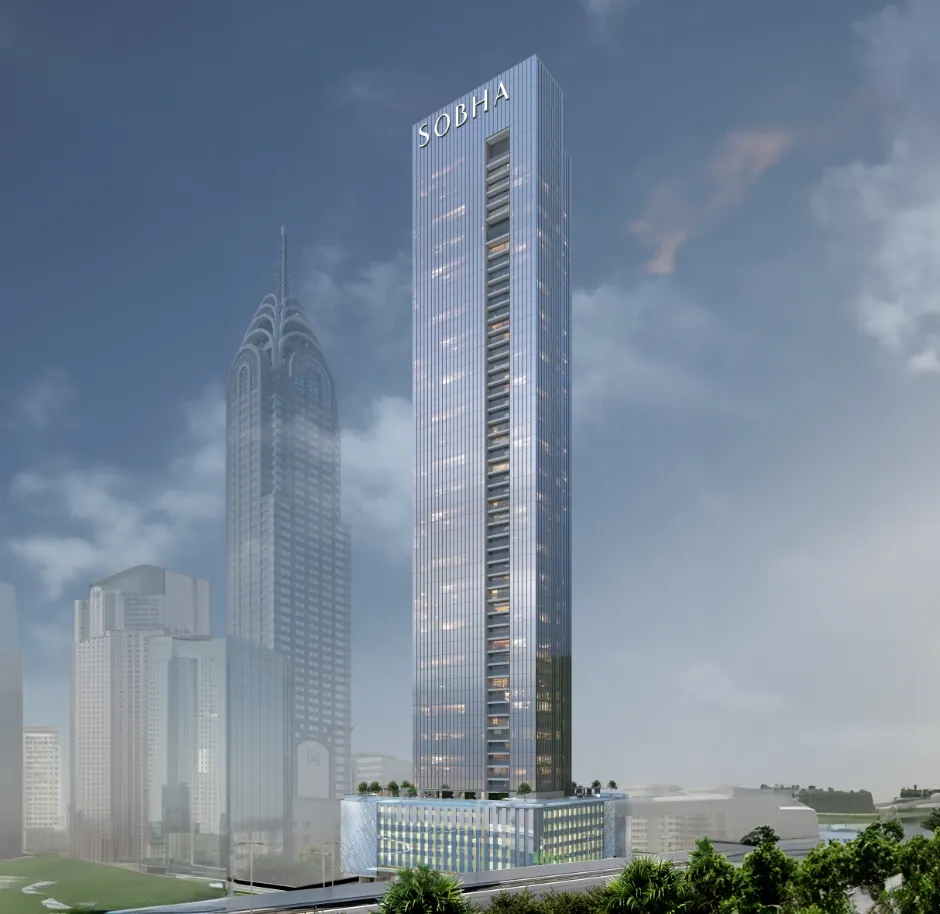
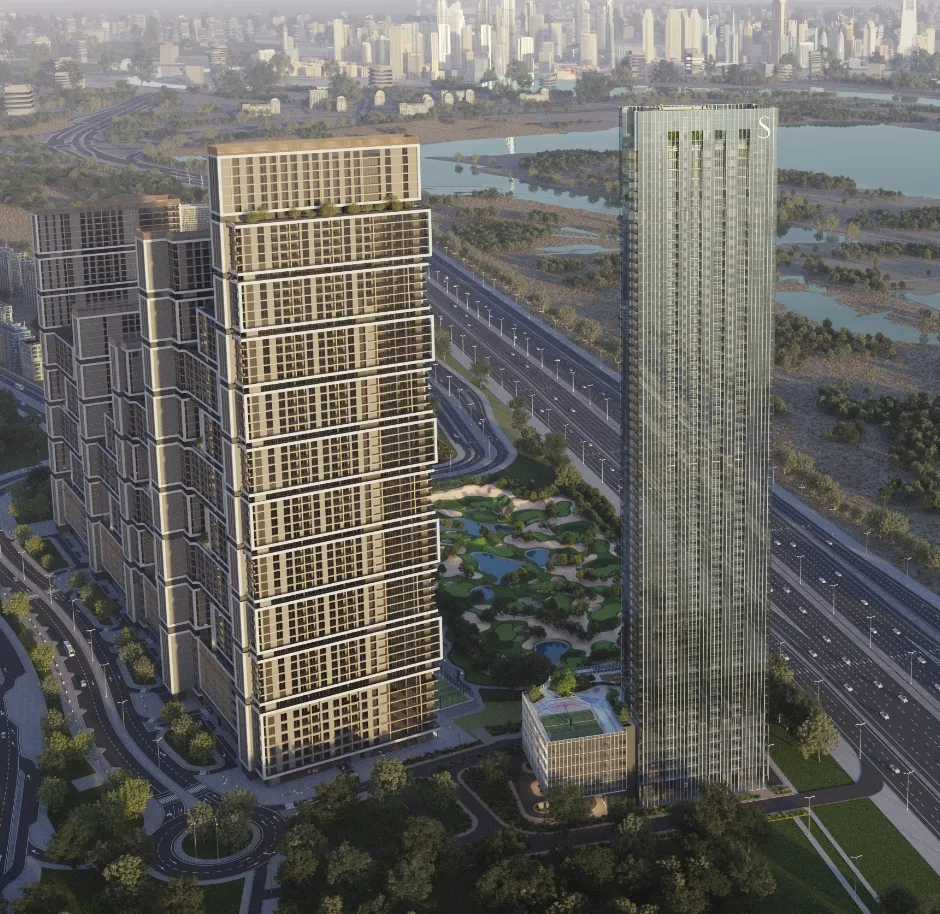
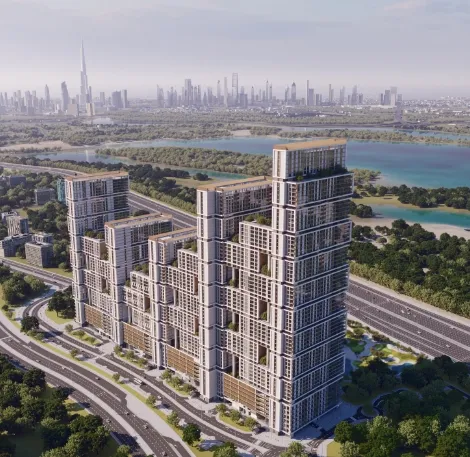
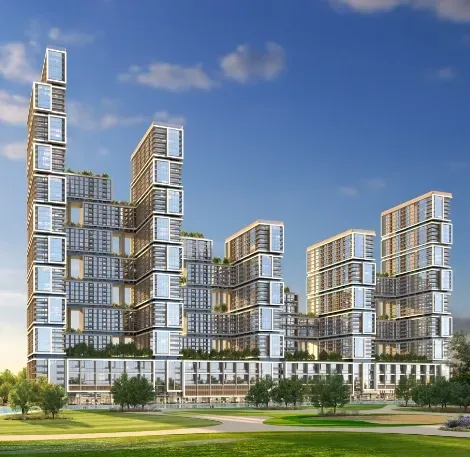
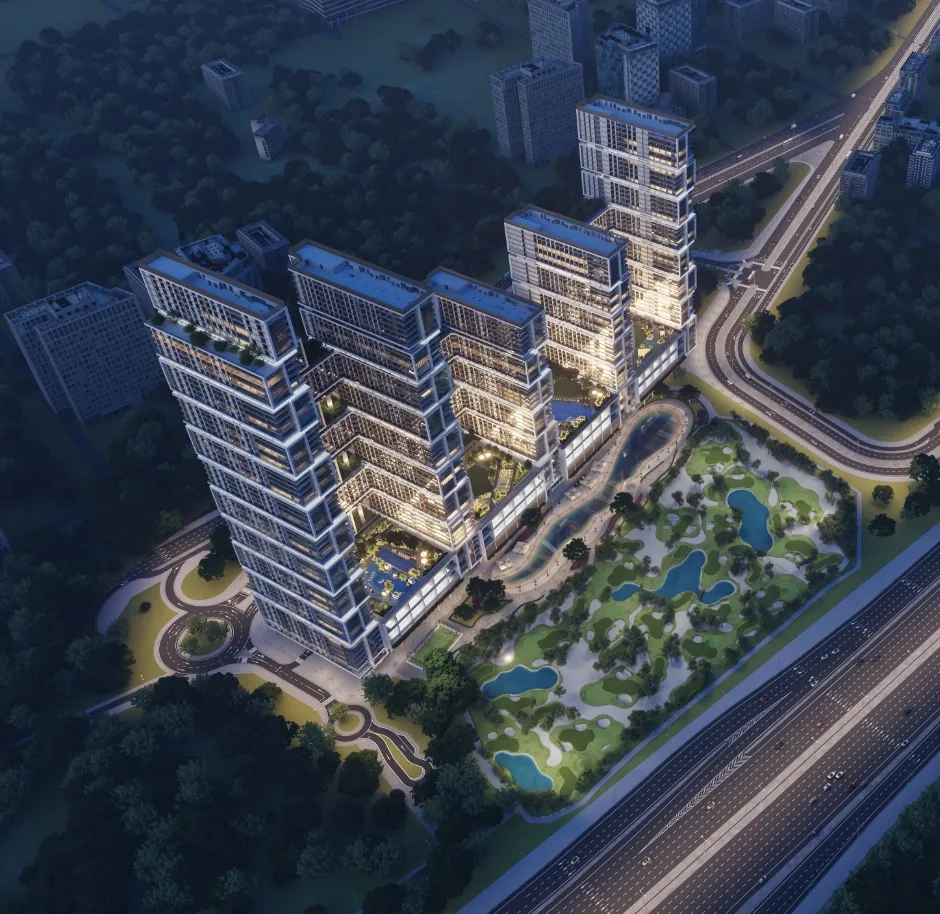
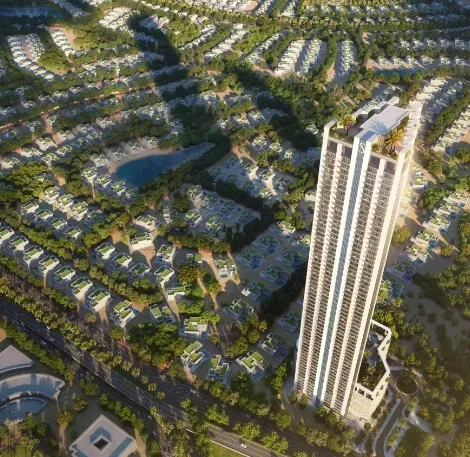
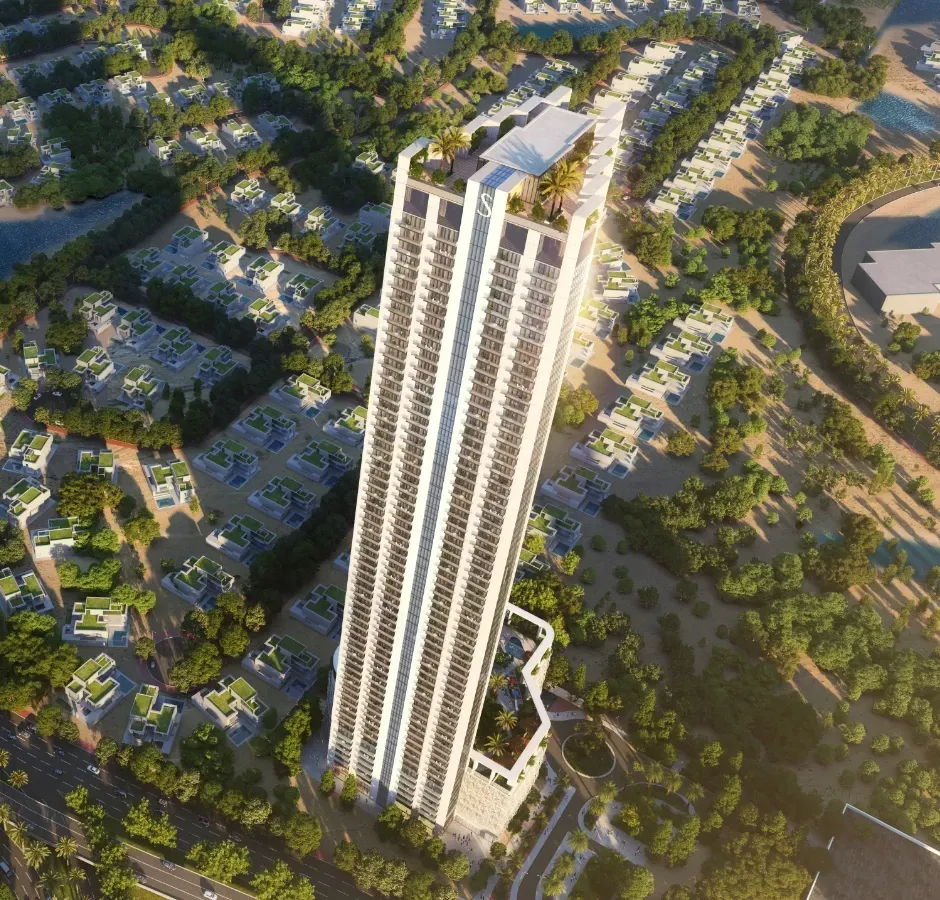
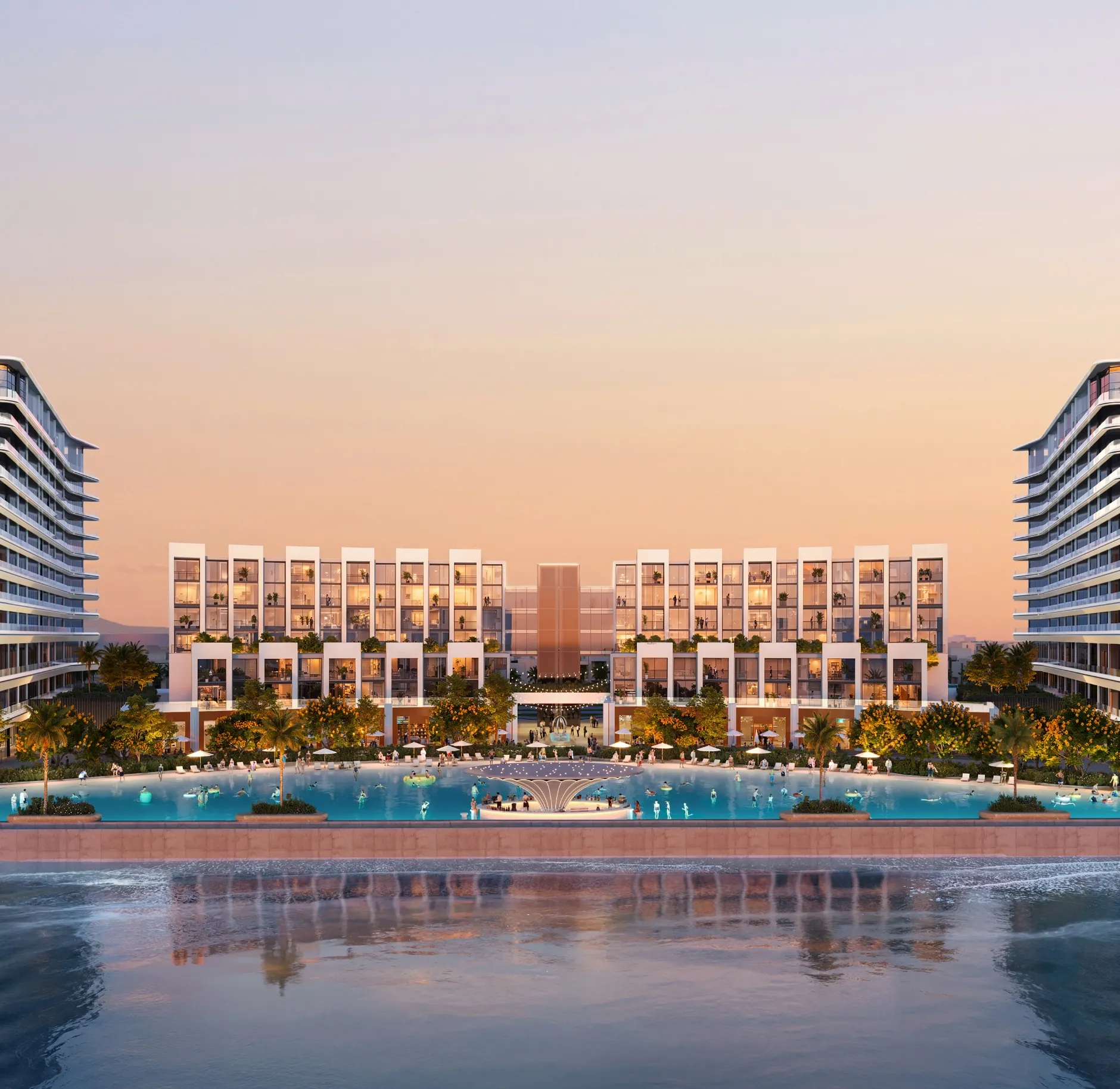
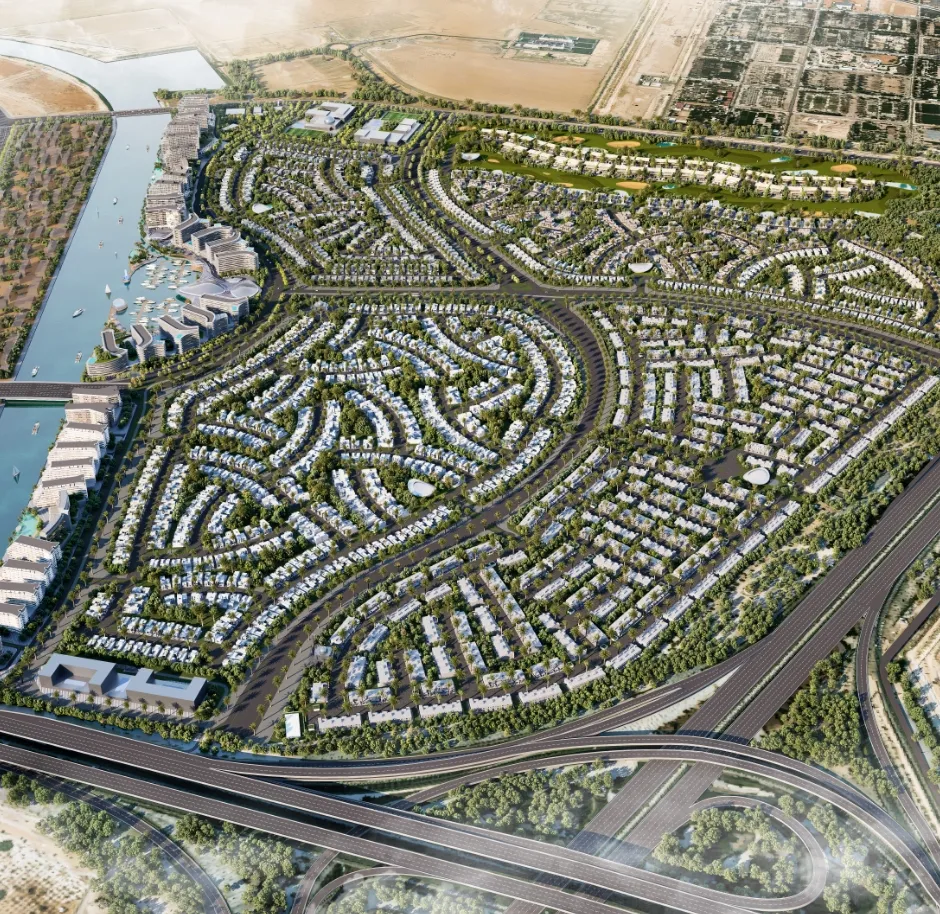
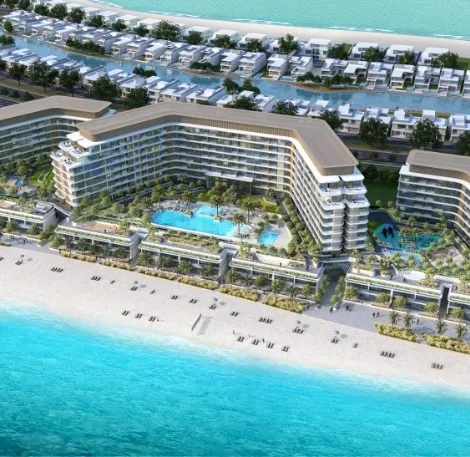
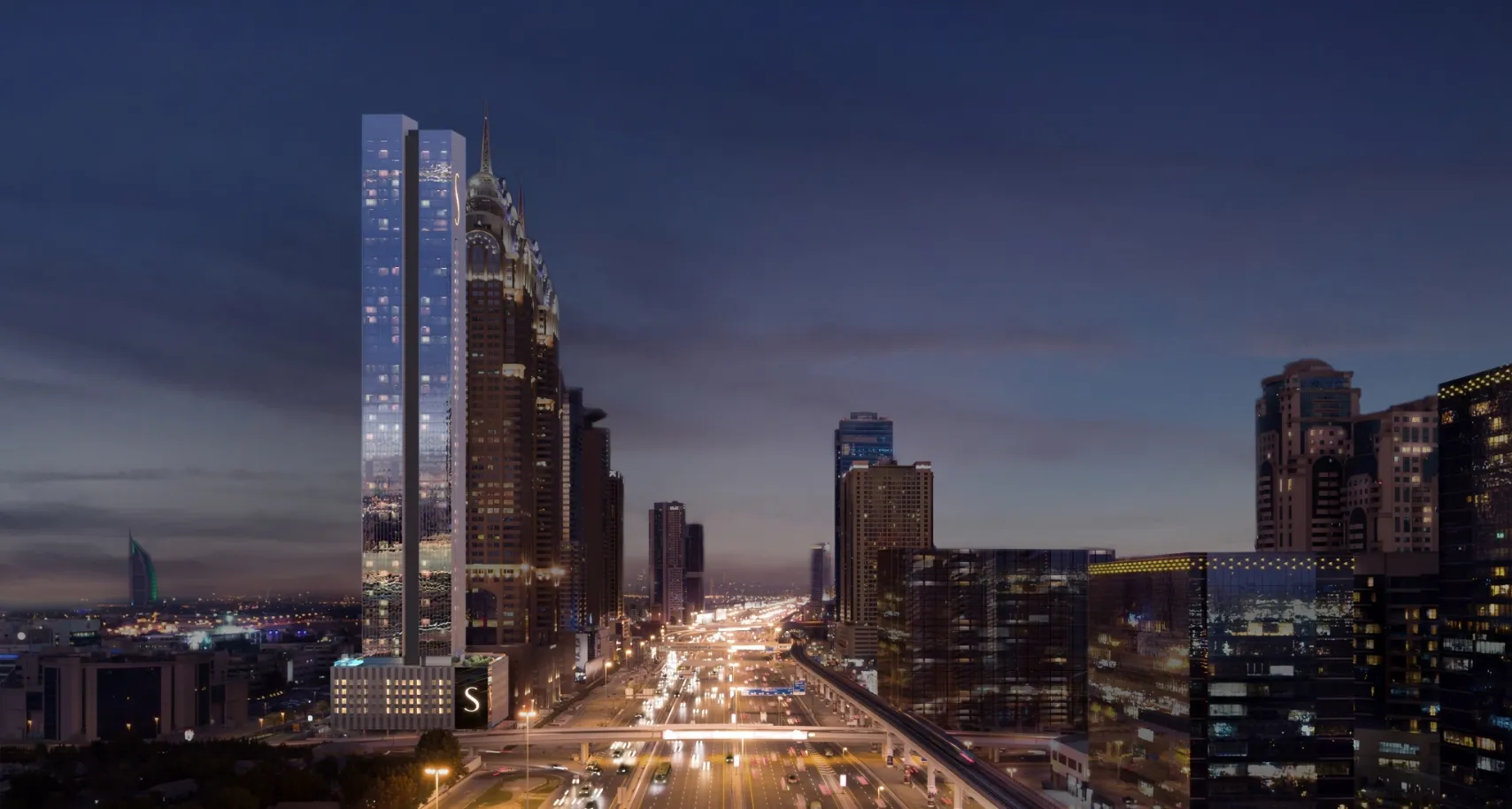
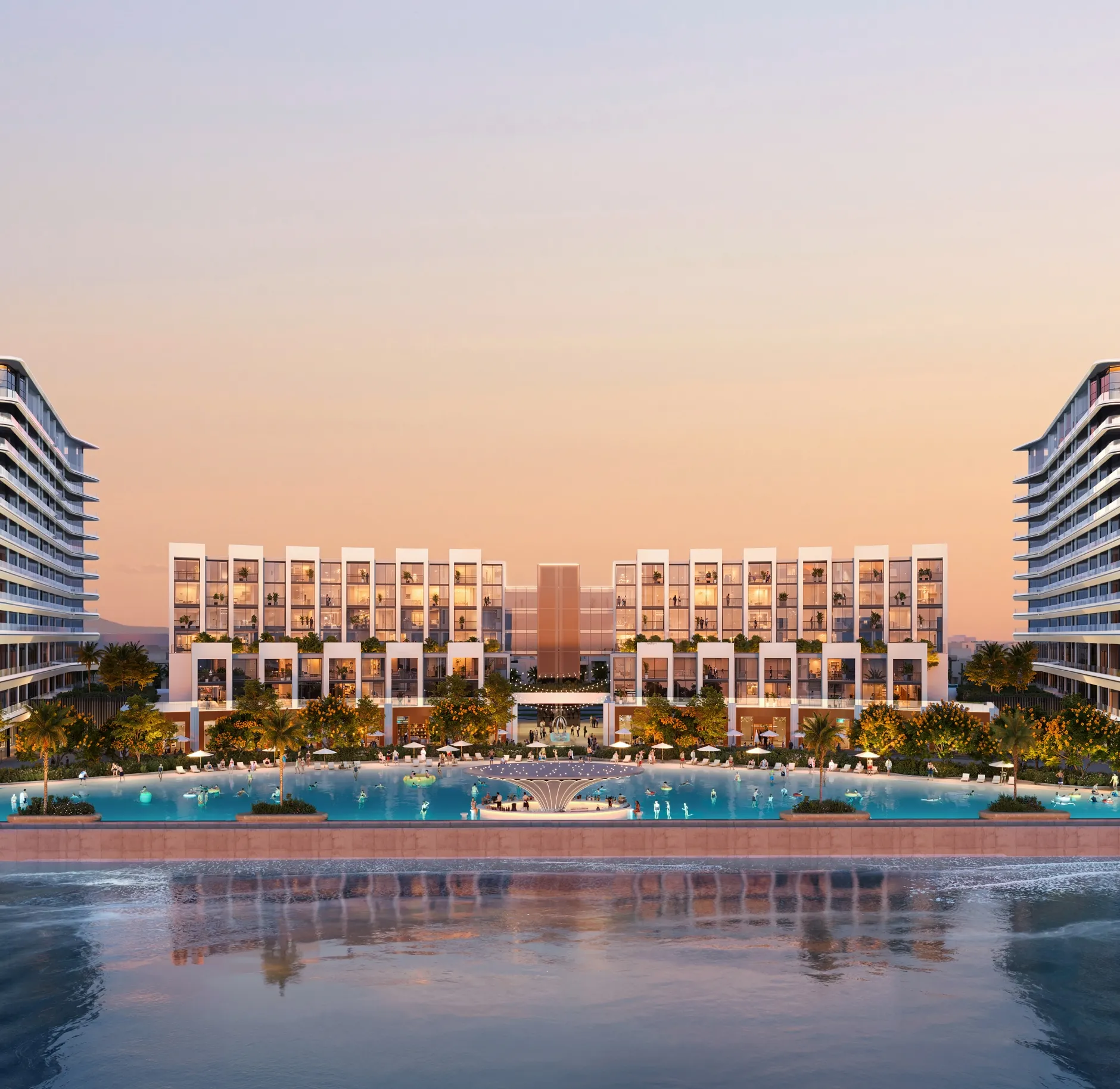
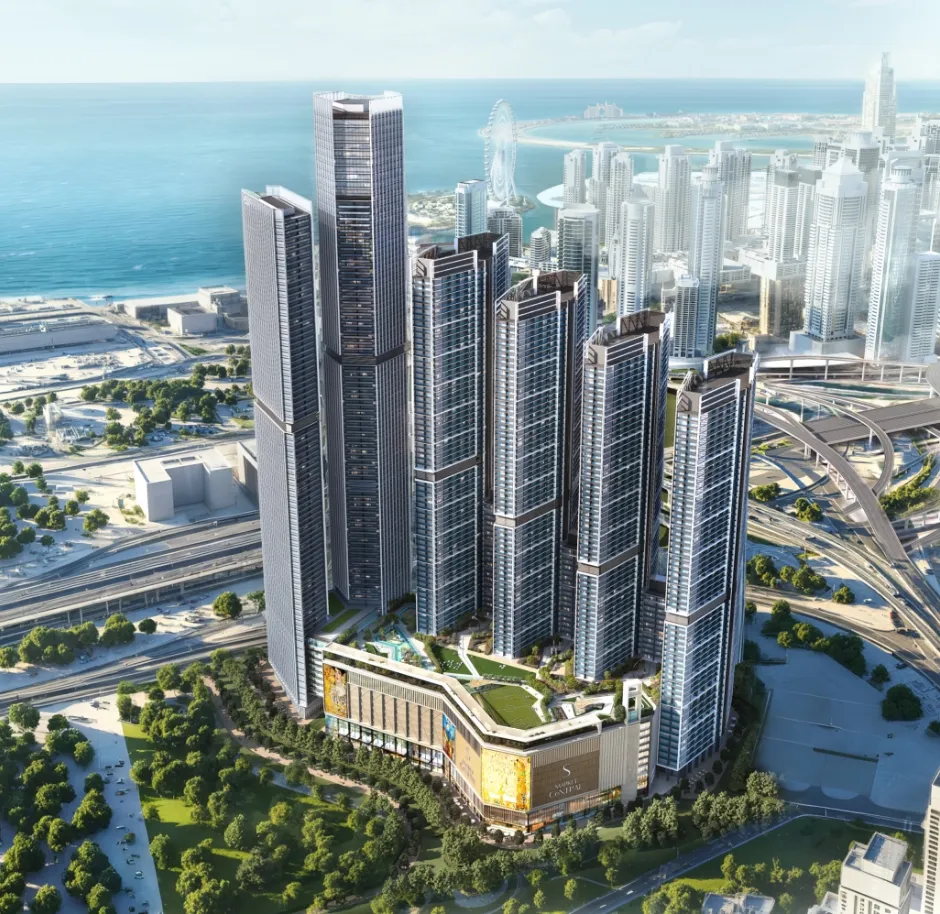
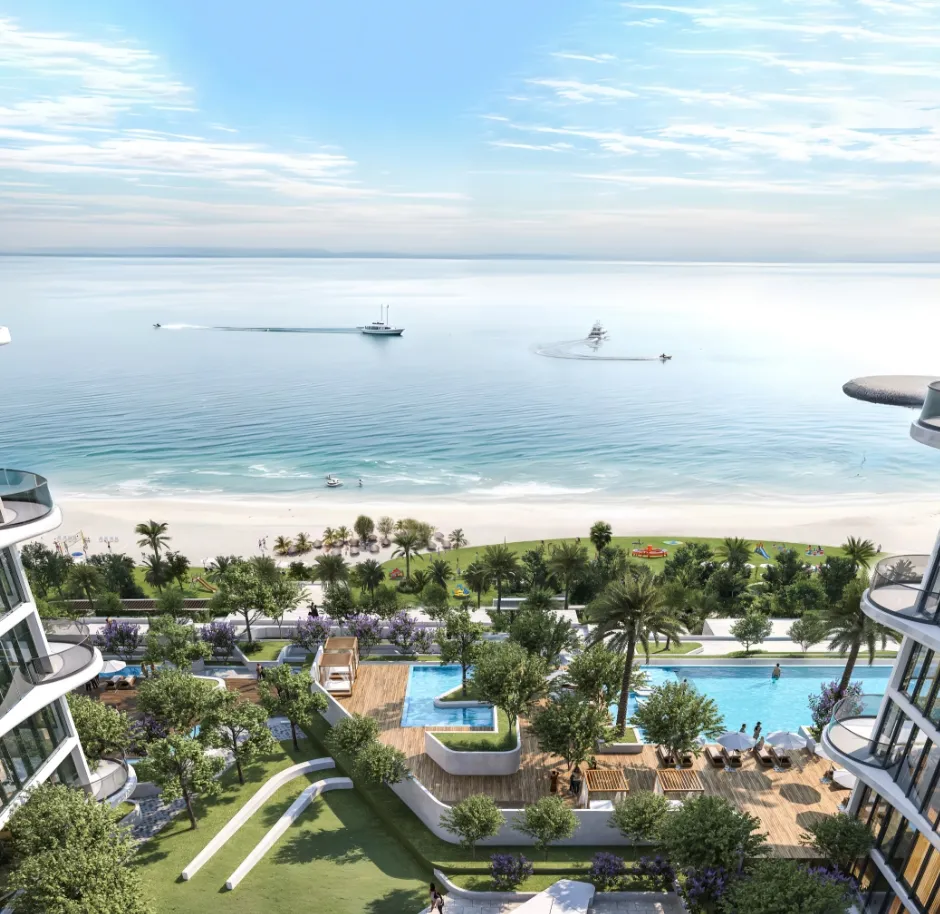
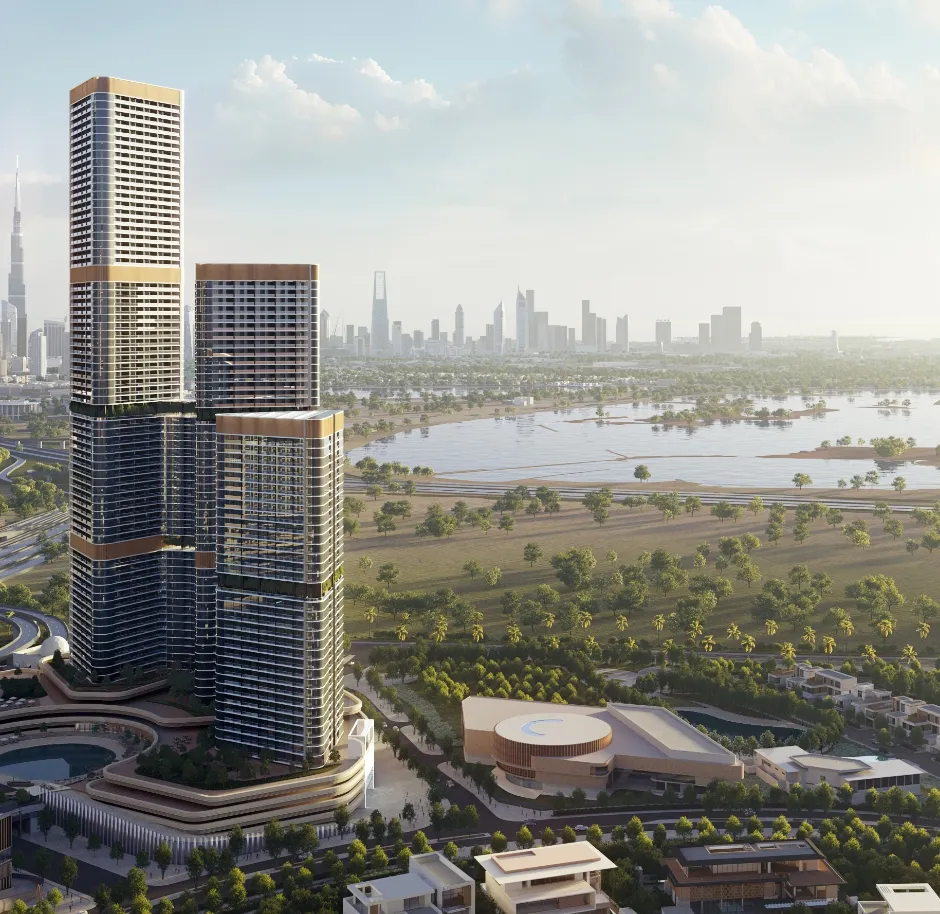
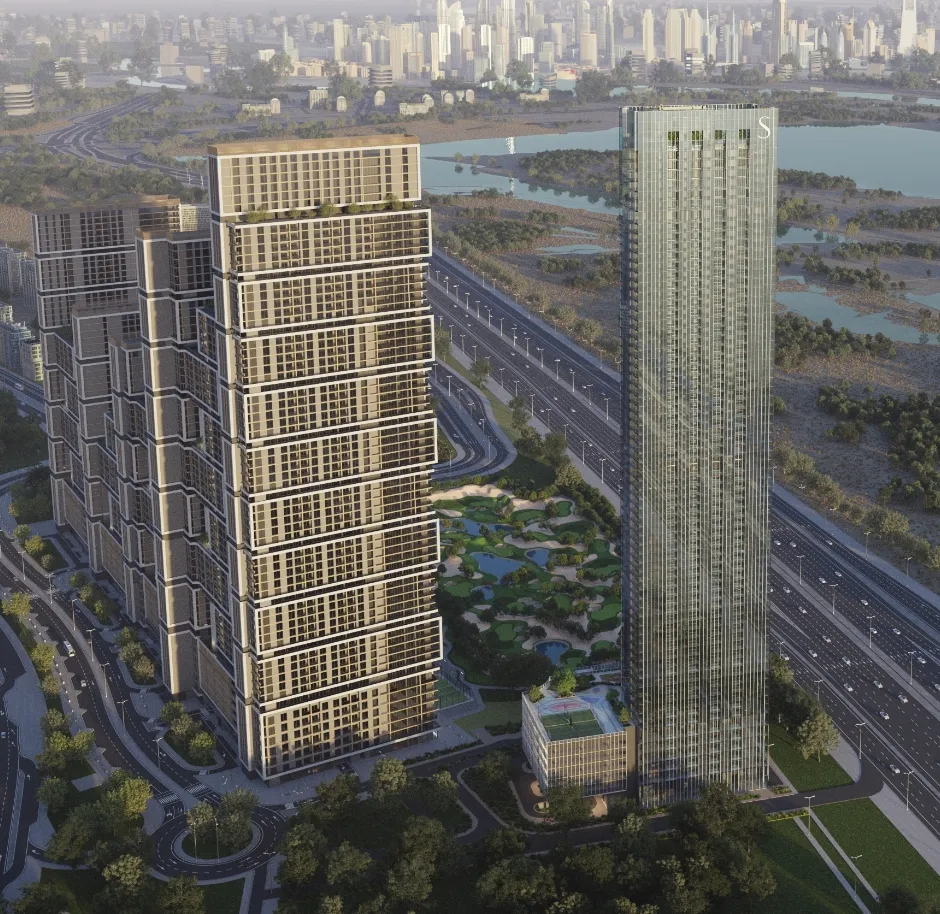
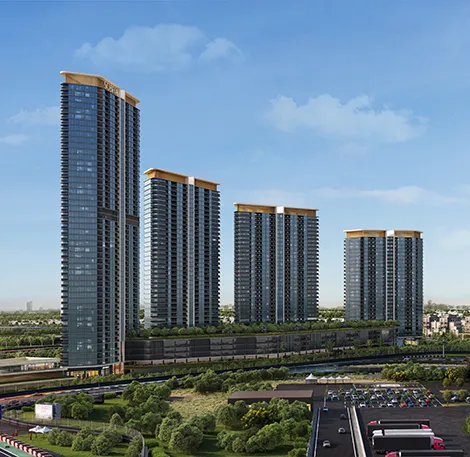
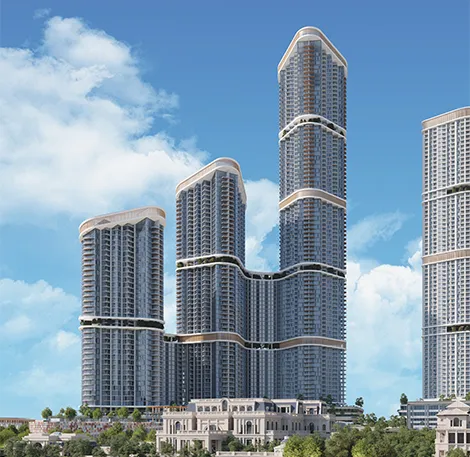
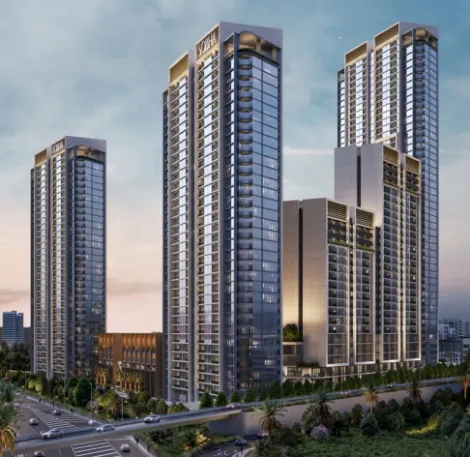
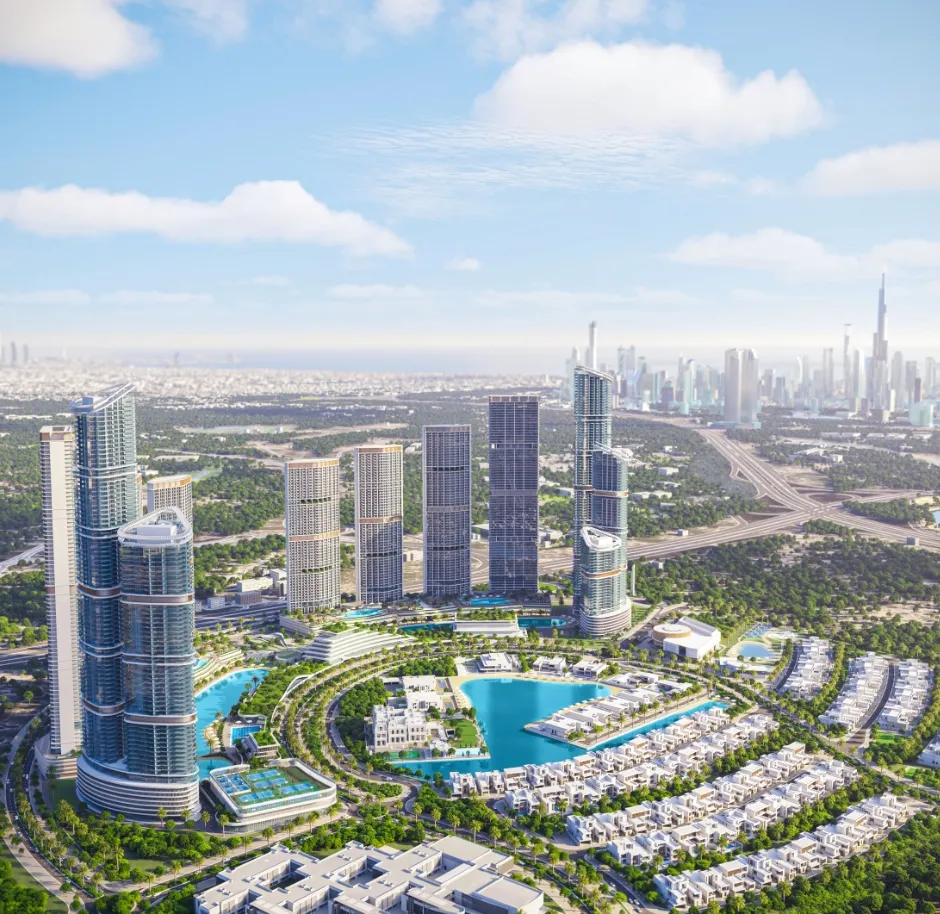
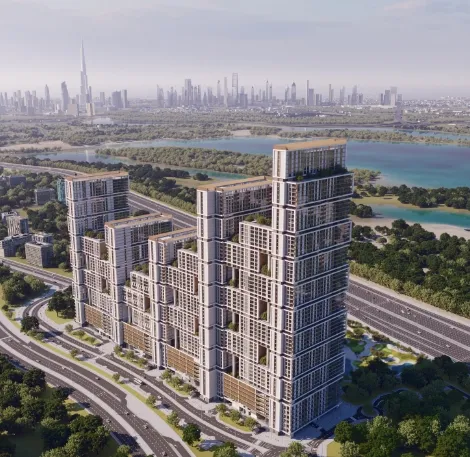
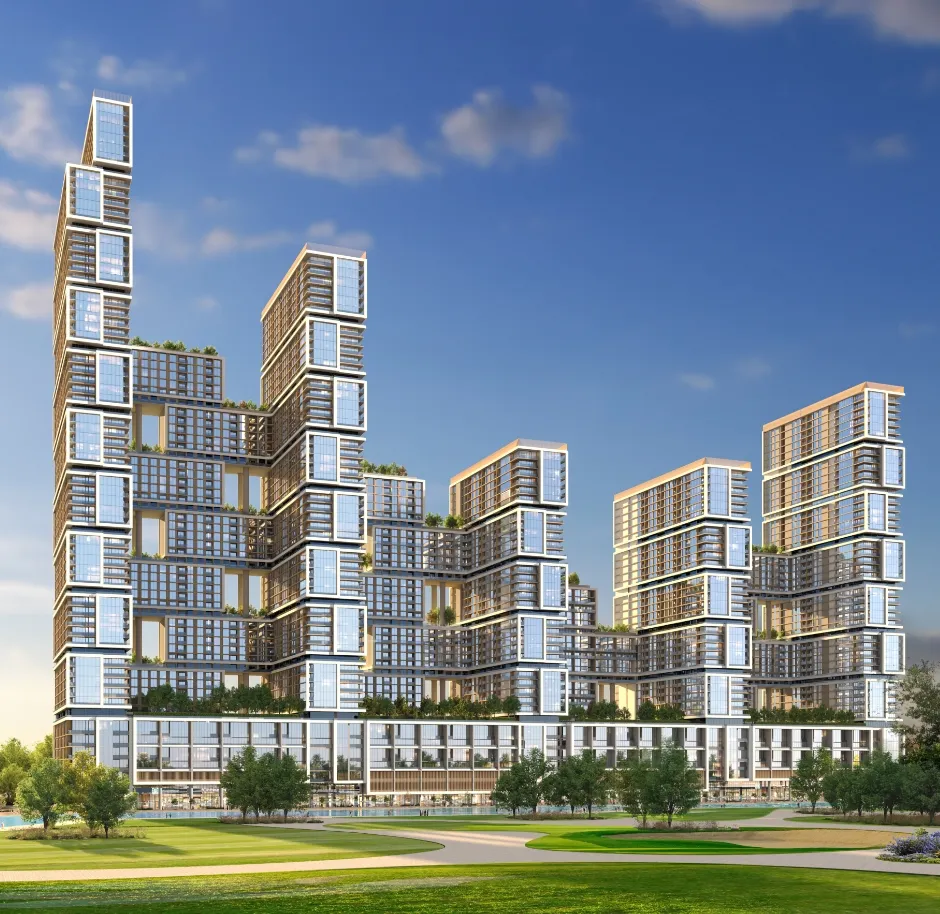
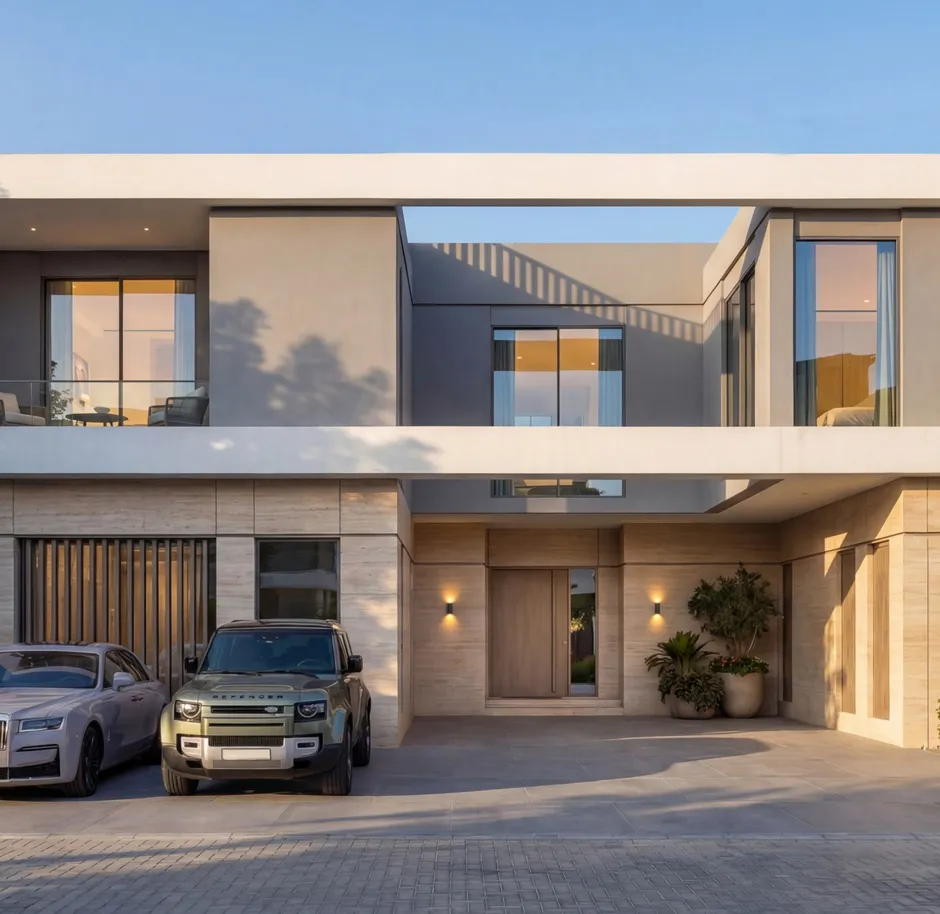
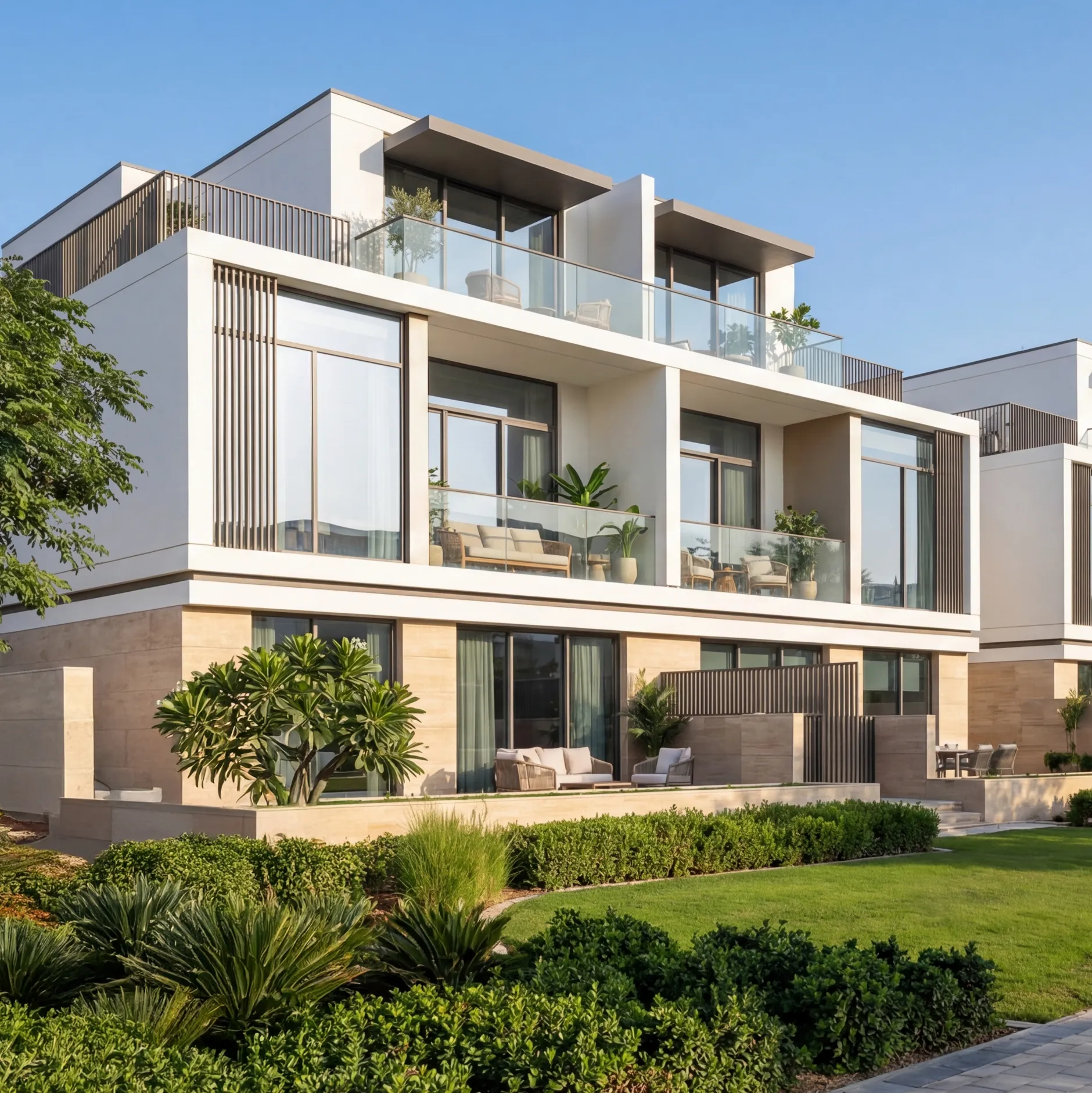
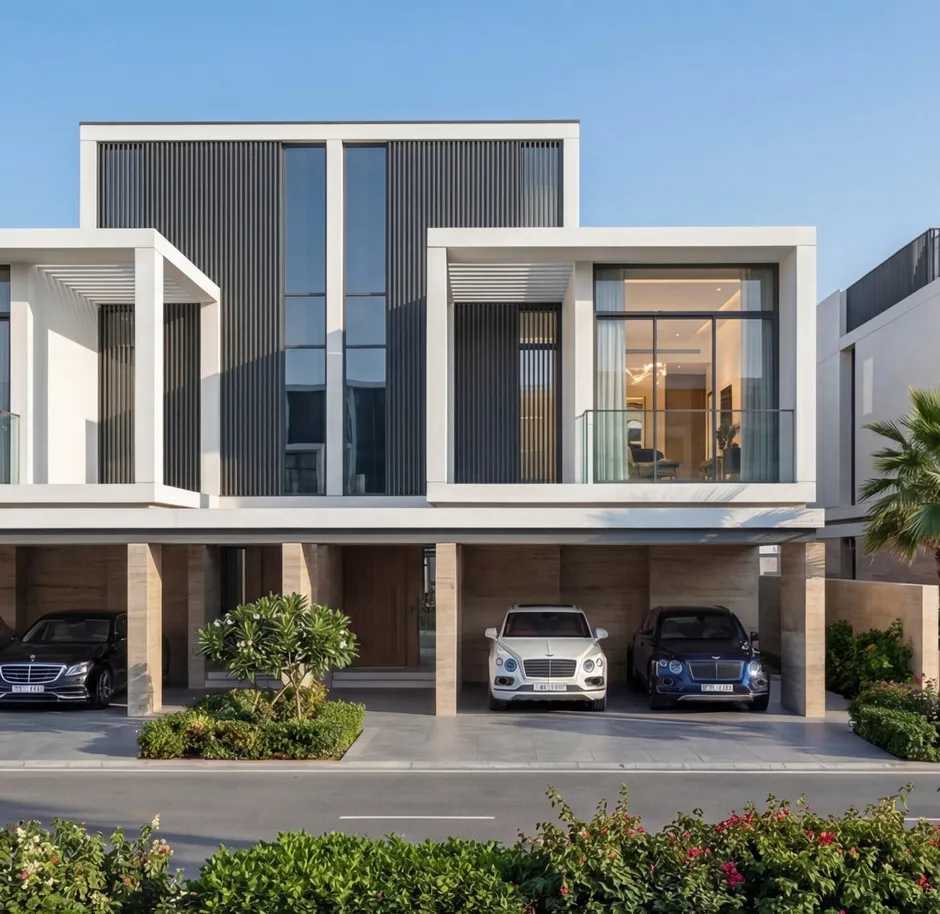
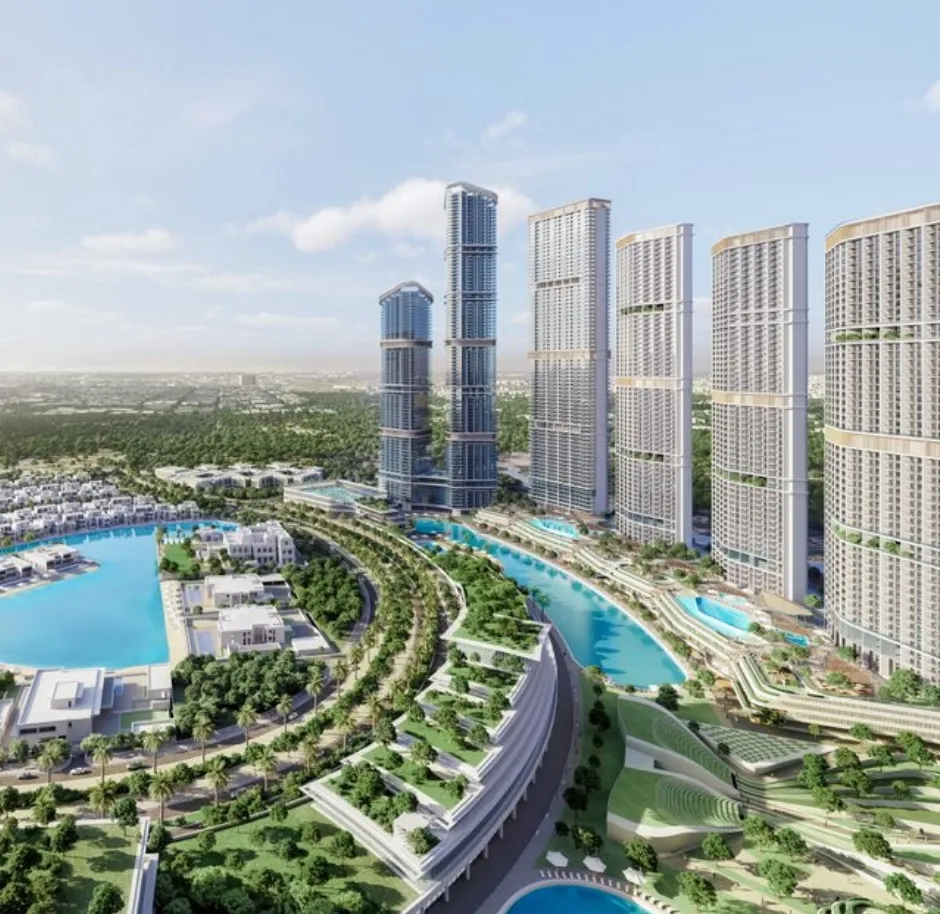
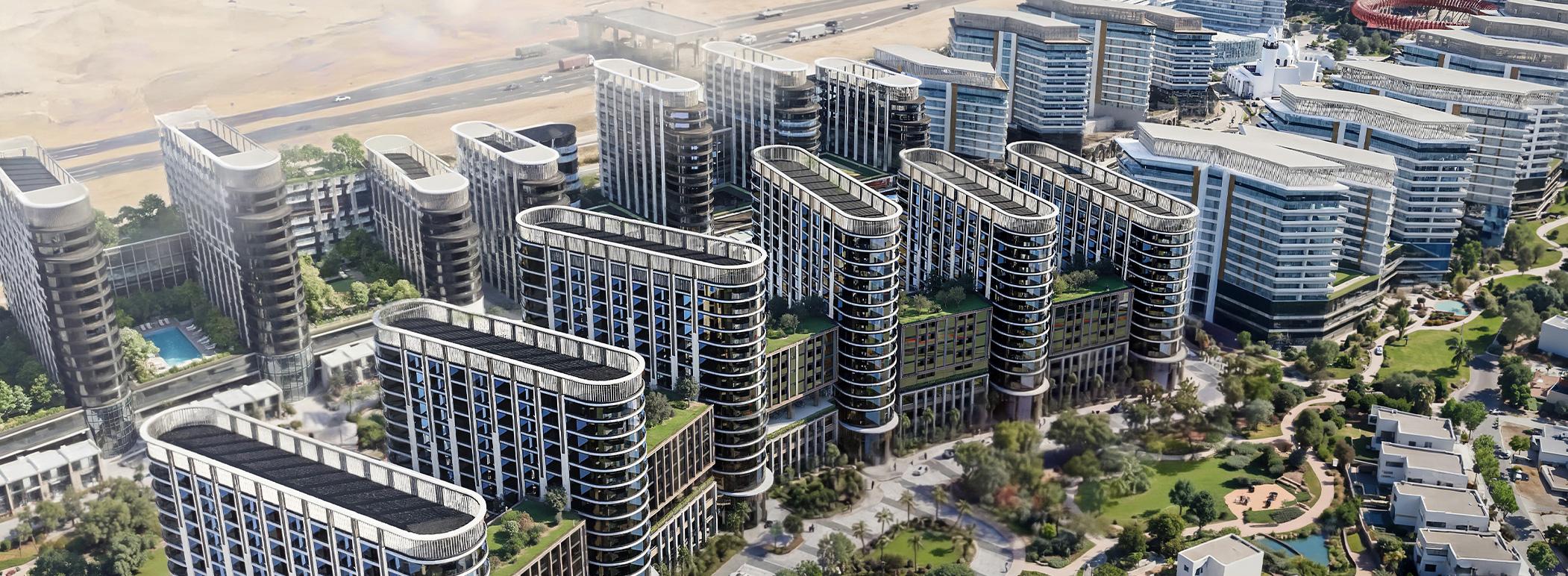
Developers play a pivotal role in translating vision into reality, and Sobha Realty is at the forefront of this evolution. Across our portfolio we design homes that respond to how people will move, live, and connect in the years ahead. By creating self-contained, high-density communities, we reduce the need for long daily commutes. Mixed-use developments integrate residential, retail, and commercial spaces into cohesive environments, allowing residents to live closer to work and leisure. Along key transport corridors, vertical urban communities are emerging that place mobility and convenience front and centre.
Future-ready infrastructure is a cornerstone of our approach. EV charging stations are integrated into new projects, while select developments are being planned with helipads capable of supporting future air taxi services anticipating the next chapter of urban mobility. Behind the scenes, smart traffic systems and pedestrian-first design enhance safety and flow within communities, with road networks increasingly aligned to city-wide transport systems.
Sustainability underpins these efforts. Energy-efficient construction, district cooling, and smart home technologies ensure that mobility-friendly living is also environmentally responsible. Via our backward integration model, through which we control design, materials, and construction, we ensure that these innovations are consistently delivered, rather than treated as add-ons.
Explore how Sheikh Zayed Road continues to anchor Dubai’s property landscape as a timeless epicentre of connectivity, investment, and urban life.
Homes that move with the city
Dubai’s story has always been one of momentum. As the city continues to invest in Dubai’s mobility, public transport, autonomous technologies and sustainable infrastructure, its homes are evolving in parallel. The future of mobility is designed into the very fabric of where people live. By aligning visionary urban planning with thoughtful residential design, Dubai is proving that the homes of tomorrow are launchpads for a more connected, sustainable, and effortless way of moving around.
Learn all about Dubai’s 2040 master plan.
Frequently Asked Questions (FAQs)
1. How are Dubai’s new residential communities reducing reliance on private cars?
New communities are being designed around transit-oriented development and the ‘20-minute city’ concept, supporting Dubai’s mobility vision by ensuring daily needs such as schools, retail, healthcare, and leisure are accessible within a short walk or cycle. By placing homes near metro stations, tram lines, bus routes, and cycling networks, developments make public and active transport the most convenient choice, reducing dependence on private vehicles and supporting a more sustainable urban lifestyle.
2. What features make a home ‘mobility-ready’?
Mobility-ready homes are supported by infrastructure that anticipates cleaner and smarter transport, aligning with Dubai’s mobility systems and long-term transport strategy. This includes integrated EV charging facilities, pedestrian- and cyclist-friendly layouts, proximity to public transport, and community designs that support shared mobility hubs. Smart home technologies that optimise energy use also complement the shift towards electric and autonomous transport, ensuring homes evolve alongside the city’s mobility systems.
3. How is Sobha Realty incorporating future mobility into its developments?
We embed mobility into our master planning by creating self-contained, mixed-use communities that reduce commute distances and connect closely to major transport corridors. Our projects integrate EV charging, pedestrian-first design, smart traffic flow, and in select cases, infrastructure that anticipates future air mobility. Combined with energy-efficient construction and smart home systems, this ensures mobility-focused living is both convenient and environmentally responsible.