Dubai's residential property market has experienced remarkable growth over the past few years, driven by strong economic fundamentals, population growth, and increasing international investment. While much attention has focused on capital appreciation and new project launches, another important trend has quietly reshaped the market—the evolution of Dubai's rental sector.
Today's rental market is supported by a broader and more diverse tenant base than ever before. Professionals relocating to Dubai, entrepreneurs establishing regional businesses, families seeking long-term homes, and international residents choosing the city for its quality of life are all contributing to sustained rental demand.
For investors, this evolution represents more than an opportunity to generate income. It reflects a market that is becoming increasingly mature, resilient, and driven by genuine end-user demand rather than short-term market cycles.
Understanding these changing dynamics can help investors make more informed property decisions while positioning themselves for long-term success.
A Rental Market Driven by Population Growth
One of the strongest drivers of rental demand in Dubai continues to be population growth.
The city's expanding economy continues to attract professionals across industries including finance, technology, healthcare, tourism, logistics, and entrepreneurship. As businesses expand and new companies establish regional headquarters in Dubai, the demand for quality residential accommodation naturally increases.
Compared with some global markets, Dubai's rental demand is supported by both investor activity and sustained population growth.
As more people choose to live and work in Dubai, demand for well-located, high-quality homes continues to strengthen.
From Short-Term Renting to Long-Term Living
One of the most notable changes in recent years is the shift in tenant behaviour.
Historically, many expatriates viewed Dubai as a temporary destination, often relocating every few years. Today, that pattern is changing.
An increasing number of residents are choosing to build long-term lives in the UAE. Families are enrolling children in local schools, professionals are establishing careers, and entrepreneurs are expanding businesses from Dubai.
This shift has influenced what tenants now expect from residential communities.
Increasingly, renters prioritise:
- Spacious layouts
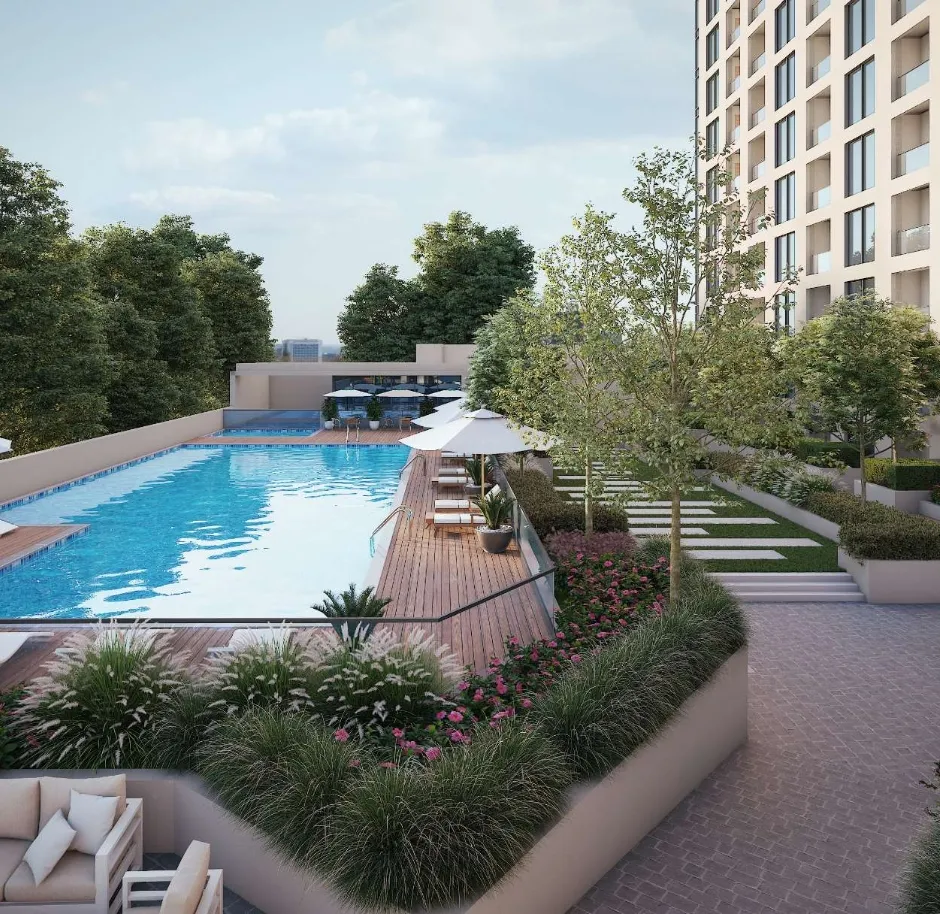
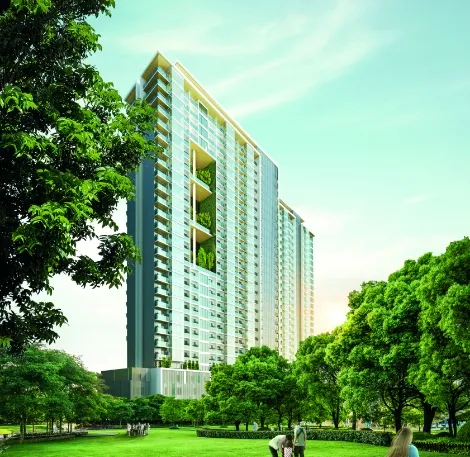
- Green open spaces
- Wellness amenities
- Community facilities
- Proximity to schools
- Walkability
- Access to retail and dining
- Quality construction
These preferences mirror those of homeowners, reinforcing the growing maturity of Dubai's residential market.
Why Quality Communities Attract Stronger Rental Demand
Today's tenants are no longer selecting properties based solely on price or location.
Community quality has become an increasingly important differentiator.
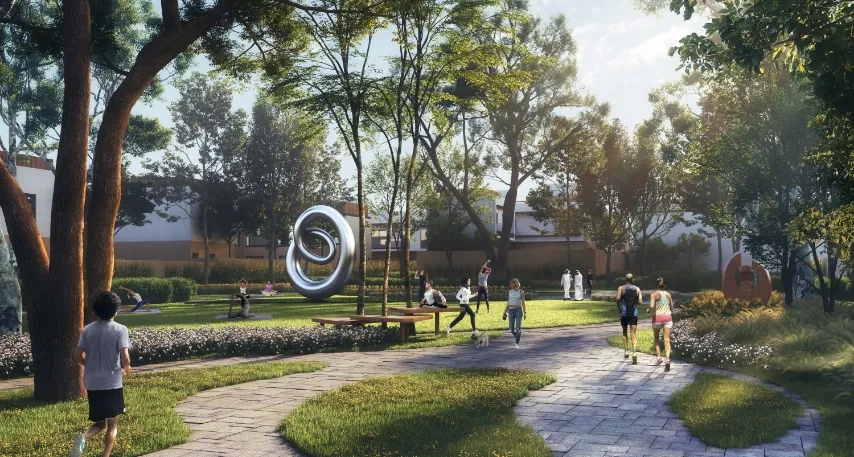
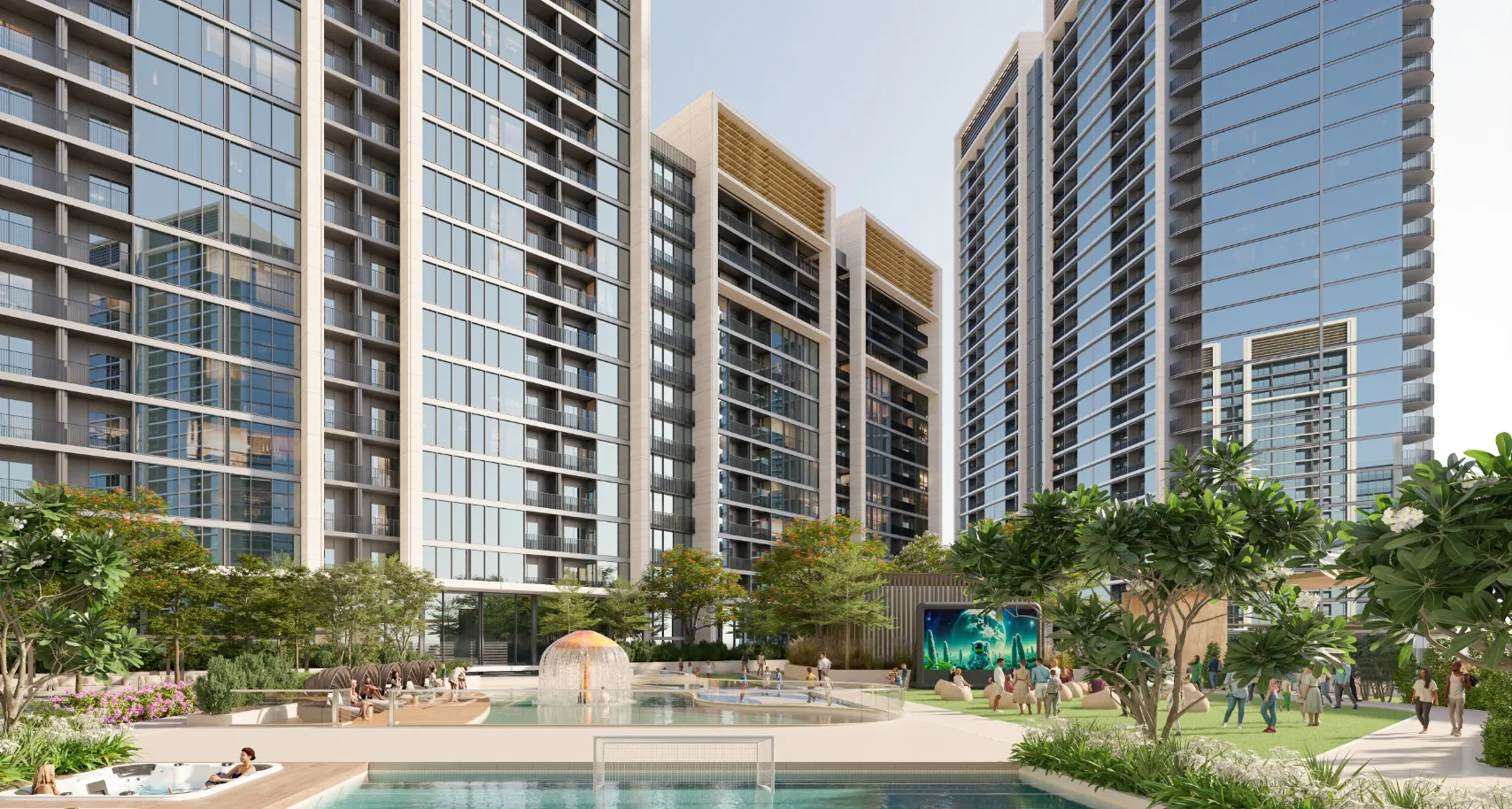
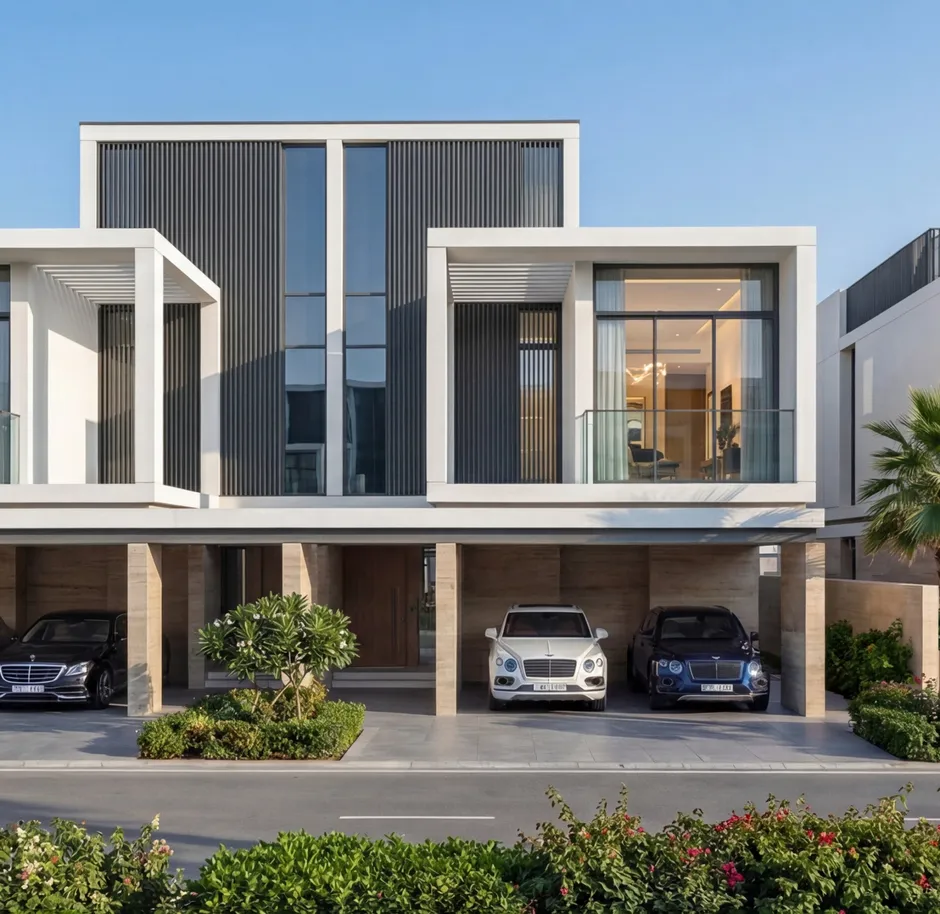
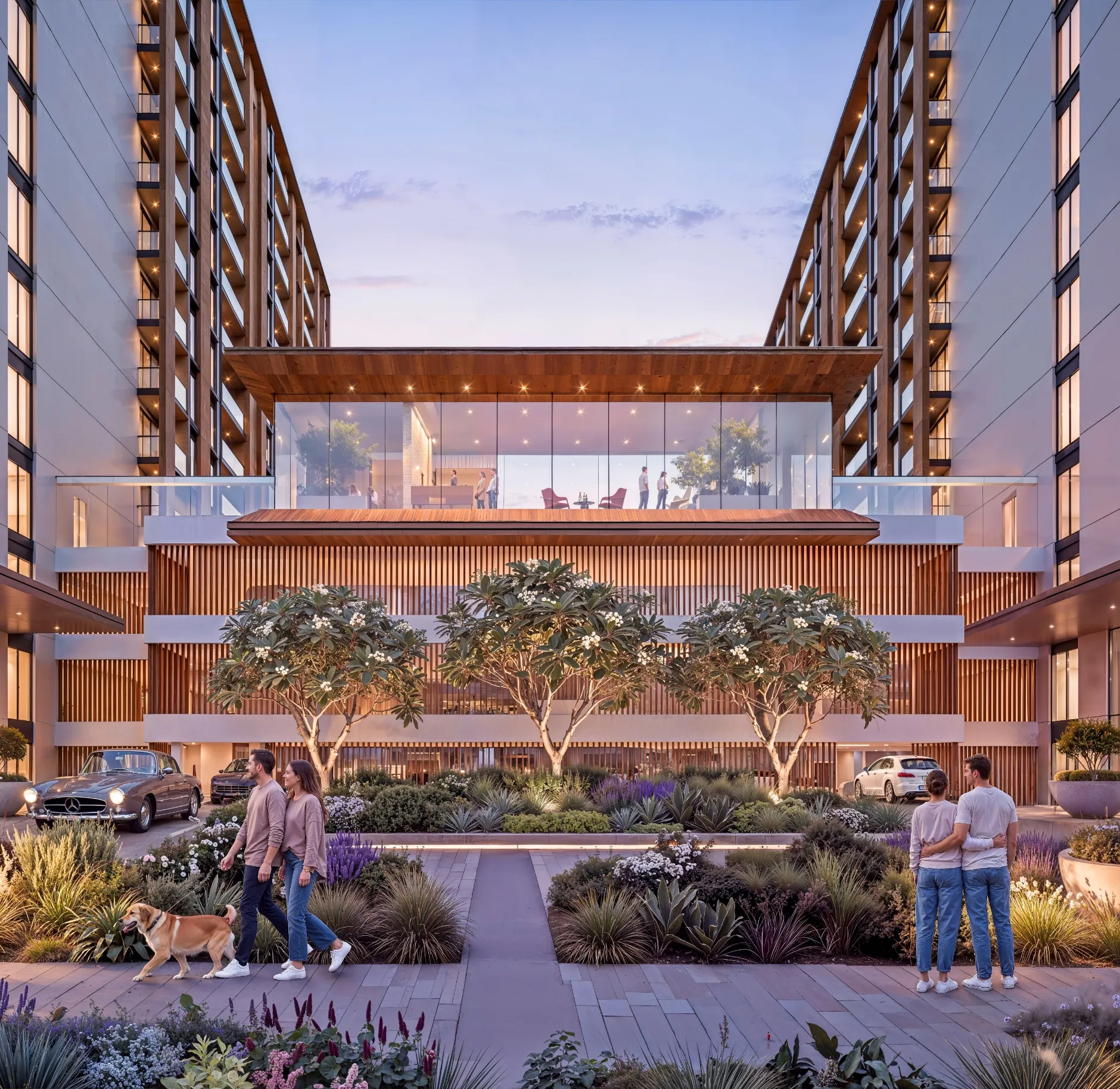
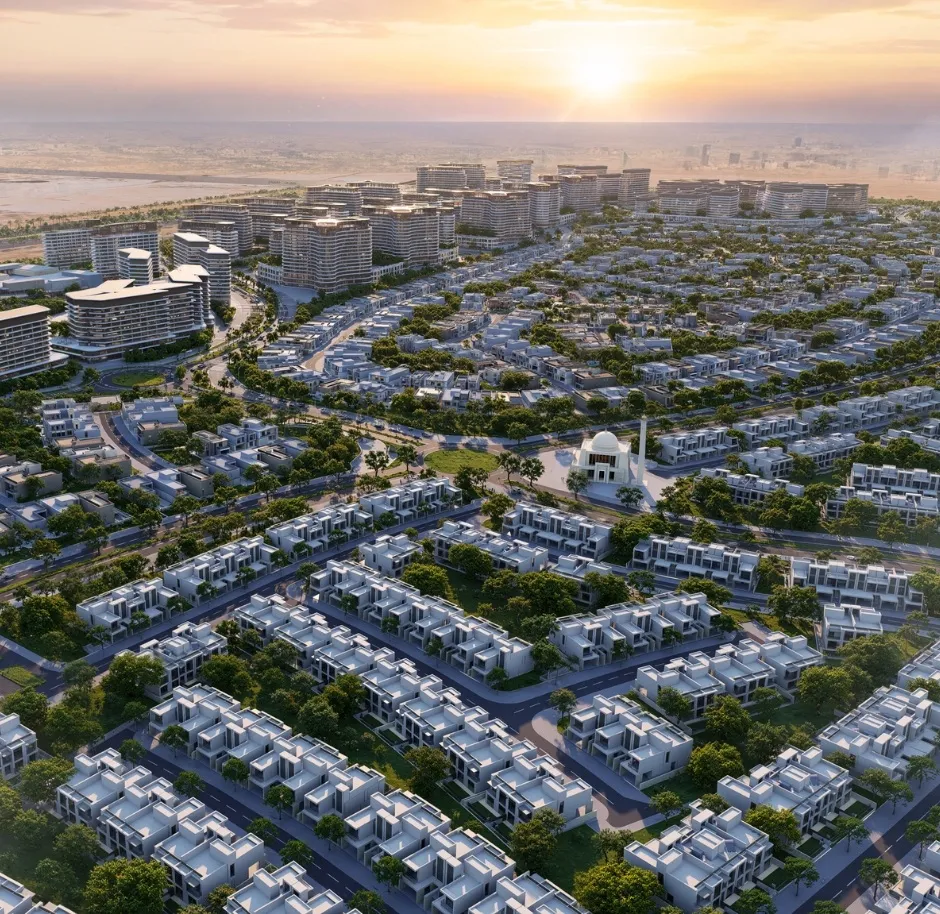
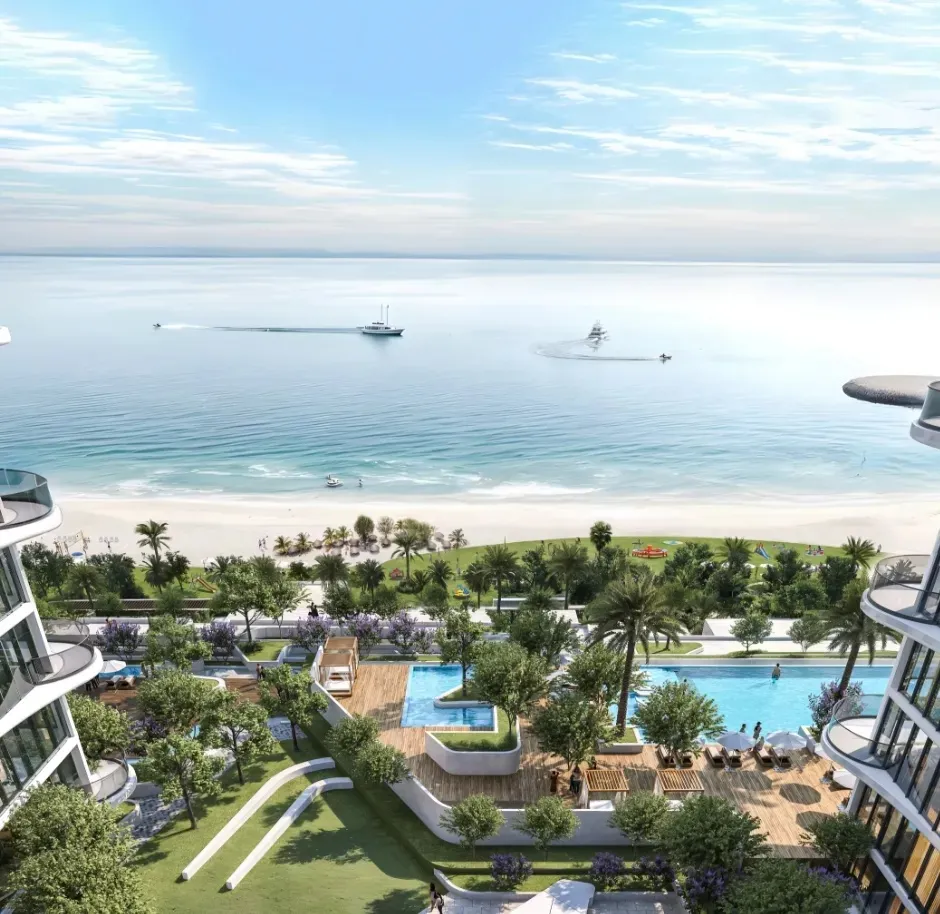
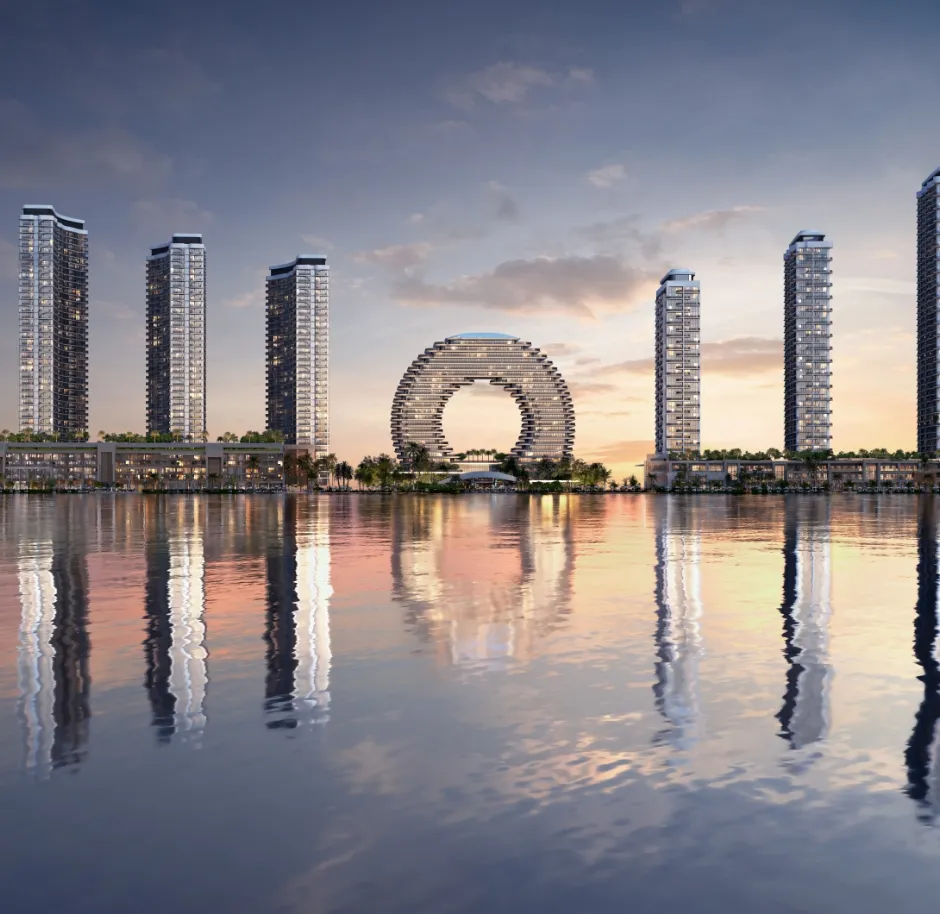
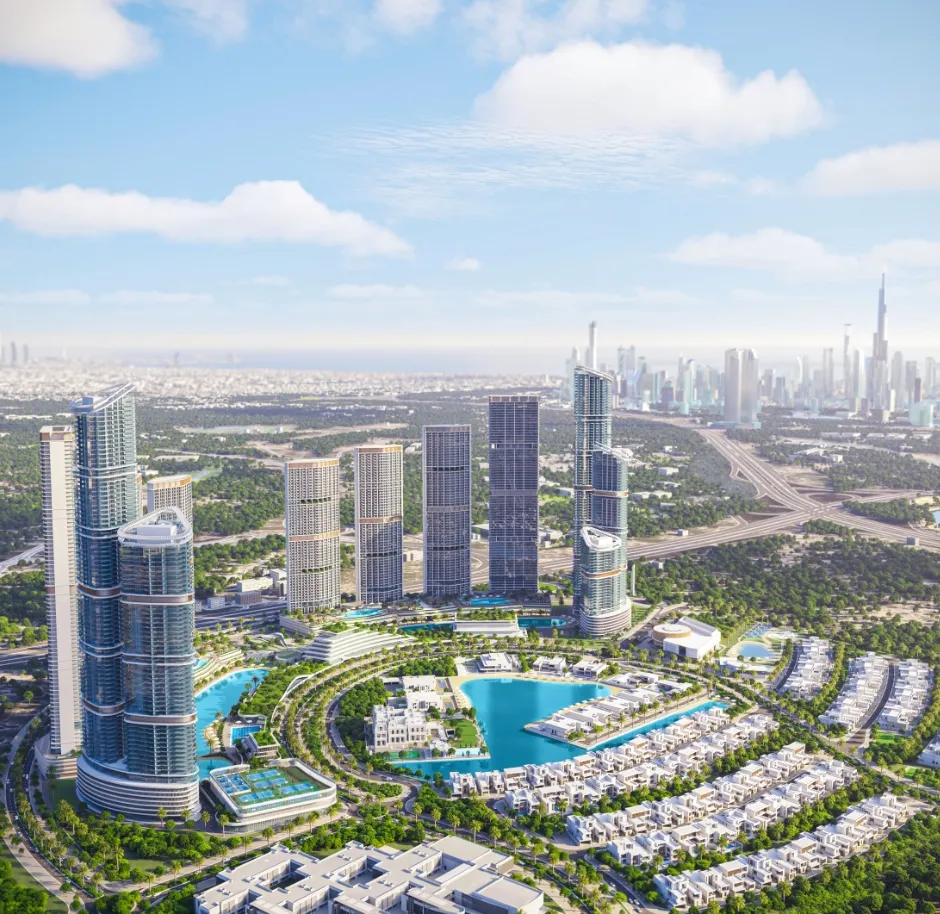
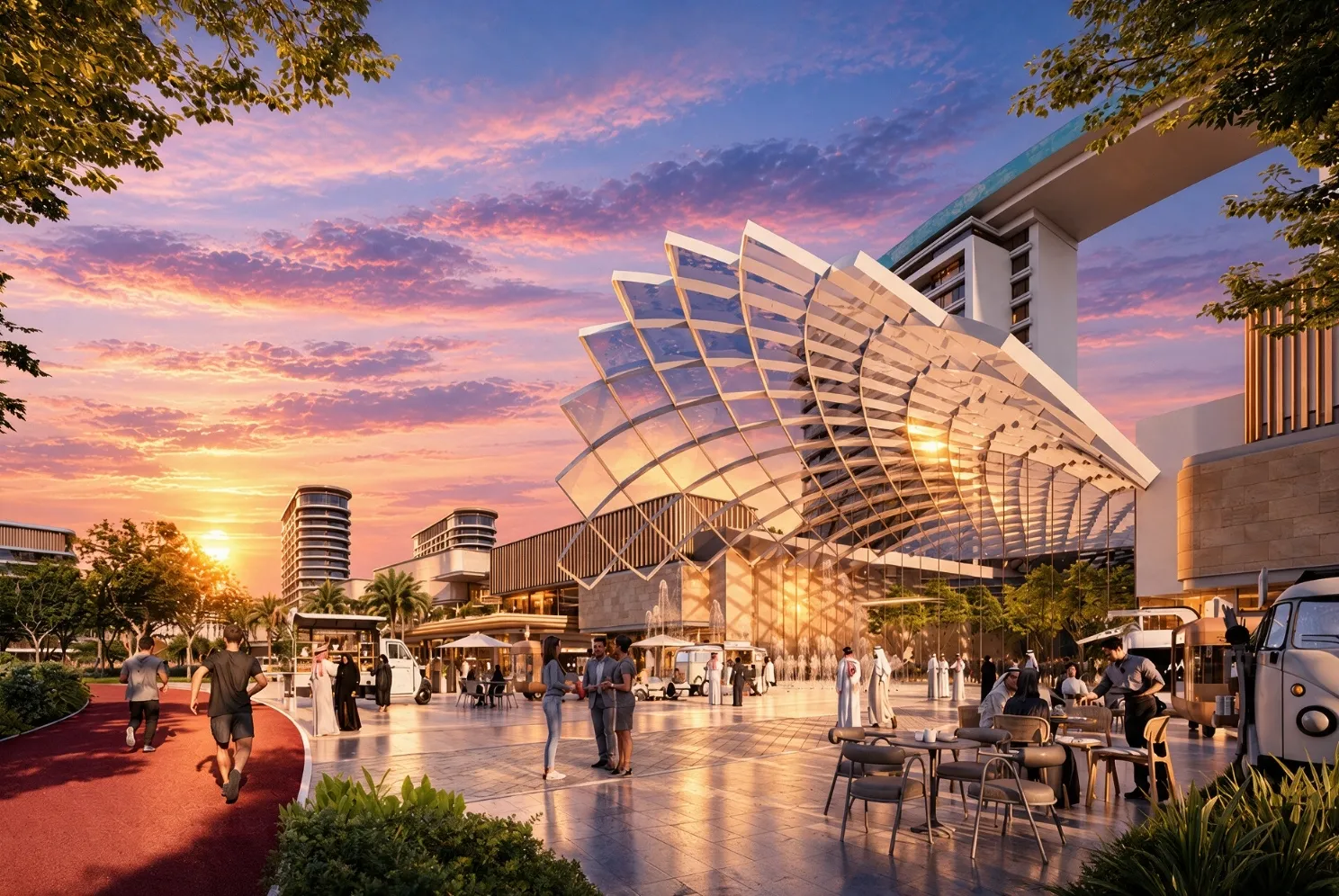
Master-planned developments that combine residential living with parks, schools, retail, fitness facilities, and recreational spaces often create stronger long-term appeal.
For investors, this can support:
- Consistent tenant demand
- Longer tenancy durations
- Lower vacancy periods
- Greater resident satisfaction
Communities designed around everyday living rather than simply housing supply are increasingly becoming the preferred choice for both residents and investors.
Lifestyle Is Influencing Rental Decisions
The evolution of Dubai's rental market reflects a broader global trend: people increasingly choose homes based on lifestyle rather than simply convenience.
Greater workplace flexibility and evolving lifestyle preferences have reinforced this shift.
Many residents now spend more time at home and therefore place greater value on:
- Natural light
- Outdoor spaces
- Community parks
- Walking trails
- Wellness facilities
- Flexible living areas
- High-quality public spaces
As expectations continue to evolve, developments that provide integrated lifestyle experiences are likely to remain attractive across multiple tenant segments.
The Importance of Location Beyond the Address
Location has always been one of the defining factors in real estate.
However, in today's market, location means far more than geographic positioning.
Residents increasingly evaluate how easily they can access:
- Business districts
- Public transport
- Schools
- Healthcare
- Retail destinations
- Leisure facilities
- Airports
Communities that successfully combine accessibility with quality living environments often maintain stronger demand across different market conditions.
For investors, connectivity should therefore be considered alongside community planning rather than as an isolated feature.
Choosing the Right Property for Long-Term Rental Performance
Not every investment property performs equally over time.
Long-term rental success often depends on selecting developments with enduring appeal rather than simply responding to short-term market trends.
Investors should consider:
Community Planning
Well-designed communities tend to remain attractive as resident expectations evolve.
Developer Reputation
Established developers often provide greater confidence in build quality, maintenance standards, and long-term community management.
Quality Construction
High-quality homes typically require less maintenance while supporting stronger resident satisfaction.
Lifestyle Amenities
Access to green spaces, wellness facilities, retail, education, and recreation increasingly influences tenant preferences.
These factors contribute to the long-term resilience of rental demand.
Why Developer Quality Matters
For investors seeking sustainable rental performance, the quality of the development is just as important as market conditions.
Construction quality influences:
- Resident satisfaction
- Maintenance costs
- Property longevity
- Reputation
- Occupancy levels
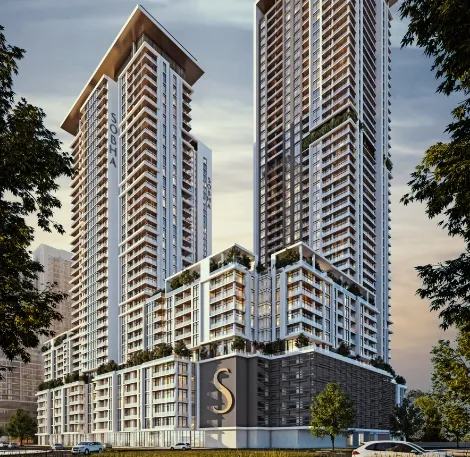
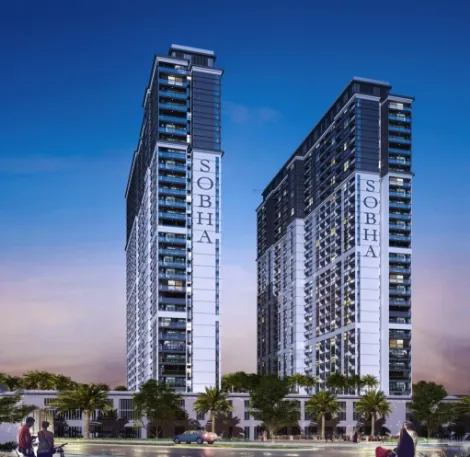
Sobha Realty's Backward Integration model enables comprehensive control across design, engineering, manufacturing, construction, and delivery.
This integrated approach supports consistent quality while creating communities designed for long-term value rather than short-term market cycles.
Looking Beyond Rental Yield
Rental yield remains an important investment metric.
However, experienced investors increasingly evaluate property through a broader perspective.
Long-term investment performance often depends on several interconnected factors, including:
- Asset quality
- Community desirability
- Population growth
- Economic resilience
- Infrastructure investment
- Developer credibility
Rather than focusing exclusively on immediate returns, investors are increasingly prioritising assets capable of delivering stable performance over many years.
This reflects the growing maturity of Dubai's real estate market.
The Future of Dubai's Rental Market
Dubai's rental market continues to evolve alongside the city's broader economic transformation.
Government initiatives supporting talent attraction, business growth, infrastructure investment, and long-term residency continue to strengthen housing demand.
At the same time, buyer and tenant expectations are becoming increasingly sophisticated.
Communities that prioritise quality, sustainability, connectivity, and lifestyle are expected to remain well positioned as the market continues to mature.
For investors, this creates opportunities that extend beyond rental income alone, supporting long-term investment resilience alongside sustained tenant demand.
Conclusion
Dubai's rental market is no longer driven solely by short-term population movements or temporary demand.
It has evolved into a mature residential market supported by economic growth, long-term residency, and an increasingly diverse international population.
For investors, the strongest opportunities are likely to be found within communities that combine thoughtful planning, exceptional quality, and lasting appeal.
As tenant expectations continue to evolve, developments that deliver outstanding living experiences are expected to remain among the most resilient investments within Dubai's real estate market.
Frequently Asked Questions
1. Why is Dubai's rental market growing?
Dubai continues to attract professionals, entrepreneurs, families, and international residents through its strong economy, quality of life, and long-term government initiatives, supporting sustained rental demand.
2. What should investors consider when buying rental property in Dubai?
Beyond location, investors should evaluate community quality, construction standards, developer reputation, connectivity, and long-term lifestyle appeal.
3. Are master-planned communities better for rental investments?
Communities offering integrated amenities, green spaces, retail, schools, and wellness facilities often attract stronger tenant demand and longer tenancy periods.
4. Does construction quality affect rental performance?
Yes. High-quality construction can improve resident satisfaction, reduce maintenance requirements, and support long-term occupancy.
5. Why are lifestyle amenities important for tenants?
Modern tenants increasingly value wellness, outdoor spaces, convenience, and community experiences alongside the property itself.
6. Is rental yield the only metric investors should consider?
No. Long-term investment success also depends on community desirability, economic fundamentals, developer quality, and sustained tenant demand.