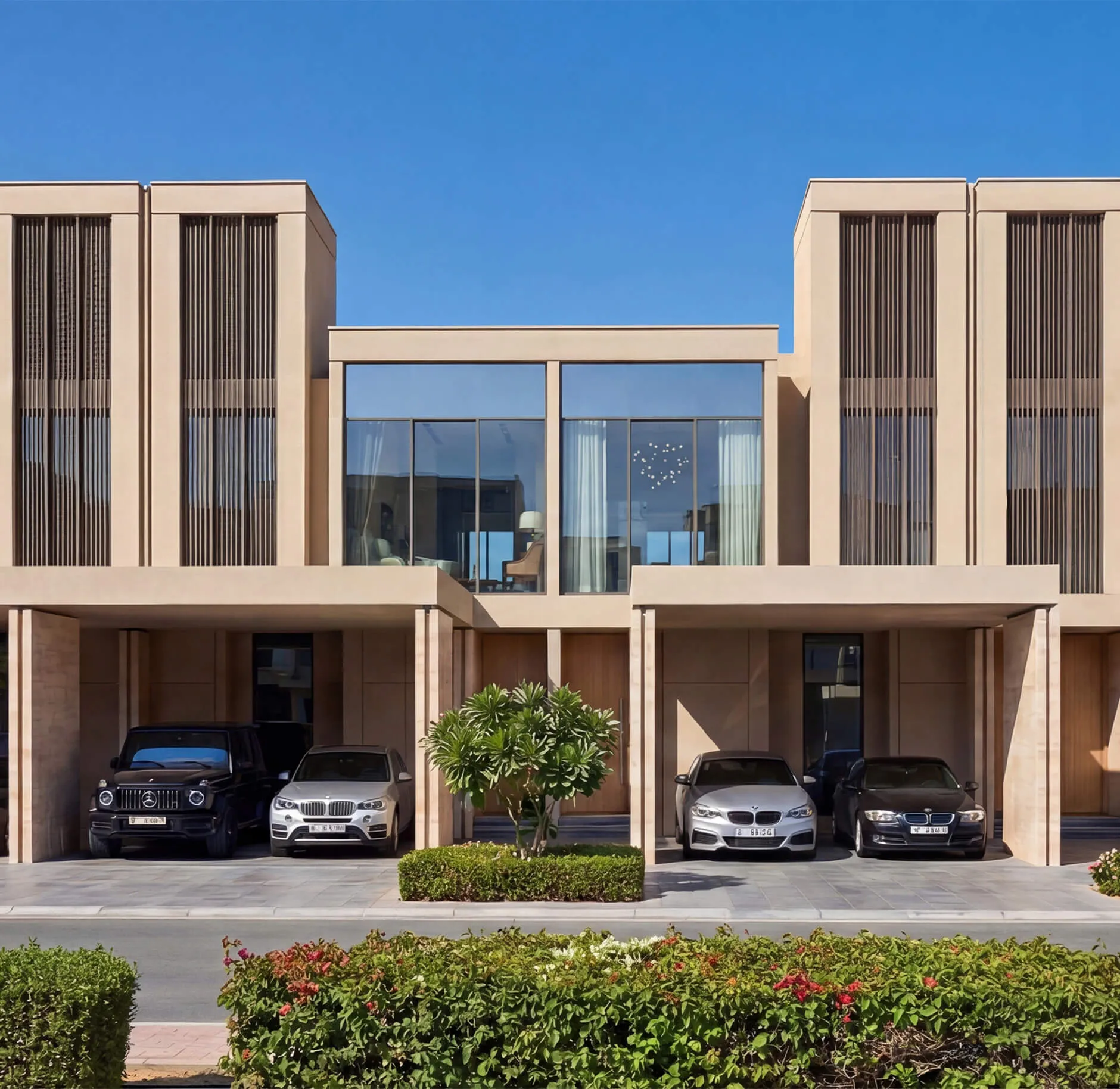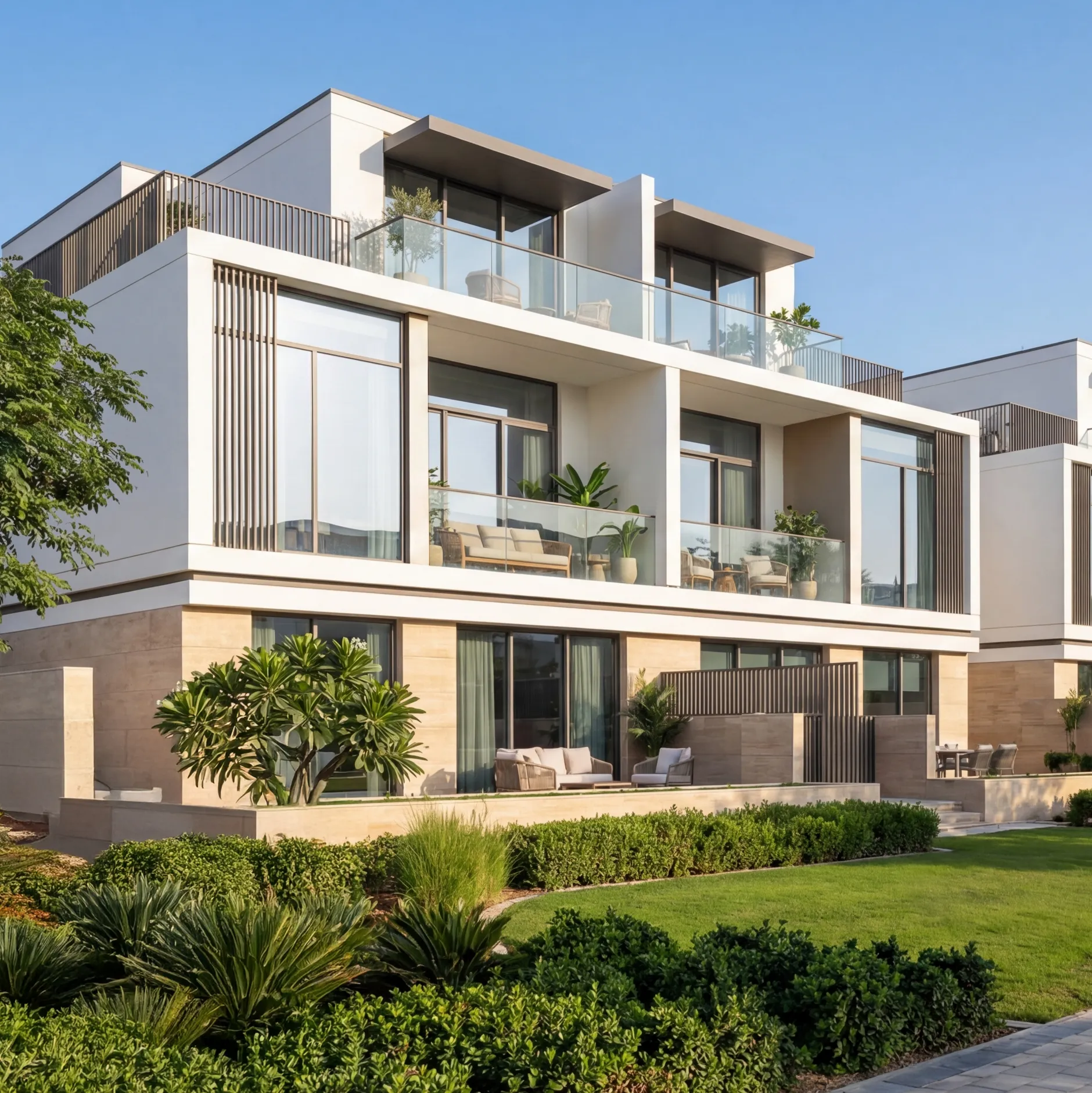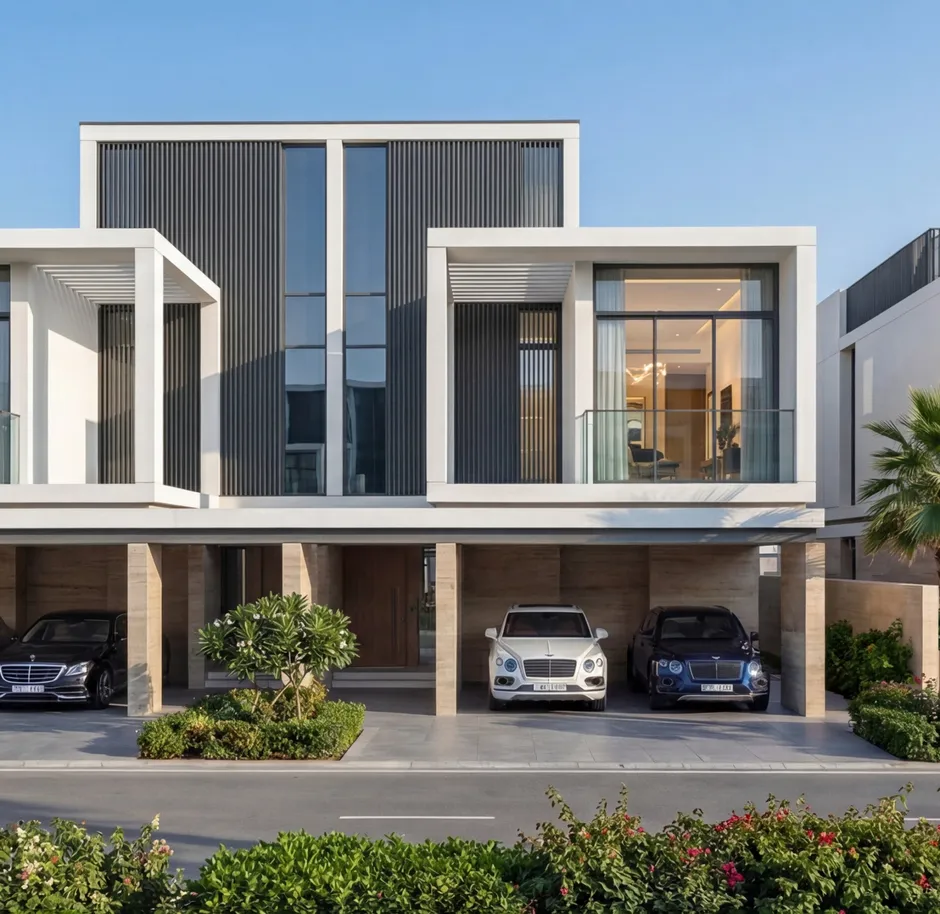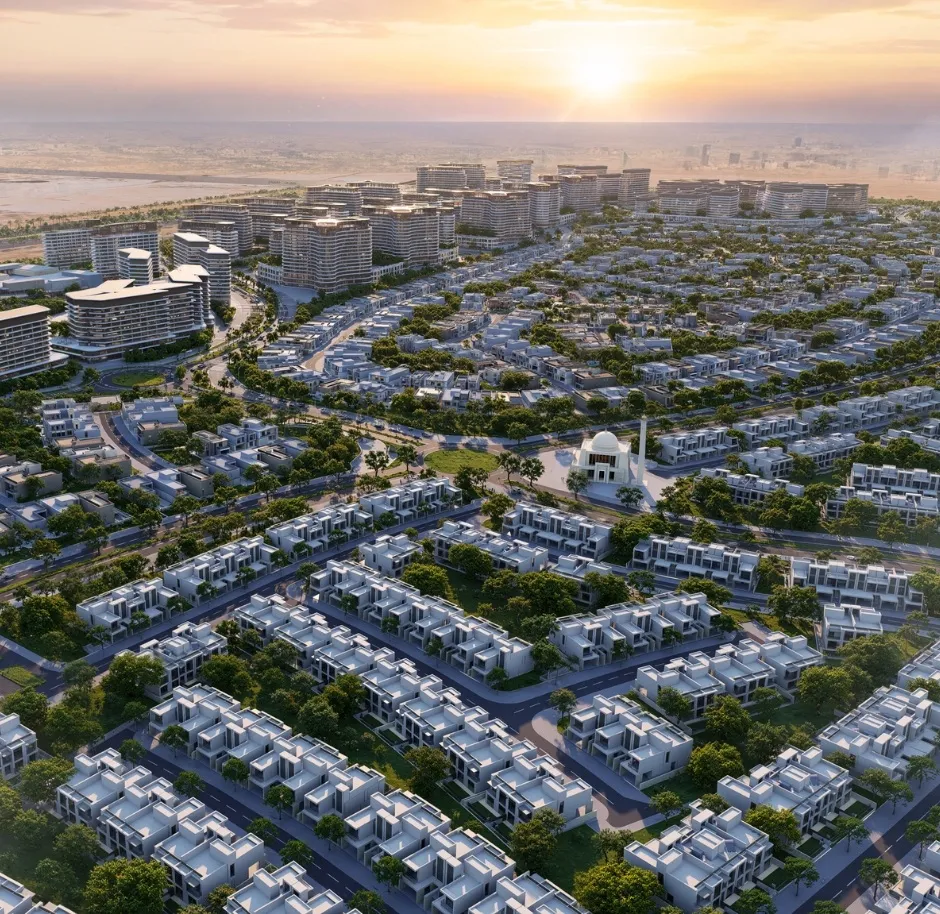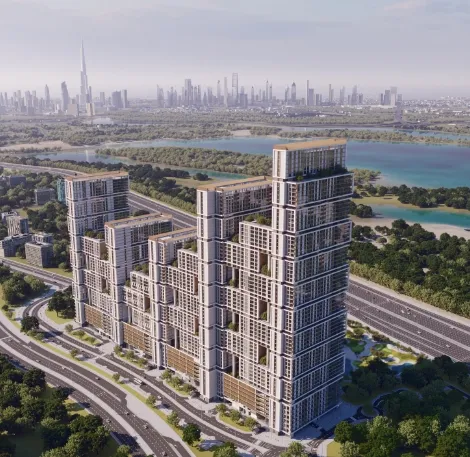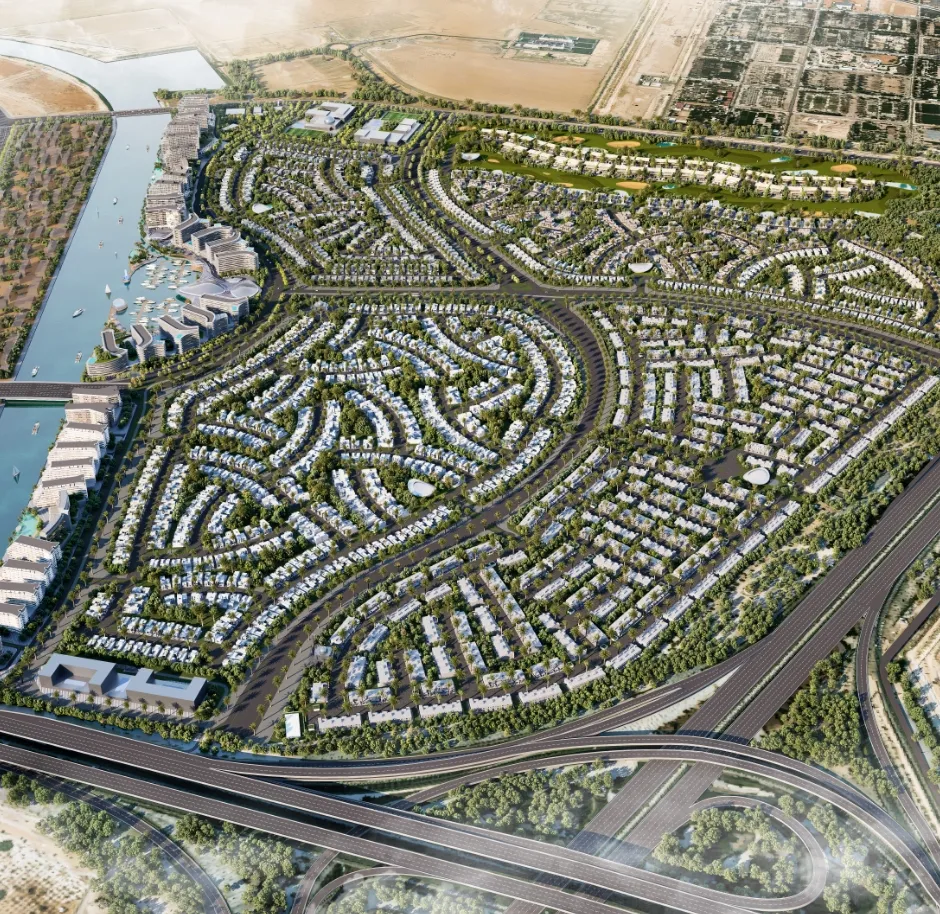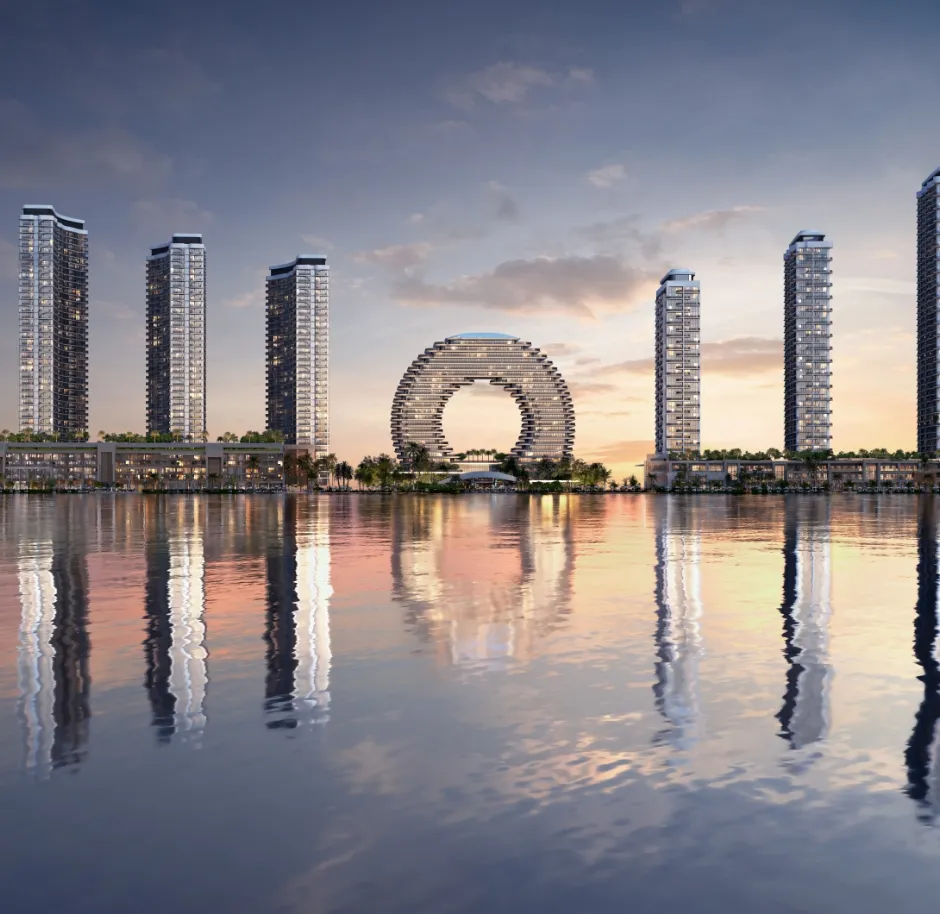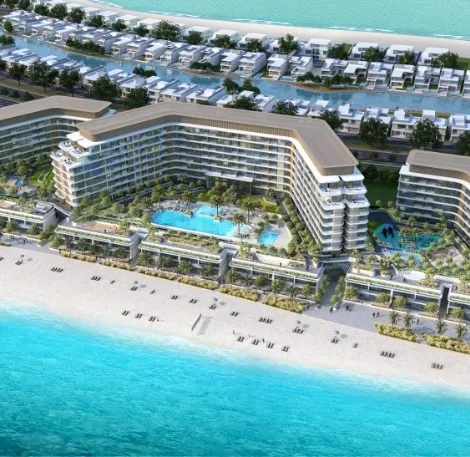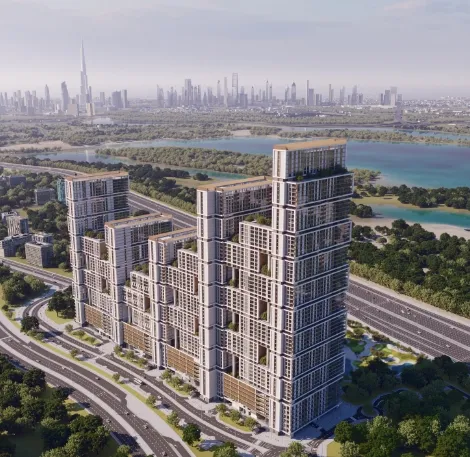
Dubai and Abu Dhabi are no longer competing through the same story. Dubai remains one of the world’s most liquid, visible and internationally recognized real estate markets. Abu Dhabi is gaining momentum through cultural investment, tourism development, government-backed planning, and a more measured growth model. For investors in 2026, the decision is not simply Dubai or Abu Dhabi. It is about matching the buyer’s objective to the right city, community, and asset type.
Dubai: liquidity, global demand and rental strength
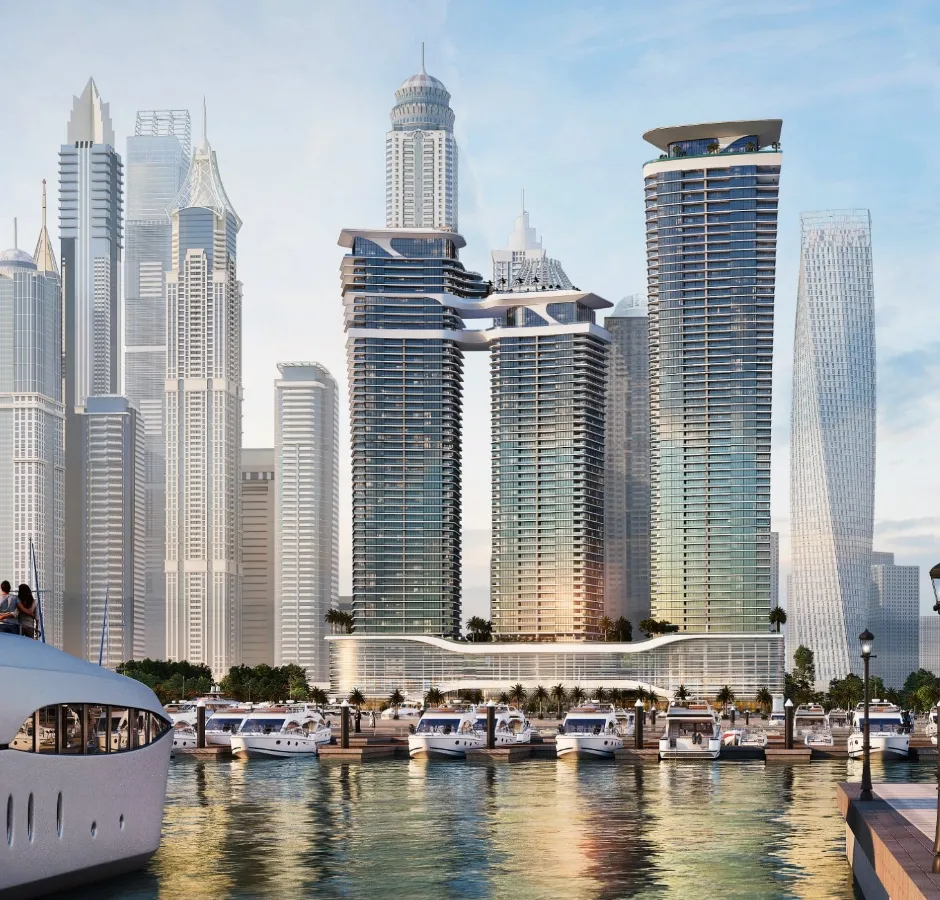
Dubai continues to lead the UAE in transaction depth and global buyer awareness. Dubai Land Department reported AED252 billion in real estate transactions in Q1 2026, a 31% year-on-year increase in value. That scale matters. It gives investors liquidity, data transparency, resale depth and confidence that there is a broad buyer pool. Dubai also benefits from a large tenant base, business relocations, tourism, schools, infrastructure, and a global lifestyle brand that continues to attract international residents.
Abu Dhabi: planned growth and long-term stability
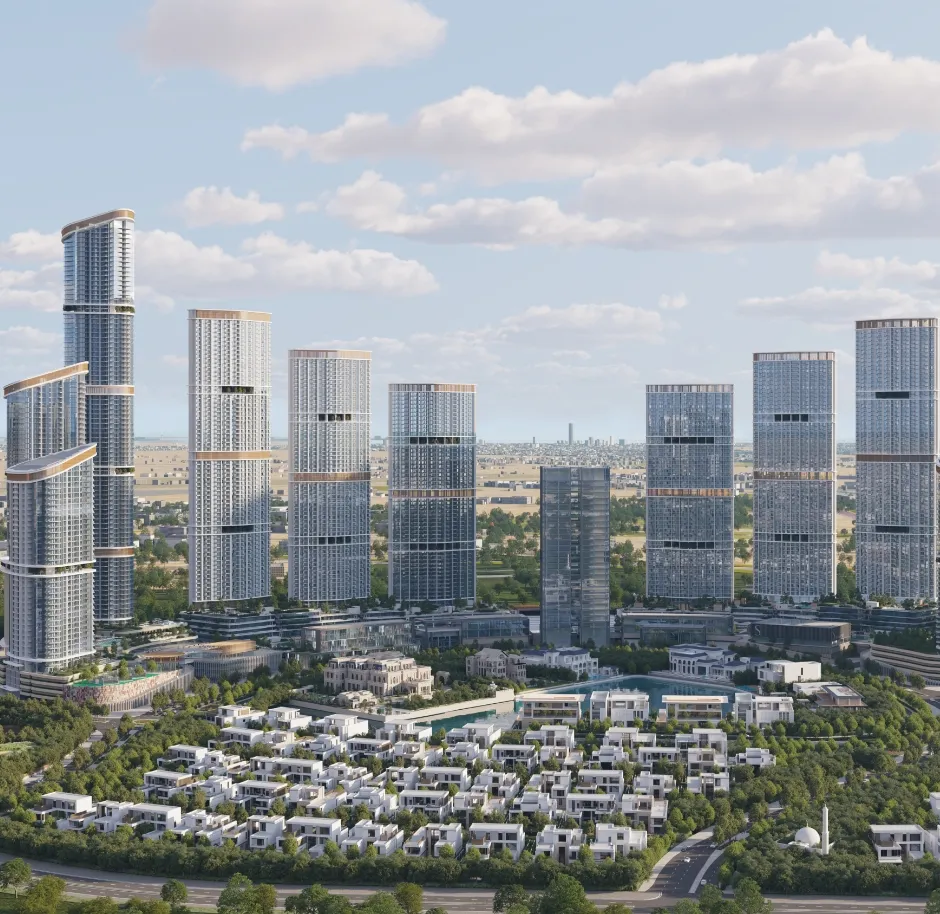
Abu Dhabi’s appeal is different. It is more institutional, family-oriented and increasingly destination-led. The emirate is investing in culture, entertainment, tourism and masterplanned communities while maintaining a reputation for stability and measured urban growth. For long-term investors, this can be attractive because the market may offer room for growth in areas connected to major infrastructure and lifestyle destinations.
How buyer profiles differ
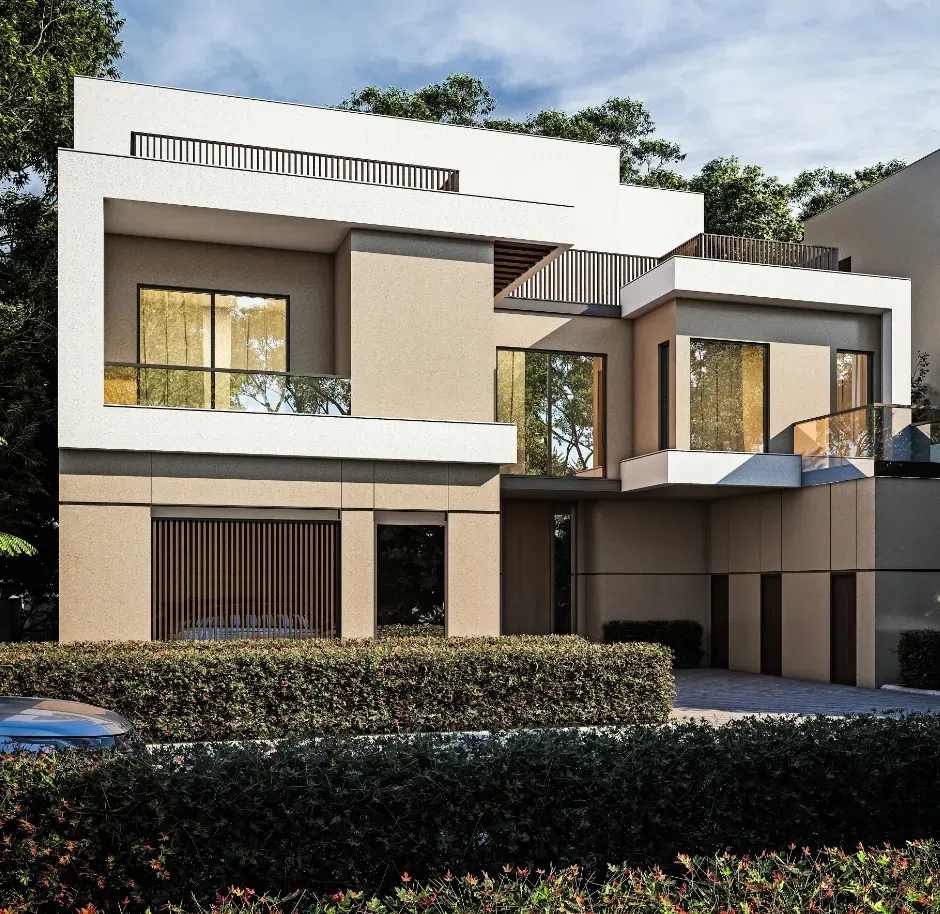
Dubai often attracts investors seeking liquidity, rental yield, global visibility and portfolio diversification. Abu Dhabi attracts buyers looking for long-term residency, family living, government-backed growth, lower-density communities and exposure to emerging destination value. Both markets appeal to international investors, but the buyer priorities can differ. Dubai is often about global access and momentum. Abu Dhabi is increasingly about stability, space, culture and quality of life.
Off-plan opportunities in both markets
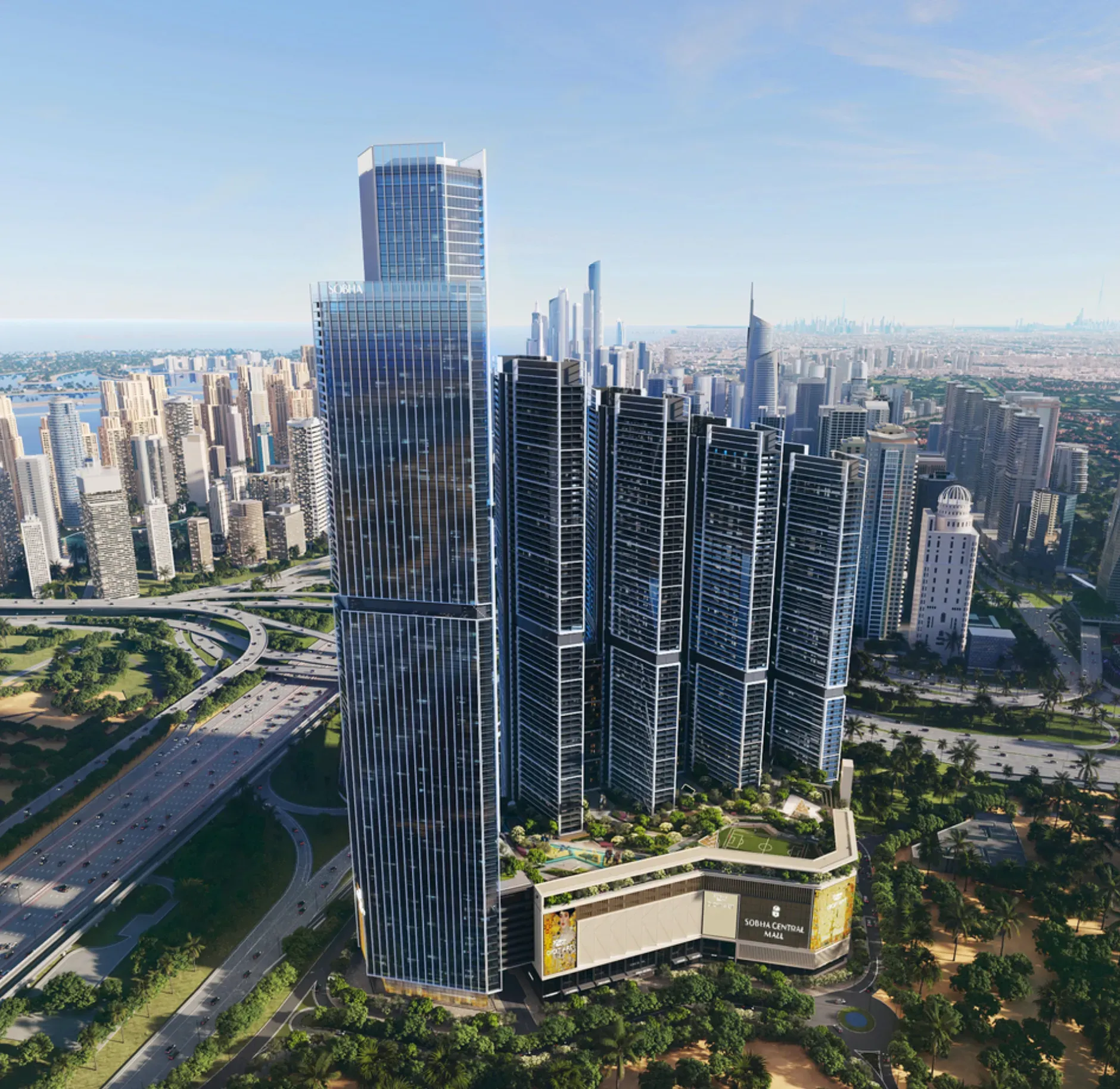
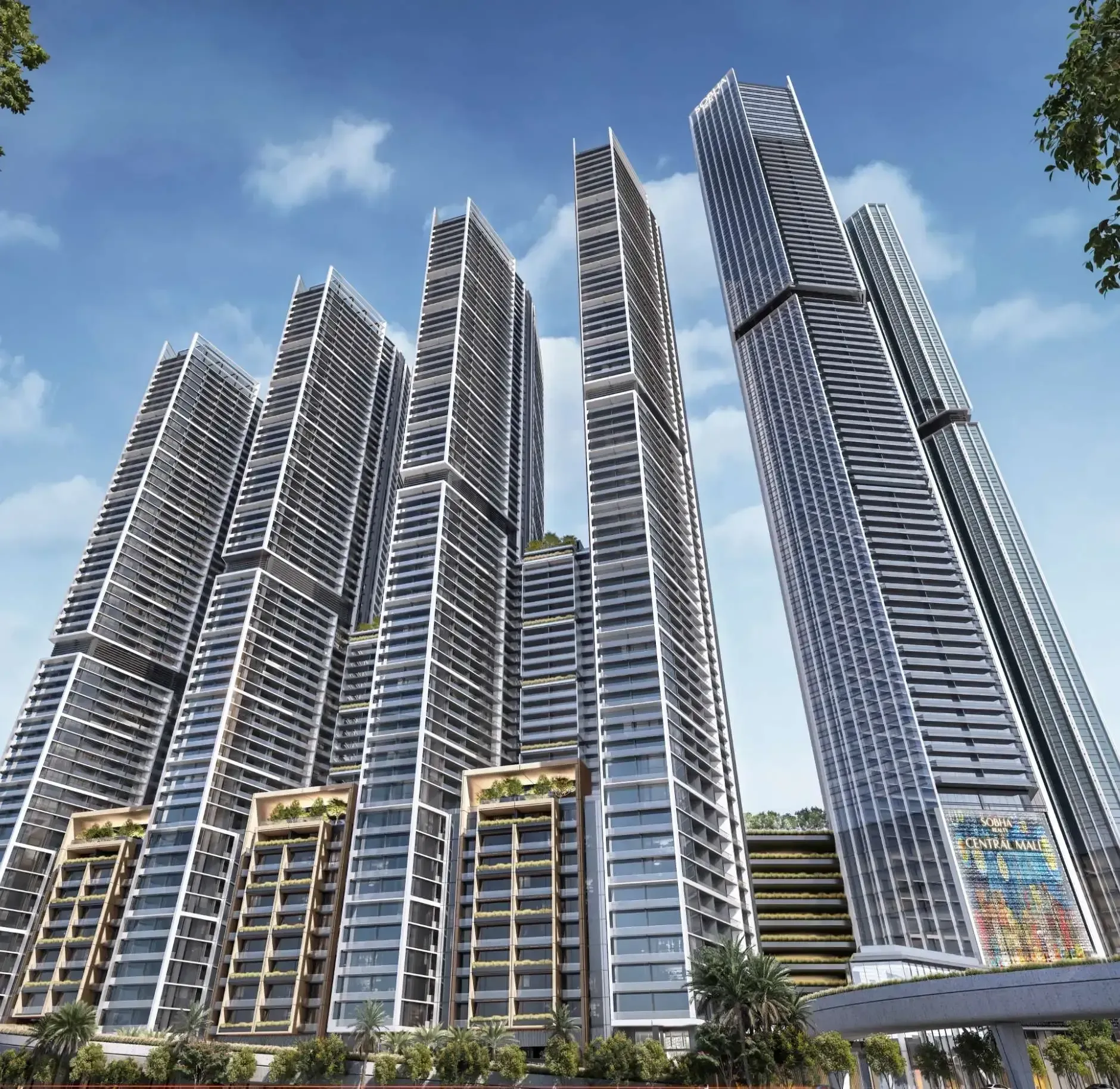
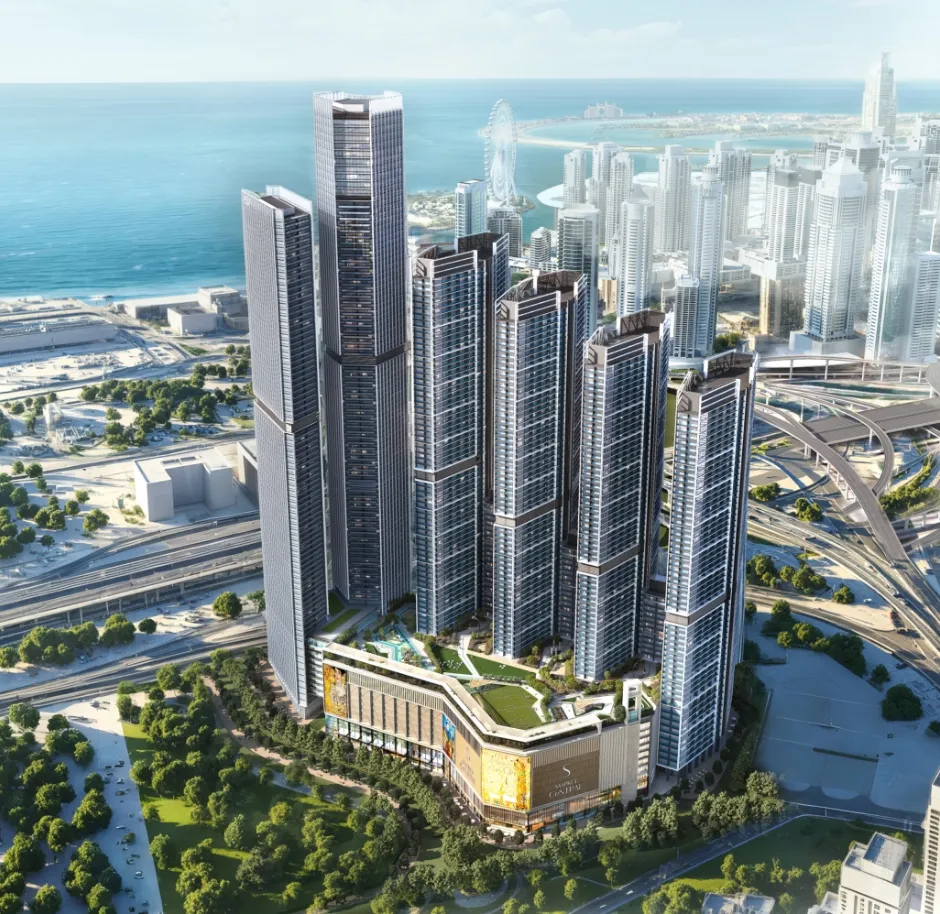
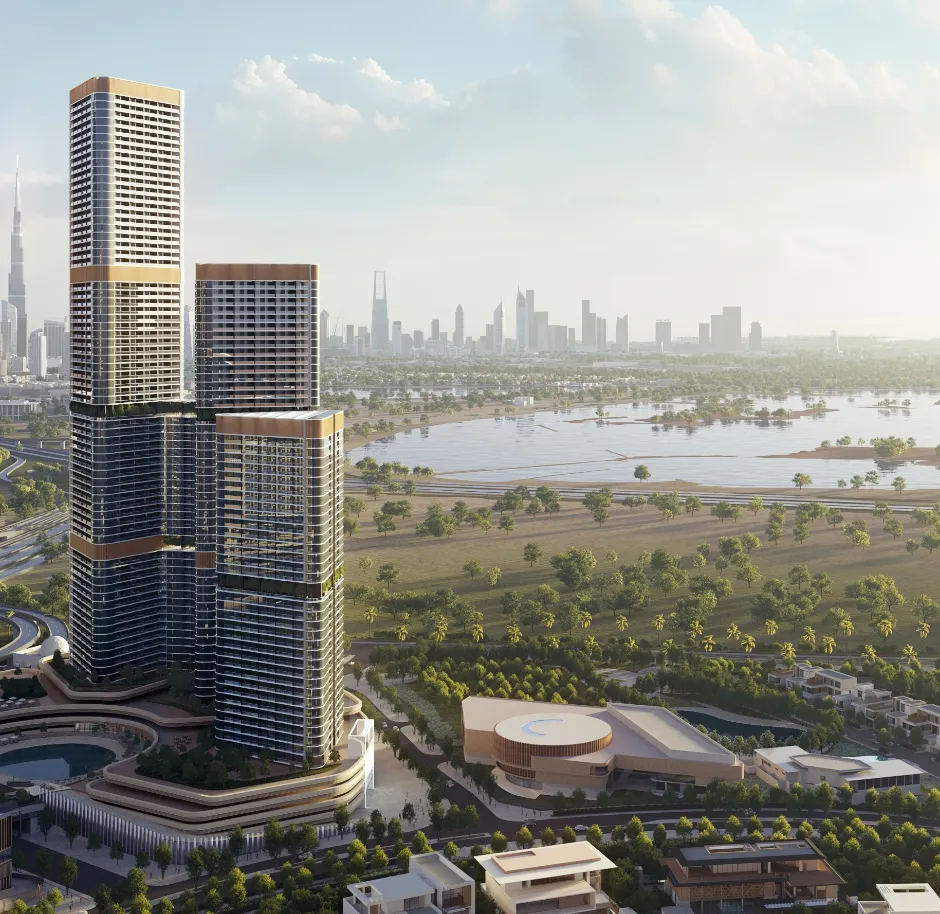
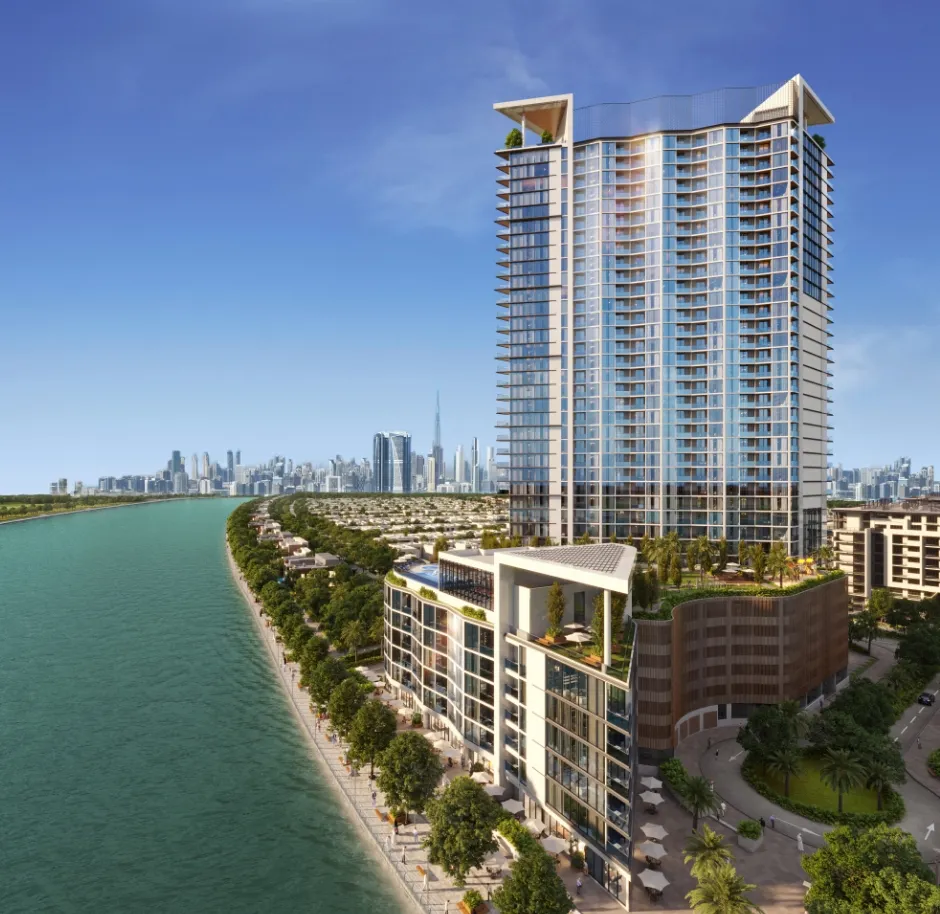
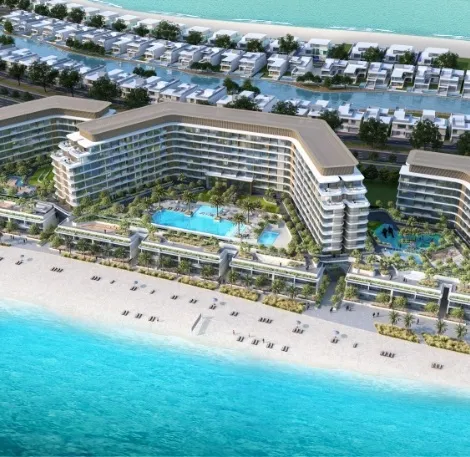
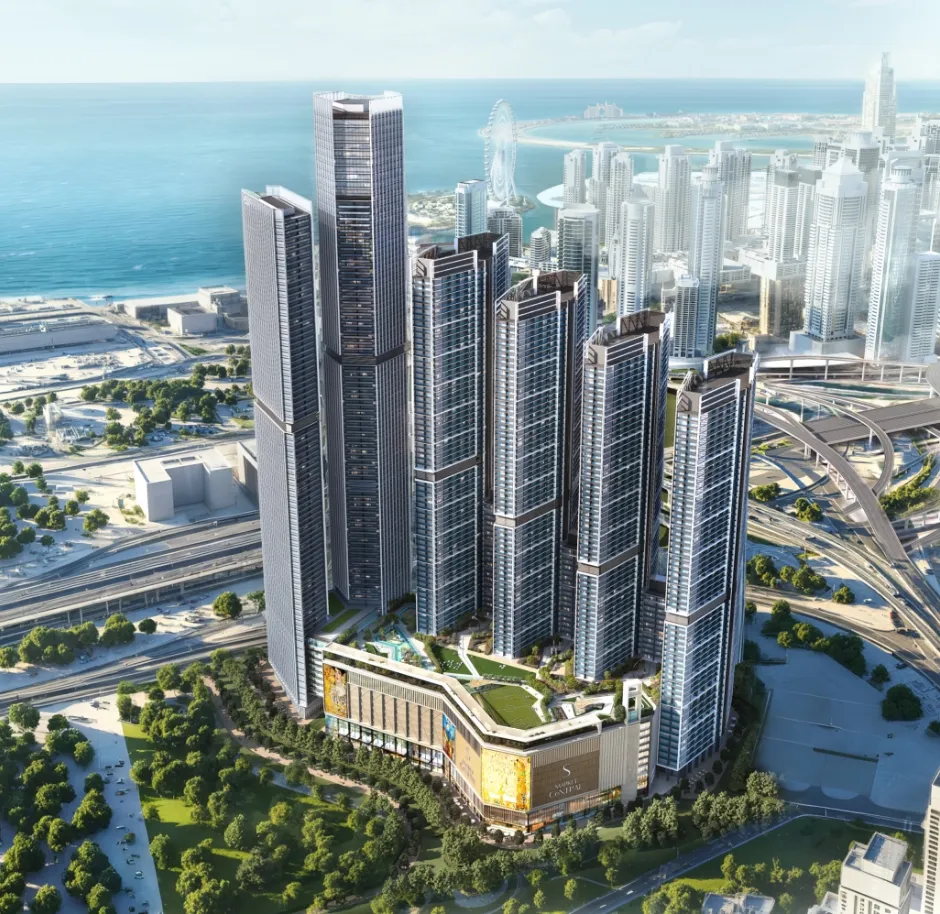
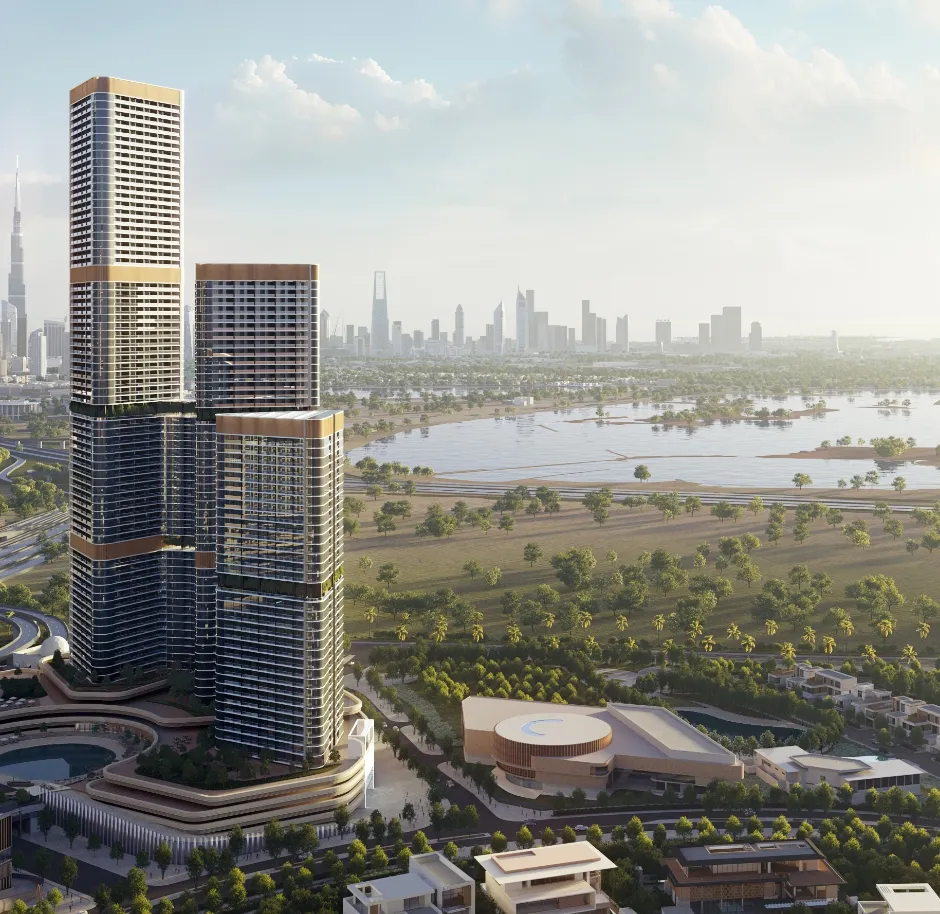
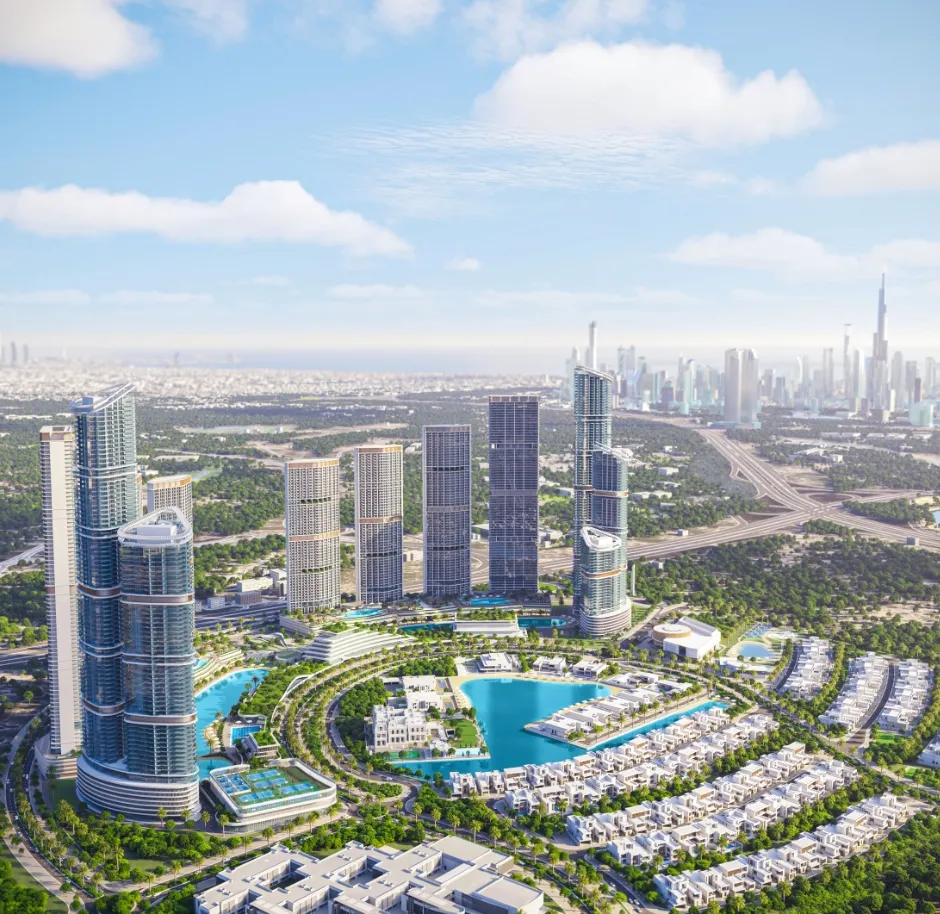
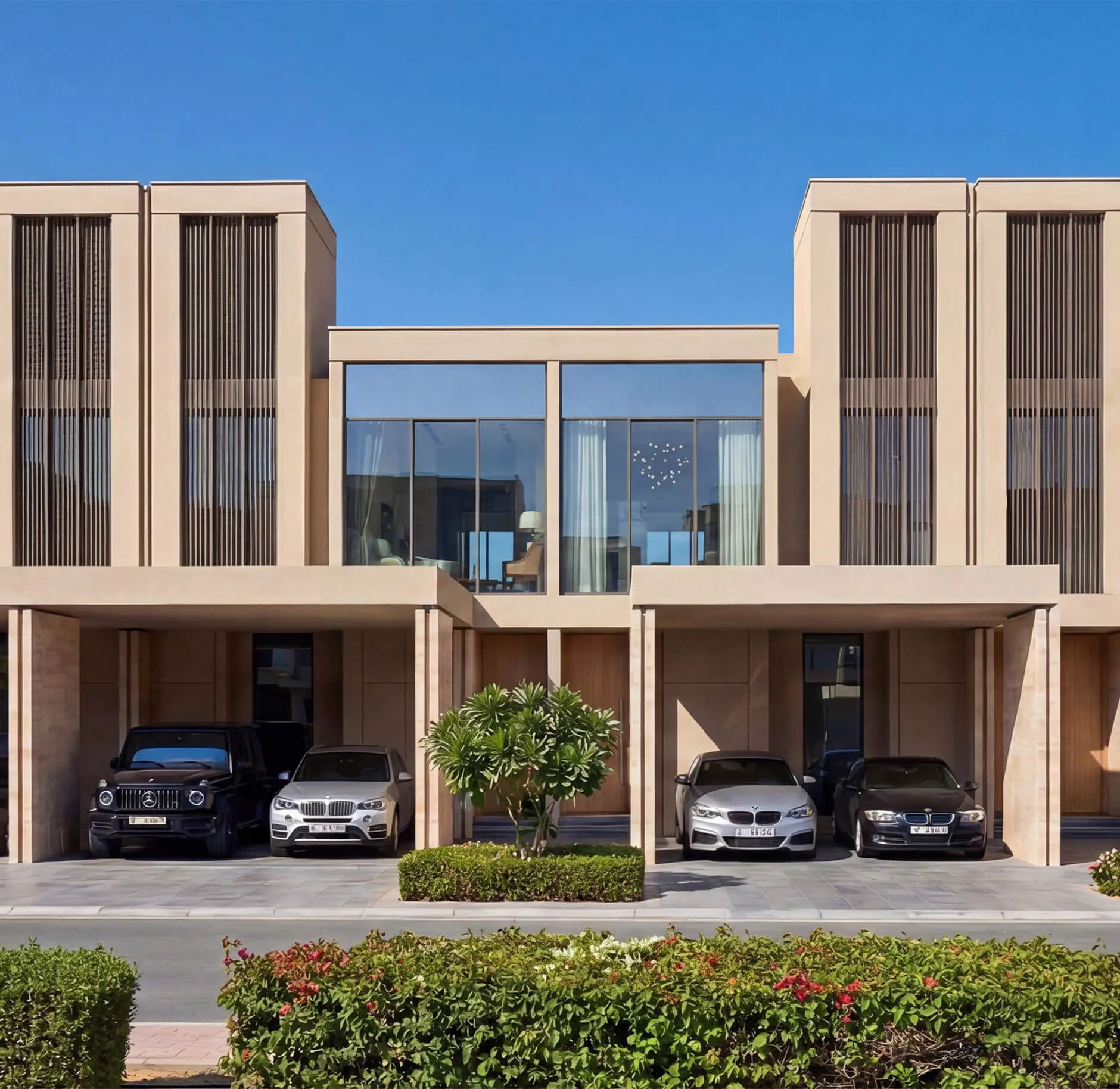
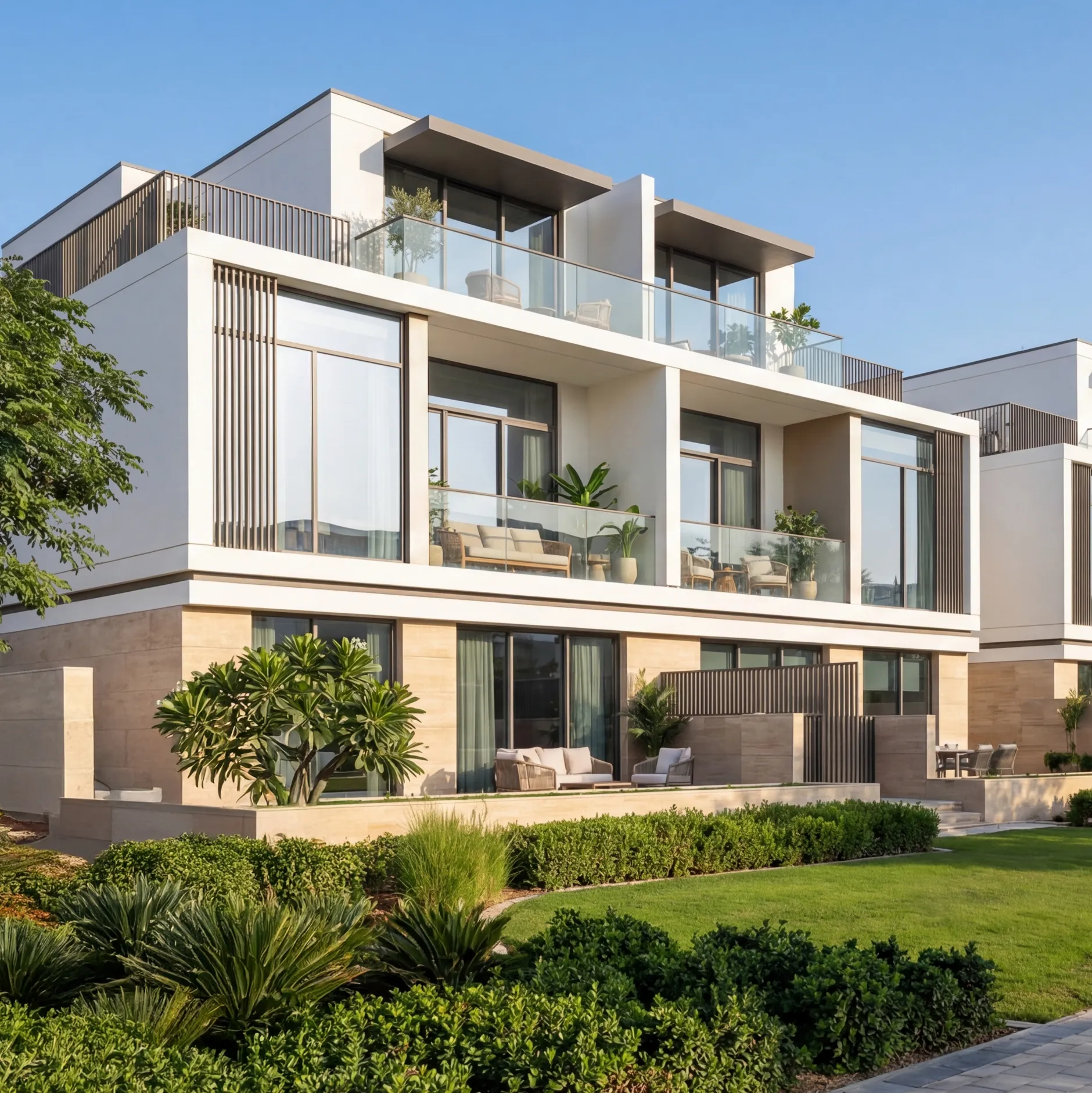
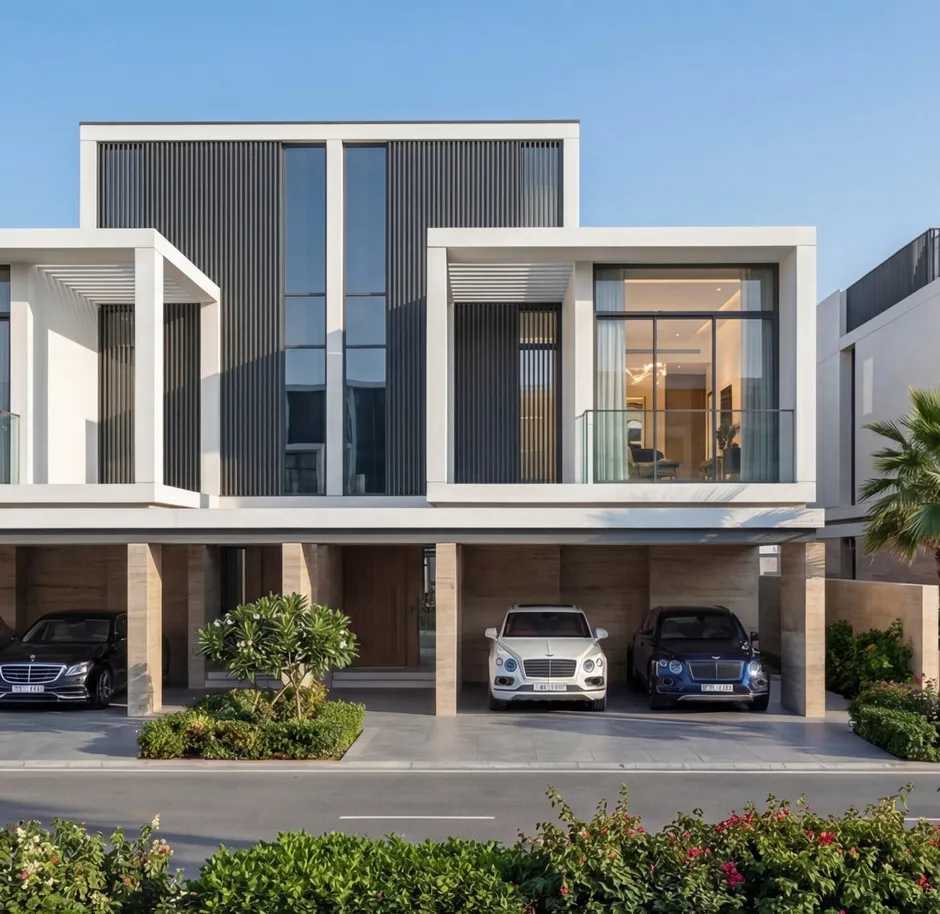
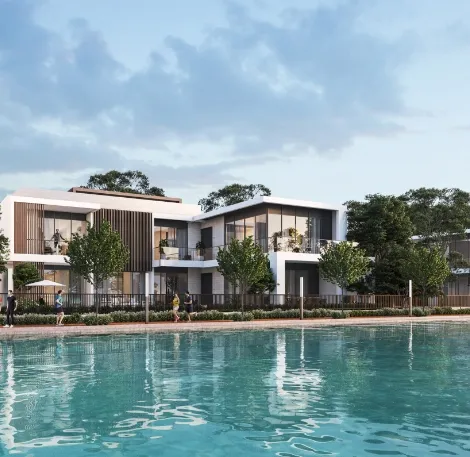
Off-plan remains one of the strongest search and transaction categories in the UAE because it gives buyers access to new communities, phased payment plans and potential capital appreciation before completion. In Dubai, the key is selection because the market is deep and competitive. In Abu Dhabi, the key is timing because certain masterplanned areas may still be entering a new growth phase. For Sobha, both markets offer distinct investment characteristics and lifestyle propositions: Dubai can be positioned around established craftsmanship, waterfront living and branded community value, while Abu Dhabi can be positioned around early growth, space and future connectivity.
Comparing Investment Considerations Across Both Markets?
There is no single answer. Dubai may offer stronger liquidity and clearer rental comparables in many established communities. Abu Dhabi may offer strategic upside in emerging or transforming districts, particularly where lifestyle infrastructure is improving. A practical investor should compare entry price, service charges, rental demand, handover timeline, developer quality, community maturity and future infrastructure.
Sobha positioning
Sobha’s advantage is that the brand can speak to both investor mindsets. In Dubai, Sobha represents established luxury, precision and high-quality master community development. In Abu Dhabi, Sobha City can represent a new chapter of refined community living in a market that is gaining international attention. The blog should avoid declaring one city the winner. Instead, it should guide buyers based on purpose: income, capital growth, end-use, family living or portfolio diversification.
Frequently Asked Questions (FAQs)
1. Is Dubai or Abu Dhabi better for property investment in 2026?
Dubai offers liquidity and global demand, while Abu Dhabi offers planned growth and long-term lifestyle value. The better choice depends on investor goals.
2. Is Abu Dhabi becoming more attractive for property investors?
Yes. Cultural, tourism and infrastructure investments are increasing buyer attention, especially around well-connected masterplanned communities.
3. Can investors buy off-plan property in both Dubai and Abu Dhabi?
Yes. Both markets offer off-plan opportunities, but buyers should assess developer track record, escrow structure, location and handover timeline.