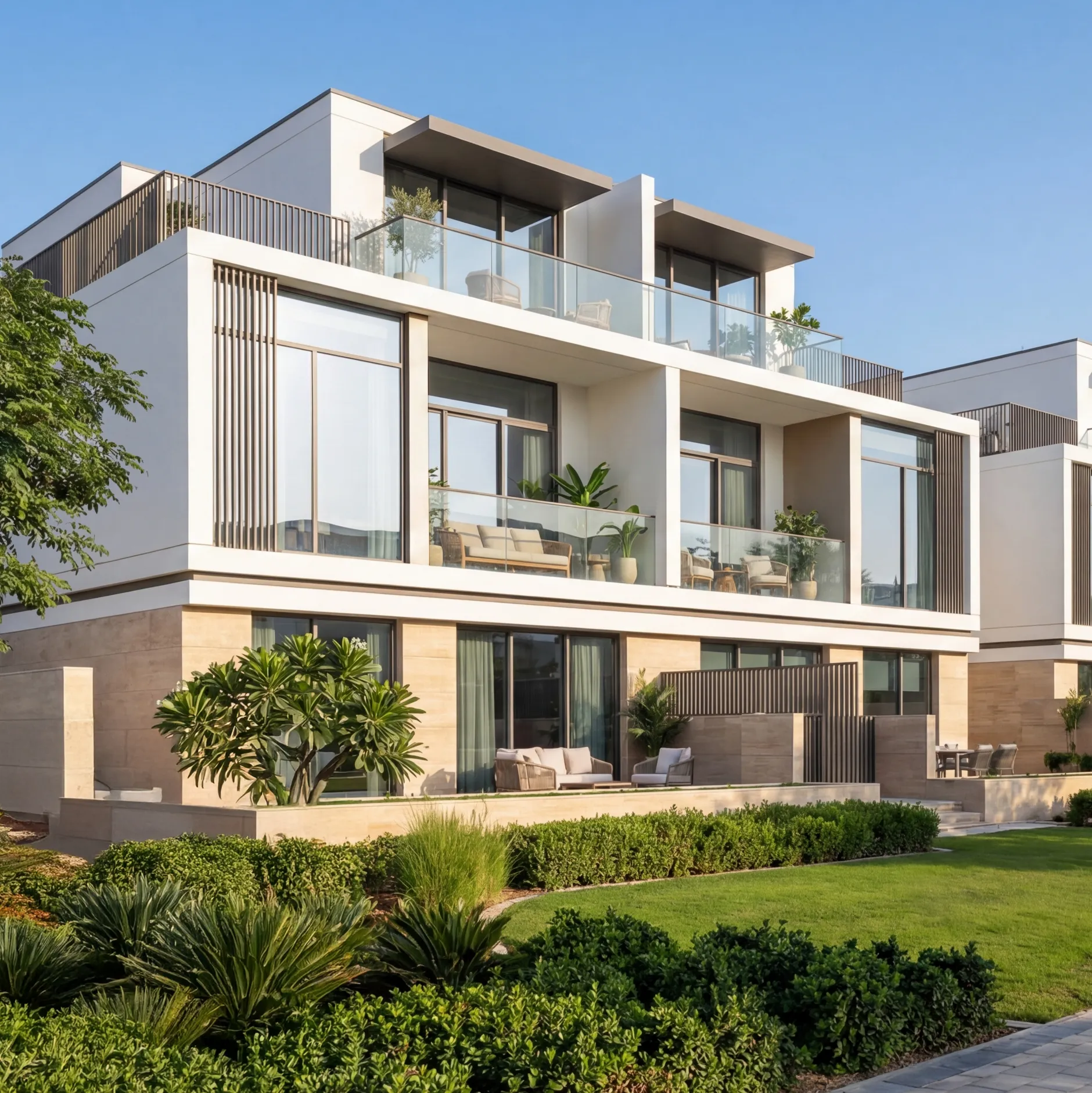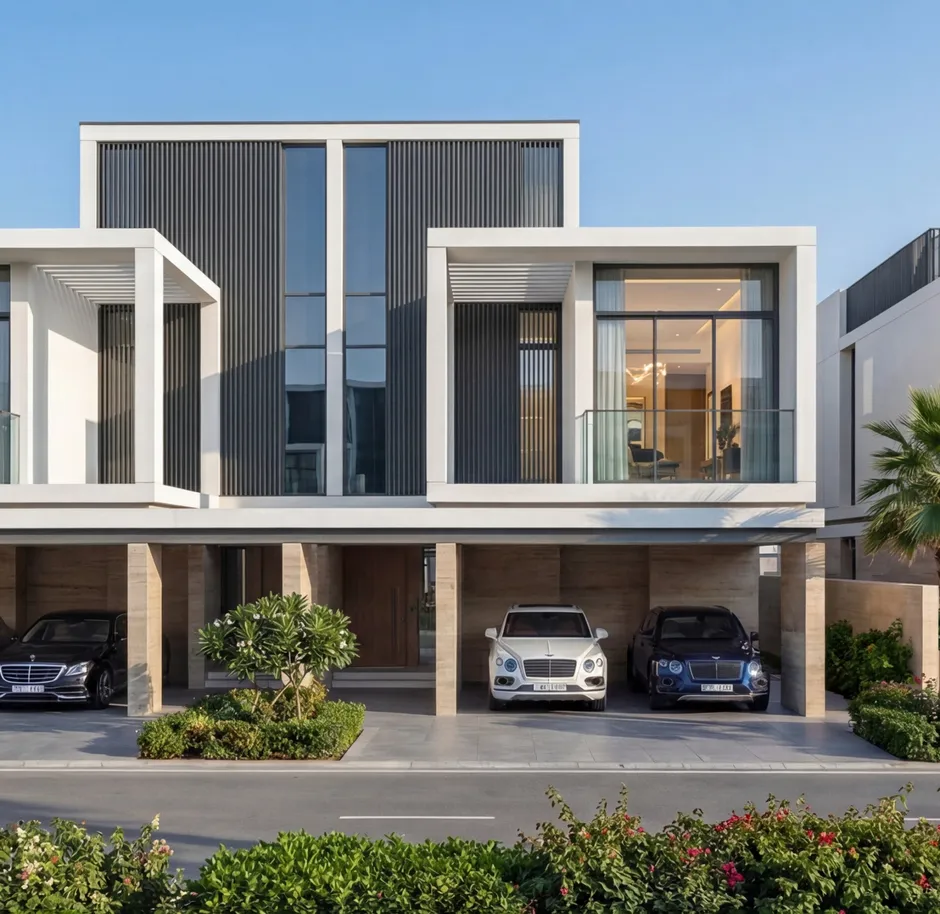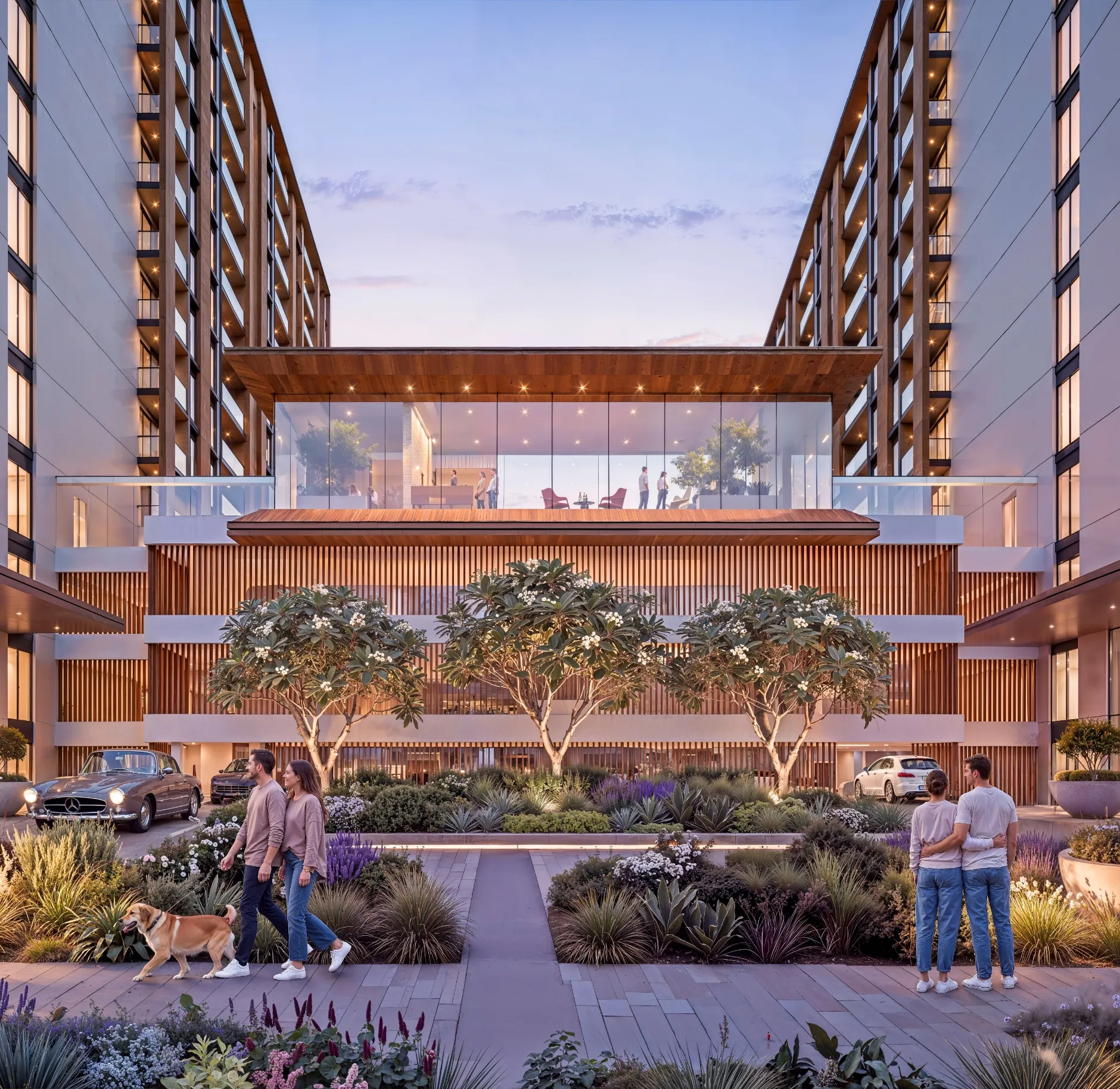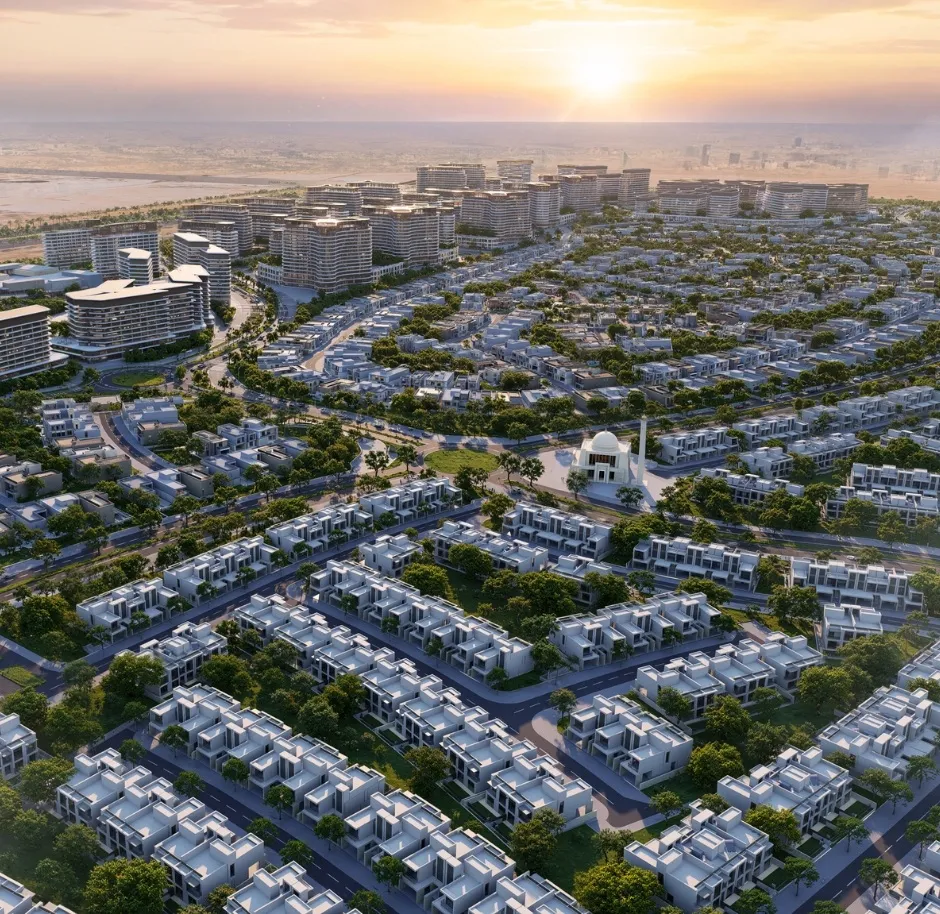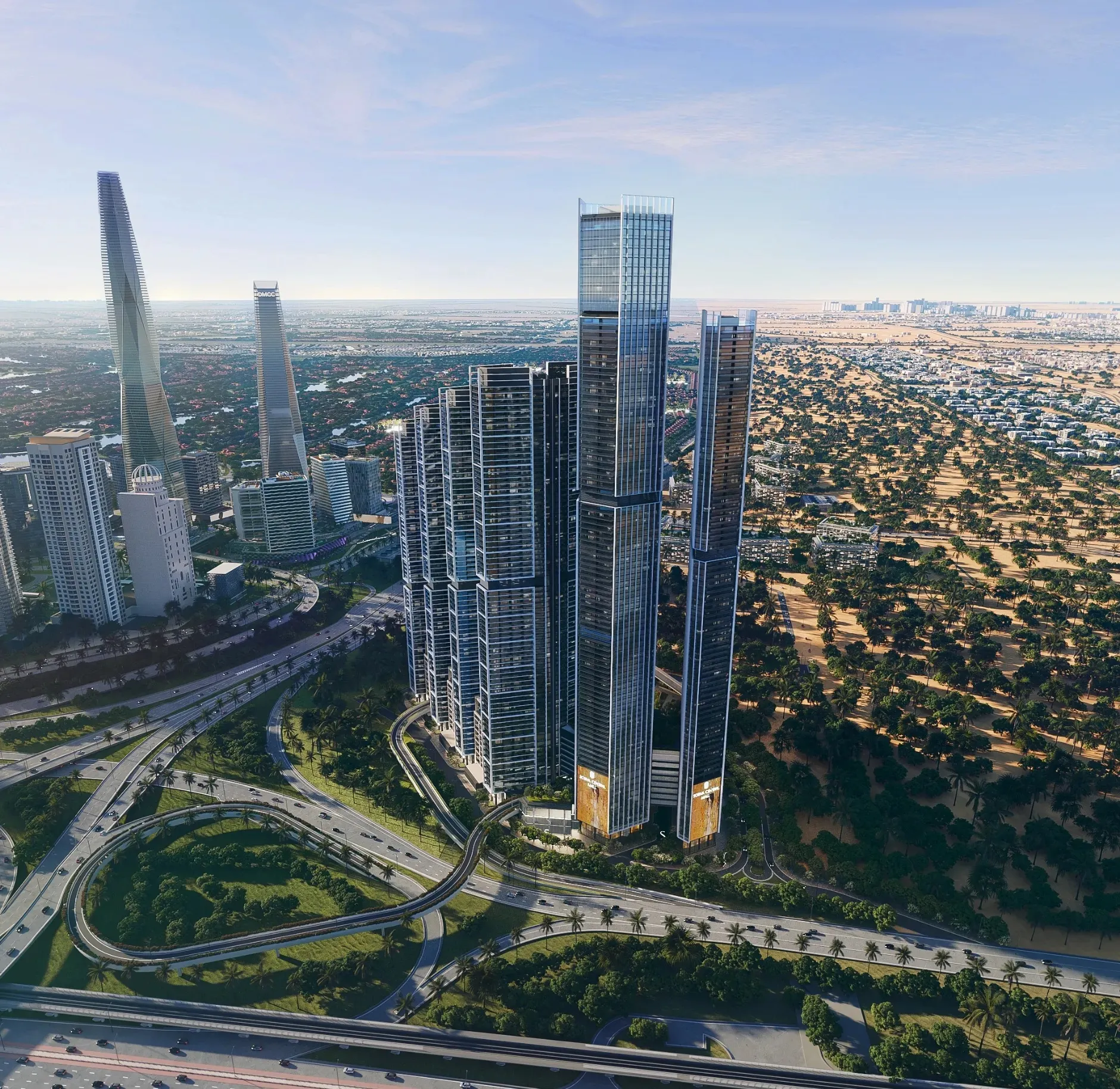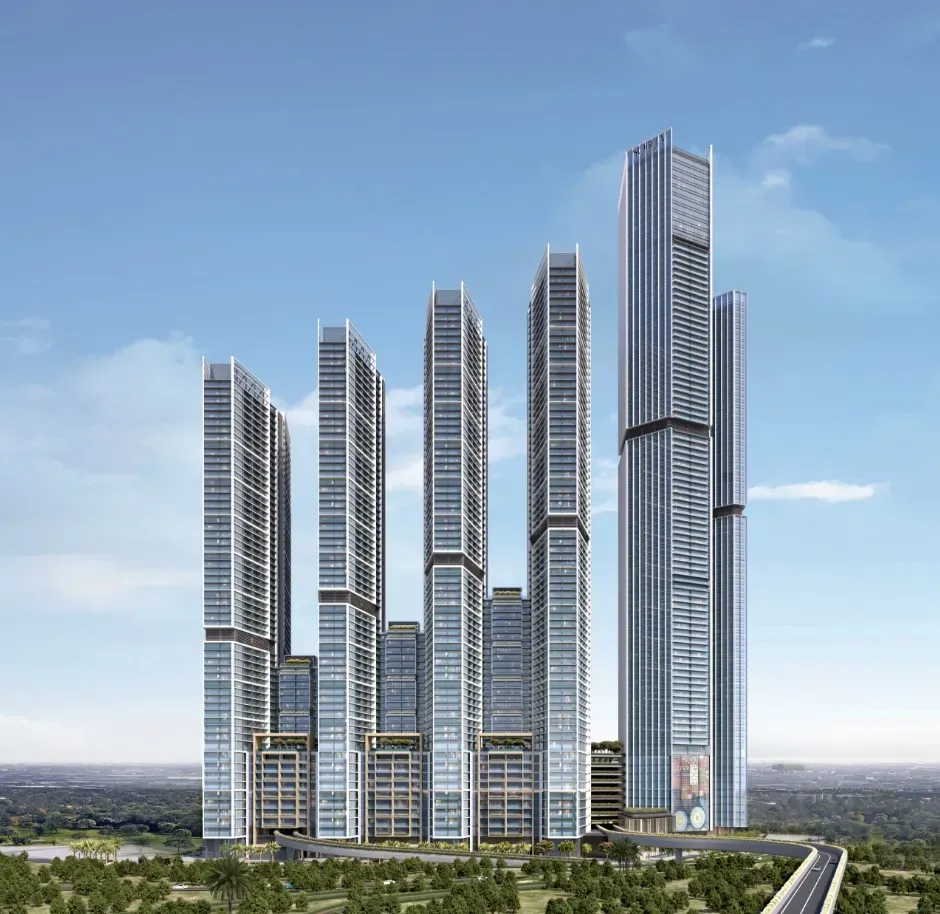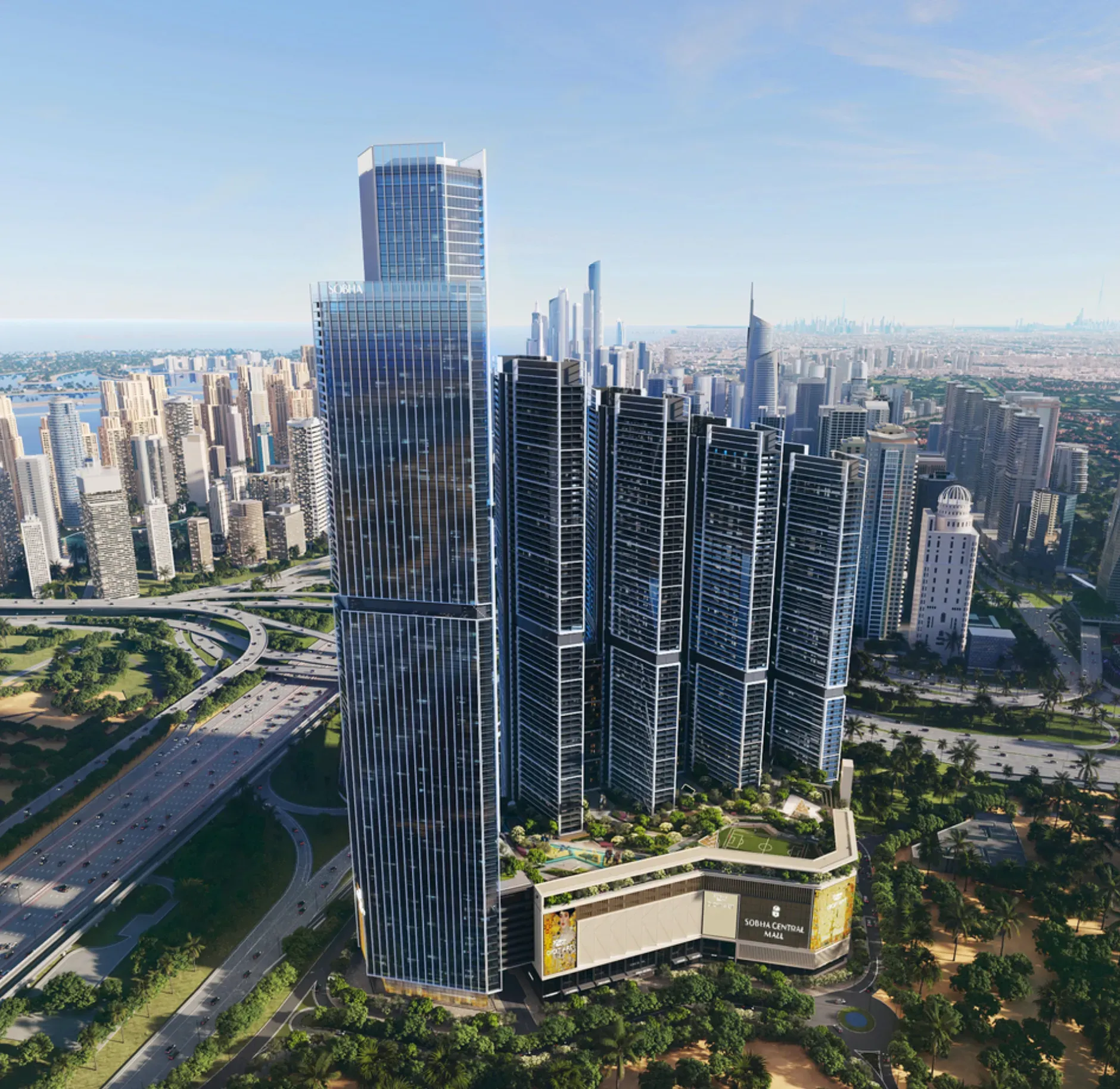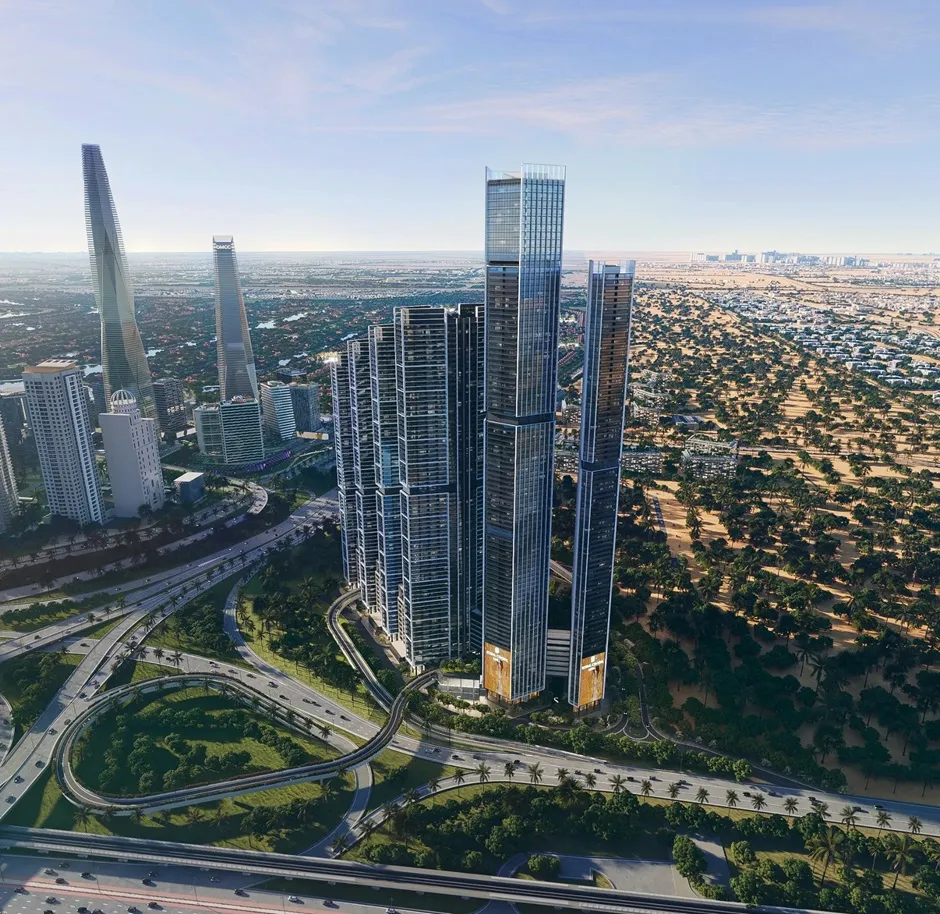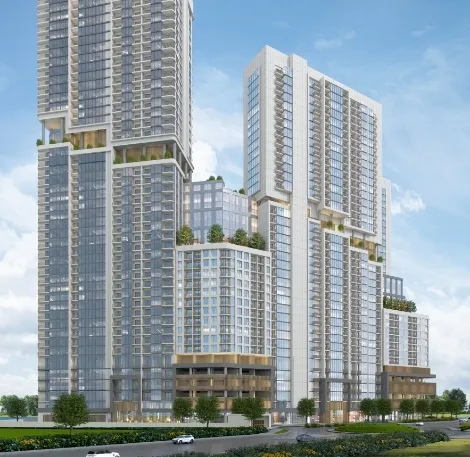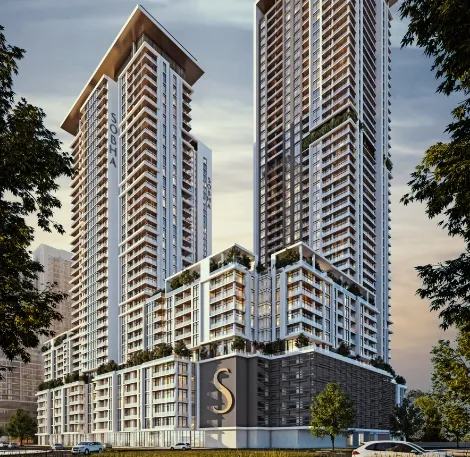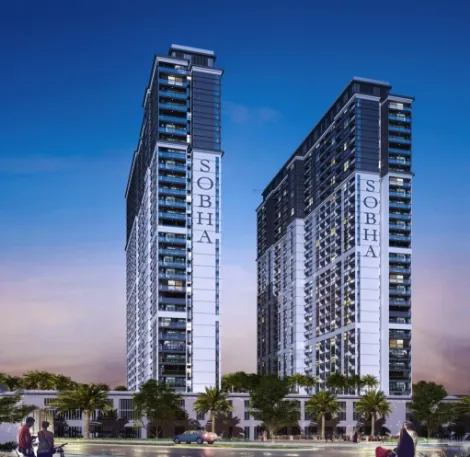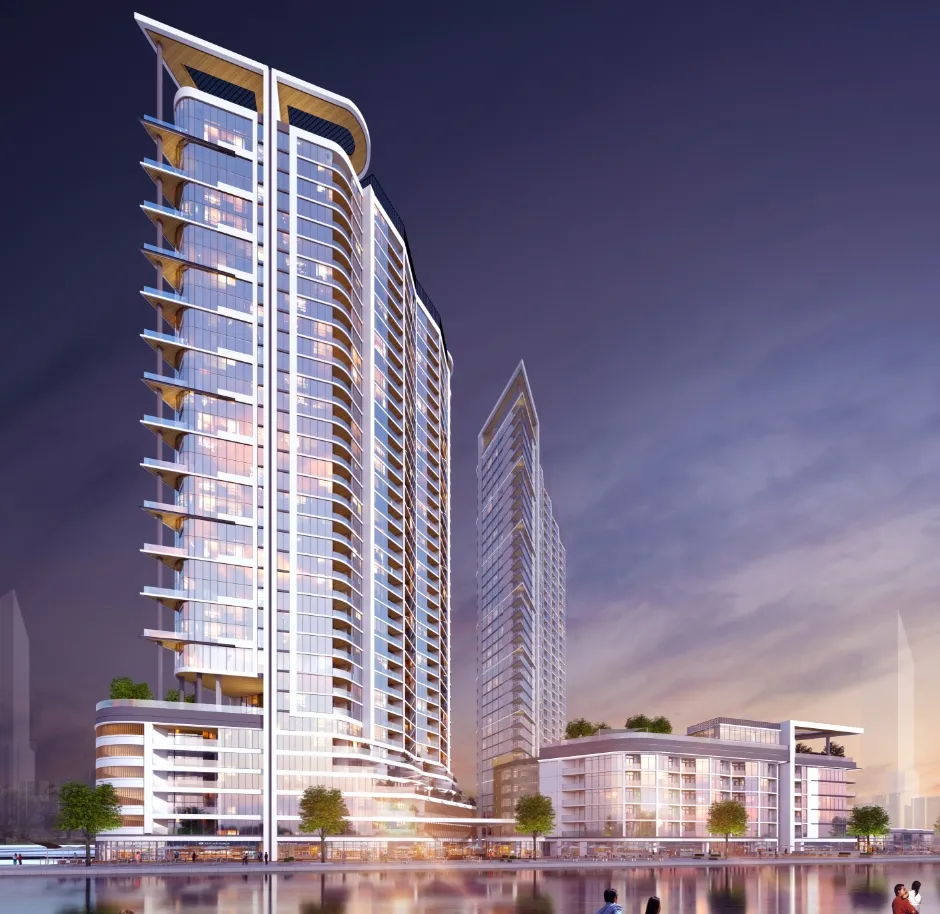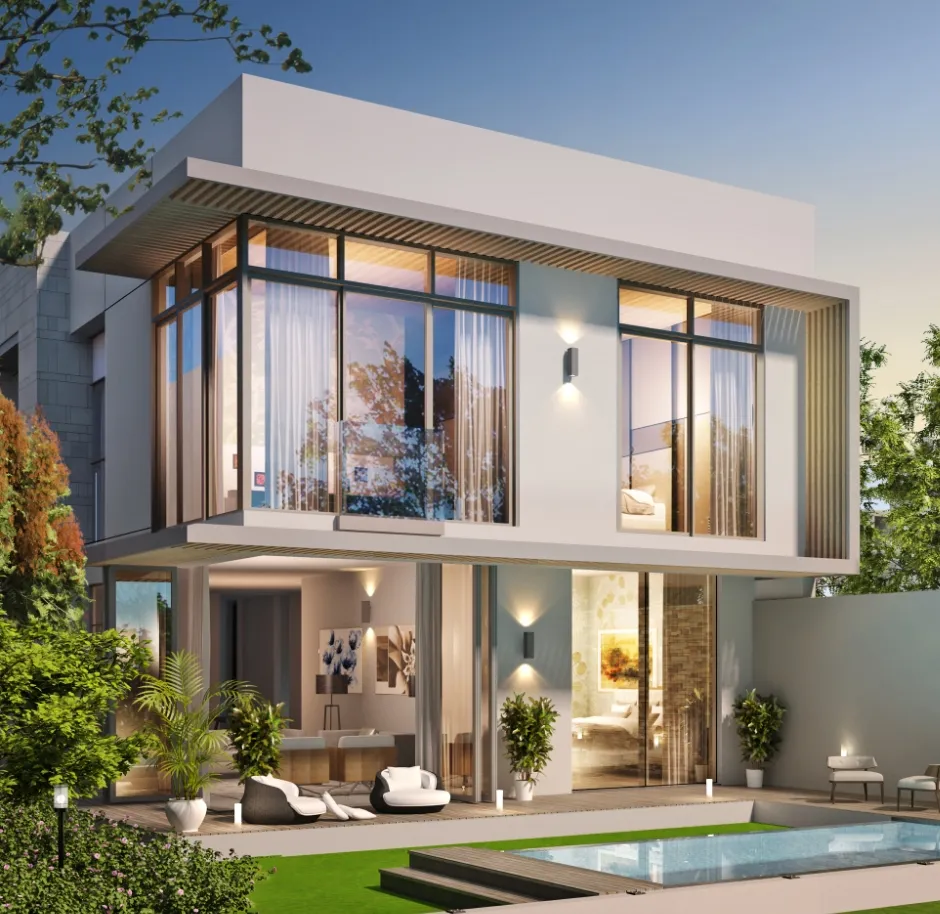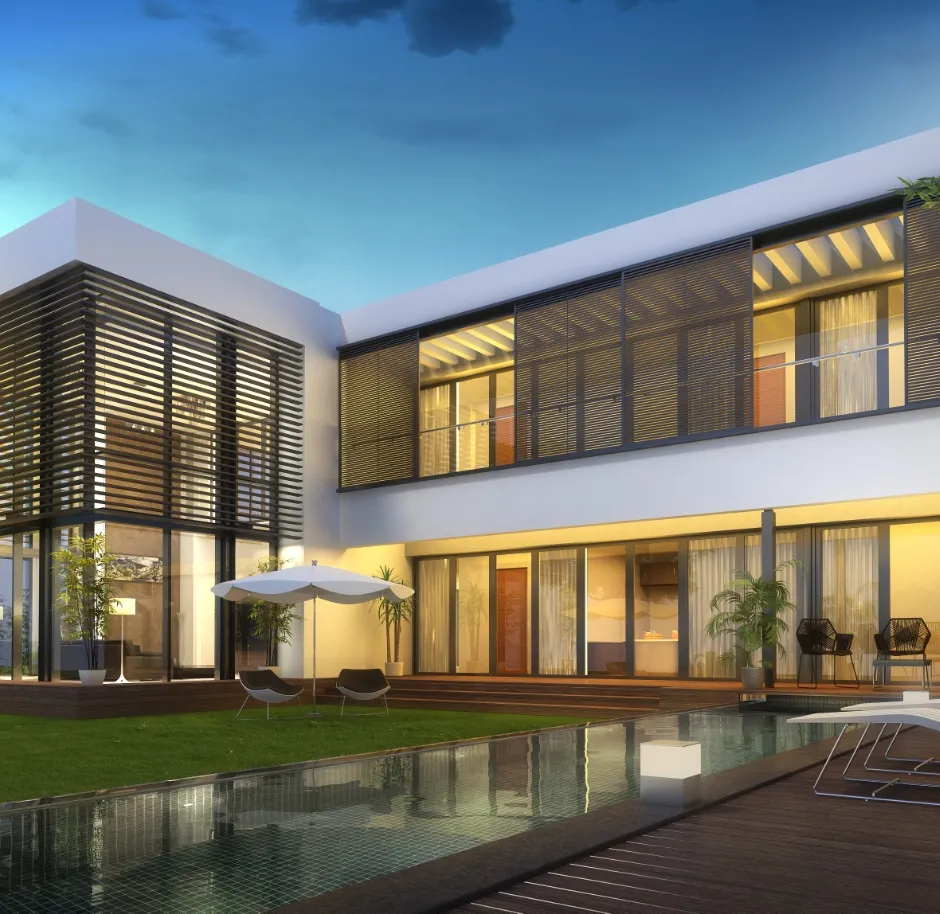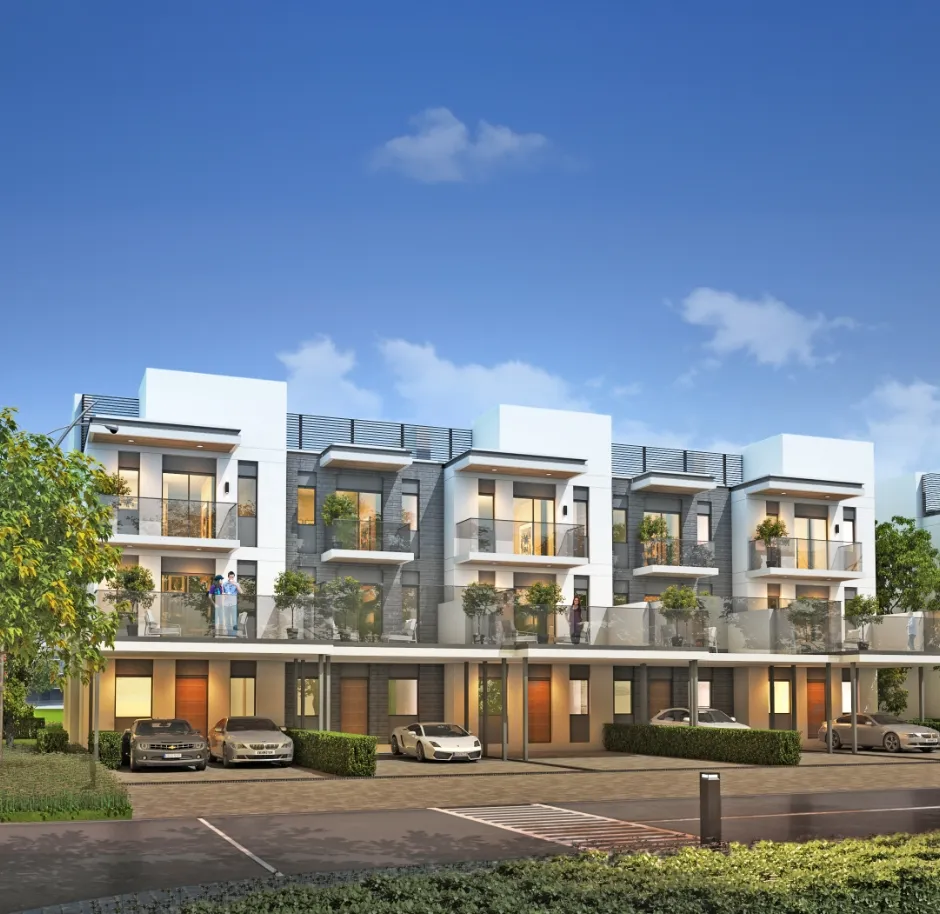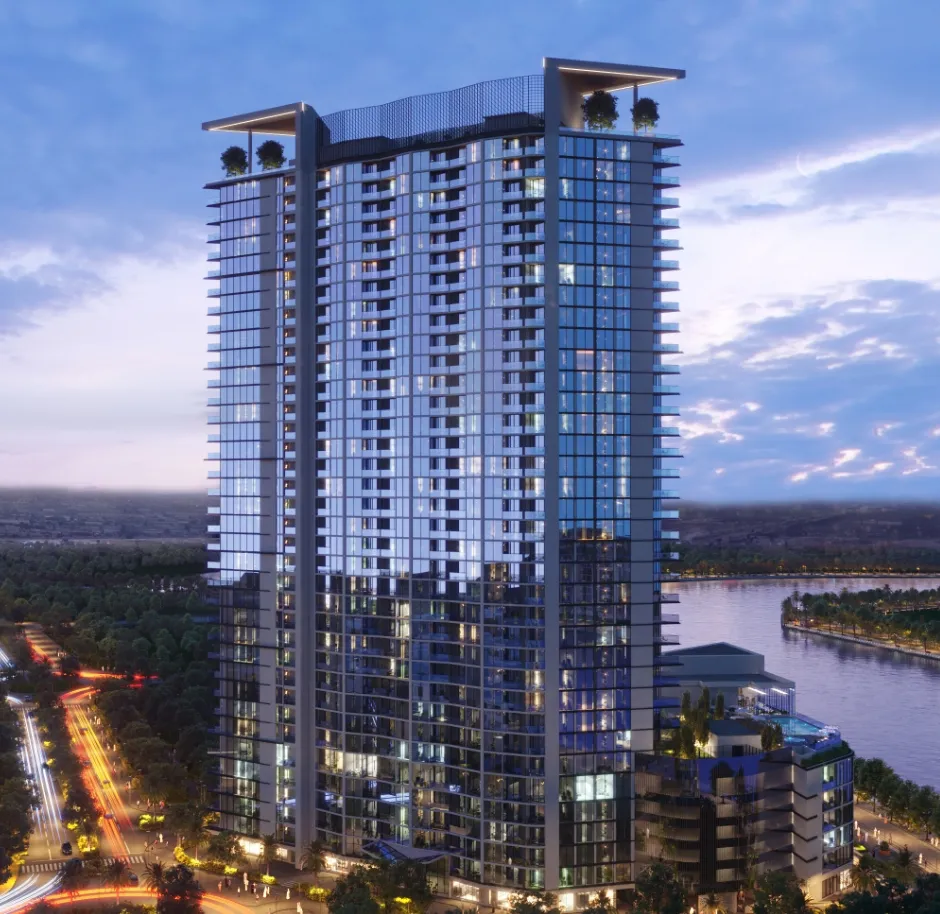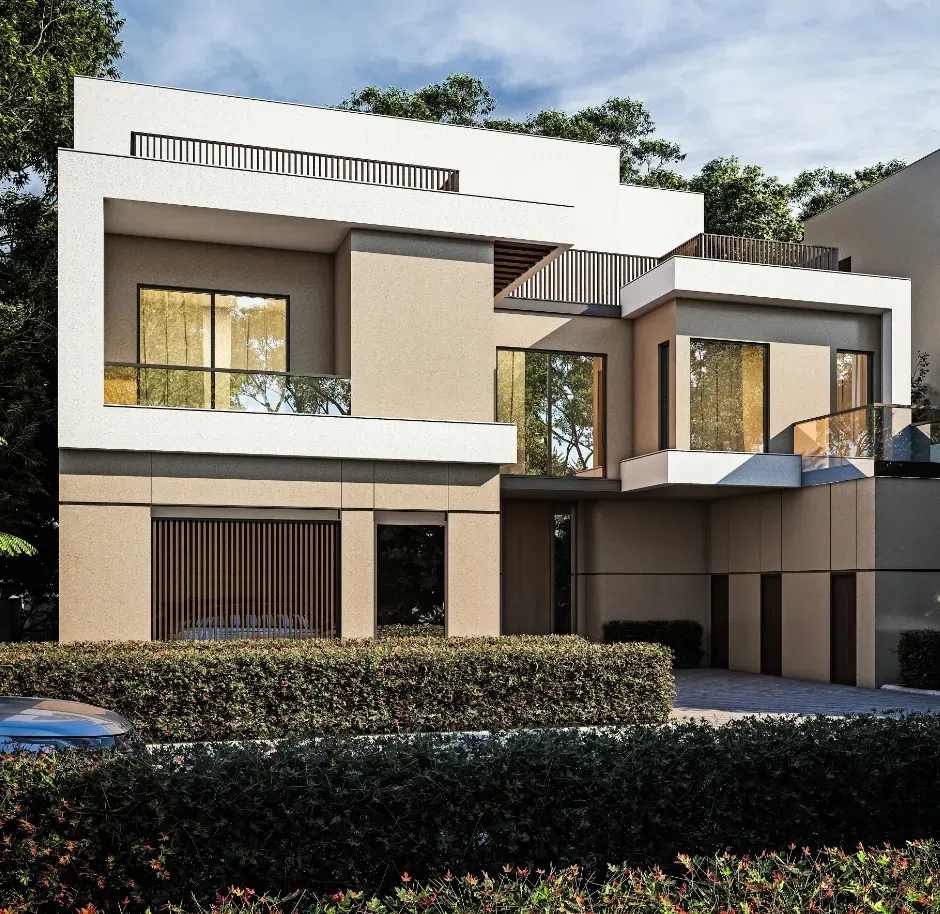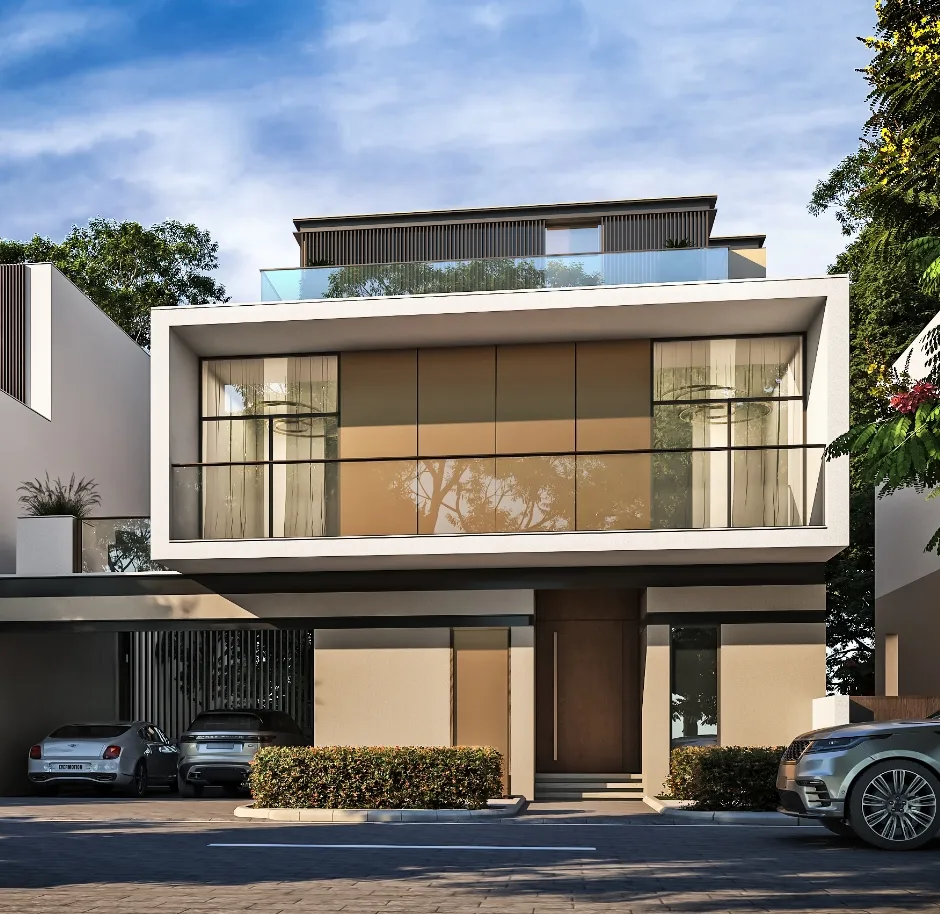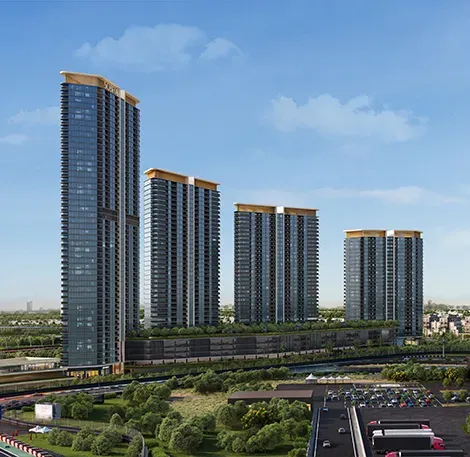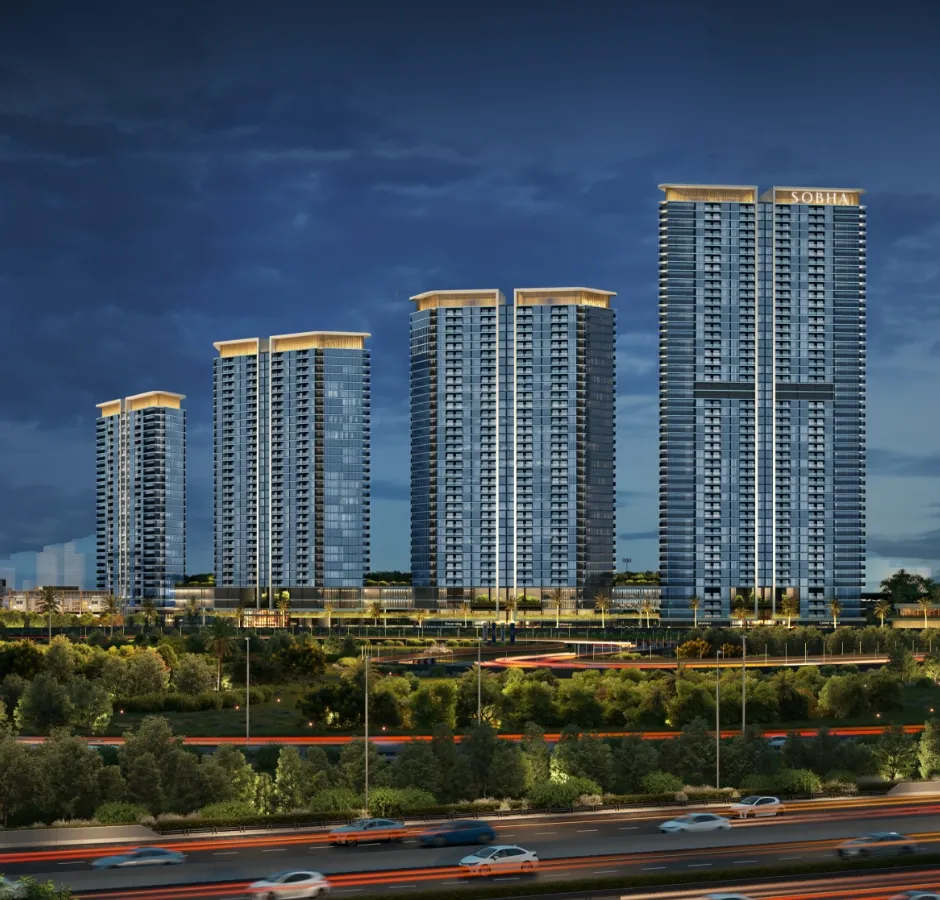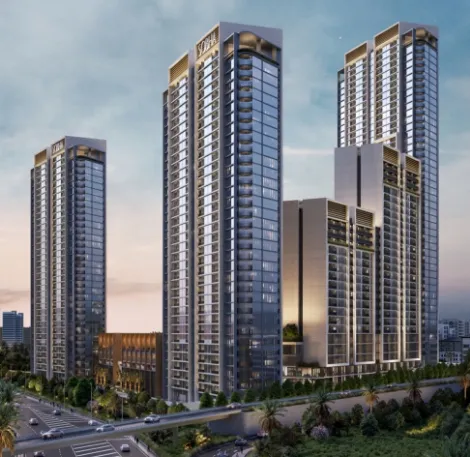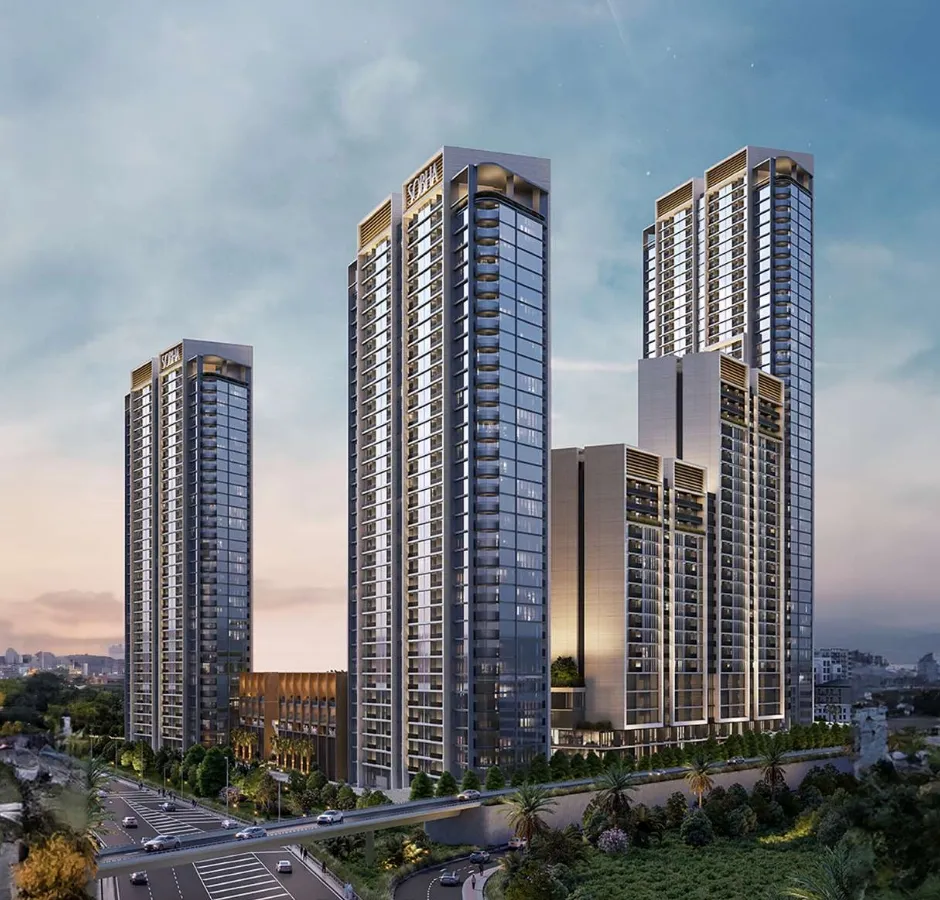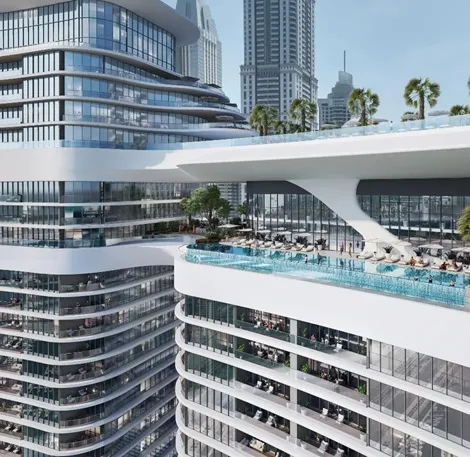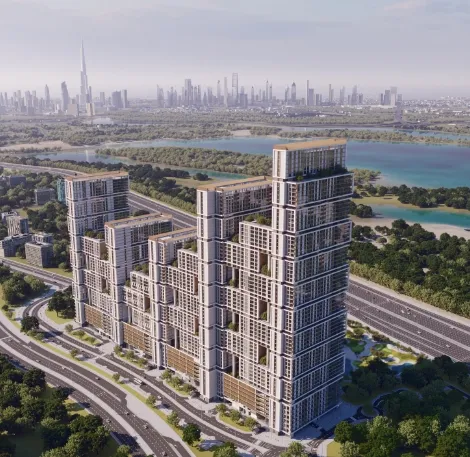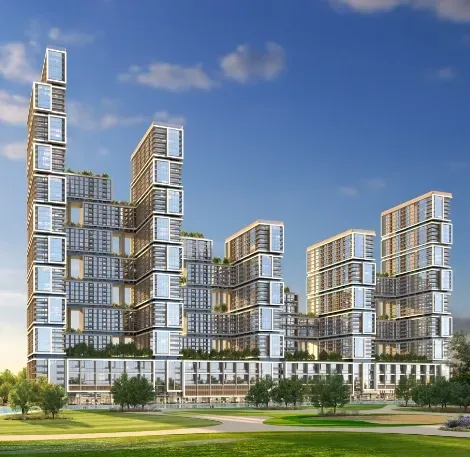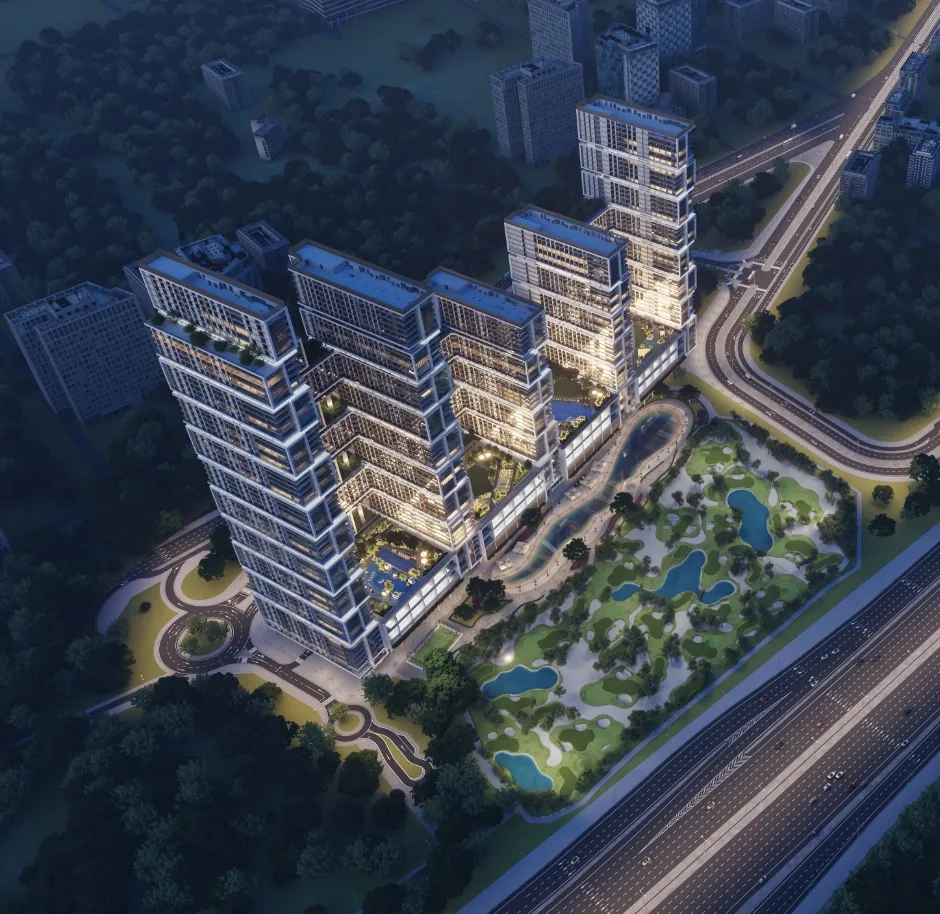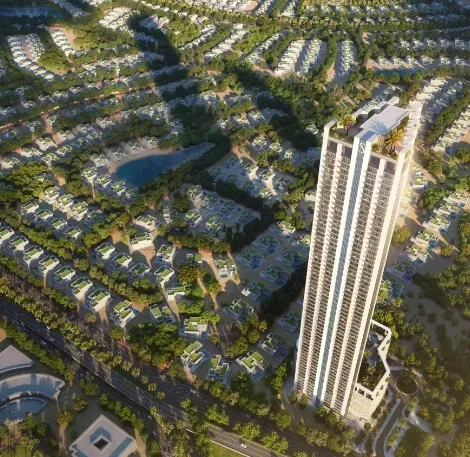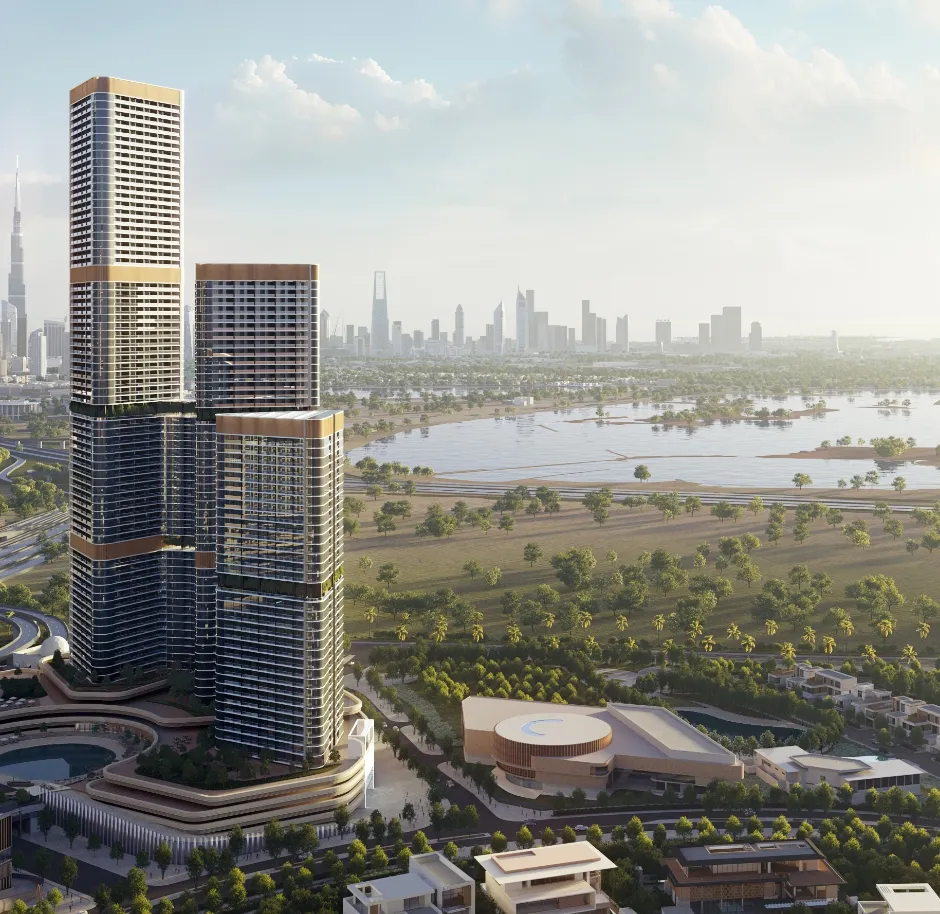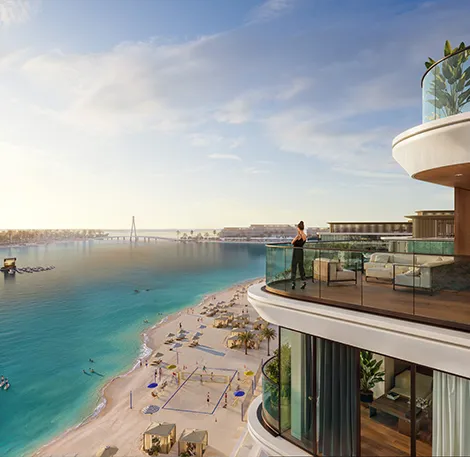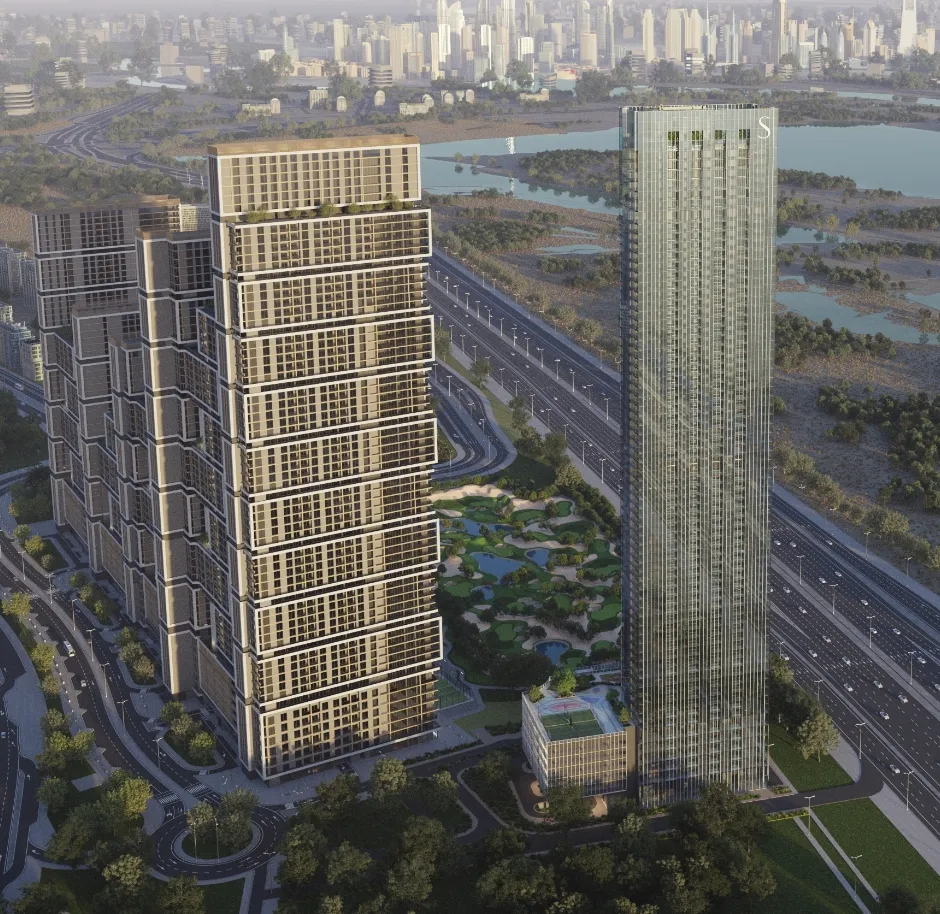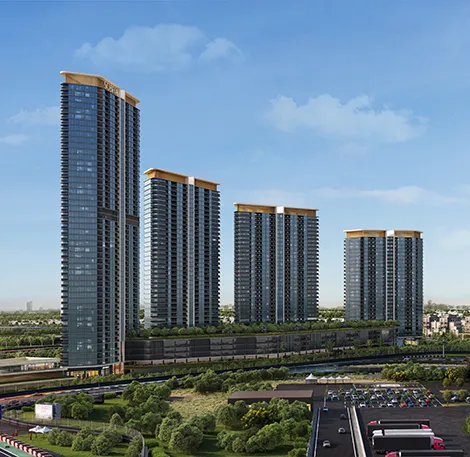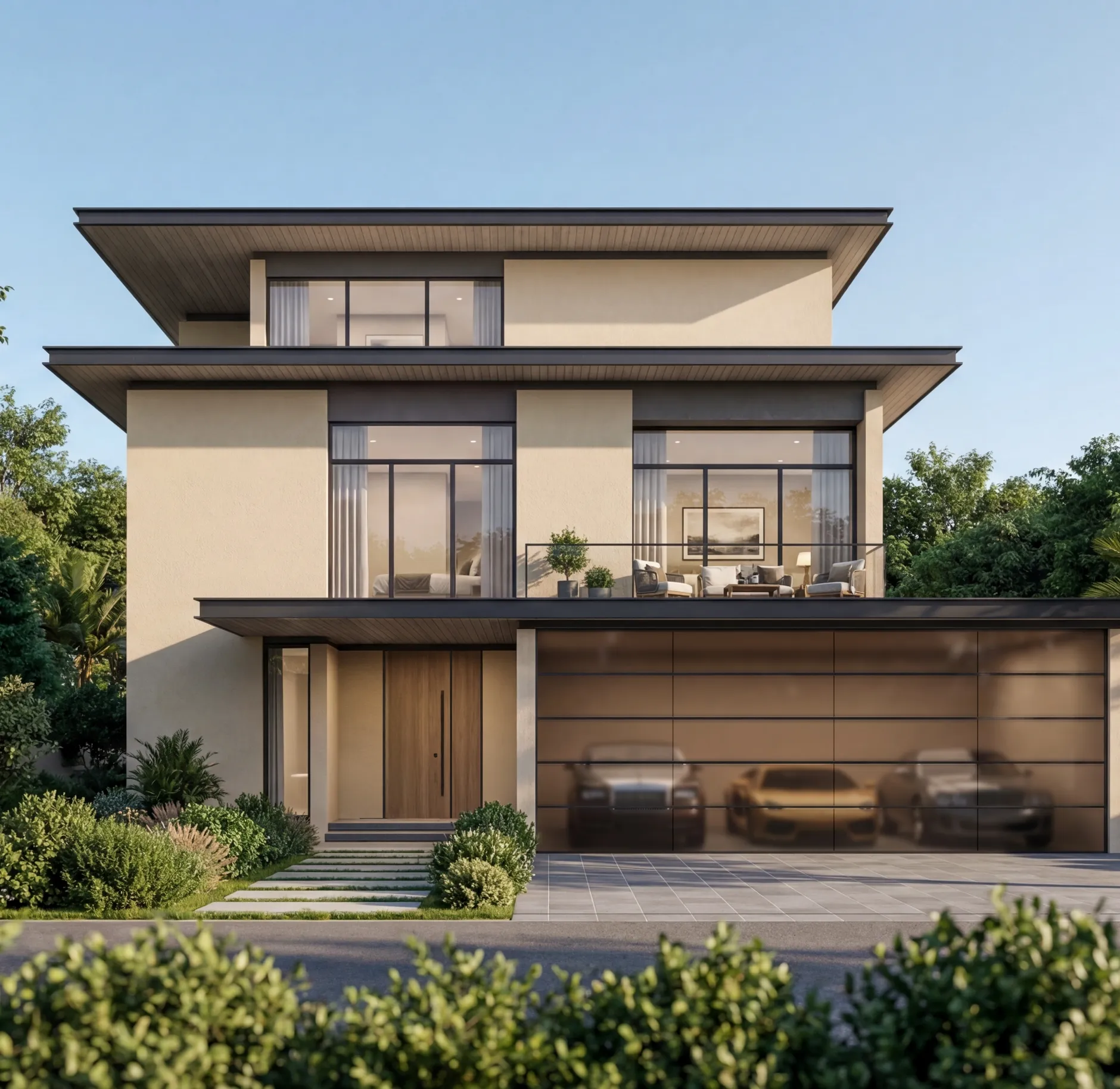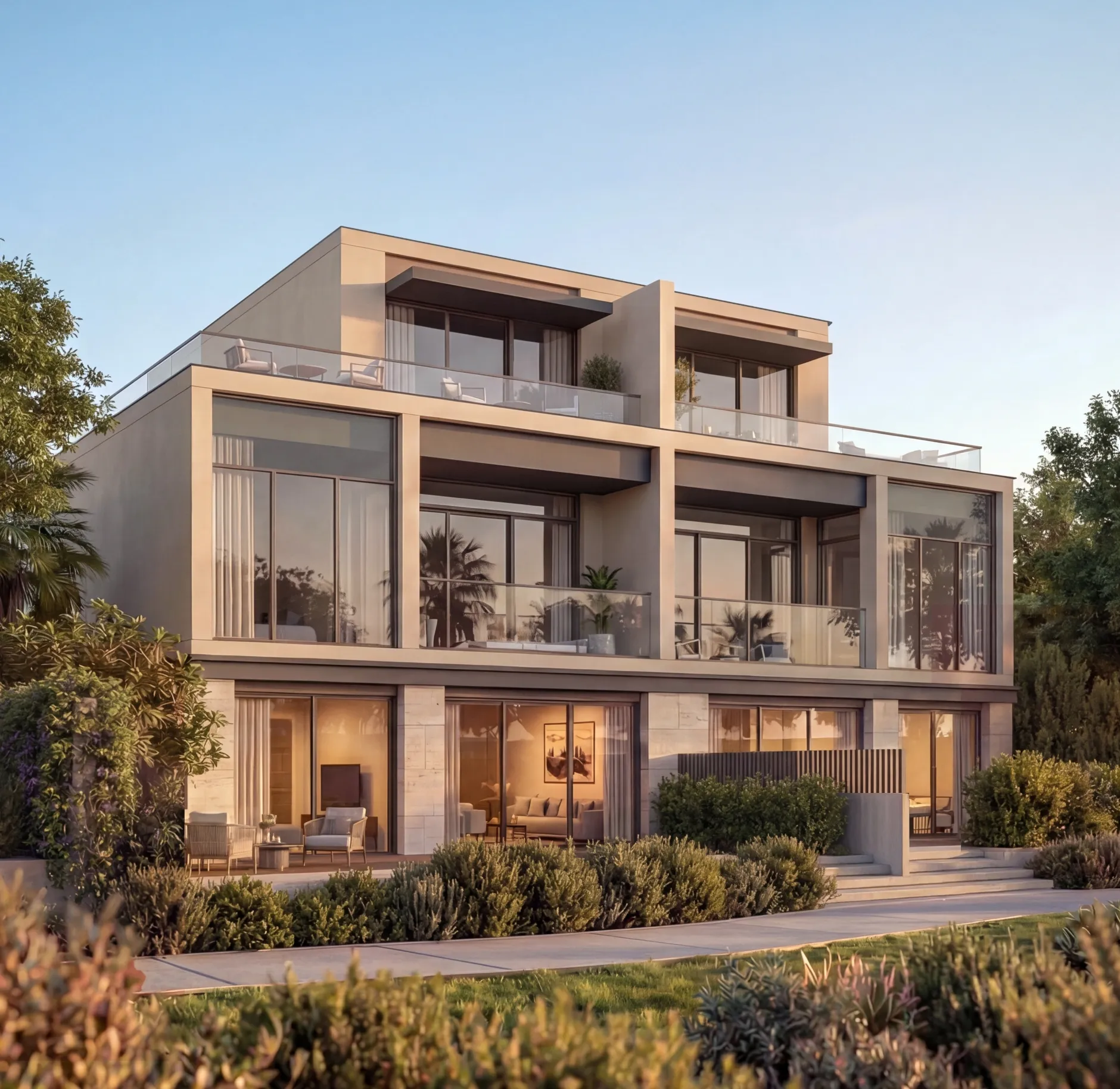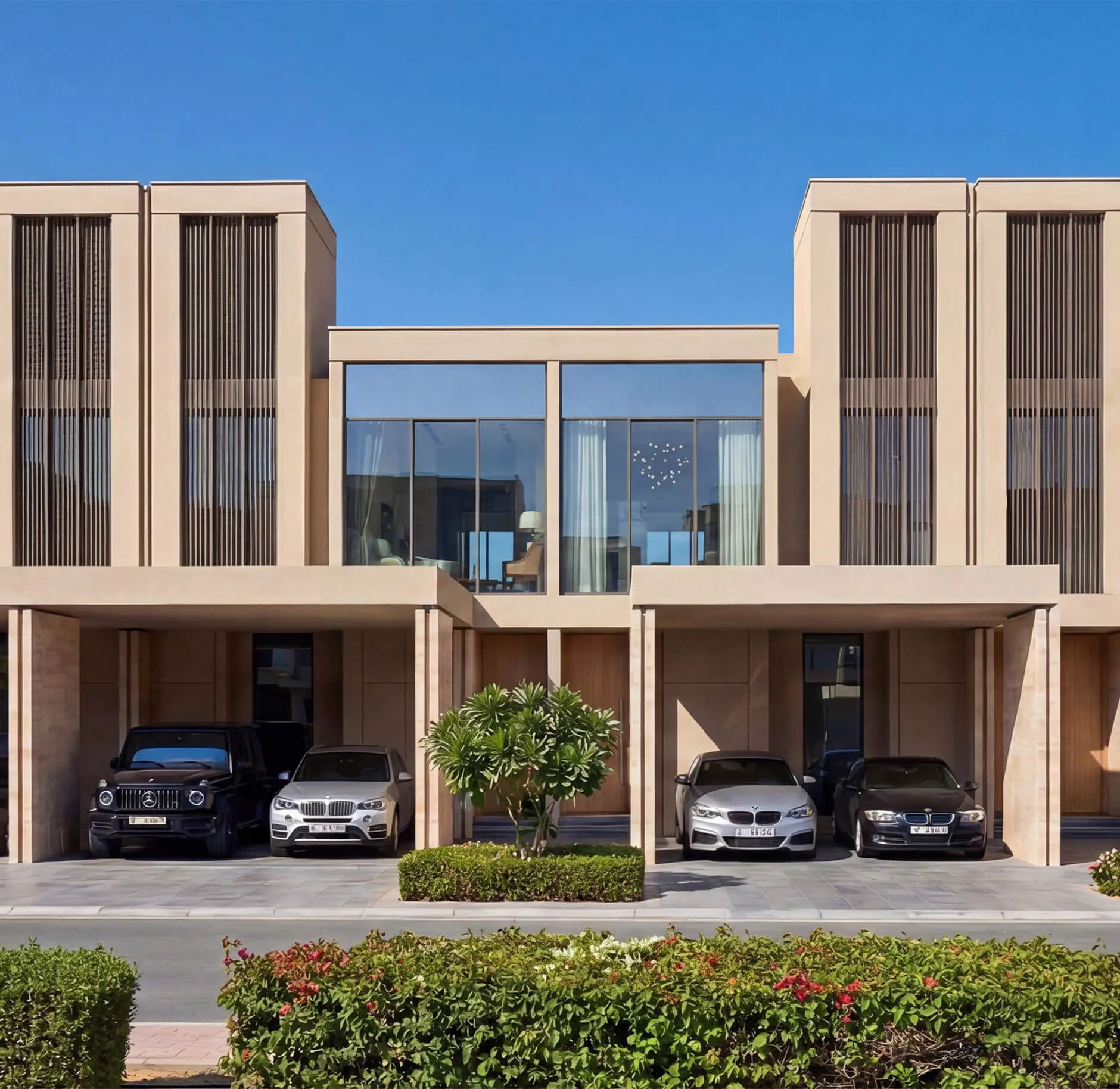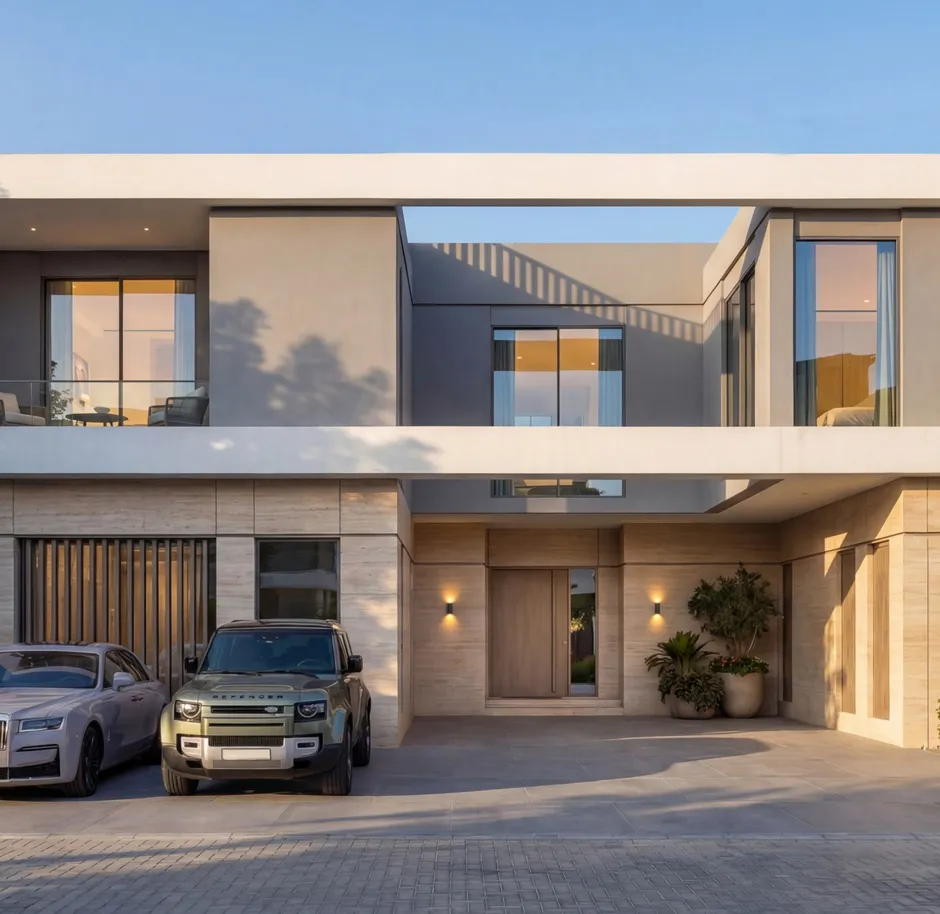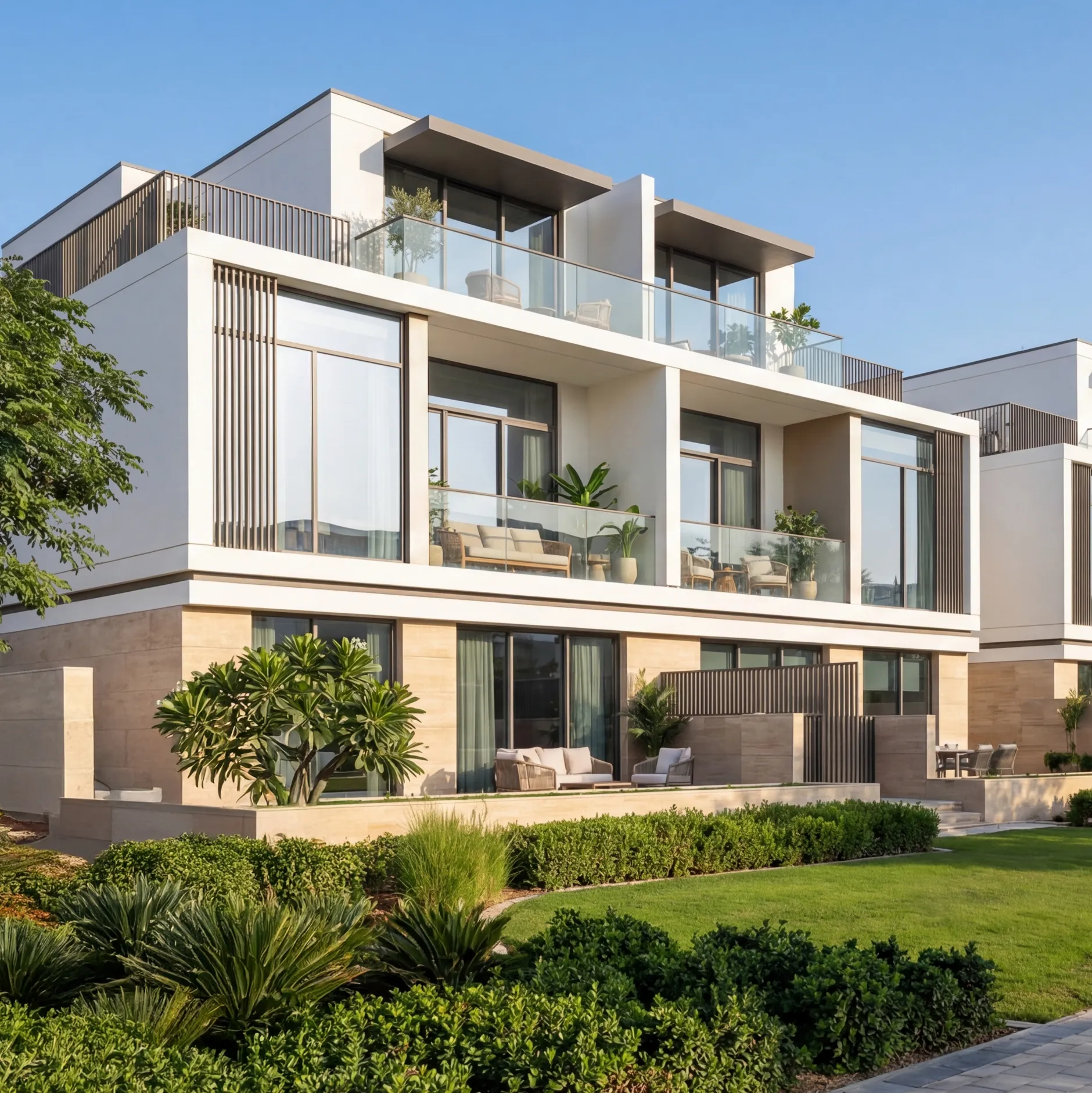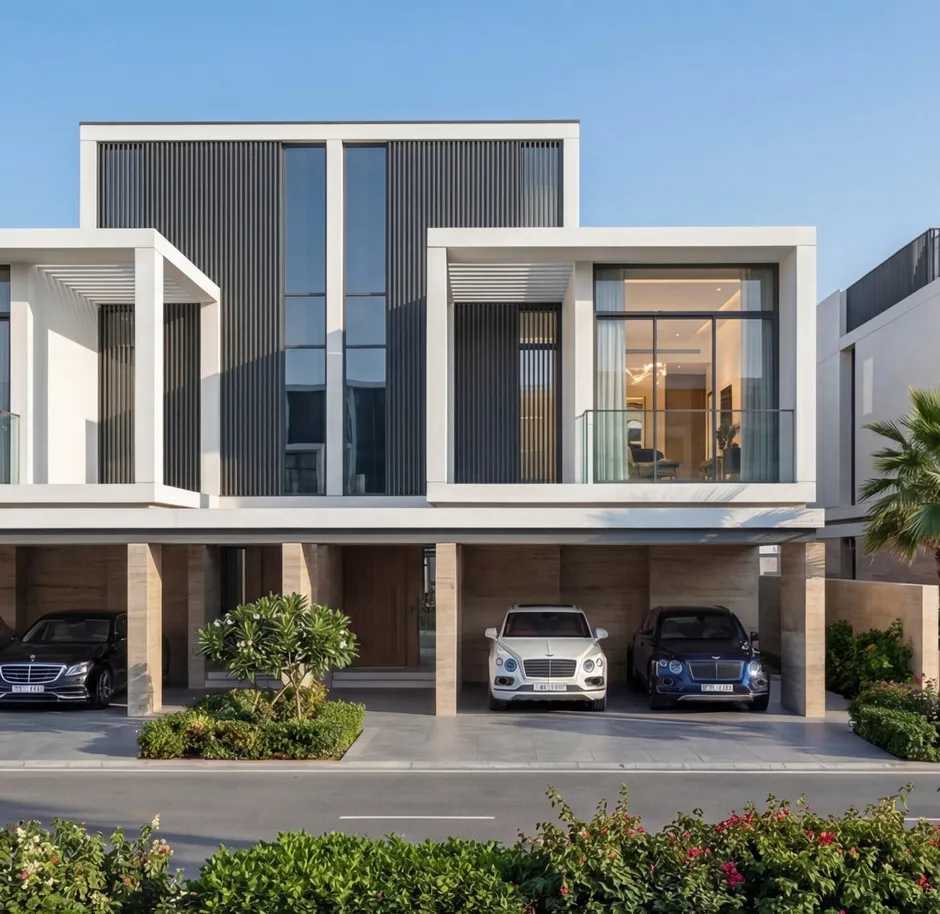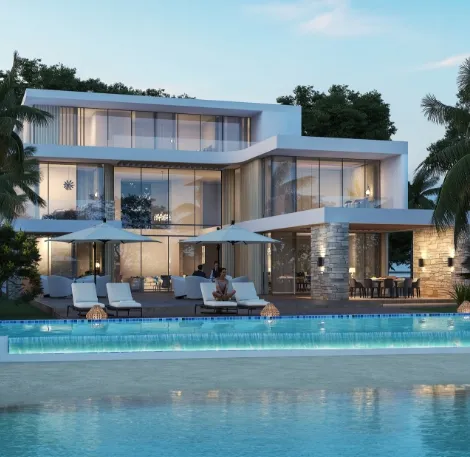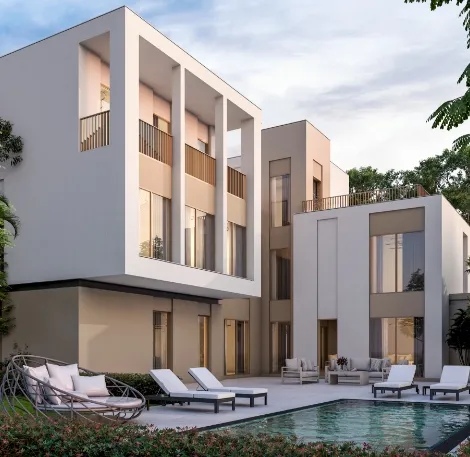
Dubai has long been recognised for pushing the boundaries of what cities can be. From architectural icons to future-forward infrastructure, the emirate has consistently redefined global benchmarks for urban living. Today, however, a quieter yet more meaningful evolution is underway. Across the city, nature-immersed communities are emerging not as niche developments, but as a new urban standard which will reshape how residents live, connect, and thrive.
This shift reflects a broader redefinition of modern luxury and green living. For today’s homeowners and investors, prestige is not measured solely by scale or skyline views. Instead, it is increasingly defined by balance between city and nature, innovation and wellbeing, growth, and responsibility.
Living Landscapes
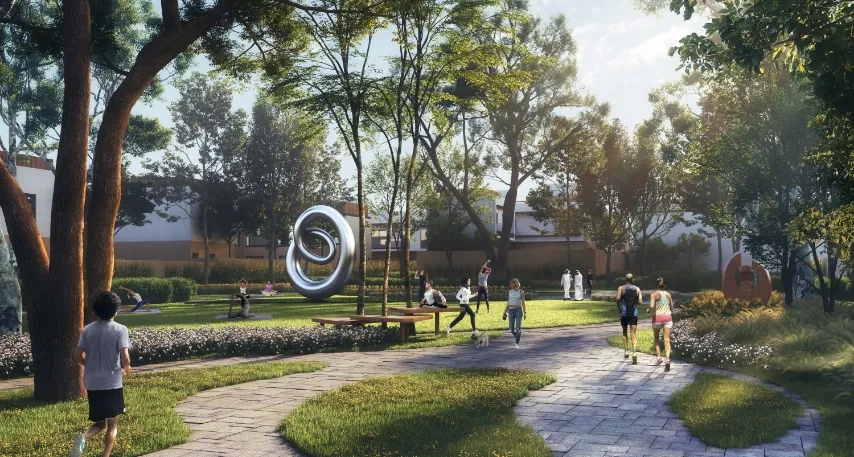
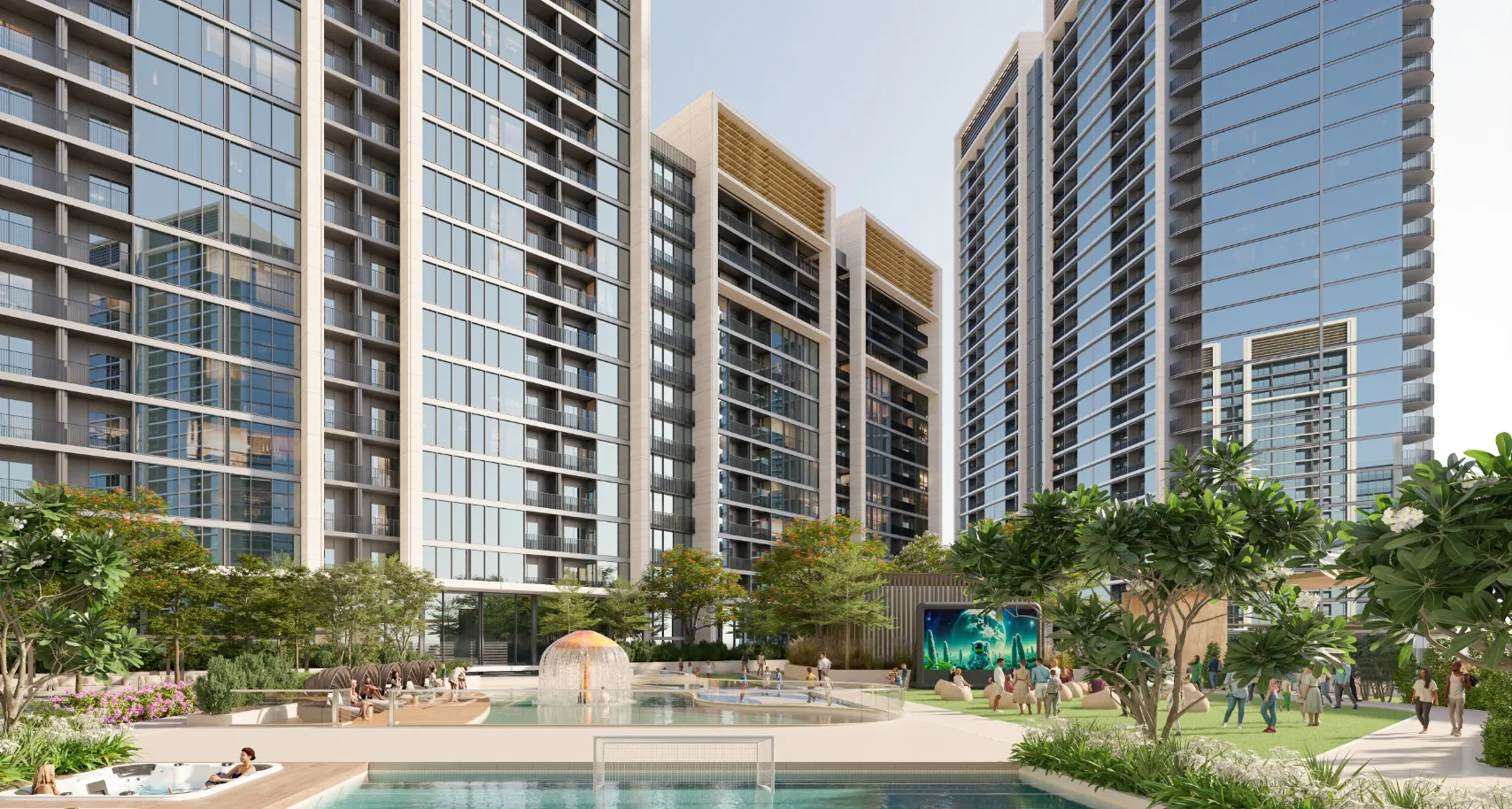
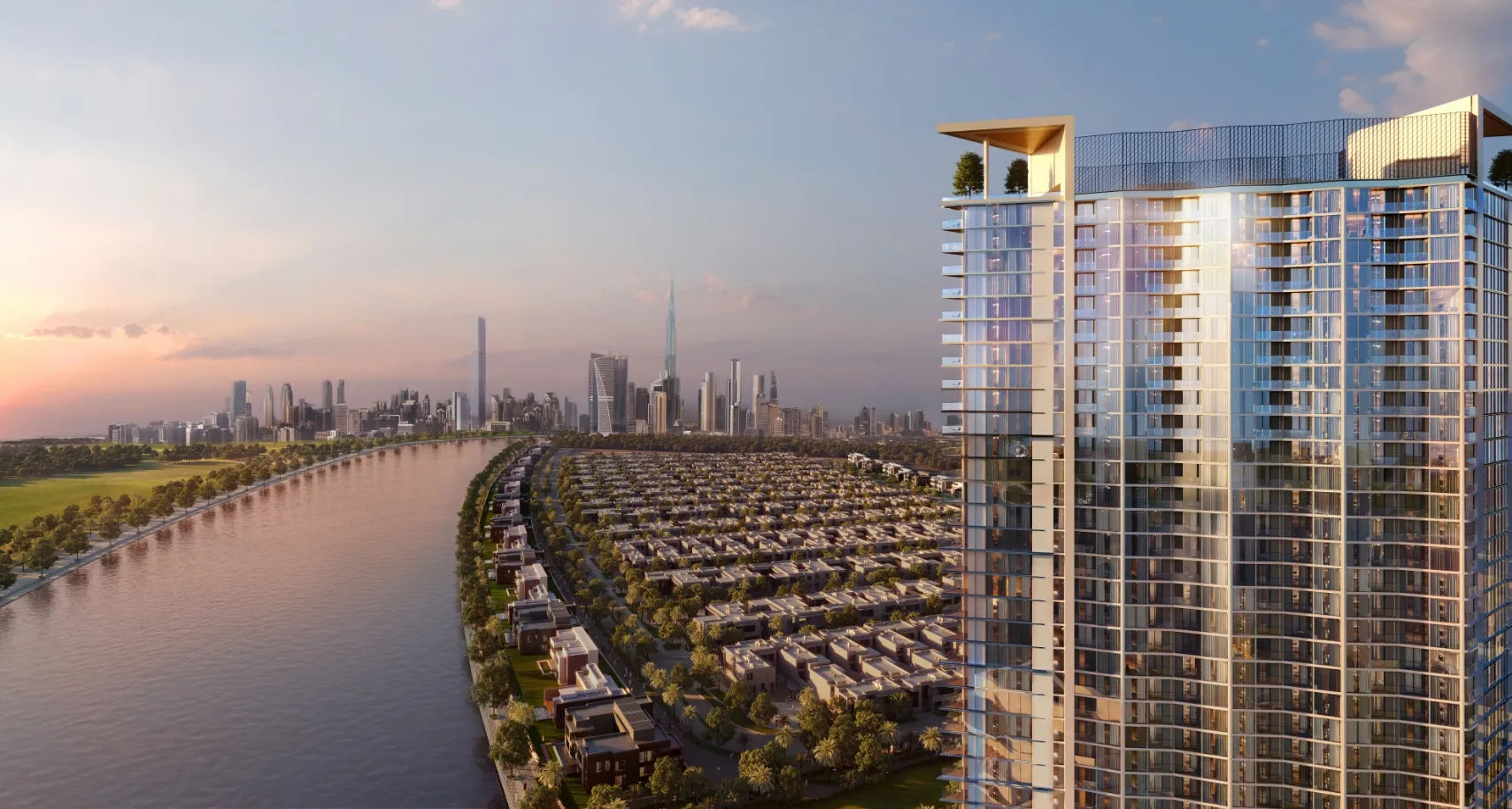
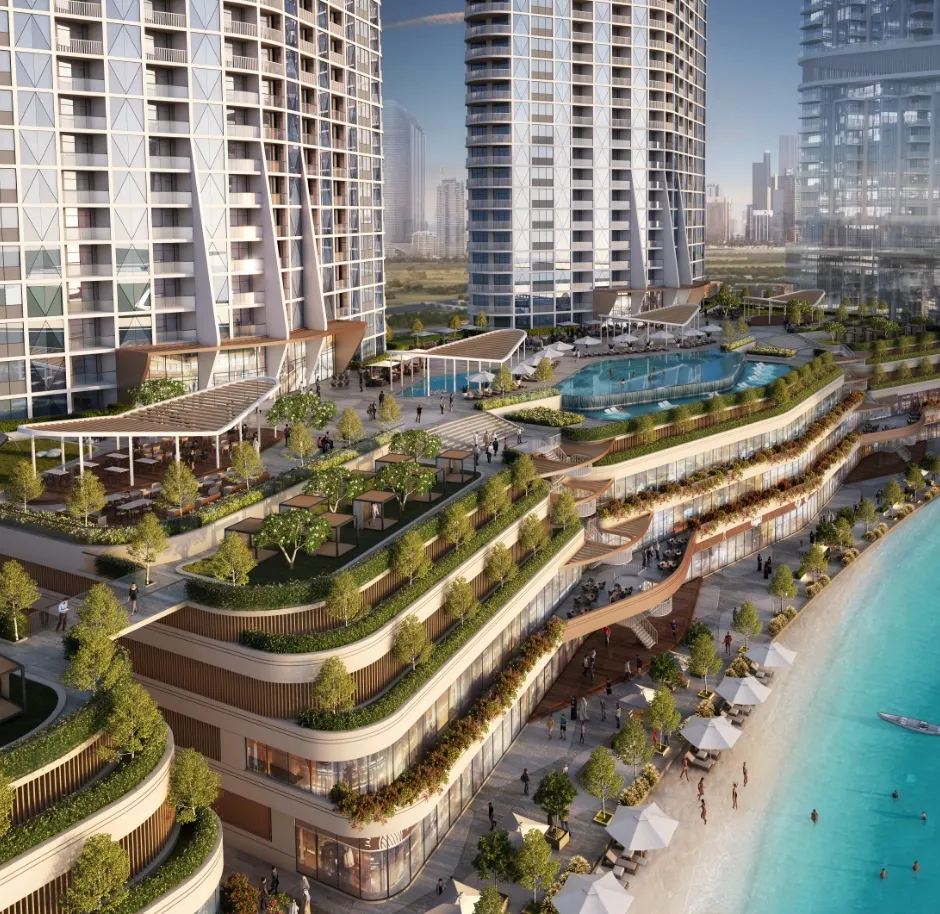
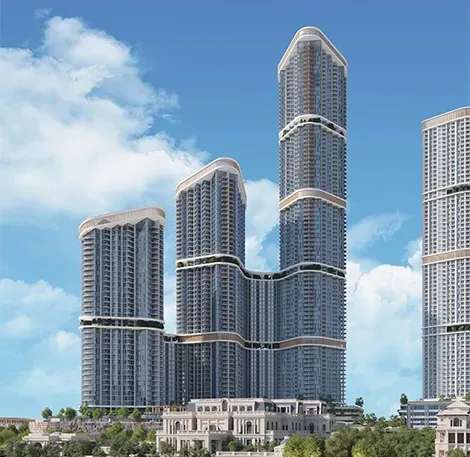
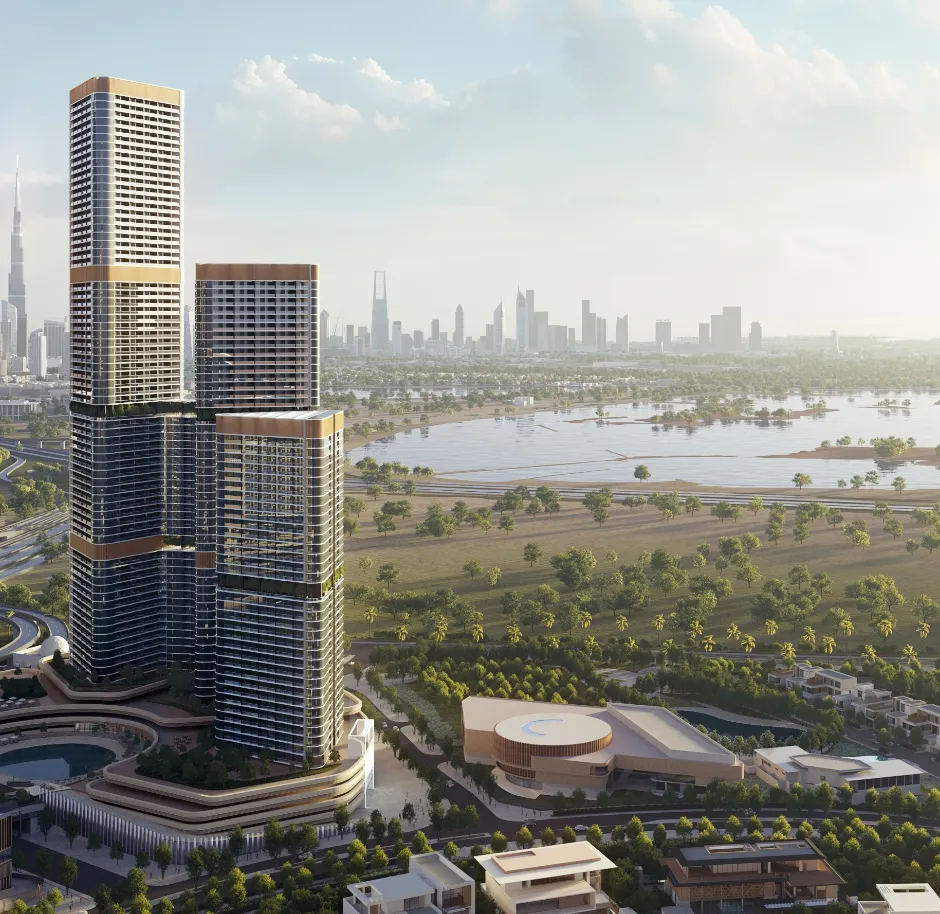
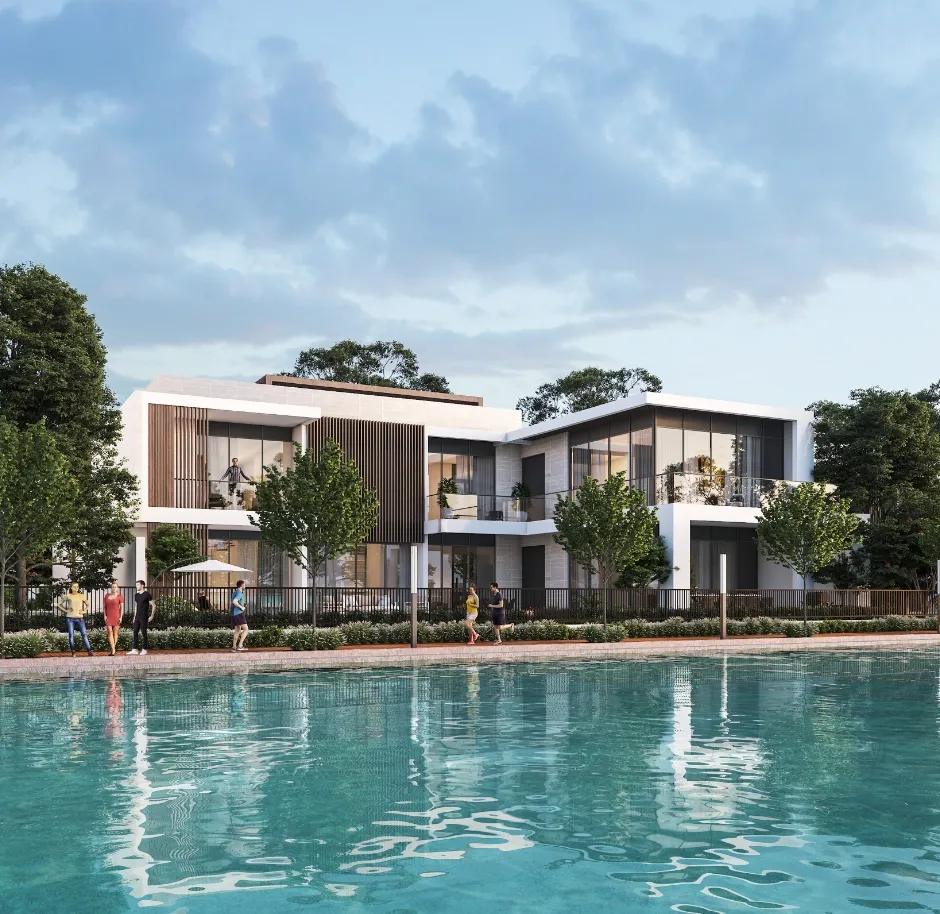
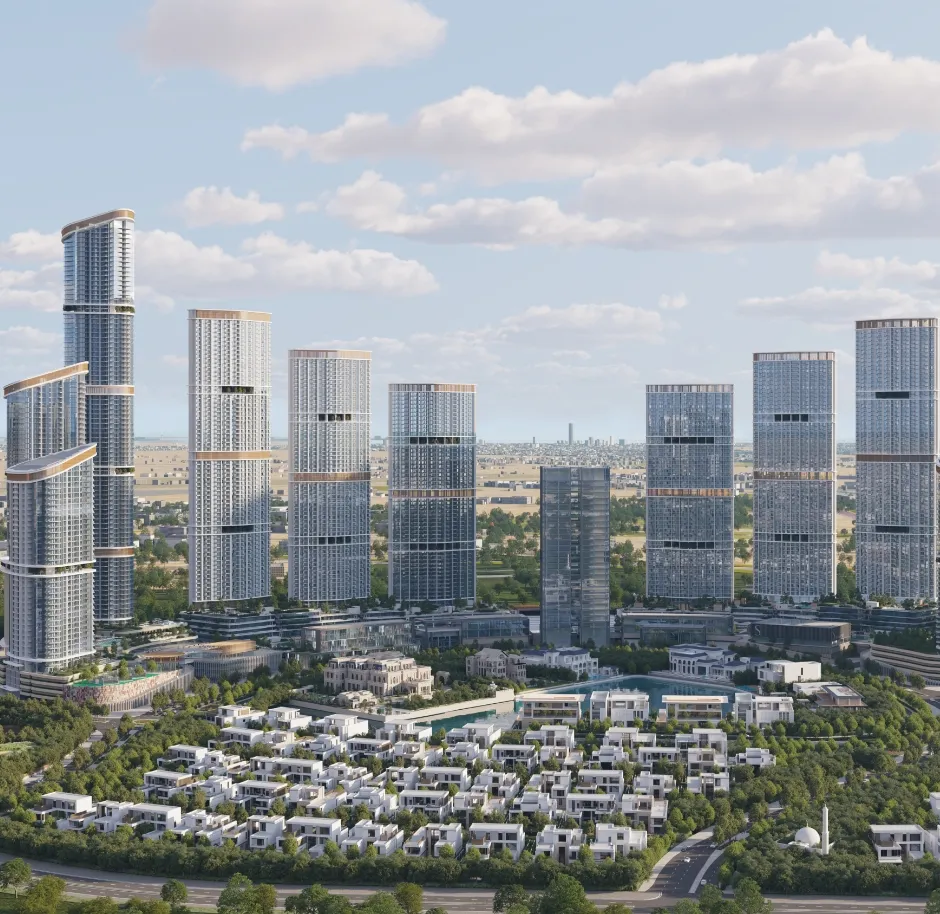
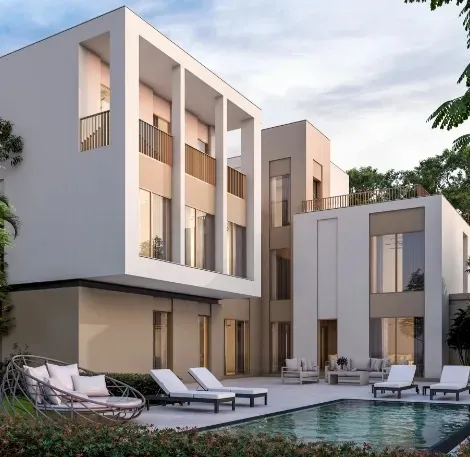
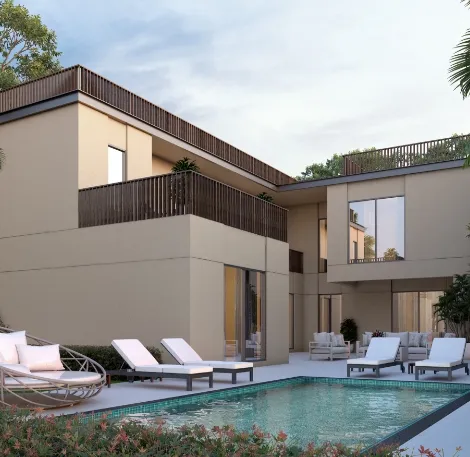
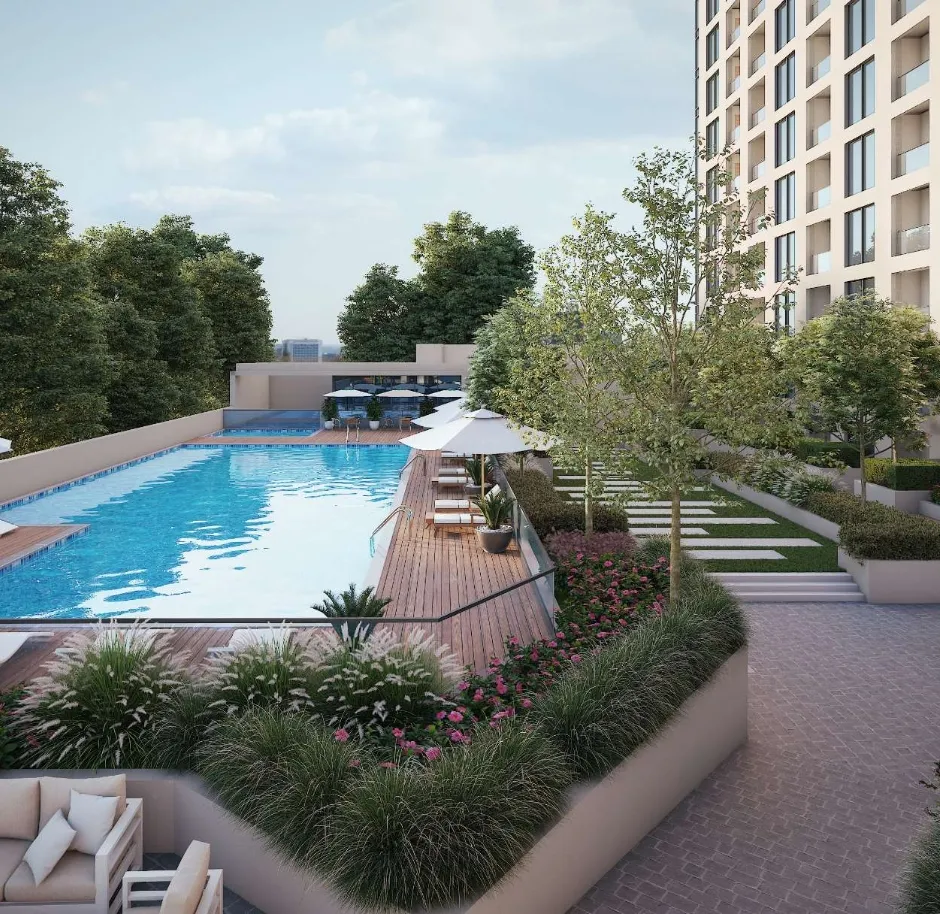
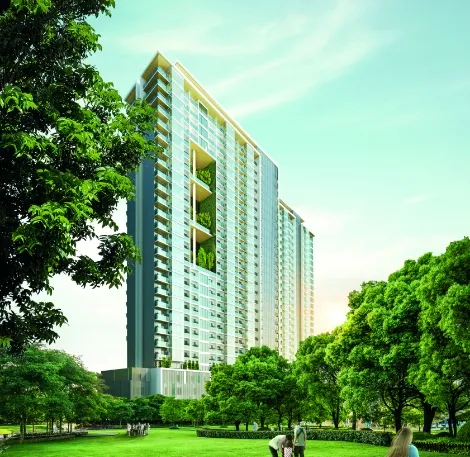
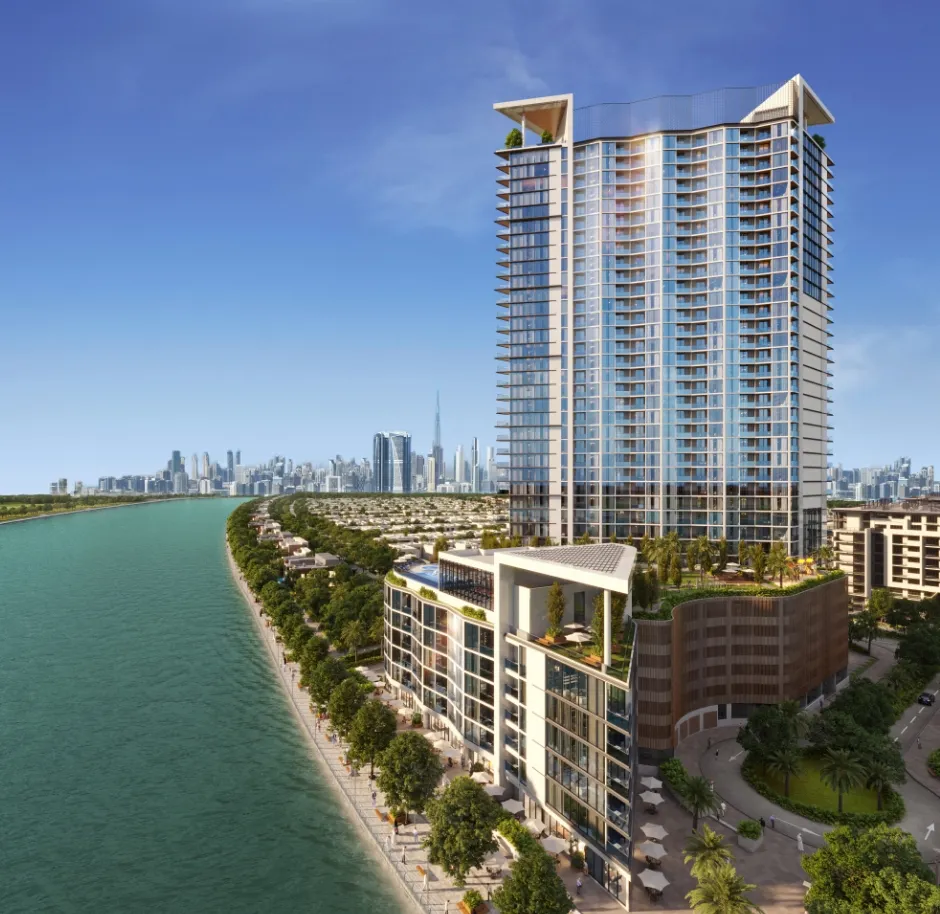
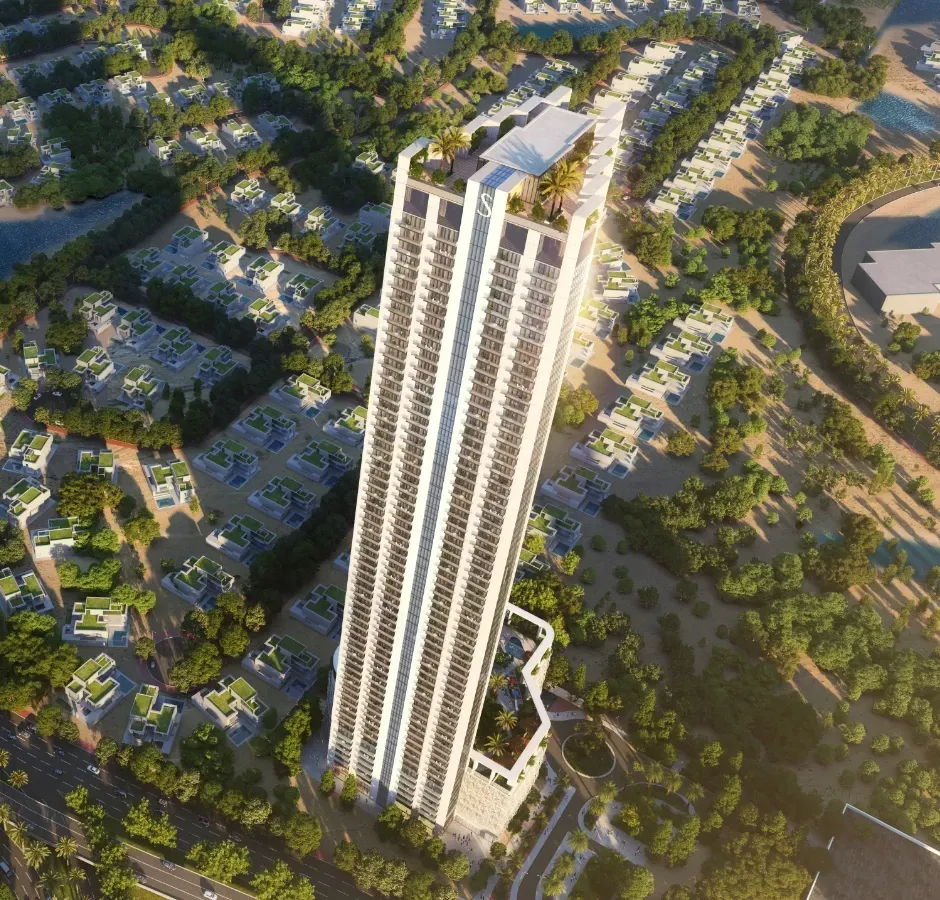
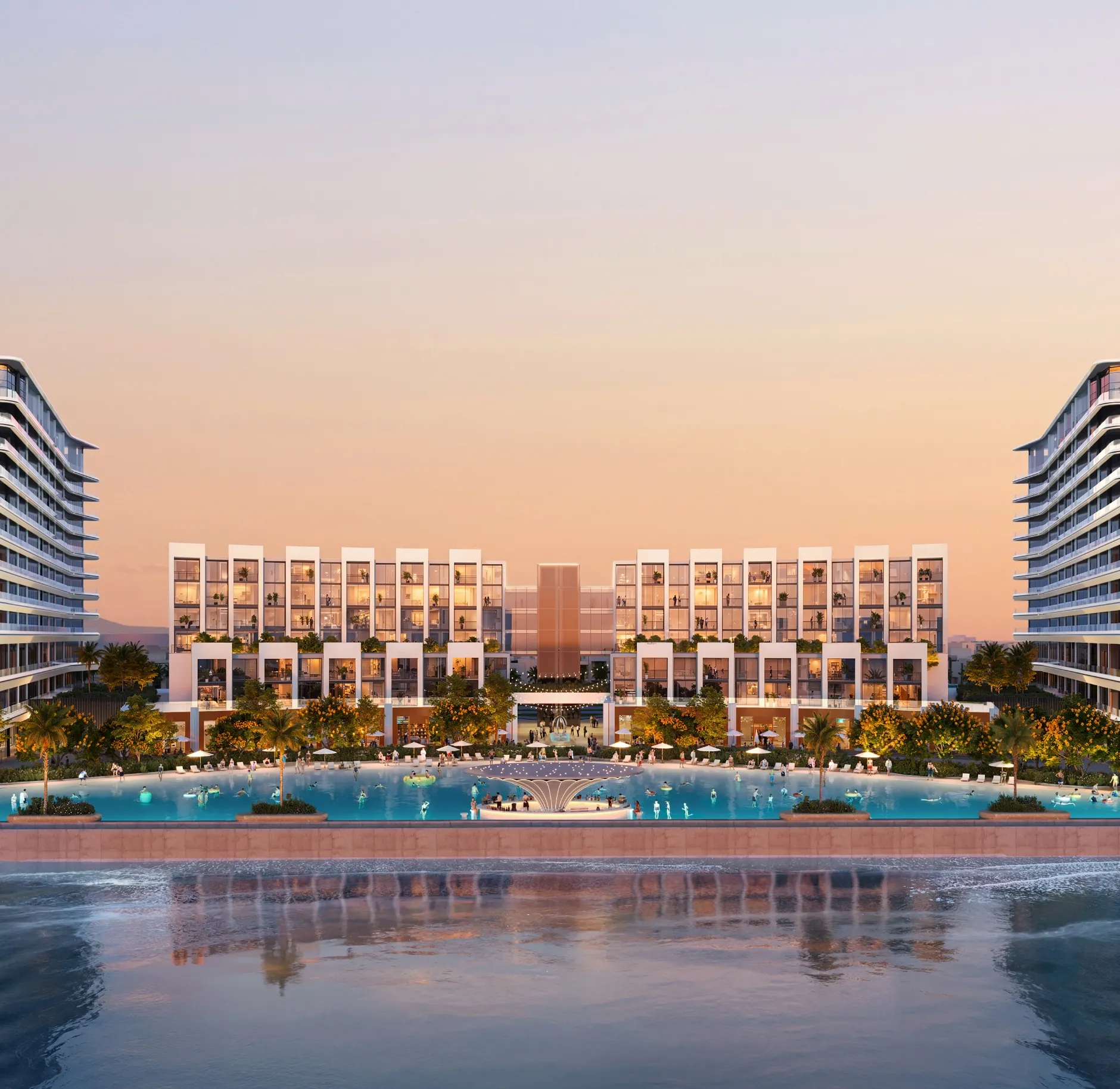
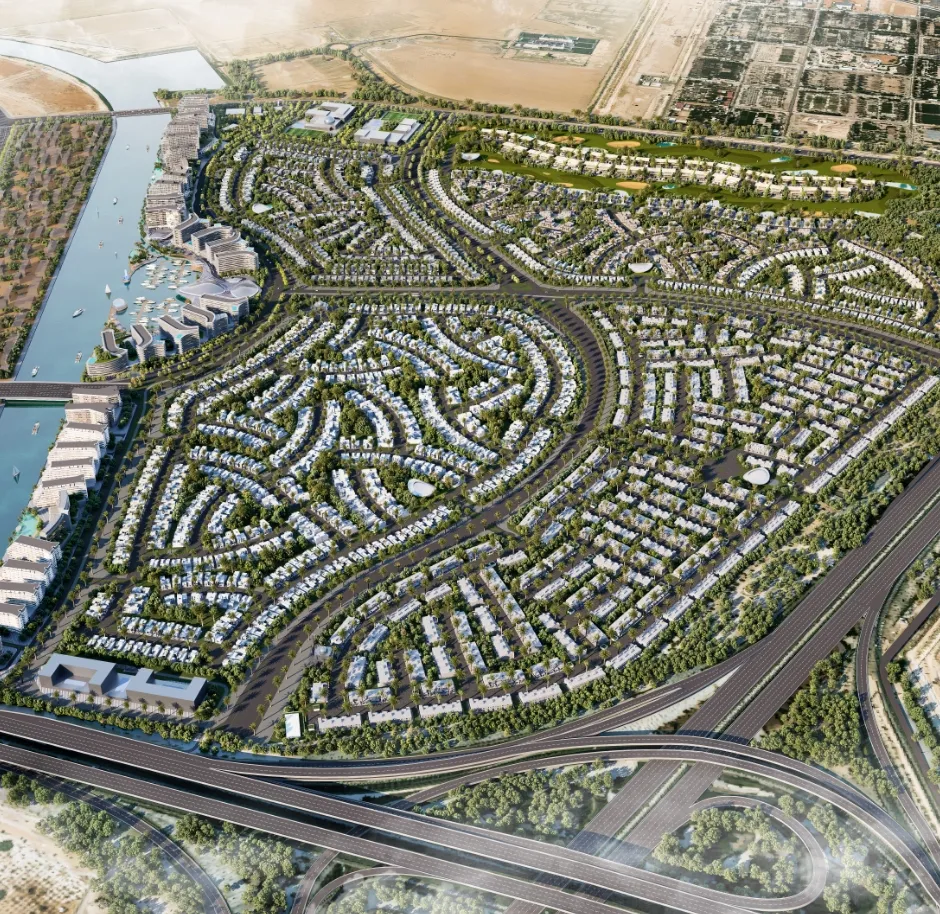
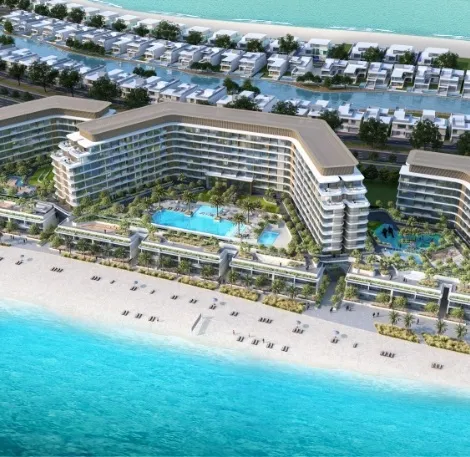
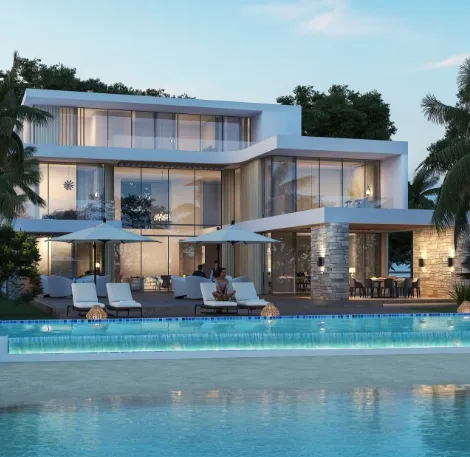
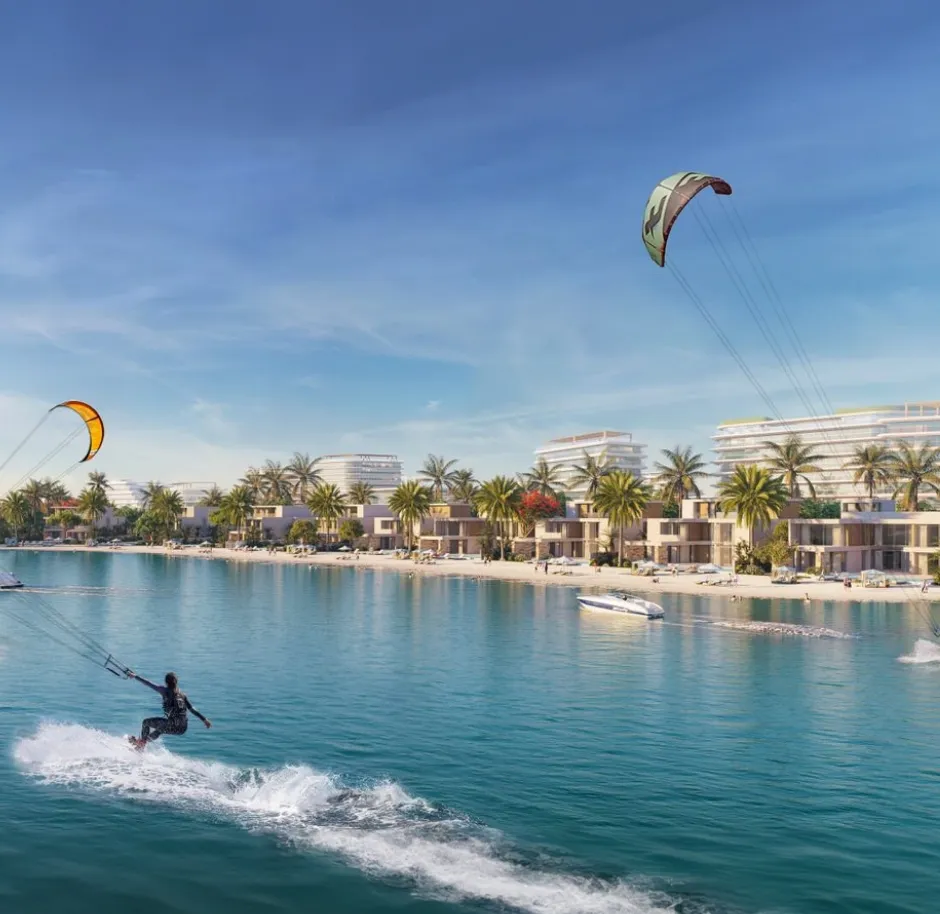
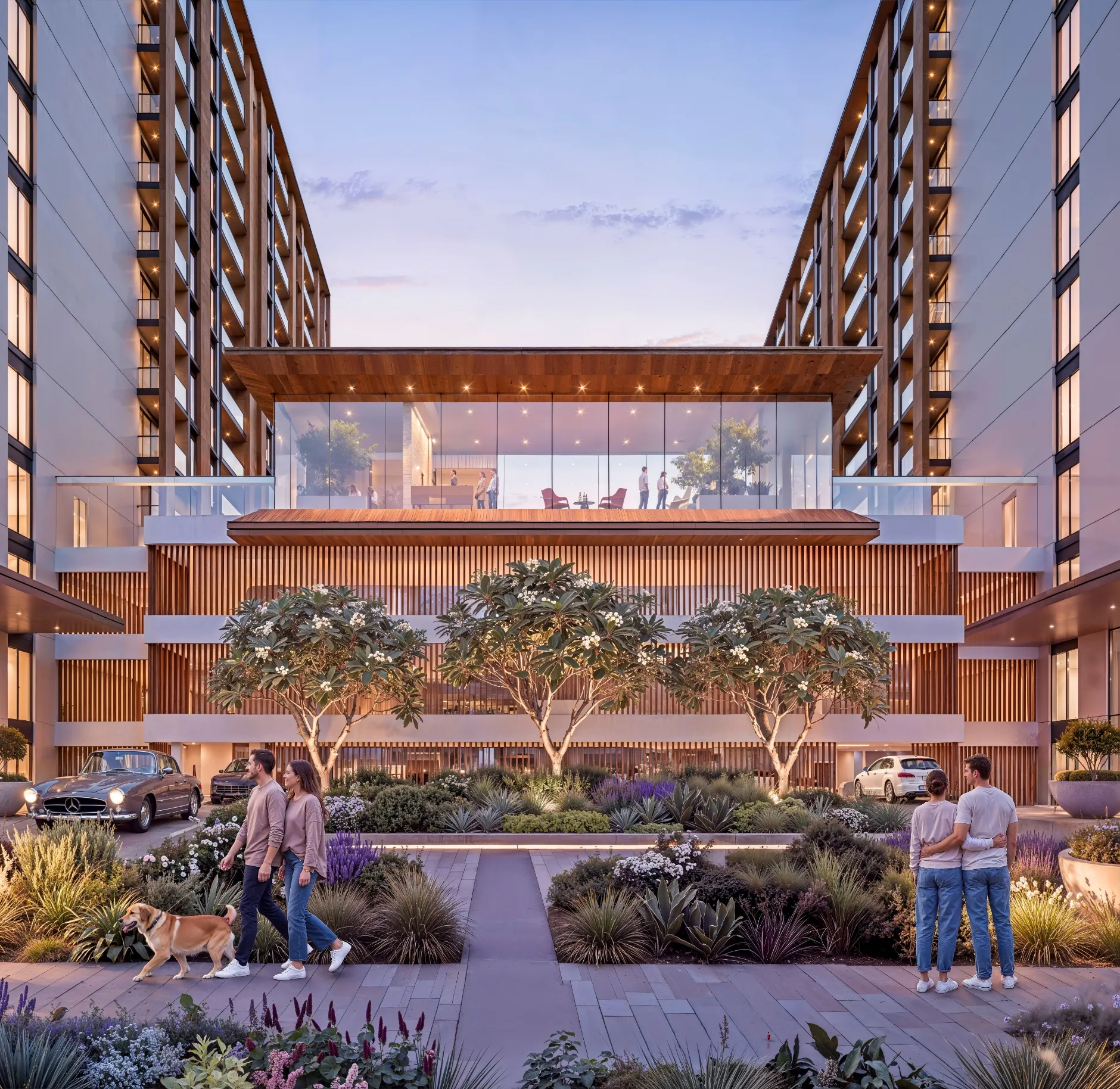
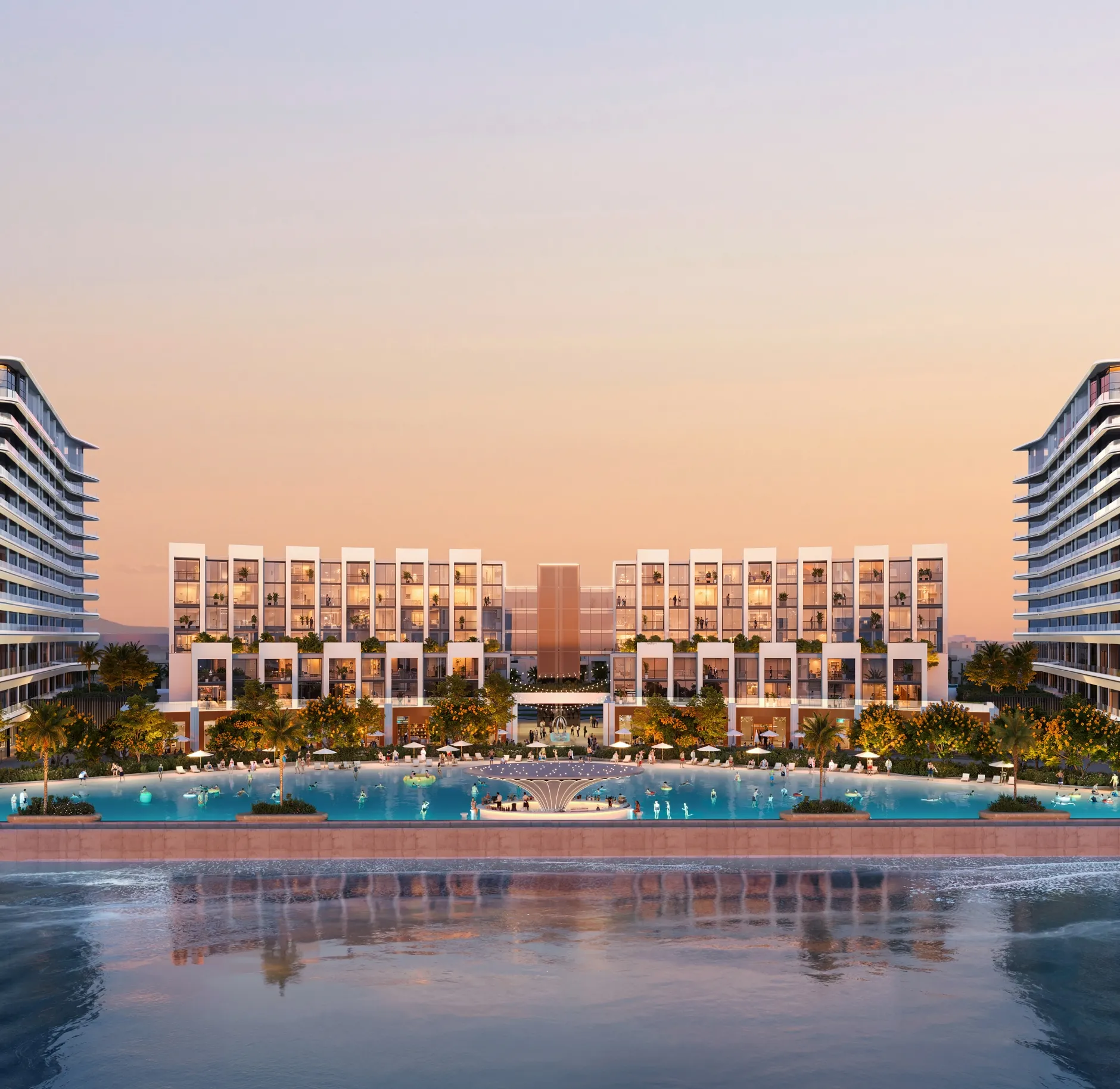
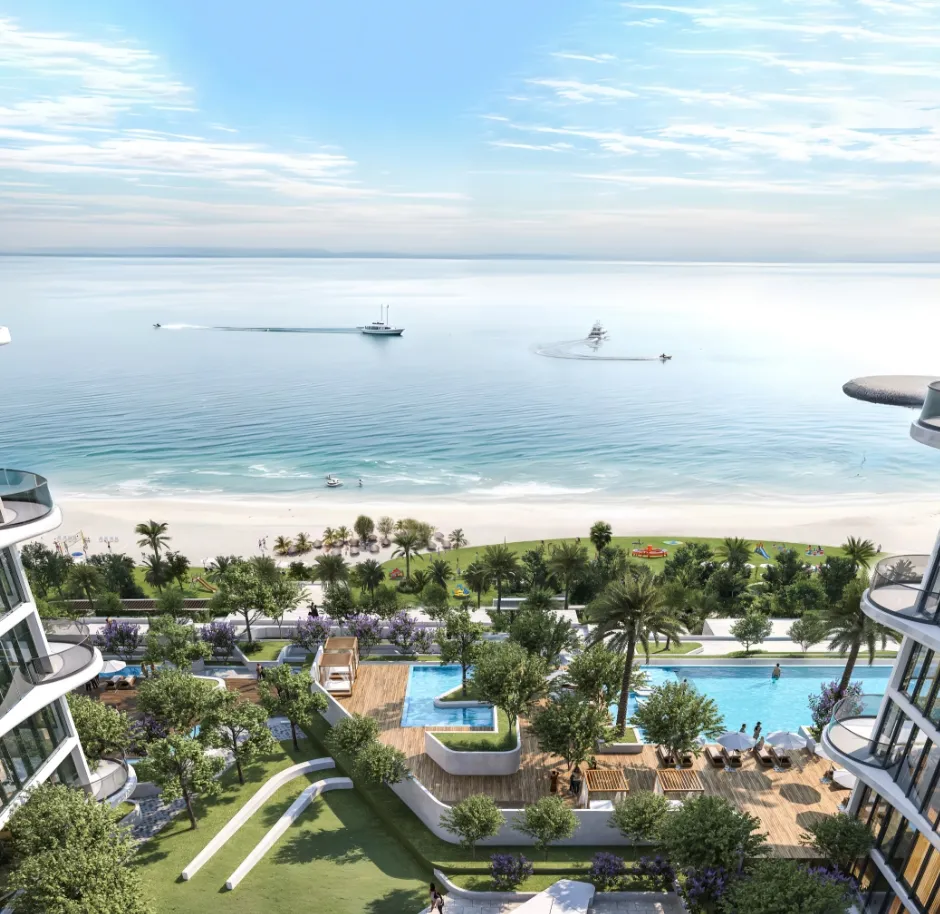
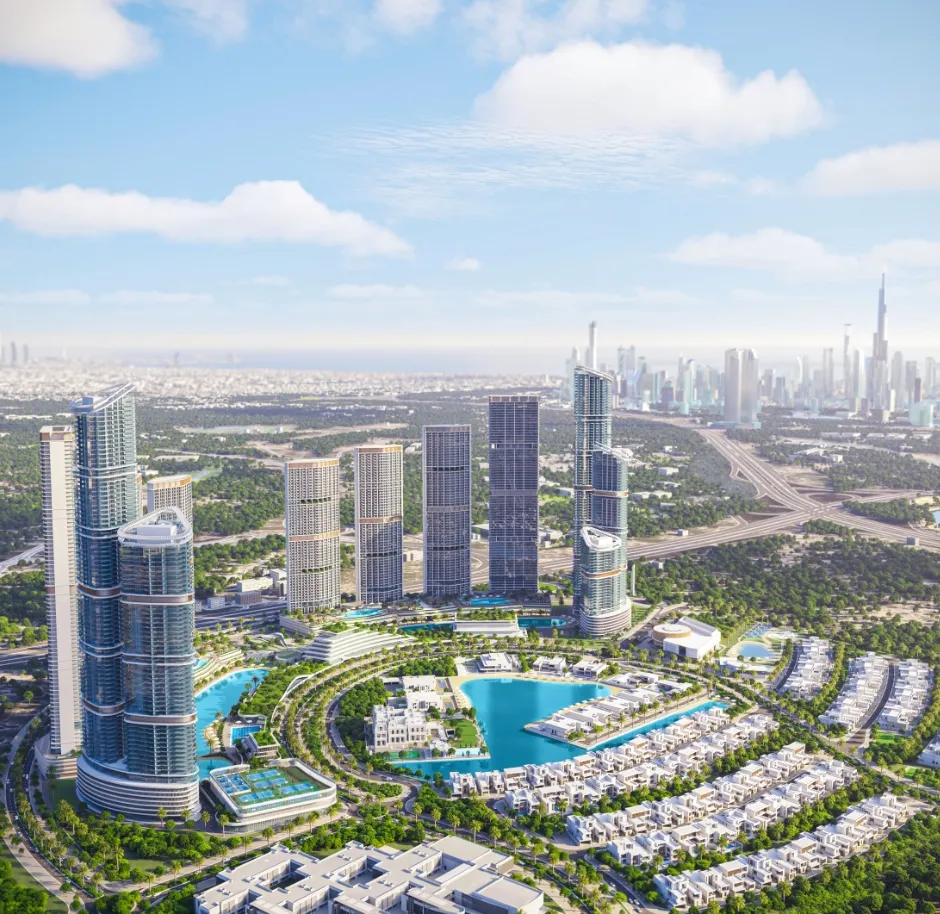
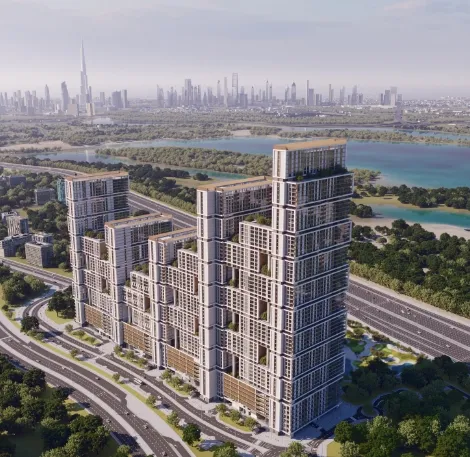
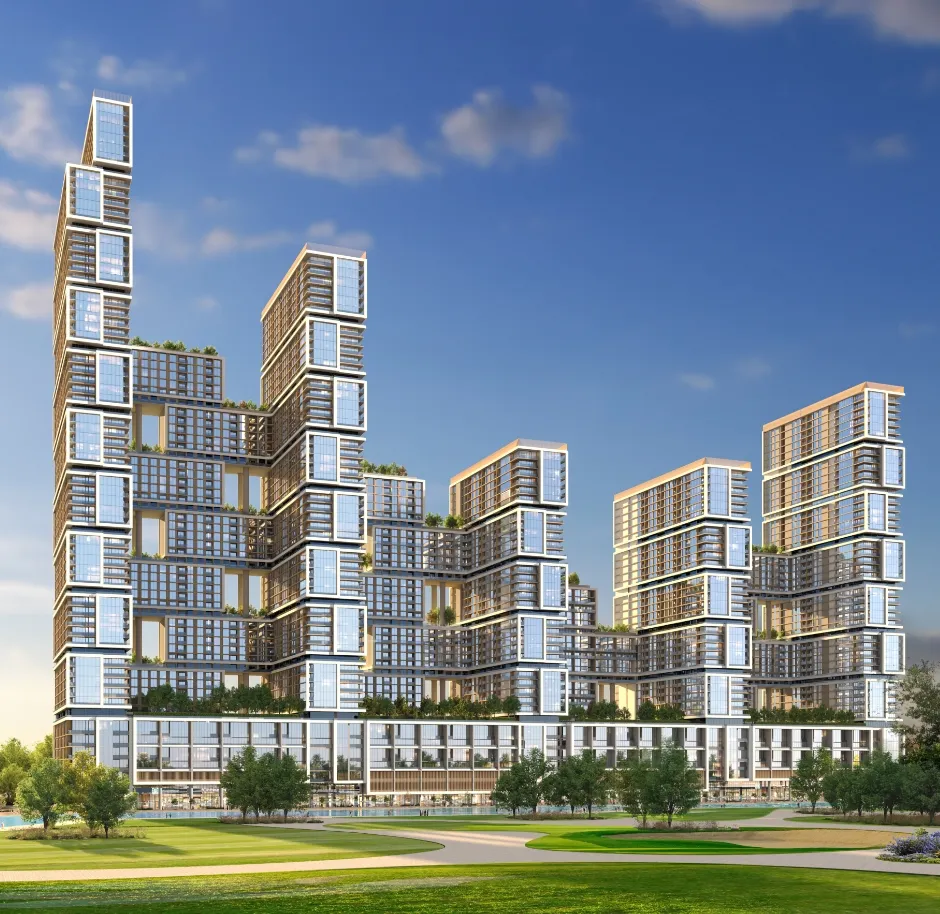
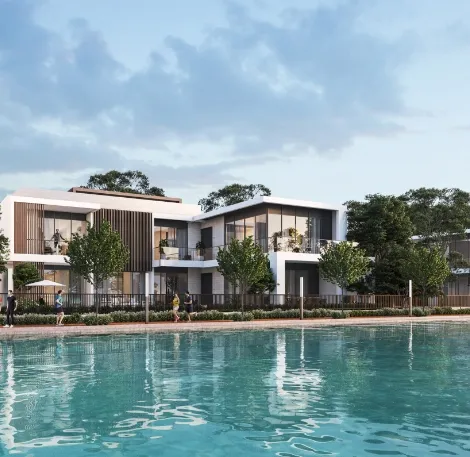
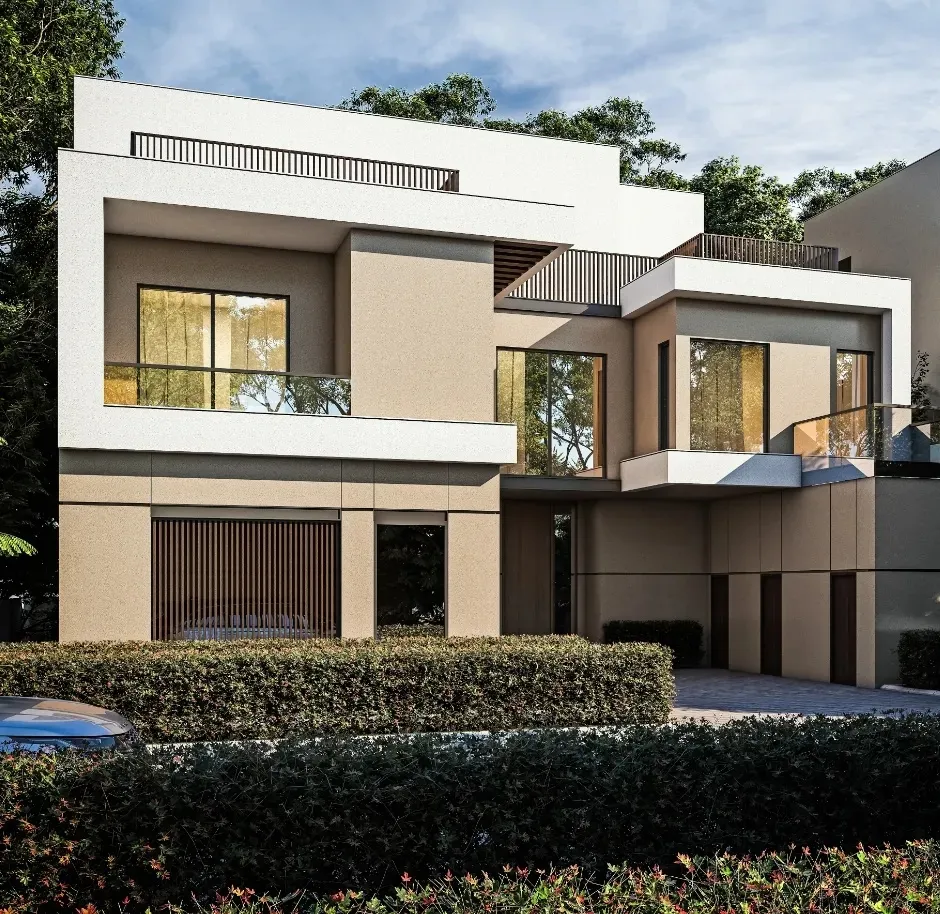
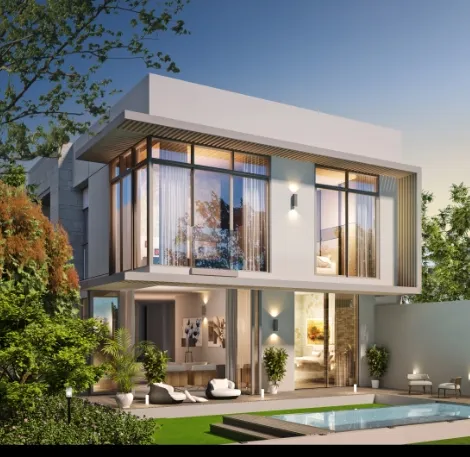
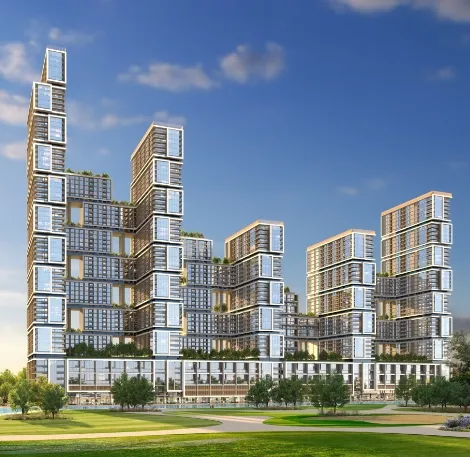
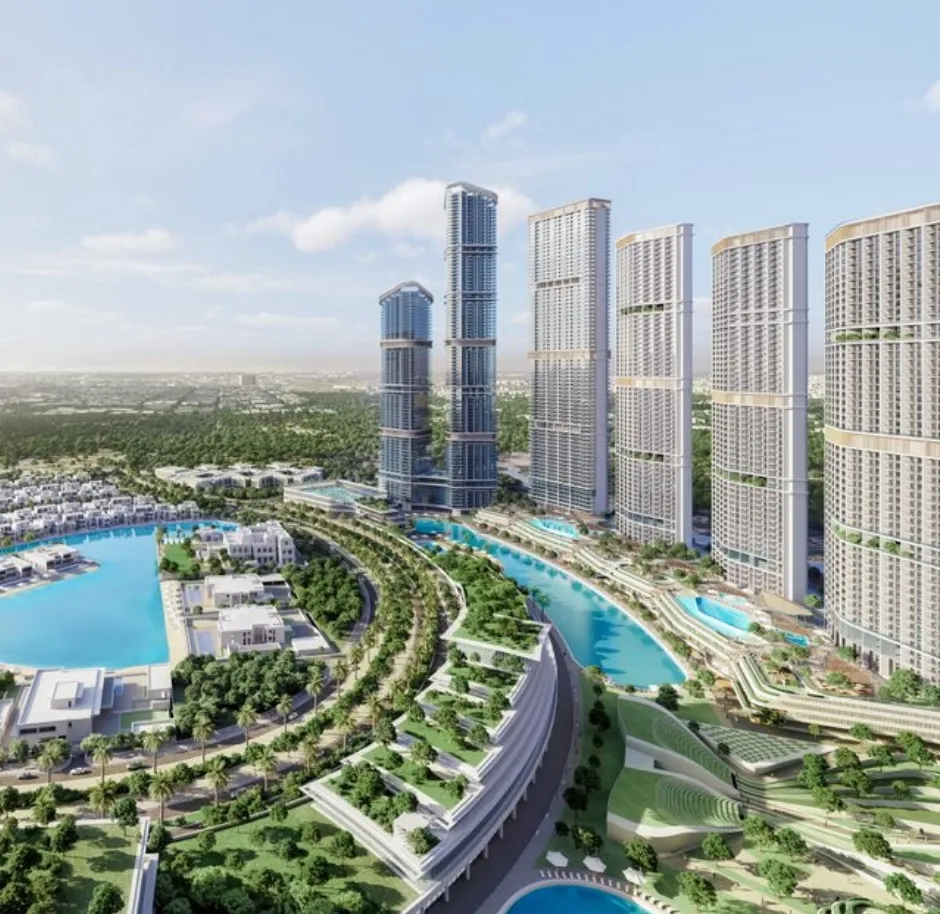
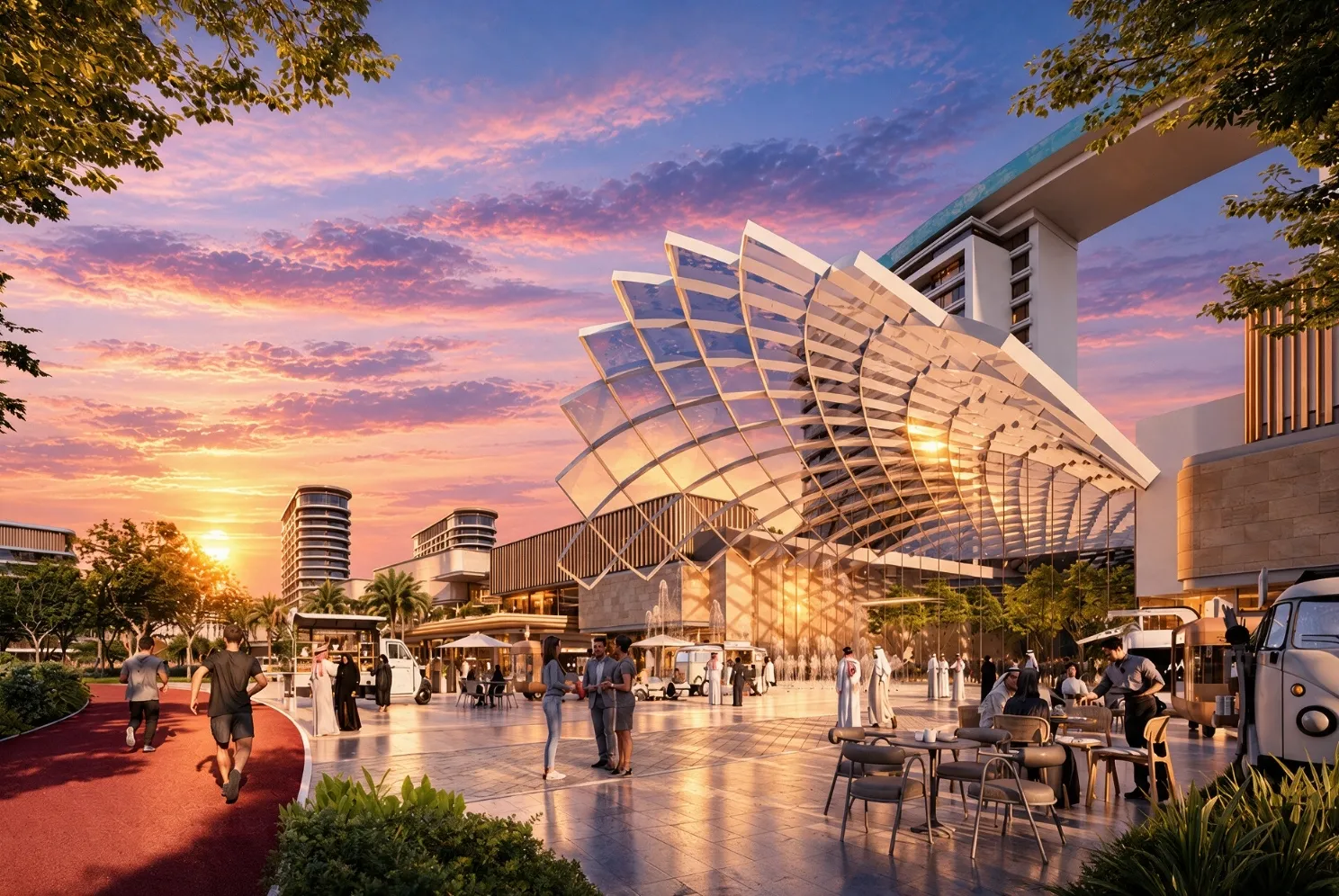
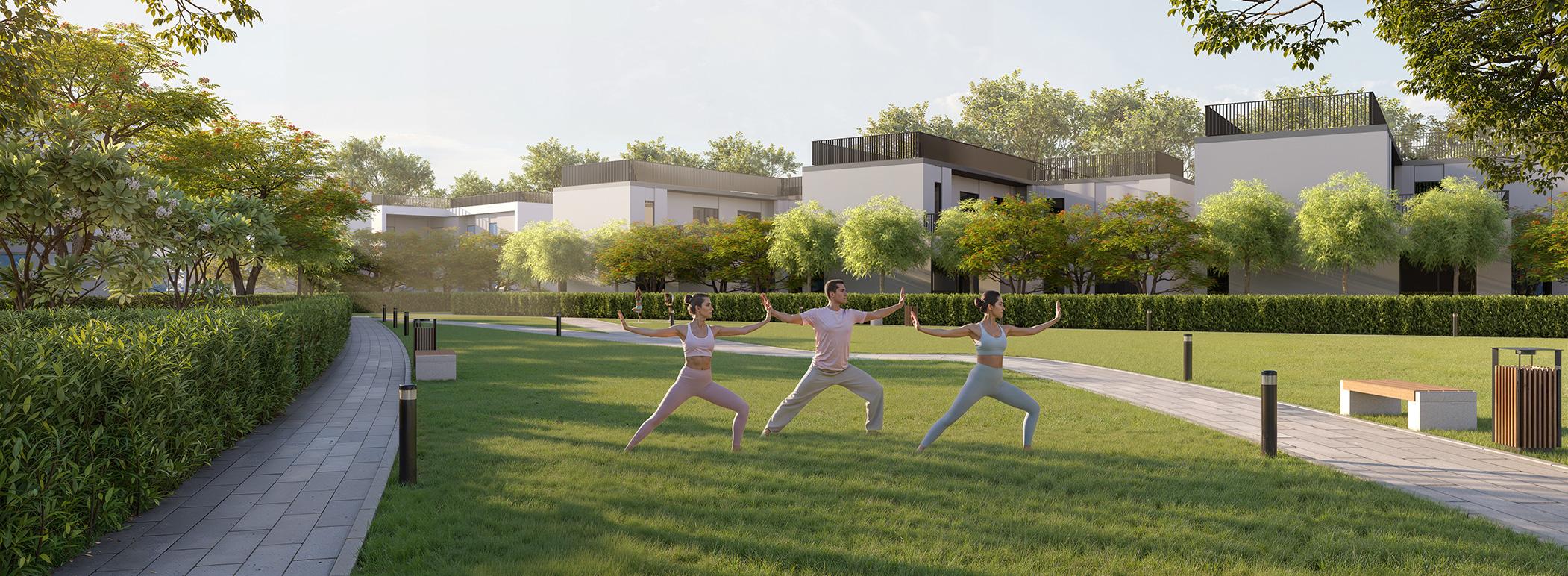
Urban luxury living was once synonymous with density, speed, and separation from nature. Dubai is now challenging that narrative. New master-planned communities are being designed around green corridors, shaded walkways, and open landscapes that invite nature back into everyday life. Trees, water features, and biodiversity are no longer decorative afterthoughts, they are foundational elements of urban design.
This evolution is not about retreating from the city, but about enhancing it. Nature-immersed communities allow residents to enjoy the vibrant energy and connectivity of Dubai while experiencing calmer, healthier environments that support long-term wellbeing.
A Vision Anchored in Policy and Purpose
Dubai’s move towards greener urban living is being actively shaped by government-led vision. The Dubai 2040 Urban Master Plan places quality of life at the heart of future development, with ambitious goals to double green spaces, expand nature reserves to cover ~60 per cent of the emirate, and prioritise walkable, human-centric neighbourhoods. Complementary initiatives, such as the Dubai Green Spine, large-scale mangrove restoration, and marine conservation projects reinforce a holistic approach that treats nature as essential infrastructure rather than optional enhancement. Together, these strategies are shaping communities that are more resilient, climate-conscious, and liveable for generations to come.
Wellness as a Cornerstone of Urban Design
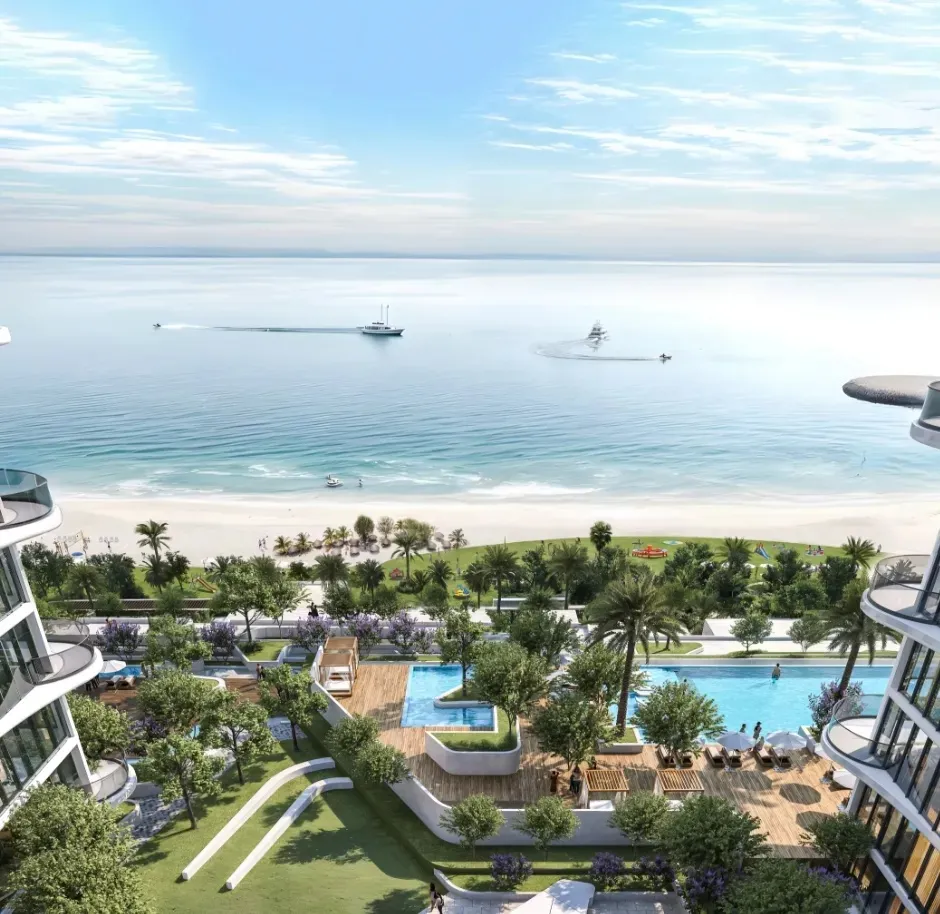
At the heart of green living lies a growing focus on wellness in Dubai. UN Habitat, the United Nations’ Human Settlements Programme, in its ‘Healthier Cities and Communities Through Public Spaces’ guidance paper reports that access to greenery has been shown to improve mental health, encourage physical activity, and foster stronger social connections. Dubai’s emerging nature-based communities reflect this understanding through shaded walking loops, cycling paths, community parks, and outdoor gathering spaces designed to be used year-round.
Natural light, improved airflow, and the use of sustainable materials further enhance indoor comfort, while outdoor landscapes create environments where families can slow down, reconnect, and spend meaningful time together. In this context, luxury becomes less about excess and more about everyday quality of life.
Sustainability Meets Intelligent Green Living
Nature-led communities in Dubai are also deeply connected to smart technology. Advanced irrigation systems reduce water waste, energy-efficient building envelopes lower cooling demand, and smart home technologies empower residents to monitor and optimise their consumption.
This integration of sustainability and innovation supports the emirate’s wider clean energy ambitions, including its long-term goal of sourcing most of its power from renewable sources. As a result, green communities are not only environmentally responsible but also economically sensible offering lower operating costs and long-term value for homeowners and investors alike.
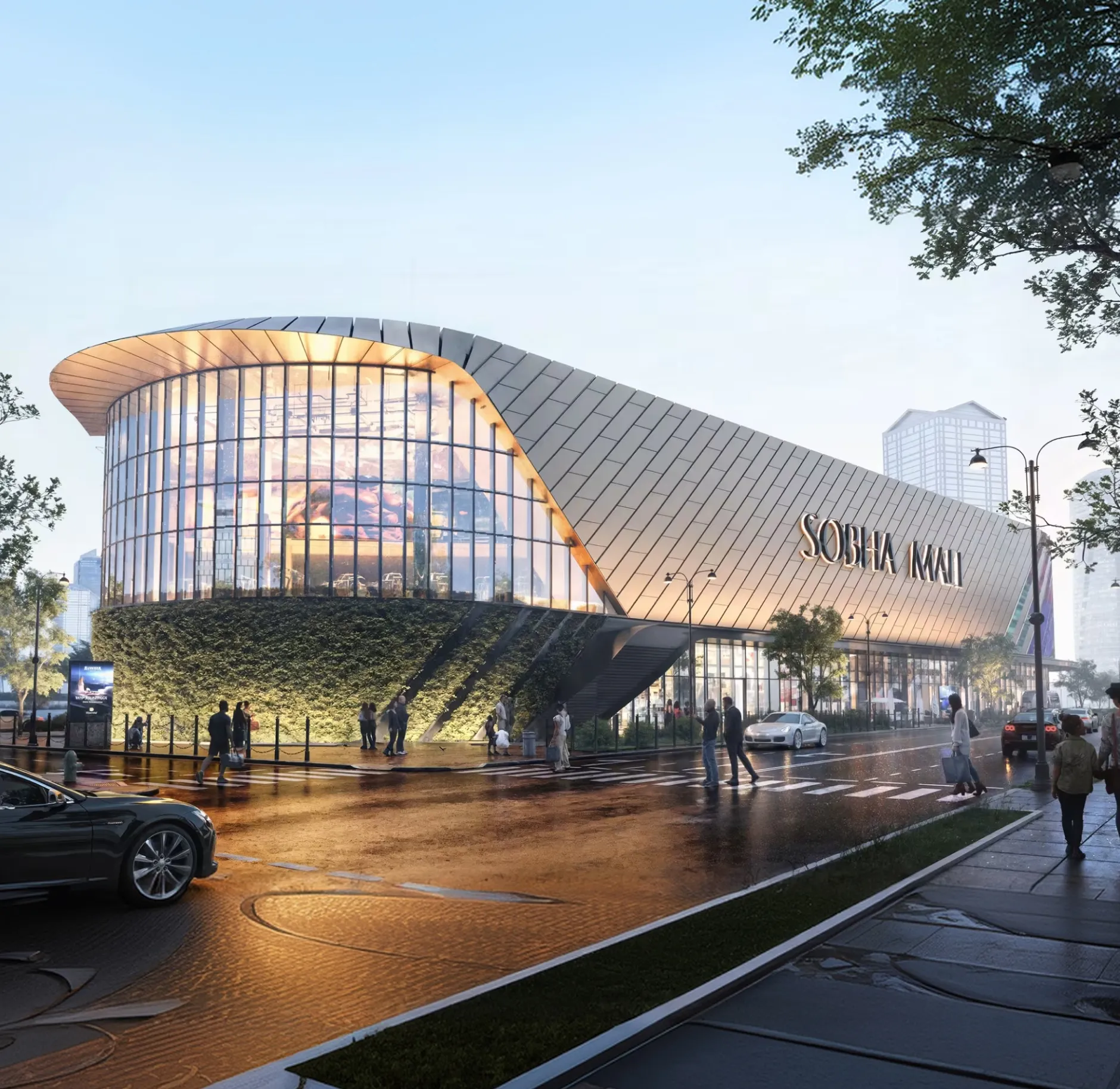
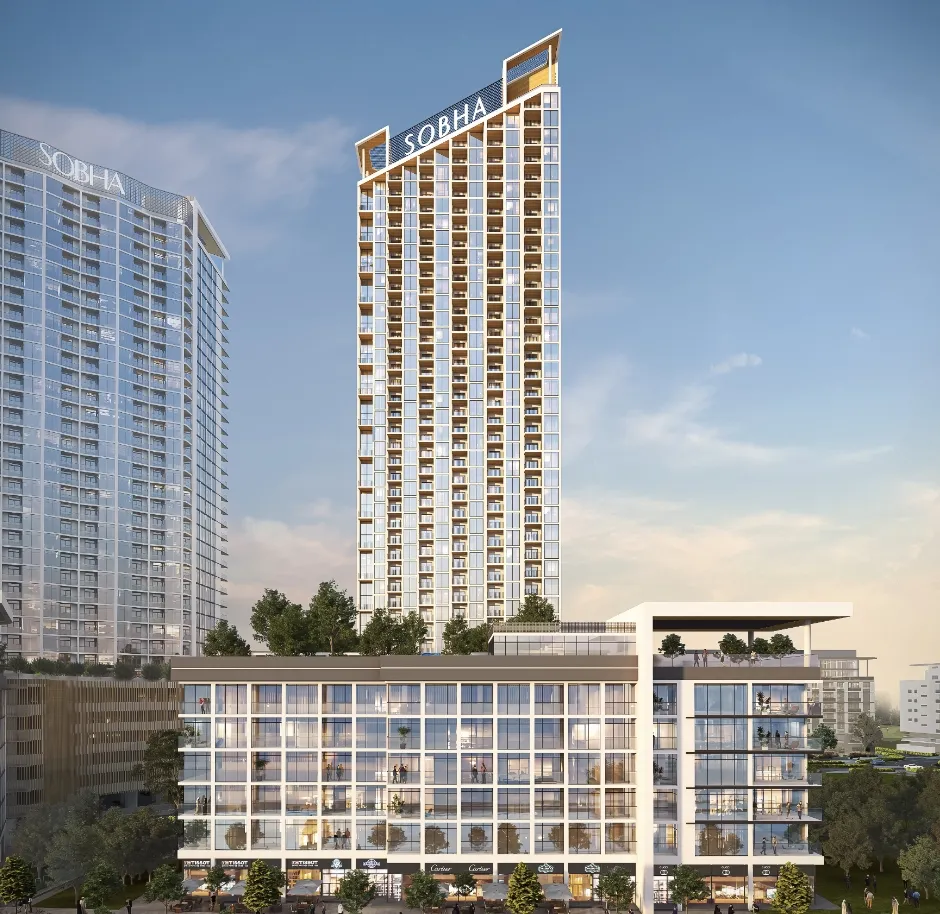
Discover how Sobha Realty redefines luxury through sustainability.
A New Real Estate Value Benchmark
Growing demand for nature-immersed communities is reshaping market expectations. Homes that prioritise green space, wellness, and sustainability are increasingly viewed as future-proof assets. International buyers are drawn to developments that align with global ESG principles while delivering Dubai’s signature standards of design and quality. This trend reflects a broader global movement, but Dubai’s scale, speed, and ambition set it apart. By embedding sustainability into city planning rather than treating it as a trend, the emirate is positioning itself as a model for next-generation green and urban living.
Redefining the Urban Experience
Nature-immersed communities represent more than a design shift; they signal a change in values. They acknowledge that cities can grow without sacrificing wellbeing, and that progress and preservation can coexist. In Dubai, this philosophy is becoming embedded in how communities are conceived, built, and experienced. As green spaces expand and nature-led design becomes the norm, residents benefit from environments that support healthier lifestyles, stronger connections, and a deeper sense of belonging. For a city defined by its vision of the future, this evolution feels both timely and inevitable.
Dubai’s journey towards nature-integrated urban living is still unfolding, but its direction is clear. The future city will be one where greenery is woven into daily life, where wellness is designed into communities, and where sustainability underpins long-term prosperity. In this new era, true urban excellence lies not only in what is built, but in how people live within it—connected to nature, supported by innovation, and aligned with a more responsible vision of luxury.
Explore some of Dubai’s top residential areas and neighbourhoods.
Frequently Asked Questions (FAQs)
1. What are nature-immersed communities?
They are master-planned developments designed around green spaces, open landscapes, and natural elements such as parks, water features, and shaded walkways. In Dubai, these nature- based communities integrate nature into daily life while maintaining strong connectivity to the city.
2. How do nature-based communities improve quality of life for residents?
Access to greenery supports physical and mental wellbeing by encouraging outdoor activity, reducing stress, and fostering social interaction. Nature-led design also enhances everyday comfort through better airflow, natural light, and calmer living environments.
3. How do nature-focused developments align with Dubai’s long-term vision?
Green communities directly support the Dubai 2040 Urban Master Plan, which prioritises walkable neighbourhoods, expanded green spaces, and higher quality of life. By treating nature as essential infrastructure, these developments contribute to more resilient and sustainable urban growth.
4. Are nature-immersed communities a sound long-term investment?
Yes. Homes that prioritise sustainability, wellness, and green space are increasingly viewed as future-proof assets. Growing global demand for ESG-aligned living and Dubai’s long-term urban planning underpin strong appeal, value retention, and long-term desirability for both residents and investors.