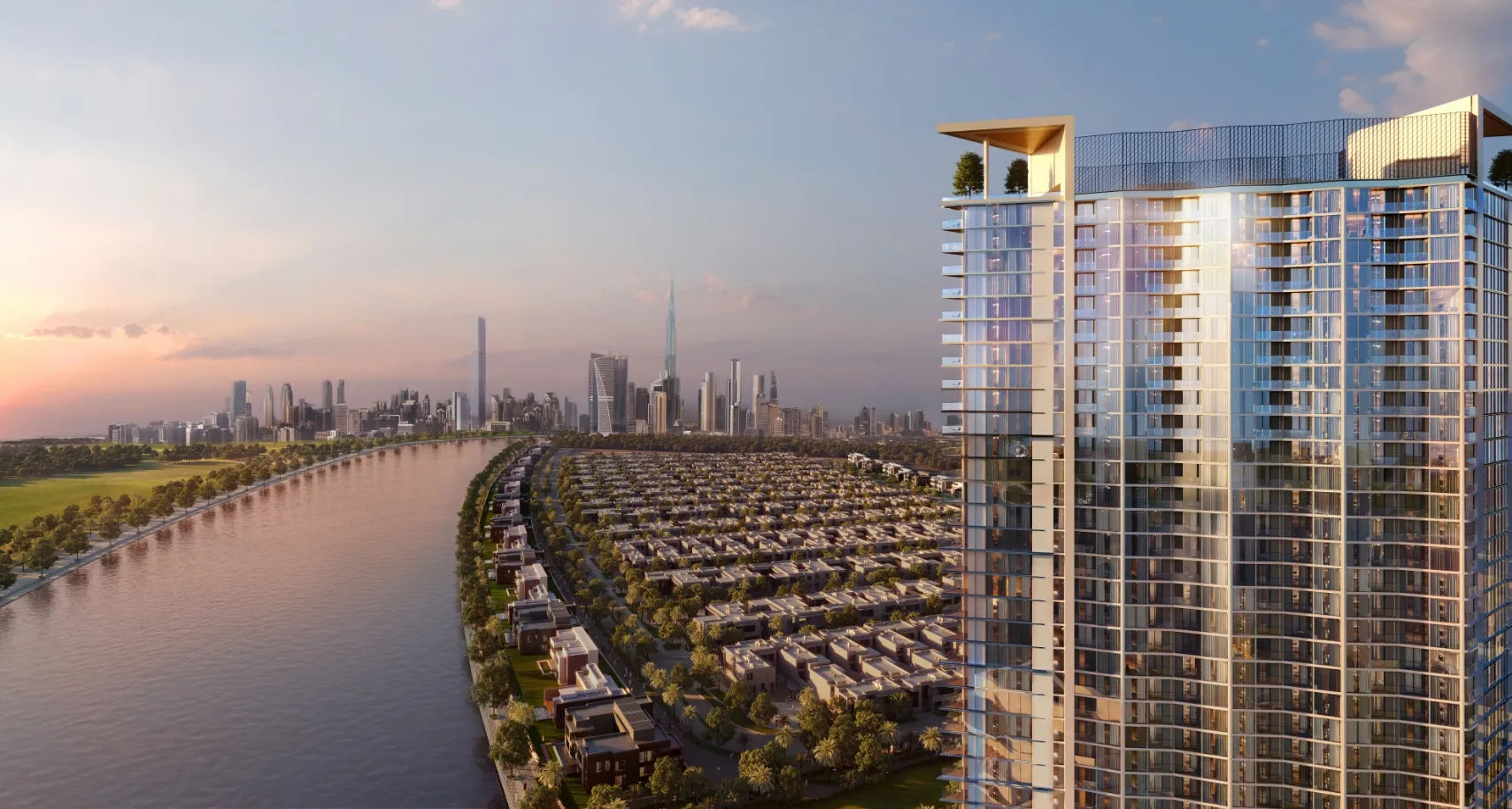
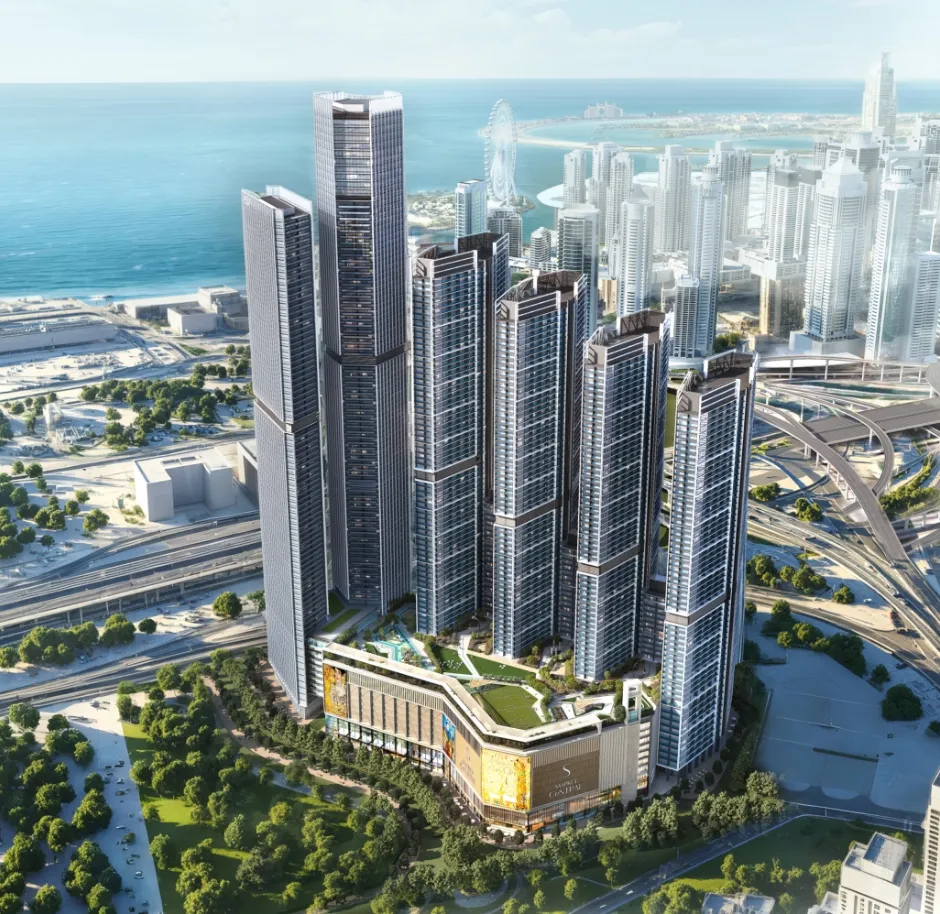
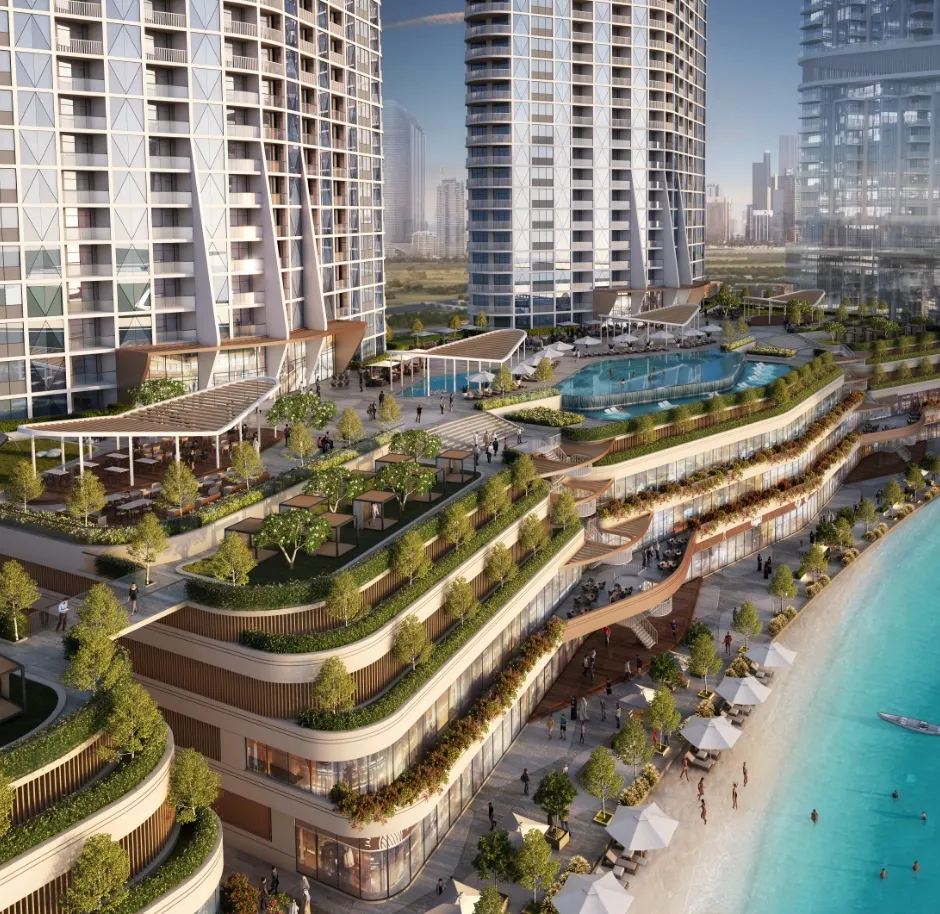
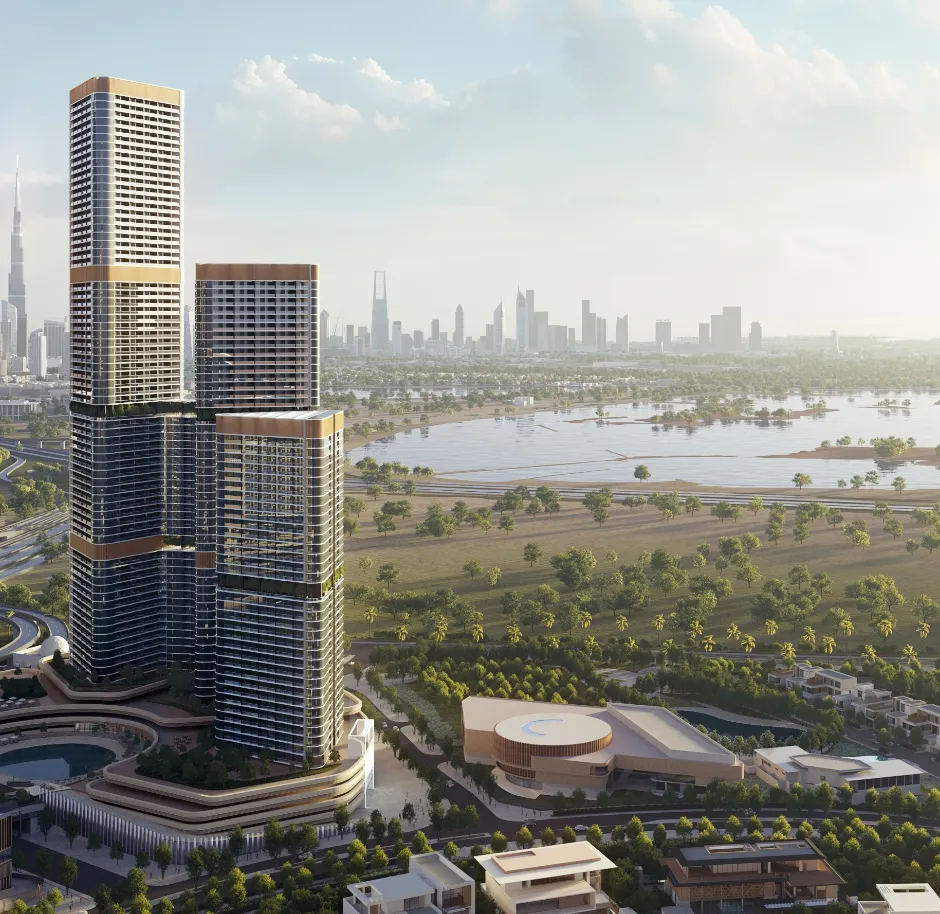
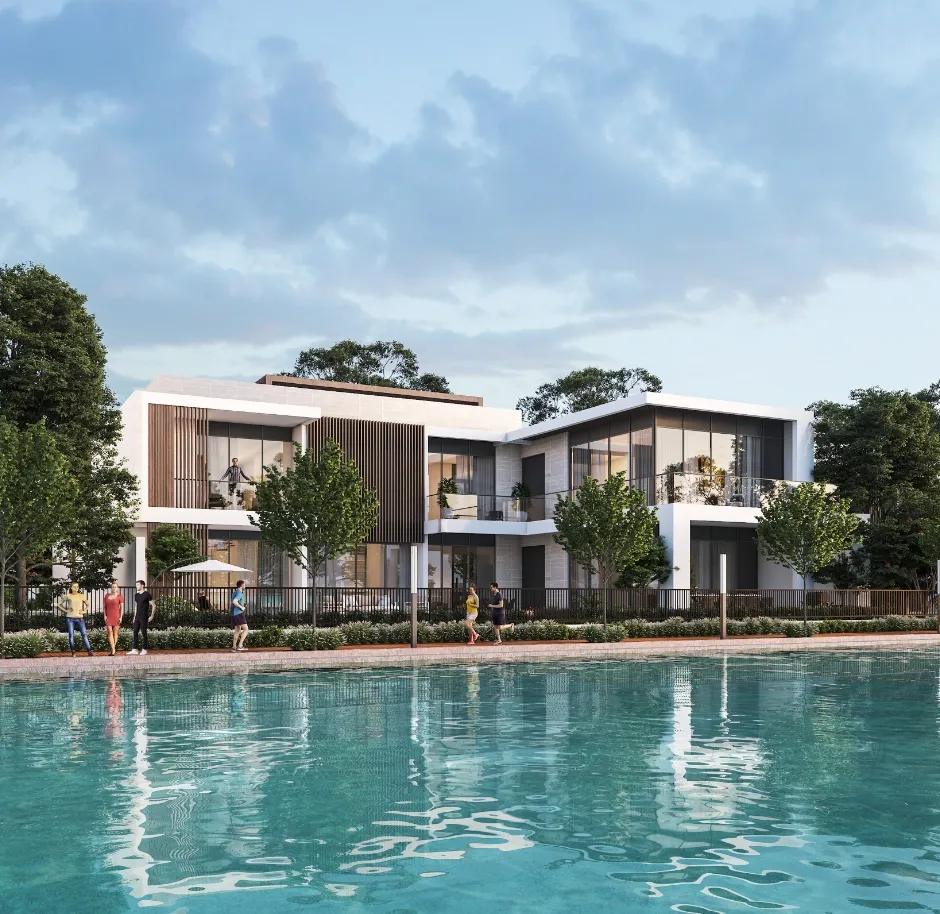
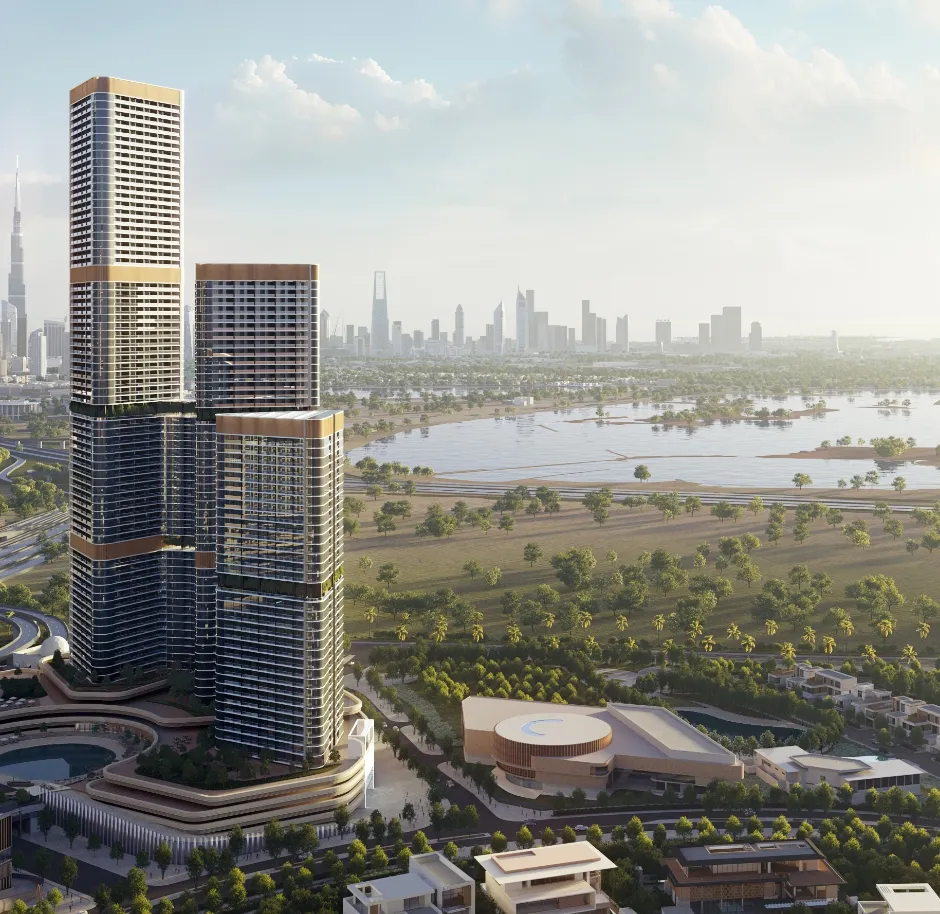
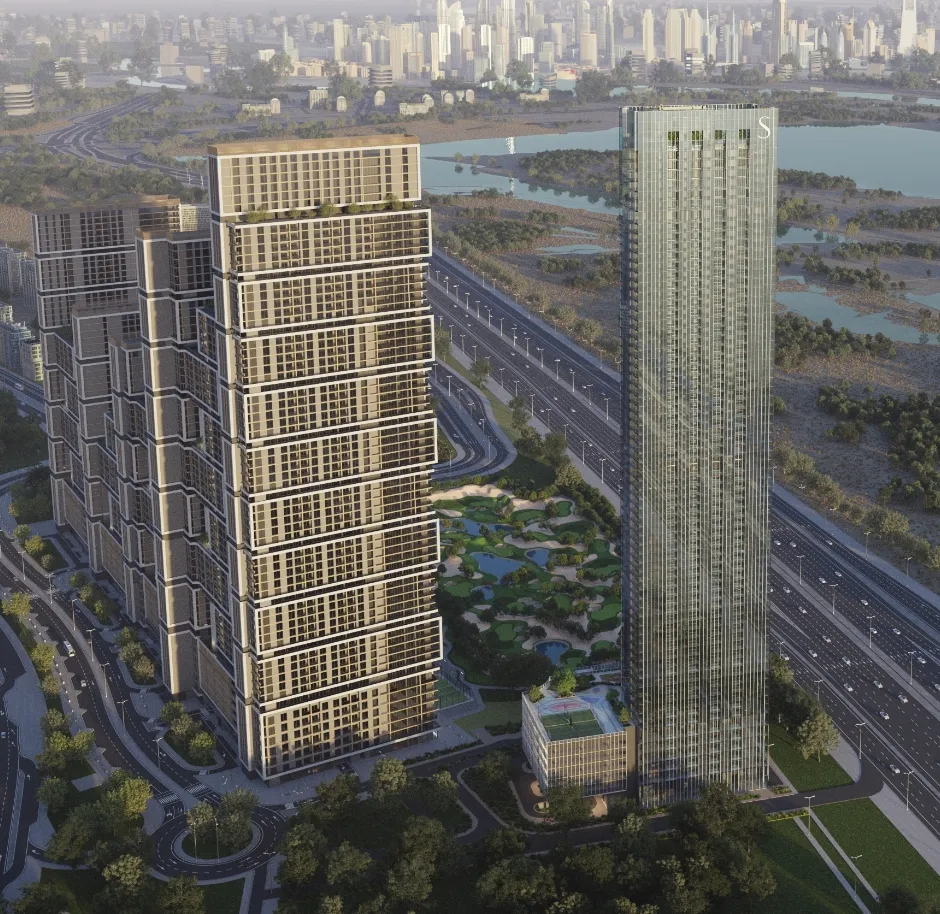
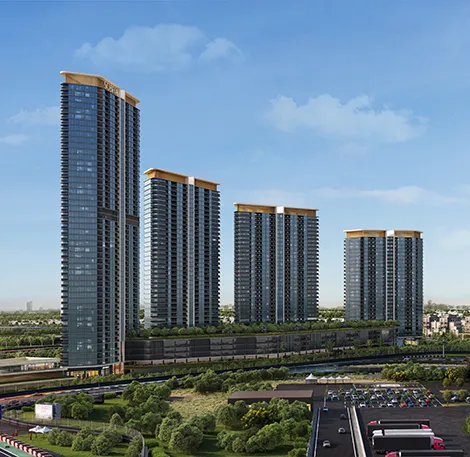
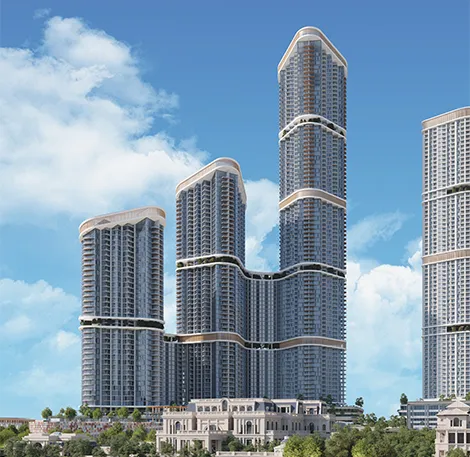
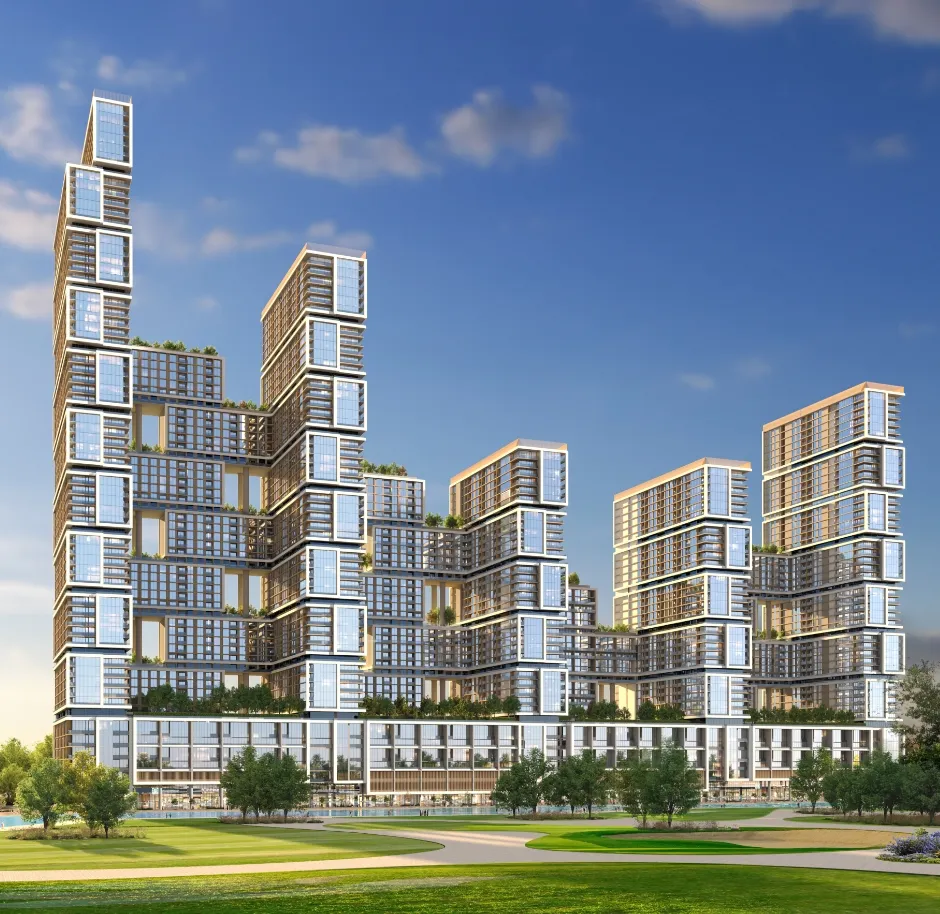
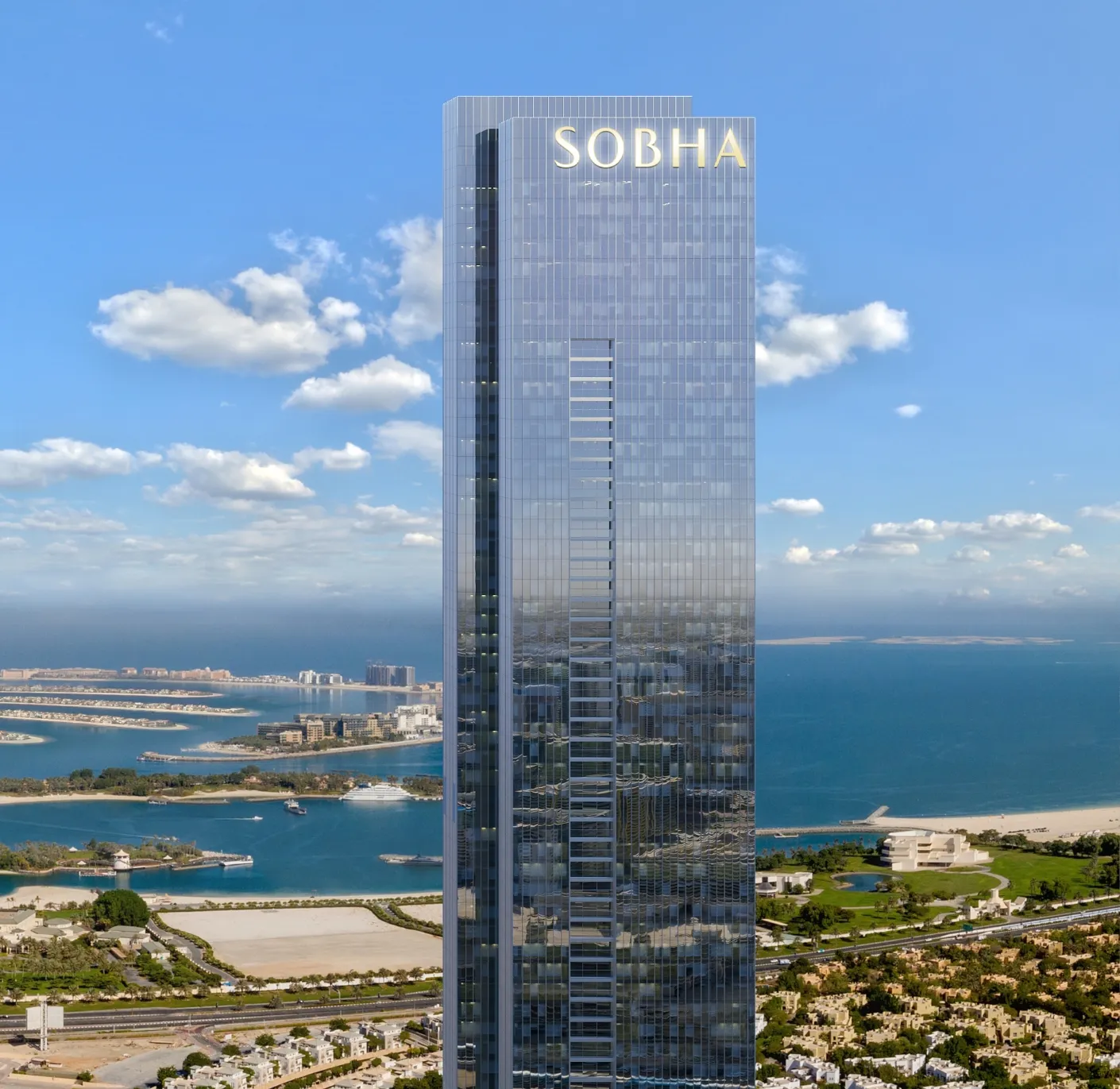
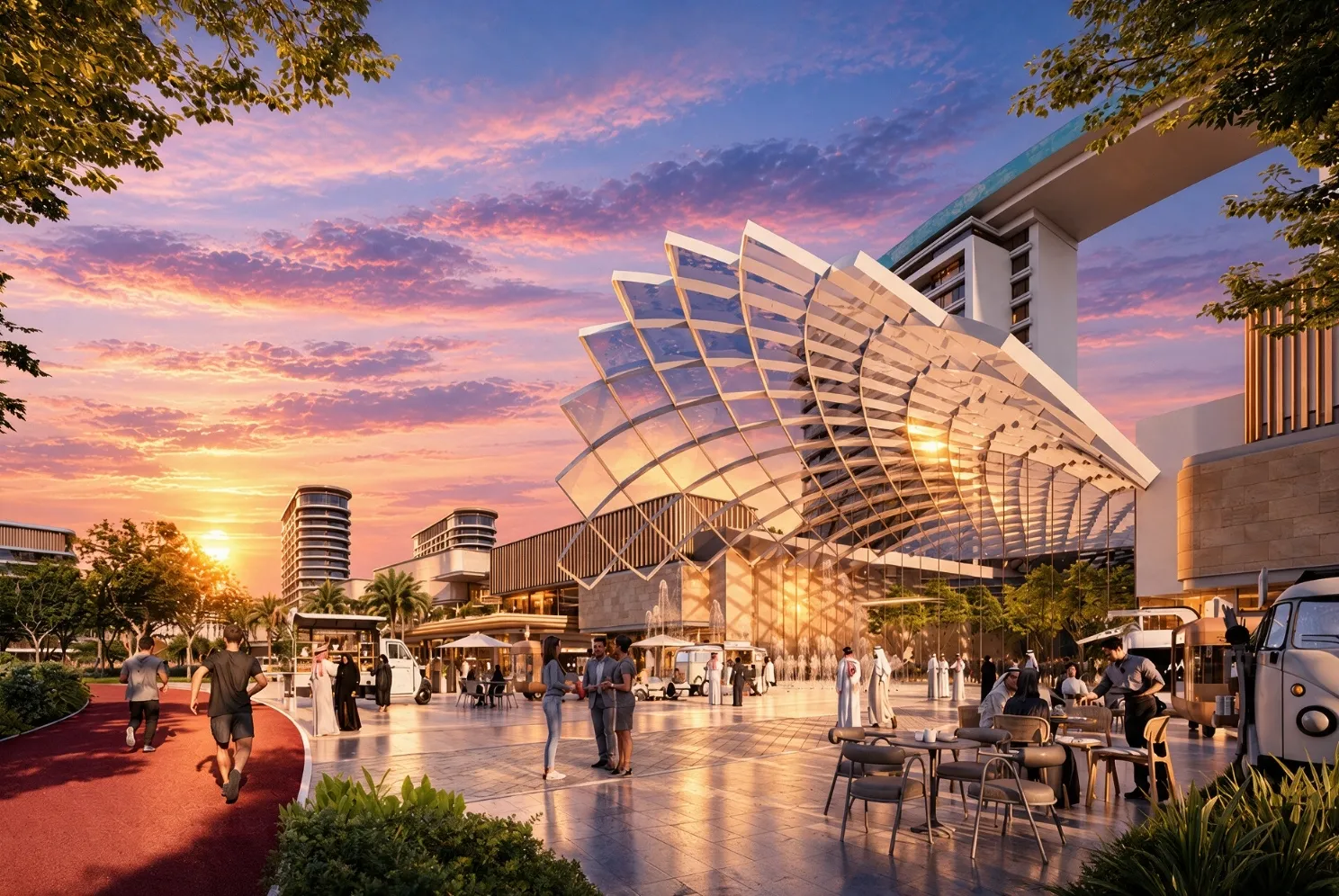
One of the most crucial factors influencing a property’s value is its location. The same holds true for UAE residential property values. For instance, in Dubai – arguably the UAE’s most dynamic emirate – median property values in the Downtown area rose to 3.1M AED in 2025, 8.8% higher than the same period in 2024. Business Bay, on the other hand, saw a more modest growth of 2.6% during the same period, with a median price of 1.6M AED.
So, if you’re planning to buy a property anywhere in the UAE, it’s important to understand the role location plays.
How property location affects value in UAE
Residential property prices in the UAE vary widely depending on the city and specific neighbourhood you’re looking at, and the property type. For instance, a villa in Dubai would sell for more than an apartment in Ras Al Khaimah. This is due to multiple factors:
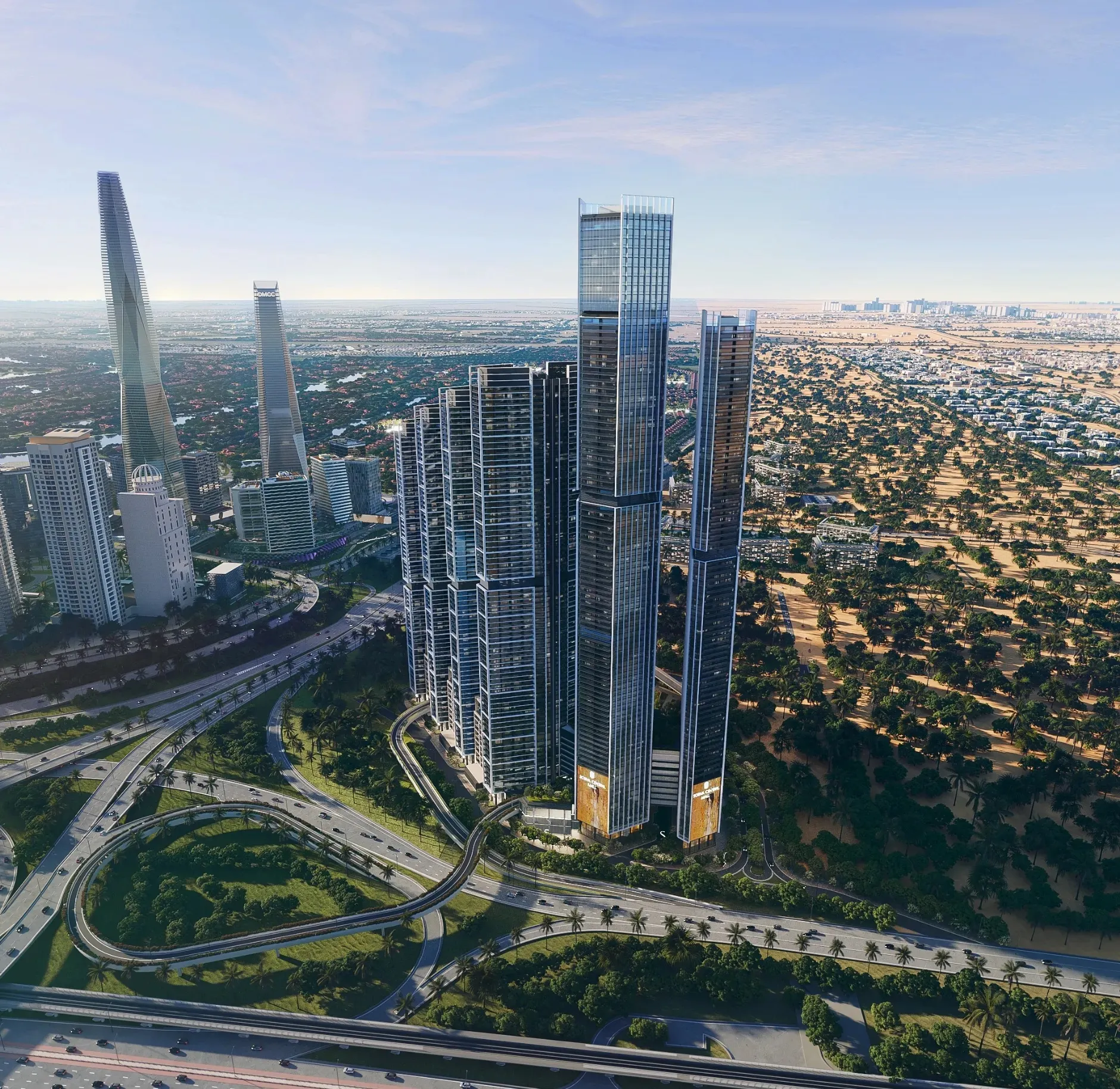
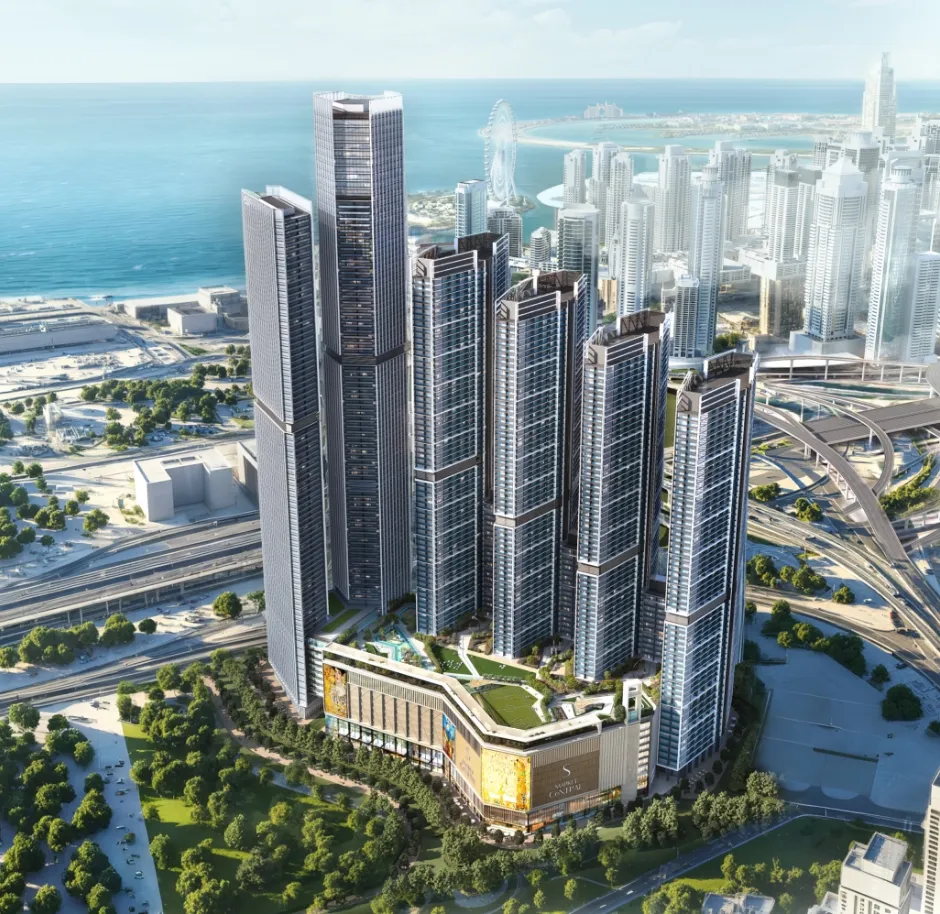
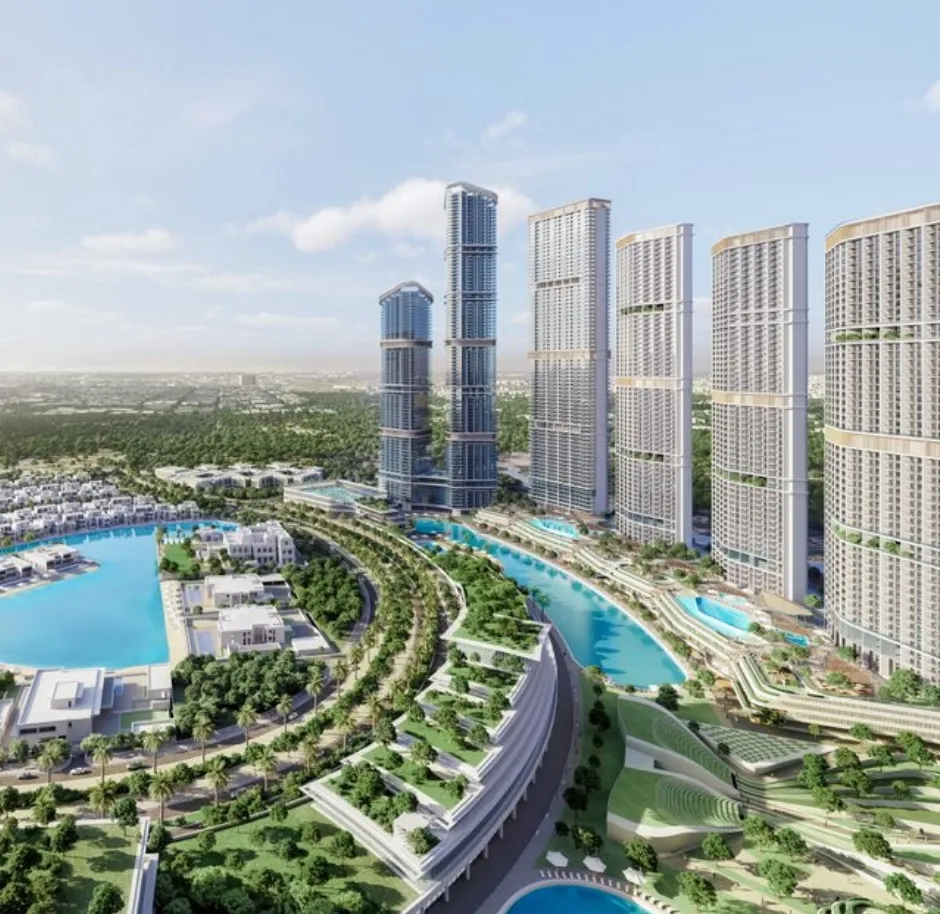
- City-specific markets: Dubai and Abu Dhabi are both at the centre of UAE’s real estate market due to their heightened economic activity, connectivity, and luxury lifestyles. This has led to residential properties in the two Emirates selling for higher prices than the others. Within these Emirates, prime locations such as Dubai’s Palm Jumeirah and Abu Dhabi’s Reem Island retain their premium status, commanding higher values due to limited supply.
- Connectivity: Proximity to transport options like the metro (currently only in Dubai), main/arterial roads and highways, and airports all enhance the desirability of residential properties. As an example, projects surrounding new infrastructure expansions, such as the Etihad Rail, have seen property values rise by up to 30%, thanks to the promise of enhanced connectivity.
- Amenities and infrastructure: Good infrastructure, along with amenities like schools, hospitals, retail spaces, and leisure facilities, can significantly boost residential property values. Future developments and plans to improve urban living environments also play a factor in price growth.
Learn more about the key elements of determining a property’s value.
Urban versus suburban property
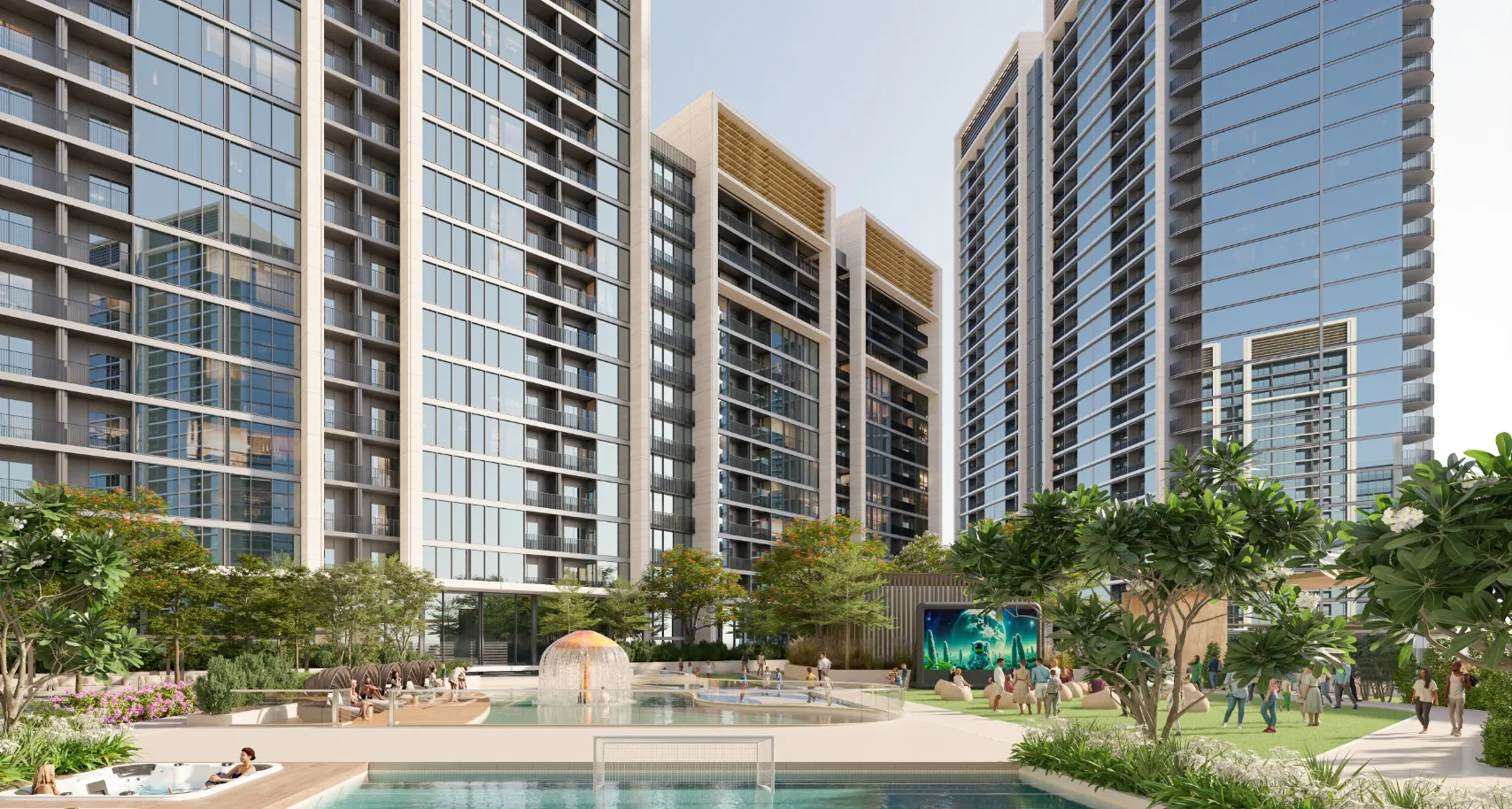
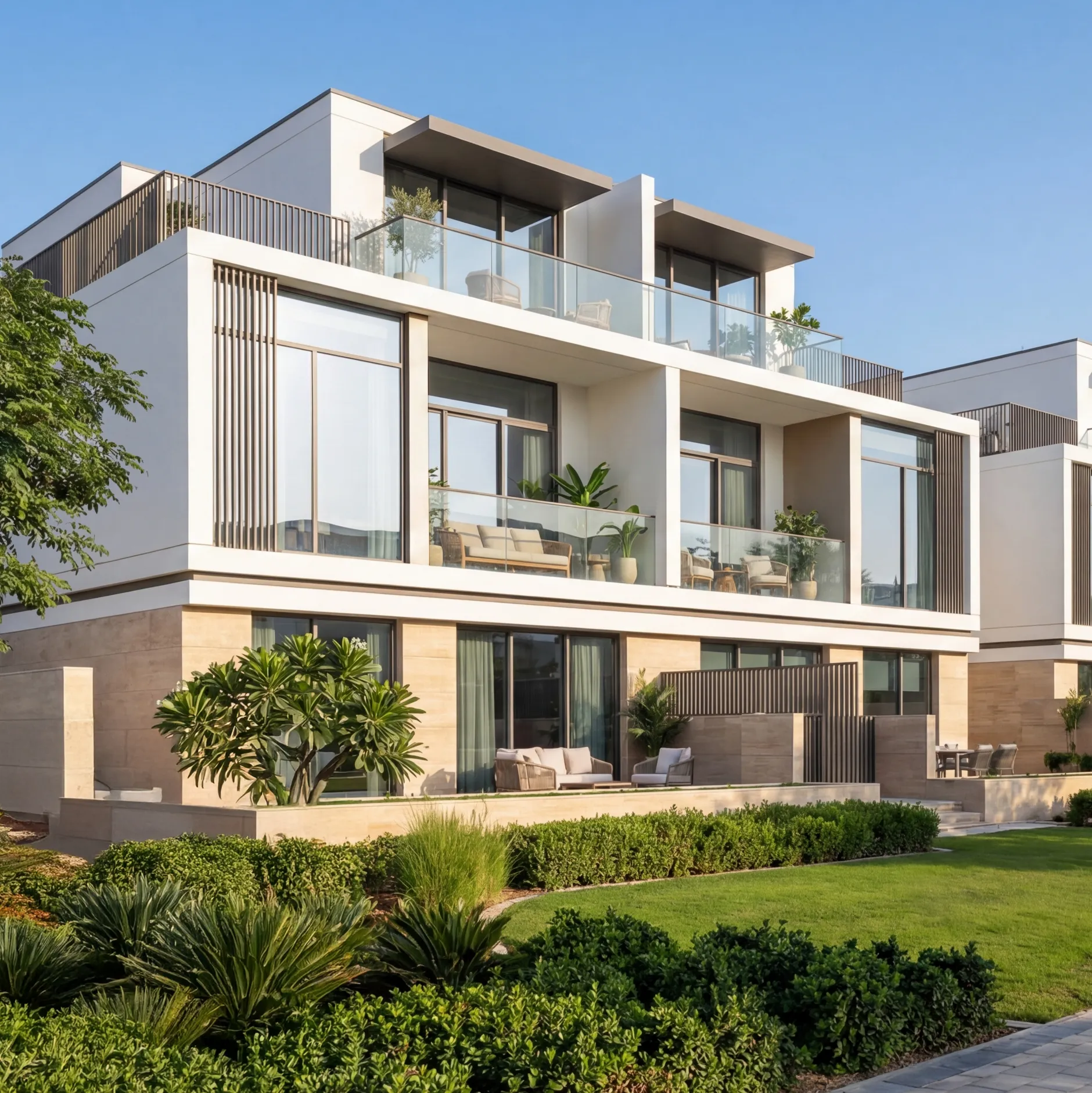
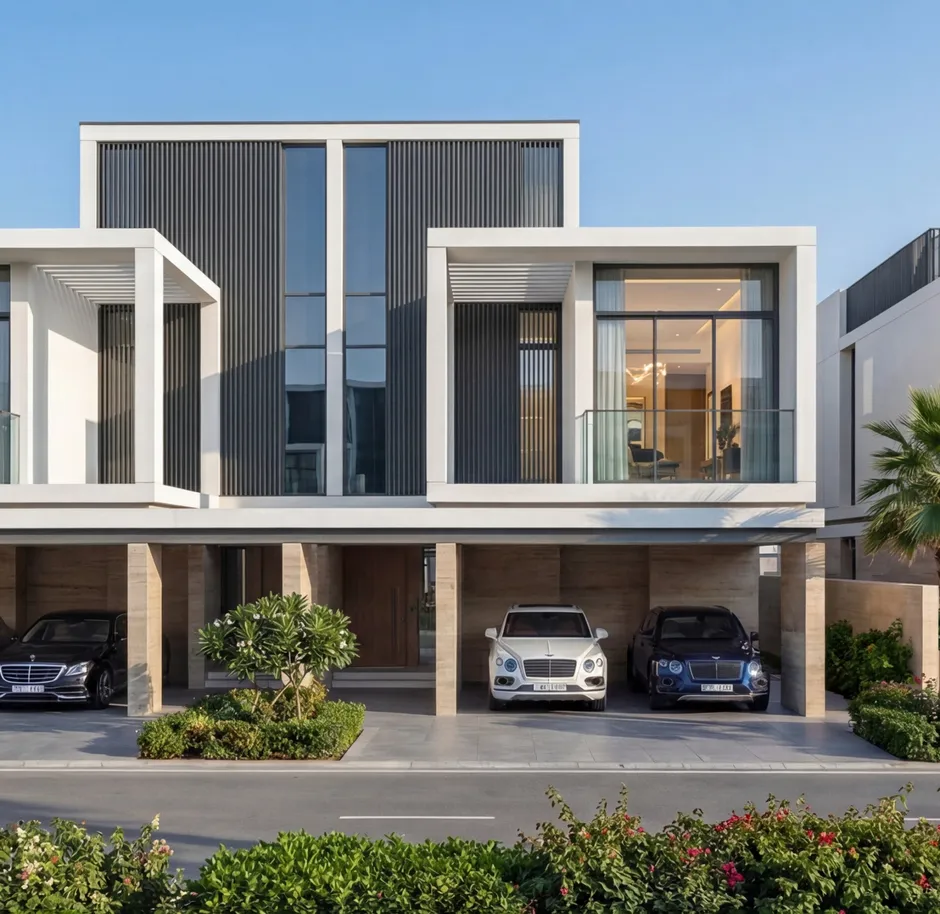
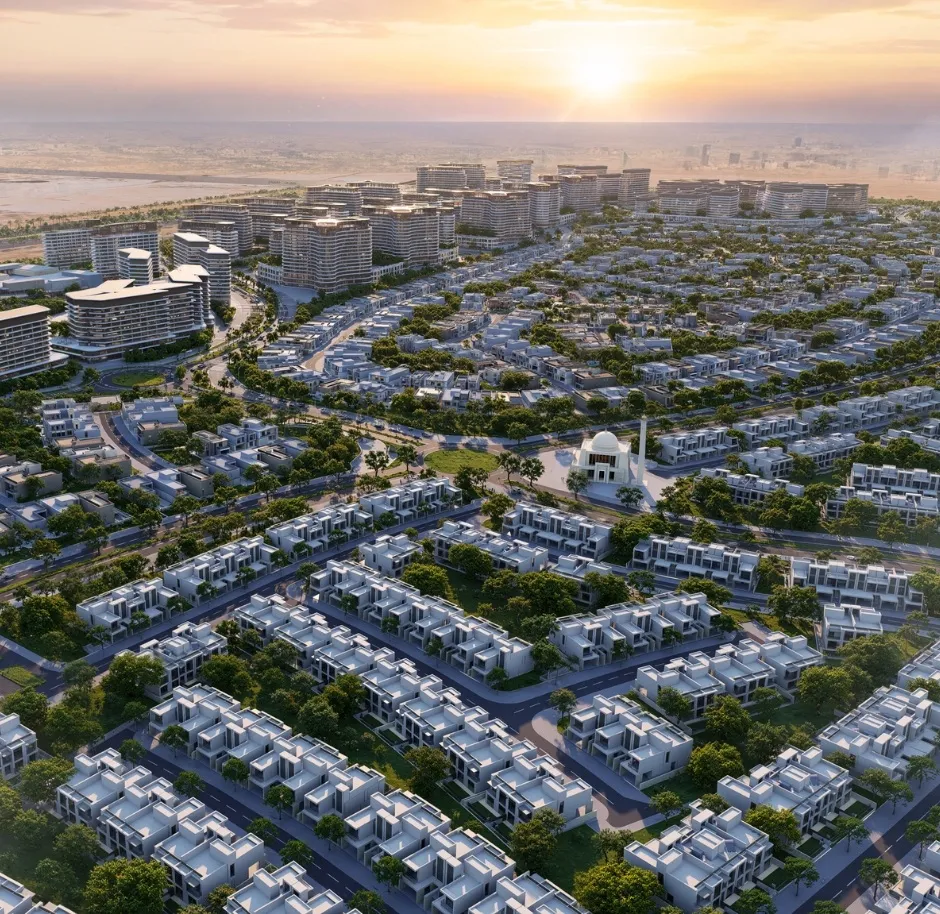
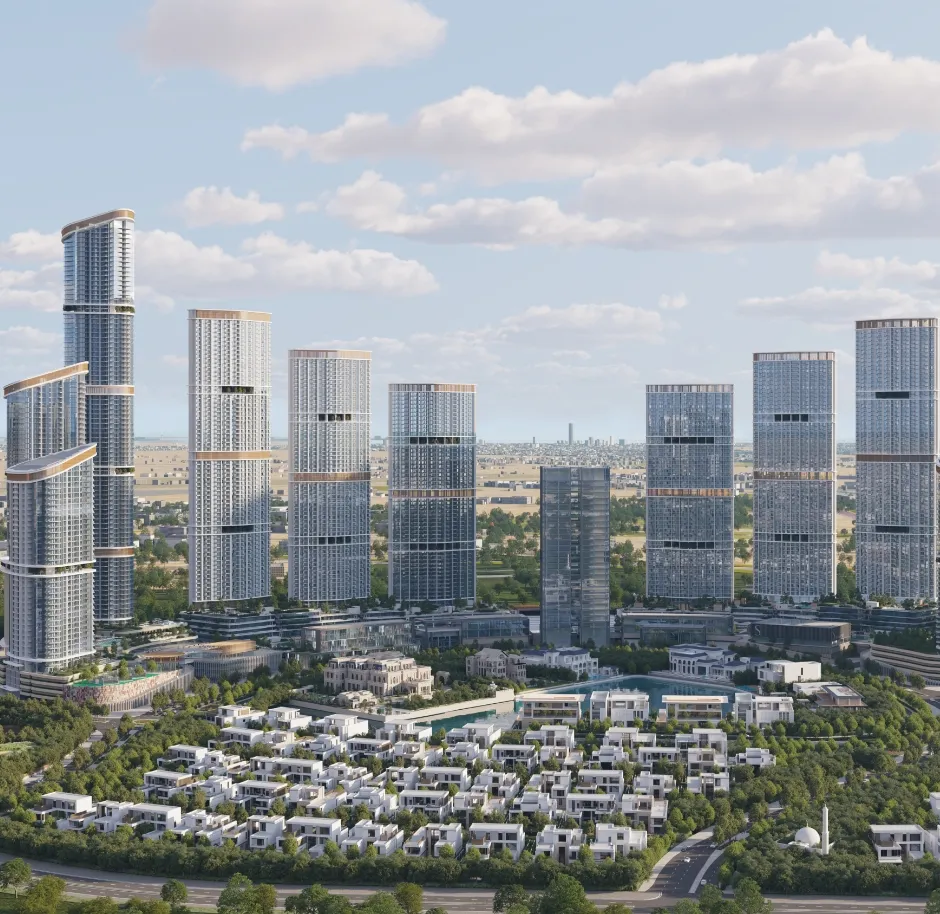
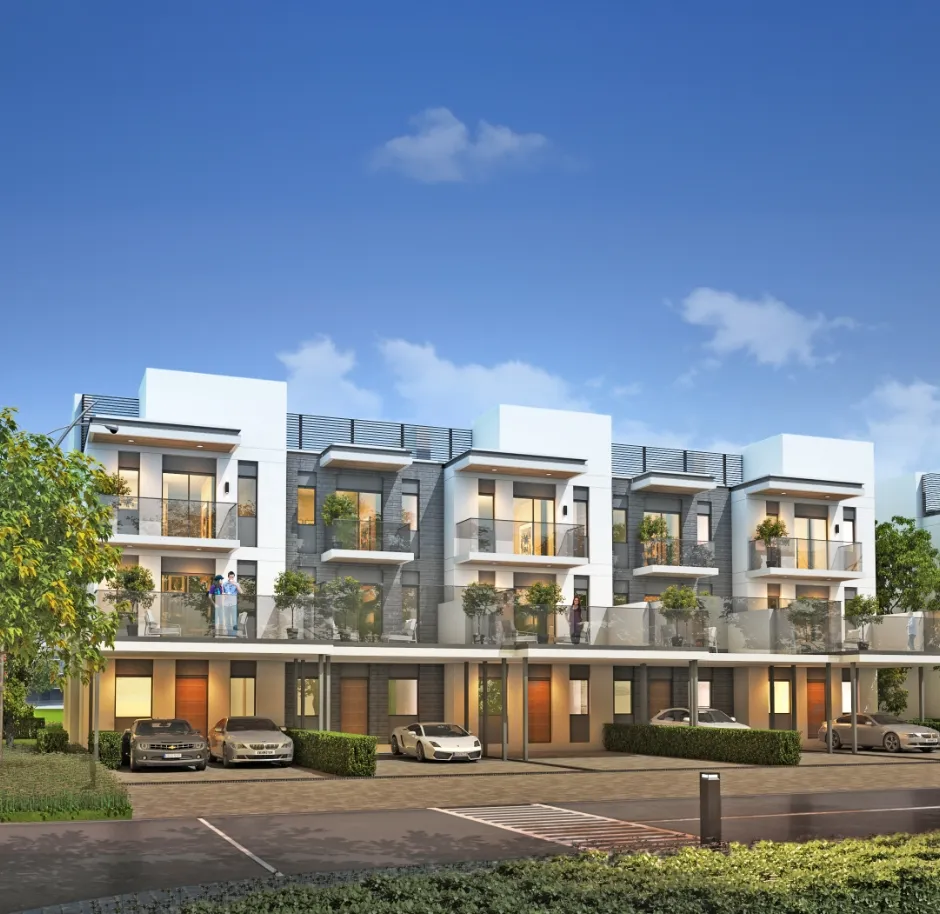
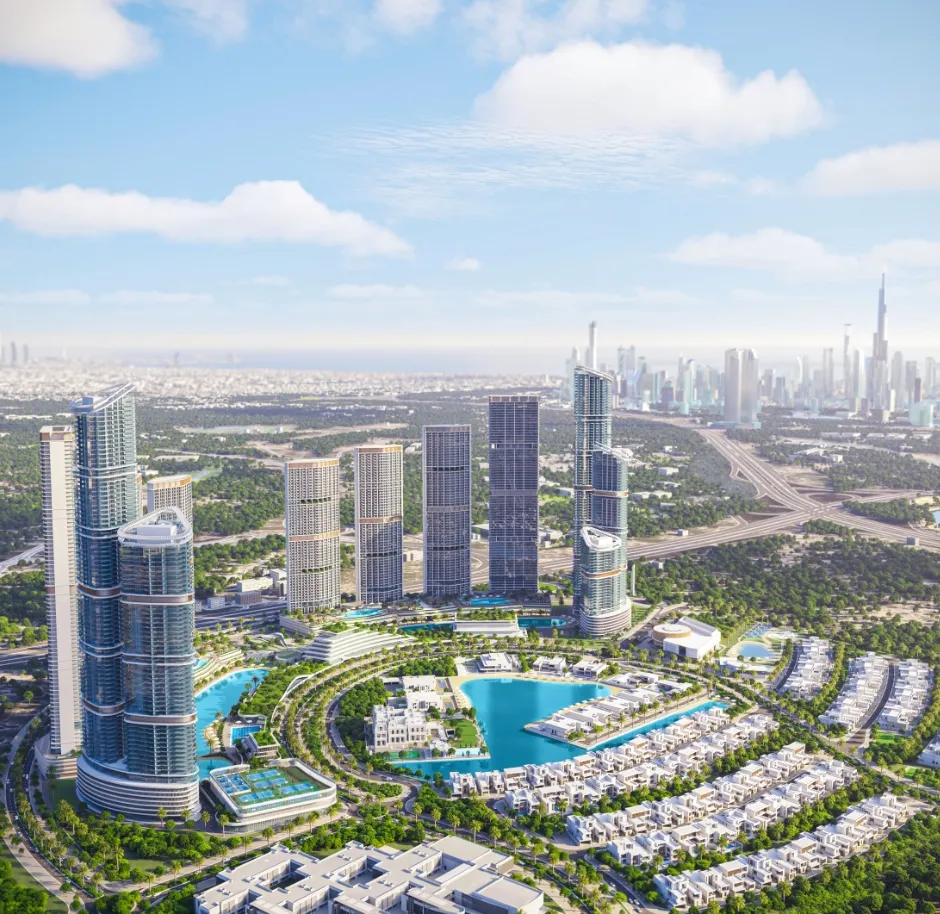
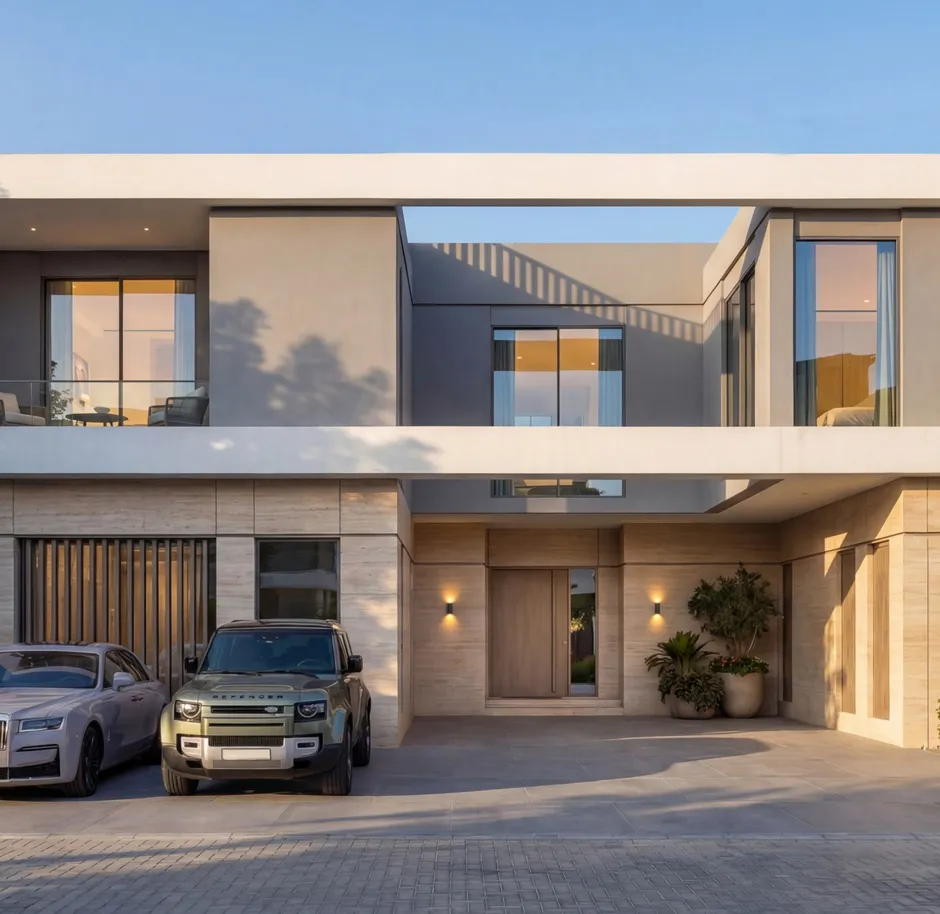
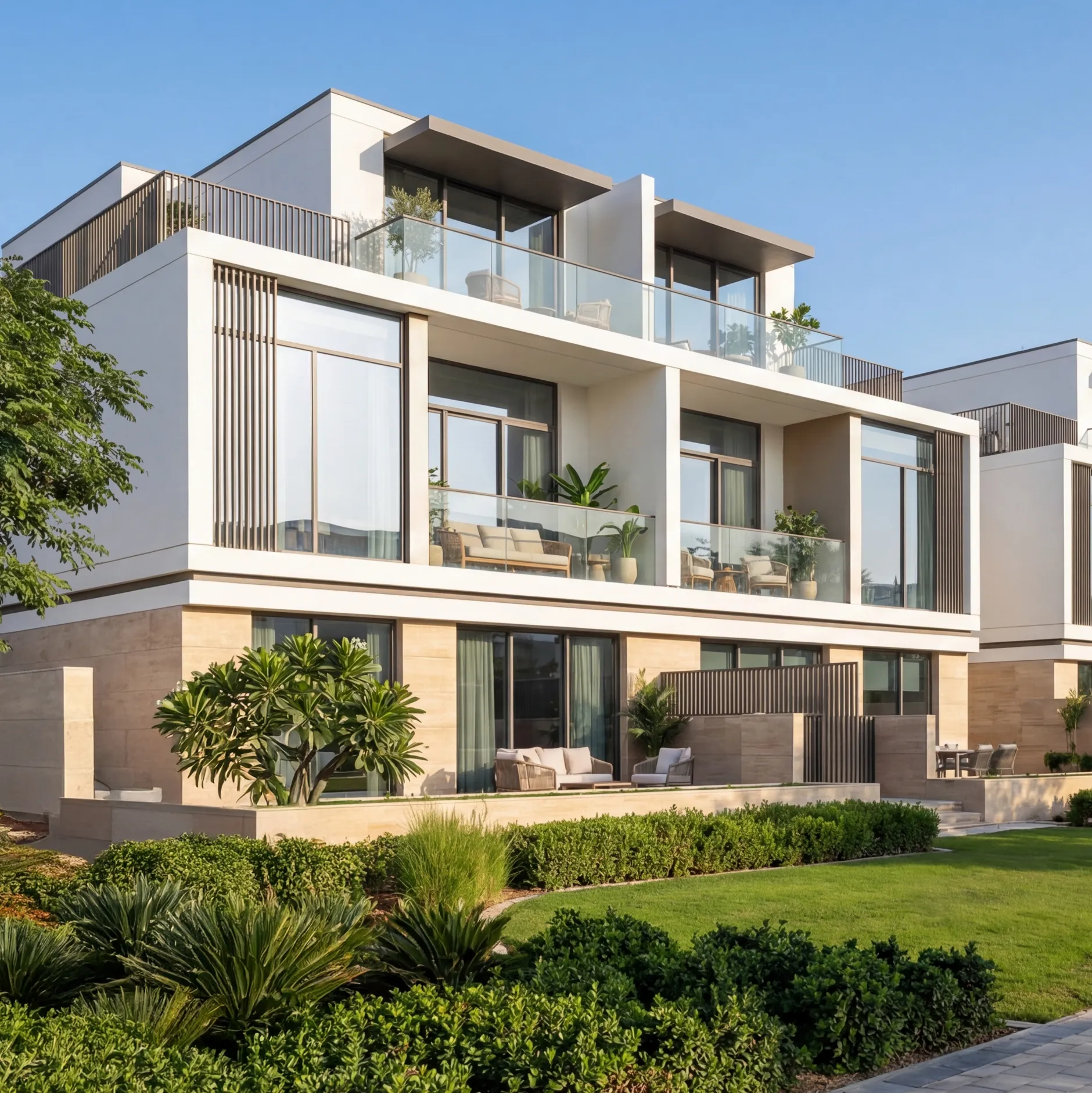
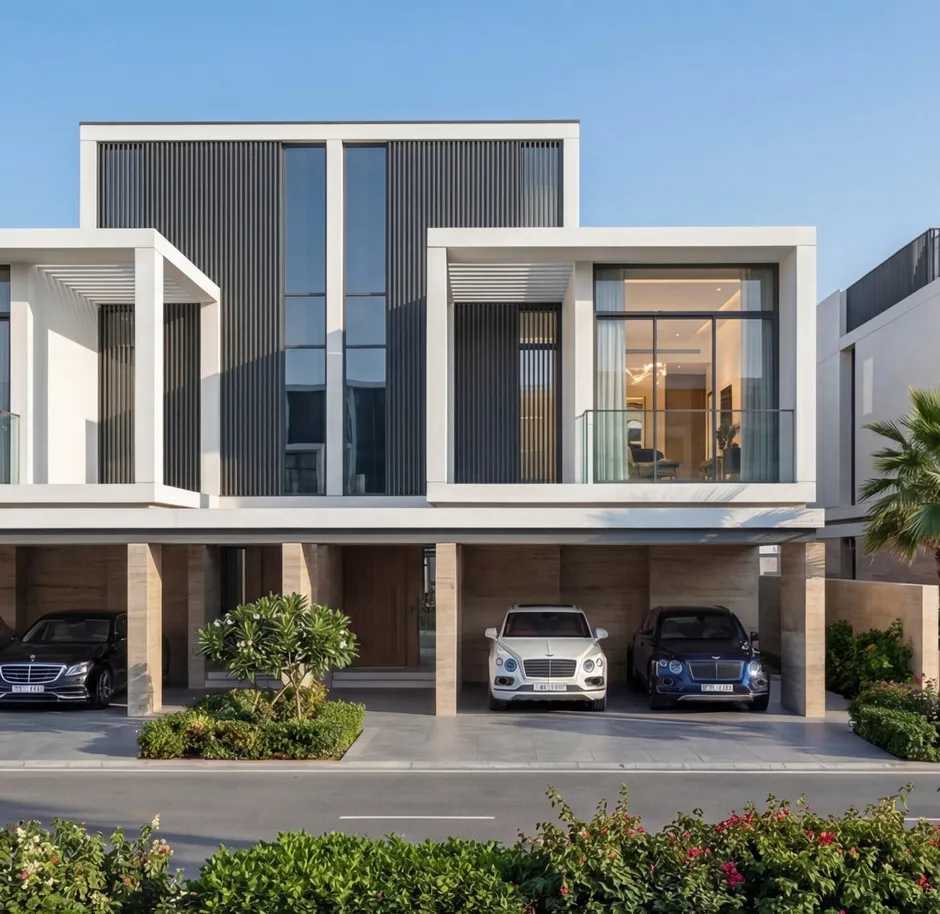
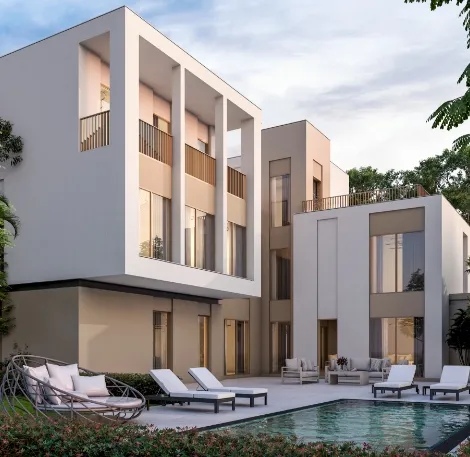
Although prime urban locations remain popular, the past few years have seen a significant increase in demand for suburban neighbourhoods in the UAE. This is because developers are now offering family-friendly environments and premium amenities for those prioritising space and exclusivity.
If you’re comparing urban versus suburban neighbourhoods, keep these points in mind:
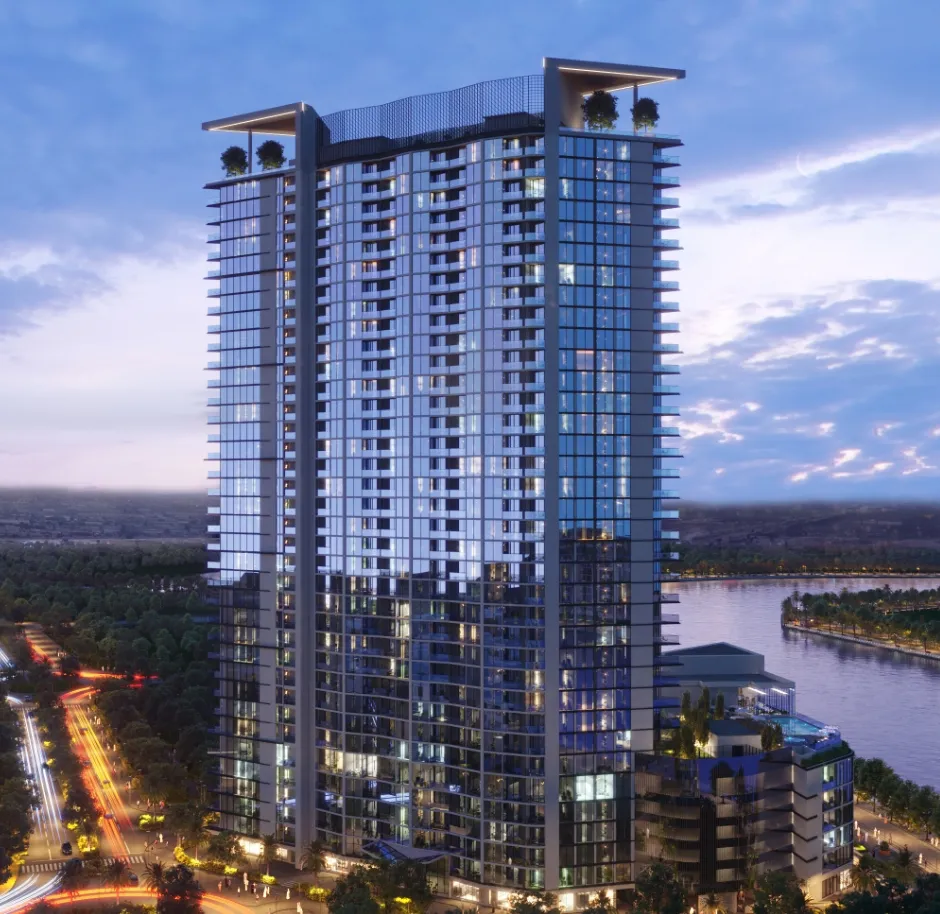
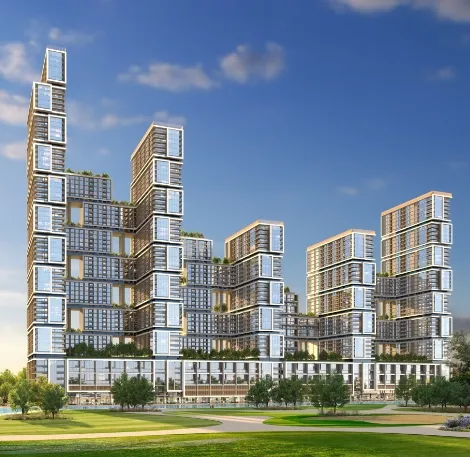
- Urban demand: Urban locations tend to attract residents and investors who prioritise proximity to workplaces, good schools, and the city centre. This leads to higher prices and rental yields in popular areas. Overall, apartments tend to perform better in terms of rental yields, averaging about 7 % in Dubai.
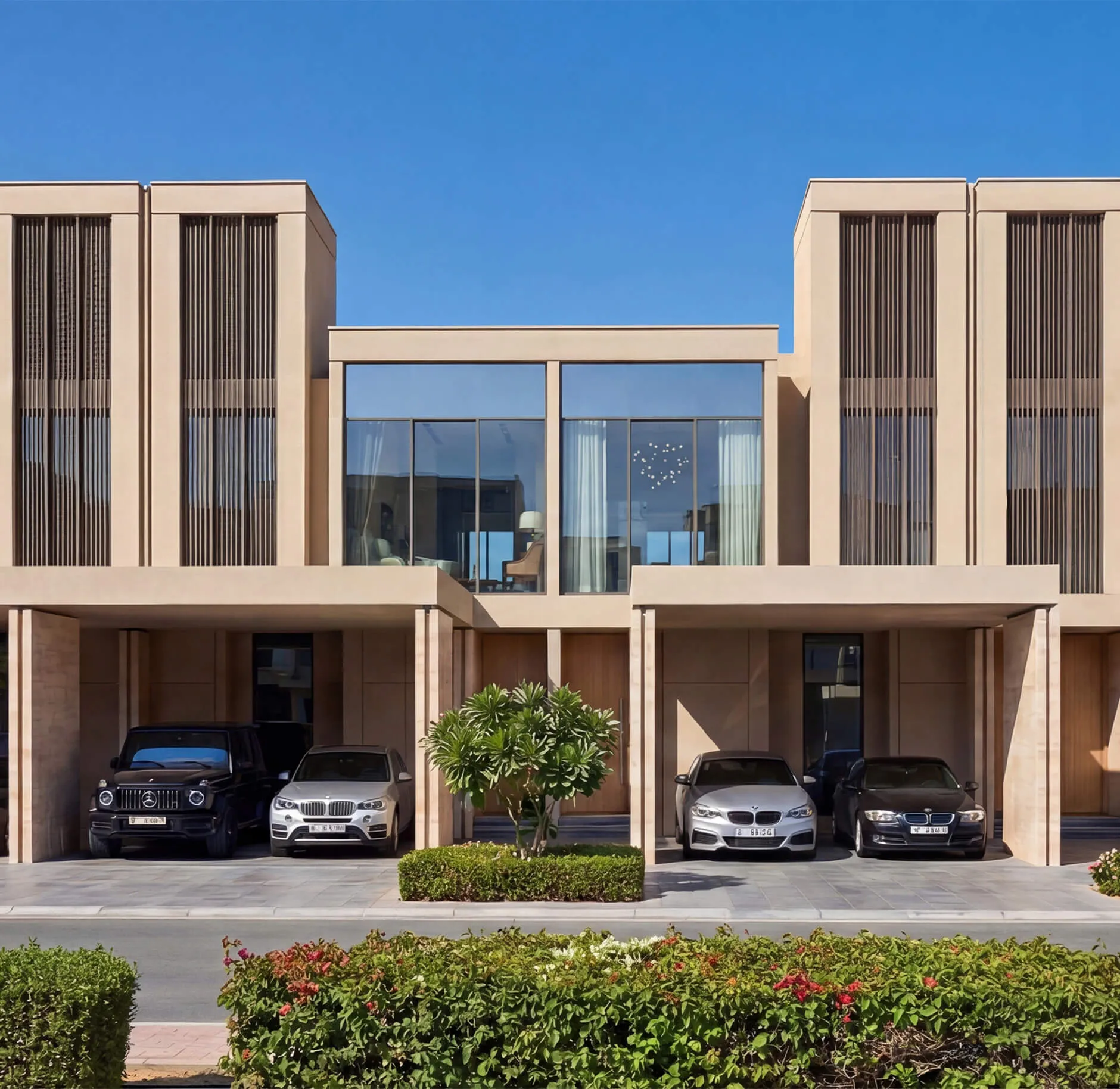
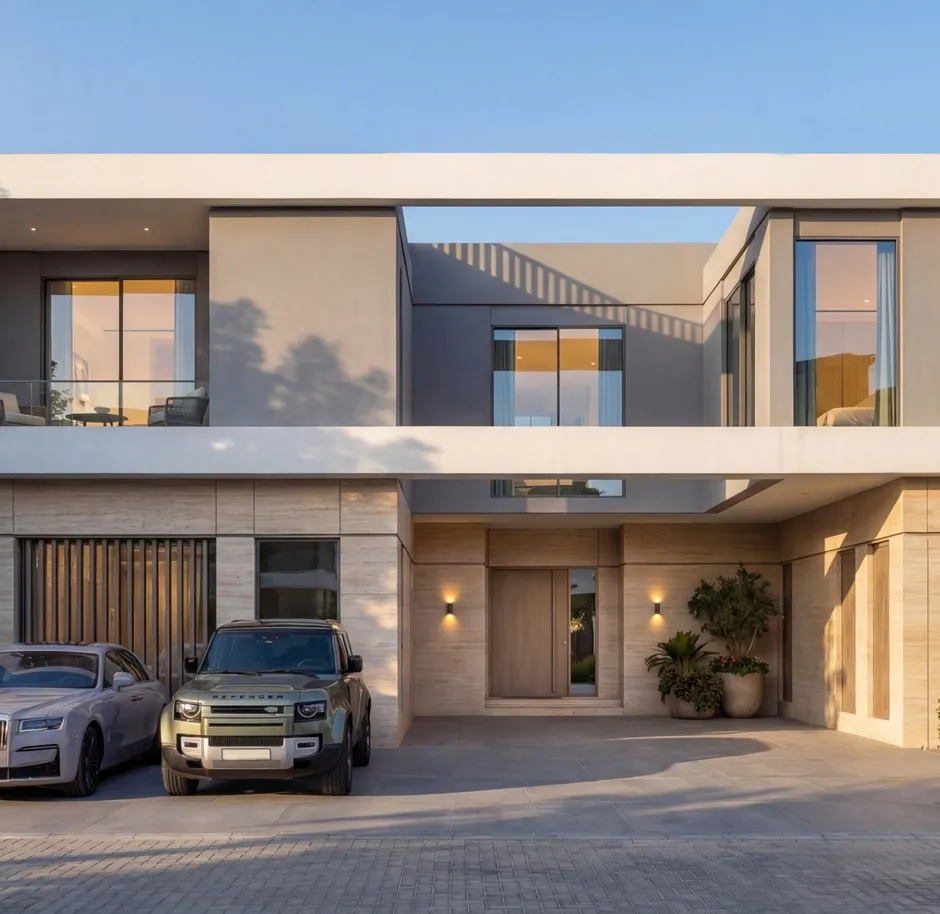
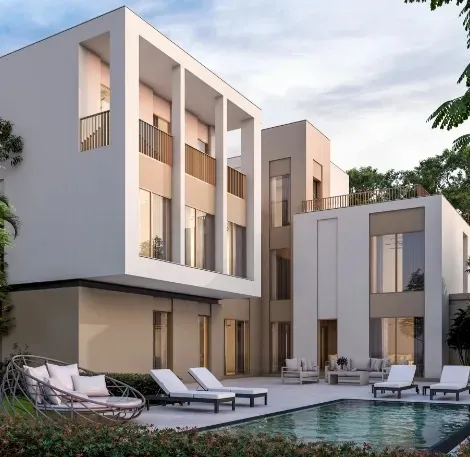
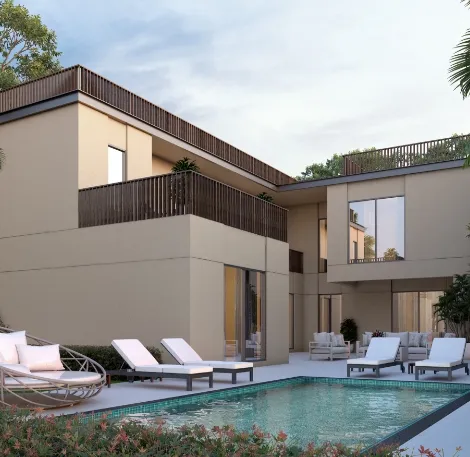
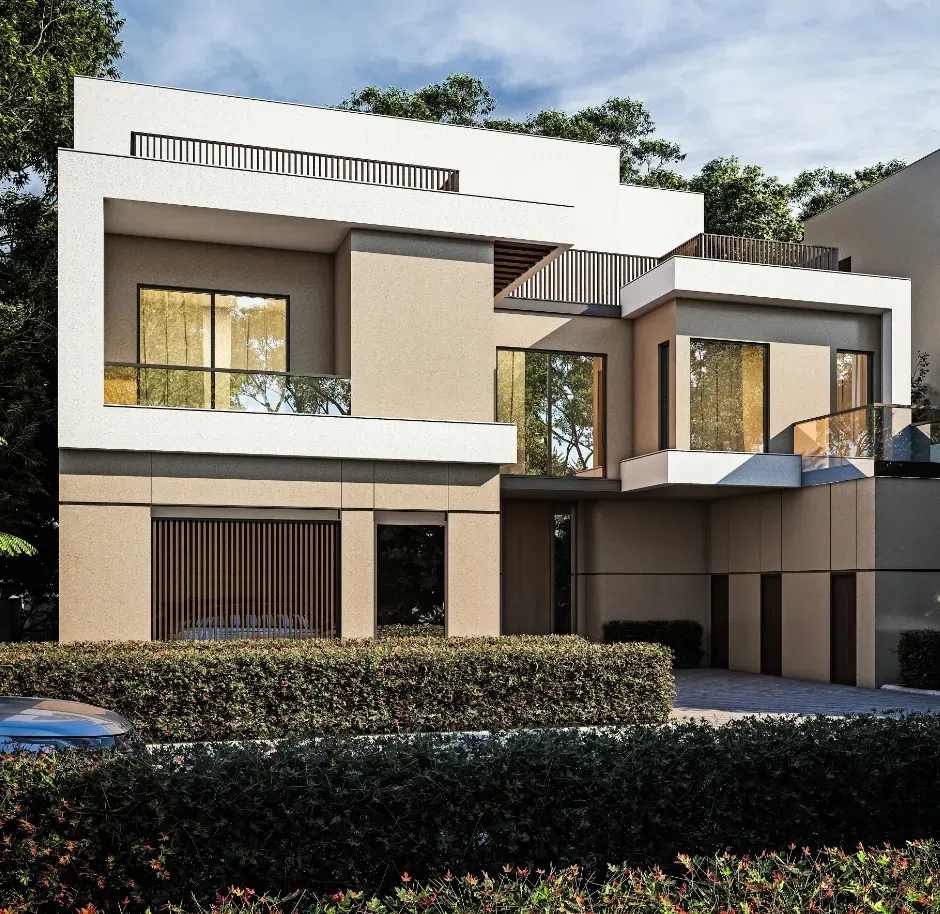
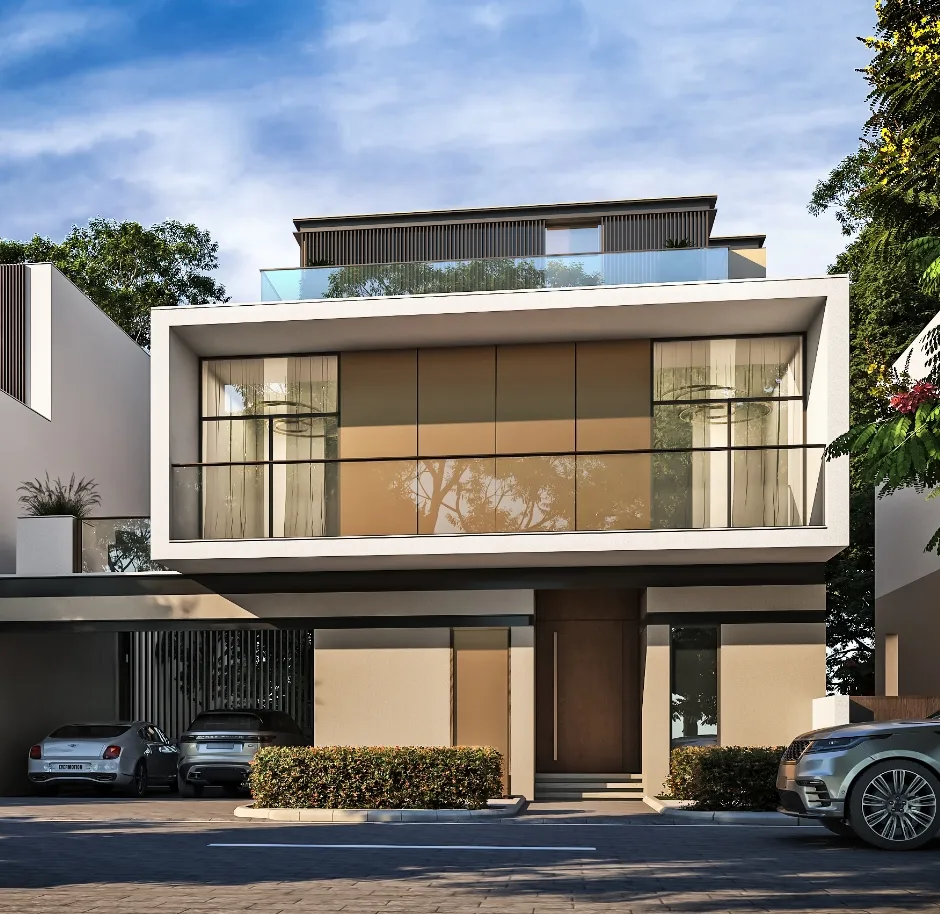
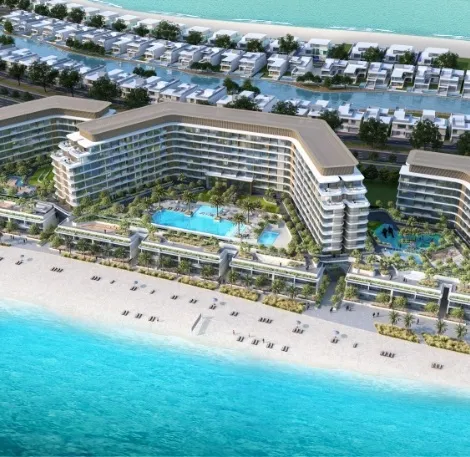
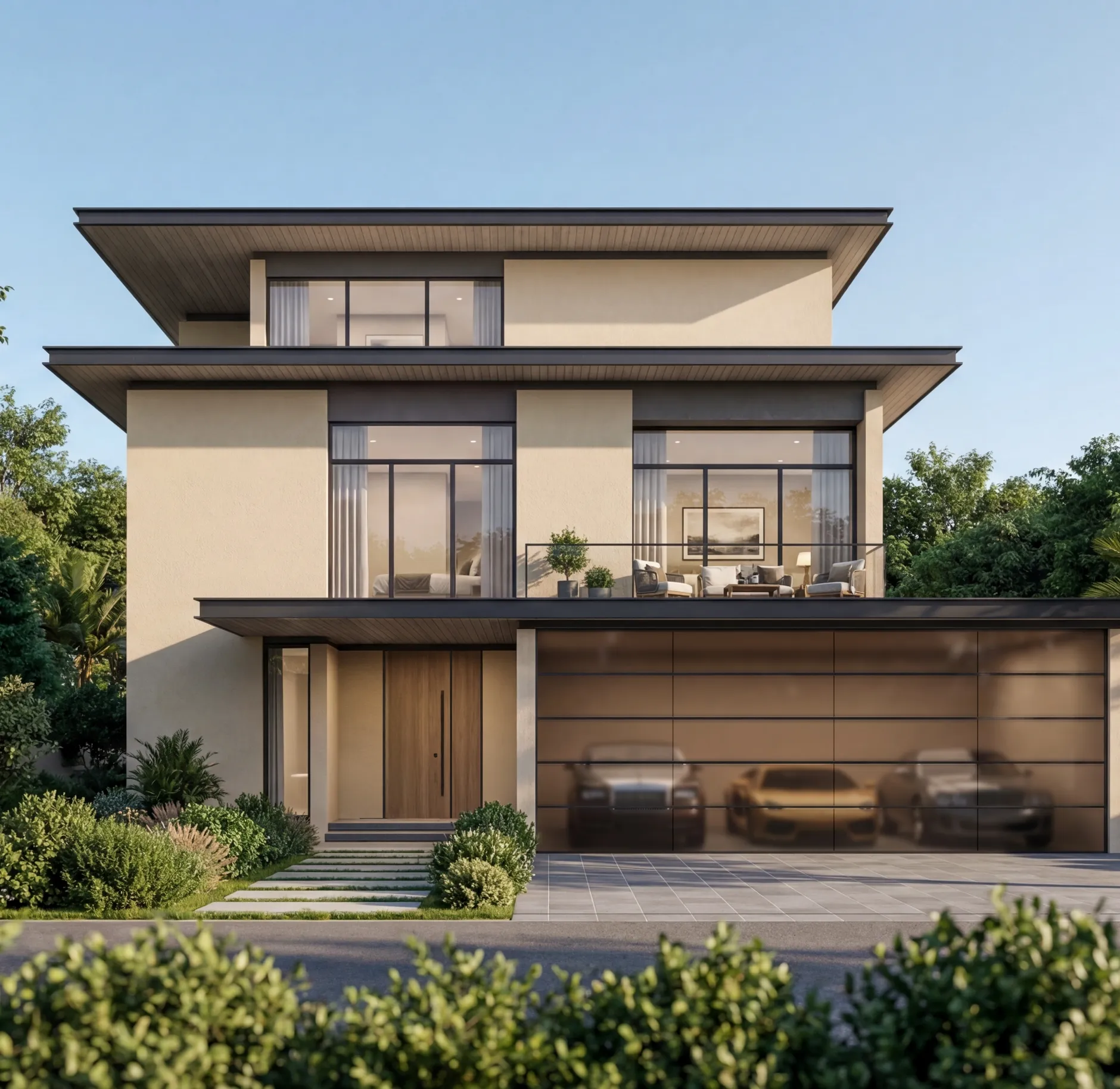
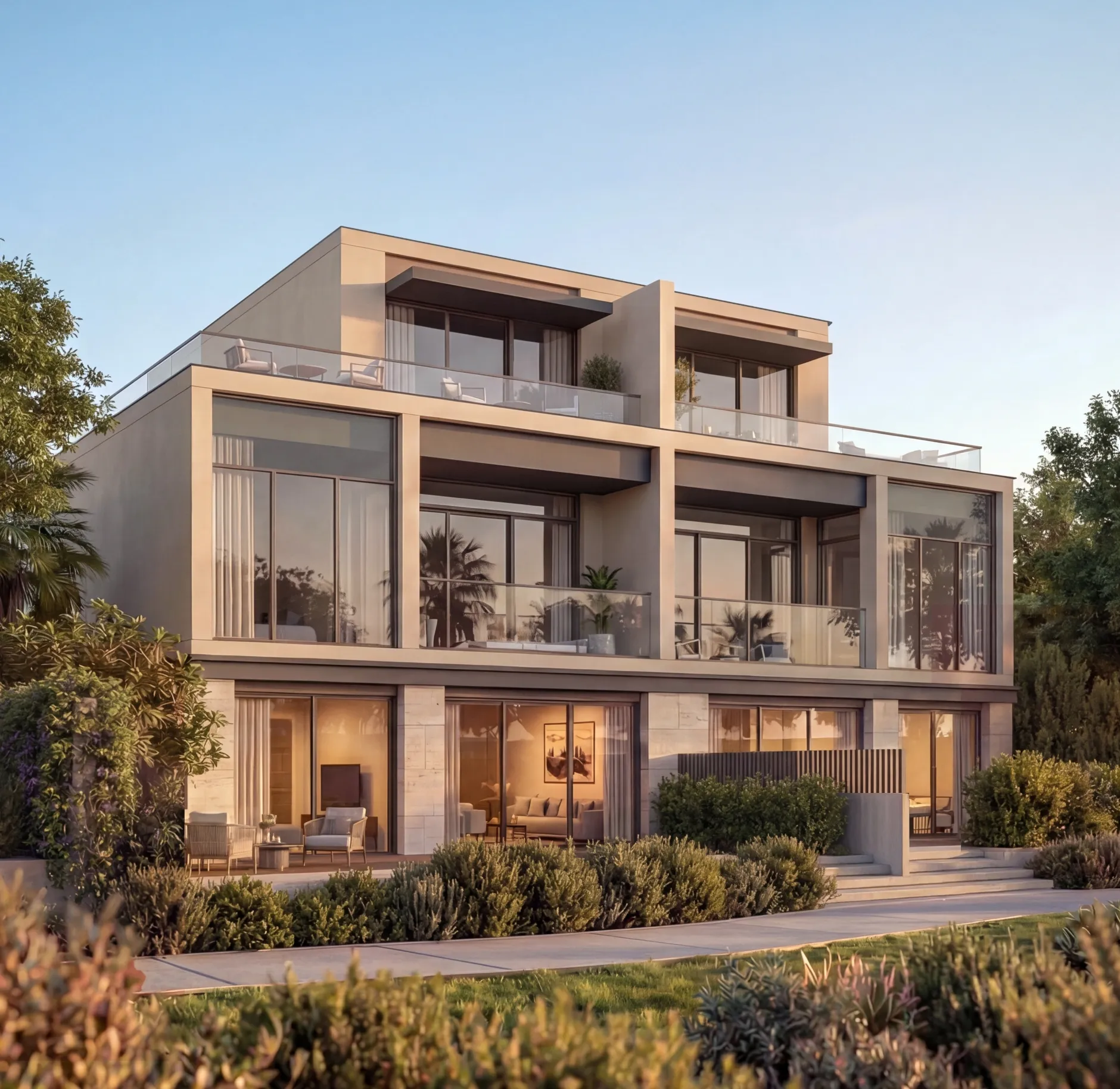
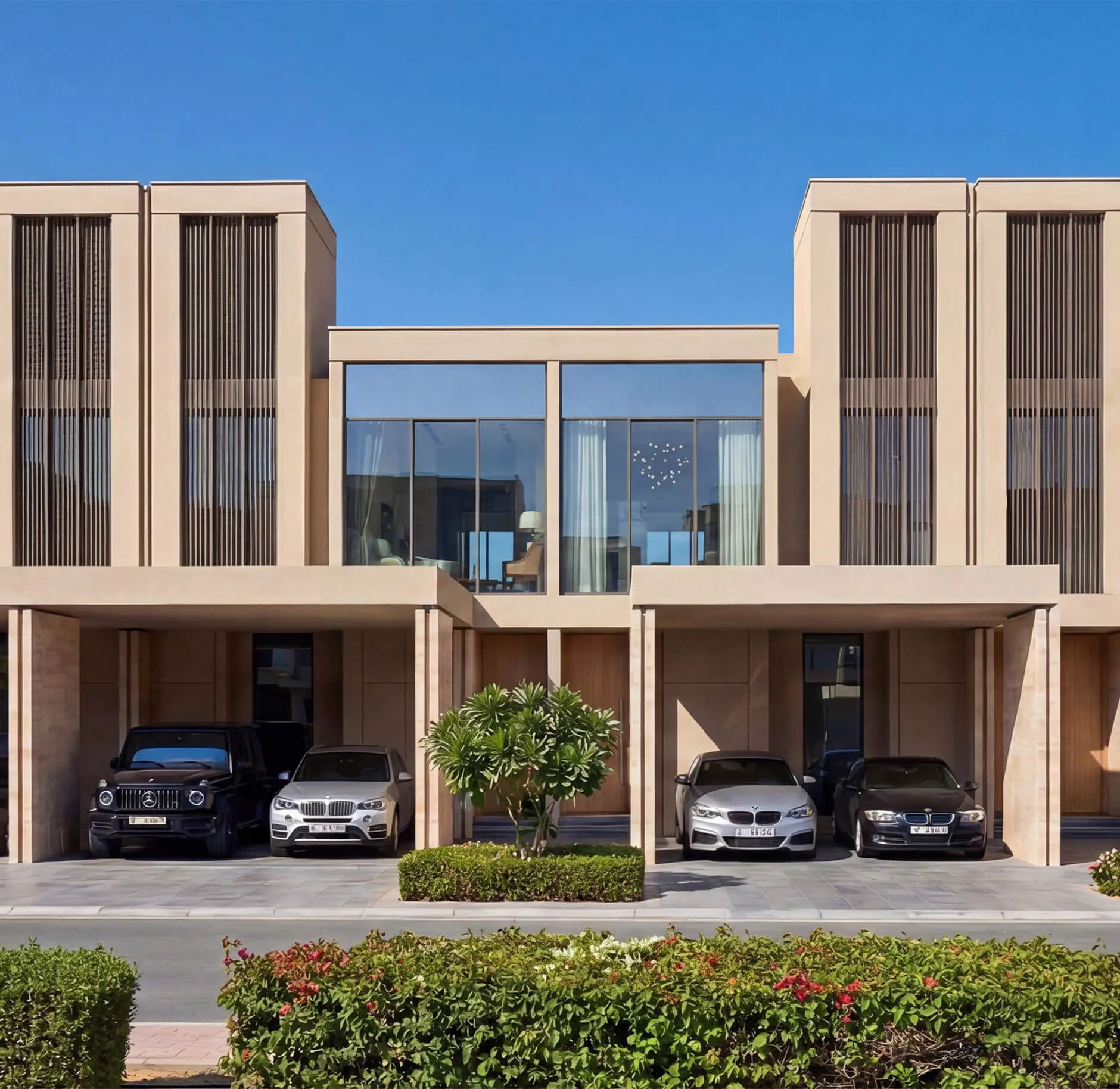
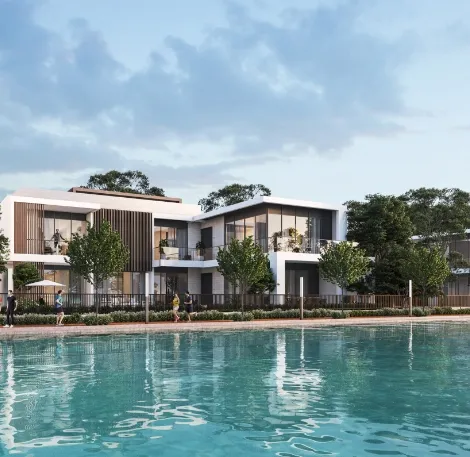
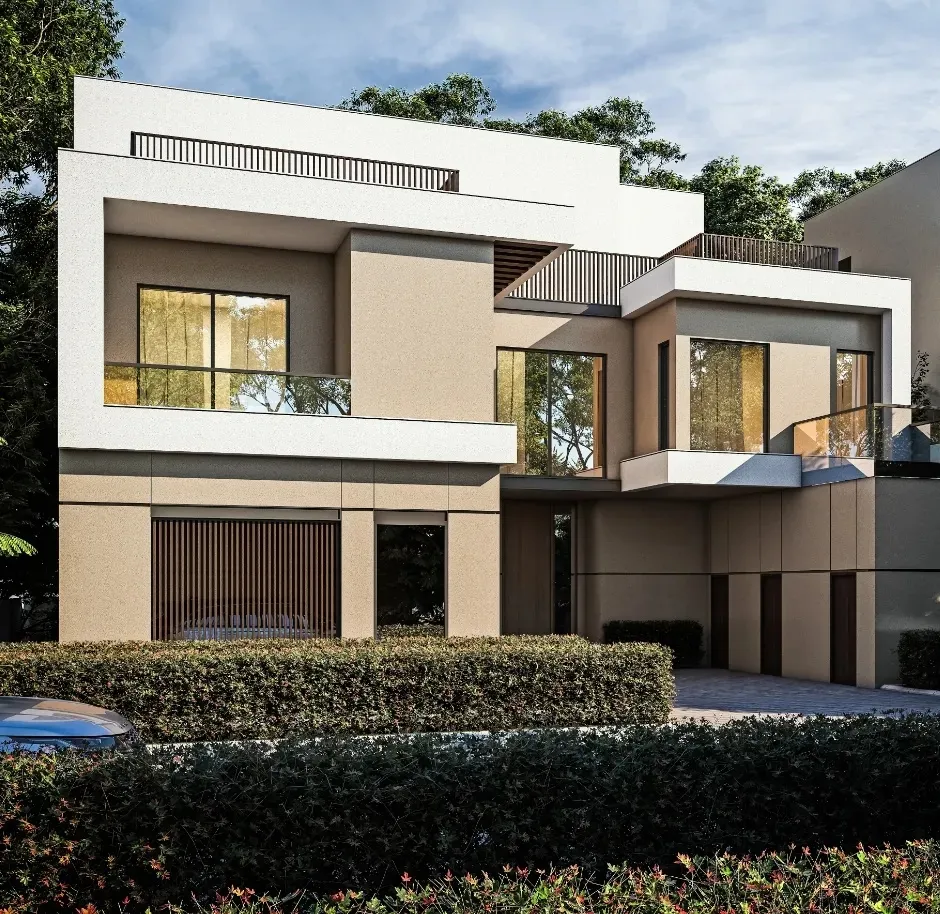
- Suburban growth: Suburbs, especially around Dubai and Abu Dhabi, are experiencing a sharp rise in demand. The growing interest is reinforced by new infrastructure and community additions by developers that focus on improving residents’ quality of life. Suburban villas are particularly appealing for long-term investors and families looking for larger spaces. Examples include areas like Jumeirah Village Circle, Town Square, and other emerging communities in Dubai.
Comparing rental yields for popular urban and suburban areas in Dubai and Abu Dhabi
| City | Property type | Average rental yield | High-yield areas | Typical yield range (high-yield areas) | Key points to consider |
|---|
| Dubai | Apartments | ~7% | Downtown Dubai, Business Bay | 5% – 8% | Among the highest globally. Strong demand from investors. |
| Dubai | Villas | ~4.7% | Jumeirah Village Circle (JVC), Emaar South | Up to 8% | Suburban yields slightly lower due to higher property prices. |
| Abu Dhabi | Apartments | ~5.4% | Al Reem Island, Yas Island | Up to 7.5% | Slightly lower yields but stable demand. |
| Abu Dhabi | Villas | ~4.7% | Al Raha Beach | Up to 8% | Increasing demand due to rise in waterfront properties enabling luxury lifestyles. |
Uncover the main contrasts between urban and suburban living, from convenience and connectivity to comfort and privacy.
Unique factors affecting UAE residential properties
Beyond location, the UAE’s unique market brings forth certain other factors that influence demand, and by extension, property values:
- Expat demand: The UAE has a large and diverse expat population, which affects property pricing. Certain areas, particularly in Dubai and Abu Dhabi, tend to be preferred by expats due to a number of reasons like lifestyle offerings and business opportunities. This can lead to increased demand and value for properties located in those areas.
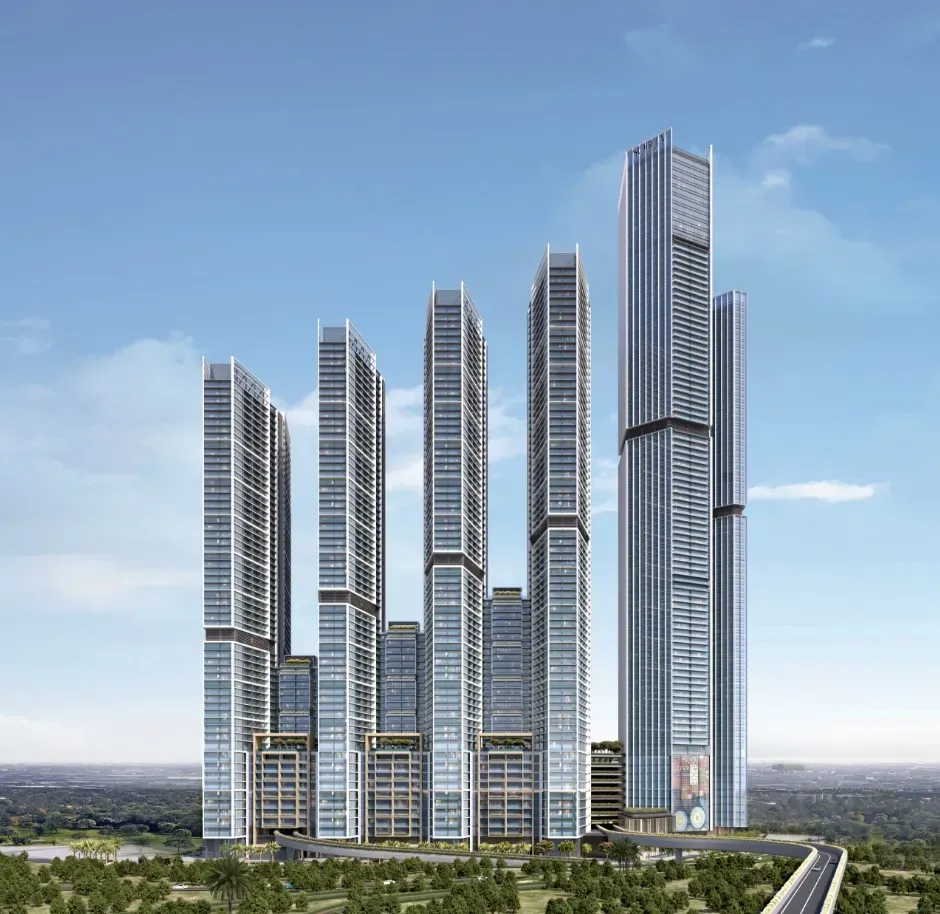
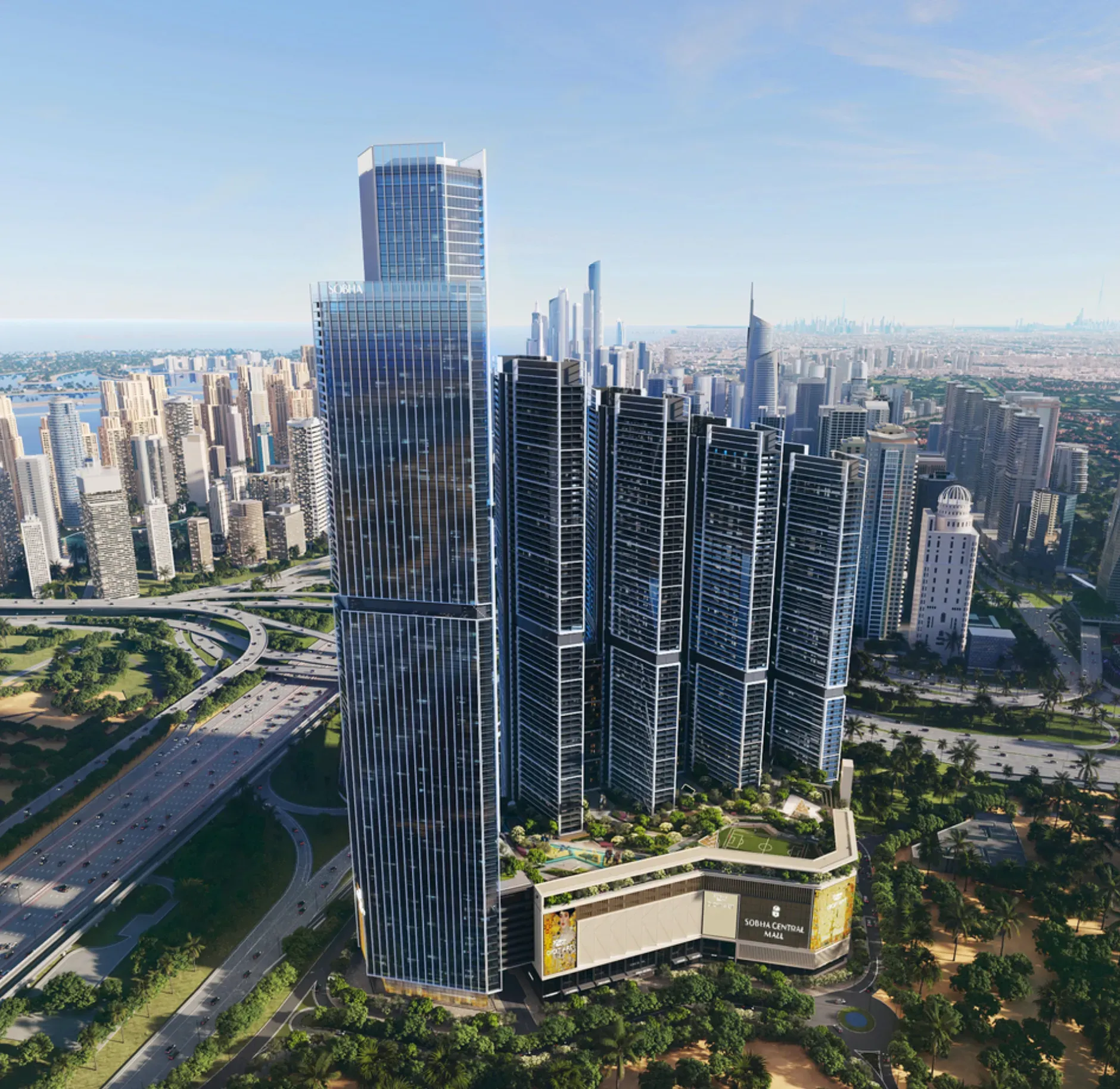
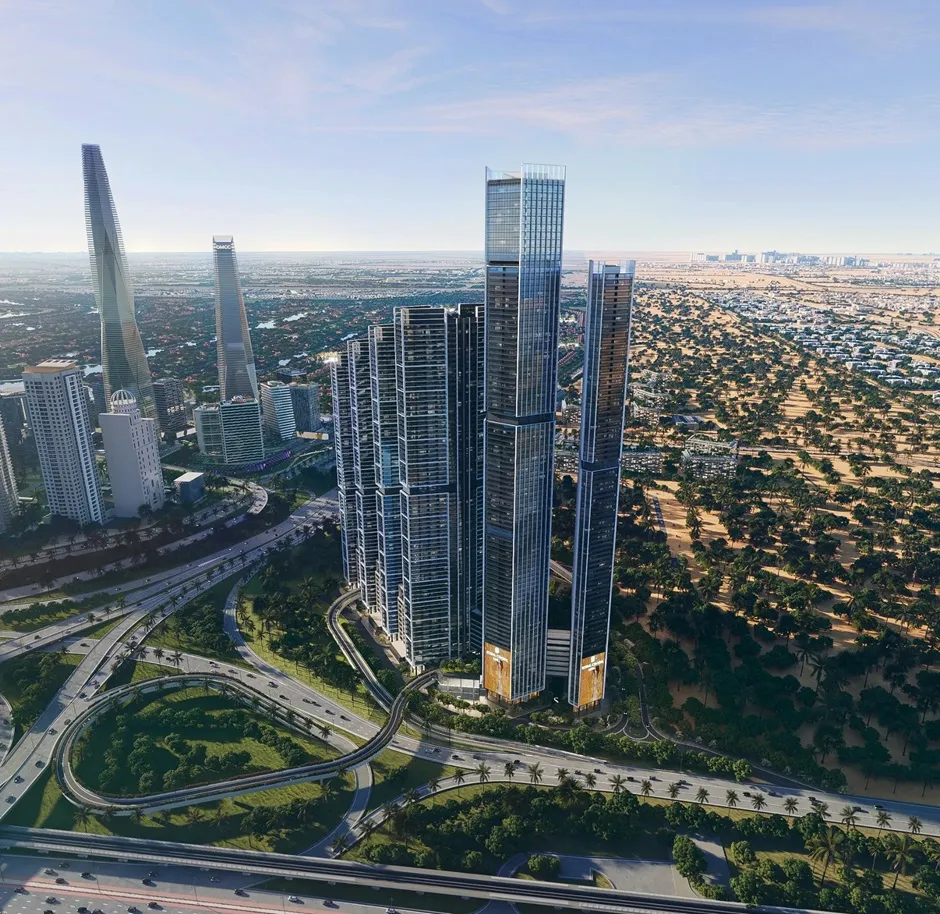
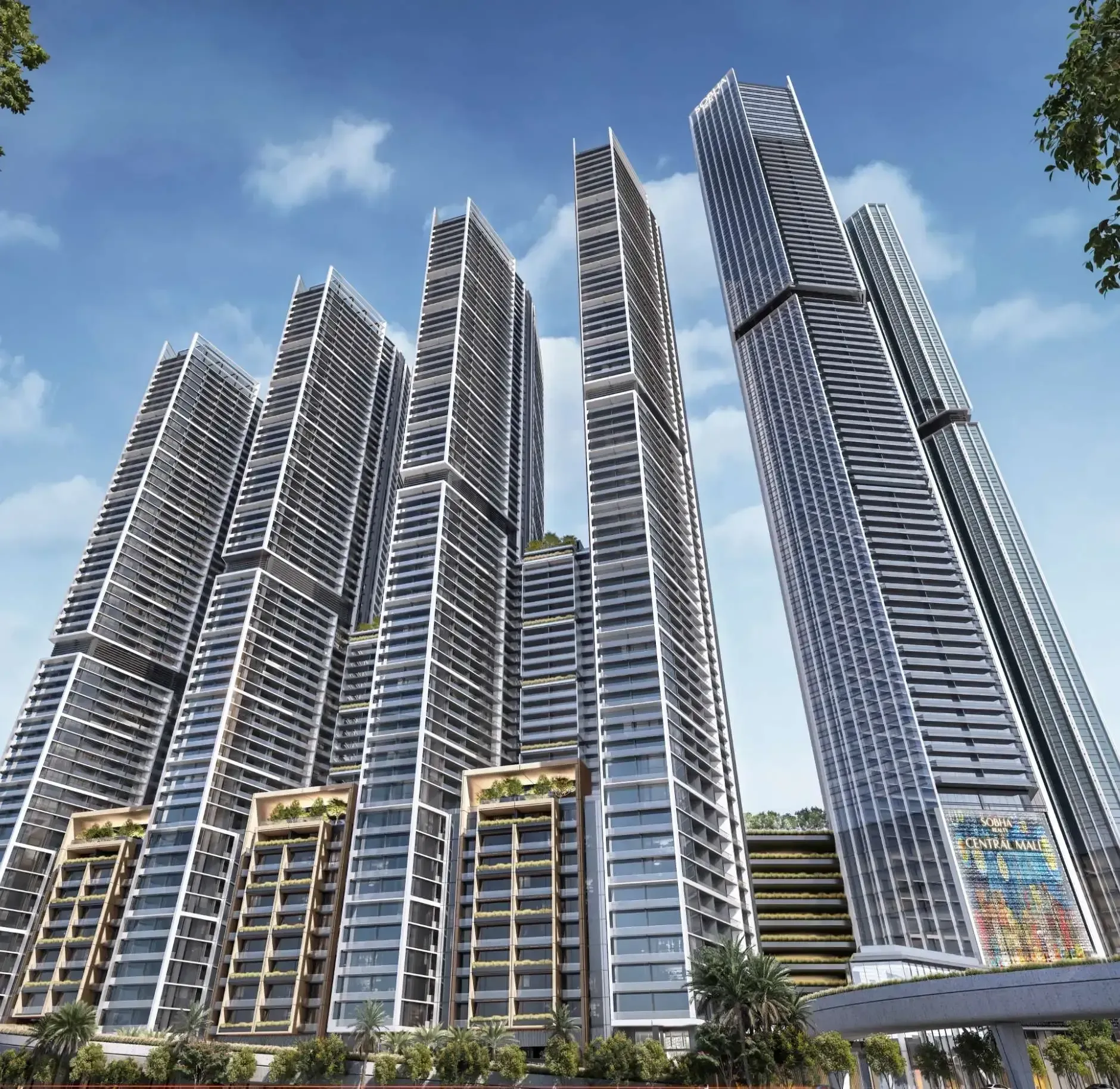
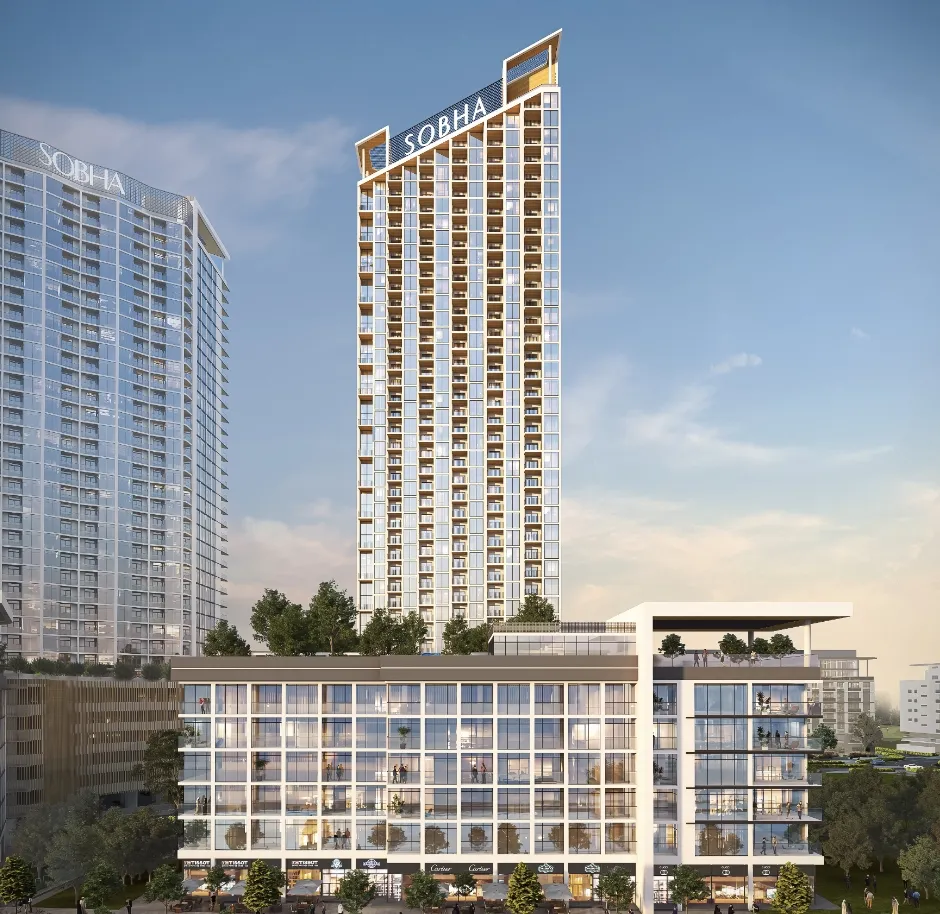
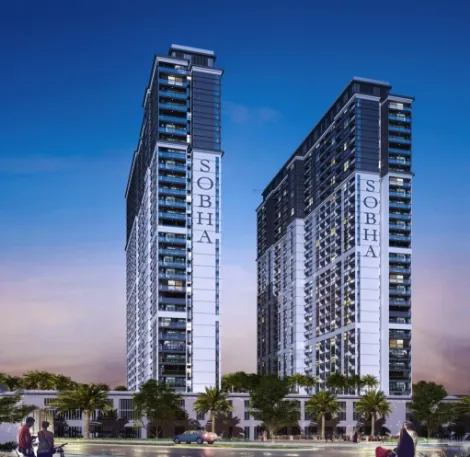
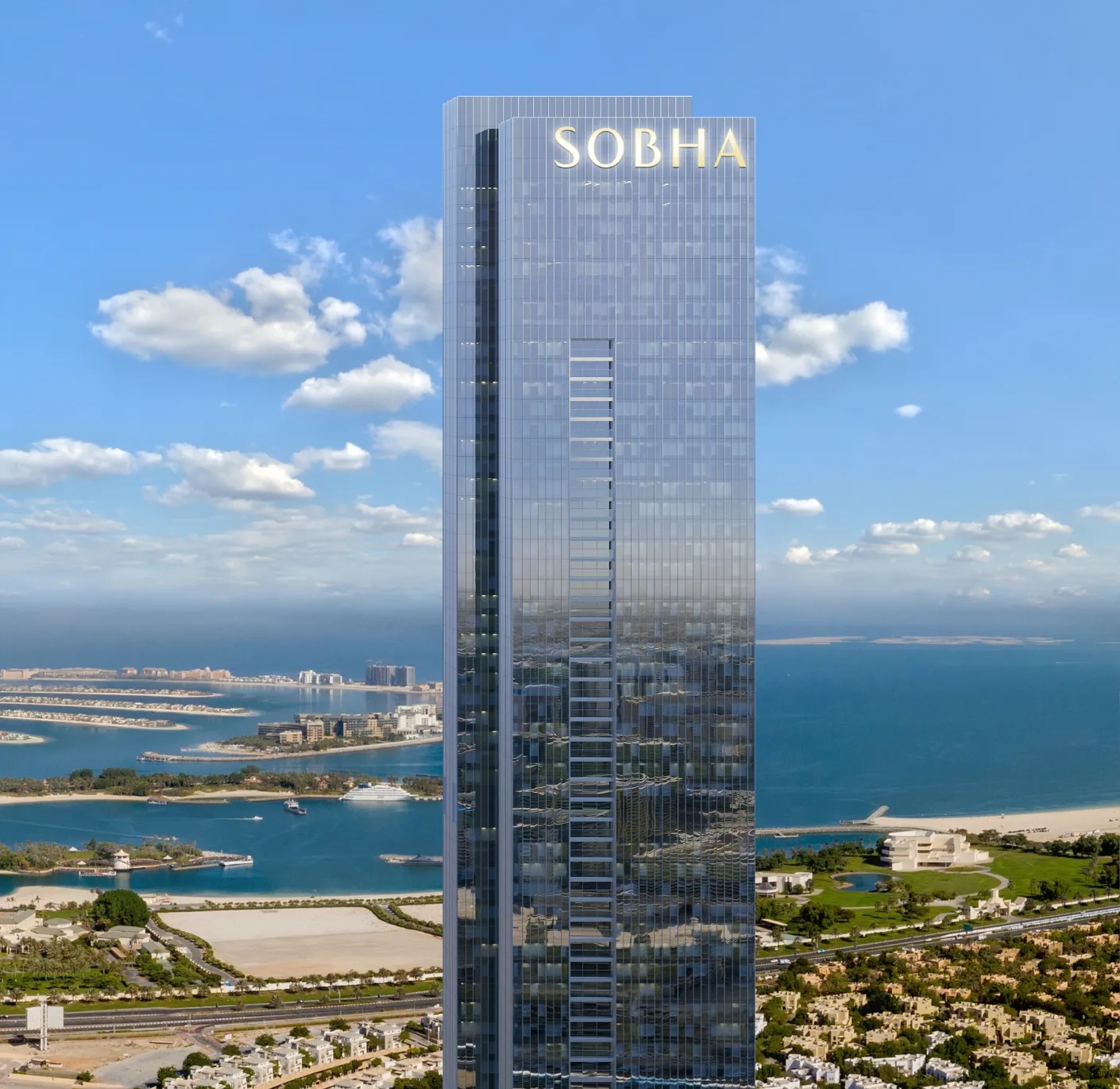
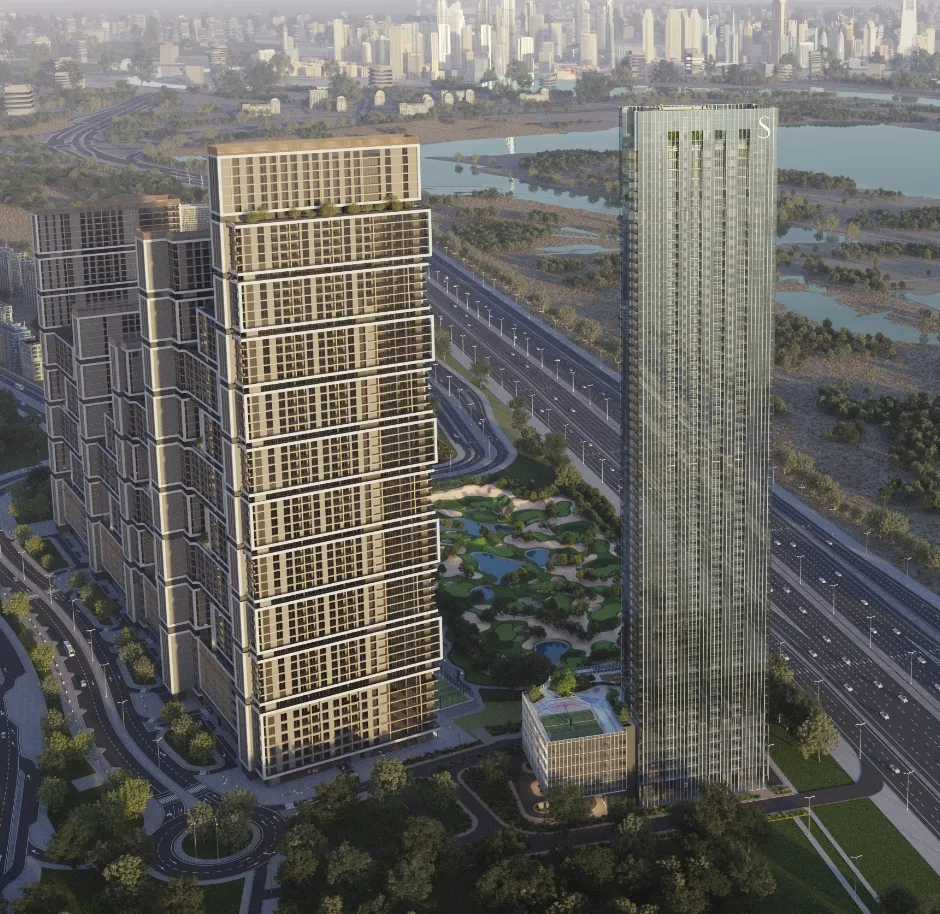
- Developer reputation: Projects by renowned developers like Sobha that are known for exclusivity, high quality, and safety tend to sell at premium rates. This can be a factor for long-term investors and families.
- Future development plans: Driven by the UAE’s forward-thinking vision for sustainable urban development, several areas in various Emirates have been earmarked for expansion, with additional infrastructure and upscale amenities either underway or coming soon. This, needless to say, causes a good amount of appreciation in property values in such areas.
Final thoughts on the role of property location in sales value
UAE residential property values are shaped by a combination of factors, resulting in a dynamic market that varies across the seven Emirates. Investors looking for higher returns in the short term should consider apartments in popular urban neighbourhoods in Emirates like Dubai and Abu Dhabi.
Those seeking calmer, more laidback lifestyles suitable for families, with long-term ROIs in mind, can consider larger properties like villas in suburban communities. Last but not least, Emirates like Sharjah and Ras Al Khaimah are also slowly growing in popularity, with a lot of exciting developments in the pipeline – so, while they may not have hit the stratospheric heights Dubai is known for, they are still worth considering for serious buyers.
Frequently Asked Questions (FAQs)
1. What are the top suburban areas to invest in the UAE?
A: The highest-performing suburban areas for investment tend to be located in Dubai and Abu Dhabi. In Dubai, Jumeirah Village Circle and Sobha Hartland are popular. In Abu Dhabi, the top areas include Yas Island, Saadiyat Island and Al Raha Beach.
2. How does connectivity affect property value in the UAE?
A: Properties near major roads, metro lines (in Dubai specifically), and airports have higher accessibility, attracting more residents as well as tenants, which boosts prices. Neighbourhoods that are far away from popular areas generally tend to have lower sale and resale values.
3. What are the main differences in property values between urban and suburban areas?
A: Urban properties generally command higher prices and rental yields due to their proximity to commercial hubs, while suburban properties offer more space and family-friendly amenities, which can appeal to long-term investors.