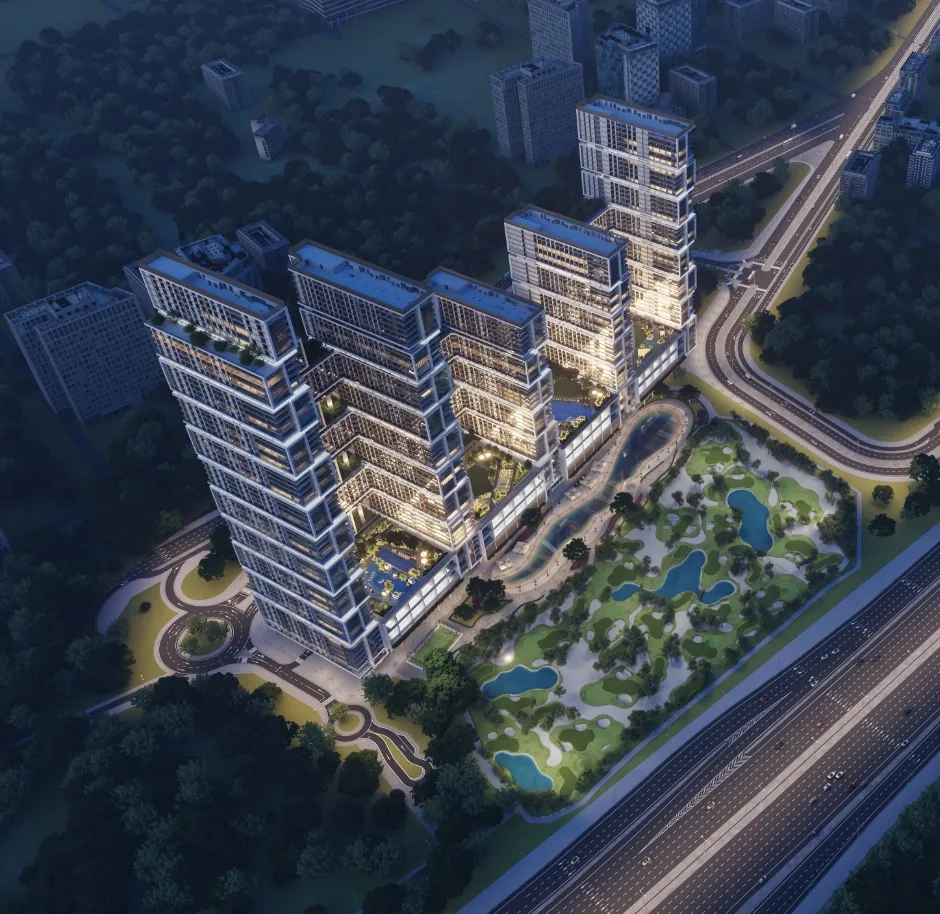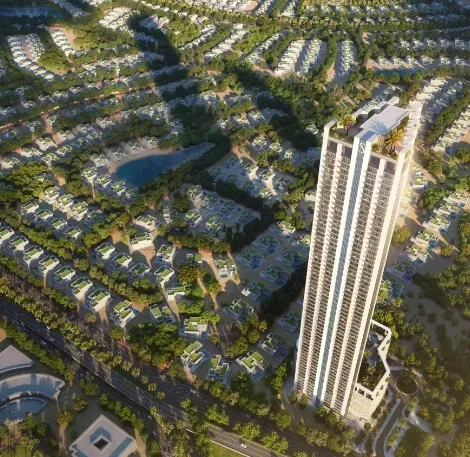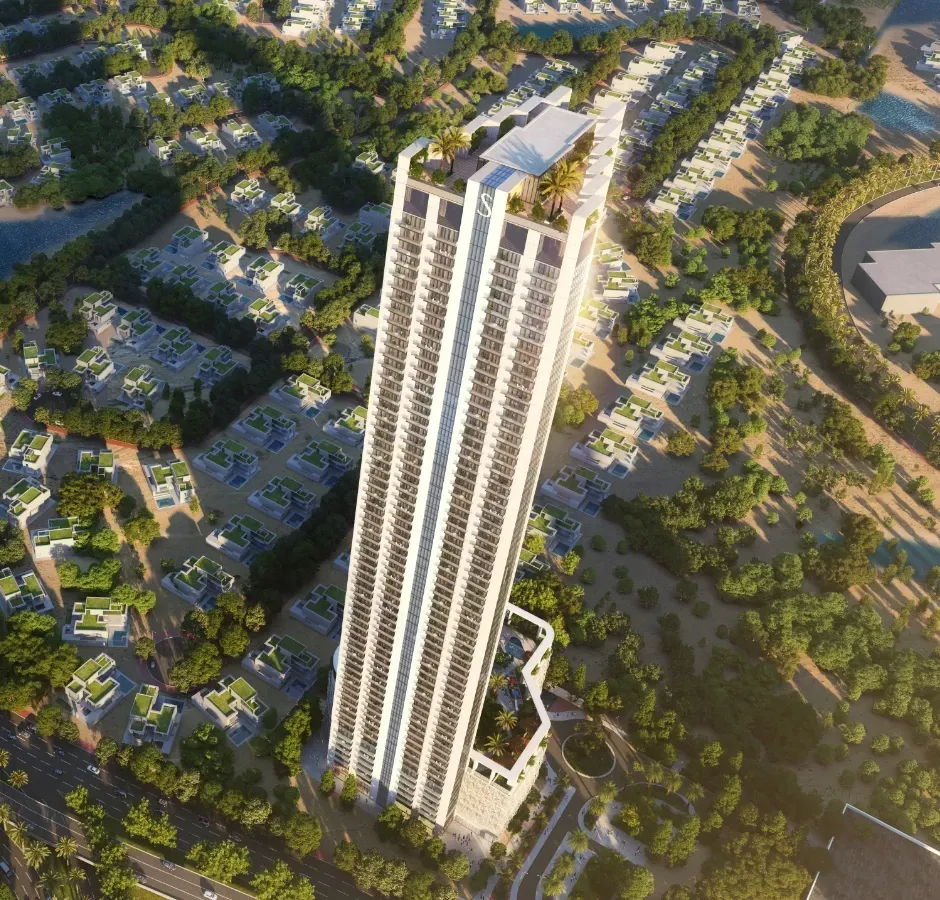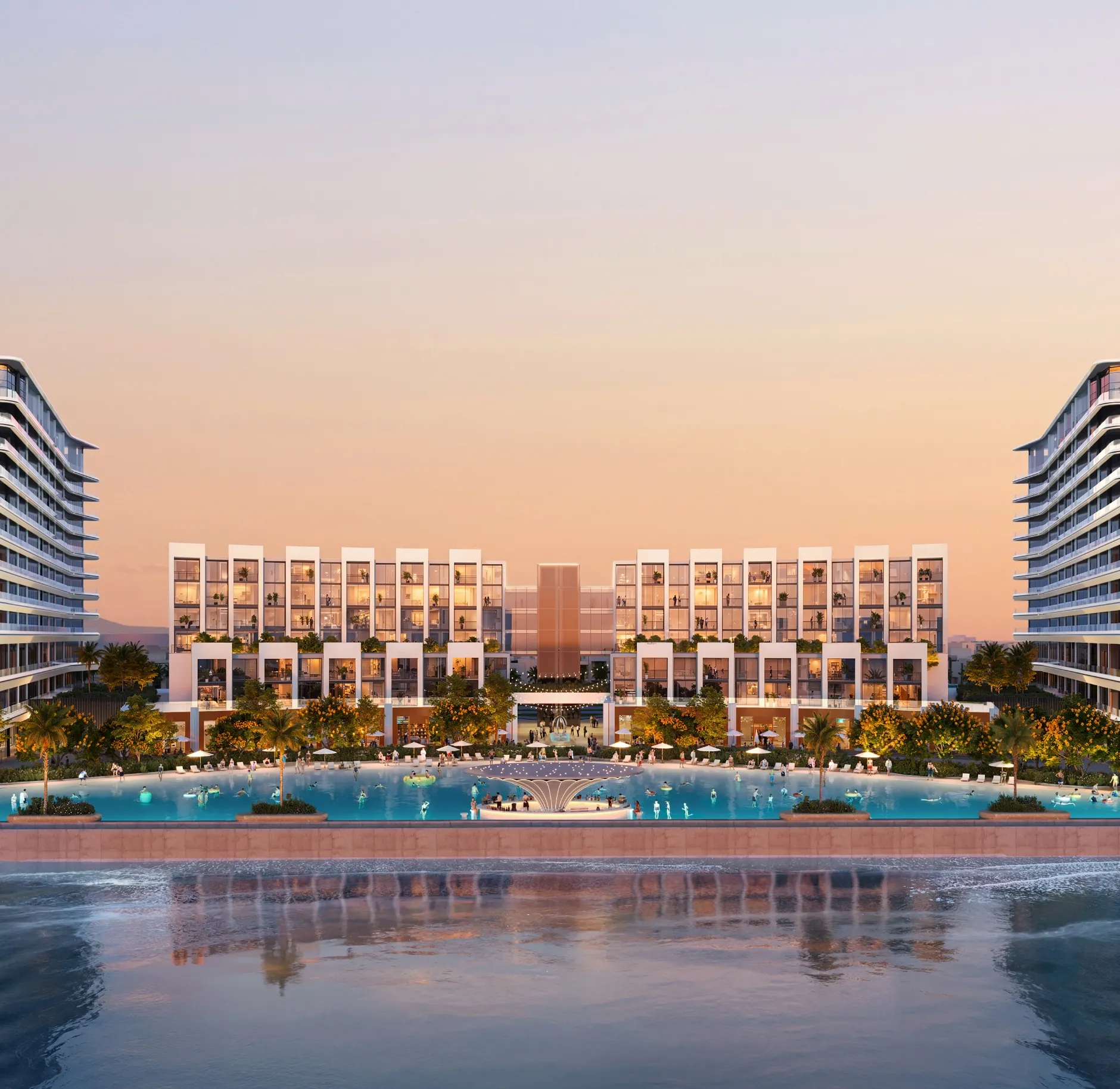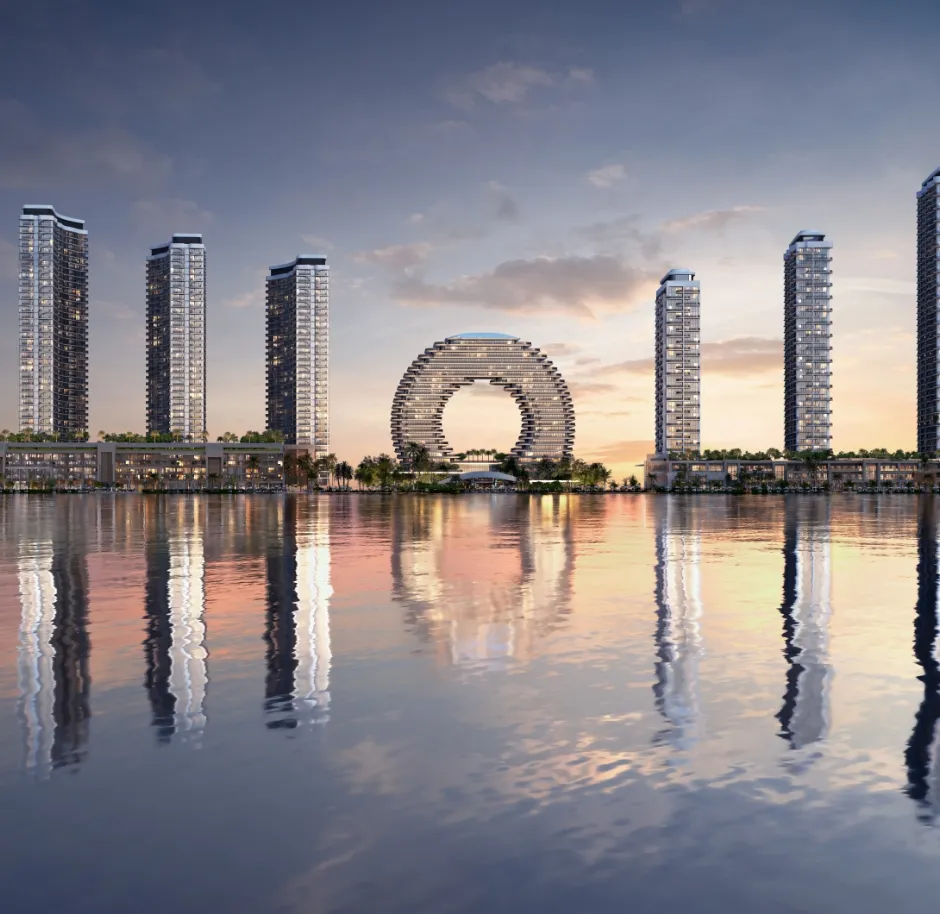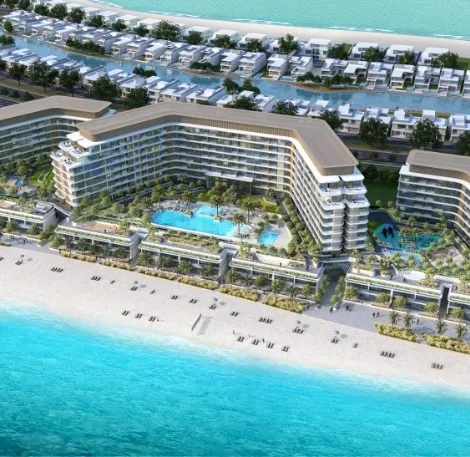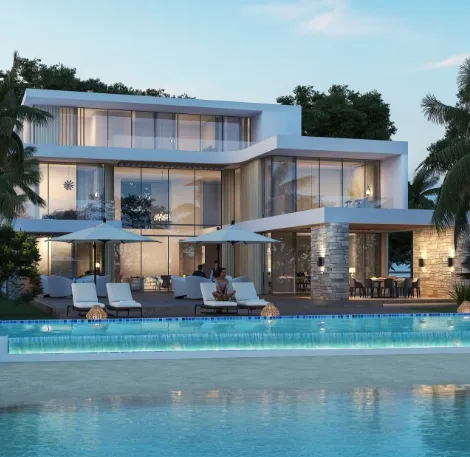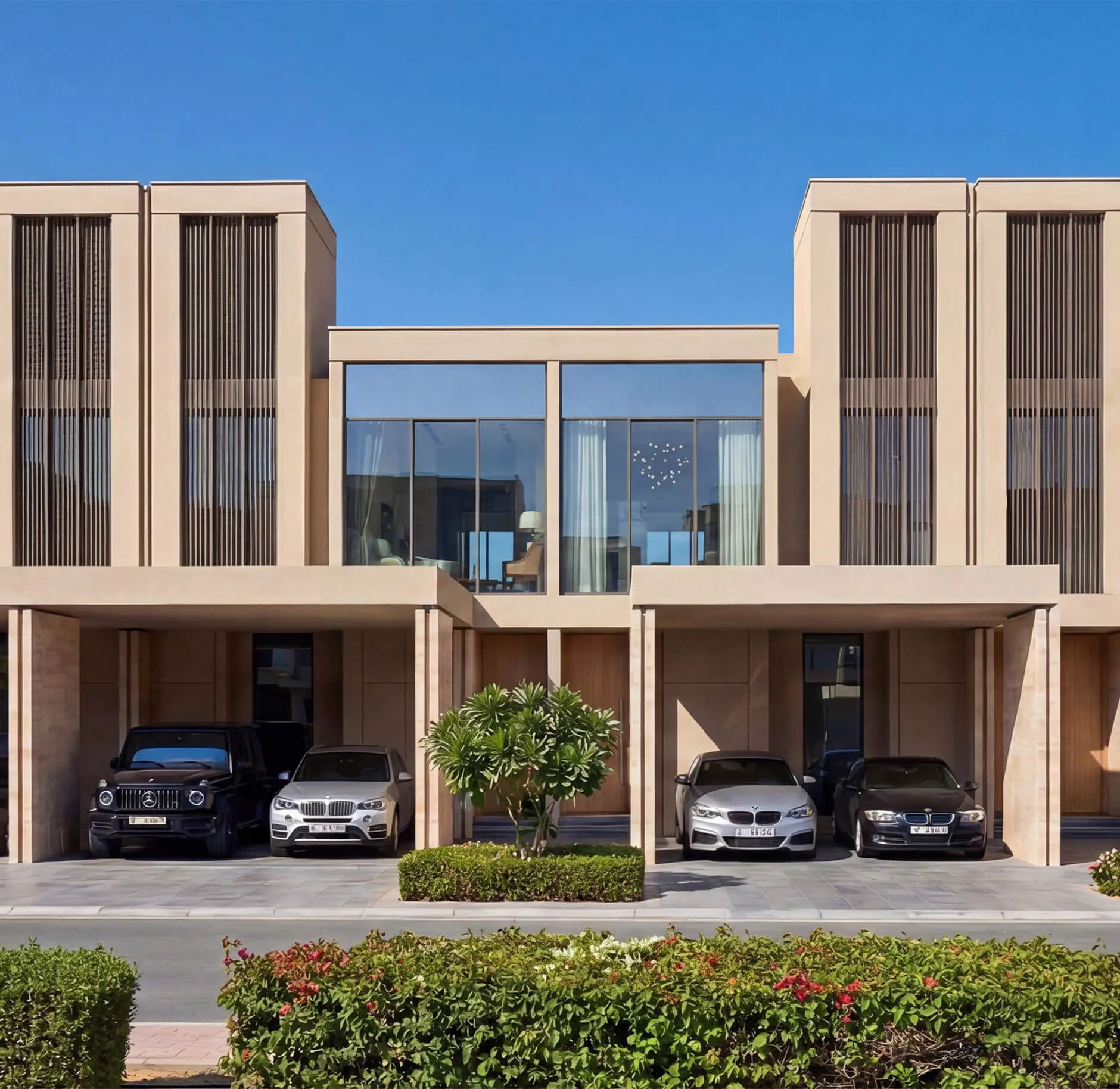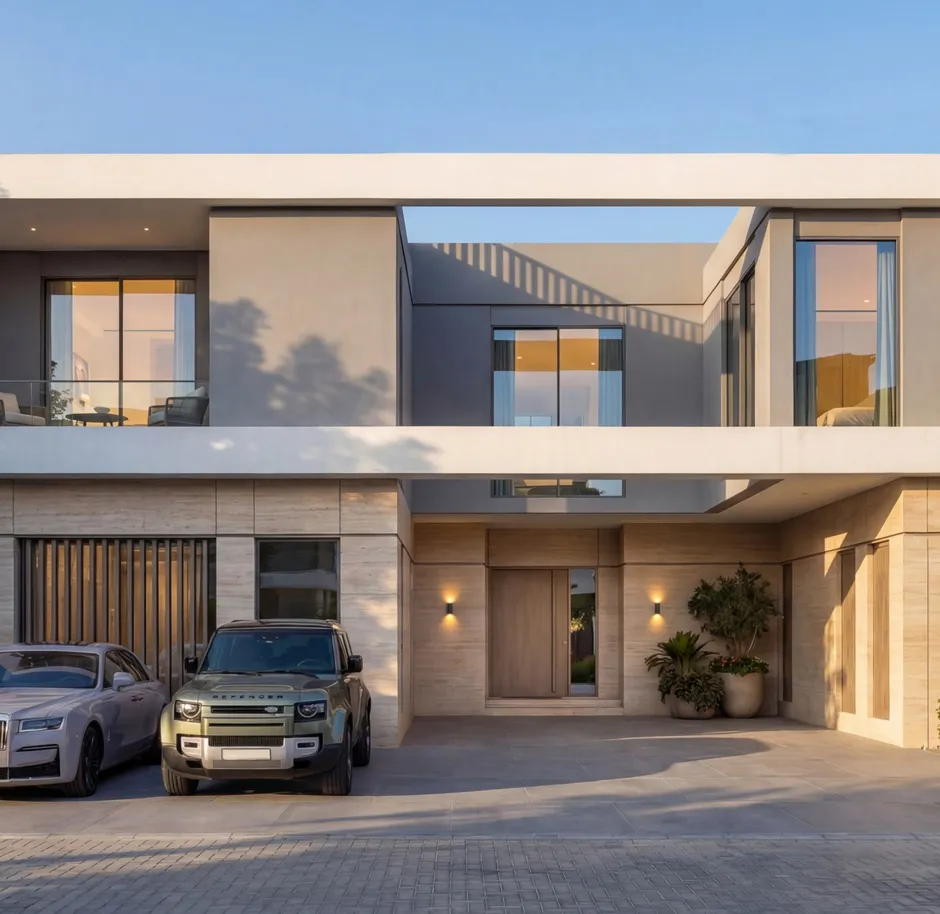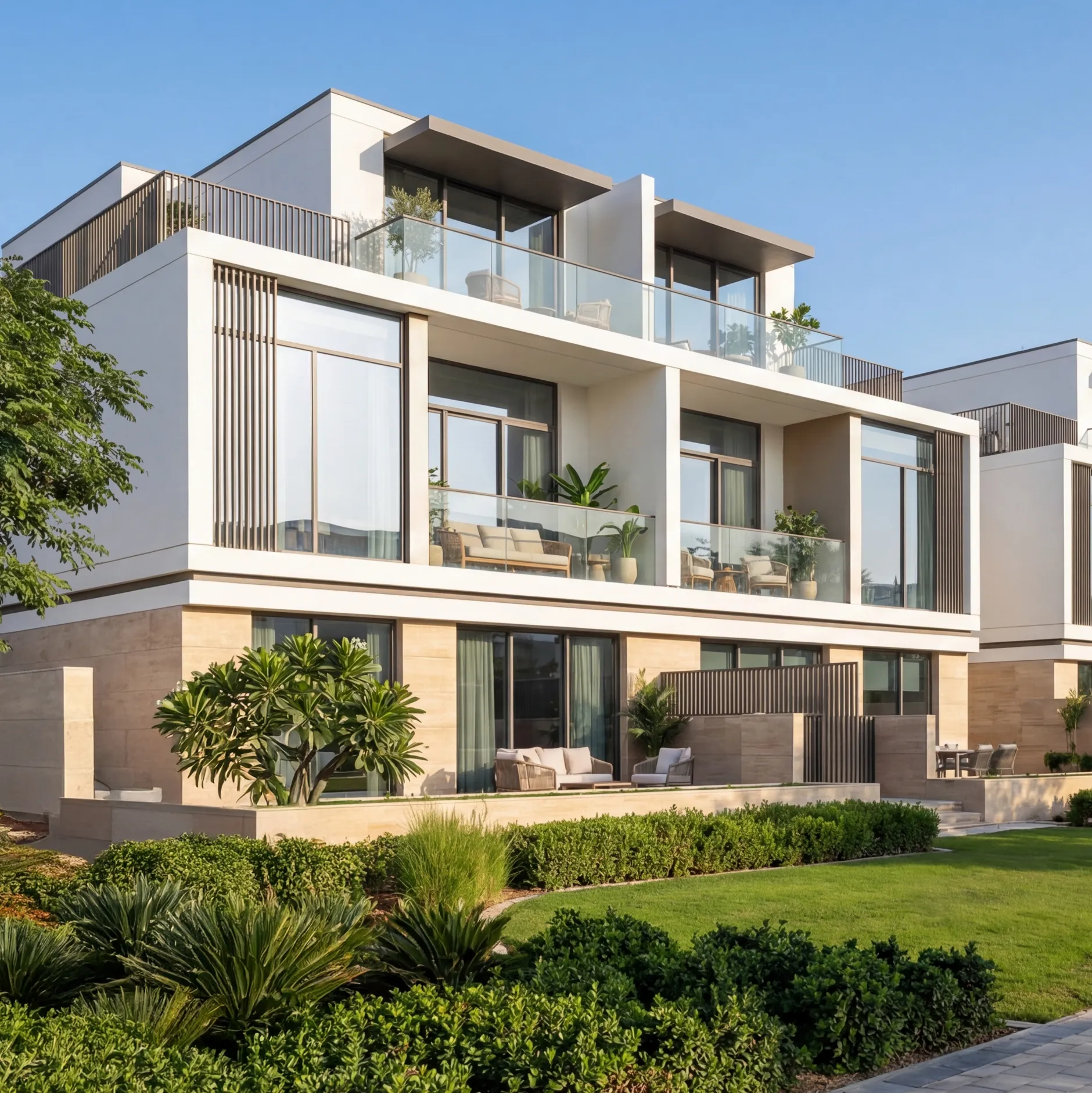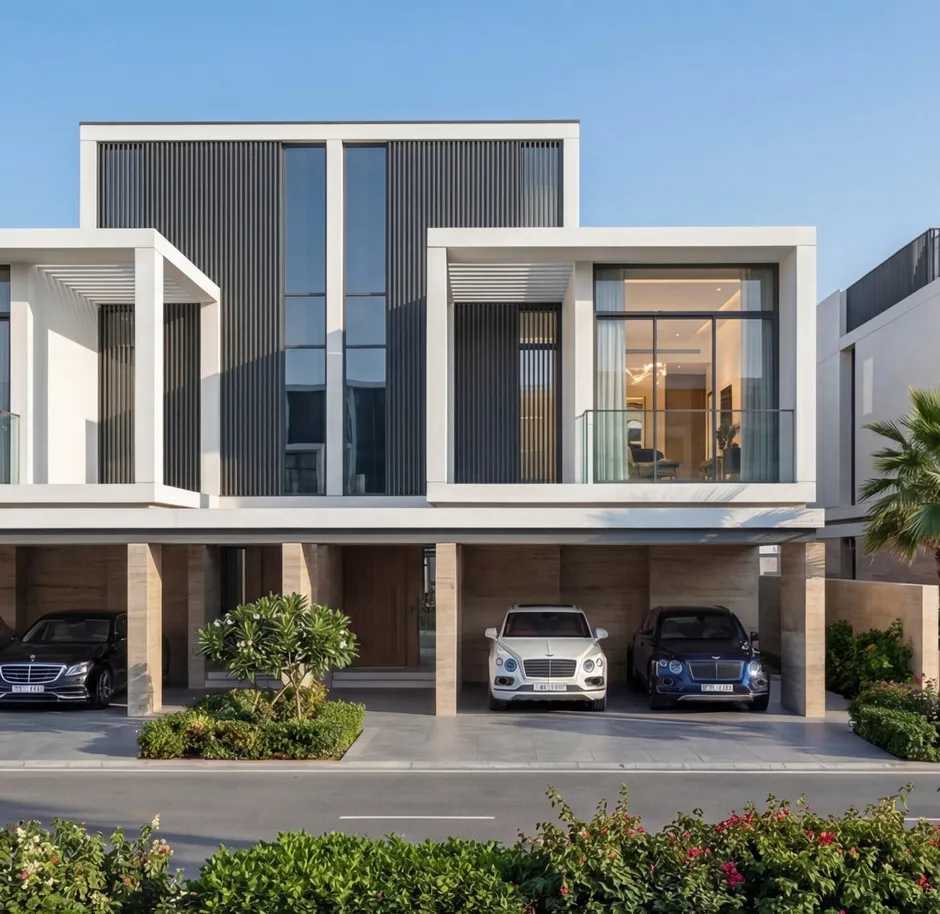
The Abu Dhabi property market in 2026 is entering a significant new phase.
Strong transaction activity increased international participation, and a growing development pipeline are contributing to changes in the emirate’s residential landscape. At the same time, Abu Dhabi is preparing for a substantial increase in housing supply, with approximately 71,000 additional residential units projected across the emirate by 2030.
According to Abu Dhabi Real Estate Centre, or ADREC, the emirate’s residential stock reached approximately 409,000 units in the first half of 2026. New deliveries are expected to peak in 2028, when around 21,800 homes are forecast to enter the market.
For buyers, this expansion could mean greater choice across apartments, villas, waterfront residences and master-planned communities.
For investors, it introduces both opportunities and competition. More supply can accommodate population growth and broaden the range of housing options available, but it also makes location, product quality, developer reputation and community planning more important.
The key question is not whether 71,000 new homes are positive or negative for the market,
It's how that supply will be distributed, absorbed, and differentiated.
Abu Dhabi’s Residential Market in 2026
The scale of activity recorded during the first half of 2026 highlights the momentum behind the market.
ADREC reported that total real estate transactions across Abu Dhabi reached AED117 billion in H1 2026, representing an 112% year-on-year increase in value. Sales transactions accounted for AED86.1 billion, while mortgage transactions reached AED26.7 billion.
Residential unit sales alone reached AED70.4 billion, compared with AED25.3 billion during the same period in 2025. Off-plan transactions accounted for 89% of residential sales value and 82% of deal volume.
These figures show increased market activity and significant participation from international buyers.
Resident expatriates and non-resident foreign buyers together accounted for 70% of residential sales value in H1 2026, while foreign direct investment reached AED13.8 billion across the wider real estate market.
Why Abu Dhabi’s Housing Supply Is Expanding
Housing supply tends to expand when developers, regulators, and investors expect future demand to support new communities.
Abu Dhabi’s housing expansion is occurring alongside several broader market and economic trends, including:
- Population growth
- Economic diversification
- Increased foreign investment
- New investment zones
- Infrastructure development
- Demand for waterfront and island living
- Growth in family-oriented communities
- Rising international visibility
Abu Dhabi Region accounted for approximately 79% of the emirate’s residential stock in H1 2026, with an average annual supply growth of 3.3% since 2022.
The projected 71,000 additional units are therefore part of a broader long-term expansion rather than a short-term response to market momentum alone.
Where the 71,000 New Homes Are Expected
The additional supply will not be distributed evenly across the emirate.
ADREC projects that six key districts will account for around 77% of incremental residential supply through 2030:
- Saadiyat Island
- Reem Island
- Yas Island
- Zayed City
- Khalifa City
- Hudayriyat Island
This concentration matters for buyers and investors.
A district receiving a large volume of new apartments may experience different market dynamics from a lower-density villa community or a waterfront destination with more limited supply.
Investors should therefore assess supply at three levels:
- The overall Abu Dhabi market
- The specific district
- The exact property type and price segment
A city-wide supply figure cannot fully explain the outlook for individual development.
What New Supply Could Mean for Buyers
For buyers, the most immediate effect of greater residential supply is increased choice.
More homes may provide:
- A wider range of property types
- Greater variety in layouts and price points
- More ready and off-plan options
- Potentially greater competition among developers
- Greater differentiation through quality, amenities and community planning
- More opportunities within emerging districts
This can benefit end-users who are comparing several communities before purchasing.
However, greater choice also requires more careful evaluation.
Buyers should look beyond launch pricing and consider:
- Masterplan quality
- Infrastructure
- Schools and healthcare
- Retail and daily convenience
- Construction standards
- Service charges
- Developer track record
- Future supply nearby
- Long-term community management
A property decision should generally consider more than price alone.
What New Supply Could Mean for Investors
For investors, the impact of additional supply will depend on how quickly demand absorbs it.
A larger pipeline may create more competition for:
- Tenants
- Resale buyers
- Short-term investors
- End-users
- International capital
However, supply growth does not automatically imply weaker performance.
New development can also coincide with:
- Population and resident growth
- Infrastructure expansion
- New employment and lifestyle destinations
- Expansion of retail, leisure and hospitality offerings
- Broader rental-market activity
The important question is whether a development offers a clear reason for residents to choose it over competing properties.
Why Off-Plan Property Dominates the Current Market
Off-plan property currently plays a major role in Abu Dhabi’s residential market.
In H1 2026, off-plan transactions represented 89% of residential sales value and 82% of deal volume. Ten leading developers accounted for 90% of primary off-plan sales value, while ten projects generated 43% of all residential sales value.
This concentration demonstrates the current scale of off-plan activity, but it also reinforces the importance of developer selection.
Off-plan buyers should consider:
- Developer financial strength
- Delivery history
- Construction capability
- Escrow protections
- Payment structure
- Project registration
- Community phasing
- Handover timeline
- Long-term service and maintenance
A strong market does not remove project-specific risk.
Apartments vs Villas in Abu Dhabi’s Future Supply
Abu Dhabi’s future residential pipeline includes both apartments and villas across high-end and mid-market communities. ADREC’s H1 report indicates that nine major developers account for 76% of the development-project pipeline, with much of the new supply concentrated in investment zones.
Apartments may appeal to:
- Professionals
- Smaller households
- Investors seeking lower entry points
- Buyers prioritizing urban connectivity
- Residents seeking shared amenities
Villas may appeal to:
- Families
- Long-term residents
- Buyers seeking privacy
- Residents prioritizing outdoor space
- Investors targeting family tenants
Neither property type is universally preferable.
Suitability depends on location, price, supply, tenant demand, and the buyer’s objectives.
How New Supply Could Affect Rents
Abu Dhabi’s rental market remained active in the first half of 2026.
ADREC recorded approximately 233,000 active residential lease contracts, with a combined value of AED9.3 billion. New lease prices rose 17% for apartments and 9% for villas year-on-year, while increases within investment zones reached 21% and 16% respectively.
These figures indicate continued rental-market activity alongside the expected increase in housing supply.
Over time, new supply may:
- Moderate rental growth in high-delivery districts
- Increase tenant choice
- Create competition between new and older buildings
- Encourage upgrades and better maintenance
- Influence rental demand patterns across emerging communities
The effect will vary.
A new apartment in a supply-heavy district may face greater competition than a differentiated home within a well-planned, lower-density community.
How New Supply Could Affect Resale Prices
Greater supply may also influence resale markets.
Ready-property buyers often compare:
- Age of the building
- Quality of finishes
- Service charges
- Amenities
- Community maturity
- Upcoming supply
- Rental demand
- Developer reputation
Newly completed properties can attract buyers looking for modern layouts and facilities.
Established communities can compete through:
- Proven occupancy
- Operational amenities
- Established landscaping
- Schools and retail
- Transparent resale evidence
- Known service charges
- Mature resident demand
This may create a more competitive resale environment in which property quality, pricing, and community characteristics become increasingly important.
Why Investment Zones Matter
Investment zones have become central to Abu Dhabi’s international property market.
In H1 2026, ADREC approved eight new investment zones, bringing the total across Abu Dhabi to 50. These zones attracted AED75 billion in investment during the first half of the year.
Investment zones accounted for more than 22% of residential stock in H1 2026, led by Reem Island, Al Raha, Yas Island and Saadiyat Island.
For international buyers, investment zones can provide access to a wider range of ownership opportunities.
However, buyers should still confirm:
- Ownership rights
- Project status
- Applicable regulations
- Developer credentials
- Registration requirements
- Long-term costs
What International Buyers Should Evaluate
International buyers considering Abu Dhabi property investment should review both market conditions and property-specific fundamentals.
Key questions include:
- Is the property located within an investment zone?
- What ownership rights apply?
- How much comparable supply is planned nearby?
- Is the development ready or off plan?
- What is the payment structure?
- Which amenities will be operational at handover?
- How well connected is the community?
- What is the target tenant or end-user profile?
- What are the estimated service charges?
- What is the developer’s delivery record?
The scale of the market opportunity should not replace due diligence.
Why Community Quality Will Become More Important
As Abu Dhabi’s residential supply increases, the difference between a building and a complete community will become more visible.
Well-planned master communities may combine:
- Homes
- Parks
- Schools
- Healthcare
- Retail
- Wellness
- Mobility
- Green spaces
- Community facilities
- Social infrastructure
These features can influence resident satisfaction, tenant retention, and the long-term appeal of a community.
When buyers have more options, they often become more selective about the complete living experience.
The Role of Nature and Open Space
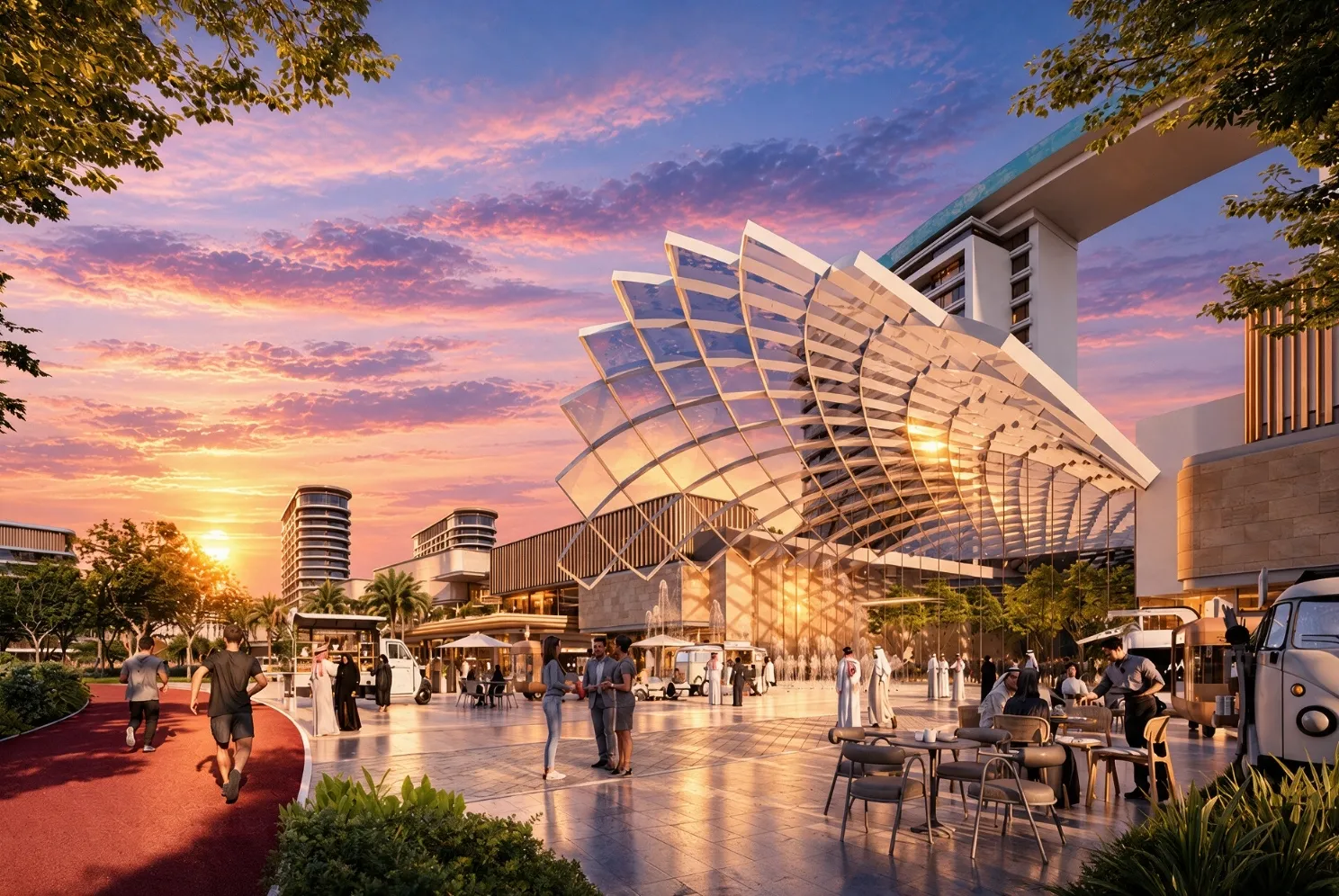
Nature-led planning is becoming a more prominent feature of Abu Dhabi’s residential market.
The capital’s coastline, islands and open landscapes create opportunities for communities that integrate:
- Waterfront access
- Shaded paths
- Green corridors
- Wellness spaces
- Parks
- Lower-density living
- Outdoor recreation
These features can help developments respond to changing lifestyle expectations while improving long-term livability.
The Importance of Infrastructure and Connectivity
The usability and appeal of a new community can be influenced by the quality of its supporting infrastructure.
Buyers should consider:
- Road access
- Public transport
- Airport connectivity
- Schools
- Healthcare
- Retail
- Employment centers
- Leisure destinations
Connectivity should be measured through real door-to-door convenience rather than only geographic distance.
A property may be close to an attraction but poorly connected in everyday terms.
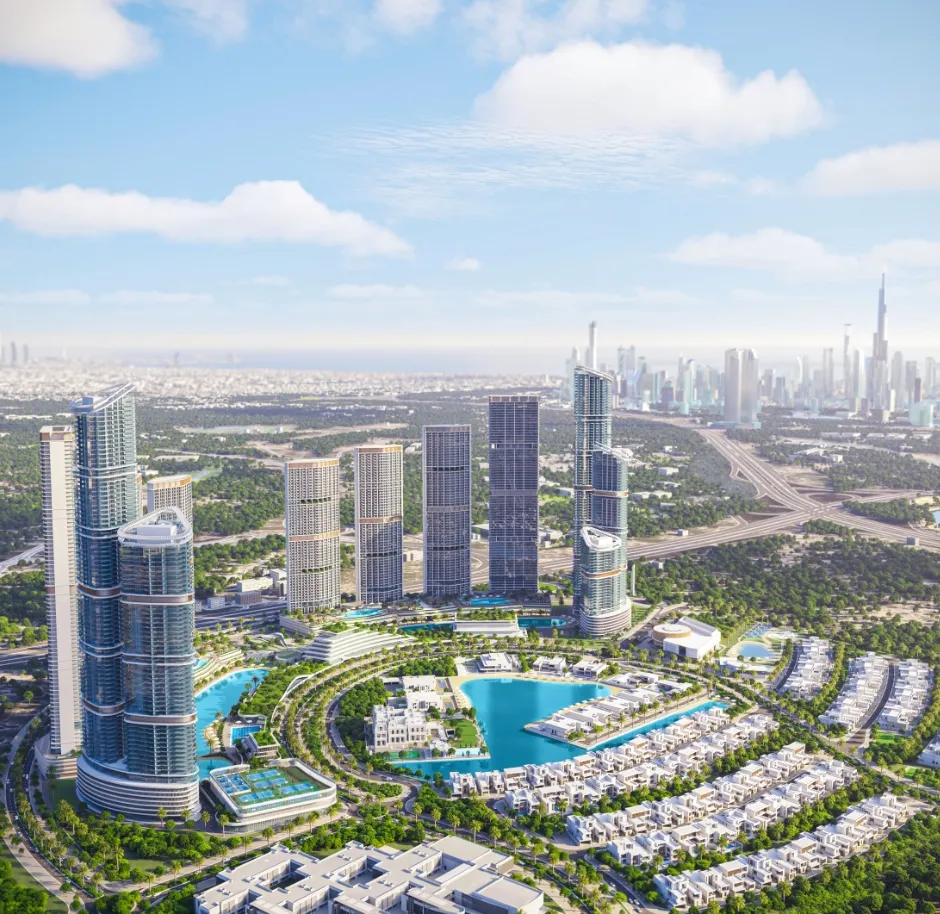
Sobha City Abu Dhabi and the Next Phase of Growth
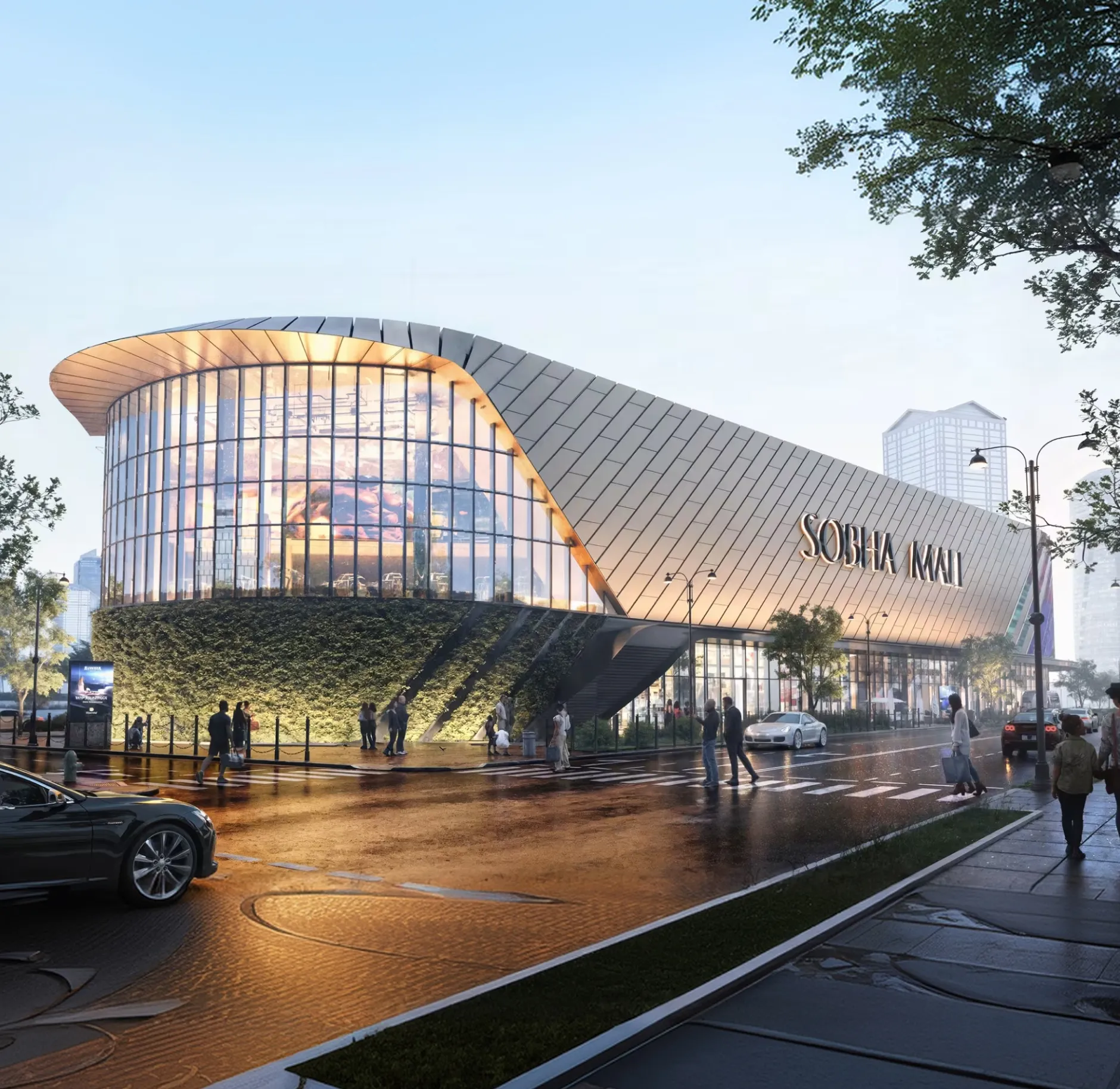
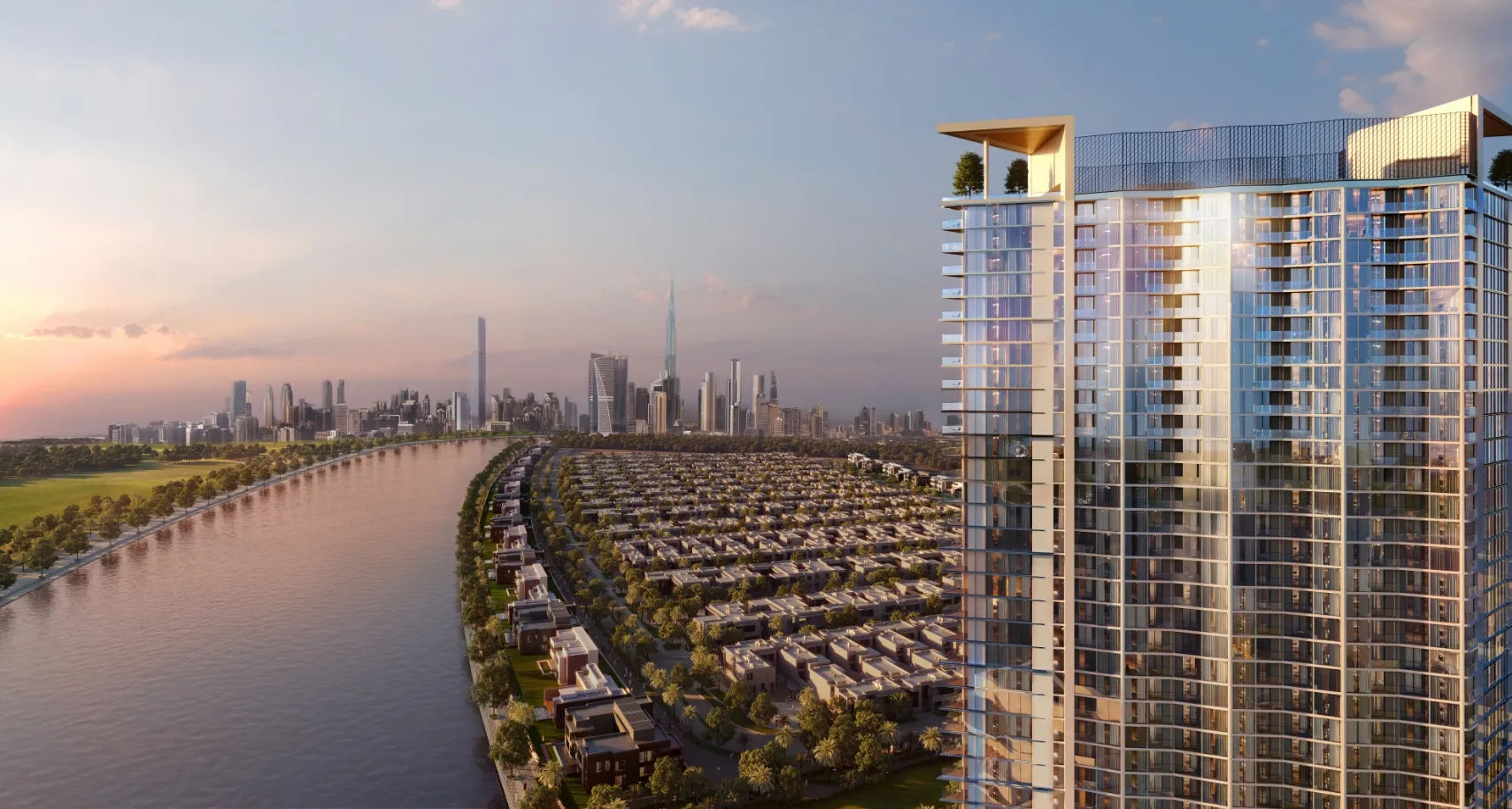
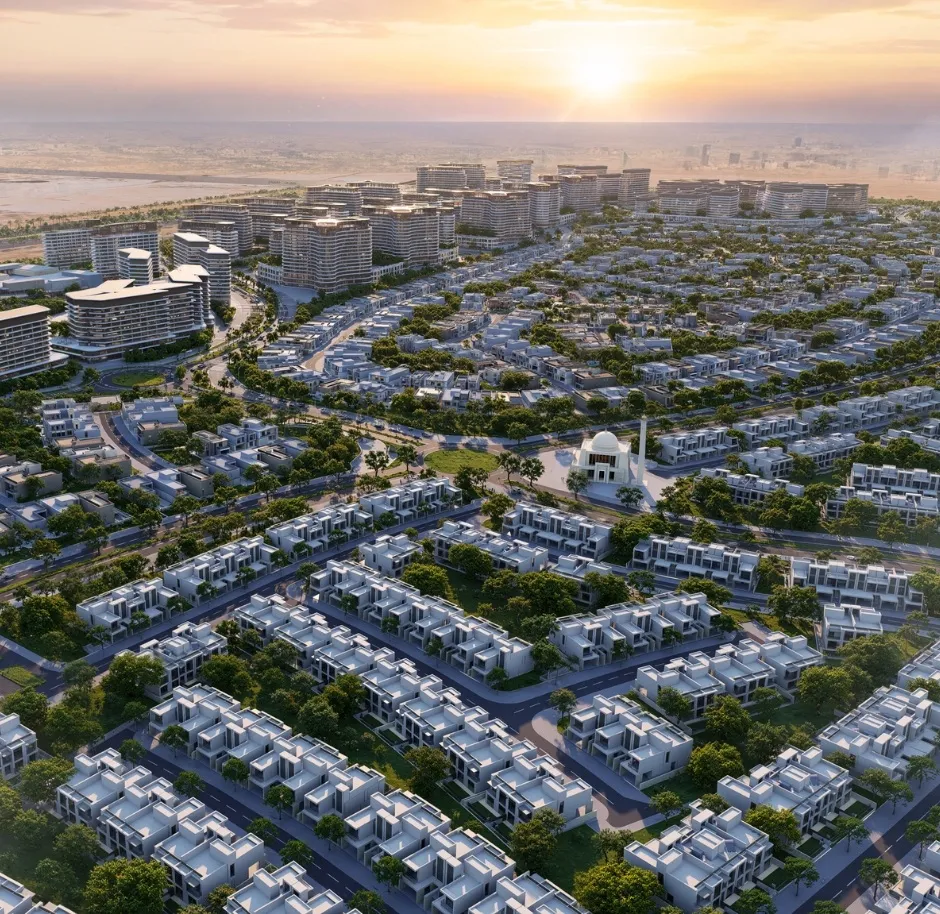
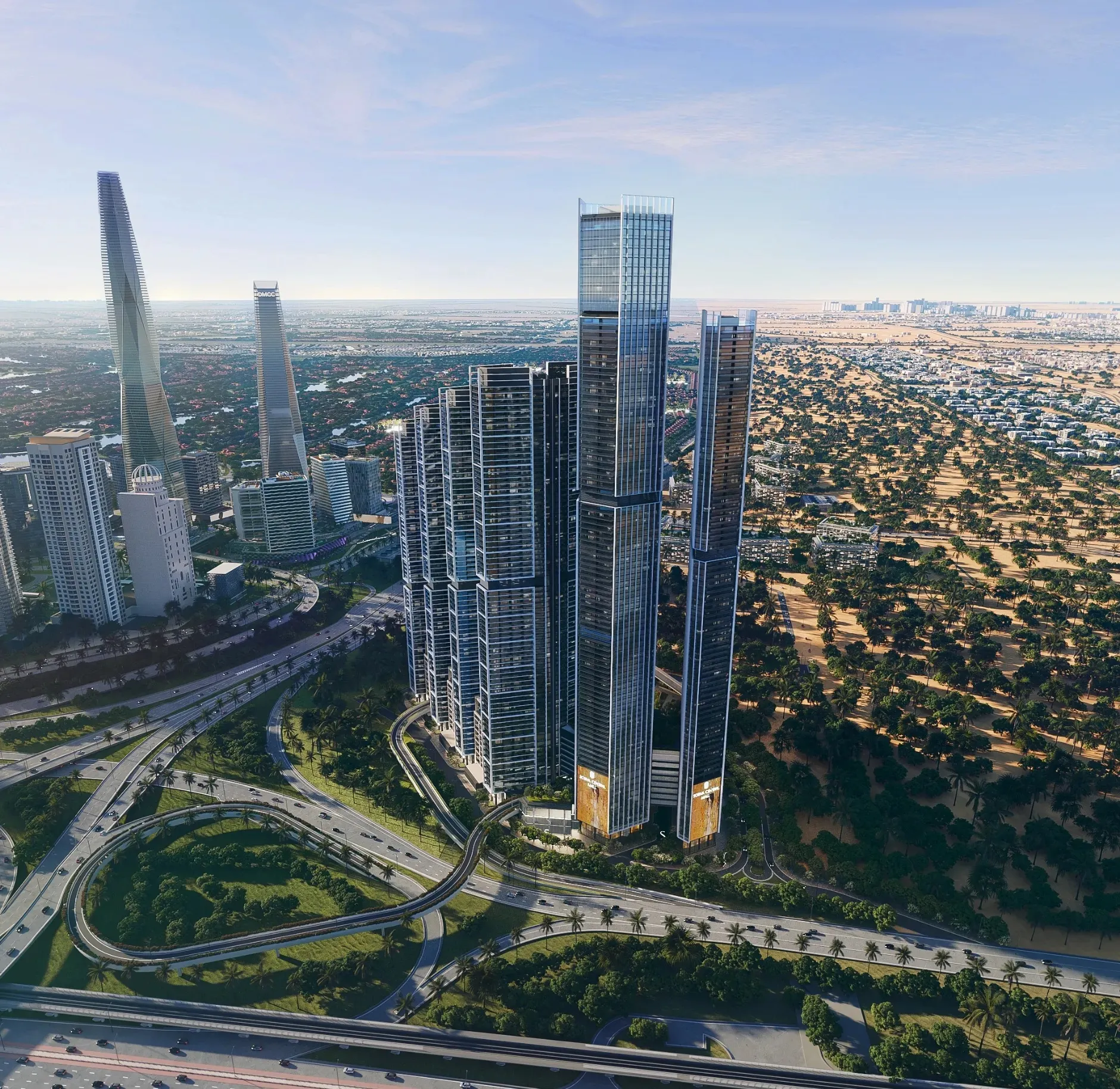
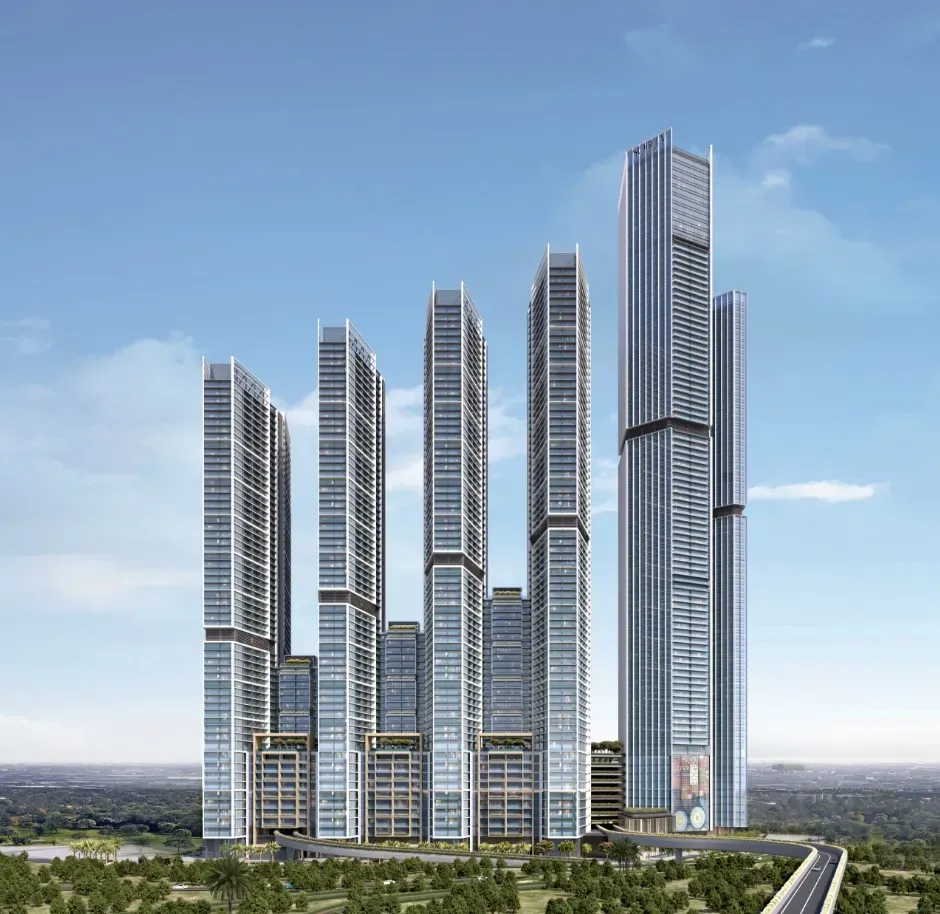
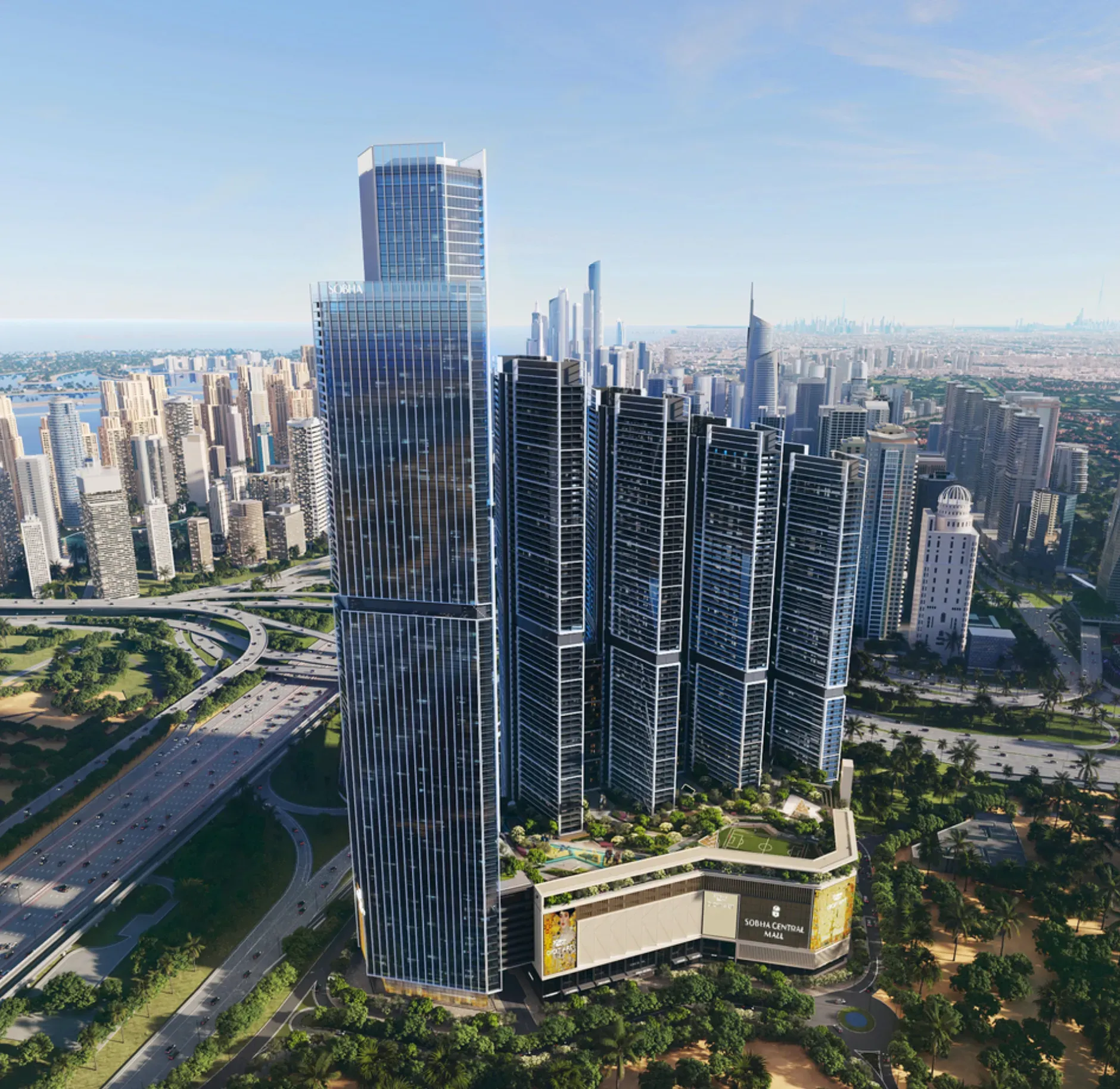
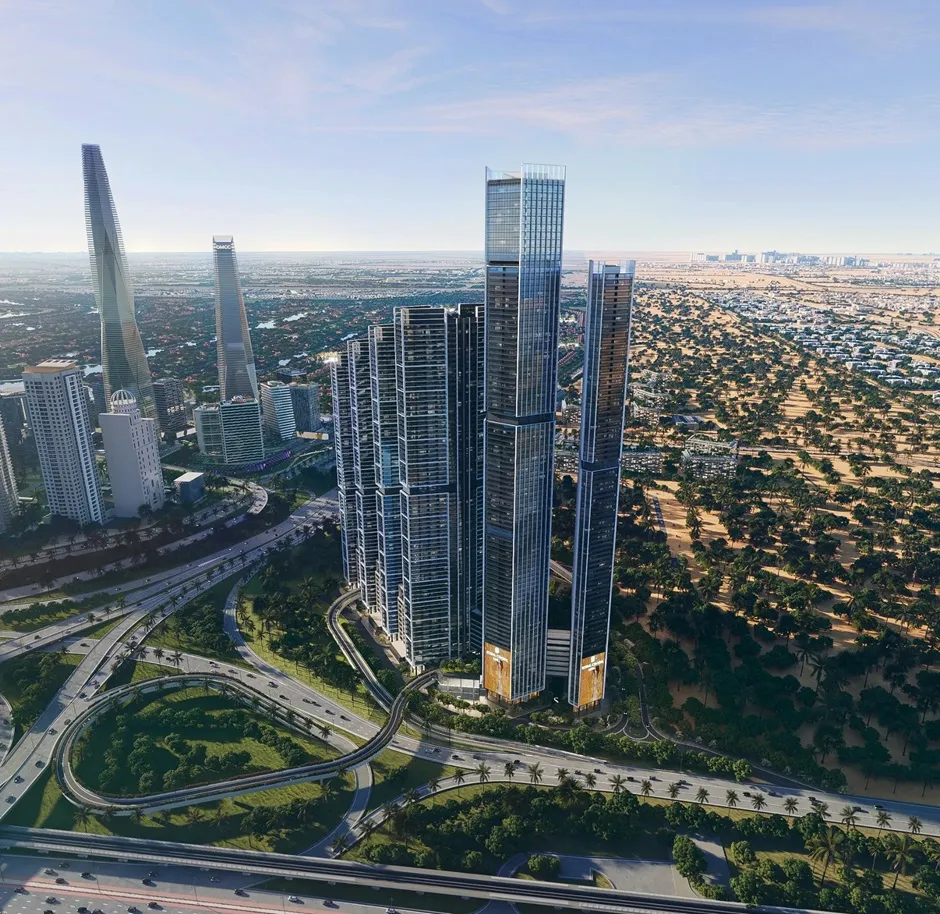
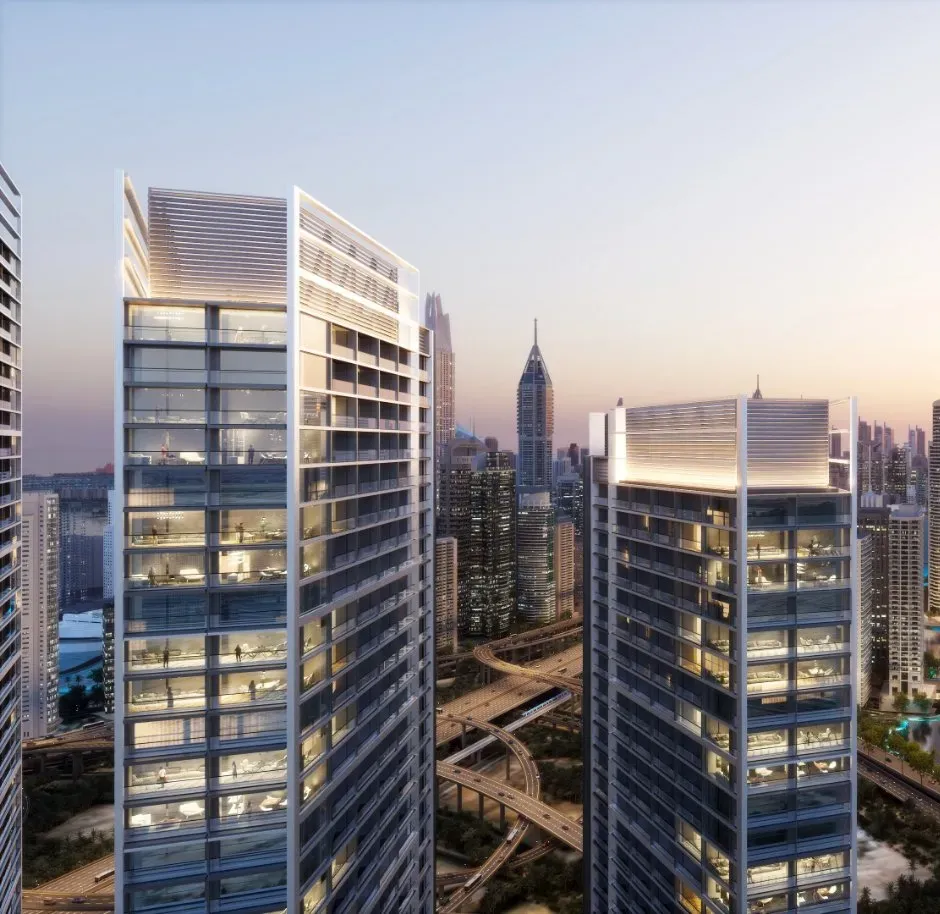
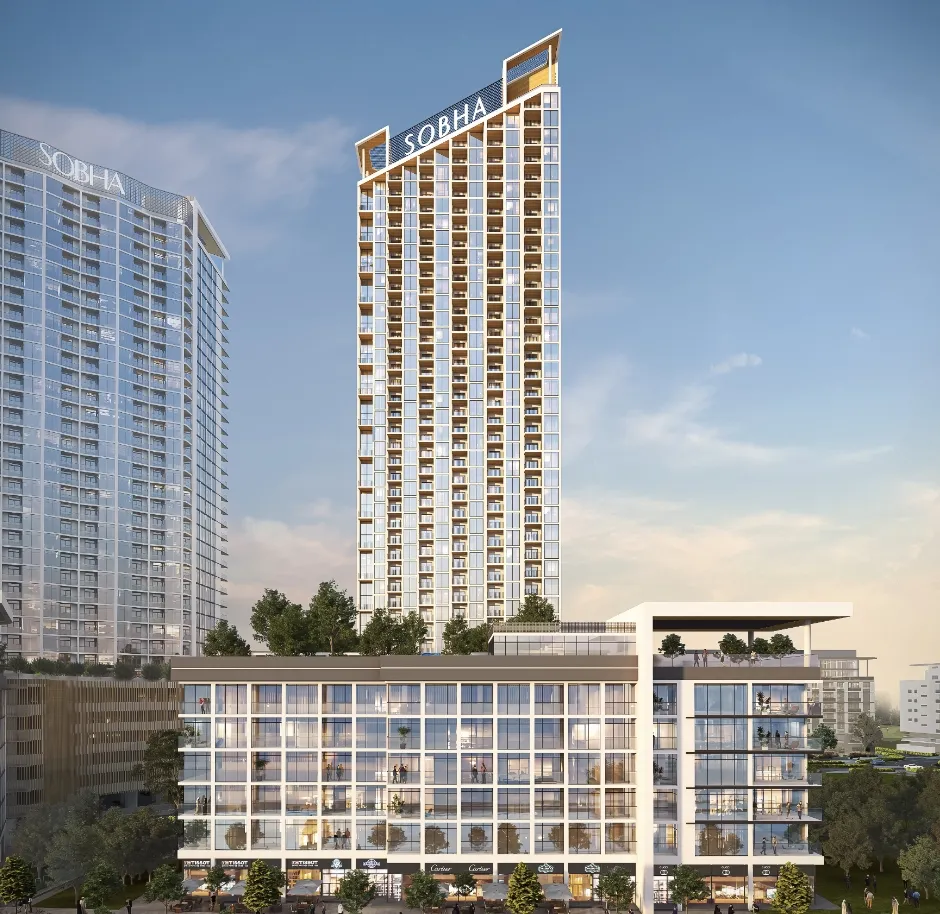
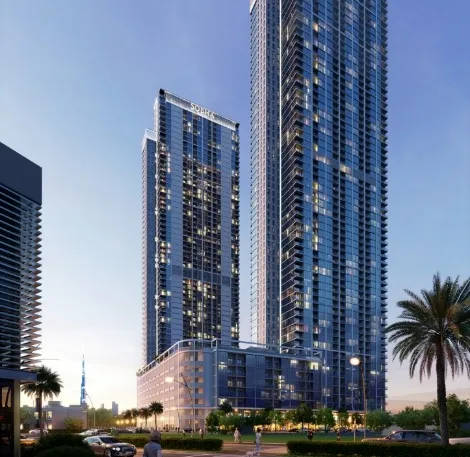
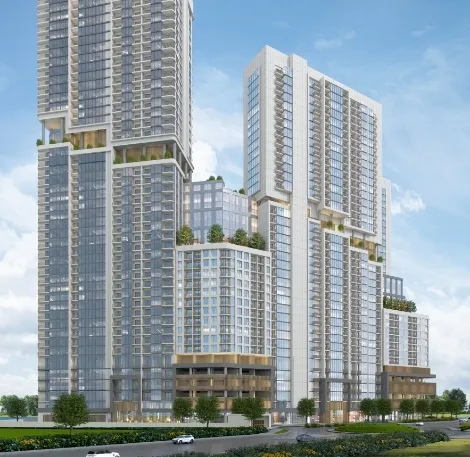
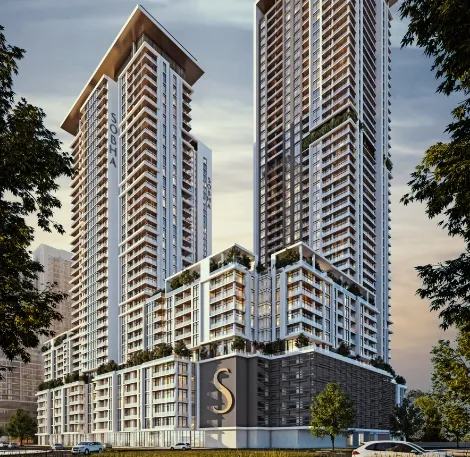
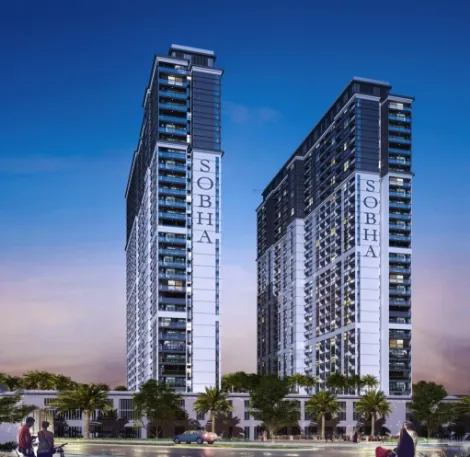
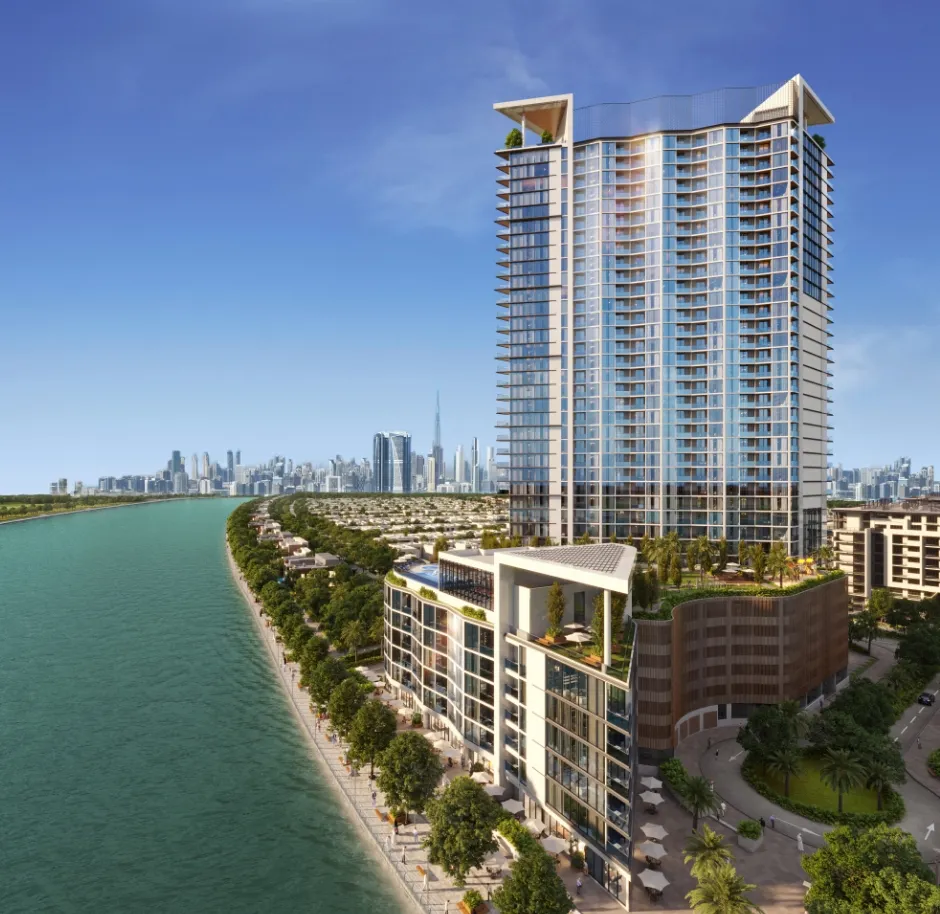
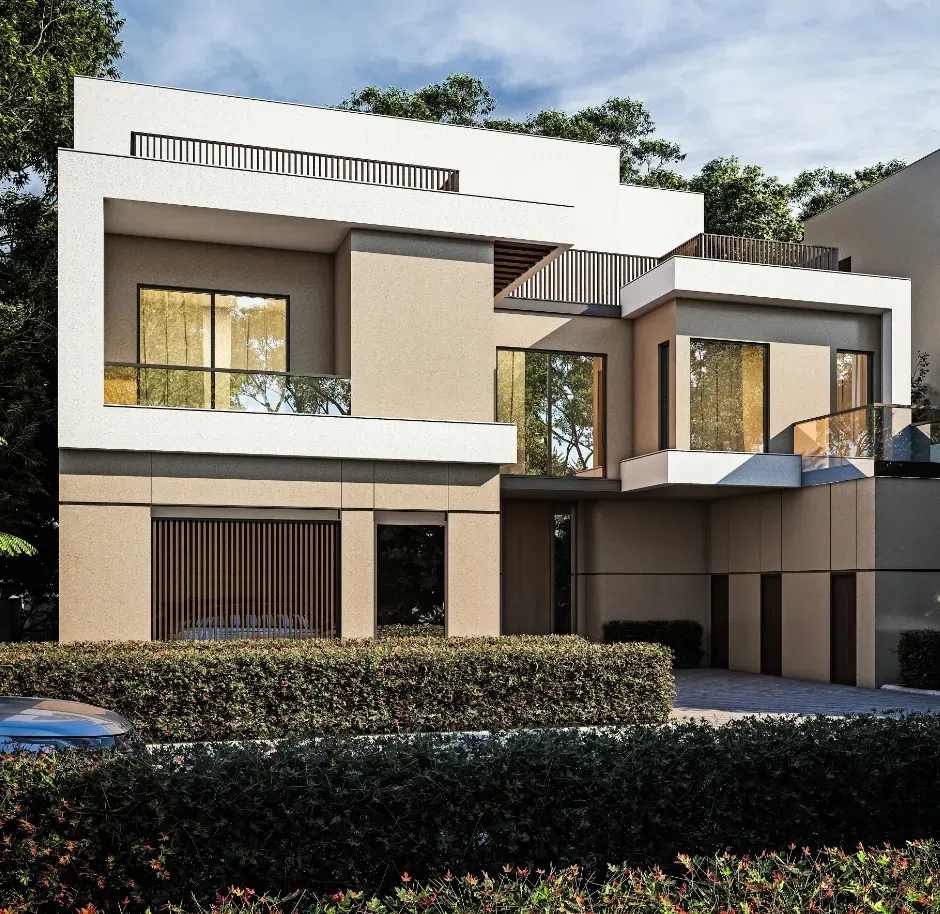
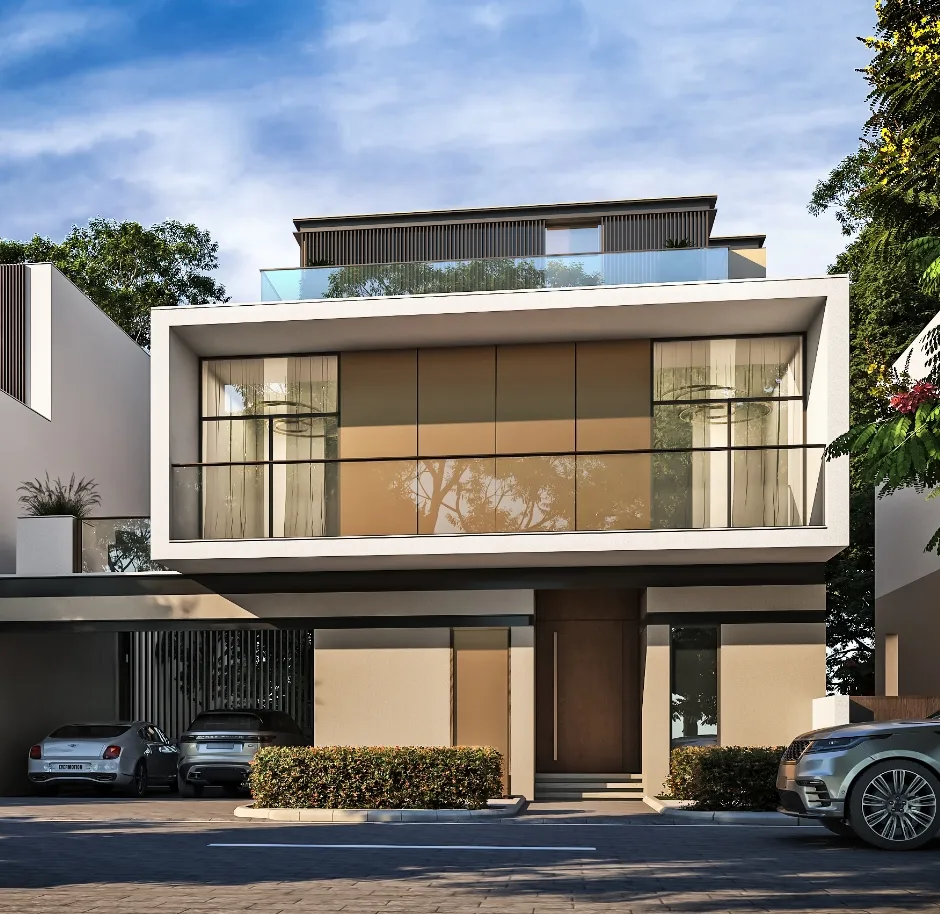
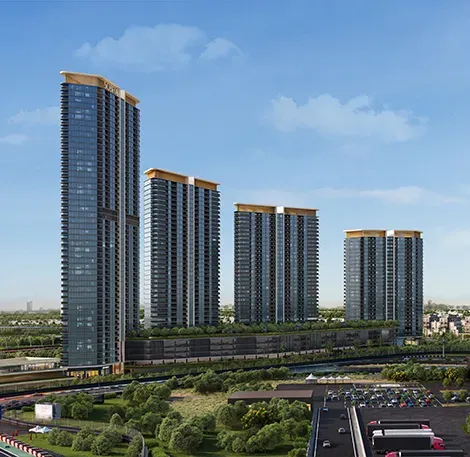
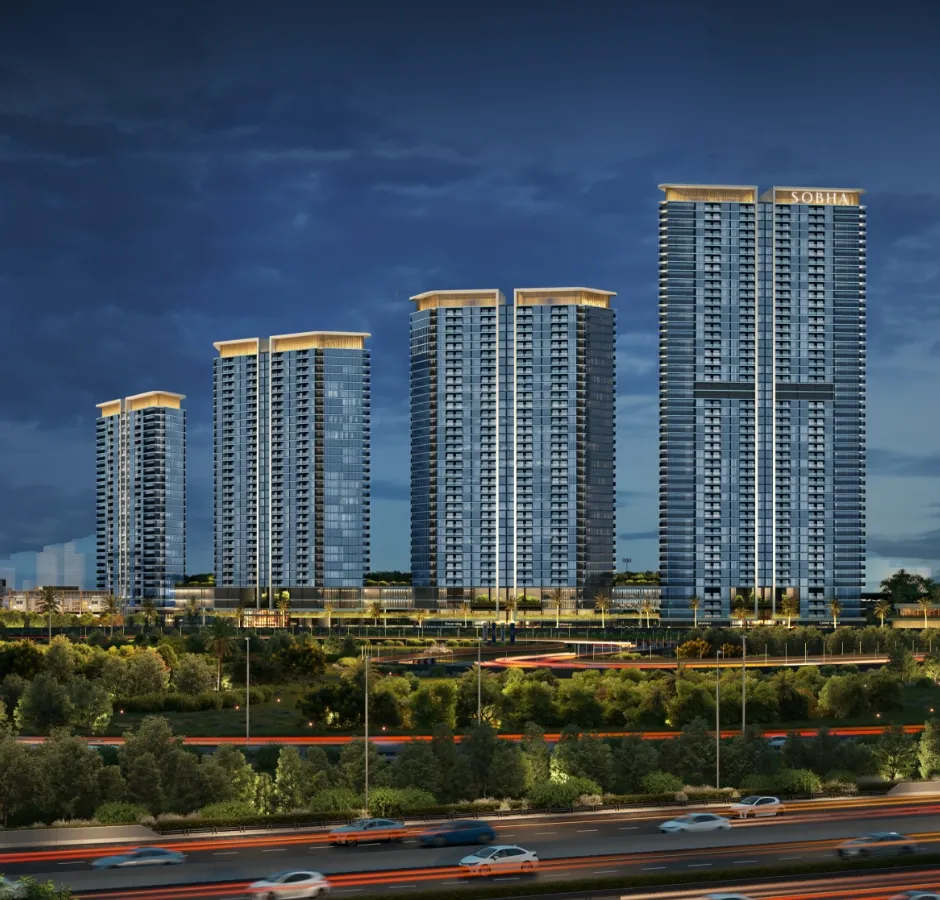
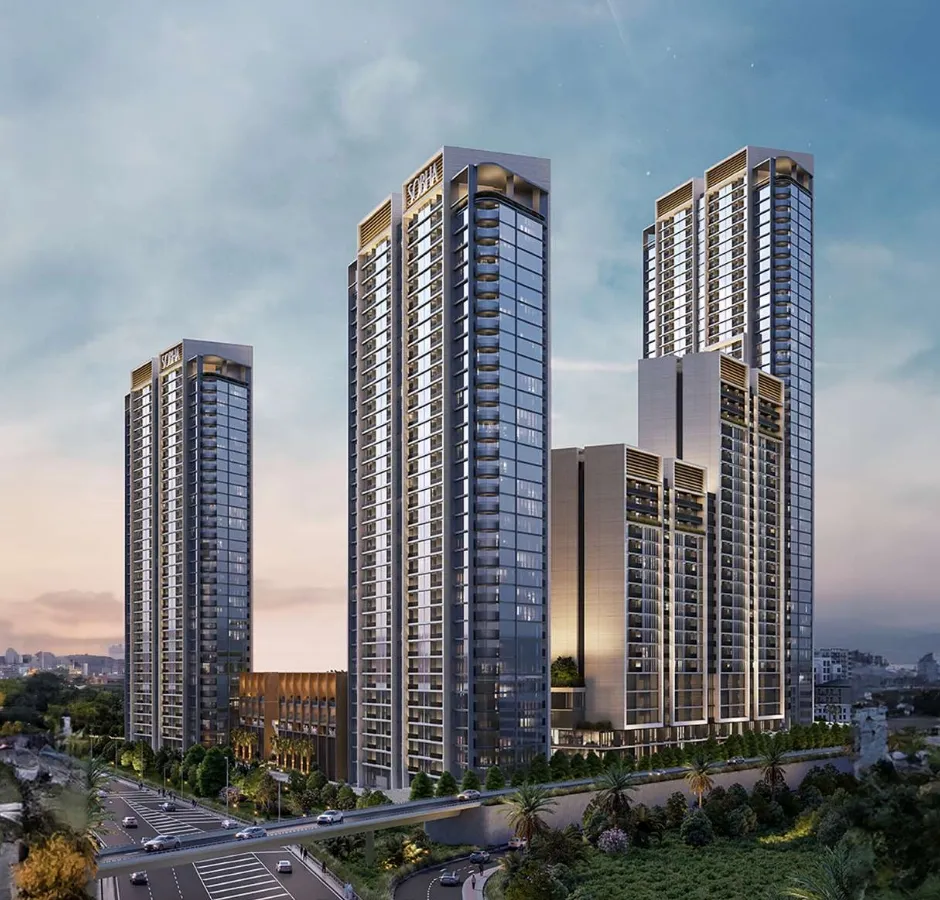
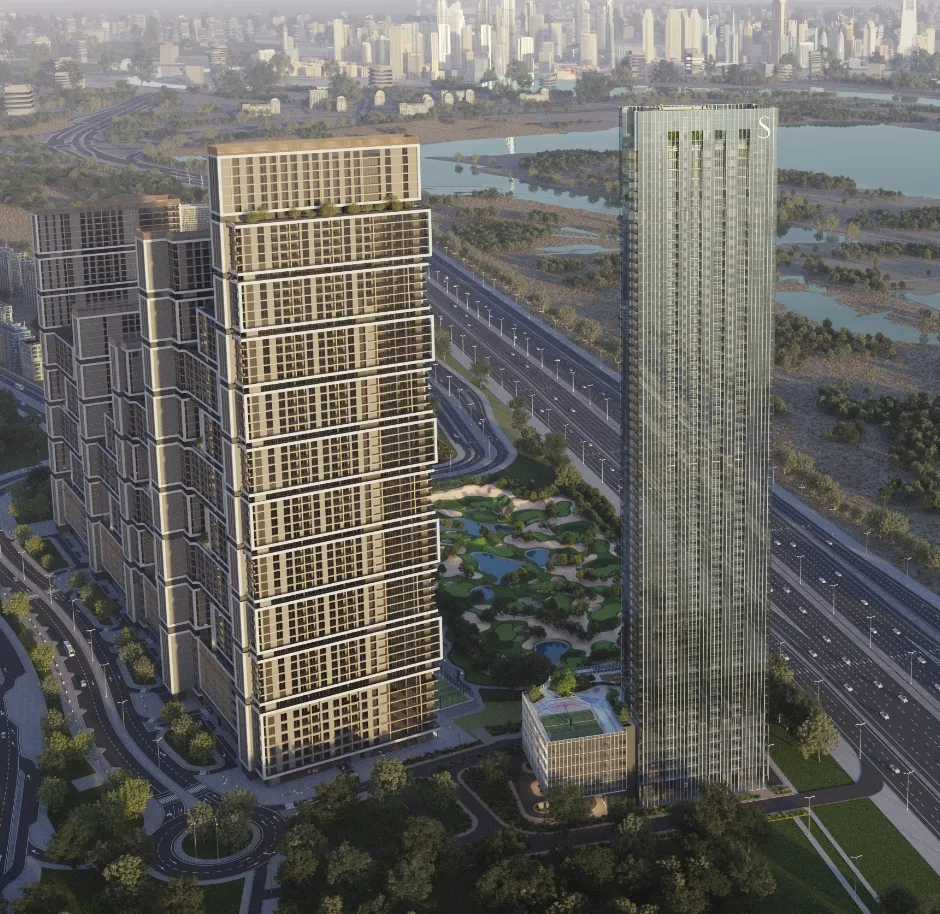
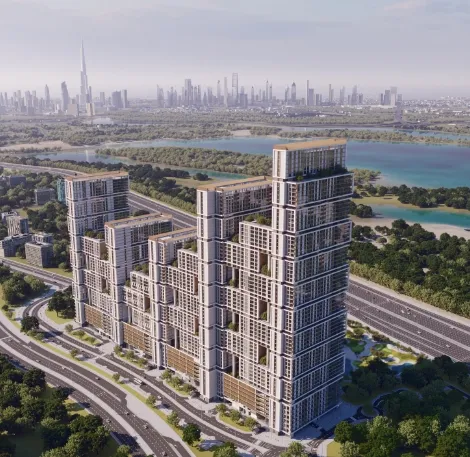
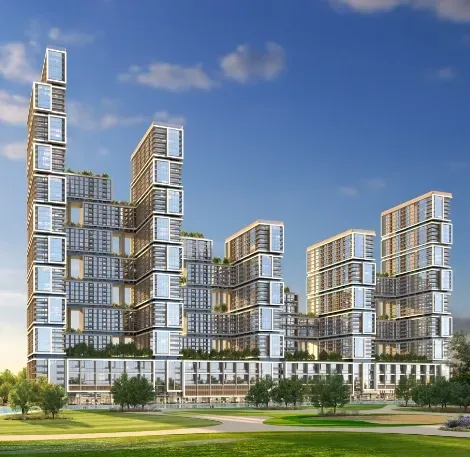
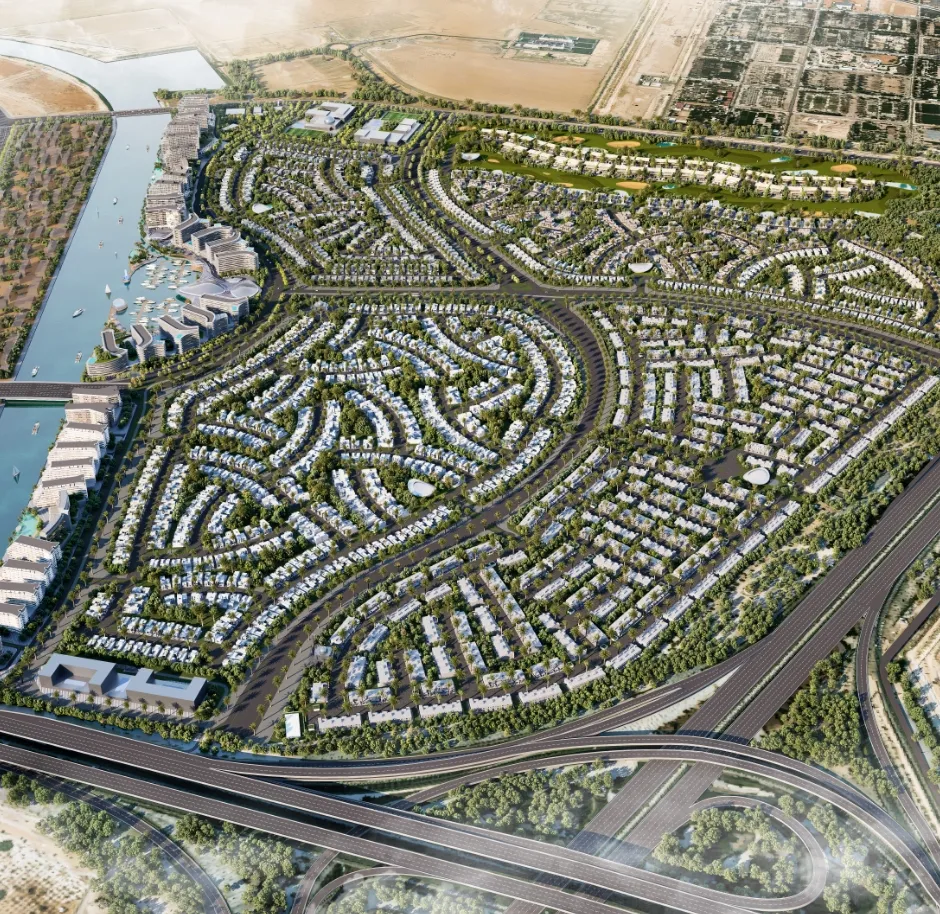
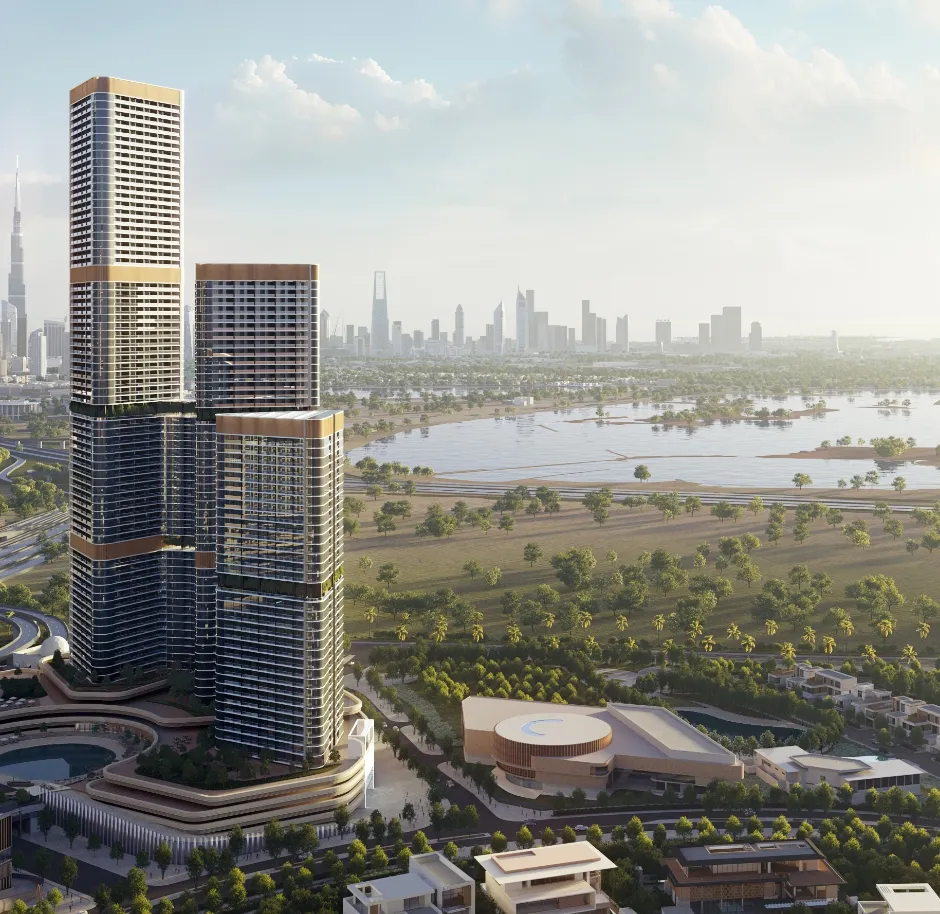
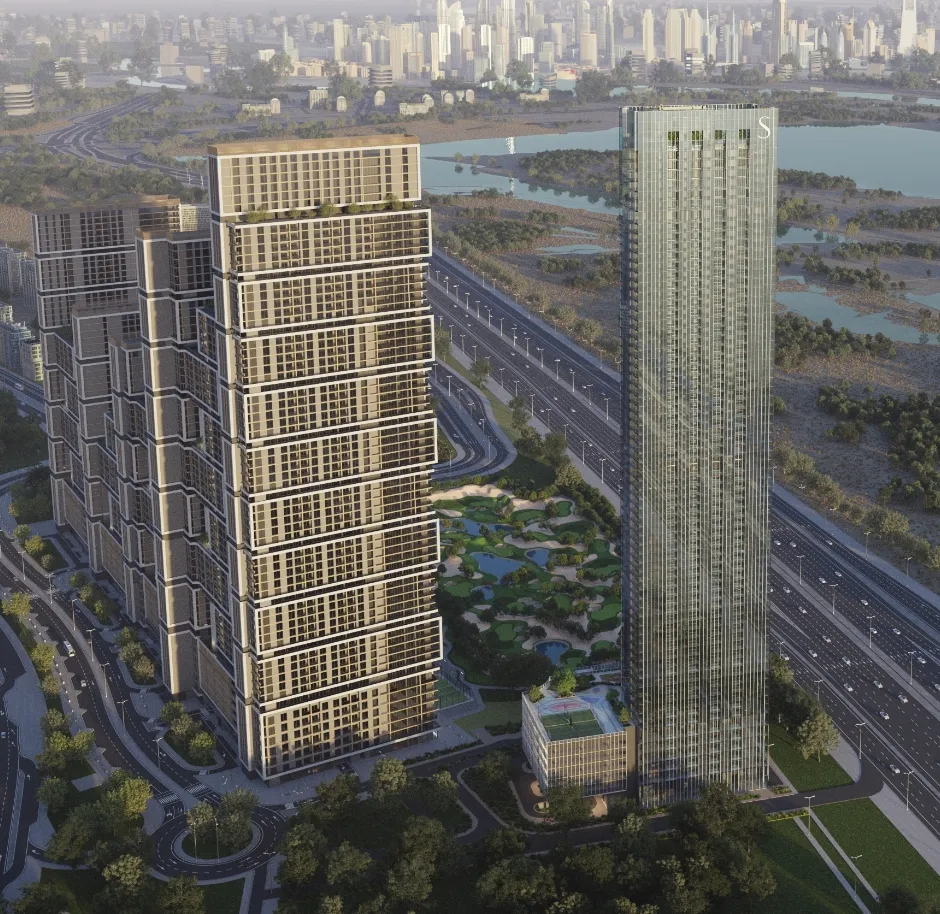
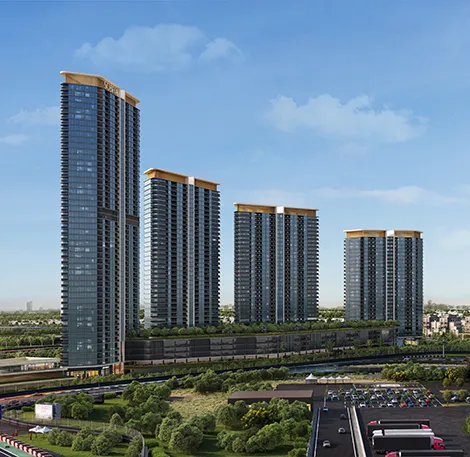
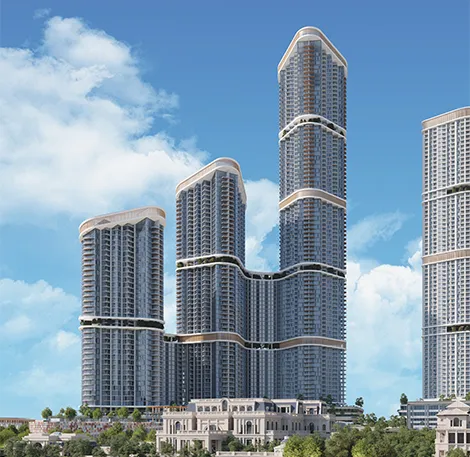
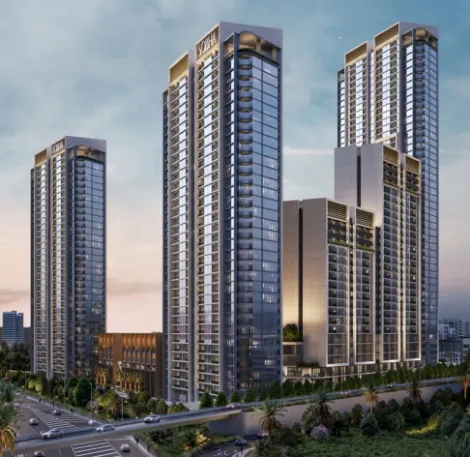
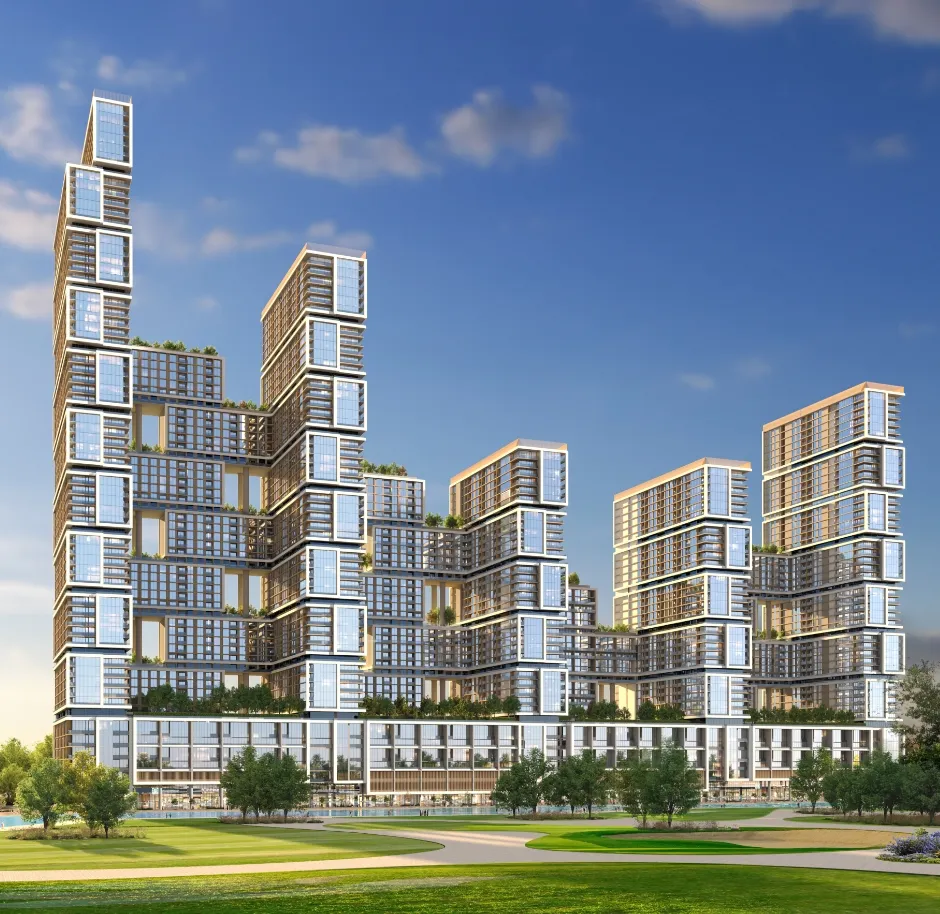
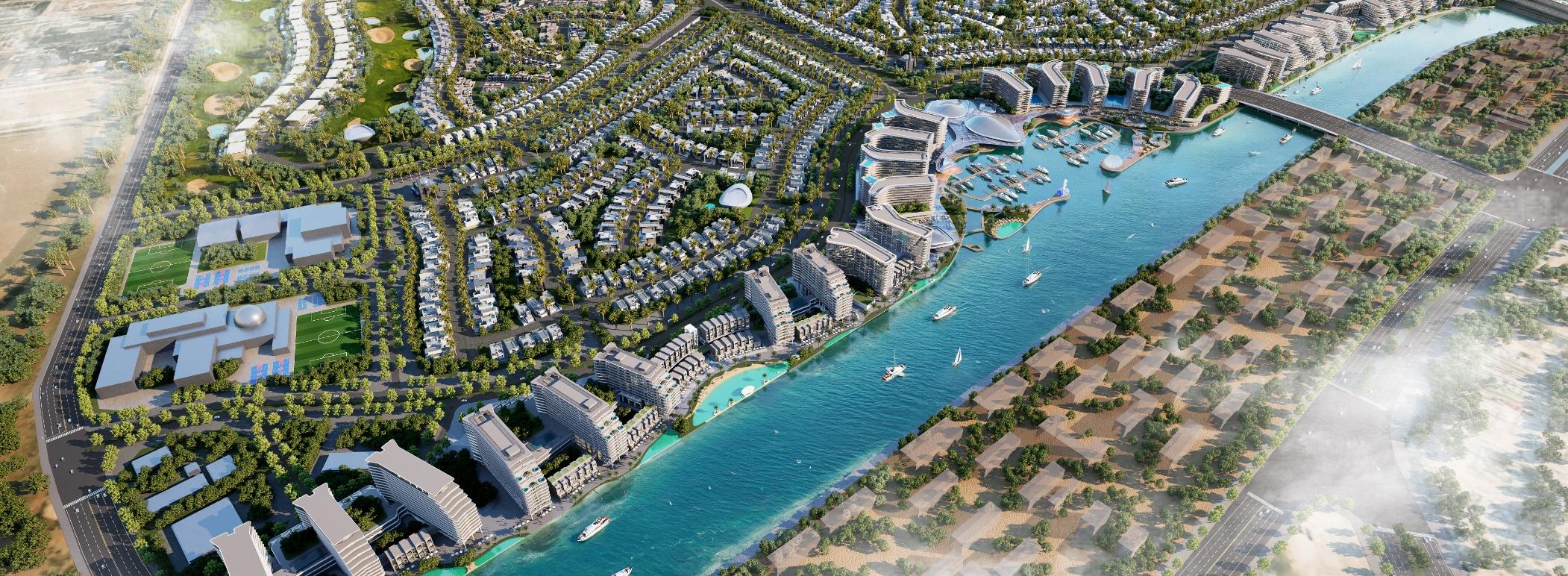
Sobha City represents Sobha Realty’s first large-scale residential development in Abu Dhabi.
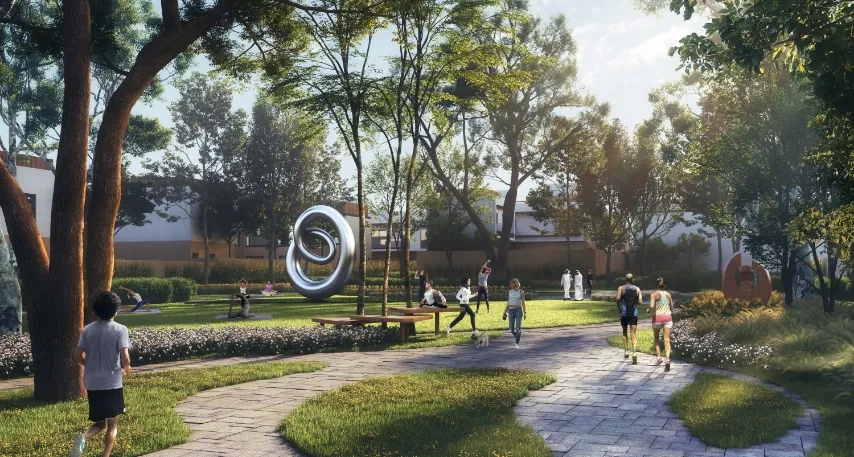
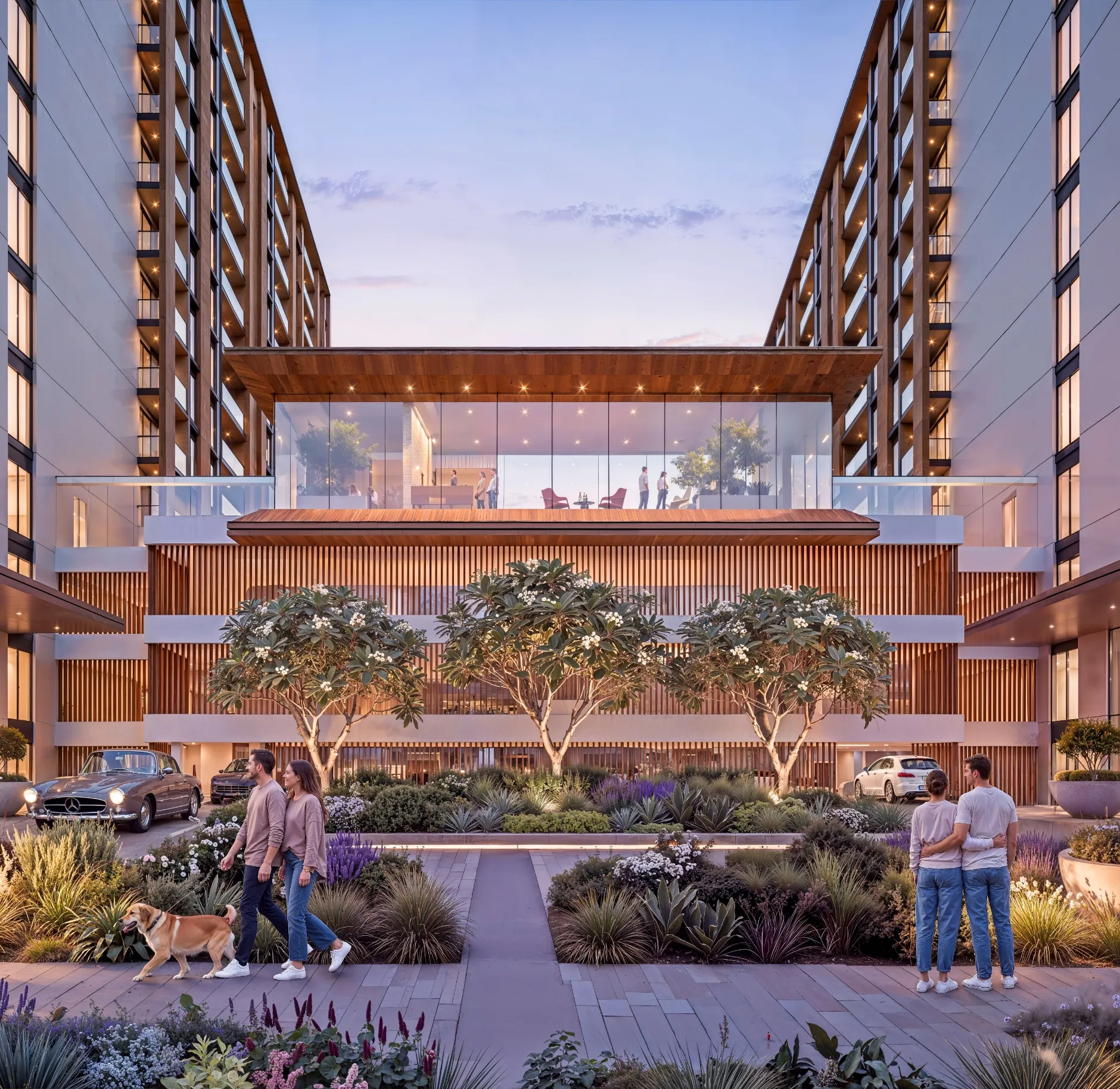
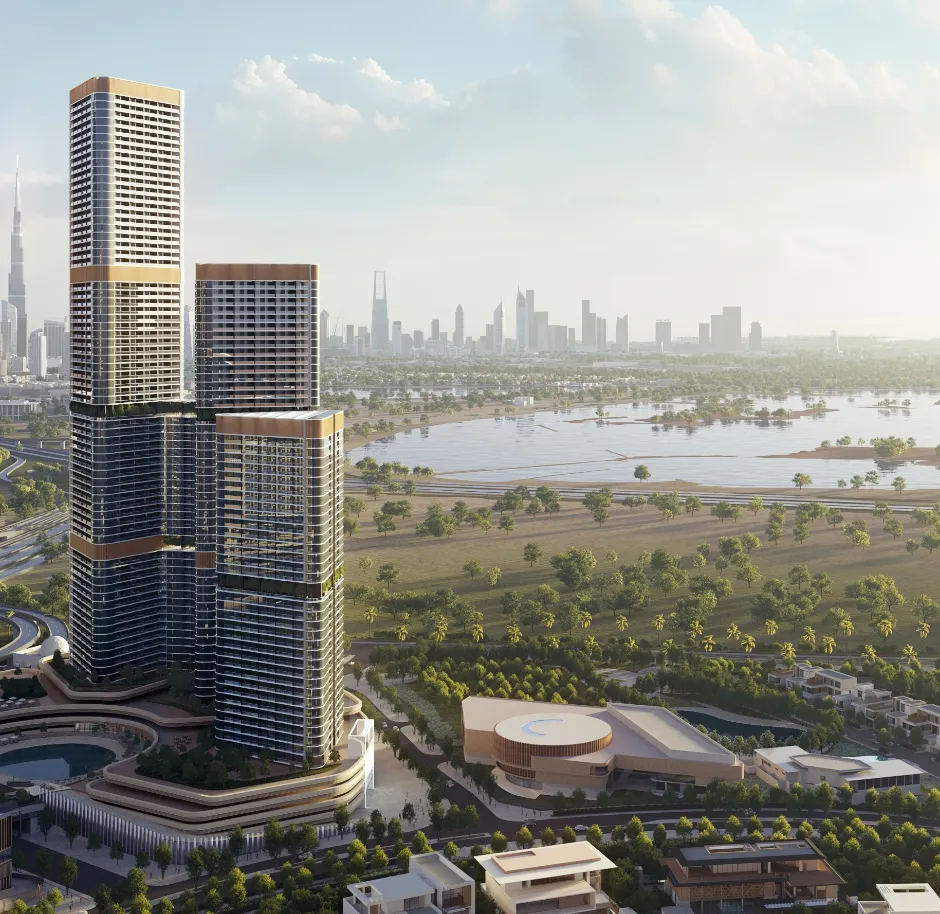
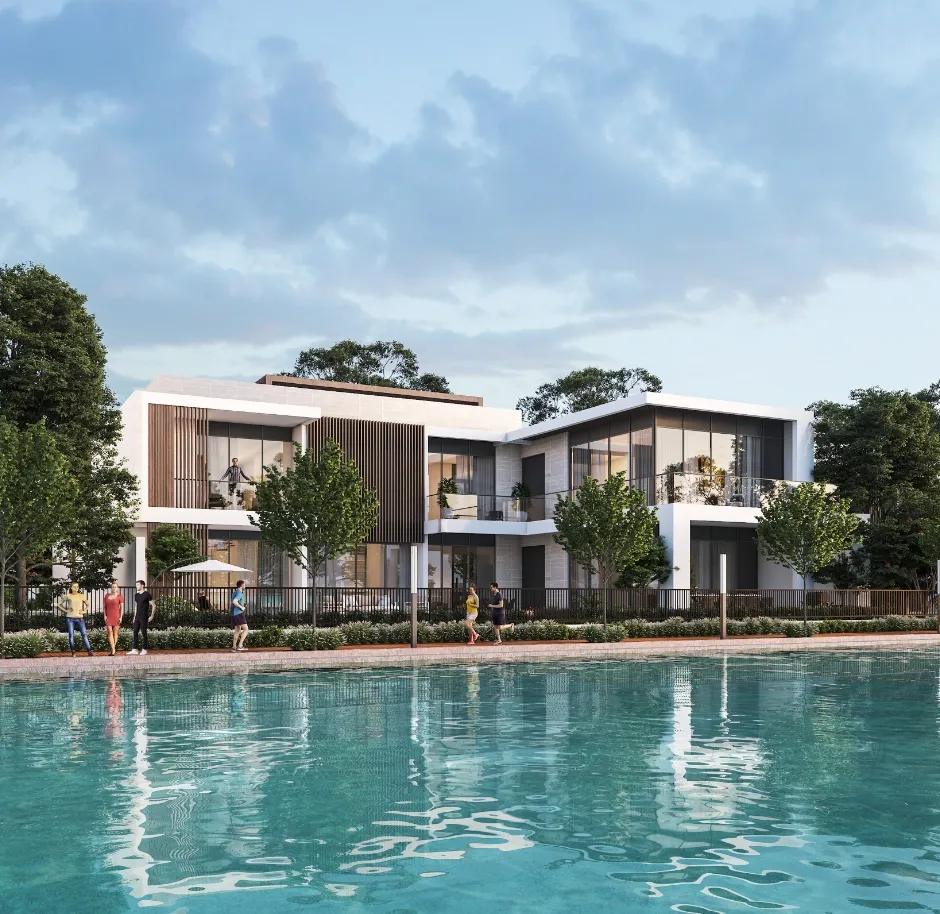
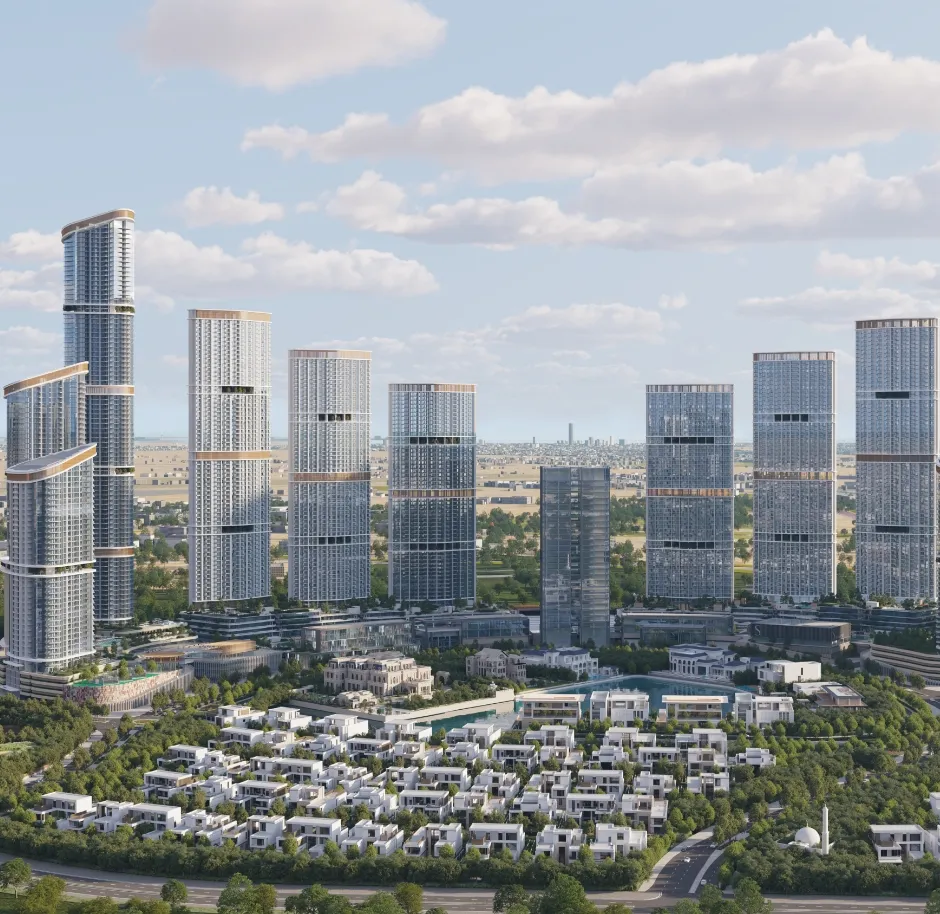
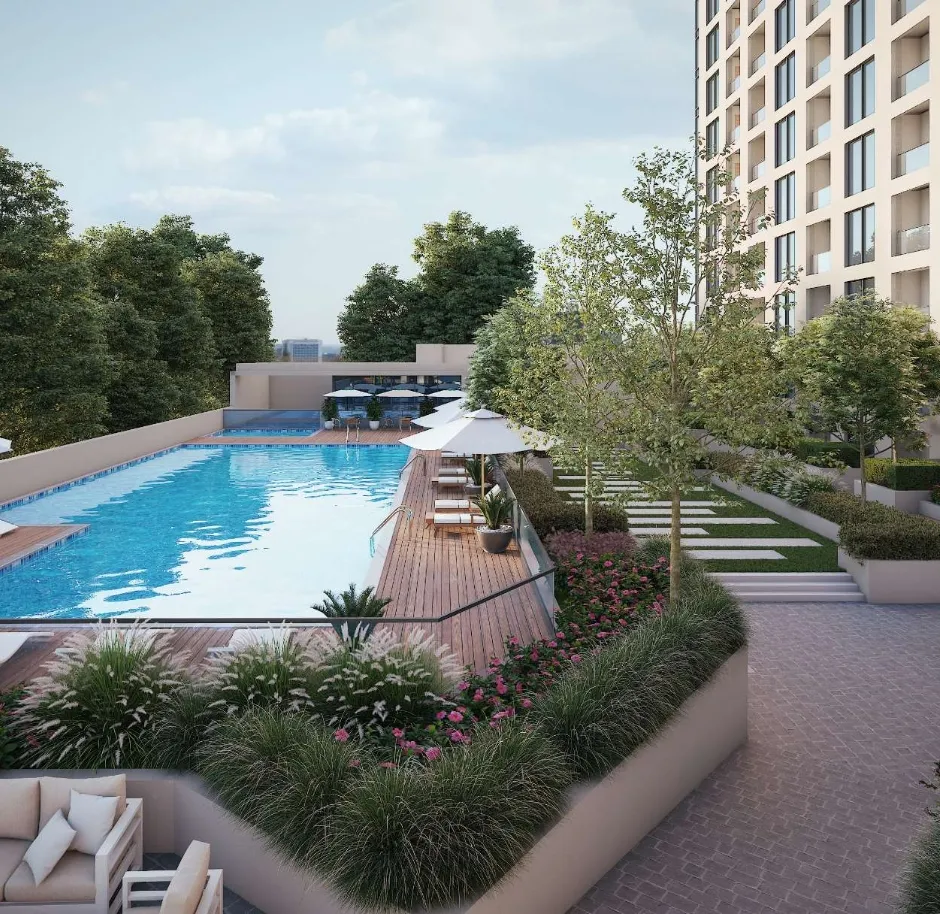
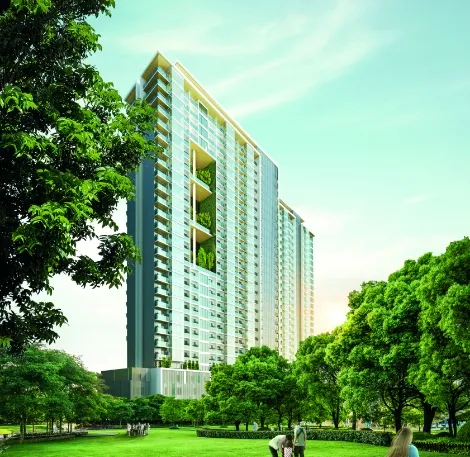
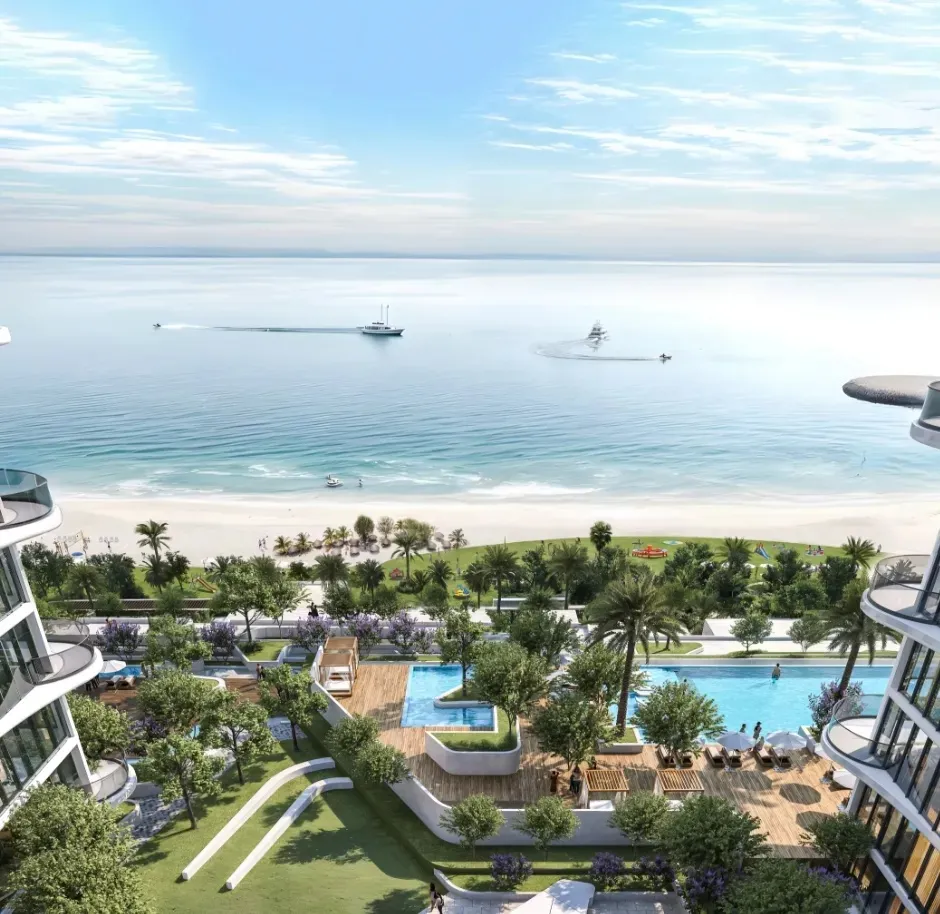
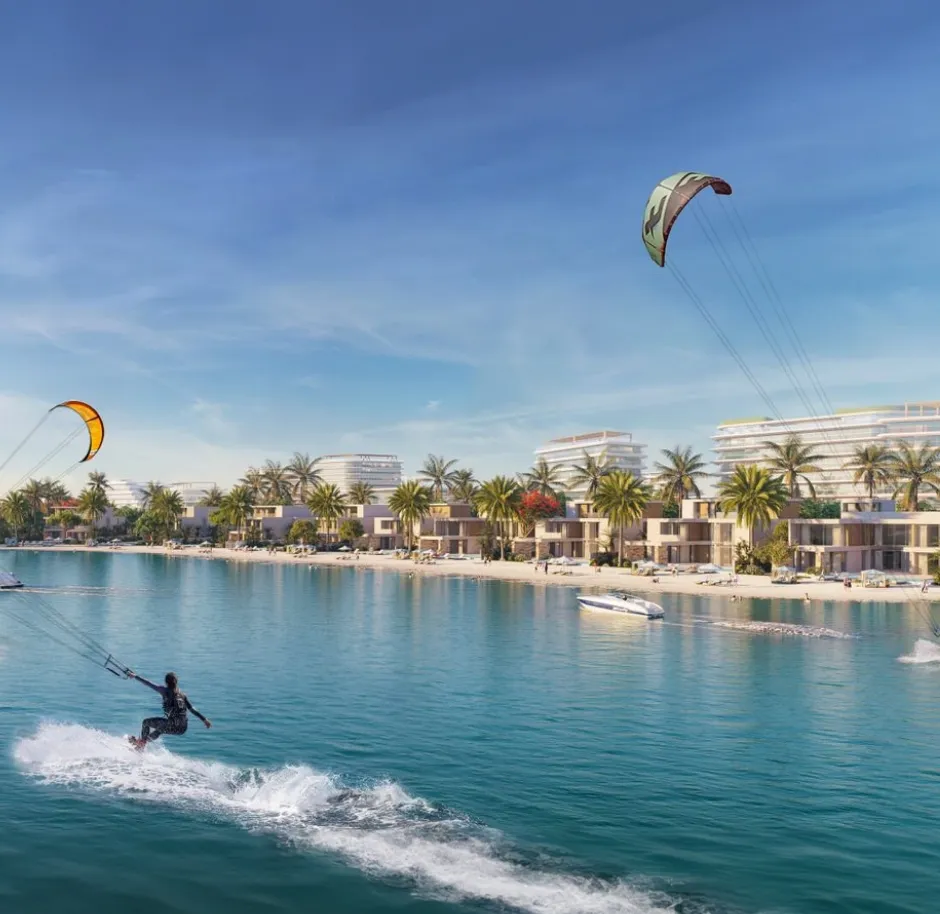
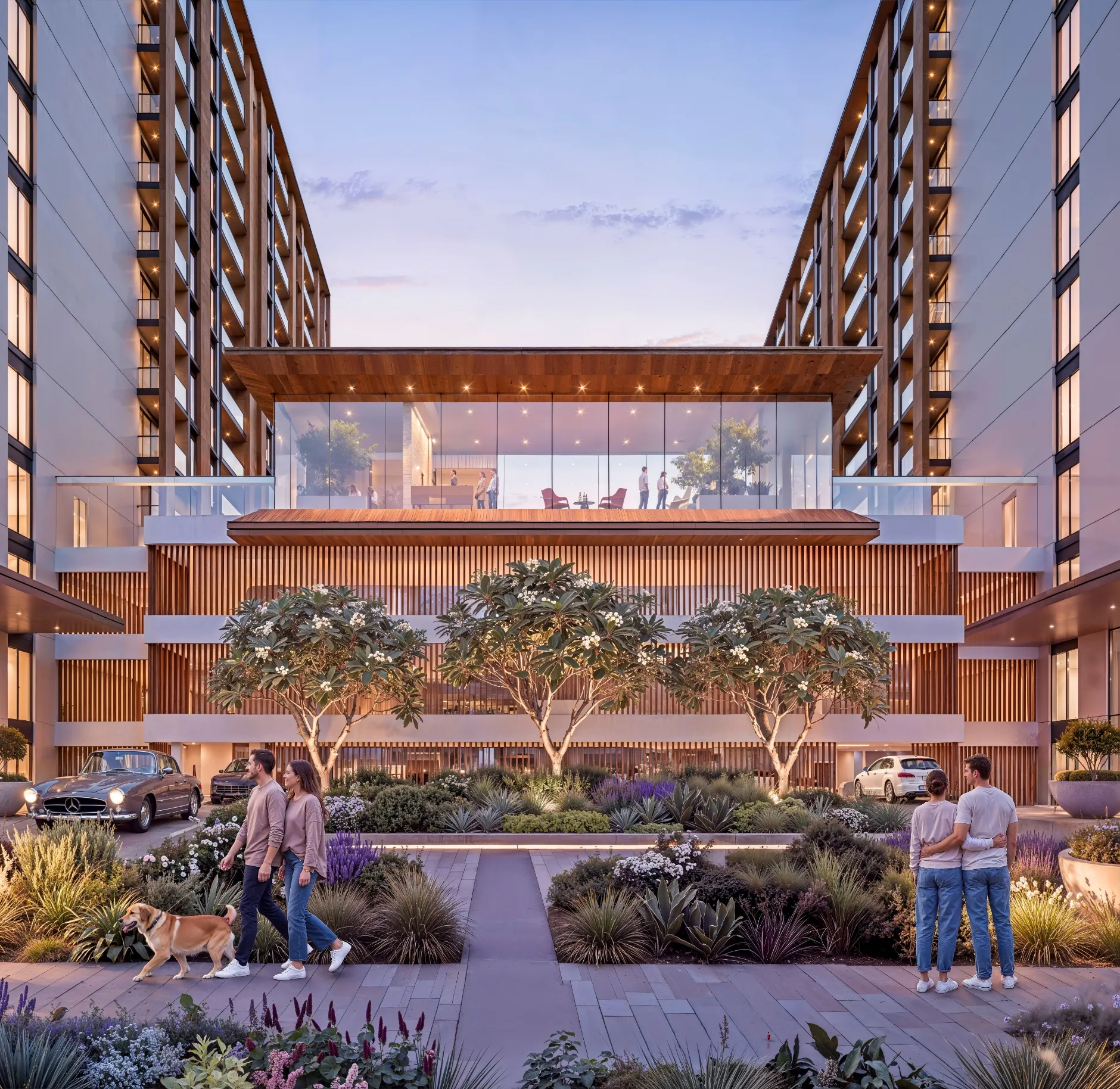
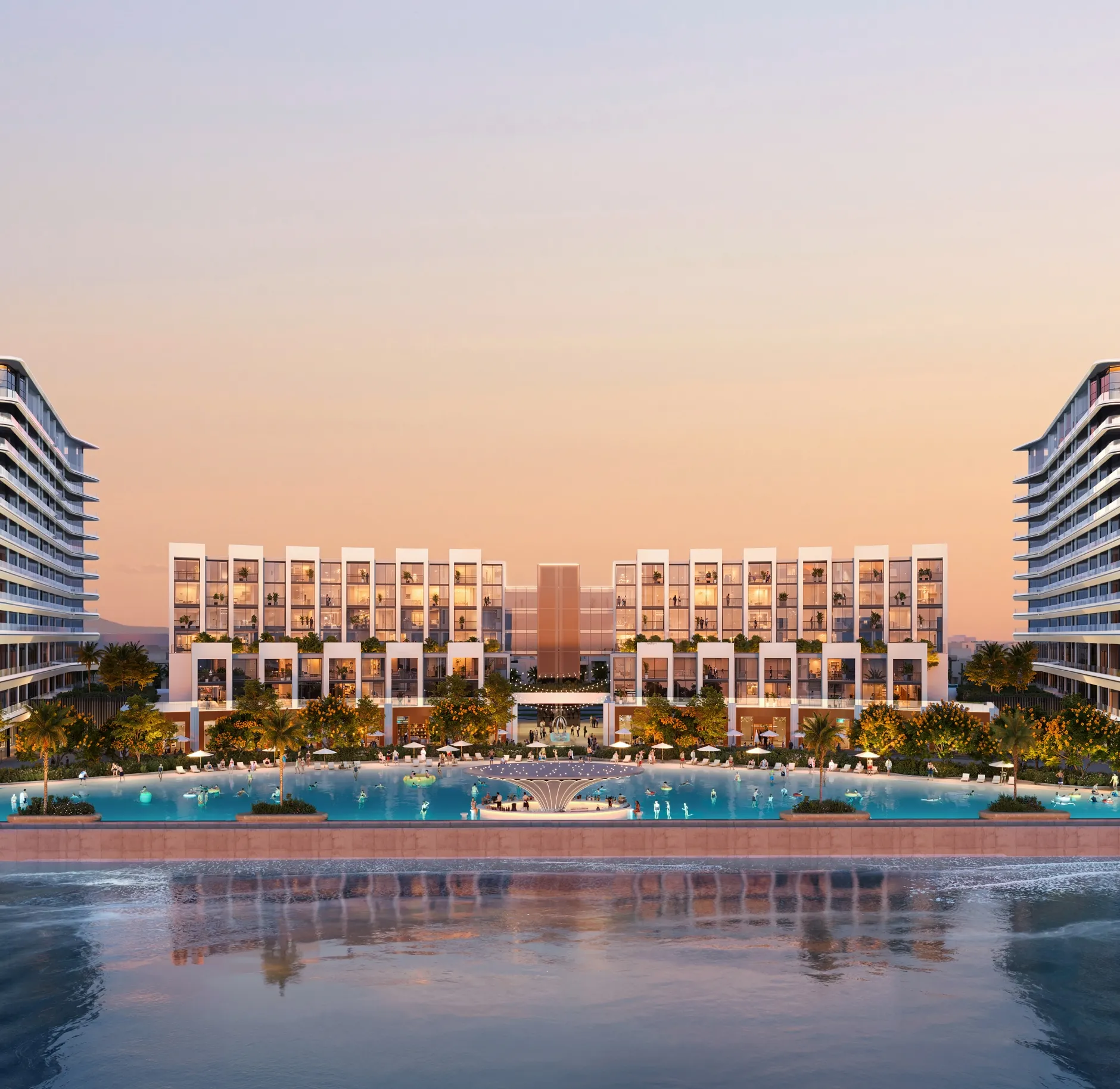
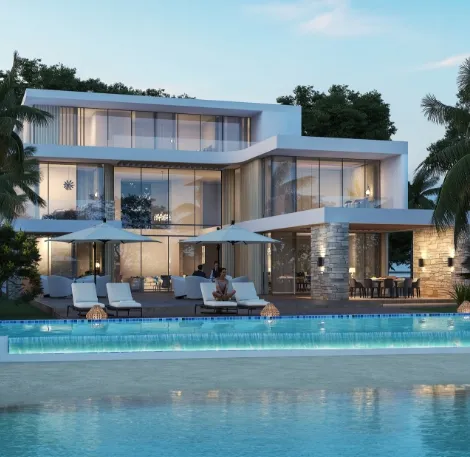
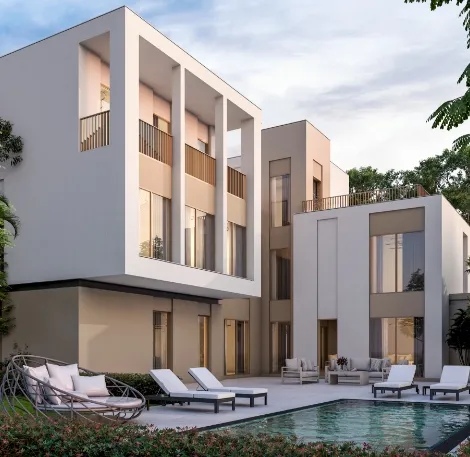
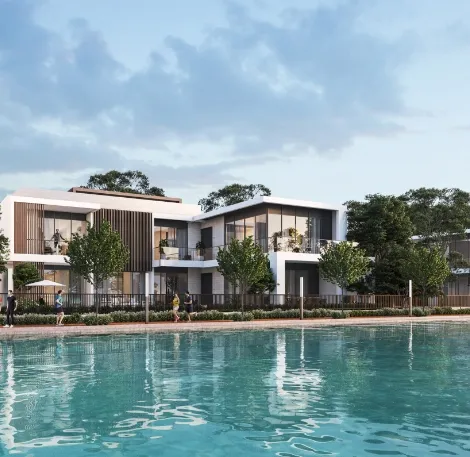
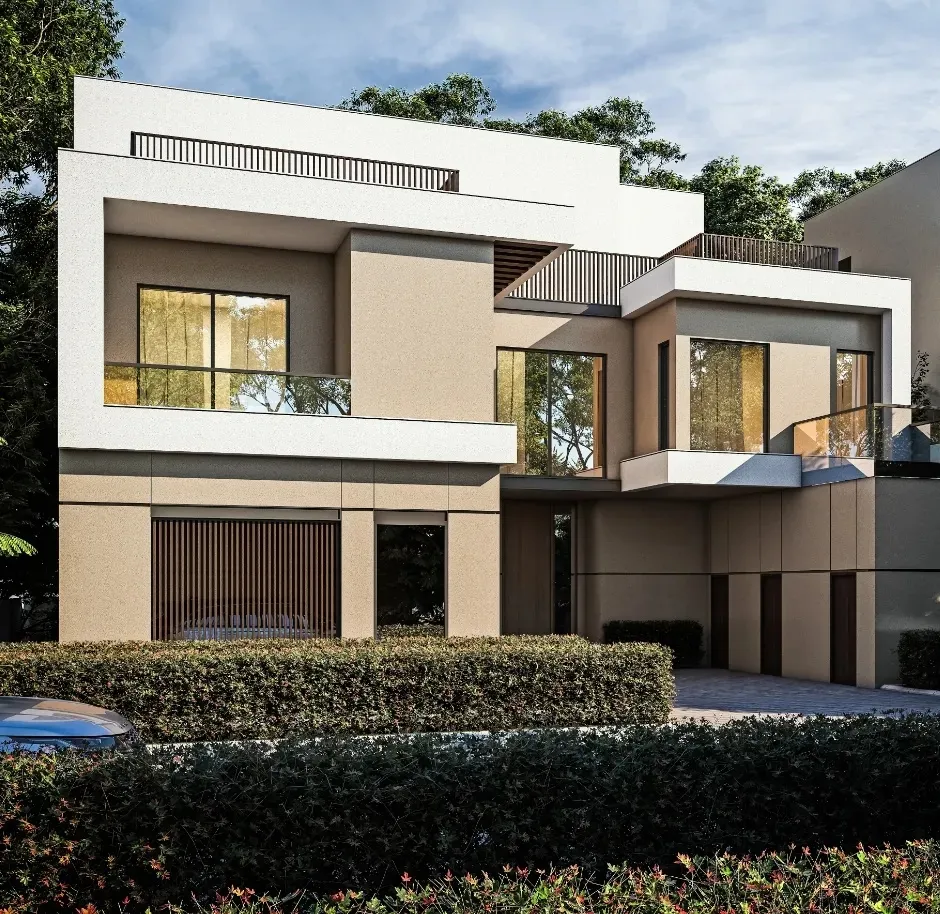
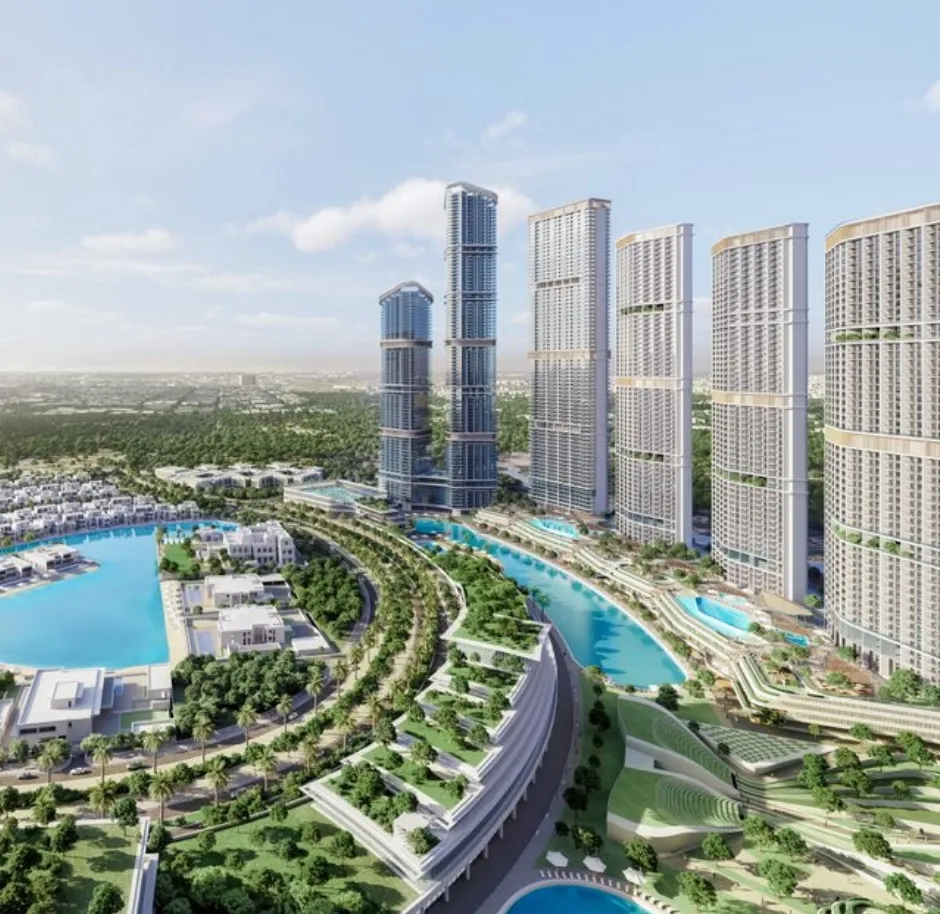
Located in Al Bahiya along the E10 and E12 corridor, close to Zayed International Airport and Yas Island, the masterplan spans approximately 38 million square feet. Around 60% of the development is dedicated to open and green spaces, with more than 50,000 trees, an 18-kilometre wellness loop alongside extensive waterfront and landscaped public spaces.
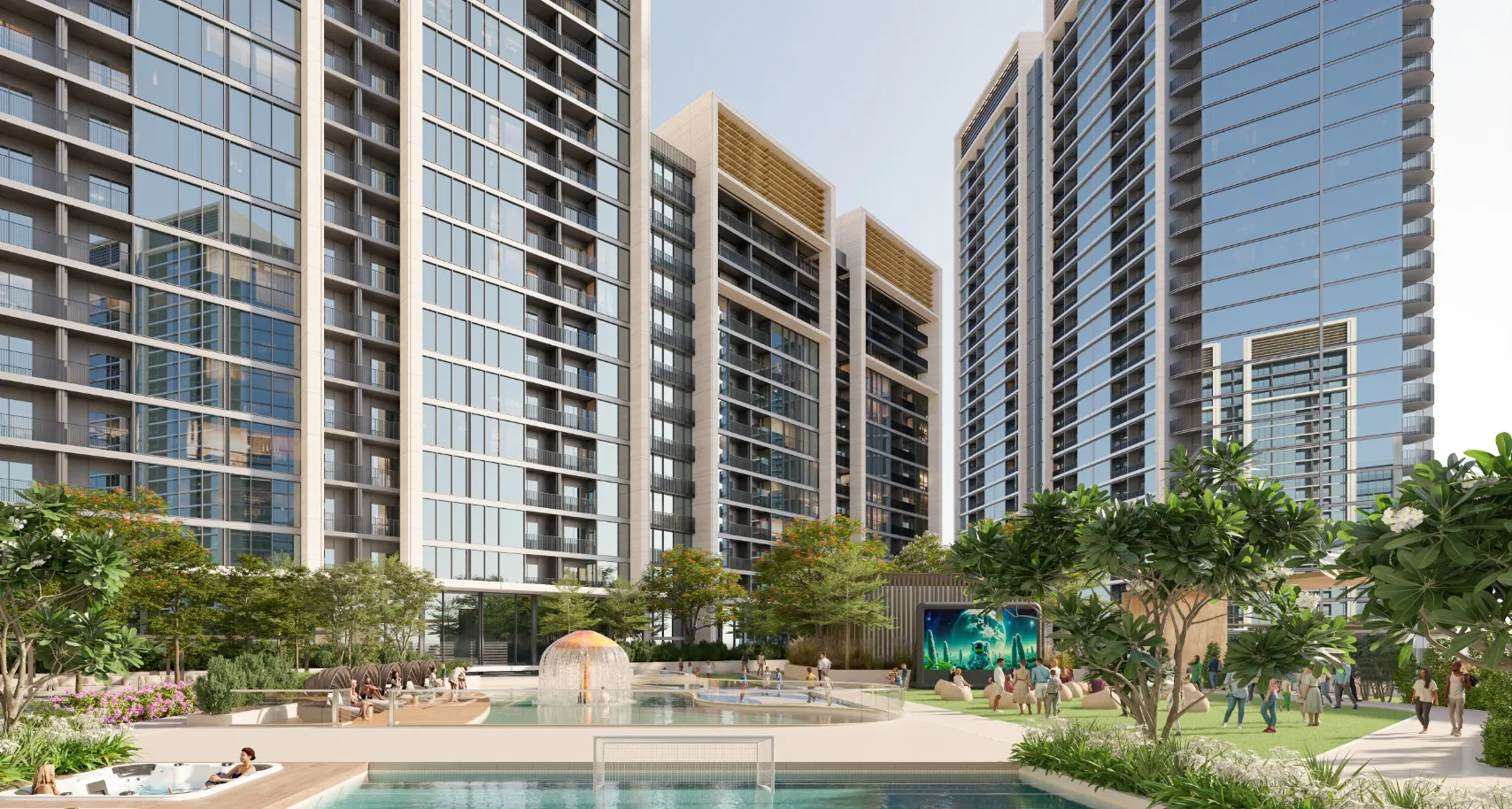
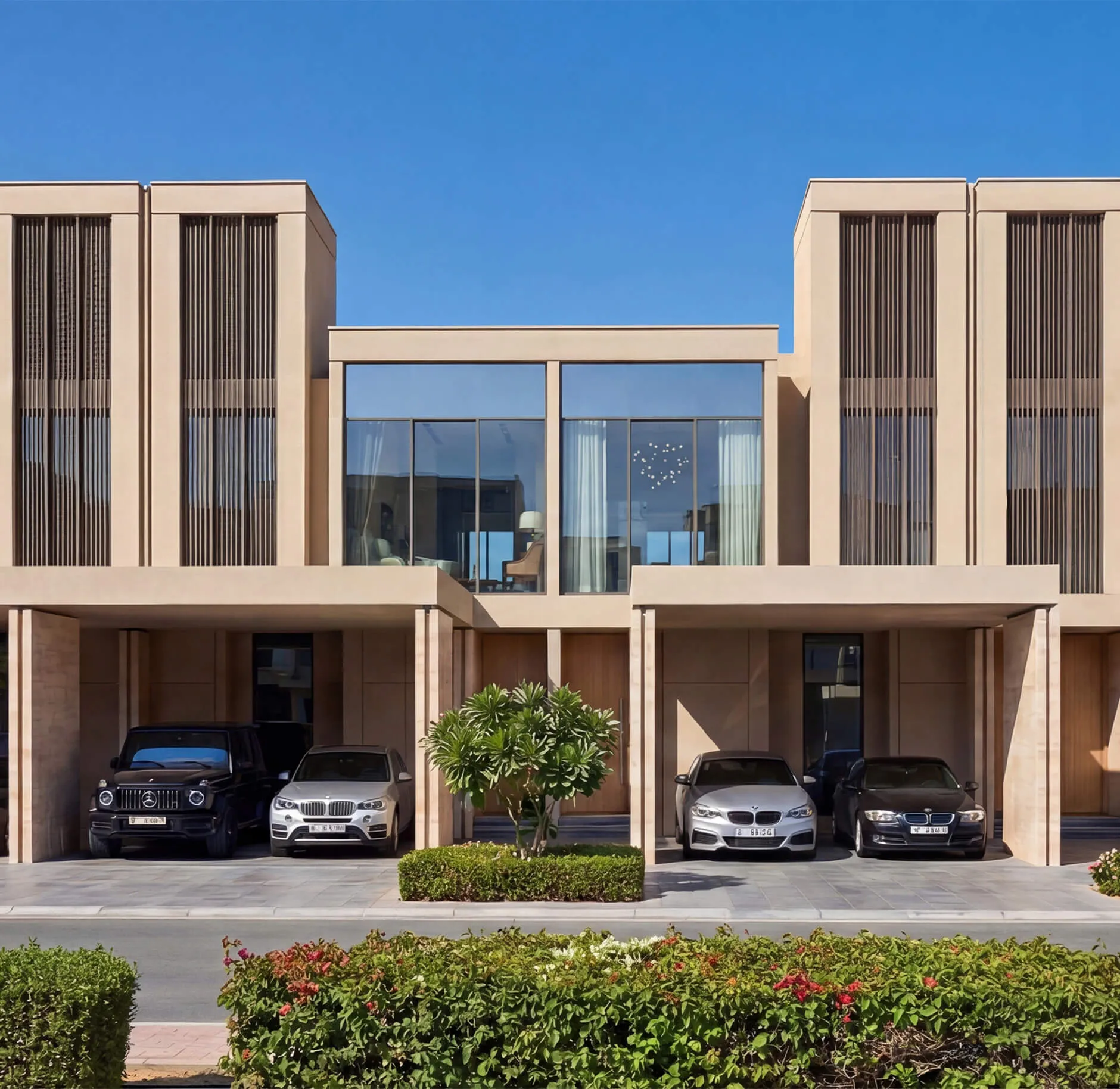
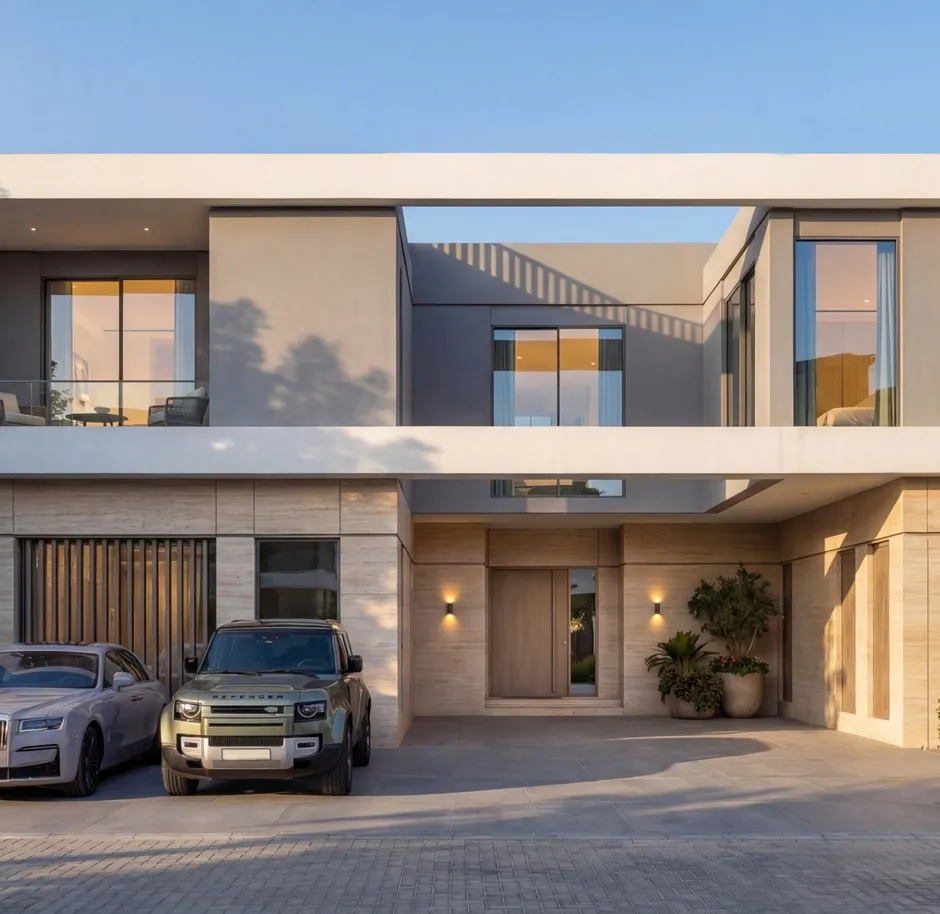
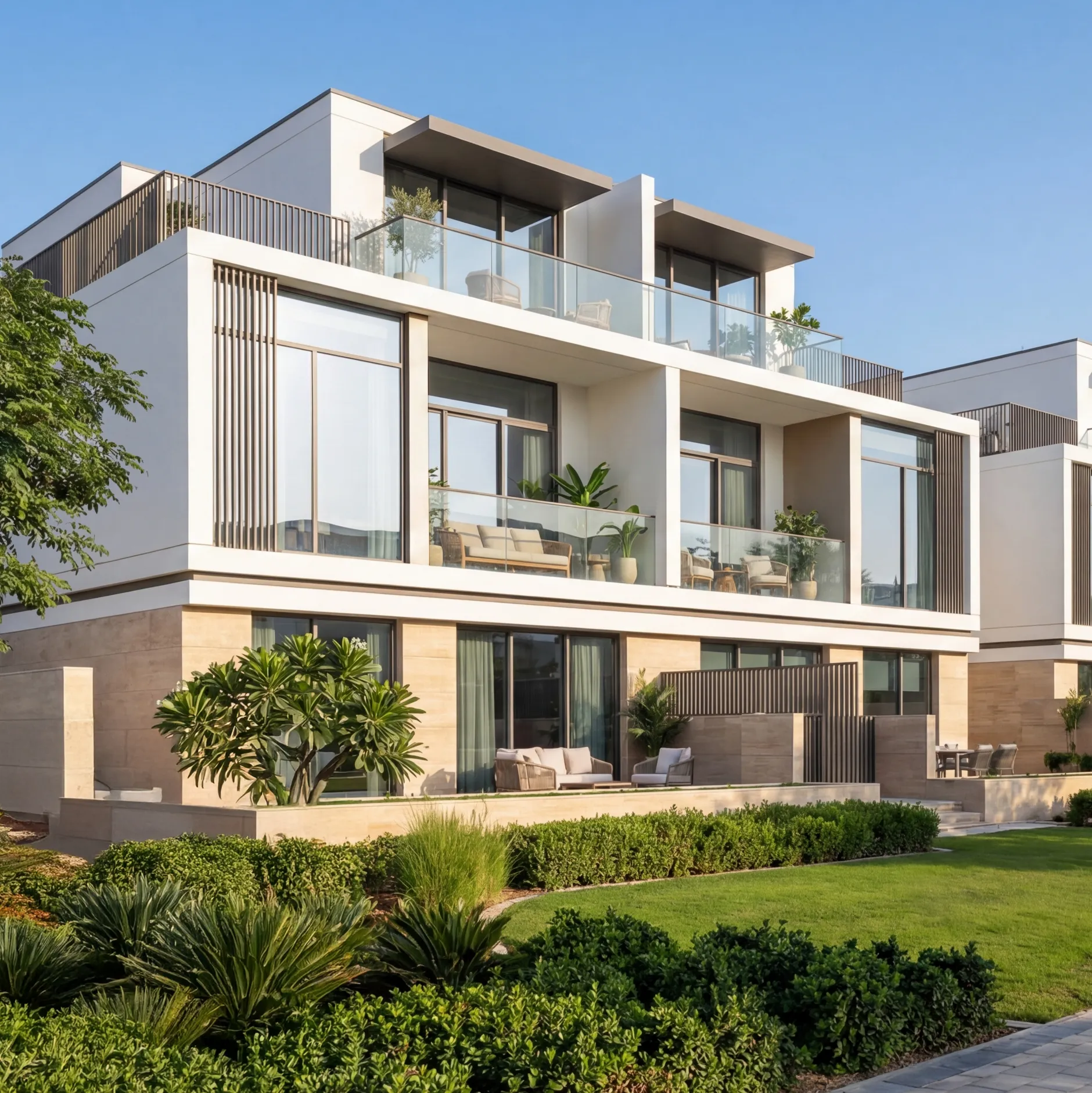
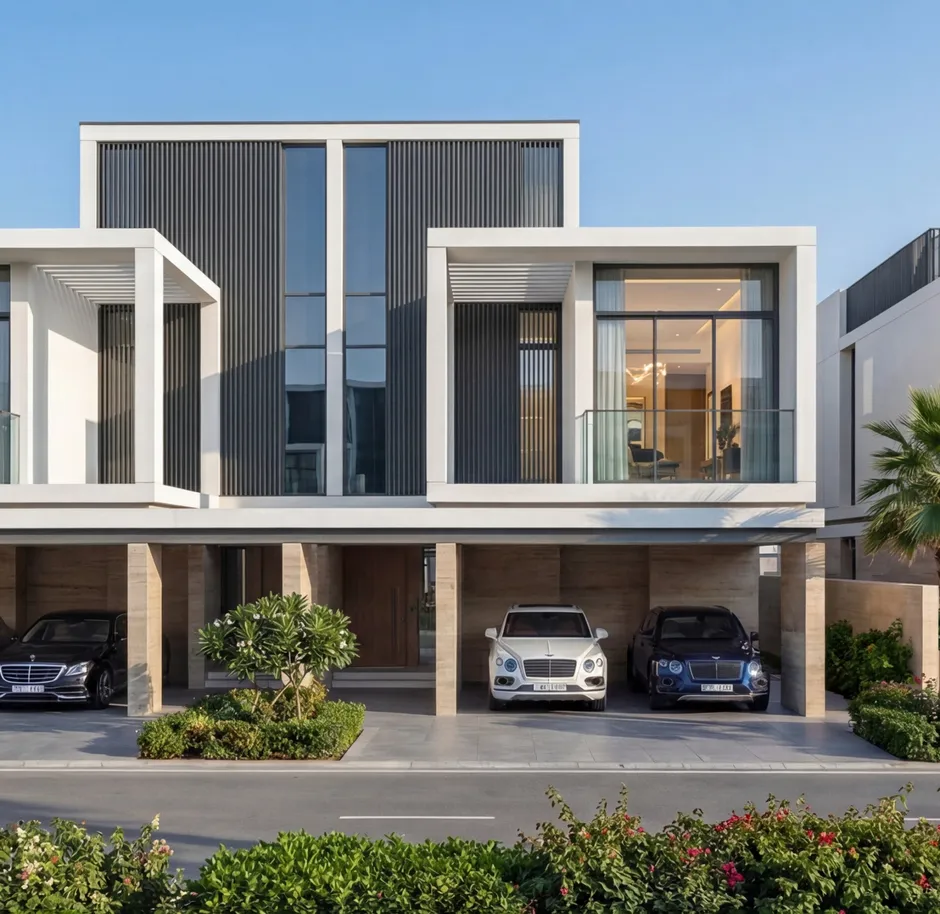
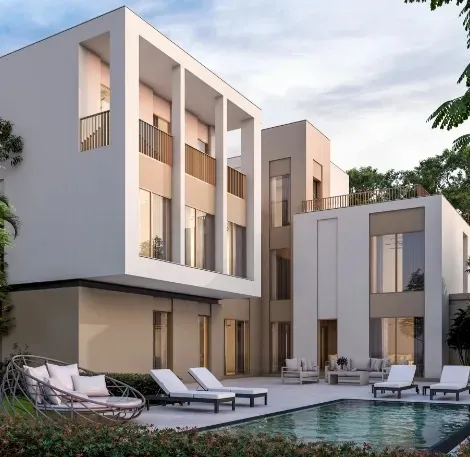
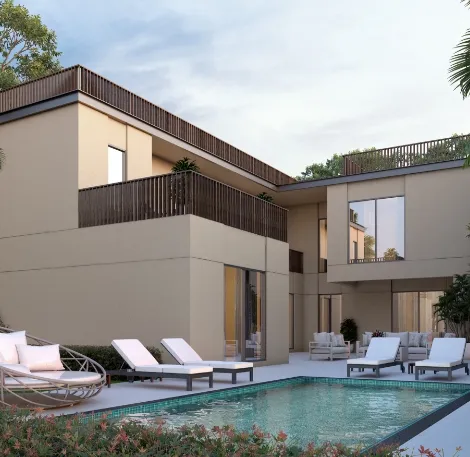
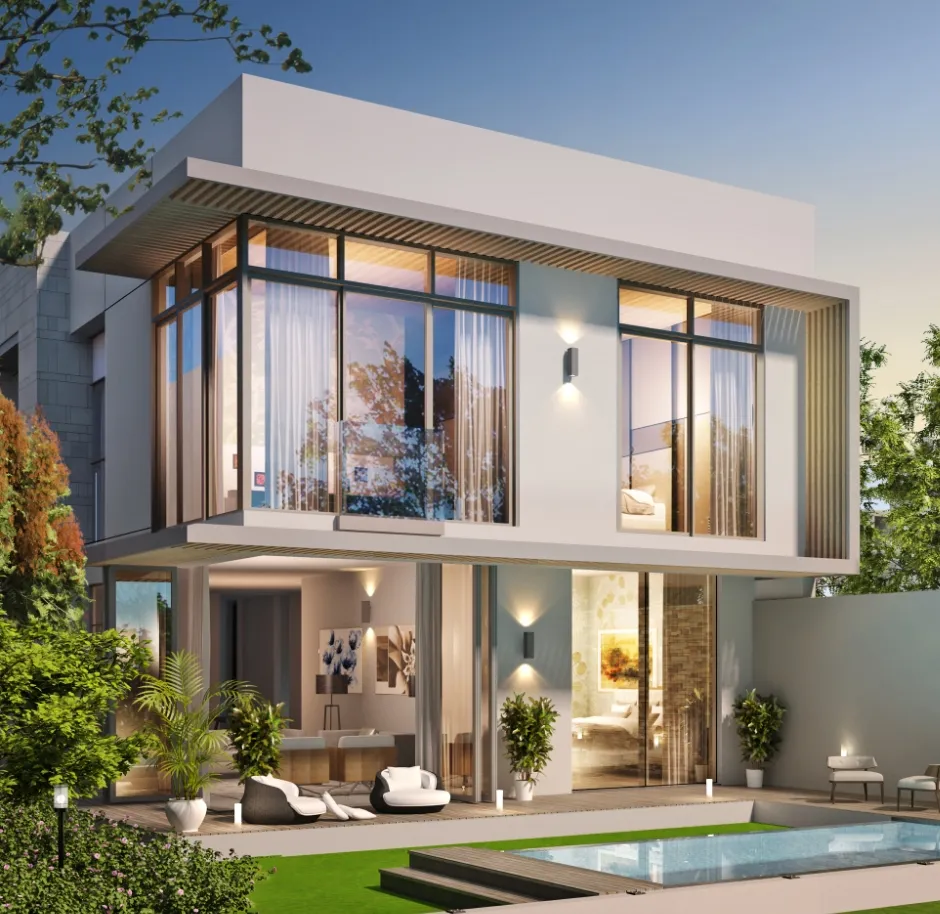
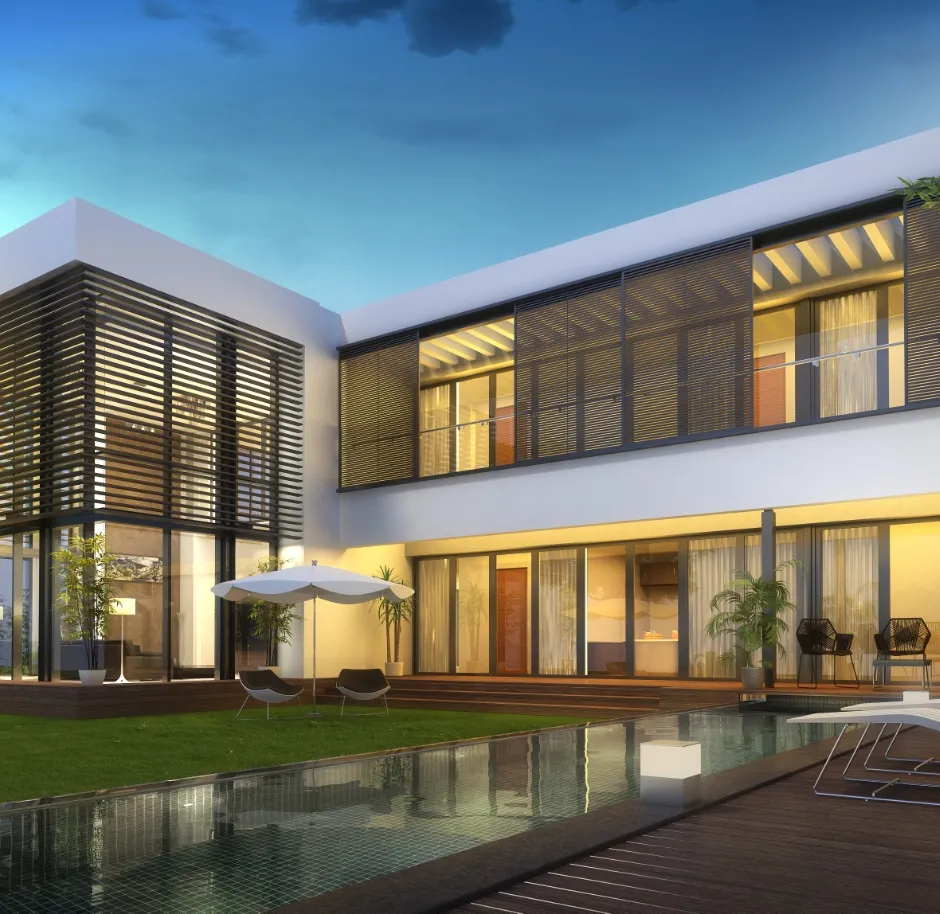
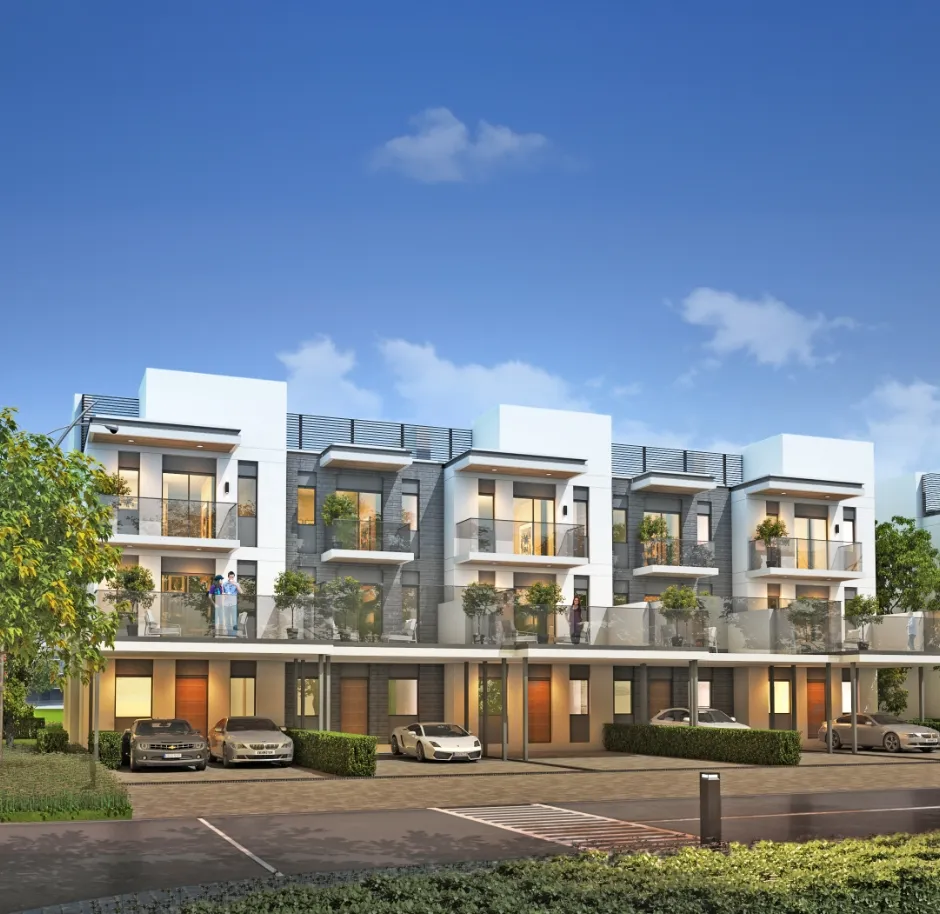
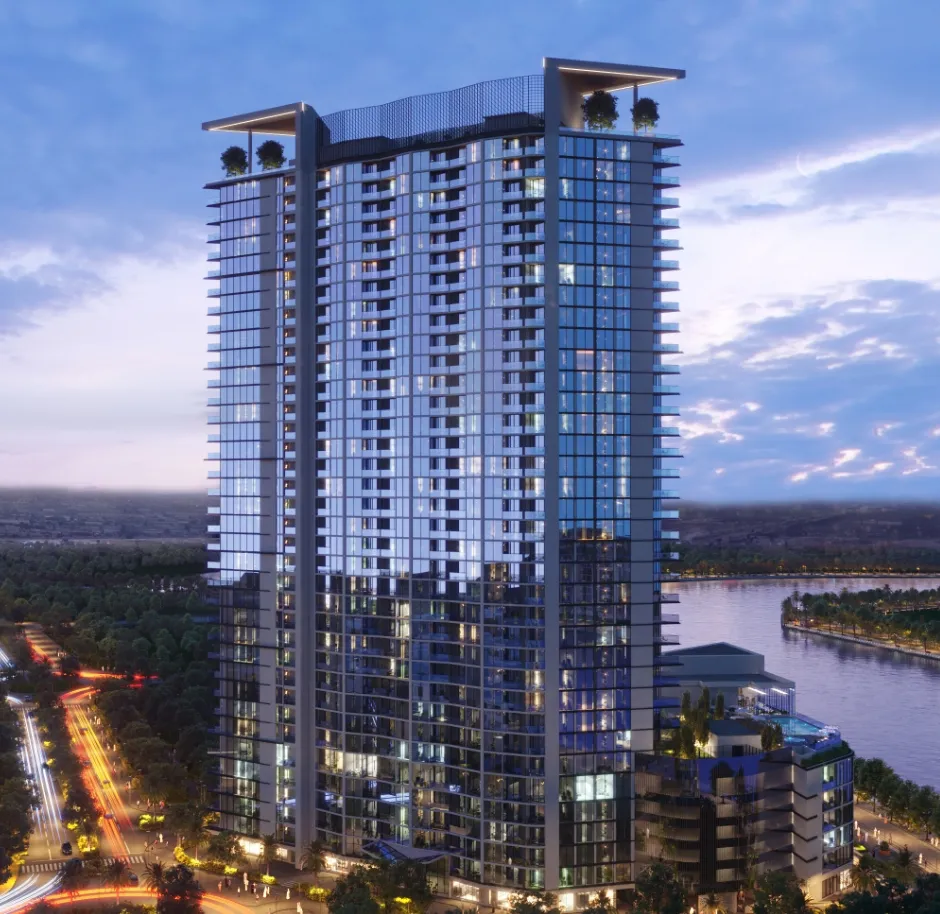
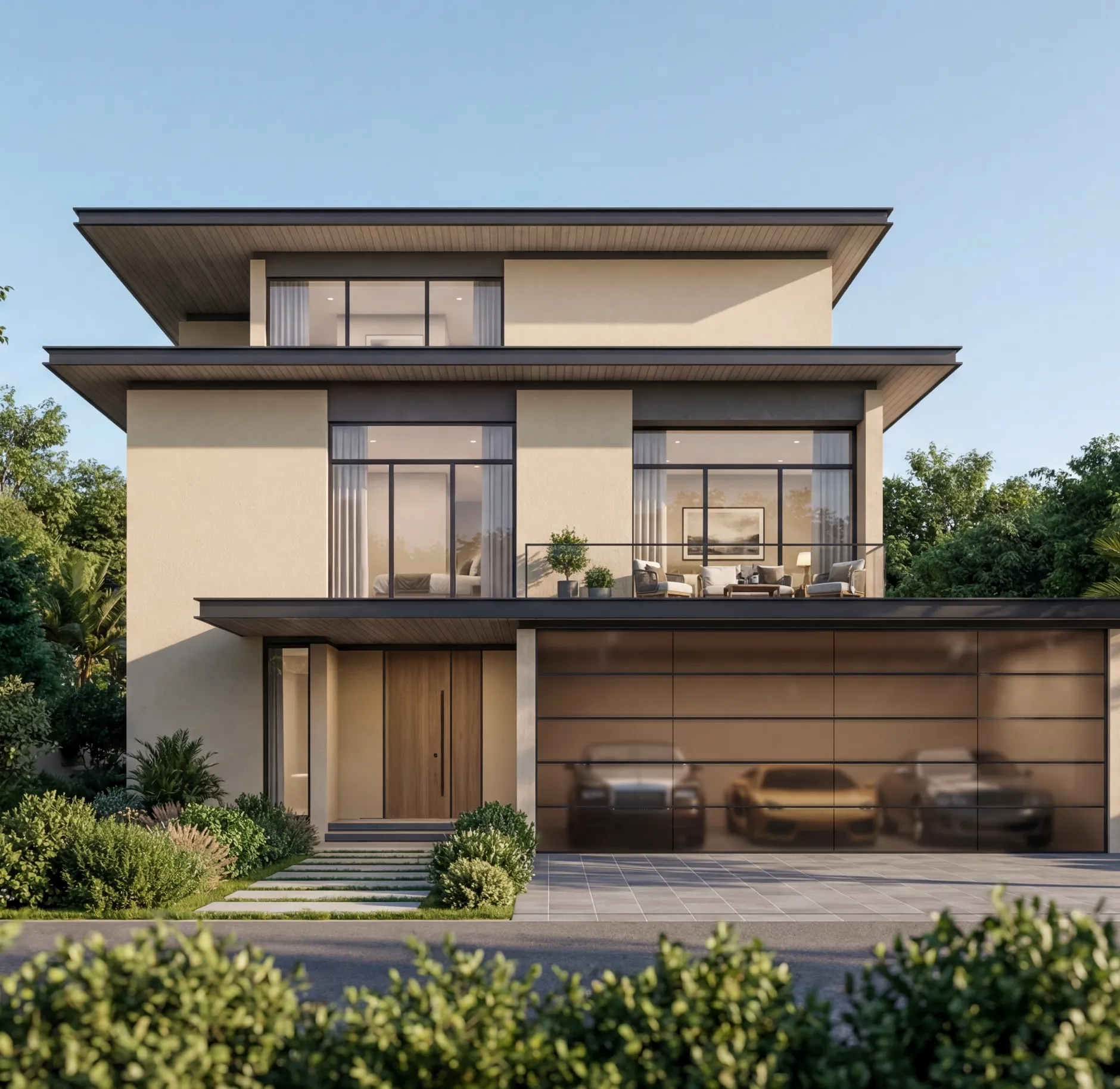
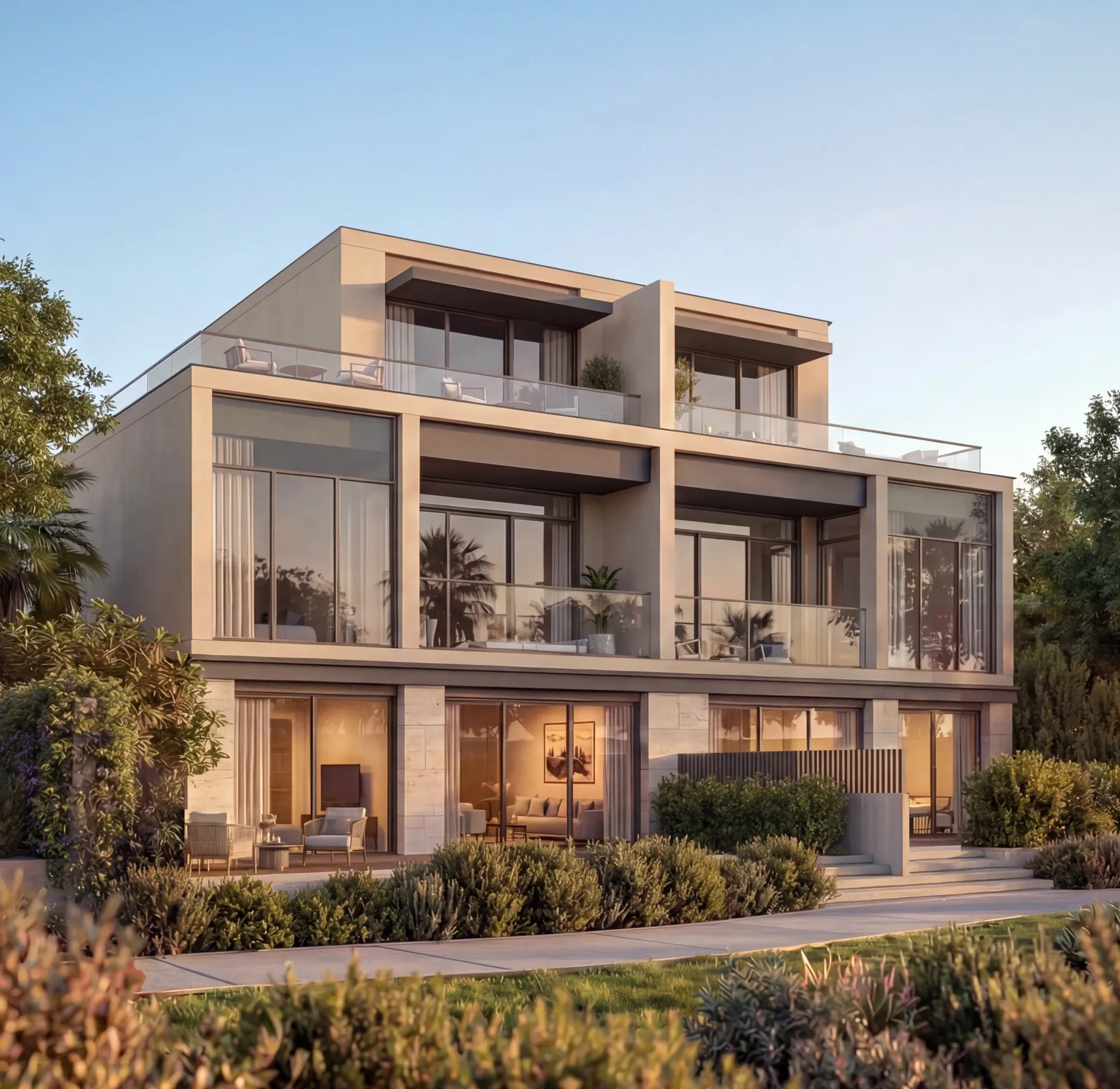
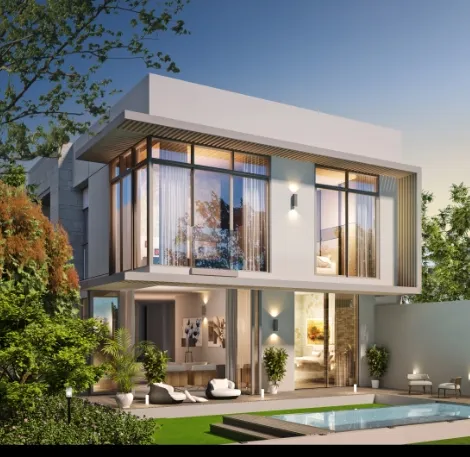
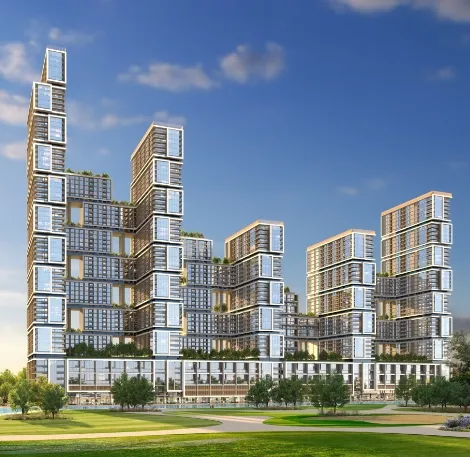
The community includes apartments, villas and mansions alongside:
- Schools
- Healthcare
- Retail
- Mosques
- Marina facilities
- Wellness areas
- Landscaped public spaces
Sobha City reflects an integrated, nature-led planning approach within Abu Dhabi’s expanding residential market.
Its relevance is not simply that it adds new homes.
It is that it aims to create a complete residential ecosystem designed around long-term living.
Why Developer Quality Will Differentiate Future Projects
A growing market gives buyers more choice.
It also places greater pressure on developers to deliver.
Buyers may increasingly compare:
- Construction quality
- Finishing standards
- Delivery timing
- Masterplan execution
- Landscaping
- Amenities
- Maintenance
- Community management
- Customer communication
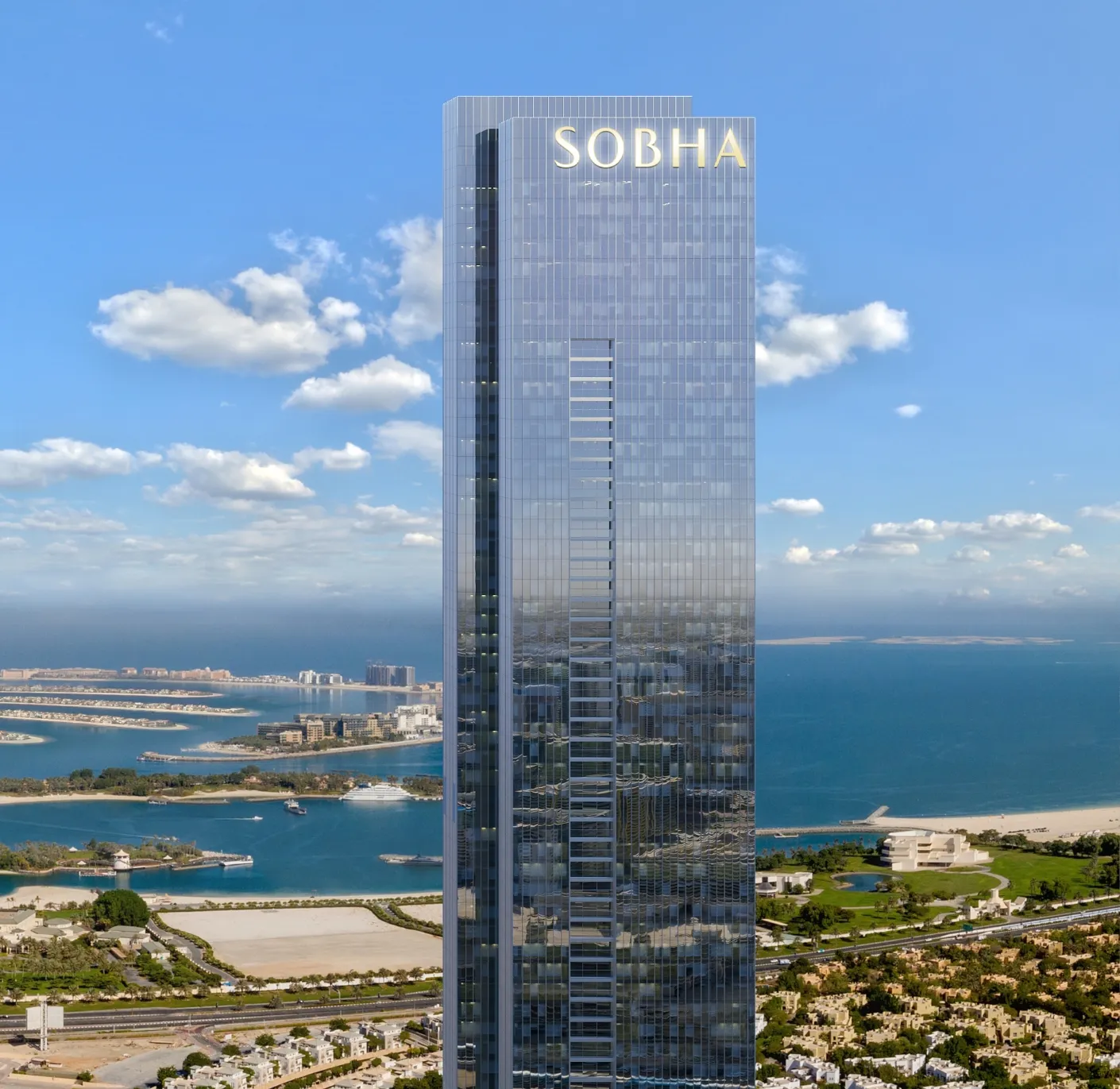
Sobha Realty’s approach is guided by “The Art of Detail” and its Backward Integration model, providing direct oversight across design, engineering, manufacturing, construction and finishing.
In a market with expanding supply, this level of oversight may help differentiate projects on design, construction, and finishing quality.
Abu Dhabi Real Estate Outlook to 2030
Abu Dhabi’s residential market appears positioned for continued expansion.
The projected 71,000 additional homes by 2030 may contribute to:
- Population growth
- International investment
- New communities
- Greater buyer choice
- More diversified housing
- Expanded investment zones
- A broader rental market
At the same time, increased supply may produce more competition.
Developers will need to differentiate through quality and planning.
Investors will need to assess demand carefully.
Buyers may gain more negotiating power and more opportunities to compare.
The market’s long-term performance will therefore depend not only on how many homes are delivered, but on how well those communities respond to residents’ needs.
Conclusion
The Abu Dhabi property market in 2026 is expanding in both scale and international relevance.
Approximately 71,000 additional homes are projected across the emirate by 2030, with deliveries expected to peak in 2028. Six districts are forecast to account for most of that growth, while off-plan property, international buyers and investment zones continue to shape demand.
For buyers, more supply means greater choice.
For investors, it means a wider range of opportunities alongside greater competition between projects and locations.
Property performance may increasingly depend on factors such as:
- Quality construction
- Strong locations
- Integrated masterplans
- Infrastructure
- Developer credibility
- Long-term resident demand
Supply numbers provide important context.
They do not determine the performance of every property.
As Abu Dhabi moves towards 2030, individual project performance will depend on how effectively new supply responds to location, quality, infrastructure, and resident needs.
Frequently Asked Questions
1. How many new homes are expected in Abu Dhabi by 2030?
ADREC projects approximately 71,000 additional residential units across the emirate by 2030.
2. When will Abu Dhabi housing deliveries peak?
Residential deliveries are projected to peak in 2028 at approximately 21,800 units.
3. Which areas will receive the newest housing?
Saadiyat Island, Reem Island, Yas Island, Zayed City, Khalifa City and Hudayriyat Island are expected to account for 77% of projected incremental supply through 2030.
4. How active is Abu Dhabi’s property market in 2026?
Total real estate transactions reached AED117 billion during H1 2026, while residential sales reached AED70.4 billion.
5. Does off-plan property dominate Abu Dhabi sales?
Yes. Off-plan transactions accounted for 89% of residential sales value and 82% of deal volume during H1 2026.
6. Will increase in supply reduce Abu Dhabi property prices?
More supply can increase competition, but the effect will vary by district, property type, quality, and demand. City-wide supply growth does not guarantee uniform price declines.
7. Are international buyers active in Abu Dhabi?
Yes. Resident expatriates and non-resident foreign buyers together accounted for 70% of residential sales value in H1 2026.
8. How many investment zones are there in Abu Dhabi?
Eight new investment zones were approved during H1 2026, bringing the total to 50.
9. What should buyers consider when choosing an Abu Dhabi property?
Buyers should consider location, ownership rights, developer reputation, community planning, future supply, infrastructure, service charges, and long-term demand.
Explore Sobha City Abu Dhabi and discover a nature-led, master-planned community shaped by craftsmanship, open spaces, connectivity and long-term quality. Speak with a Sobha Realty advisor to understand the residences and ownership opportunities that best support your lifestyle and investment goals.