Dubai’s tourism market and international resident base have made short-term rentals an attractive consideration for many property owners.
A furnished apartment or villa may appeal to business travelers, tourists, relocating professionals and families seeking temporary accommodation. Digital platforms such as Airbnb have also made it easier for owners to reach guests from around the world.
However, a property owner cannot simply upload a listing and begin accepting bookings.
In Dubai, an apartment or villa must be registered and approved by the Dubai Department of Economy and Tourism, or DET, before being listed as a holiday home. The permit requirement applies regardless of whether the property is marketed through Airbnb, another booking platform, an agent or the owner’s own channels.
This makes the holiday home permit in Dubai one of the first issues an owner should understand before considering short-term rental income.
The permit is only one part of the decision.
Owners should also review the Sales and Purchase Agreement, developer and community rules, operating costs, guest-management responsibilities, insurance, property condition and the long-term effect of short-term use on the home and surrounding community.
Can You Legally List a Property on Airbnb in Dubai?
Yes, a qualifying property can be offered for short-term stays in Dubai, but the unit must first be registered and approved as a holiday home through DET.
Dubai’s holiday-home framework applies to individuals and companies conducting the activity of leasing furnished residential property to guests for short stays. The relevant legislation requires operators to be licensed and the unit to meet DET’s conditions, classification standards and permit requirements.
This means the legal route is not an “Airbnb license” issued by the platform.
The relevant approval is a Dubai holiday home permit issued through DET’s Holiday Homes system.
A booking-platform account does not replace government registration.
What Is a Holiday Home in Dubai?
Under Dubai’s regulatory framework, a holiday home is a furnished residential property approved for short-term guest accommodation.
It may be operated by:
- The individual property owner
- A licensed professional holiday-home operator
- A property-management company holding the required activity and authorization
The property remains a residential unit, but its permitted use includes temporary guest stays under the holiday-home framework.
Holiday homes are classified by DET as either:
The classification affects the applicable Tourism Dirham charged to guests and reflects the unit’s approved category.
Who Can Register a Holiday Home?
DET allows both individual owners and professional operators to register holiday homes.
Individual Property Owners
An owner may register a holiday-home account where:
- The name on the account matches the name on the unit title deed
- The required owner identification is provided
- The unit is eligible for a permit
- The owner follows DET’s operational requirements
Current DET guidance and industry references indicate that individual homeowners may register a limited number of holiday-home units, with an eight-unit limit commonly referenced for individual owners. Owners planning a larger portfolio should confirm the current limit directly with DET.
Professional Holiday-Home Operators
A professional operator must hold a valid commercial license that includes the activity of Vacation Homes Rental.
The operator must also maintain current license information and submit the required property-management documentation for each managed unit.
A professional operator may be suitable where an owner wants support with:
- Pricing
- Guest communication
- Check-in and check-out
- Housekeeping
- Maintenance
- Tourism Dirham administration
- Listing management
- Regulatory compliance
The owner should review the management agreement carefully, including fees, responsibilities, cancellation terms and control over pricing and availability.
Step 1: Register as a Holiday-Home Operator
Before adding an apartment or villa, the owner or professional operator must register through DET’s Holiday Homes portal.
DET’s current service process includes:
- Creating an account
- Completing the online application
- Uploading the required documents
- Submitting the application
- Paying the applicable registration charge
For individual owners, the required registration document includes the property owner’s Emirates ID. Professional operators must provide their commercial license. DET’s published materials list an AED1,500 registration charge plus the applicable Knowledge and Innovation fees. Applicants should confirm the total payable amount in the live Holiday Homes portal before submission.
DET states that the registration service is generally completed within one business day, subject to a complete and compliant application.
Step 2: Apply for a Permit for the Individual Property
Registering the operator does not automatically approve every apartment or villa.
Each unit must be added to the Holiday Homes portal and separately approved before it is listed.
DET’s current process includes:
- Logging in to the Holiday Homes portal
- Adding the unit
- Uploading the supporting documents
- Reviewing and submitting the application
- Self-classifying the property after approval
- Paying the unit-permit fee
DET states that applications are reviewed within one business day where the required information is complete. The permit must be displayed inside the approved unit.
What Documents Are Required?
The exact documents depend on whether the applicant is an individual owner or a professional operator.
DET currently lists documents including:
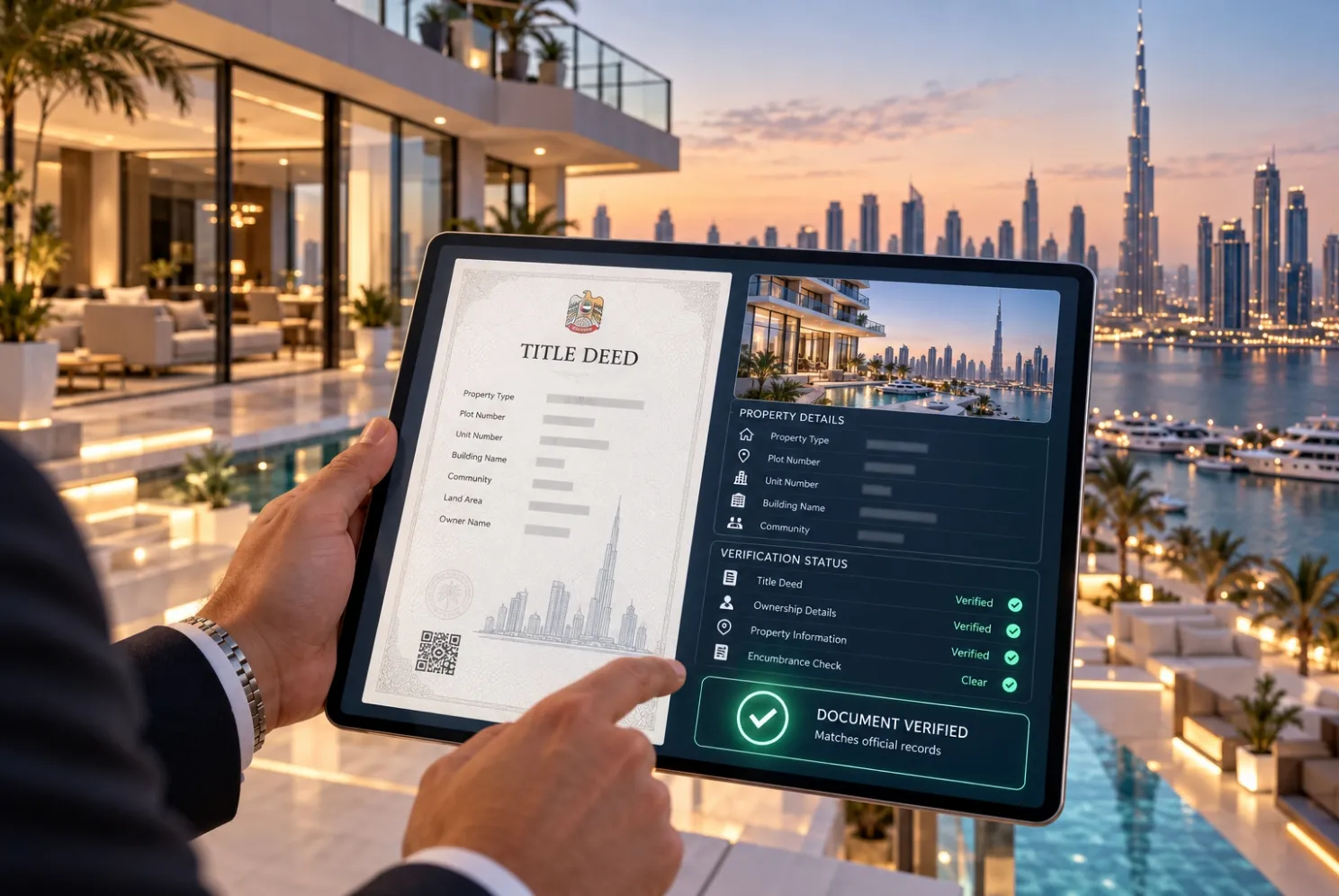
- Title deed
- Signed passport copy or Emirates ID of the landlord
- Commercial license where the landlord is a company
- Emirates ID or passport of the authorized signatory
- Property Management Letter in the required format
- Current DEWA bill
- Developer No Objection Certificate where applicable
- Power of Attorney where a representative signs the management letter
Where the title deed covers an entire building rather than an individual unit, DET may request additional documents, including the building completion certificate and a landlord NOC identifying the managed units and their individual DEWA details.
Document requirements can change or vary by property, so applicants should review the current DET portal instructions before submitting.
Can Every Apartment or Villa Become a Holiday Home?
No.
Owning a property does not automatically mean it is eligible for short-term holiday home use.
DET’s current guidance highlights several important limitations.
The SPA Must Permit Holiday-Home Operation
If the property’s Sales and Purchase Agreement does not allow holiday-home operation, the owner will not be eligible for a permit.
This makes the SPA one of the first documents an owner should review.
Developer or Community Approval May Be Required
DET may require a developer NOC where applicable. Owners should also check building, community and owners’ association rules before proceeding.
Hotel and Hotel-Apartment Buildings Are Excluded
DET’s renewal requirements state that holiday homes are not permitted within hotel and hotel apartment buildings.
The Property Must Meet DET Requirements
The unit must be furnished, classified, and approved in line with DET standards.
An owner should therefore confirm eligibility before purchasing furniture, signing a management contract or advertising the property.
How Much Does a Holiday Home Permit Cost in Dubai?
There are different costs within the holiday-home process.
Operator Registration
DET currently lists the Holiday Homes operator-registration cost as:
- AED1,500 registration charge
- AED10 Knowledge Fee
- AED10 Innovation Fee
- Total: AED1,520
Annual Unit-Permit Fee
DET’s current Holiday Homes System User Guide indicates that the fee for a studio or one-bedroom unit is AED370. Each additional bedroom adds an AED 300. Applicants should confirm the applicable fee and maximum payable amount through the current DET portal, as published DET materials may present the cap differently.
Permit Cancellation
If the property stops operating as a holiday home, the permit must be cancelled through the portal.
DET currently lists the cancellation charge as:
- AED50 cancellation fee
- AED10 Knowledge Fee
- AED10 Innovation Fee
- Total: AED70
These figures should be verified at the time of application because government service charges can change.
How Long Is the Holiday Home Permit Valid?
A Dubai holiday-home permit is issued for one year and must be renewed before expiry if the owner or operator wishes to continue offering short-term accommodation.
Renewal is not automatic.
DET states that applications are assessed case by case to reflect current policies and regulations. Updated permits must be displayed inside the unit.
Owners should monitor the expiry date and prepare renewal documents in advance.
Failure to renew may require the unit to be removed from listings until a valid permit is restored.
What Is Tourism Dirham?
Tourism Dirham is a guest charge applicable to accommodation in Dubai, including approved holiday homes.
DET’s current rate structure is:
- AED15 per room per night for a Deluxe Holiday Home
- AED10 per room per night for a Standard Holiday Home
The charge applies per room per night regardless of the number of guests. For stays exceeding 30 consecutive nights, DET states that Tourism Dirham is calculated only for the first 30 consecutive nights from check-in.
The licensee is responsible for reporting and remitting the applicable Tourism Dirham through the required system.
DET requires Tourism Dirham reporting and payment requirements to be completed within the applicable monthly deadline, currently by the 15th of the following month, after which late charges may apply.
Owners using a professional operator should confirm whether the operator collects, reports, and pays Tourism Dirham on their behalf.
Standard vs Deluxe Holiday Homes
DET classifies holiday homes into Standard and Deluxe categories.
The property is self-classified through the Holiday Homes portal after approval, subject to DET’s requirements and inspection powers. Dubai’s implementing framework allows the authority to inspect units and upgrade or downgrade their classification based on compliance and applicable criteria.
The classification can affect:
- Tourism Dirham
- Market positioning
- Operational standards
- Furnishing and amenity expectations
- How the property may be described and marketed
Owners should not describe a property as Deluxe unless it meets the relevant classification requirements.
Owner-Managed vs Professionally Managed Holiday Homes
Property owners have two broad operating options.
Owner-Managed
An owner who directly manages the unit may retain greater control over:
- Pricing
- Availability
- Guest selection
- Furnishing
- House rules
- Operating costs
However, the owner also takes responsibility for:
- Listings
- Guest communication
- Check-in and check-out
- Cleaning
- Maintenance
- Tourism Dirham
- Compliance
- Complaint handling
- Emergency support
DET limits individual homeowners to eight registered holiday home units.
Professional Operator
A licensed operator can manage the property on the owner’s behalf.
This may provide:
- Established booking systems
- Professional photography and listings
- Dynamic pricing
- Guest services
- Cleaning coordination
- Maintenance support
- Compliance administration
- Reporting
The owner should compare management fees against the operational value provided.
A higher gross nightly rate does not automatically mean stronger net income after management; cleaning, utilities, platform commissions, maintenance, permit costs and vacancy are deducted.
Holiday Home vs Long-Term Rental
Short-term and long-term rentals serve different owner objectives.
Holiday Home
Potential characteristics include:
- Nightly or weekly pricing
- Greater seasonal variation
- More active management
- Furnishing requirements
- Guest turnover
- Tourism Dirham
- Permit and classification obligations
- Potentially higher operating expenses
Long-Term Tenancy
Potential characteristics include:
- Annual tenancy agreement
- Ejari registration
- More predictable occupancy
- Lower guest turnover
- Less frequent cleaning and check-in activity
- Different legal and operational framework
Neither model is universally better.
The appropriate approach depends on:
- Location
- Property type
- Community rules
- Tourism demand
- Long-term tenant demand
- Operating costs
- Owner involvement
- Management quality
- Financial objectives
Owners should compare net income, not only advertised nightly or annual rates.
Costs Owners Should Include in Their Financial Model
Short-term rental income should be assessed after deducting all relevant expenses.
These may include:
- DET operator registration
- Annual unit permit
- Tourism Dirham administration
- Platform commission
- Property-management fee
- Cleaning
- Laundry and linen
- Utilities
- Internet
- Consumables
- Maintenance
- Insurance
- Service charges
- Furniture replacement
- Guest damage
- Vacancy
- Marketing and photography
- Payment-processing costs
An owner should also allow for seasonal fluctuations.
High occupancy during peak tourism periods may be balanced by softer demand at other times.
The correct calculation is not:
Nightly rate × 365
It is:
Actual collected revenue − applicable operating and ownership costs
What Owners Should Check in the SPA and Community Rules
Before applying for a permit, review:
- Whether holiday-home activity is permitted
- Whether a developer NOC is required
- Whether building rules restrict guest stays
- Access-card and visitor procedures
- Move-in and luggage rules
- Parking arrangements
- Noise and occupancy restrictions
- Pool, gym and amenity access
- Guest registration requirements
- Security procedures
- Cleaning and waste rules
- Signage restrictions
DET expressly states that a unit is not eligible where its SPA does not allow holiday-home operation.
A government permit does not remove the need to comply with valid property and community requirements.
Guest Experience and Community Quality
The performance and guest experience of a holiday home depend on more than the property interior.
Guests also experience:
- Arrival and access
- Security
- Lobby and common areas
- Parking
- Lifts
- Amenities
- Cleanliness
- Noise
- Maintenance response
- Surrounding retail and dining
- Transport connectivity
Poor guest management can also affect permanent residents.
Frequent arrivals, noise, access issues, or misuse of facilities may create tension within a residential community.
Responsible operation should therefore balance income objectives with:
- Guest care
- Neighbor consideration
- Building security
- Community rules
- Property protection
- Long-term asset quality
Common Compliance Mistakes to Avoid
Property owners should avoid:
- Listing before receiving DET approval
- Assuming Airbnb registration replaces a DET permit
- Ignoring SPA restrictions
- Operating under an expired permit
- Failing to display the permit in the unit
- Using an unlicensed professional operator
- Failing to report or pay Tourism Dirham
- Providing inaccurate property classification
- Not updating ownership or DEWA details
- Continuing to list after deciding to stop operating
- Ignoring developer or community requirements
- Failing to keep accurate guest and operational records
Dubai’s holiday-home legislation allows penalties for non-compliance, including fines under the applicable regulatory framework.
What Happens If You Stop Operating the Property?
If the unit is no longer offered as a holiday home, the permit should be cancelled through the Holiday Homes portal.
DET requires:
- No guests to be checked in at the time of cancellation
- The original permit applicant to submit the cancellation
- The cancellation to be completed through the portal
The cancellation takes effect immediately after the process is completed and cannot be reversed through the same action.
If the owner later wishes to resume holiday-home activity, a new application may be required.
A Holiday Home Permit Checklist
Before listing a Dubai property on Airbnb or another platform, confirm:
Ownership and Eligibility
- The property is an apartment or villa eligible for holiday-home use
- The owner's name matches the title deed
- The SPA permits holiday-home operation
- Any required developer NOC is available
- The property is not within a hotel or hotel-apartment building
Registration
- The owner or operator is registered with DET
- A professional operator holds the correct commercial activity
- The current registration charge has been confirmed
Unit Permit
- The unit has been added through the Holiday Homes portal
- Required documents have been submitted
- The unit has been approved
- Classification is correct
- The permit fee has been paid
- The permit is displayed inside the property
Operations
- Guest check-in and check-out procedures are established
- Cleaning and maintenance are arranged
- Tourism Dirham is collected and reported
- Insurance is reviewed
- Community rules are followed
- Emergency support is available
Financial Planning
- Platform and management fees are included
- Utilities and cleaning are included
- Service charges and maintenance are included
- Vacancy and seasonality are considered
- Net return is calculated realistically
Why the Underlying Property Still Matters
A holiday-home permit creates the legal ability to operate the unit.
It does not create guest demand by itself.
Property performance can also be influenced by:
- Location
- Connectivity
- Property condition
- Interior quality
- Building management
- Community amenities
- View
- Layout
- Guest experience
- Market supply
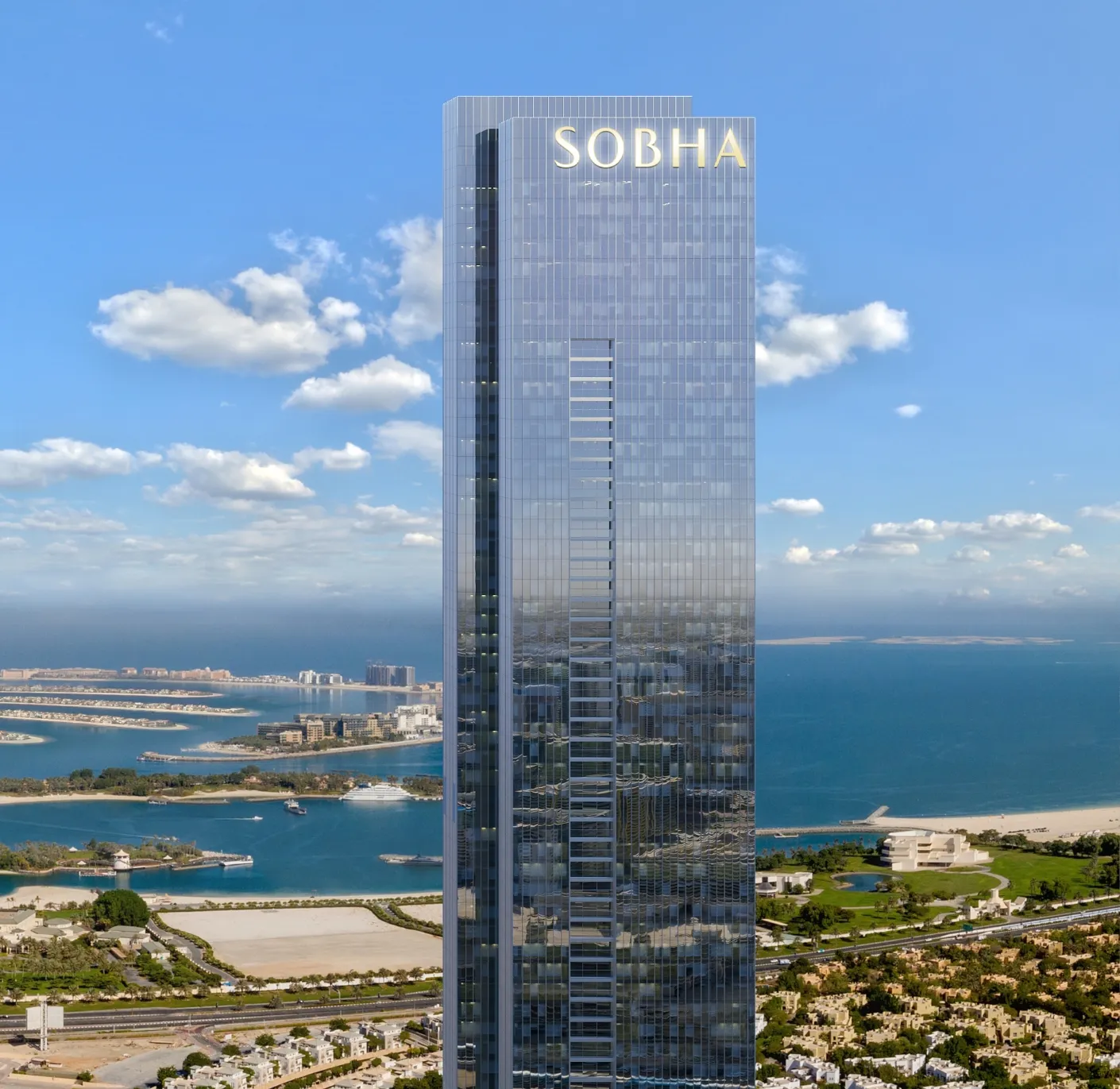
For Sobha Realty, the wider ownership experience is shaped by “The Art of Detail” and its Backward Integration model, supporting direct oversight across design, engineering, manufacturing, construction and finishing.
Where holiday-home activity is permitted, owners should still prioritize the fundamentals of the property.
Technology and booking platforms can generate visibility.
Property quality can play an important role in the guest experience.
Conclusion
So, can you list your property on Airbnb in Dubai?
Yes, provided the property is eligible, and the owner or professional operator completes the required DET registration and obtains a valid holiday-home permit before listing it.
The current process requires:
- Operator registration
- Unit-level approval
- Supporting ownership and DEWA documents
- Property classification
- Annual permit renewal
- Tourism Dirham administration
- Compliance with SPA, developer and community requirements
Individual owners and professional operators must follow DET’s applicable registration and unit-permit requirements. Current DET guidance indicates that unit-permit fees vary by bedroom count, with a studio or one-bedroom unit currently shown at AED370 and additional bedrooms charged separately. Registration and permit fees should be confirmed through the live DET Holiday Homes system before applying.
The permit is valid for one year and must be renewed before expiry. Standard and Deluxe properties also carry different Tourism Dirham rates.
However, regulatory approval is only one part of the investment decision.
Owners should also consider:
- Net operating income
- Seasonal demand
- Management costs
- Community rules
- Guest experience
- Property condition
- Long-term asset quality
A well-planned short-term rental approach should combine legal compliance, realistic financial planning, appropriate property management, and a property capable of supporting a consistent guest experience.
Frequently Asked Questions
1. Do I need a license to list a property on Airbnb in Dubai?
You need to register as an owner or professional holiday-home operator and obtain DET approval and a valid permit for the individual unit before listing it.
2. Can an individual owner operate an Airbnb property in Dubai?
Yes. Individual owners can register through the DET Holiday Homes system, provided the account name matches the title deed, and the property qualifies. DET currently limits individual homeowners to eight units.
3. How much does a Dubai holiday home permit cost?
DET’s current Holiday Homes System User Guide indicates AED370 for a studio or one-bedroom unit, with AED300 added for each additional bedroom. Applicants should confirm the latest fee and applicable cap through the DET portal before applying. Fees should be verified when applying.
4. How long is a holiday home permit valid?
The permit is valid for one year and must be renewed before expiry to continue operating.
5. Can every apartment be used as an Airbnb in Dubai?
No. The property must be approved by DET, and the SPA and any applicable developer or community rules must permit holiday-home use.
6. Are holiday homes allowed in hotel apartment buildings?
DET’s current service requirements state that holiday homes are not permitted within hotel and hotel apartment buildings.
7. What is Tourism Dirham for holiday homes?
Tourism Dirham is charged per room per night. DET currently lists AED15 for Deluxe holiday homes and AED10 for Standard holiday homes. For stays exceeding 30 consecutive nights, it applies to the first 30 nights.
8. Do I need a developer NOC?
A developer NOC may be required where applicable. Owners should check the current DET documentation requirements and their property rules.
9. Can I hire a company to manage the property?
Yes. The company must hold the correct commercial activity for Vacation Homes Rental and comply with DET’s operator requirements.
10. What should I do if I stop using the property as a holiday home?
The original permit applicant should cancel the permit through the Holiday Homes portal after ensuring no guests are checked in.
Explore Sobha Realty’s thoughtfully designed communities across Dubai and discover homes shaped by exceptional craftsmanship, considered planning and enduring quality. Before operating any property as a holiday home, confirm its eligibility, contractual conditions and current DET requirements through the relevant official channels.