Abu Dhabi’s rental market entered a significant new phase on 3 June 2026, when the Government of Abu Dhabi temporarily reduced the permitted annual rent increase from 5% to 0% across residential, commercial, and industrial properties.
The measure applies to tenancy contract renewals throughout the emirate and is intended to remain in place for a temporary period until further notice. Abu Dhabi Real Estate Centre, or ADREC, has stated that renewals are to be processed without an increase in the duration of the measure.
For tenants, the announcement creates greater predictability when planning future housing costs.
For landlords, it changes how renewal income should be assessed during the temporary period.
For property investors, it reinforces the importance of evaluating net returns, tenant demand, occupancy, community quality, and long-term market fundamentals rather than relying only on annual rent escalation.
Because the policy is temporary, anyone entering into or renewing a tenancy agreement should verify the latest position through official ADREC channels before making a legal or financial decision.
What Changed Abu Dhabi’s Rental Rules?
Before the temporary measure, the permitted annual rental increase referenced by ADREC was 5%.
The Government of Abu Dhabi changed that percentage to 0% per year for a temporary period, meaning qualifying tenancy renewals across residential, commercial, and industrial properties are to be processed without an annual increase while the measure remains active.
In practical terms, the announcement introduced three important changes:
- The annual increase percentage was temporarily reduced from 5% to 0%.
- The measure applies across the emirate, not only within selected residential districts.
- ADREC stated that lease renewals and new agreements should reference the rental rate in the property’s last registered Tawtheeq contract.
The measure was described as temporary and valid until further notice. This means it should not be treated as a permanent change to Abu Dhabi’s rental framework.
What Does a 0% Annual Rent Increase Mean?
A 0% rent increase cap means that the rent payable under a qualifying tenancy renewal should not be increased during the period in which the temporary measure is in force.
For example, where a tenant is renewing an existing registered tenancy contract, the renewal rent should remain aligned with the applicable registered rental rate rather than being increased by the previously permitted percentage.
The policy does not mean that rent has been reduced.
It means that the permitted increase at renewal has temporarily been set to zero.
This distinction is important because the measure is designed to provide continuity and predictability rather than to reset rents across the market.
Which Properties Are Covered?
ADREC’s announcement states that the temporary measure applies across:
- Residential properties
- Commercial properties
- Industrial properties
It also applies across the Emirate of Abu Dhabi rather than being limited to selected investment zones or residential areas.
This broad scope makes the policy relevant not only to individual tenants and landlords, but also to businesses, commercial occupiers, and investors holding income-generating property.
How Tawtheeq Supports the Temporary Rent Cap
The official announcement gives the last registered Tawtheeq contract an important role in implementing the measure.
ADREC stated that all lease renewals and new agreements should reference the rental rate from the property’s last registered Tawtheeq contract.
This helps create a clear registered reference point for determining the applicable rent.
For tenants and landlords, this makes it important to ensure that tenancy information is properly registered, and that the most recent contract details are accurate.
Before renewing or entering into an agreement, parties should check:
- The property’s last registered tenancy amount
- The contract number and registration details
- The renewal date
- Whether the proposed rent matches the applicable registered reference
- Whether the latest ADREC guidance has changed
ADREC also provides a document-verification service through which tenancy contracts can be checked using the relevant contract number.
How Does the Rule Affect New Tenancy Agreements?
ADREC’s announcement states that both lease renewals and new agreements will reference the rental rate from the property’s last registered Tawtheeq contract.
This is particularly relevant when a property has an existing registered rental history.
However, the public announcement does not explain every possible scenario, including how a property with no previous registered tenancy should be treated.
Where there is no prior registered Tawtheeq contract, or where the circumstances are unusual, the parties should verify the applicable position directly with ADREC or obtain appropriate professional advice rather than making assumptions.
This is especially important for:
- Newly completed properties
- Units entering the rental market for the first time
- Properties that have been vacant for an extended period
- Agreements involving a material change in property use or configuration
Why Did Abu Dhabi Introduce the Temporary Measure?
ADREC said the measure was introduced in response to sustained demand, record occupancy, and significant growth in new lease prices.
According to the official announcement, new lease prices had increased by approximately 15% across Abu Dhabi and 23% in investment zones compared with the previous year. ADREC linked the temporary measure to housing continuity, cost-of-living predictability, community attachment, and economic resilience.
The wider market context also remains strong.
In the first half of 2026, Abu Dhabi recorded AED117 billion in total real estate transactions, representing an 112% year-on-year increase in value. Foreign direct investment reached AED13.8 billion, while investors from 116 nationalities participated in the market.
The rent cap therefore forms part of a broader effort to balance rapid market growth with stability for residents, businesses, landlords, and investors.
What Is the Abu Dhabi Rental Index?
The Abu Dhabi Rental Index is a market-transparency tool introduced by ADREC to provide indicative quarterly rental values for residential properties across areas of Abu Dhabi.
The platform was created to help tenants, landlords, local residents, and overseas investors better understand the rental market using accessible and reliable data.
The index can support users by providing:
- Indicative rental values
- Area-level market context
- Greater transparency
- A reference point for rental research
- More informed discussions between tenants and landlords
However, the Rental Index and the temporary 0% increase measure serve different purposes.
The index provides indicative market information.
The temporary cap determines the permitted increase during the relevant renewal period while the measure remains active.
A market index showing higher prevailing rents does not automatically override the temporary renewal restriction.
What the 0% Cap Means for Tenants
For tenants, the immediate benefit is greater predictability.
Households and businesses renewing qualifying tenancy agreements can plan their budgets without factoring in an annual rent increase during the period in which the measure remains in force.
Tenants should still review renewal documents carefully.
Key points to check include:
- Whether the renewal rent matches the applicable registered Tawtheeq amount
- Whether any additional charges have been introduced
- Whether the property and contract details are accurate
- Whether all agreed terms are clearly documented
- Whether the latest official rental guidance remains unchanged
Tenants who believe the temporary directive is not being observed are encouraged by ADREC to contact the center through its official channels.
What the Temporary Cap Means for Landlords
For landlords, the measure places greater emphasis on stable occupancy and long-term asset performance.
During the temporary 0% period, investment returns cannot be assessed on the assumption that rent can automatically be increased at renewal.
Instead, landlords may need to focus more closely on:
- Tenant retention
- Occupancy
- Property quality
- Maintenance
- Community management
- Operating expenses
- Net rental income
- Long-term asset performance
A property that attracts reliable tenants and supports longer occupancy periods may maintain more stable rental performance even without a renewal increase.
The policy also reinforces the importance of accurate Tawtheeq registration and clear documentation.
Landlords should ensure that tenancy records, renewal terms, and communications are properly maintained and aligned with current official guidance.
What It Means for Abu Dhabi Property Investors
For investors evaluating an Abu Dhabi rental property, the temporary cap should be considered as part of the financial model.
It does not eliminate rental income.
It changes the assumptions that should be used when forecasting renewal growth during the period in which the measure applies.
Investors should therefore assess:
- Current contracted rent
- Expected occupancy
- Tenant profile
- Property management costs
- Service and community charges
- Maintenance and insurance
- Financing costs
- Net rental yield
- Potential resale performance and market value over time
- Community and developer quality
Investment decisions should consider multiple factors rather than relying on annual rent increases alone.
Property performance may be supported by stable occupancy, limited vacancy, tenant demand, efficient operating costs, and broader market conditions.
Why Tenant Retention Matters More Under a 0% Cap
In a market where renewal rents cannot temporarily increase, tenant retention becomes even more relevant.
Replacing a tenant can involve:
- Vacancy periods
- Marketing costs
- Brokerage fees
- Repainting or repair work
- Administrative time
- Uncertainty around the next tenant
A stable tenant who renews consistently may reduce vacancy and turnover-related costs, which can support net rental income, even where the nominal rent remains unchanged.
This makes the overall residential experience more important.
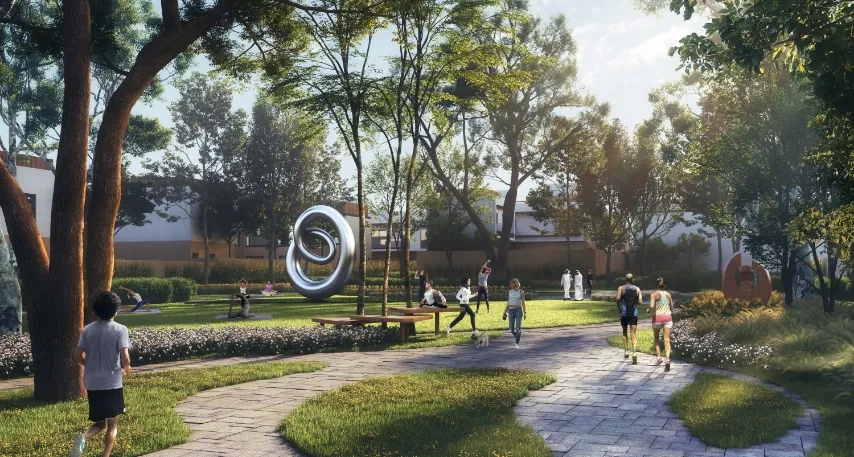
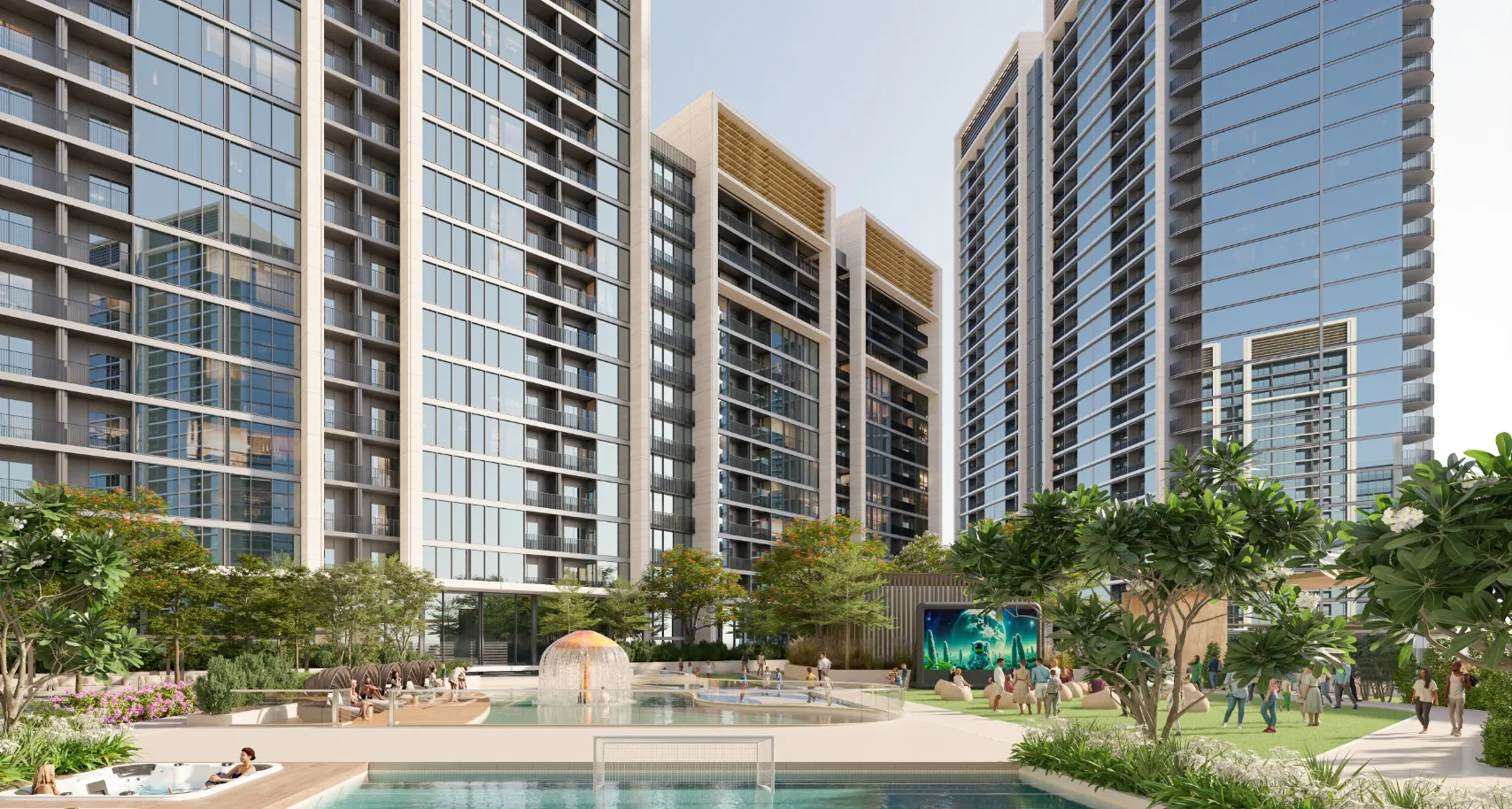
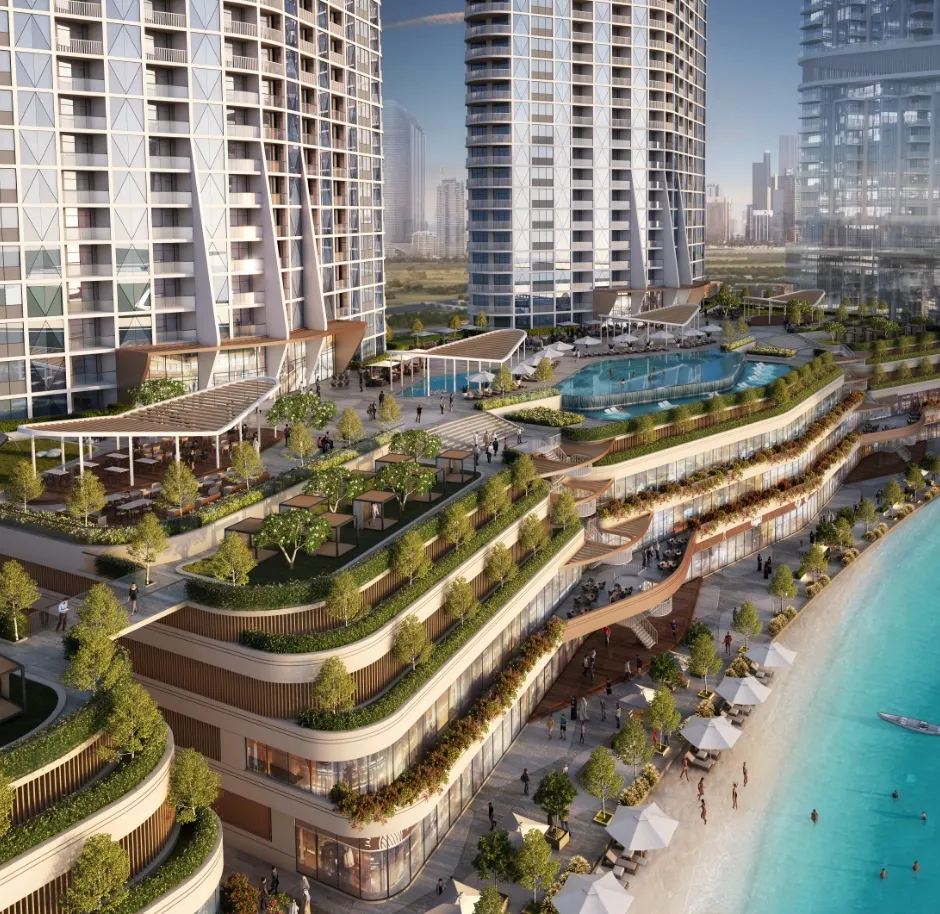
Properties within well-maintained communities offering connectivity, amenities, green space, security, and responsive management may be better positioned to retain tenants over time.
New Lease Growth Versus Renewal Stability
The official announcement highlighted significant growth in new lease prices before the temporary measure was introduced.
This distinction between new lease pricing and renewal stability is important.
A rapidly rising market can create a gap between:
- The rent paid by an existing tenant
- The indicative market rent for a similar property
- The price requested for a newly marketed property
The temporary framework seeks to manage this transition by anchoring relevant agreements to the last registered Tawtheeq contract.
For investors, this means a property’s rental history becomes especially important when conducting due diligence.
Before purchasing a tenanted unit, an investor should understand:
- The current registered rent
- The expiry date of the tenancy
- The tenant’s payment history
- The applicable renewal conditions
- The difference between current rent and indicative market values
- The latest ADREC guidance
Does the Rent Cap Change Abu Dhabi’s Investment Case?
A temporary restriction on annual increases does not by itself determine whether Abu Dhabi remains an attractive real estate market.
The wider investment case continues to be influenced by:
- Economic growth
- Population and employment
- Residential supply
- Foreign investment
- Infrastructure
- Community development
- Ownership regulations
- Rental demand
- Asset quality
- Broader market conditions and investor sentiment
Abu Dhabi’s property market recorded significant growth during the first half of 2026, with AED117 billion in transactions and AED75 billion invested in designated investment zones. Eight new investment zones were approved during the period, bringing the total across Abu Dhabi to 50.
The temporary rent measure should therefore be viewed as one regulatory factor within a much broader investment environment.
Why Community and Property Quality Still Matter
Rental policy can influence income assumptions, but tenant demand is also shaped by the quality of the home and community.
Residents increasingly consider:
- Construction quality
- Layout and natural light
- Maintenance
- Green spaces
- Schools and healthcare
- Retail and dining
- Mobility and connectivity
- Wellness and recreation
- Security
- Community management
A well-designed property within a thoughtfully planned community may support tenant demand and retention, which can contribute to more stable occupancy.
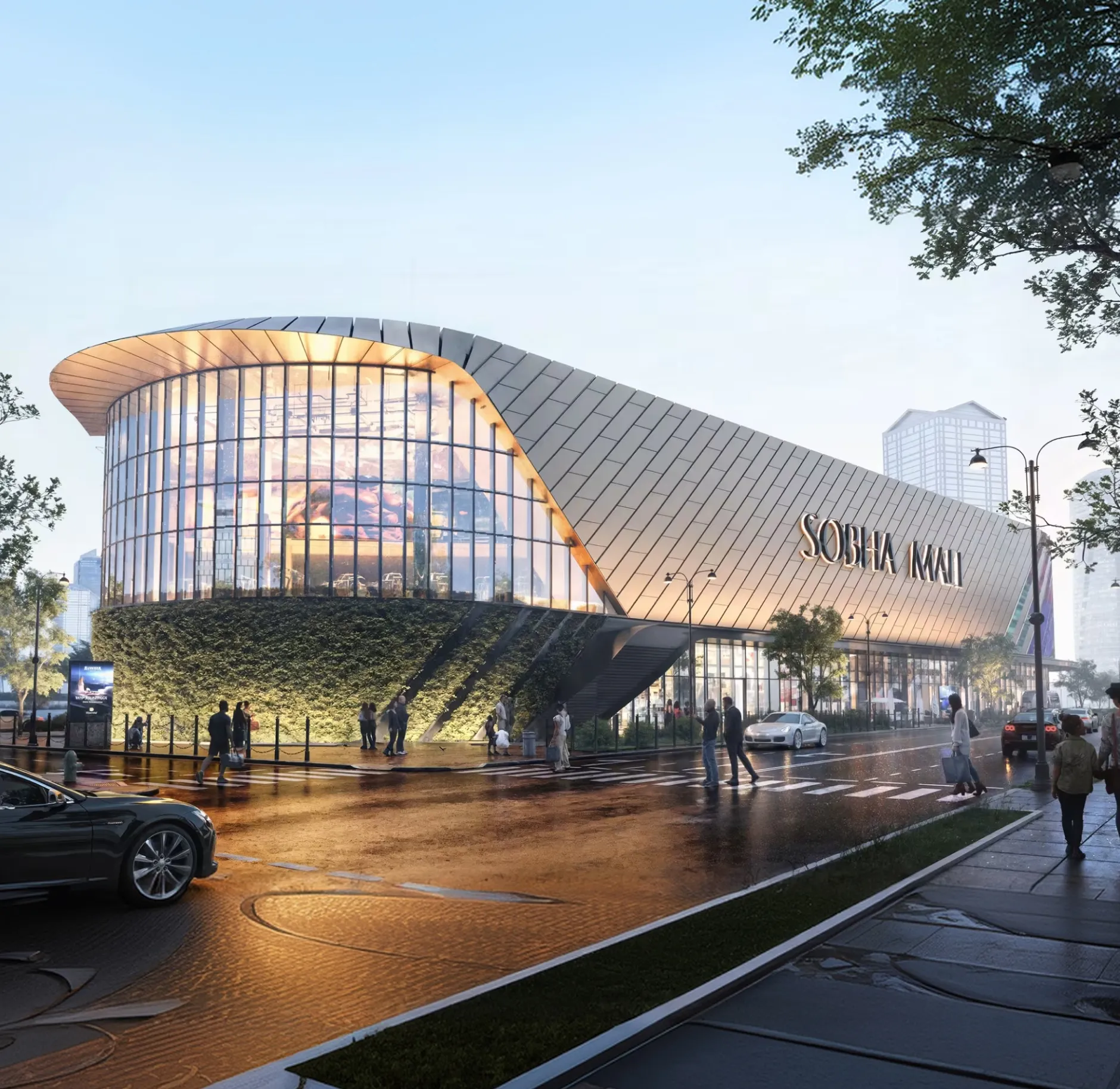
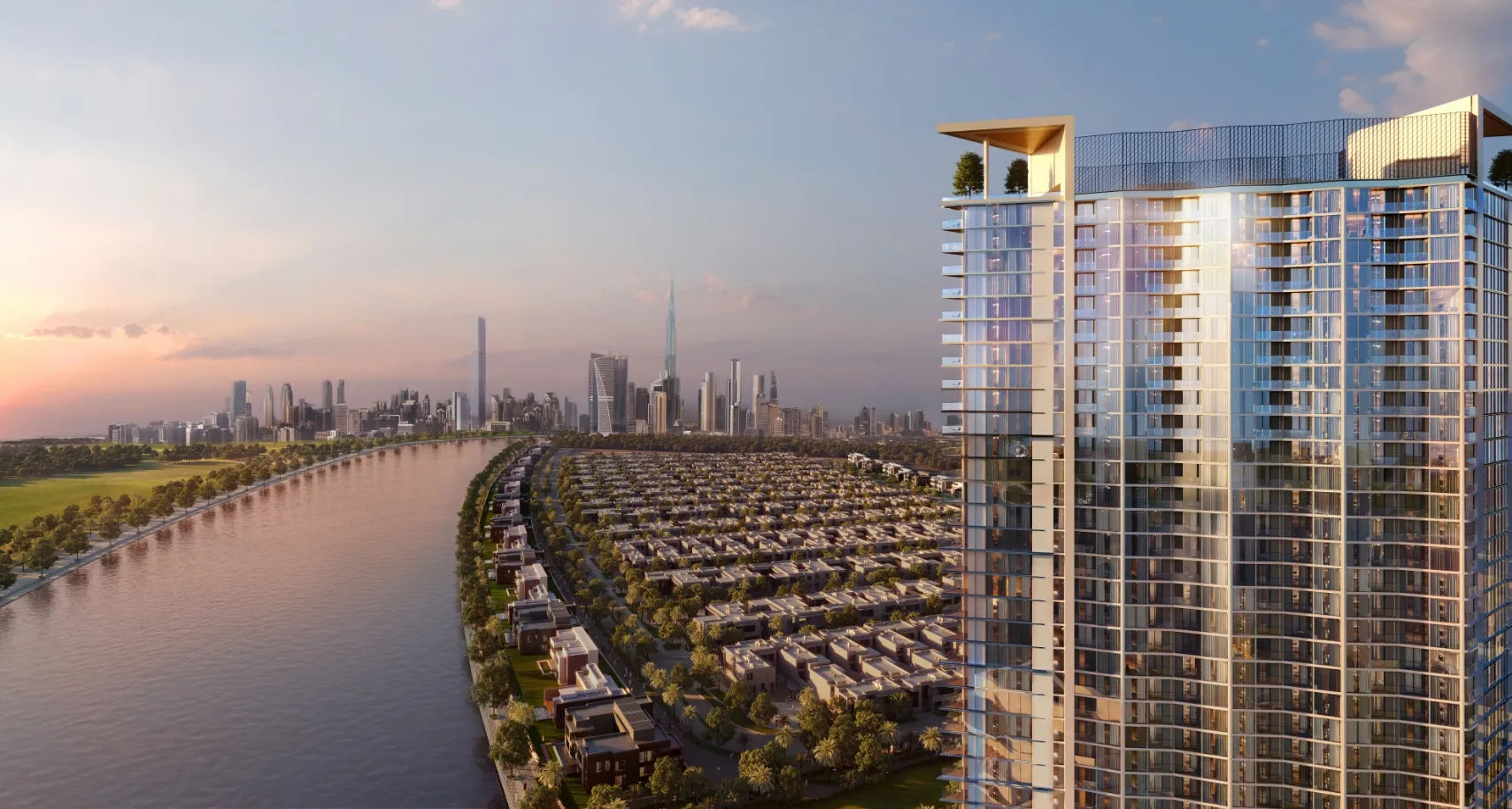
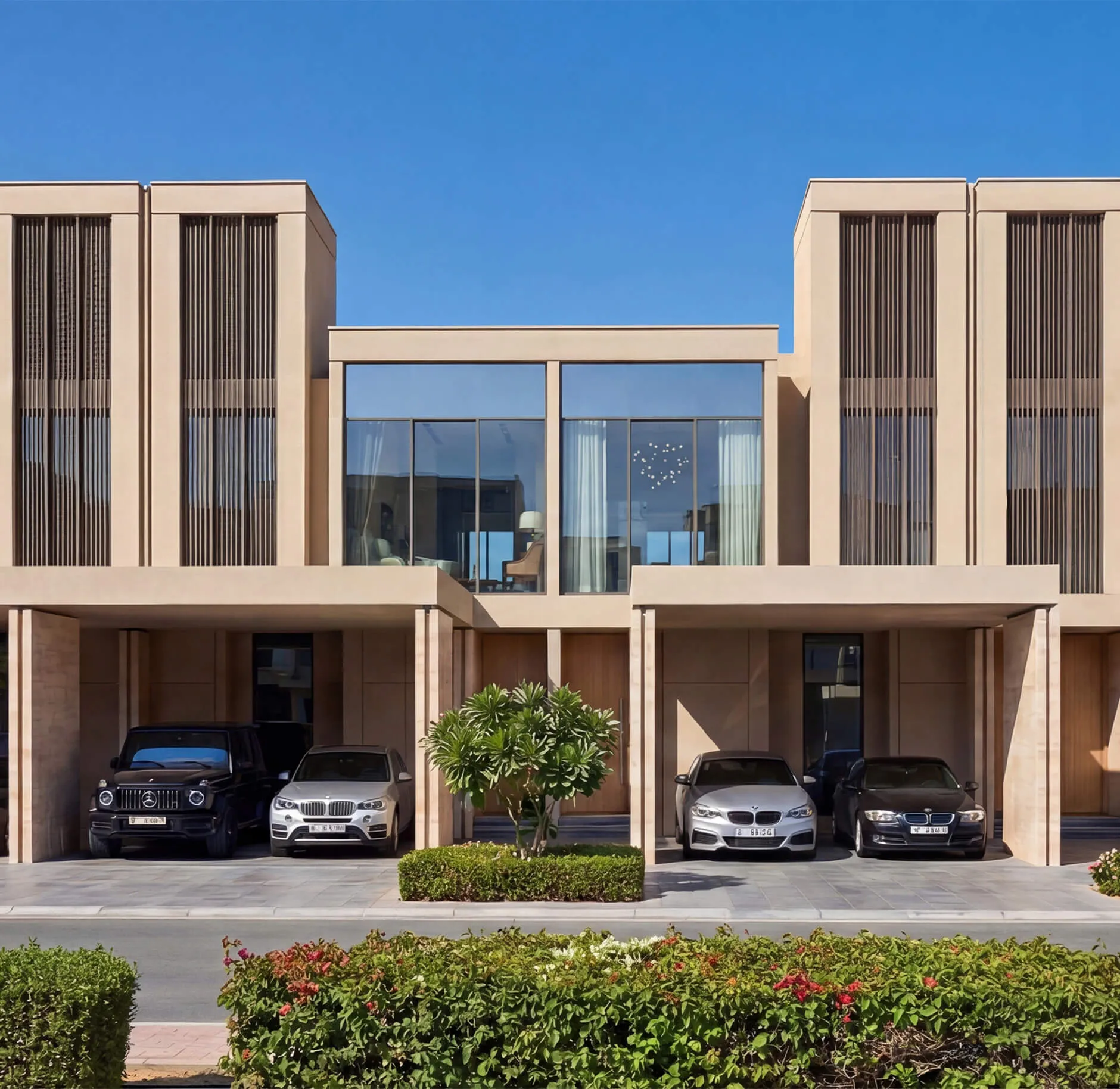
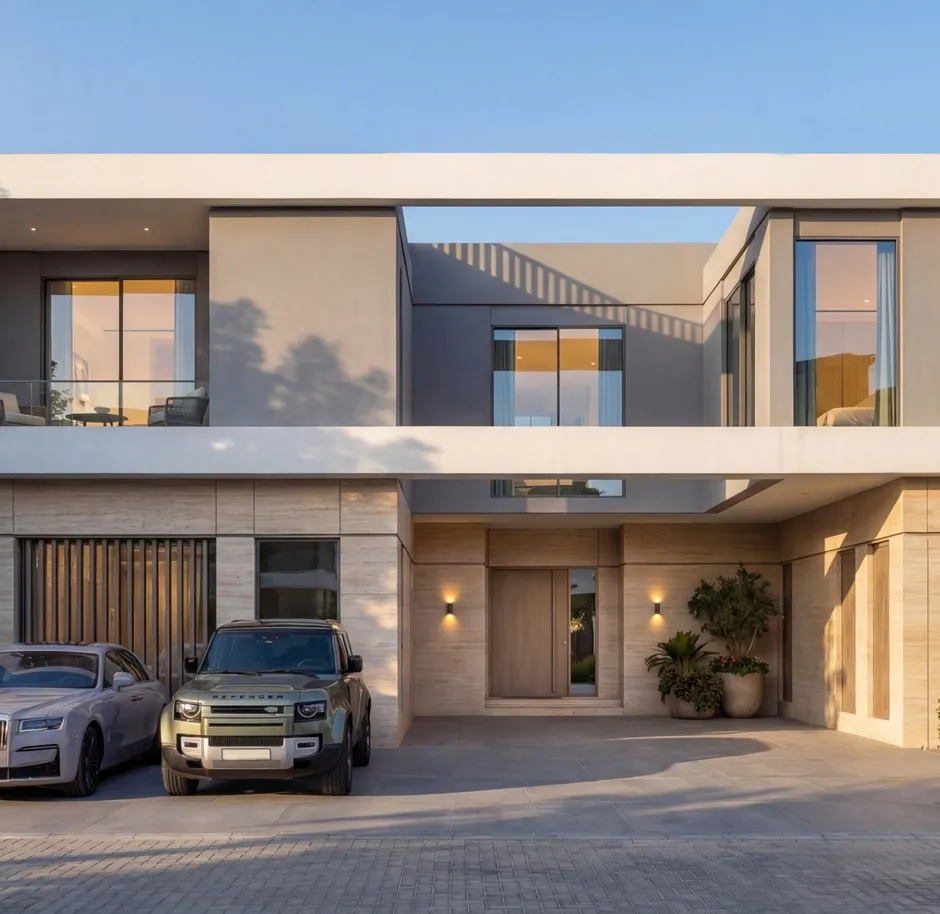
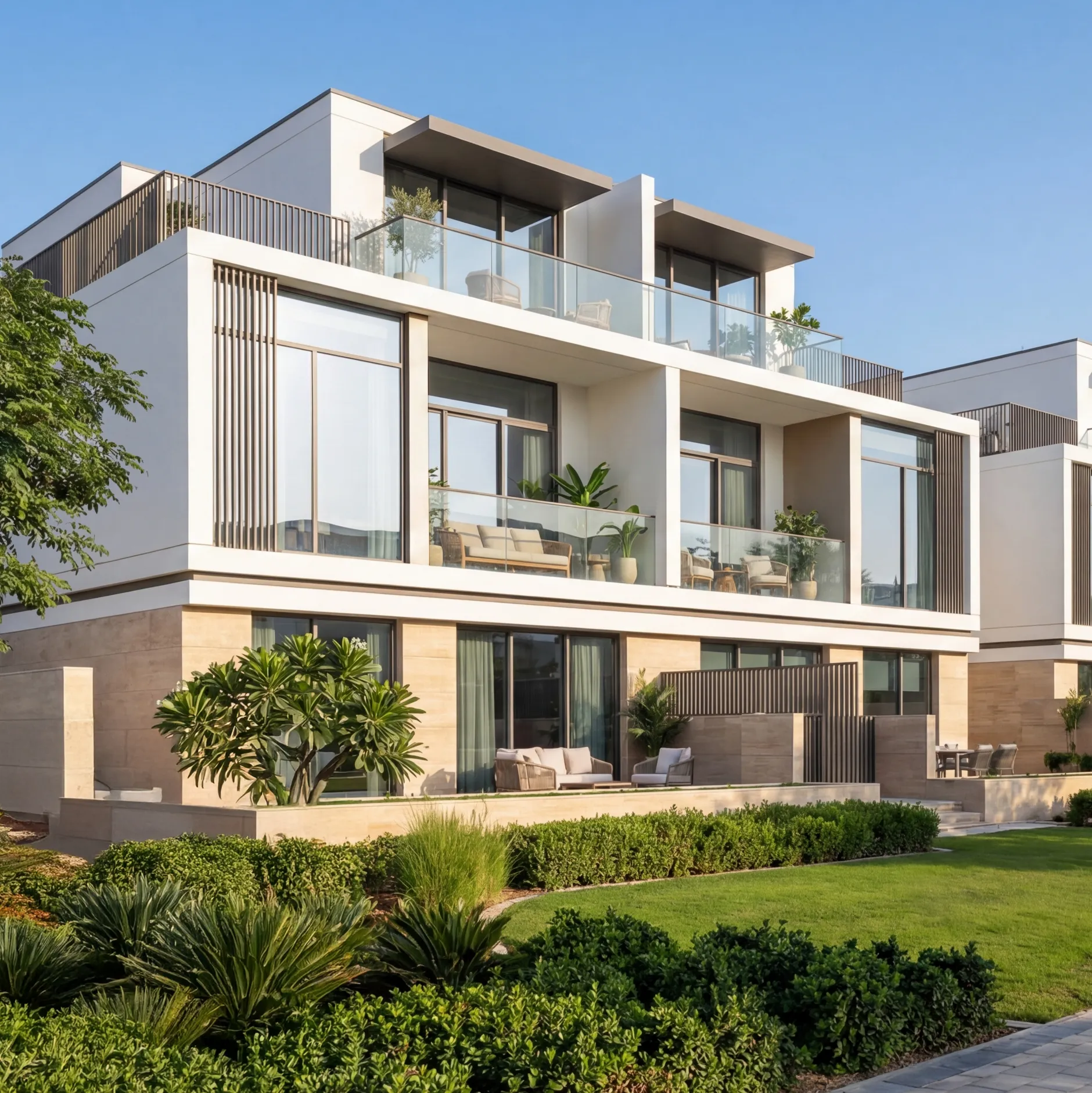
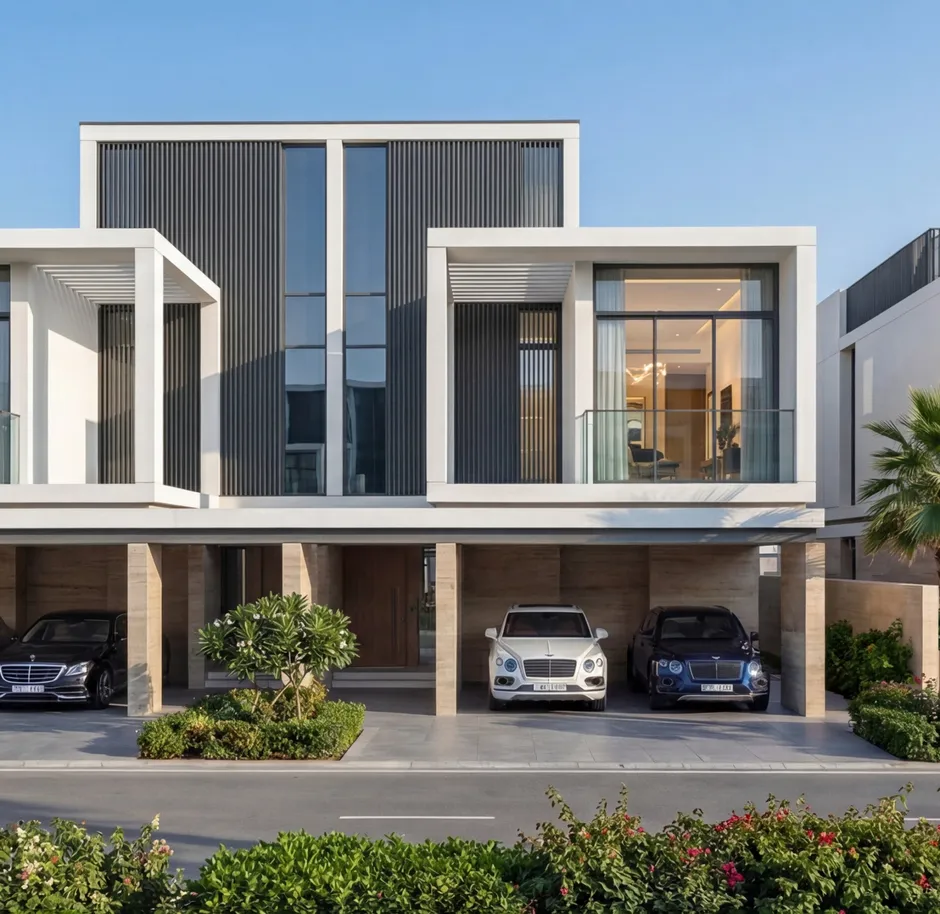
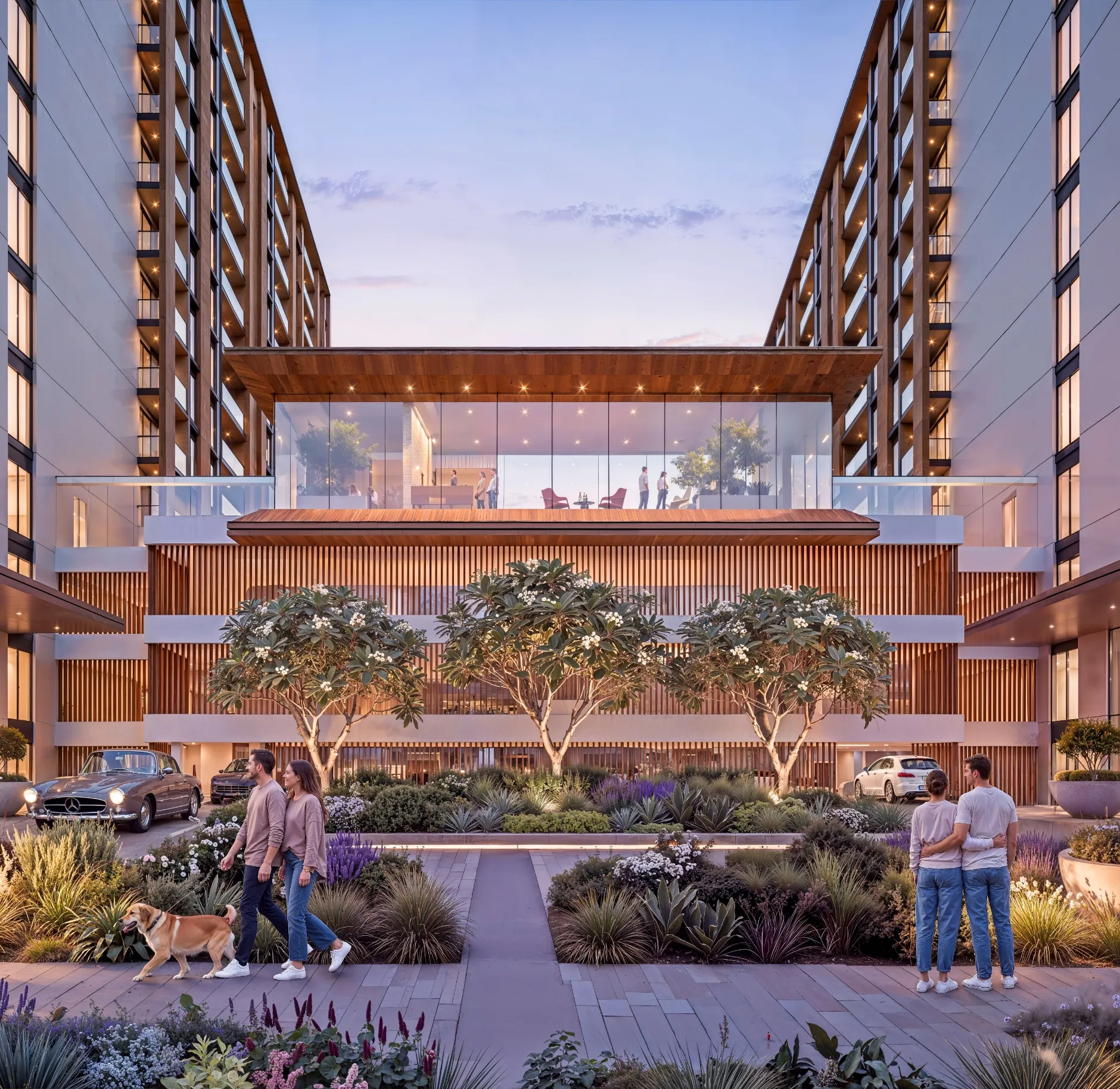
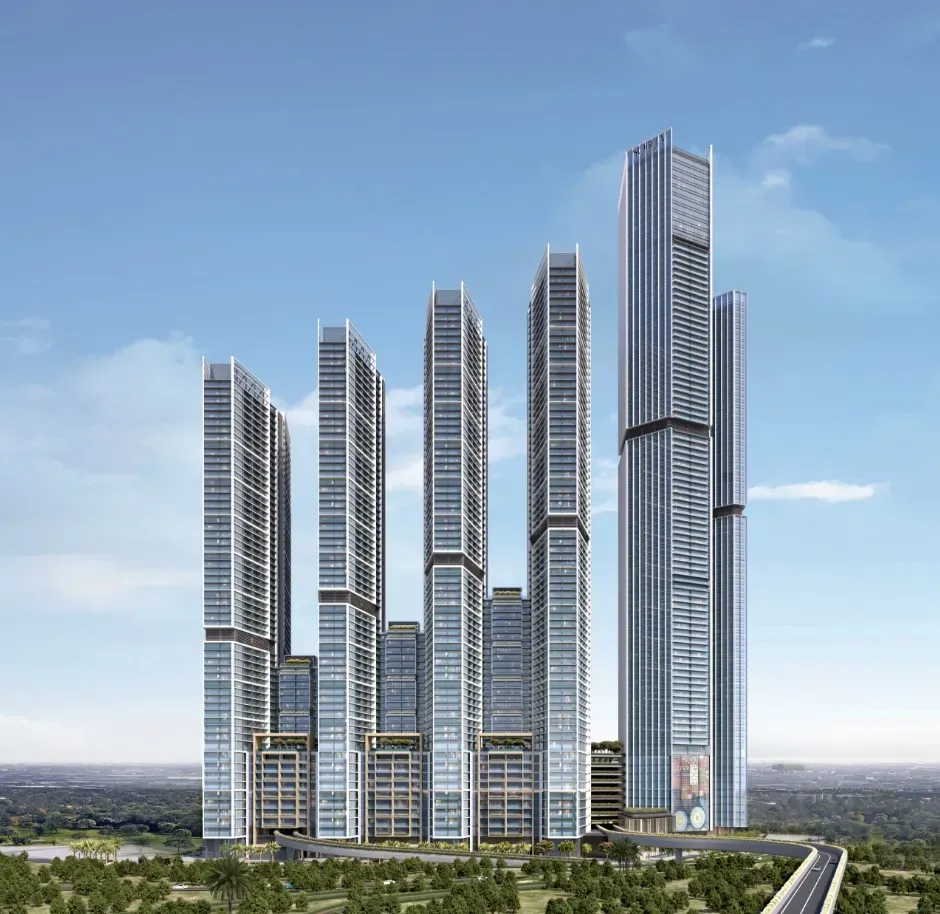
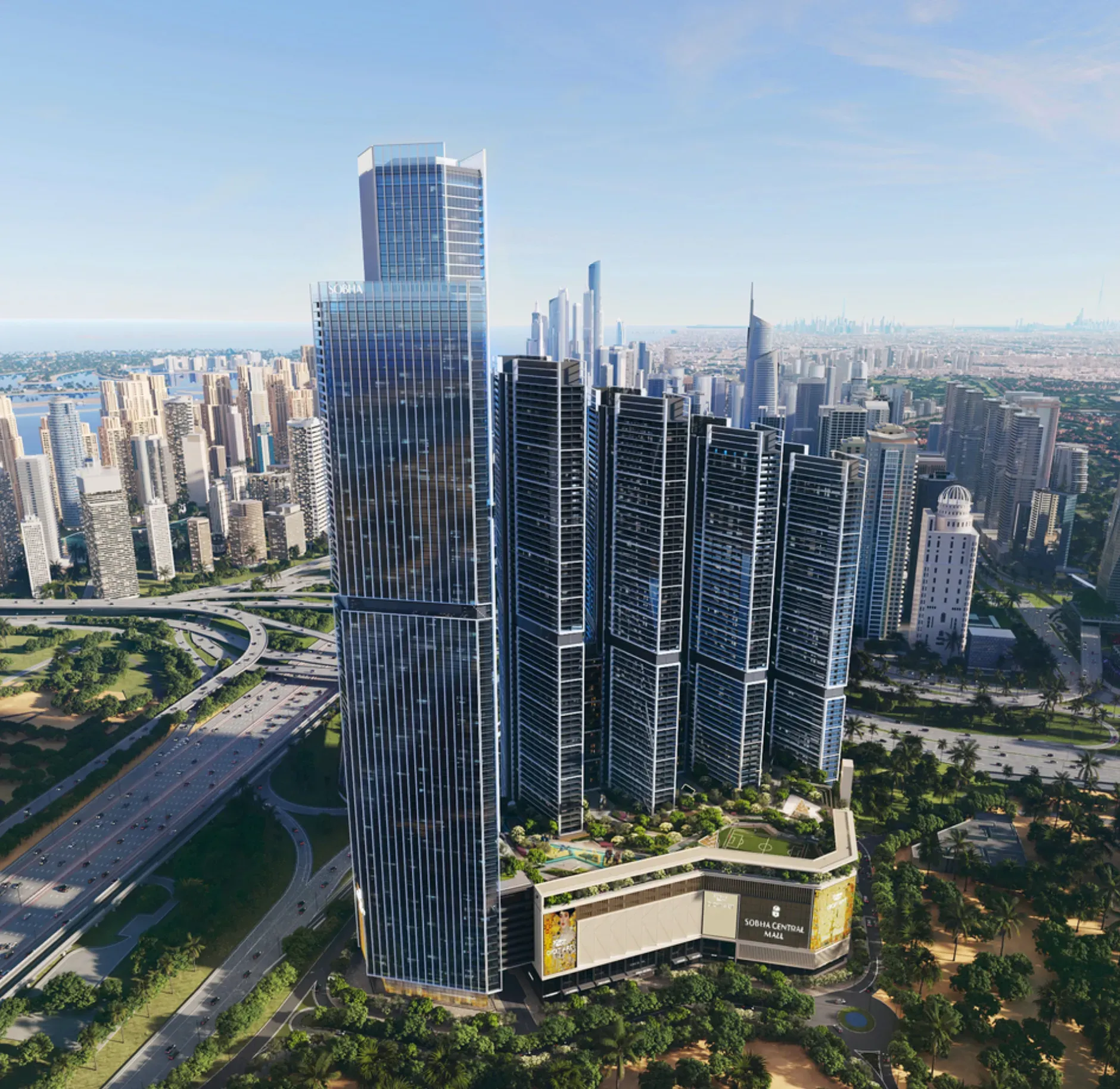
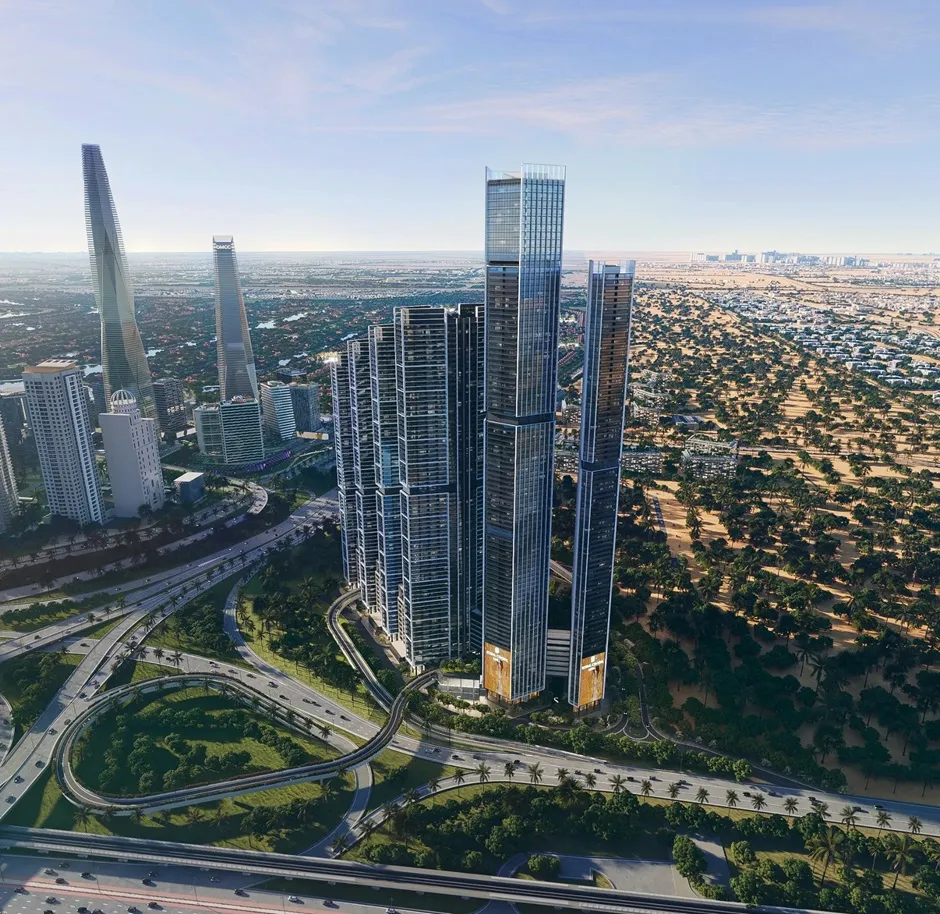
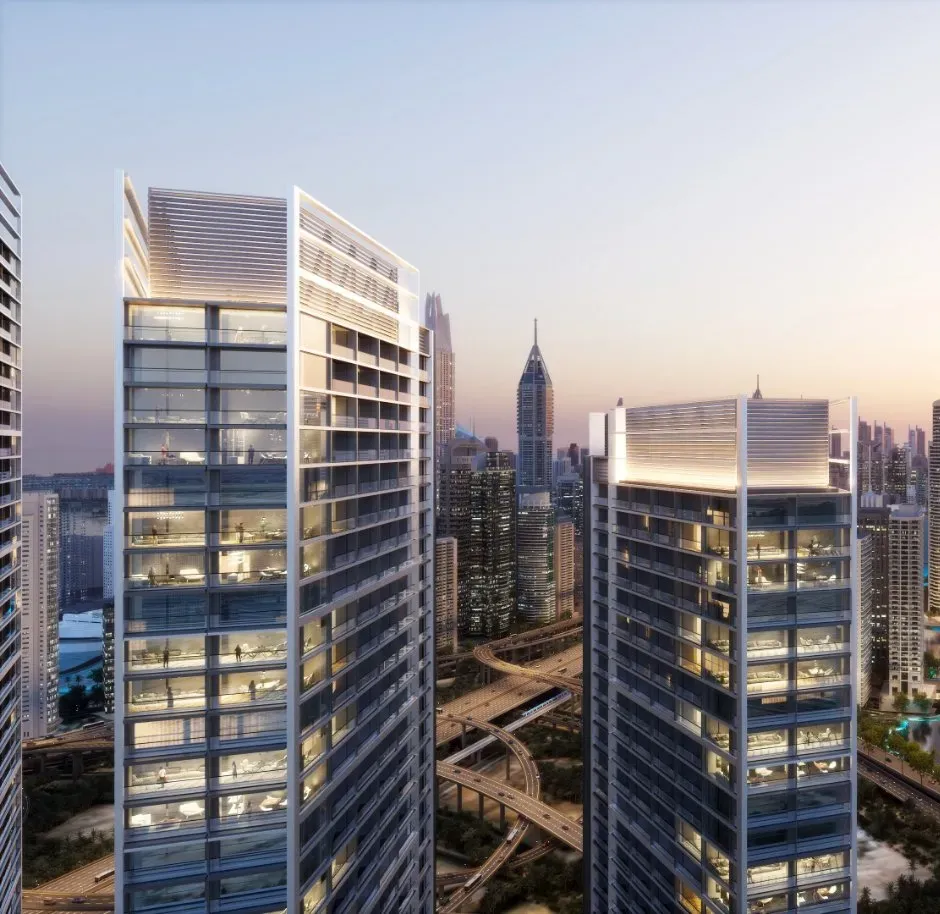
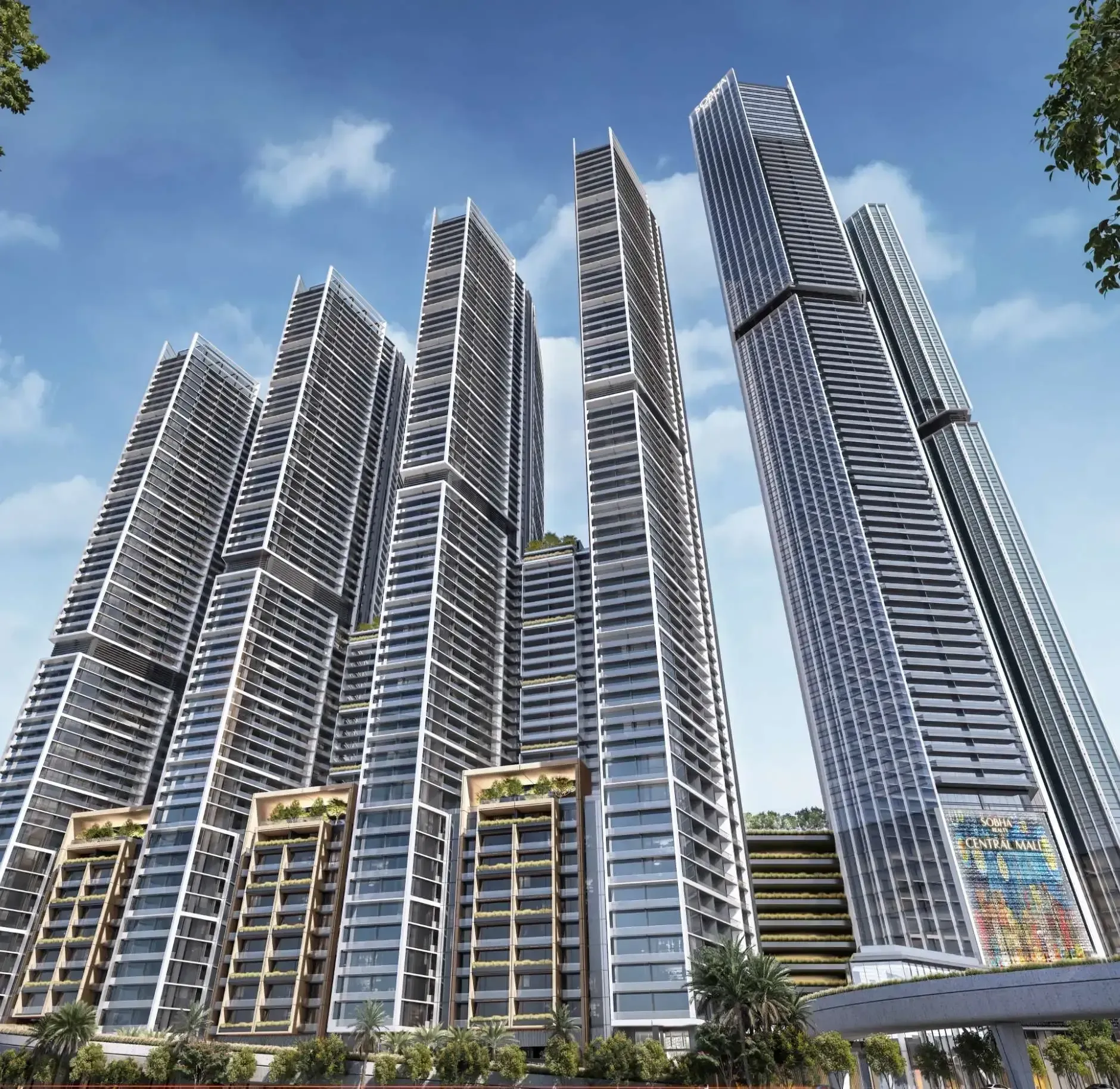
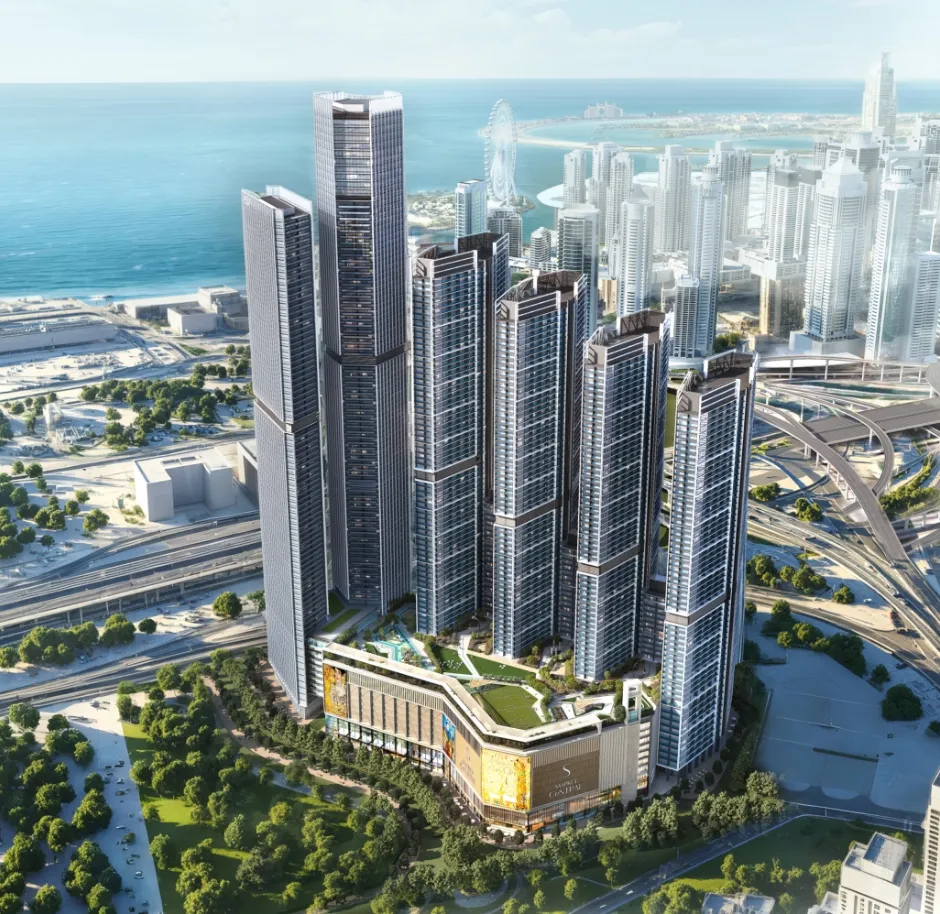
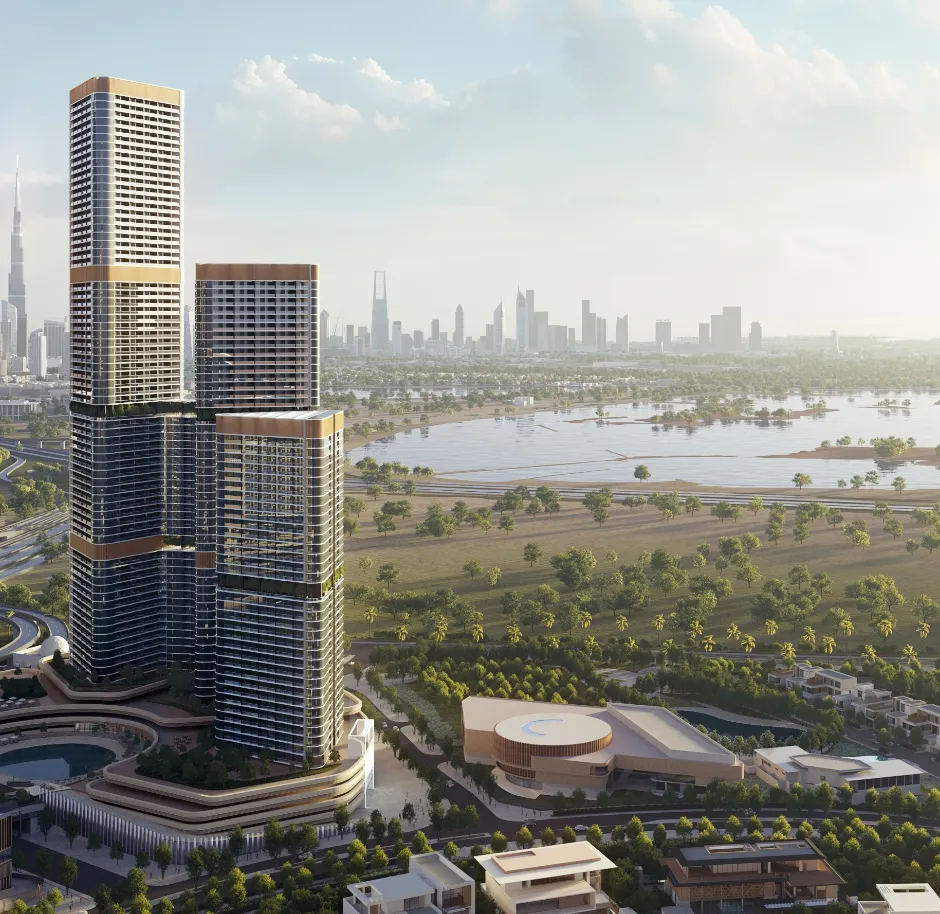
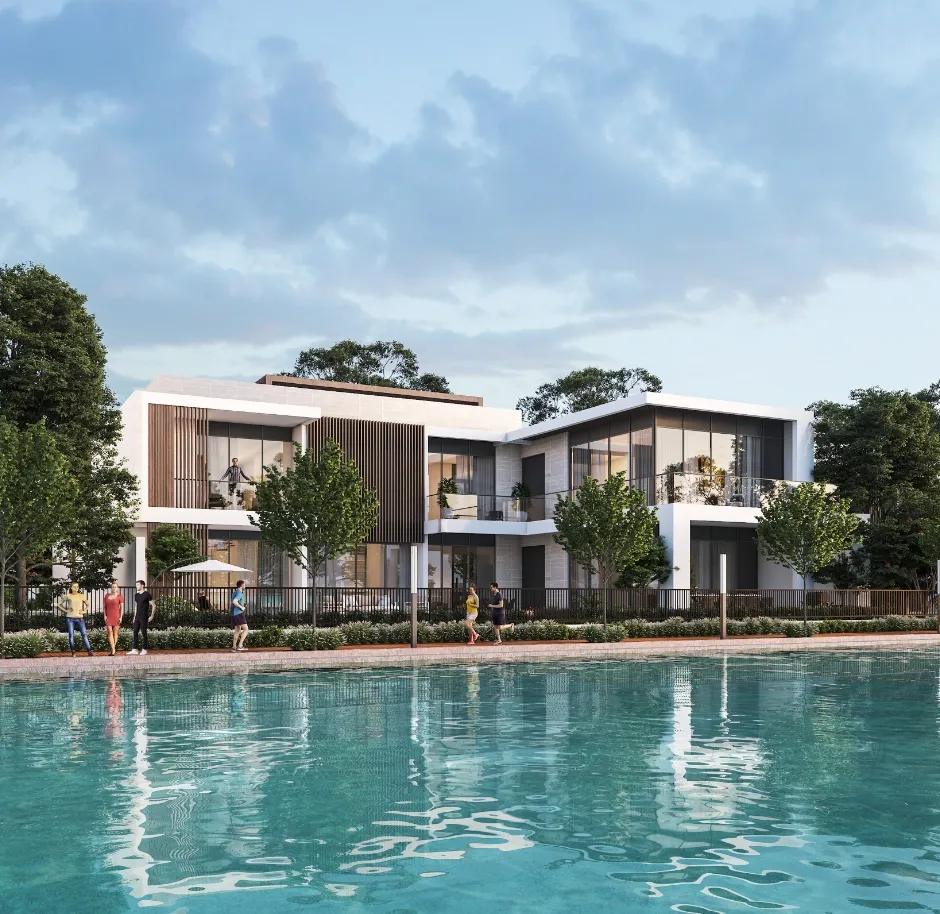
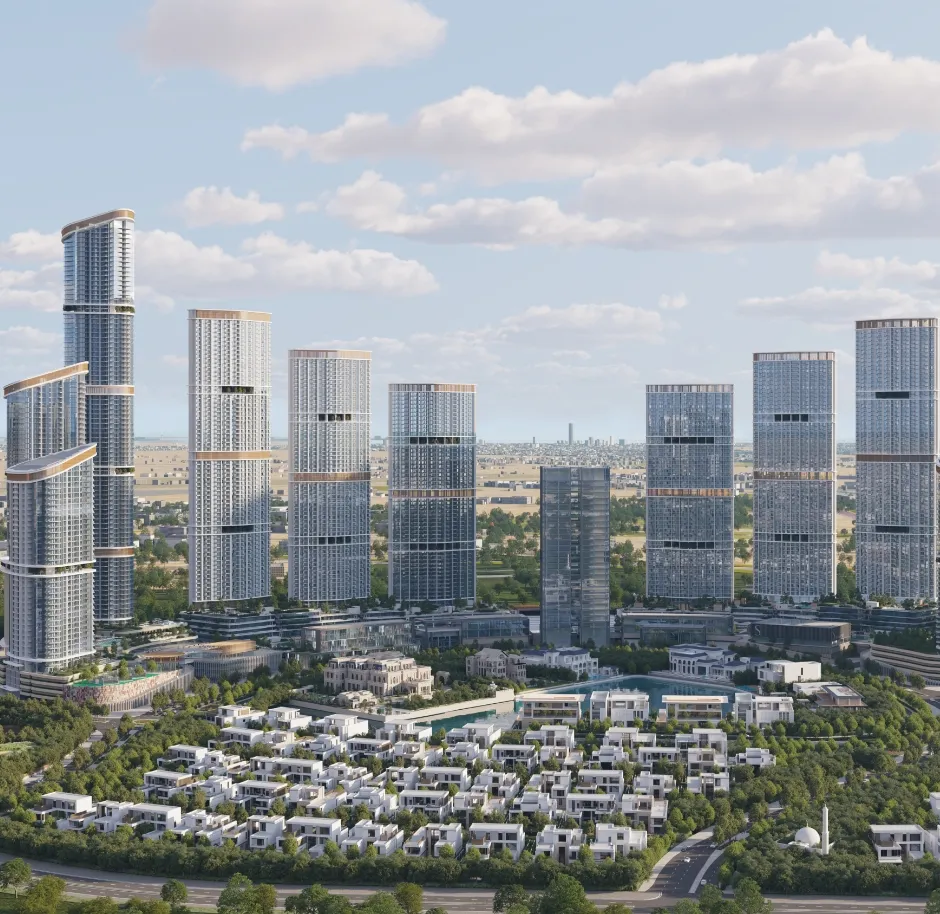
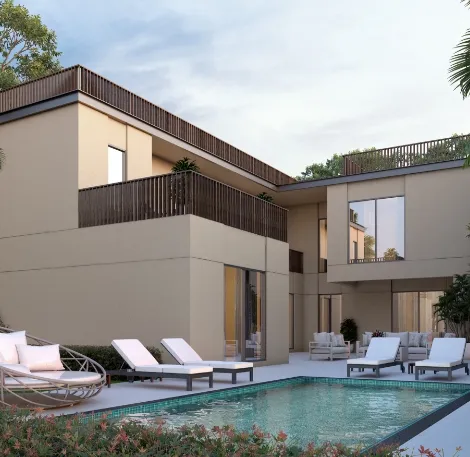
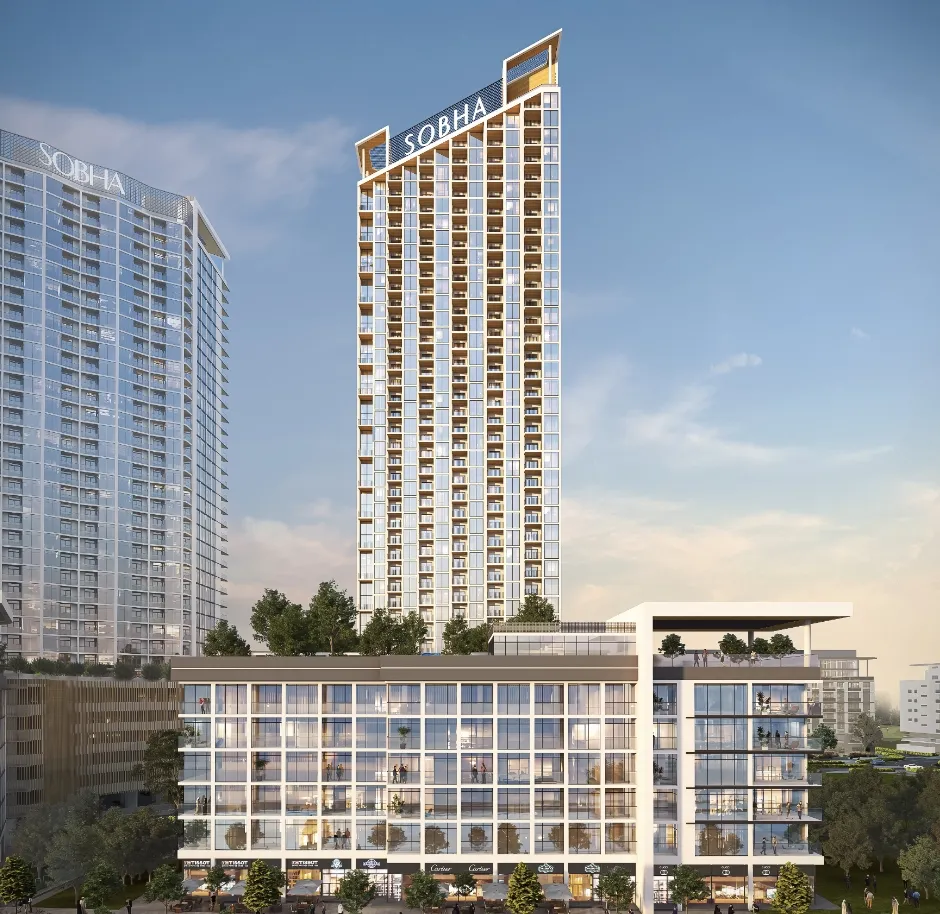
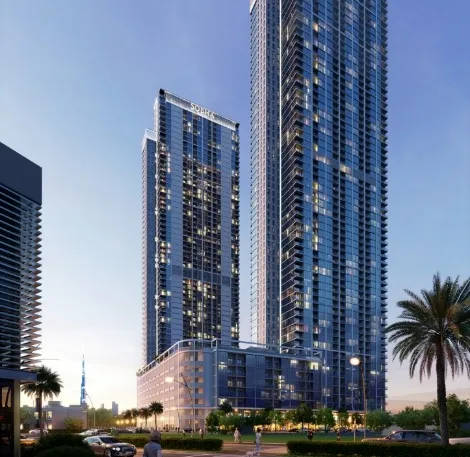
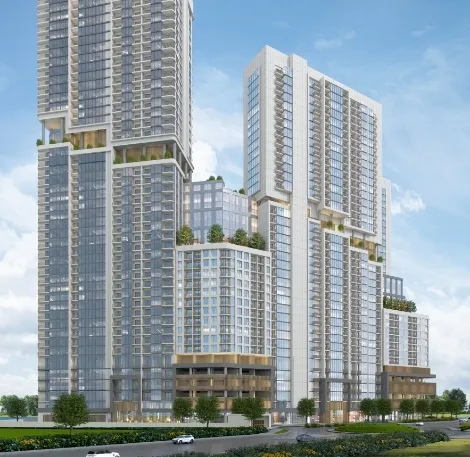
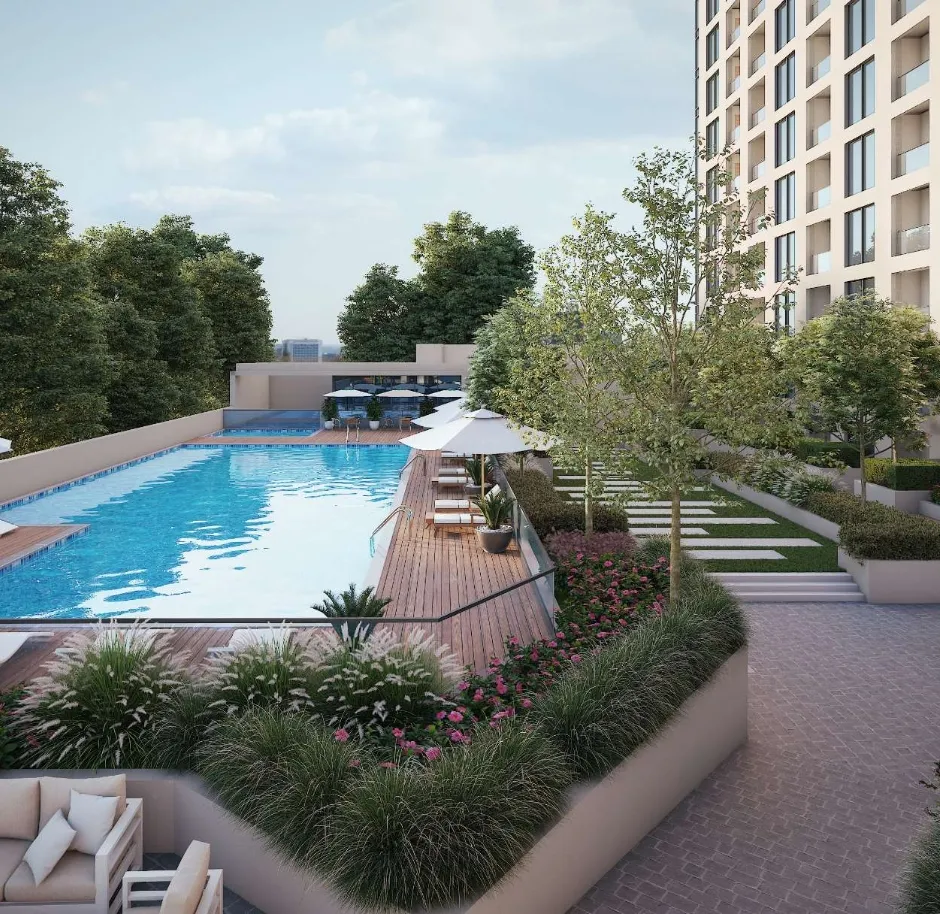
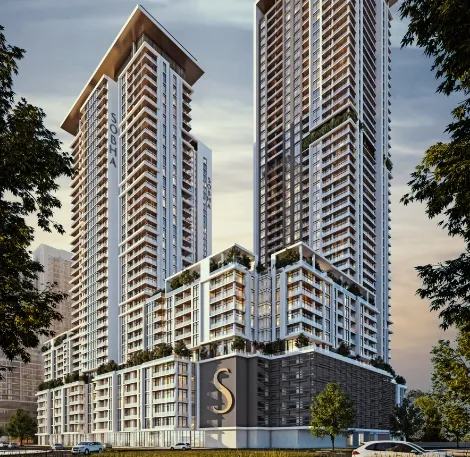
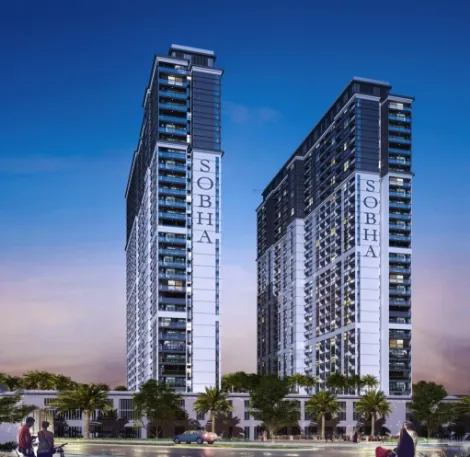
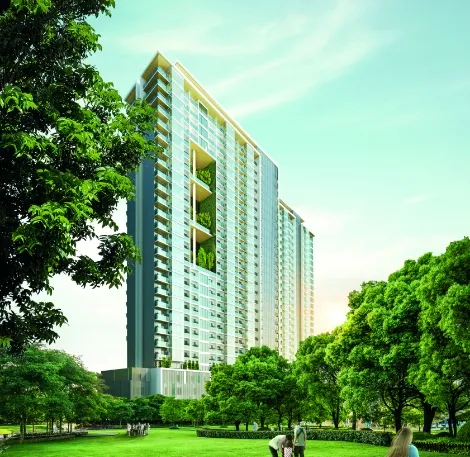
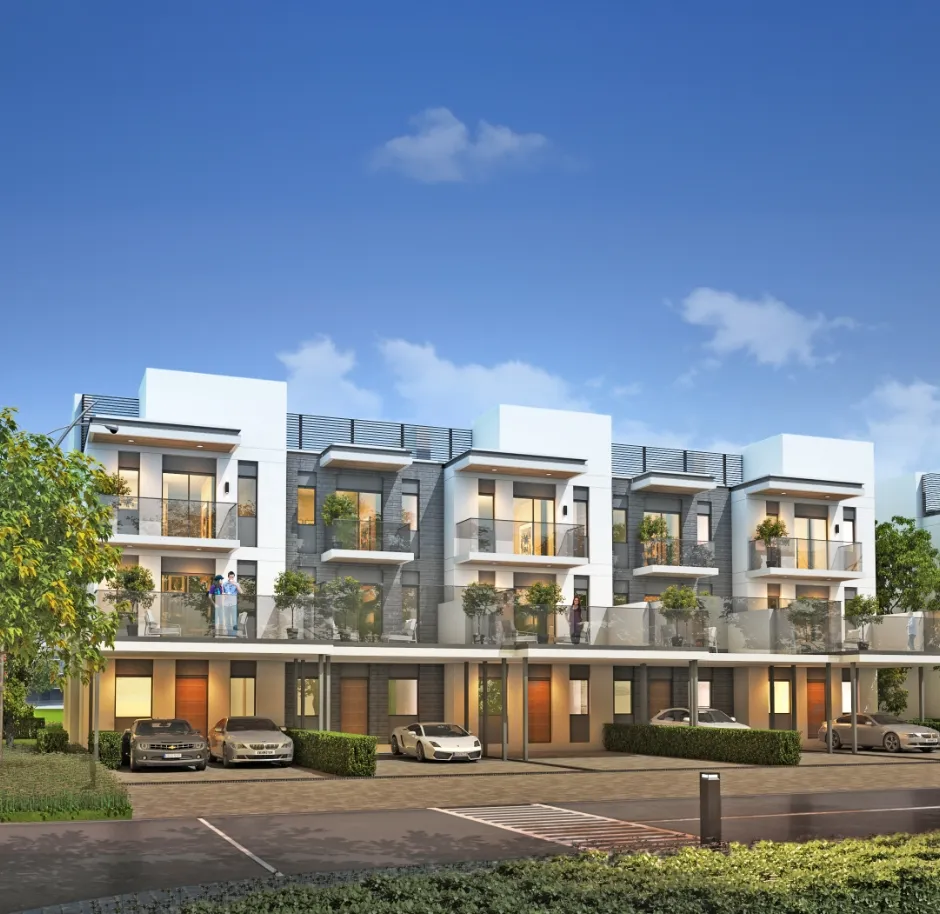
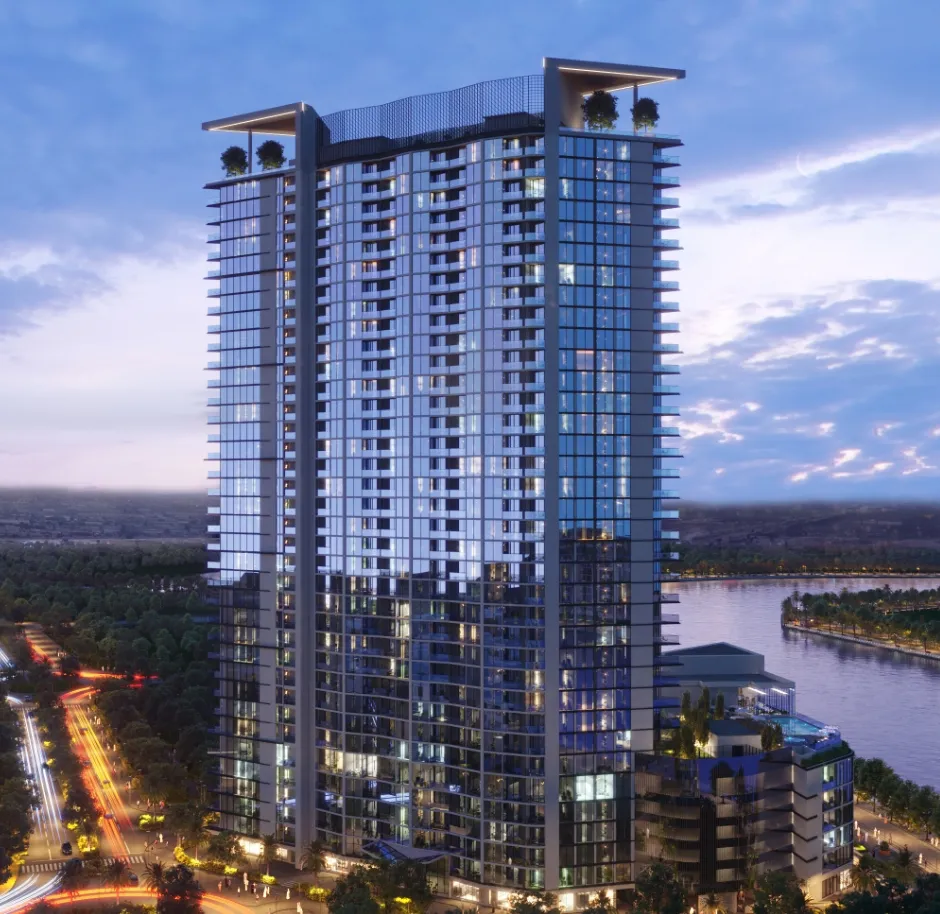
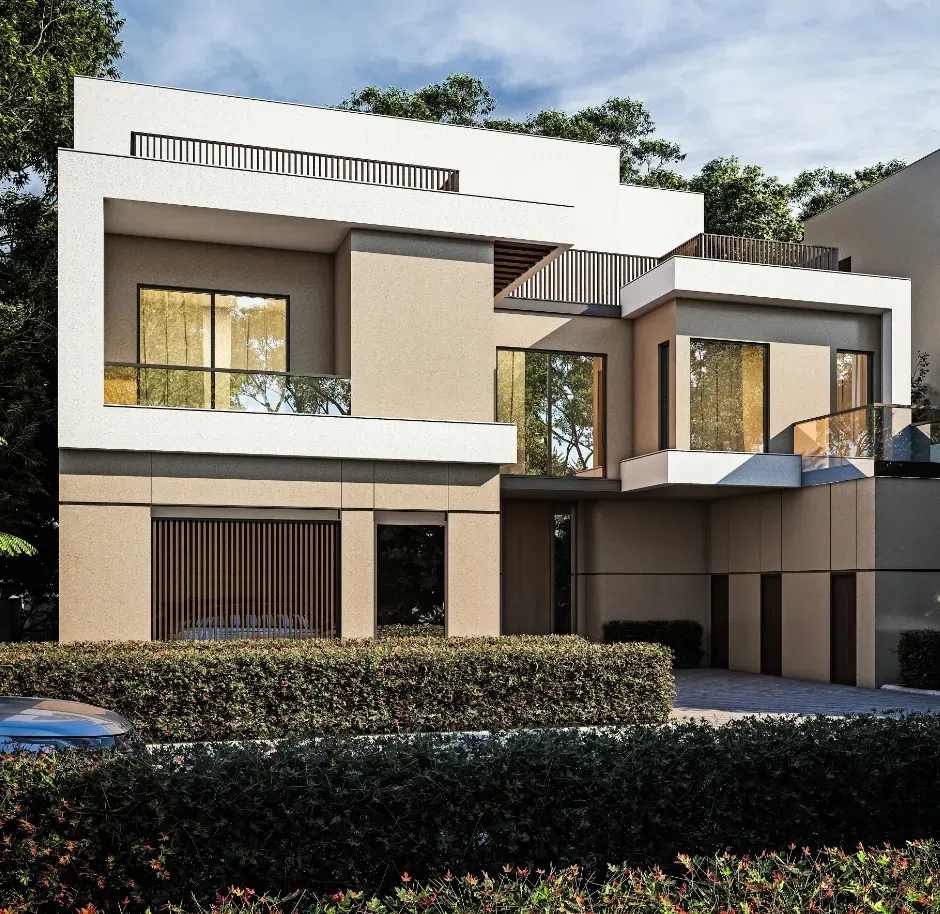
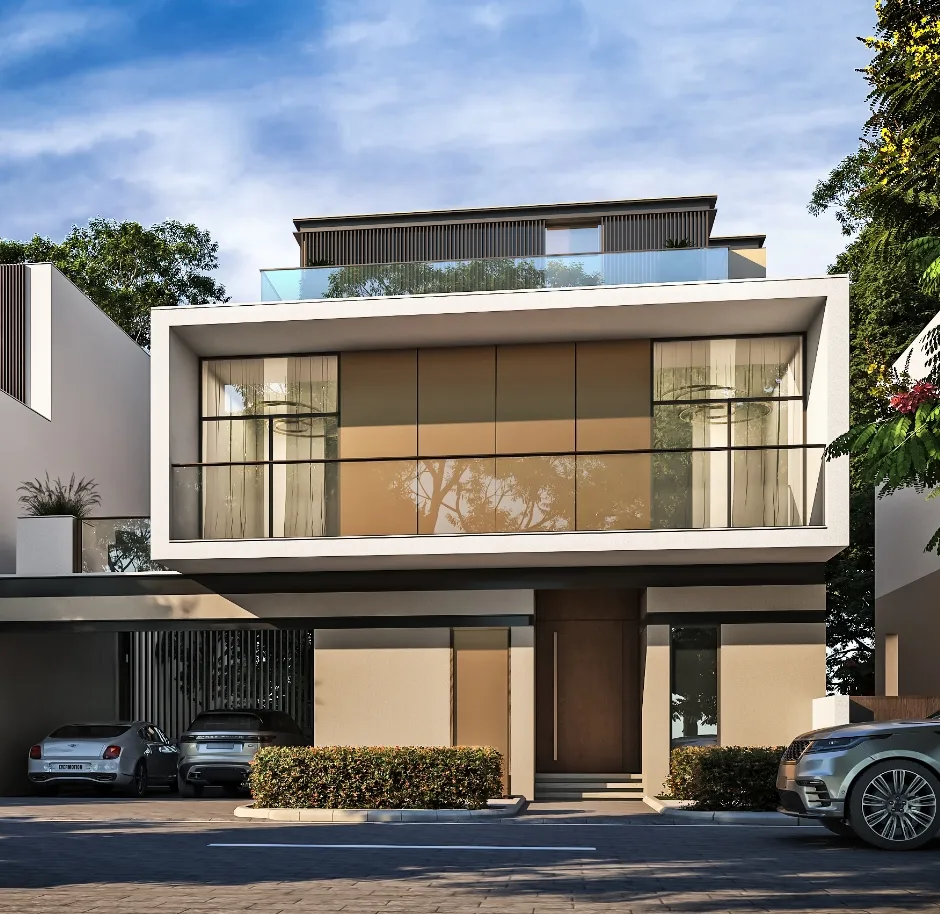
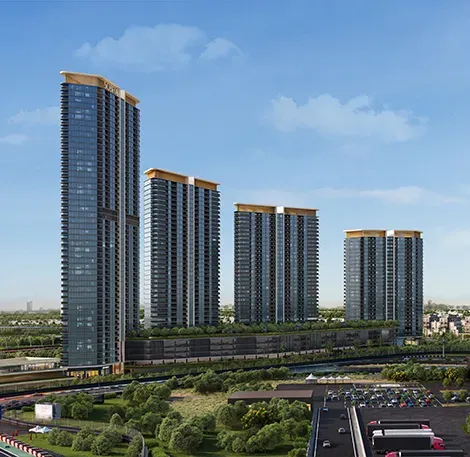
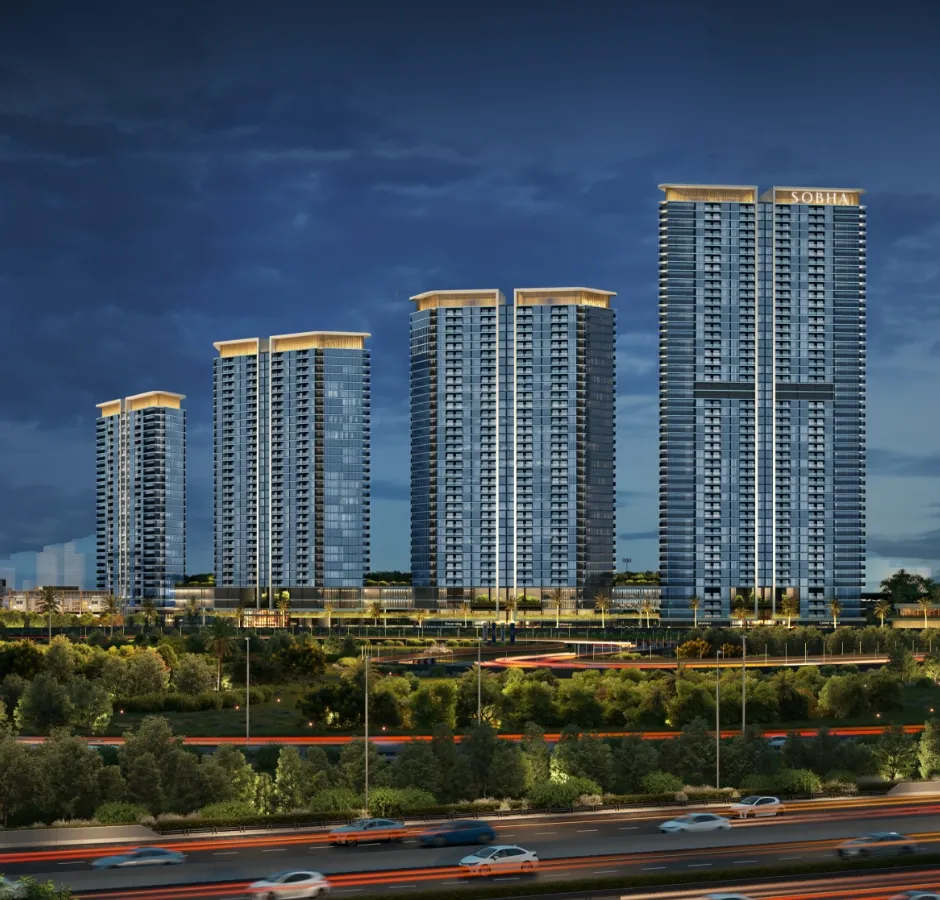
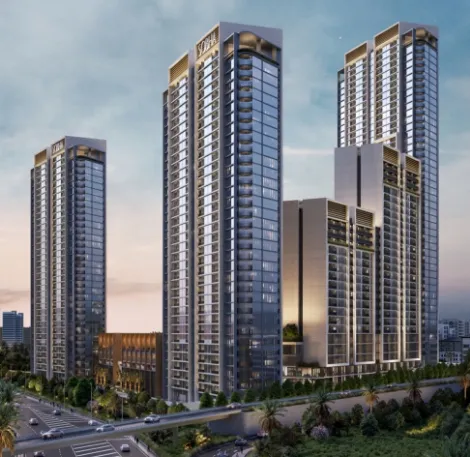
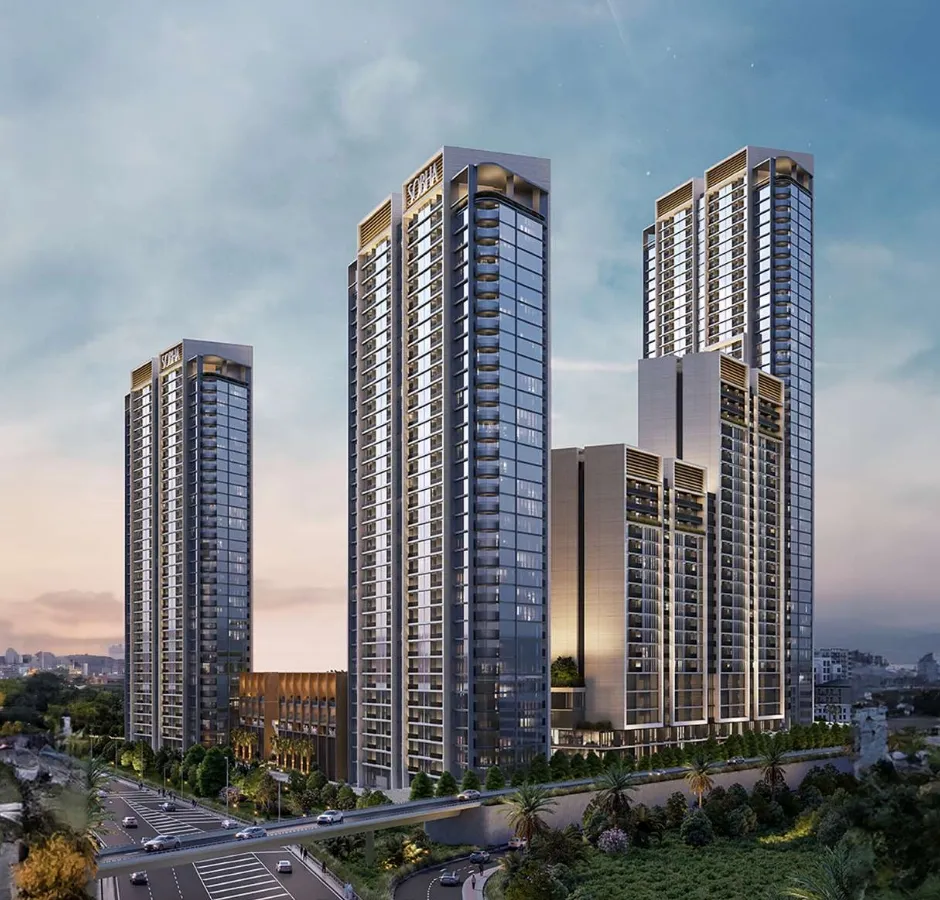
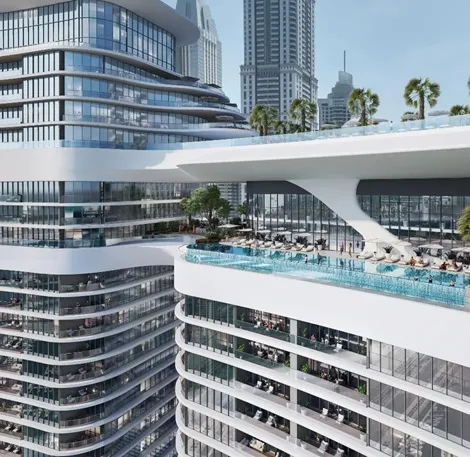
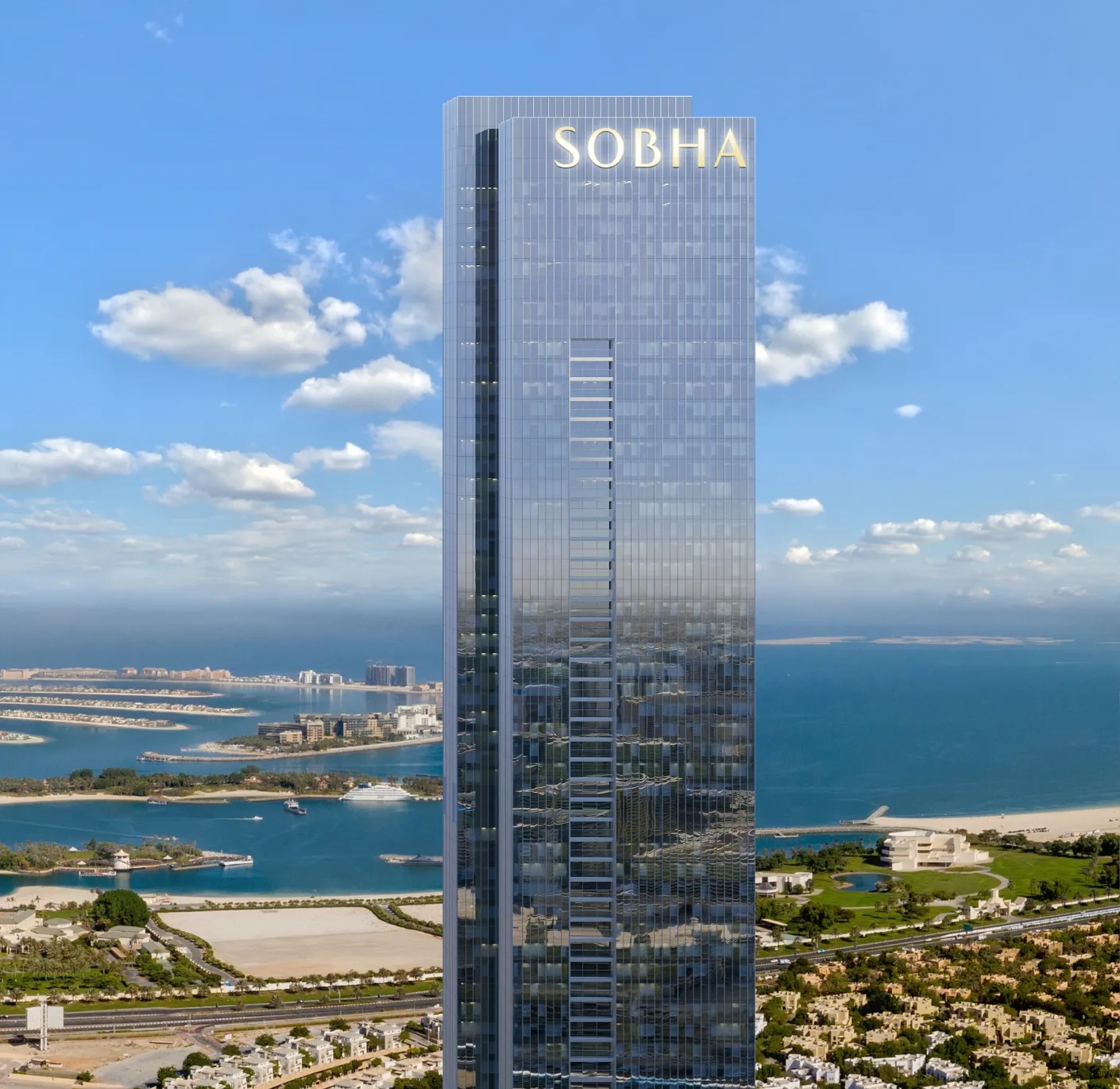
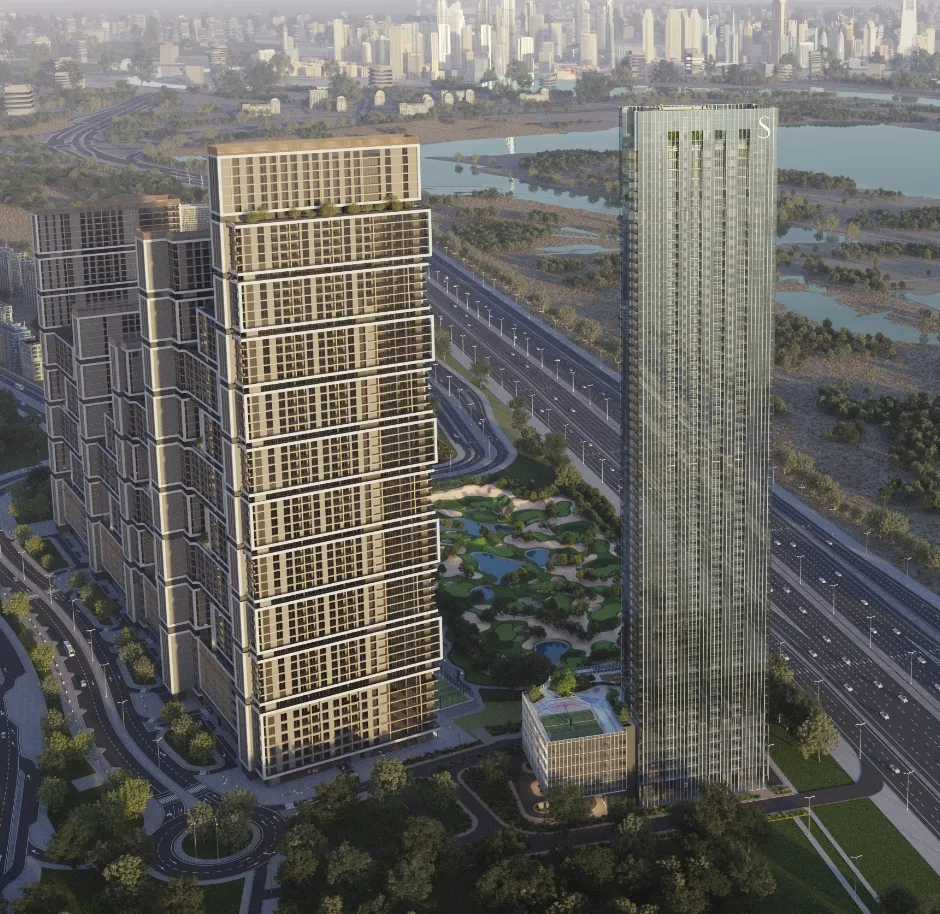
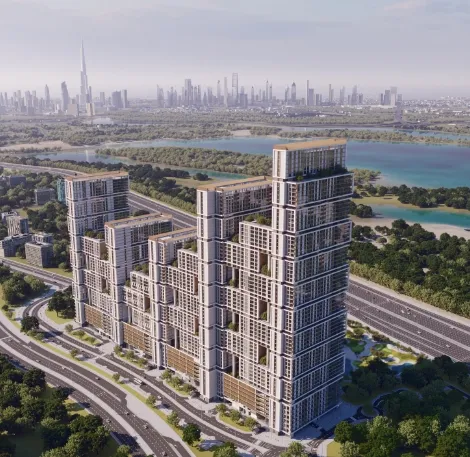
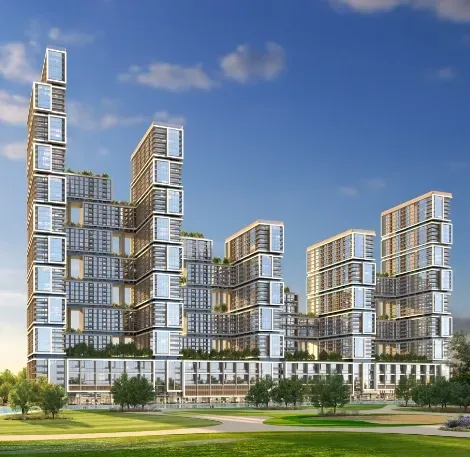
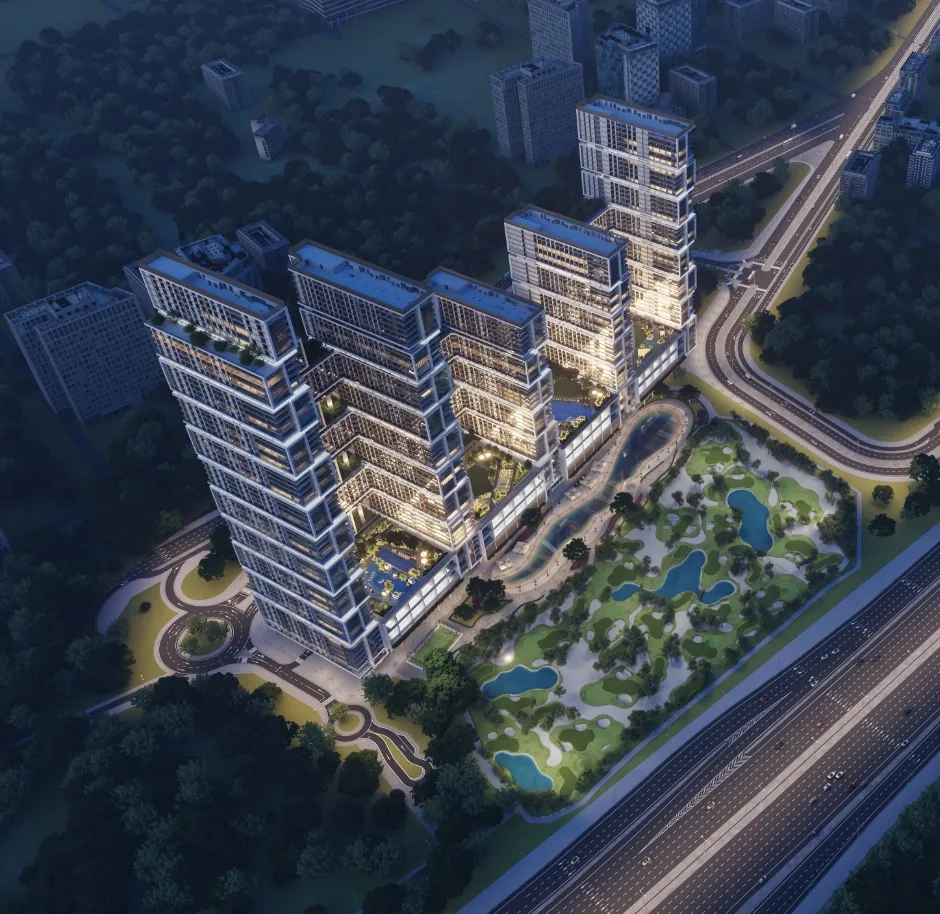
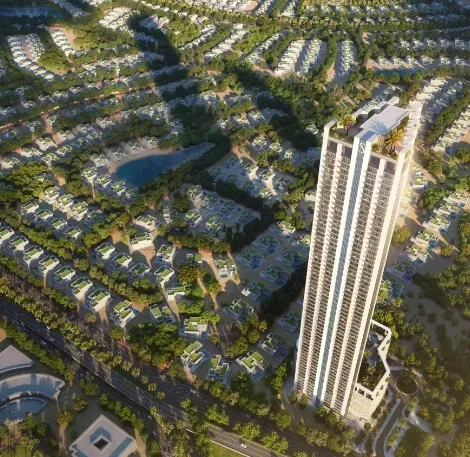
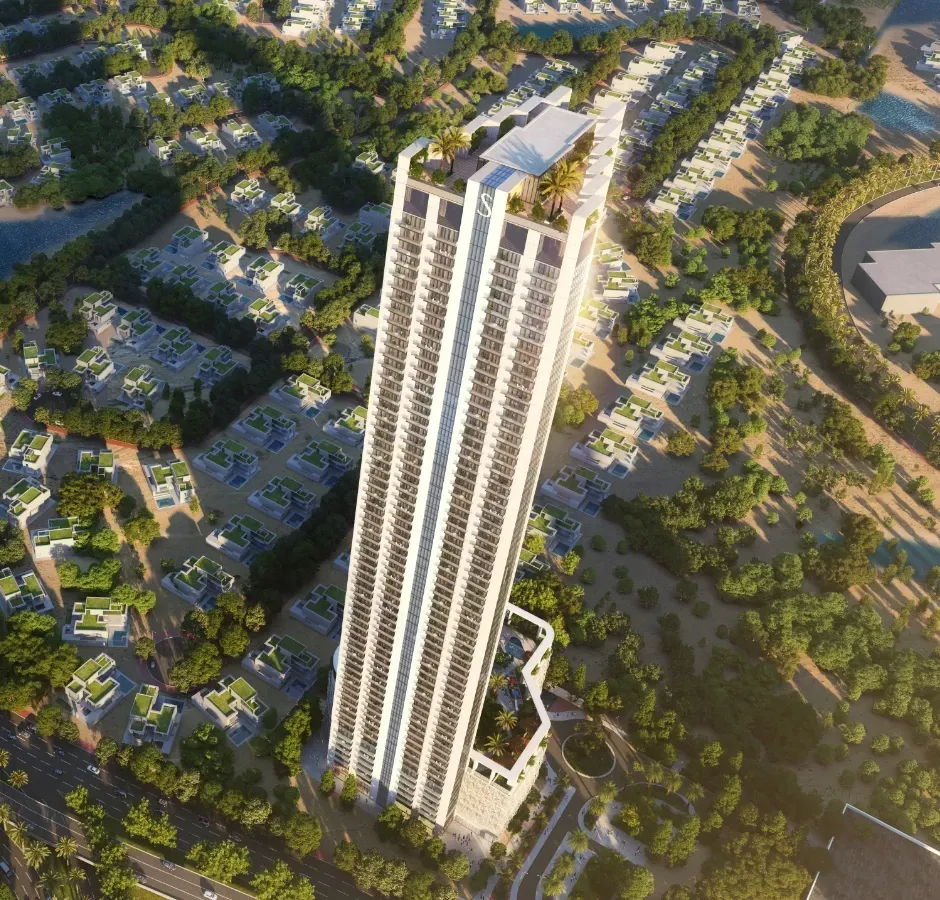
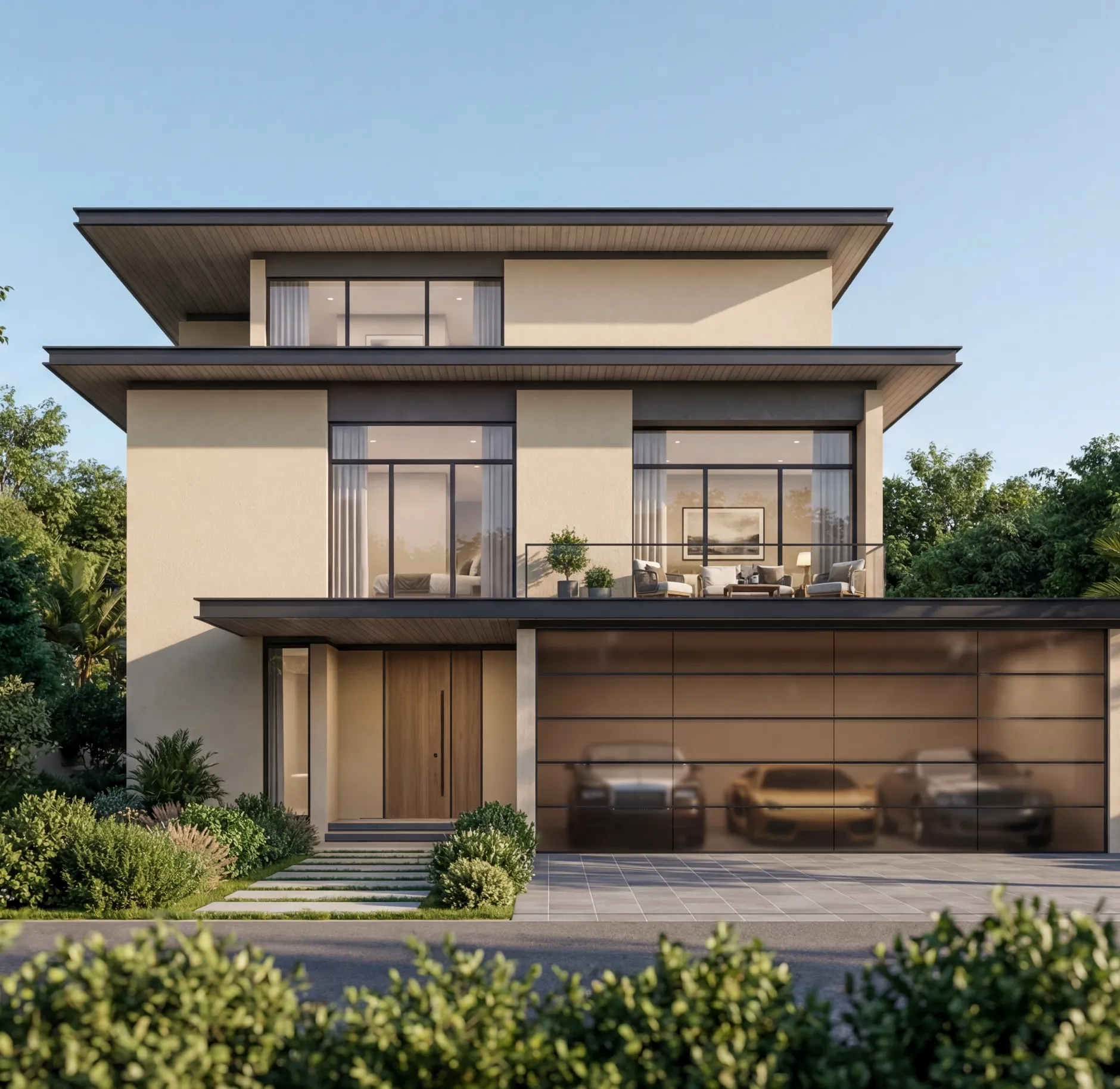
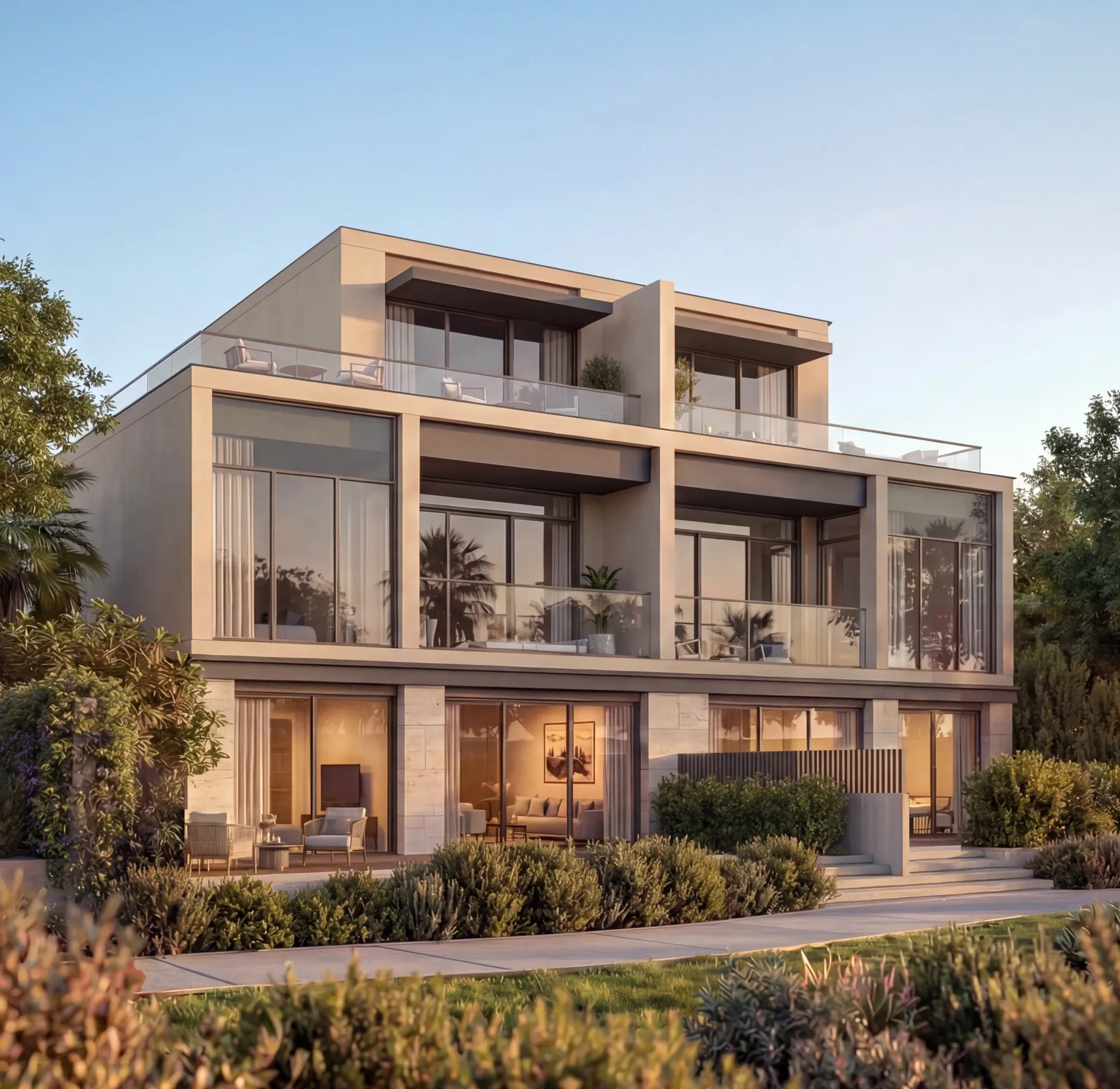
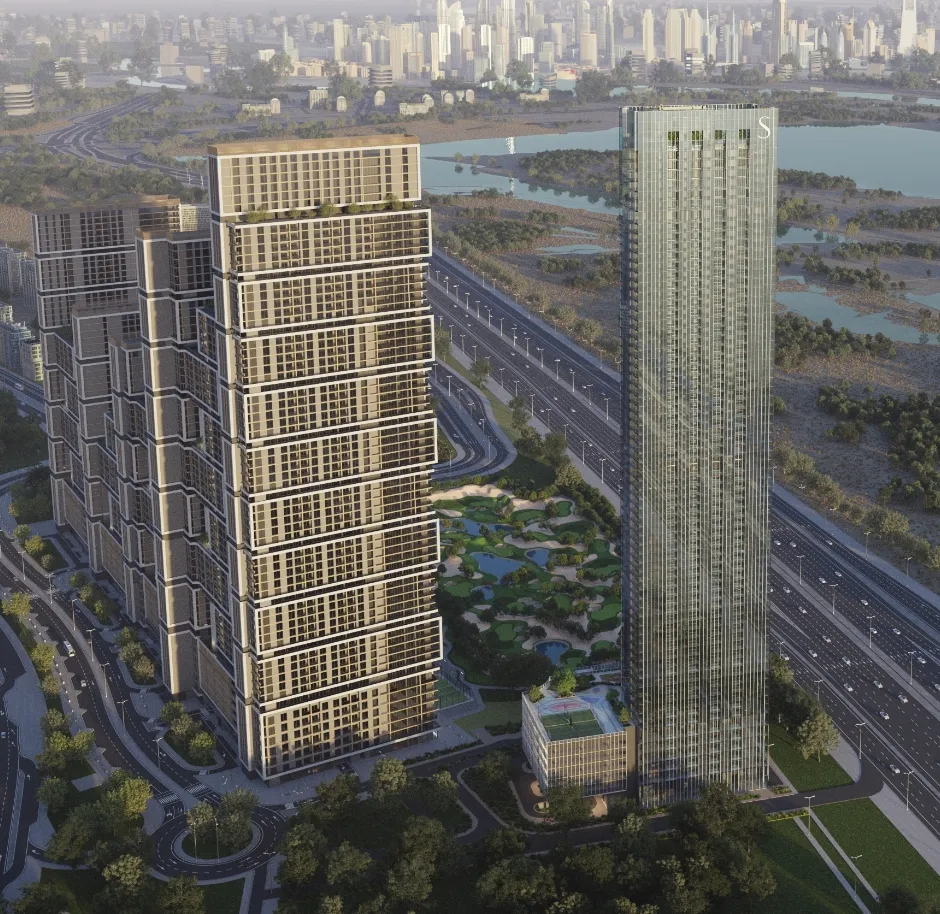
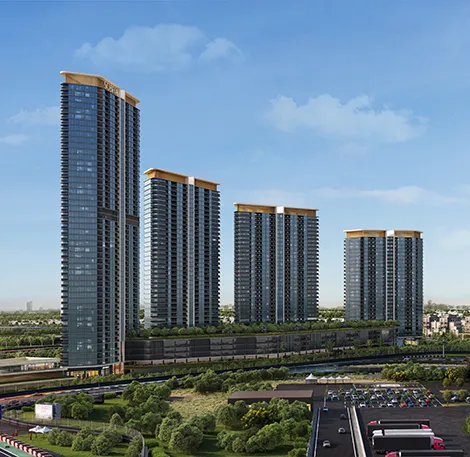
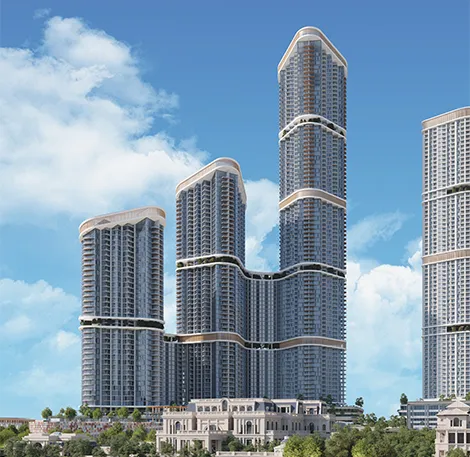
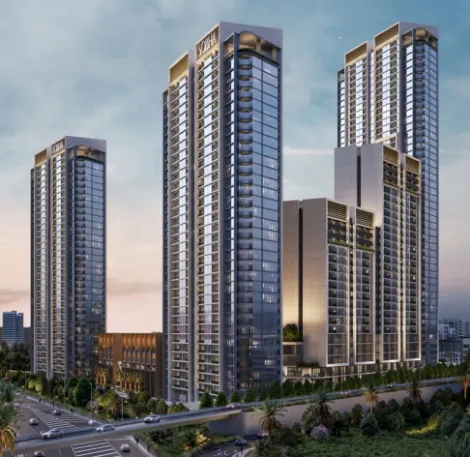
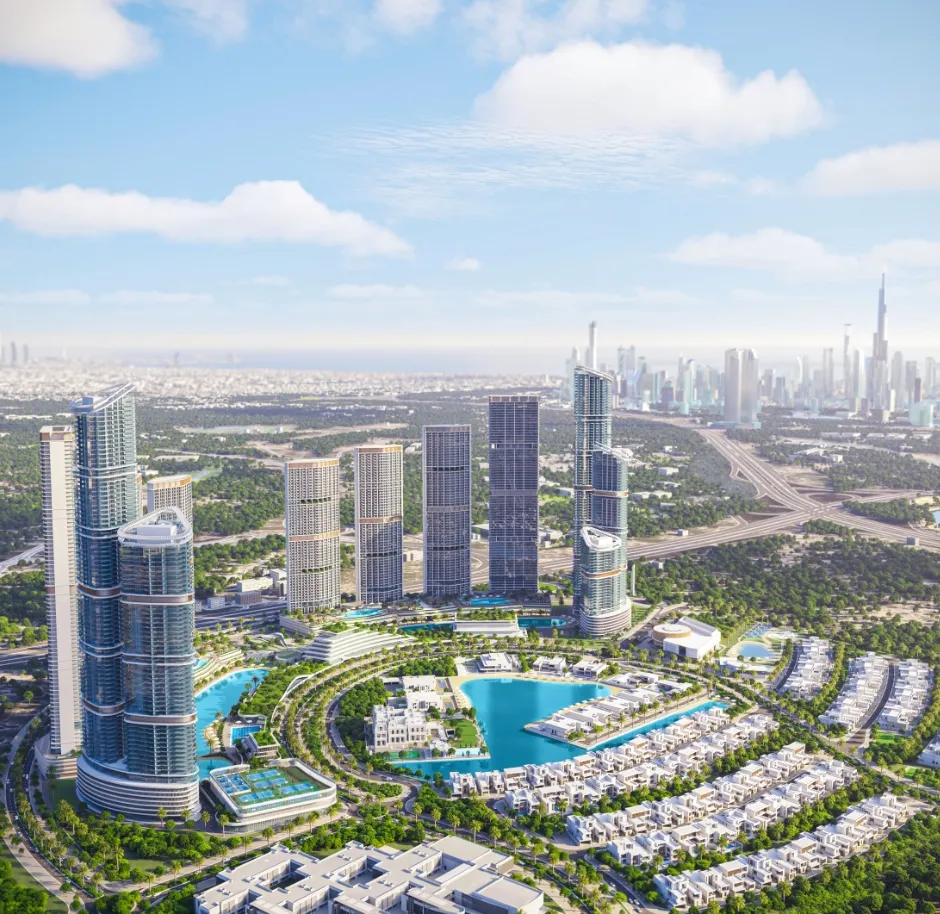
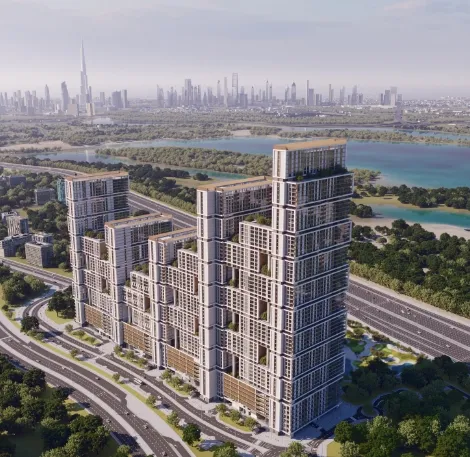
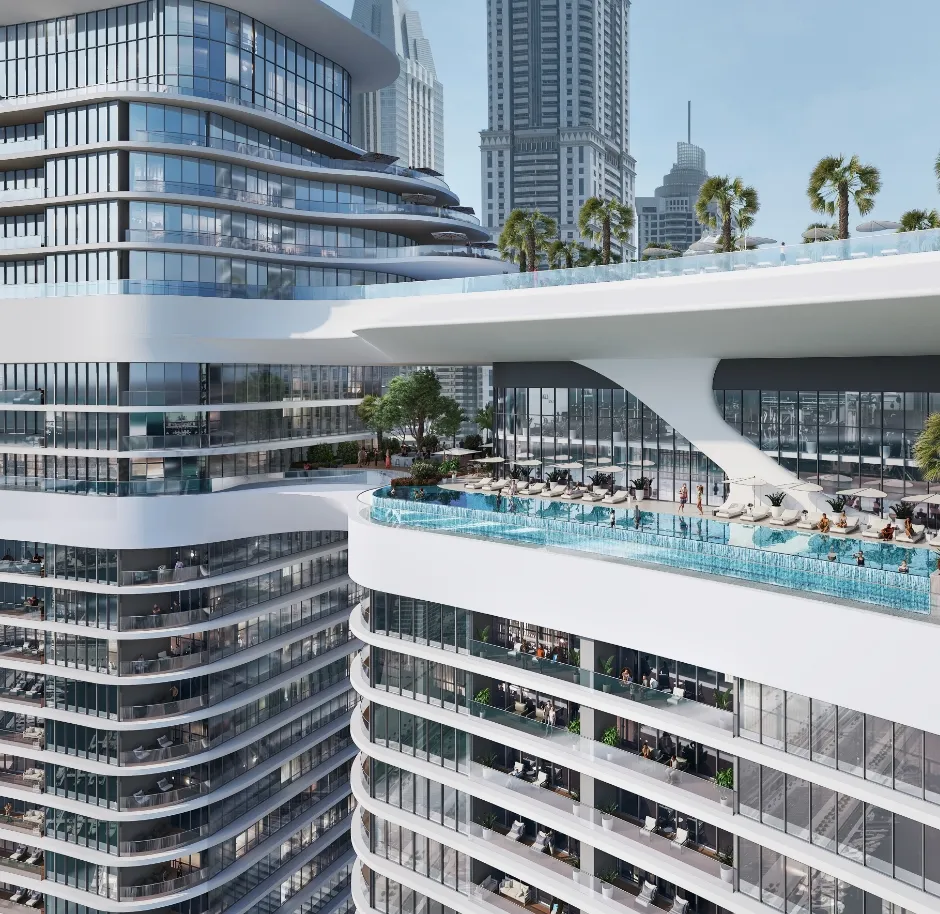
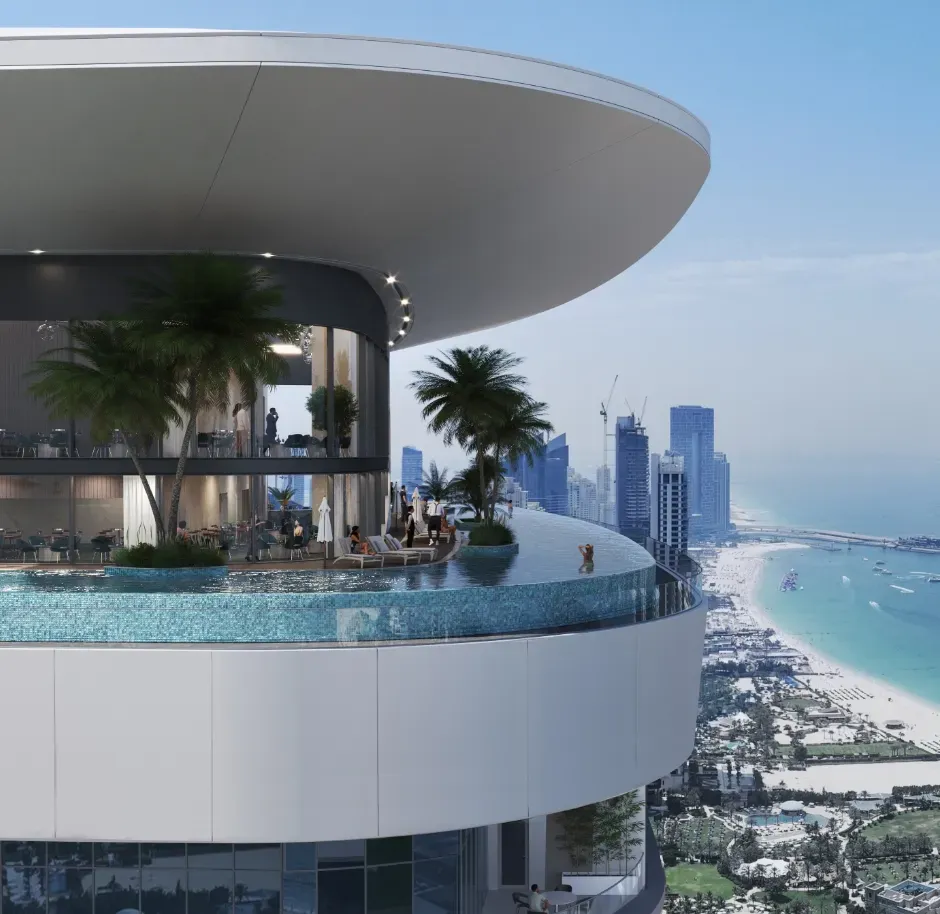
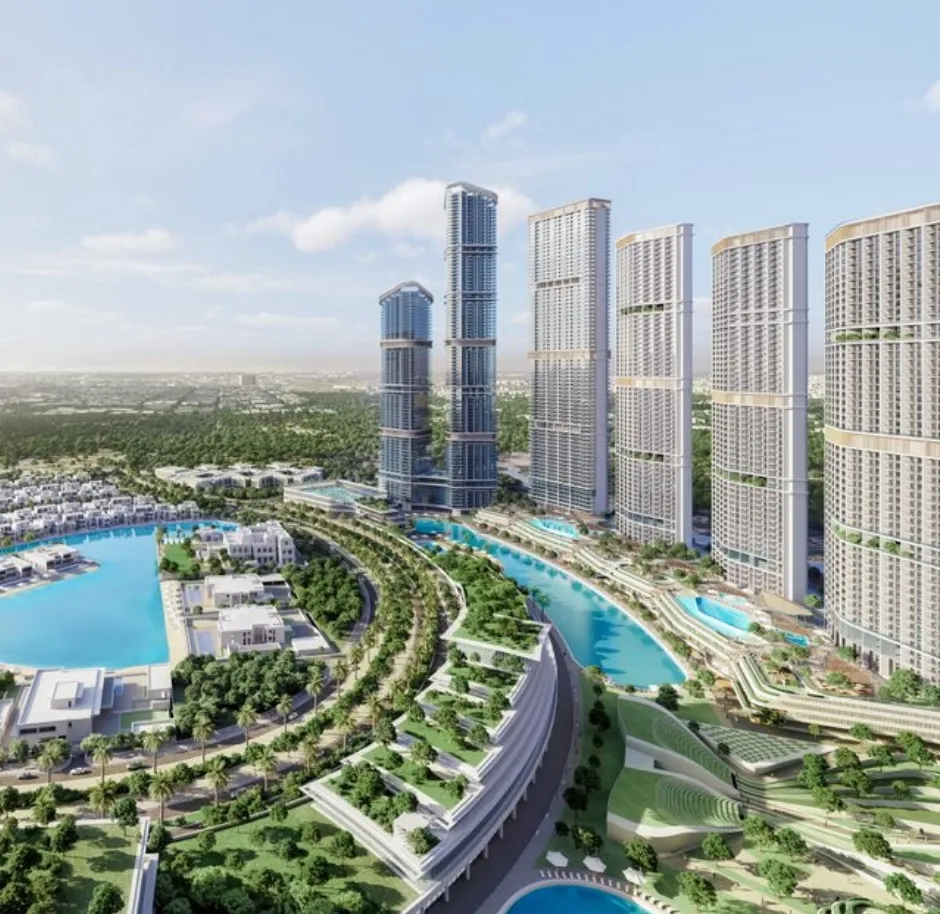
For Sobha Realty, this principle sits at the center of its approach to residential development.
Through its “The Art of Detail” philosophy and Backward Integration model, Sobha Realty places emphasis on precision, construction quality, planning, landscaping, and the complete living environment.
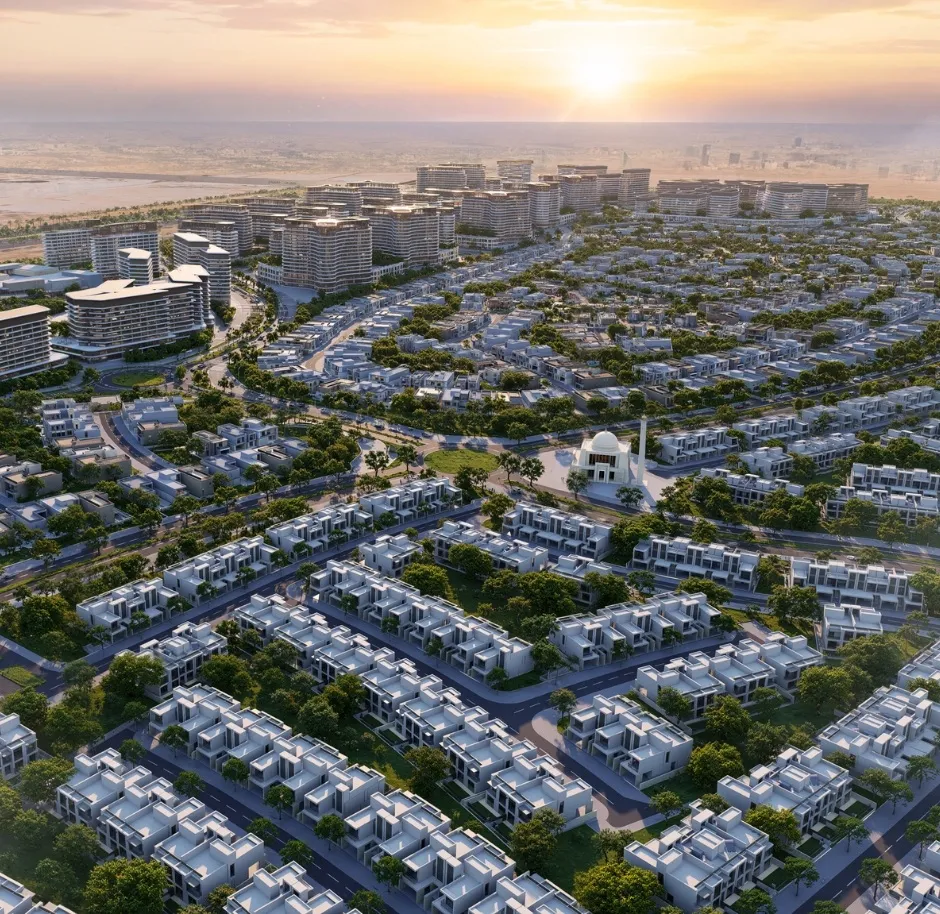
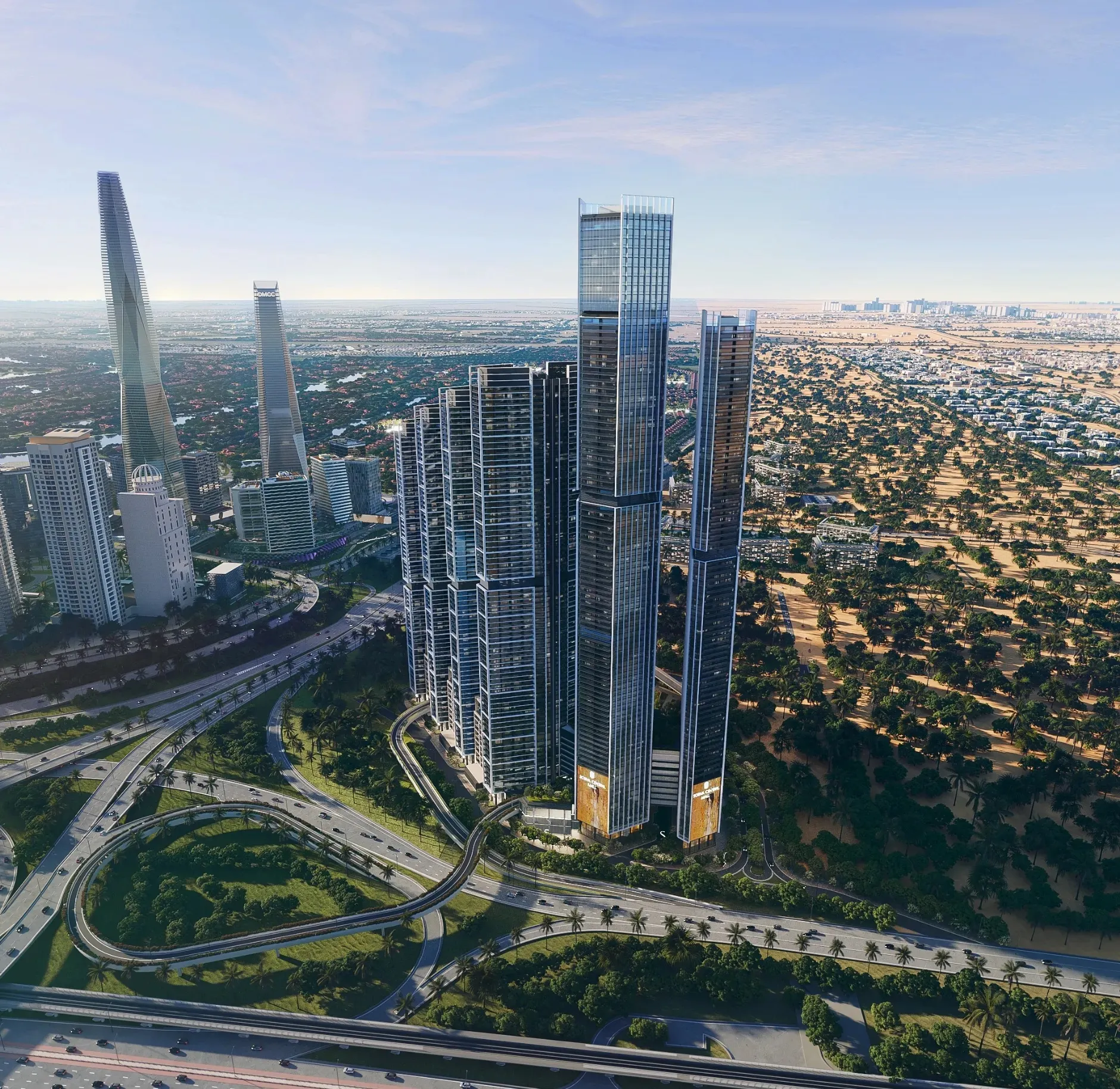
As the company expands its presence in Abu Dhabi, this focus supports communities designed around long-term liveability rather than short-term market cycles.
What Tenants Should Do Before Renewing
Before signing a renewal agreement, tenants should:
Check the Last Registered Tawtheeq Rent
Confirm the amount recorded under the property’s most recent registered contract.
Review the Renewal Document
Ensure the rent and other terms match what has been agreed and comply with the latest official requirements.
Keep Written Records
Retain copies of notices, emails, payment records, and tenancy documents.
Verify Current Guidance
Because the measure is temporary, check whether ADREC has issued an update before completing the renewal.
Contact ADREC Where Necessary
If the directive appears not to be followed, use the official ADREC contact channels for guidance.
What Landlords and Investors Should Do
Landlords and investors should:
Review the Property’s Registered Rental History
The last registered Tawtheeq amount is central to the current framework.
Update Financial Forecasts
Do not assume an annual rental increase while the 0% measure remains active.
Focus on Net Income
Include vacancy, maintenance, management, service charges, insurance, and financing in return calculations.
Prioritize Retention and Property Condition
A well-maintained property can support stronger tenant satisfaction and reduce avoidable turnover.
Monitor Official Announcements
Because the measure is temporary and valid until further notice, investment assumptions should be updated when the policy changes.
A Note on Legal and Regulatory Updates
This article reflects official information available as of 25 August 2026.
The 0% increase measure is temporary and may be amended, extended, or withdrawn by the relevant authorities.
It should therefore not be treated as permanent legal guidance.
Tenants, landlords, and investors should consult ADREC’s latest announcements and obtain professional advice where required, particularly where a transaction involves:
- A new property with no registered rental history
- A disputed Tawtheeq record
- A commercial or industrial tenancy
- A change in property use
- A tenancy dispute
- Unusual contractual terms
Conclusion
The Abu Dhabi rent increase rules for 2026 introduced a temporary 0% annual increase cap across residential, commercial, and industrial tenancy renewals.
The measure replaced the previously referenced 5% annual increase for the duration of the policy and remains in effect until further notice. ADREC has stated that renewals and new agreements should reference the rental rate from the property’s last registered Tawtheeq contract.
For tenants, the measure provides greater predictability.
For landlords, it reinforces the importance of occupancy, tenant retention, and net income.
For investors, it highlights the need to evaluate Abu Dhabi property through a broader framework that includes demand, costs, asset quality, community planning, occupancy, and wider market conditions.
Investment performance should not be assessed on annual rent increases alone. Occupancy, tenant demand, operating costs, property quality, location, and wider market conditions also remain important.
Frequently Asked Questions
1. What is the Abu Dhabi rent increase cap in 2026?
The Government of Abu Dhabi temporarily reduced the permitted annual rent increase from 5% to 0% for residential, commercial, and industrial tenancy renewals across the emirate.
2. Is the Abu Dhabi rent freeze permanent?
No. ADREC describes the measure as temporary and valid until further notice.
3. Does the 0% cap apply to residential properties only?
No. The official announcement covers residential, commercial, and industrial properties across Abu Dhabi.
4. How is the renewal rent determined?
ADREC states that lease renewals and new agreements should reference the rental rate from the property’s last registered Tawtheeq contract.
5. What is the Abu Dhabi Rental Index?
The Abu Dhabi Rental Index is an ADREC platform that provides indicative quarterly rental values for residential properties across Abu Dhabi to improve market transparency.
6. Can a landlord increase rent when renewing a tenancy in Abu Dhabi?
While the temporary 0% measure remains in force, qualifying tenancy renewals are to be processed without an annual rent increase. Parties should verify the latest official guidance before signing.
7. Does the rent cap affect property investment returns?
It can affect assumptions about renewal growth, but investment performance also depends on occupancy, rental income, ownership and operating costs, asset quality, tenant demand, resale conditions, and wider market performance.
8. What should I do if the temporary directive is not followed?
ADREC encourages tenants and businesses who believe the measure is not being observed to contact the centre through its official channels.
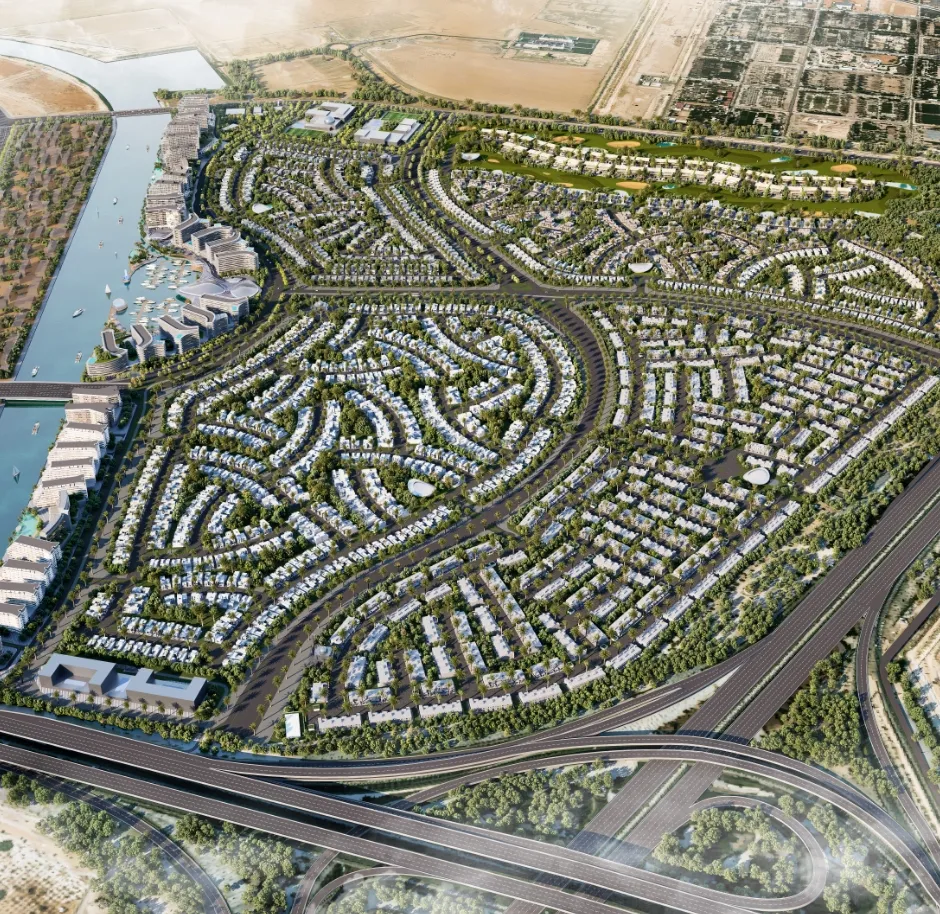
Explore Sobha Realty’s vision for exceptional living in Abu Dhabi, where thoughtful planning, craftsmanship, nature, and long-term quality come together to create communities designed for enduring value.