Dubai’s office market continues to attract businesses, entrepreneurs, and commercial property investors.
For a company, buying an office can provide long-term control over its workplace and reduce reliance on future lease negotiations.
For an investor, a well-located office can provide rental income and exposure to Dubai’s expanding business economy.
However, commercial property ownership differs from buying a residential home. Buyers must consider VAT, licensing, service charges, fit-out, parking, tenant demand and building management alongside the purchase price.
The market also remains highly competitive. Cushman & Wakefield Core reported city-wide office occupancy of approximately 92.4% in mid-2026, with Grade A occupancy above 96%. Near-term Grade A supply remained limited, although more than 19 million square feet were under construction through 2030, with most of that pipeline expected from 2028 onwards.
For buyers considering whether to buy an office in Dubai, a well-informed decision should combine market conditions with a detailed understanding of the individual building, ownership structure, and operating costs.
Why Businesses Buy Office Property in Dubai
A company may choose to own rather than lease for several reasons:
- Greater control over the workplace
- Reduced exposure to future rental increases and lease renegotiation
- Ability to customize the space
- Long-term asset ownership
- Opportunity to lease unused space
- Greater certainty over business location
Ownership may be particularly attractive to established companies that expect to remain in Dubai for many years.
However, purchasing also requires a larger upfront commitment and transfers responsibility for service charges, financing and property maintenance to the owner.
Why Investors Buy Dubai Offices
Commercial-property investors may be attracted by:
- Rental income
- Demand from international businesses
- Limited availability of high-quality office stock
- Portfolio diversification
- Exposure to Dubai’s commercial property market
Demand is often strongest for offices that are:
- Well connected
- Professionally managed
- Efficiently designed
- Ready for occupation
- Located near established commercial districts
- Supported by parking and amenities
Investors should avoid assuming that if all offices benefit equally from a strong city-wide market.
Rental performance and marketability can vary significantly by building, district, size, fit-out, and tenant profile.
Dubai’s Office Market in 2026
Dubai’s office market remains highly occupied, particularly in premium buildings.
Cushman & Wakefield Core reported that only around 1.13 million square feet of new office space was due during the second half of 2026, with much of it already pre-committed. Grade A occupancy remained above 96%, while older Grade B and strata offices were experiencing more visible rental pressure.
The report also highlighted the growing role of flexible-workspace operators, which now account for more than 2.5% of Dubai’s office stock after absorbing over 550,000 square feet during the previous two years.
This creates a selective market:
- Premium, well-managed offices may remain highly competitive.
- Older or less efficient stock may face greater pricing pressure.
- Fully fitted offices can appeal to occupiers seeking faster move-in.
- Larger spaces may attract different tenants from smaller strata units.
- Future supply may gradually increase buyers and tenant choices.
Buying vs Leasing an Office
The decision should begin with the buyer’s business or investment objective.
Buying May Be More Suitable If You:
- Expect to occupy the office long term
- Have sufficient capital for the purchase
- Want control over fit-out and use
- Prefer long-term property ownership
- Want protection from future lease renegotiation
- Are comfortable with ownership costs
Leasing May Be More Suitable If You:
- Need flexibility
- Expect the company’s headcount to change
- Prefer a lower upfront commitment
- Want to test a business district
- Do not want responsibility for resale
- Need a short-term or rapidly expandable office solution
Neither route is universally better.
The correct comparison should include total occupancy cost, not only monthly rent or mortgage payments.
Owner-Occupier vs Investment Purchase
A business buying for its own use evaluates an office differently from an investor.
Owner-Occupier
An owner-occupier may prioritize:
- Corporate image
- Staff commute
- Layout efficiency
- Meeting rooms
- Technology infrastructure
- Future expansion
- Parking
- Business-licensing suitability
Investor
An investor may focus more on:
- Tenant demand
- Rental rate
- Vacancy risk
- Lease length
- Tenant financial strength and credit quality
- Service charges
- Net yield
- Resale liquidity
The same office may be attractive to one buyer and unsuitable for another.
Can Foreigners Buy Offices in Dubai?
Foreign ownership is permitted within Dubai’s designated freehold areas.
The UAE Government states that non-UAE nationals and expatriate residents may acquire freehold ownership, usufruct rights or leasehold rights for up to 99 years within designated Dubai locations.
Before purchasing, buyers should confirm:
- That the office is located within a freehold area
- The ownership right being transferred
- Whether the buyer is an individual or company
- Whether the company must be registered with DLD
- Whether the property is ready or off plan
- Whether any restrictions apply
Ownership eligibility should be verified for the specific building and transaction.
Grade A vs Grade B Offices
Office classifications generally reflect the quality, location, building systems, and management of the property.
Grade A Offices
Grade A properties typically offer:
- Prime locations
- Modern building systems
- High-quality common areas
- Professional management
- Strong security
- Efficient lifts and access
- Better amenities
- Established corporate occupier
Grade B Offices
Grade B offices may offer:
- Lower entry prices
- More affordable rents
- Established locations
- Opportunities for refurbishment
- Wider options for smaller companies
A Grade B office is not automatically unsuitable for a buyer or investor.
The buyer should evaluate whether the price properly reflects the building’s age, condition, management, and tenant demand.
Fitted vs Shell-and-Core Offices
Office conditions have a major impact on both cost and speed of occupation.
Fitted Office
A fitted office may include:
- Flooring
- Ceilings
- Lighting
- Meeting rooms
- Cabling
- Pantry
- Partitioning
This can reduce the time required to move in, but the fit-out may not suit every occupier.
Shell-and-Core Office
A shell-and-core unit provides a largely unfinished internal space.
It offers greater flexibility but may require substantial expenditure on:
- Design
- Approvals
- Mechanical and electrical works
- Partitions
- Lighting
- Furniture
- Technology
- Fire-safety requirements
Buyers should obtain realistic fit-out quotations before comparing the two options.
Location, Connectivity and Parking
Office location can influence occupier demand, accessibility, and future marketability.
Buyers should assess:
- Metro access
- Road connectivity
- Parking allocation
- Visitor parking
- Airport access
- Proximity to clients
- Food and retail options
- Hotels and meeting facilities
- Employee commuting patterns
- Future transport infrastructure
A prestigious address may strengthen corporate positioning, but poor parking or access can reduce everyday convenience.
A suitable office location should balance corporate positioning with practical usability.
Service Charges and Operating Costs
Office owners within jointly owned properties typically contribute towards shared building and community costs.
These may include:
- Security
- Cleaning
- Lifts
- Common-area utilities
- Building maintenance
- Insurance
- Facilities management
- Reserve funds
Dubai’s Mollak system monitors service-charge accounts for jointly owned properties, while the official Service Charge Index allows owners to review RERA-approved rates for individual projects.
Before purchasing, ask for:
- Current annual service charges
- Approved service-charge rate
- Outstanding balances
- Recent increases
- Reserve-fund contributions
- Cooling and utility arrangements
- Parking charges
- Fit-out or move-in fees
For investors, these costs should be included when assessing net rental income.
VAT on Commercial Property
Commercial-property transactions are generally subject to the UAE’s standard 5% VAT rate.
The Federal Tax Authority states that commercial real estate sales and leases are subject to 5% VAT, while residential property generally receives different VAT treatment.
Commercial buyers should therefore confirm:
- Whether VAT is included in the advertised price
- Whether VAT is payable in addition
- Whether the seller is VAT registered
- Whether the buyer can recover input VAT
- Whether the property has mixed residential and commercial use
- VAT treatment of fit-out, brokerage and management services
VAT recovery depends on the buyer’s circumstances, registration status, and use of the property.
Buyers may wish to obtain independent tax advice where VAT registration, recovery or mixed-use treatment is relevant.
Dubai Property Registration Fees
Dubai Land Department’s standard property-sale service currently lists:
- Seller: 2% of the sale value
- Buyer: 2% of the sale value
- AED250 title-deed issuance
- Applicable map, knowledge, innovation and trustee-service fees
The buyer should request a complete transaction estimate before signing.
Where the office qualifies for Dubai Now’s Digital Sale service, the transaction can be completed electronically. The current service applies to eligible individuals holding UAE IDs, for qualifying freehold subdivided units such as offices, provided the property is free from mortgages and restrictions. The sale amount and service fees must be transferred through the approved escrow account.
Financing an Office Purchase
Commercial mortgages are available in the UAE, subject to lender policy, borrower profile and property eligibility.
The Central Bank’s regulatory framework permits licensed finance companies and specialized banks to provide commercial mortgage finance.
Buyers should compare:
- Deposit
- Interest rate
- Loan term
- Monthly repayment
- Valuation
- Bank fees
- Insurance
- Early-settlement terms
- Rental-income assessment
- Personal or corporate guarantees
Commercial finance may differ substantially from residential mortgage products.
Buyers should obtain a lender assessment before committing the transaction.
Tenant Demand and Lease Structure
An investor should review not only whether the office is occupied, but also the strength of the lease.
Important factors include:
- Tenant business and credit quality
- Annual rent
- Lease expiry
- Rent-free periods
- Security deposit
- Renewal options
- Fit-out ownership
- Maintenance responsibilities
- Early-termination rights
- Vacancy history
A longer lease may provide income visibility, while a vacant office may offer more flexibility to reposition the property.
Investors should assess expected rental income after accounting for service charges, maintenance, vacancy and management expenses.
Flexible Workspace and Changing Office Demand
Flexible and serviced offices are becoming a larger component of Dubai’s commercial market.
Cushman & Wakefield Core reported that flex-space operators had absorbed more than 550,000 square feet during the previous two years and were increasingly helping landlords activate larger office floorplates.
This trend reflects demand for:
- Shorter commitments
- Fully equipped offices
- Shared meeting facilities
- Scalable workspace
- Faster occupancy
Traditional offices remain important, but buyers should consider how hybrid and flexible-working models may affect future occupier preferences.
Commercial Property Due Diligence
Before buying an office, verify:
- Title deed
- Seller identity and authority
- Mortgage or restrictions
- Developer e-NOC, where required
- Freehold status
- Permitted use
- Existing tenancy
- Service-charge balance
- Building condition
- Fit-out approvals
- Parking allocation
- VAT treatment
- Business-licensing suitability
- Current and future office supply
A physical inspection should assess:
- Air-conditioning
- Electrical capacity
- Data infrastructure
- Lighting
- Ceilings and flooring
- Toilets and pantry
- Fire-safety systems
- Access and lifts
- Common areas
- Parking
The buyer should also review any planned major works within the building.
Office-Buyer Checklist
Before committing:
- Define whether the office is for occupation or investment
- Compare buying with leasing
- Confirm freehold ownership
- Check the title deed and restrictions
- Review the building classification
- Compare fitted and shell-and-core costs
- Assess location and parking
- Confirm annual service charges
- Clarify VAT treatment
- Obtain financing approval where required
- Review the tenant and lease
- Inspect the property and building
- Verify business-use suitability
- Calculate total acquisition and ownership cost
Why Building Quality Matters
Office value depends on more than floor area and location.
Occupiers also experience:
- Arrival and lobby quality
- Lift performance
- Cooling
- Lighting
- Acoustics
- Connectivity
- Maintenance
- Security
- Parking
- Common-area management
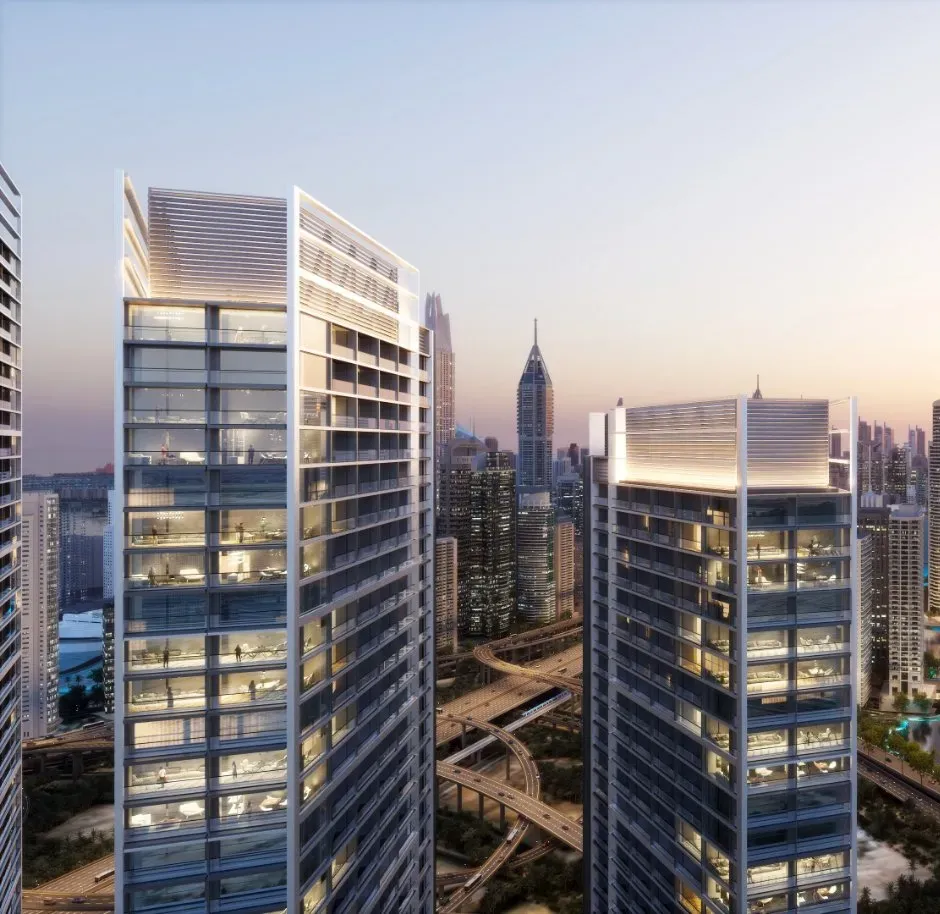
A well-designed and professionally managed building may support tenant satisfaction, occupier retention and future marketability.
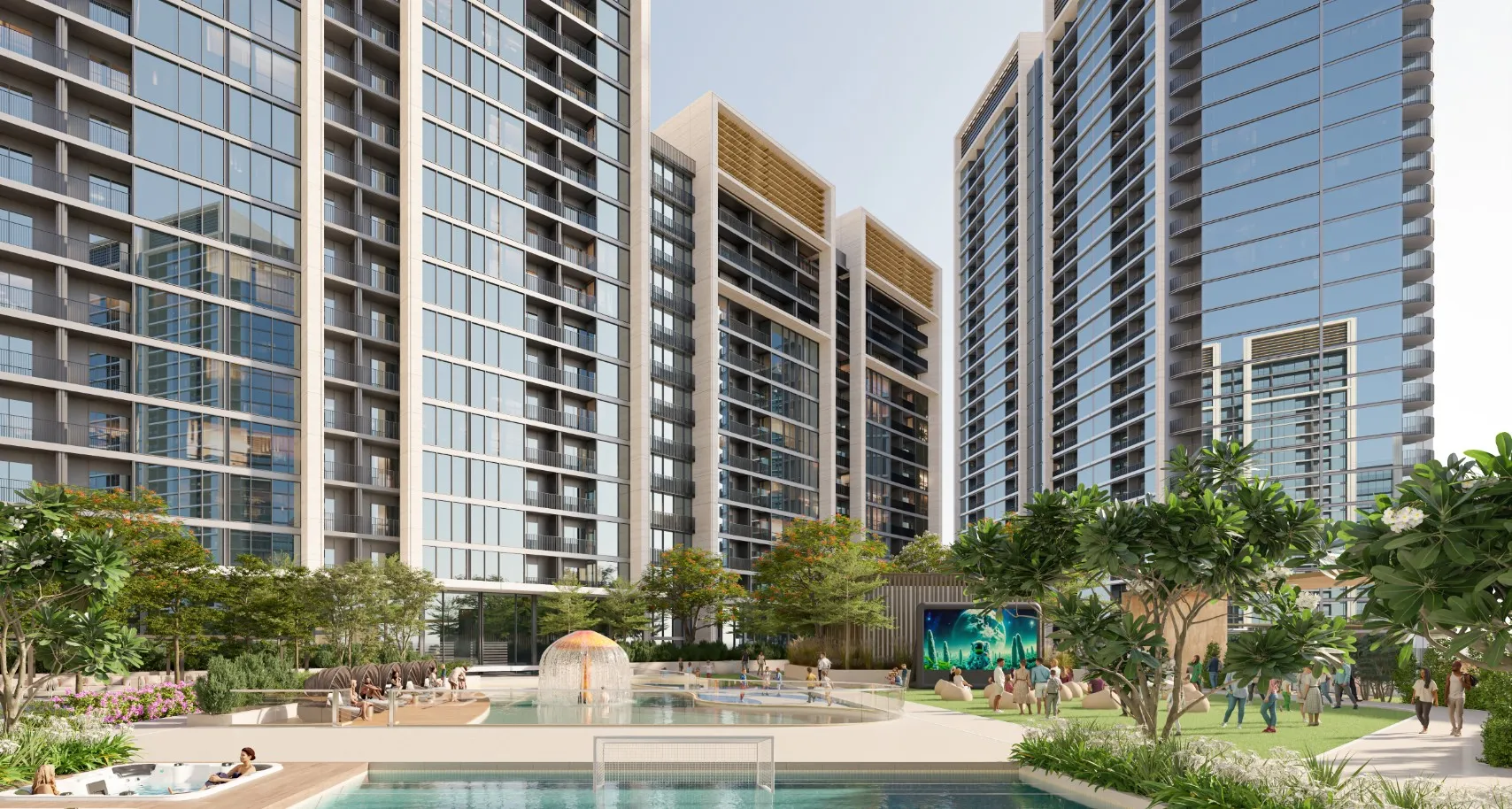
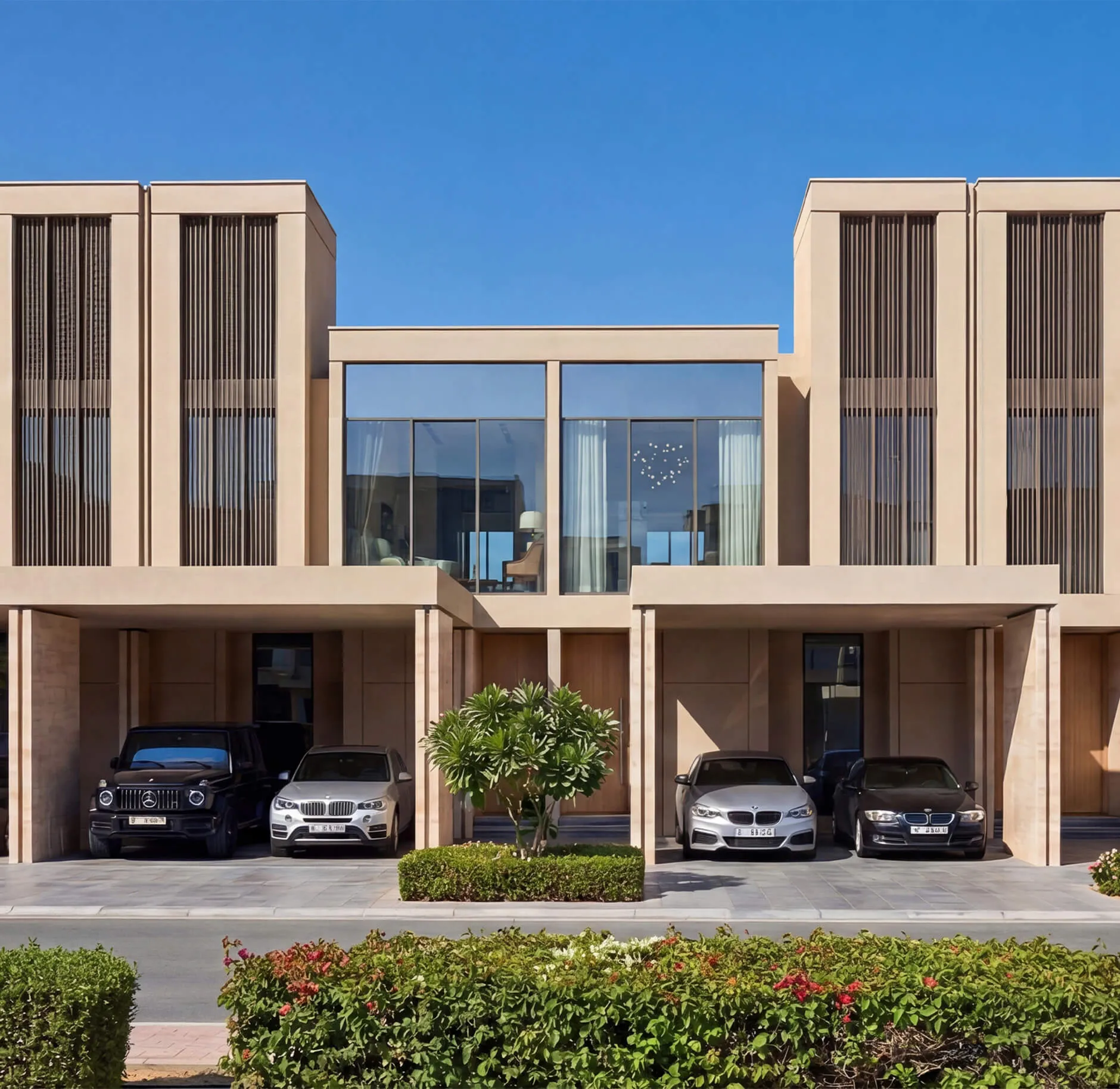
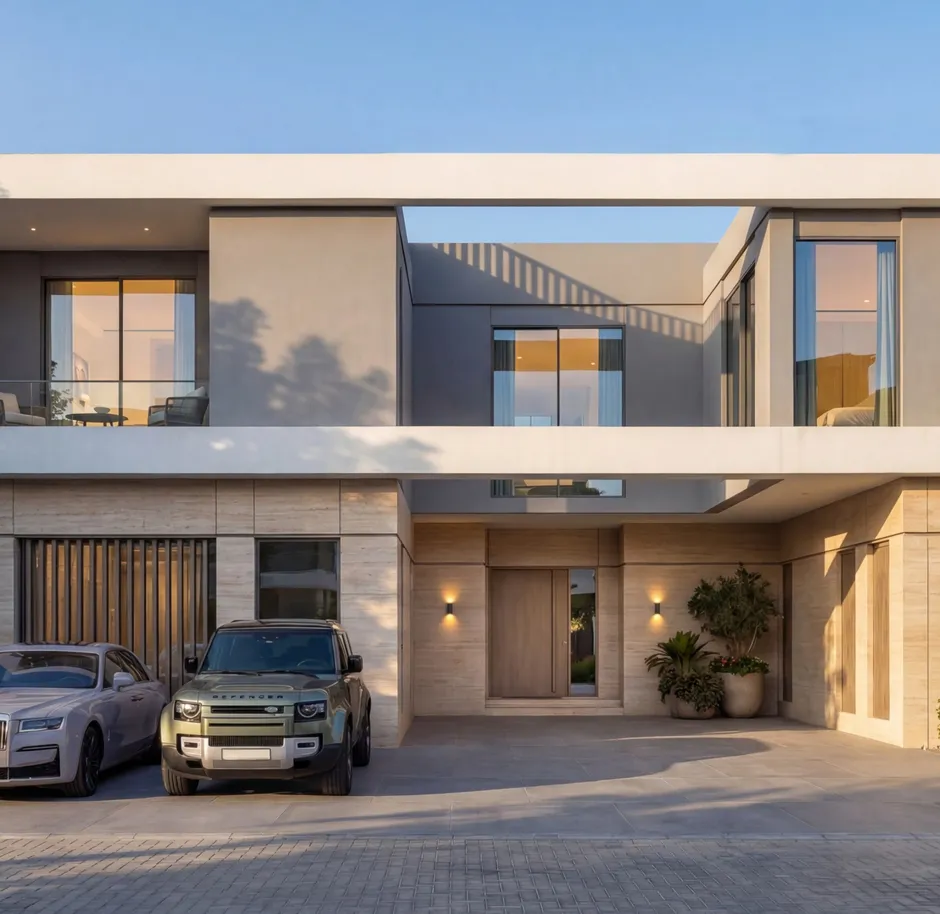
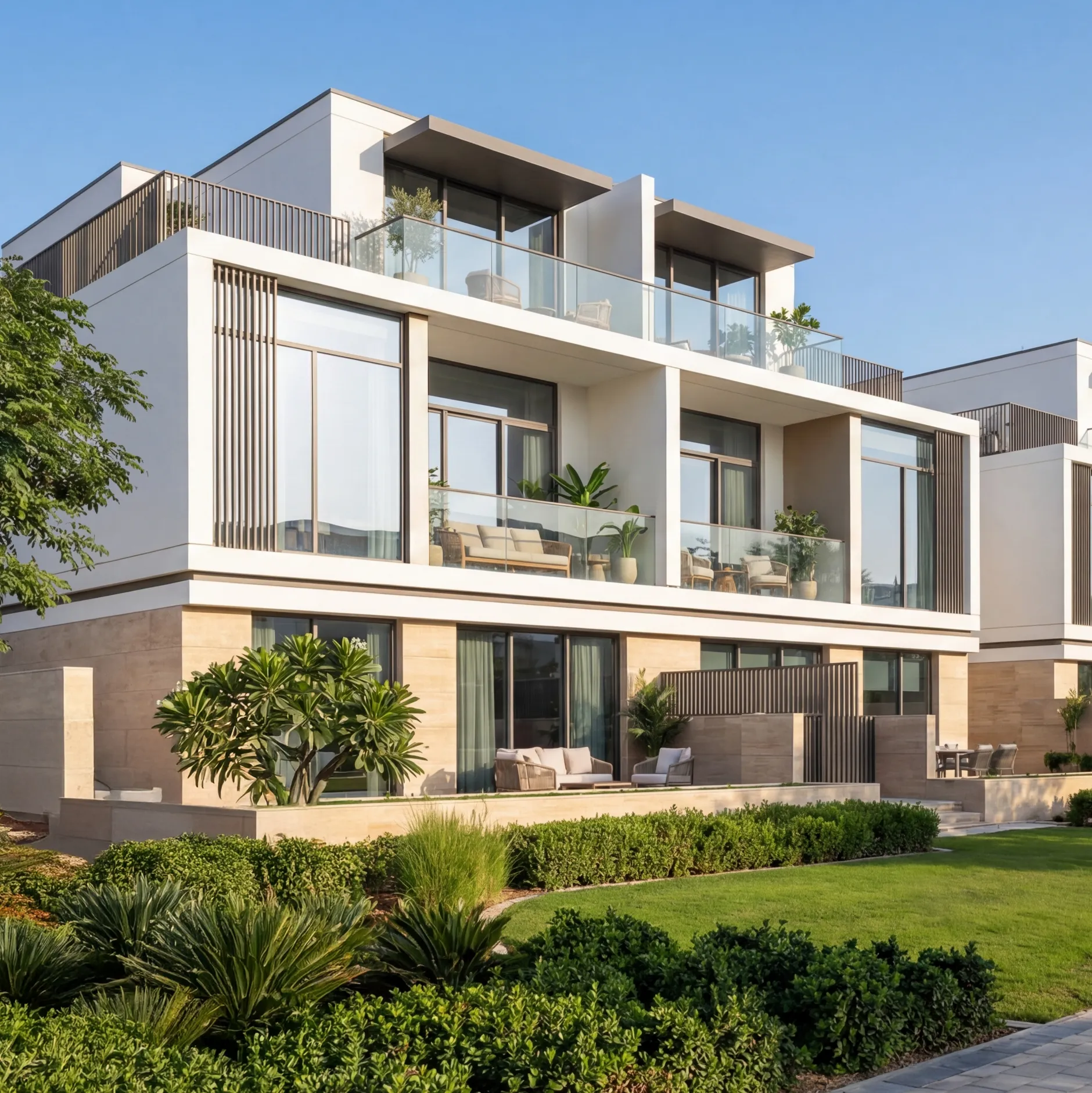
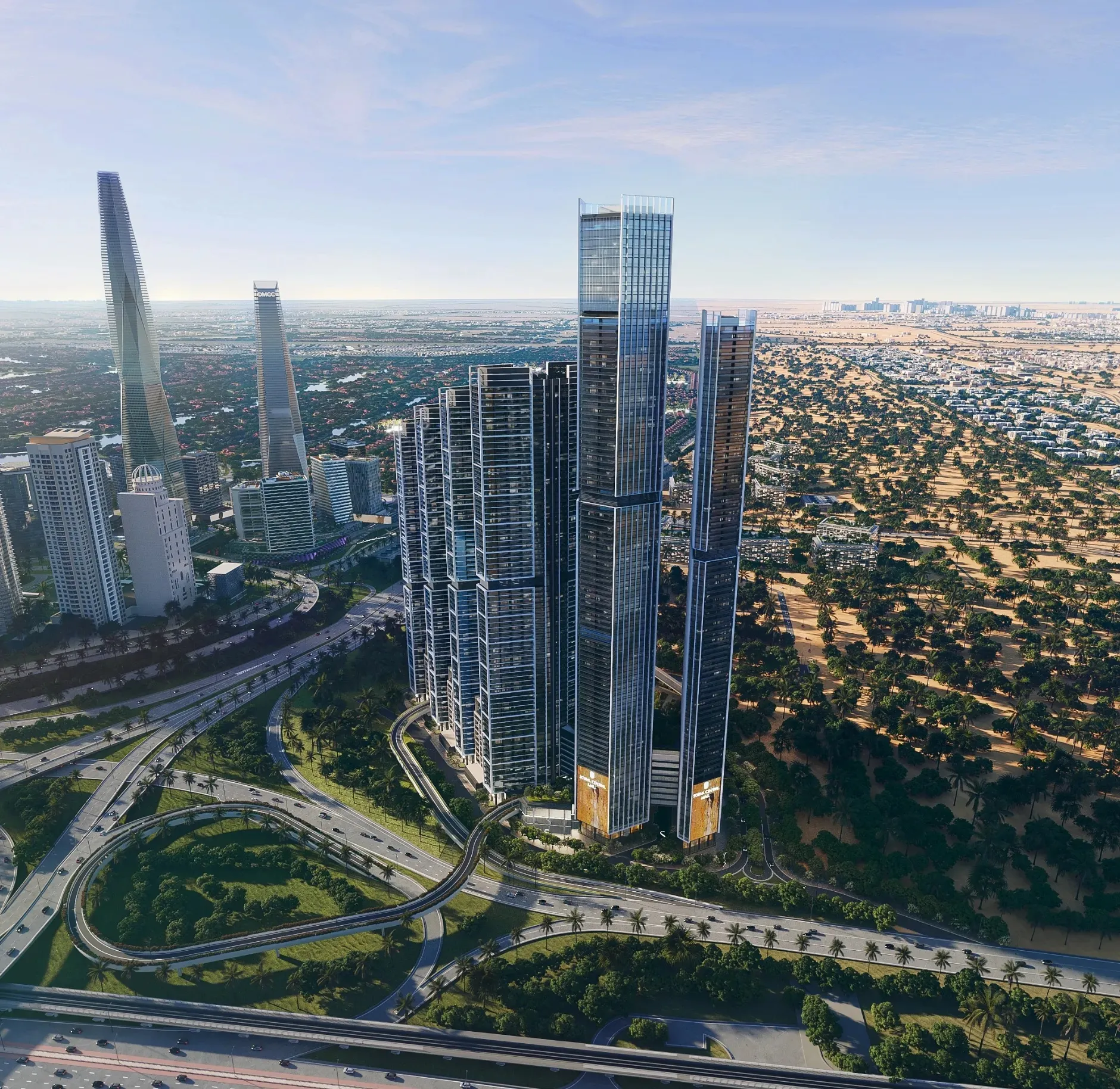
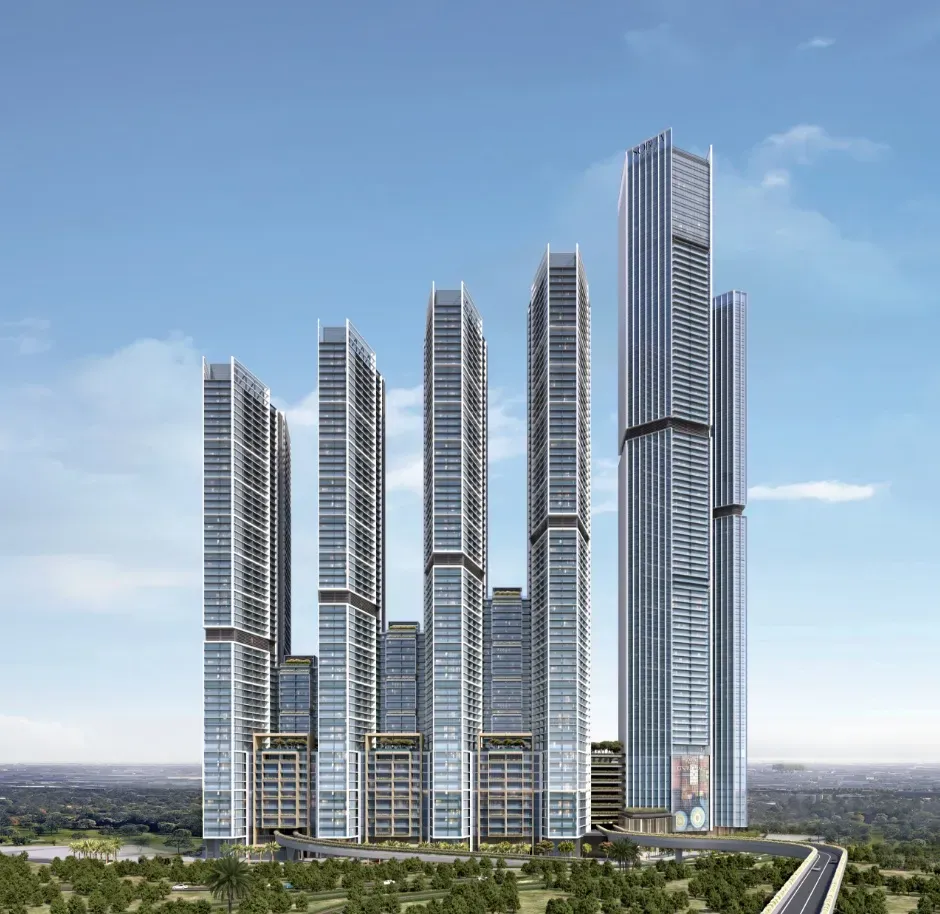
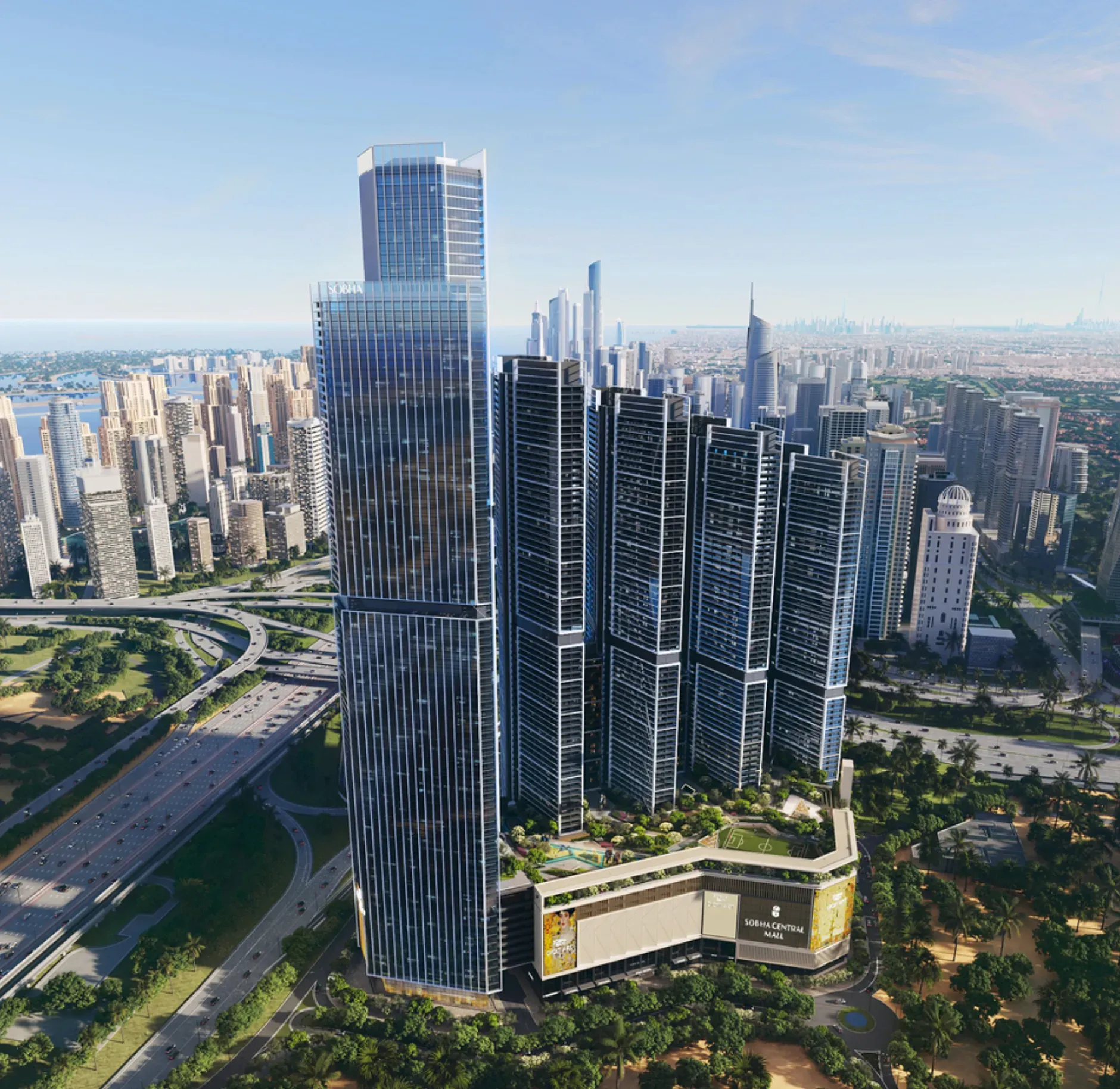
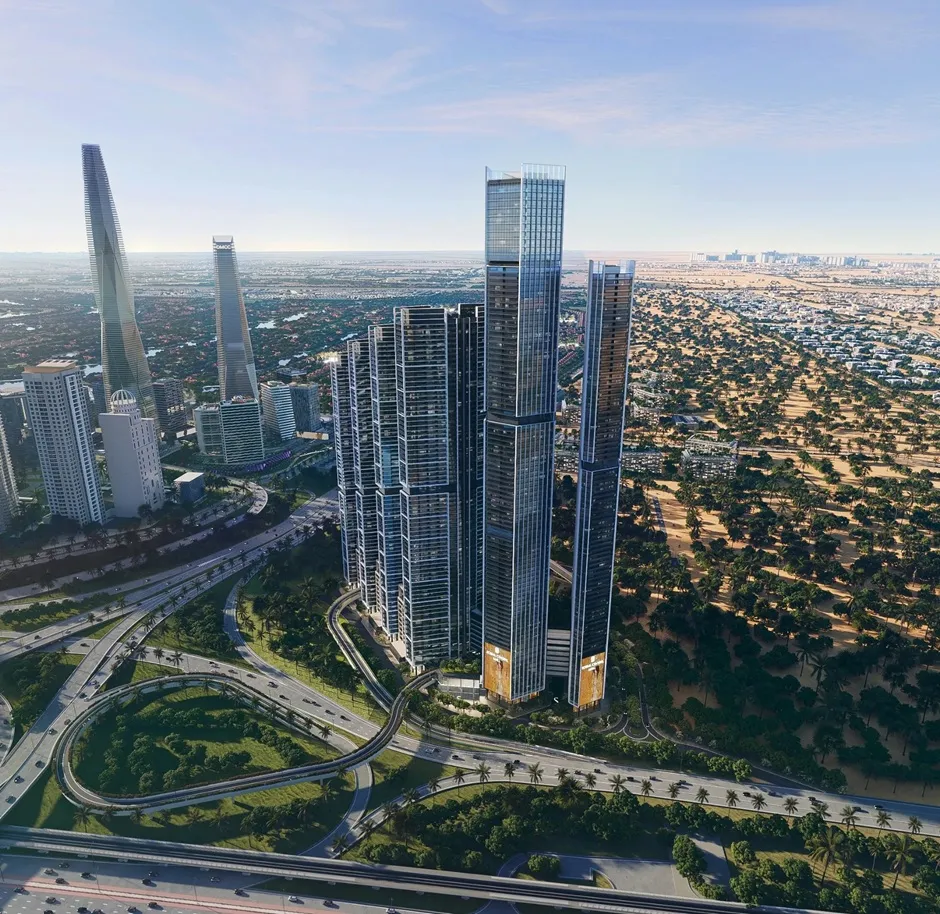
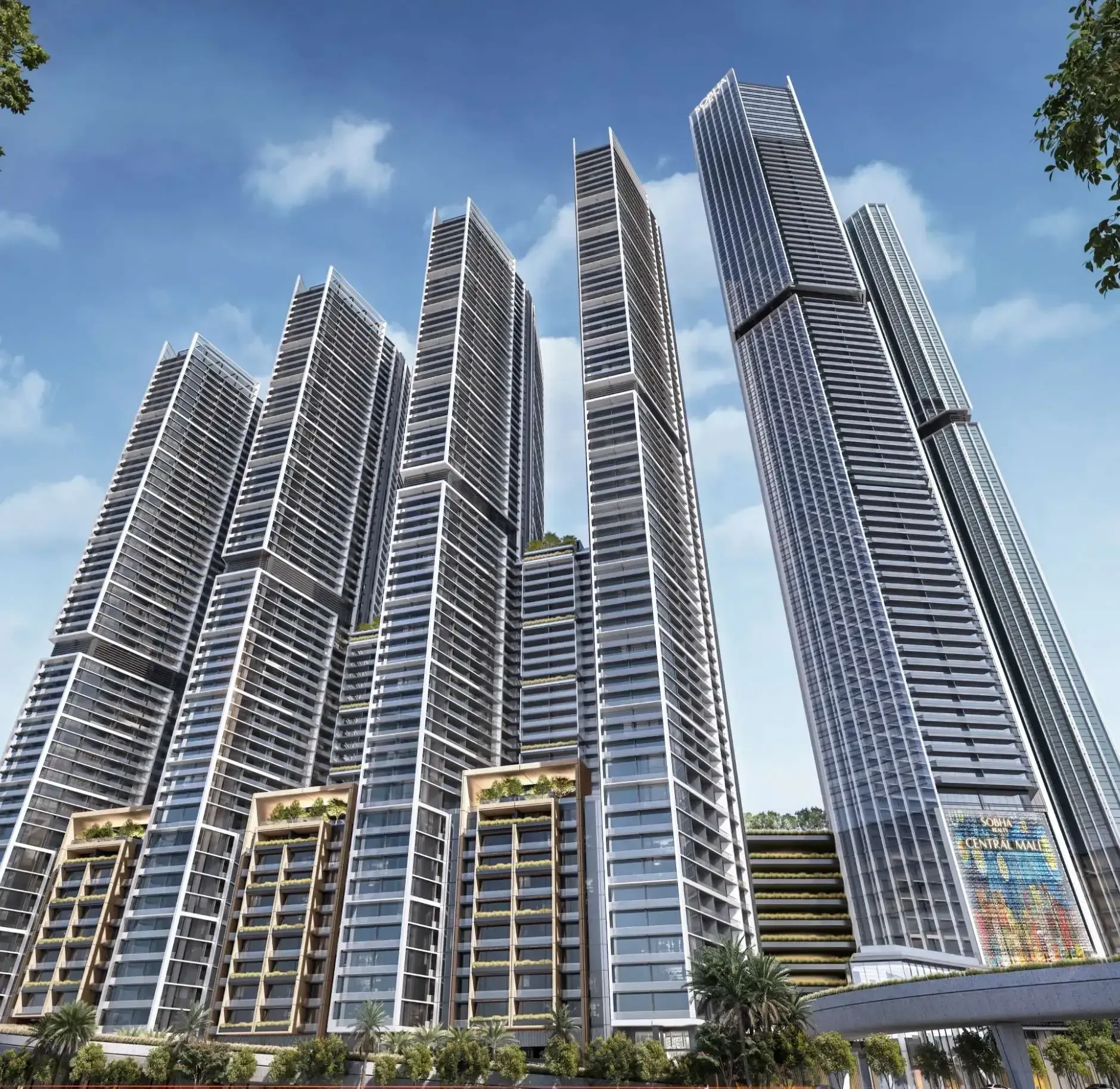
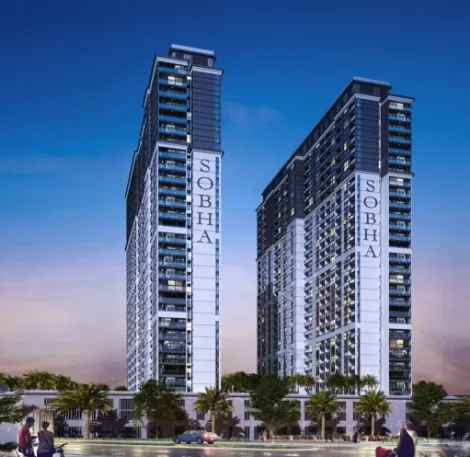
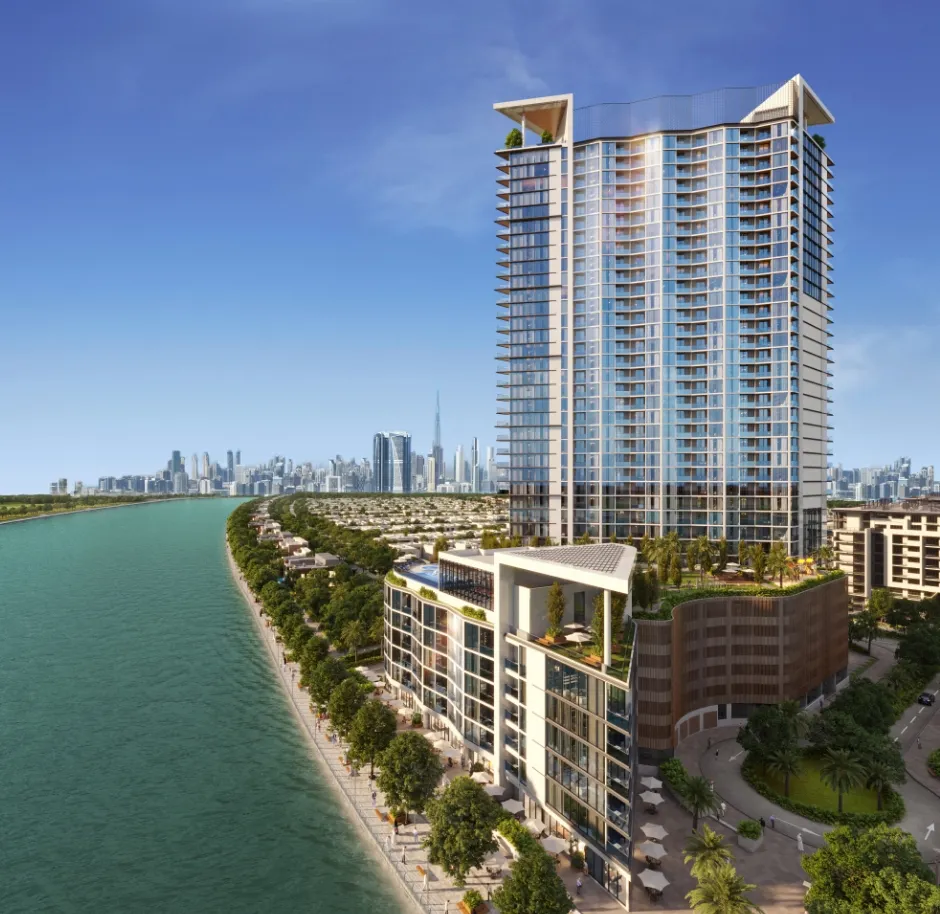
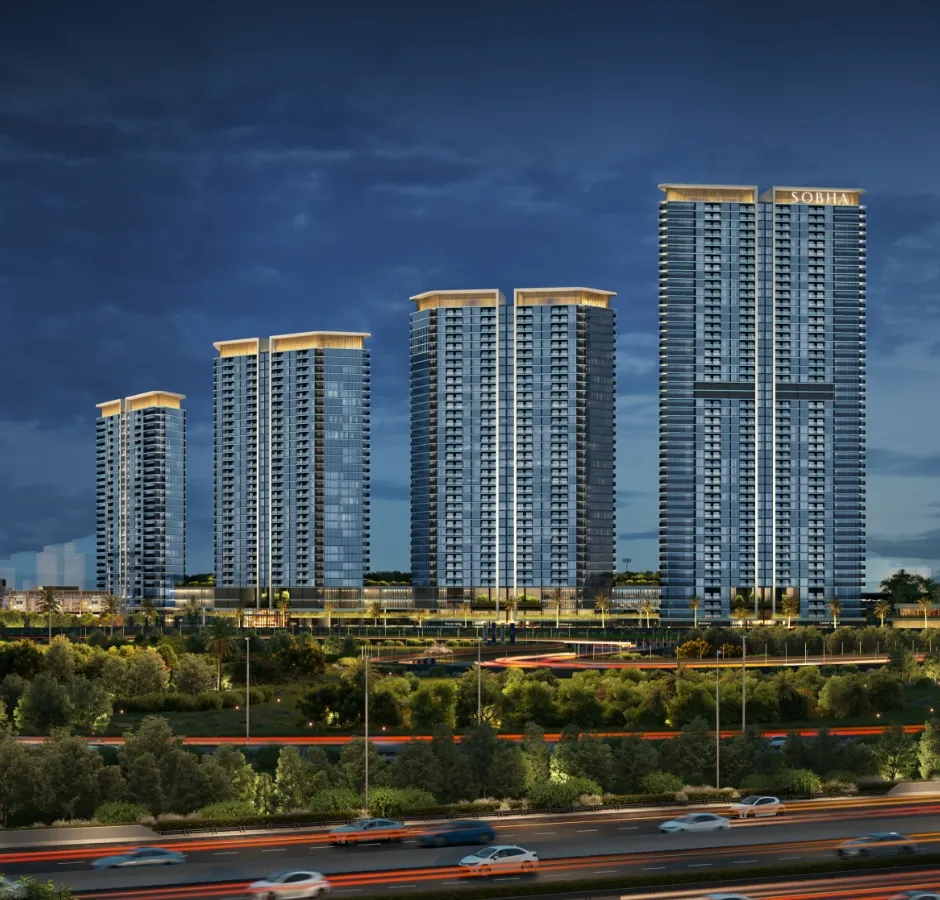
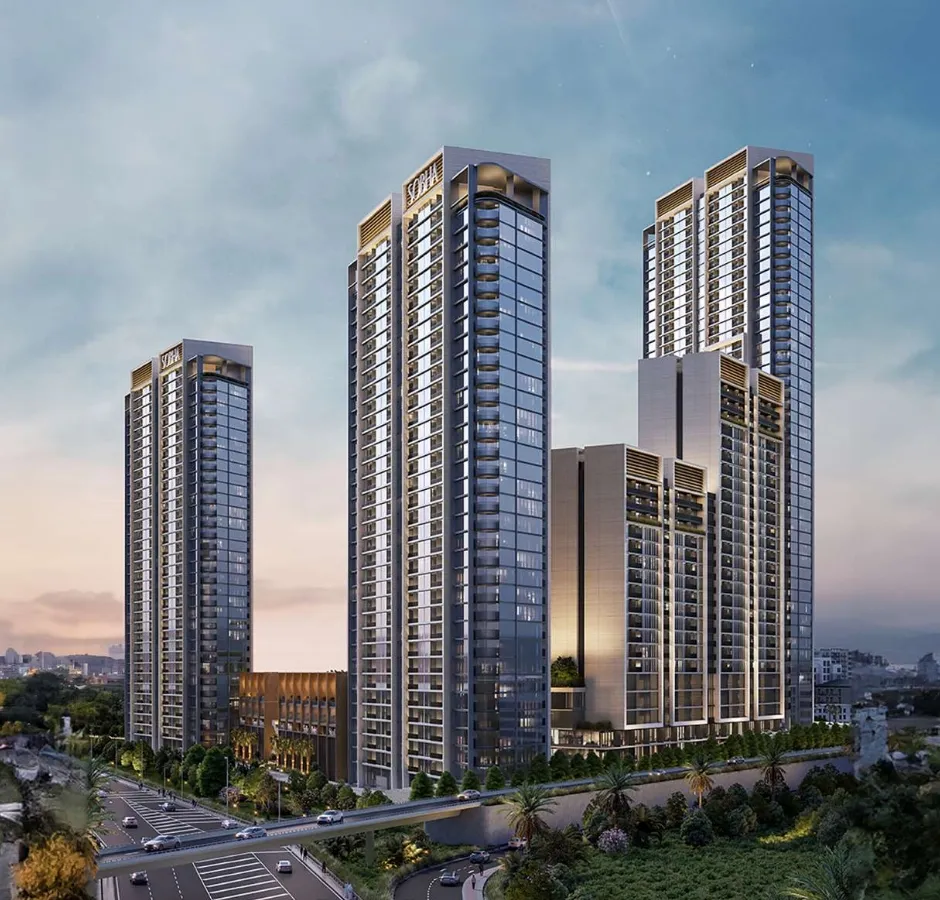
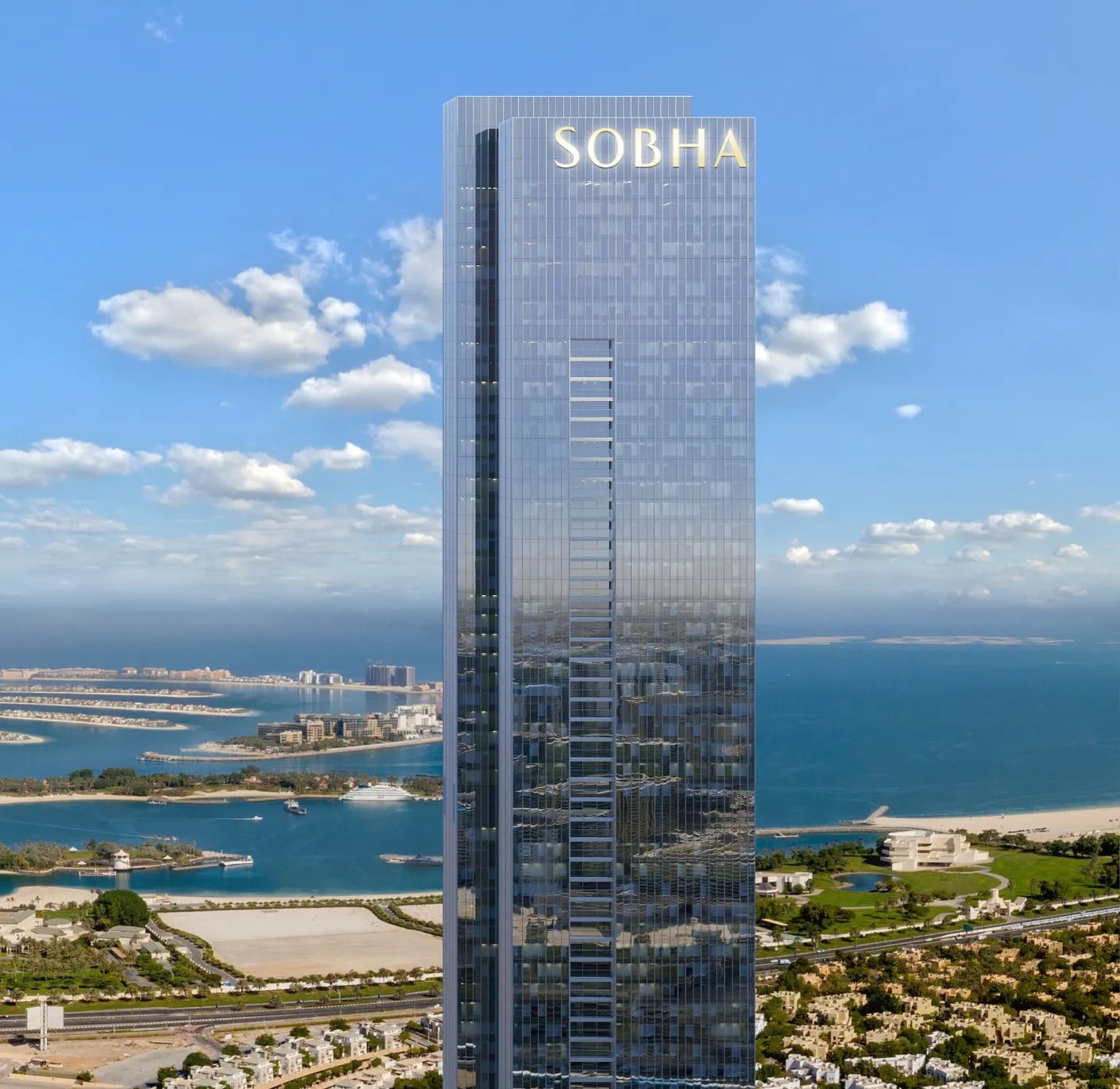
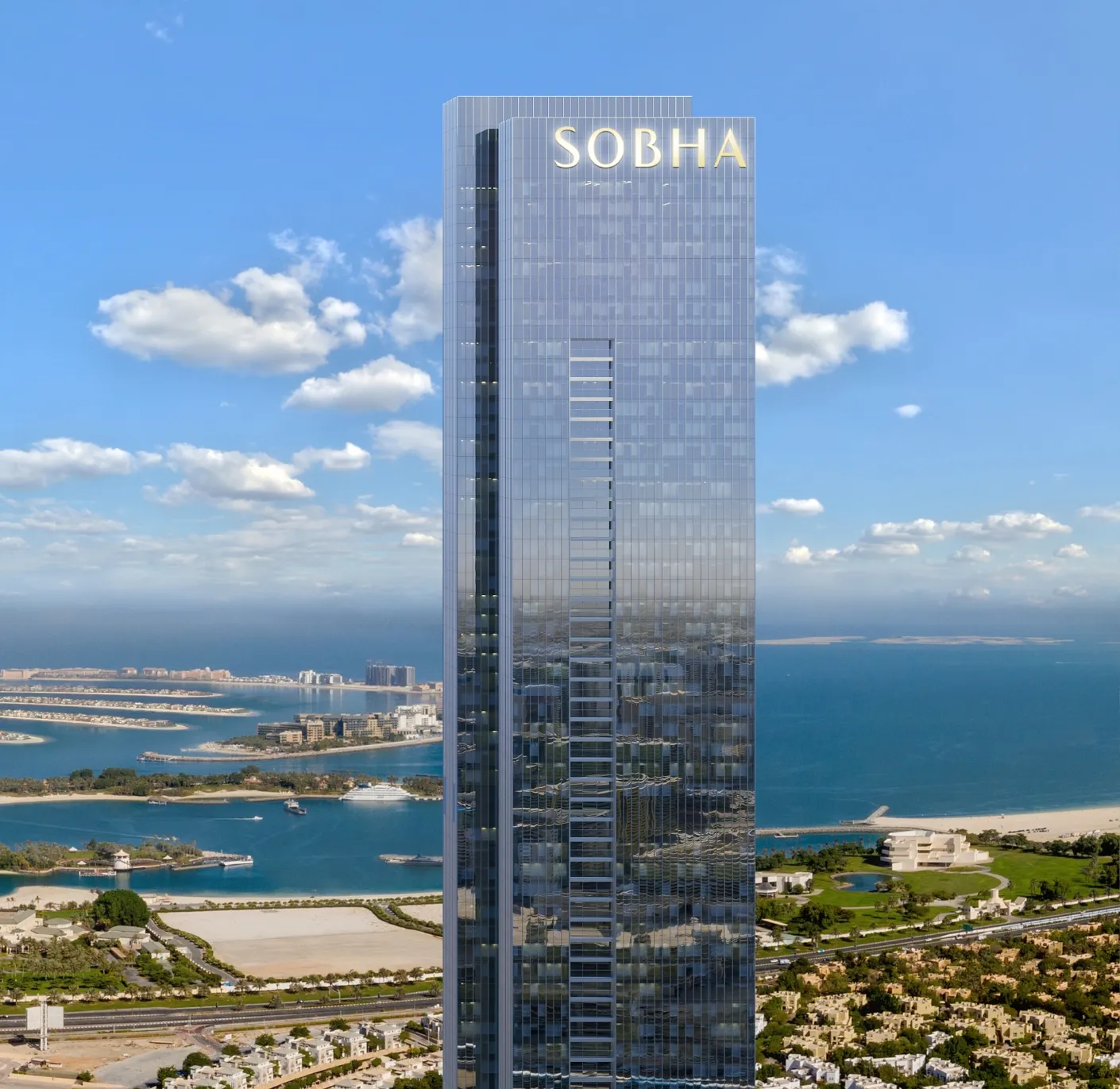
Sobha Realty’s approach is guided by “The Art of Detail” and its Backward Integration model, providing direct oversight across design, engineering, manufacturing, construction and finishing.
For commercial buyers, building quality can influence both the workplace experience and the property’s long-term usability and marketability.
Conclusion
The decision to buy an office in Dubai should be based on more than current rental growth or city-wide occupancy.
Buyers should assess:
- Business objective
- Location
- Freehold status
- Building grade
- Fit-out
- Service charges
- VAT
- Financing
- Tenant demand
- Future supply
- Property quality
Dubai’s office market remained highly occupied in 2026, with Grade A space particularly limited. At the same time, a larger development pipeline is expected to increase supply from 2028 onwards.
This makes property selection increasingly important as supply and occupier preferences evolve.
An office purchase should be assessed on its usability, tenant appeal, operating costs, building quality, and long-term marketability.
Frequently Asked Questions
1. Can foreigners buy offices in Dubai?
Yes. Foreign nationals can acquire property within designated Dubai freehold areas, subject to the ownership conditions applicable to the specific office and building.
2. Is buying an office in Dubai a good investment?
Whether an office is a suitable investment depends on factors such as location, tenant demand, purchase price, service charges, lease terms, building quality and future supply. Performance can vary significantly between properties and districts.
3. Is commercial property subject to VAT?
Commercial-property sales and leases are generally subject to 5% VAT. Buyers should obtain professional advice regarding registration and input-VAT recovery.
4. What are the DLD fees when buying an office?
DLD currently lists 2% of the sale value for the buyer and 2% for the seller, plus title-deed and applicable transaction-service fees.
5. Can an office be bought digitally through Dubai Now?
Eligible mortgage-free, freehold office units may qualify for DLD’s Digital Sale service where the individual parties meet the current conditions.
6. Should I buy a fitted or shell-and-core office?
A fitted office may reduce move-in time, while shell-and-core space offers greater design flexibility. Buyers should compare the complete fit-out and occupancy cost.
7. Are office service charges regulated?
Service charges for jointly owned properties are monitored through DLD’s Mollak system, and owners can access RERA-approved rates through the Service Charge Index.
Call to Action
Discover Sobha Realty’s approach to premium commercial environments, where thoughtful design, precise execution and attention to long-term quality support modern business needs in Dubai.