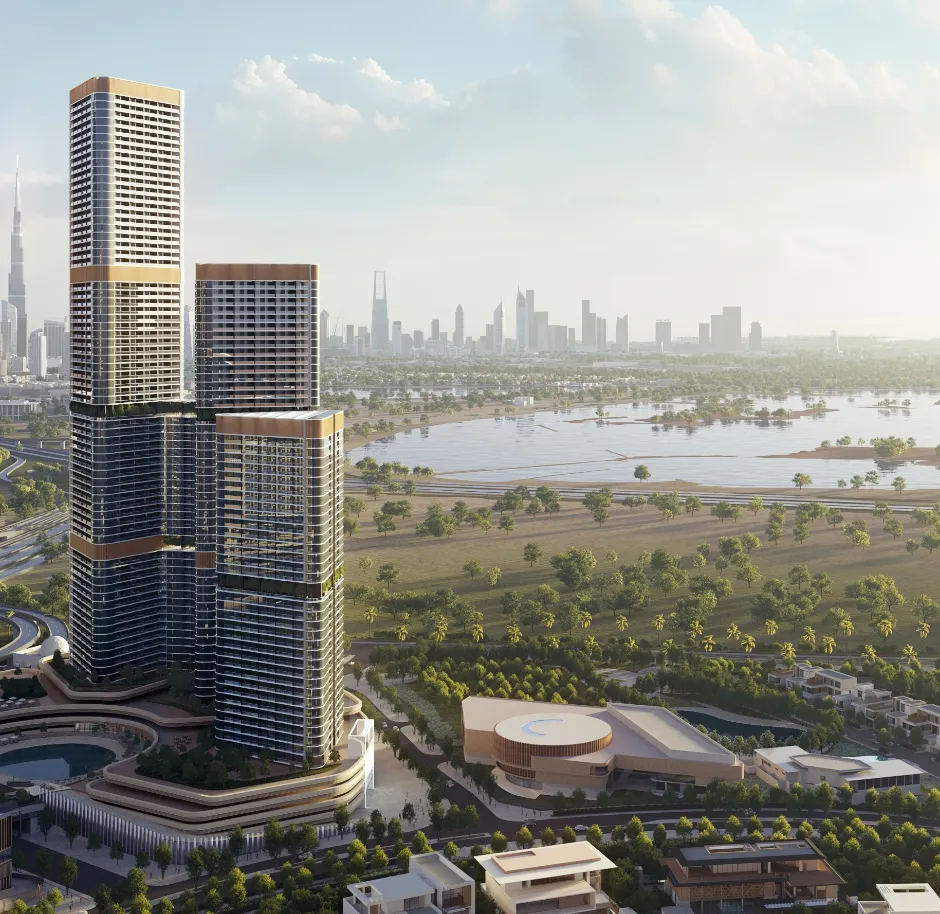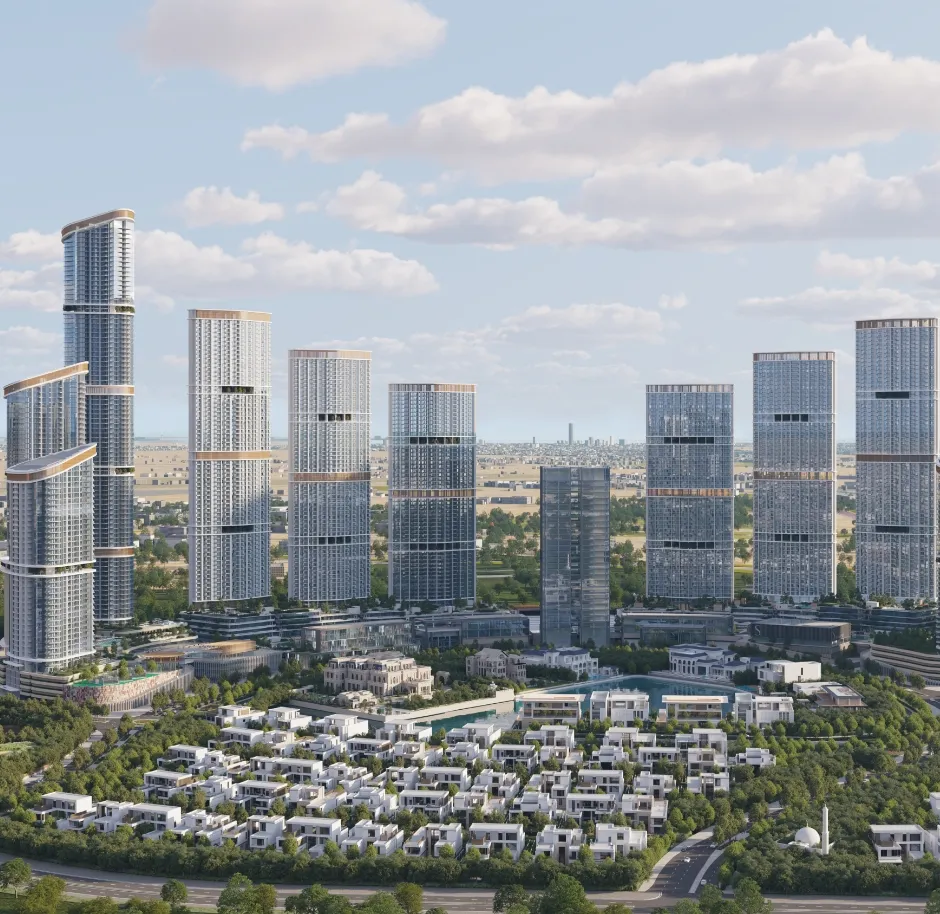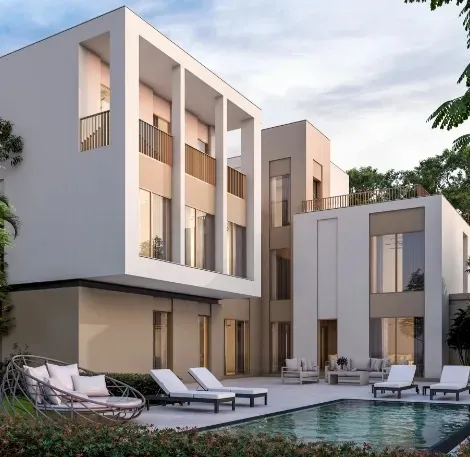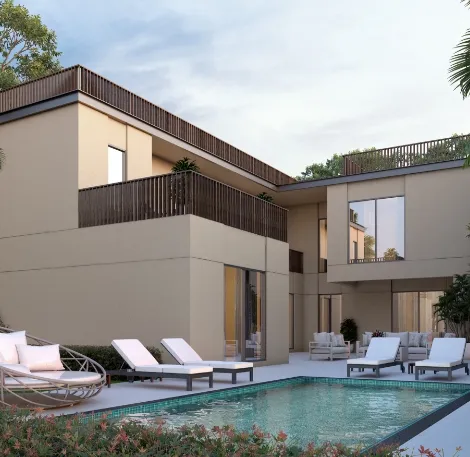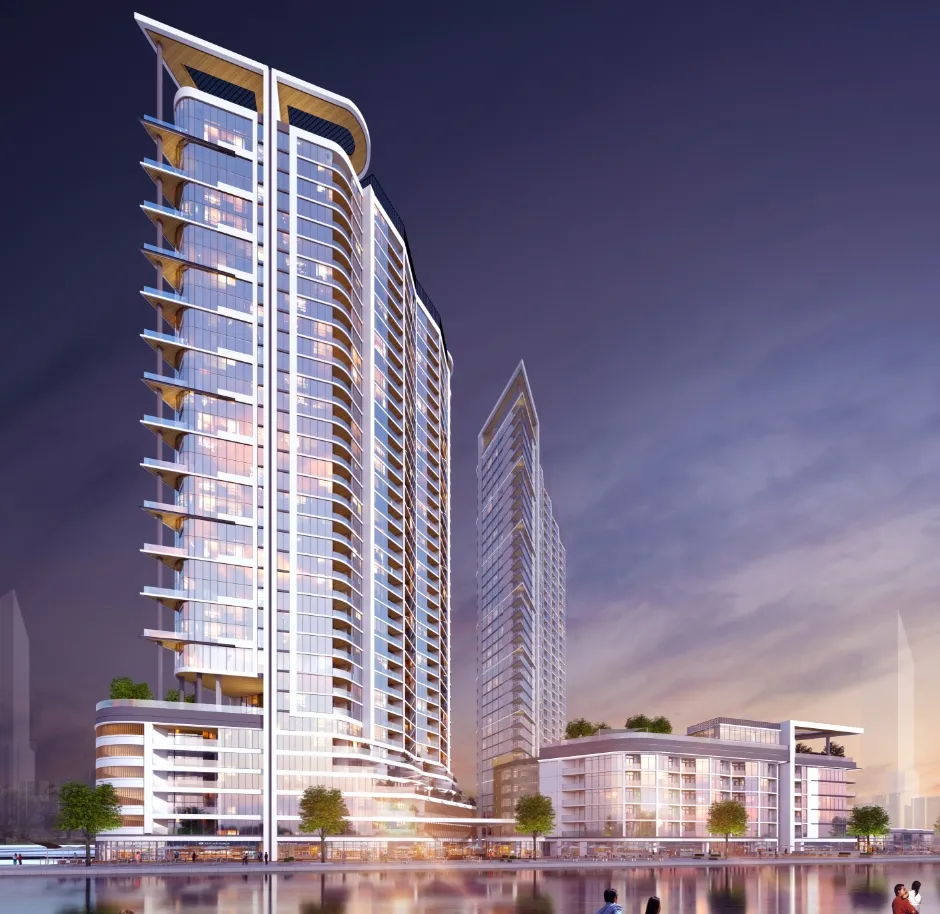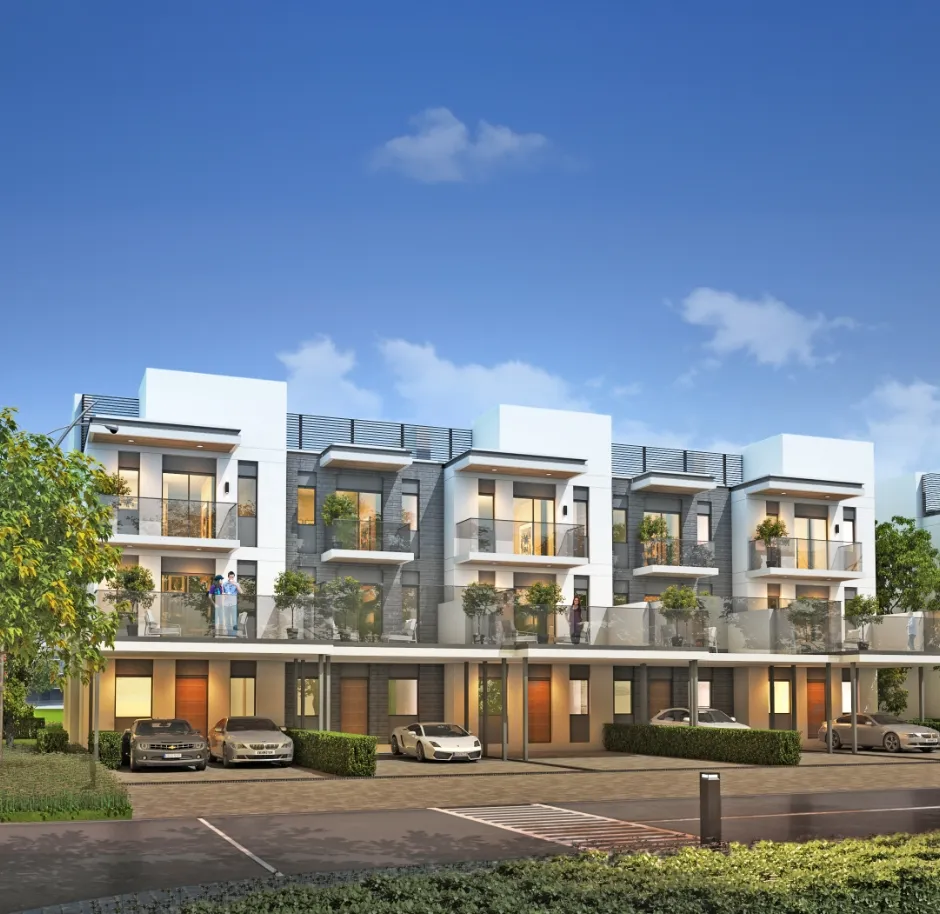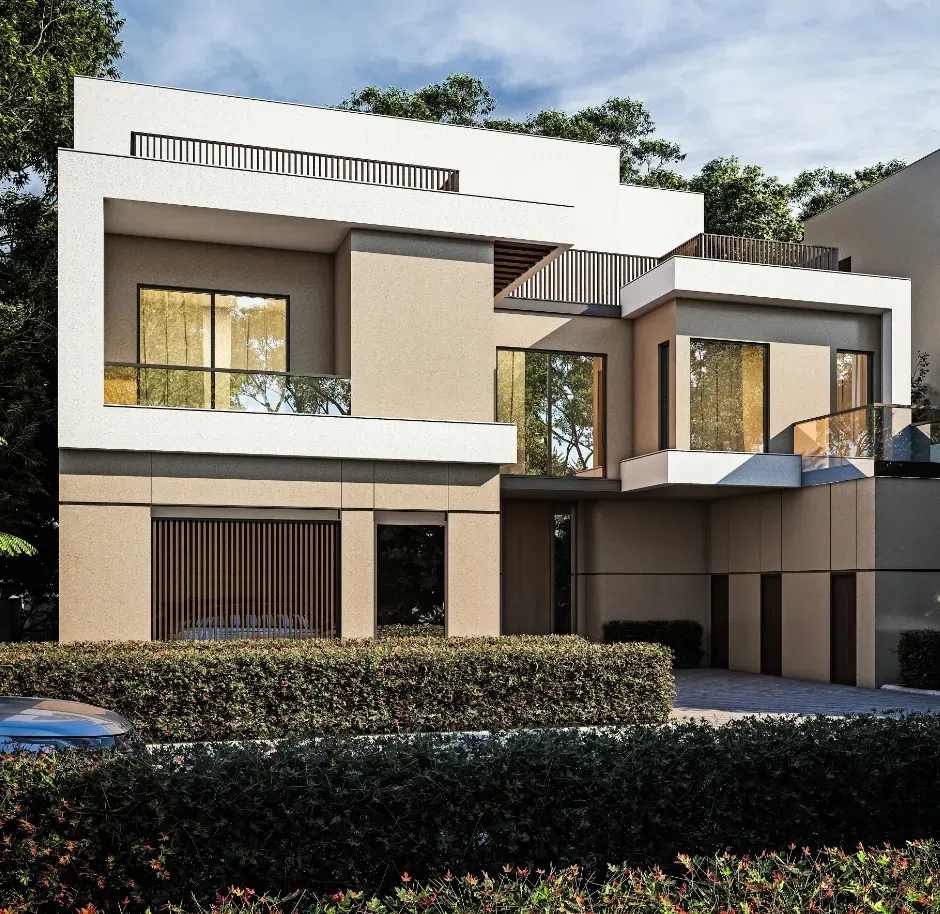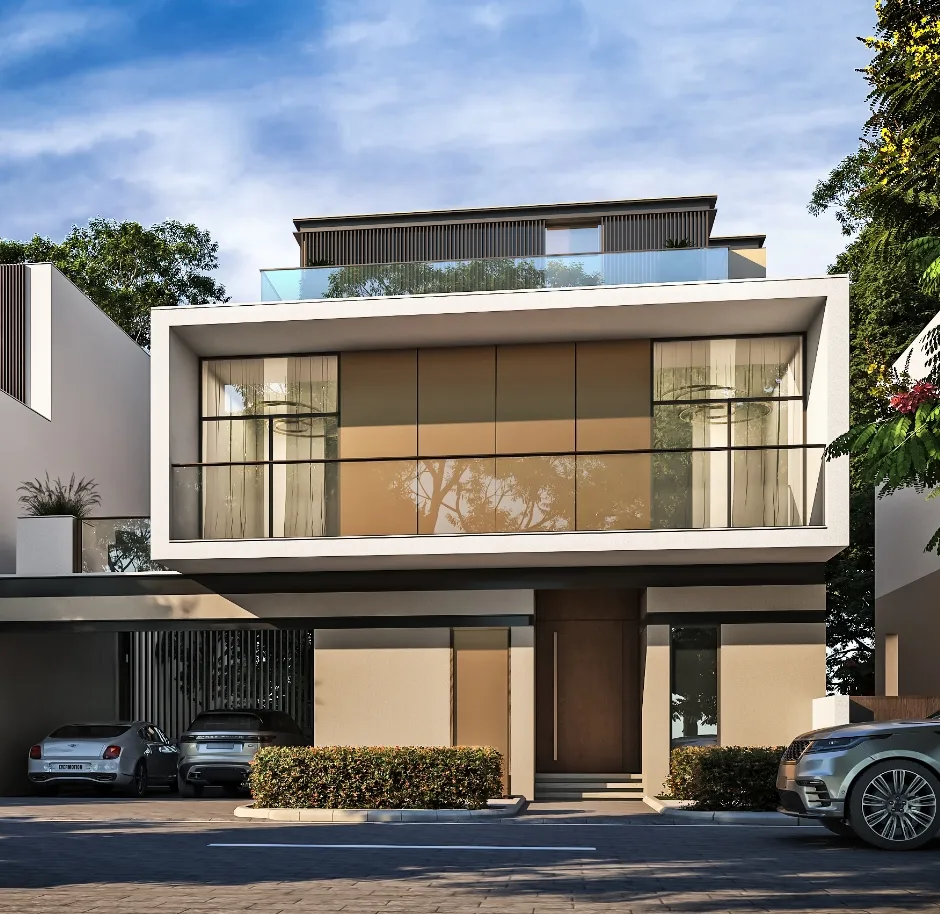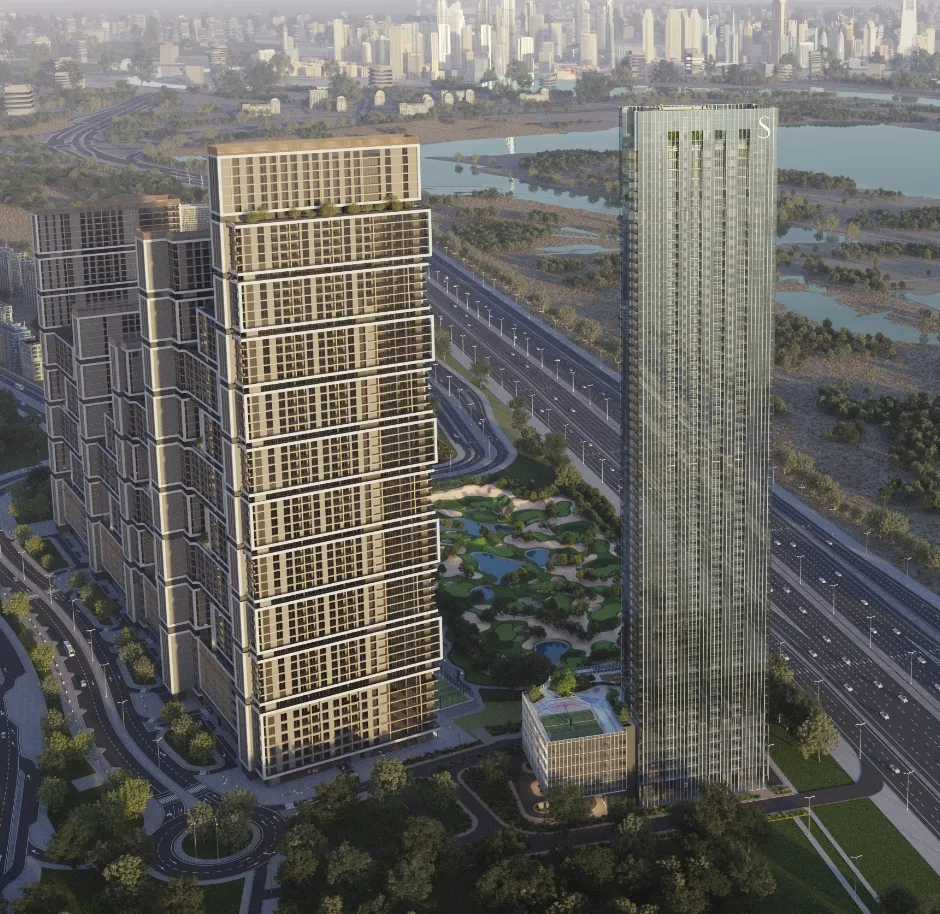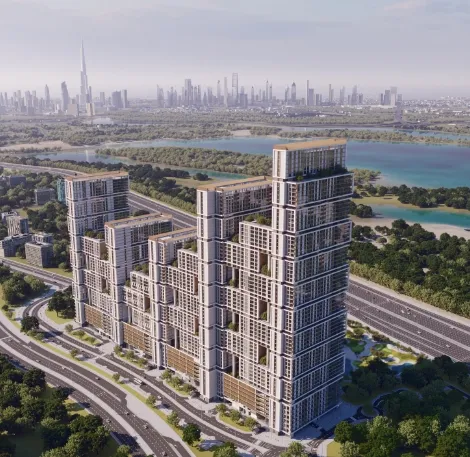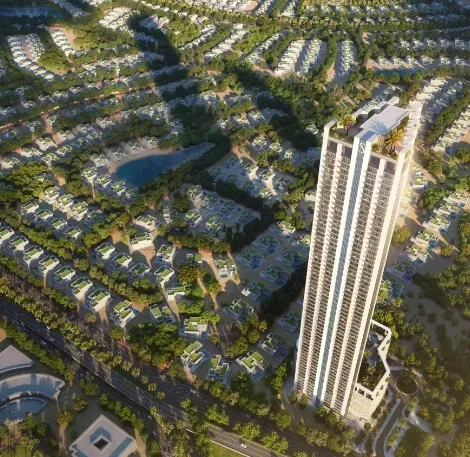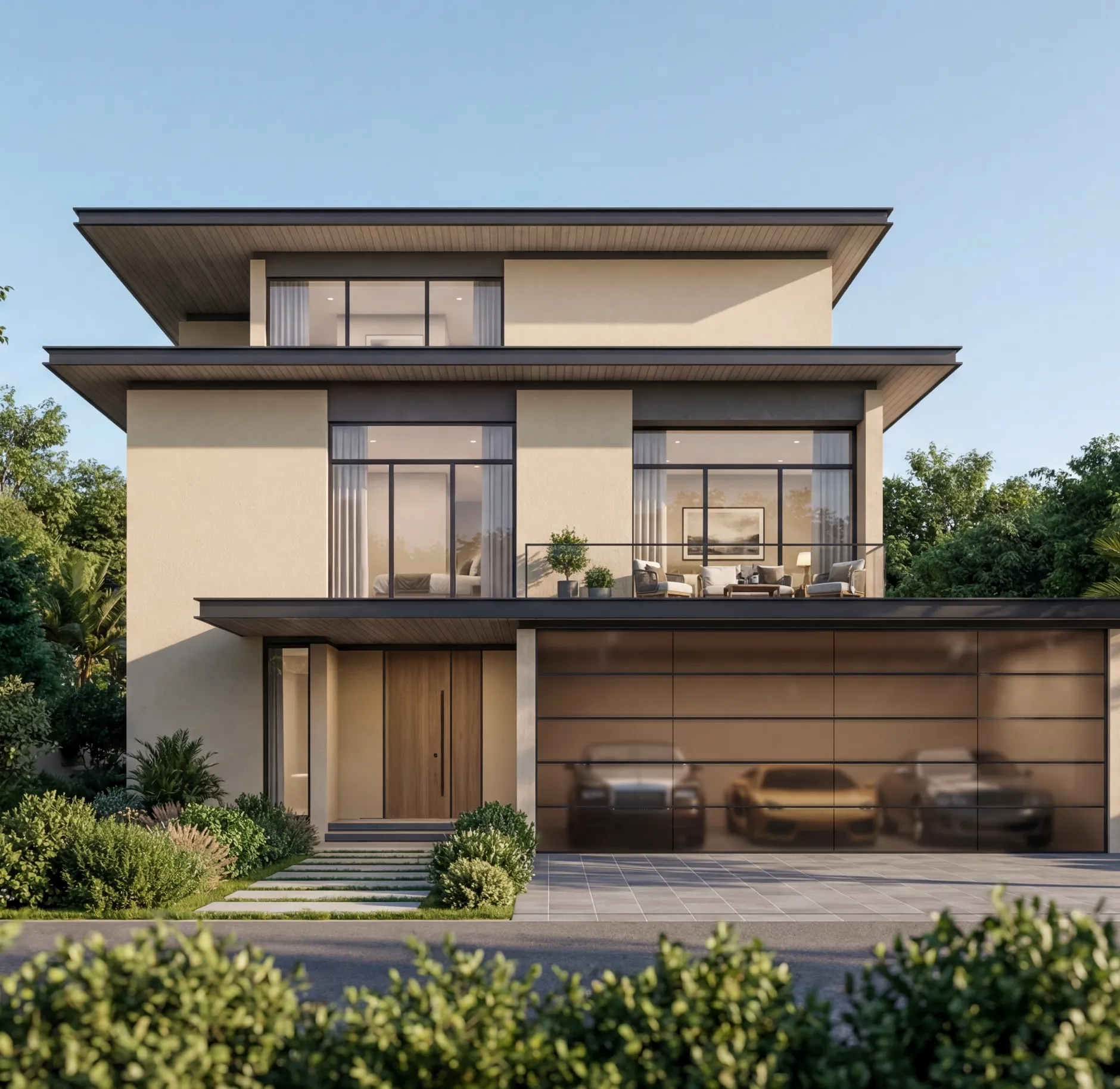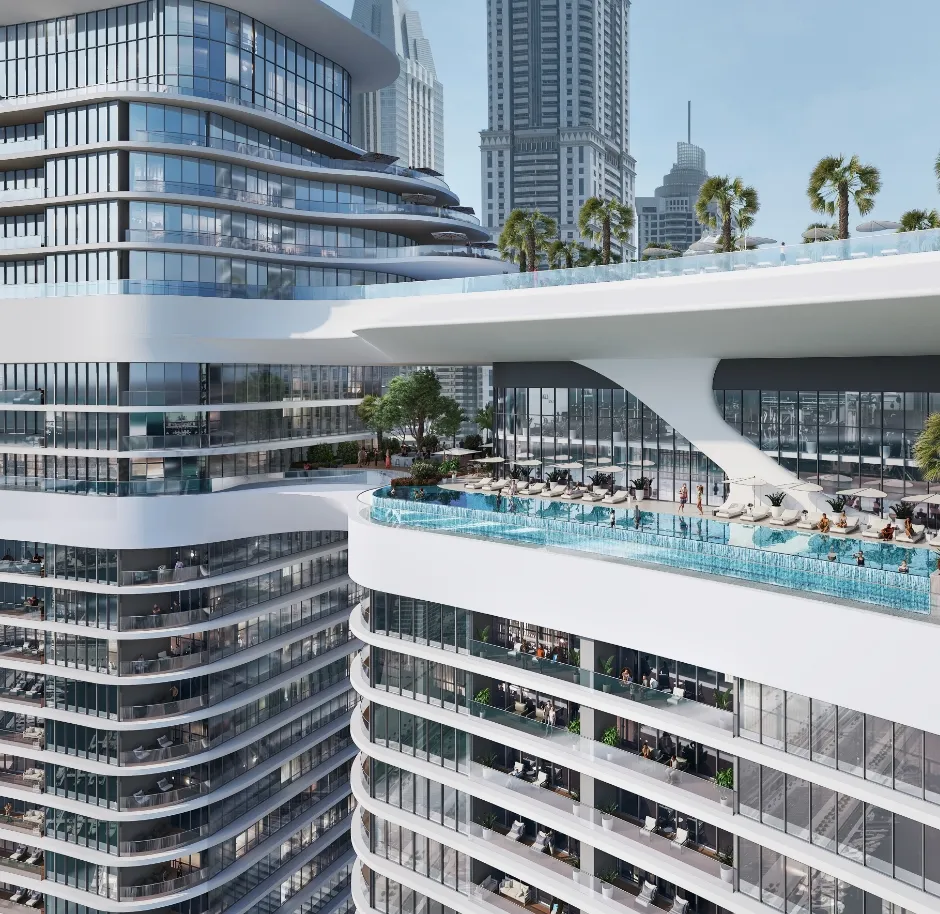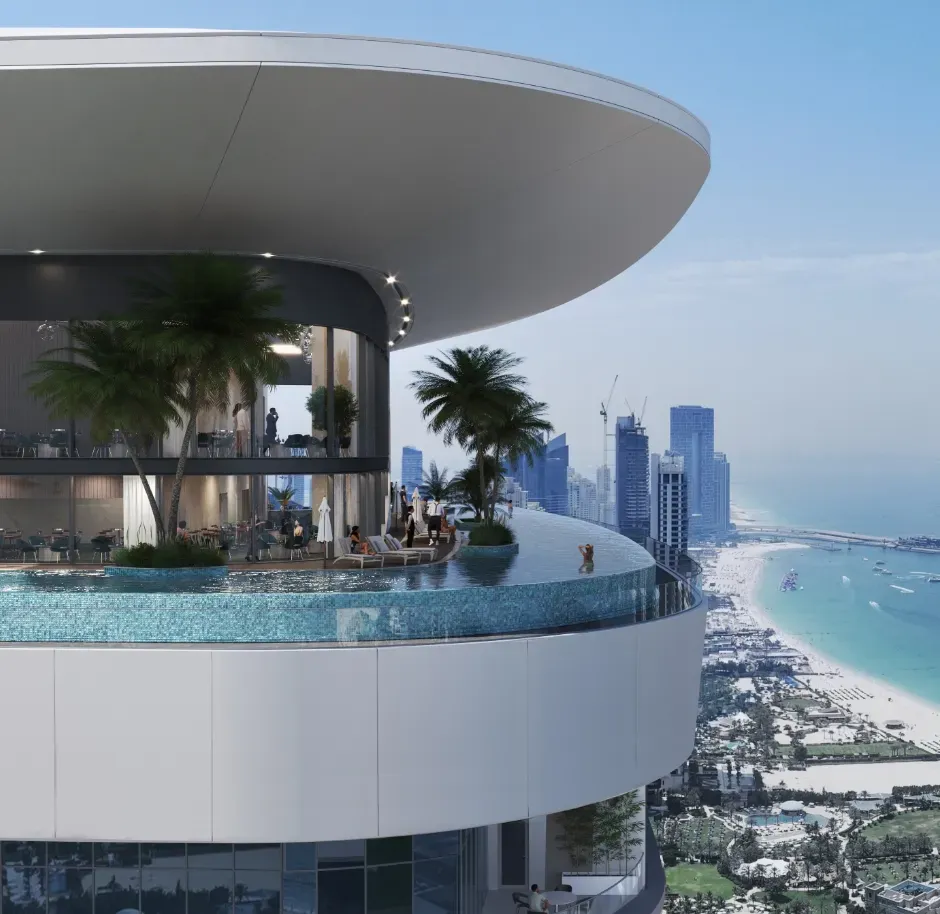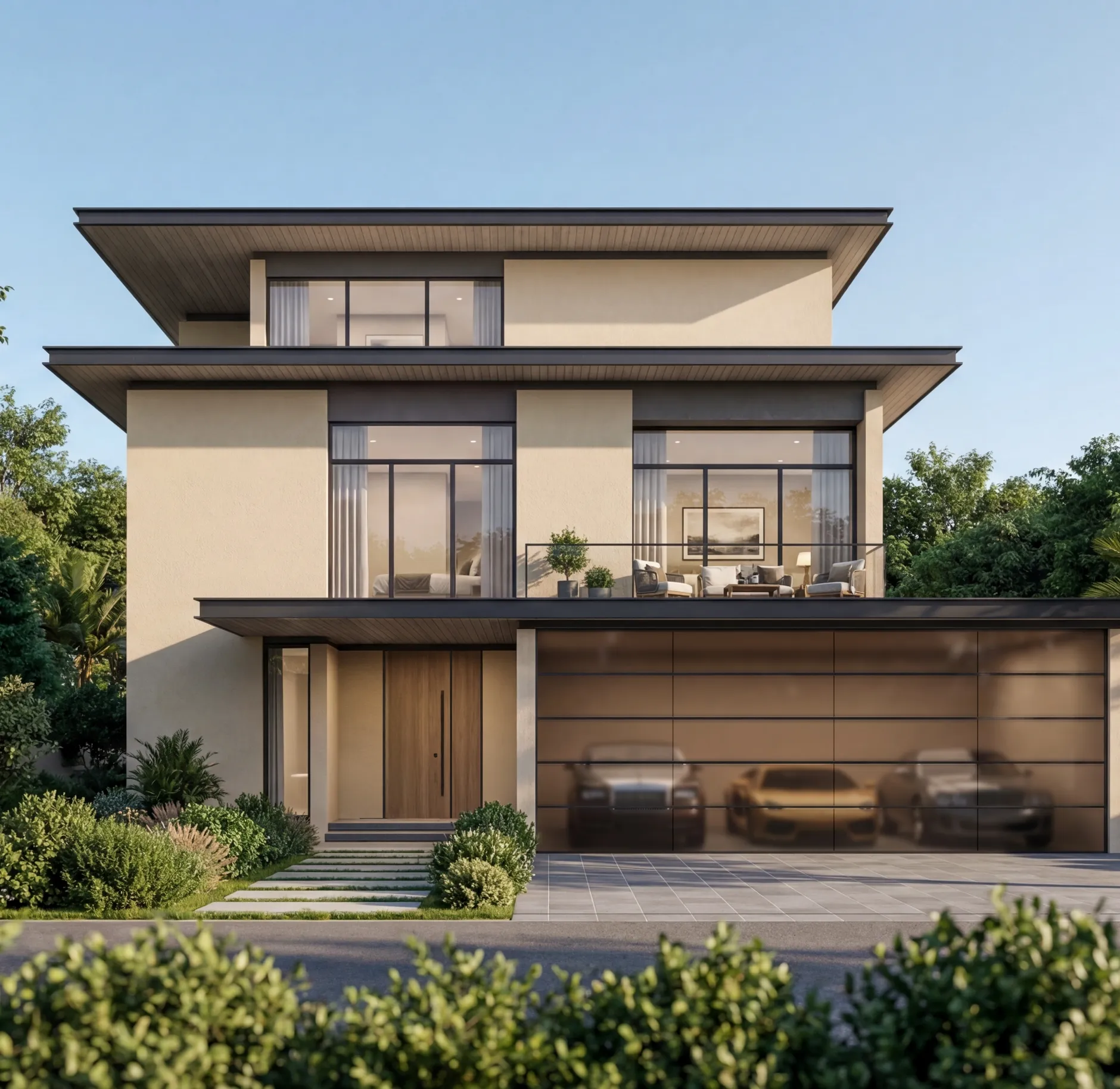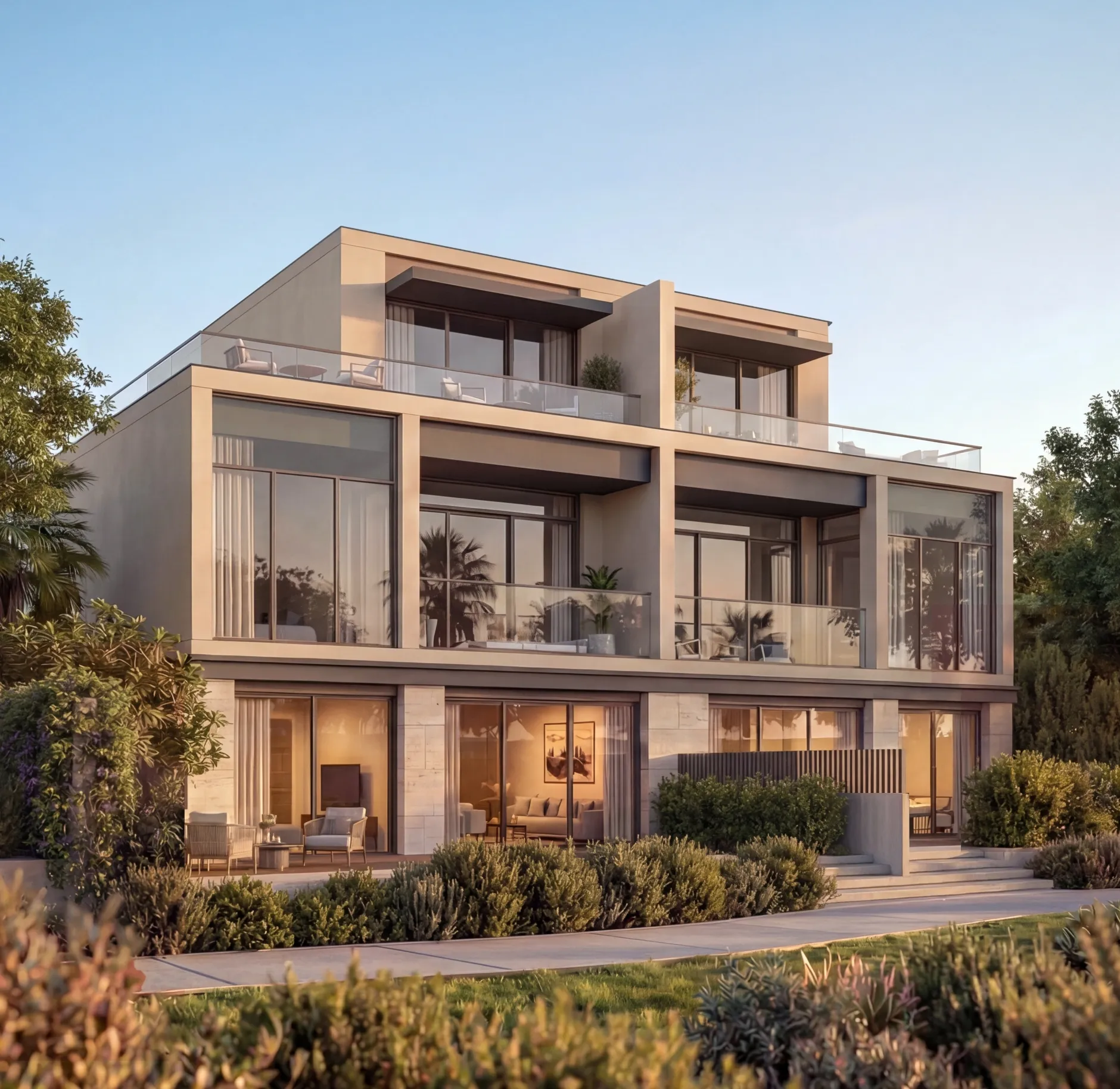
For many property buyers in Dubai, one of the first major decisions is not simply where to buy, but what type of property to buy.
Should you choose an apartment in a well-connected urban community, or a villa offering more privacy, space, and a family-focused lifestyle?
There is no universal answer. The right choice depends on your budget, lifestyle, investment objectives, preferred location, and how you intend to use the property over time.
For investors, the comparison often comes down to rental demand, acquisition cost, liquidity, maintenance, ongoing ownership costs, and potential resale performance. For end-users, the decision may be more closely linked to privacy, space, amenities, commute, and family needs.
Understanding the differences between apartments and villas in Dubai can help buyers make a more informed decision that aligns with both financial and lifestyle goals.
Why Property Type Matters in Dubai
Dubai offers one of the most diverse residential property markets in the region.
Buyers can choose from:
- Studios and one-bedroom apartments
- Larger family apartments
- Branded and serviced residences
- Townhouses
- Semi-detached homes
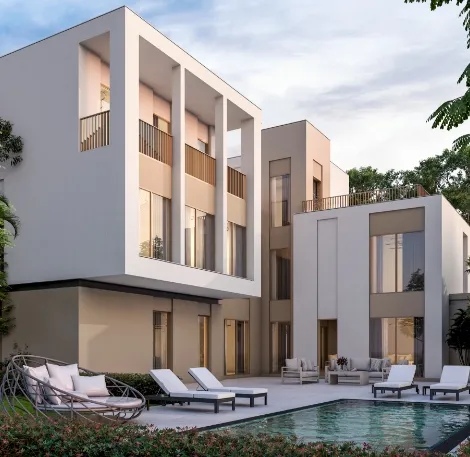
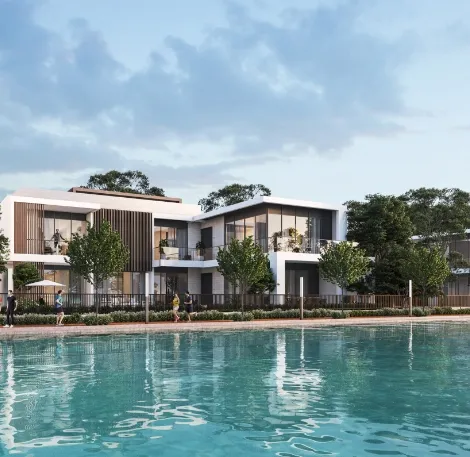
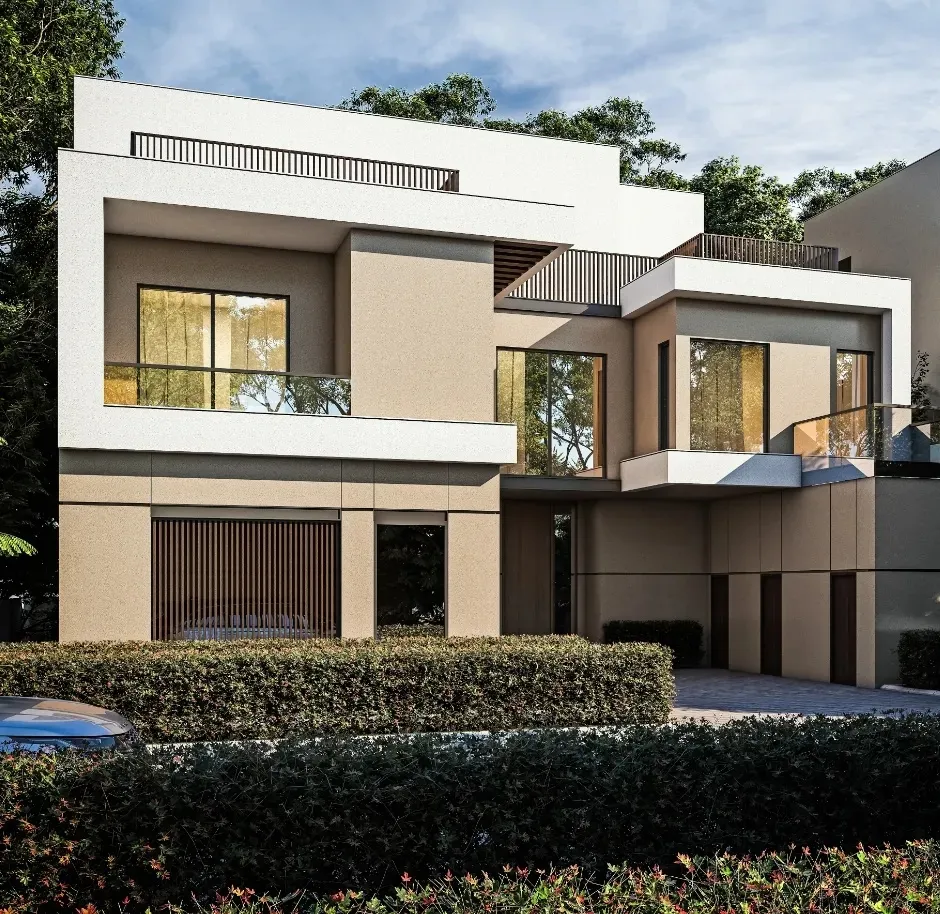
- Villas
- Luxury and ultra-luxury residences
This variety means that buyers are not simply comparing two property formats. They are choosing between different lifestyles, cost structures, and investment profiles.
The right property type should therefore reflect both current needs and long-term plans.
The Case for Buying an Apartment in Dubai
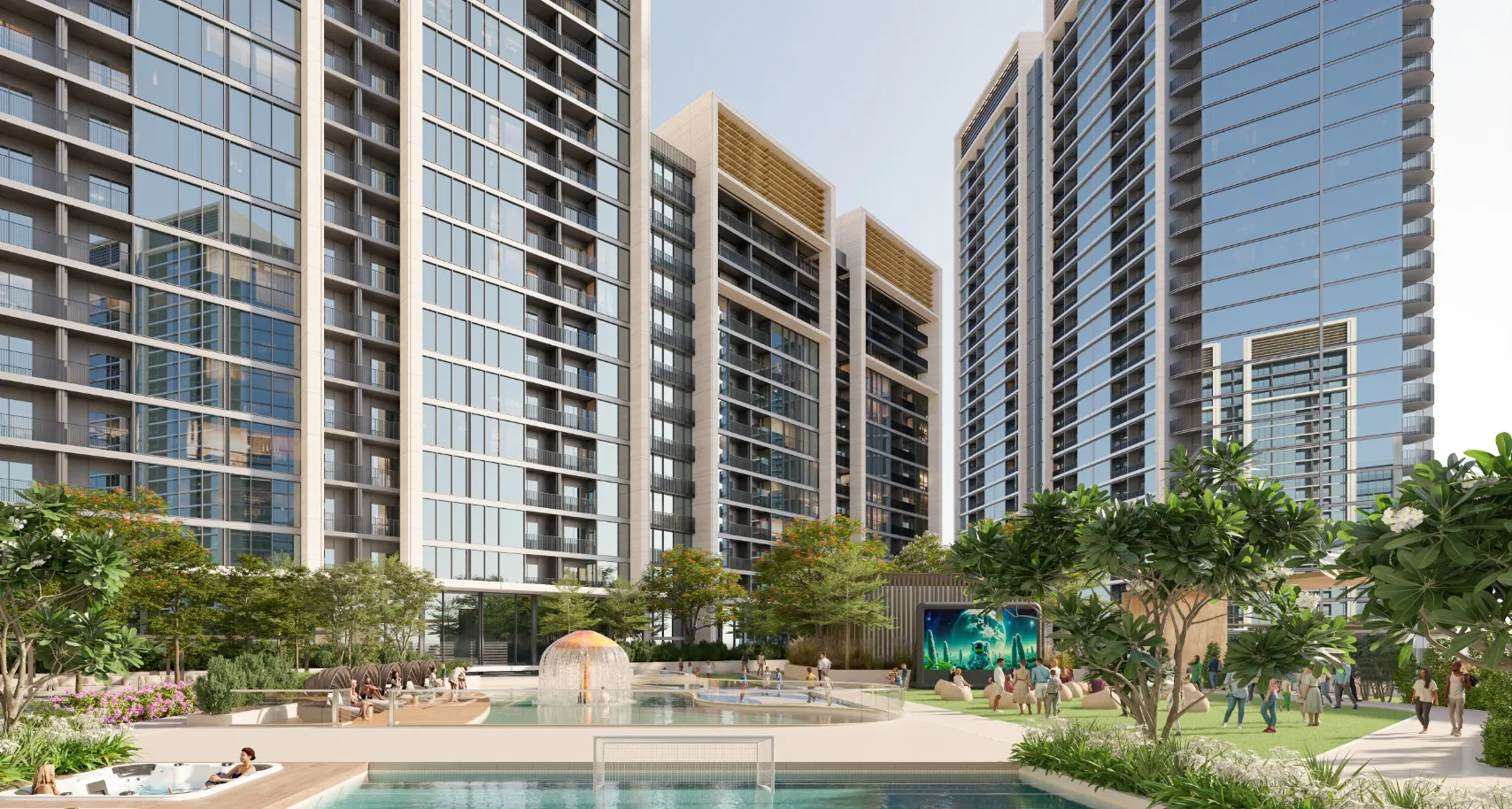
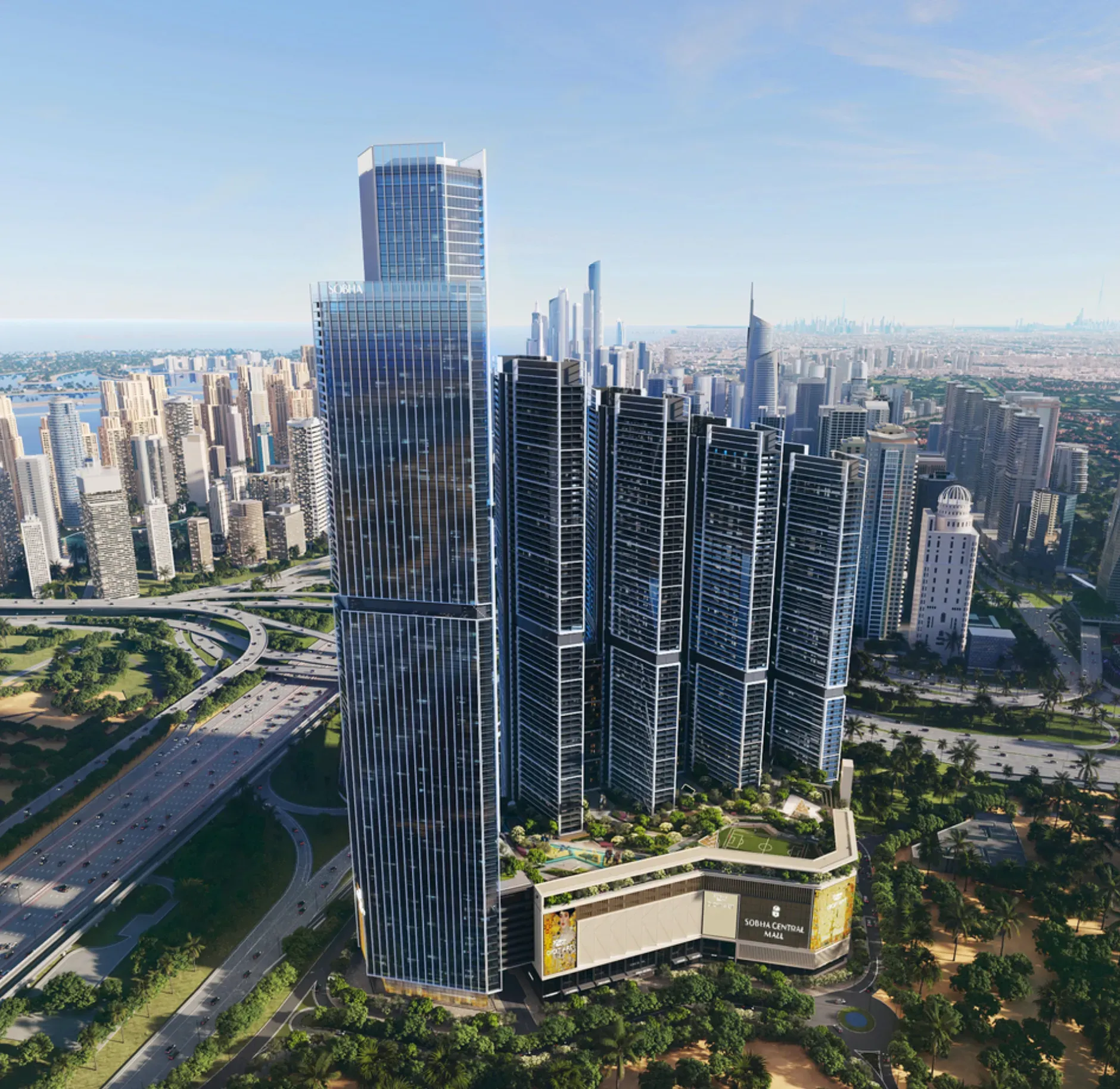
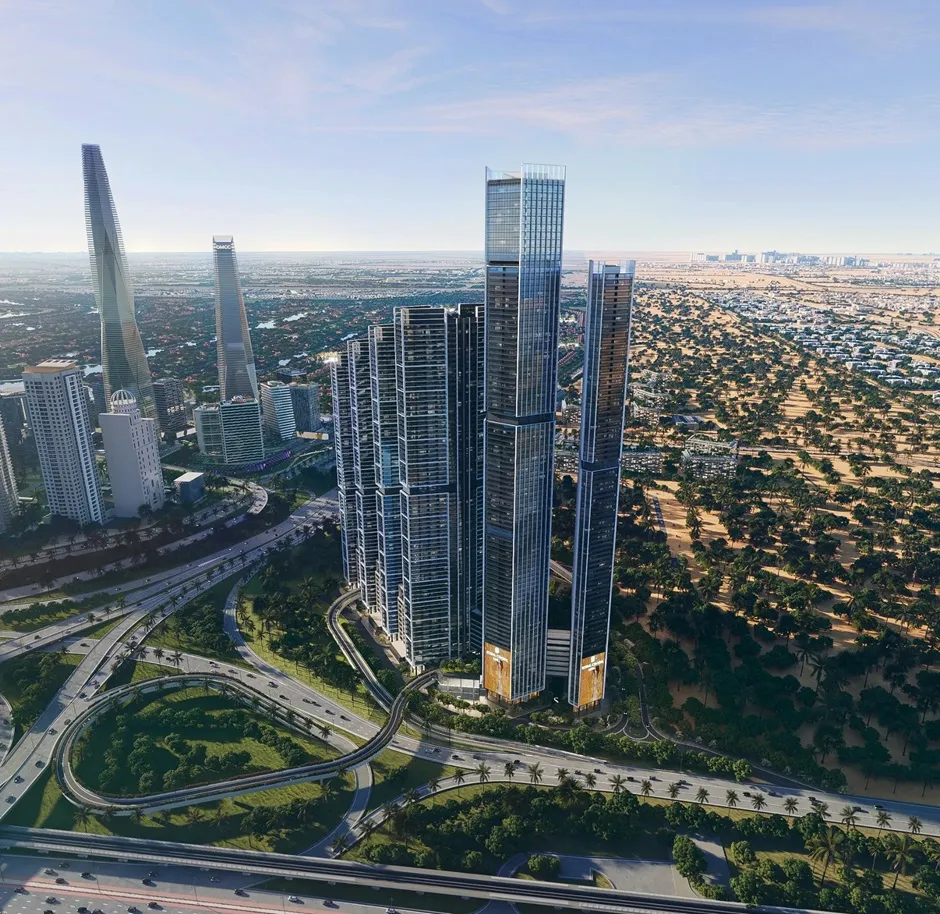
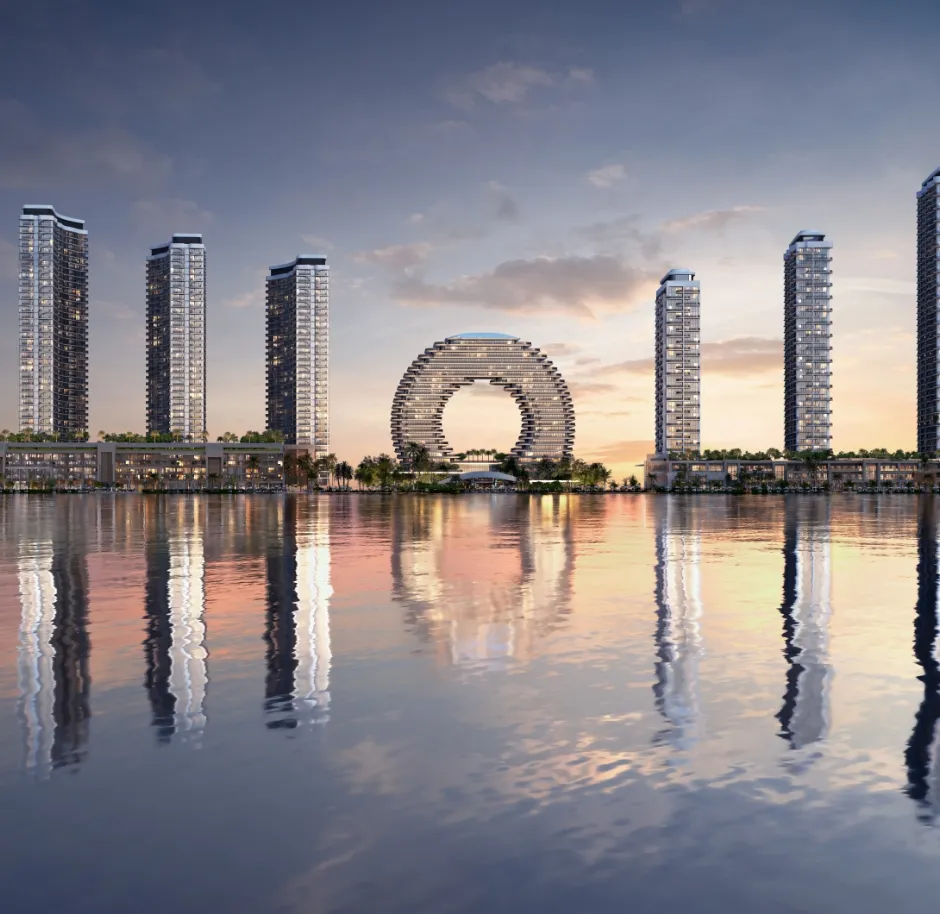
Apartments remain a popular choice across many of Dubai's residential communities.
For buyers, they often provide a more accessible entry point into the market and can offer strong convenience in central or well-connected locations.
Potential advantages include:
- Lower average entry cost compared with larger villas
- Access to prime urban locations
- Shared amenities such as gyms, pools, and concierge services
- Lower day-to-day maintenance responsibility
- May appeal to professionals, couples, smaller households, and other tenant profiles depending on the location
- Can attract rental demand in well-connected and established districts
For investors, apartments may appeal to a broad range of tenant profiles, but demand will depend on the specific location, unit type, price point, and market conditions.
The Case for Buying a Villa in Dubai
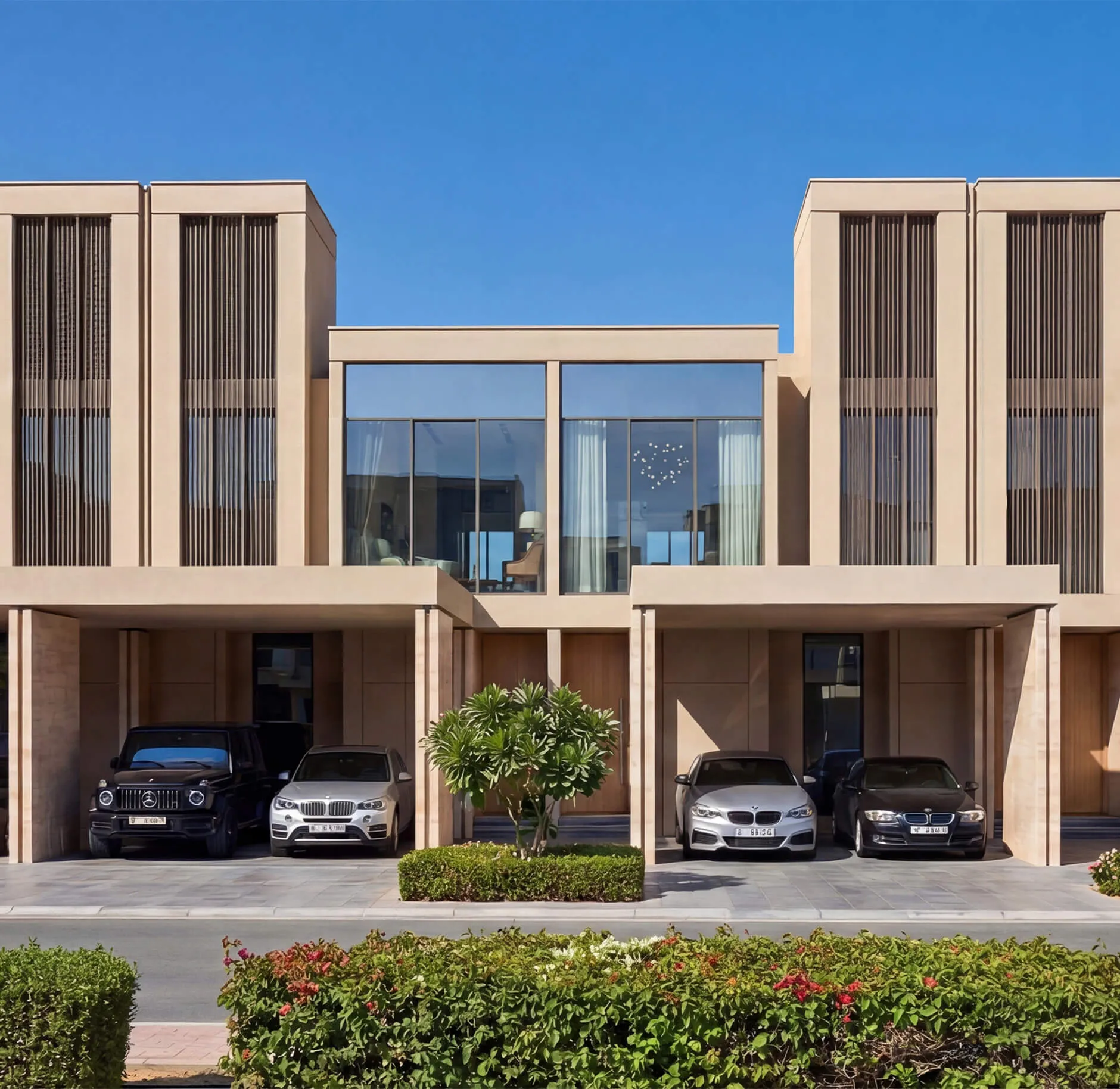
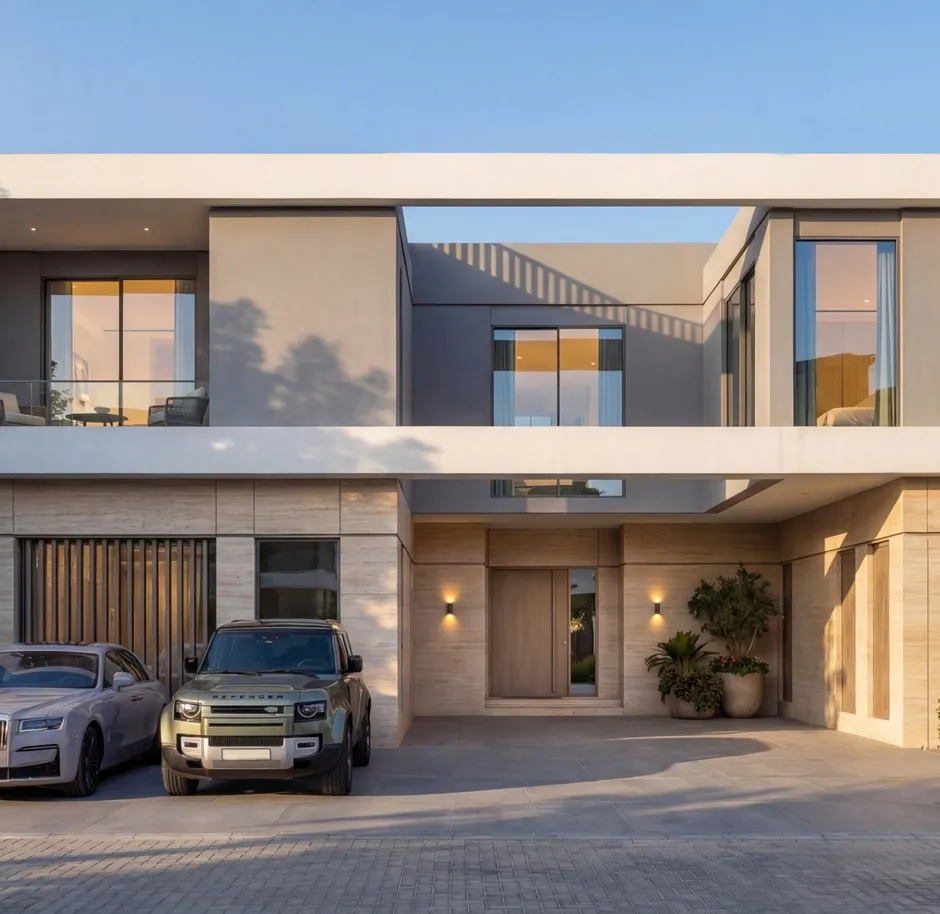
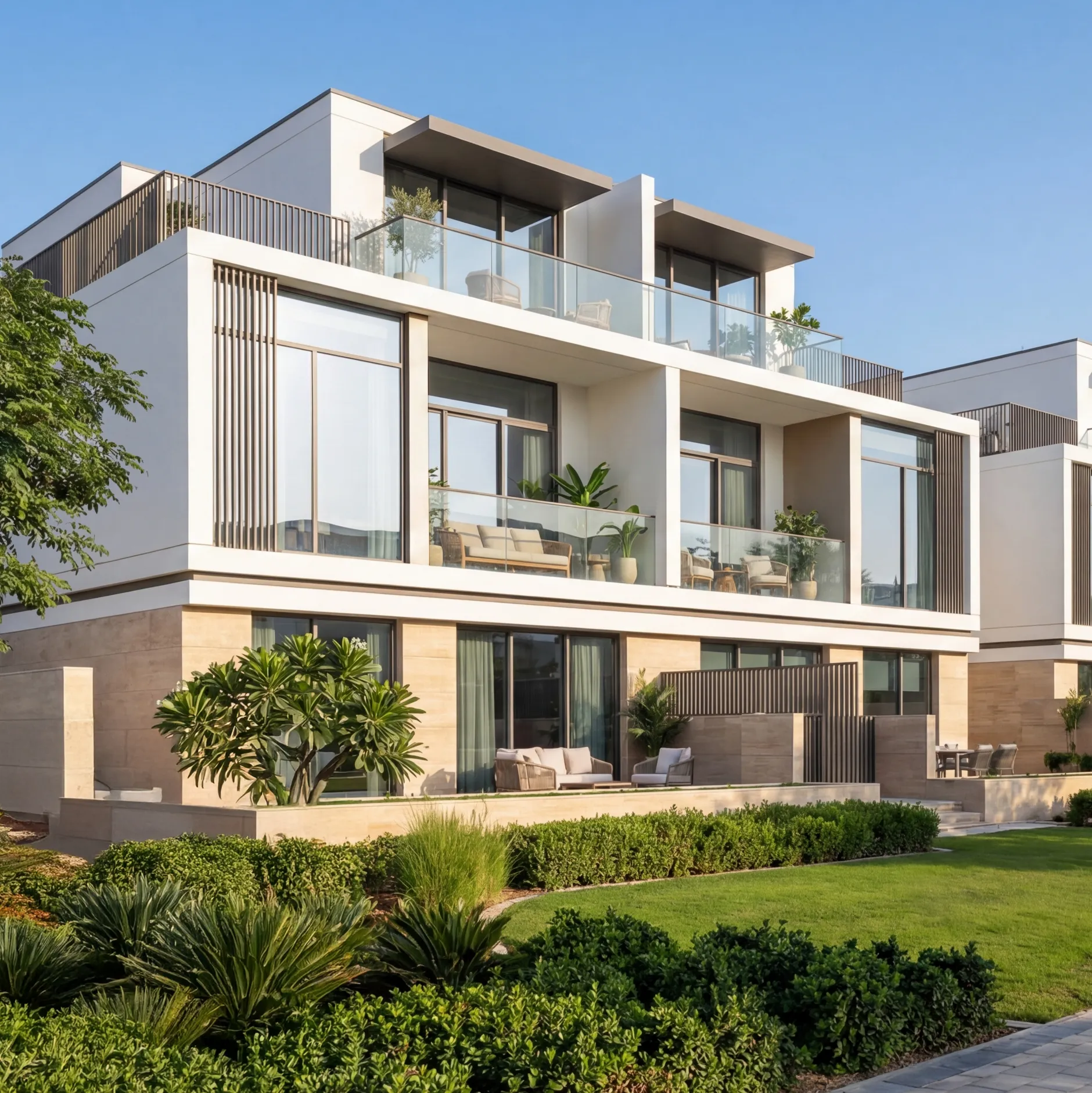
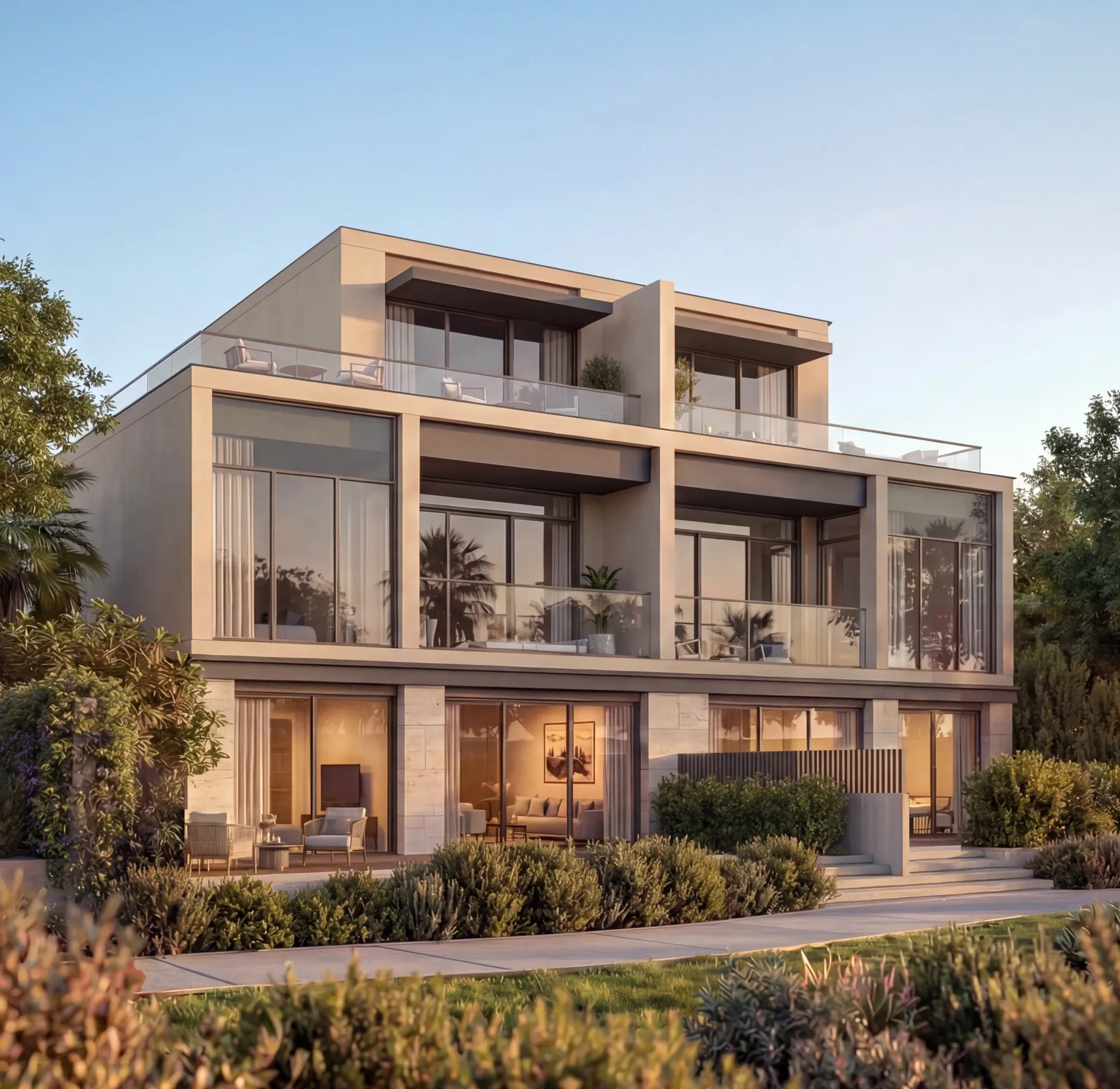
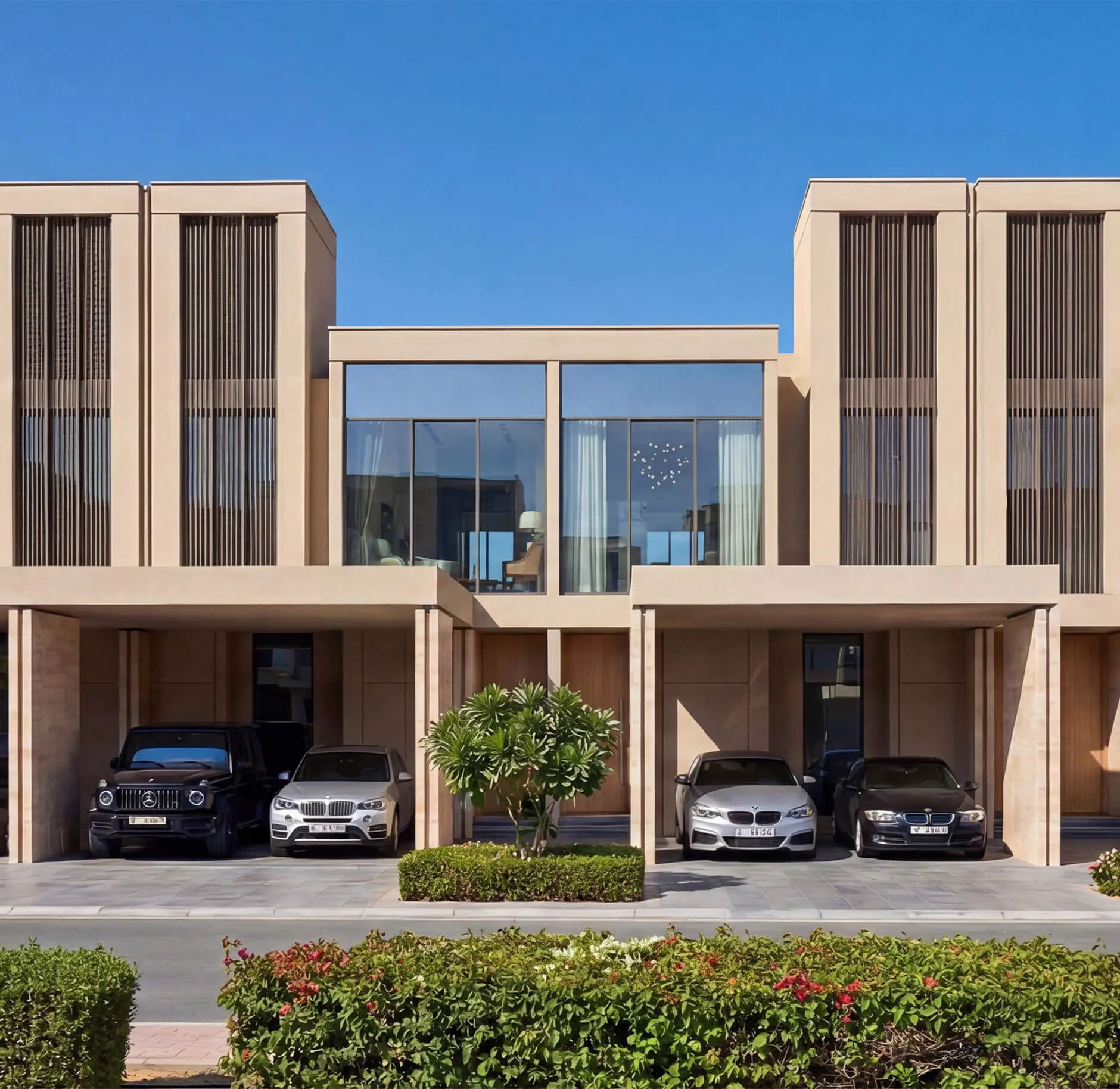
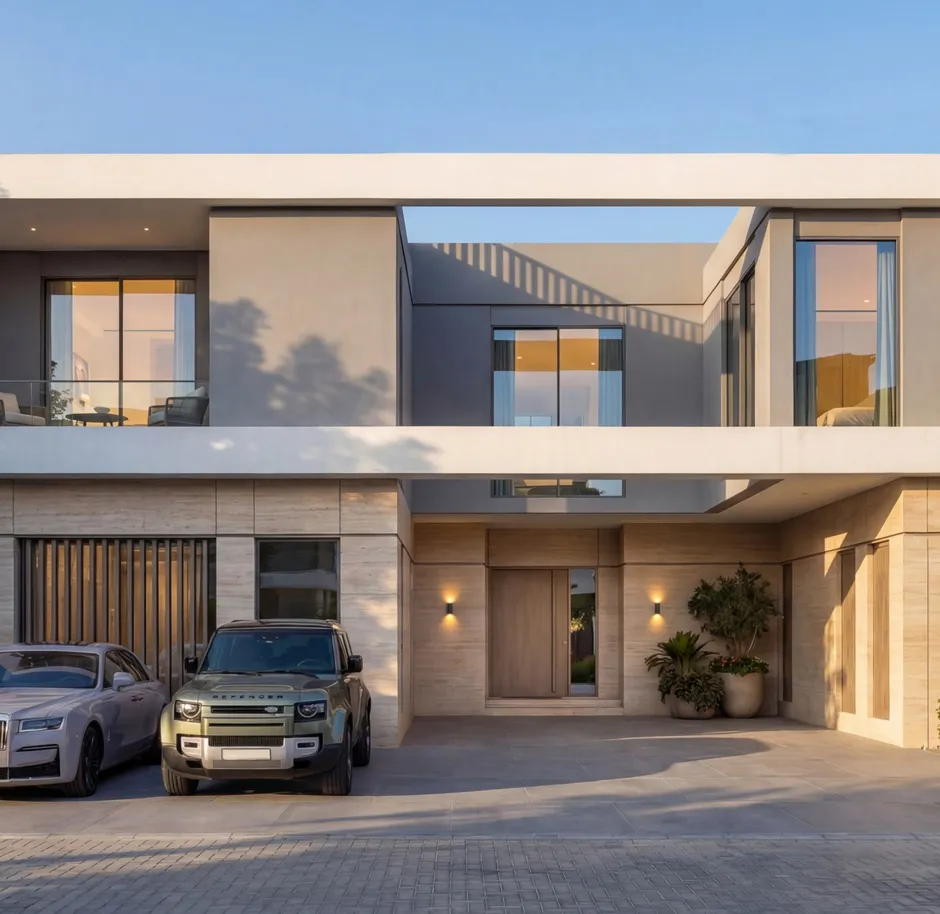
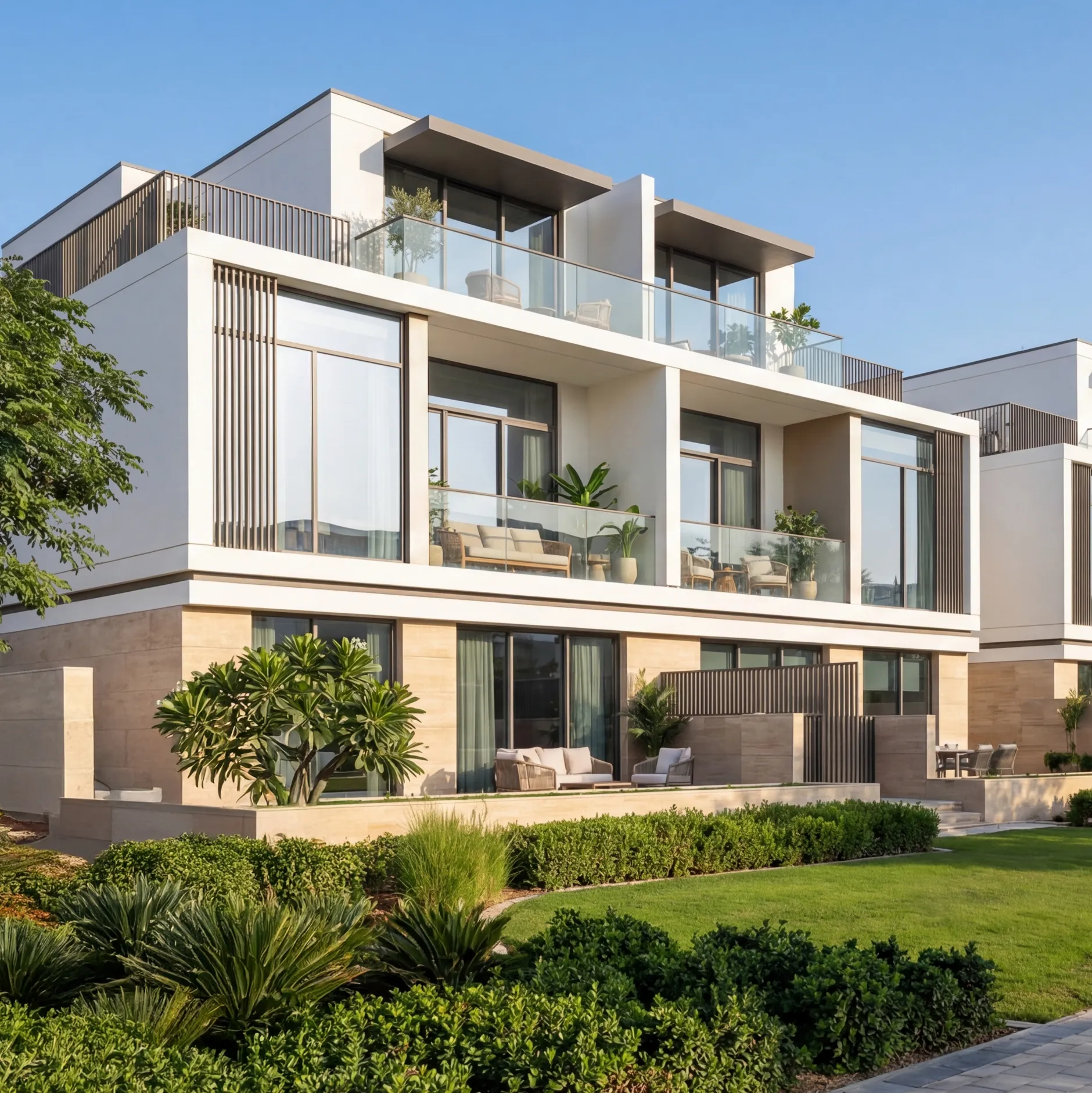
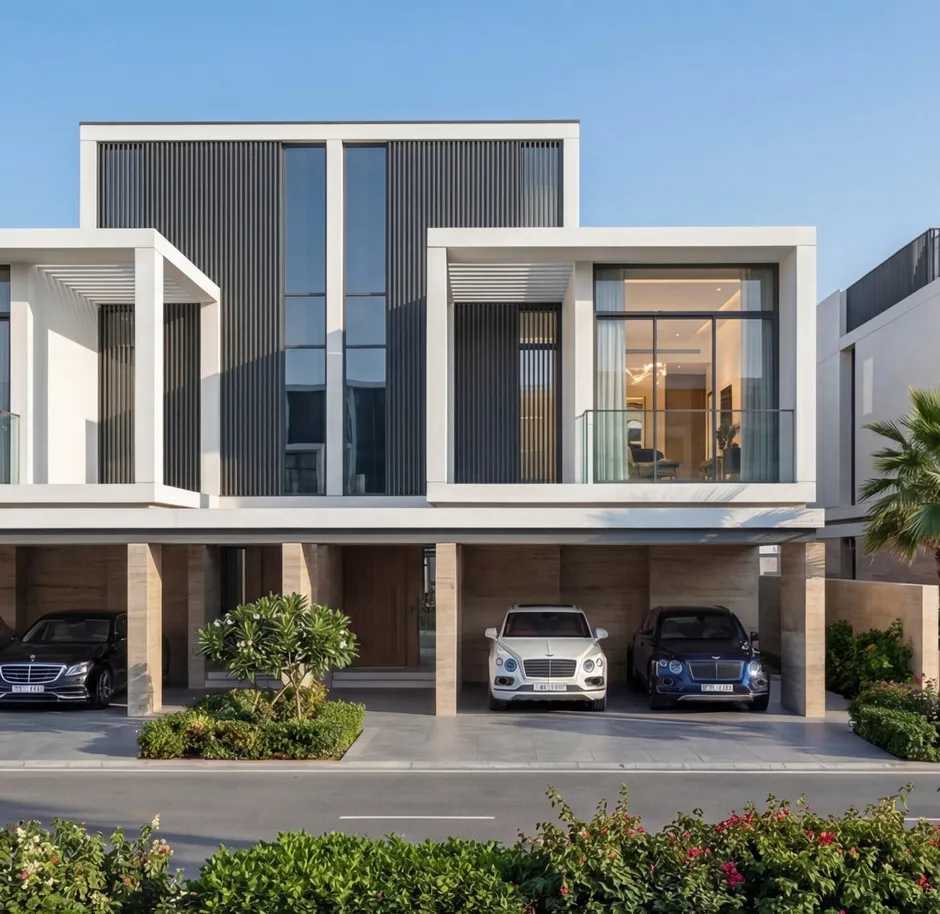
Villas appeal to a different buyer profile.
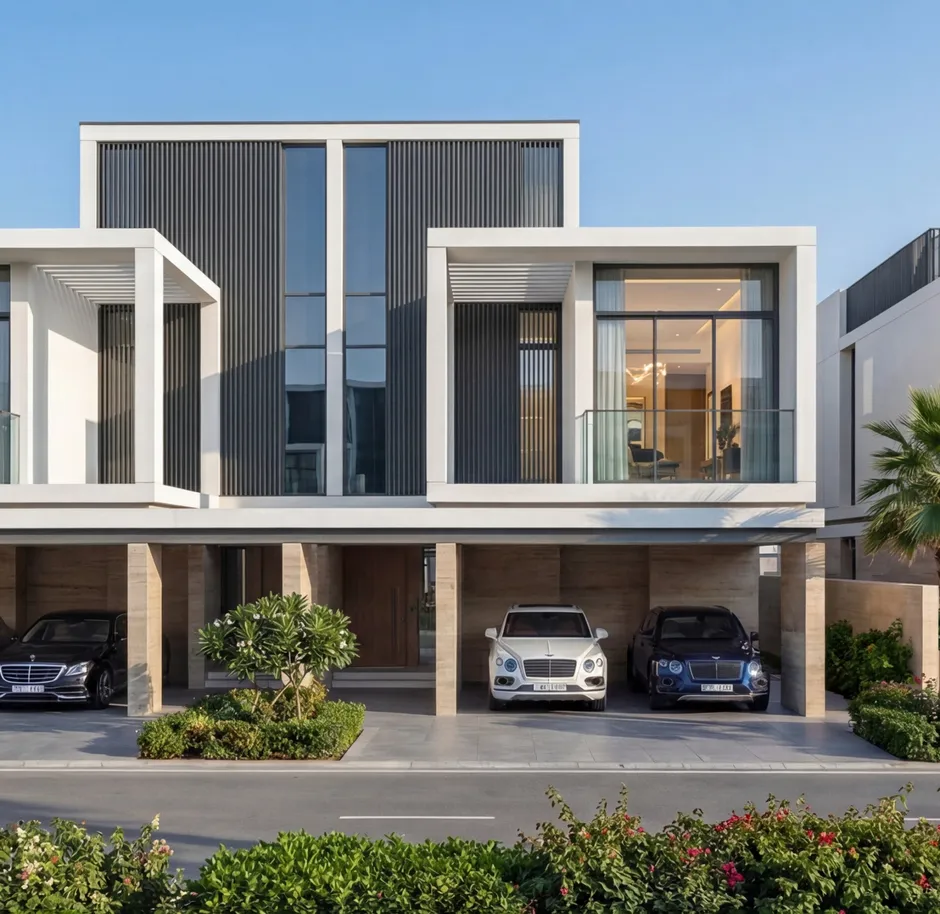
They typically provide more space, privacy, and outdoor living, making them especially attractive to families and long-term residents. Common advantages include:
- Larger internal layouts
- Private outdoor space
- Greater privacy
- More room for families
- Dedicated parking
- Strong lifestyle appeal in master-planned communities
- Potential demand from families and end-users seeking space and privacy
For many buyers, a villa represents more than additional square footage. It offers a different way of living—one centred around privacy, community, greenery, and long-term family use.
Apartment vs Villa in Dubai: Entry Price and Affordability
One of the biggest differences between apartments and villas is the initial cost of entry.
Apartments are often available at lower price points than villas, particularly in established high-rise or mixed-use communities. This can make them more accessible to:
- First-time buyers
- Younger investors
- Buyers using mortgage financing
- Investors seeking portfolio diversification
Villas generally require a larger upfront commitment because of their larger size, land component, and community positioning. However, affordability should not be judged on purchase price alone. Buyers should also consider:
- Registration fees
- Financing costs
- Service charges
- Maintenance
- Insurance
- Landscaping
- Community charges where applicable
The true comparison is therefore between total ownership costs, not just headline prices.
Rental Demand: Apartments vs Villas
Rental demand exists across both property types, but the tenant profiles are often different.
Apartment Rental Demand
Apartments commonly attract:
- Young professionals
- Couples
- Smaller families
- Corporate tenants
- Residents prioritising location and connectivity
This can create a broad rental pool, particularly in communities close to employment centres, transport, retail, and lifestyle destinations.
Villa Rental Demand
Villas often attract:
- Families
- Senior professionals
- Long-term residents
- Tenants seeking privacy and space
- Residents prioritising schools and community living
Some villa tenants may seek longer-term accommodation where the community supports family routines, education, recreation, and daily convenience, although tenancy duration varies by property, tenant, and market conditions.
For investors, the question is not simply which property type has more demand, but which type has the strongest demand in the specific location being considered.
Which Offers Better Rental Yield?
This is one of the most common investor questions.
Apartments may achieve different gross rental yields depending on their purchase price, achievable rent, location, unit size, and market demand.
Villa rental performance may be influenced by:
- Achievable annual rent
- Family and end-user demand
- Community quality and location
- Occupancy and tenant turnover
- Maintenance and ownership costs
The better-performing option depends on multiple factors including purchase price, rent, service charges, maintenance, occupancy, and property management costs.
For this reason, investors should compare net returns, not just advertised rental yields.
Maintenance and Ongoing Costs
Ongoing expenses can differ significantly between apartments and villas.
Apartment Ownership Costs
Apartment owners typically pay service charges that support common areas and building services such as:
- Lifts
- Cleaning
- Security
- Shared amenities
- Common-area utilities
- Building maintenance
The advantage is that much of the exterior and communal maintenance is managed collectively.
Villa Ownership Costs
Villa owners may have more direct responsibility for:
- Landscaping
- External maintenance
- Private pools
- Air-conditioning systems
- Roofs and external finishes
- General repairs
This can result in greater maintenance responsibility, particularly for larger homes.
However, the exact cost depends heavily on the development and level of services provided.
Privacy and Space
For end-users, this may be the most important distinction.
Villas generally offer:
- More bedrooms
- Larger living spaces
- Gardens or terraces
- Greater separation from neighbours
- More storage
- Flexible family-use spaces
Apartments may offer less private space but can compensate through:
- Convenience
- Views
- Building amenities
- Central locations
- Community facilities
The right balance depends on lifestyle.
A buyer who spends significant time travelling or working in central Dubai may prioritise convenience over space. A family planning to remain in the UAE long term may value privacy and outdoor living more strongly.
Lifestyle and Community Living
Property type should never be evaluated in isolation from the surrounding community.
A well-designed apartment in a high-quality master-planned community can offer a stronger lifestyle than a villa in a poorly connected location.
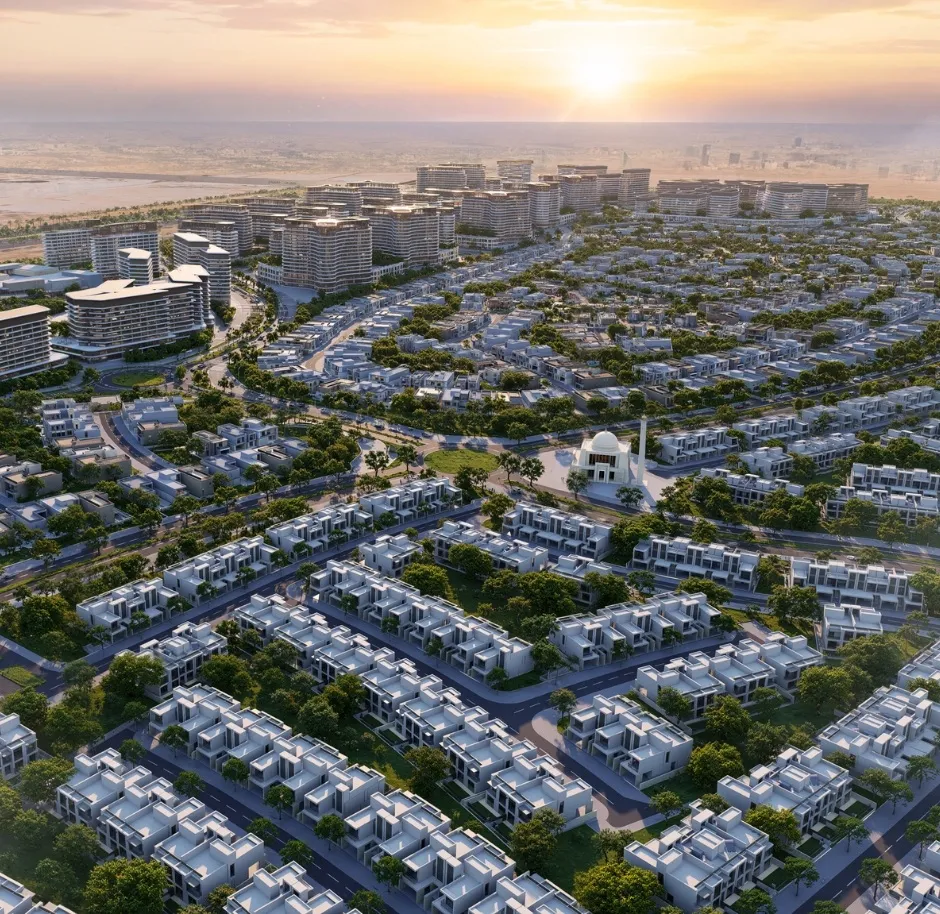
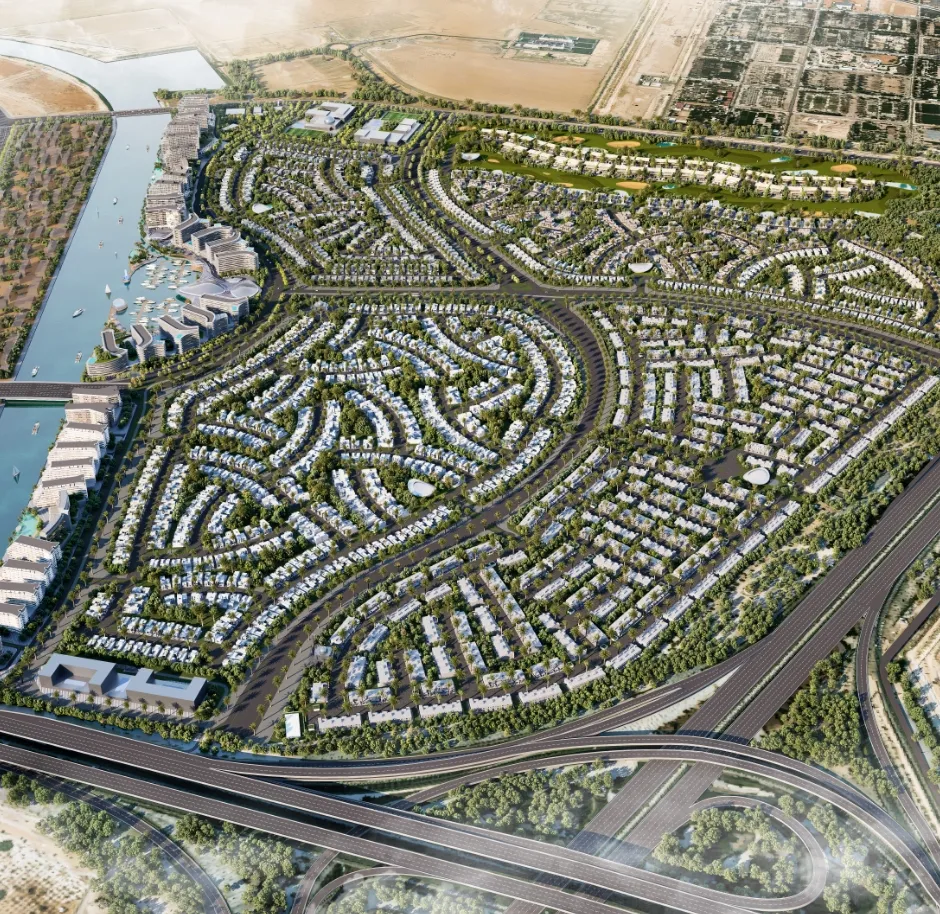
Likewise, a villa within a thoughtfully planned destination can provide access to:
- Schools
- Parks
- Green spaces
- Retail
- Fitness
- Wellness
- Walking and cycling routes
- Community facilities
For this reason, buyers should consider community quality alongside property type.
The best decision often comes from asking not just "apartment or villa?" but "which community best supports the way I want to live?"
Connectivity and Location
Apartments are commonly concentrated in areas with strong connectivity to business districts, retail, transport, and entertainment. This can make them attractive to residents who prioritise shorter travel times and urban convenience.
Villa communities may be located slightly farther from central districts, but many are now designed as integrated destinations with everyday needs within or close to the community. Dubai's continued investment in roads, Metro expansion, and master-planned growth means connectivity should be assessed with both current and future infrastructure in mind.
Apartments vs Villas for Families
For families, villas often have an obvious appeal. More space, outdoor areas, quieter streets, and access to schools and parks can support long-term family living.
However, larger apartments in well-planned communities can also be highly suitable for families, particularly where they offer:
- Multiple bedrooms
- Children's play areas
- Schools nearby
- Green spaces
- Safe walking routes
- Community amenities
Family suitability depends on the overall living environment, not simply the property format.
Apartments vs Villas for Investors
Investors should take a different approach.
Rather than deciding based on personal preference, they should examine:
- Entry price
- Rental demand
- Expected occupancy
- Net yield
- Service charges
- Maintenance
- Resale liquidity
- Supply pipeline
- Community maturity
- Target tenant profile
An apartment may suit an investor seeking a lower entry point or exposure to tenant segments commonly associated with apartment living, depending on the location and price point.
A villa may suit an investor targeting family-oriented tenant demand or premium low-density communities, depending on the purchase price, rental market, supply, and overall investment strategy.
The answer depends on strategy.
Which Property Type Has Better Resale Potential?
Resale performance is influenced by more than property type.
Factors include:
- Location
- Developer
- Construction quality
- View
- Layout
- Community reputation
- Supply levels
- Demand
- Maintenance
- Infrastructure
Apartments at lower price points may be accessible to a broader pool of potential buyers, although resale demand varies by property and market conditions.
Villas in communities with limited comparable supply may attract buyer interest, particularly where low-density living and larger homes are in demand.
For both, quality and community reputation can have a significant impact on resale appeal.
How Developer Quality Influences the Decision
Whether buying an apartment or villa, developer quality remains one of the most important considerations.
Buyers should assess:
- Construction quality
- Design
- Delivery history
- Materials
- Community planning
- Customer experience
- Long-term maintenance
Sobha Realty's Backward Integration model enables greater oversight across design, engineering, manufacturing, construction, and finishing.
This focus on precision and craftsmanship supports consistency across different property types, whether buyers are considering apartments, villas, or wider master-planned communities.
Which Is Better for You: Apartment or Villa?
A useful way to approach the decision is to start with your objective.
An Apartment May Be More Suitable If You:
- Want a lower entry price
- Prioritise urban connectivity
- Prefer shared amenities
- Want less direct maintenance responsibility
- Are targeting professionals or smaller households as tenants
- Want flexibility in resale or rental markets
A Villa May Be More Suitable If You:
- Need more space
- Value privacy
- Want private outdoor areas
- Are buying for long-term family living
- Prefer lower-density communities
- Are targeting family tenants
- Want a more lifestyle-led residential experience
Neither option is inherently better.
The stronger choice is the one that best fits your goals, budget, and long-term strategy.
Conclusion
The apartment vs villa Dubai decision is ultimately about alignment.
Apartments can offer accessibility, convenience, lower entry points, and broad rental demand.
Villas can offer space, privacy, family appeal, and a different long-term living experience.
For buyers, lifestyle and future needs should play a central role.
For investors, the focus should be on rental demand, total ownership costs, liquidity, community quality, and long-term performance.
Most importantly, property type should never be considered in isolation.
The quality of the community, developer, location, design, and long-term demand often matter just as much as whether the home is an apartment or villa.
Frequently Asked Questions
1. Is it better to buy an apartment or villa in Dubai?
There is no single answer. Apartments may suit buyers prioritising affordability, convenience, and rental flexibility, while villas may be better for families, buyers seeking privacy, and long-term lifestyle ownership.
2. Are apartments a good investment in Dubai?
Whether an apartment is a suitable investment depends on the purchase price, location, achievable rent, tenant demand, service charges, occupancy, and wider market conditions. Apartments are available across a broad range of Dubai communities and price points.
3. Are villas a good investment in Dubai?
Whether a villa is a suitable investment depends on the purchase price, location, rental demand, maintenance costs, supply, community quality, and wider market conditions.
4. Which has better rental yield in Dubai, apartments or villas?
Yield varies by property, community, and price point. Apartments may sometimes generate higher gross yields, while villas can benefit from higher rental values and longer tenancy periods. Investors should calculate net returns.
5. Which is better for families in Dubai: apartment or villa?
Villas generally provide more space and privacy, but large apartments within family-friendly master-planned communities can also be highly suitable. Schools, green spaces, amenities, and connectivity should all be considered.
6. Are villas more expensive to maintain than apartments?
Often, yes. Villa owners may be responsible for private landscaping, pools, external maintenance, and larger systems. Apartment owners typically contribute to shared building maintenance through service charges.
7. Which property type is easier to resell in Dubai?
This depends on location, price, demand, developer reputation, and market conditions. Apartments may appeal to a wider buyer pool, while high-quality villas can benefit from scarcity and strong family demand.