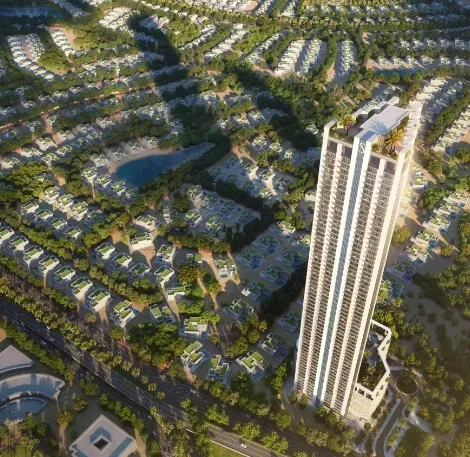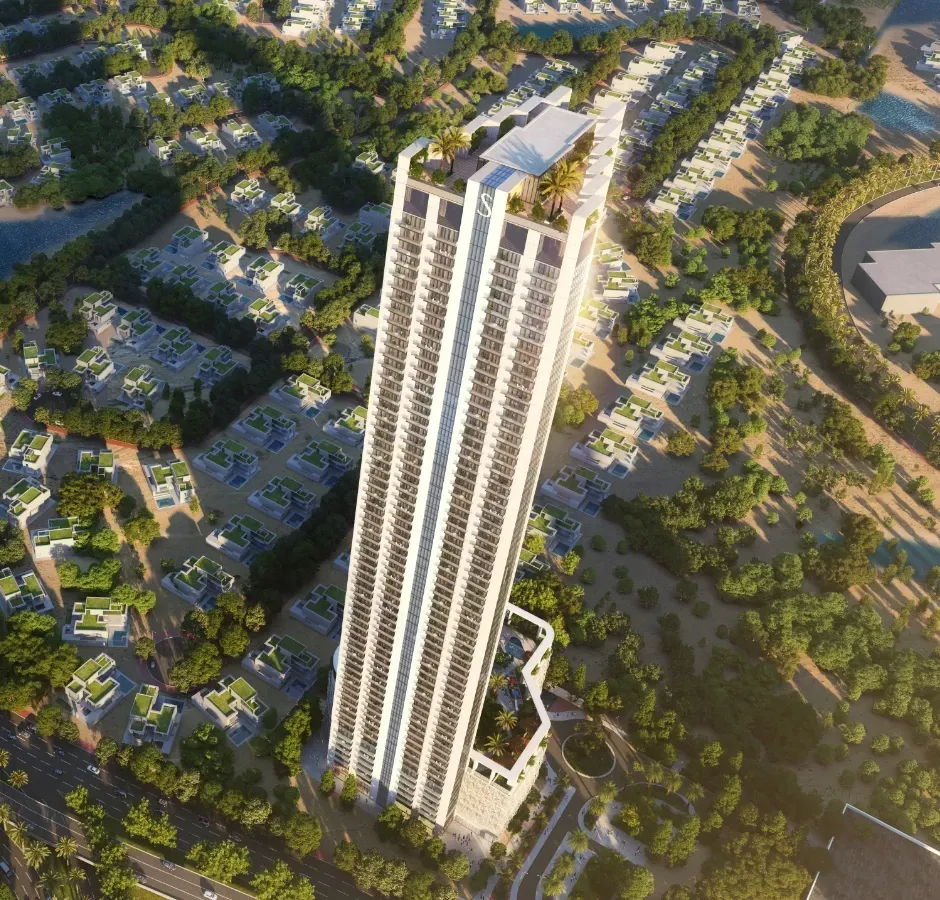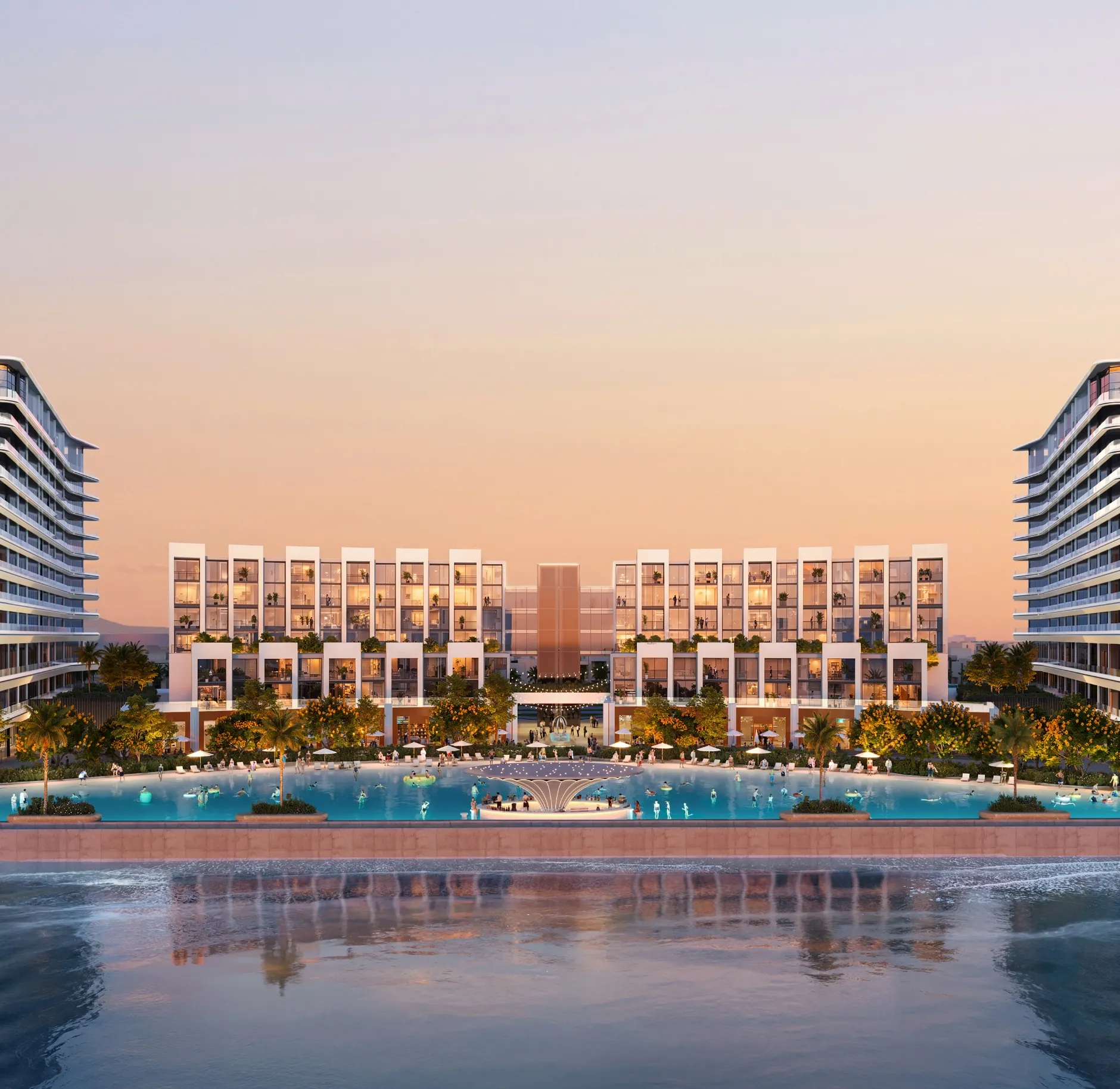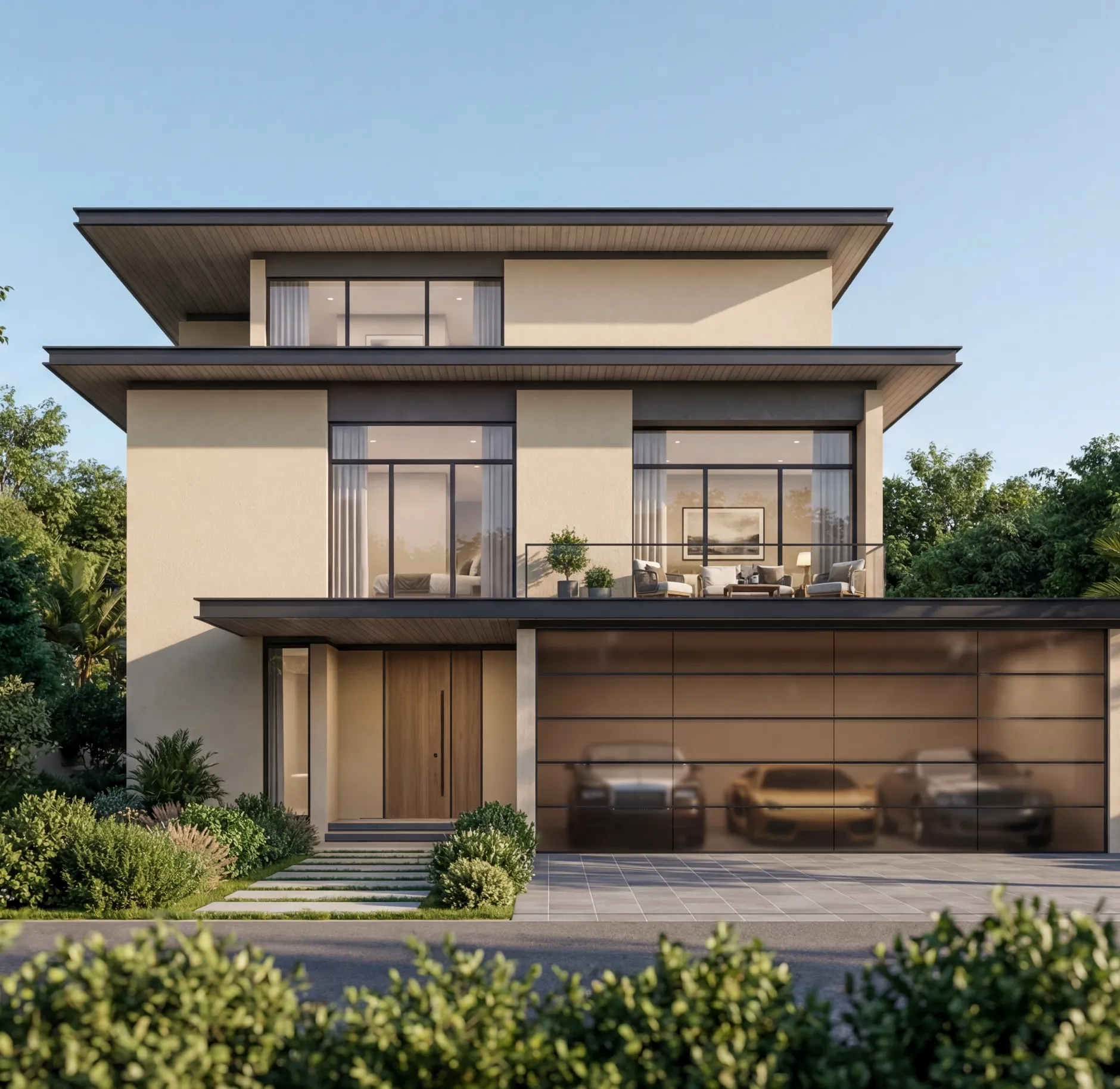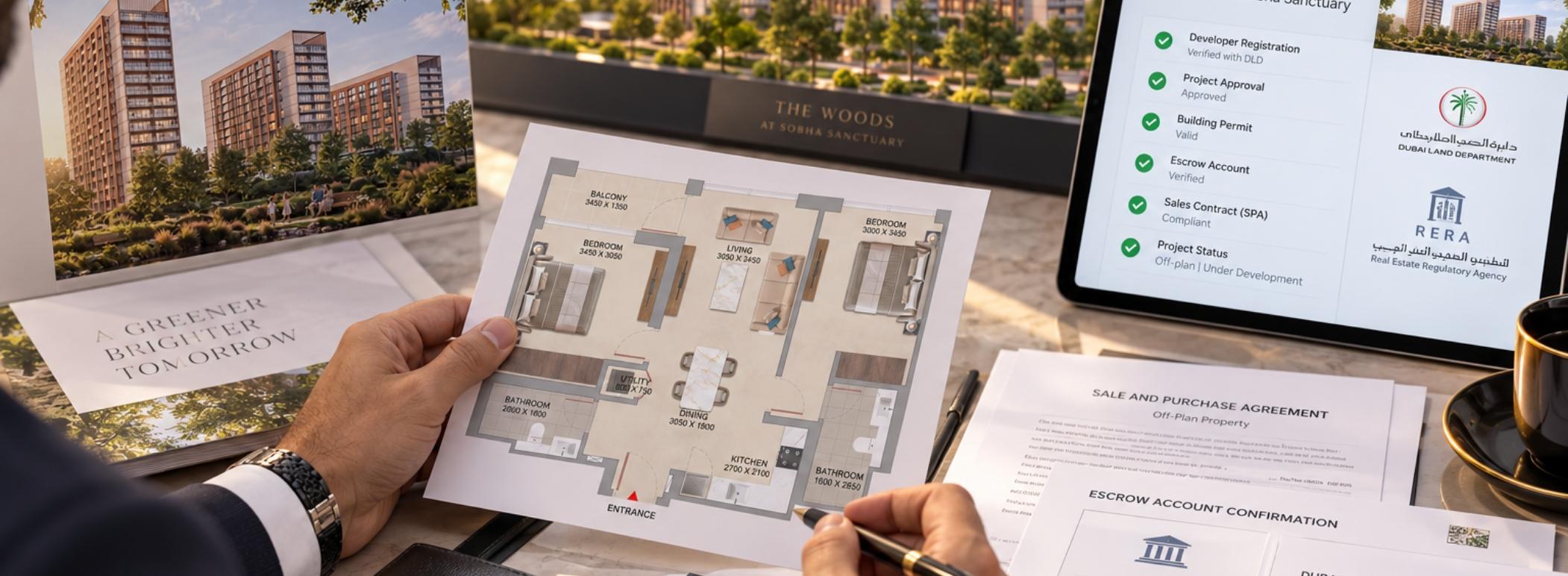
Buying an off-plan property can provide access to a new home or investment at an earlier stage of development, often with a phased payment schedule and the opportunity to select from newly launched units.
However, purchasing before construction is complete also means that buyers are making decisions based on plans, contracts, approved project information, and the developer’s ability to deliver the finished property.
That makes verification essential.
Before paying a reservation, amount or signing a Sales and Purchase Agreement, buyers should confirm that the project, developer, broker, advertisement and payment instructions can be verified through official channels.
Dubai Land Department, through the Real Estate Regulatory Agency, provides several digital services that allow buyers to review project progress, verify licenses and permits, check authorized property advertisements and access information relating to off-plan developments.
The objective is not to remove all investment risks. No verification process can guarantee future market performance, construction timing, or investment returns.
The purpose is to help confirm that the opportunity being presented is officially registered, verifiable through recognised channels and supported by information that can be independently checked.
Why Off-Plan Property Verification Matters
An off-plan purchase is different from buying a completed property.
With a ready home, buyers can inspect the physical residence, assess the building, review the surrounding community and compare actual rental or resale evidence.
With an off-plan property, several parts of the final experience may still be under development.
Buyers may be relying on:
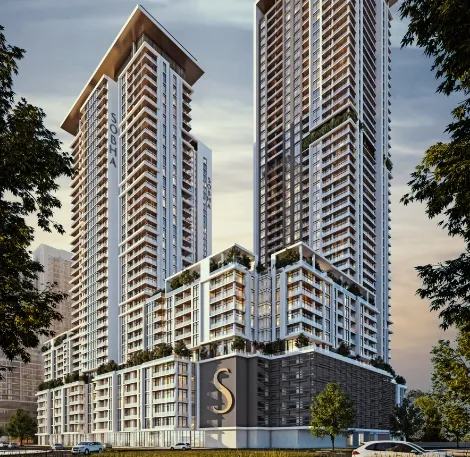
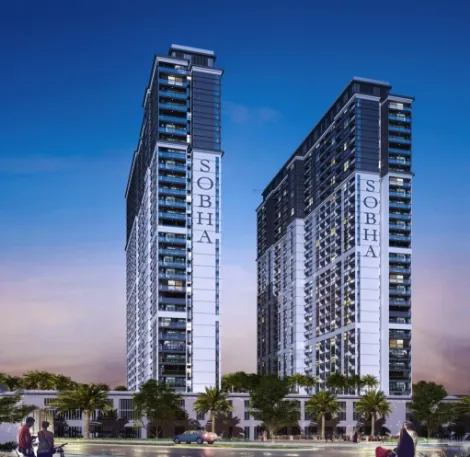
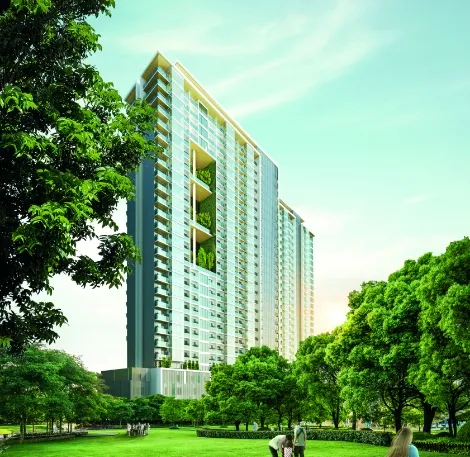
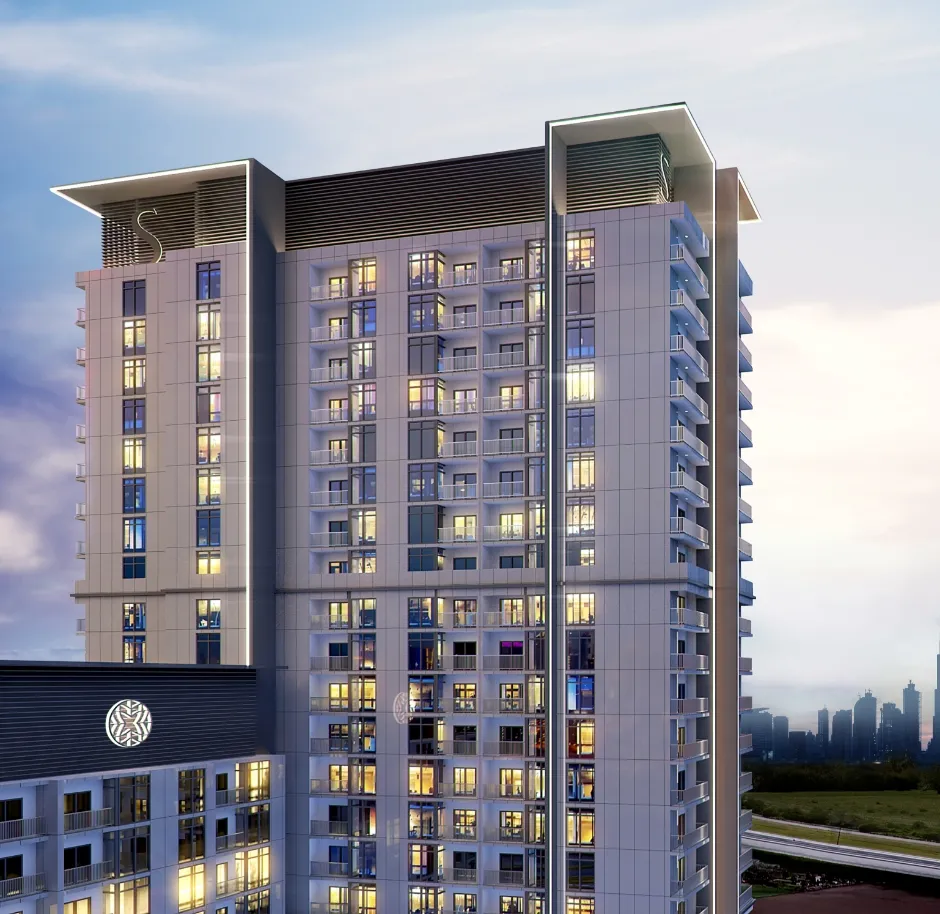
Renderings
- Floor plans
- Sales presentations
- Project brochures
- Payment schedules
- Estimated completion dates
- Community masterplans
- Future amenities
These materials can help explain the development, but they should not replace formal verification.
A careful buyer should confirm that the project exists within Dubai’s regulatory system, that the advertiser is authorized, that the developer and broker can be verified, and that payments are linked to the appropriate project and contractual process.
Step 1: Confirm That the Project Is Registered
The first step is to verify that the off-plan development is officially registered with the Dubai Land Department.
DLD’s project-registration service enables real estate development companies to register a project and open an escrow account for off-plan sales. The project-registration process includes regulatory review before a Real Estate Project Approval Certificate is issued.
Buyers should not rely only on the project name displayed in an advertisement or sales presentation.
They should confirm details such as:
Official project name
- Project number
- Plot or land details
- Developer name
- Project status
- Escrow-account information
- Reported completion percentage
These details can then be compared with the information provided by the salesperson, broker, or developer.
Step 2: Use the DLD Project Status Enquiry
Dubai Land Department provides a Project Status Enquiry service that allows users to review the completion percentage and official details of real estate projects in Dubai.
The service can be accessed through the DLD website, Dubai REST app, and DLD’s digital support channels. Users can search using the project name, project number, or land number.
The project-status page can provide access to information such as:
Current project status
- Completion percentage
- Developer details
- Inspection information
- Management-company details
- Escrow-account information
- Project fact sheets
This is one of the most important steps when buyers want to verify an off-plan property in Dubai.
A salesperson may provide a construction update, but an investor should also check out the latest information available through the official DLD system.
Step 3: Review the Project Through Dubai REST
Dubai REST provides a broader range of information for off-plan buyers and property owners.
According to Dubai Land Department, beneficiaries of off-plan projects can use the application to view information including:
Project completion percentage
- Actual project photographs
- Escrow-account number
- Payments due from property owners
- Developer and broker information
- Project tracking and favorite-project functions
Where available, project photographs can provide an additional visual reference alongside the reported completion information.
The application also supports a more complete due-diligence journey by bringing project, broker, developer, and property information into one official platform.
Step 4: Verify the Developer
A registered project should be associated with a developer recorded within the relevant DLD systems.
Buyers should confirm that the company presenting or selling the property is the official developer or an authorized sales representative.
Questions to consider include:
Is the developer listed within DLD’s systems?
- Does the company name match the Sales and Purchase Agreement?
- Does the developer have a history of completed projects?
- Can the developer’s previous communities be visited?
- Are official construction updates available?
- Does the developer provide clear customer service and payment channels?
Dubai REST includes information on certified developers and real estate companies, allowing buyers to verify details rather than relying solely on a brochure or website.
Regulatory registration is an essential first step.
However, buyers should also evaluate the developer’s construction quality, financial discipline, delivery history, communication, and long-term approach to community management.
Step 5: Verify the Broker and Real Estate Company
Where a broker or external agency is involved, buyers should verify both the individual and the company.
Dubai Land Department states that real estate brokers must be registered in the brokers' registry and hold a valid broker card issued through the Real Estate Regulatory Agency.
DLD and Dubai REST provide access to broker and real estate-office information, while the RERA e-card verification service allows users to check a practitioner’s card using the card type and number.
Before proceeding, ask the broker for:
Full name
- Brokerage company
- Broker-card number
- Company license details
- Advertising permit
- Written confirmation of their authority to sell the project
The names and license information should match the official records.
A person communicating through social media or messaging applications should not be assumed to be authorized simply because they have project images, floor plans, or price lists.
Step 6: Check the Trakheesi License and Permit
Dubai Land Department provides a Verify License and Permits service through the DLD website and Dubai REST.
The service allows customers to verify electronic copies of licenses and permits issued through the Trakheesi system for real estate practitioners and activities in Dubai.
This can help confirm whether:
The company is licensed
- The activity is authorized
- The permit is genuine
- The details presented match the official record
Buyers should verify the permit rather than accepting a screenshot or document without checking it through the official system.
Step 7: Scan the Madmoun QR Code on the Advertisement
Real estate advertisements in Dubai are required to carry a QR code generated through the Madmoun service.
Scanning the code allows customers to verify the advertising permit and review the authorized property and advertising information linked to it.
The information may include:
Advertising-company details
- Permit status
- Property information
- Advertised value
- Whether the unit has already been sold or rented
Dubai Land Department advises customers and investors to engage only with real estate advertisements displaying the required QR code.
When scanning the code, compare the official information with the advertisement.
Check whether:
The project name matches
- The advertised company matches
- The unit or property status is accurate
- The permit remains valid
- The advertised price and details are consistent
A QR code should be scanned and verified through the official destination. Its presence alone is not enough if the information does not match.
Step 8: Confirm the Project Escrow Account
An escrow account is a designated bank account opened for a specific real estate development project.
Funds received from buyers of off-plan properties or project financiers are deposited into the project escrow account, helping regulate how project funds are received and used within Dubai’s off-plan development framework.
Dubai’s escrow framework requires developers selling units off-plan and receiving purchaser payments to use project escrow accounts. Official DLD guidance states that amounts received from buyers of off-plan units are to be deposited into the relevant project account, which must be opened in the project’s name and used for that development.
Before making a payment, buyers should verify:
The project escrow-account number
- The account-holder name
- The bank acting as escrow trustee
- Whether the account is linked to the correct project
- Whether the payment instructions came through an official developer channel
- Whether the payment purpose and reference are clearly stated
Dubai REST provides off-plan beneficiaries with access to the escrow account number associated with the project.
Buyers should be cautious if asked to transfer project instalments to:
A personal bank account
- An unrelated company
- An account whose name does not match the official instructions
- An unverified third-party payment channel
Where payment details are unclear, confirm them directly with the developer through independently verified contact information before transferring funds.
Step 9: Review the Sales and Purchase Agreement
The Sales and Purchase Agreement, or SPA, is the principal contract governing the off-plan purchase between the developer and purchaser.
It establishes the contractual relationship between the developer and purchaser.
Before signing, buyers should review provisions relating to:
Property and unit details
- Purchase price
- Payment schedule
- Estimated completion and handover
- Permitted changes to the development
- Unit area and measurement
- Default and termination
- Late-payment consequences
- Assignment or resale
- Service charges
- Defect reporting
- Force majeure
- Dispute resolution
- Buyer and developer responsibilities
The information in the agreement should match the property that has been presented.
Particular attention should be paid to the payment schedule. Where payments are linked to construction milestones, the buyer should understand how completion is confirmed.
DLD guidance states that investors can track project completion through its project-status service, and that milestone-linked payment requests should correspond to the agreed construction stage.
A buyer who does not understand a contractual provision should obtain independent legal advice before signing.
Step 10: Confirm Oqood Registration
Off-plan property sales in Dubai are registered in the provisional property register through Oqood.
Dubai Land Department’s initial-sale registration service allows developers to register off-plan units or land whose value has not yet been paid in full.
Current DLD service terms state that the Sales and Purchase Agreement should be signed by the developer and purchaser and registered in the provisional register within 90 days of signing. The purchaser receives the provisional registration certificate electronically.
Buyers should therefore confirm:
That the developer will register the sale
- The expected registration timeline
- Whether the registration fee has been paid
- When the Oqood or provisional registration certificate will be issued
- Whether the purchaser’s name and unit information are correct
Oqood registration creates an official record of the off-plan transaction.
A booking form or payment receipt should not be treated as a substitute for the formal registration process.
Step 11: Compare the Advertisement with the Contract
A common due-diligence mistake is reviewing the advertisement and SPA separately.
The two should be compared.
Check whether the following are consistent:
Project name
- Unit number
- Property type
- Internal area
- Balcony or terrace area
- View and orientation
- Parking allocation
- Purchase price
- Payment plan
- Handover estimate
- Included fixtures
- Promised amenities
- Developer and purchaser names
Marketing materials may communicate the project’s vision, but the signed contract determines the parties’ legal obligations.
If a particular feature, benefit or commercial term is important to the purchase decision, the buyer should confirm how it is reflected in the formal documentation.
Step 12: Track Construction Progress After Purchase
Verification should not end once the SPA is signed.
Buyers should continue monitoring the development throughout construction.
Useful sources may include:
DLD Project Status Enquiry
- Dubai REST
- Developer construction updates
- Official emails and customer portals
- Approved technical progress information
- Site visits where available
Dubai REST provides actual project photographs and completion information, while DLD’s project-status tools allow investors to follow official project details.
Buyers should maintain organized records of:
Contracts
- Receipts
- Payment requests
- Registration certificates
- Correspondence
- Progress reports
- Change notices
- Handover information
This creates a clear transaction history and makes it easier to address questions if they arise.
Common Warning Signs Buyers Should Not Ignore
No single warning sign automatically proves that an opportunity is illegitimate.
However, buyers should pause and verify further if they encounter:
An advertisement without a Madmoun QR code
- Project or unit details that do not match official records
- Pressure to transfer funds immediately
- Payment instructions using a personal or unrelated account
- A broker who will not provide a verifiable RERA card
- A company whose license cannot be confirmed
- A project that cannot be found through official DLD services
- Unclear escrow-account details
- A payment schedule that does not match the SPA
- Verbal promises that are not reflected in writing
- Large discounts offered only if payment is made outside official channels
- Refusal to provide the SPA for proper review
- Inconsistent developer, broker or project names across documents
When information conflicts, do not proceed until the discrepancy has been clarified through DLD, the developer’s official channels or qualified legal advisers where appropriate.
A Pre-Payment Off-Plan Verification Checklist
Before paying a reservation amount or instalment, confirm the following:
Project
The development is registered with Dubai Land Department
- The project name and number are correct
- The project status can be found through DLD or Dubai REST
- The completion percentage and photographs are available where applicable
Developer
The developer is certified and verifiable
- The company named in the contract matches official records
- Contact details have been independently confirmed
- Previous delivery and construction quality have been reviewed
Broker and Advertisement
The broker holds a valid RERA card
- The brokerage company is licensed
- The Trakheesi permit can be verified
- The advertisement displays a Madmoun QR code
- The QR-code information matches the advertised property
Payment
The project escrow account has been confirmed
- Payment instructions came from an official source
- The beneficiary and project details match
- A formal receipt will be issued
- The payment aligns with the signed schedule
Contract and Registration
The SPA has been reviewed
- Unit, price, area and payment details are correct
- Important promises are reflected in the documentation
- The Oqood registration process has been explained
- The buyer understands all fees and future obligations
Why Regulatory Verification Is Only One Part of Due Diligence
Official verification helps establish that the project, transaction, and participants operate within Dubai’s regulatory framework.
However, registration alone does not determine whether the property is right for a particular buyer.
Investors should also evaluate:
Location
- Community design
- Construction quality
- Developer delivery record
- Future supply
- Rental demand
- Service charges
- Payment affordability
- Resale conditions
- Long-term lifestyle appeal
A project can be properly registered while still being unsuitable for an investor’s financial position or objectives.
Verification helps confirm regulatory status.
Due diligence evaluates suitability.
Why Developer Quality Still Matters
Dubai’s regulatory and digital systems provide buyers with important tools for verifying off-plan projects.
The long-term ownership experience, however, is shaped by the developer’s ability to turn the registered plans into a completed home and functioning community.
Buyers should assess:
Design quality
- Engineering capability
- Material standards
- Construction oversight
- Finishing
- Handover process
- Defect management
- Community delivery
- Long-term maintenance
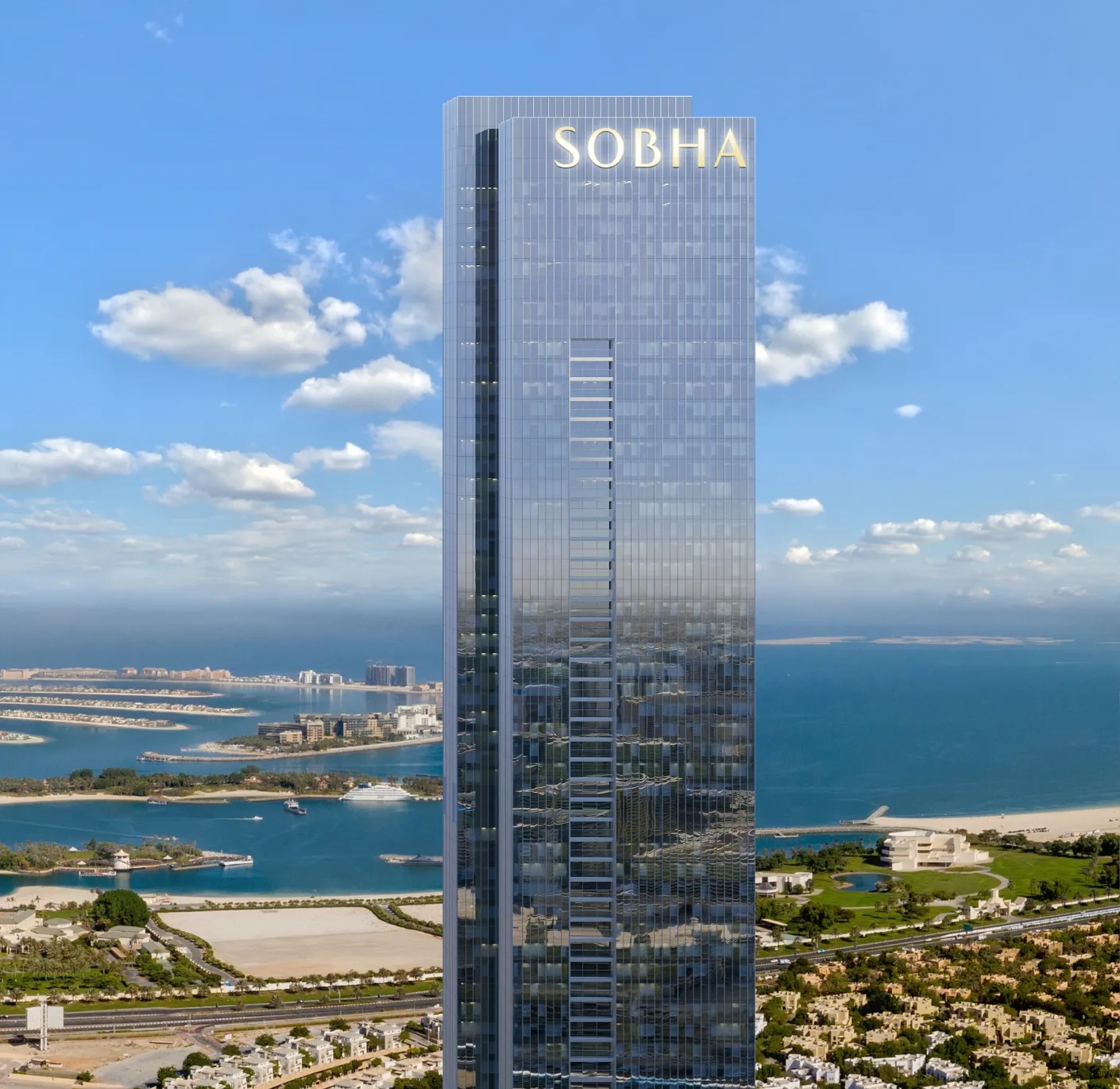
Sobha Realty’s approach is guided by “The Art of Detail” and its Backward Integration model, providing direct oversight across design, engineering, manufacturing, construction and finishing.
This reinforces an important principle for off-plan buyers:
Regulatory checks help establish the formal status of the transaction, while developer capability can influence the quality, delivery, and long-term ownership experience of the completed property.
Conclusion
Knowing how to verify an off-plan property in Dubai is an essential part of buying with confidence.
Dubai Land Department provides buyers with several tools to support the process, including:
Project Status Enquiry
- Dubai REST
- Developer and broker information
- Trakheesi license and permit verification
- RERA e-card verification
- Madmoun QR codes
- Escrow-account information
- Oqood provisional registration
Before paying, buyers should confirm that the project is registered, verify the developer and broker, scan the advertising permit, check the escrow account, review the SPA and understand how the sale will be recorded through Oqood.
These steps do not guarantee a financial return or eliminate every construction and market risk.
They do reduce reliance on unverified claims.
A well-informed off-plan purchase decision should combine formal verification with careful assessment of affordability, location, community planning, construction quality and developer credibility.
In real estate, confidence should not be based only on what is promised.
It should be supported by what can be verified.
Frequently Asked Questions
1. How can I check whether an off-plan project is registered in Dubai?
Use Dubai Land Department’s Project Status Enquiry or Dubai REST. Buyers can search using the project name, project number or land number and view available project details and completion information.
2. How can I check the construction progress of a Dubai off-plan project?
DLD’s Project Status Enquiry and Dubai REST provide project completion percentages and details. Dubai REST may also display actual project photographs.
3. How do I verify a real estate broker in Dubai?
Ask for the broker’s RERA card number and verify the e-card through Dubai REST. Broker and real estate office information is also available through DLD services.
4. What is the Madmoun QR code?
Madmoun is a DLD service that generates a QR code for authorized real estate advertising permits. Scanning the code allows buyers to verify approved advertisements and property information.
5. What is a Dubai real estate escrow account?
It is a project-specific account used to receive funds relating to an off-plan development. The escrow framework regulates how those funds are handled and used for the relevant project.
6. Should off-plan payments be made to the project escrow account?
DLD guidance states that amounts received from buyers of off-plan units are deposited into the relevant project escrow account. Buyers should verify the account and payment instructions before transferring funds.
7. What is Oqood registration?
Oqood is the provisional registration system used for off-plan property transactions in Dubai. The developer registers the signed sale, and an electronic provisional registration certificate is issued to the purchaser.
8. How long does an off-plan sale take to register in Oqood?
Current DLD service terms state that the Sales and Purchase Agreement should be registered in the provisional register within 90 days of signing.
9. Is a registered off-plan project automatically a good investment?
No. Registration confirms regulatory status, but investment suitability also depends on price, location, supply, demand, construction quality, community planning, ownership costs and the buyer’s objectives.
10. What should I do if the project or payment information does not match?
Do not proceed until the discrepancy has been resolved. Verify the information directly through Dubai Land Department, the developer’s official channels and qualified legal advisers where necessary.
Explore Sobha Realty’s thoughtfully designed communities across Dubai and discover off-plan homes shaped by exceptional craftsmanship, transparent customer communication and direct oversight from concept to completion. Speak with a Sobha Realty advisor to understand the project information, payment journey and ownership opportunity that best support your goals.