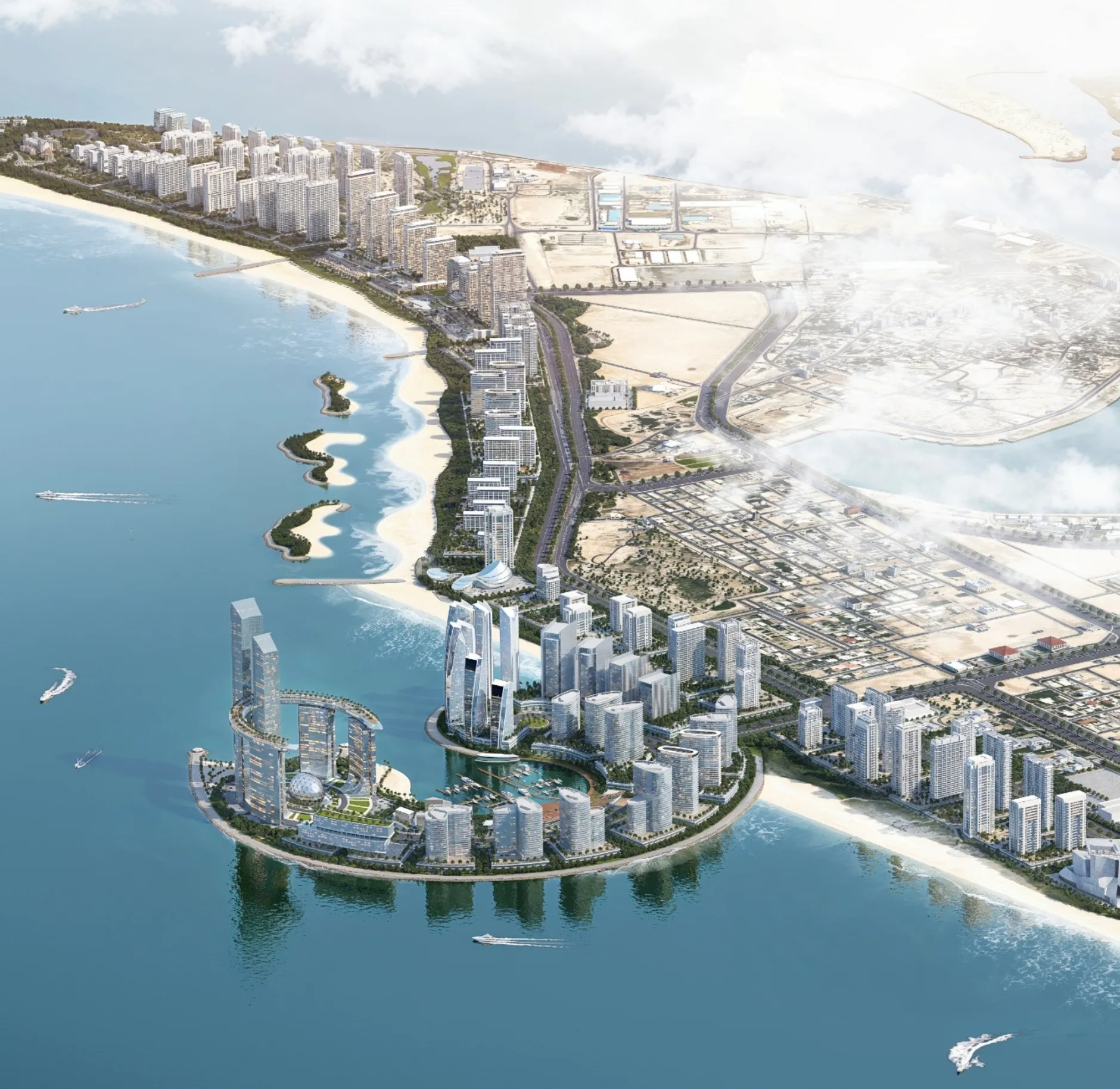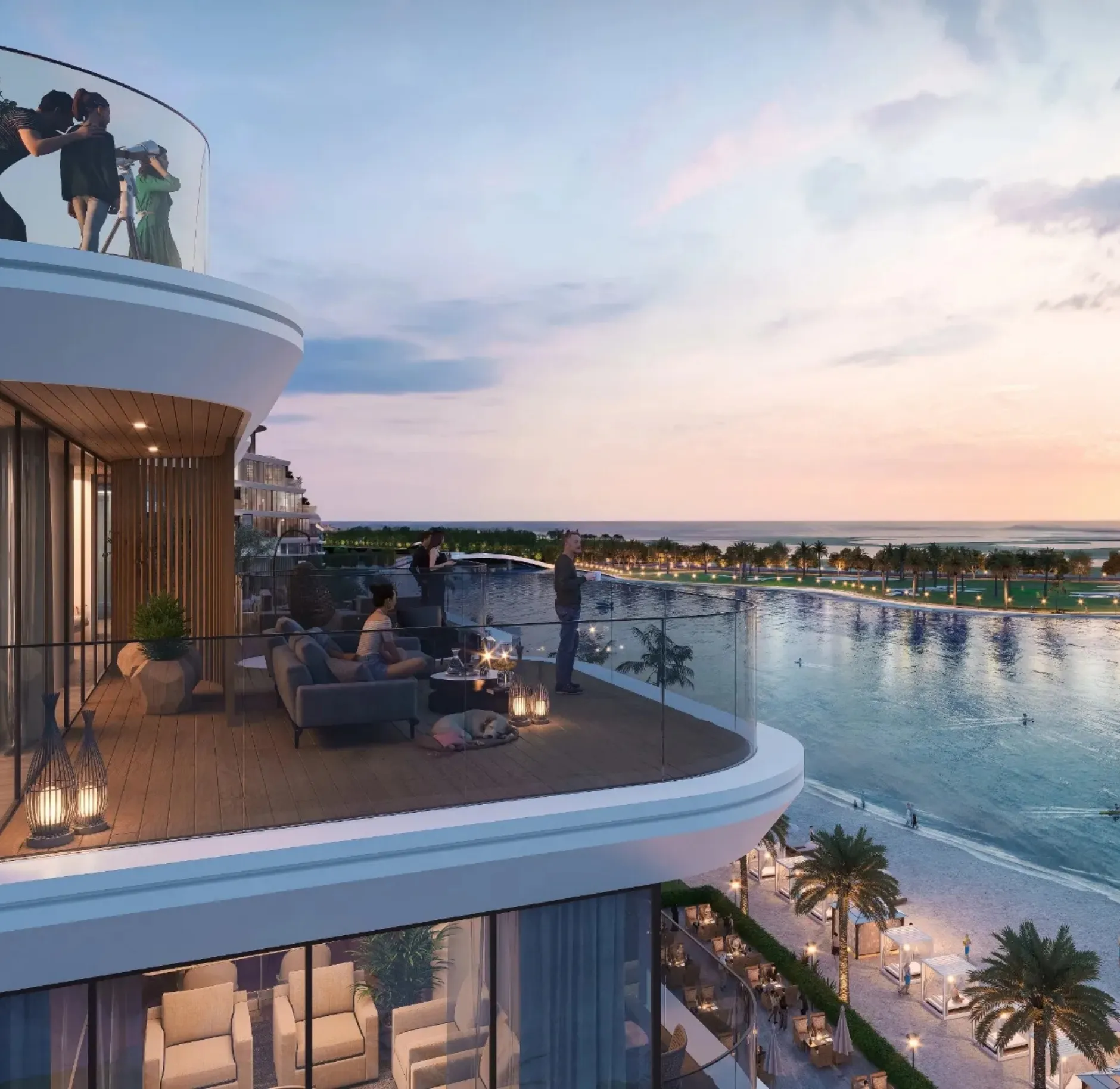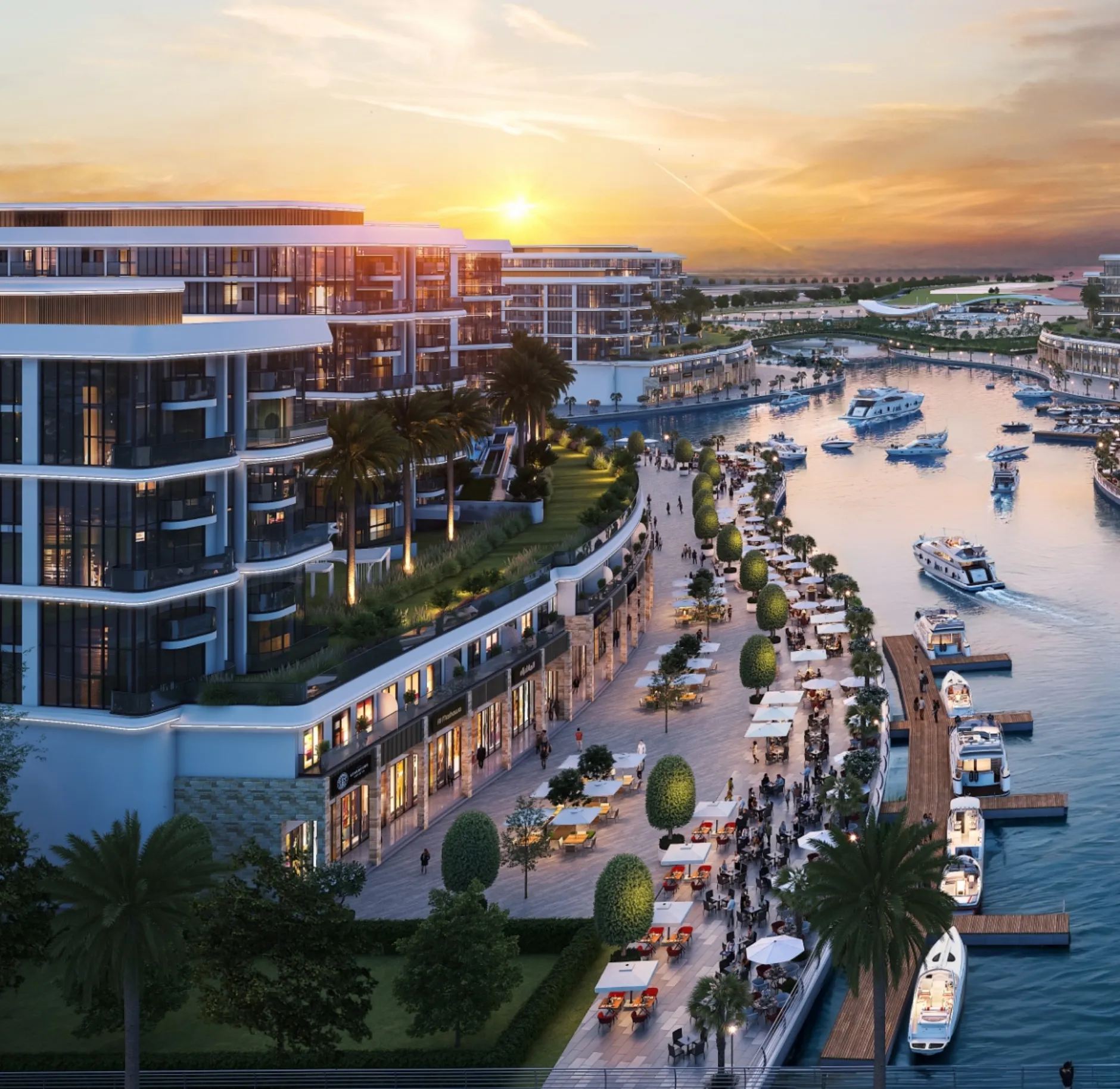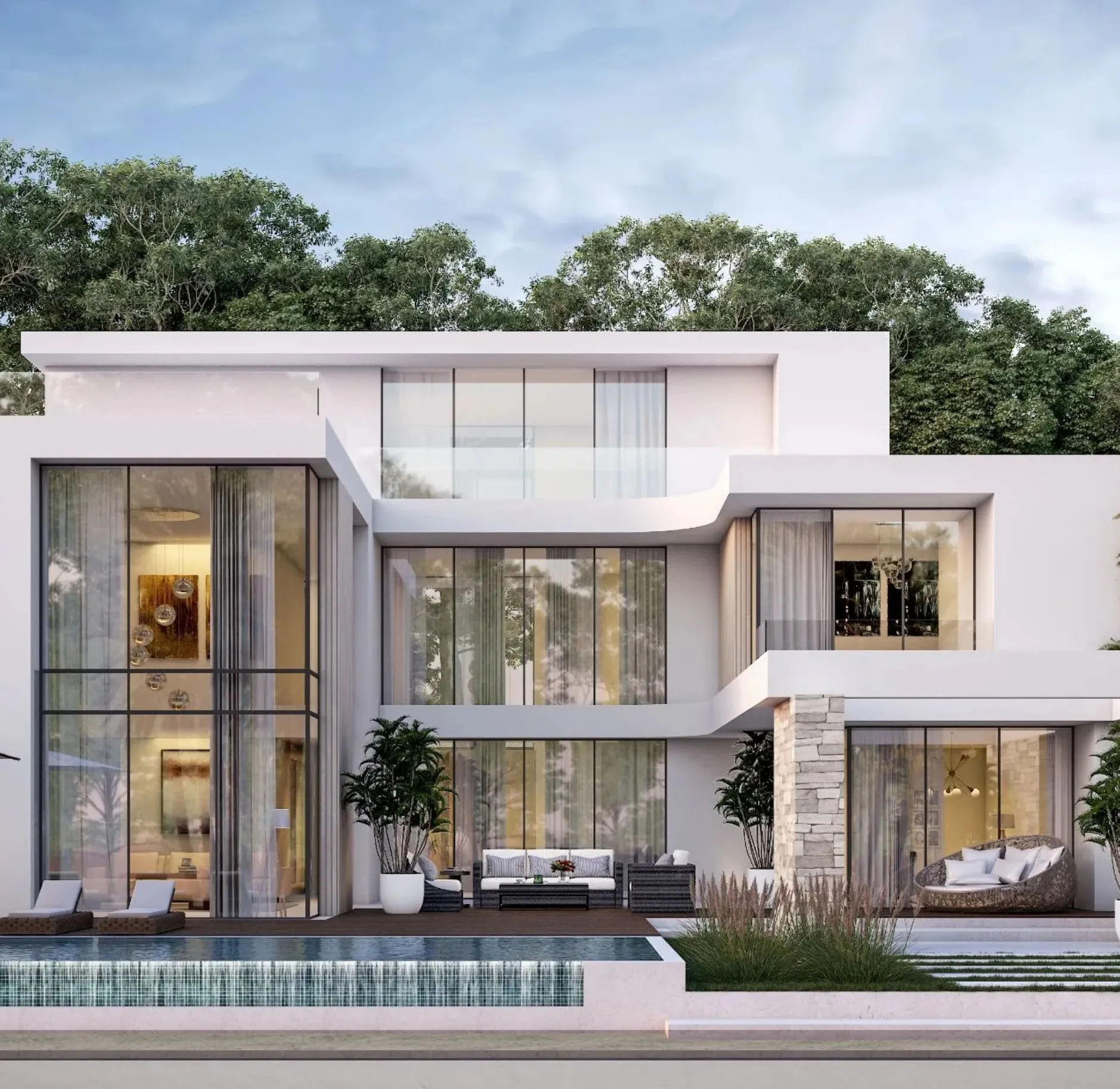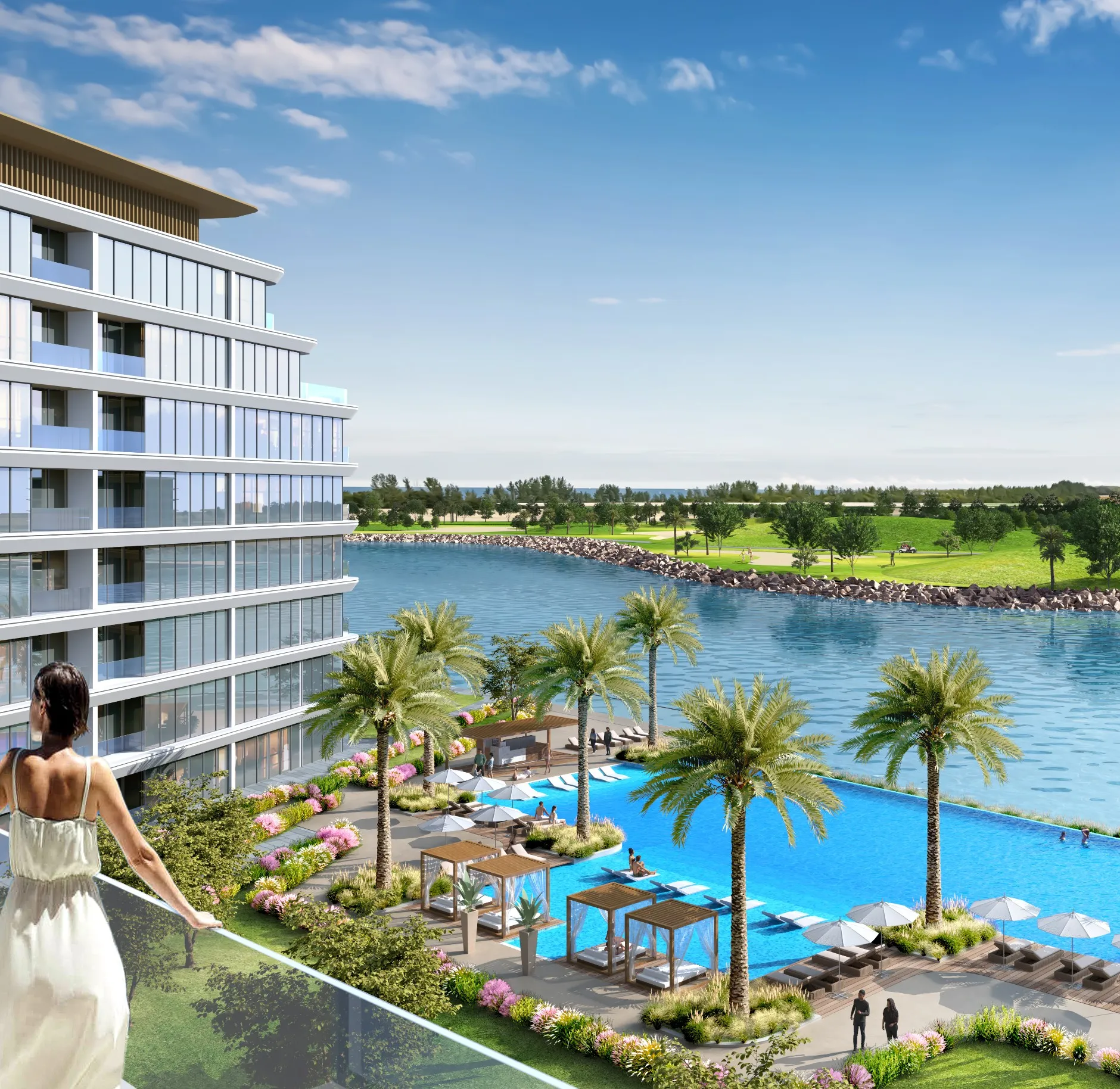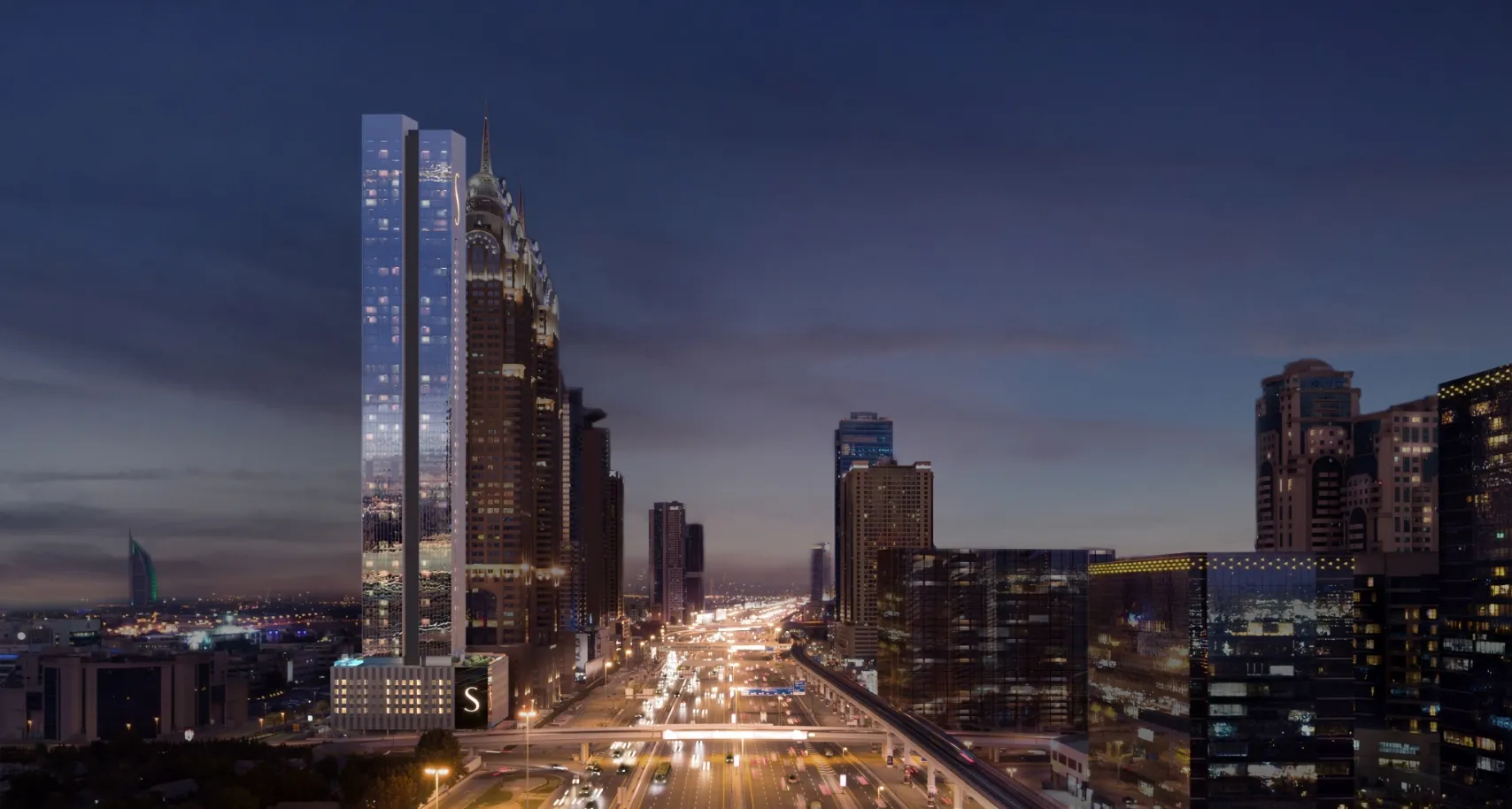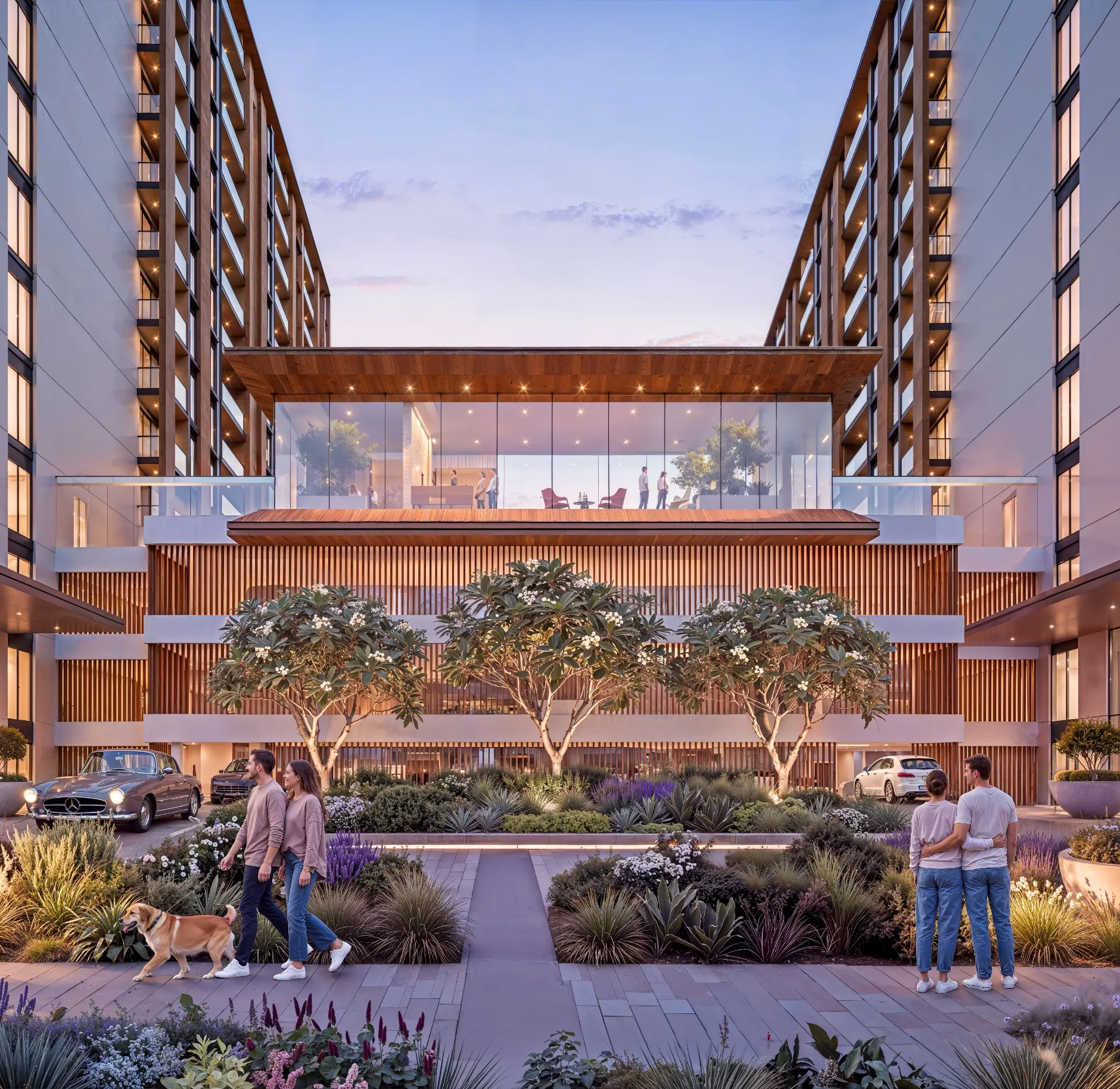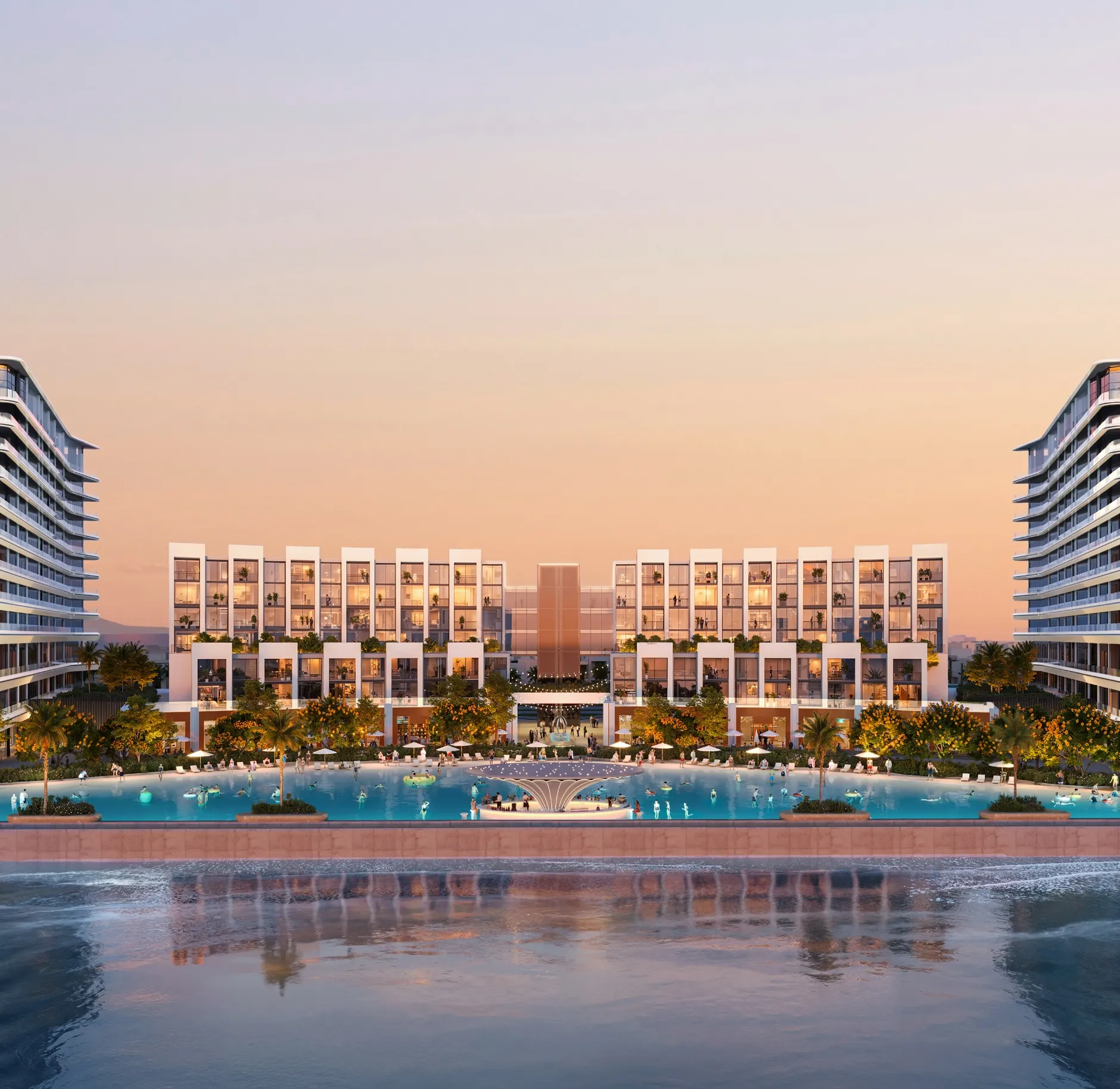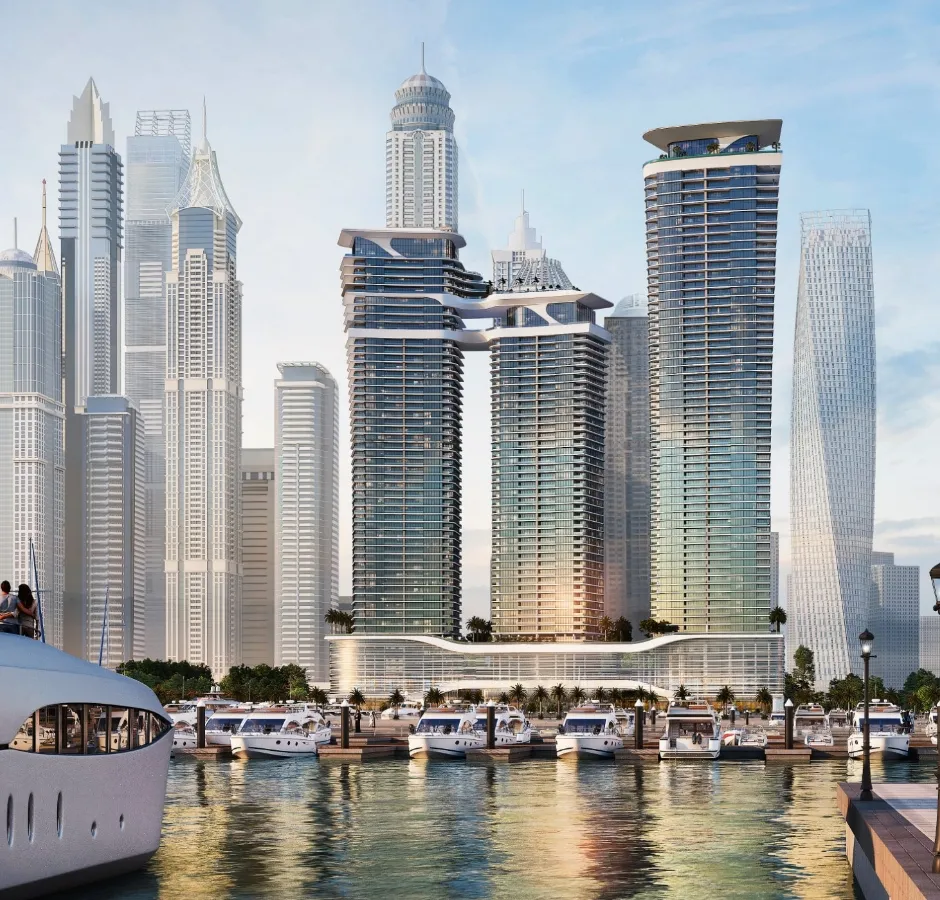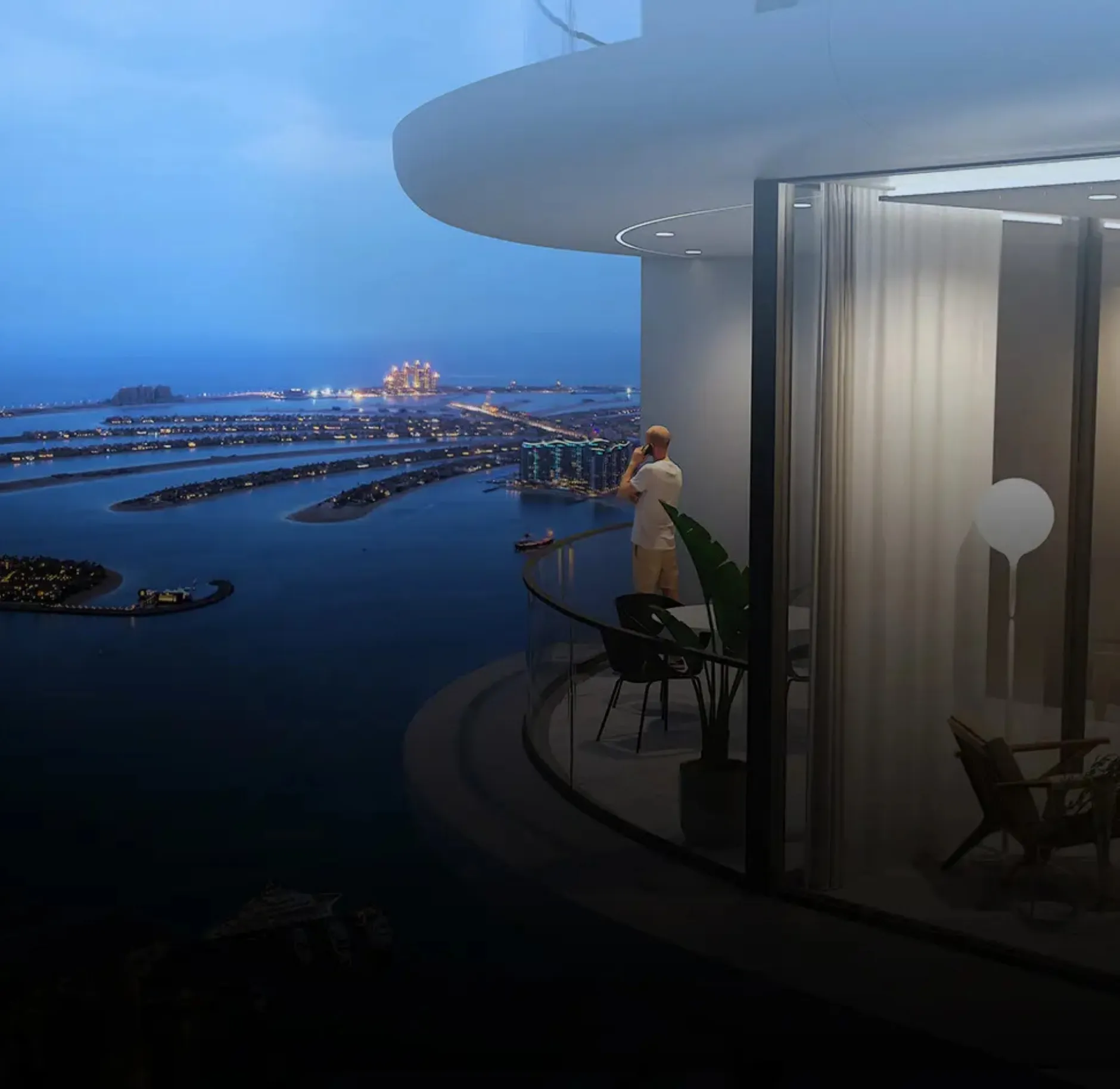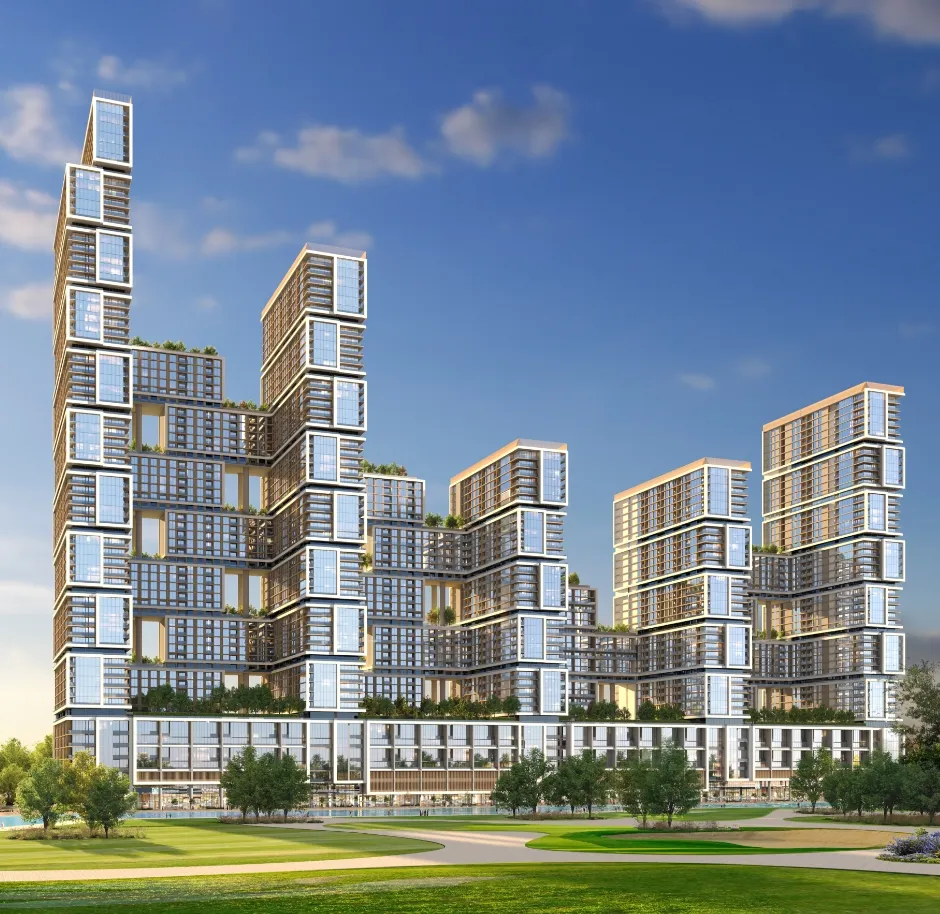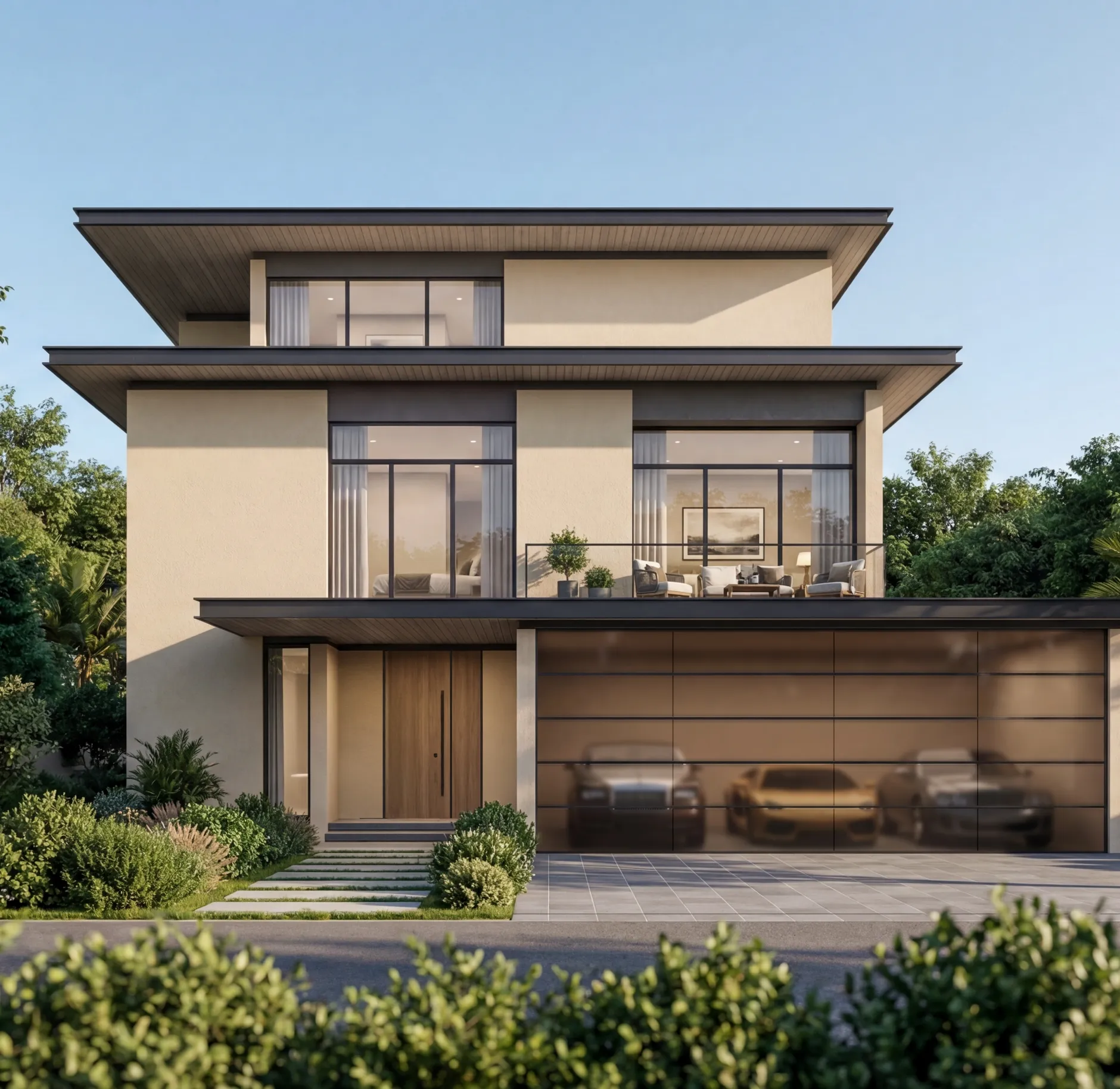
Most communities are judged at launch. Renderings, show homes and newly opened amenities create a strong first impression. Yet the real measure of a master-planned community appears much later, when the trees have matured, the first residents have raised families there and the buildings have experienced years of daily use.
Some master-planned communities become more desirable with time, while others begin to feel dated within a decade. The difference often comes down to decisions made early on, from construction quality to how open spaces, services and infrastructure are planned.
Built to Last, Not Just to Impress: Construction Quality in Master-Planned Communities
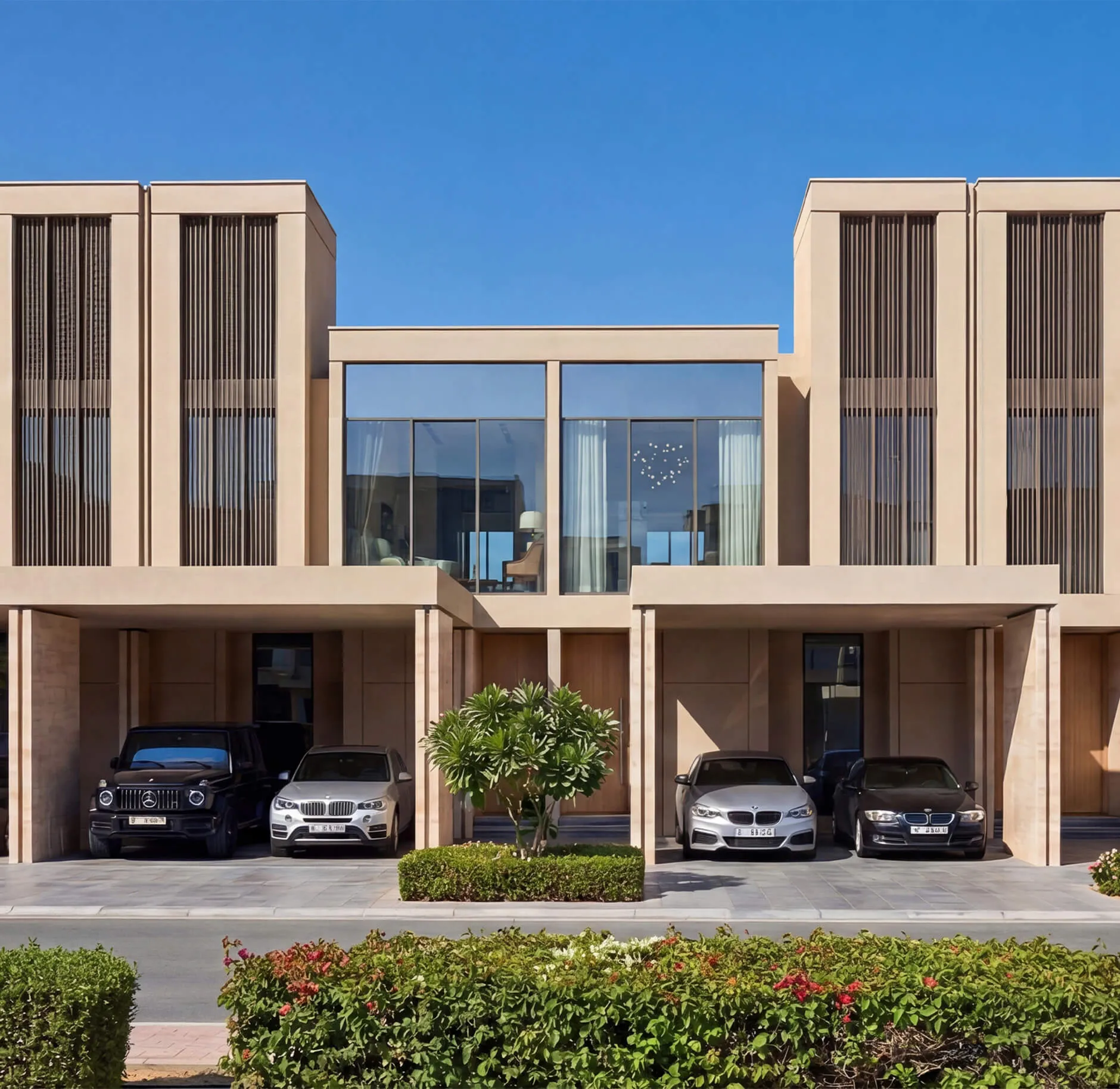
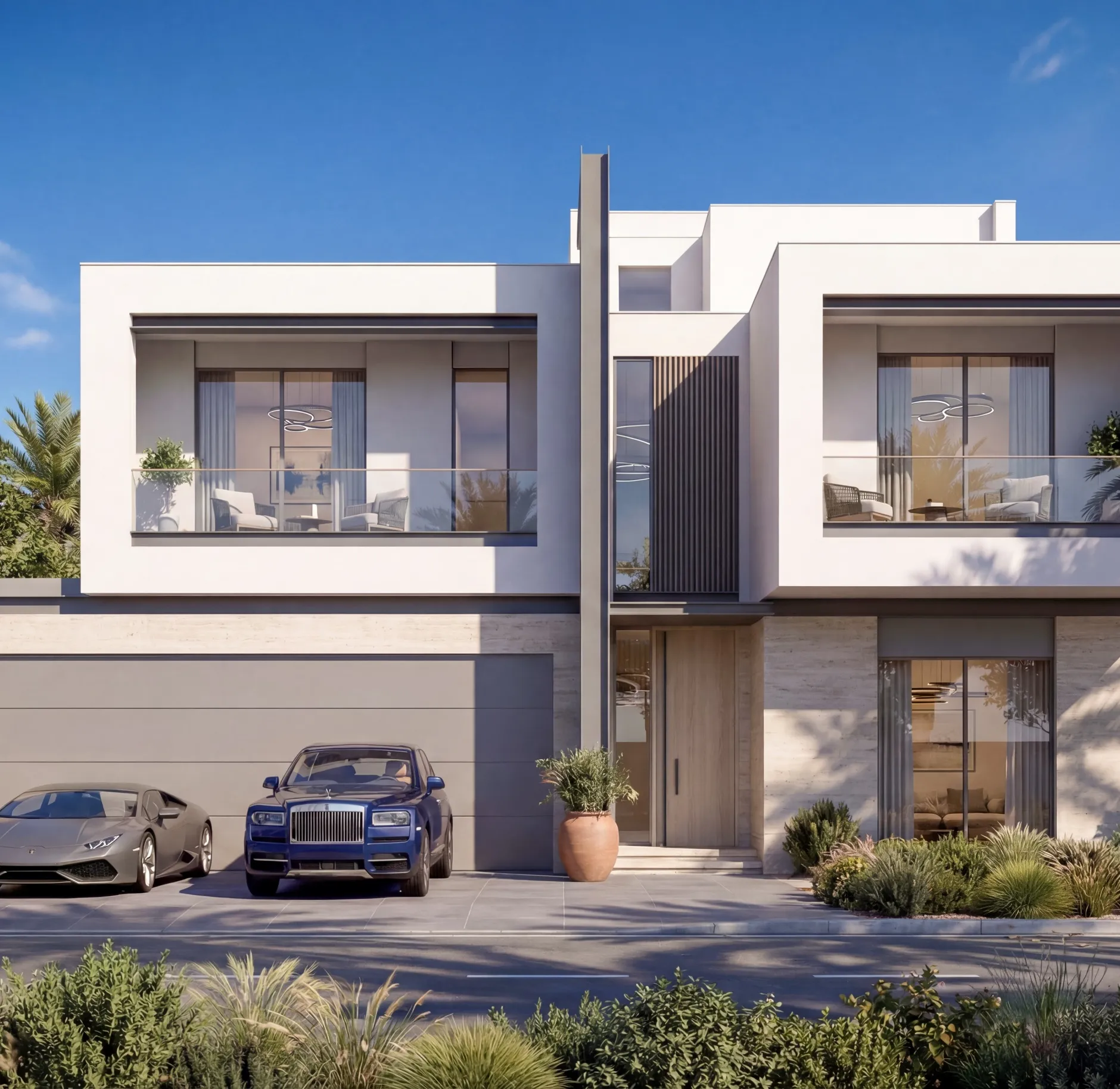
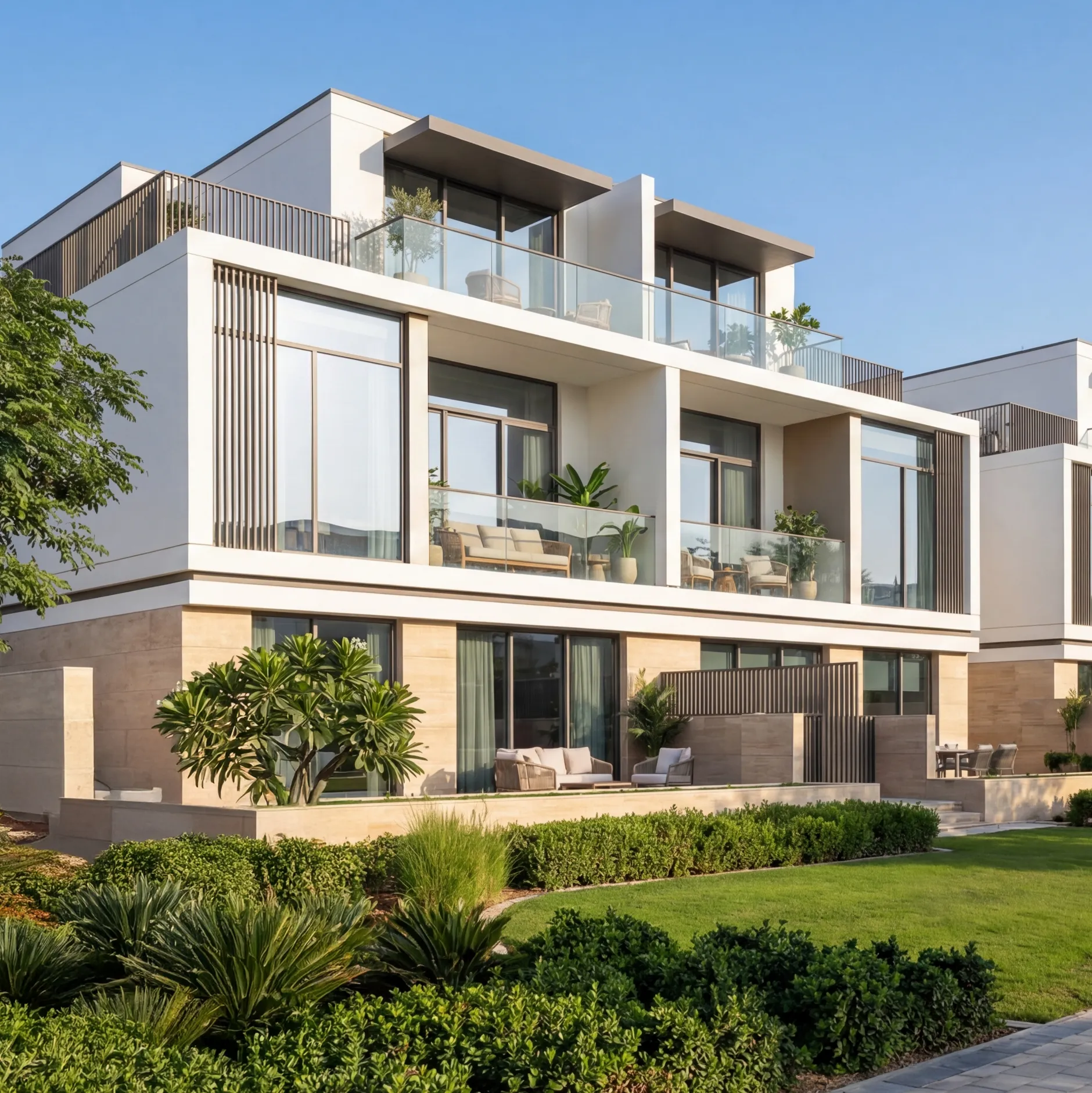
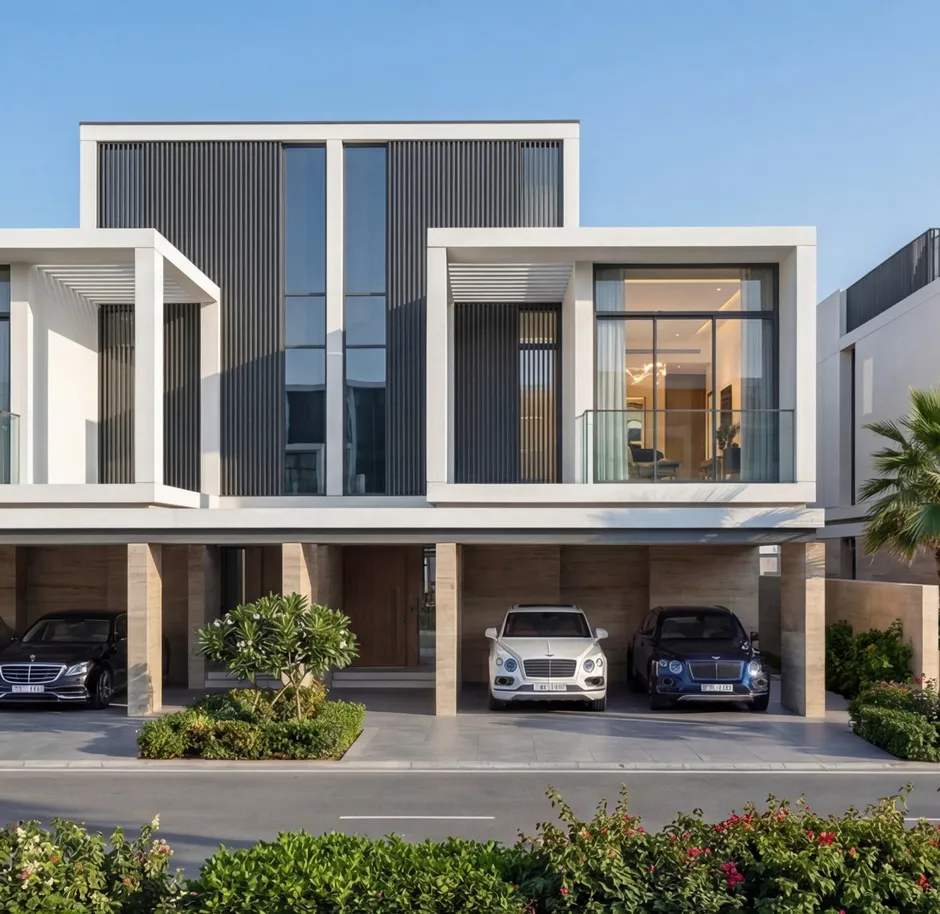
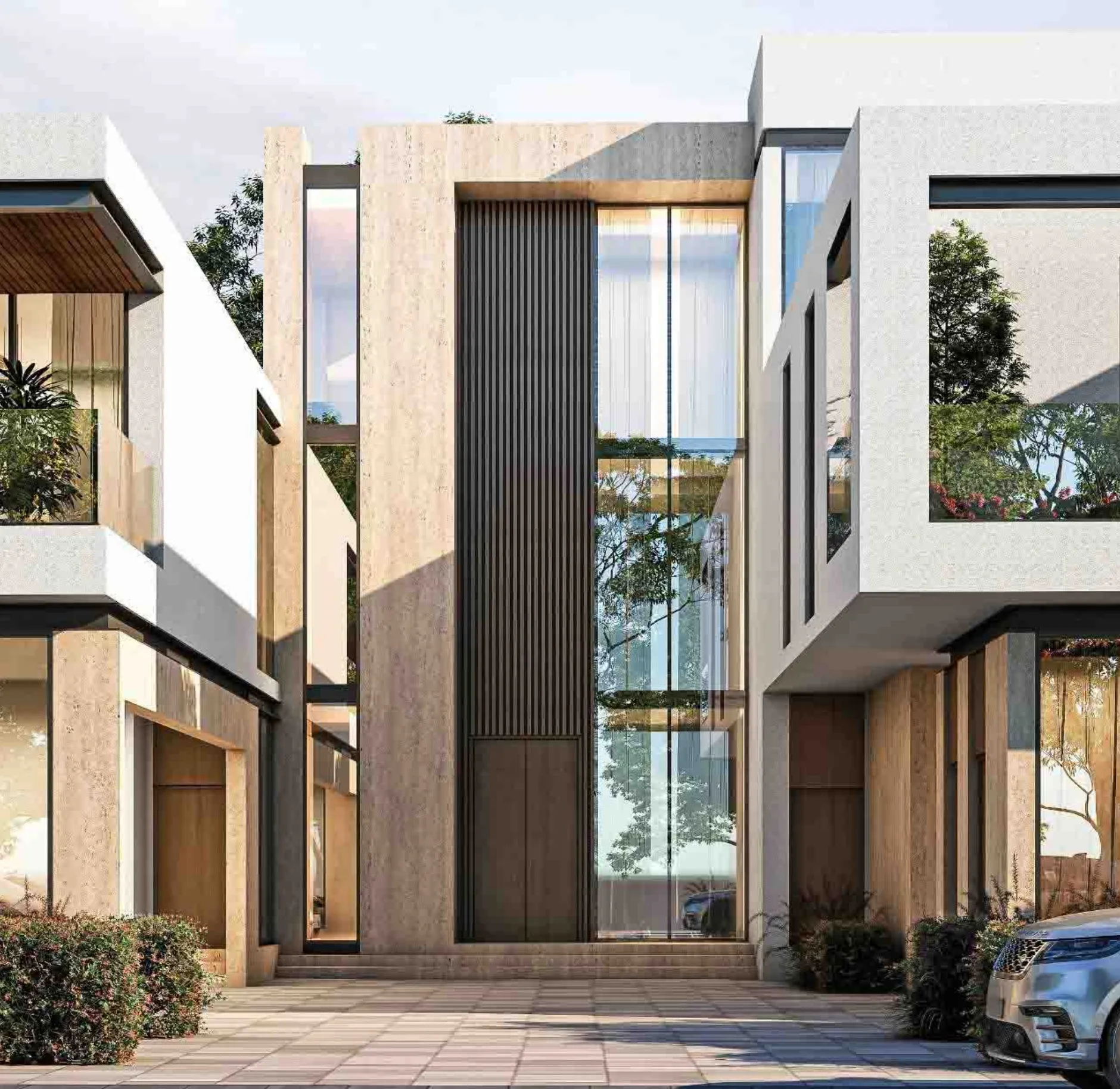
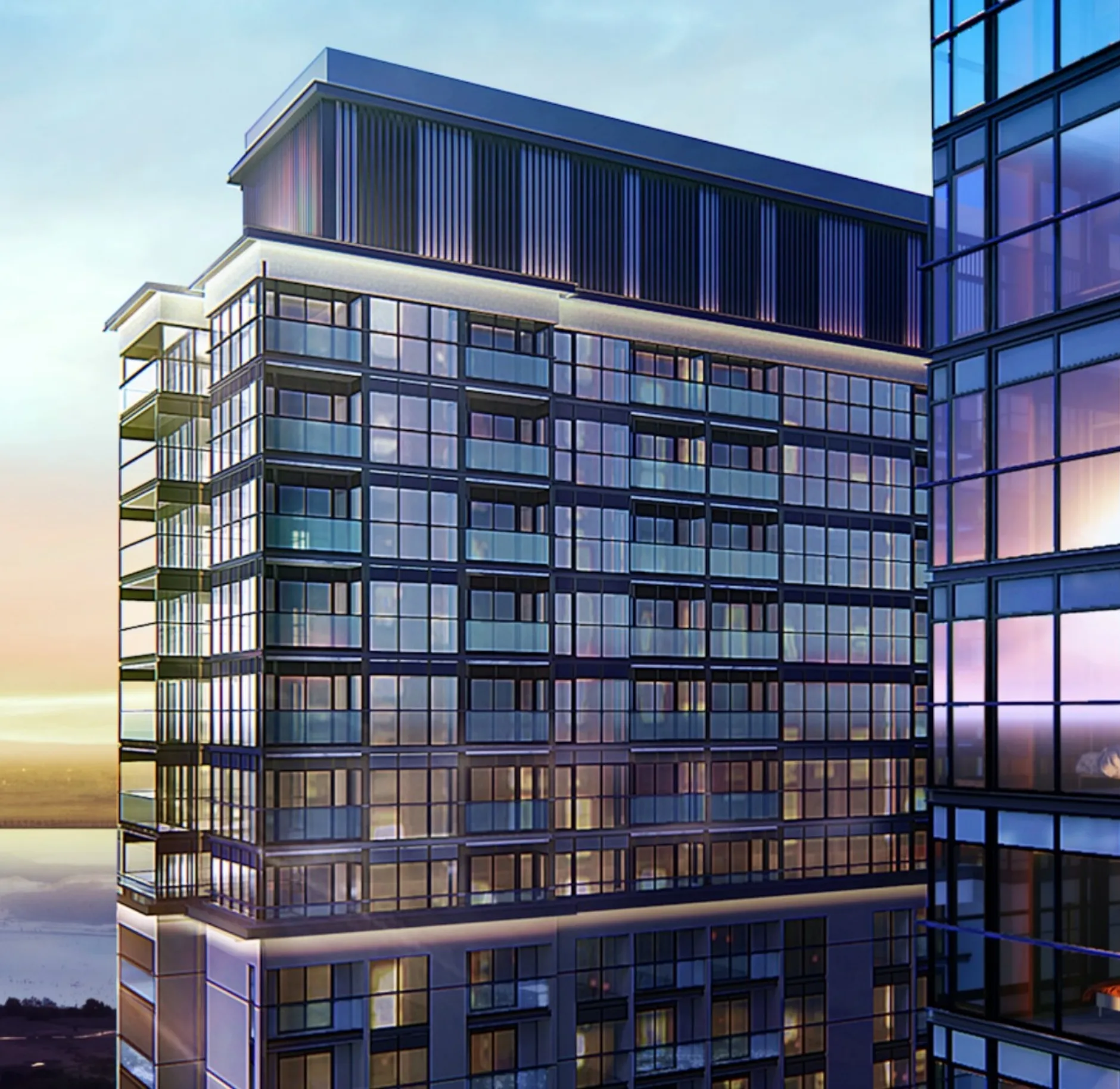
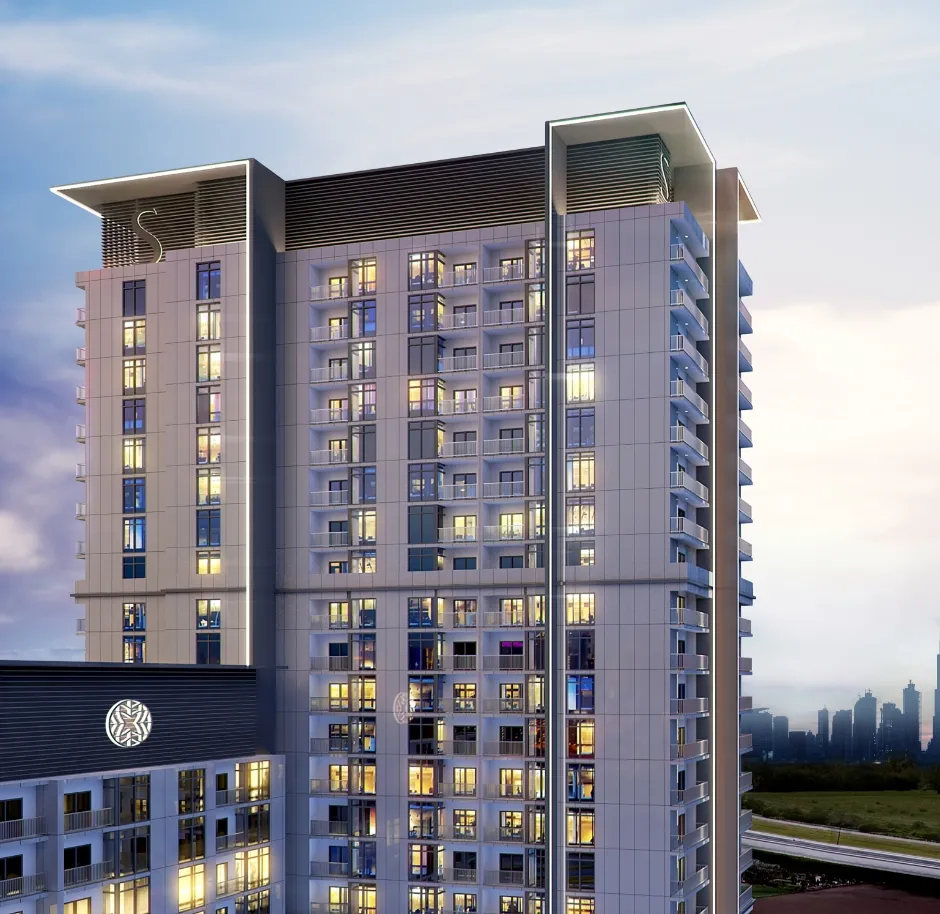
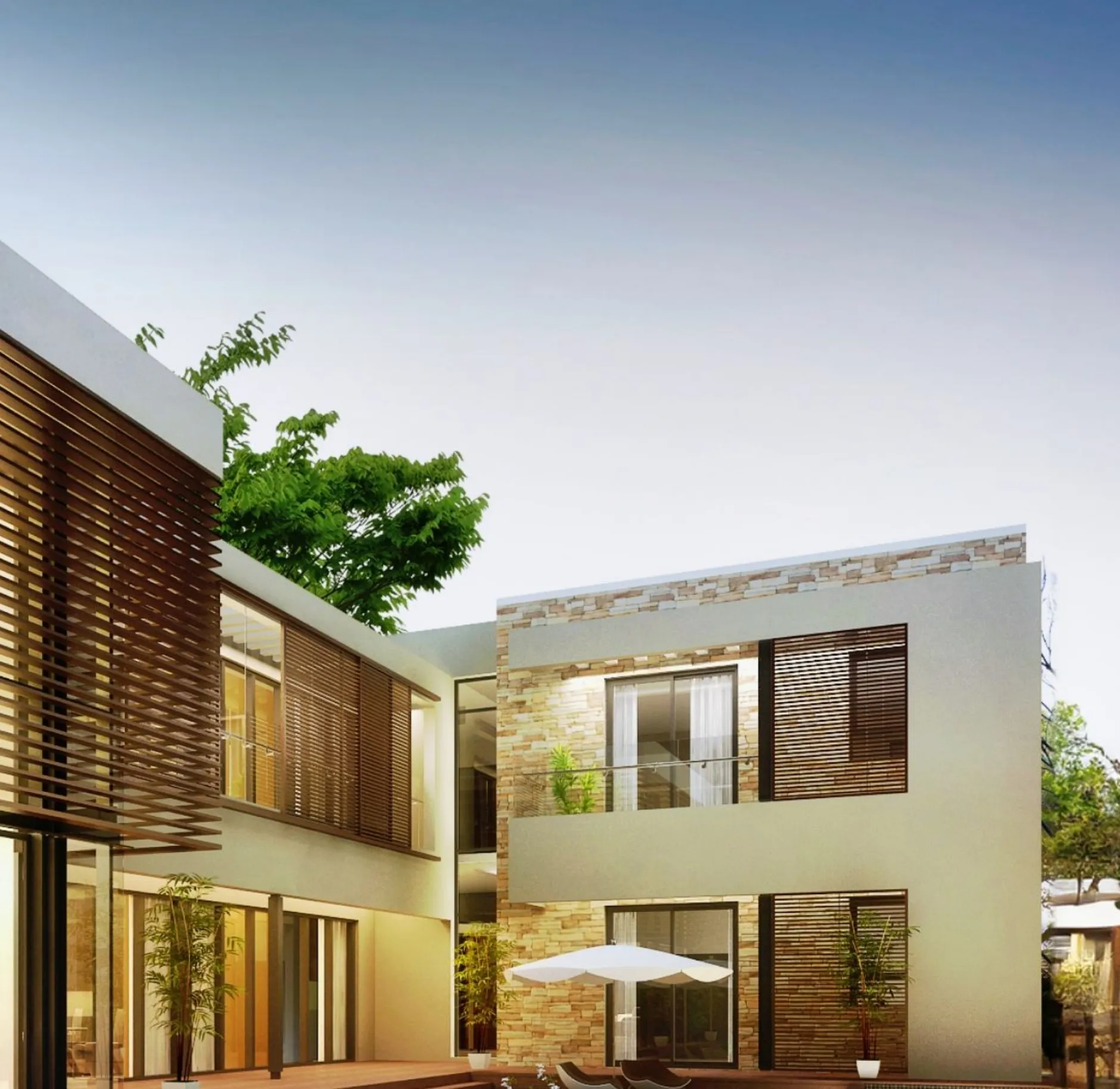
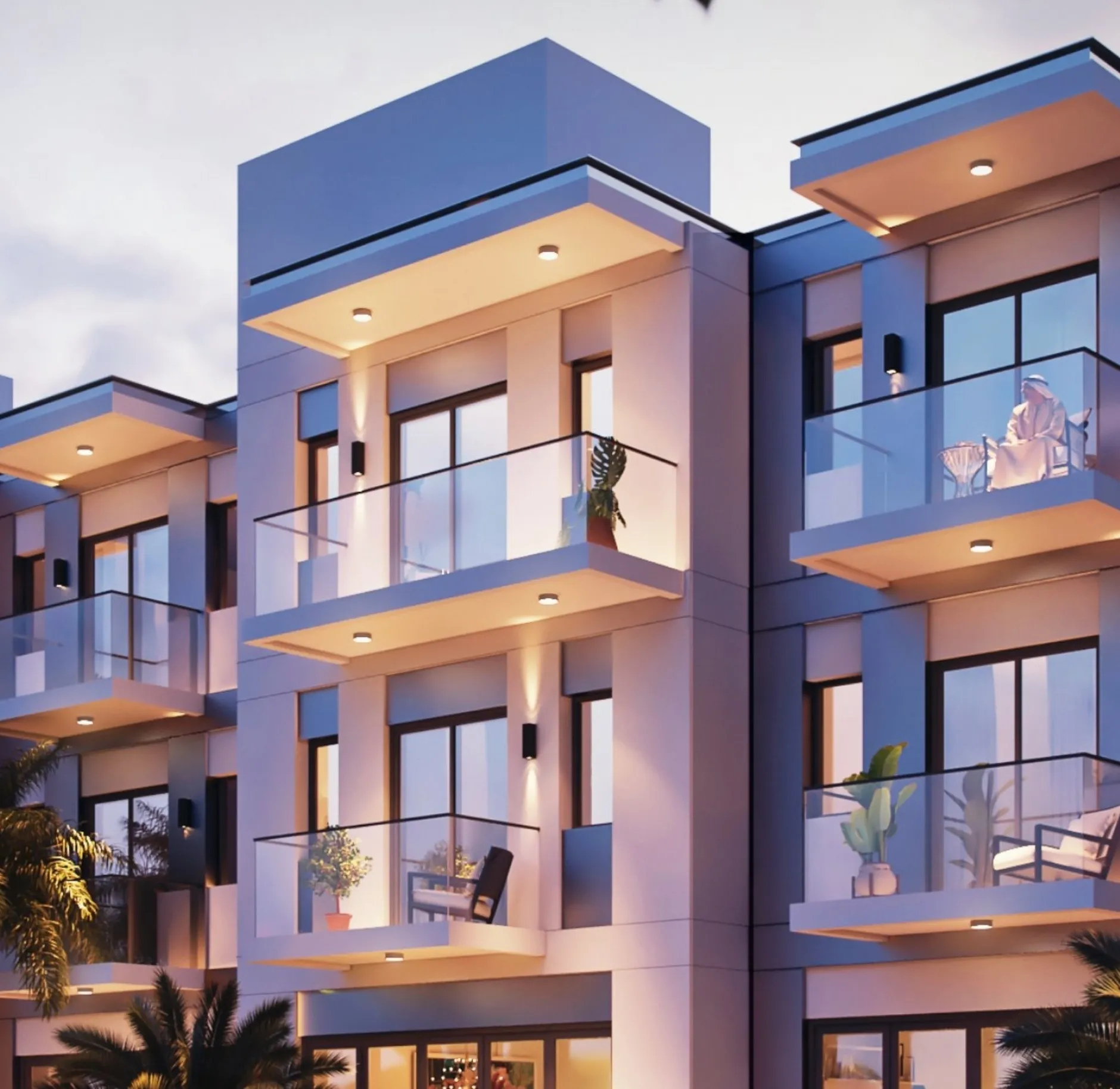
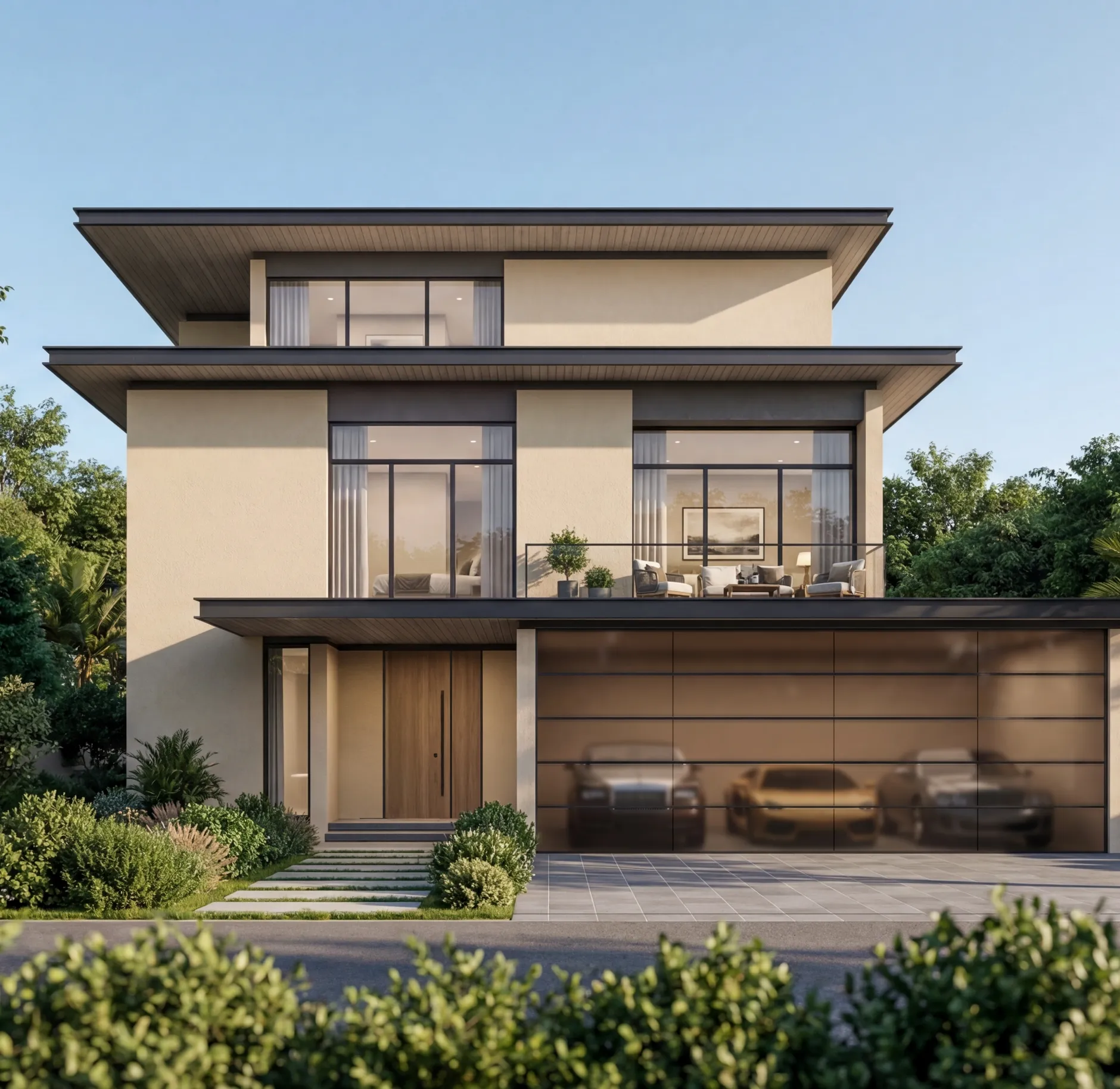
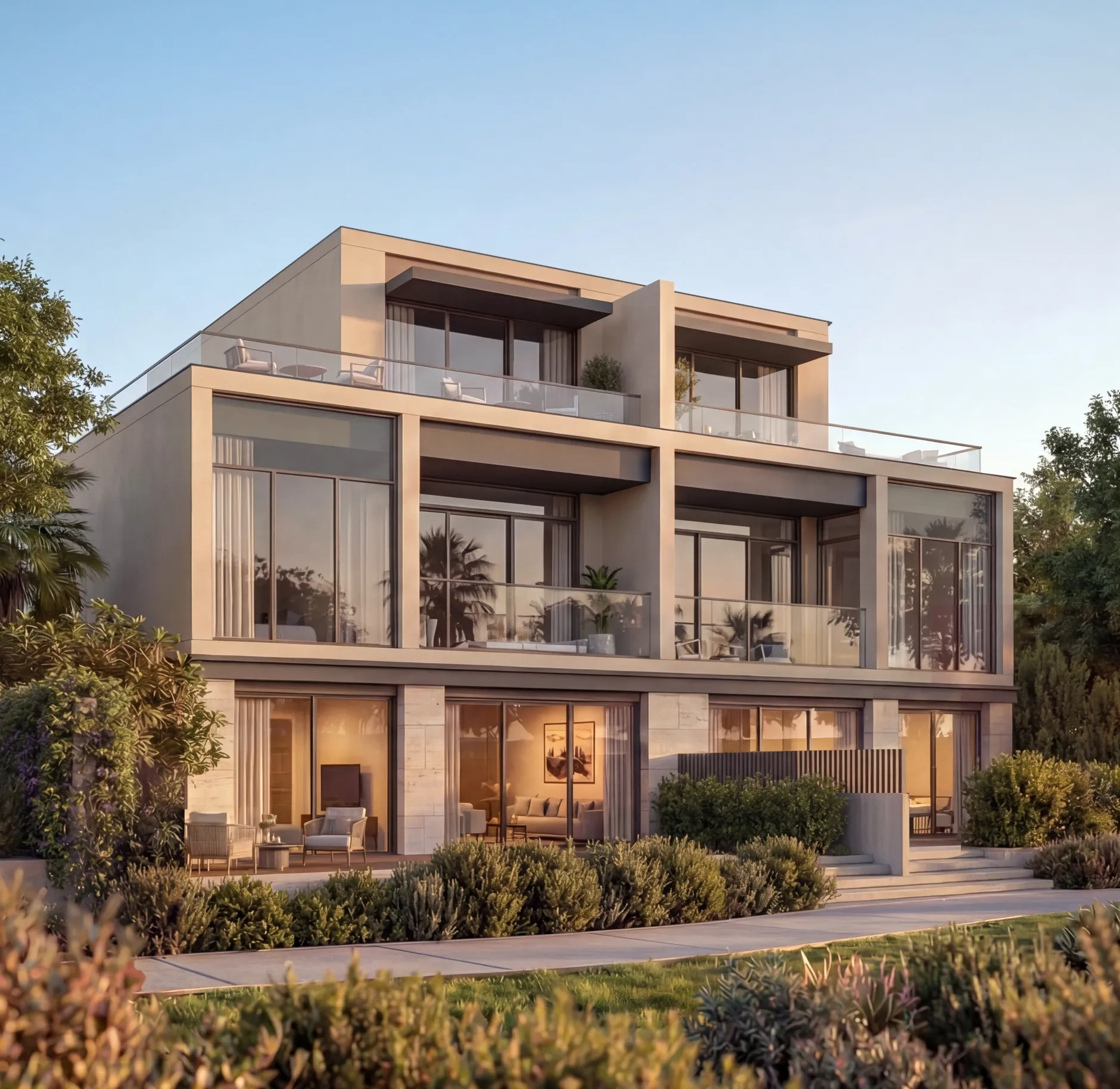
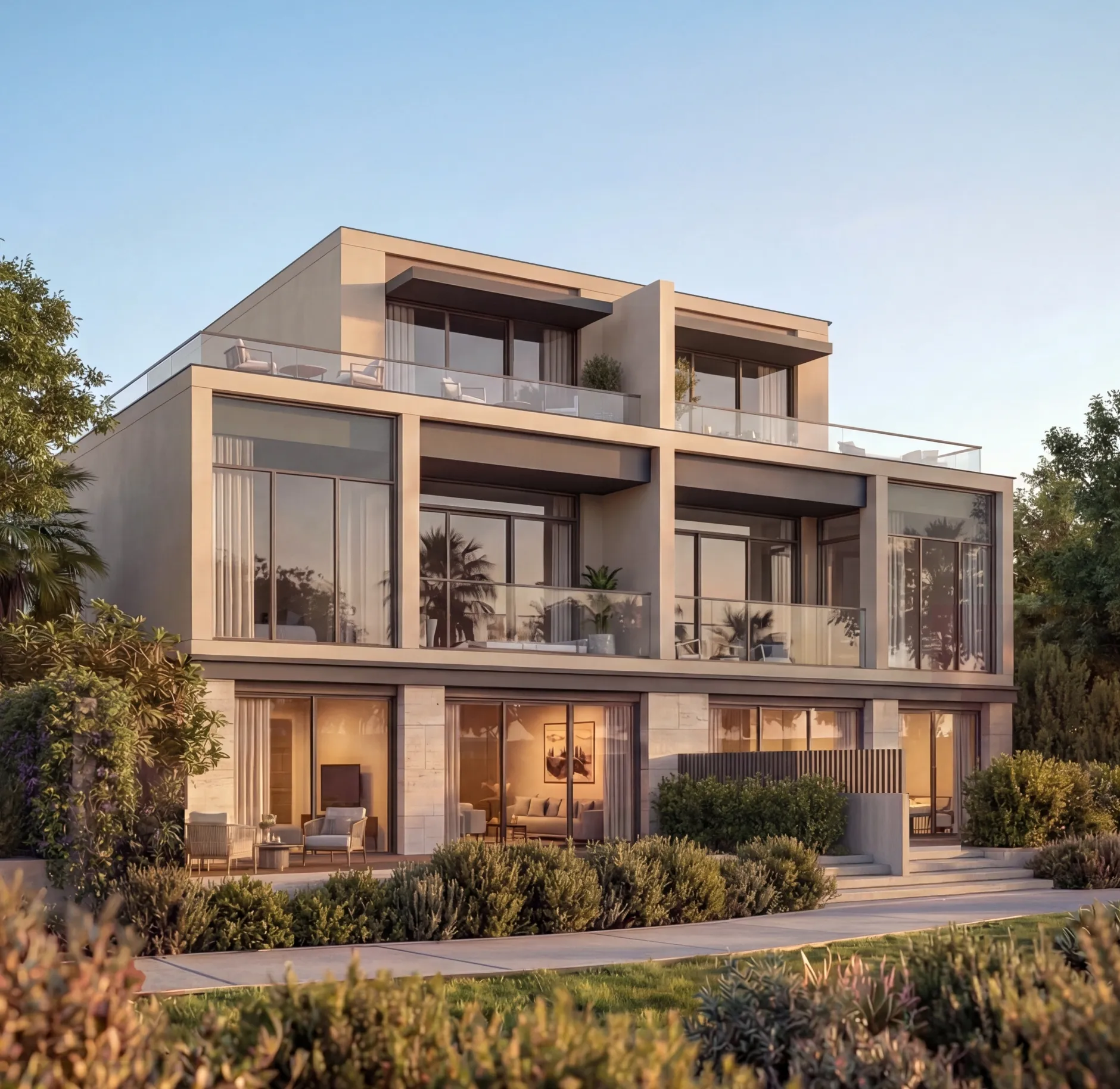
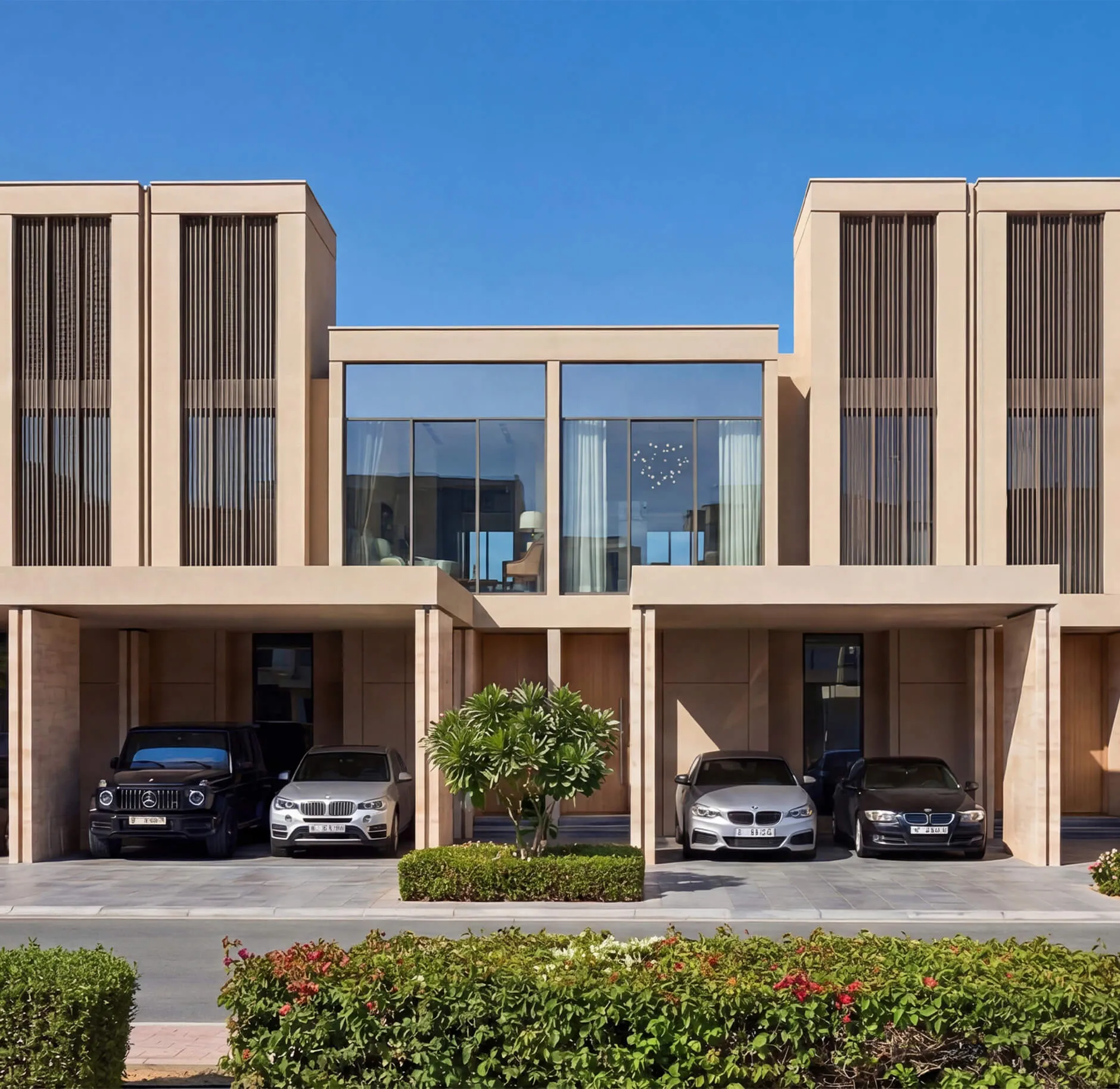
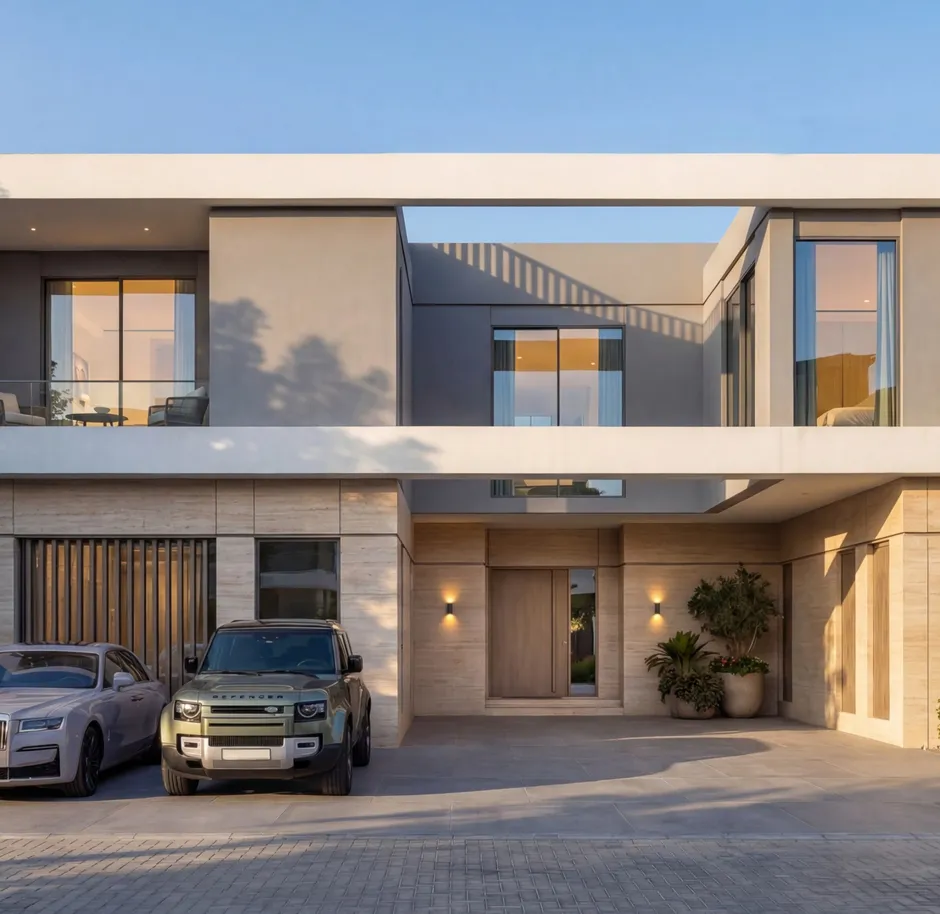
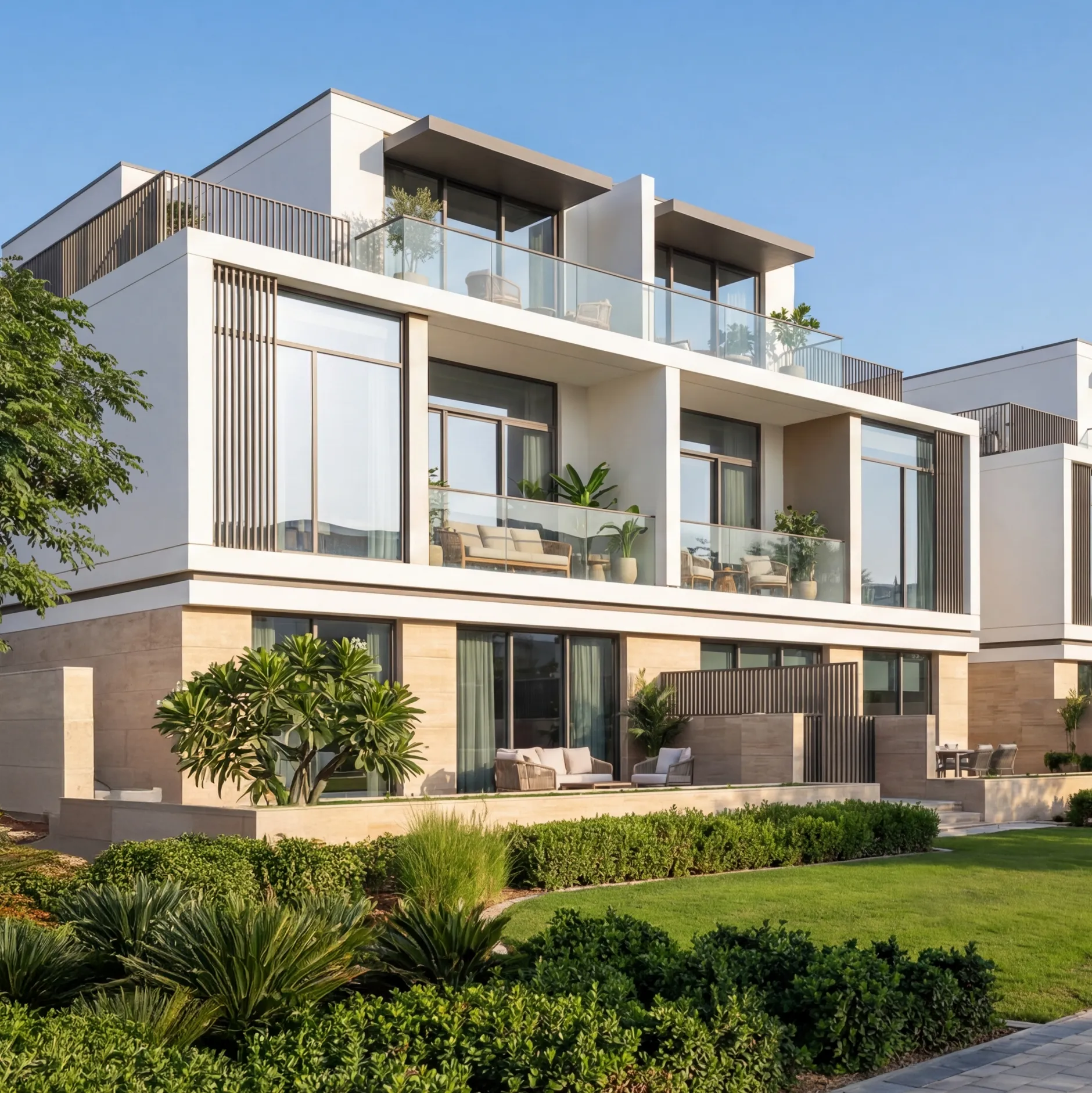
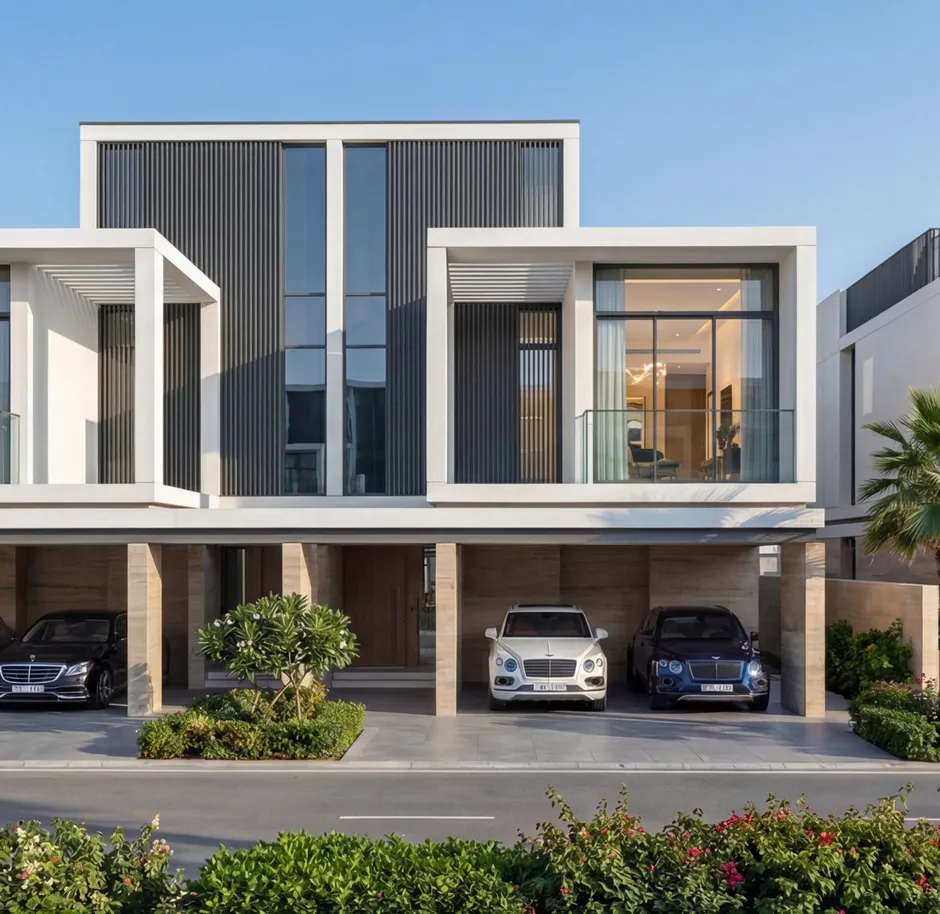
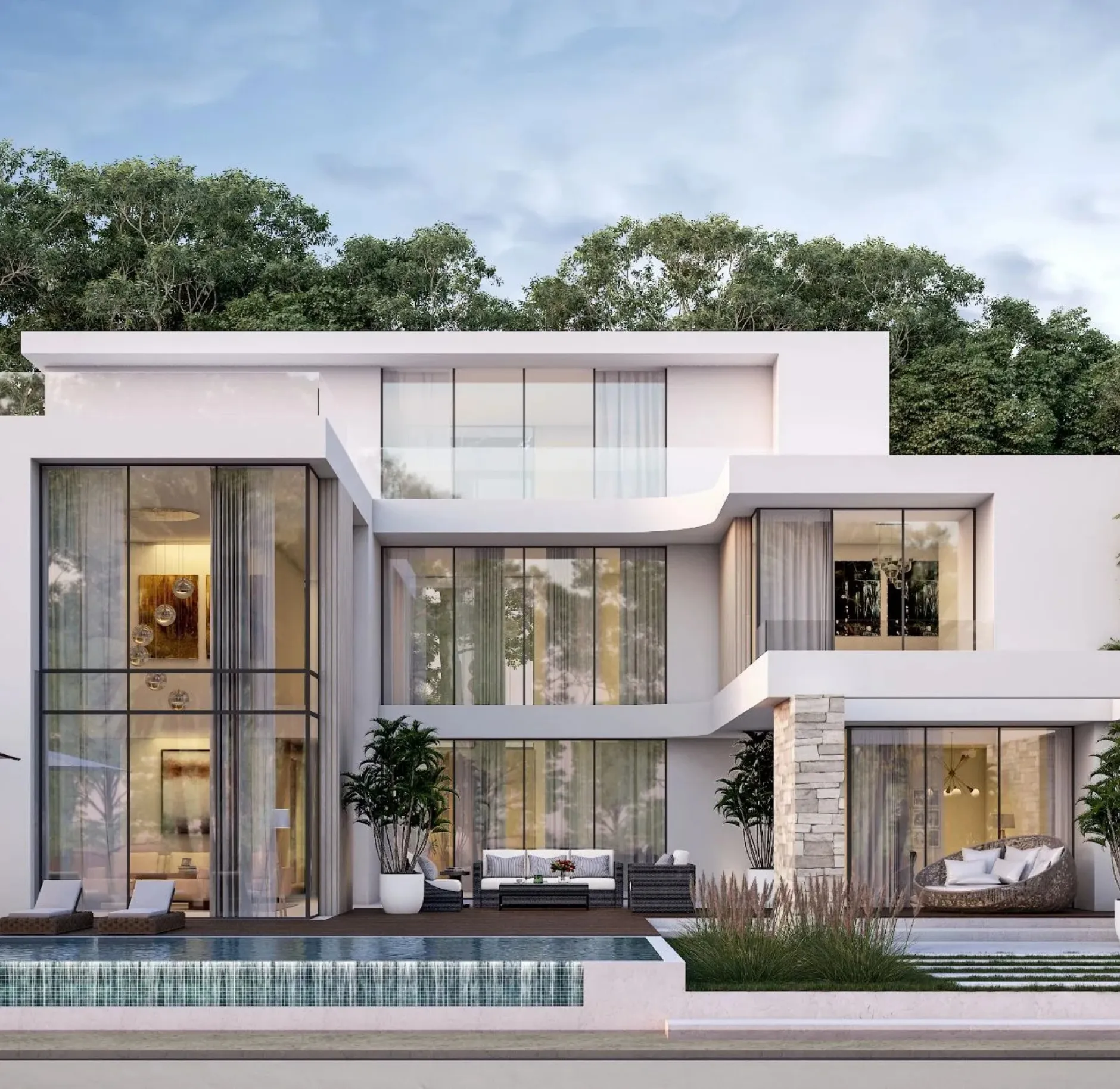
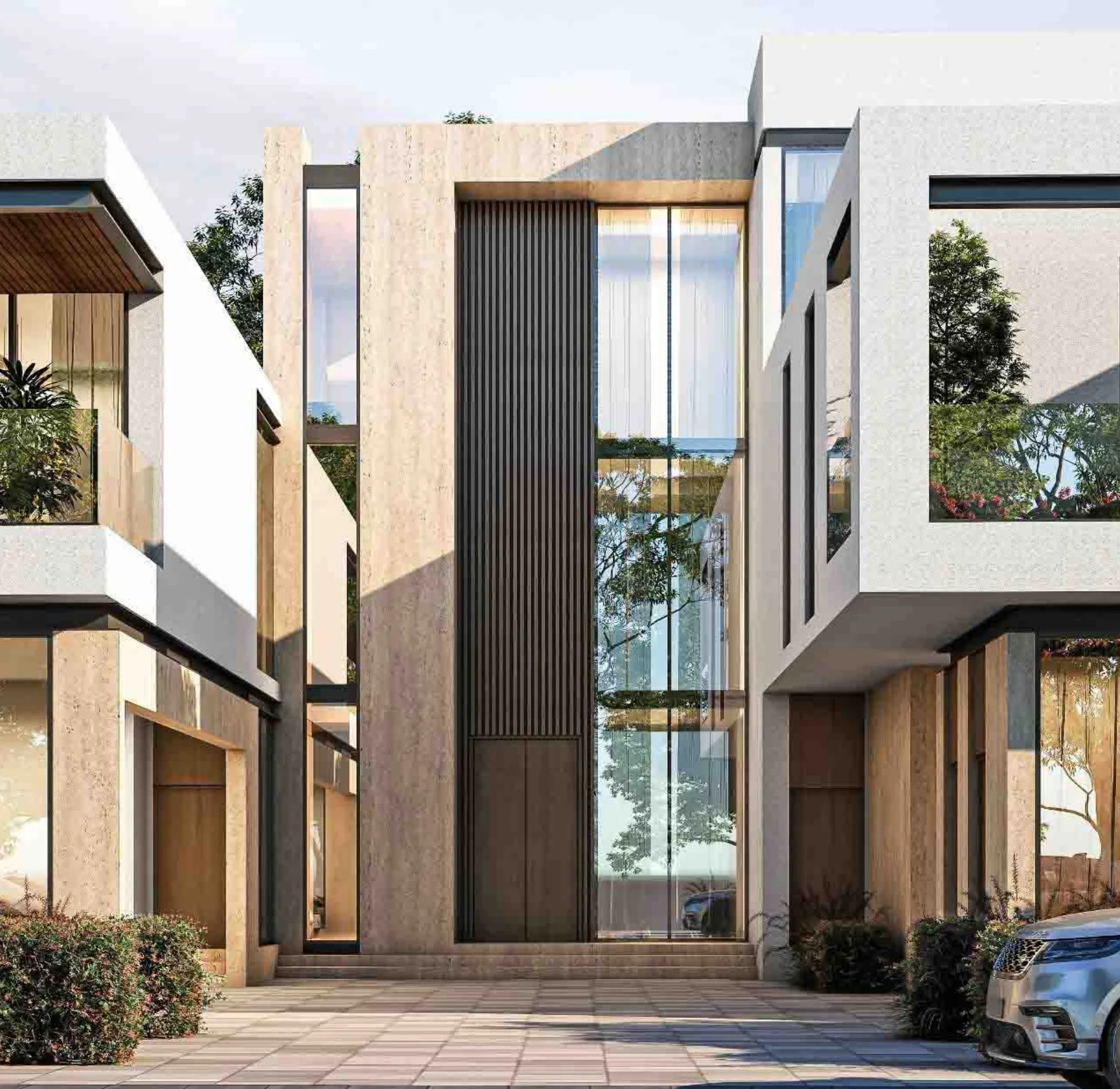
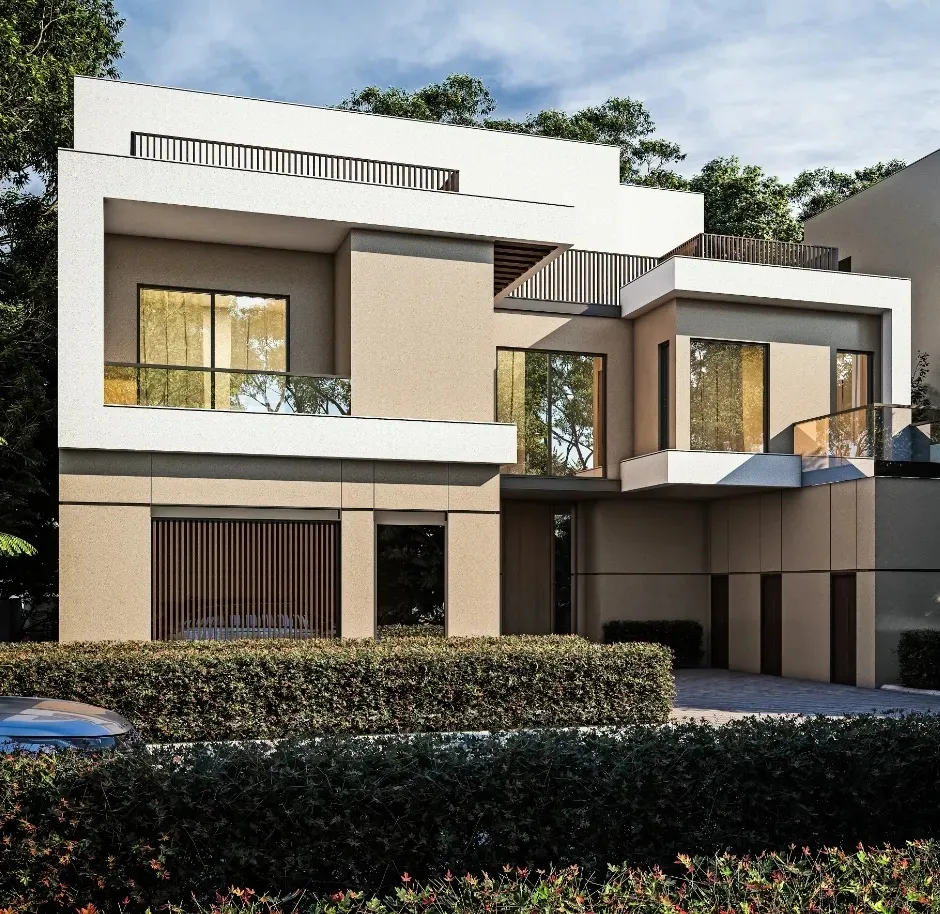
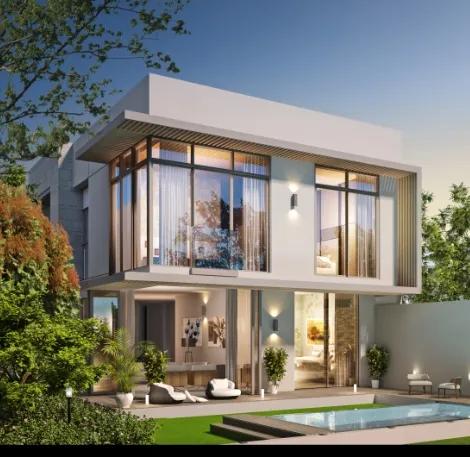
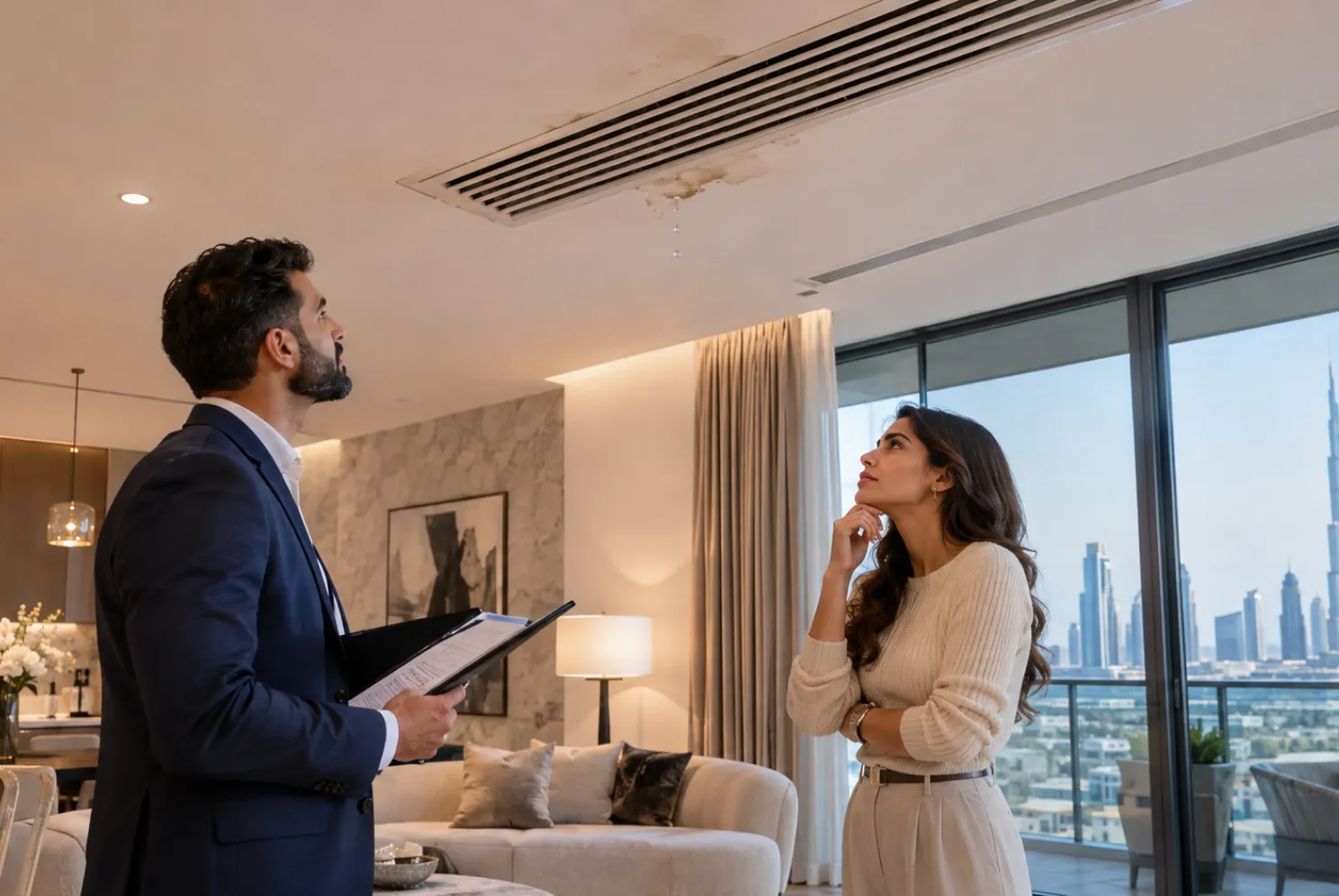
A community can only age well if its buildings do. Materials, workmanship and engineering determine how a property performs after years of heat, humidity and everyday use.
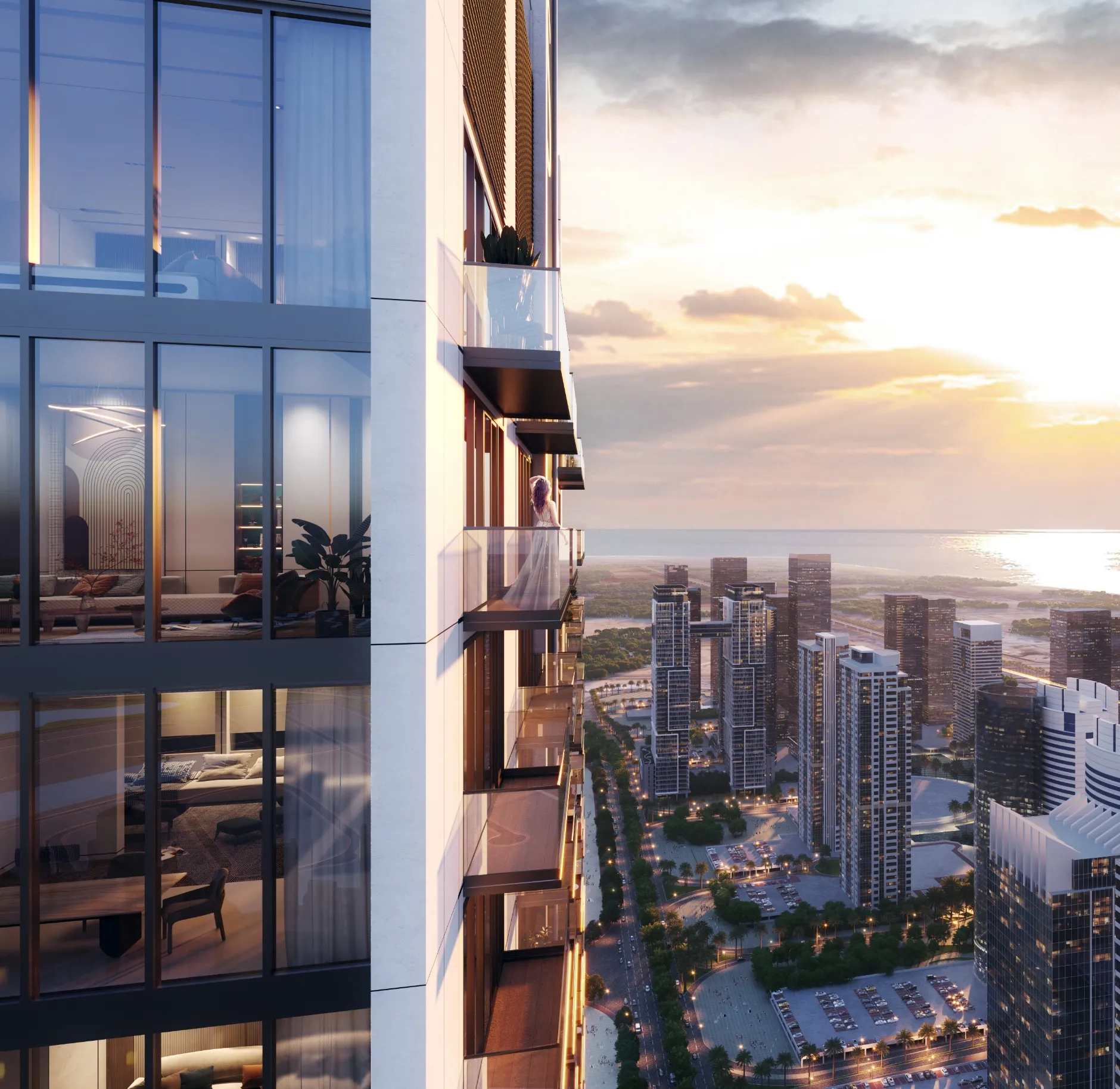
This is particularly relevant for master-planned communities in the UAE, where the climate places real demands on façades, glazing, waterproofing and building systems. Choices that seem minor during construction can shape maintenance requirements and resident satisfaction for decades.
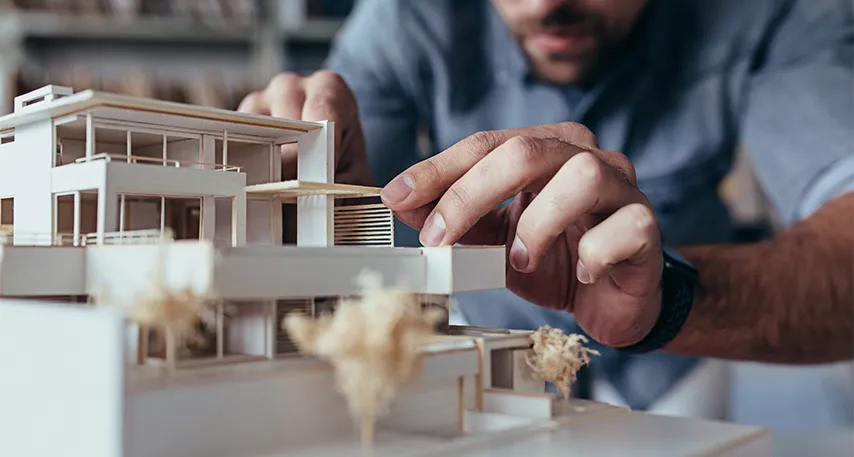
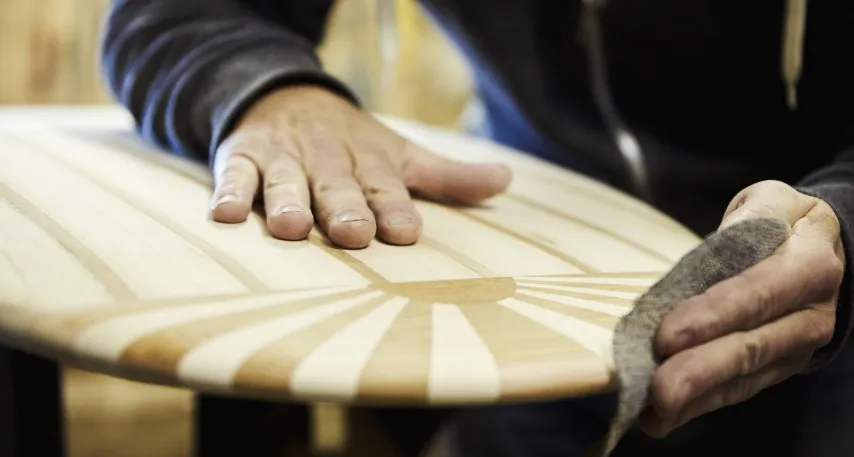
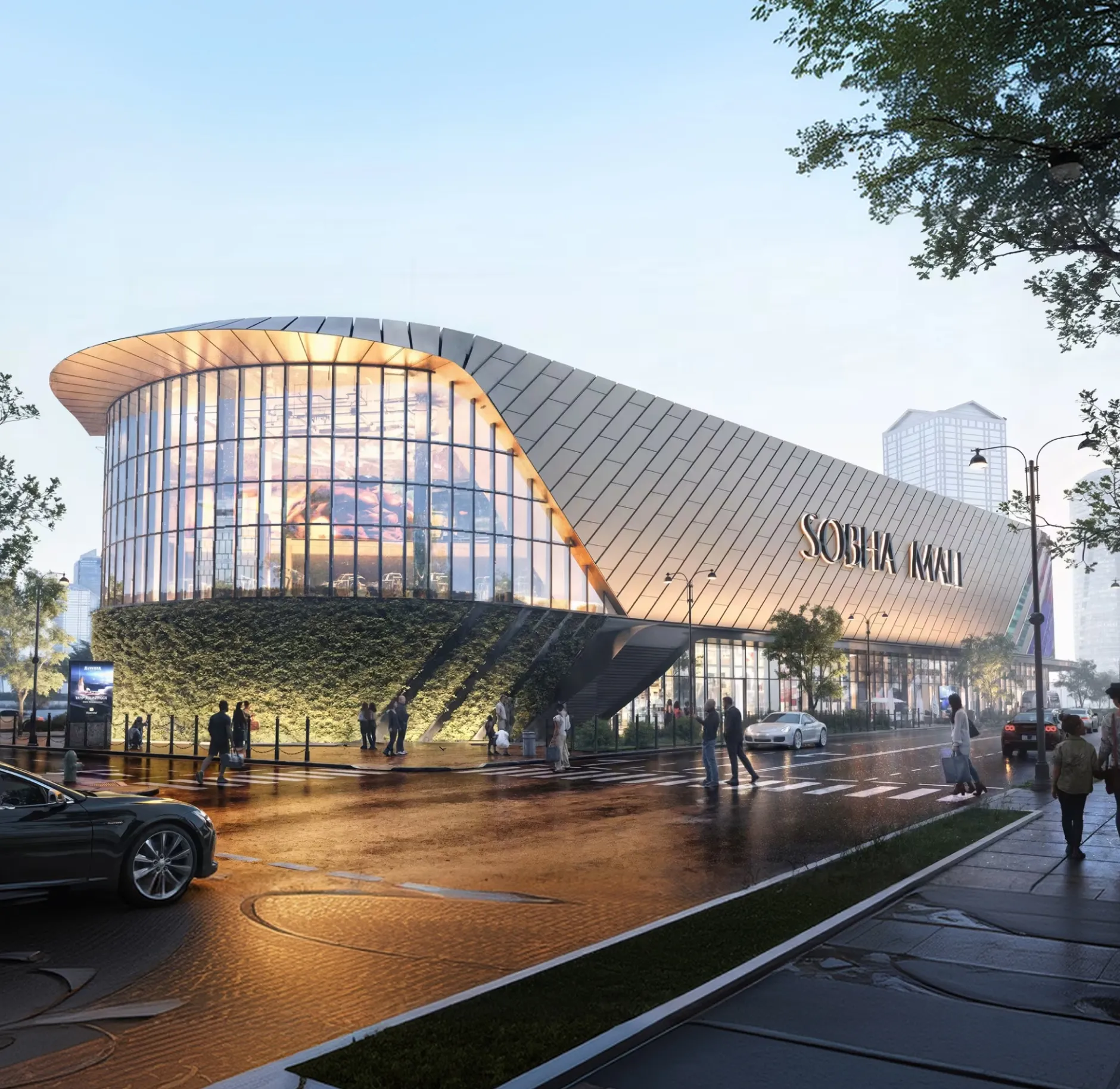
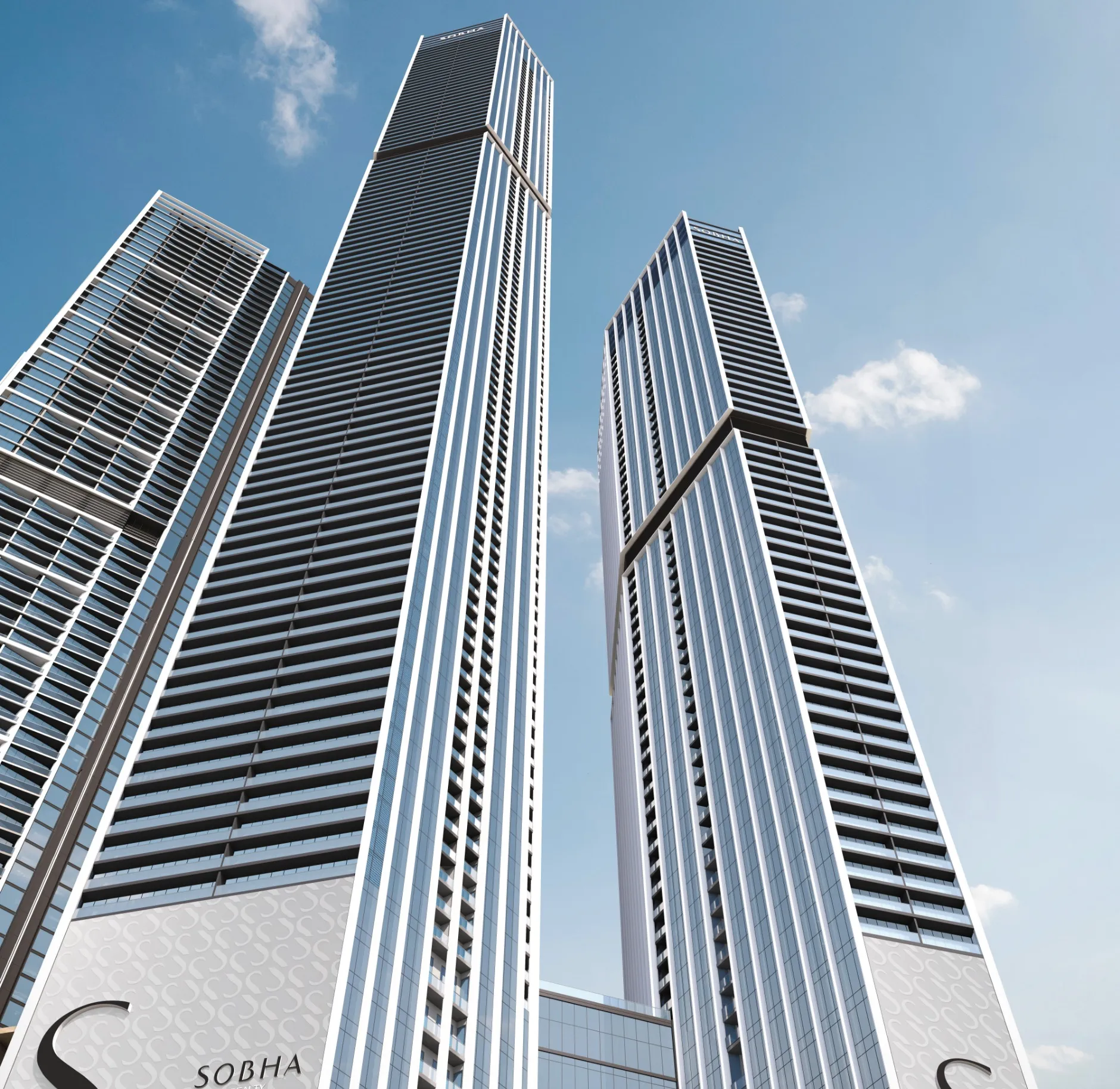
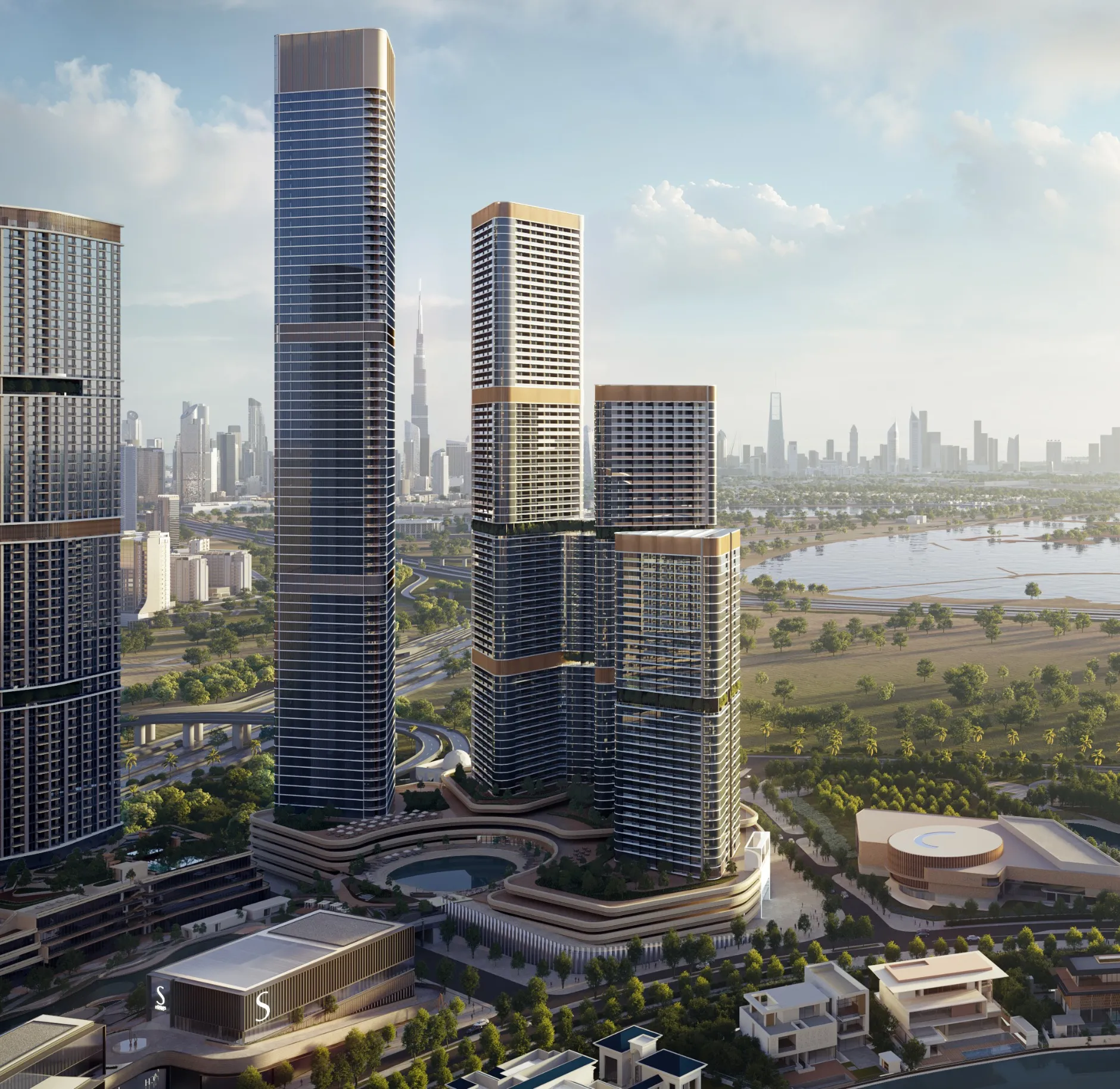
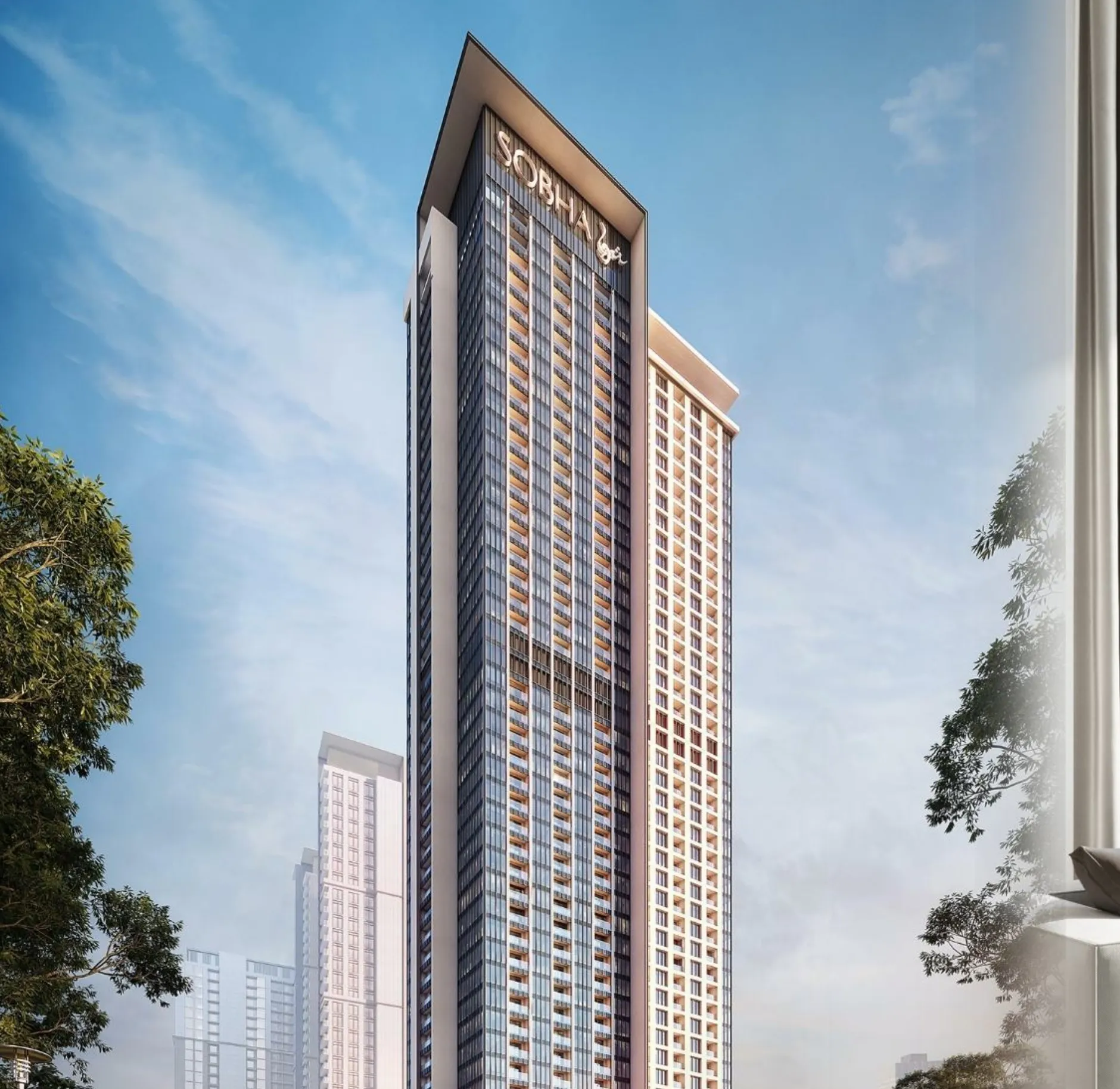
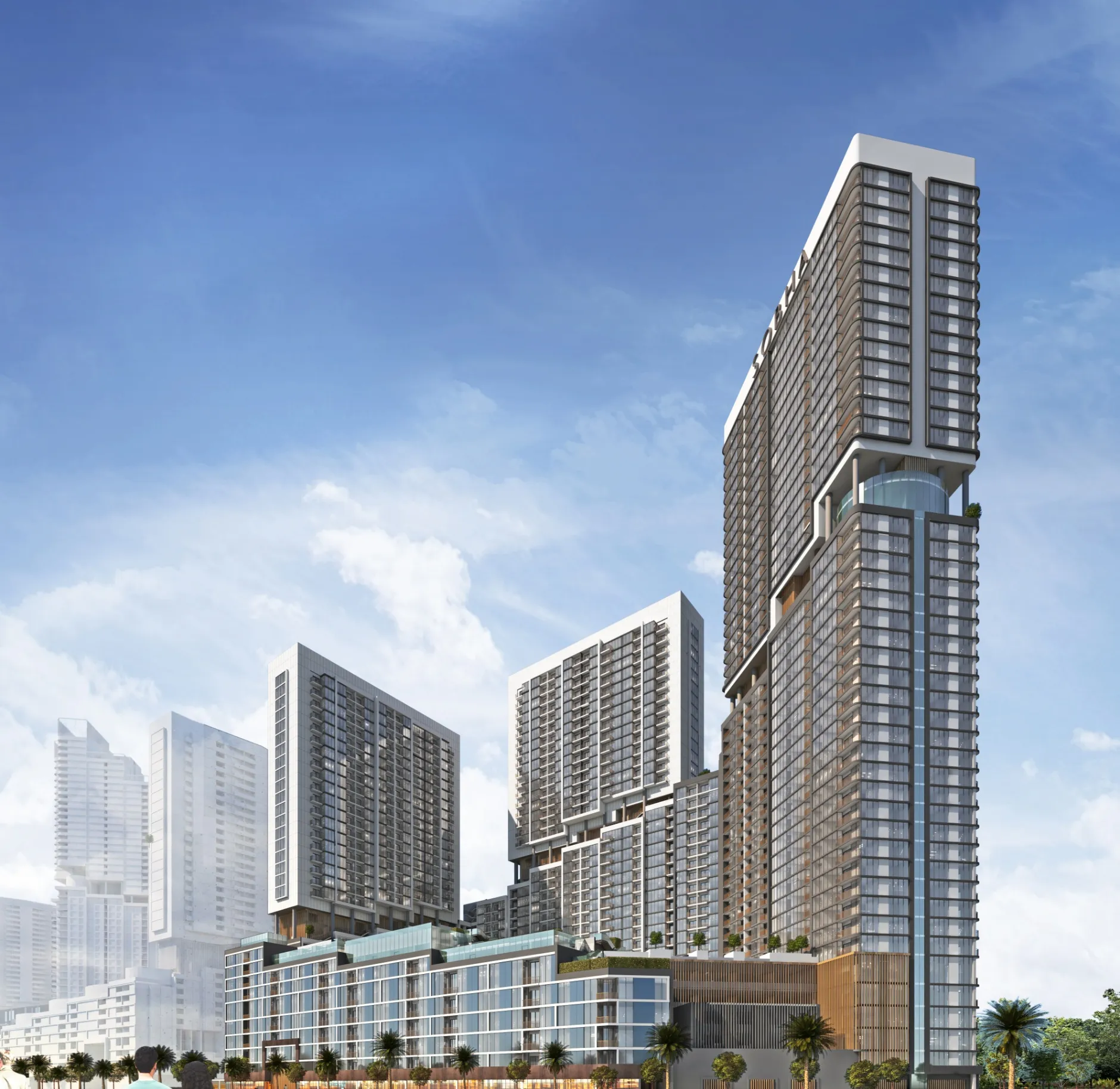
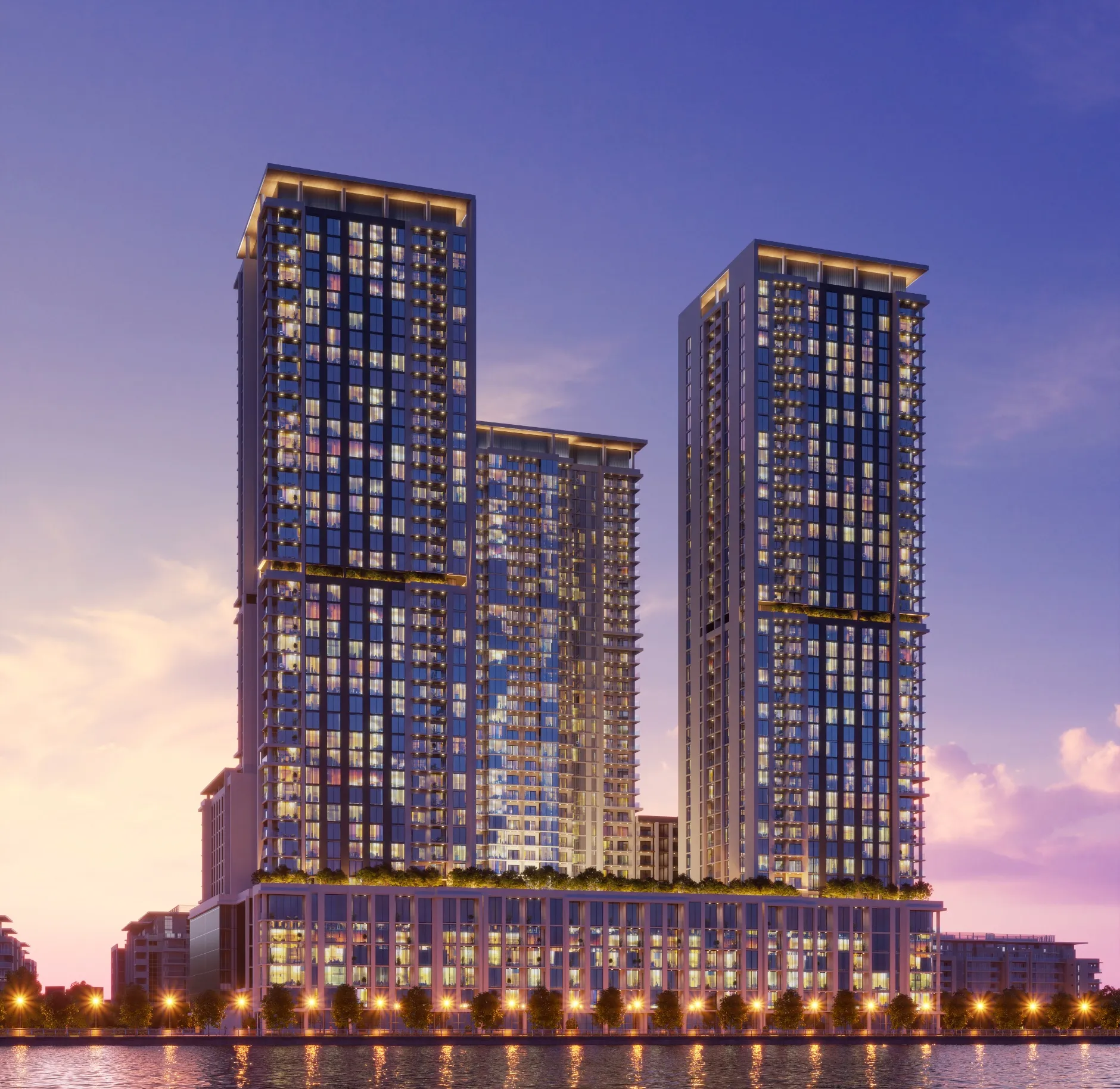
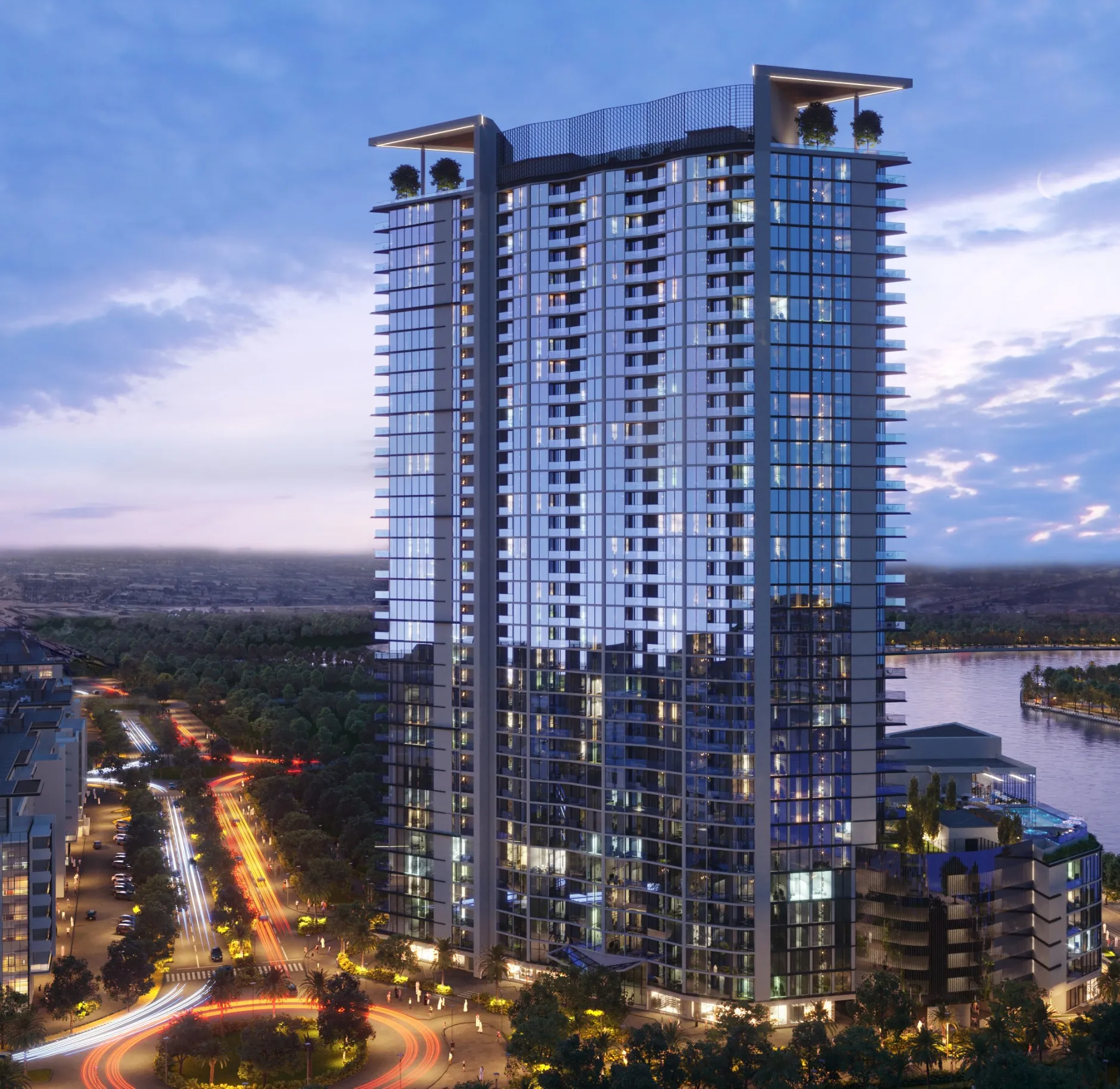
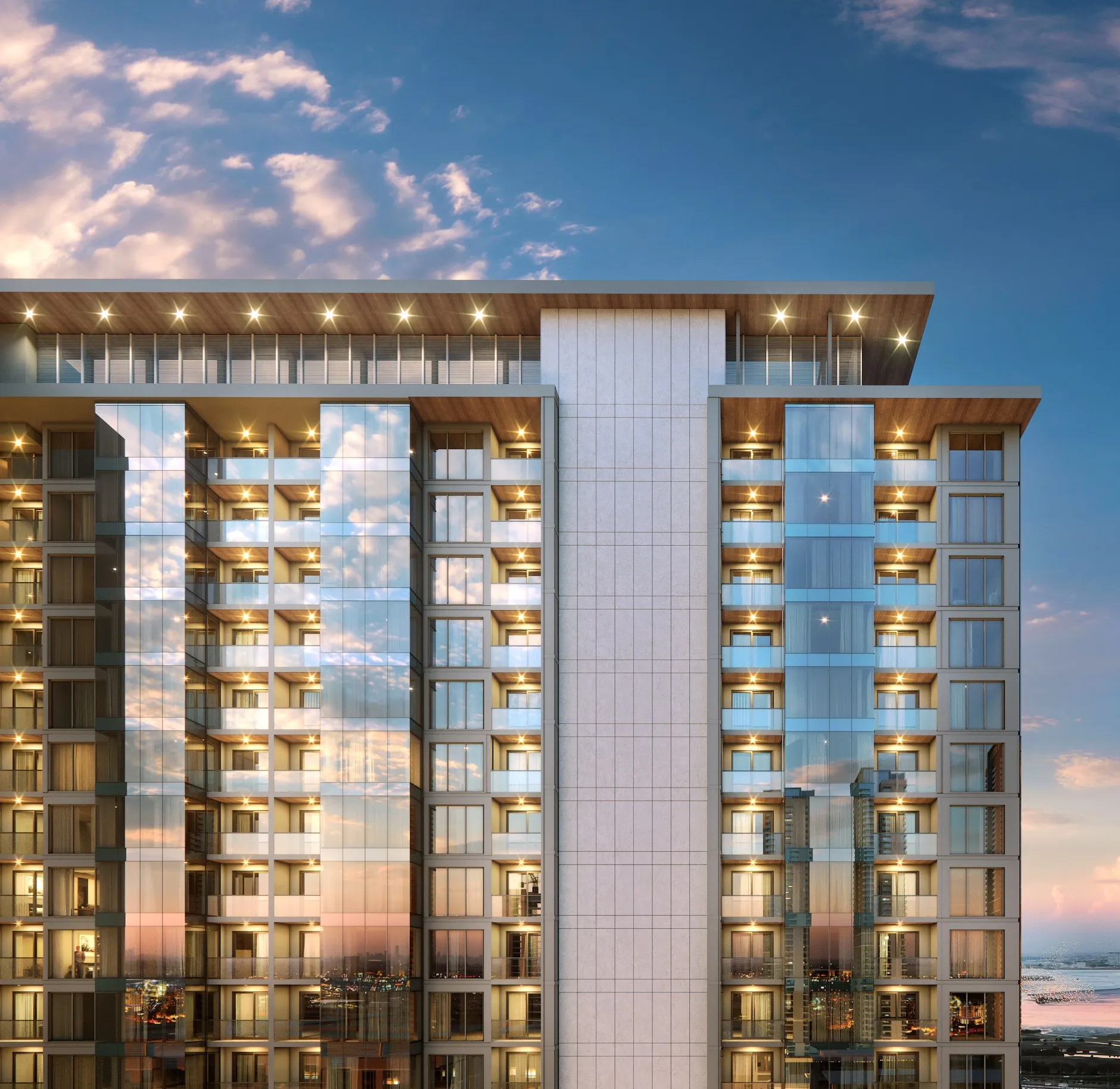
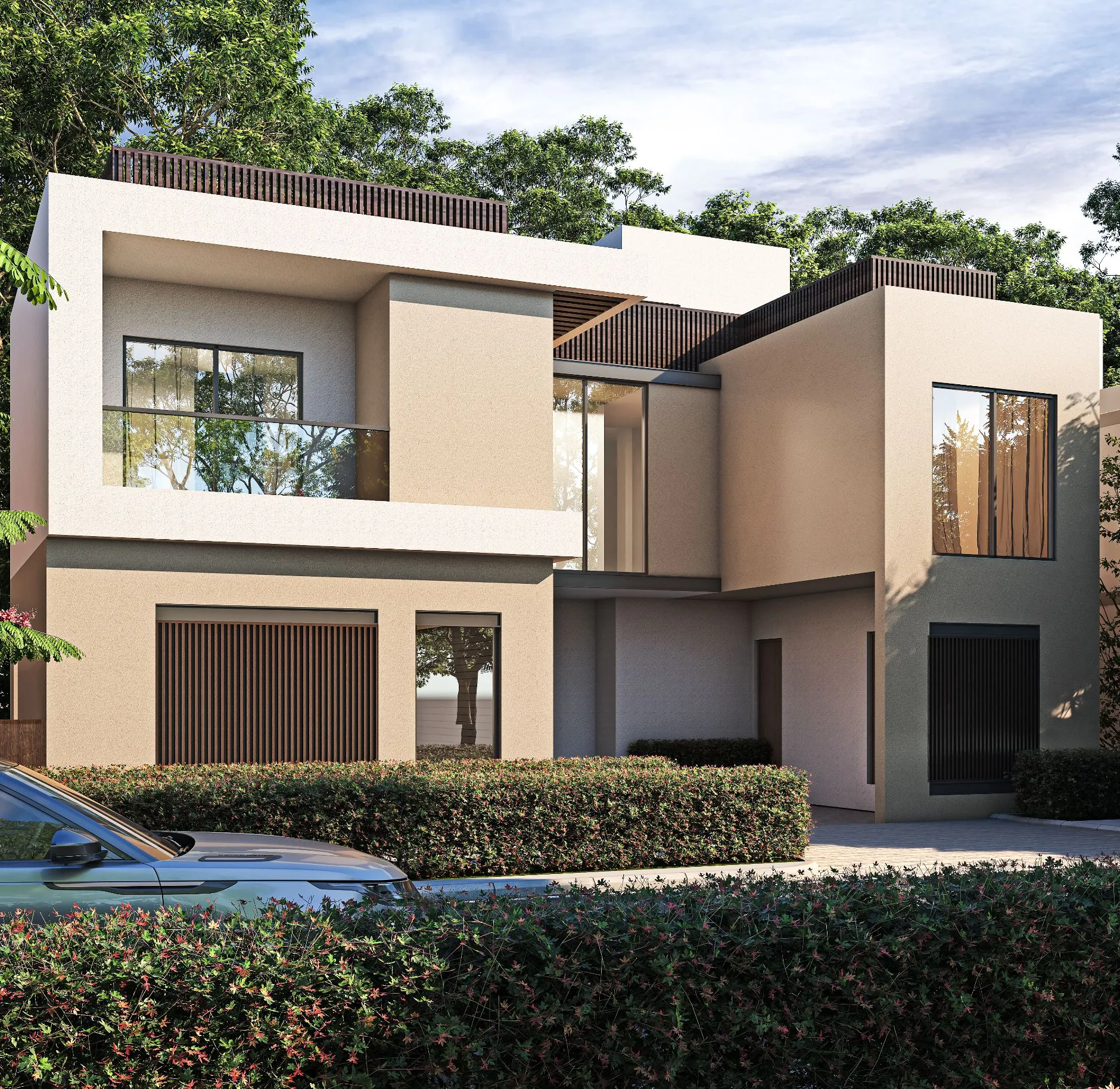
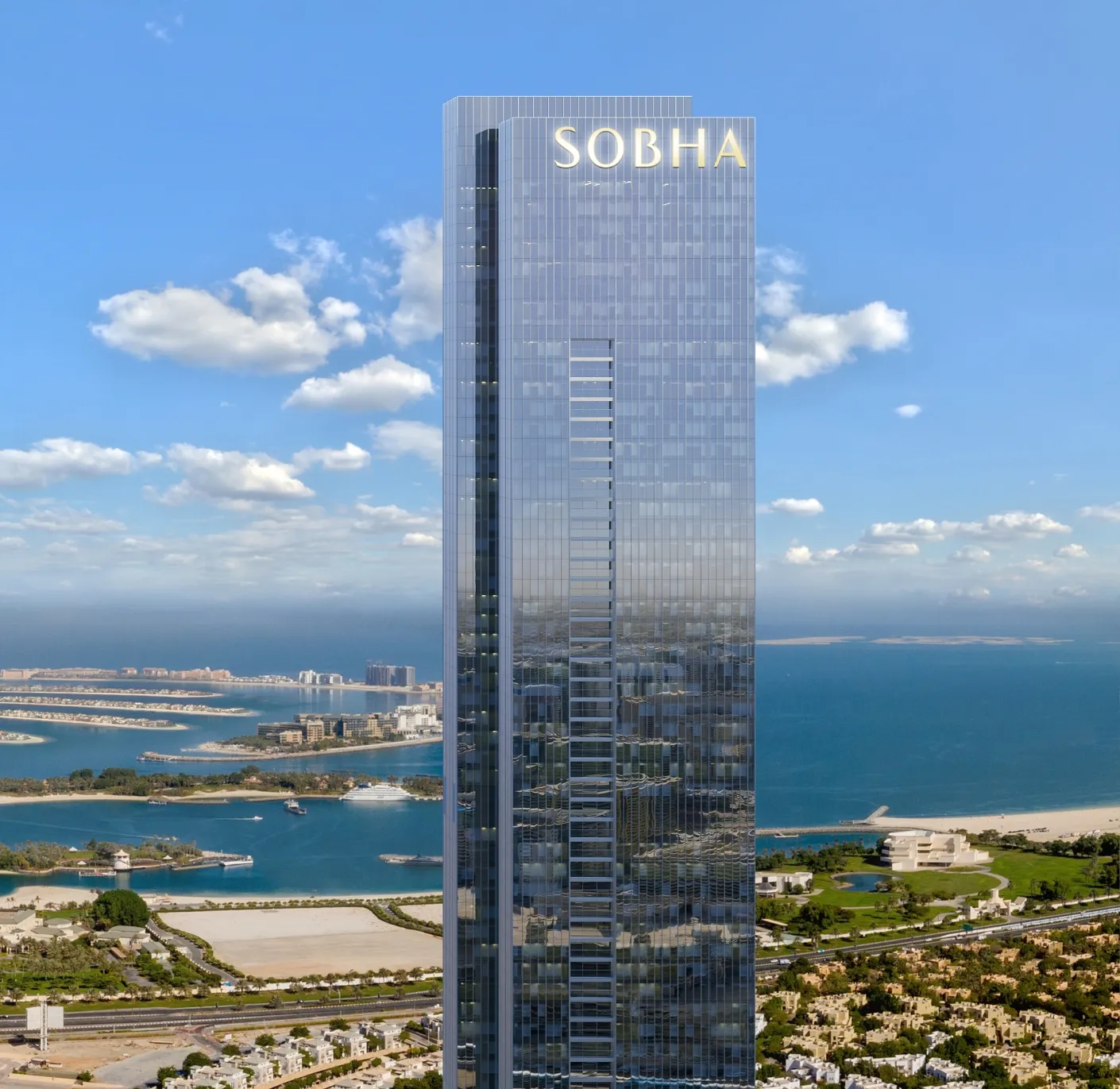
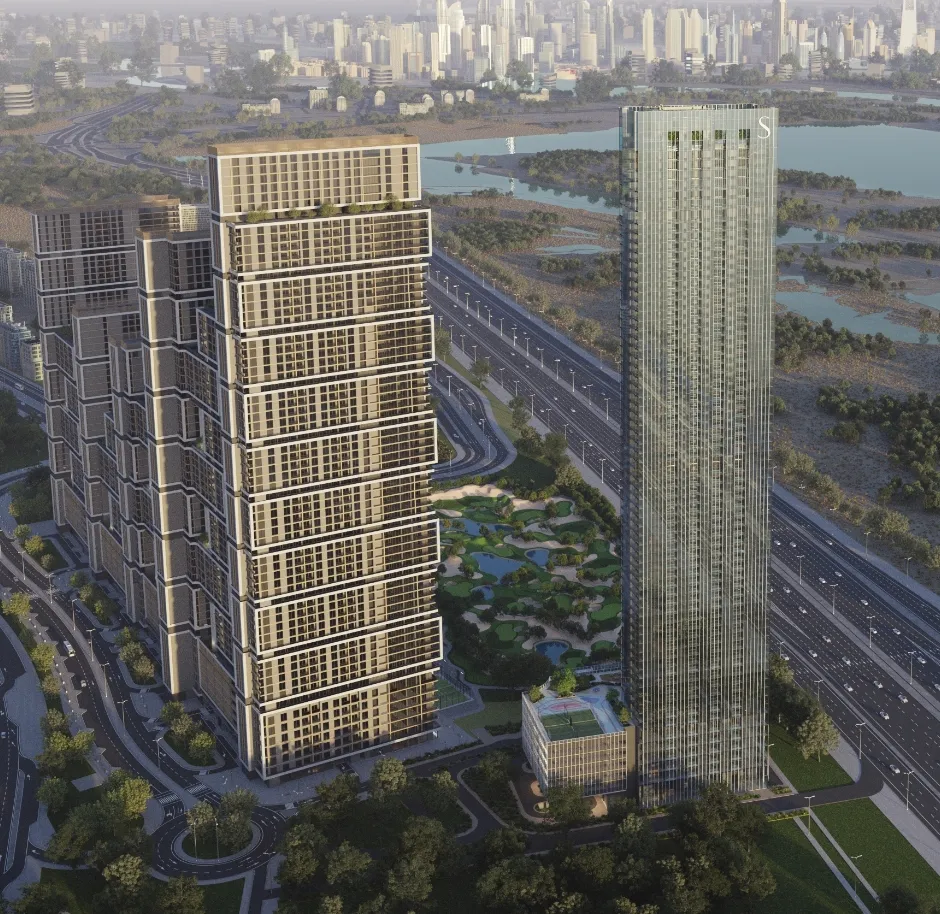
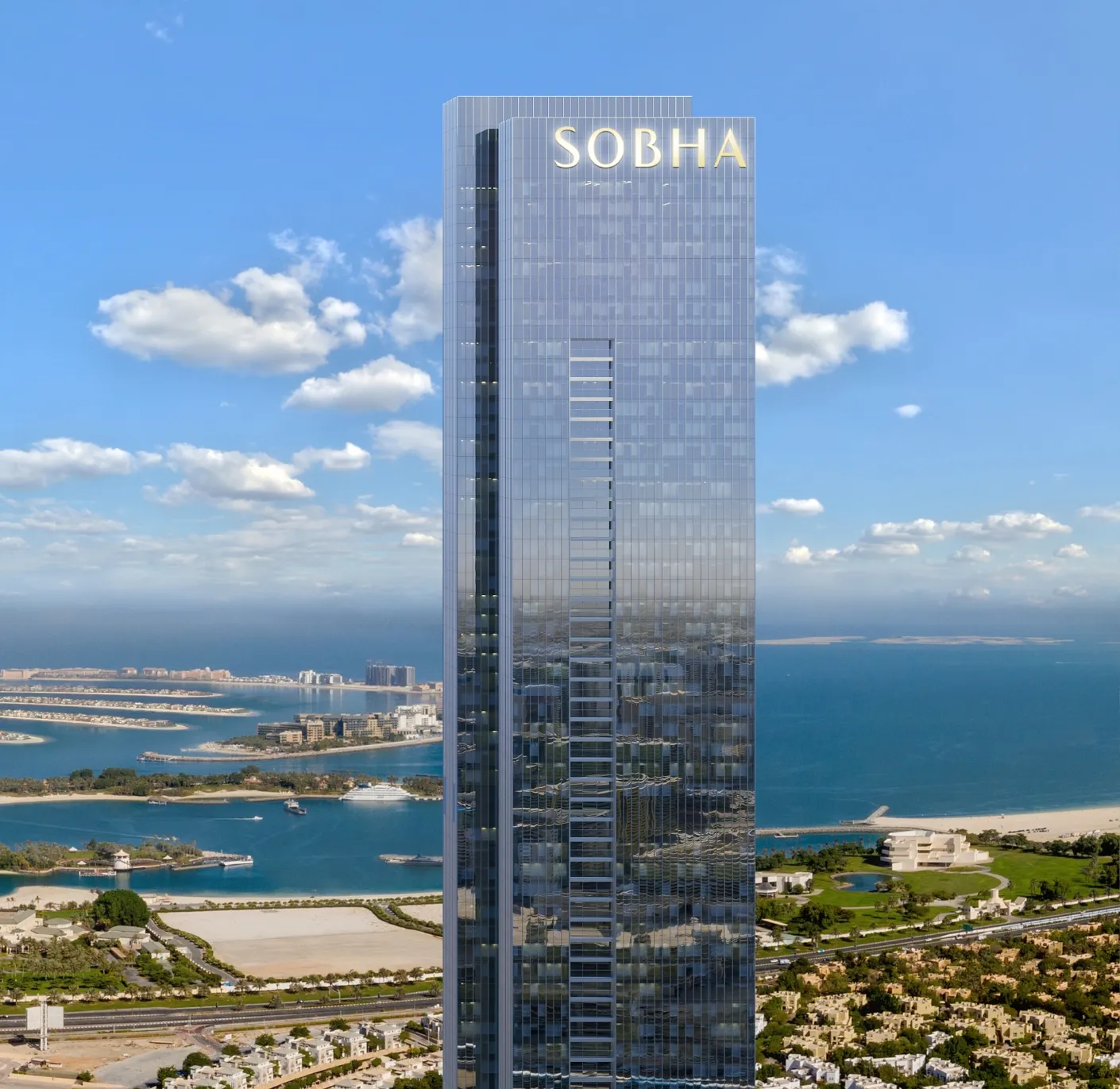
Sobha Realty's Backward Integration model gives it direct control over these choices. With design, engineering, construction, façades, glazing, joinery and quality control managed in-house, the same standards apply from the foundations to the final finishes.
Landscapes That Grow into Their Role in Sustainable Communities
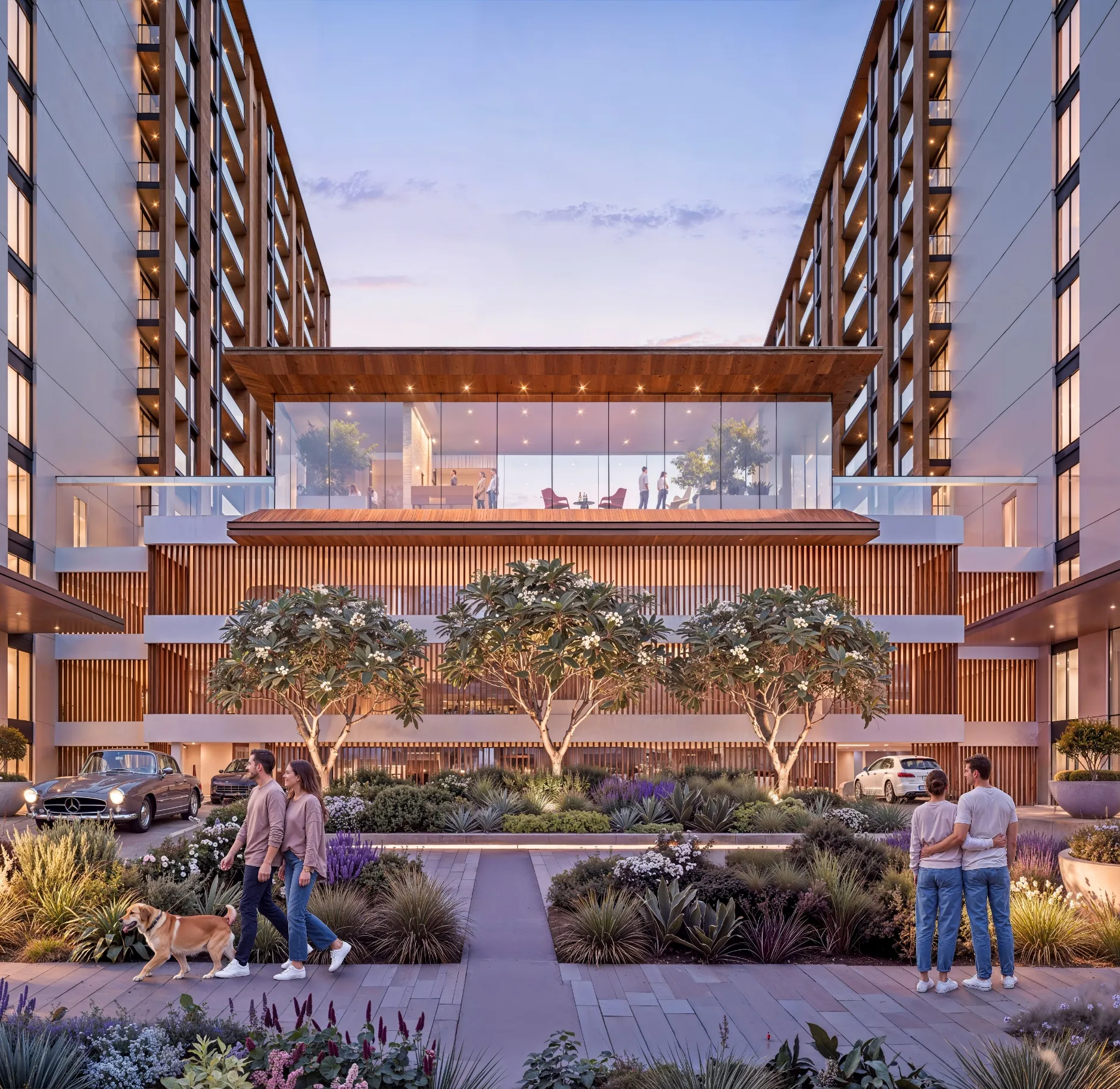
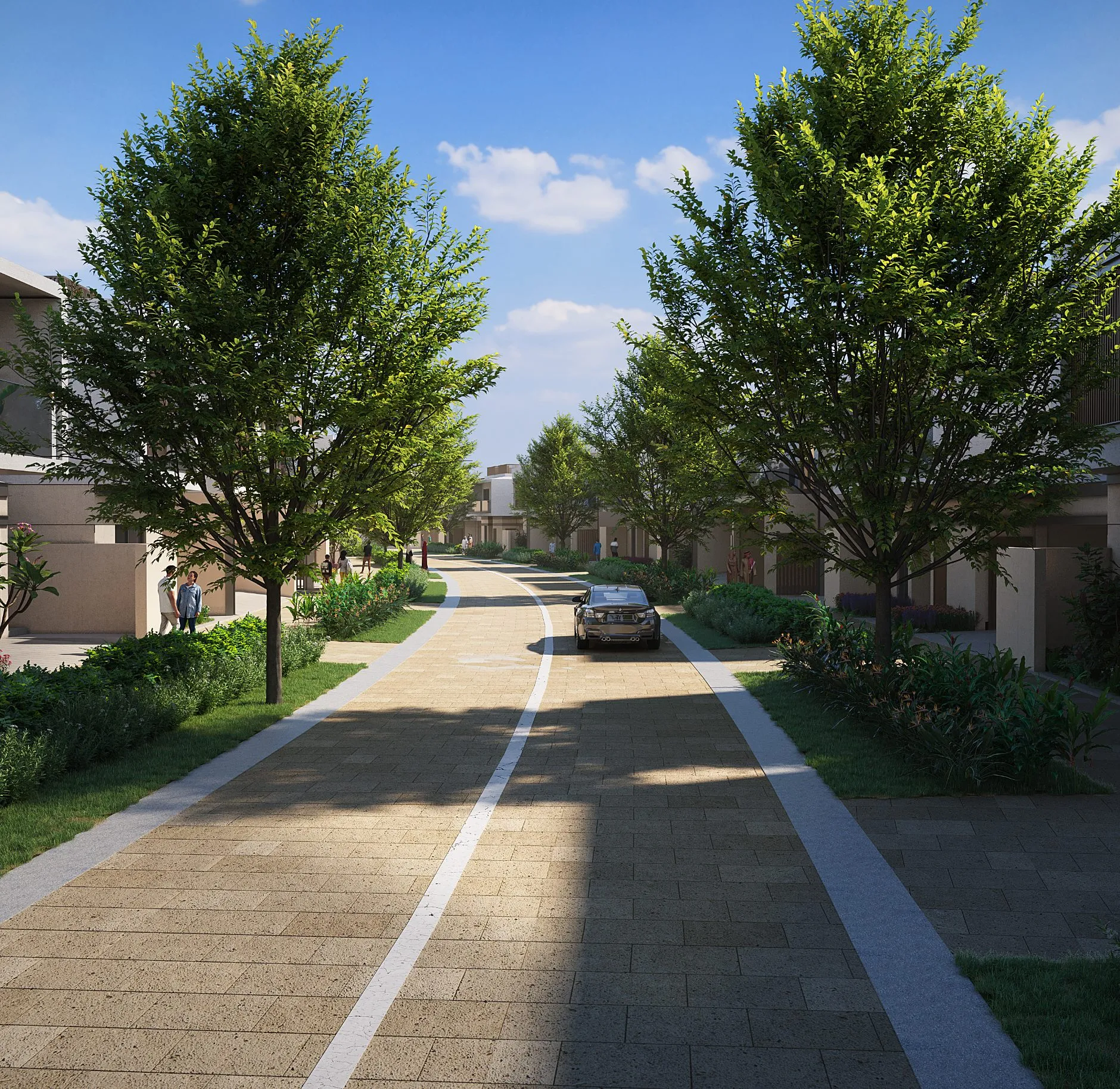
Unlike buildings, landscapes improve with age. Trees planted today will provide shade, privacy and character in ten or twenty years.
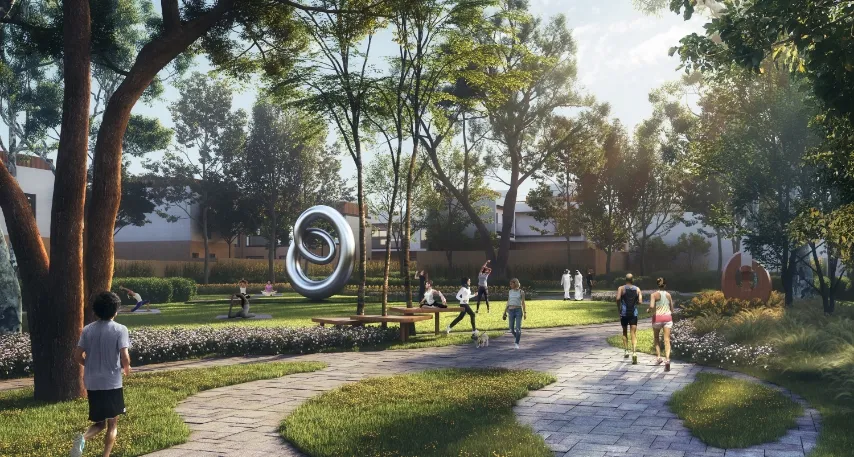
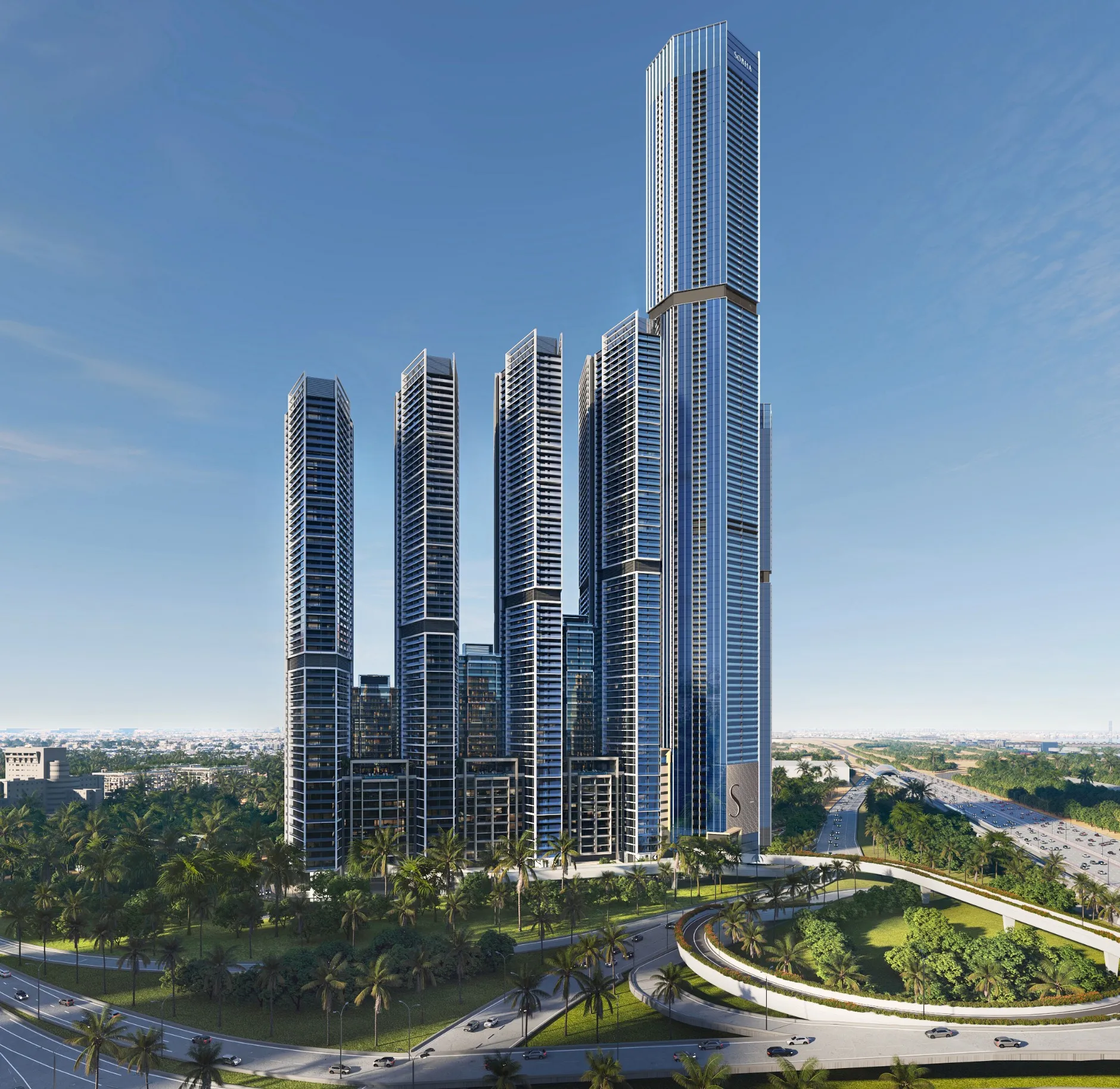
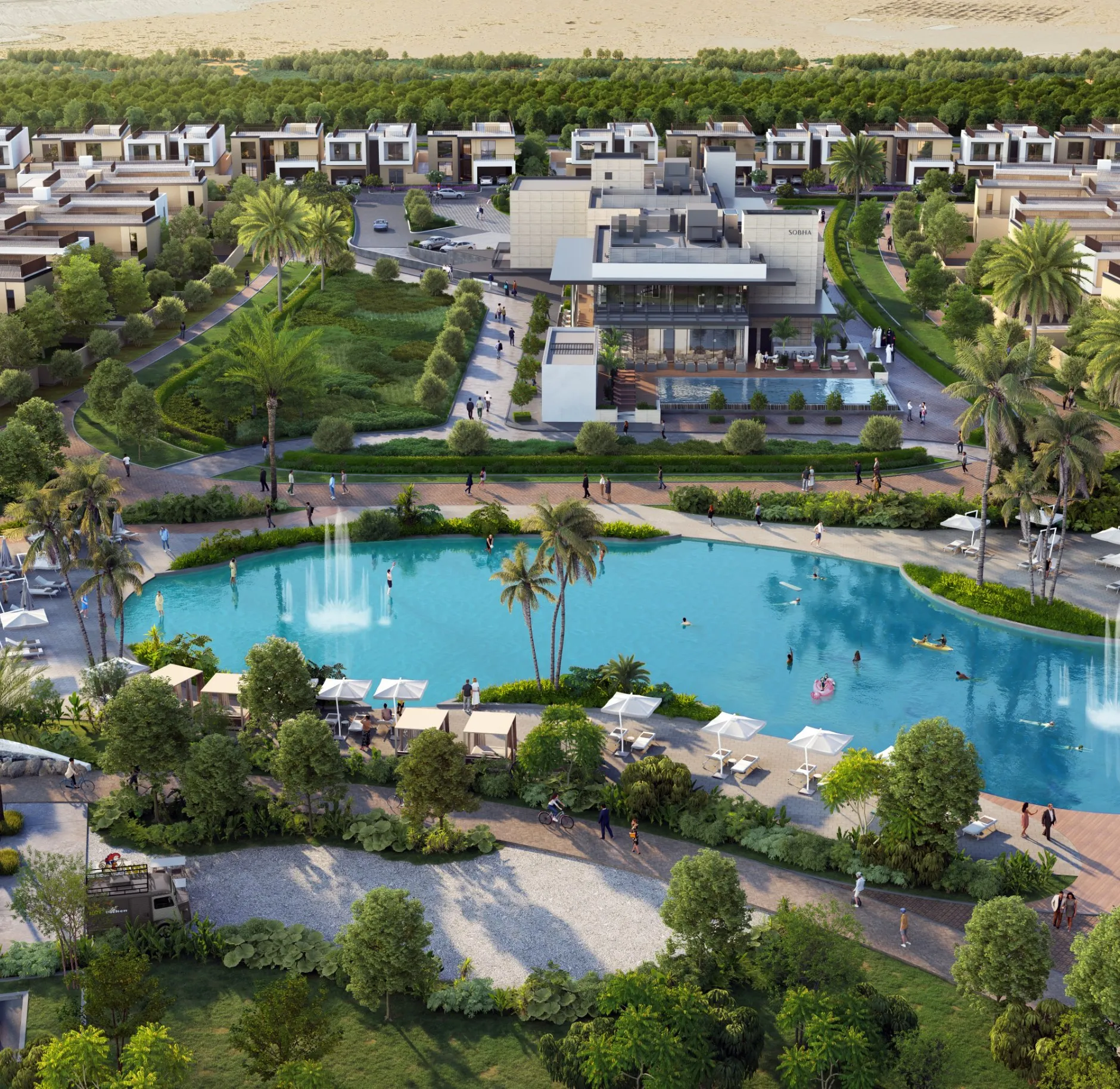
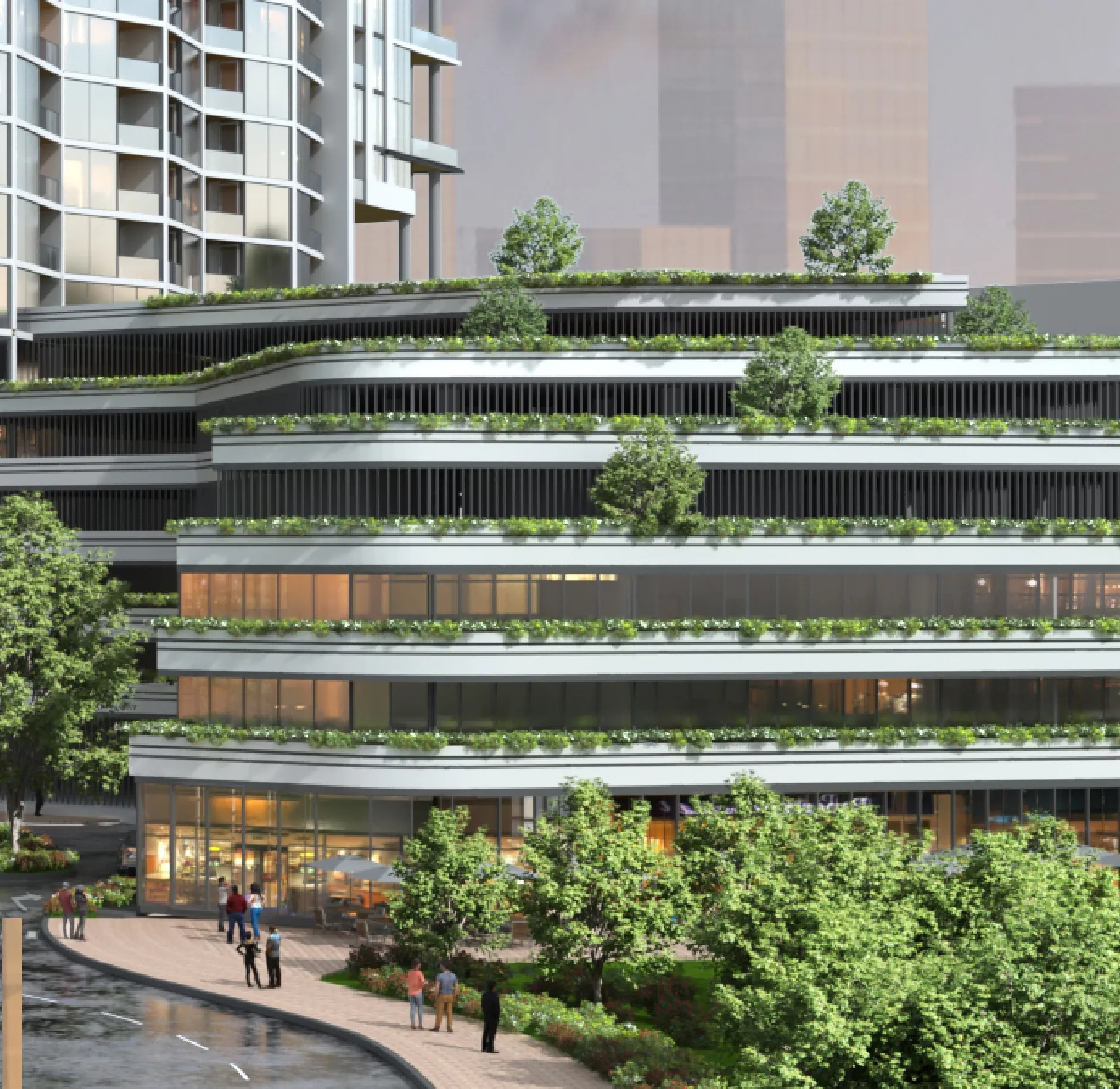
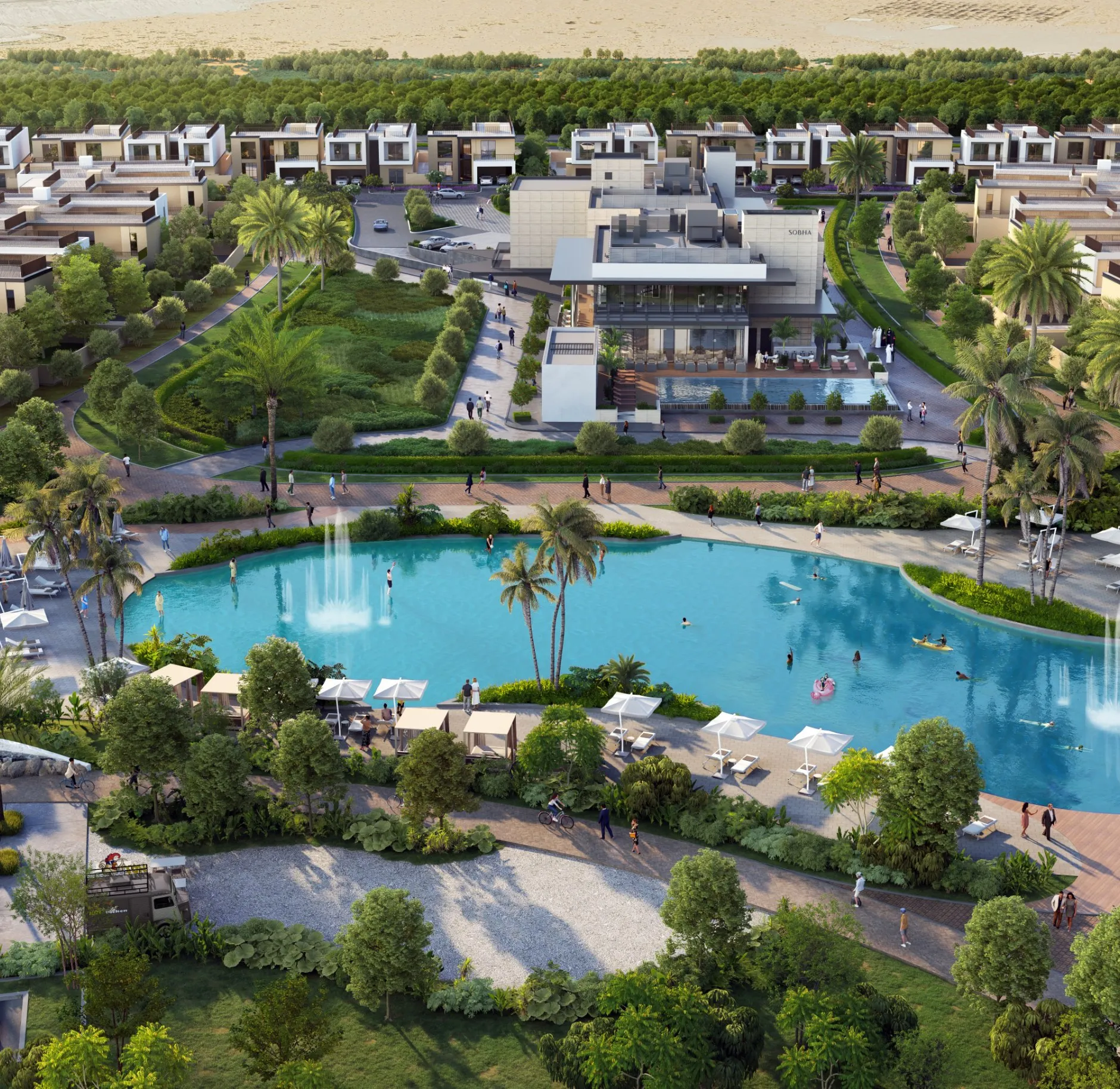
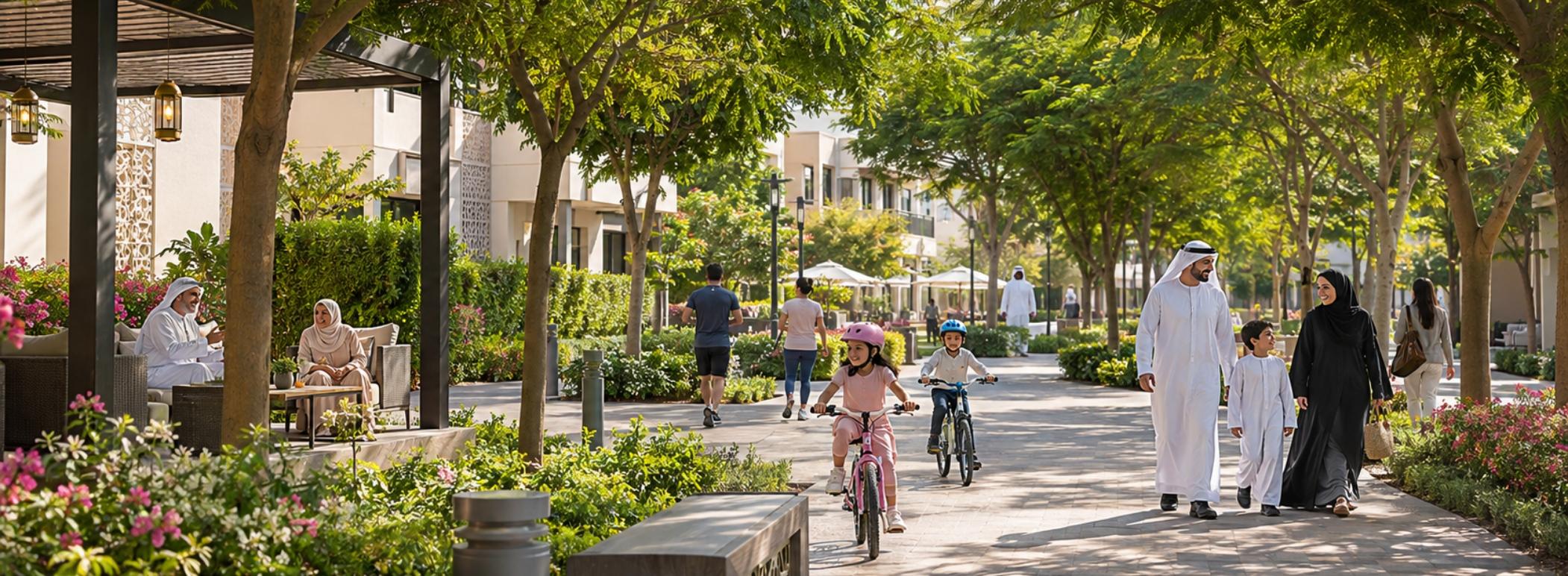
Thoughtful masterplans therefore treat green space as long-term infrastructure for sustainable communities in the UAE. Parks, tree-lined walkways and landscaped courtyards should be designed for how they will look and function once fully grown, with planting suited to the local climate and irrigation planned for efficiency.
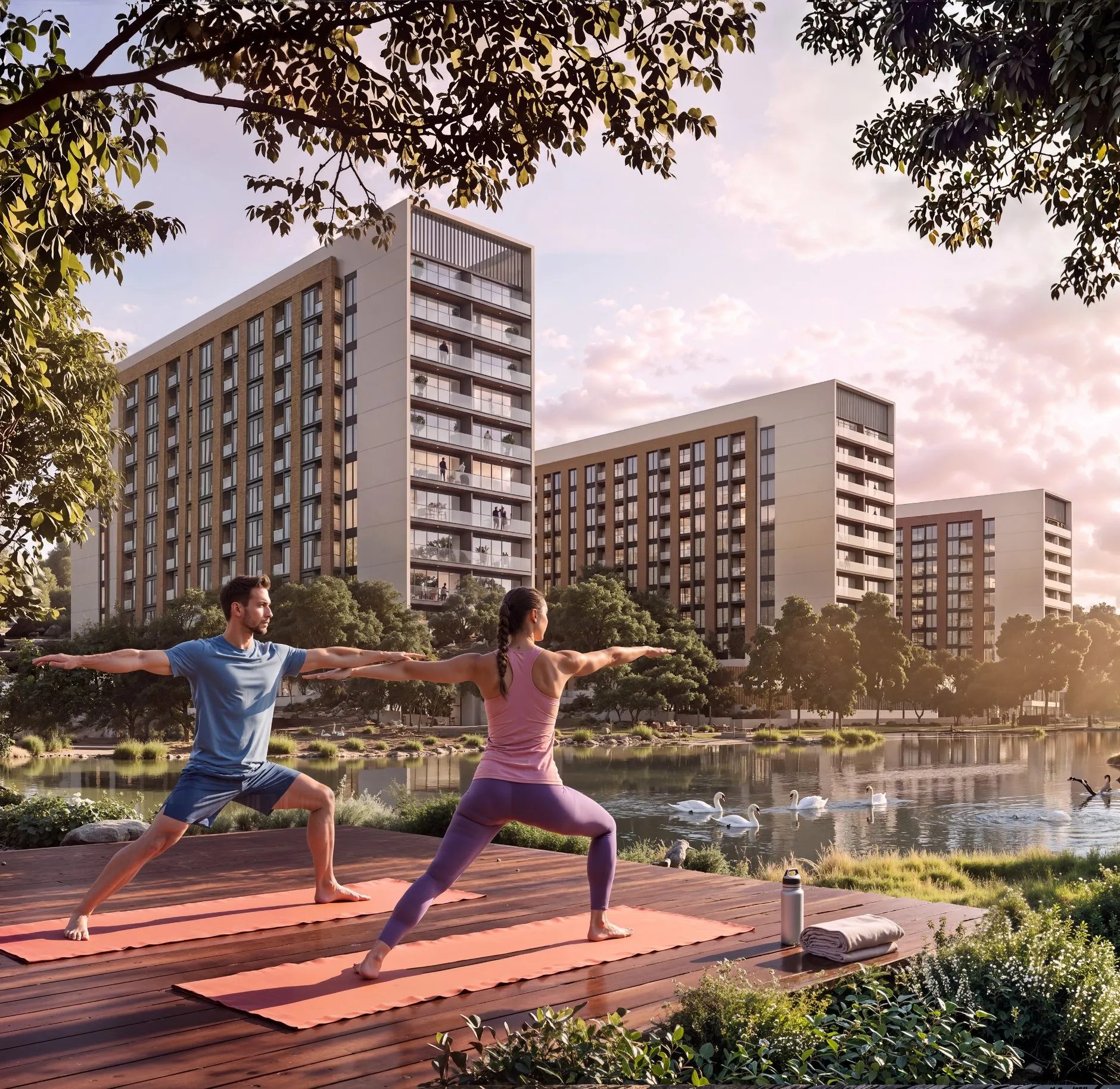
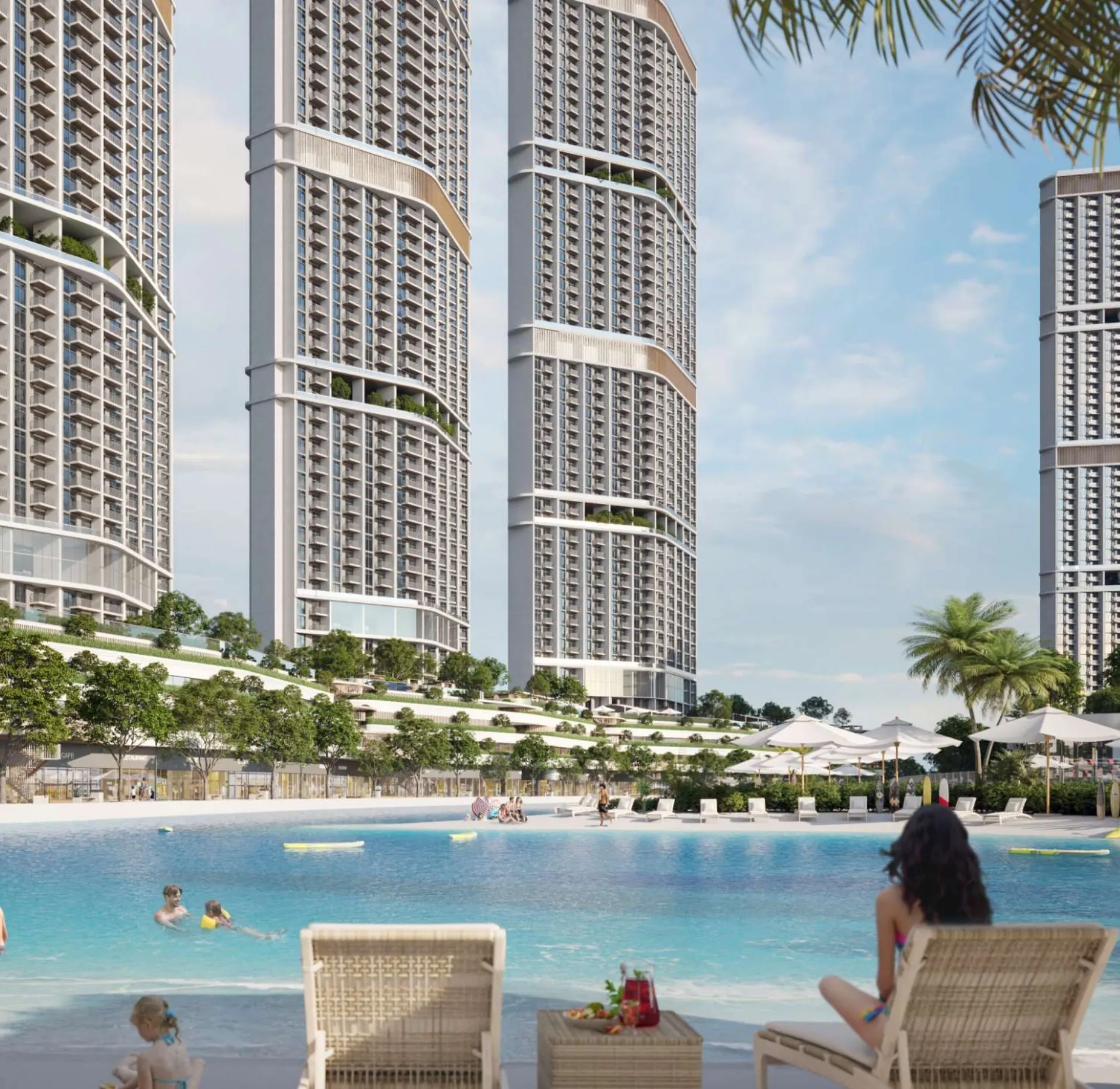
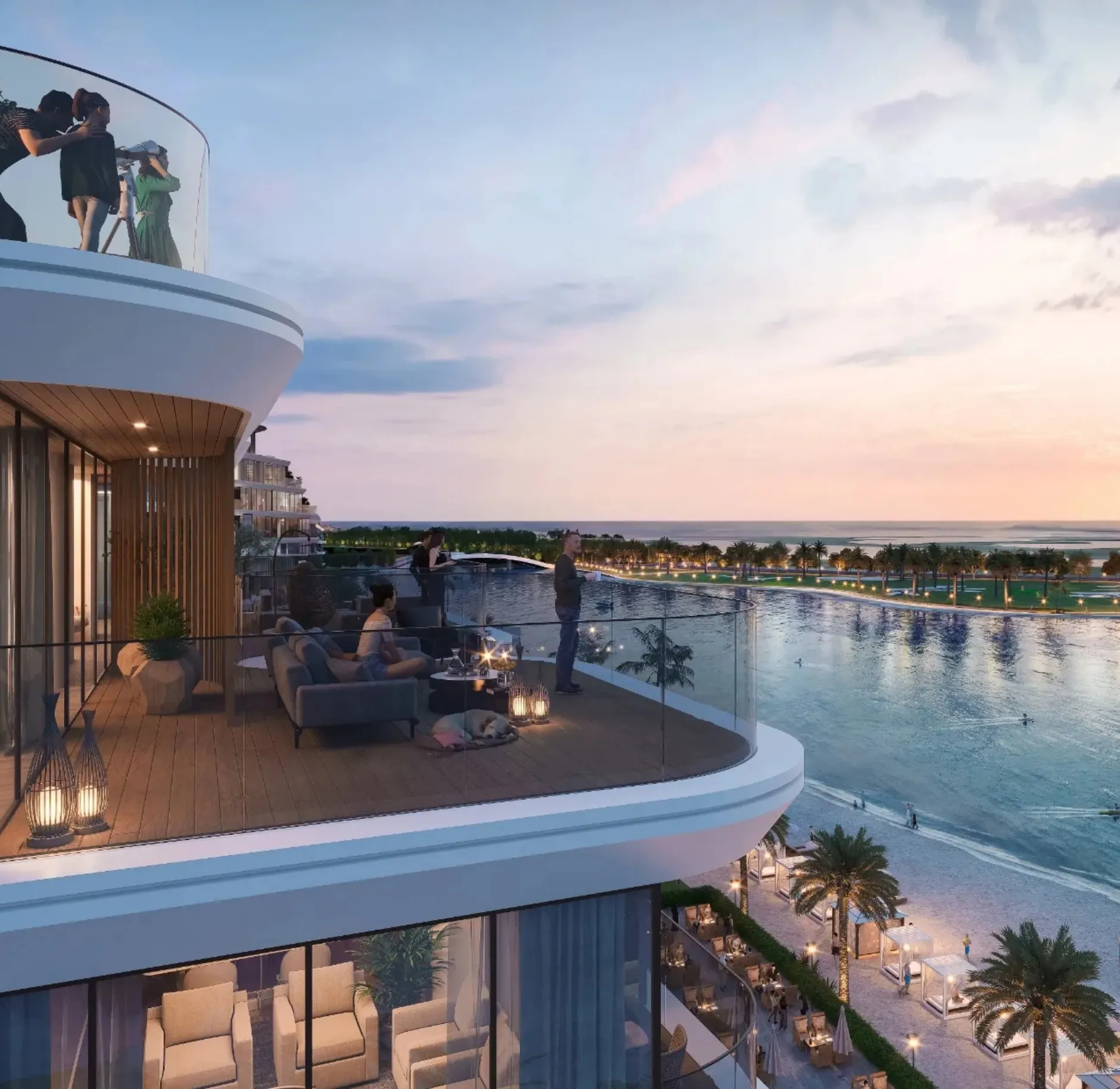
Across green communities in the UAE, mature greenery also makes a practical difference. Shaded routes make it more comfortable to walk, cycle and spend time outdoors for more of the year.
Designing Family Communities for Every Stage of Life
The needs of residents naturally change over time. Young professionals become parents, children grow into teenagers and households may eventually include older relatives.
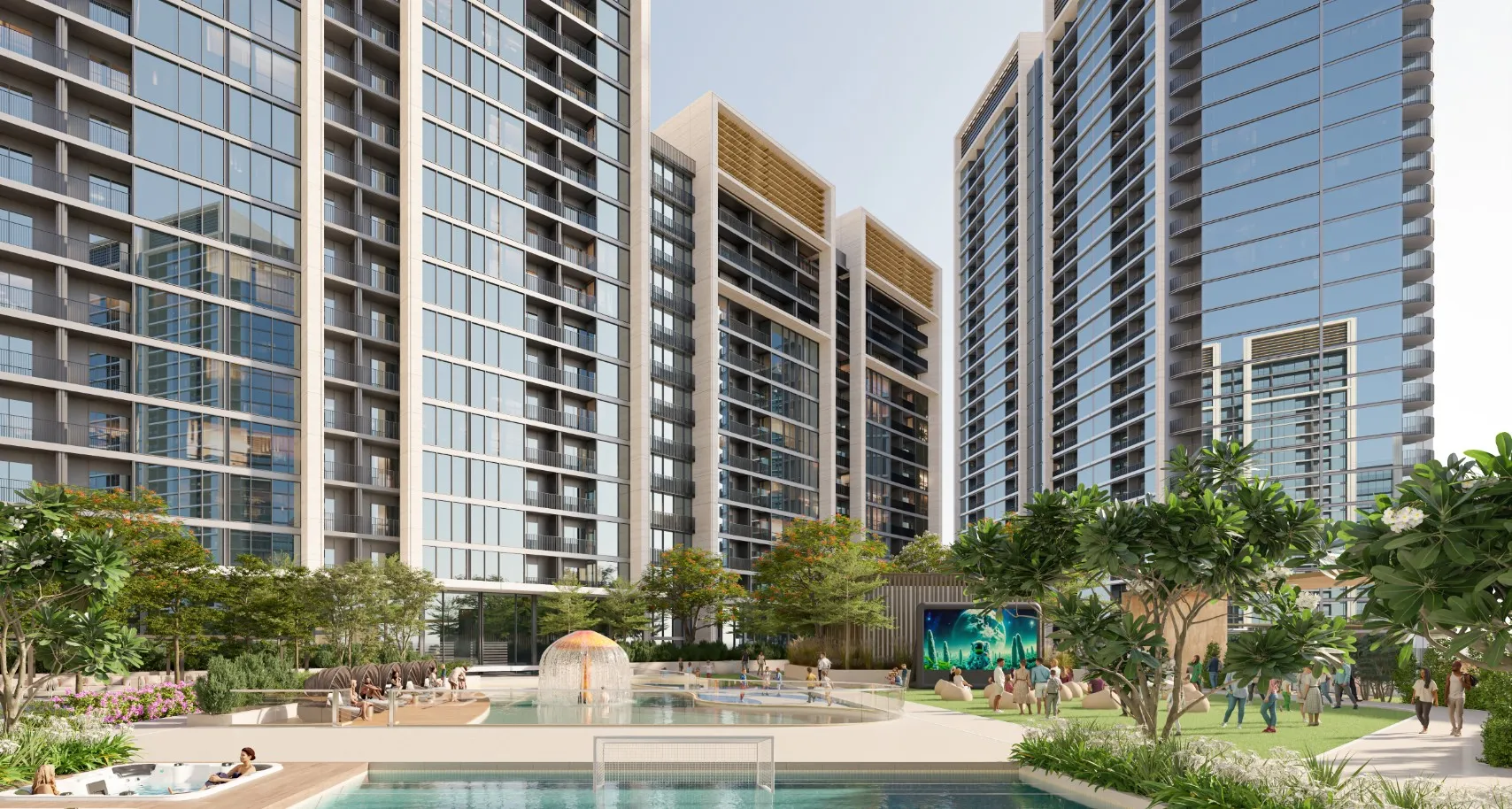
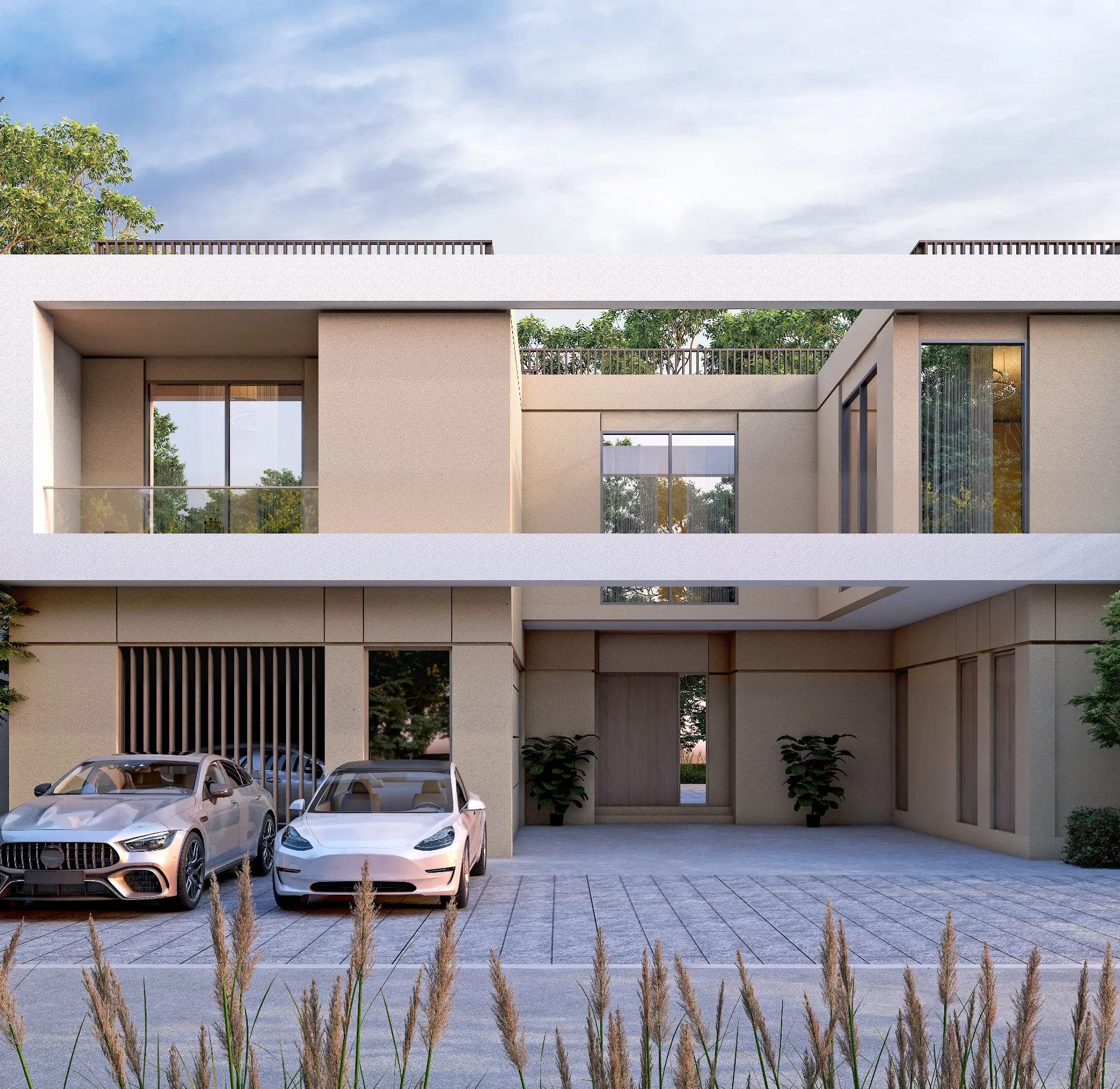
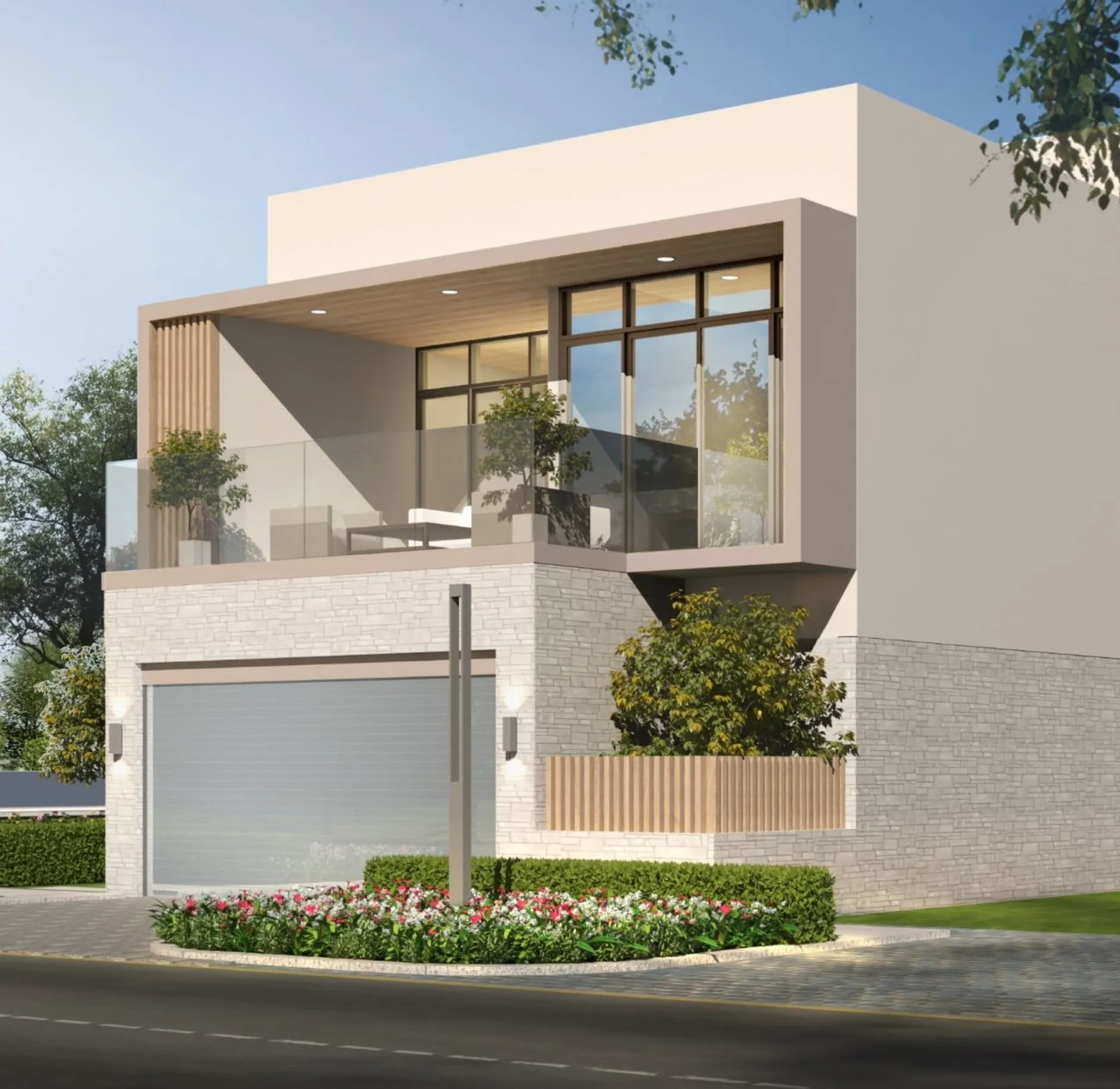
A family-friendly community that ages well can accommodate these changes without residents needing to leave. A range of home types, from apartments to larger villas, allows families to move within the same neighbourhood as their needs evolve. Schools, healthcare, play areas, quiet green spaces and accessible walkways ensure that each generation finds what it needs.
Everyday Needs Within Reach in Walkable Communities
Convenience is one of the qualities residents value most over time. Walkable communities where daily essentials are close by tend to remain relevant, because they reduce the need to travel and encourage residents to make full use of their neighbourhood.
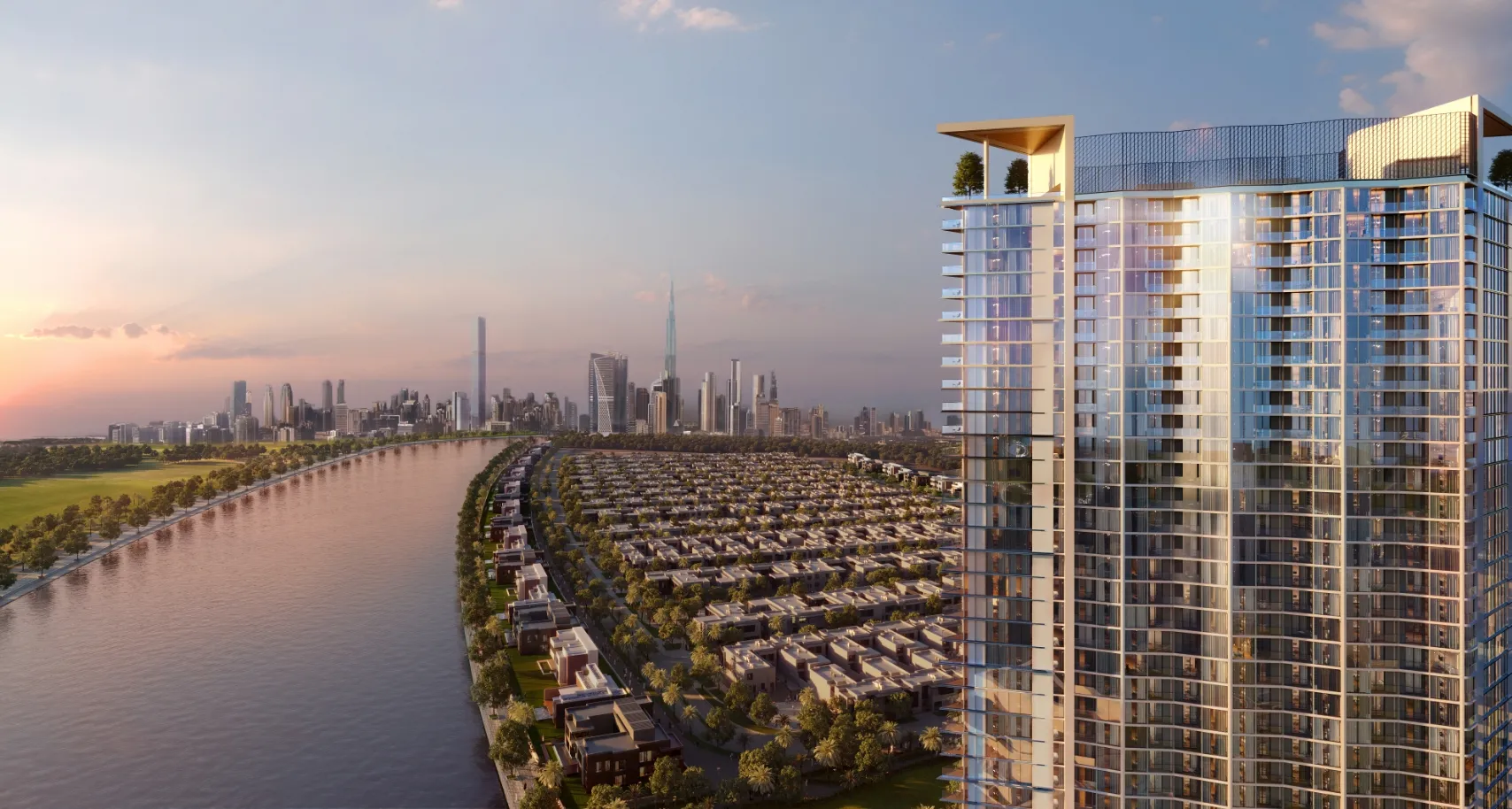
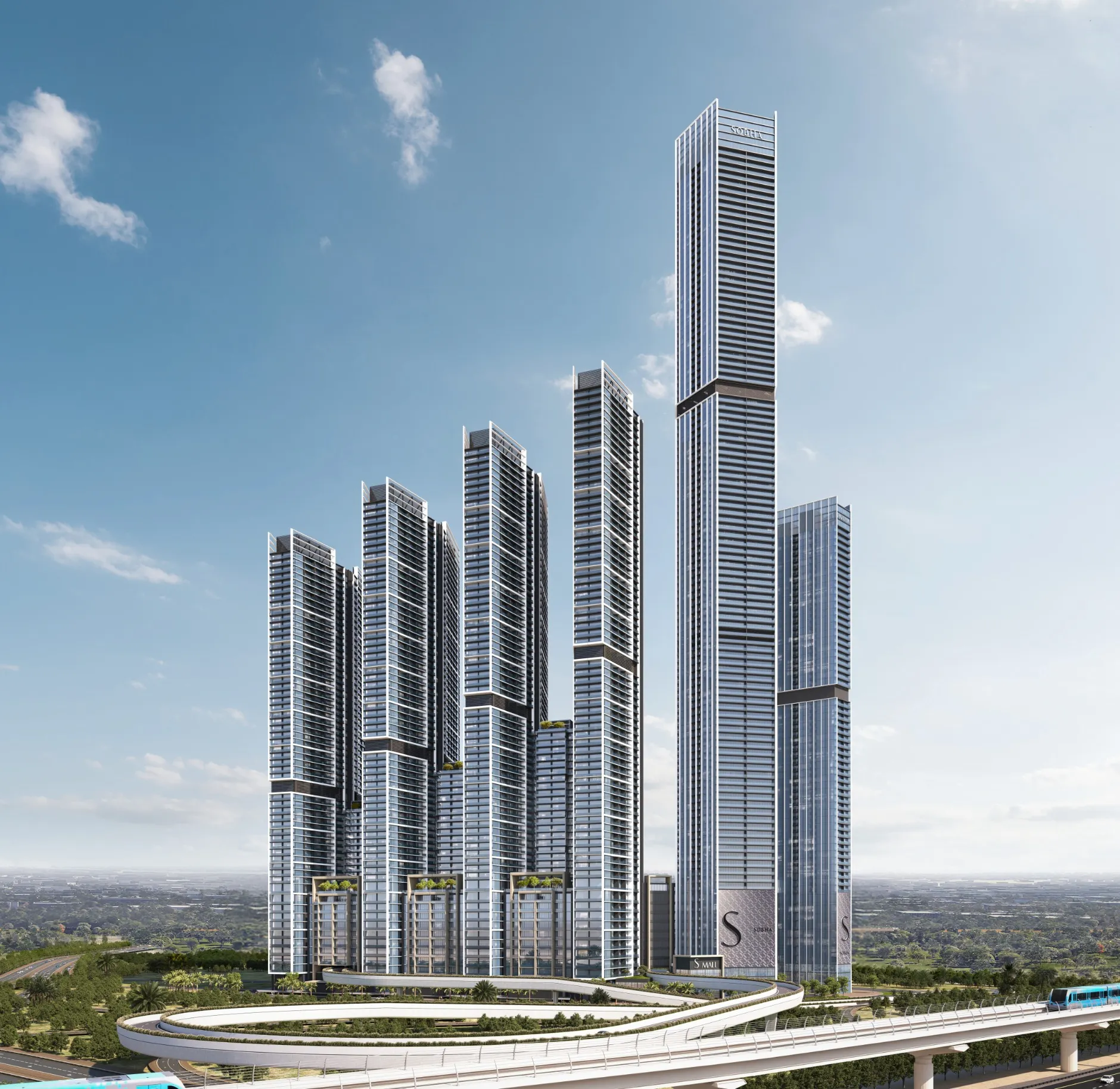
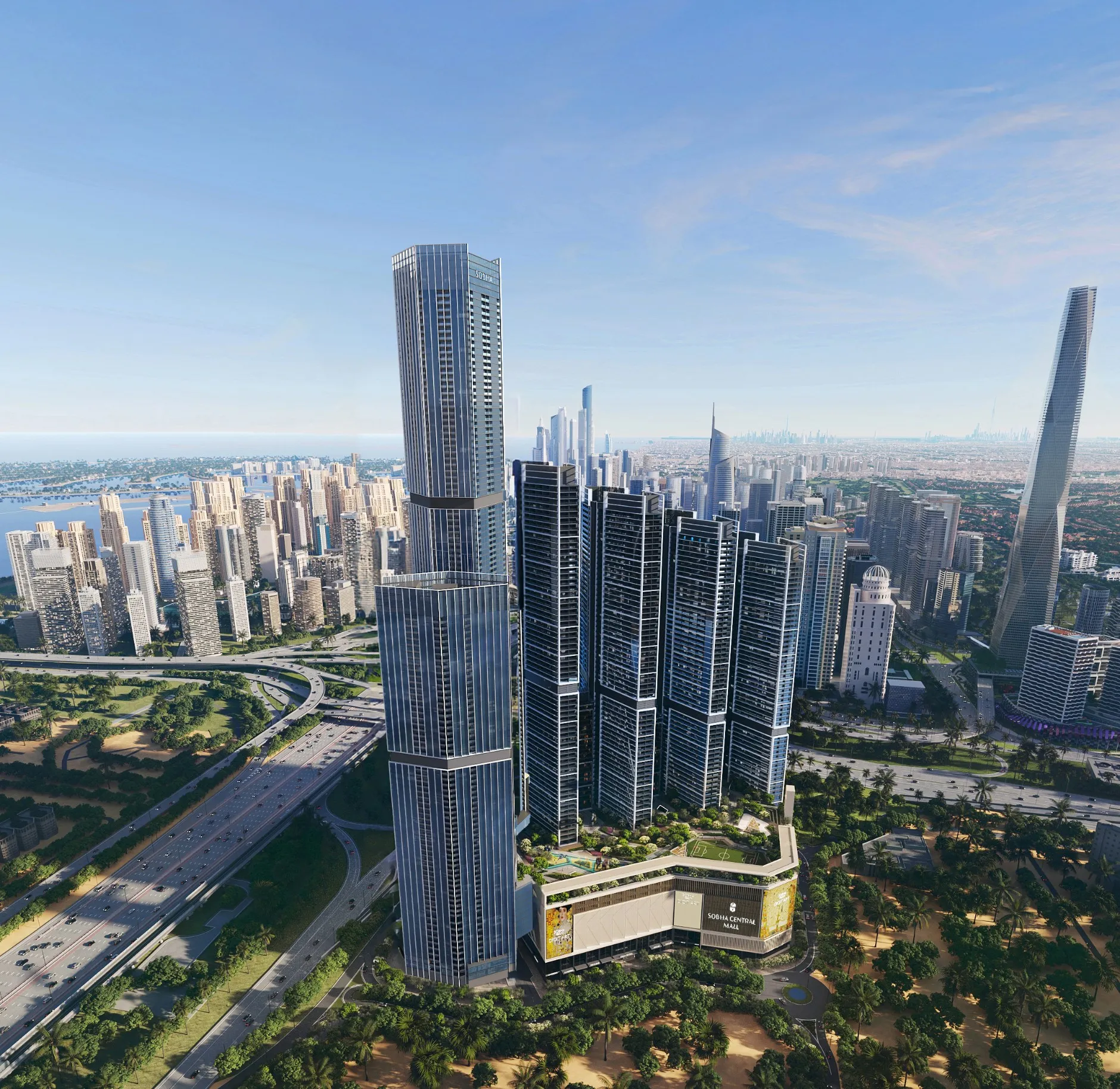
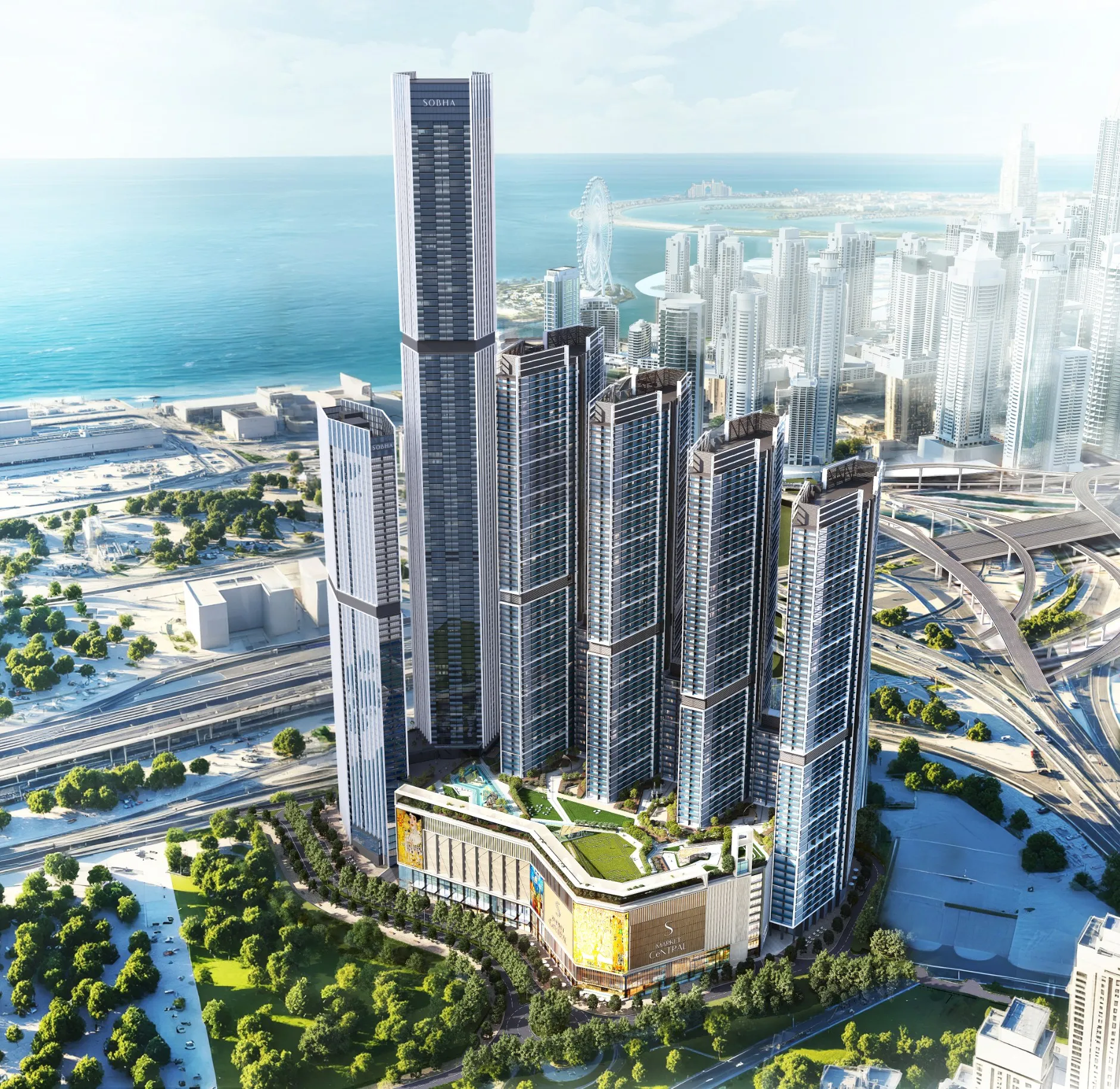
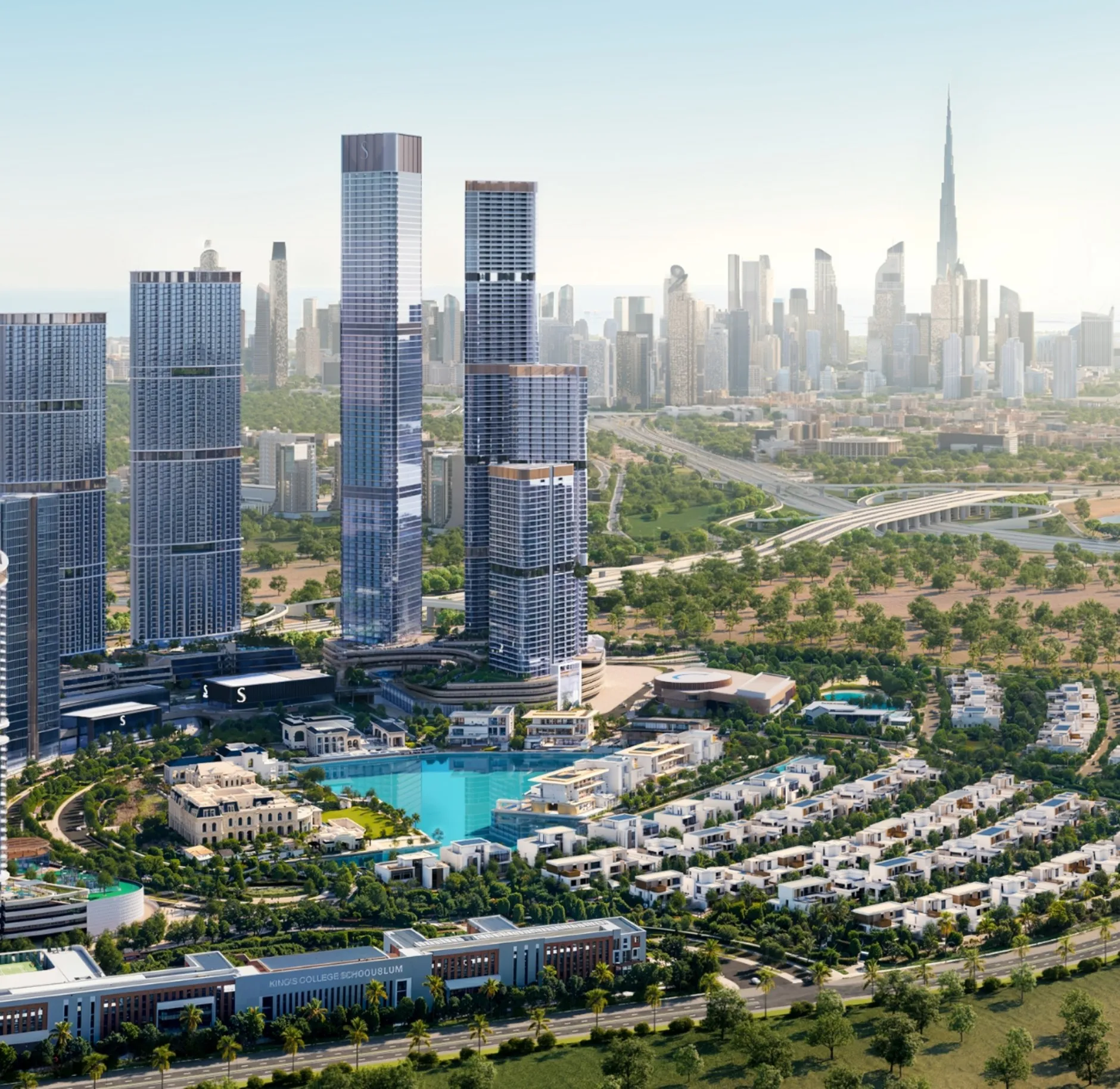
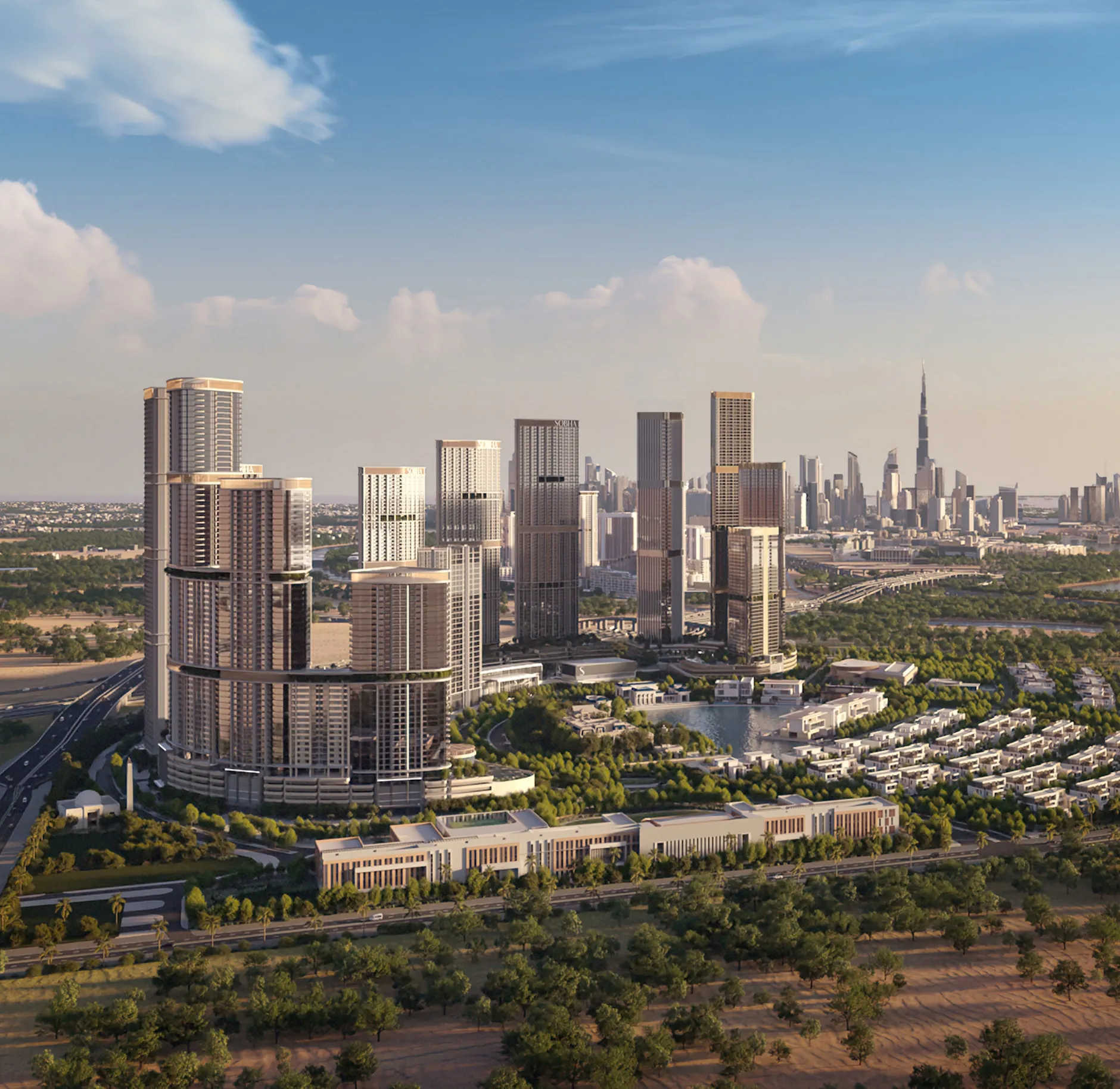
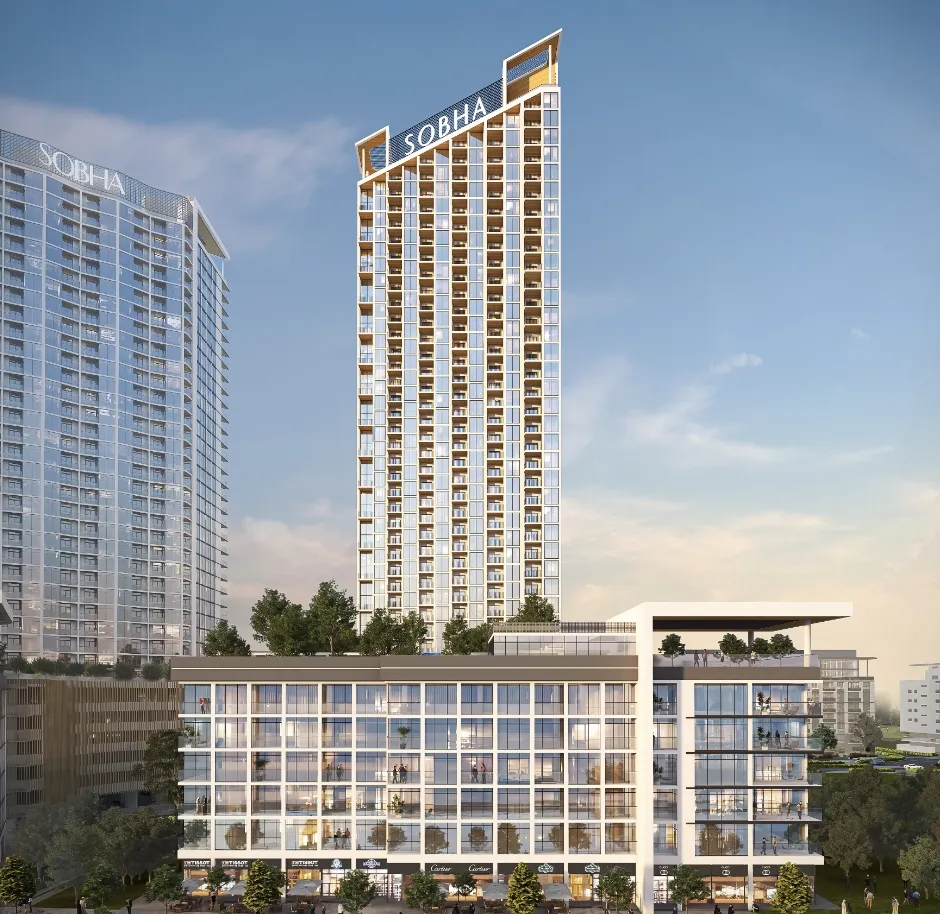
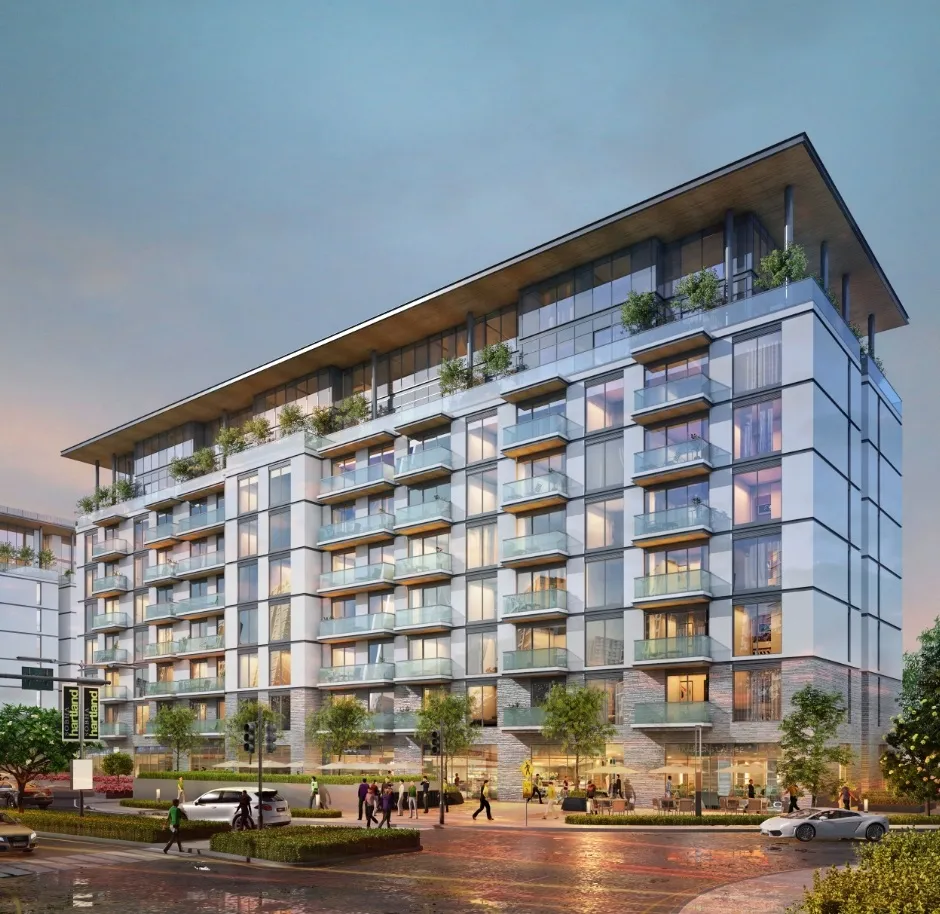
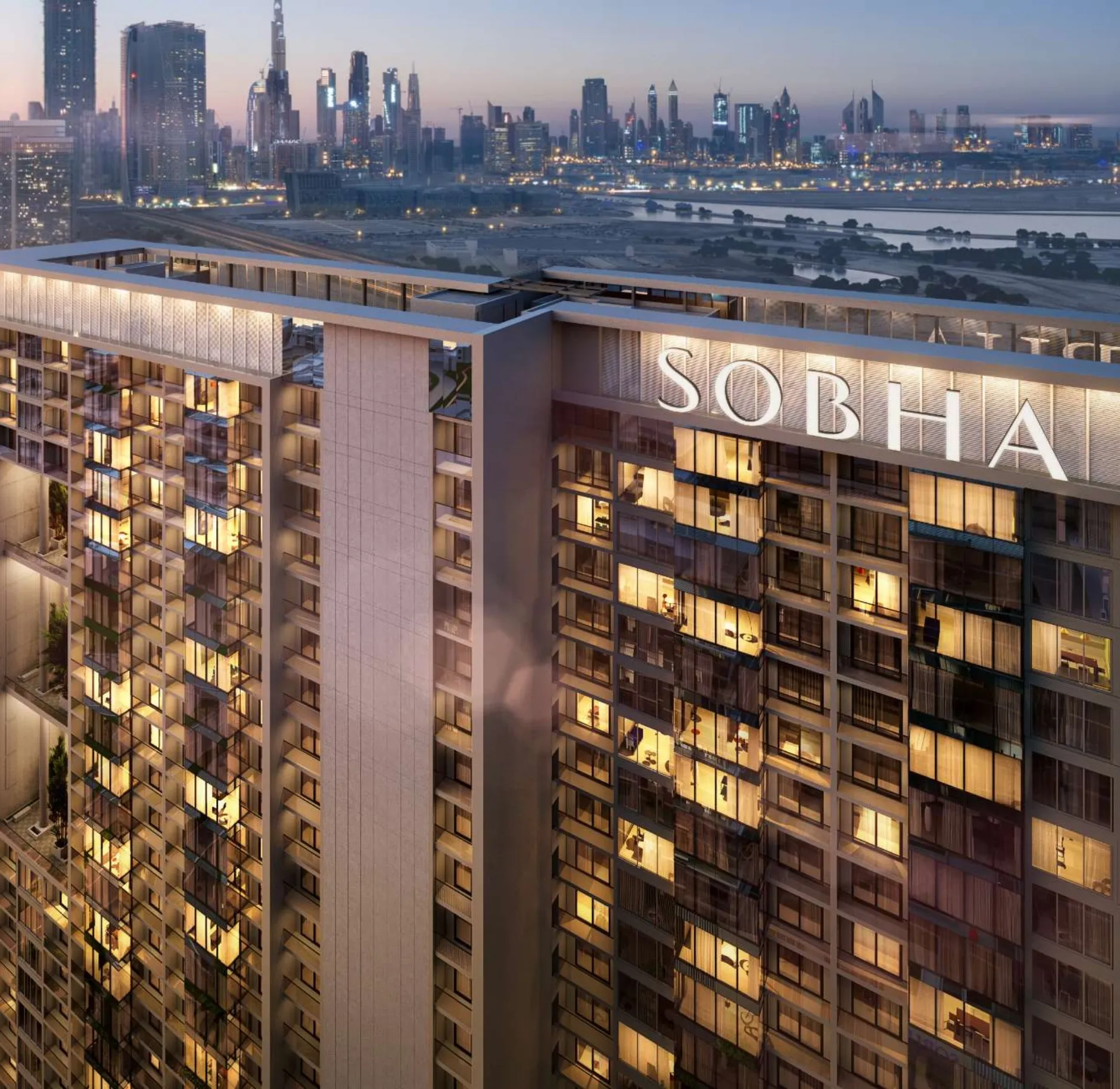
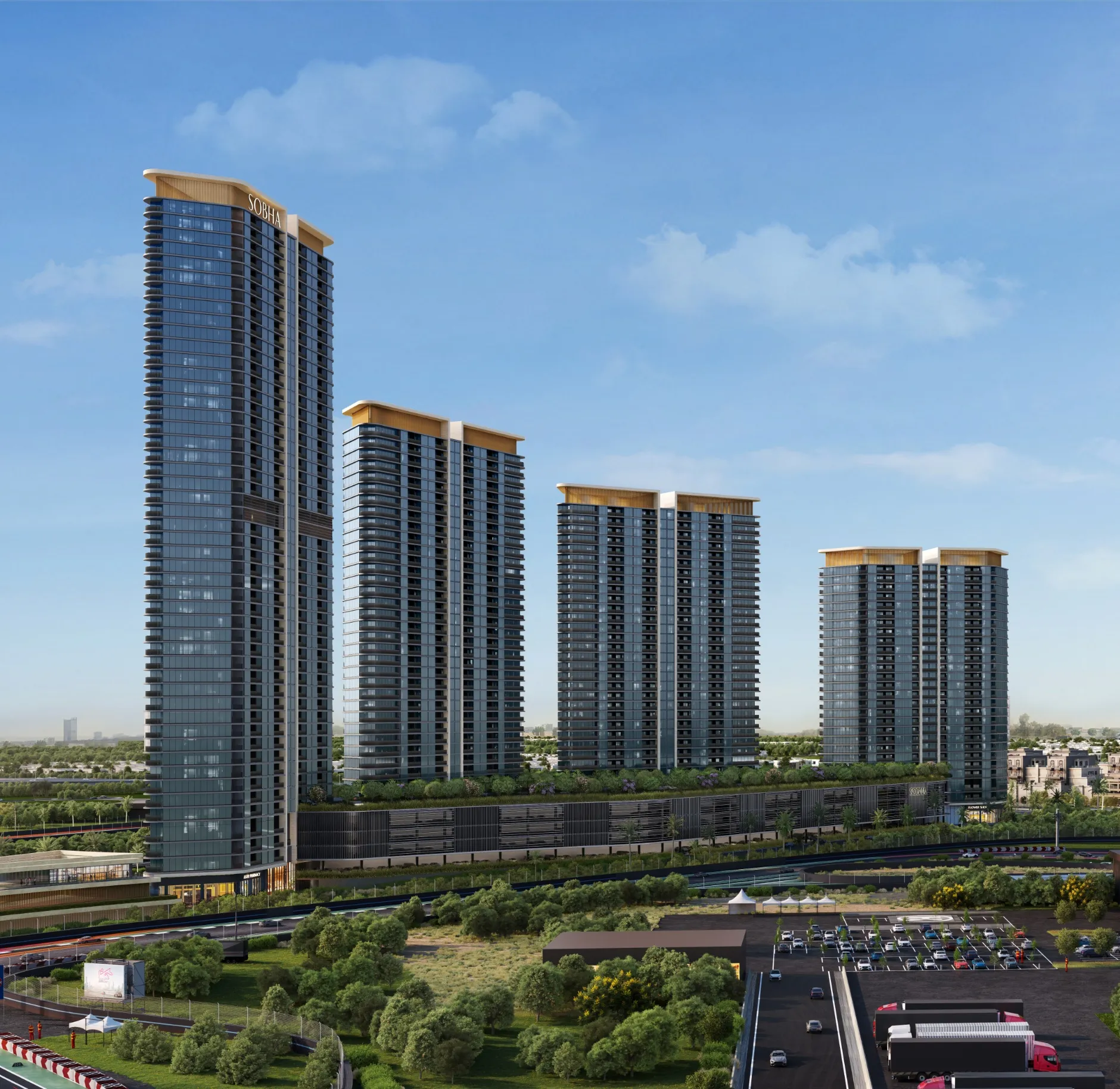
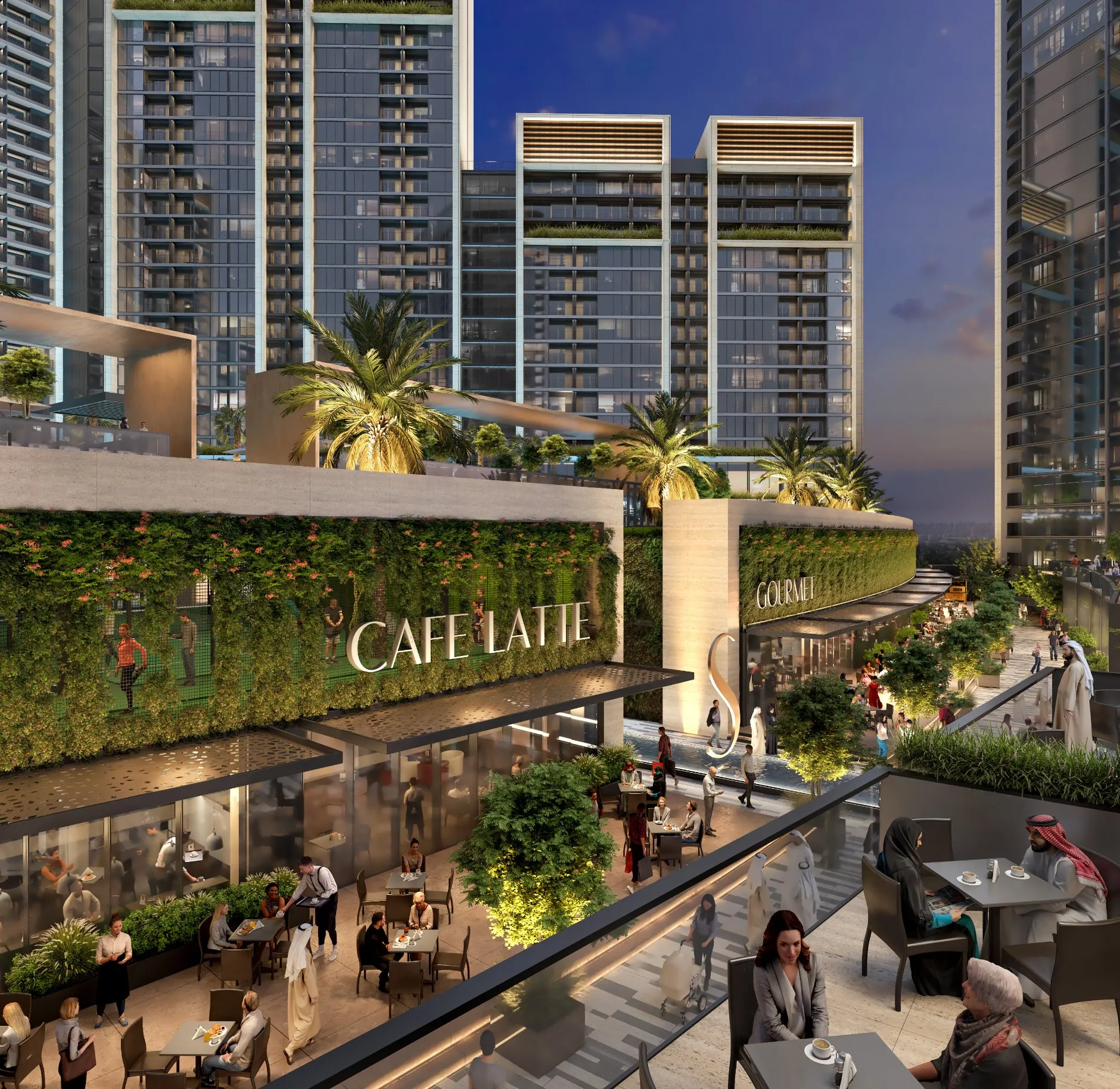
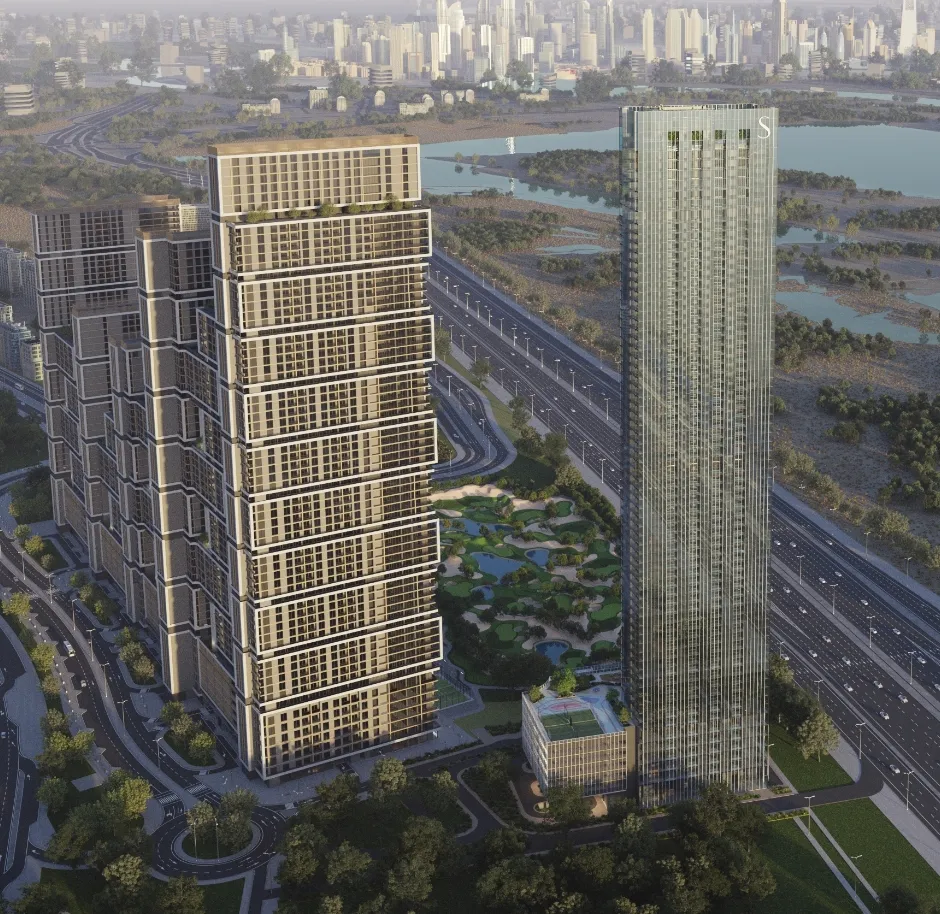
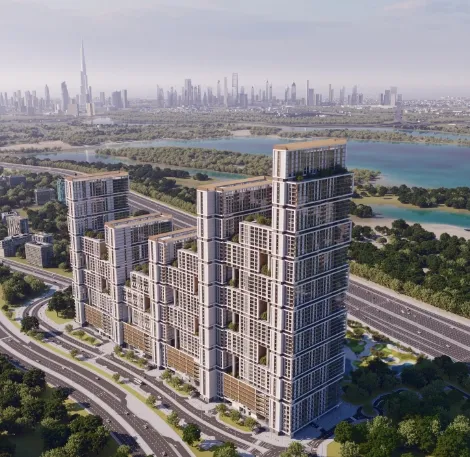
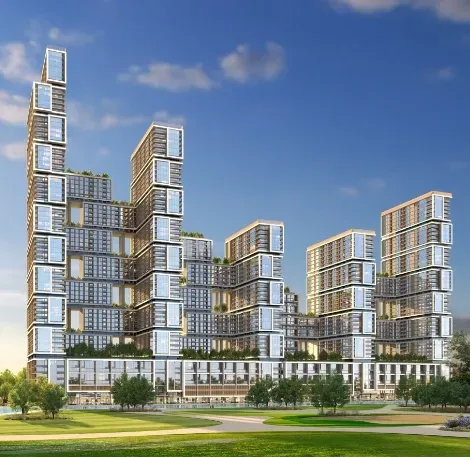
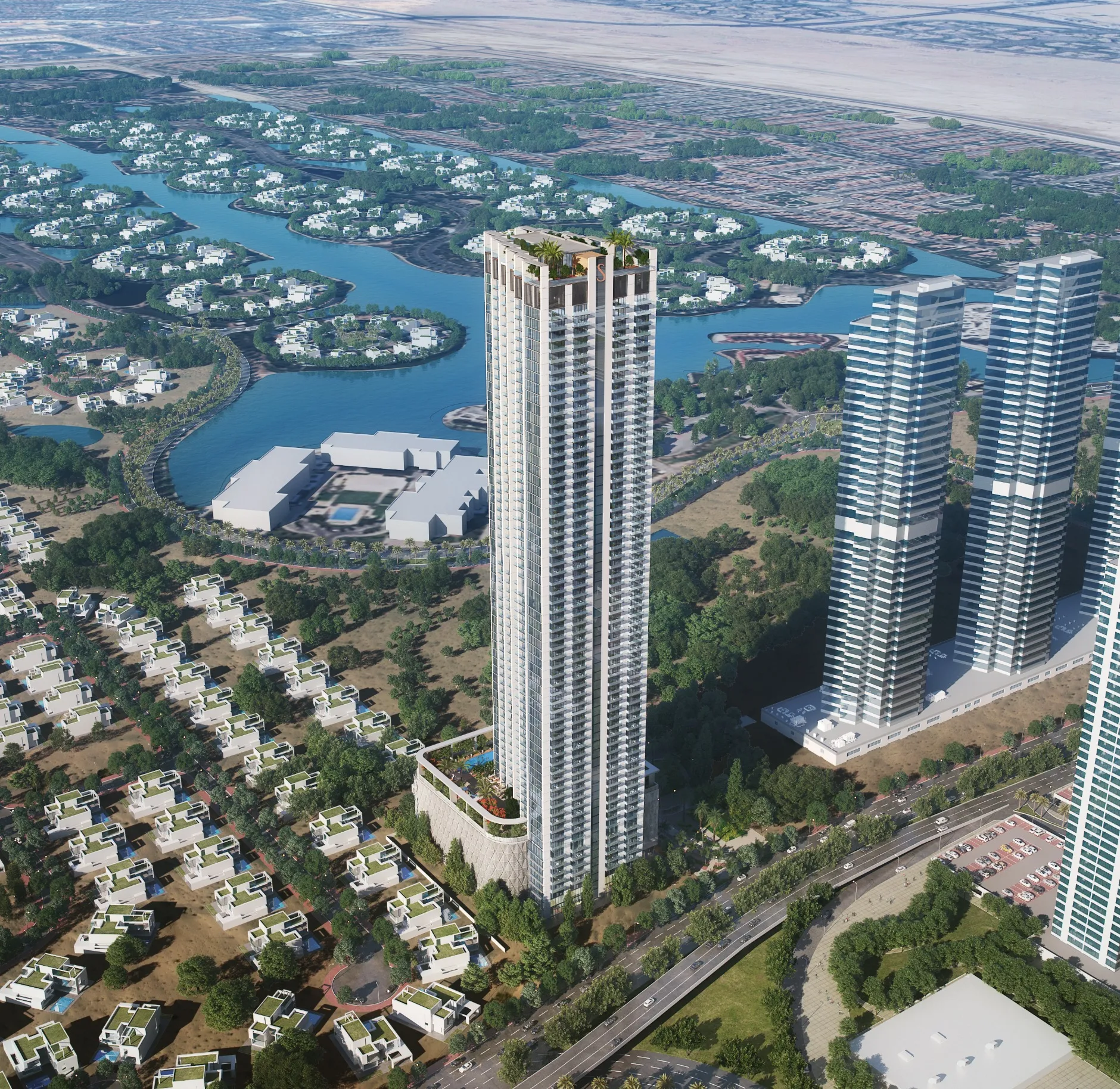
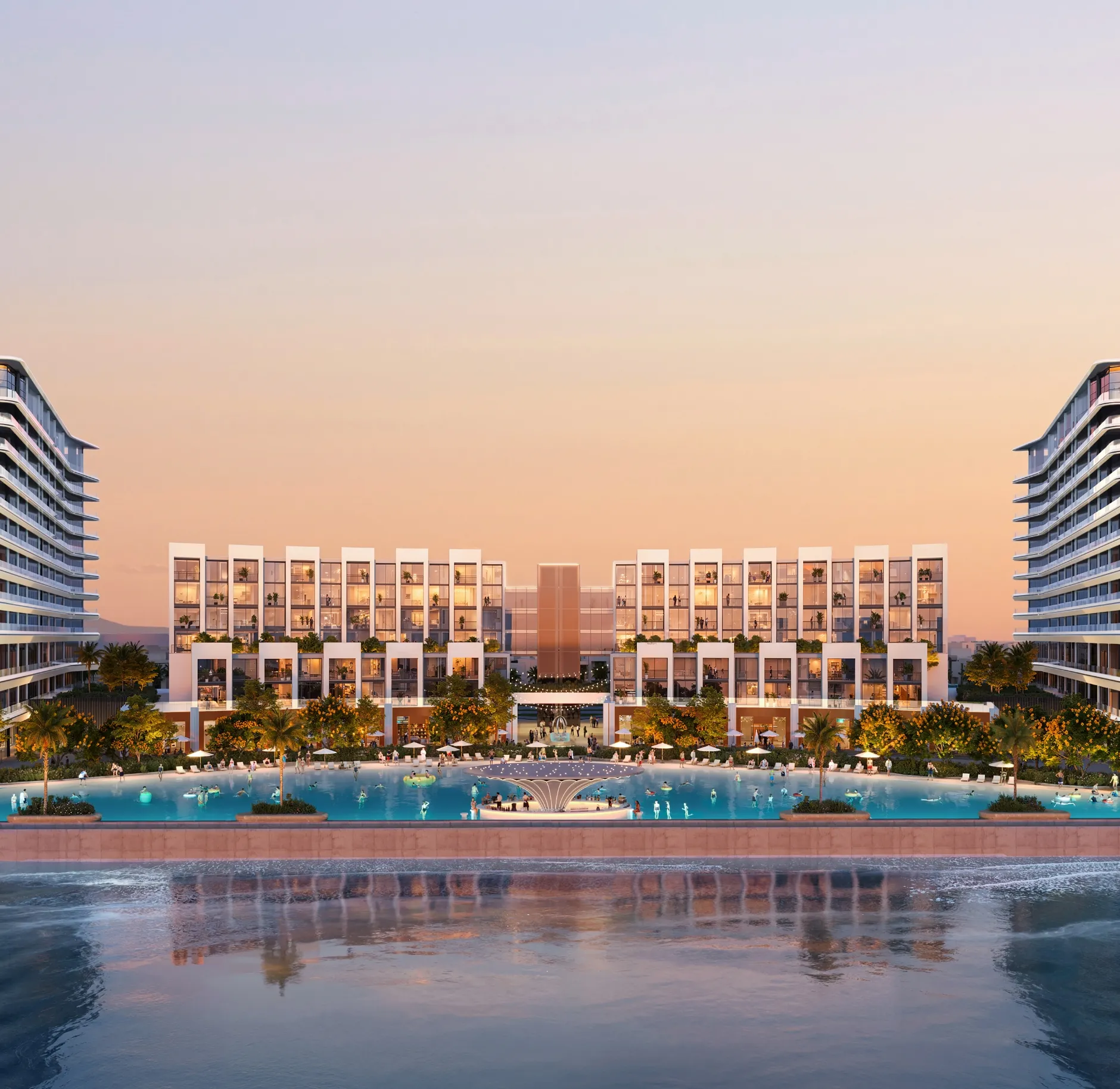
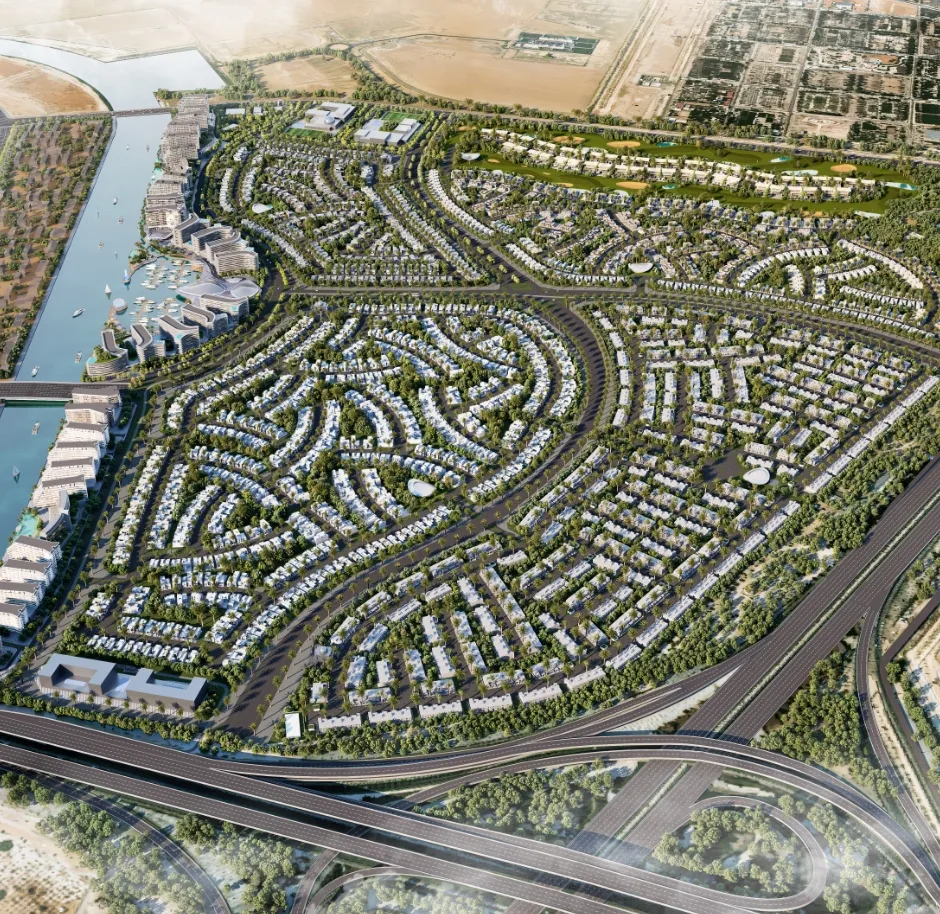
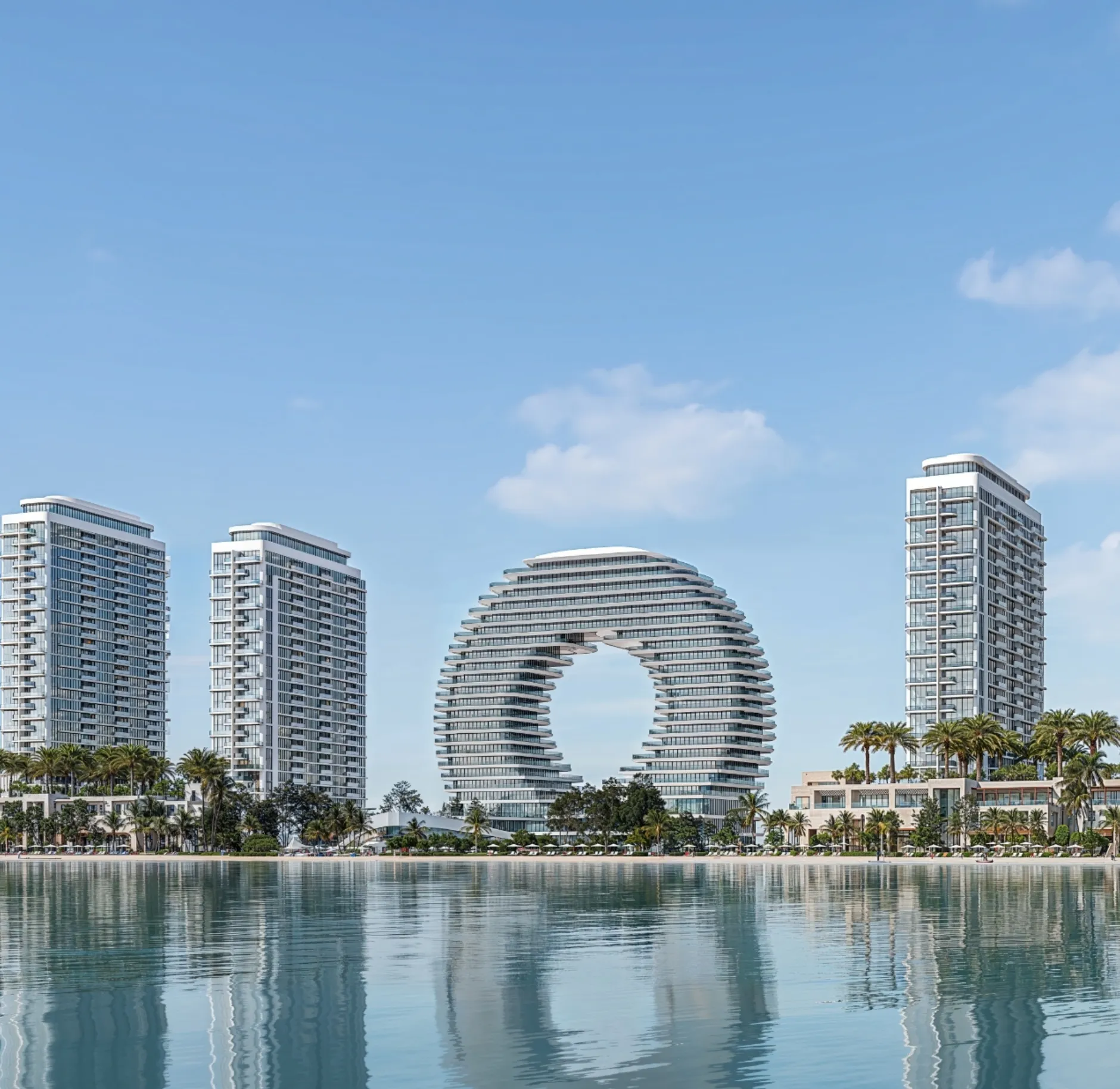
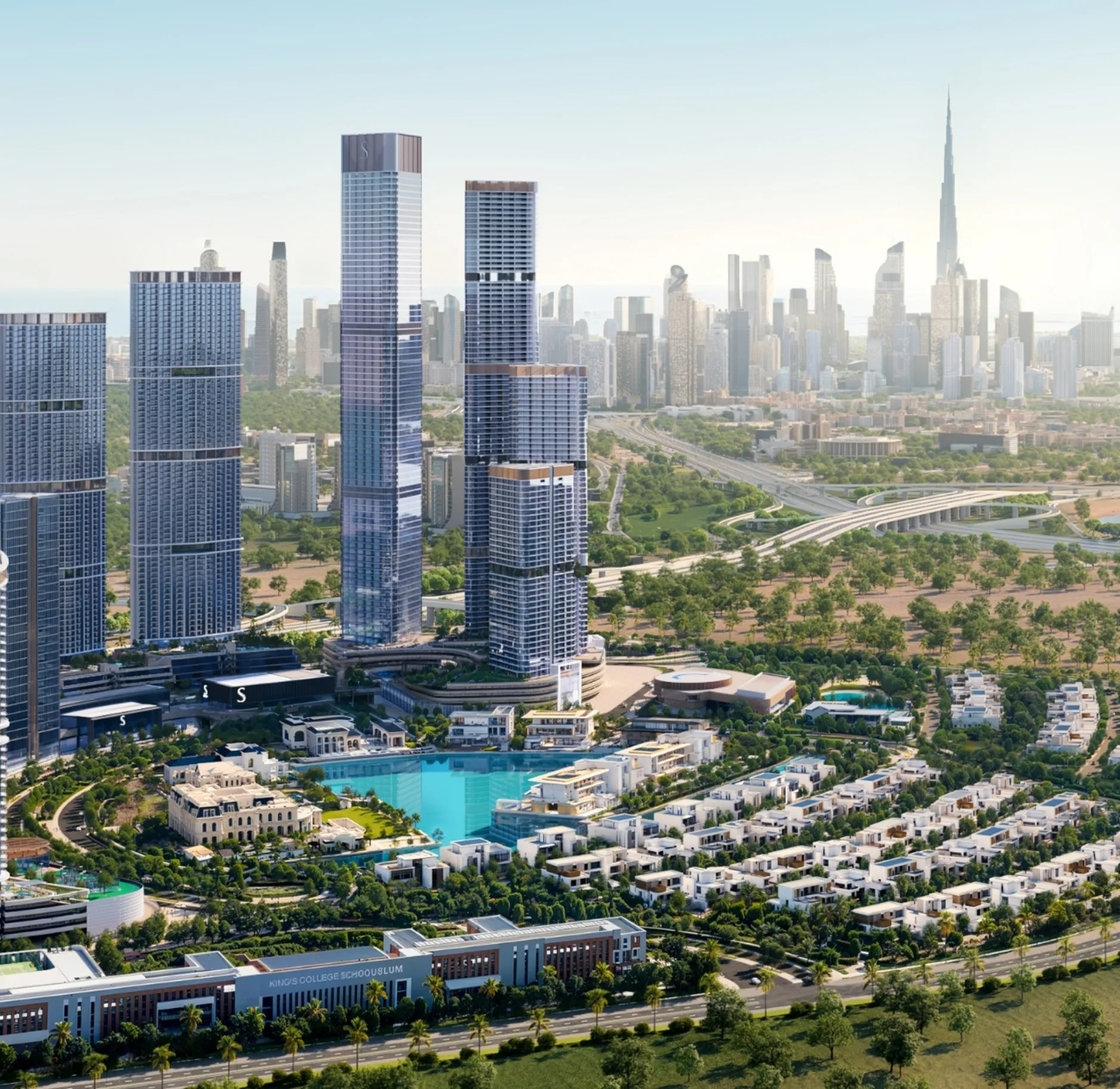
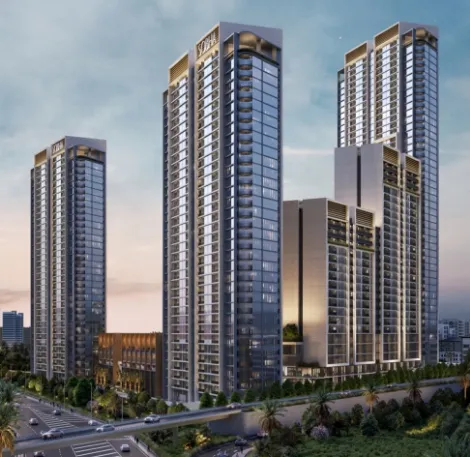
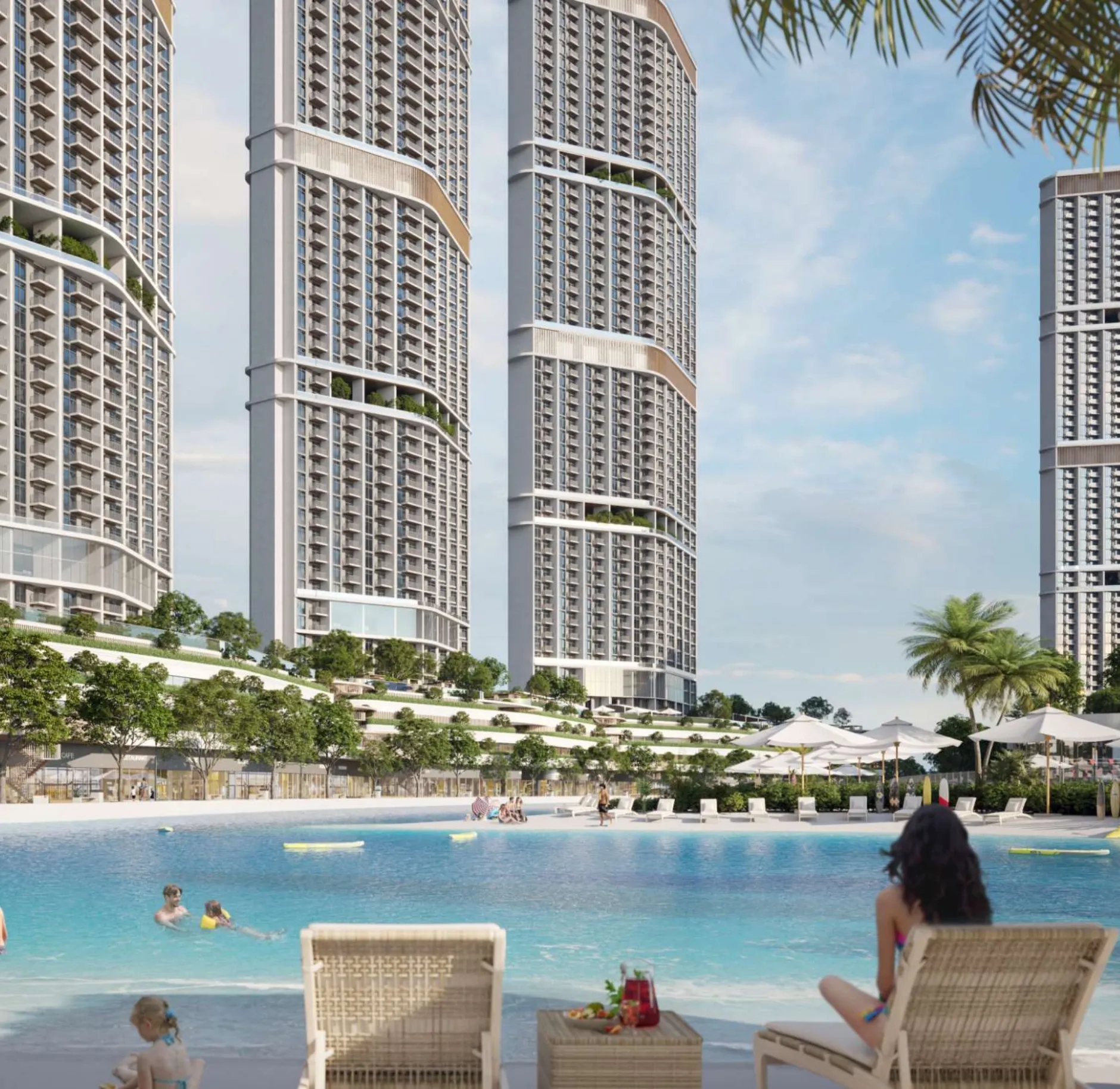
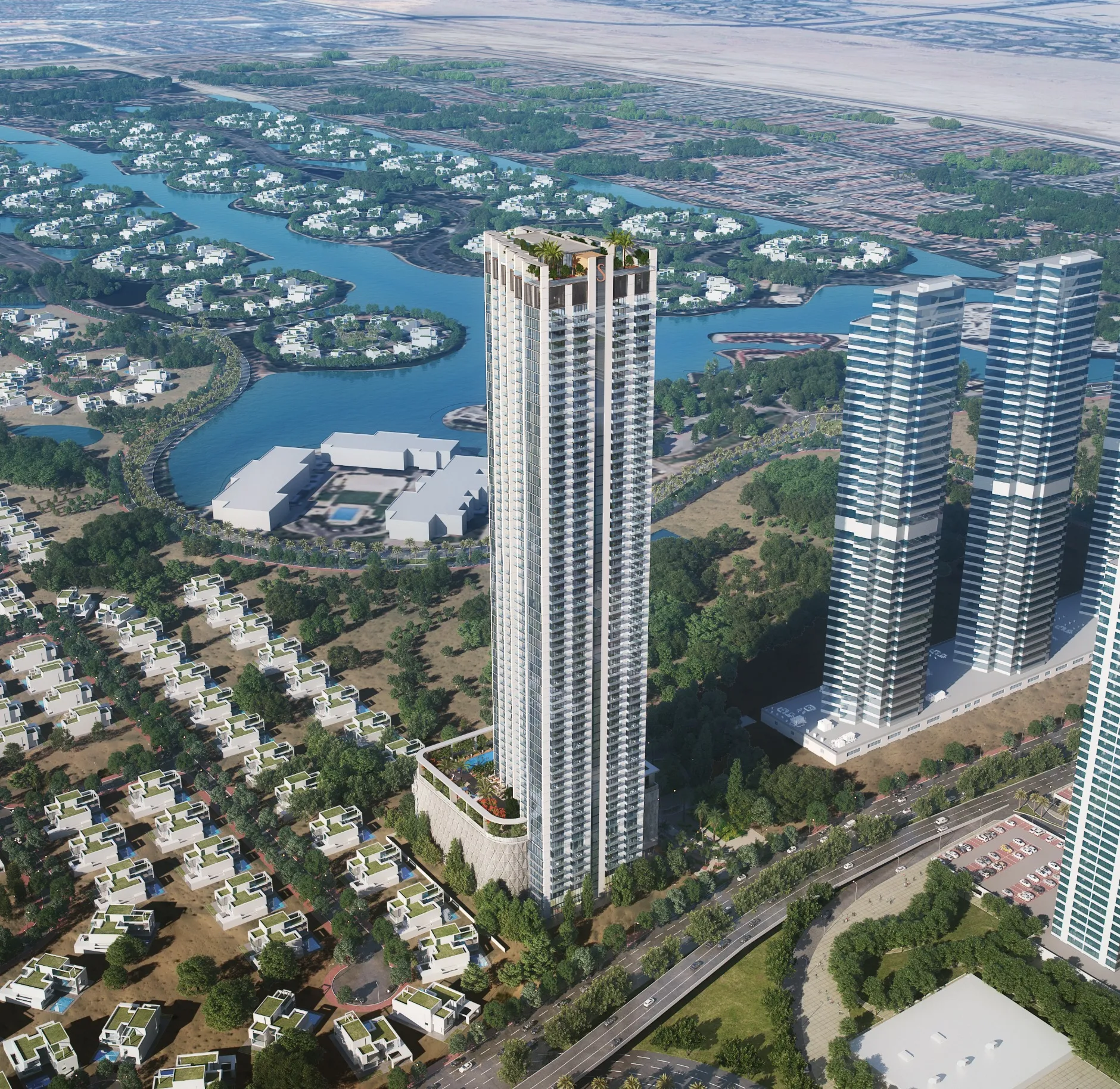
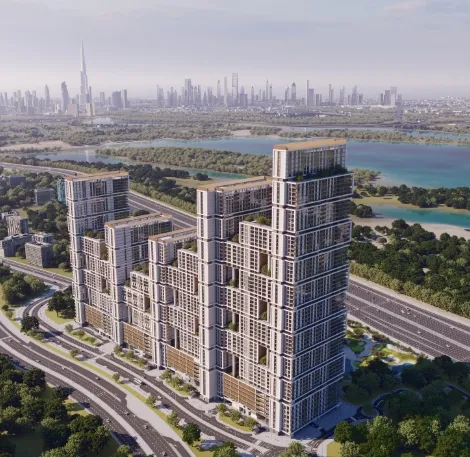
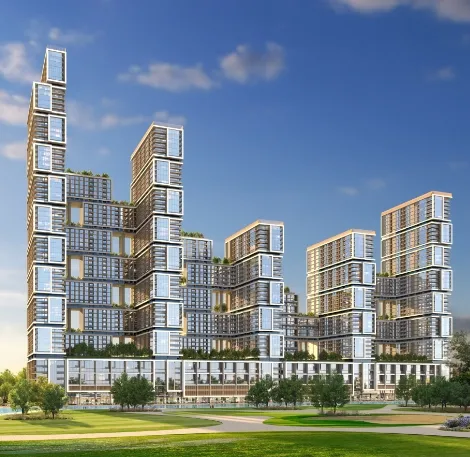
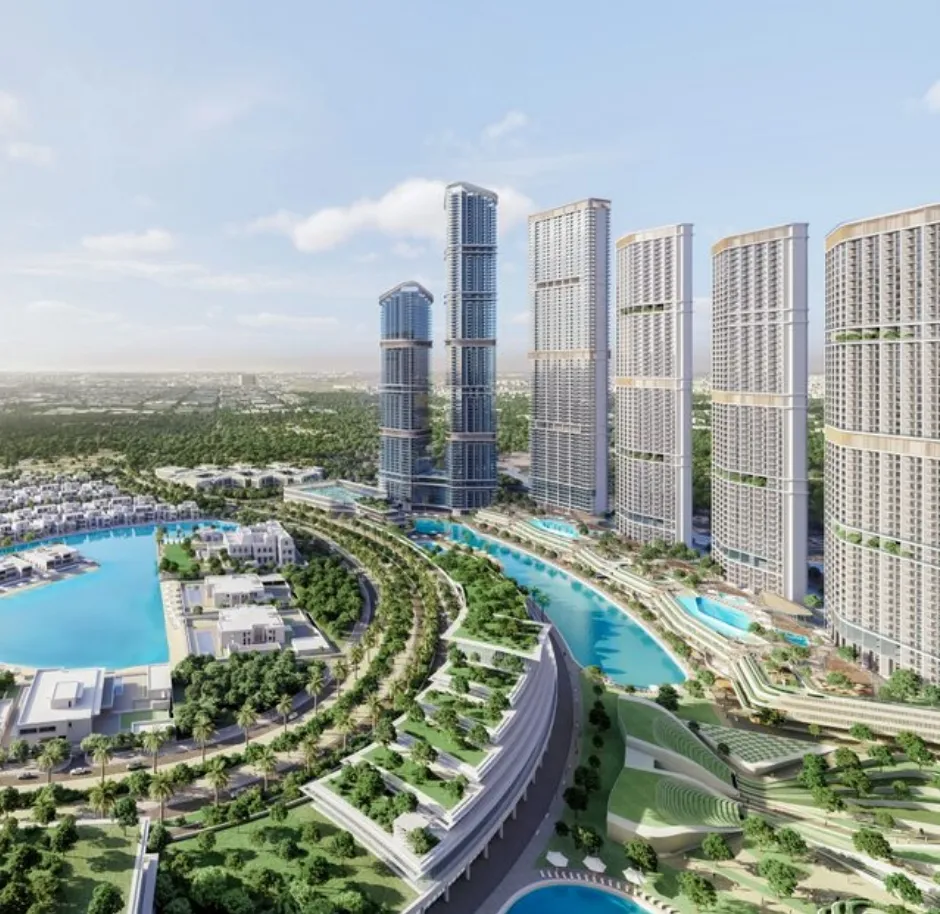
Sobha Hartland reflects this approach, bringing together residences, international schools, green spaces, retail and leisure within one master-planned community.
Long-Term Community Management That Protects the Vision
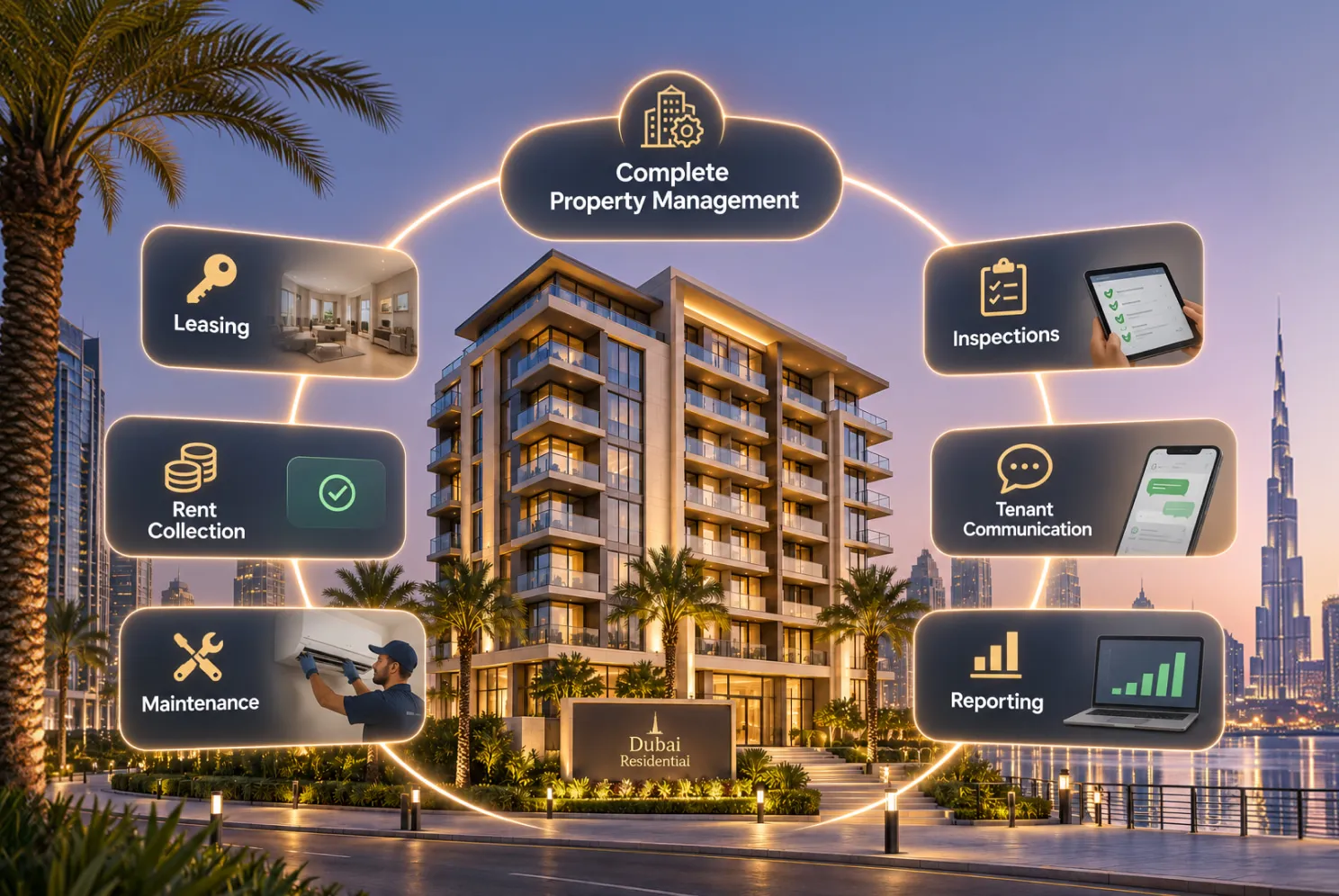
Even a thoughtfully designed neighbourhood needs long-term community management and ongoing care. Regular maintenance, security, landscaping and reliable services help keep shared spaces welcoming and protect the condition of properties over time.
Technology is also making everyday management easier. The ONE Sobha App allows homeowners to access services digitally, from submitting maintenance requests and booking amenities to managing guest access. These features help simplify daily tasks and make it easier for residents to stay connected with the services available to them.
Planning Future-Proof Communities for Change
The way people live today may look very different twenty years from now. Working patterns, mobility, technology and household structures will continue to evolve, and future-proof communities need to be ready for that.
The most resilient communities leave room for that change. Flexible spaces, strong digital infrastructure, energy-efficient building systems and street networks that can adapt to new forms of transport all help a neighbourhood remain relevant as expectations shift.
The Measure of a Great Master-Planned Community
A great master-planned community is not defined by its opening day. It is defined by how residents feel about it years later: whether the homes have stood up to daily life, the trees have grown into shaded avenues, and the neighbourhood still meets the needs of the people who live there.
This long-term view, which supports long-term property value, is central to Sobha Realty's ‘The Art of Detail’ philosophy. Through its focus on quality across the development process and thoughtful planning for residents' evolving needs, Sobha Realty creates communities designed to remain relevant and desirable for decades after handover.
Because the best communities do not simply survive the passing of time. They grow into it.
Frequently Asked Questions
1. What does it mean for a master-planned community to age well?
A master-planned community ages well when its homes, landscapes, amenities and services continue to meet residents' needs over many years. This depends on construction quality, thoughtful planning and consistent long-term management that supports long-term property value.
2. Why does build quality matter over the long term?
Materials and workmanship determine how a building performs over time, particularly in a demanding climate such as the UAE's. Higher construction standards help reduce maintenance issues and protect the resident experience.
3. How can a masterplan support residents at different stages of life?
By offering a mix of home types alongside schools, healthcare, accessible walkways, green spaces and everyday amenities, a masterplan allows residents to remain within the same family-friendly community as their needs change.
4. How does Sobha Realty design communities for the long term?
Sobha Realty's Backward Integration model gives it control over design, engineering and construction. Combined with integrated amenities, green spaces and digital services such as the ONE Sobha App, this approach supports future-proof communities and is guided by The Art of Detail.