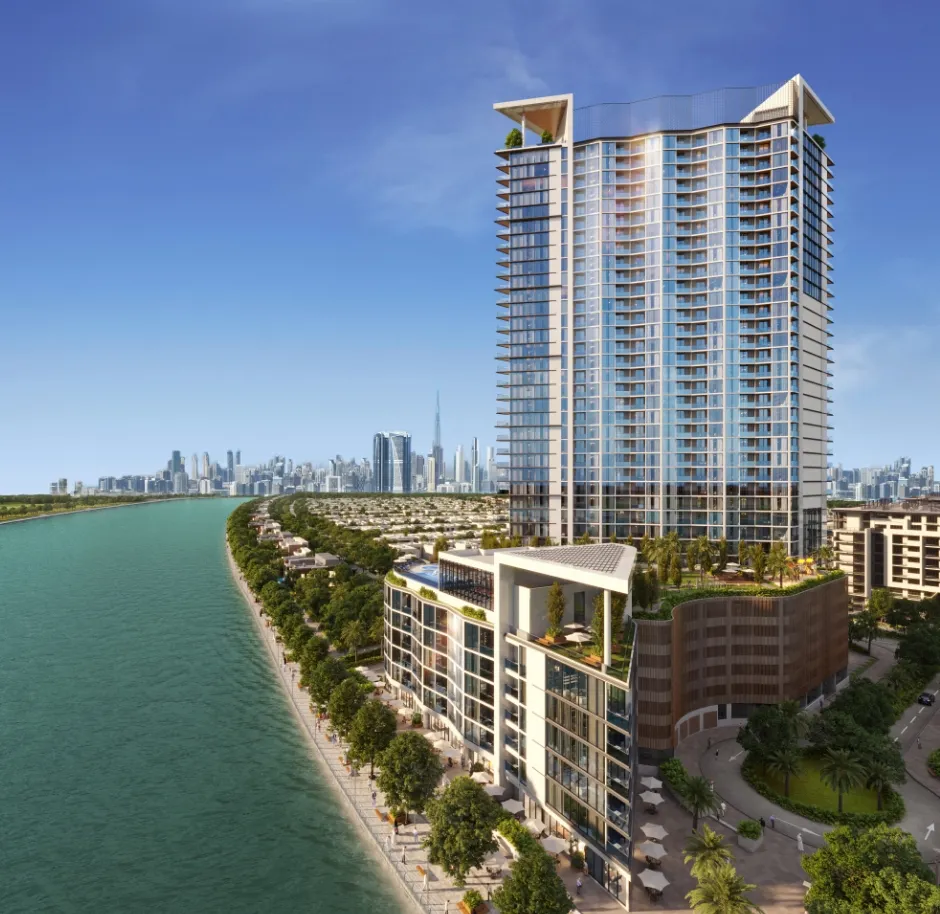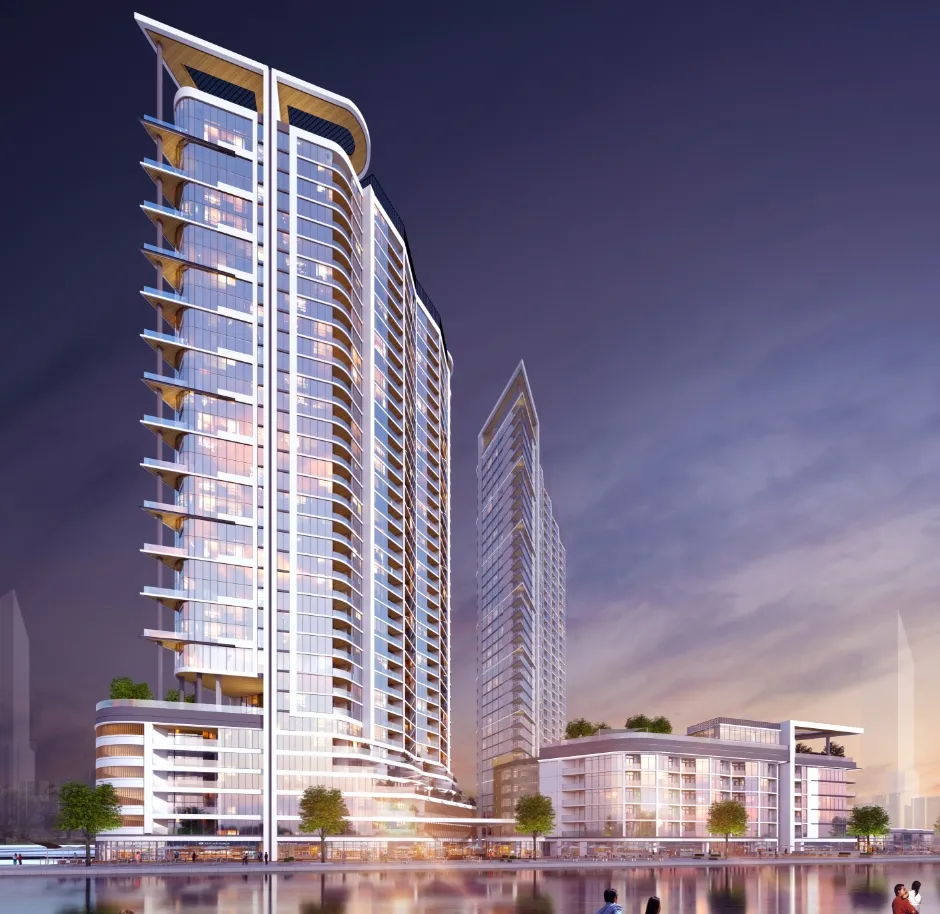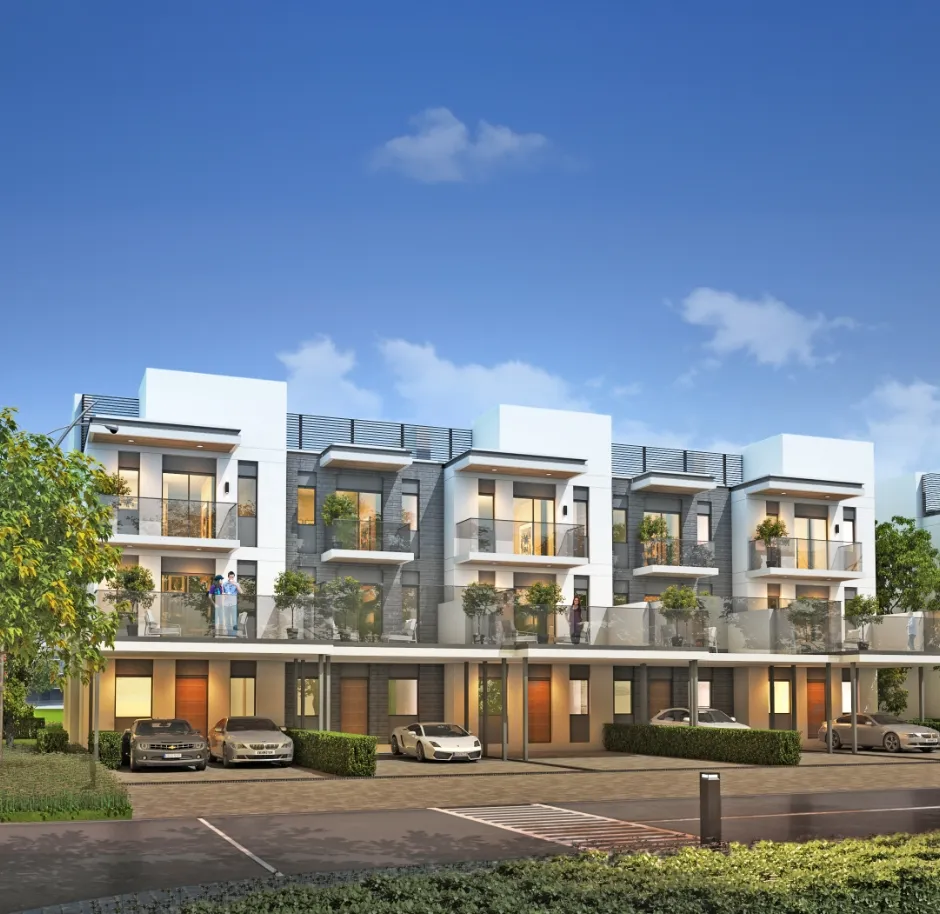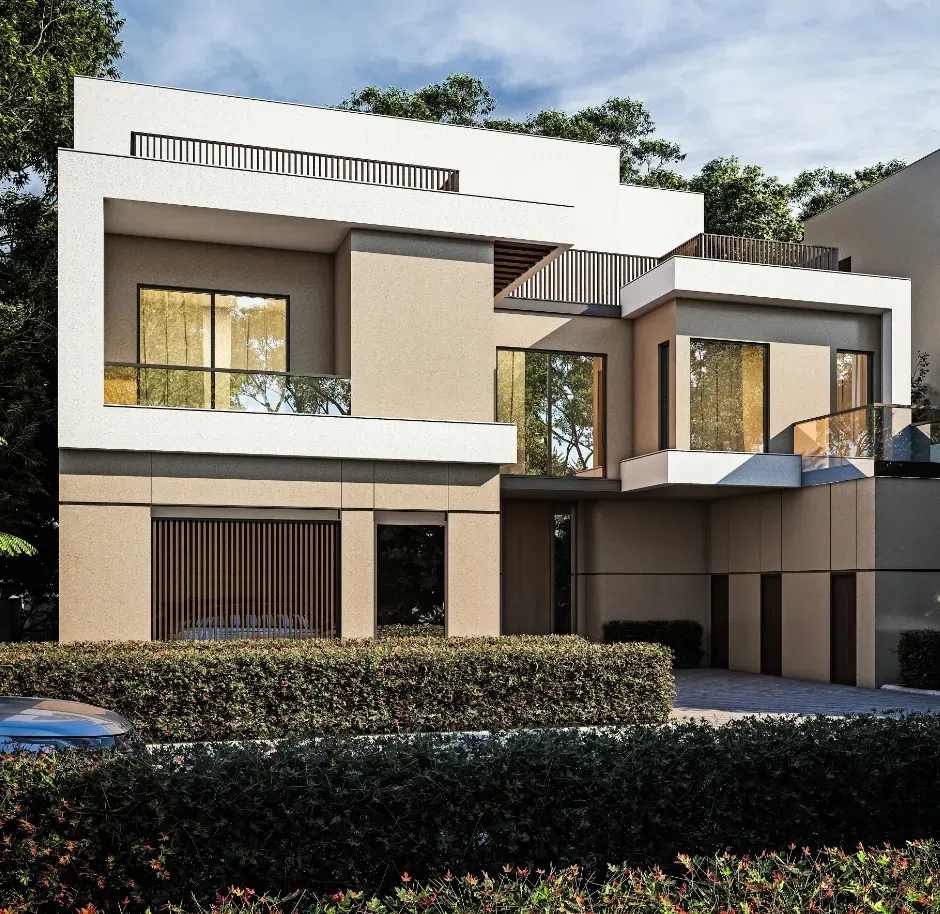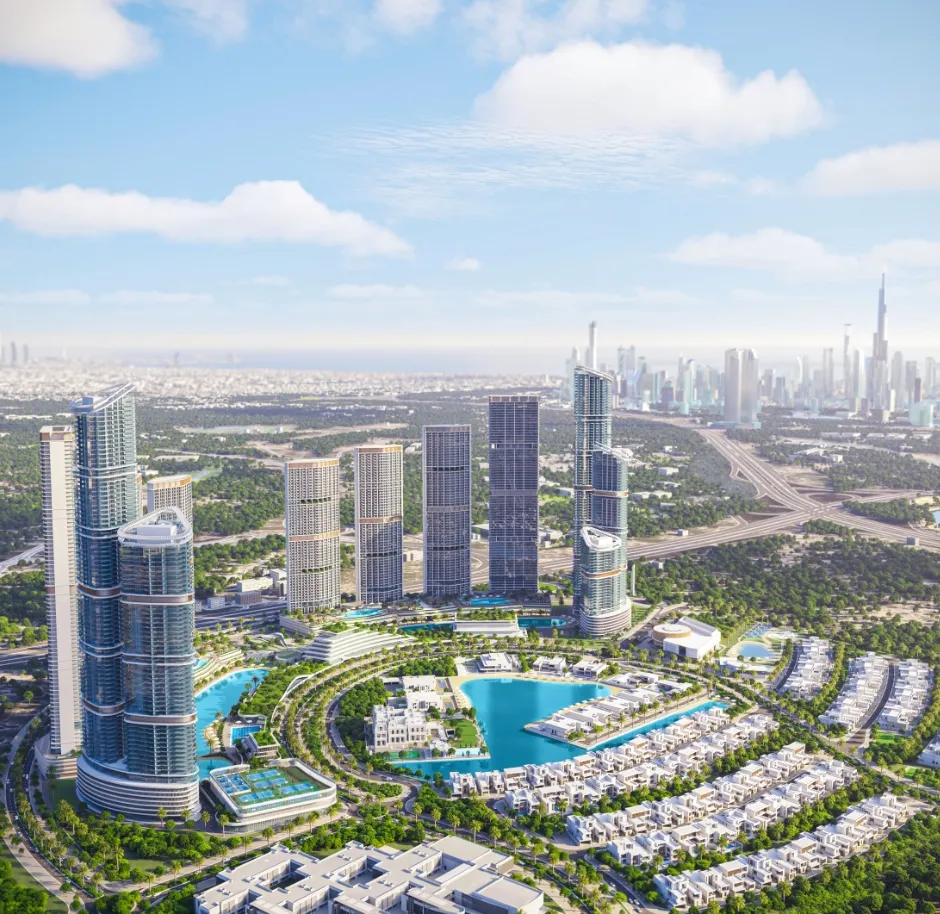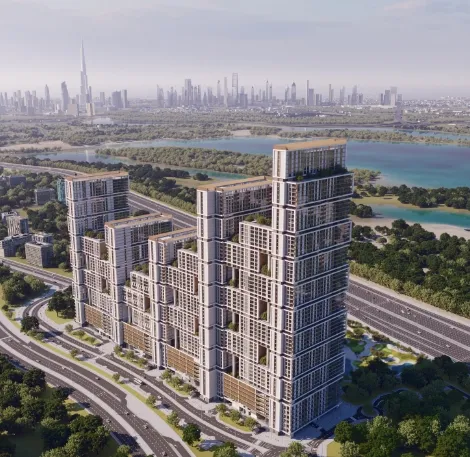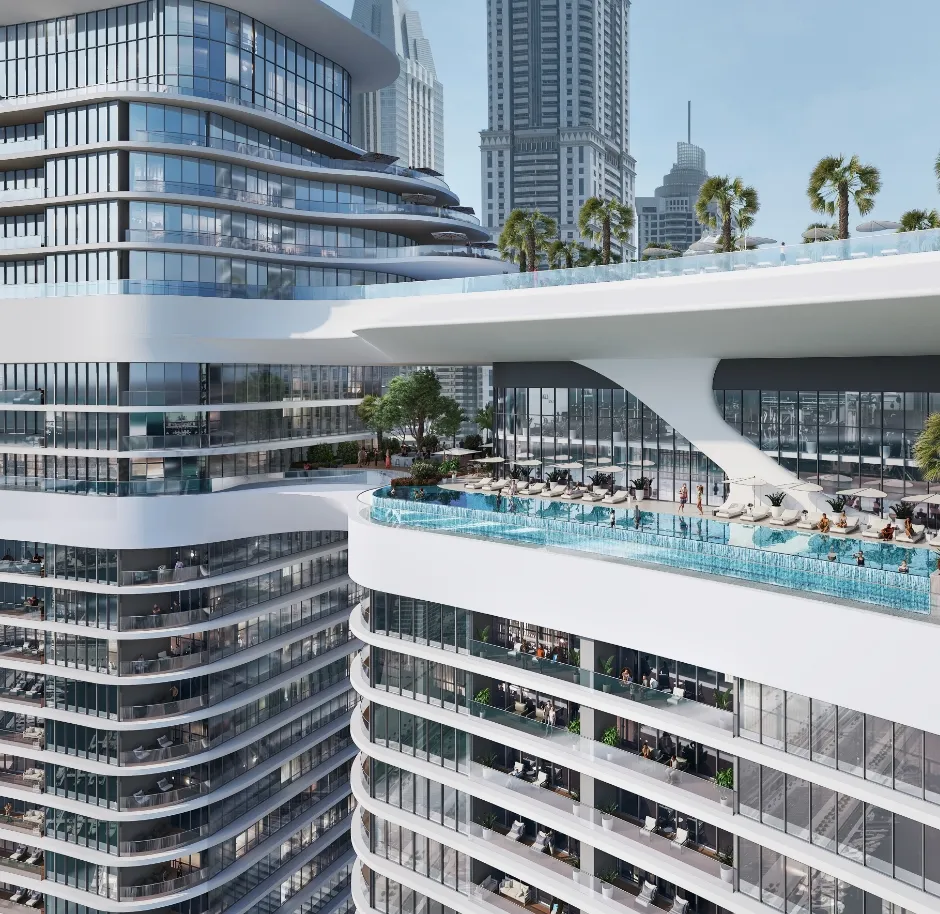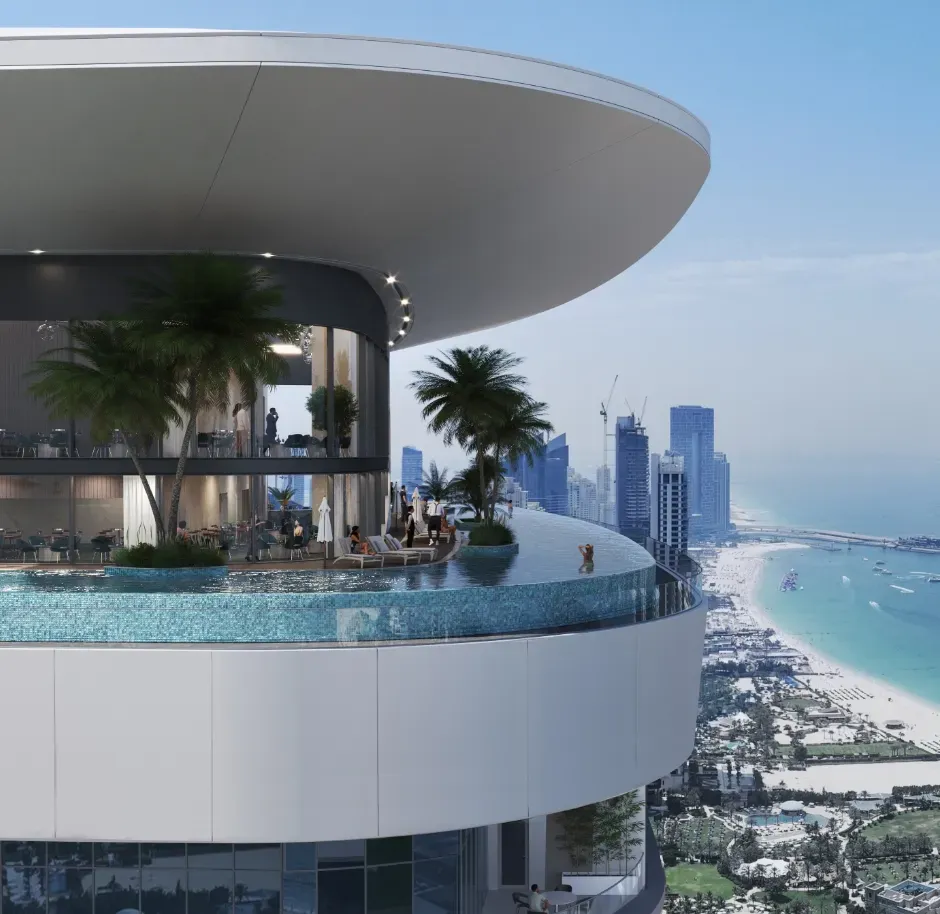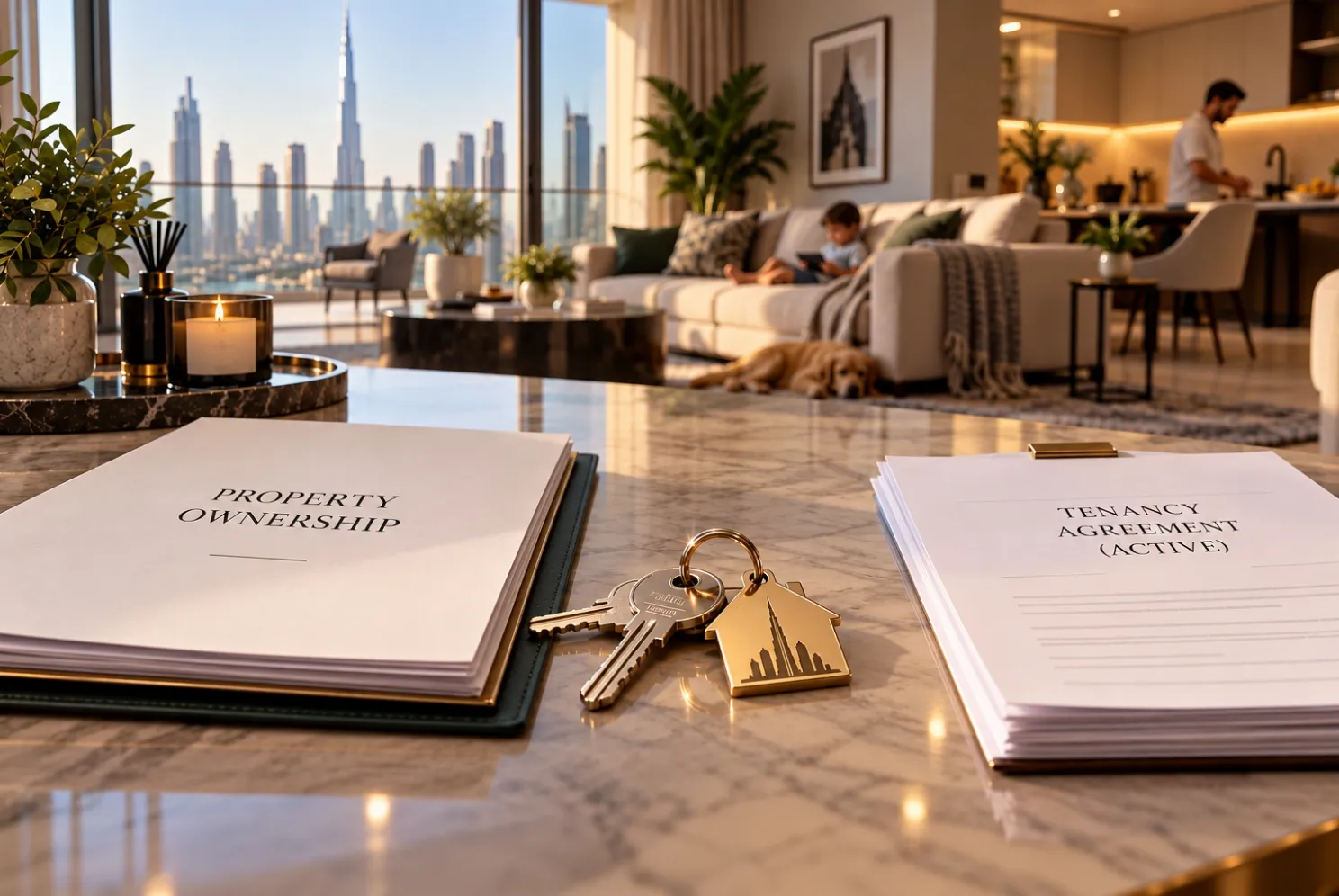
For many international investors and residents, buying homes in Dubai is not only about owning property but also about securing long-term value, lifestyle benefits, and a place in one of the world’s most dynamic cities.
Dubai consistently ranks among the world’s most dynamic and popular real estate markets. Its enduring appeal is thanks to its low tax regime (zero income tax, no inheritance or capital gains taxes), progressive regulations, attractive visa options, and exceptional quality of life.
That being said, many people looking to buy homes in Dubai tend to overlook some crucial details before planning their investment. So, whether you are considering a villa on Palm Jumeirah or an apartment in Downtown Dubai or Dubai Marina, this guide will help you navigate the essentials.
Here are some of the most important questions to ask when you’re buying a new home in Dubai:
Legalities of Buying Property in Dubai
Am I eligible to buy a property in Dubai?
Finding out if you can buy a property in Dubai is one of the most important questions to ask when buying a house, as it determines whether you’re eligible before moving forward. Although Emirati citizens and GCC nationals are allowed to buy and own property, the United Arab Emirates has slightly different rules for citizens of other countries. In short, foreign nationals can buy freehold properties in designated areas, while leasehold ownership is also available in other zones.
Learn more about ownership rules in our guide to Dubai freehold property: what you need to know.
What is the difference between freehold and leasehold ownership?
Freehold ownership allows the buyer to own the property and the land, whereas in leasehold ownership, the buyer gets rights to the property for a fixed term (at most 99 years) but will not own the land it’s on.
Explore our detailed breakdown of freehold vs leasehold real estate in Dubai.
What documents do I need in order to buy a property in Dubai?
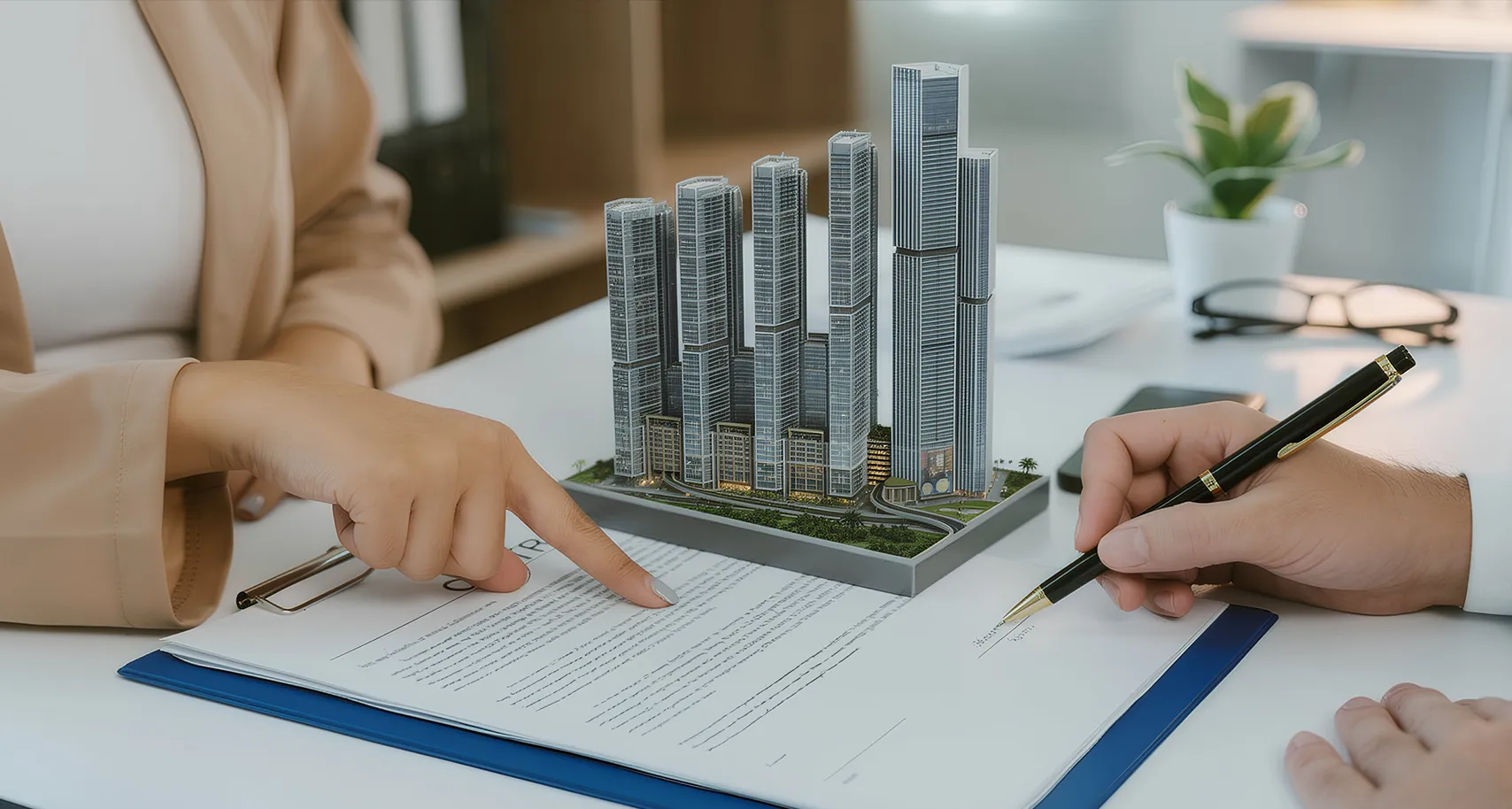
Any individual buying a property needs to provide or complete a number of documents. The most important are:
- Passport
- Memorandum of Understanding
- No Objection Certificate
- Power of Attorney (if going through a real estate agent)
Note: This is not an exhaustive list. Check with your broker, real estate agency, or a property lawyer to get the full list of required documents.
Can I buy a property in Dubai if I am not a resident?
Yes, foreign nationals without Dubai residency visas can still buy a property as long as it is within certain freehold areas. This is a relatively hassle-free process, and buyers can use the help of a real estate agent to view and purchase properties remotely.
Choosing and Viewing the Property
What are the questions to ask when viewing a house?
The following house viewing checklist highlights the most important questions to ask when viewing a house and can be useful to gain vital information before making a decision.
What is included in the sale?
While it may seem like a small detail, it is important to clarify what is included in the purchase. Some house viewings may have furniture and appliances which are not included in the deal.
Are there any additional service charges?
Many properties have annual or monthly fees for building maintenance and other services. These too need to be clarified before signing the deed.
What facilities and services are offered?
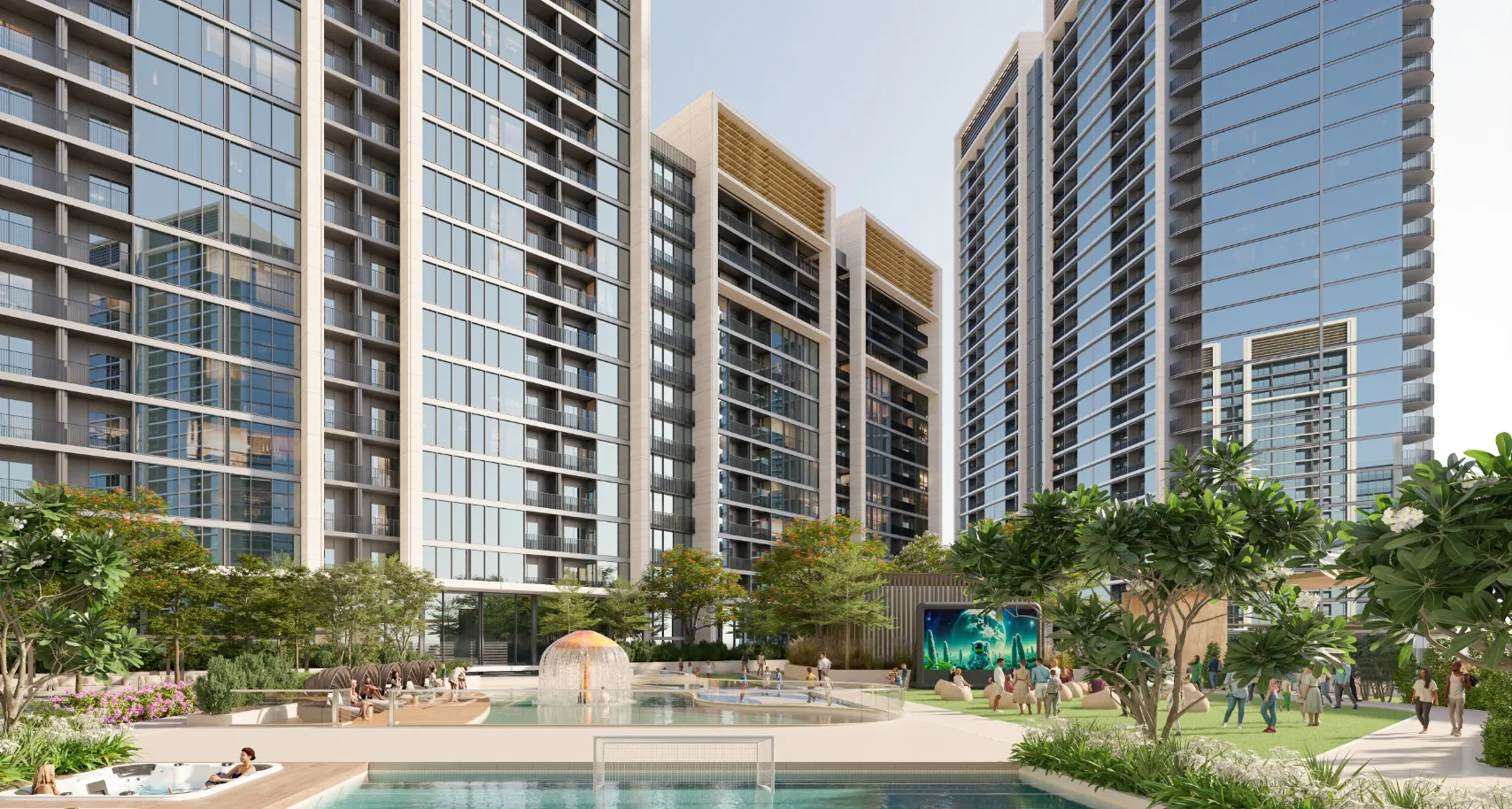
Properties in apartment complexes and larger buildings usually give owners and tenants access to most, if not all, facilities like the gym, pool and parking spot(s). Villas in gated communities, on the other hand, may require a membership fee for some facilities while others are free.
Is the property vacant or occupied?
If the property is currently occupied by a tenant, then it’s likely that possession isn’t going to be immediate. You can find out when their rental agreement ends, as well as who will be responsible for renovations and/or maintenance work after the tenant leaves. Even for vacant properties, clarify whether any renovations or maintenance are required, and agree on who will be responsible for them.
These are just some of the essential questions to keep in mind during a house viewing to ensure you don’t miss any critical details.
What should I keep in mind about the property’s location?
When buying a new home, location is extremely important. Choose a neighbourhood that offers convenient access to workplaces, schools, and everyday amenities.
You also need to decide what kind of area you want to live in: do you want a peaceful, quiet area? Or do you want to live right in the middle of the action, surrounded by entertainment destinations and happening hotspots?
And then there’s the question of traffic. Some popular neighbourhoods, such as Business Bay or Dubai Marina, have lovely apartments with great views, but these areas also tend to be crowded during the day. If you would rather escape the busy city life, neighbourhoods like Emirates Hills or Dubai Creek Harbour would be a better fit.
Financials and Budgeting
What are the overall costs involved when buying a house in Dubai?
Most property advertisements only show the price of the unit. However, there will be some additional costs, like administration and registration fees. The DLD (Dubai Land Department) registration fee is typically 4% of the property value, and if you’re going through an agent, then you need to factor their fee too (usually 2%). While residential property sales are generally exempt from VAT, it may apply to commercial properties or certain off-plan transactions.
What are the payment plans available?
Most developers offer structured payment plans that make property purchases more manageable. Typically, developers require a 10–20% down payment, followed by milestone-linked instalments during construction, with the balance due on completion. Alternatively, buyers can explore mortgage options through UAE banks, which usually require proof of income and other supporting documents.
Financing your purchase is easier with the right advice. Check our guide to property mortgages in Dubai.
What is the ROI (Return on Investment) of the property?
If you are buying a property for investment or rental income purposes, it helps to know the potential ROI. Dubai has a wide range of properties and neighbourhoods, so rental yields and property values tend to vary depending on various factors. So, make sure you know the projected ROI and rental values of the area and property type before making your purchase.
Find out the best places to buy investment properties in Dubai to maximise long-term returns.
Conclusion
When you’re buying a house in Dubai, ask the above questions to ensure you get the best deal possible.
Remember: Informed decision-making, backed by the right checklist - from viewing considerations to financing plans - can make the difference between a long-drawn-out process and a quick, smooth purchase.