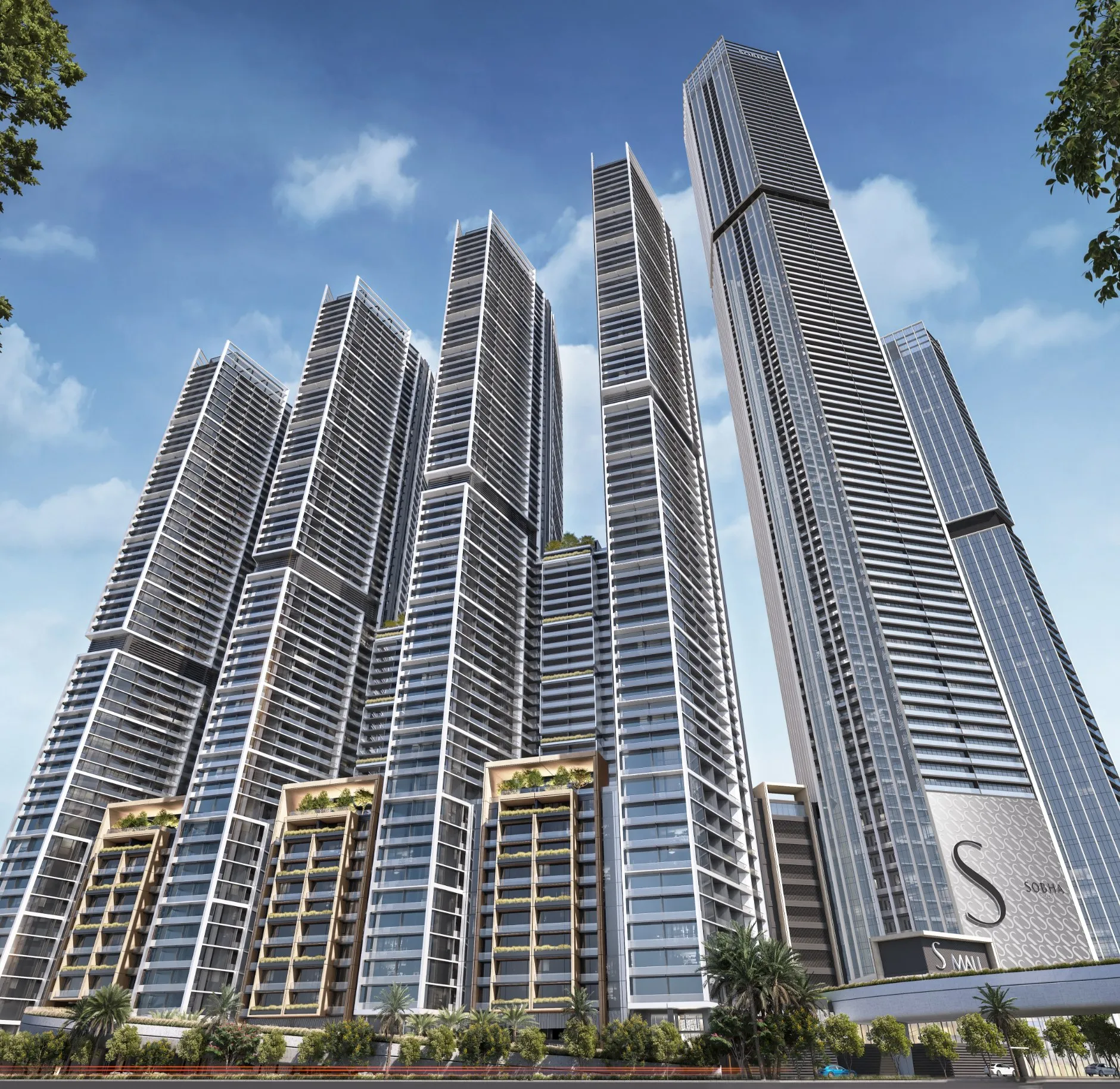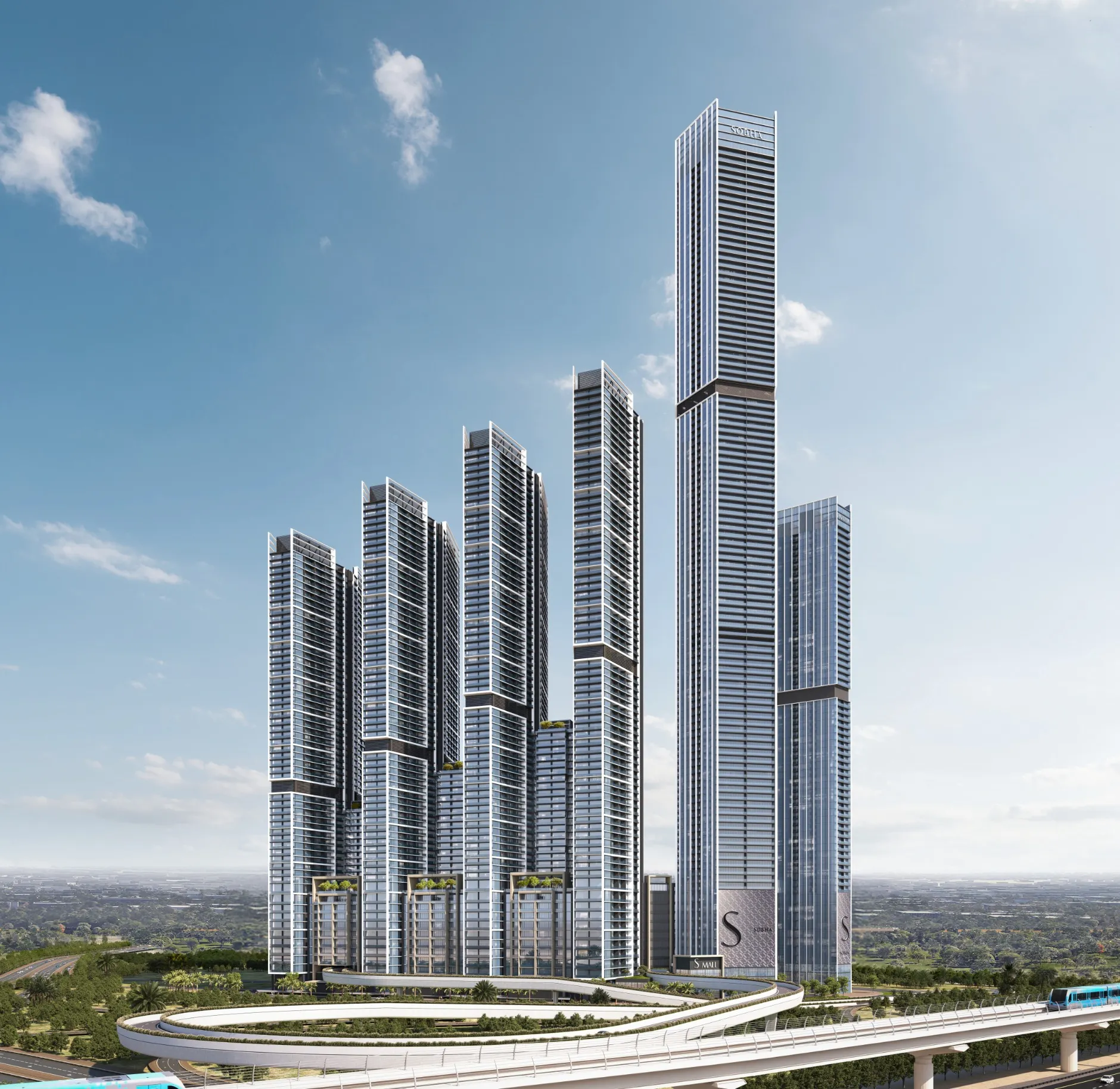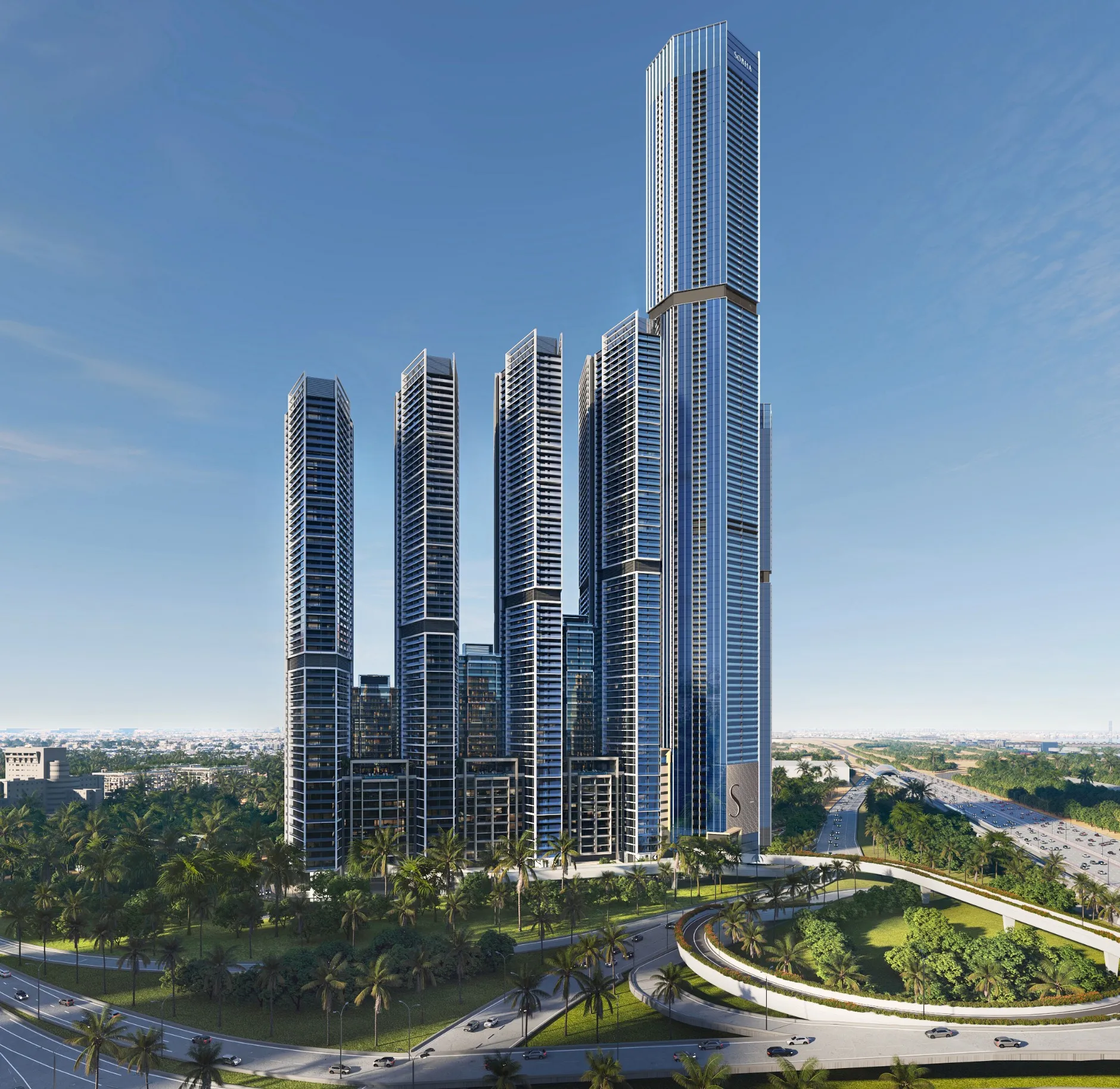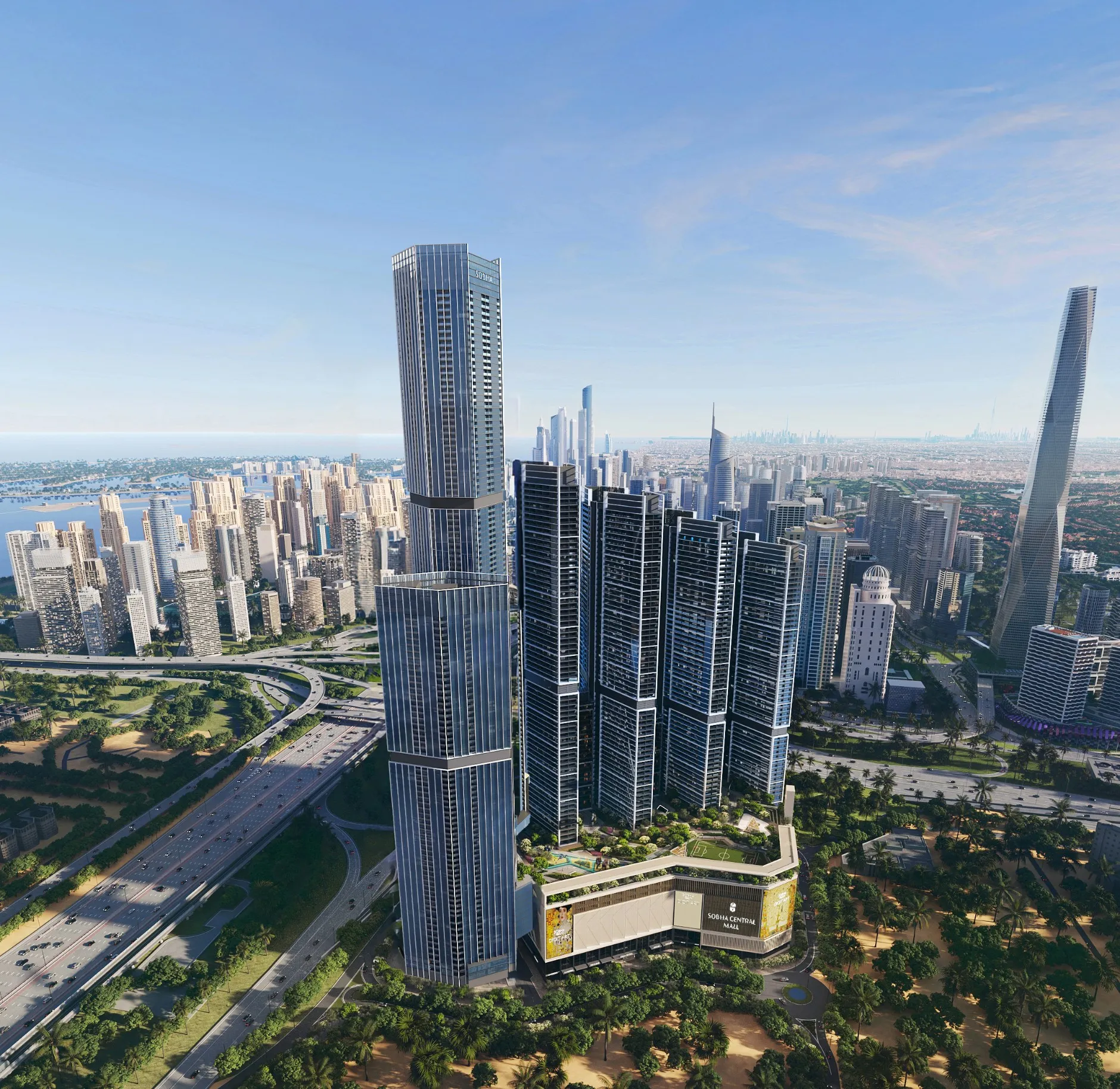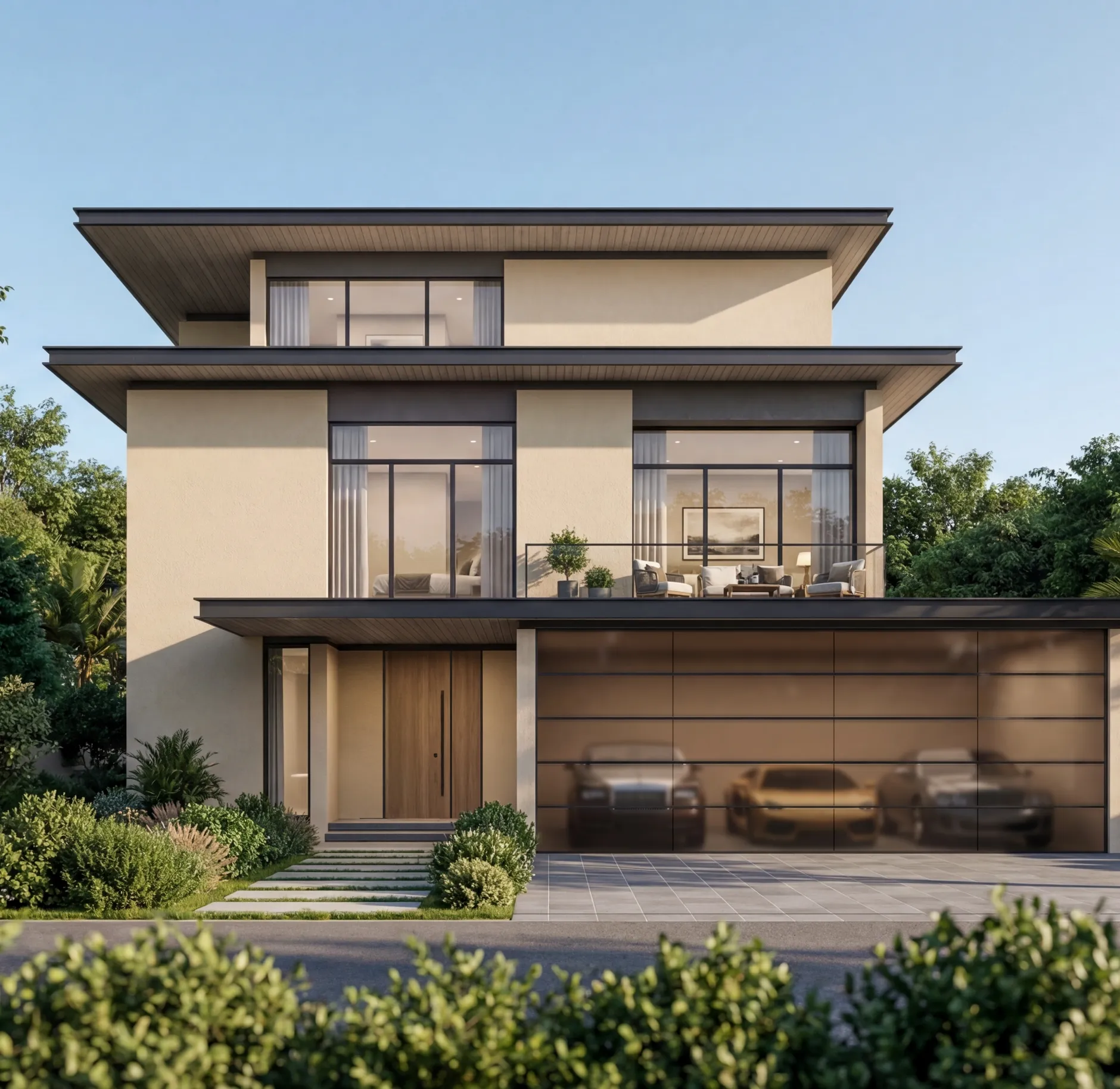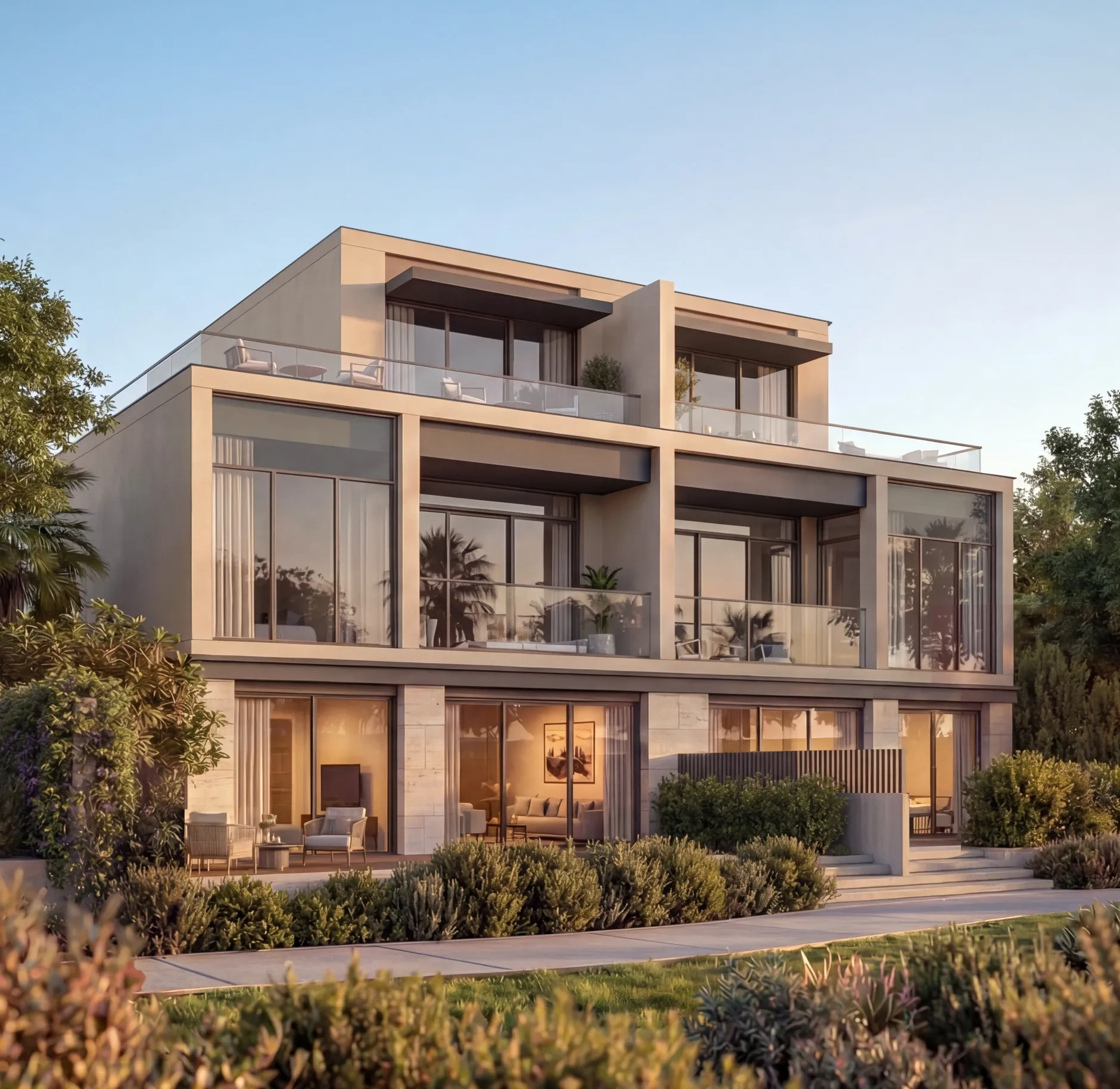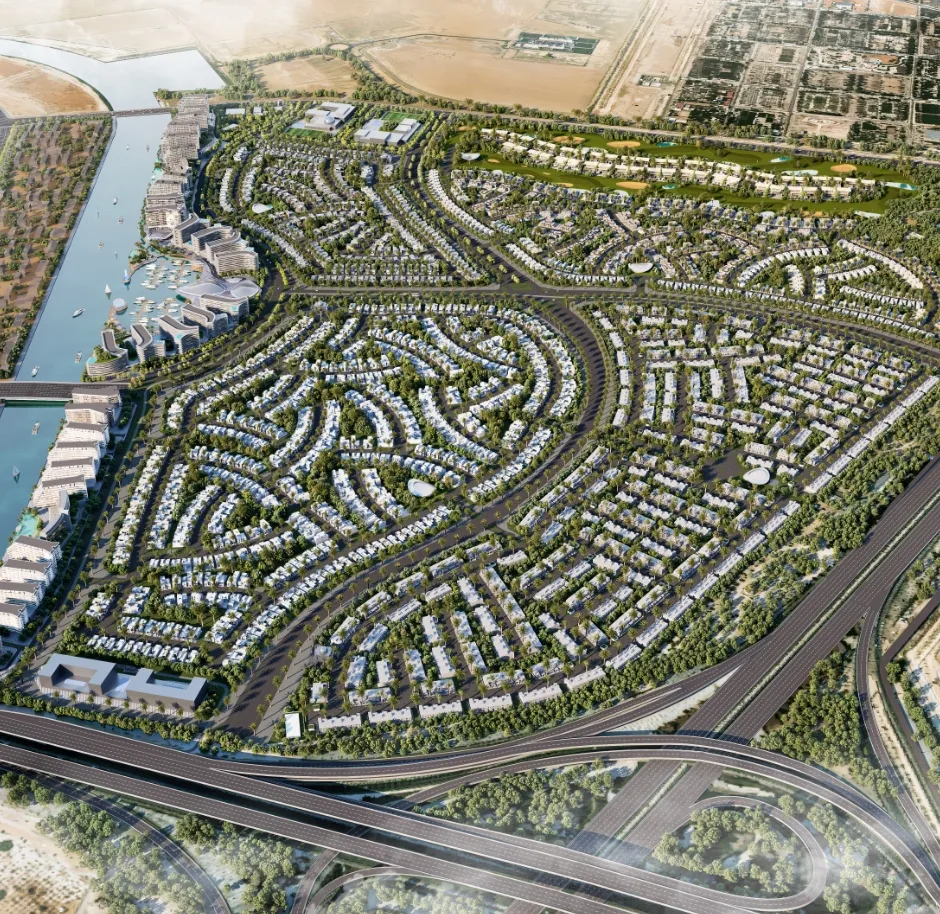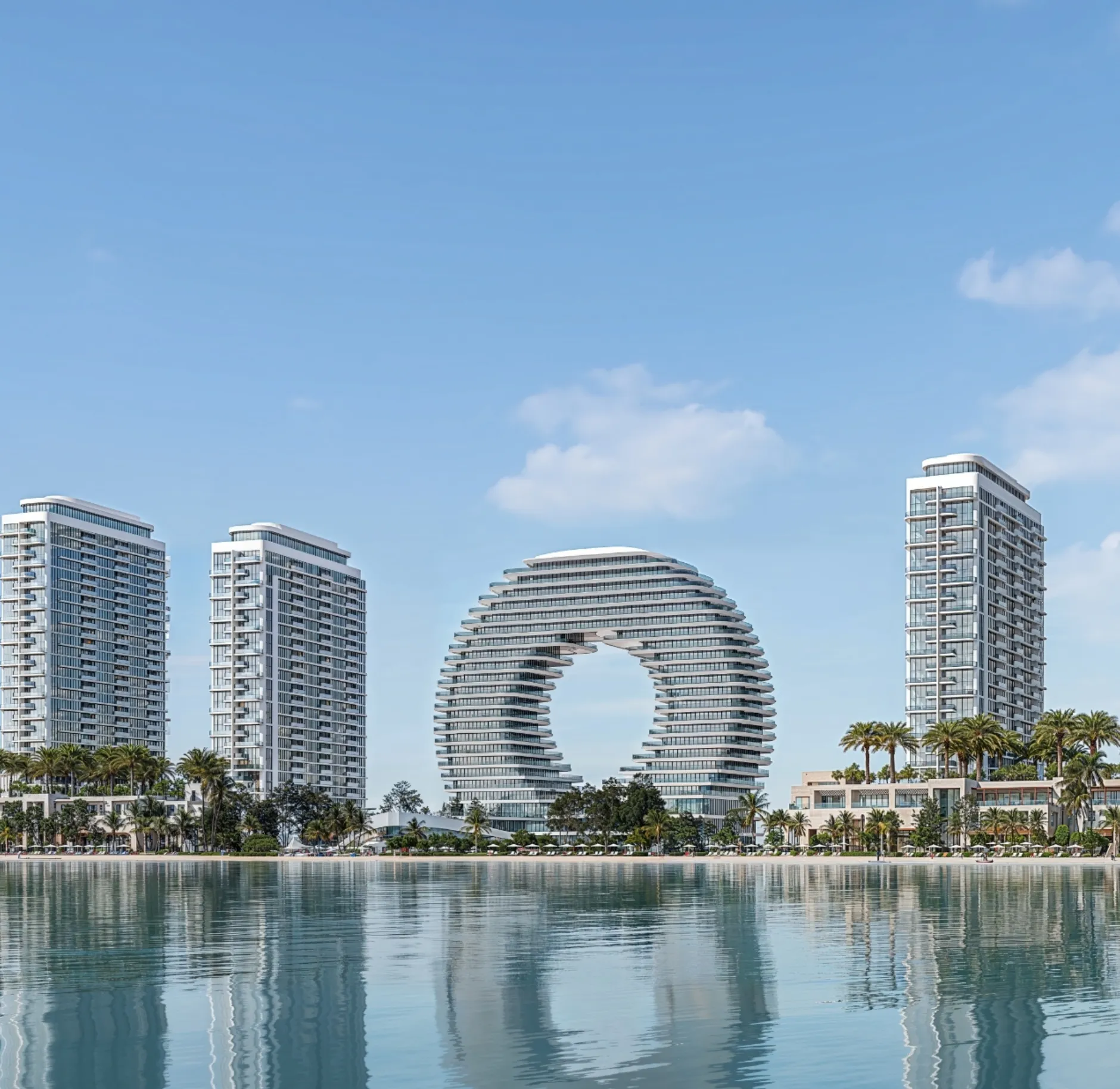
Choosing a home in Dubai is also a decision about the developer behind it.
This is particularly important when buying off plan, where the finished residence, amenities and wider community may still be under construction. Buyers are placing confidence not only in the project concept, but also in the developer’s ability to deliver it with quality, consistency, and transparency.
Dubai Land Department provides official services through which buyers can view licensed developers, check project progress and access information including developer details, inspection records and project escrow accounts. These tools provide an essential starting point. The following ten checks can help buyers evaluate the wider quality and credibility of a property developer.
1. Confirm That the Developer Is Licensed
Begin by checking that the developer appears on Dubai Land Department’s official list of licensed real estate developers.
The service is available through the DLD website and Dubai REST and provides immediate access to the approved developer list.
Licensing confirms that the company is registered within Dubai’s regulatory system. It should be treated as the minimum requirement rather than the only measure of developer quality.
2. Verify the Project Through Dubai Land Department
For an off-plan purchase, confirm that the specific development can be found through DLD’s Project Status Enquiry.
Buyers can search using the project name, project number, or land number. Available information can include the project status, reported completion percentage, developer details, inspection information, management company and escrow account.
The project name and developer shown in the official record should match the documents and sales materials provided to the buyer.
3. Review the Developer’s Delivery Record
A developer’s completed projects can provide useful evidence beyond brochures and renderings.
Where possible, visit an existing development and assess:
- Construction and finishing quality
- Condition of common areas
- Landscaping and amenities
- Building maintenance
- Community occupancy
- Whether the completed environment reflects the original positioning
Dubai Land Department’s open real estate data also includes project information such as developer name, project status, completion percentage and relevant dates, giving buyers another source of official information.
A long list of launches should be considered alongside a consistent record of delivery.
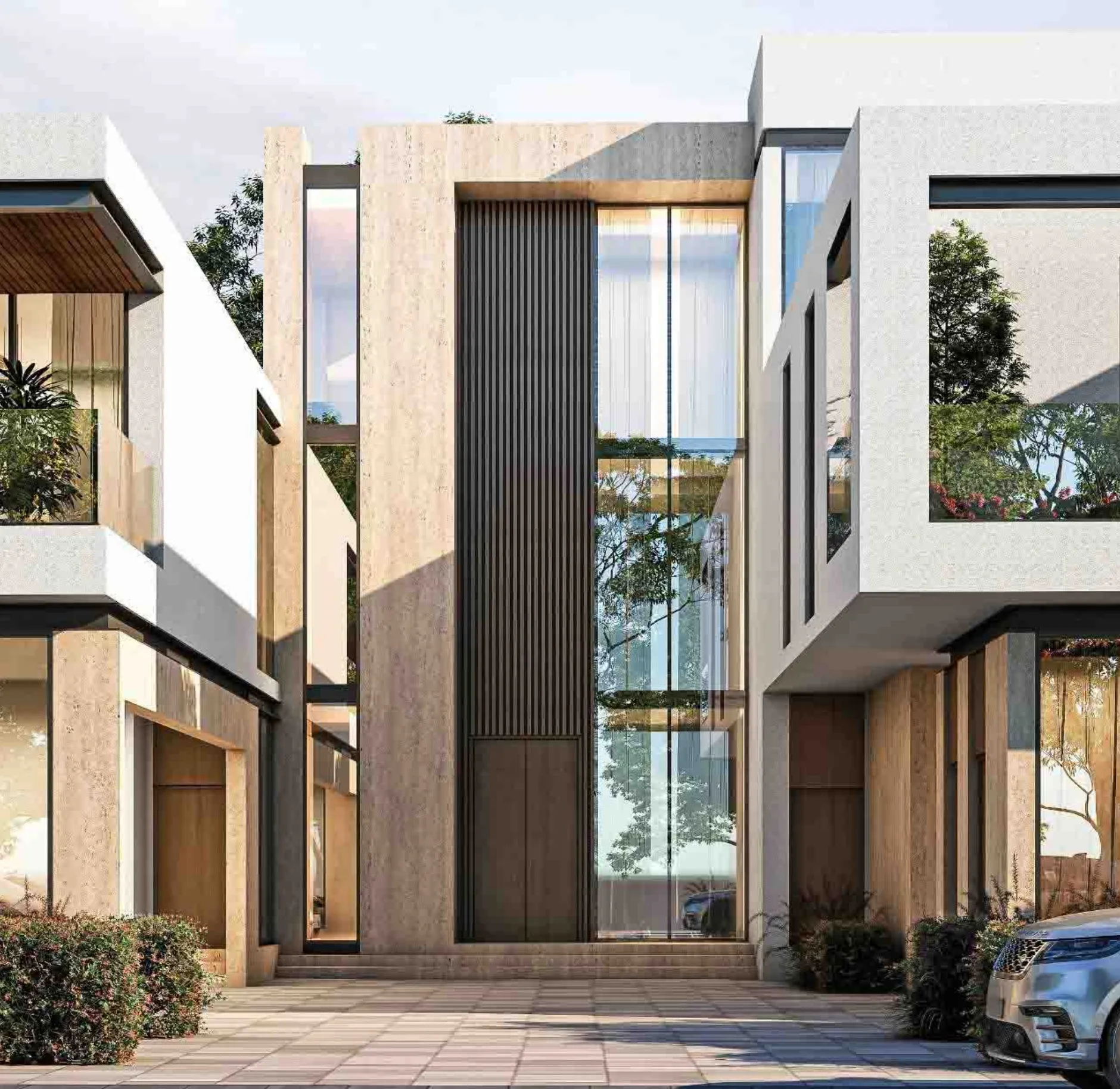
4. Examine Construction Quality Beyond the Show Home
A sales gallery can demonstrate design intent, but buyers should also assess how the developer executes at scale.
Look beyond decorative finishes and consider:
- Doors, windows and joinery
- Flooring and tiling
- Waterproofing
- Cooling and ventilation
- Acoustic comfort
- Kitchens and bathrooms
- Corridors, lifts and parking
- Landscaping and public spaces
Completed properties are particularly useful because they show how materials and building systems perform after regular use.
5. Understand How the Developer Controls Quality
Ask who is responsible for the major stages of development.
These may include:
- Design
- Engineering
- Construction
- Material sourcing
- Manufacturing
- Finishing
- Quality assurance
- Project management
Close oversight across these stages can help support consistency between the original design and the completed property.
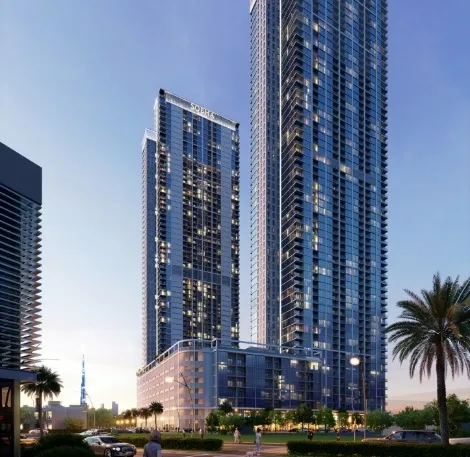
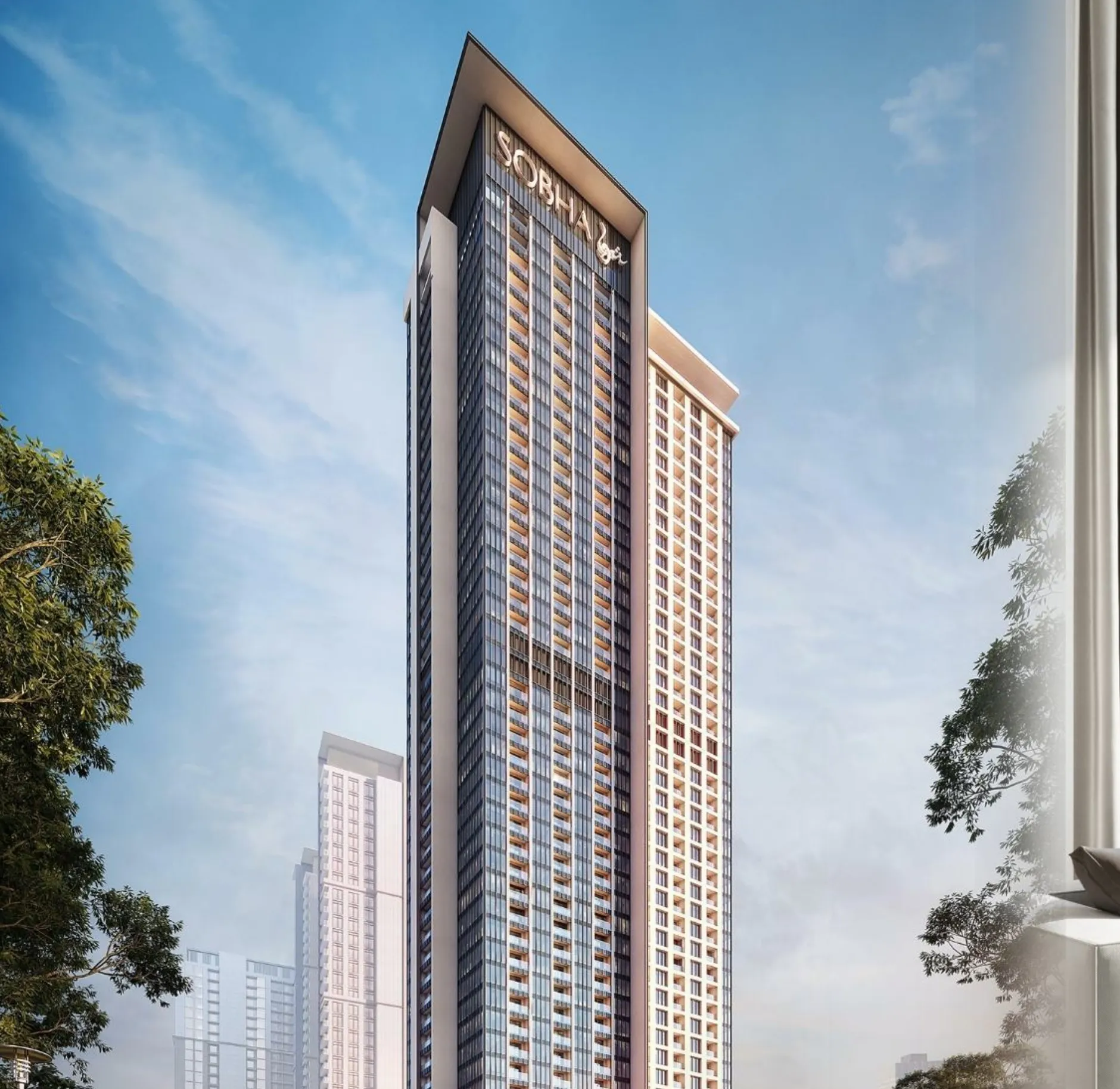
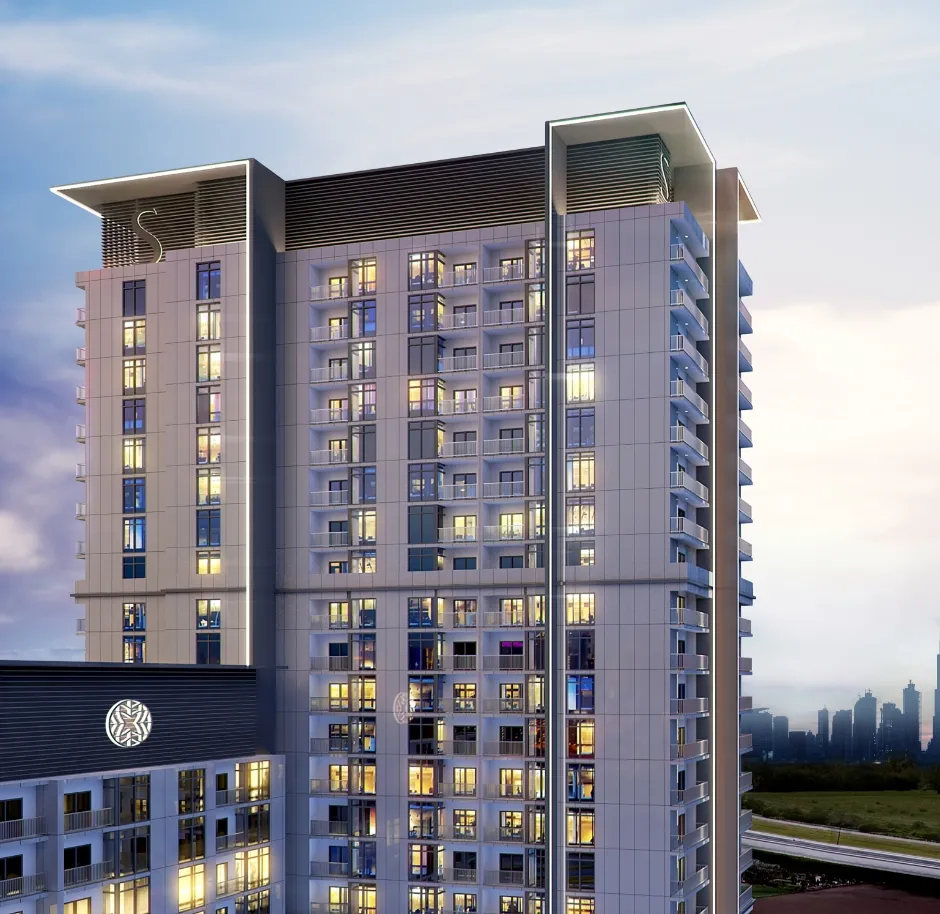
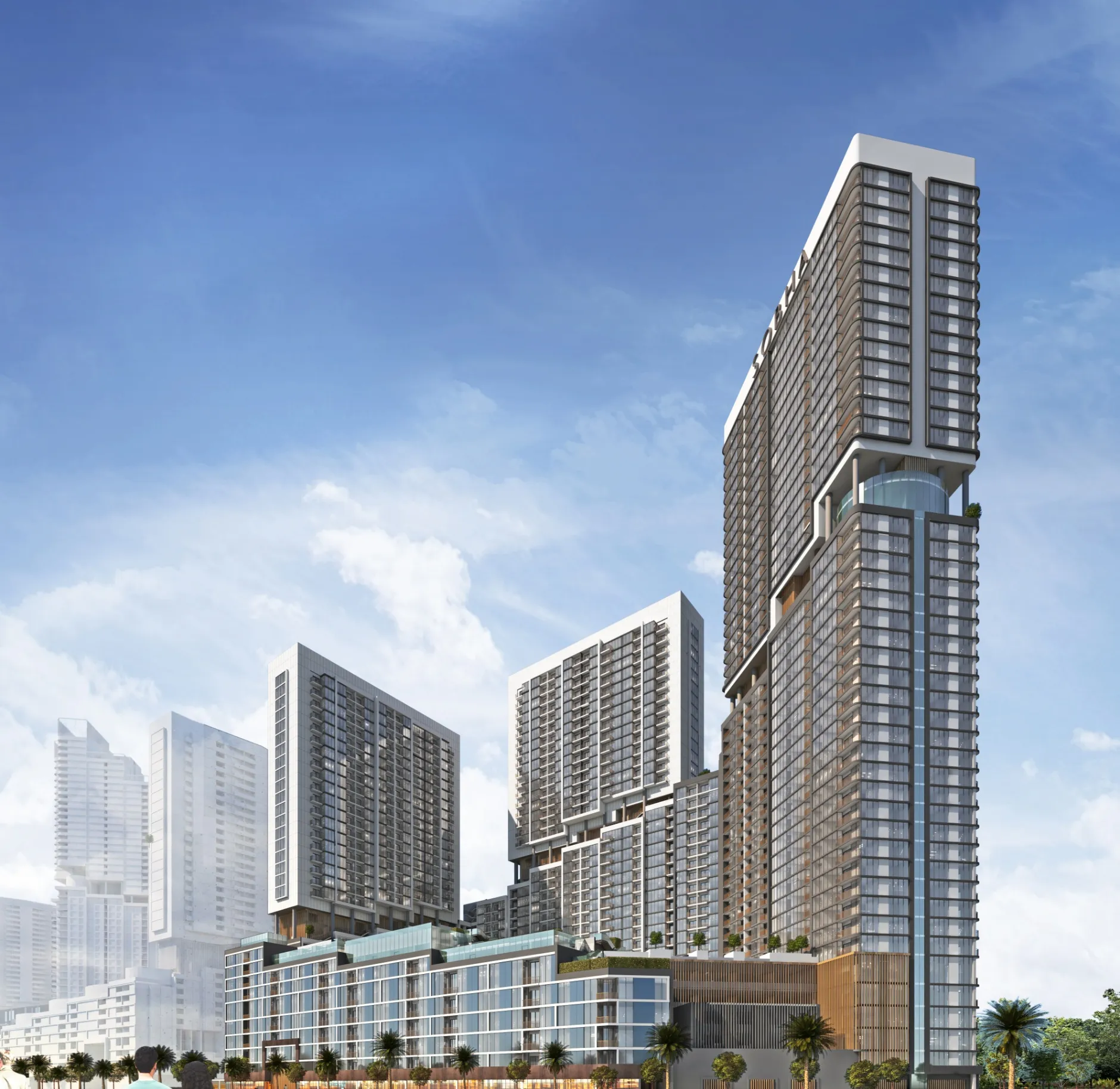
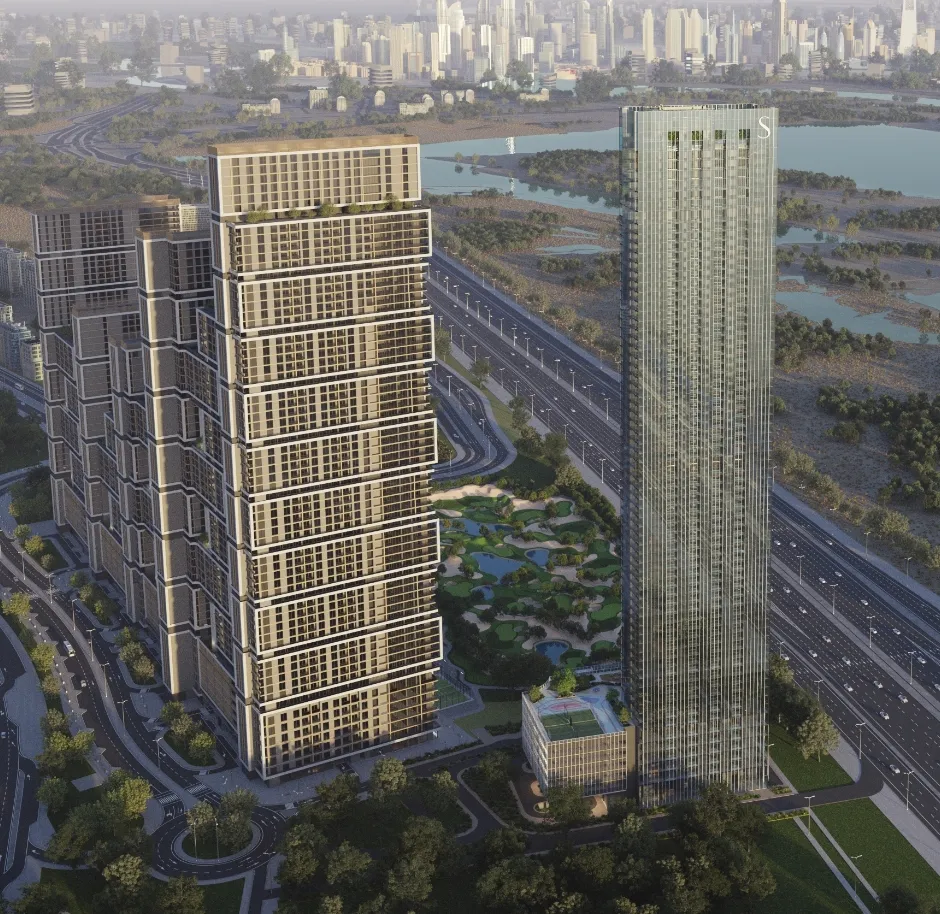
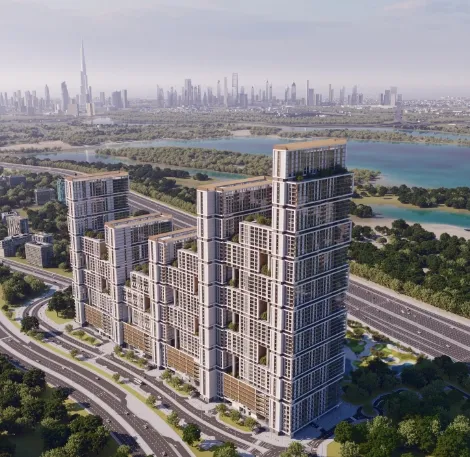
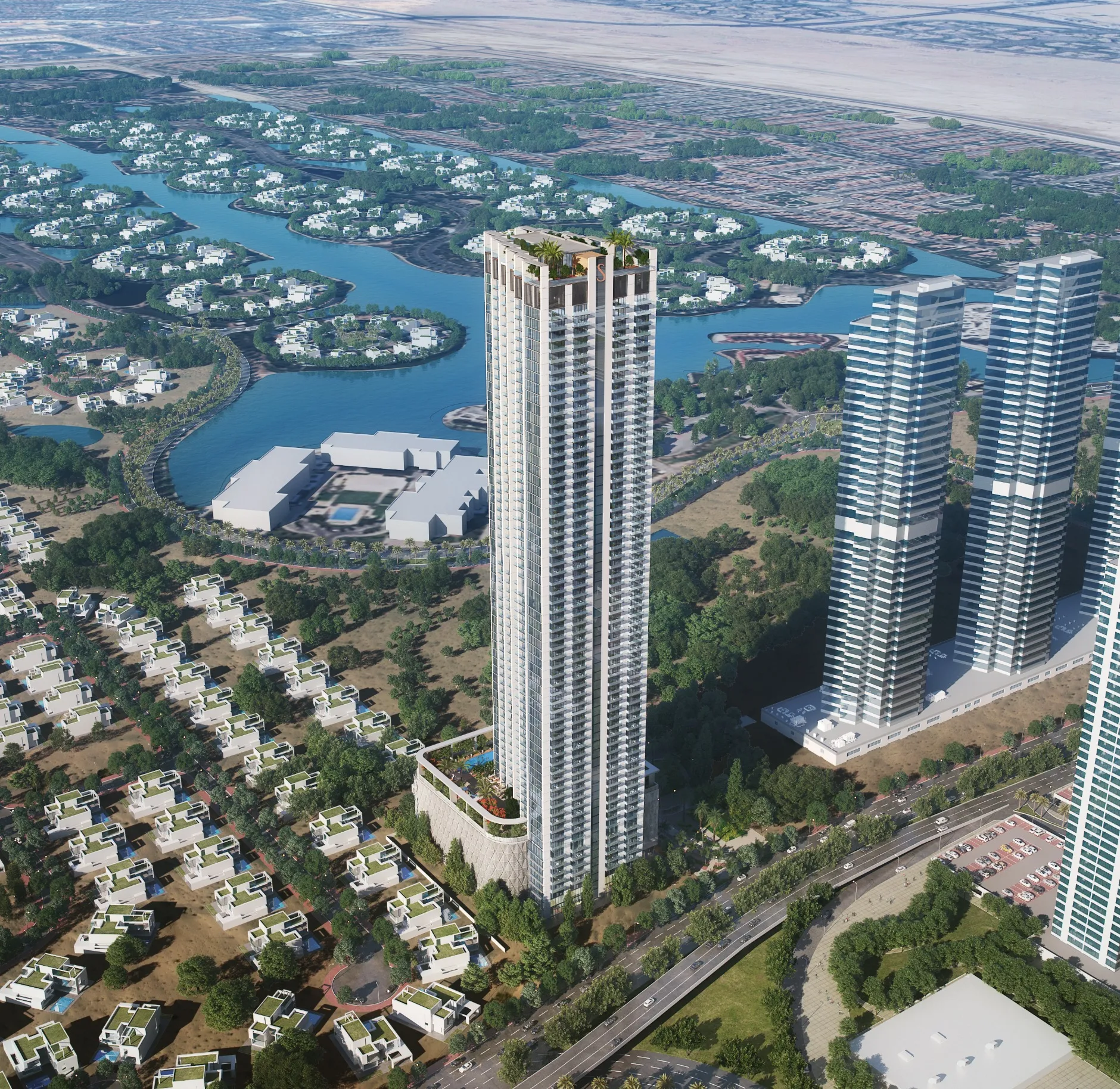
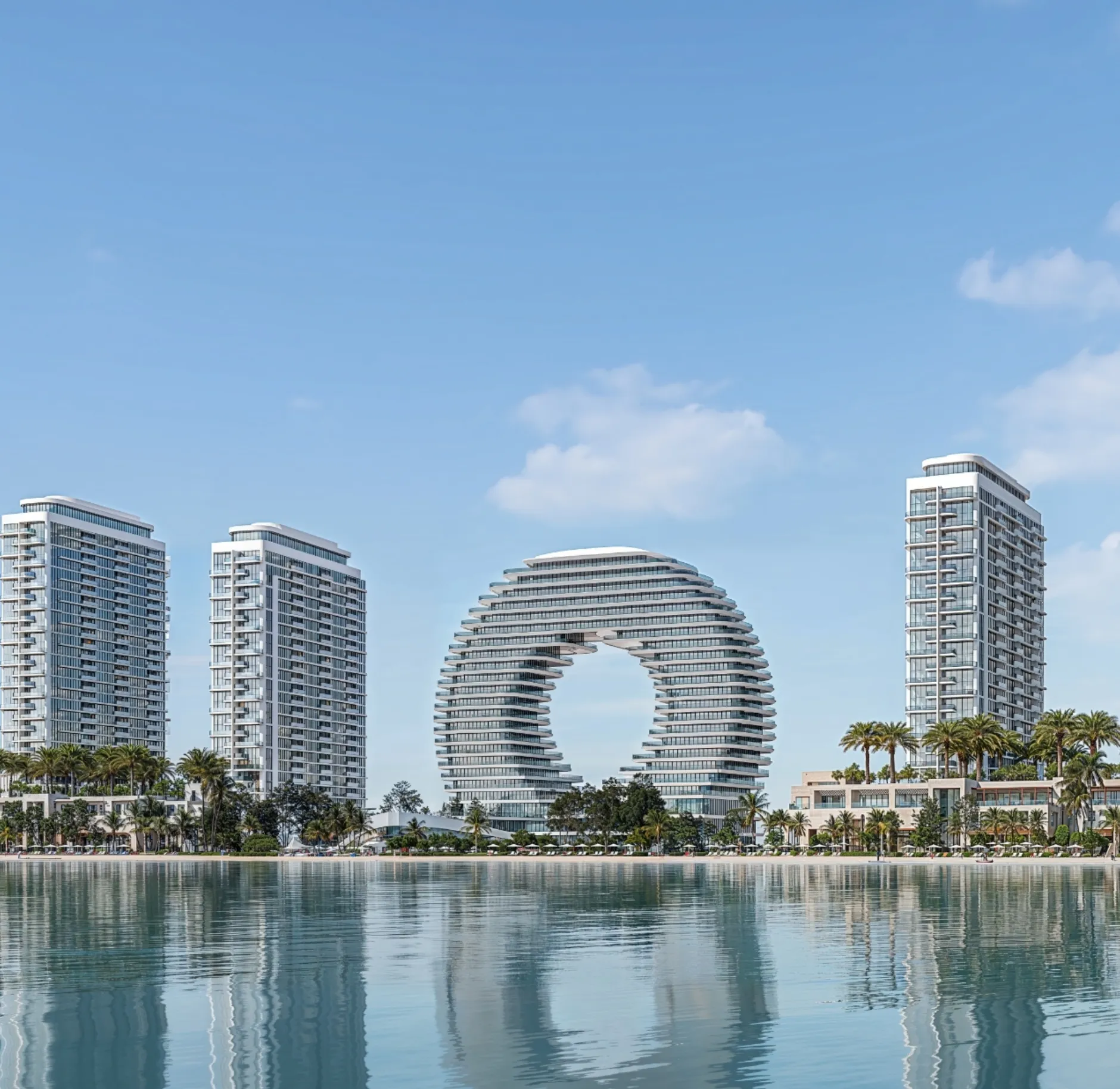
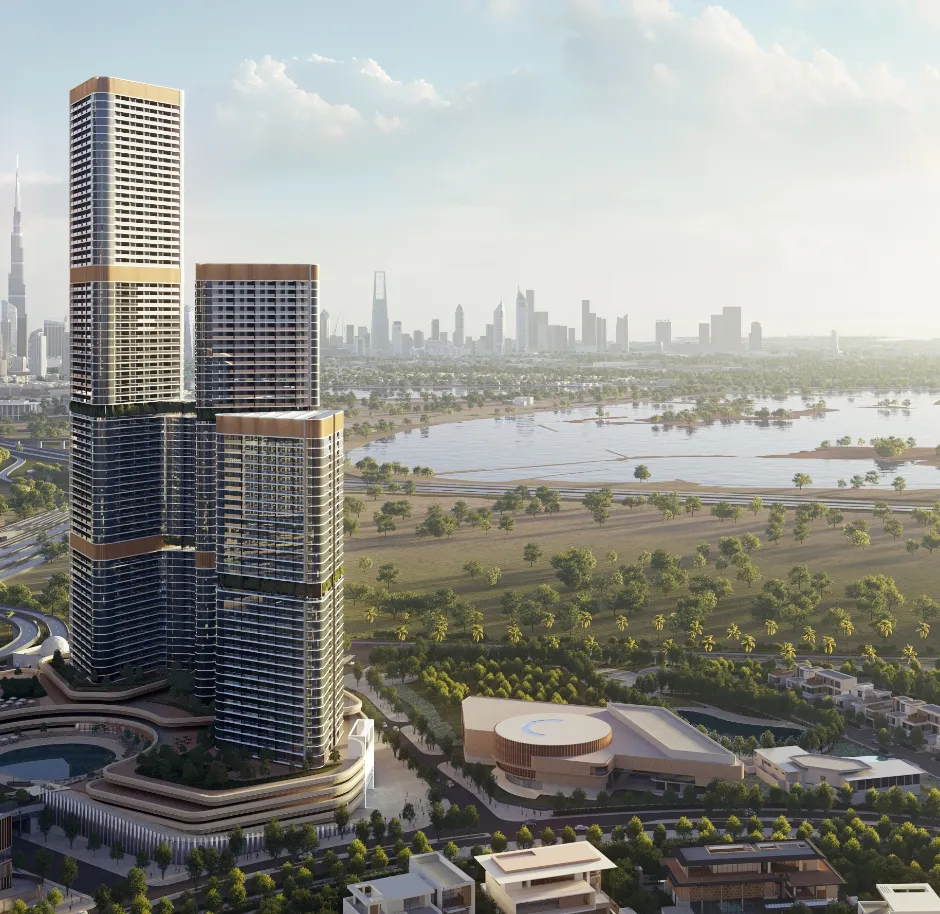
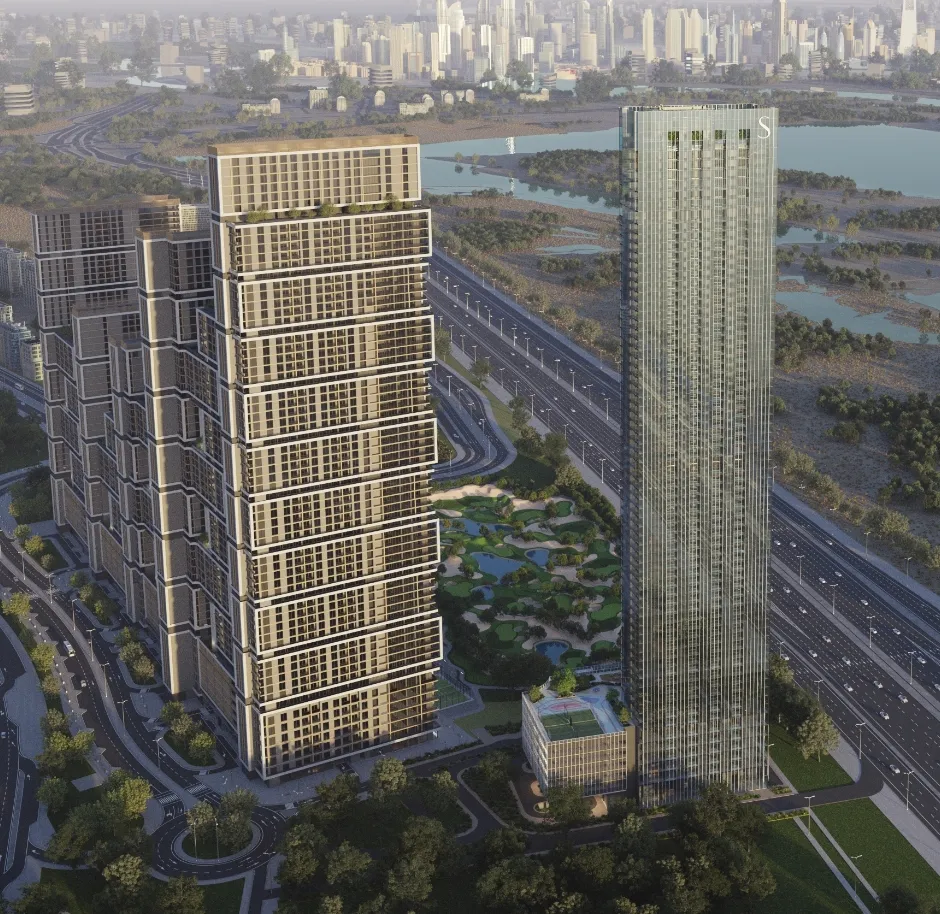
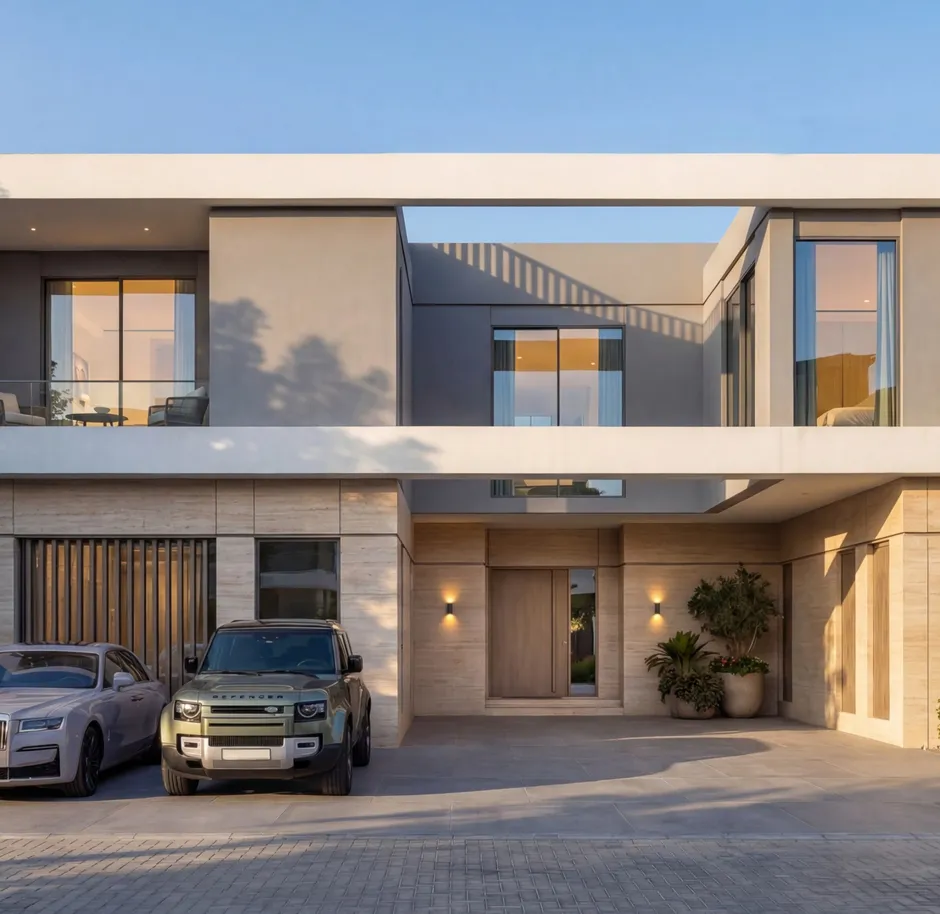
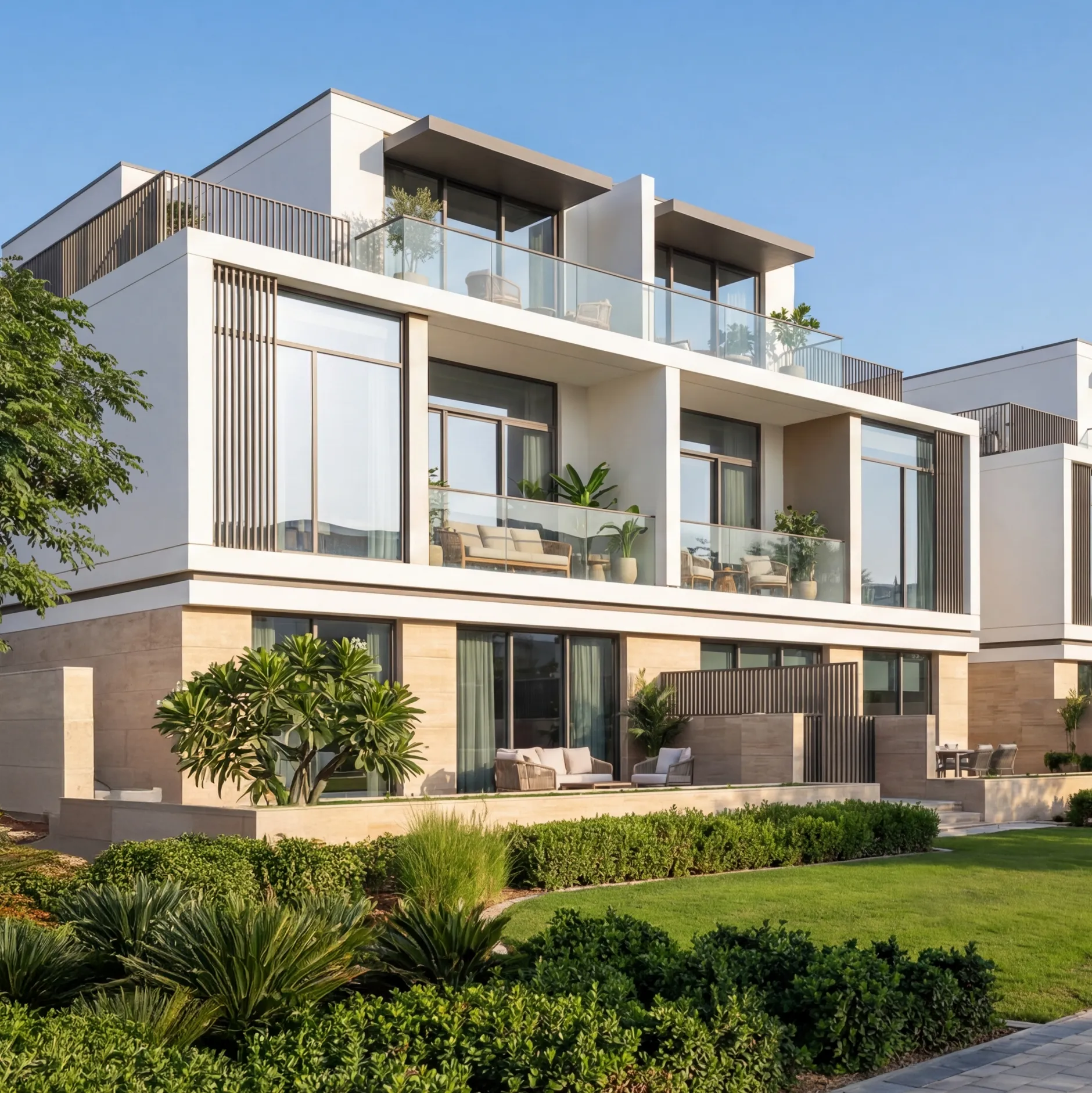
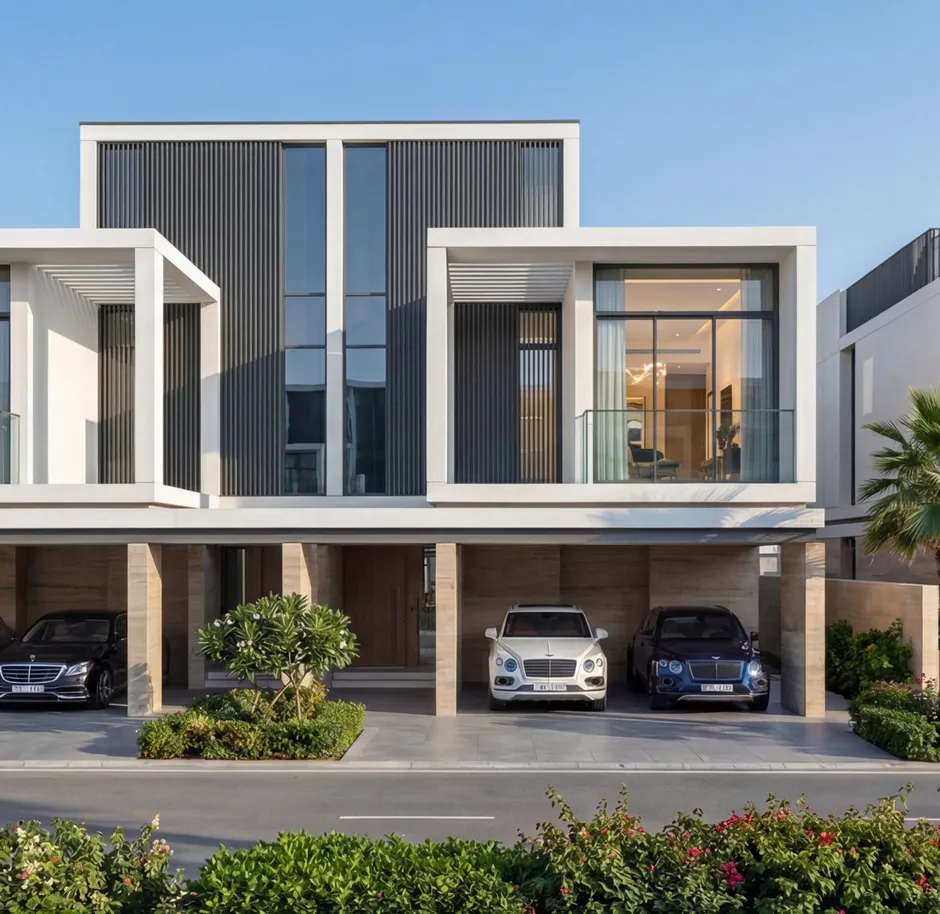
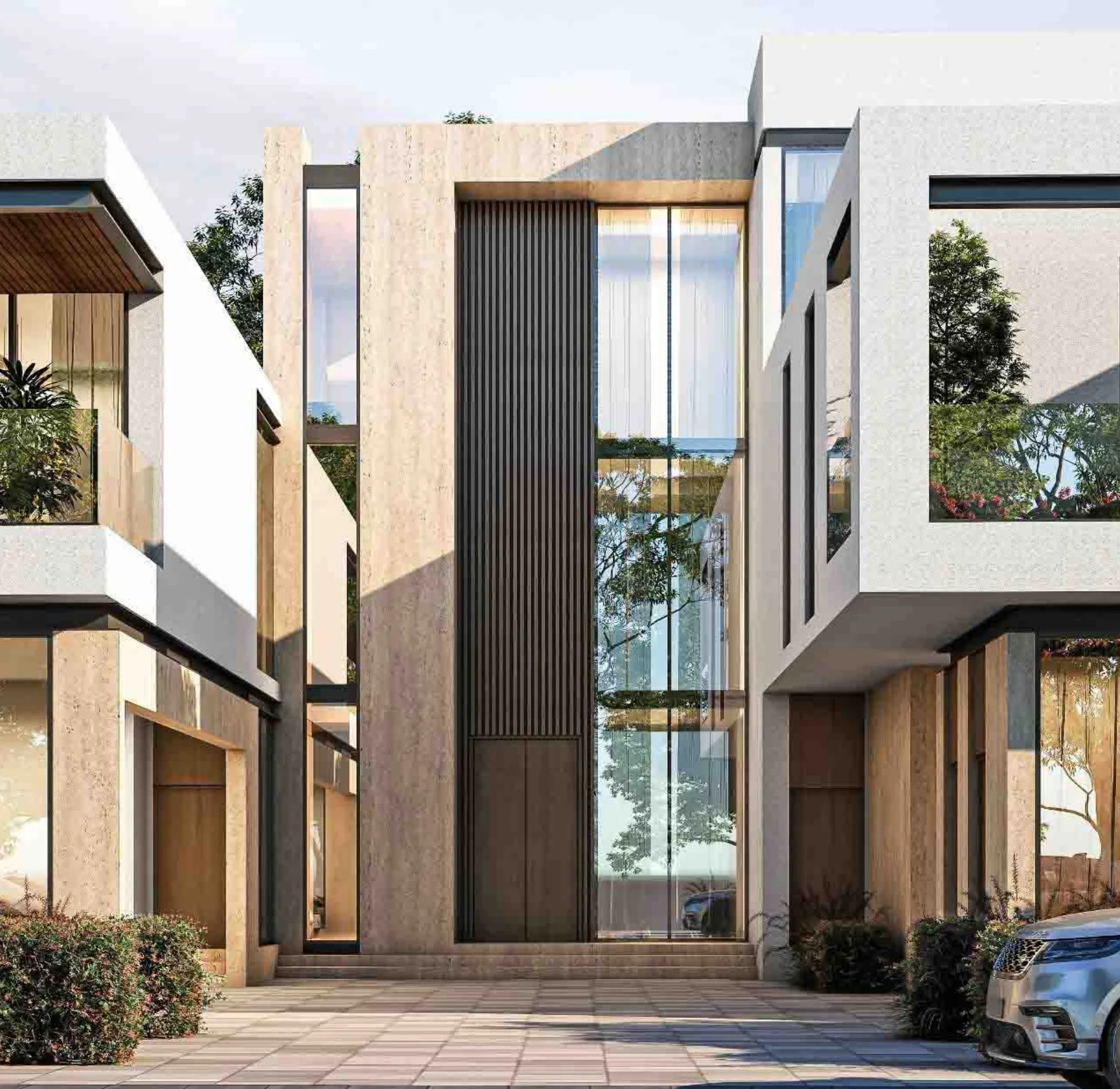
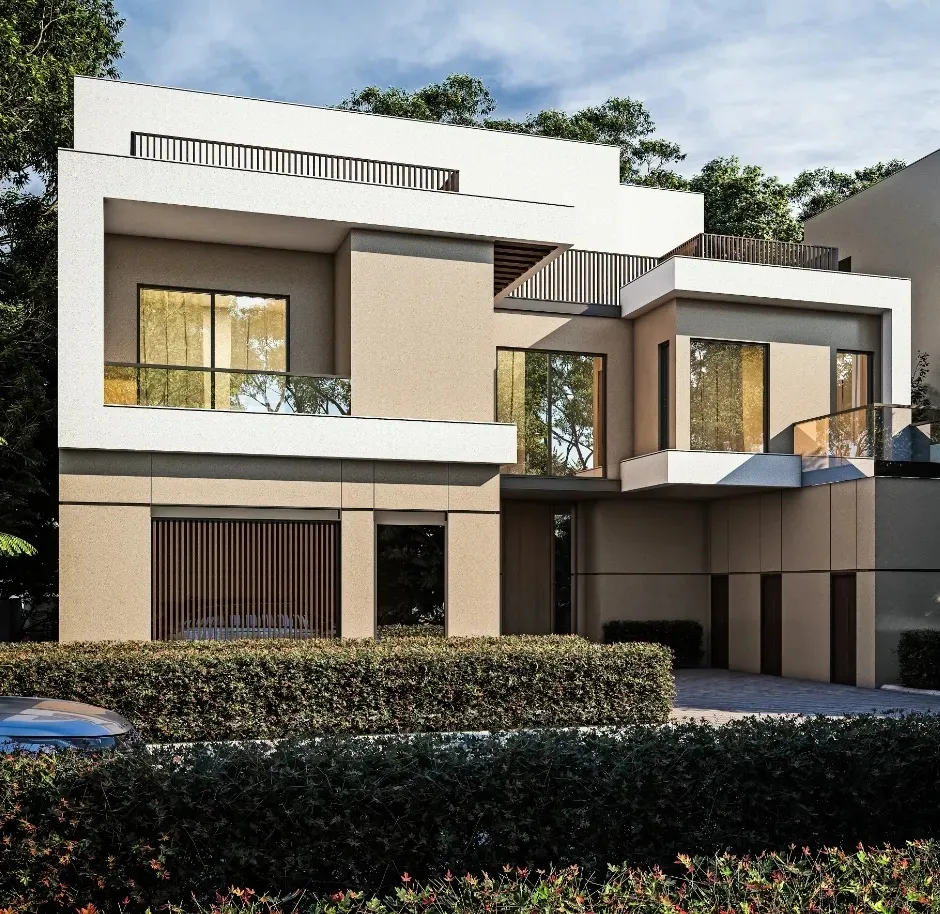
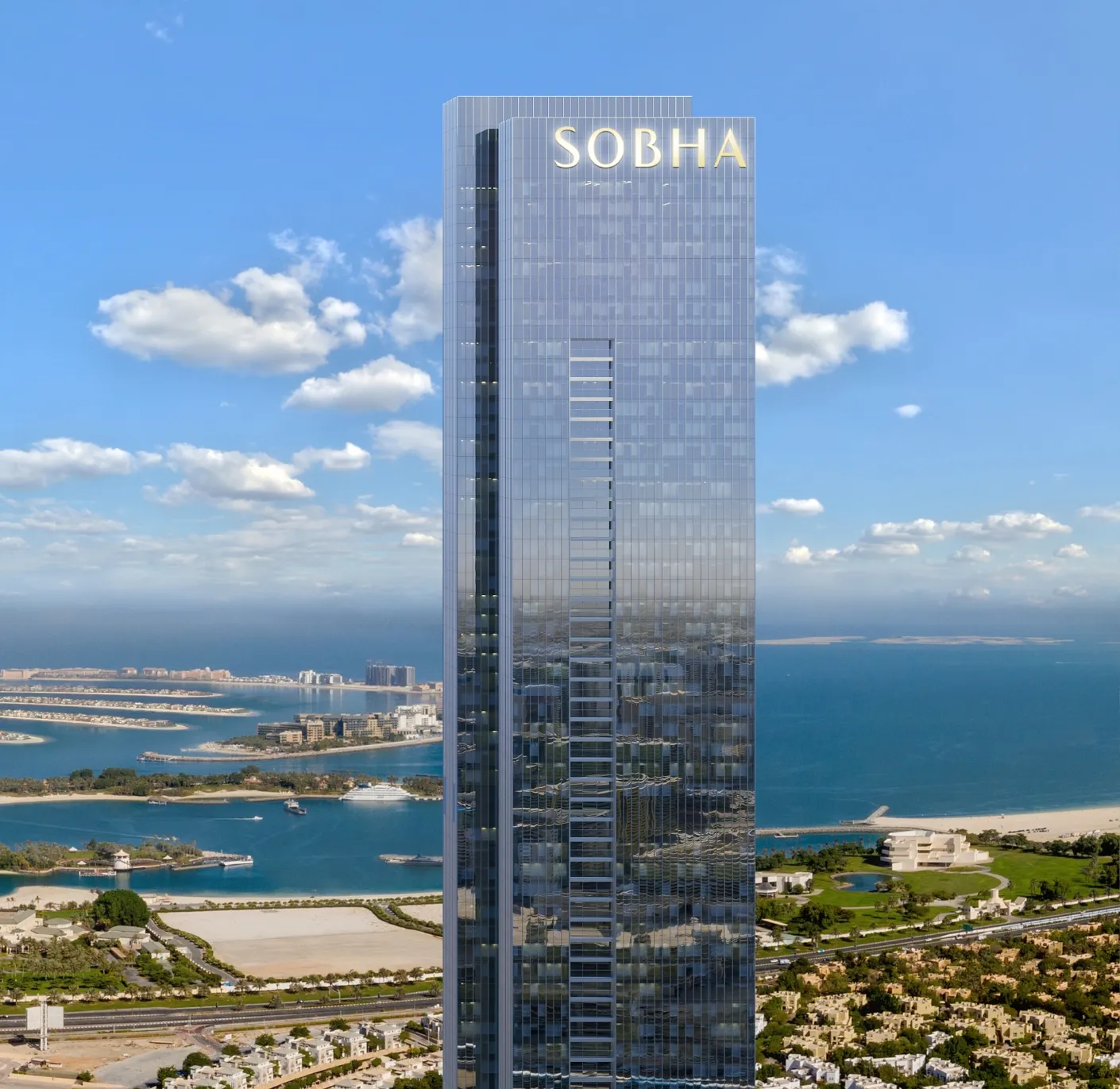
Sobha Realty’s Backward Integration model brings key functions including design, construction, materials and project delivery under direct in-house control, with quality oversight extending throughout the development process.
6. Confirm the Project Escrow Account
For an off-plan property, buyers should verify that payments are being directed to the project’s official escrow account.
Dubai’s escrow framework requires funds received from buyers of off-plan units to be deposited into the relevant project account. DLD’s project-status services can also provide access to the project’s escrow account details.
Before transferring money, confirm:
- The account is linked to the correct project
- The beneficiary details match the official instructions
- The payment request comes from a verified channel
- A formal receipt will be issued
Buyers should be cautious about requests to transfer project instalments to personal or unrelated accounts.
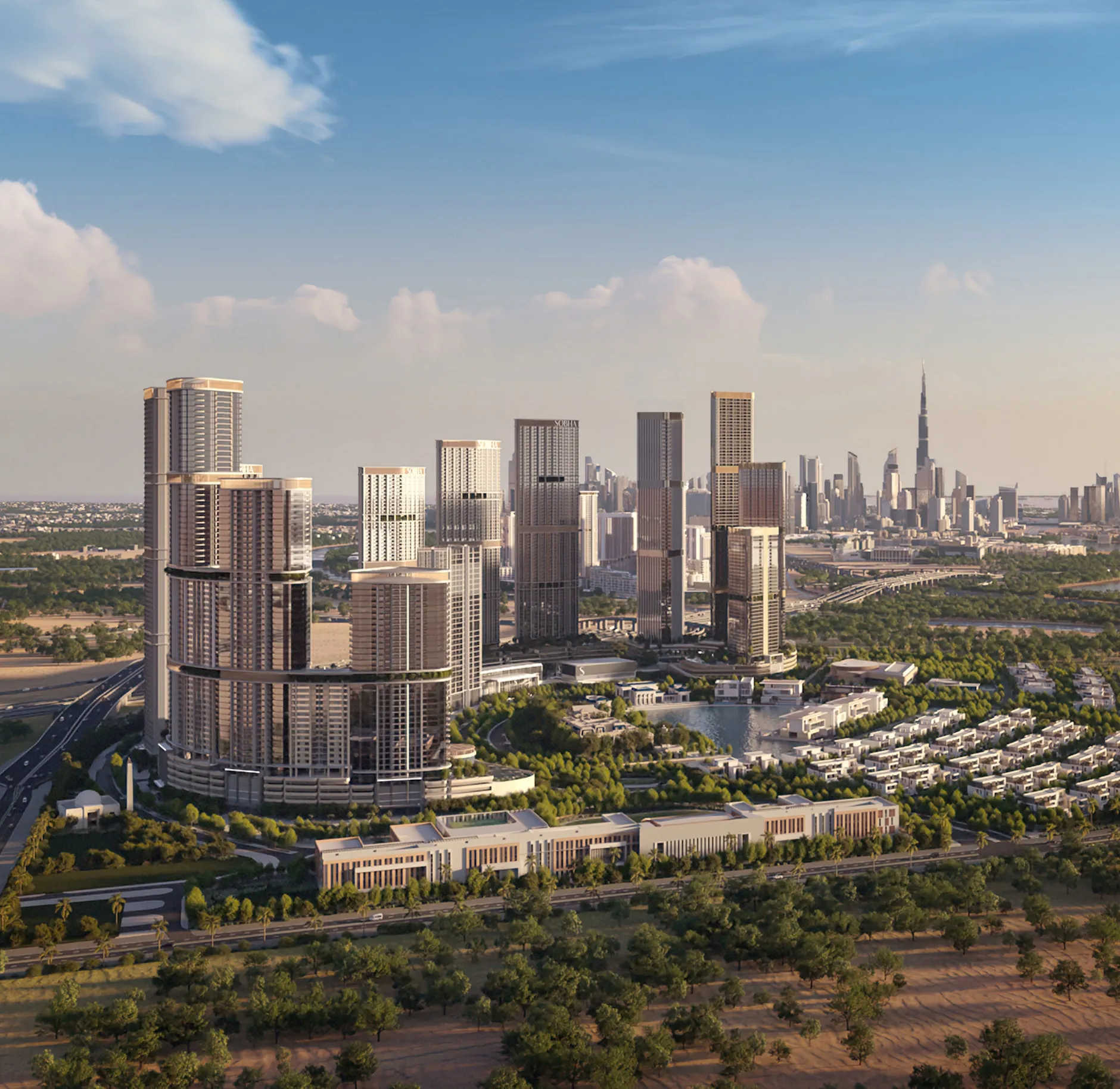
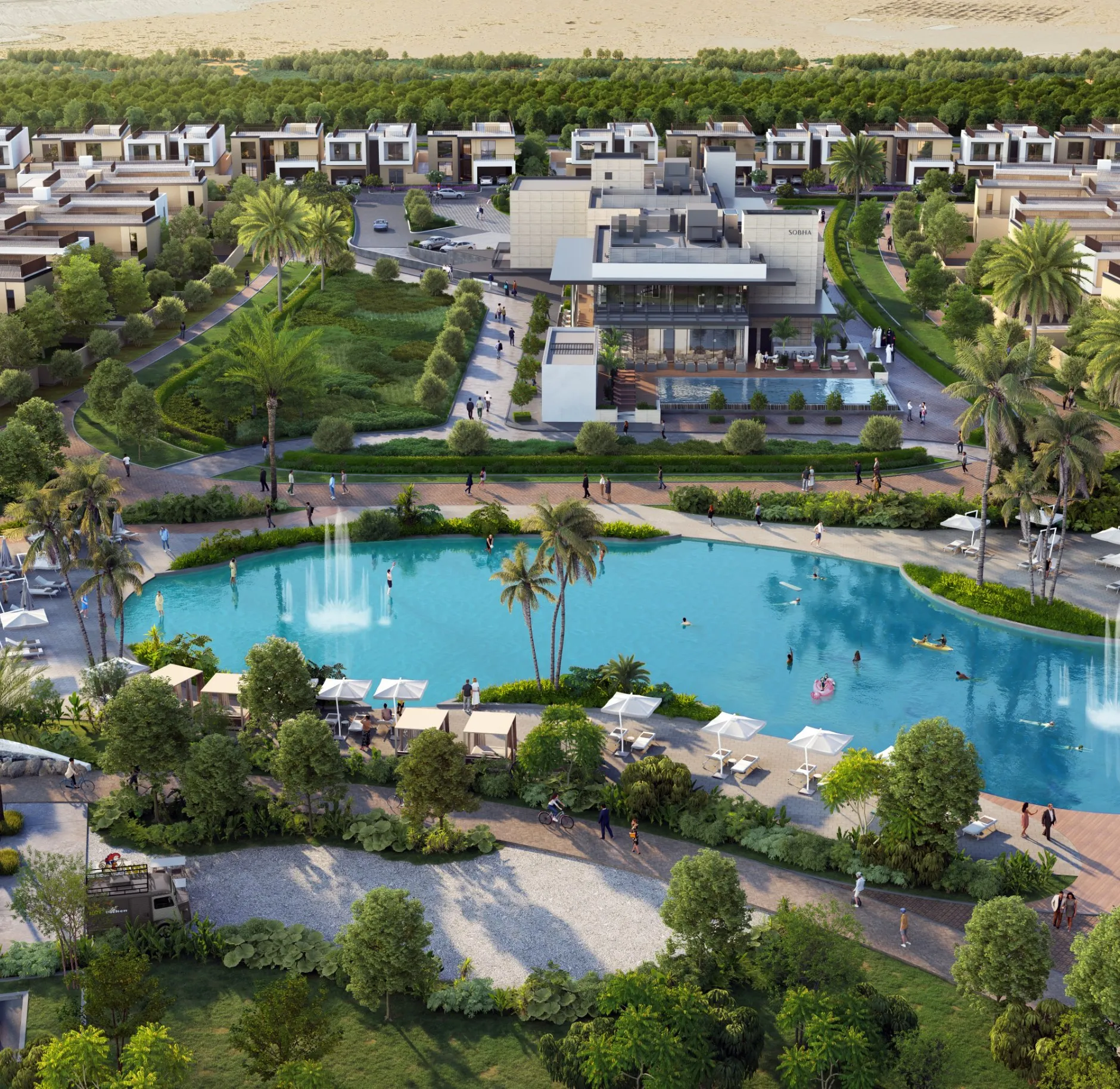
7. Evaluate the Entire Community Plan
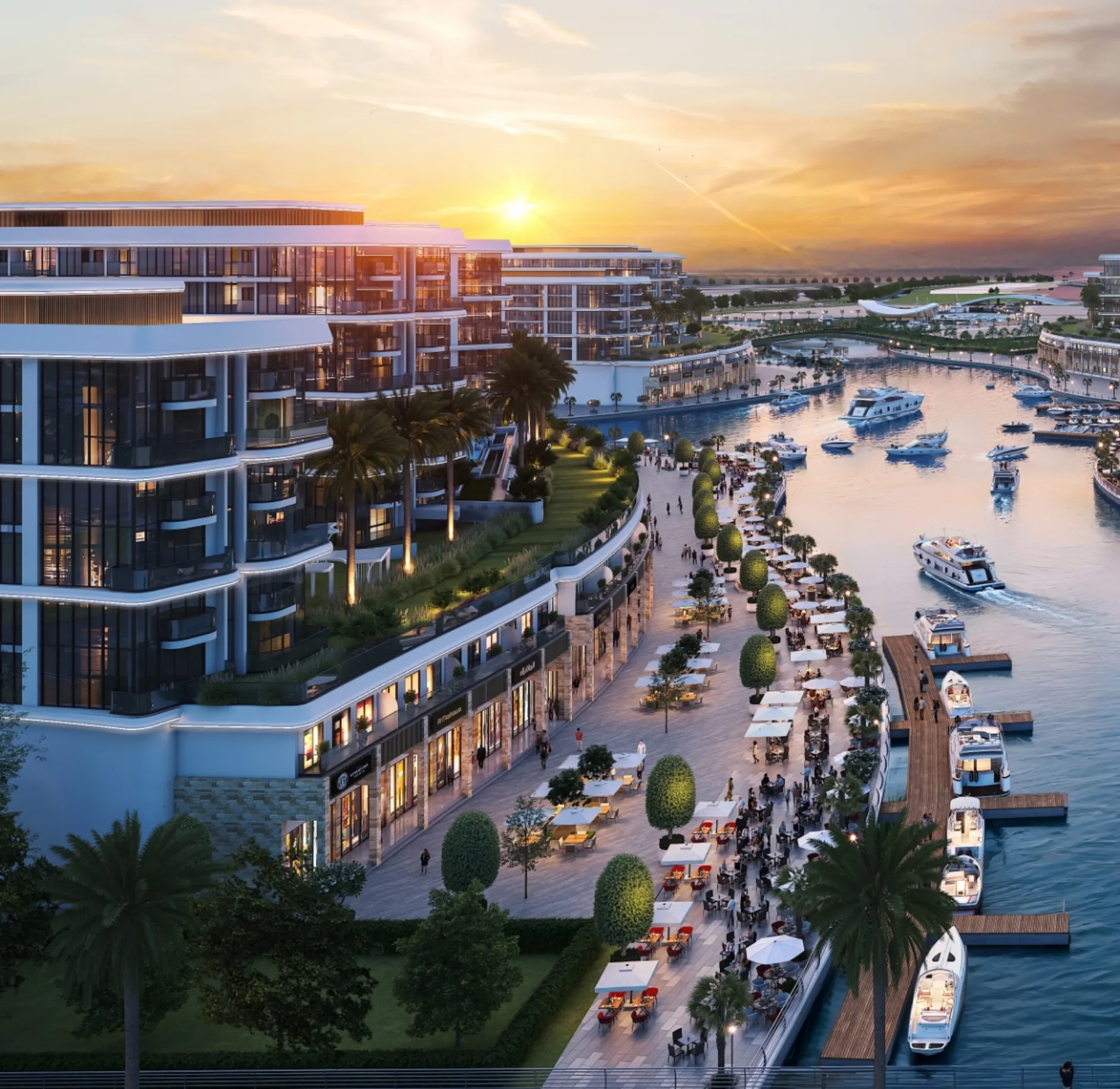
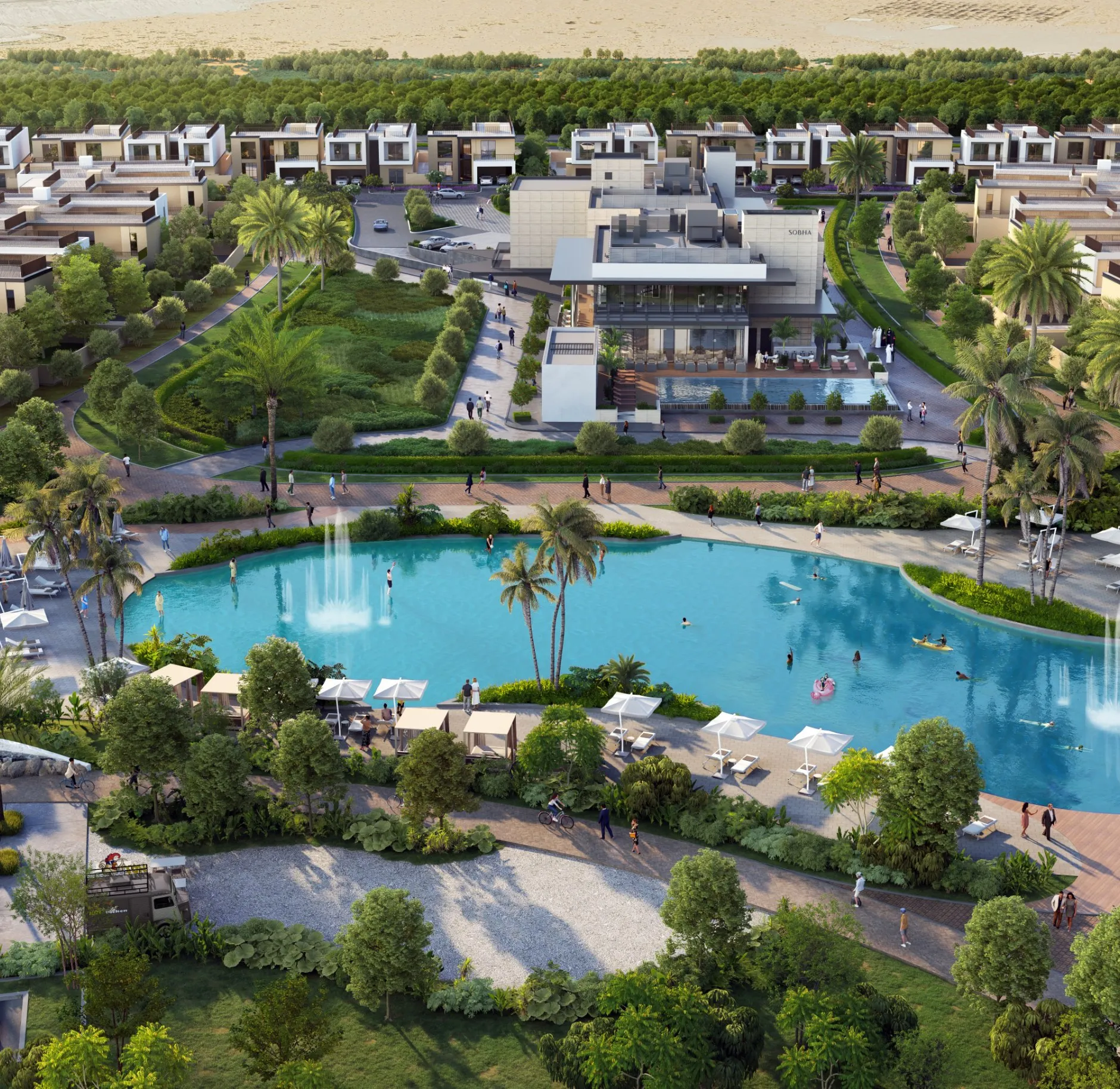
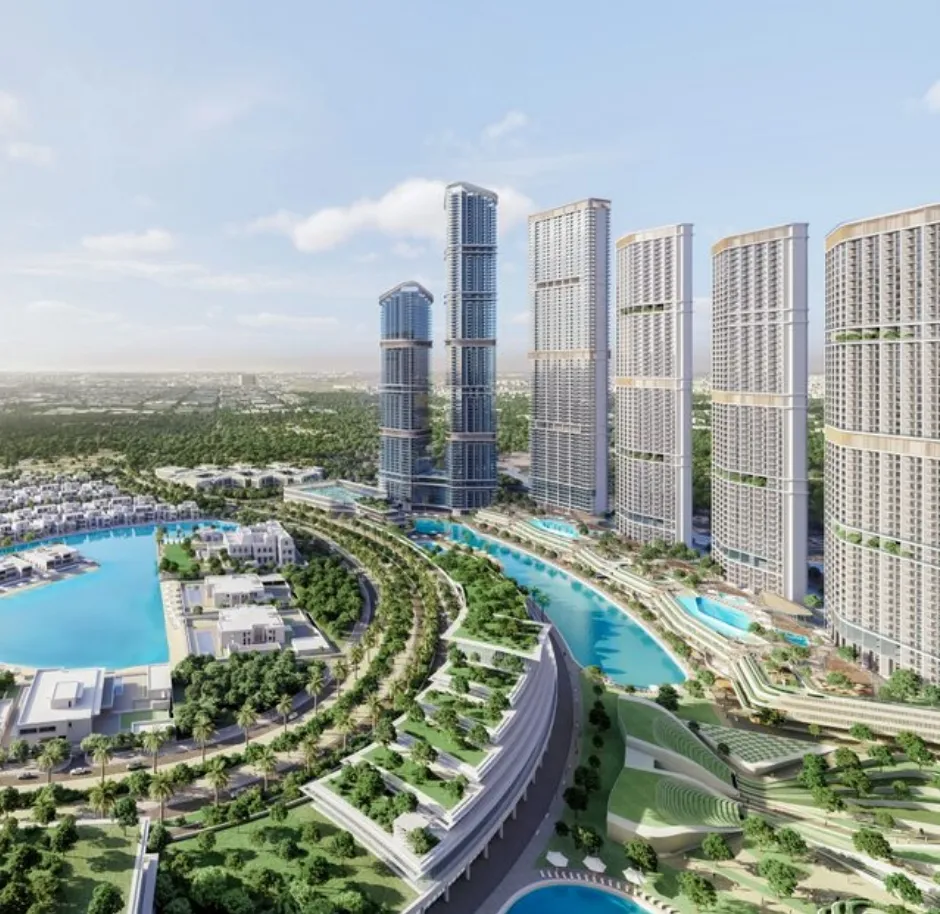
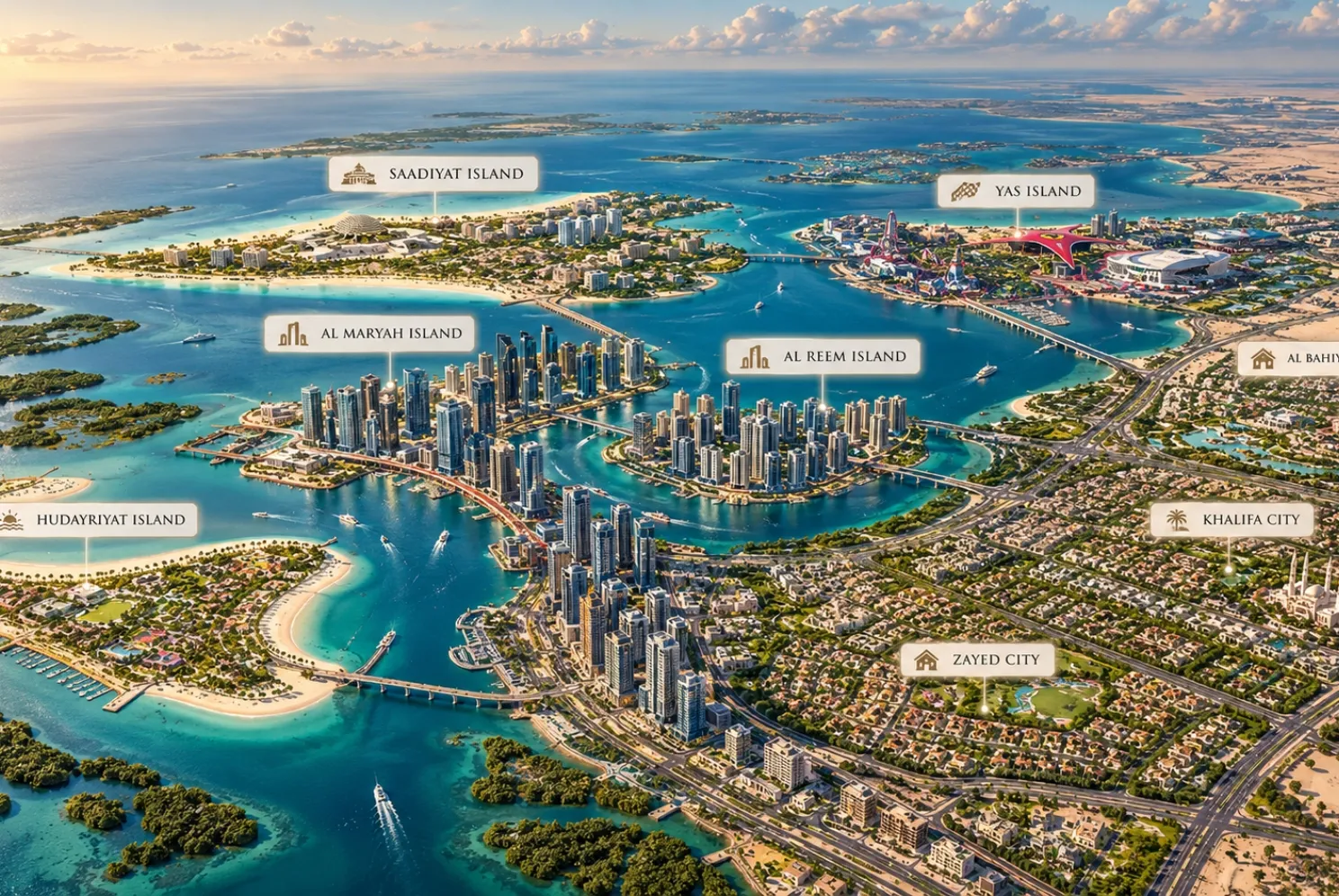
The experience of a residence can also be influenced by the quality of the surrounding community and masterplan.
Review the wider masterplan, including:
- Access roads and transport
- Schools and healthcare
- Parks and green spaces
- Retail and dining
- Wellness and leisure facilities
- Pedestrian routes
- Future construction phases
- Community management
Ask which facilities will be operational at handover, and which will be delivered later.
Well-planned masterplans consider daily life as well as the appearance of individual buildings.
8. Assess Transparency and Communication
Clear communication becomes particularly important during construction.
A credible developer should provide accessible information on:
- Construction progress
- Payment milestones
- Expected completion
- Changes affecting the property
- Customer-service contacts
- Handover preparation
DLD states that investors can track official project completion information through its project-status services. Its guidance also confirms that where payment schedules are linked to construction progress, buyers may verify whether the relevant construction stage has been reached before making the corresponding payment.
Regular updates do not guarantee that a project will never face change, but they help buyers understand what is happening and why.
9. Review Handover and After-Sales Support
The buyer journey should not end when the final payment is made.
Before purchasing, ask about:
- Property inspection and snagging
- Defect-reporting procedures
- Reinspection
- Warranties
- Key and access-card handover
- Utility activation
- Community onboarding
- Post-handover customer support
- Property-management options
A developer’s approach after completion can significantly influence the ownership experience.
Look for clear processes rather than general assurances.
10. Compare the Full Ownership Proposition, Not Only Launch Price
A lower launch price or highly flexible payment plan can be attractive, but neither should be considered in isolation.
Compare the complete ownership proposition:
- Purchase price
- Registration costs
- Payment schedule
- Service charges
- Construction quality
- Community maturity
- Rental demand
- Future supply
- Maintenance
- Future marketability
The most suitable developer is not necessarily the one offering the lowest entry price. Buyers should consider whether the developer can deliver the property and community to the expected standard and support the ownership experience over time.
Developer Due-Diligence Checklist
Before purchasing, confirm that:
- The developer is listed by DLD
- The project can be verified officially
- The escrow account is confirmed
- Completed developments have been reviewed
- Construction quality has been reviewed against the buyer’s expectations
- The payment schedule is affordable
- The community plan supports daily life
- Construction updates are available
- Handover procedures are clear
- Long-term ownership costs are understood
Conclusion
Understanding how to choose a property developer in Dubai requires more than comparing launch prices, payment plans, or marketing materials.
Buyers should verify the developer and project through official Dubai Land Department channels, review completed developments, assess construction quality, and understand how the company manages delivery, communication and after-sales support.
For Sobha Realty, this commitment is reflected through its Backward Integration model and “The Art of Detail” philosophy, which place direct oversight and craftsmanship at the center of the development process.
A trusted developer should provide more than a compelling promise.
It should provide evidence that the promise can be delivered.
Frequently Asked Questions
1. How can I verify a property developer in Dubai?
Use Dubai Land Department’s Licensed Developers service through the DLD website or Dubai REST.
2. How can I check an off-plan project progress?
Use DLD’s Project Status Enquiry and search for the project's name, number, or land number. The service can display completion, developer, inspection, and escrow information.
3. Does choosing a licensed developer guarantee investment performance?
No. Licensing confirms regulatory registration, but it does not guarantee investment performance. Buyers should still assess delivery history, construction quality, pricing, community planning, ownership costs, and market conditions.
4. Why is an escrow account important?
The project escrow account holds funds collected from off-plan purchasers for the relevant development and forms part of Dubai’s framework for regulating off-plan construction and protecting buyer interests.
5. What is Backward Integration in Real Estate?
It is an operating model in which key development functions are managed directly rather than extensively outsourced. At Sobha Realty, this includes oversight of design, engineering, construction, material production, and delivery.
6. What should I check beyond the property itself?
Review the complete community, including access, landscaping, amenities, schools, retail, maintenance, management and future construction phases.
Explore Sobha Realty’s thoughtfully designed communities and discover how Backward Integration, craftsmanship and The Art of Detail come together to shape homes with a focus on quality, consistency and considered design.