For many years, real estate investment was often viewed through a relatively simple lens: generate rental income, benefit from capital appreciation, and diversify financial assets.
Today, however, the role of property within an investment portfolio has evolved significantly.
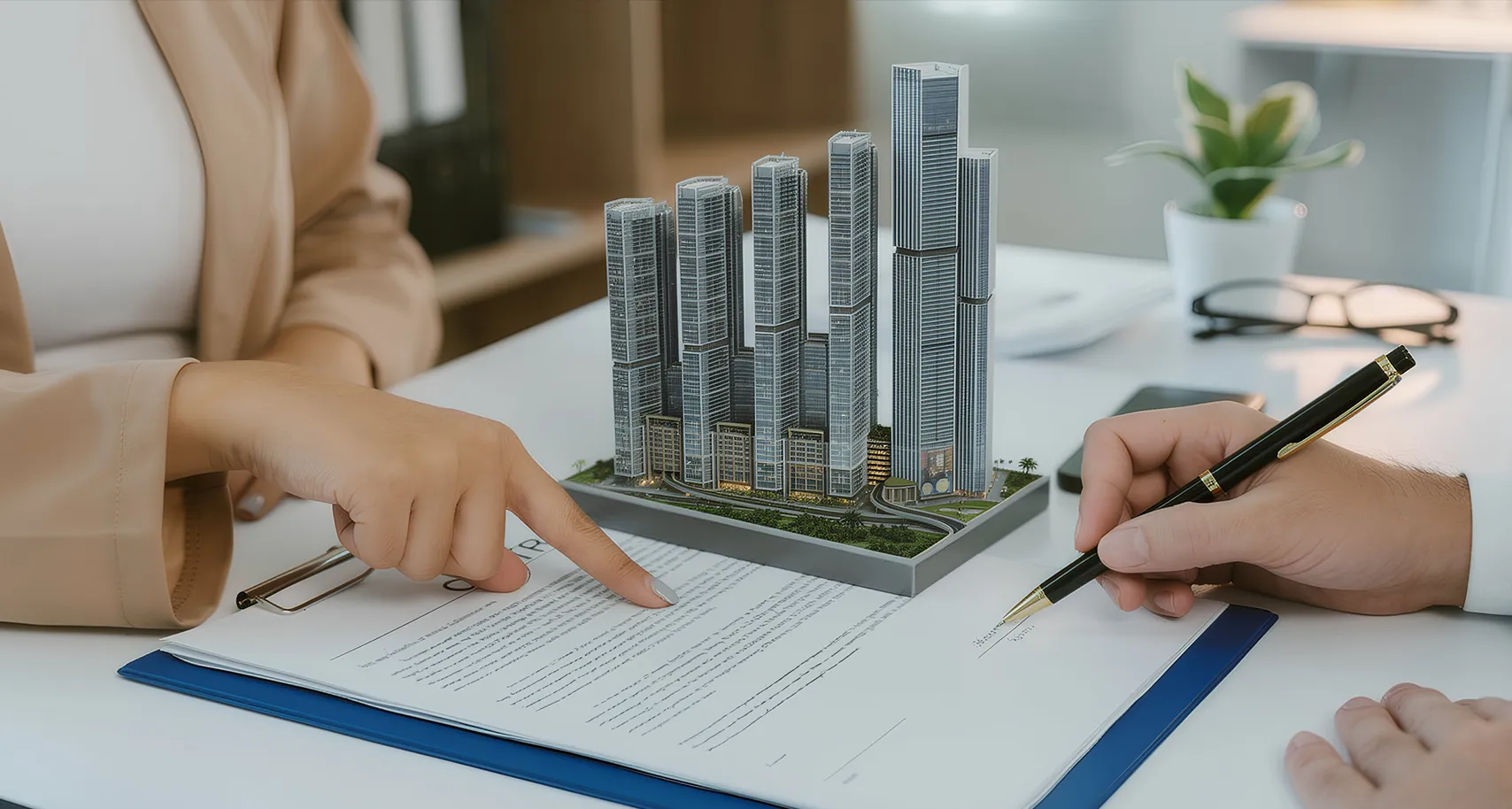
Across the world, investors are increasingly seeking assets that combine financial performance with long-term stability, lifestyle benefits, and wealth preservation. Real estate is no longer viewed solely as a transactional investment—it is becoming a strategic component of multi-generational financial planning.
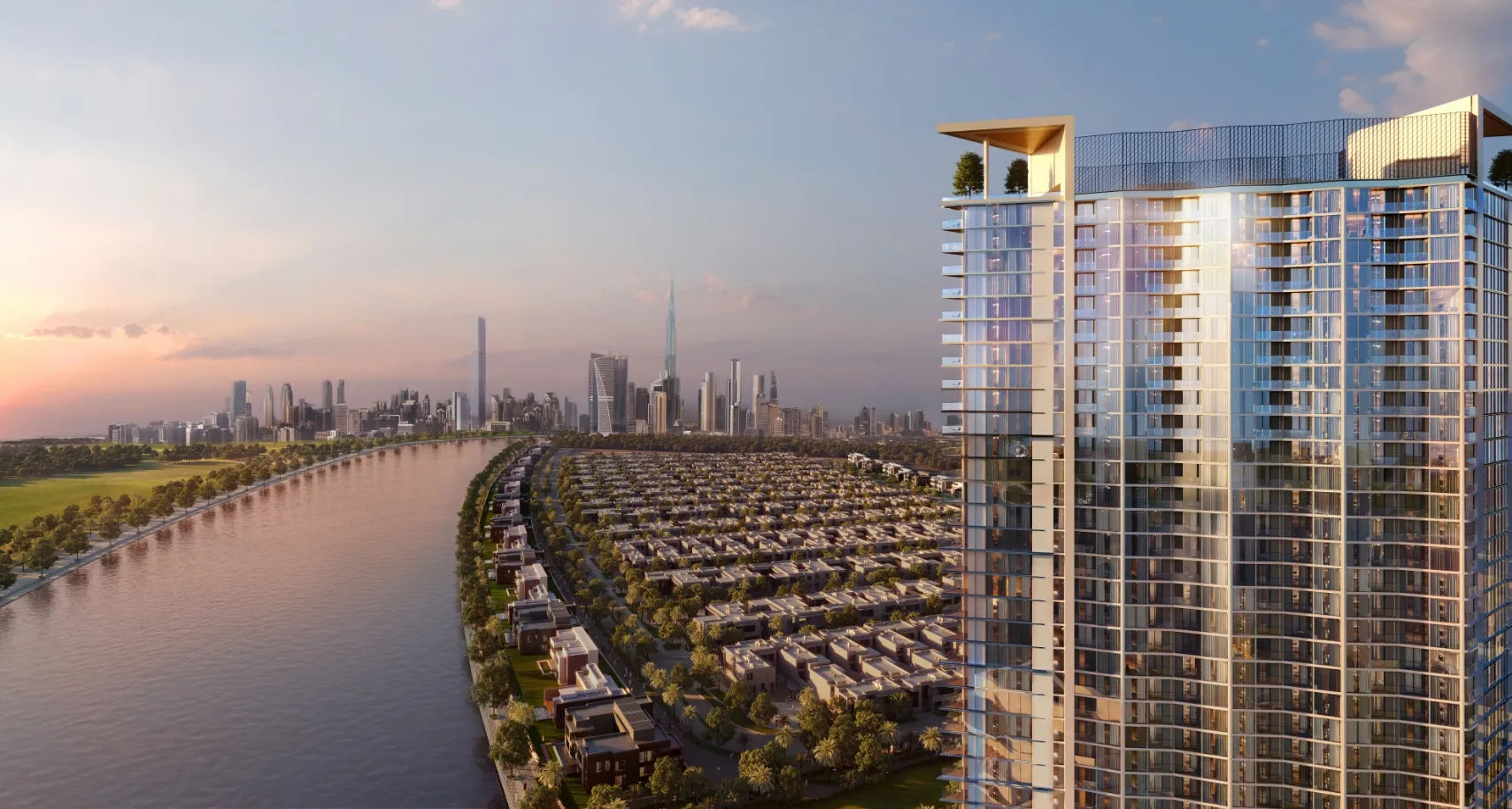
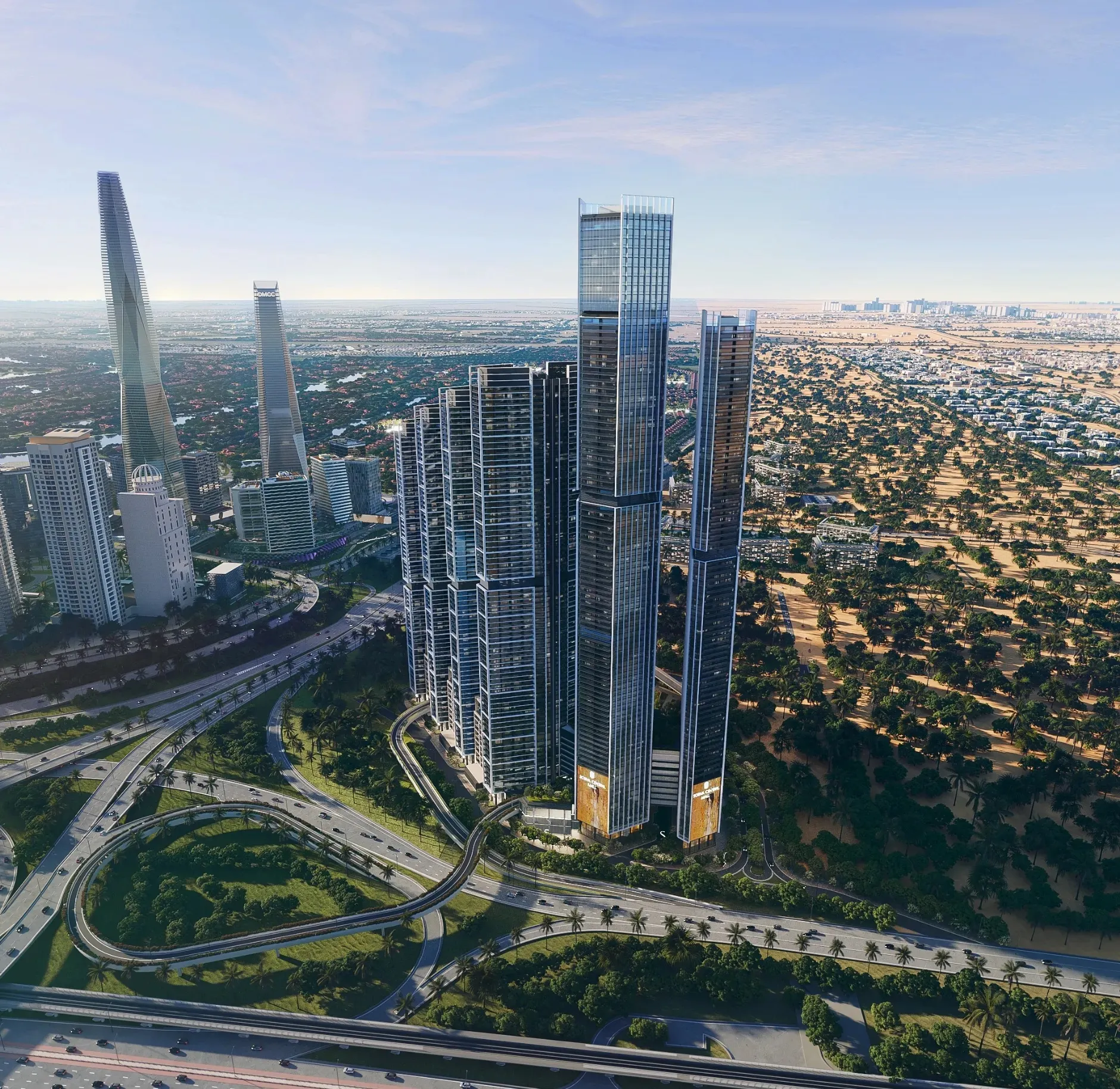
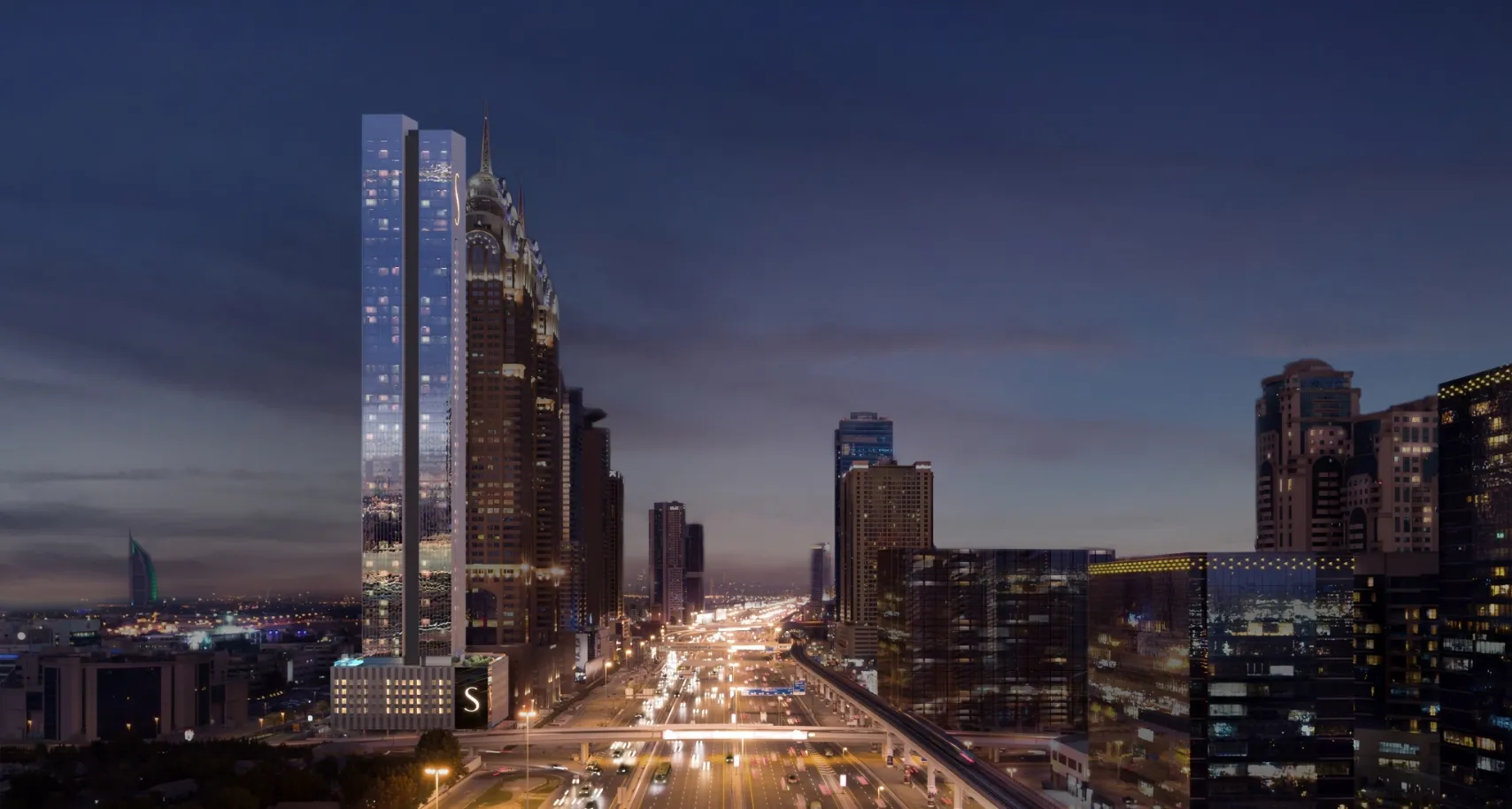
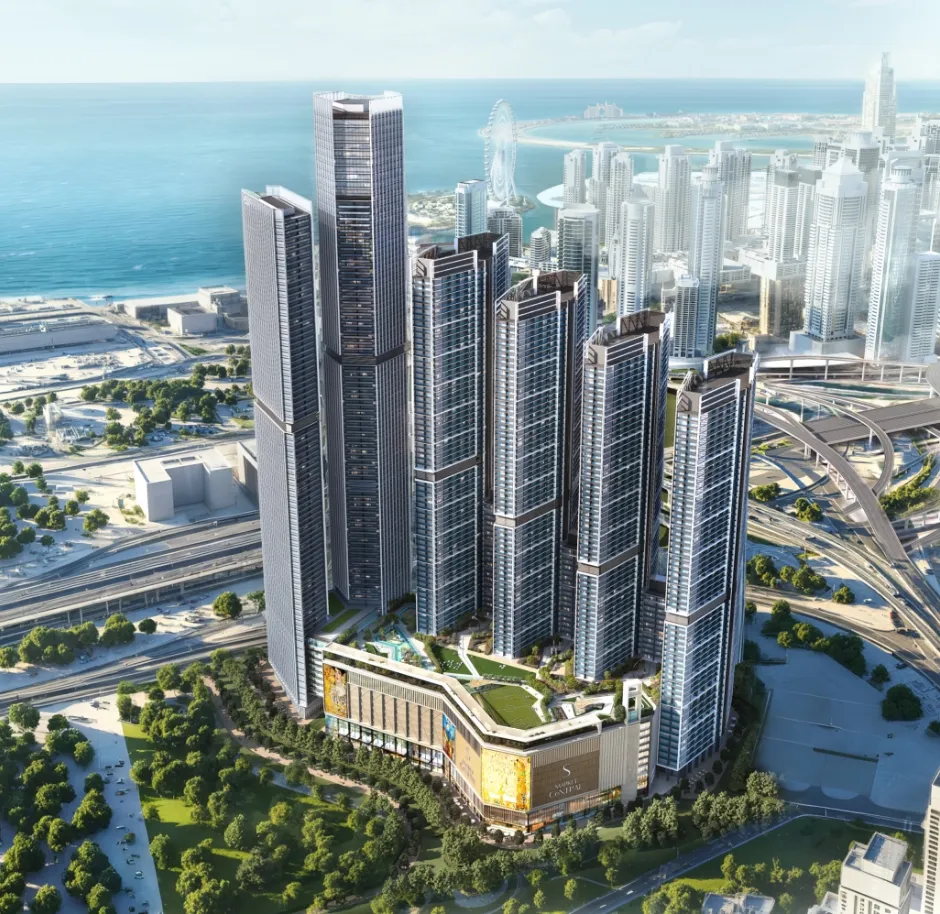
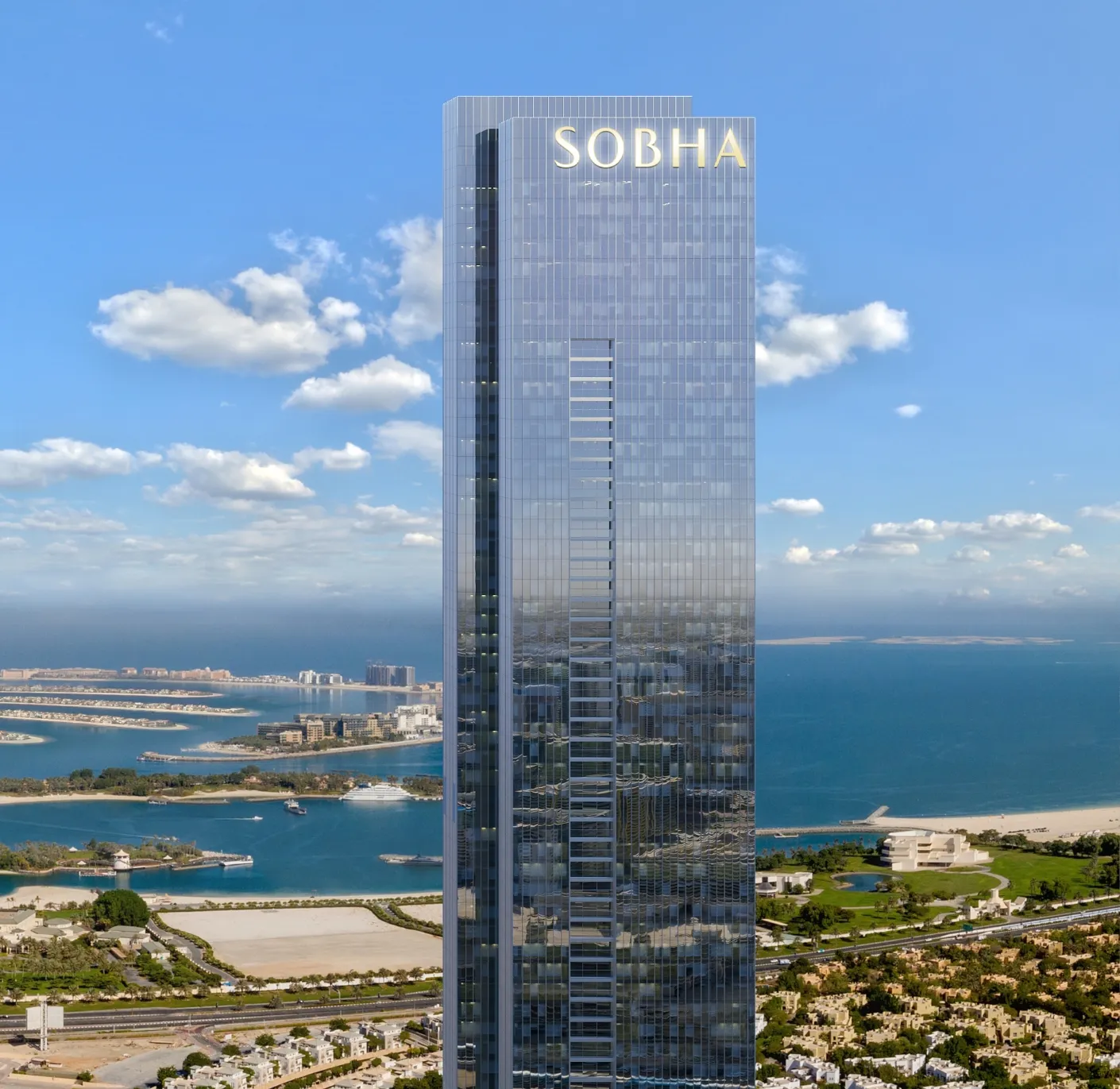
Dubai is emerging as one of the cities best positioned to support this shift.
Supported by economic resilience, progressive government policies, global connectivity, and a maturing property market, Dubai is increasingly attracting investors who are focused not only on returns, but on building long-term wealth.
The Changing Mindset of Global Investors
Investor priorities have changed considerably over the past decade.
Periods of economic uncertainty, geopolitical change, inflationary pressures, and market volatility have encouraged investors to take a more balanced approach to wealth management.
Rather than concentrating exclusively on short-term gains, many investors now prioritise:
- Capital preservation
- Stable long-term appreciation
- Portfolio diversification
- Income-generating assets
- Geographic diversification
- Lifestyle flexibility
Real estate has become one of the preferred asset classes supporting these objectives.
Increasingly, investors are looking beyond traditional financial centres and considering cities that combine economic opportunity with long-term resilience.
Why Dubai Stands Out
Dubai has steadily strengthened its position as one of the world's most attractive destinations for international investment.
Several structural advantages continue to support this reputation:
- A diversified economy
- World-class infrastructure
- Global connectivity
- Political stability
- Business-friendly regulations
- Long-term government vision
- International talent attraction
Together, these factors have helped create a real estate market supported by genuine economic growth rather than speculation alone.
This evolution has increased confidence among institutional investors, family offices, entrepreneurs, and high-net-worth individuals seeking long-term opportunities.
Real Estate as a Wealth Preservation Asset
Property has long played an important role in wealth preservation.
Unlike more volatile asset classes, high-quality real estate often provides tangible value while supporting long-term capital appreciation.
In Dubai, this role has become increasingly significant.
Many international buyers now purchase residential property not only to generate rental income but also to:
- Diversify investment portfolios
- Preserve family wealth
- Create legacy assets
- Establish long-term residency
- Support future generations
This reflects a broader transition from transactional investing towards strategic ownership.
Beyond Returns: The Value of Lifestyle
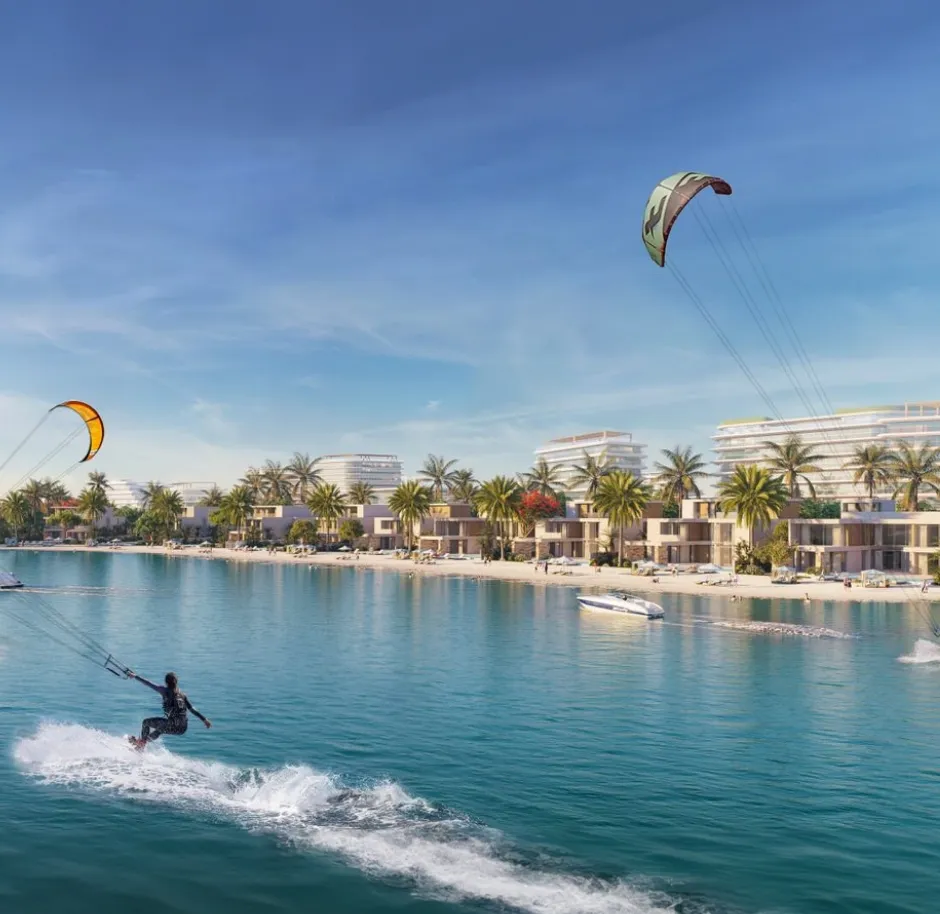
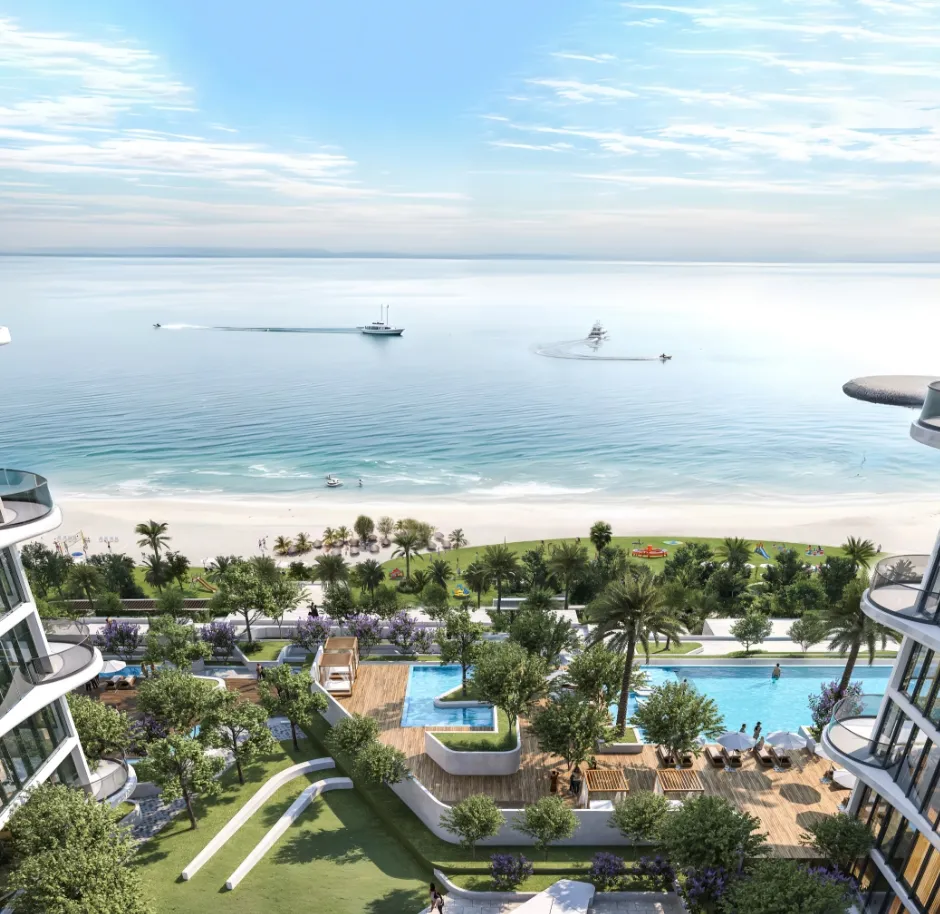
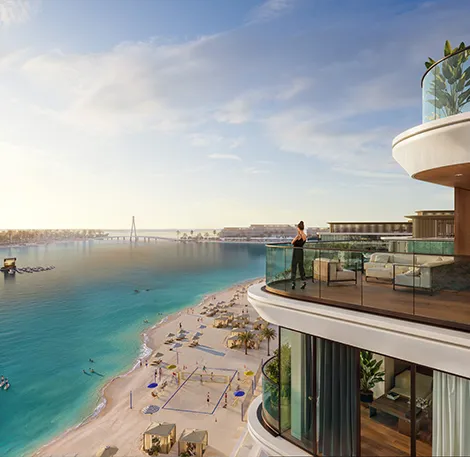
One of the defining characteristics of Dubai's property market is its ability to combine financial opportunity with quality of life.
Increasingly, investors are becoming residents.
Many buyers who initially entered the market for investment purposes later choose to relocate businesses, educate their children, or establish long-term homes within the city.
Factors contributing to this trend include:
- High standards of safety
- International schools
- World-class healthcare
- Global connectivity
- Vibrant cultural scene
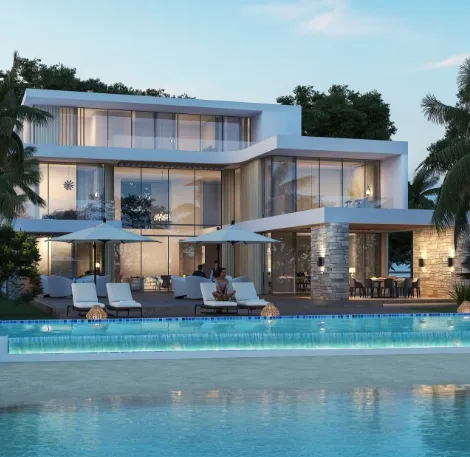
- Luxury lifestyle
- Diverse communities
For many families, property ownership becomes part of a broader life strategy rather than simply a financial decision.
Quality Communities Create Enduring Value
Successful long-term property investment extends beyond location alone.
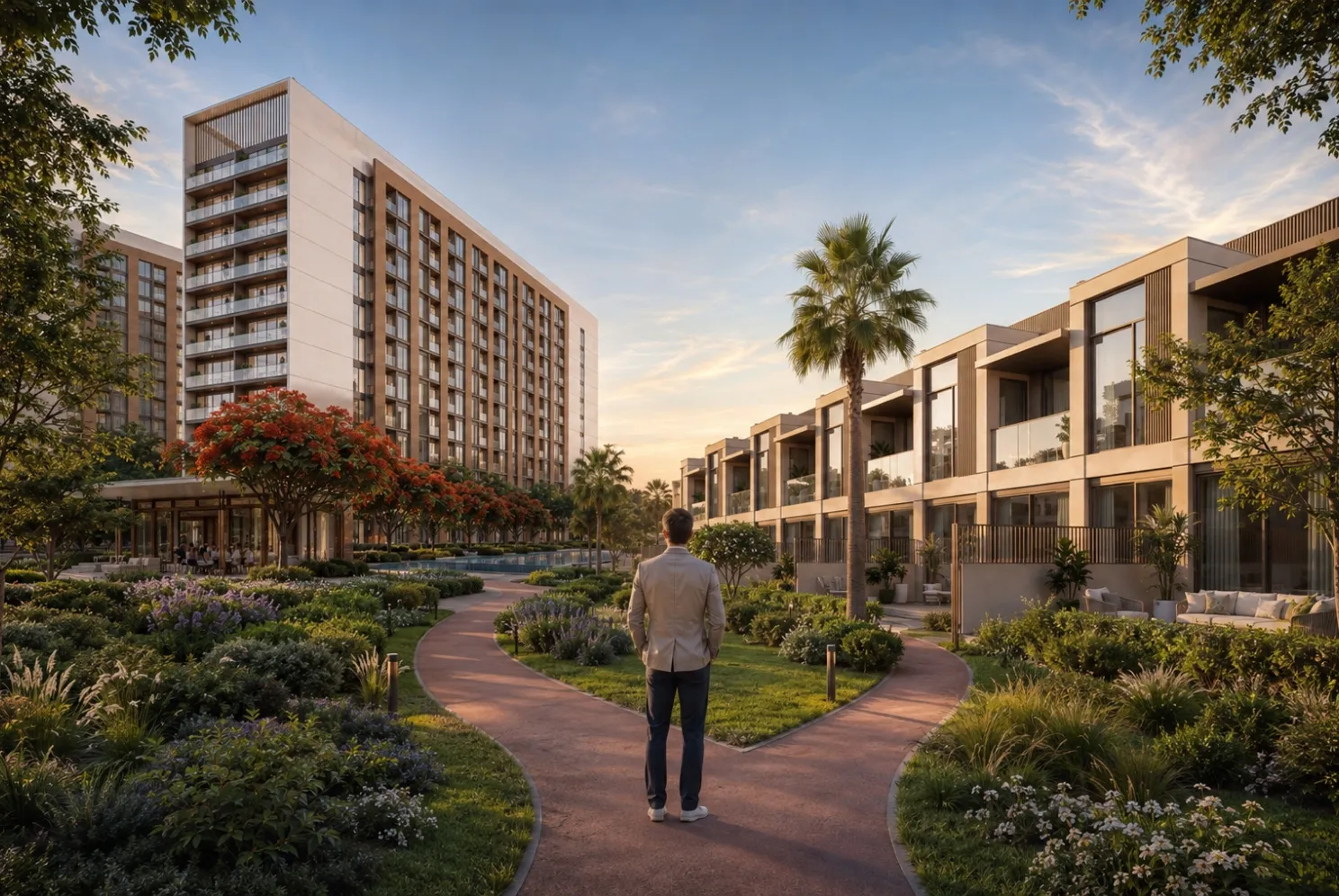
Increasingly, community quality influences both resident satisfaction and long-term demand.
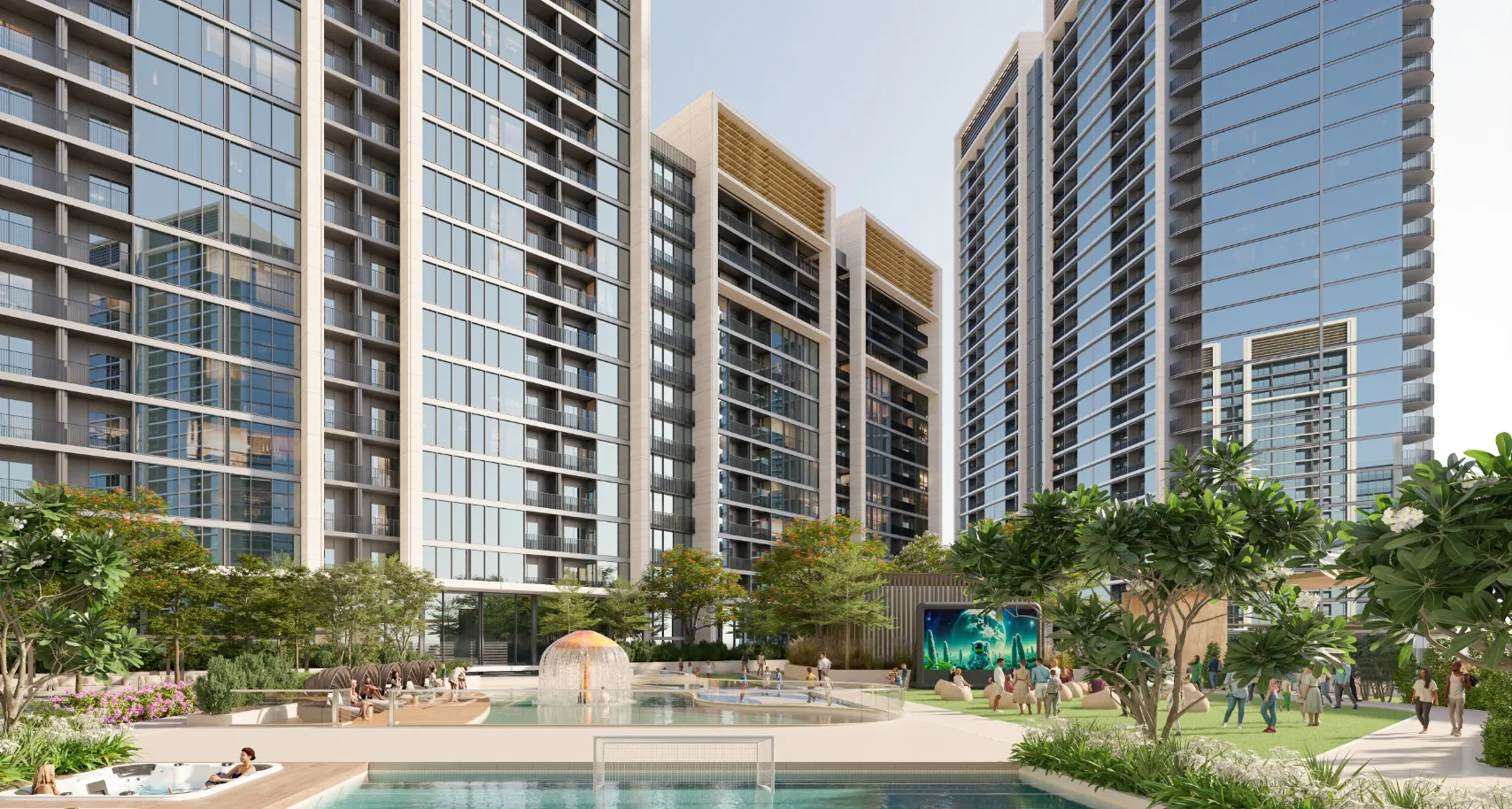
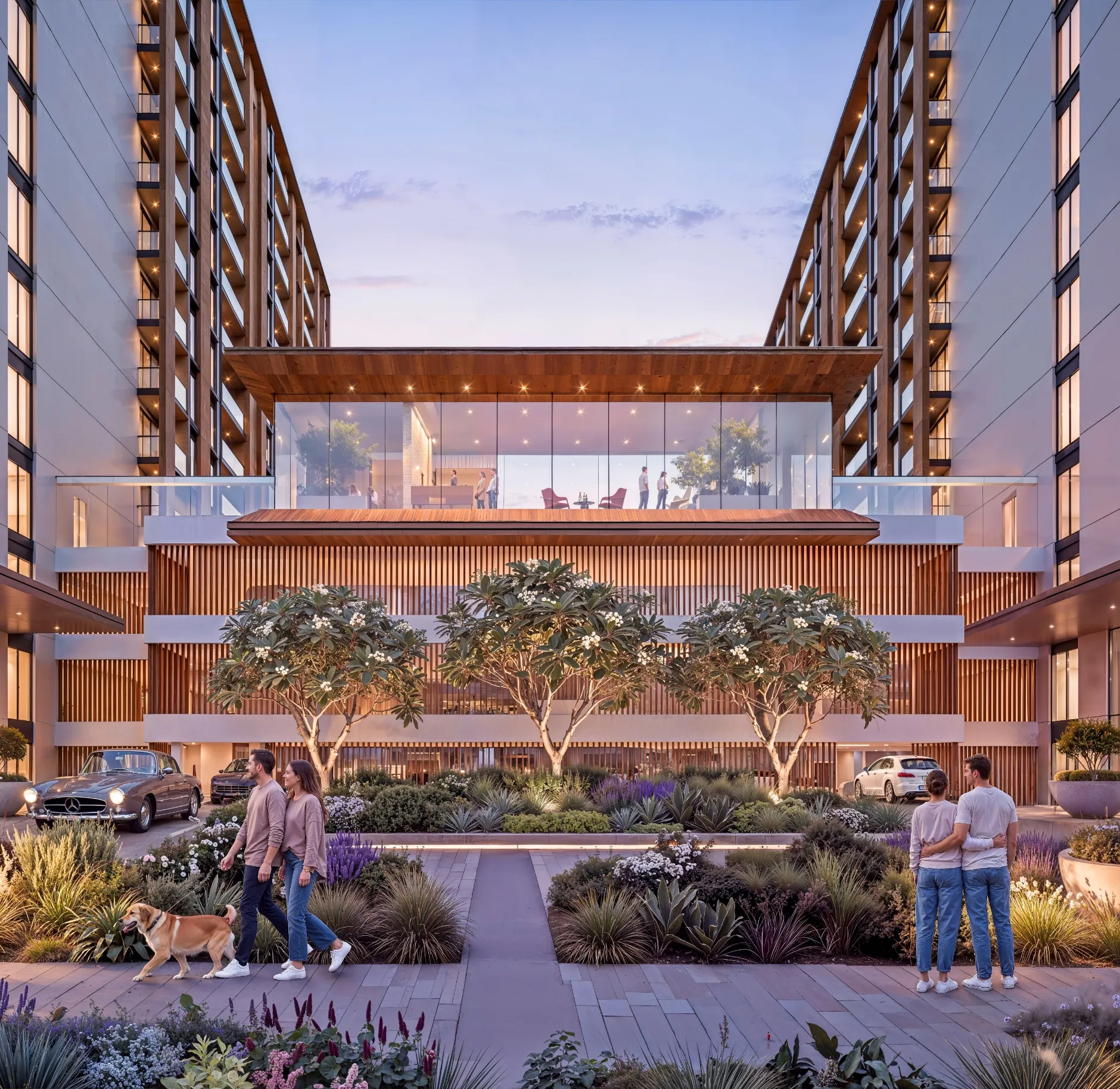
Modern buyers seek developments that integrate:
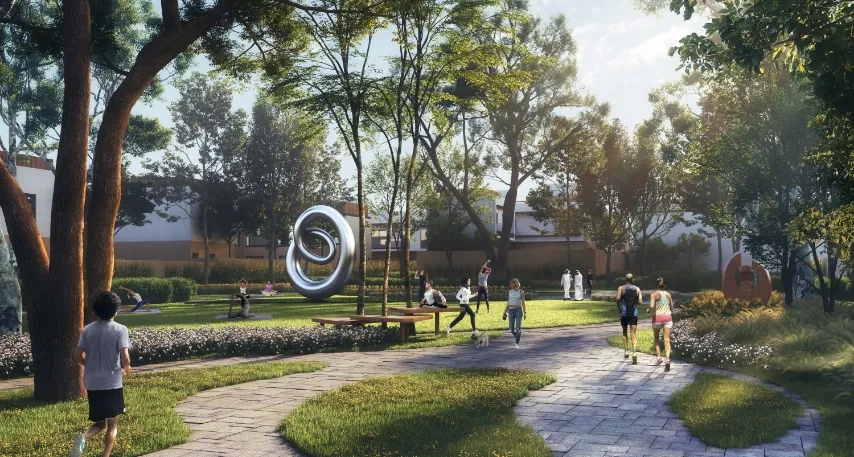
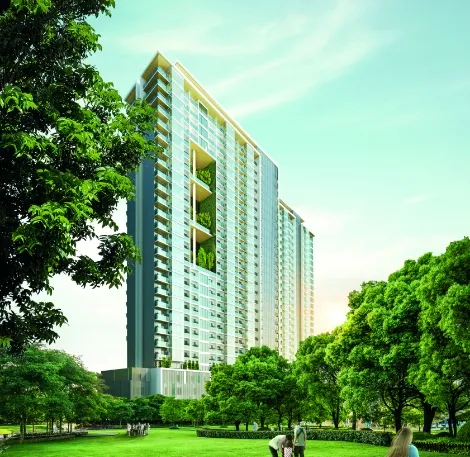
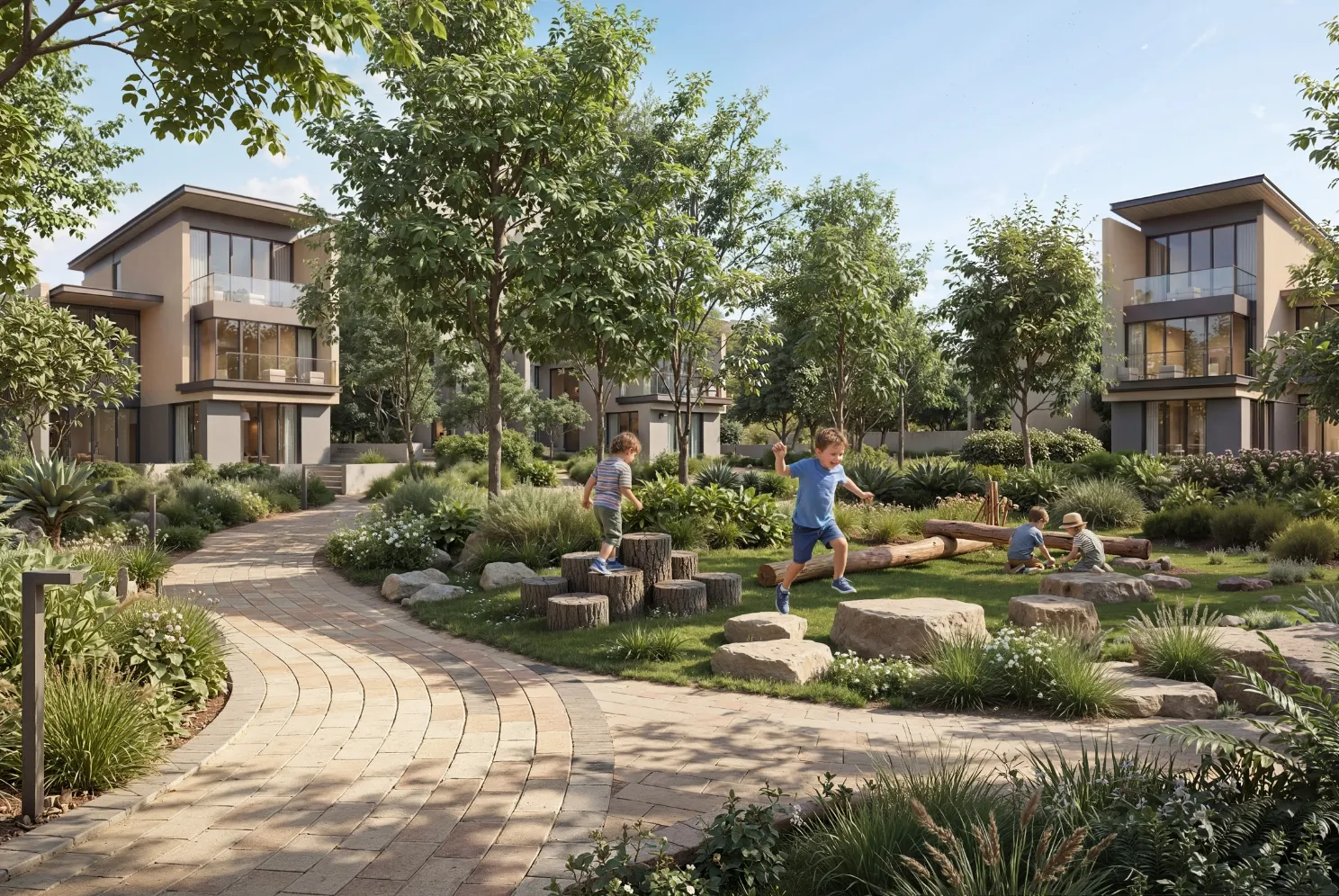
- Green spaces
- Wellness amenities
- Educational facilities
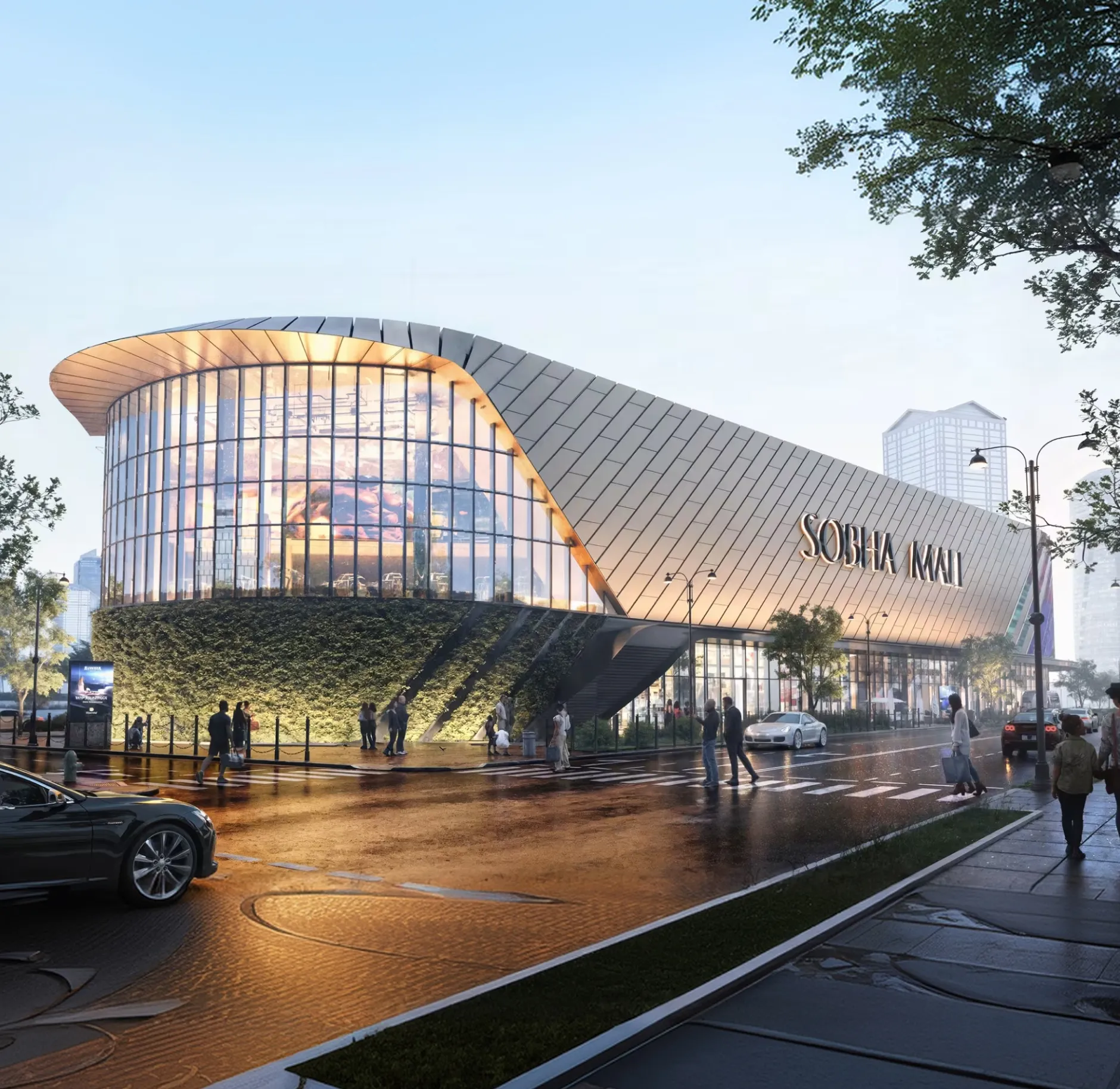
- Retail destinations
- Walkability
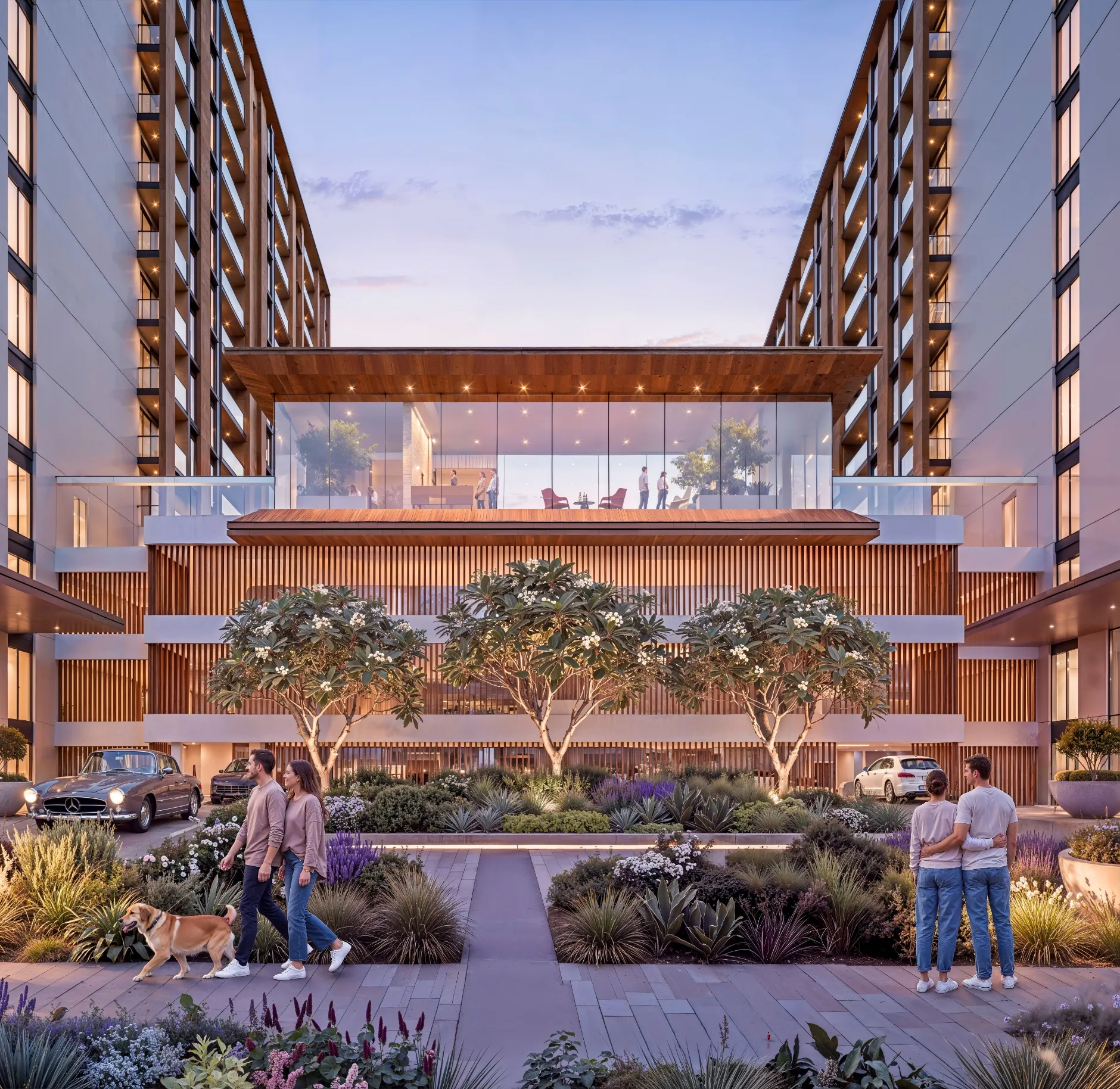
- Community experiences
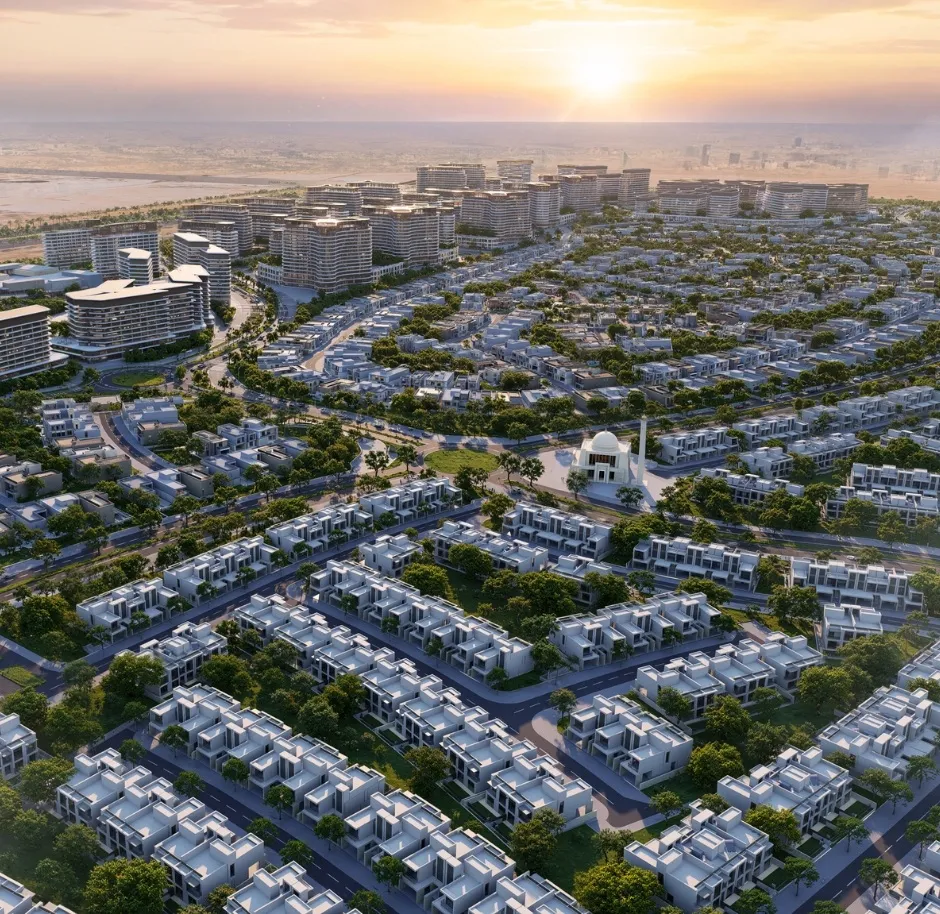
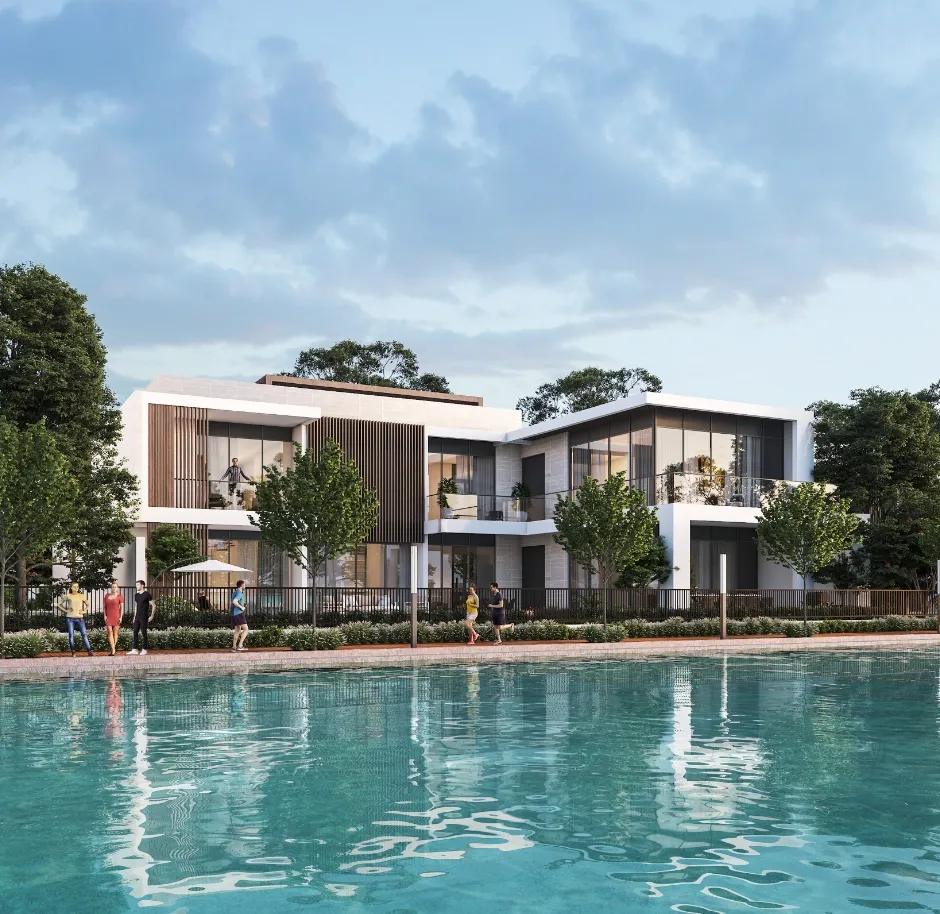
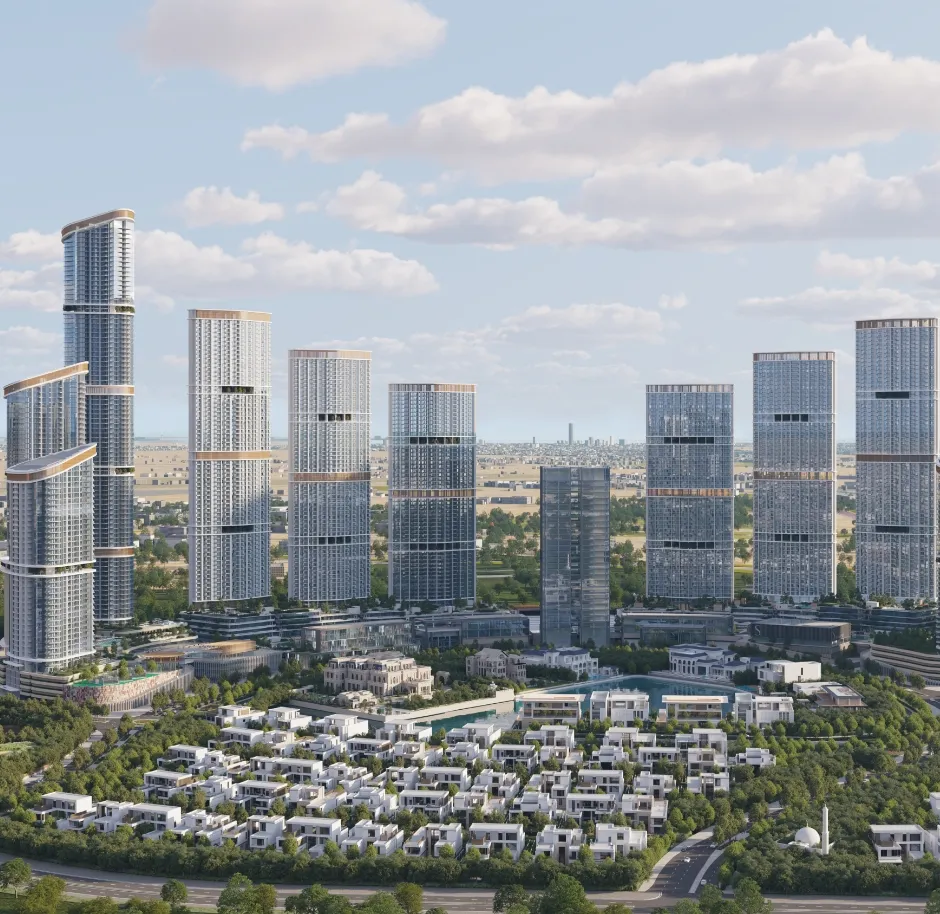
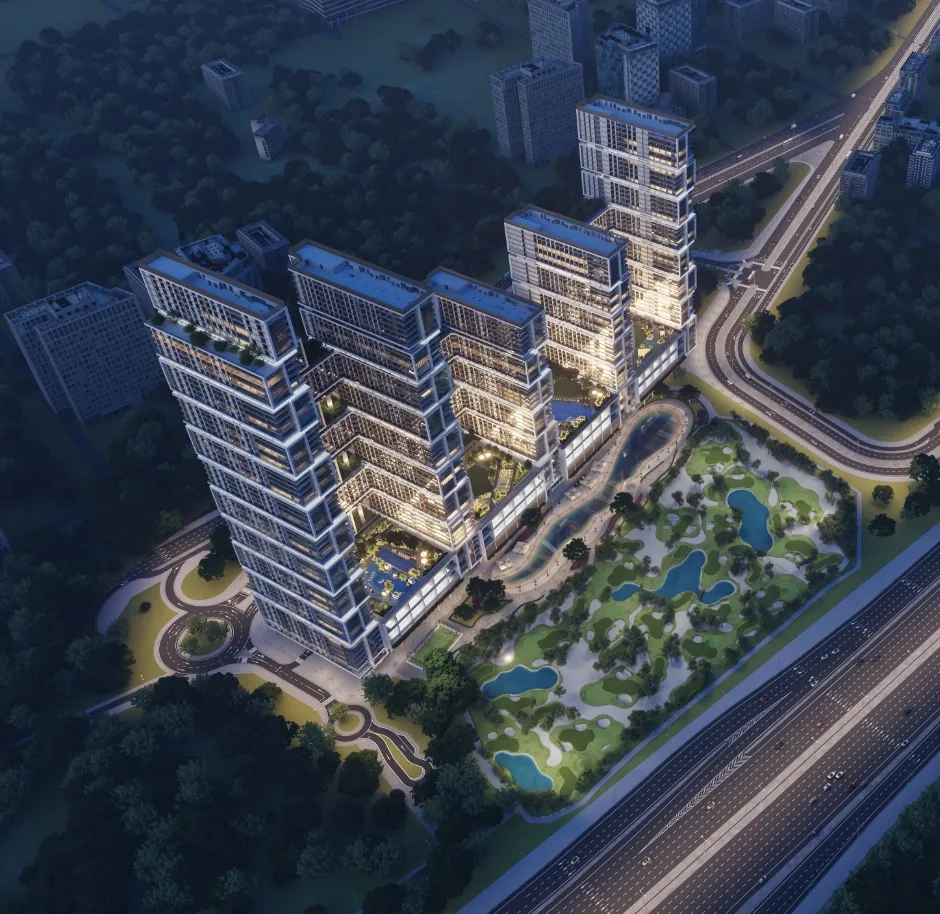
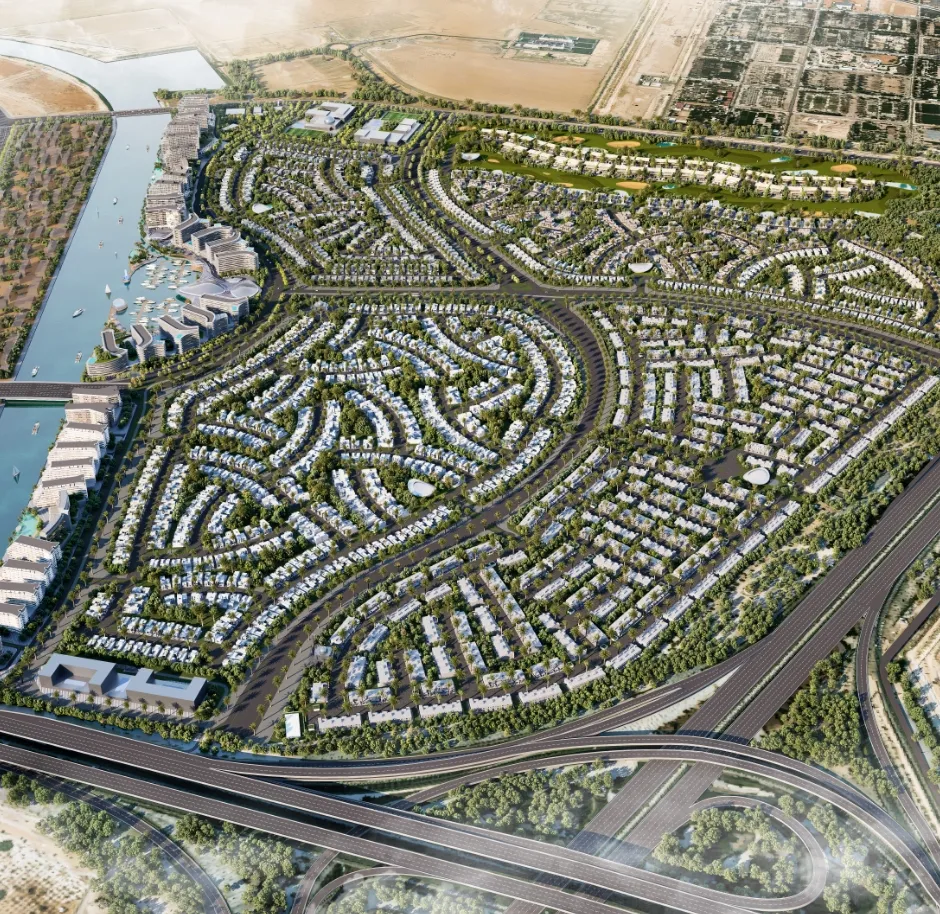
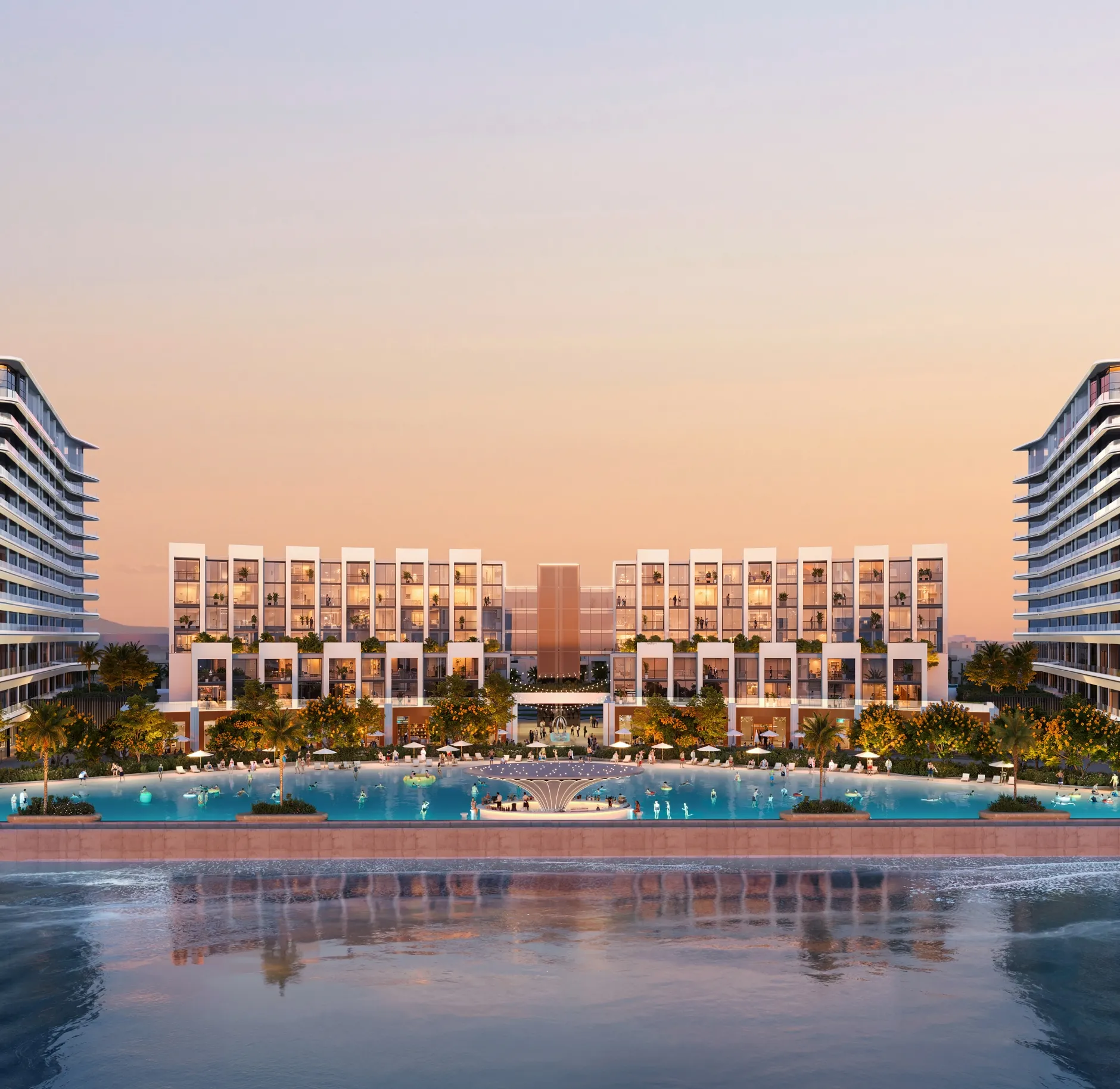
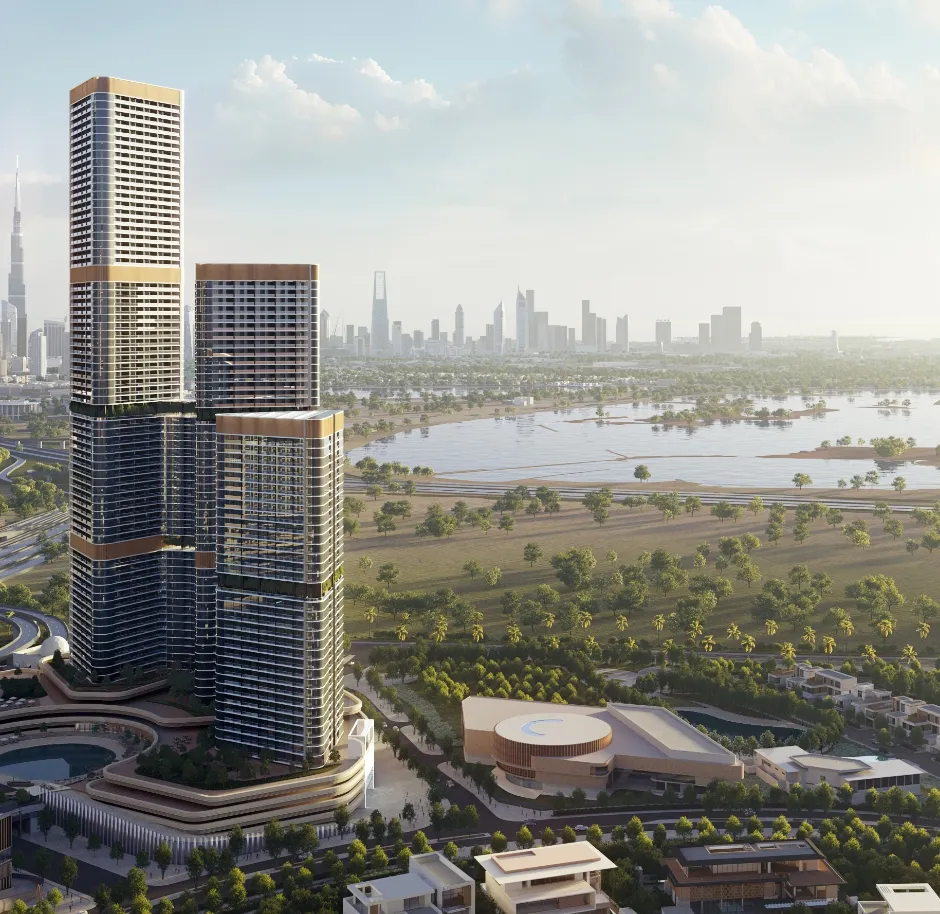
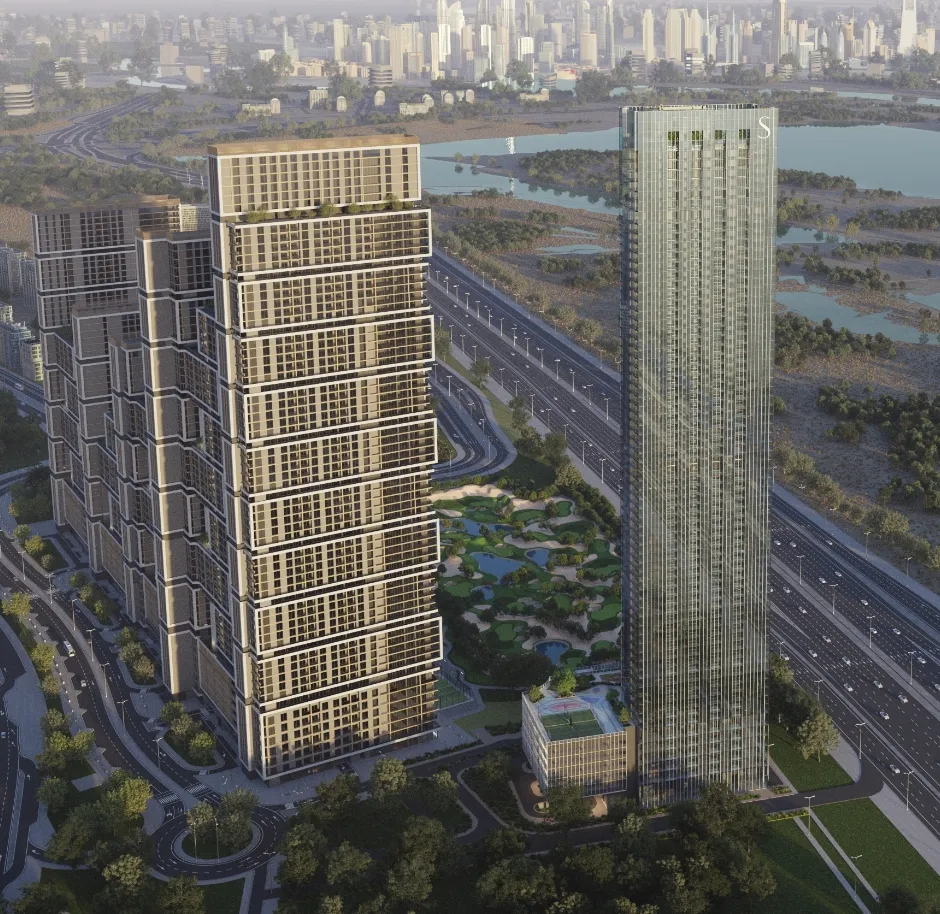
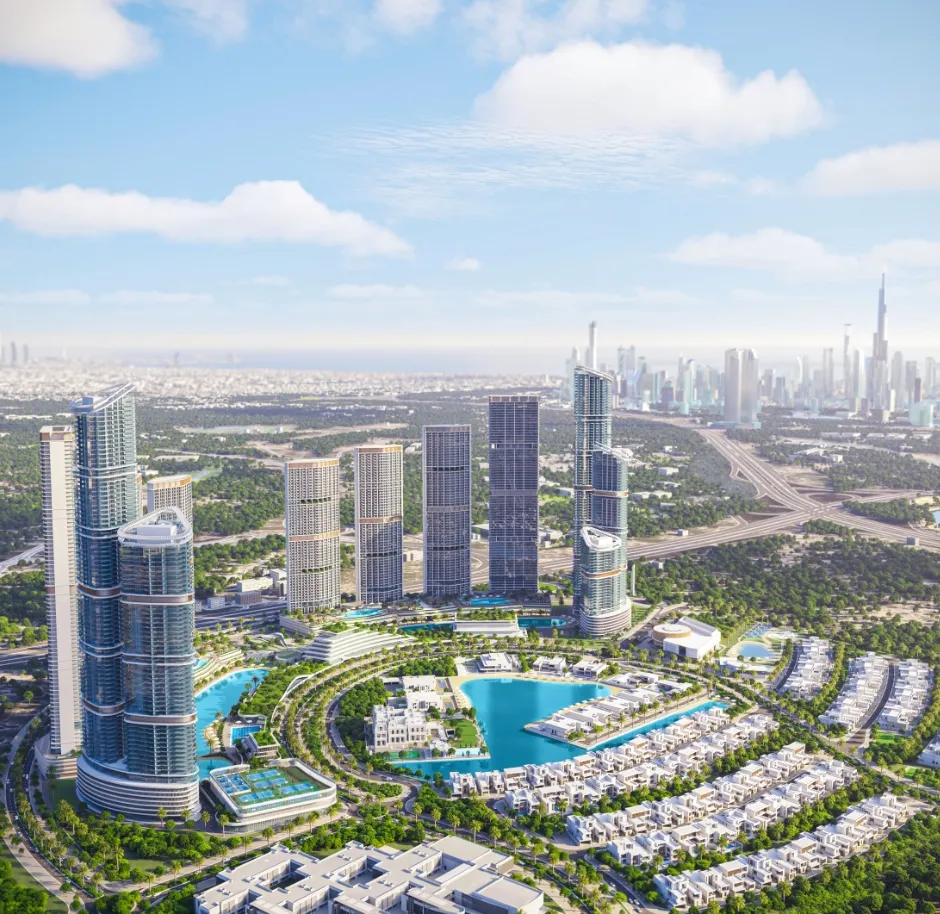
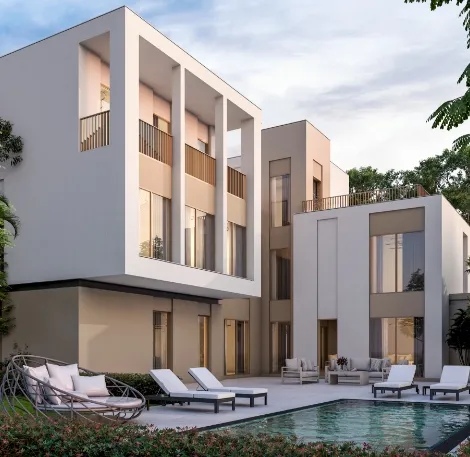
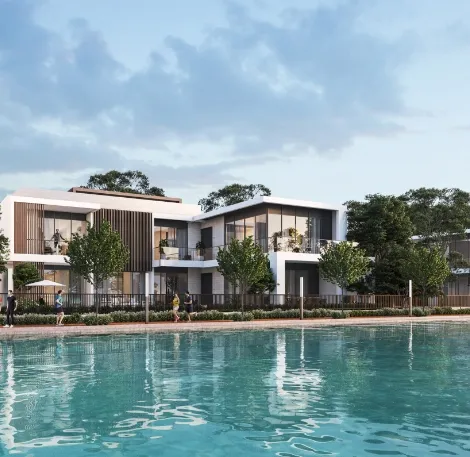
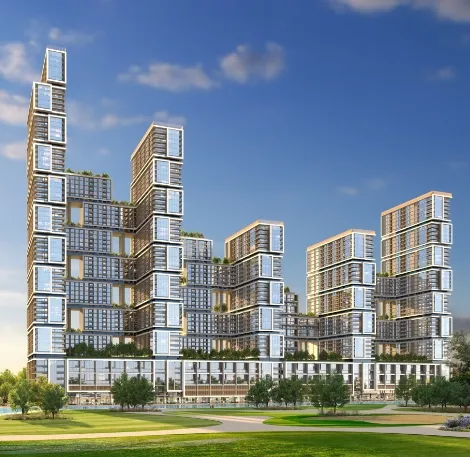
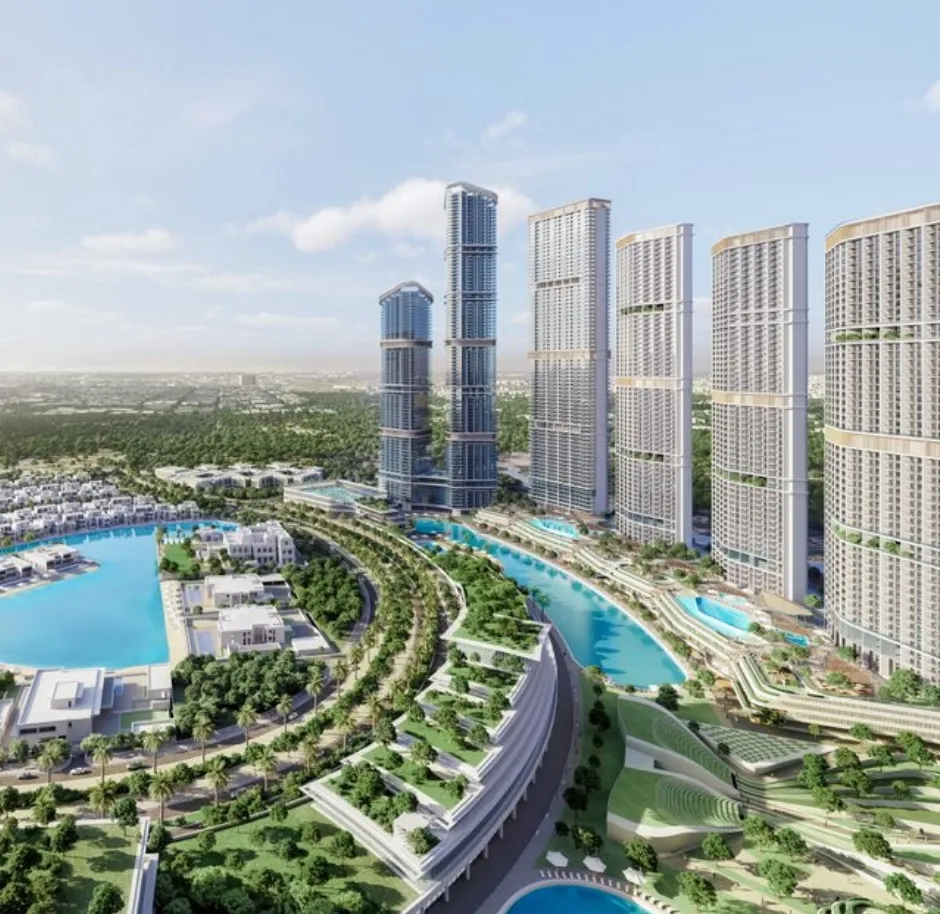
Master-planned developments designed around these principles often demonstrate stronger resilience because they respond to evolving lifestyle expectations.
Communities that encourage connection, wellbeing, and convenience are increasingly attracting both owner-occupiers and long-term investors.
Why Developer Reputation Matters
Building long-term wealth requires confidence.
This is why developer reputation has become one of the most important considerations for sophisticated investors.
Key factors include:
- Delivery consistency
- Construction quality
- Financial stability
- Community planning
- Customer experience
- Long-term vision
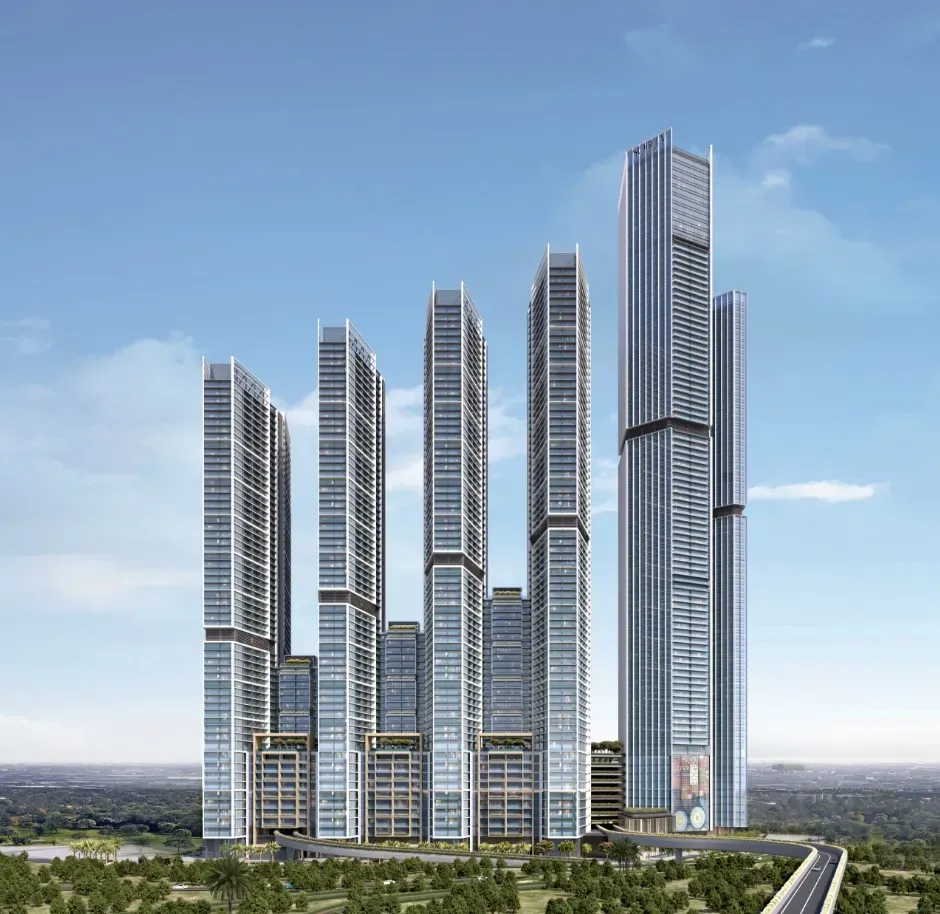
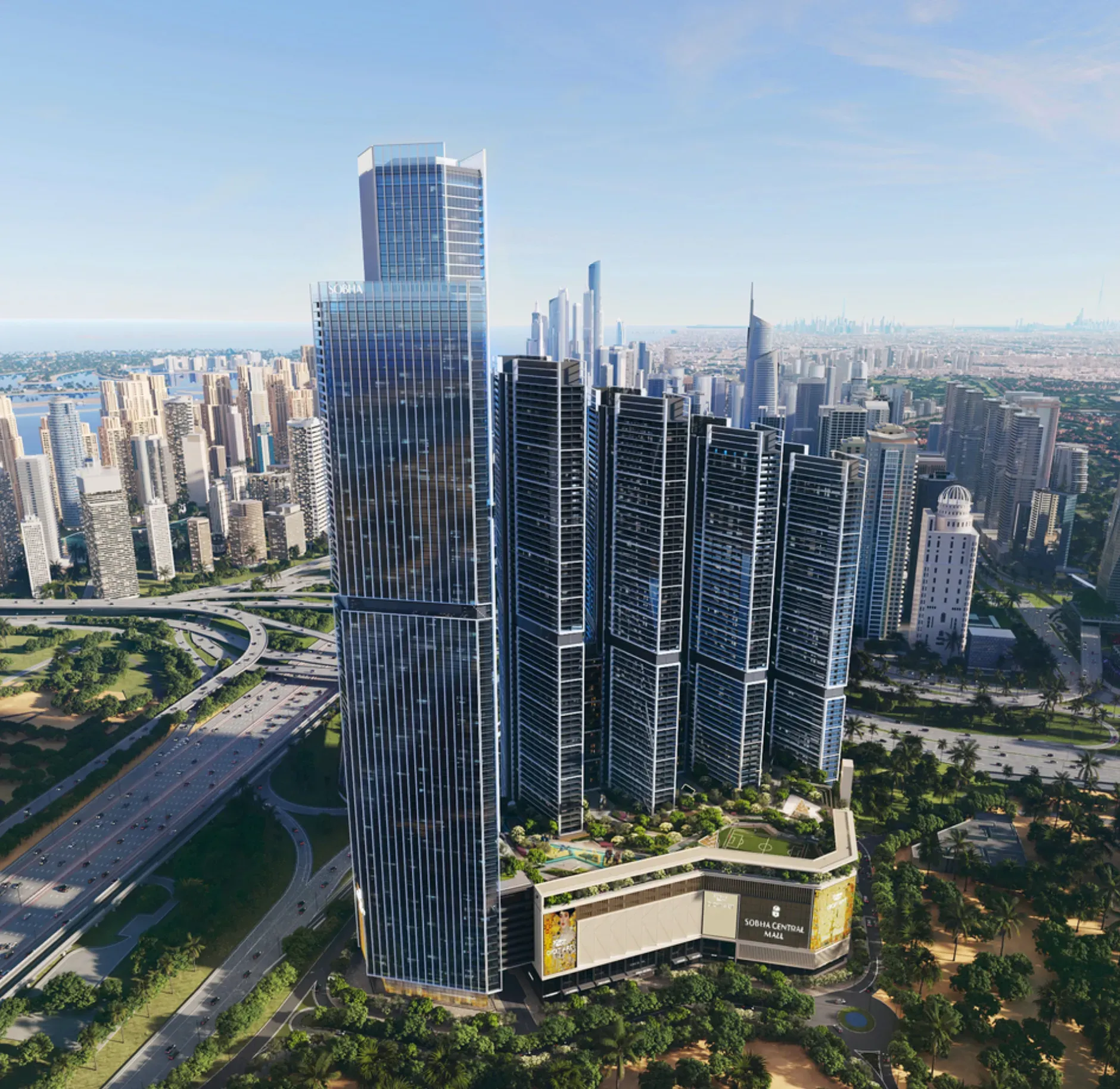
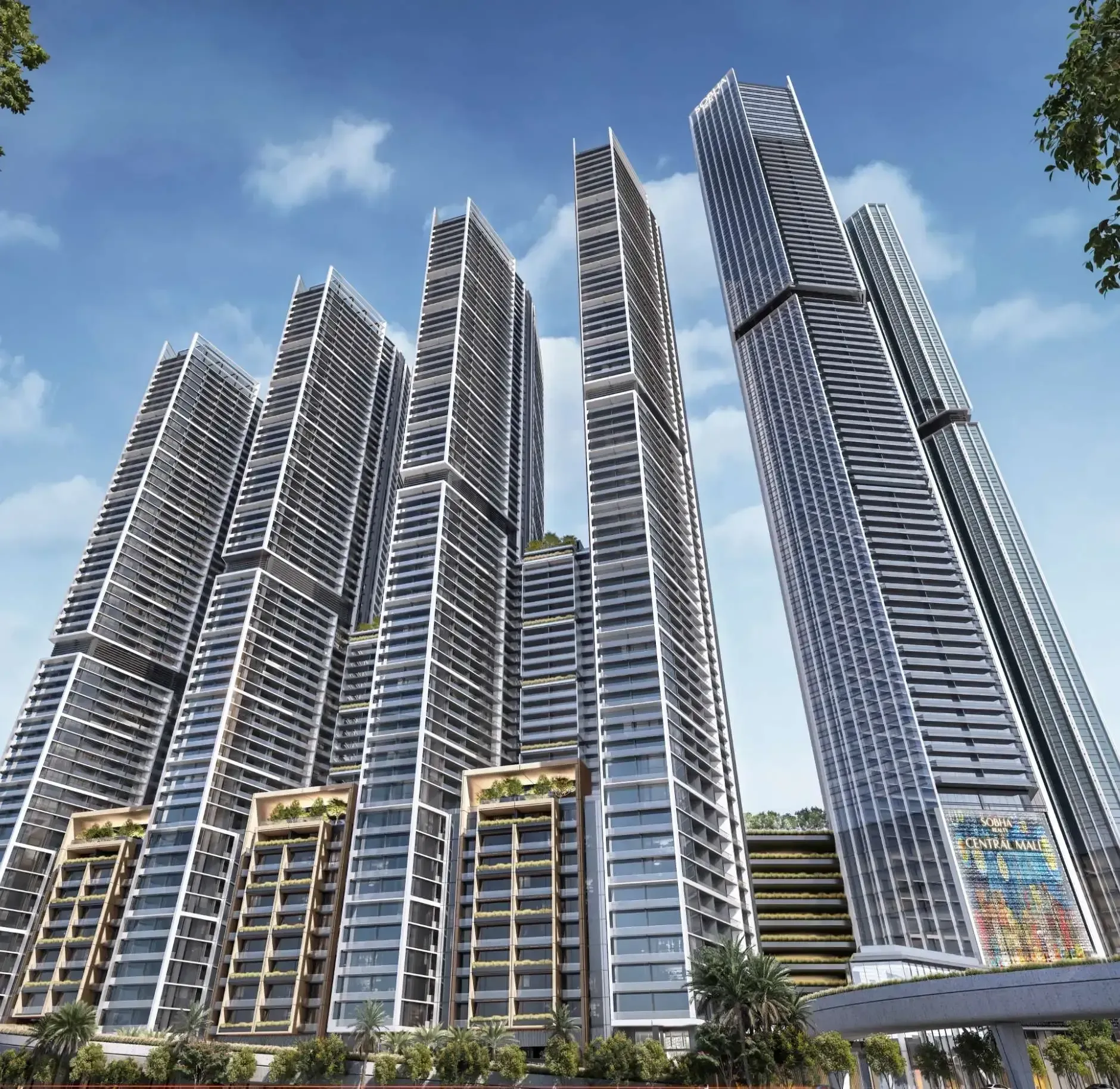
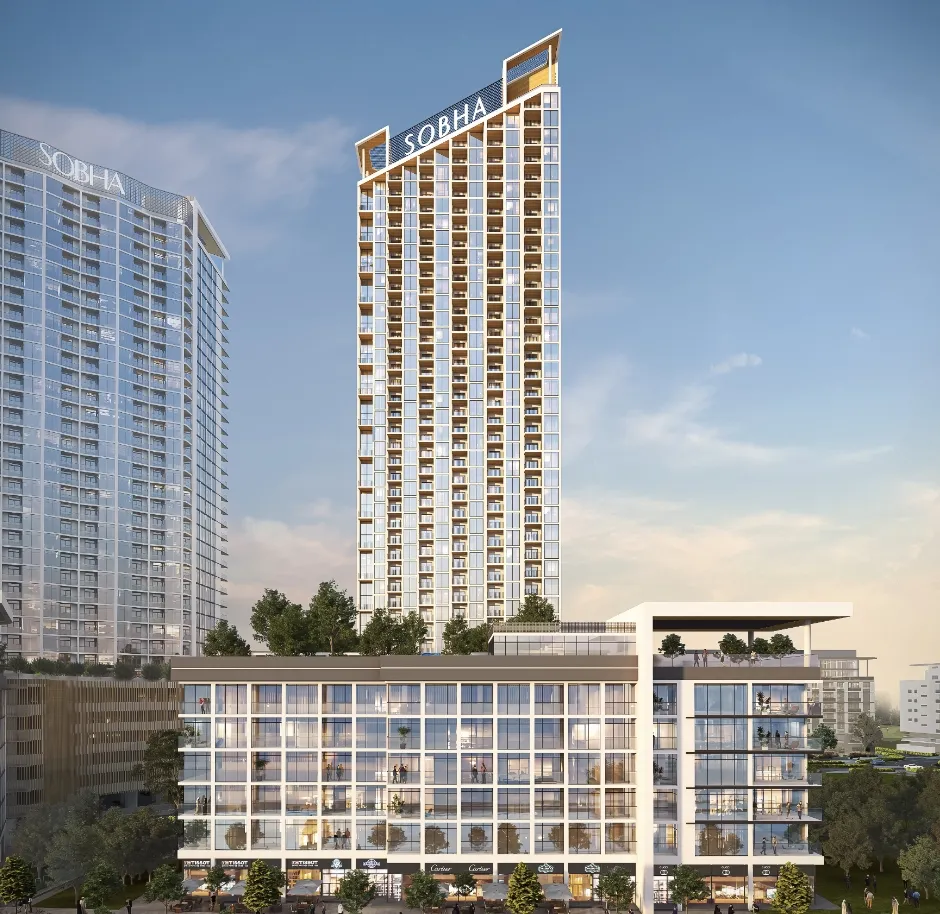
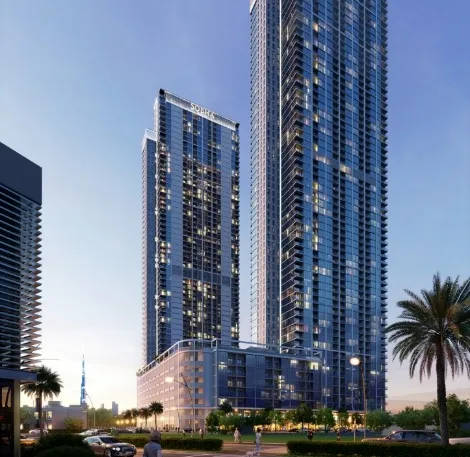
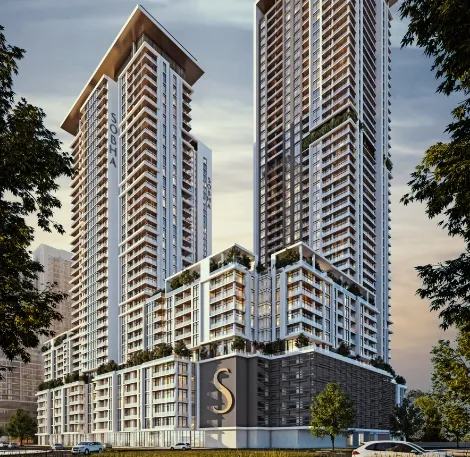
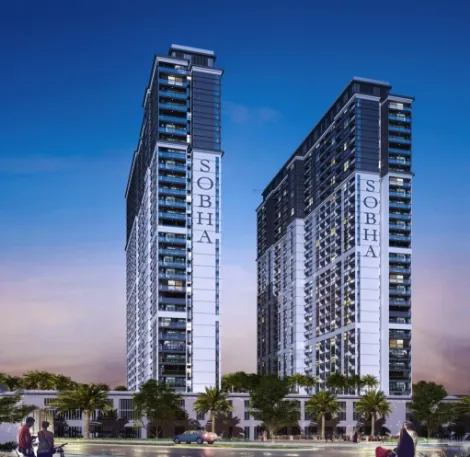
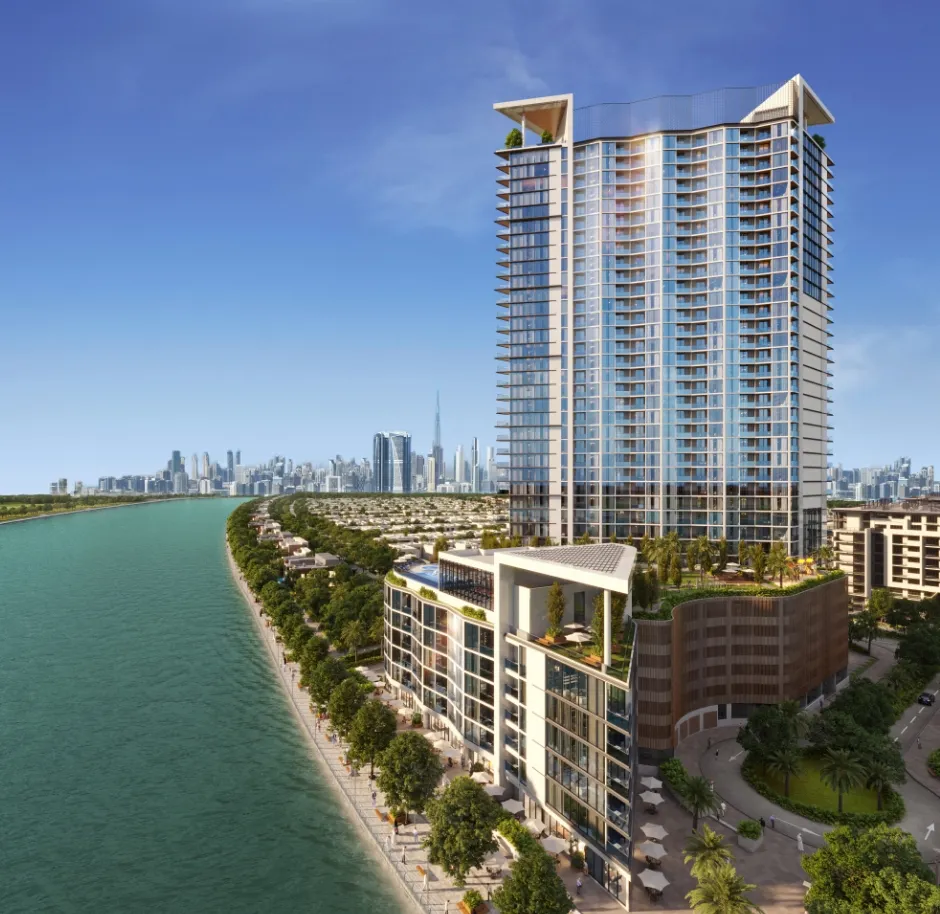
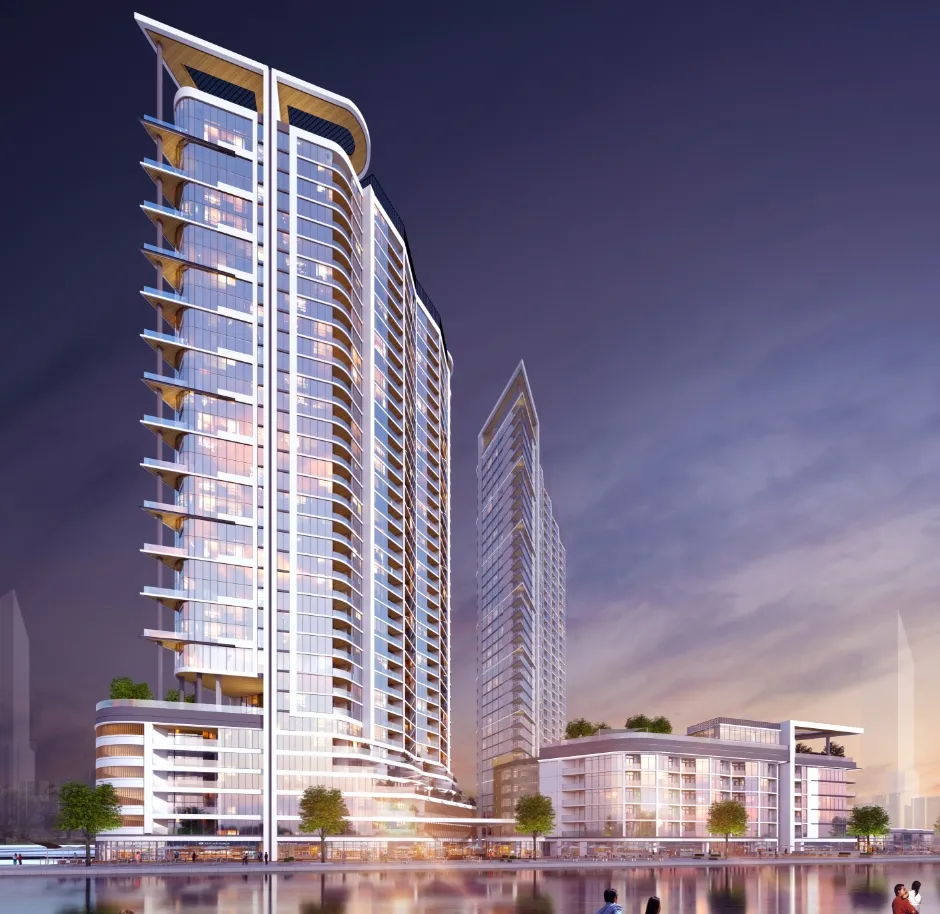
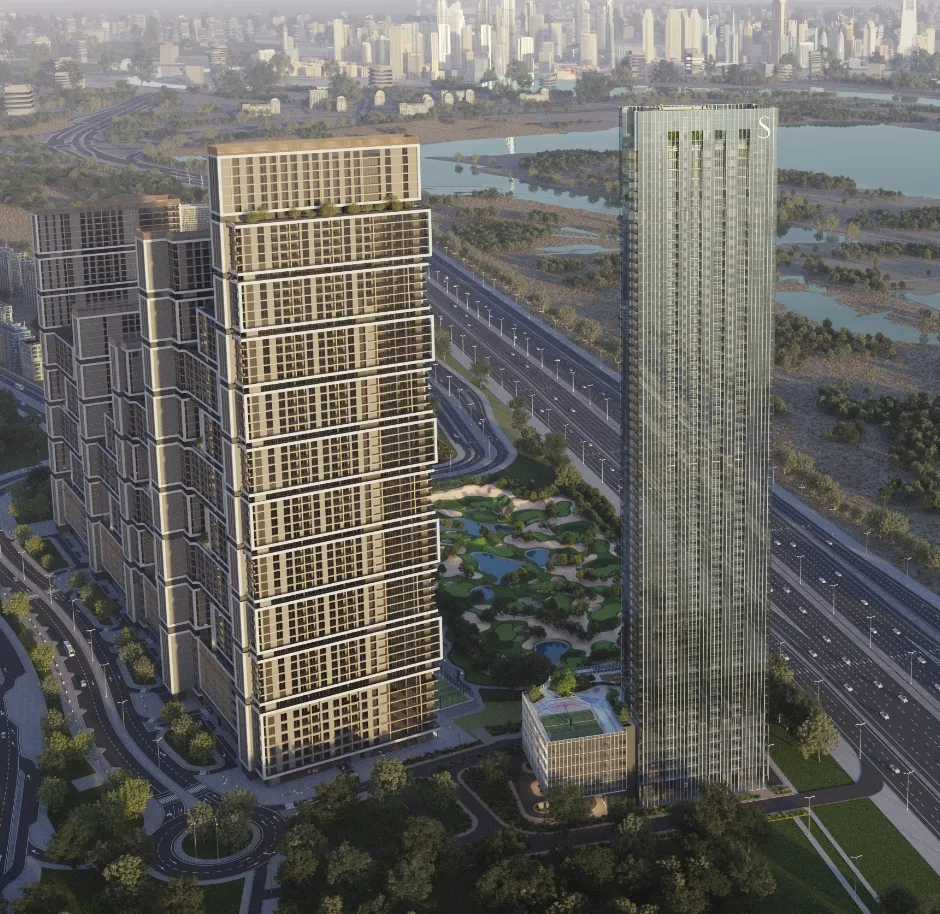
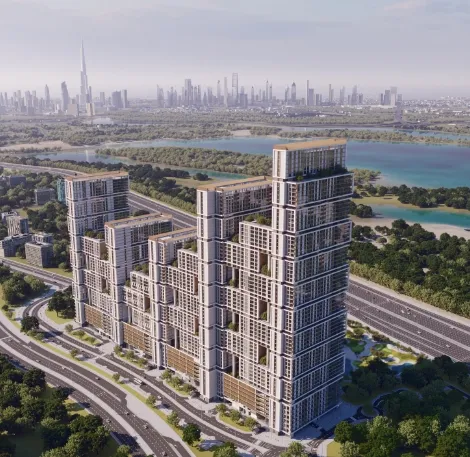
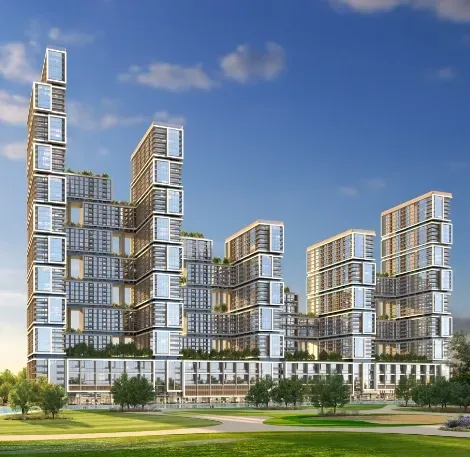
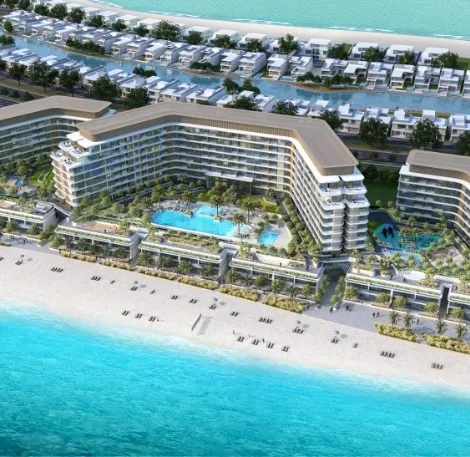
Sobha Realty's Backward Integration model provides comprehensive control across design, engineering, construction, and delivery, ensuring exceptional quality throughout every stage of development.
For investors, this approach provides greater confidence that the value created today will continue supporting long-term ownership.
Diversification Beyond Geography
International investors increasingly recognise that diversification is not simply about owning assets in different countries.
It is about investing in economies with different growth drivers.
Dubai benefits from:
- Tourism
- Trade
- Logistics
- Financial services
- Technology
- Healthcare
- Entrepreneurship
This diversified economic base supports sustained demand across multiple residential segments and strengthens long-term market fundamentals.
As a result, Dubai property increasingly complements global investment portfolios by providing exposure to one of the world's fastest-growing international cities.
A Market Built for the Future
Dubai's real estate market has matured considerably.
Government regulation, infrastructure investment, digital transformation, and long-term planning continue to reinforce market confidence.
Future initiatives including expanded transportation networks, smart city development, sustainability programmes, and continued economic diversification are expected to strengthen the city's competitiveness further.
For investors, these structural trends suggest a market increasingly focused on sustainable long-term growth rather than cyclical expansion.
Conclusion
The role of Dubai property within global investment portfolios continues to evolve.
Rather than serving solely as a vehicle for capital appreciation or rental income, it is increasingly becoming part of a broader wealth strategy built around resilience, diversification, and long-term value.
Supported by economic fundamentals, progressive government planning, and exceptional quality of life, Dubai offers investors far more than real estate.
It offers investors an opportunity to participate in the long-term growth of one of the world's most ambitious and future-focused cities.
For those seeking to build wealth across generations, the strongest investments are often those supported by quality, confidence, and enduring demand.
Frequently Asked Questions
1. Why is Dubai considered a good long-term property investment?
Dubai benefits from a diversified economy, world-class infrastructure, global connectivity, investor-friendly policies, and sustained population growth, supporting long-term real estate demand.
2. How does real estate help preserve wealth?
Real estate provides tangible assets that can support long-term capital appreciation, rental income, portfolio diversification, and intergenerational wealth planning.
3. Why are international investors increasingly buying property in Dubai?
Many investors are attracted by Dubai's economic resilience, quality of life, long-term residency opportunities, and growing international business environment.
4. What makes a property suitable for long-term investment?
Strong locations, quality construction, reputable developers, integrated communities, and long-term market demand all contribute to sustainable investment performance.
5. Why are master-planned communities attractive to investors?
They combine residential living with education, wellness, retail, green spaces, and community infrastructure, supporting stronger long-term liveability and demand.
6. Why is developer reputation important?
A developer's experience, financial strength, quality standards, and delivery record all influence long-term confidence and property performance.