Dubai has established itself as a major destination for international property investment. Its strategic location, business-friendly environment, world-class infrastructure, and high quality of life continue to attract buyers from across Europe, Asia, the Americas, and beyond.
One of the most common questions international investors ask is whether they need to be physically present in Dubai to purchase a property. Buyers do not necessarily need to be physically present for every stage of the transaction. Depending on the property, transaction type and applicable requirements, parts of the process may be completed through digital services or a legally authorized representative.
Whether you are purchasing a second home, expanding your investment portfolio, or planning a future move to the UAE, understanding the buying journey will help you make informed decisions with confidence.
Why International Buyers Choose Dubai
Dubai offers a unique combination of lifestyle, connectivity, and investment opportunities that continues to attract global buyers.
Some of the factors driving international demand include:
- A strategic location connecting Europe, Asia, and Africa
- A diversified and growing economy
- Modern infrastructure and world-class amenities
- An established property regulatory framework
- Long-term residency opportunities through eligible property investments
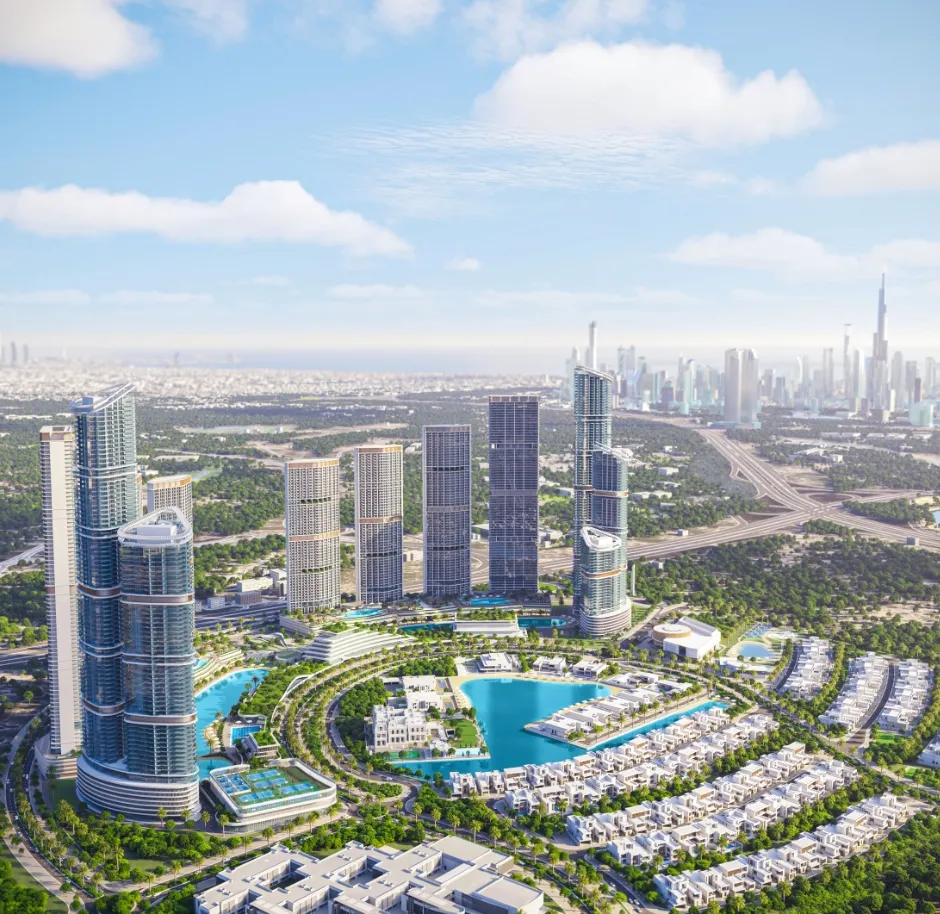
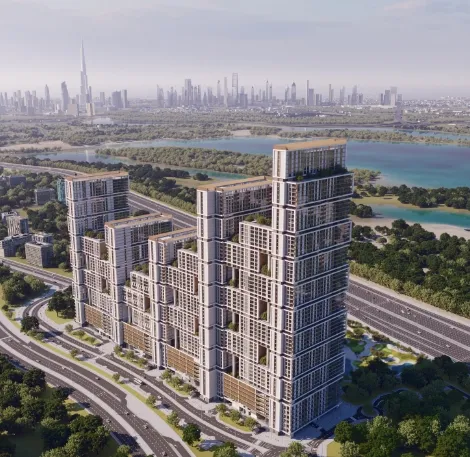
- A wide selection of premium residential communities
For many overseas buyers, Dubai represents not only an investment destination but also a place to live, work, retire, or spend part of the year.
Step 1: Understand Property Ownership in Dubai
Before beginning your property search, it is important to understand the ownership options available.
Foreign nationals can acquire freehold property in areas designated for foreign ownership, subject to applicable laws and regulations. The exact rights recorded will depend on the property type and registered ownership interest.
Understanding ownership structures early in the process helps buyers identify suitable locations and make informed long-term decisions.
Step 2: Define Your Investment Objectives
Every property search should begin with a clear objective.
Ask yourself:
- Are you buying for rental income?
- Is potential long-term capital appreciation part of your objective?
- Will the property become a holiday home?
- Are you planning to relocate in the future?
- Will this become your family's primary residence?
Your goals will influence the type of property, preferred location, payment structure, and investment horizon.
Step 3: Research the Right Community
Location remains one of the most important factors in real estate.
Rather than focusing solely on individual properties, international buyers should evaluate the surrounding community.
Consider factors such as:
- Connectivity to major roads and airports
- Schools and healthcare facilities
- Retail and dining destinations
- Parks and green spaces
- Lifestyle amenities
- Future infrastructure developments
Master-planned communities can provide a more integrated residential experience and may support enduring resident and tenant appeal.
Step 4: Choose a Trusted Developer
For buyers purchasing remotely, confidence in the developer becomes especially important.
A reputable developer should demonstrate:
- Proven delivery track record
- Financial strength
- High construction standards
- Transparent communication
- Quality community planning
- Strong customer support
- Developer licensing and regulatory status
- Project registration and current status
- Approved escrow arrangements for off-plan developments
Working with an established developer and verifying the project through the relevant official channels can provide greater confidence throughout the purchasing process.
Developer reputation is often just as important as location when making a long-term investment.
Step 5: Reserve Your Property
Once you have selected your preferred property, the reservation process can often be completed remotely.
Depending on the transaction, the developer, licensed broker or authorised sales representative may guide buyers through:
- Property selection
- Reservation documentation
- Initial booking payments
- Sales agreements
- Payment schedules
- Verification of the receiving account and payment instructions
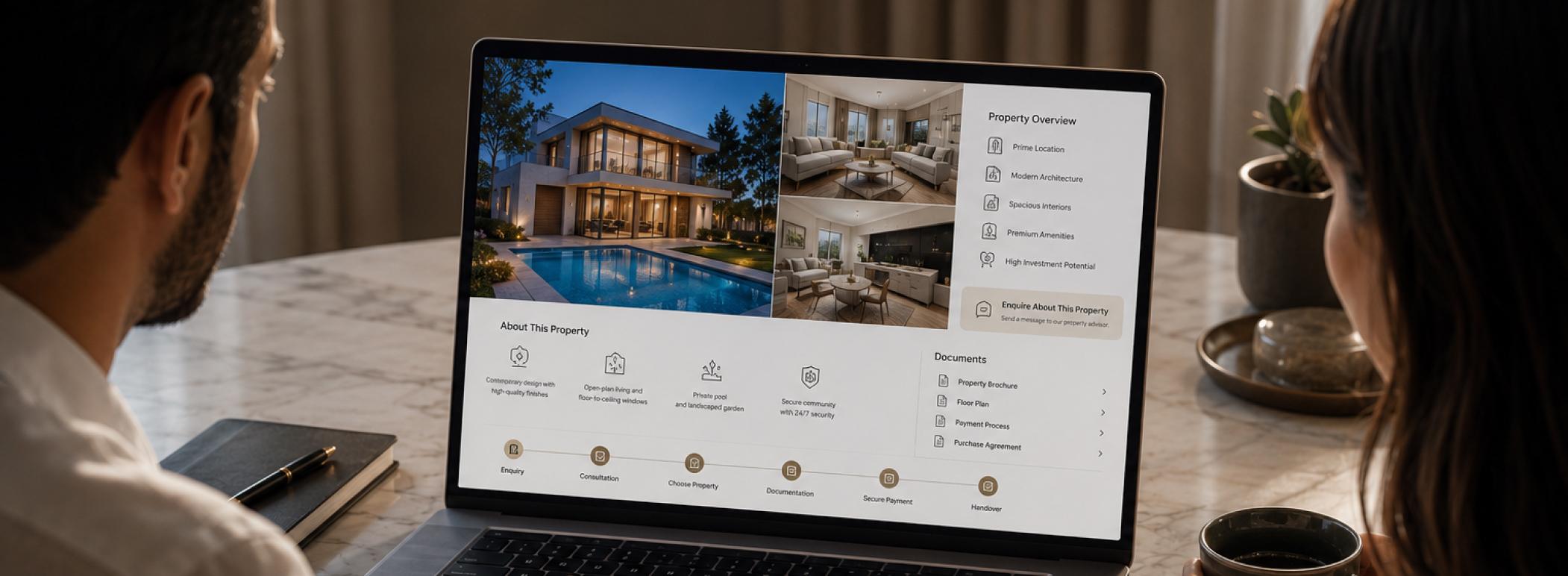
Many developers now provide secure digital platforms that simplify communication and document sharing for overseas buyers.
Step 6: Understand Payment Options
International buyers have several payment options depending on the type of property they choose.
These may include:
- Cash purchases
- Mortgage financing (subject to lender requirements)
- Developer payment plans
- Off-plan payment schedules
Understanding your financing options before reserving a property allows for better financial planning throughout the purchase process.
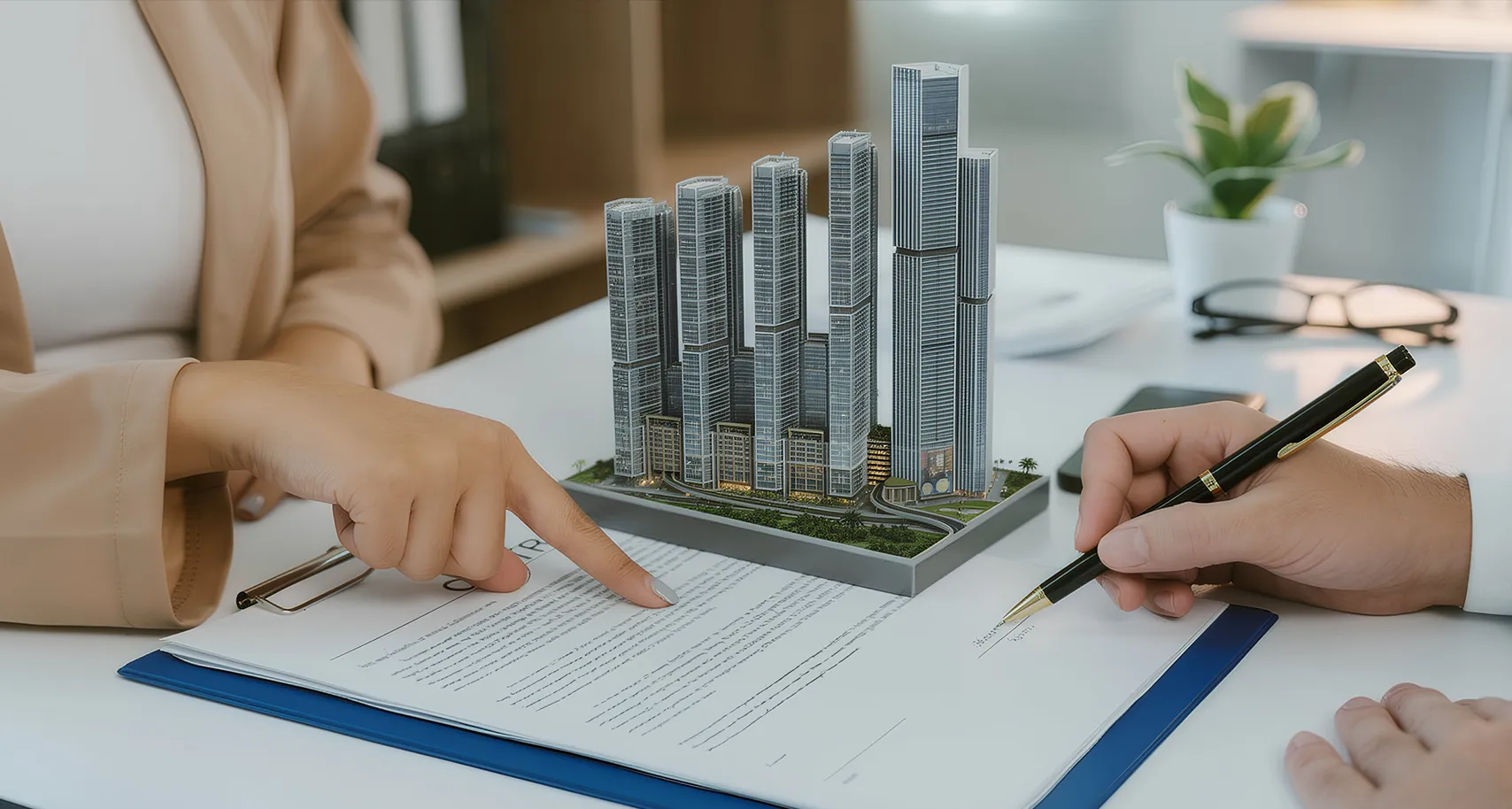
Step 7: Complete Legal Documentation
Property transactions in Dubai are supported by a well-established legal framework.
Throughout the purchase process, buyers should carefully review:
- Reservation agreements
- Sales and purchase agreements
- Payment schedules
- Registration requirements
- Property ownership documentation
- Passport and identification documents
- Power of attorney, where a representative is acting
- Project registration and escrow details for off-plan purchases
- Transfer or interim registration documentation
Buyers may wish to obtain independent legal or conveyancing advice, particularly where the documentation, ownership structure or remote transaction process is unfamiliar.
Step 8: Complete the Registration or Transfer Process
After the required documentation and payments have been completed, the property must be registered through the applicable Dubai Land Department process.
The exact procedure will depend on whether the property is off-plan or ready.
For an off-plan purchase, the buyer’s interest is generally recorded through the relevant interim registration process. Buyers should retain copies of the registration record, signed sale and purchase agreement, payment receipts, and payment schedule.
For a ready property, the transfer process may include:
- Obtaining the required clearances or no-objection certificate
- Completing mortgage and valuation requirements, where applicable
- Settling the purchase amount and applicable fees
- Attending or appointing a representative for the transfer
- Registering the new ownership
- Receiving the title deed or official ownership record
International buyers completing the process remotely may need to use a legally authorised representative or approved digital transaction service, depending on the property and transaction requirements.
Buyers should confirm the exact registration or transfer process with the developer, licensed broker, legal adviser, bank, or relevant authority involved in the transaction.
Step 9: Consider Long-Term Property Management
For overseas investors, purchasing the property is only the beginning.
Many owners choose professional management services to assist with:
- Tenant management
- Maintenance coordination
- Property inspections
- Rental administration
- Customer support
Planning for ongoing management ensures the property remains well maintained while supporting long-term investment objectives.
Common Mistakes International Buyers Should Avoid
Purchasing property from abroad requires careful preparation.
Some common mistakes include:
- Focusing only on price
- Overlooking community quality
- Not researching the developer
- Ignoring long-term ownership costs
- Making decisions based solely on short-term market trends
- Failing to understand payment obligations
Taking time to conduct thorough research helps buyers make more confident investment decisions.
Why Quality Matters in Every Market
Technology has simplified the buying process, but the fundamentals of successful real estate investment remain unchanged.
Long-term value depends on:
- Construction quality
- Thoughtful design
- Community planning
- Developer reputation
- Ongoing maintenance
Sobha Realty's Backward Integration model allows greater control over every stage of development—from design and engineering to manufacturing, construction, and finishing.
This integrated approach reflects a commitment to craftsmanship and quality across the development process, providing overseas buyers with greater confidence in how their property is designed and delivered.
Conclusion
Digital services and remote transaction options have made buying property in Dubai from abroad more accessible.
With a transparent property market, digital purchasing processes, and a wide selection of premium residential communities, international buyers can confidently invest without needing to be physically present for every step of the journey.
Success begins with understanding your objectives, choosing the right community, working with a trusted developer, and conducting appropriate due diligence.
By taking a long-term approach and prioritising quality alongside location, international investors can make informed decisions that support both their lifestyle aspirations and financial goals.
Frequently Asked Questions
Can foreigners buy property in Dubai?
Yes. Foreign nationals can purchase property in designated freehold areas across Dubai, subject to applicable regulations.
Do I need to travel to Dubai to buy property?
Many stages of the purchasing process can now be completed remotely through digital documentation and virtual consultations, although specific requirements may vary depending on the transaction.
Can overseas buyers obtain a mortgage in Dubai?
Some financial institutions offer mortgage solutions for eligible international buyers. Lending criteria vary between providers.
What should international buyers look for when choosing a property?
Location, community quality, developer reputation, construction standards, connectivity, and long-term investment objectives should all be considered.
Is buying off-plan suitable for overseas investors?
Off-plan properties may offer structured payment plans and access to newly planned developments. Buyers should review the project registration, escrow arrangements, construction status, completion timeline, payment obligations and contractual terms before committing. Buyers should ensure they fully understand the project timeline and payment schedule before committing.
Why is developer reputation important?
An experienced developer with a proven delivery record can provide greater confidence in construction quality, communication, delivery standards and the overall ownership experience.
Call to Action
Whether you're investing from overseas or planning your future in Dubai, Sobha Realty offers thoughtfully designed homes and master-planned communities built on exceptional craftsmanship, quality, and trust. Explore our portfolio and discover a seamless property buying experience designed for global buyers.