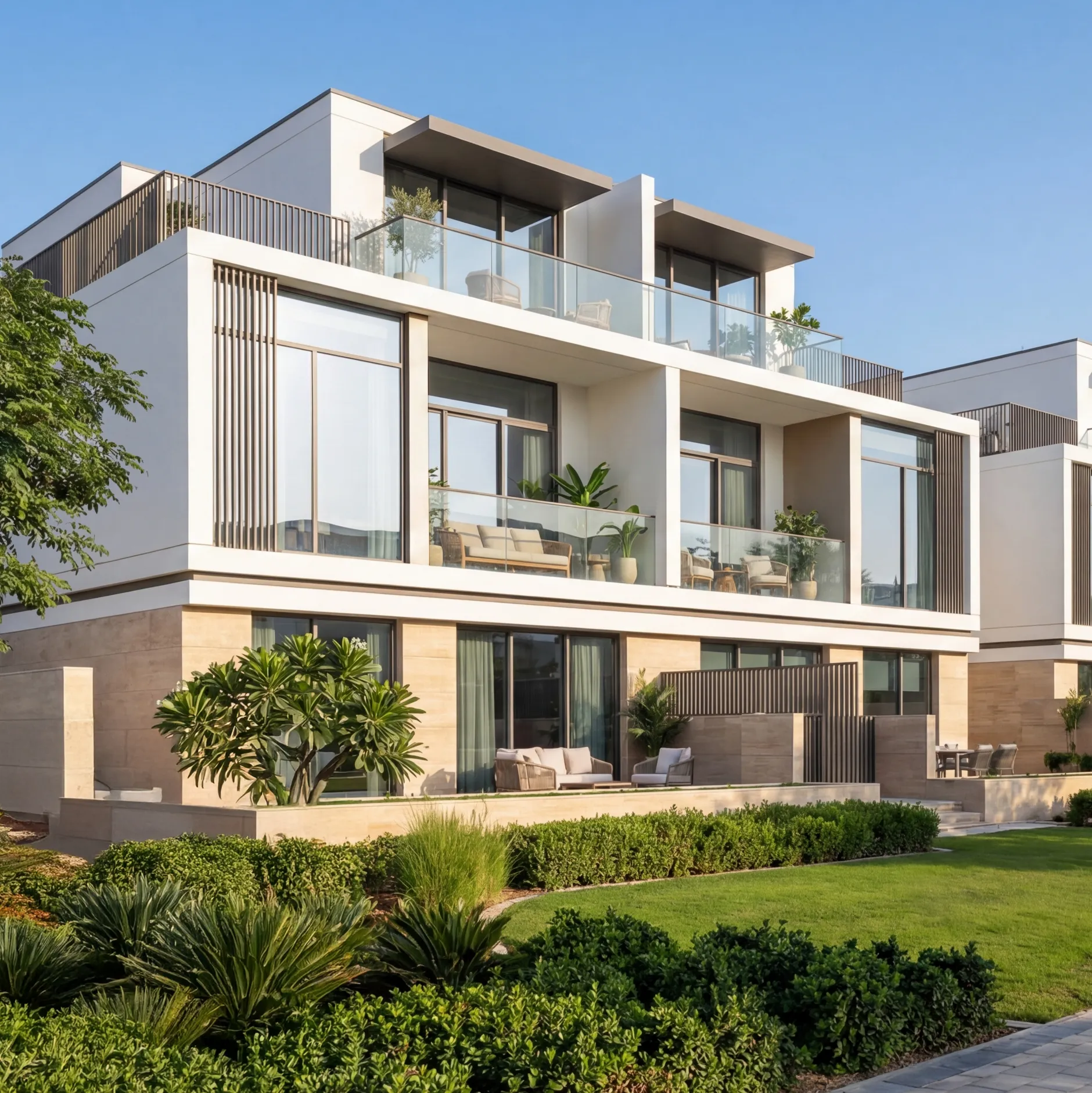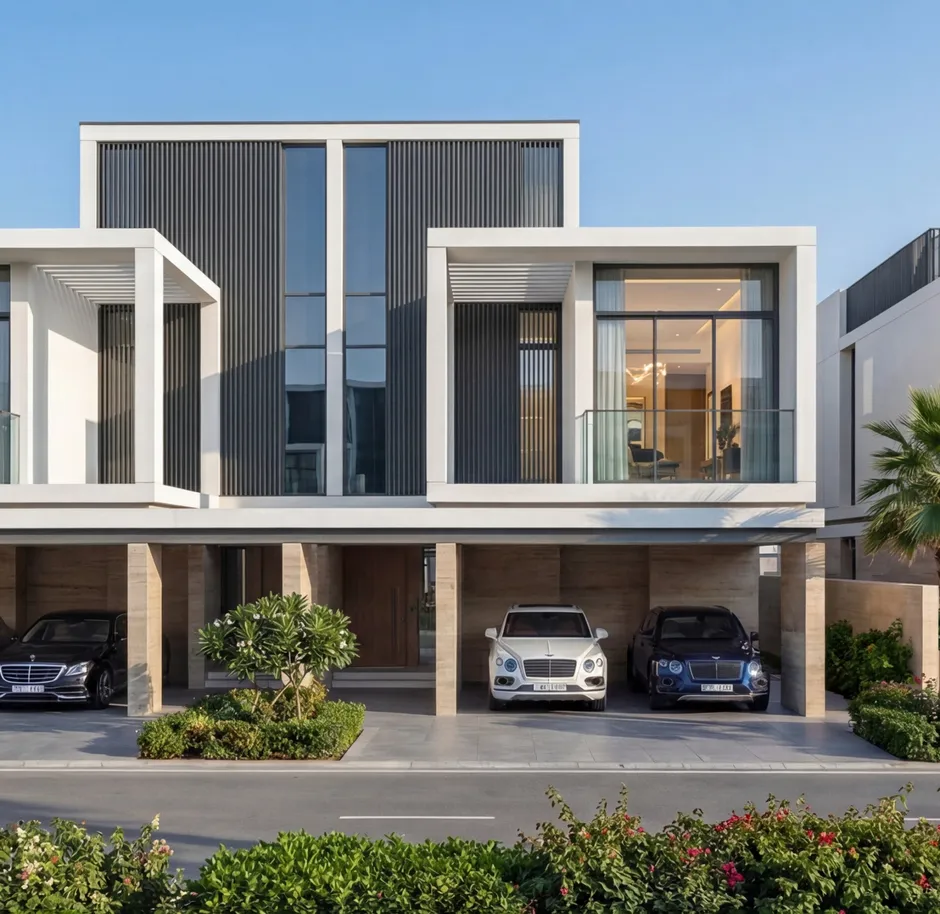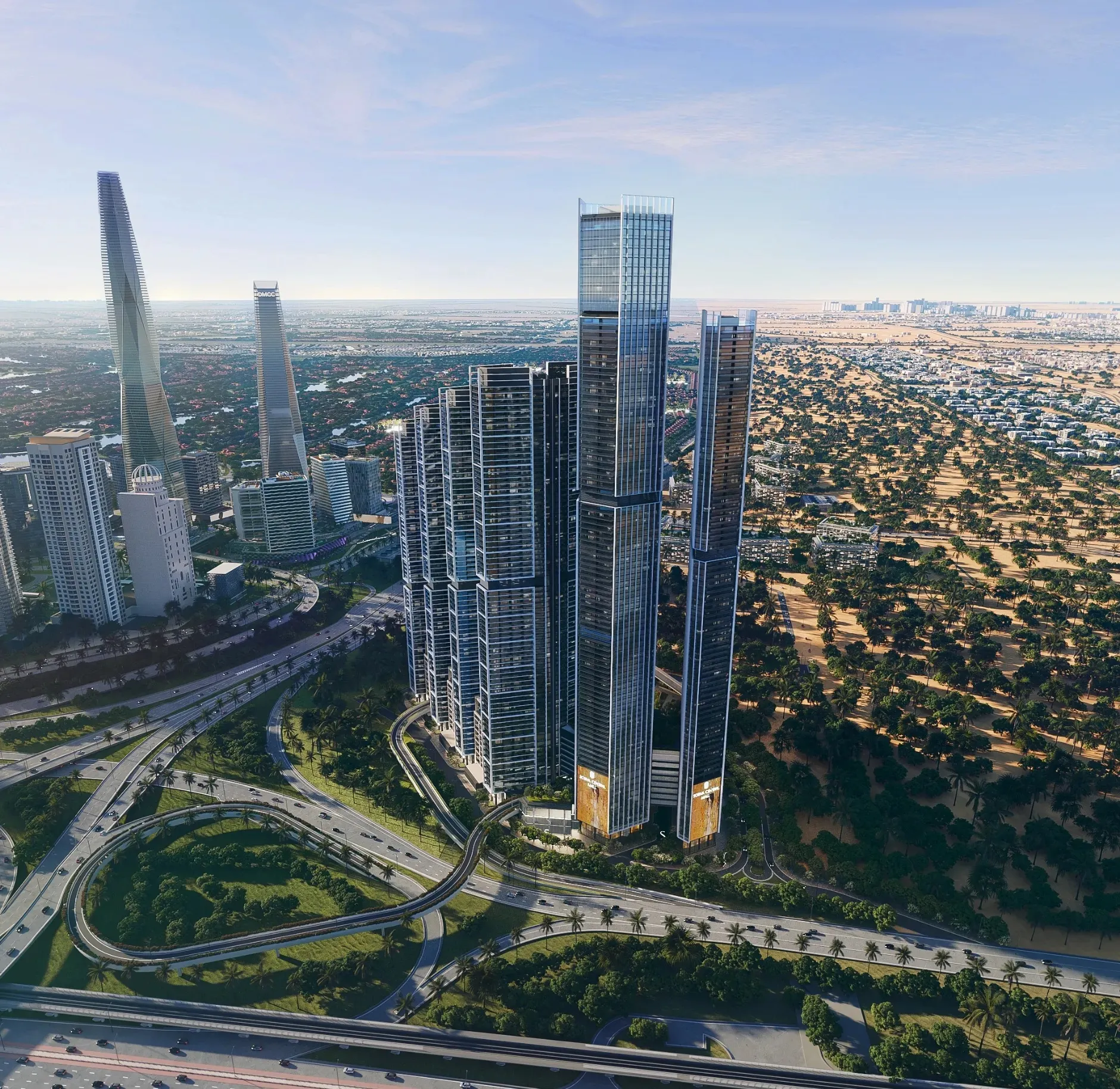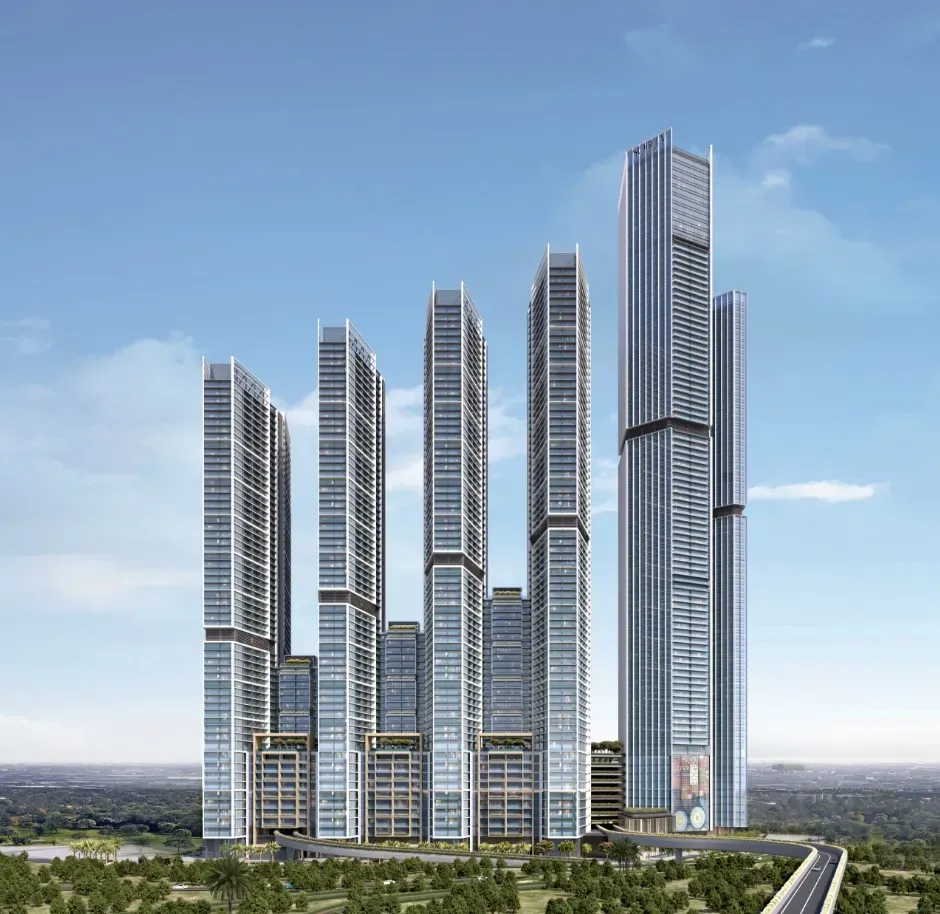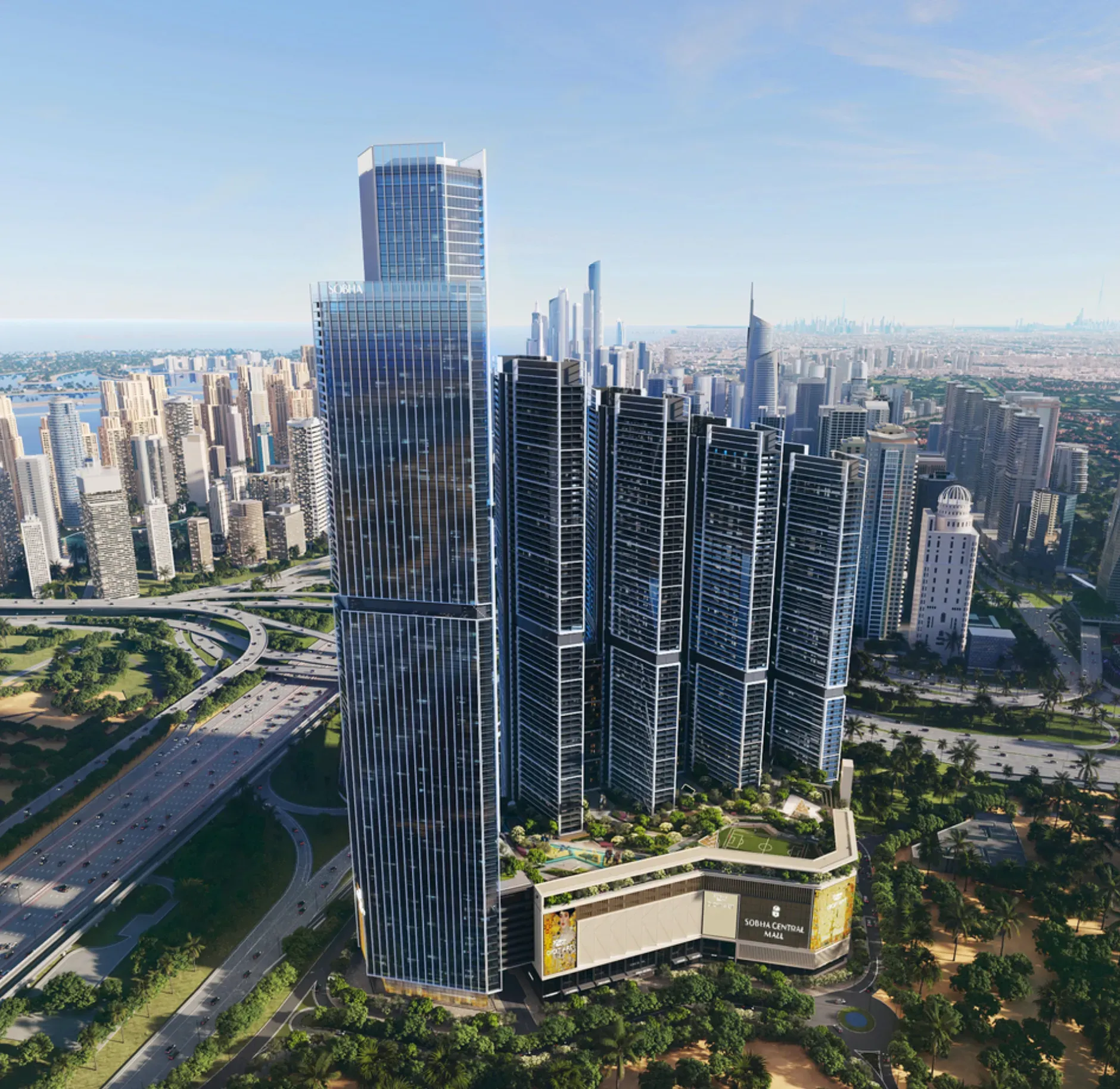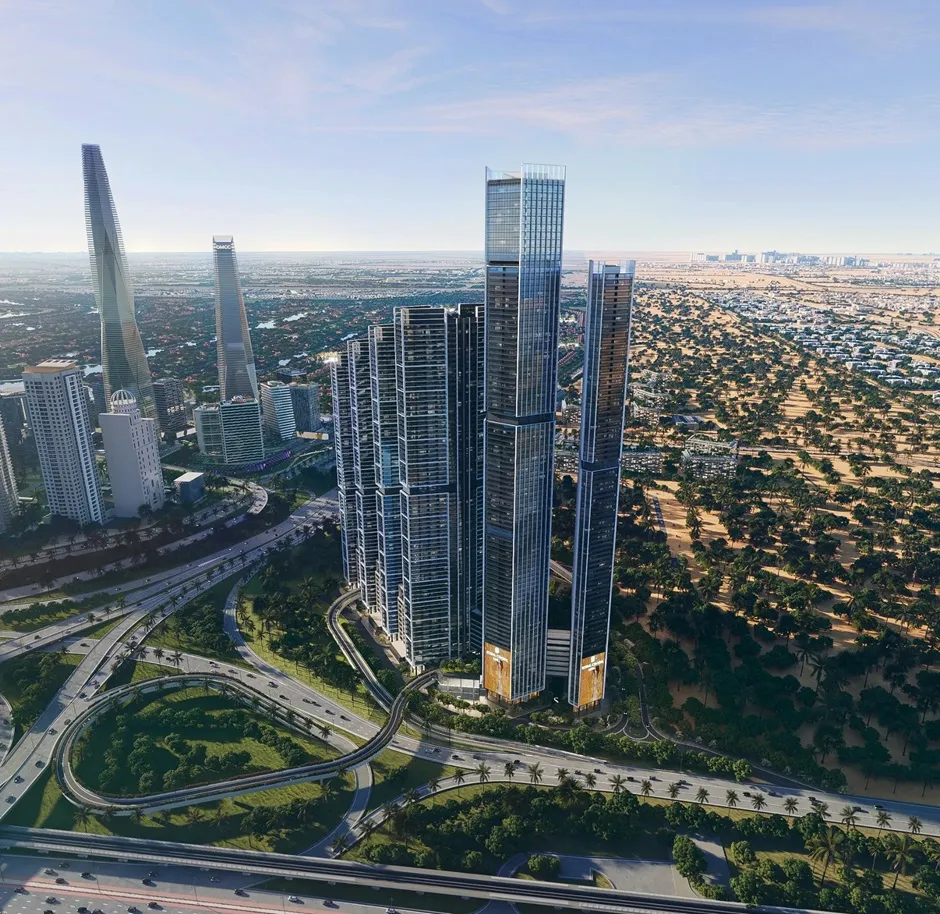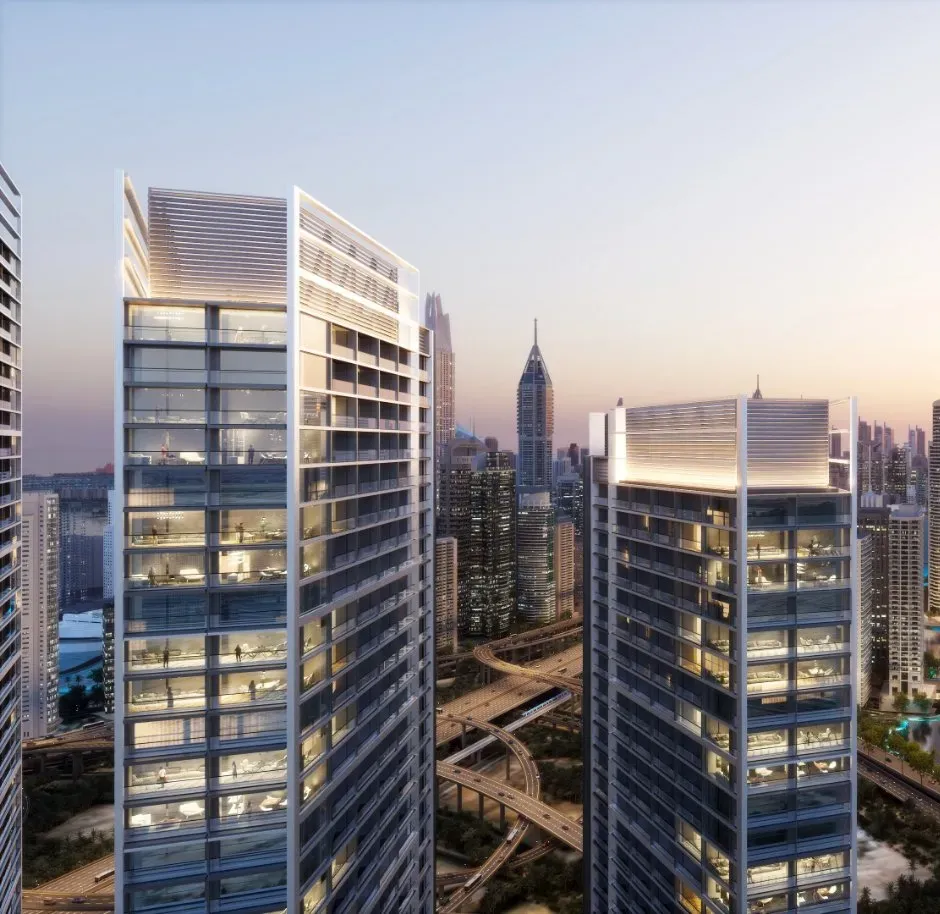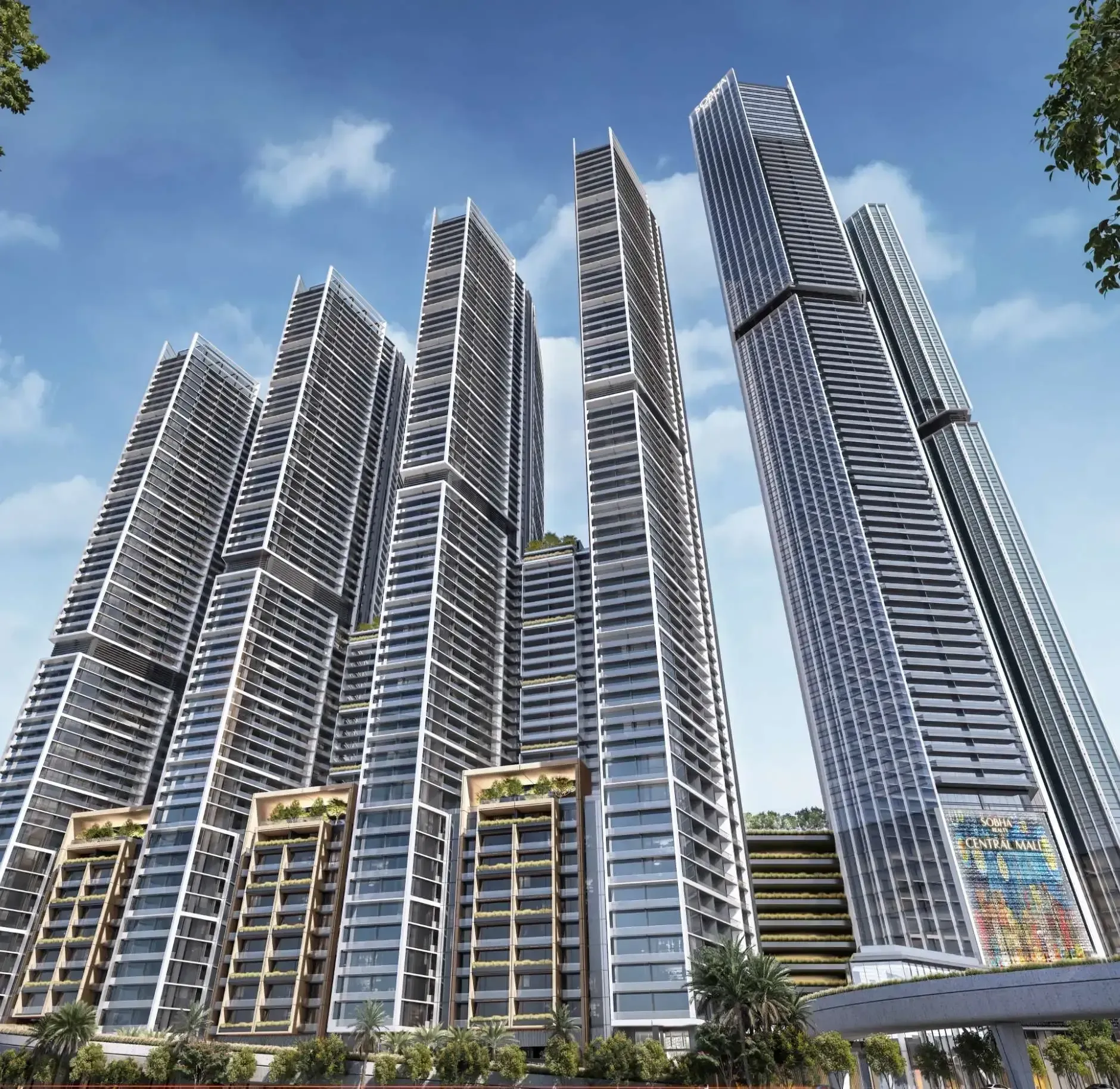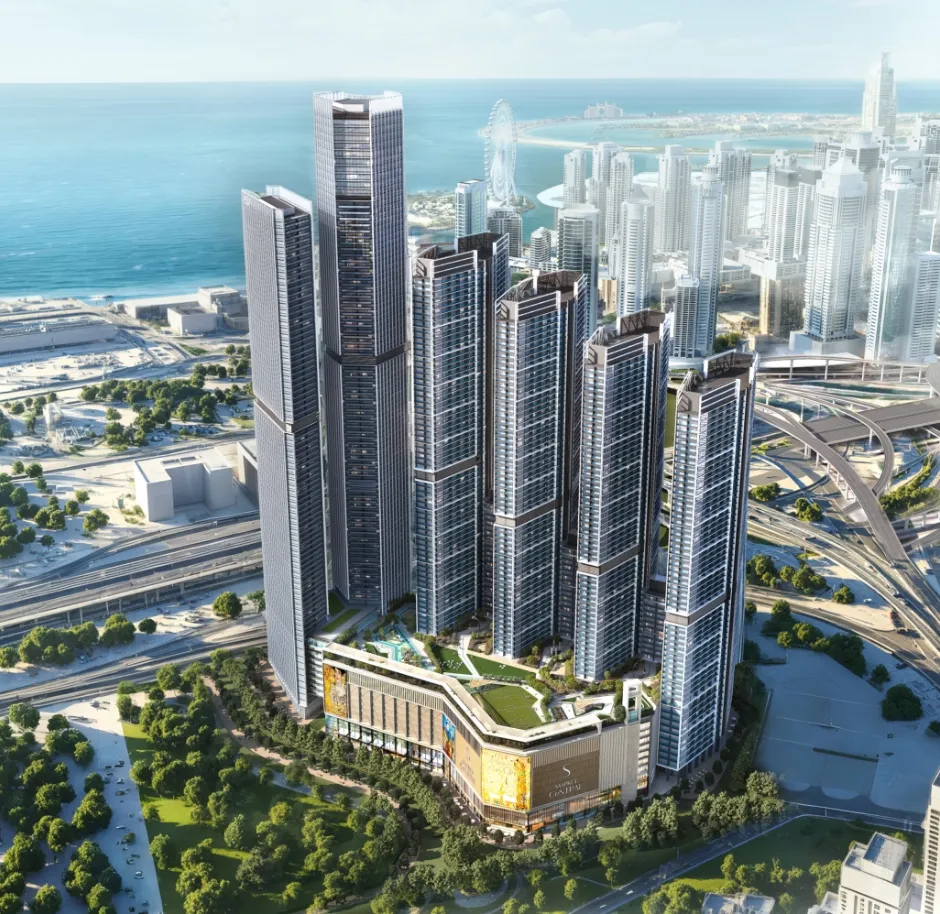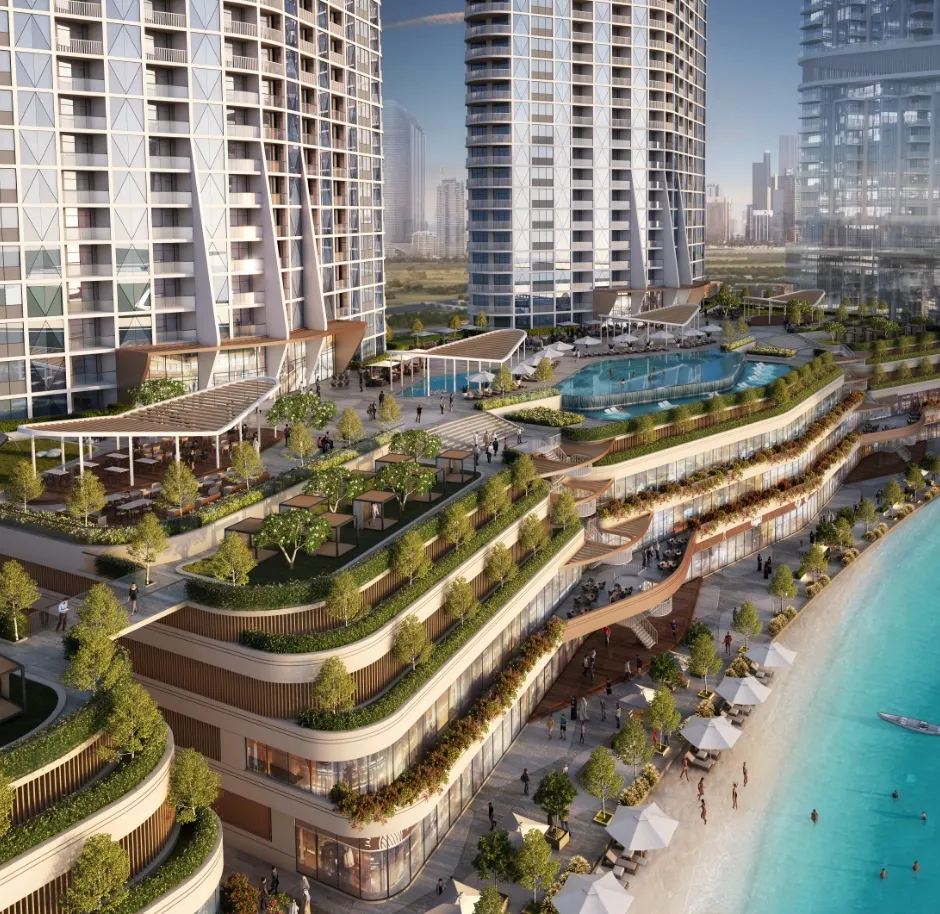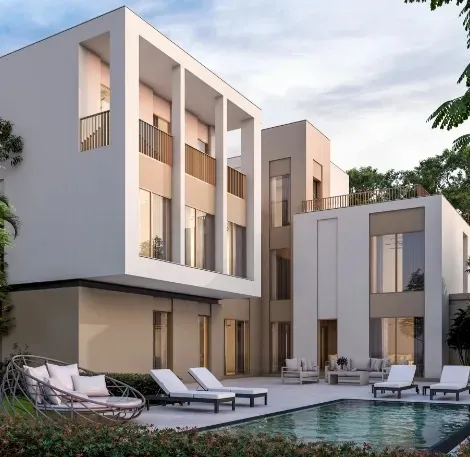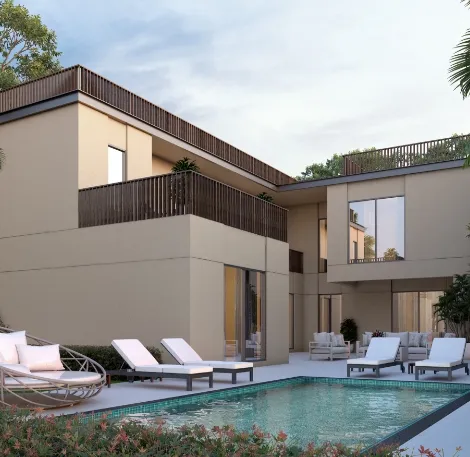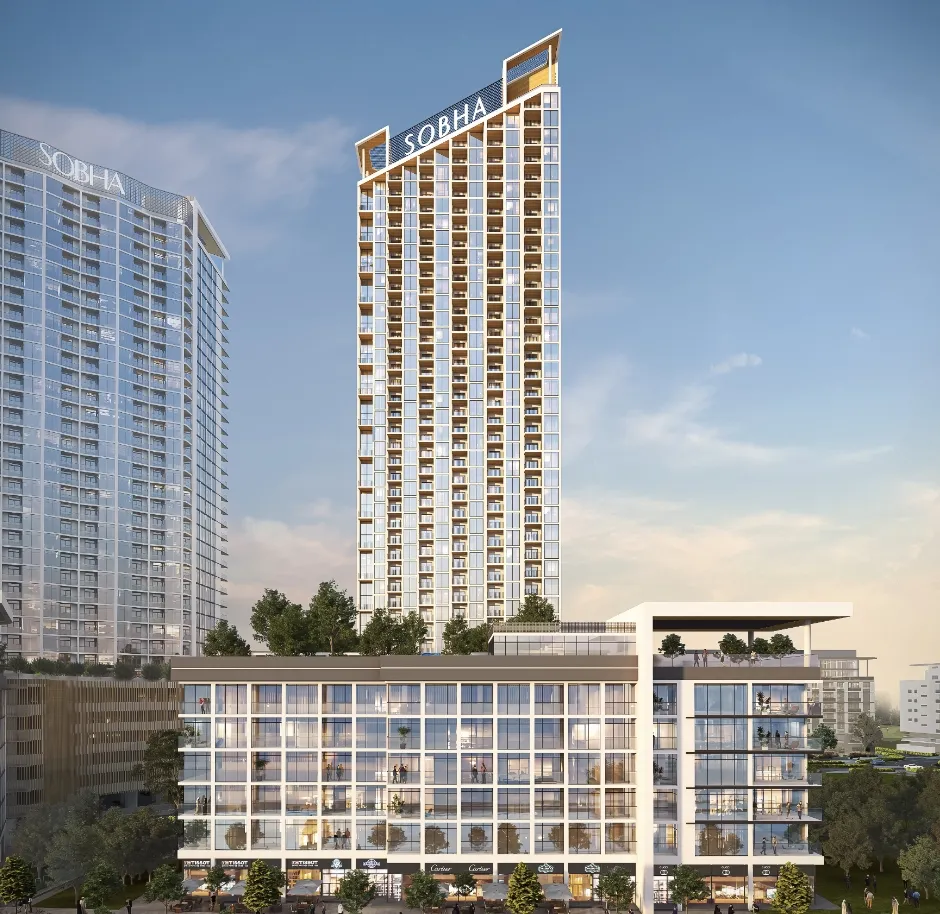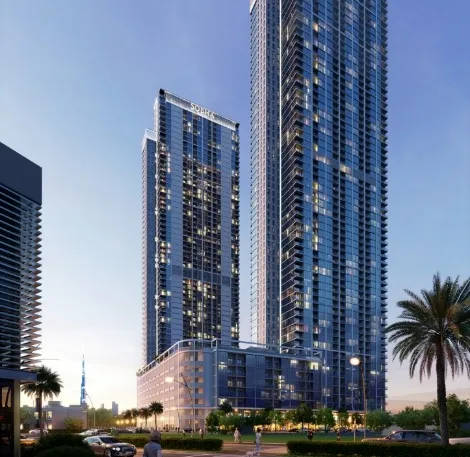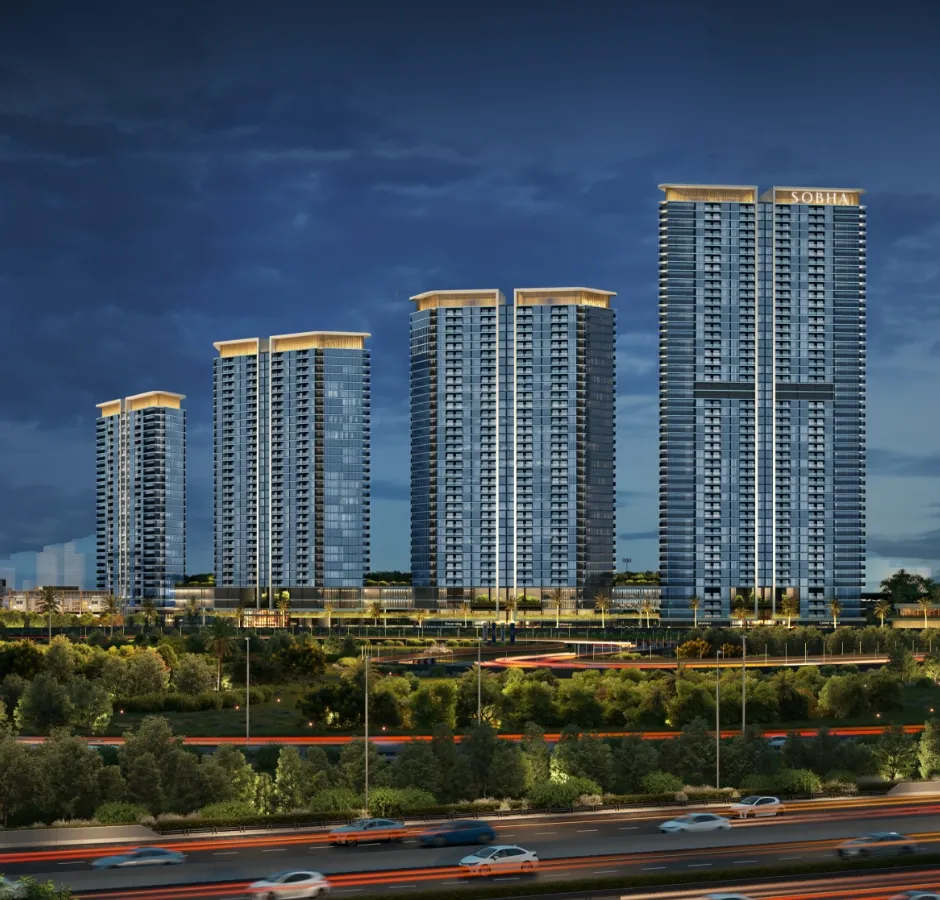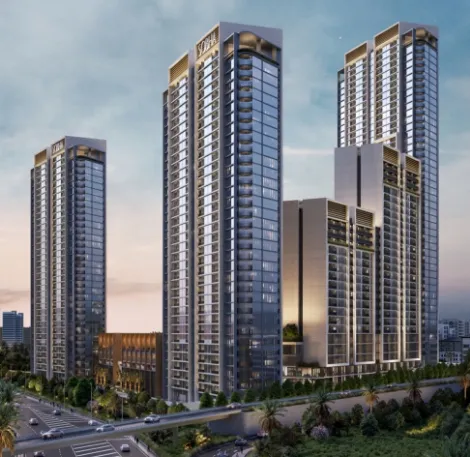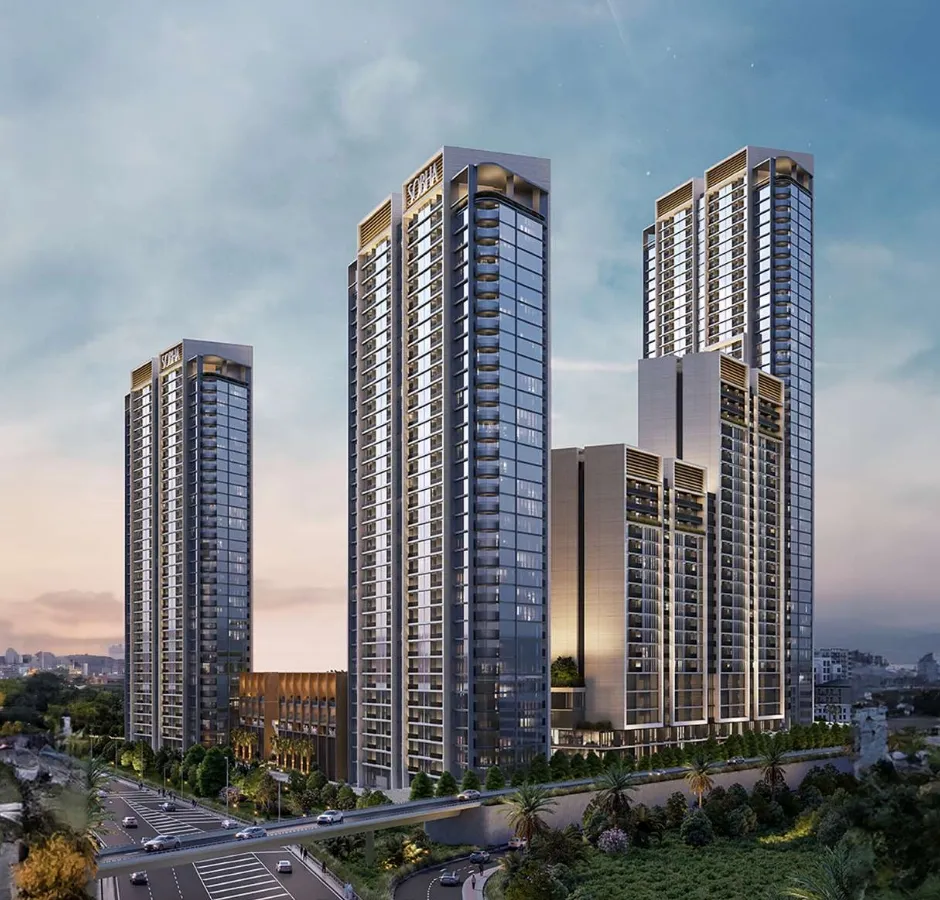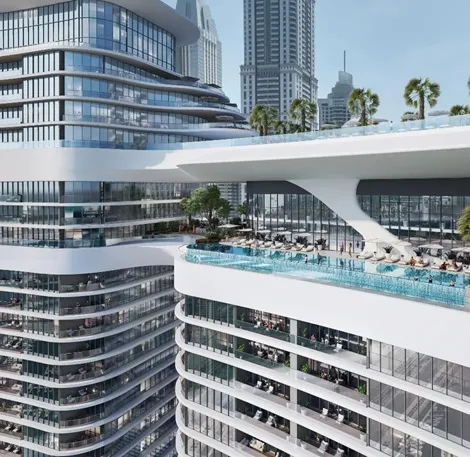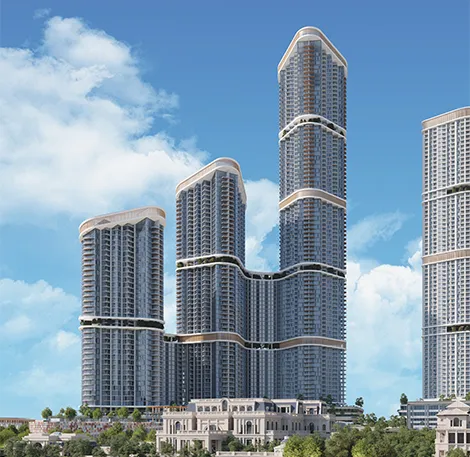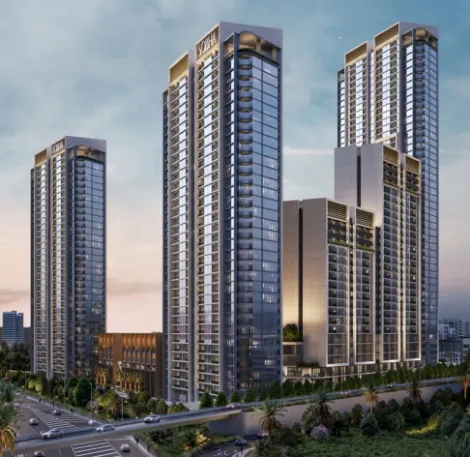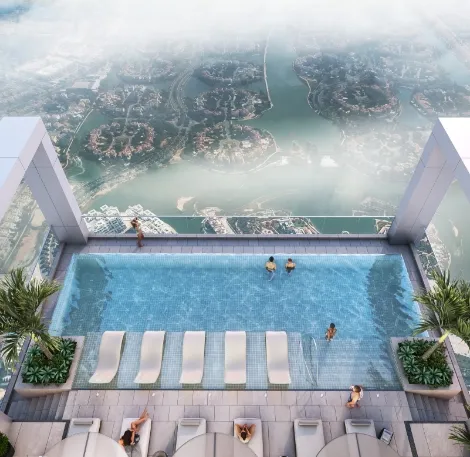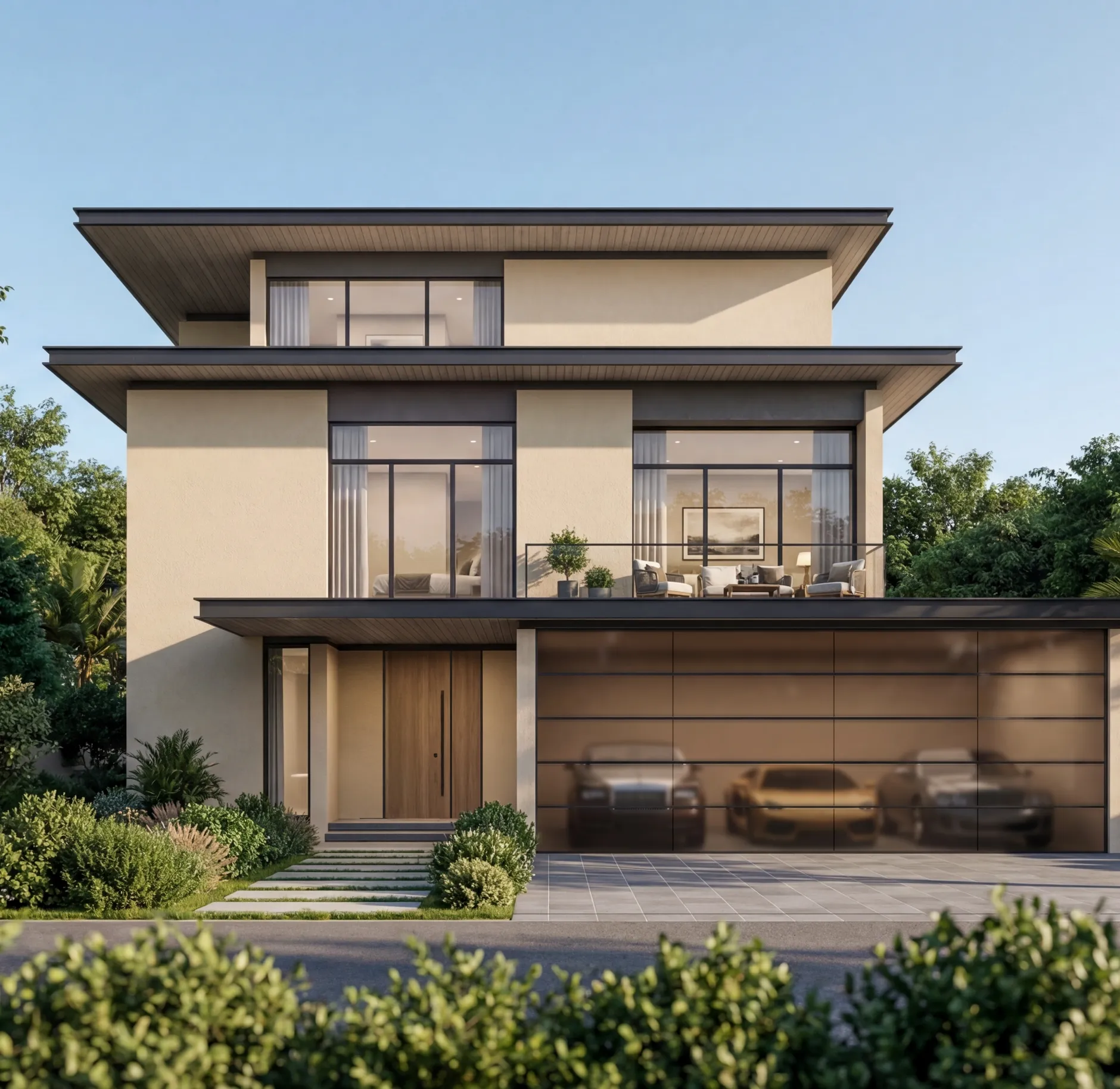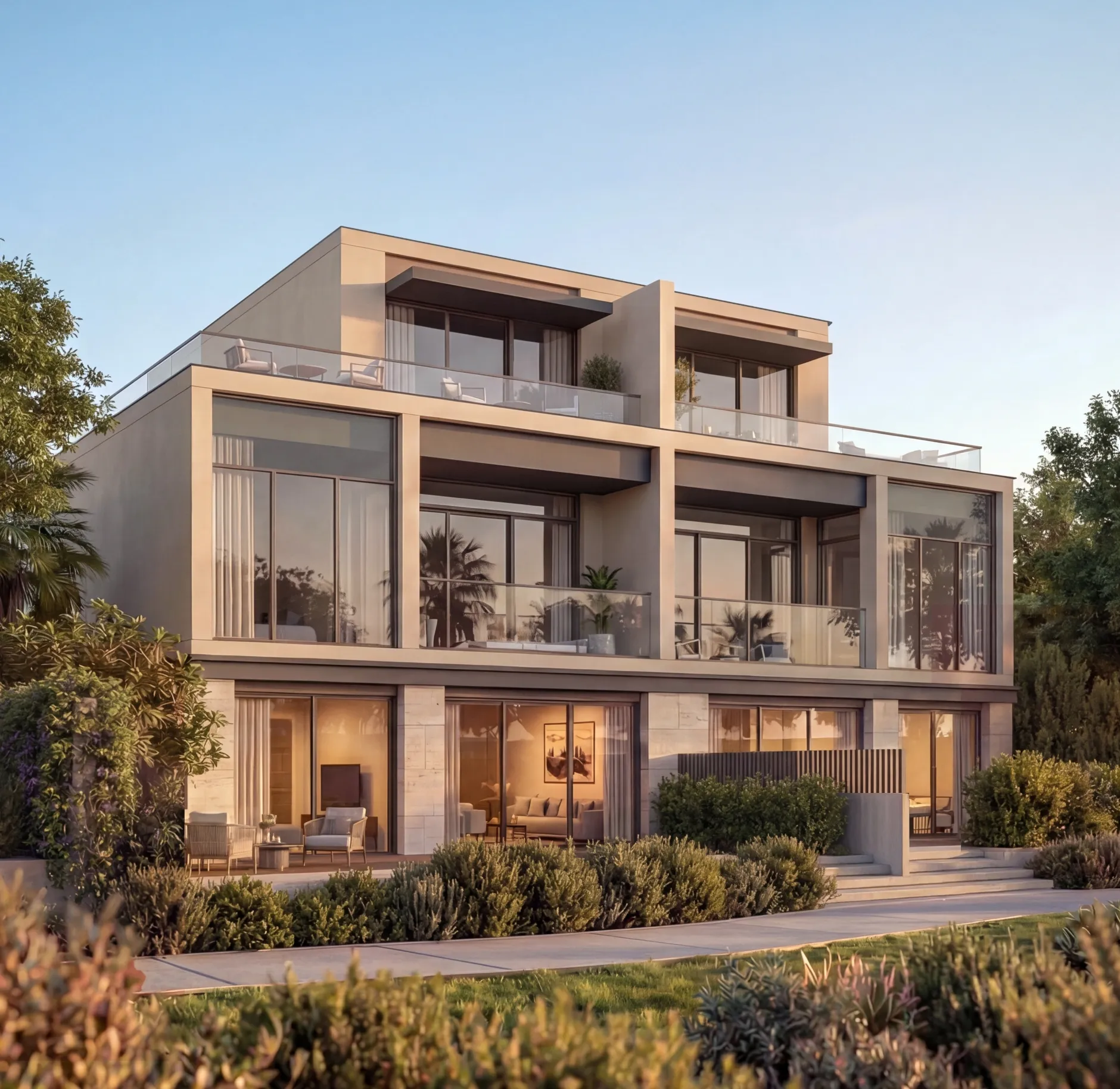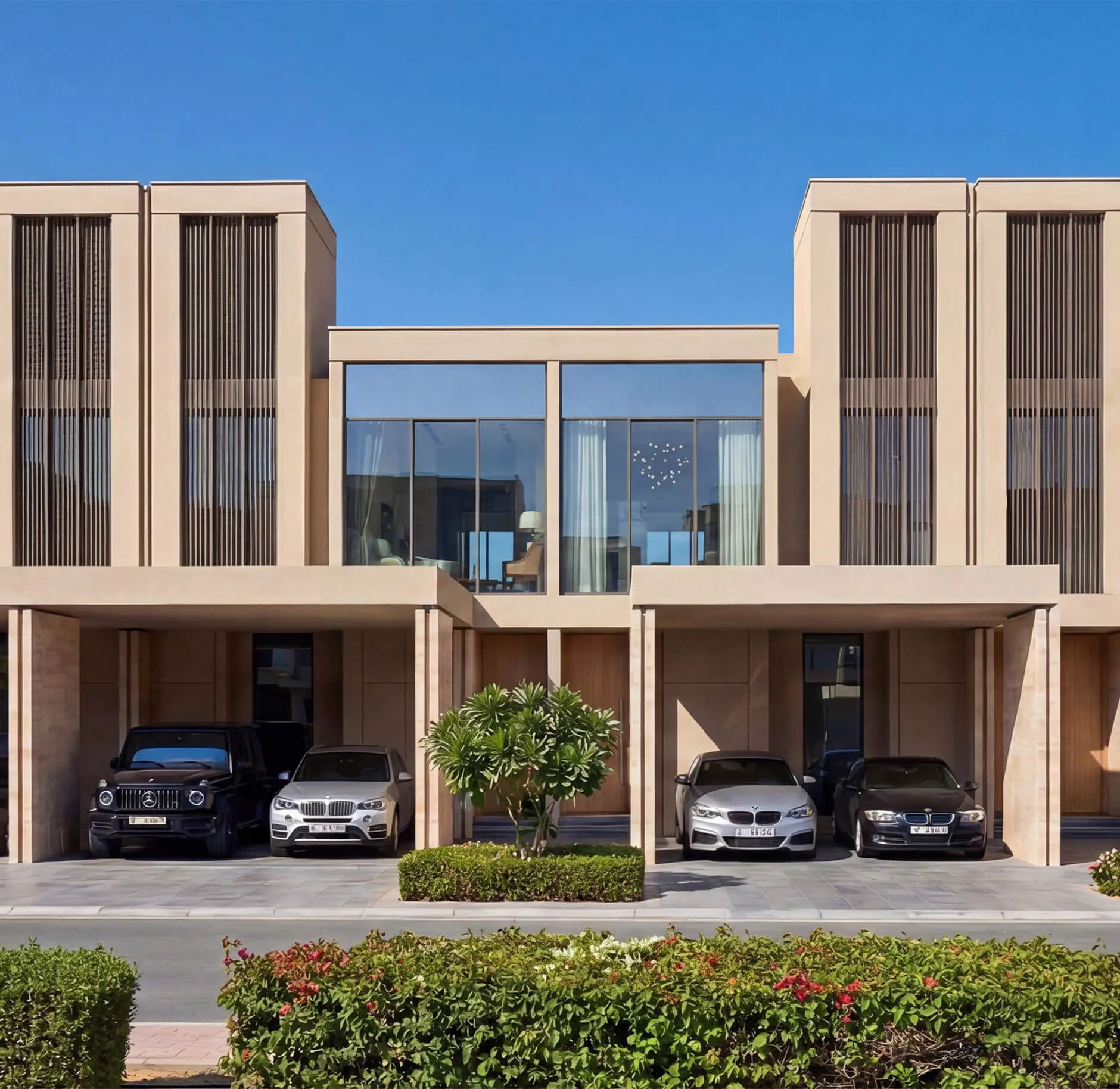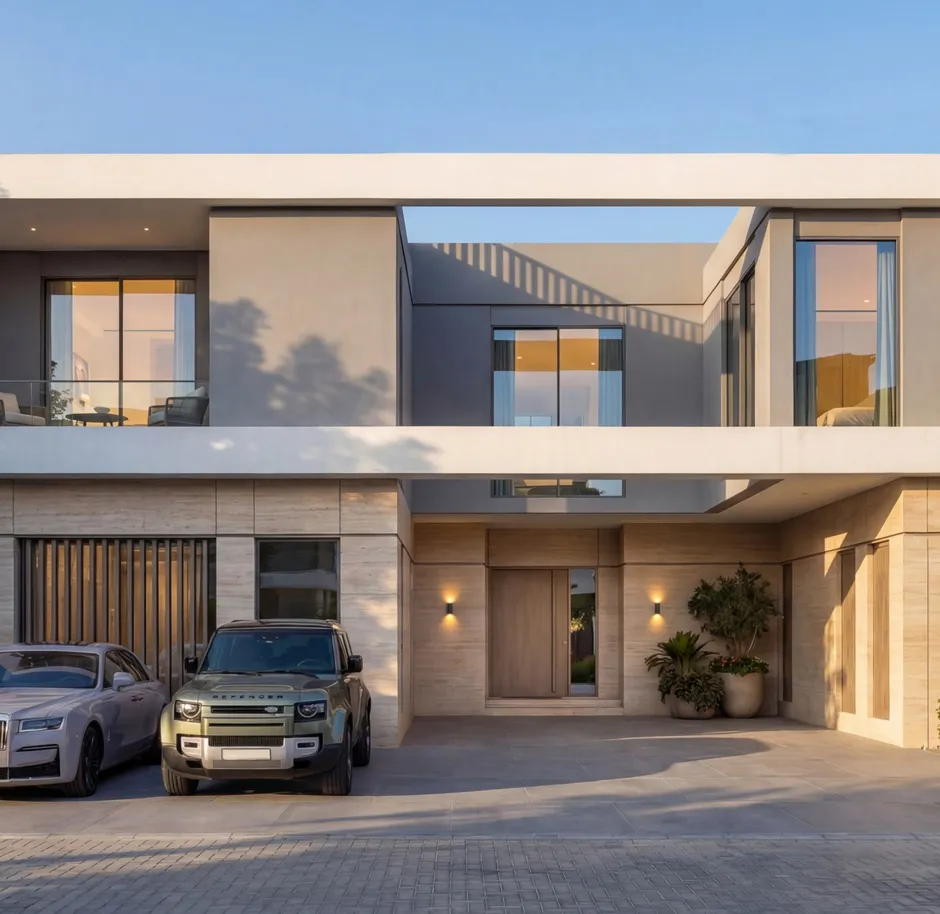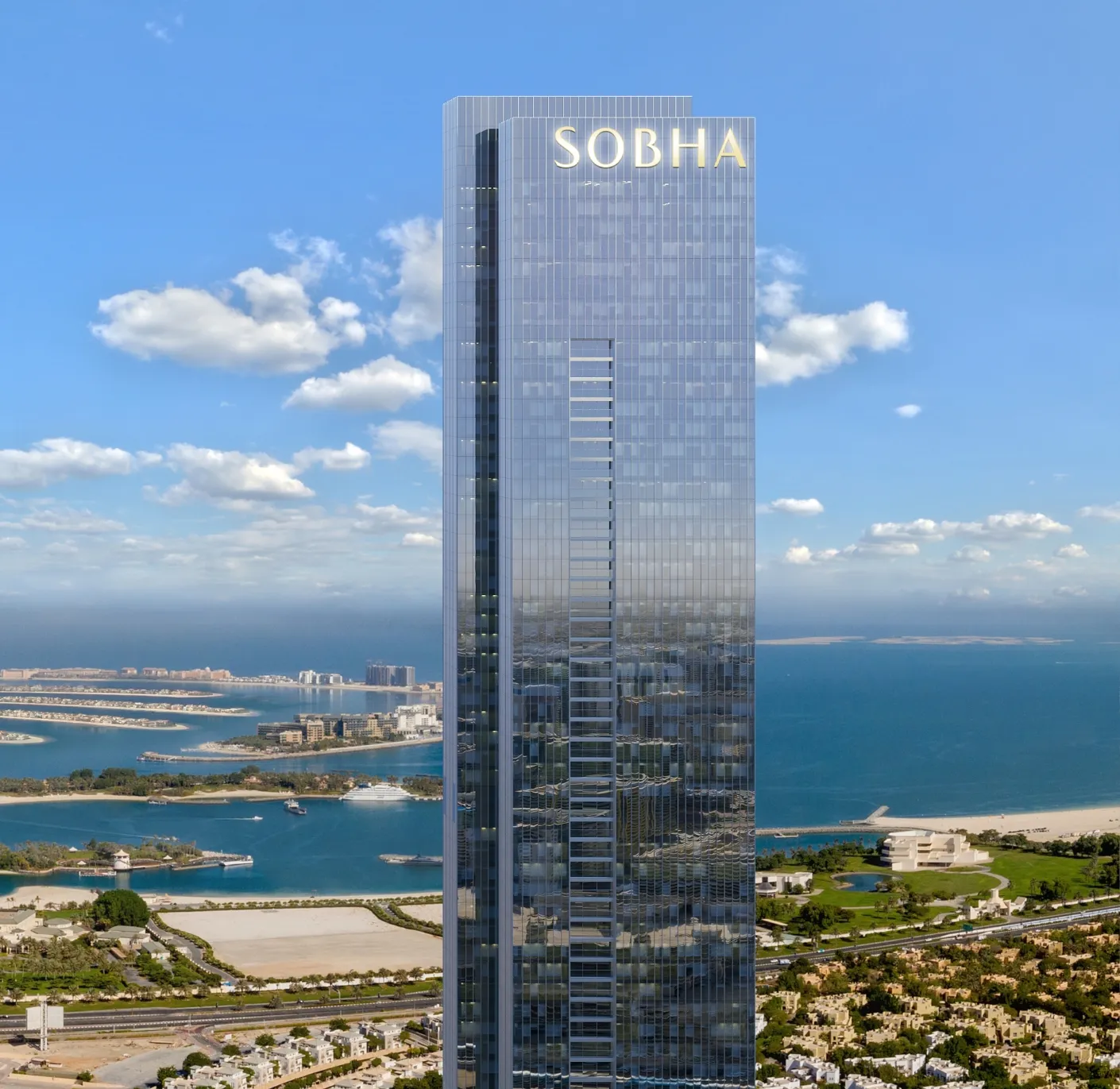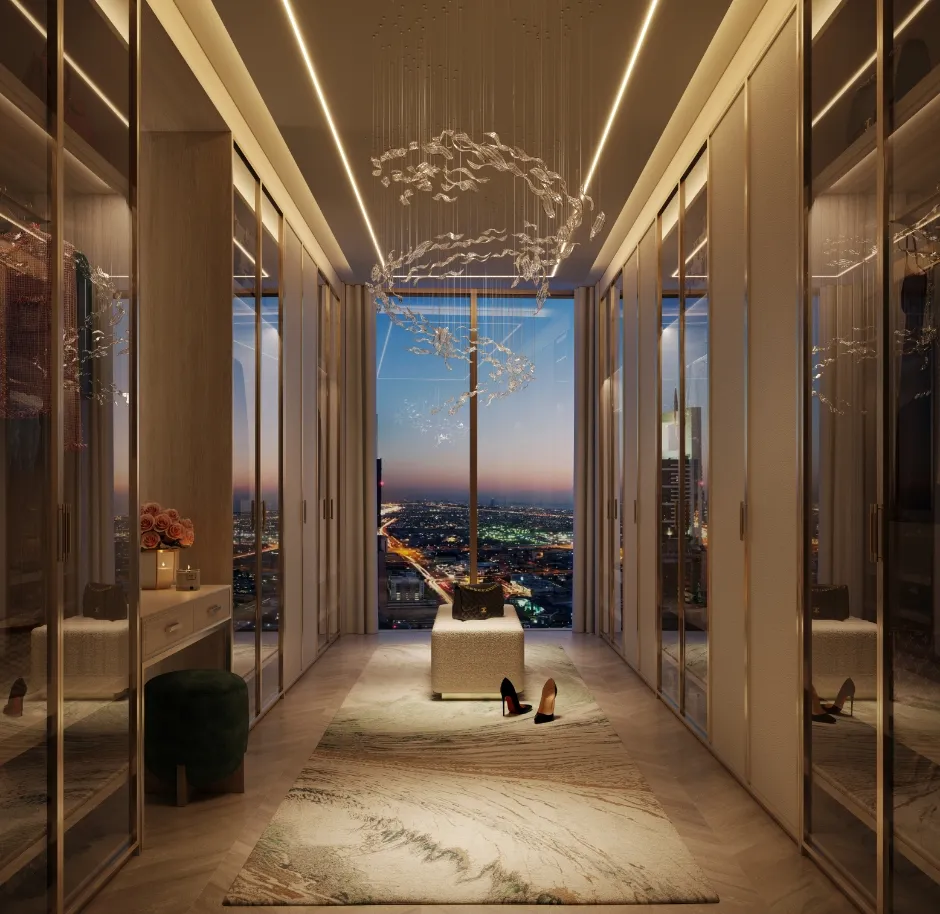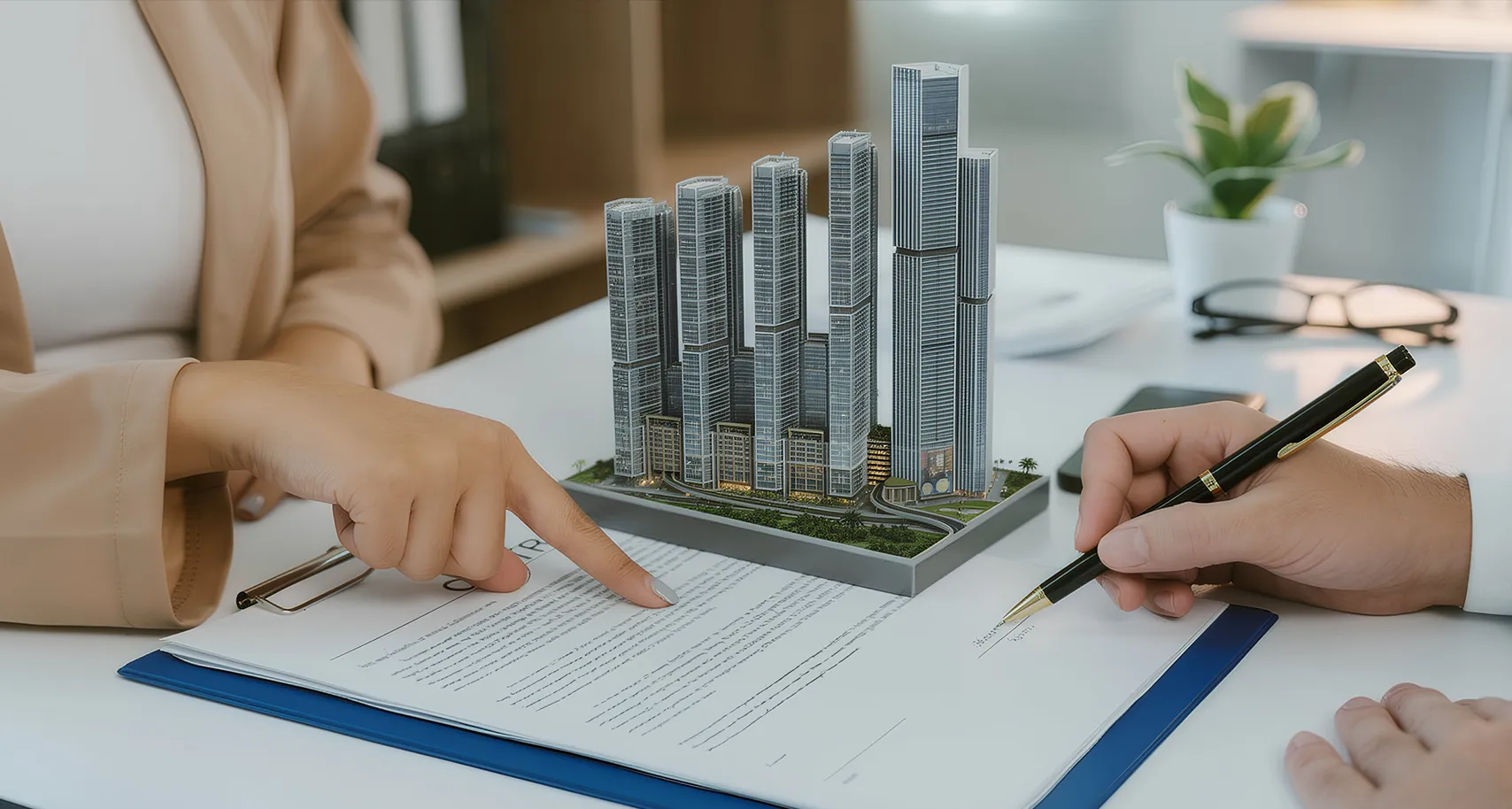
In today's evolving property landscape, particularly in dynamic global hubs such as the UAE, future-proof developments are those designed to remain relevant, resilient, and desirable for decades to come.
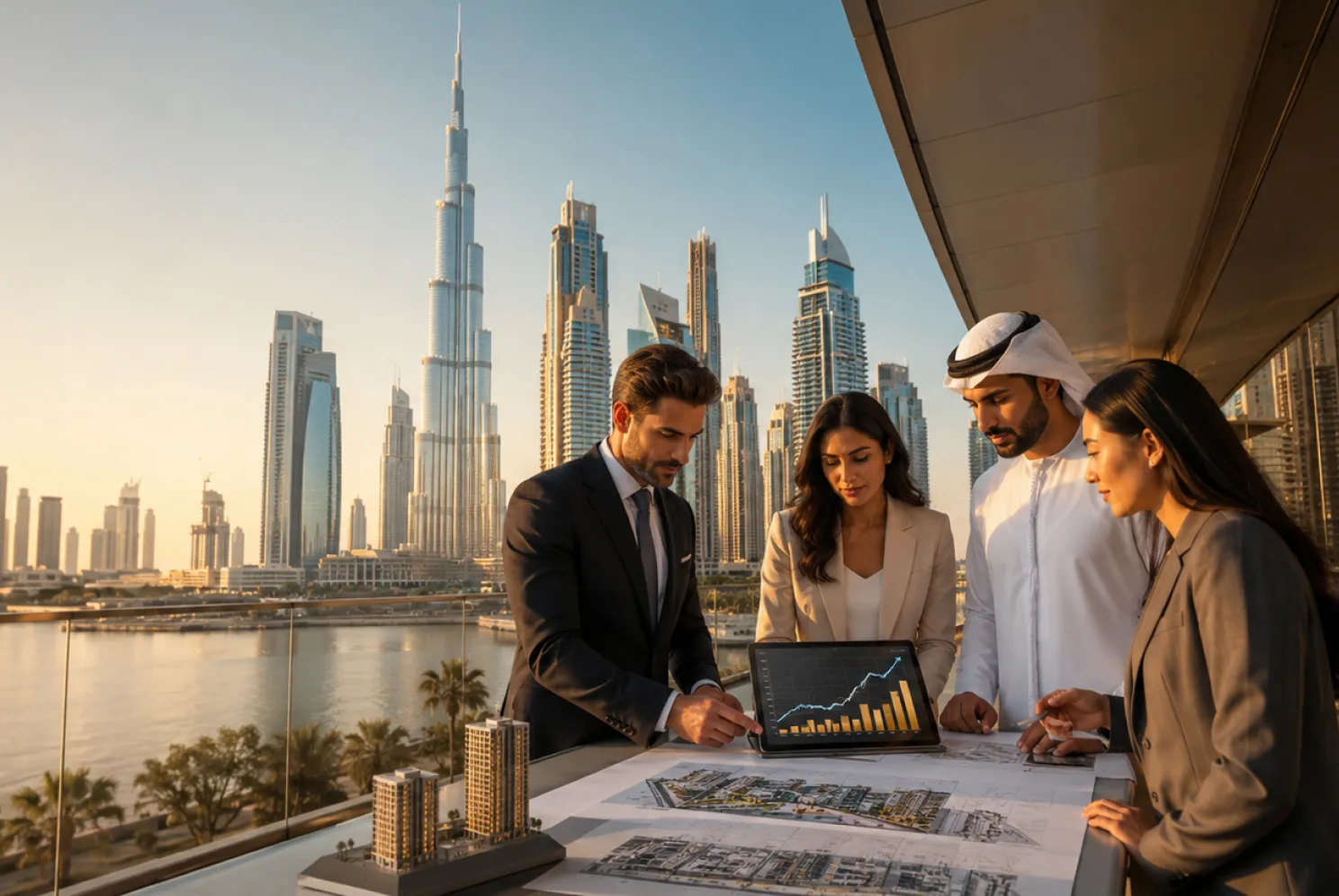
As the Emirates' real estate market continues to mature, buyers and investors are increasingly focused on long-term performance rather than short-term appeal. The question is no longer simply where to invest, but how well a development is positioned for the future. The answer lies in a combination of sustainability, technology, integrated living, and alignment with broader urban growth strategies.
ESG Readiness Is Becoming a Core Requirement
At the heart of future-proofing is ESG readiness, Environmental, Social, and Governance principles that are rapidly becoming essential benchmarks across global real estate markets.
Sustainability is no longer considered a differentiator. It has become a core expectation among investors, regulators, and residents alike.
Energy-efficient buildings, smart water management systems, renewable energy integration, and environmentally conscious materials all contribute to lower operating costs and stronger long-term asset value. Increasingly, ESG-certified properties are commanding stronger demand because they are perceived as more resilient to future regulatory and market shifts.
Leading developers are also recognising that sustainability extends beyond operational efficiency. It influences how communities are designed, constructed, maintained, and adapted over time.
At Sobha Realty, this philosophy is reflected in our Backward Integration model, which enables greater oversight across design, construction, and delivery while maintaining a strong focus on quality and long-term value creation.
Why ESG Real Estate Is Attracting Investors
One of the most important trends in shaping the future of real estate is the growing influence of ESG-led investment strategies.
Institutional investors, sovereign wealth funds, and global asset managers increasingly evaluate developments based on environmental performance, operational efficiency, and long-term sustainability goals.
Developments that can demonstrate:
- Energy efficiency
- Decarbonisation strategies
- Responsible resource management
- Strong governance practices
- Community-focused planning
are becoming increasingly attractive investment opportunities.
As ESG expectations continue to evolve, developments that proactively embrace these principles may be better positioned to protect and enhance long-term value.
Technology Is Redefining Residential Living
Sustainability alone does not make a development future-ready.
Technology is equally central to how modern communities operate and evolve.
Today's leading developments are designed as intelligent ecosystems rather than static physical assets. Artificial intelligence, IoT-enabled infrastructure, and predictive maintenance systems are transforming how buildings function on a daily basis. Smart systems can optimise energy consumption, improve air quality, monitor infrastructure performance, and proactively identify maintenance needs before they escalate.
The result is greater efficiency, lower operating costs, and a more seamless living experience for residents.
Digital integration is also reshaping the customer journey. Technologies such as blockchain-enabled platforms and secure digital transaction systems are beginning to streamline ownership, leasing, and property management processes, enhancing transparency and convenience across the real estate ecosystem.
The Rise of Smart Communities
The future of real estate increasingly belongs to smart communities that integrate technology across every stage of the resident experience.
These communities leverage connected infrastructure to improve:
- Energy management
- Security
- Mobility
- Maintenance
- Resident services
- Sustainability performance
As expectations around convenience and efficiency continue to grow, smart communities are becoming a key component of future-proof development strategies across the UAE.
Integrated Living Is Shaping the Future
Even the smartest building cannot thrive in isolation.
The future of real estate increasingly belongs to integrated communities that prioritise liveability, convenience, and human connection.
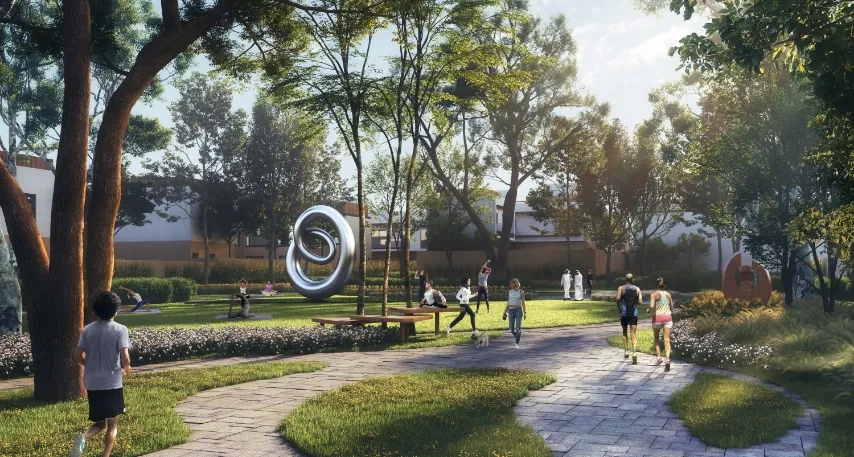
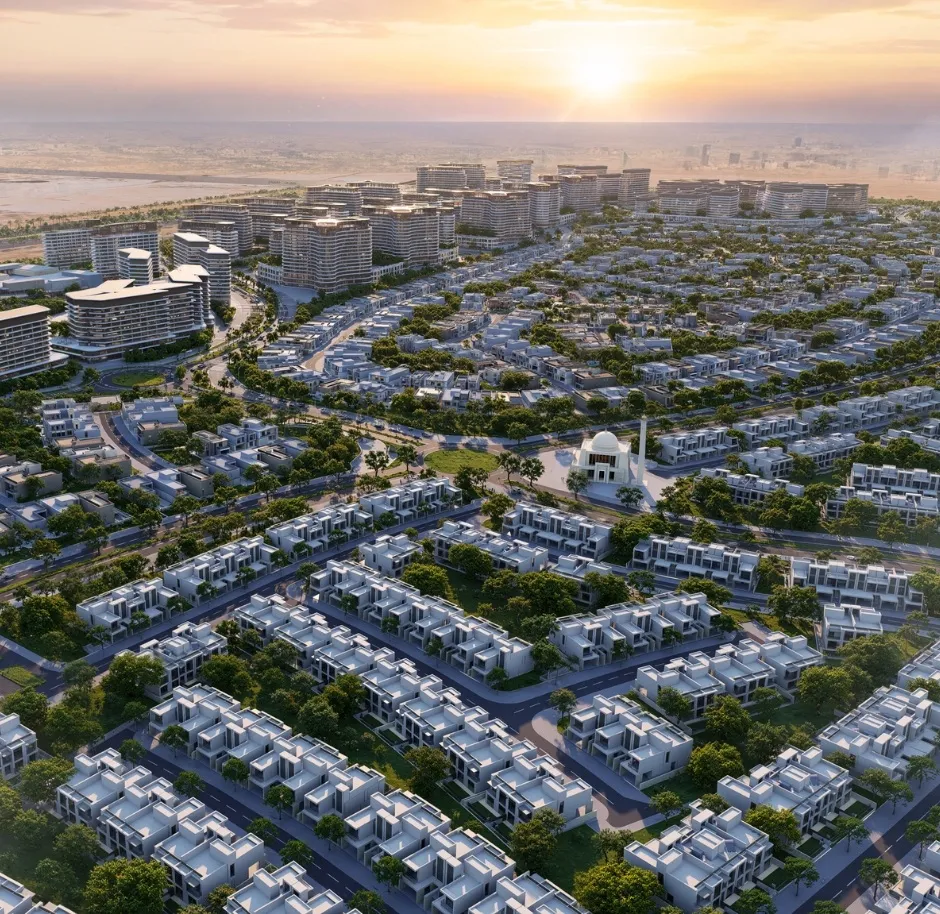
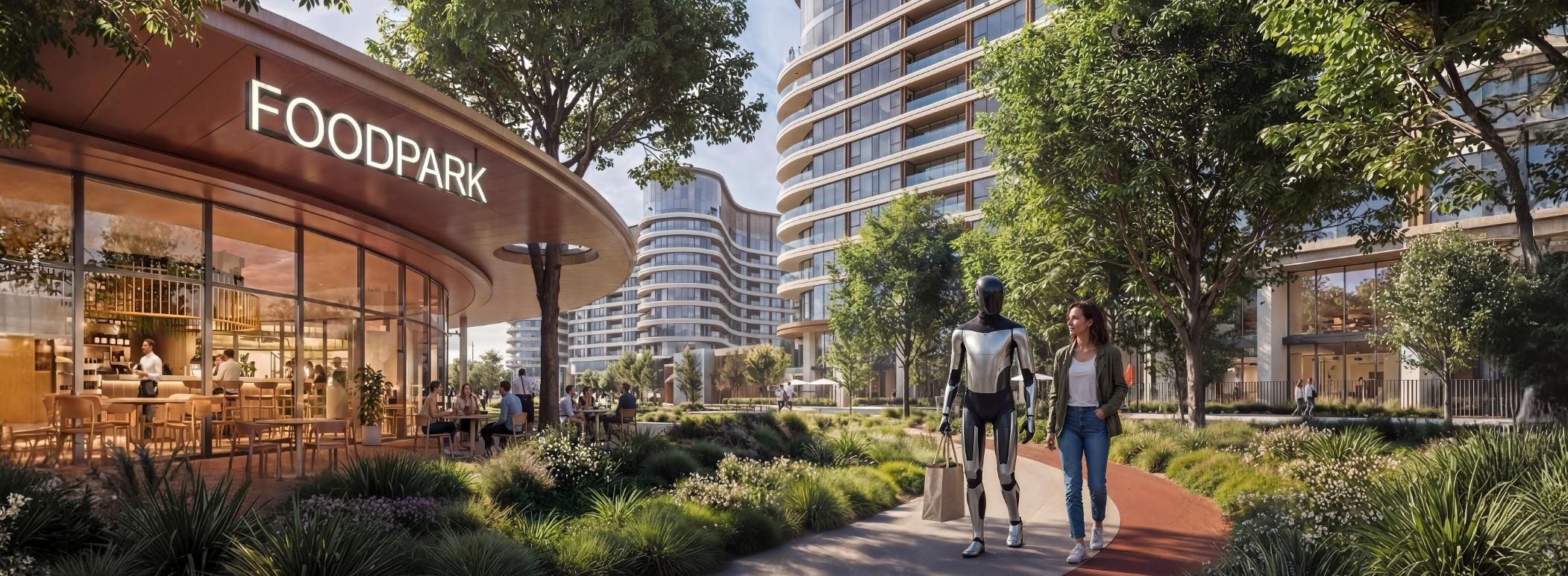
The traditional model of living in one location while travelling elsewhere for work, wellness, and leisure is giving way to the "15-minute city" concept. In these communities, essential services and lifestyle amenities are all located within easy reach.
Today's residents seek developments that combine:
- Homes
- Green spaces
- Wellness facilities
- Retail
- Dining
- Education
- Entertainment
within a walkable and connected environment.
This shift reflects broader changes in how quality of life is defined. Developments are increasingly judged not only by their architecture but by how effectively they support wellbeing, convenience, and community interaction.
Sobha Hartland and the Evolution of Community Living
Dubai's newest master-planned communities increasingly reflect this future-focused direction.
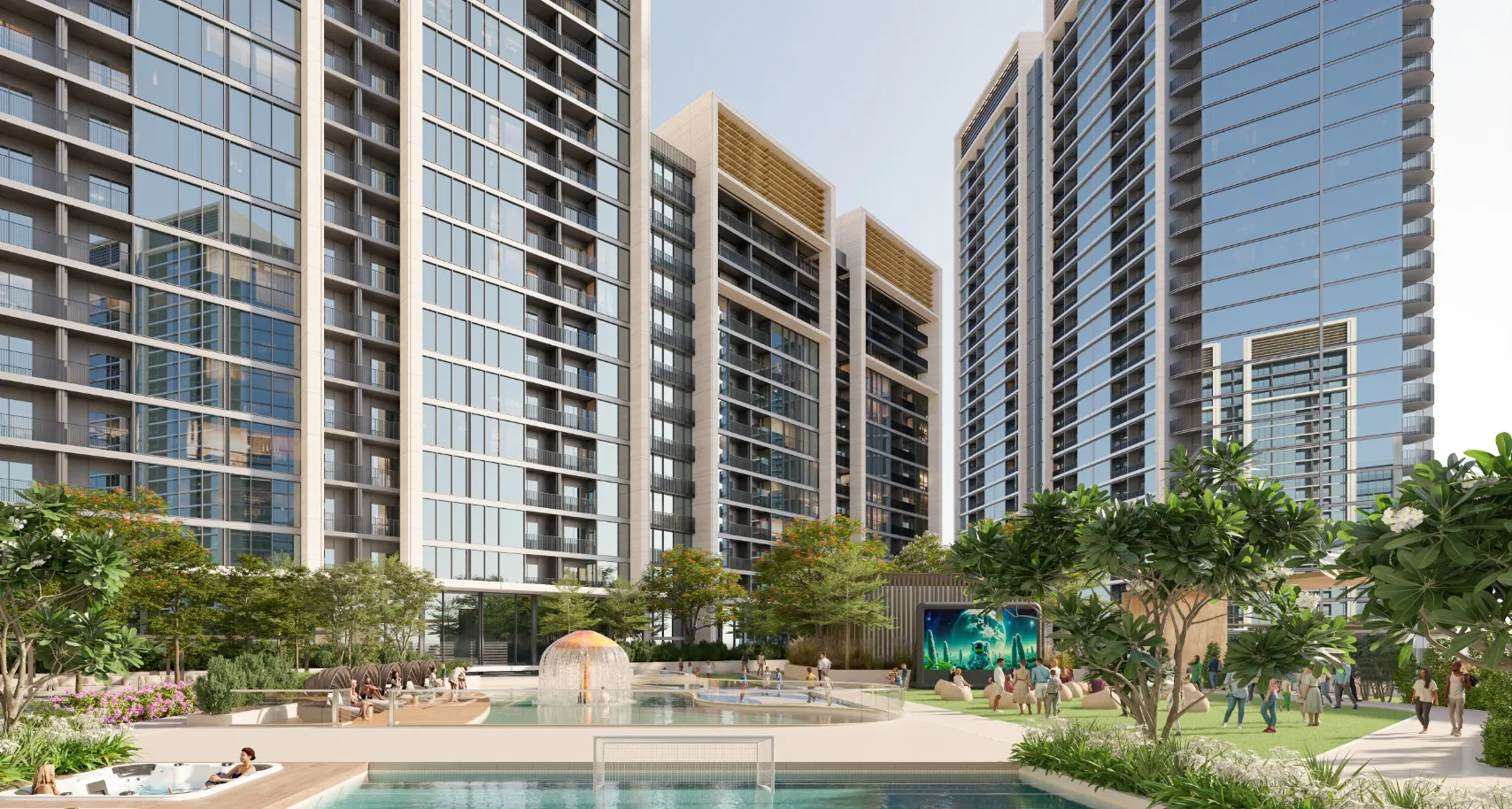
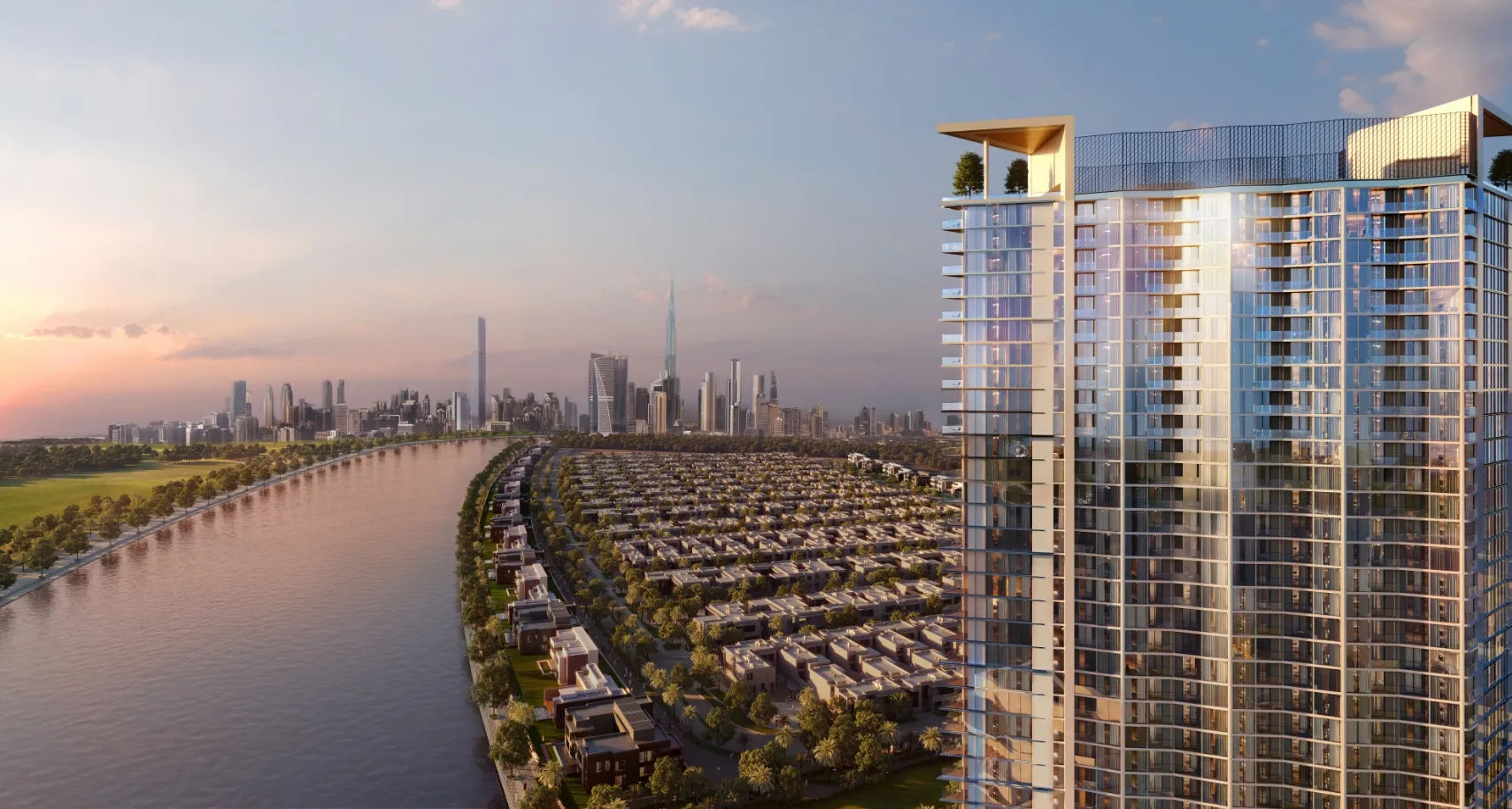
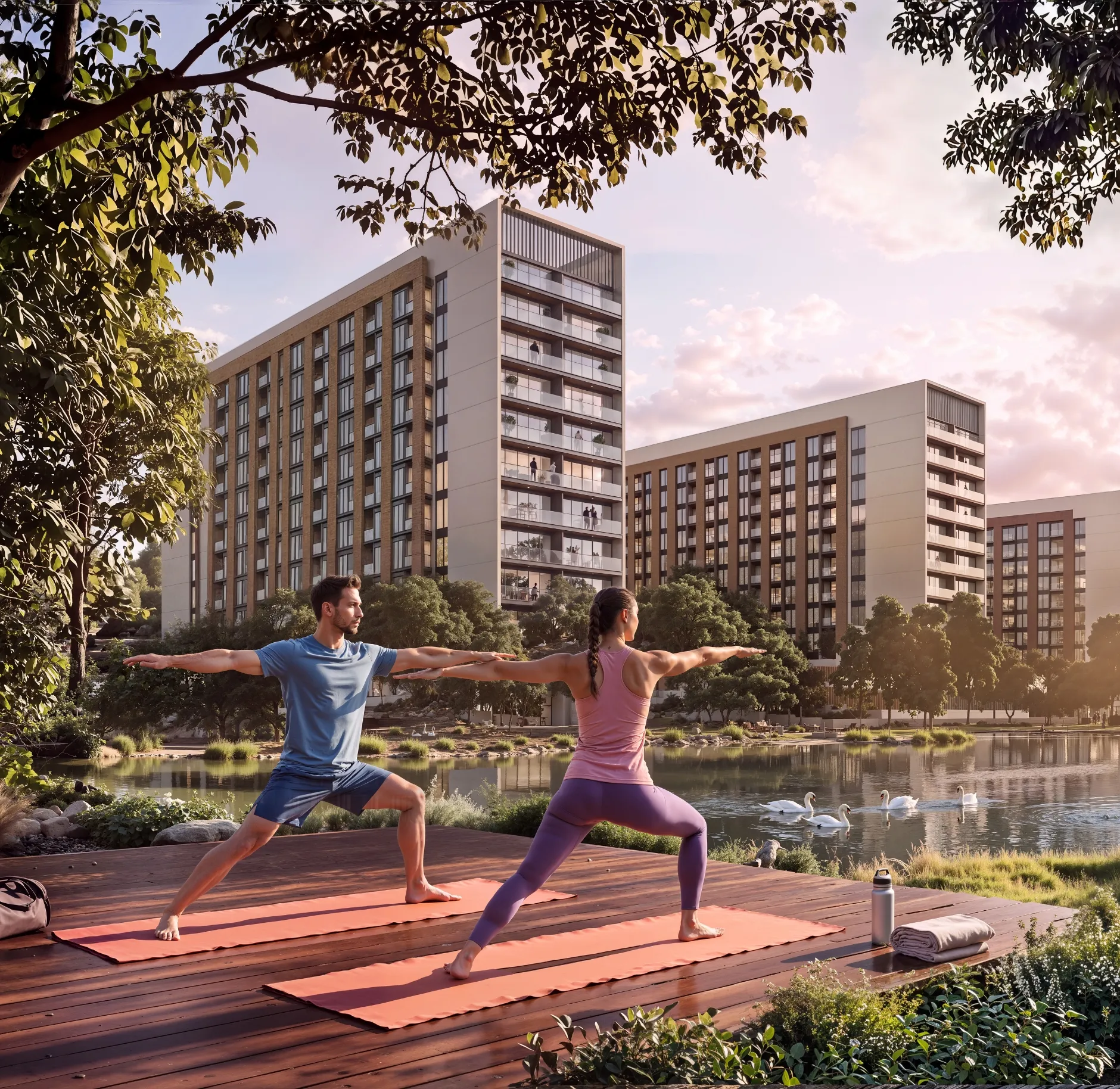
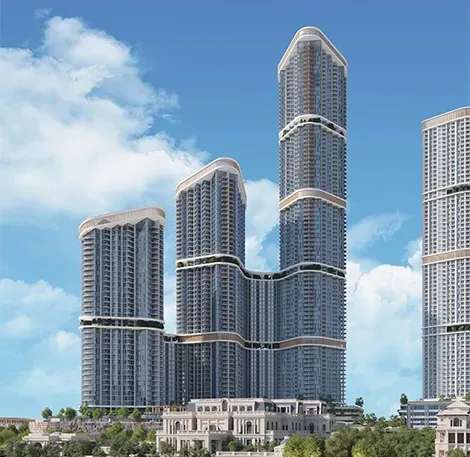
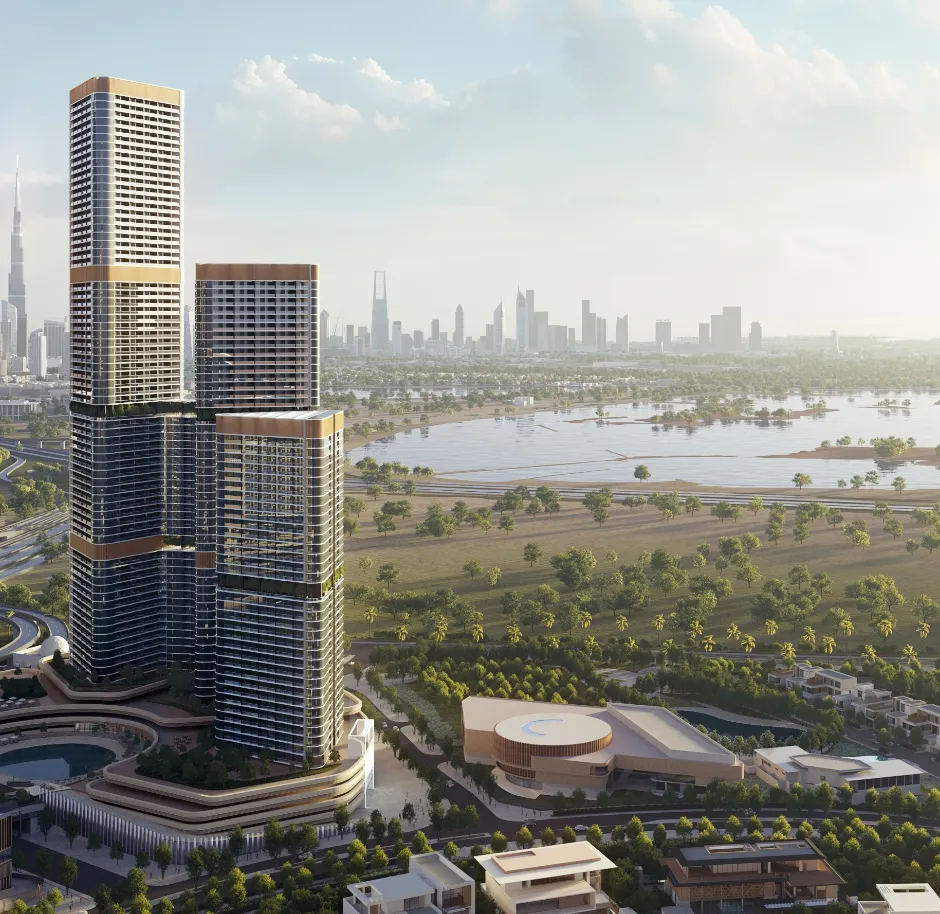
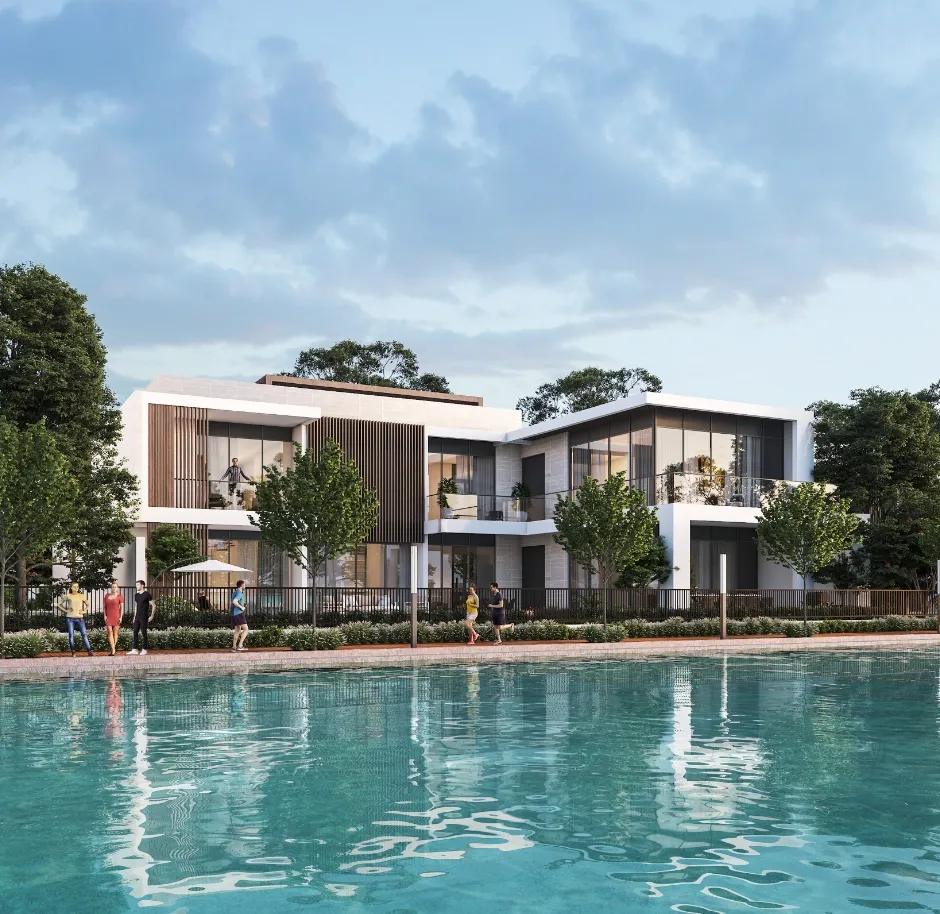
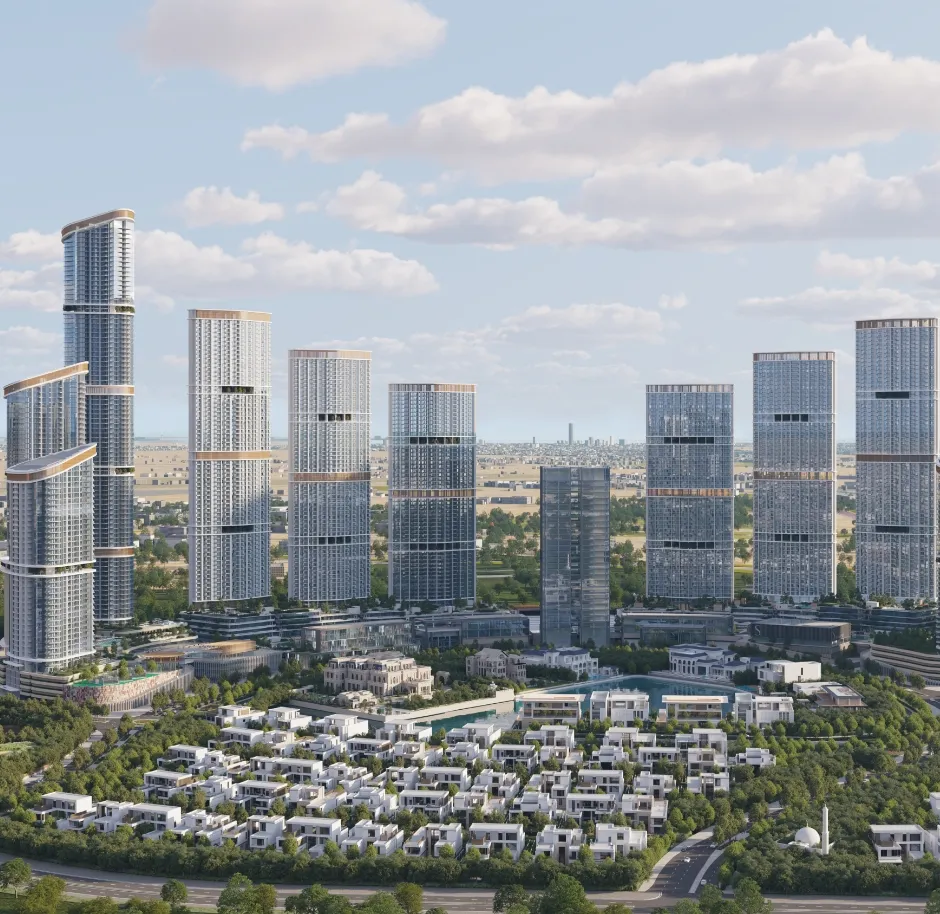
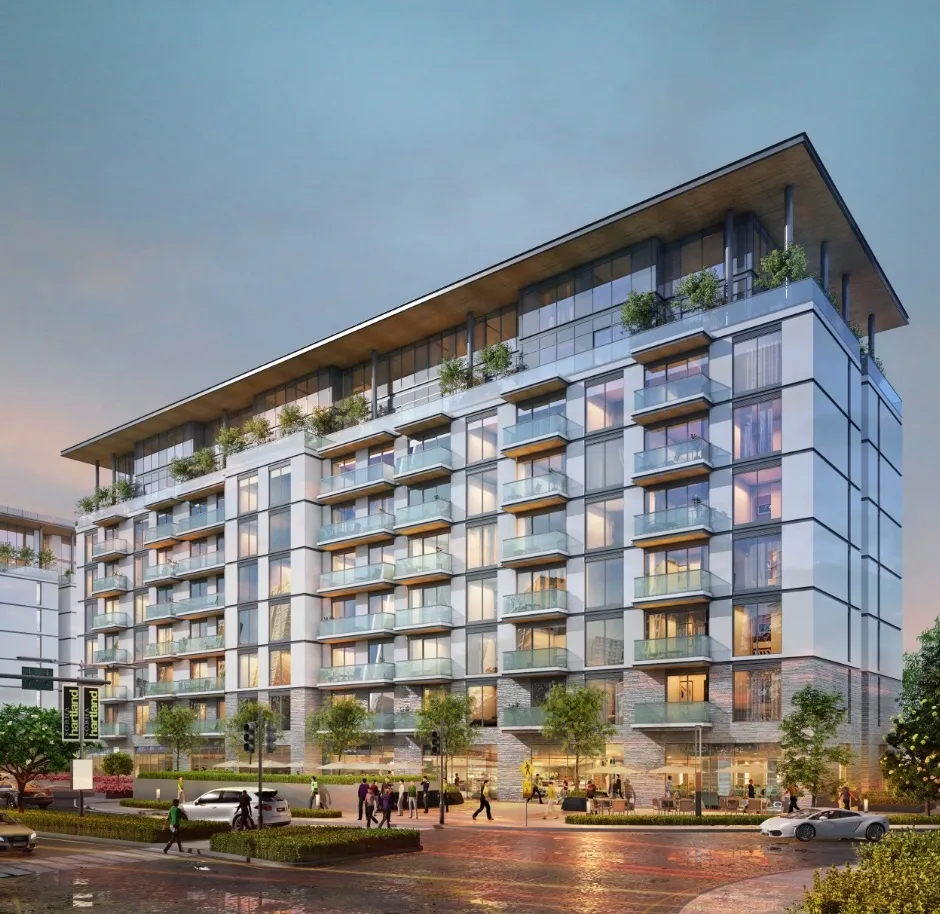
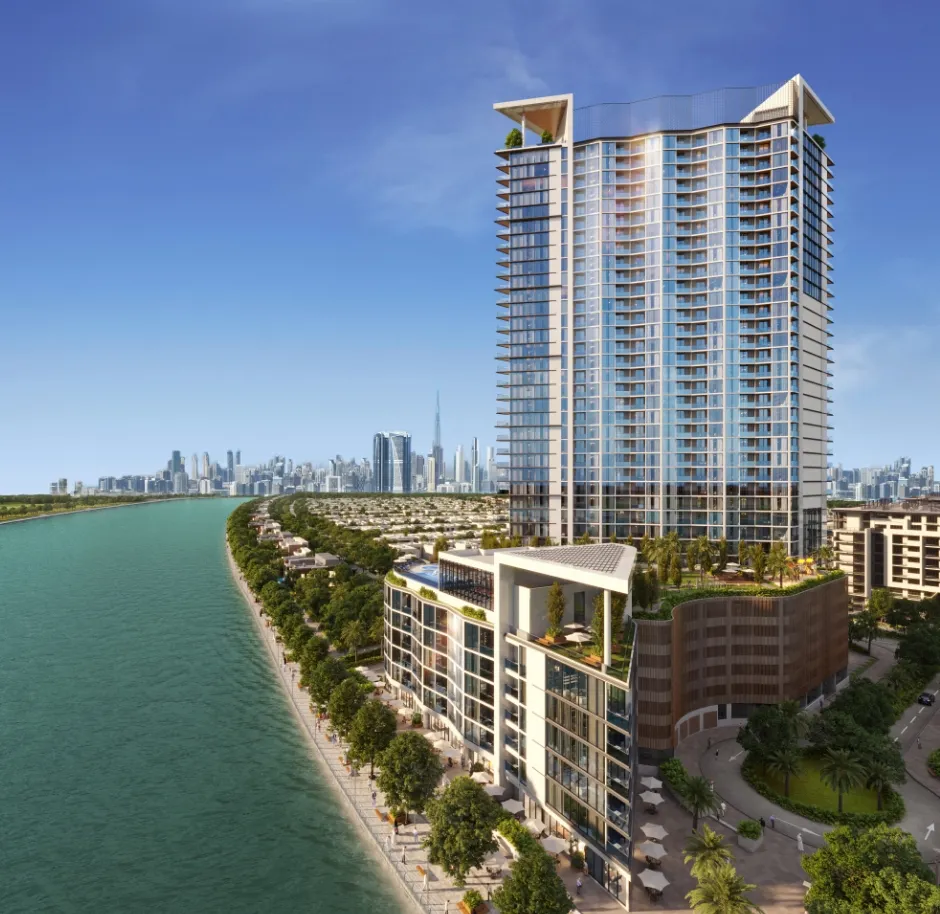
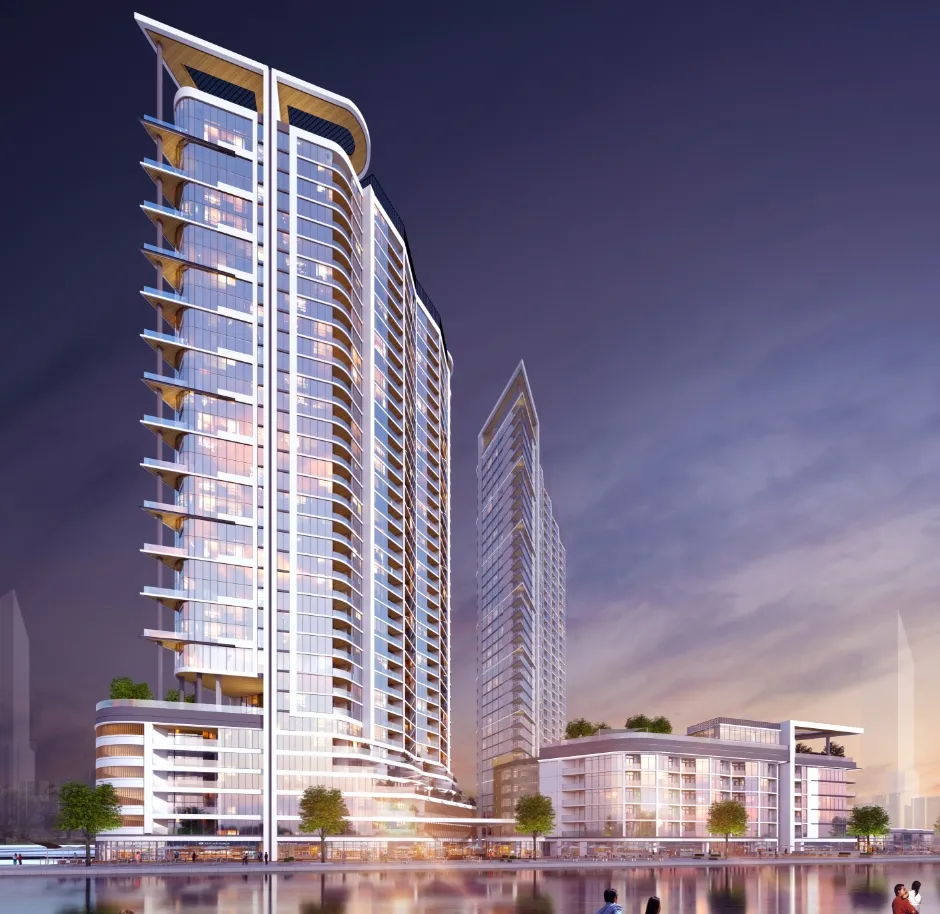
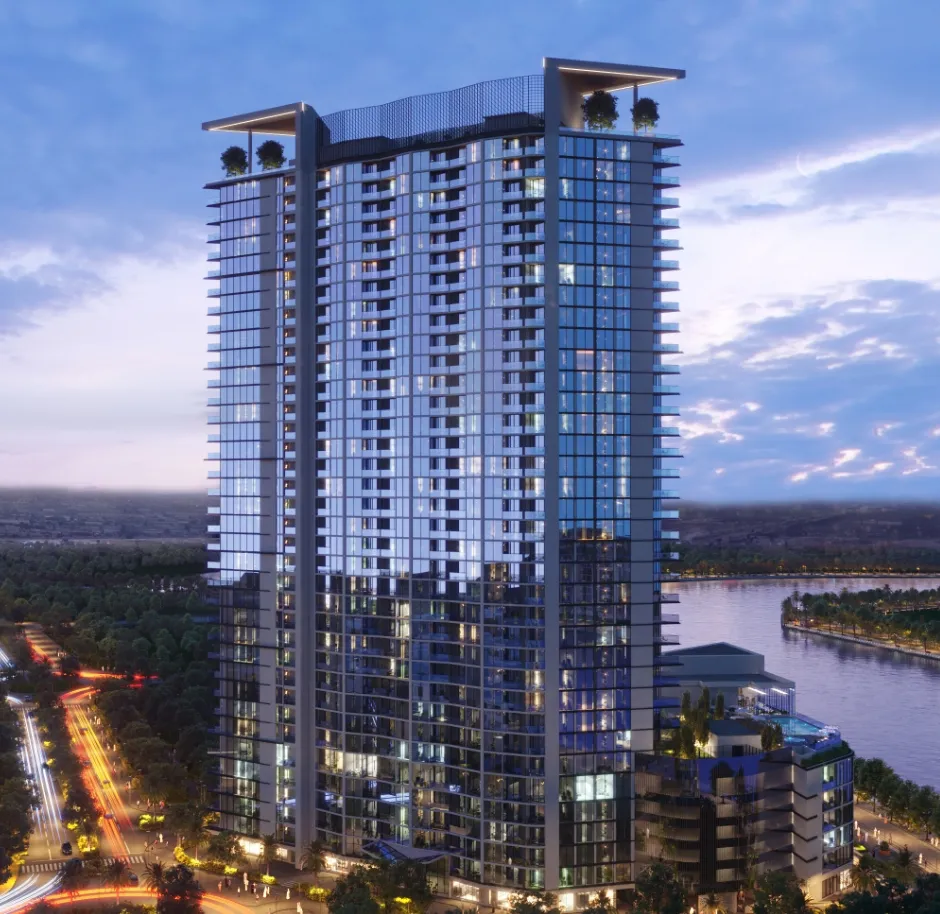
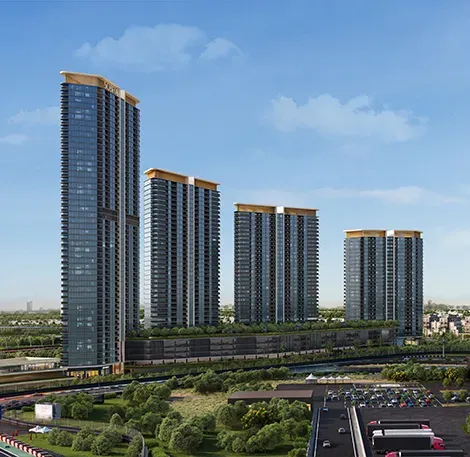
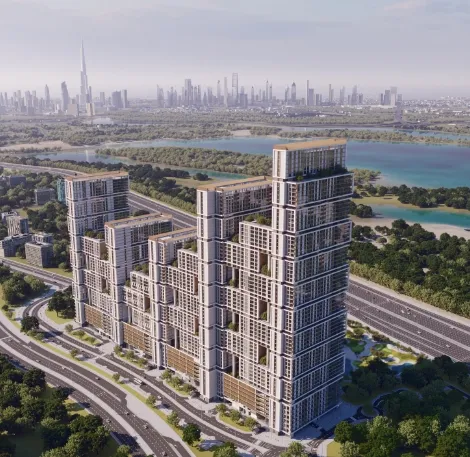
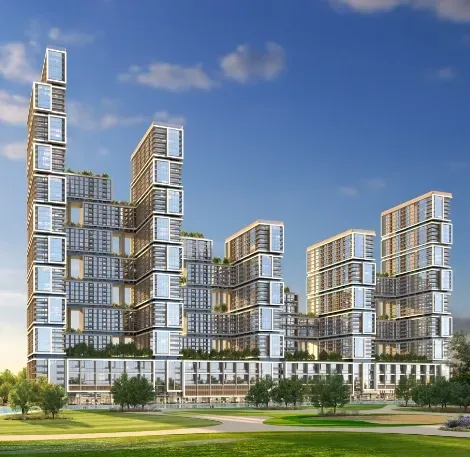
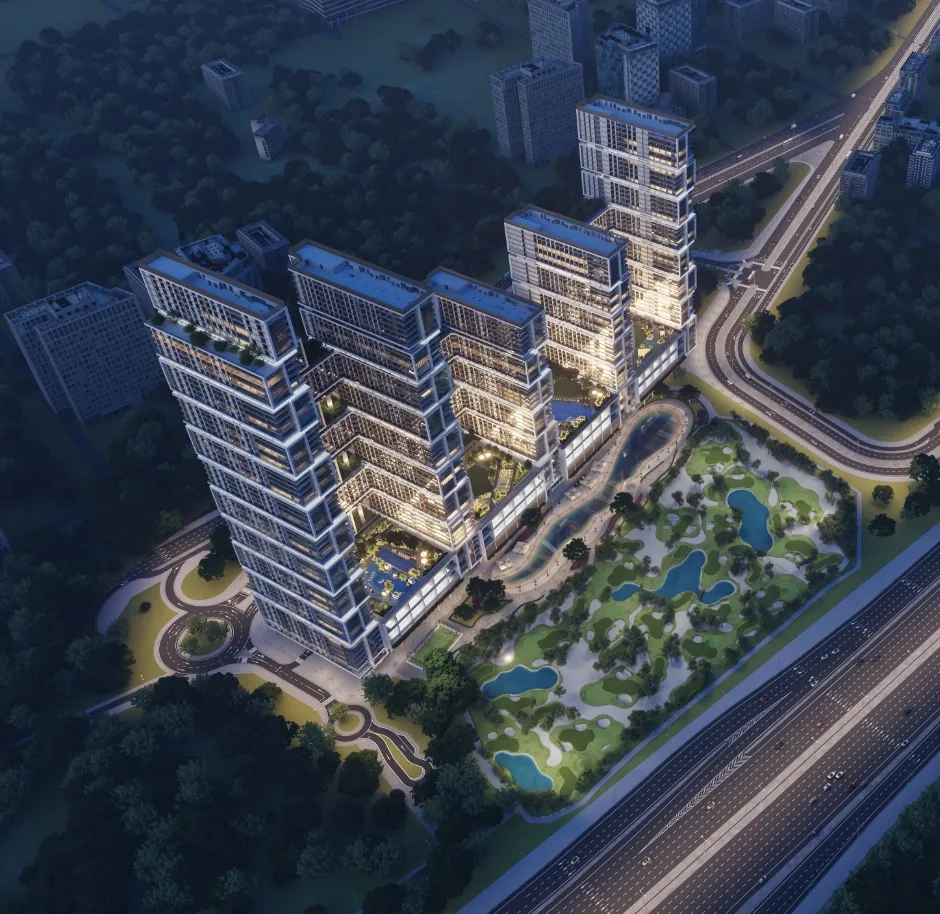
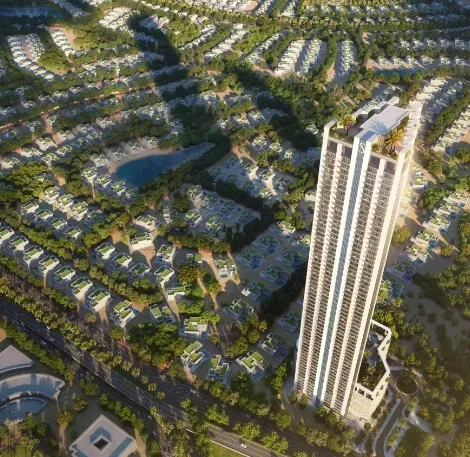
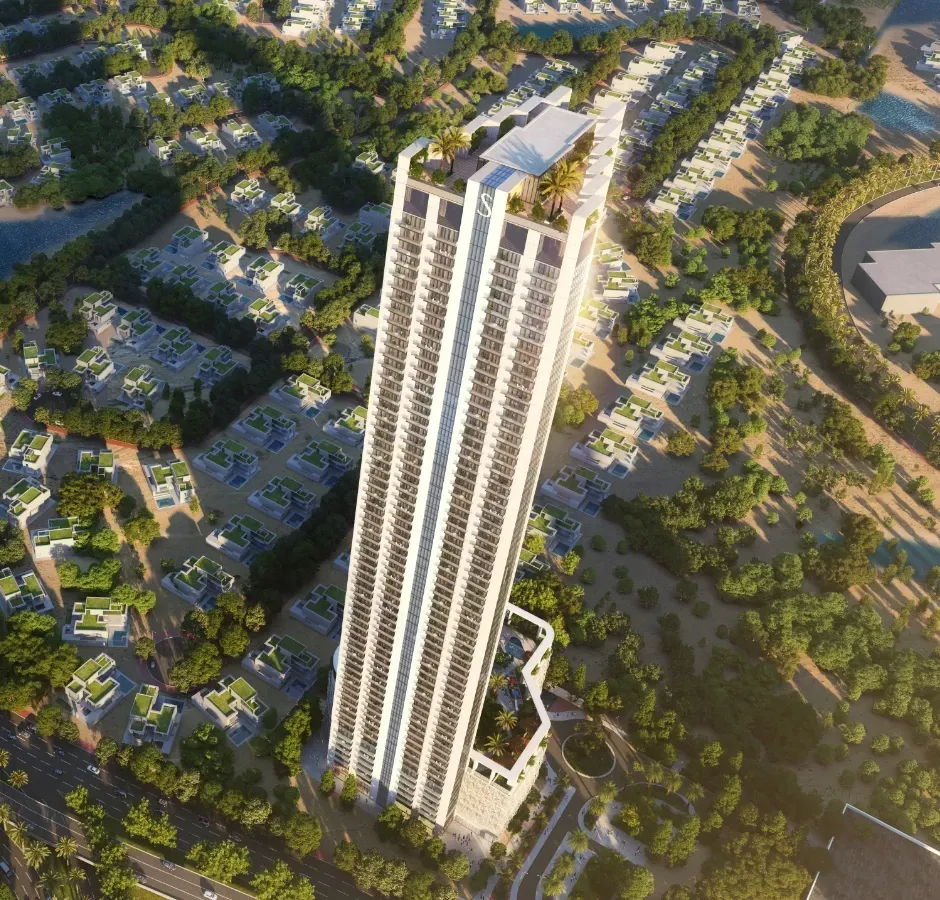
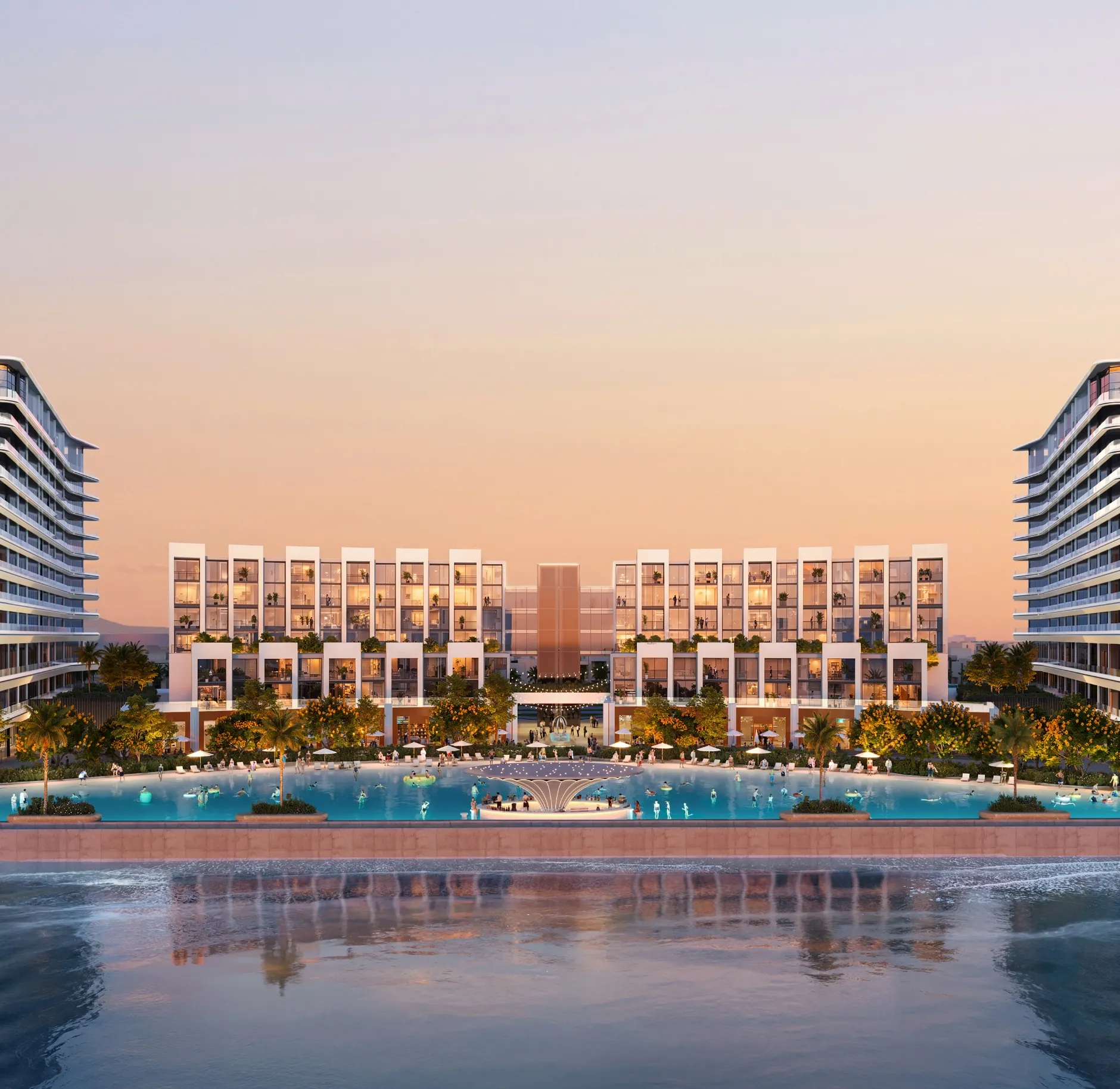
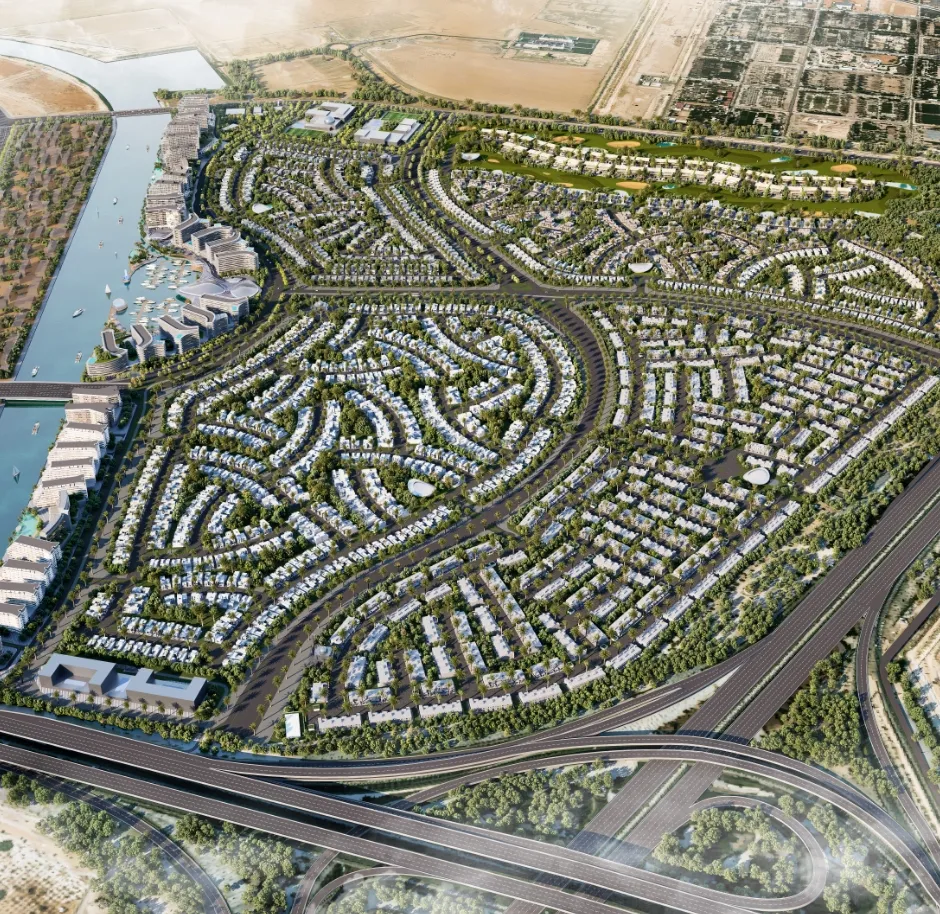
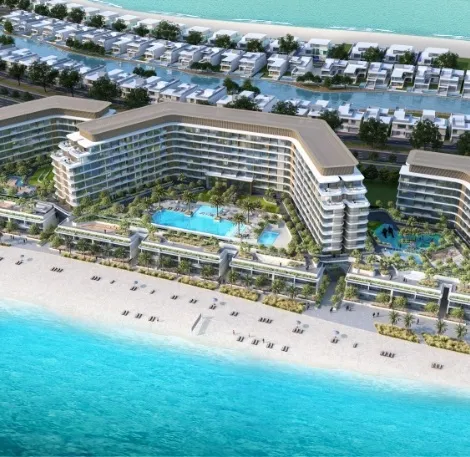
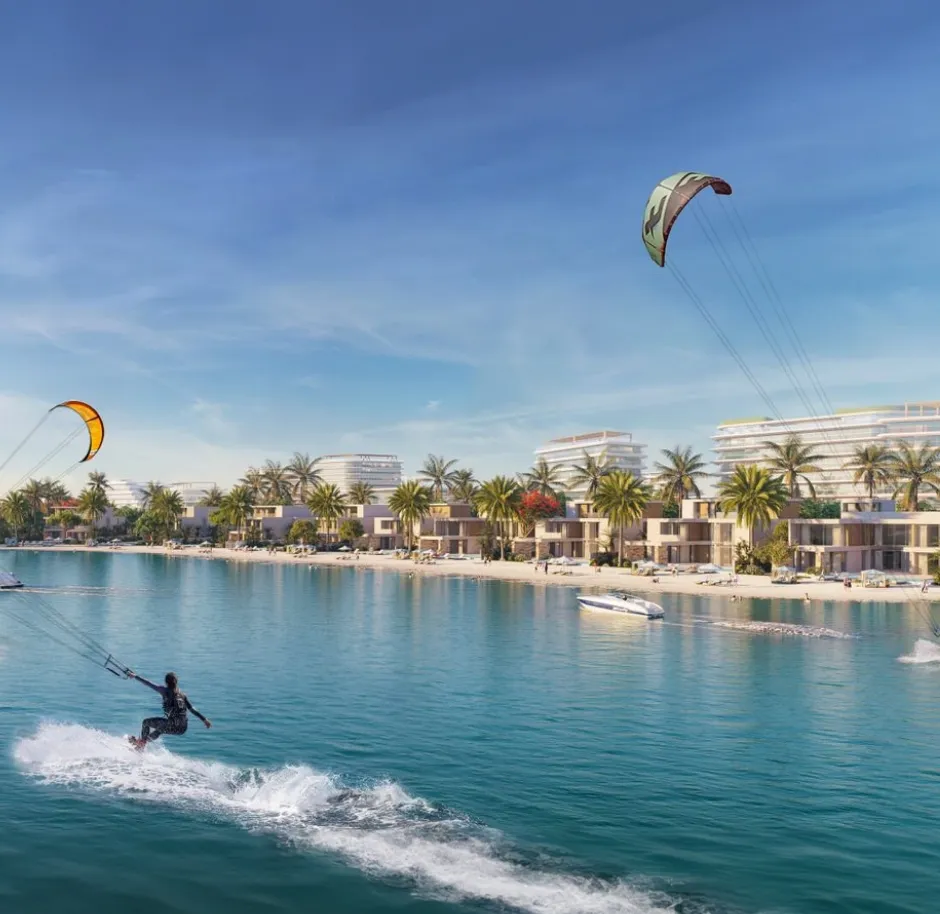
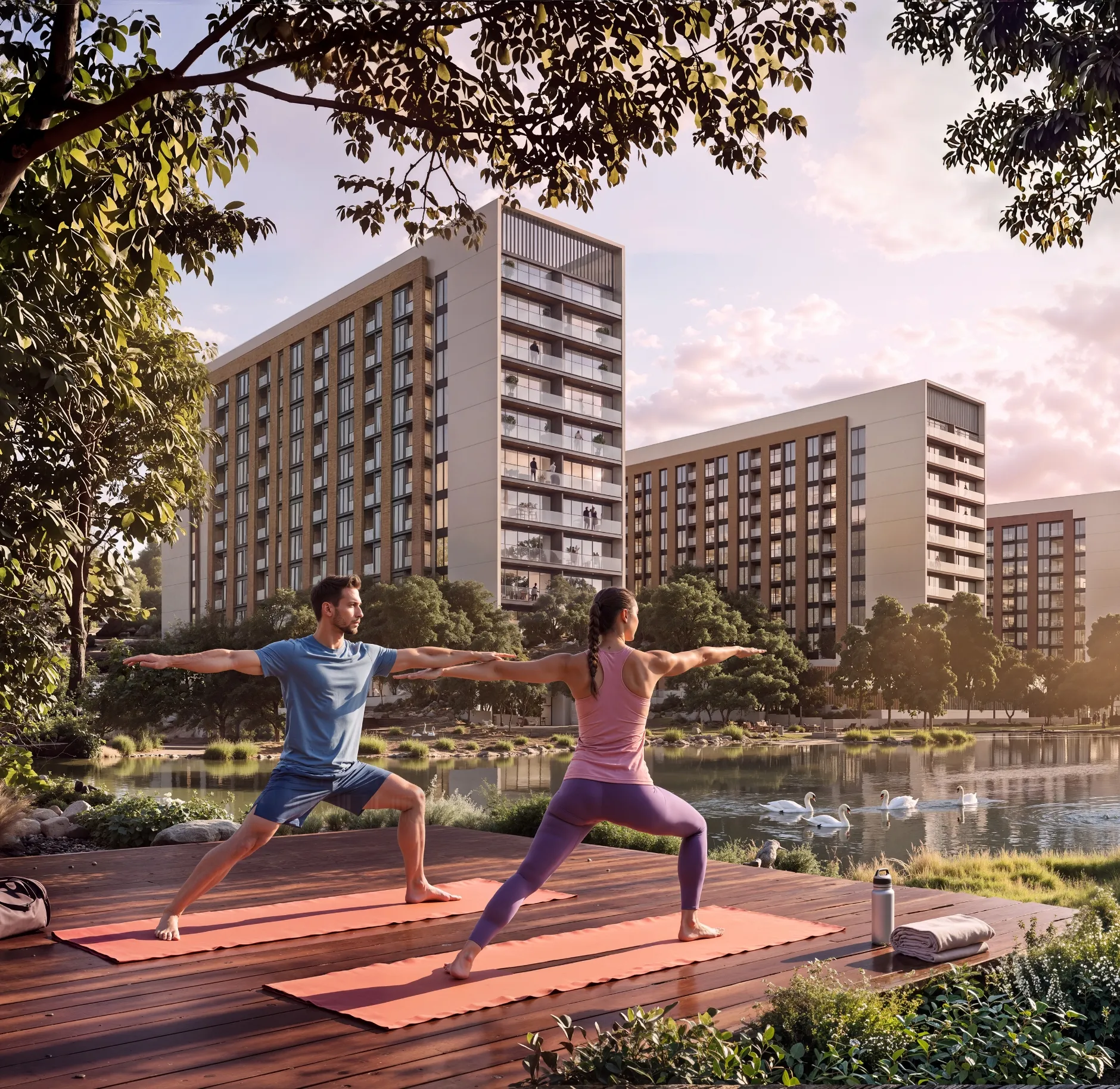
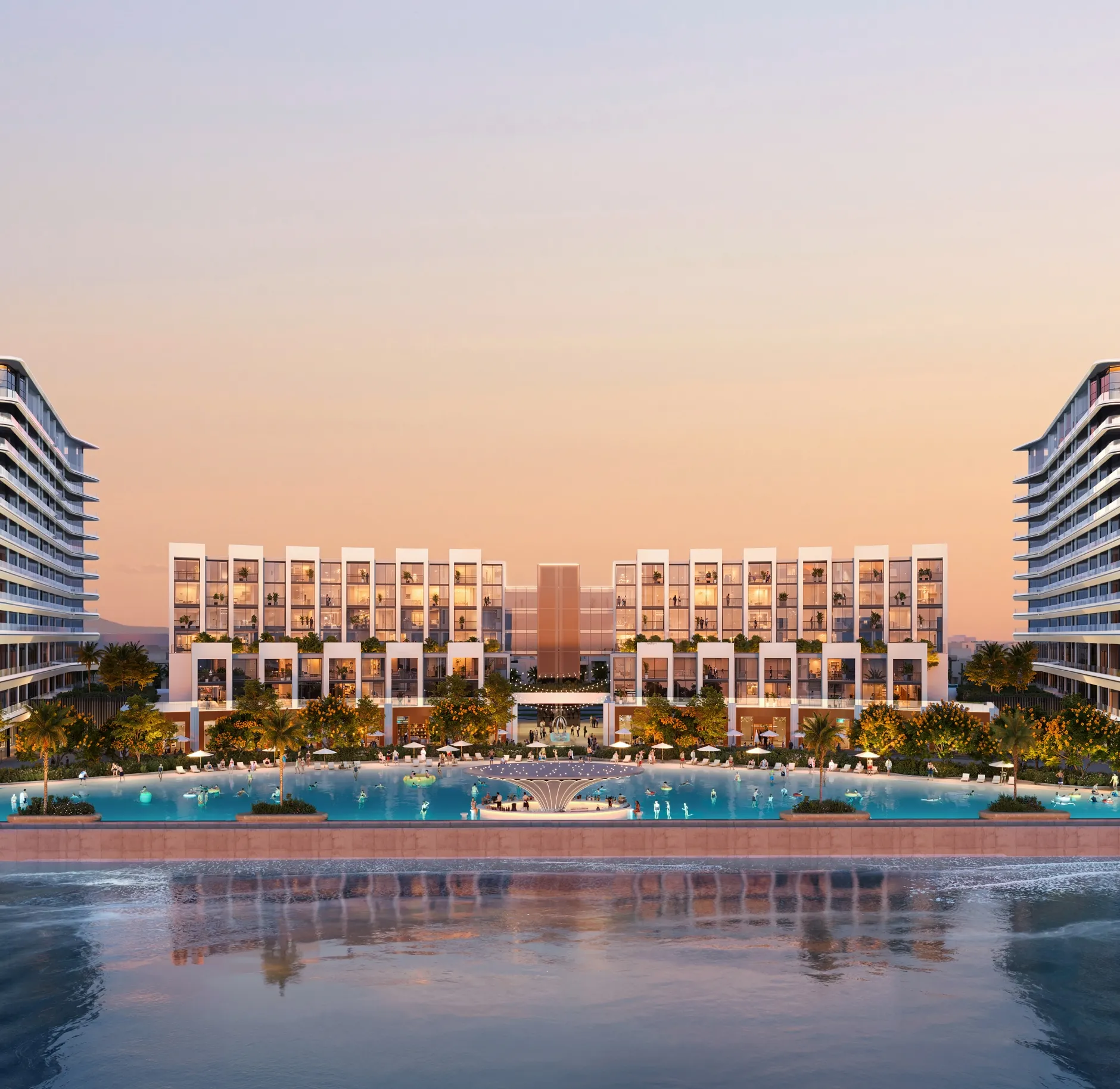
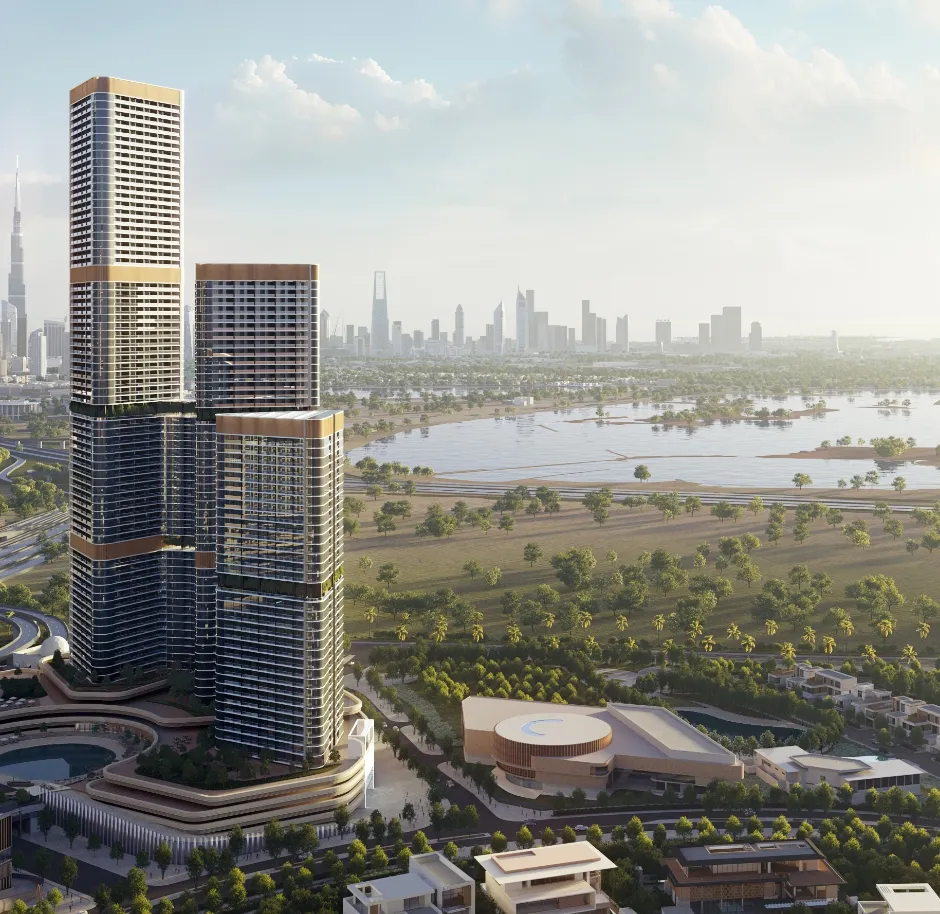
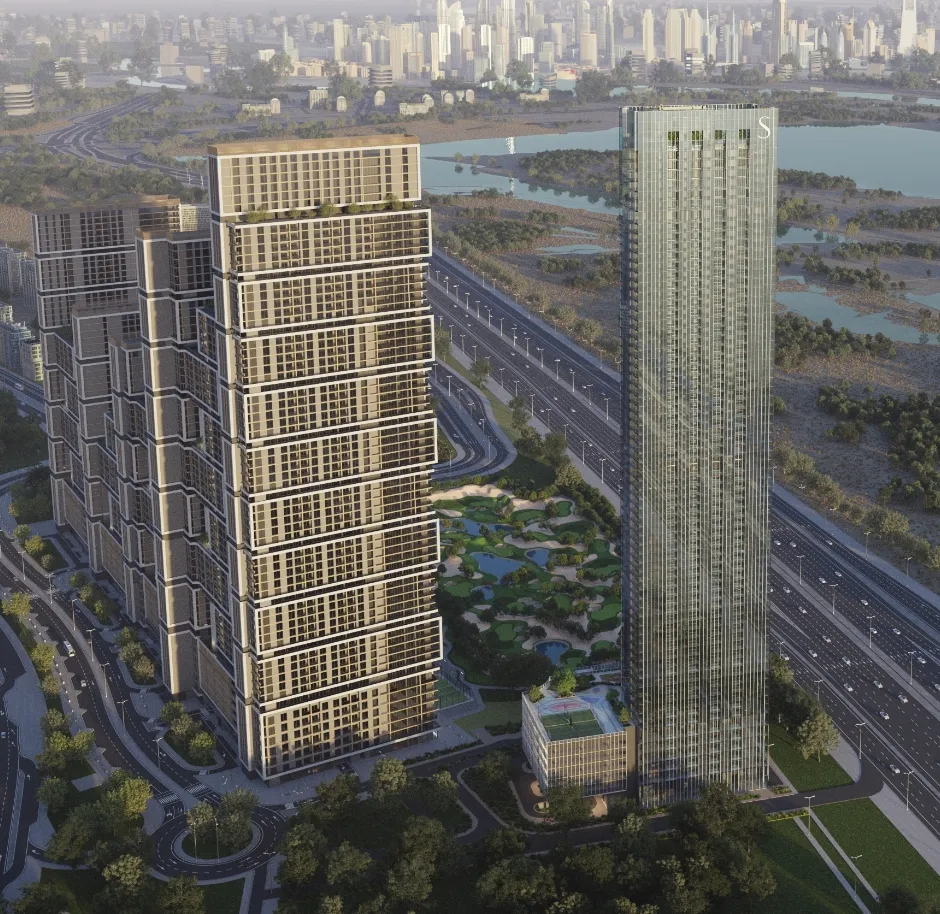
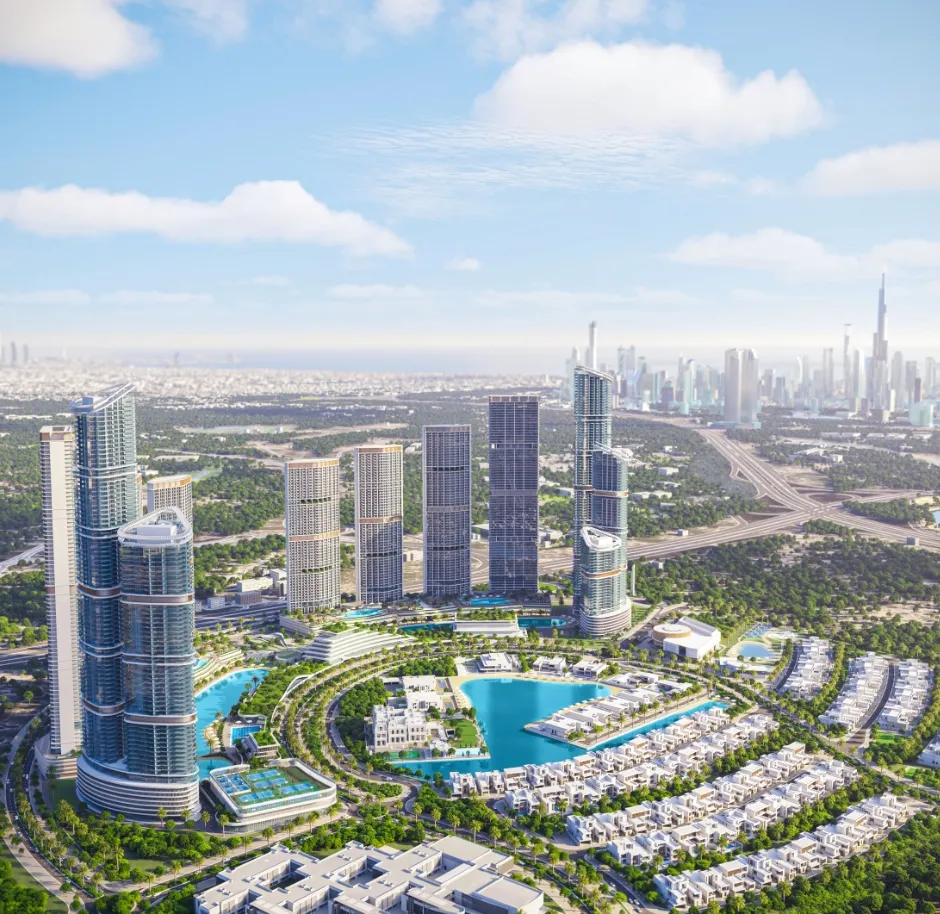
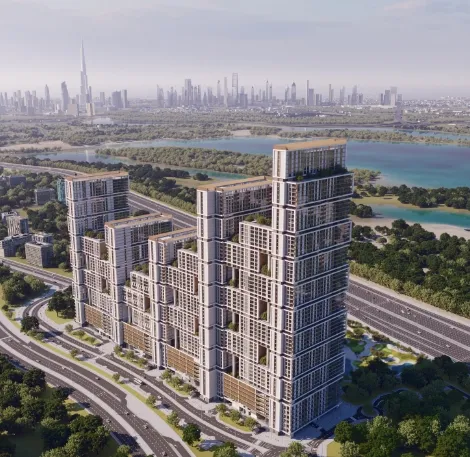
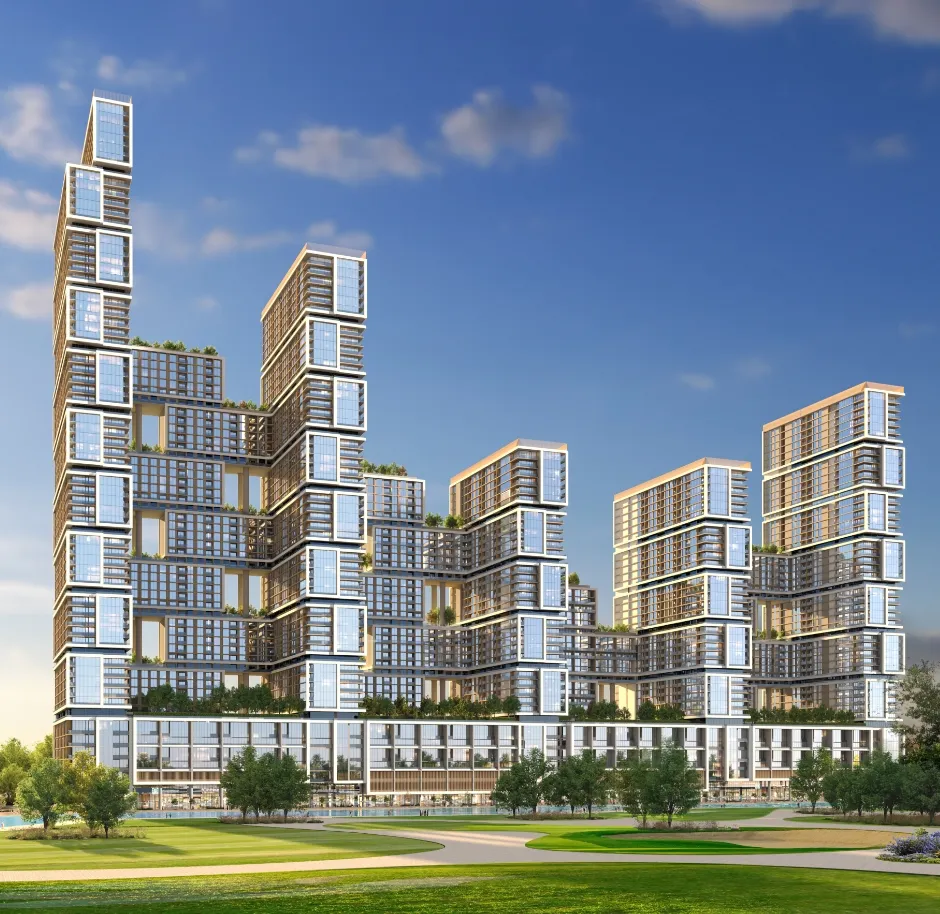
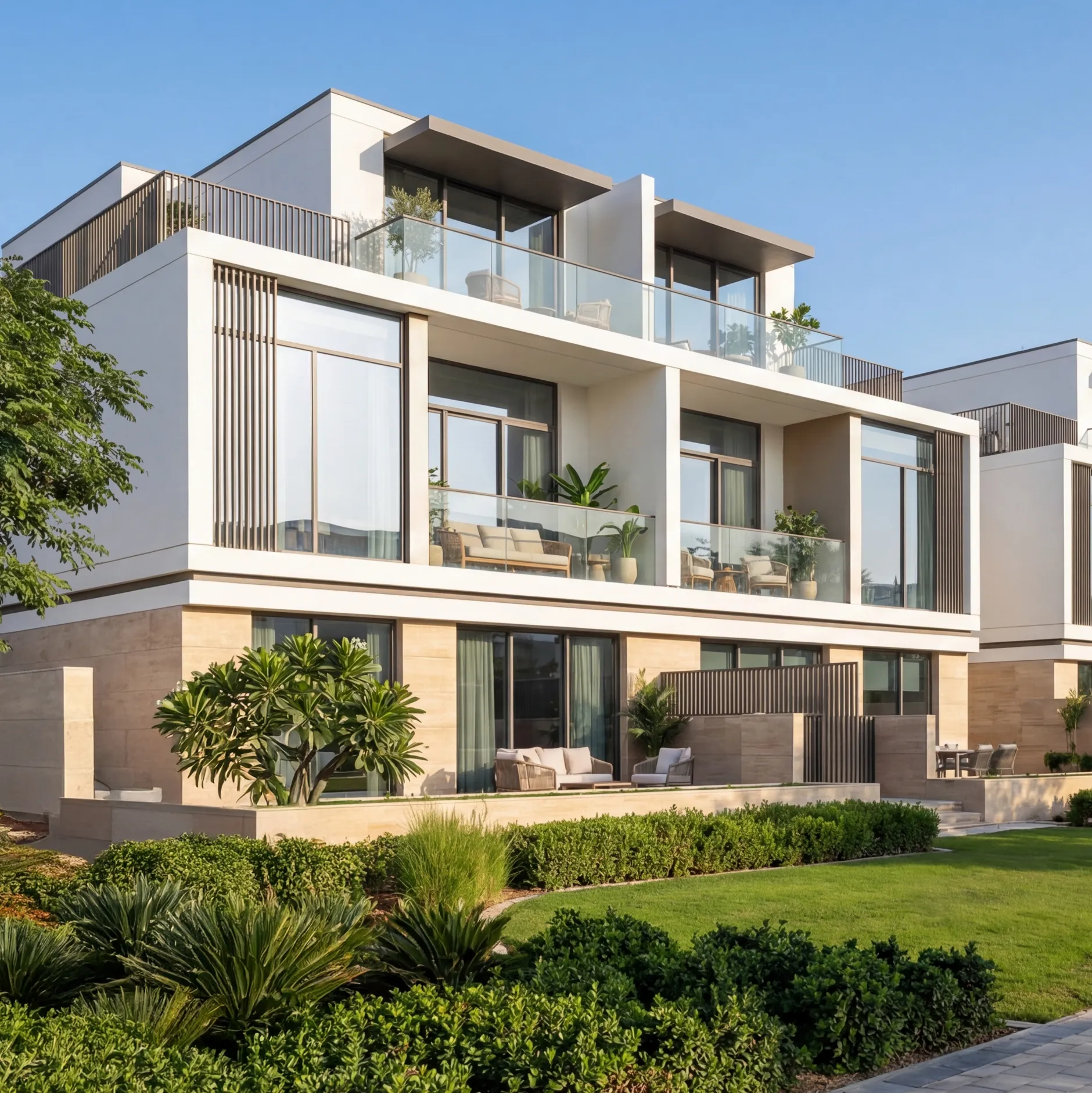
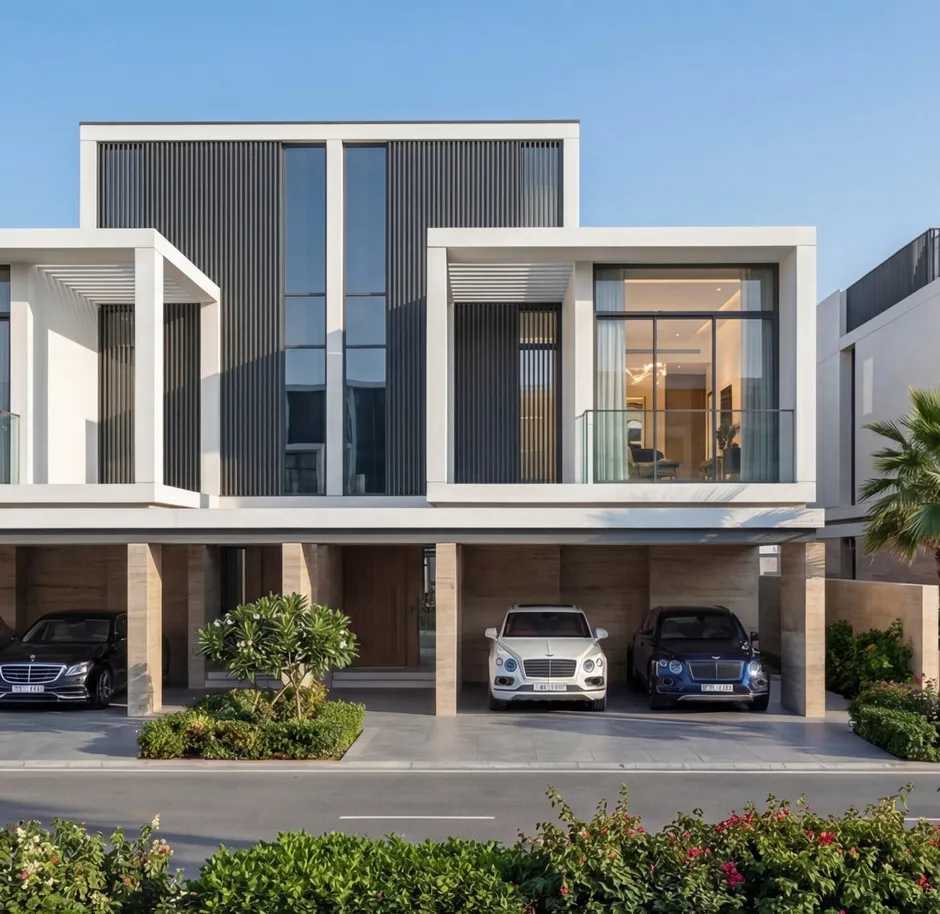
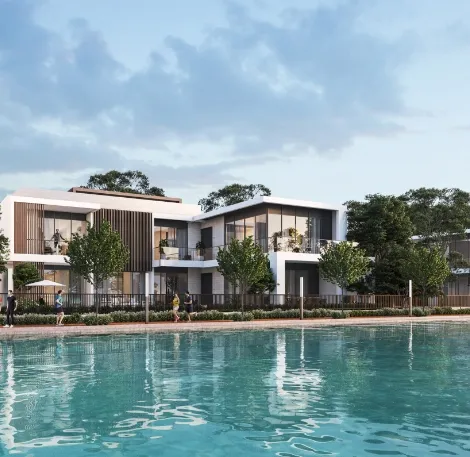
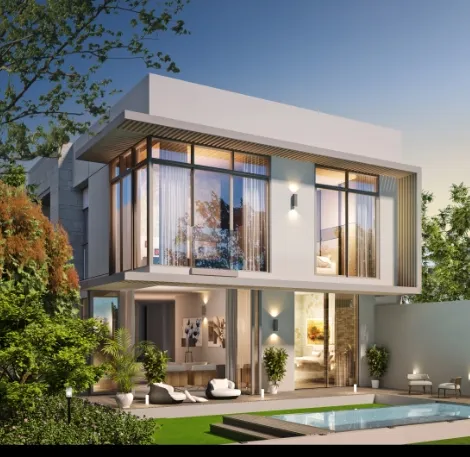
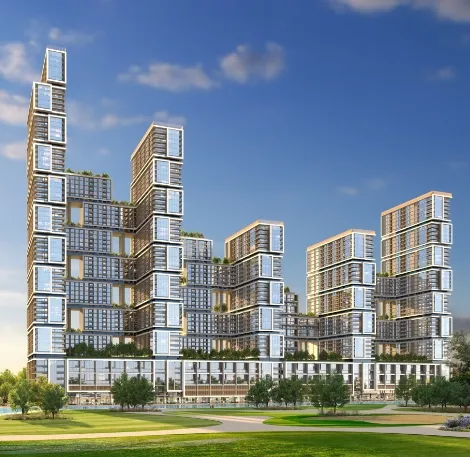
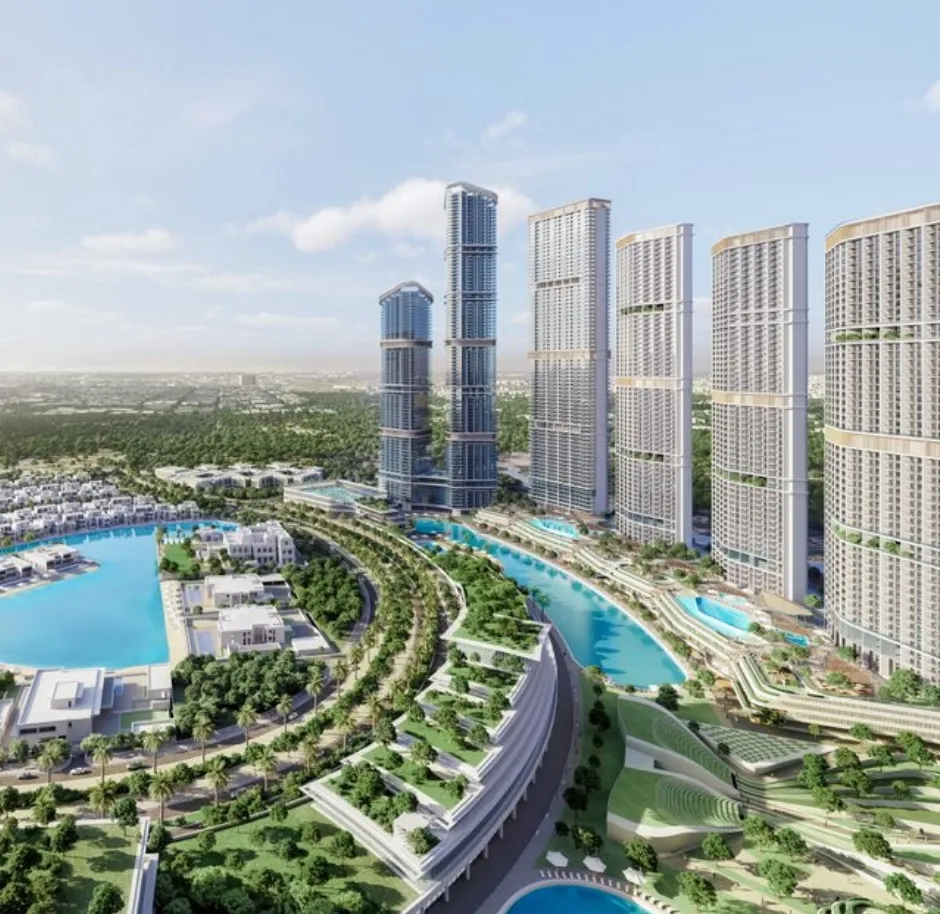
Developments such as Sobha Hartland and Sobha Hartland II demonstrate how integrated waterfront living, green open spaces, educational institutions, and lifestyle amenities are becoming central to long-term residential appeal in the city.
These communities illustrate how future-proof developments balance luxury, convenience, sustainability, and connectivity within a single destination.
Urban Planning and Connectivity Matter More Than Ever
A development's alignment with national infrastructure projects and long-term urban planning strategies has become a critical indicator of future value.
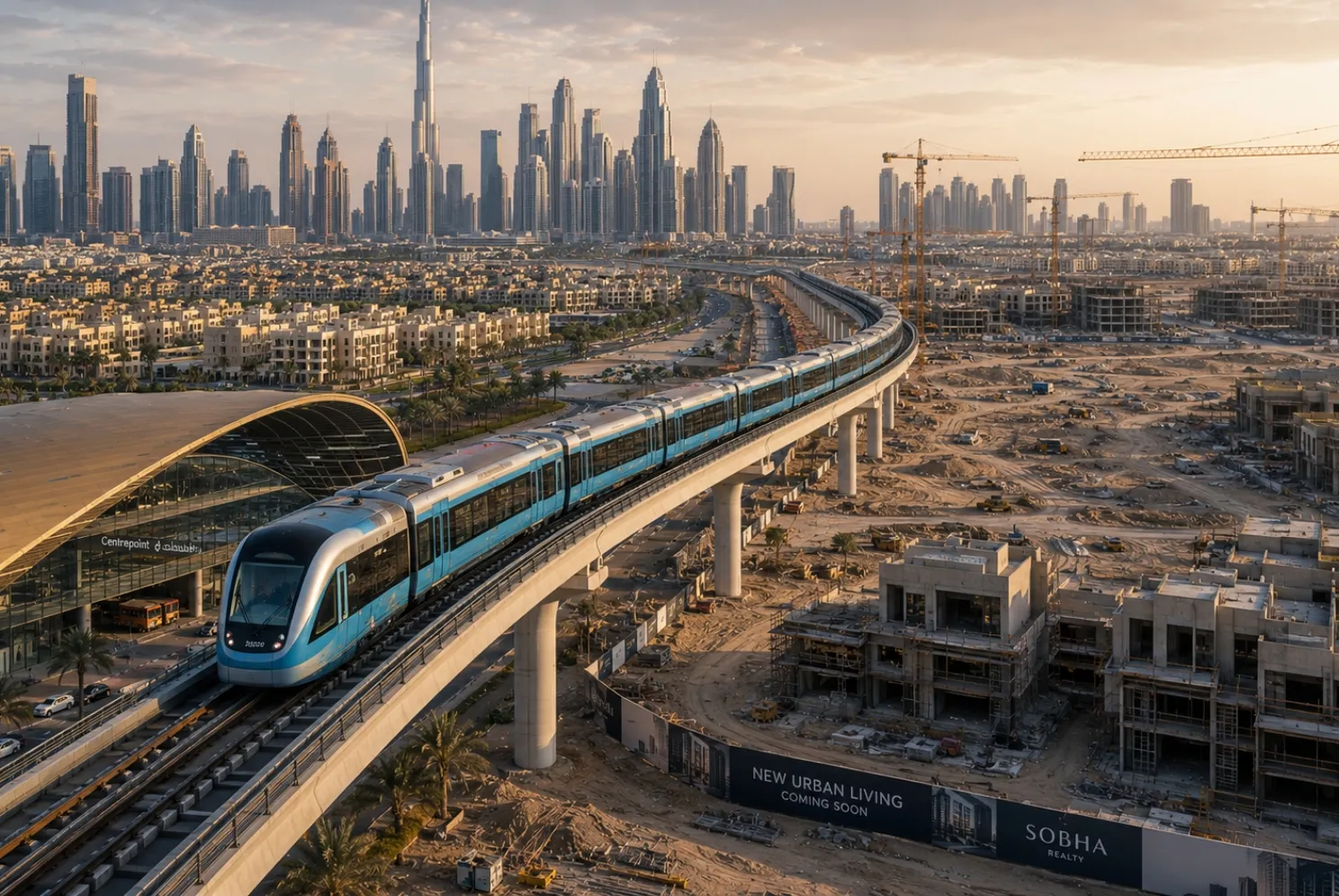
In Dubai, developments that complement the Dubai 2040 Urban Master Plan are particularly well-positioned for sustained growth. Connectivity remains one of the strongest predictors of long-term performance. Properties linked to expanding transport networks, emerging business districts, and master-planned urban corridors are expected to outperform isolated standalone developments over time.
As cities continue to evolve, developments that integrate seamlessly with broader urban growth strategies are likely to benefit from stronger long-term demand.
Future-Proofing Through Lifecycle Performance
Globally, the real estate industry is shifting from passive ownership models towards performance-driven asset management.
Future value creation increasingly depends on how effectively developments are operated throughout their lifecycle. Buildings are becoming continuously optimised platforms supported by data, artificial intelligence, and advanced facilities management systems.
This evolution is particularly important because ESG performance increasingly influences financial outcomes. Sustainable buildings are already achieving rental and valuation premiums in global markets, while inefficient assets face growing risks of long-term obsolescence. Investors are prioritising developments capable of demonstrating operational efficiency, decarbonisation strategies, and adaptability.
A Development Built for Tomorrow
A truly future-proof development is one that can evolve alongside its residents, the city around it, and the expectations of future generations.
It combines sustainability with intelligent design, technology with human-centric living, and luxury with lasting functionality. It does not simply respond to market trends — it anticipates them.
As the UAE continues to establish itself as one of the world's leading real estate destinations, the developments that will define the next era are those built not only for today's lifestyle, but for tomorrow's realities.
Conclusion
Future-proofing is no longer a luxury within real estate development—it is a necessity.
As buyer expectations evolve and global investment standards become more sophisticated, developments must demonstrate resilience across environmental, technological, social, and operational dimensions.
For residents, this means better living experiences. For investors, it means stronger long-term performance. For developers such as Sobha Realty, it means creating communities that remain relevant, desirable, and valuable for generations to come.
Frequently Asked Questions
1. What makes a real estate development future-proof?
A future-proof development remains relevant, resilient, and desirable over time by combining sustainability, smart technology, strong connectivity, quality construction, and integrated community planning.
2. Why is sustainability important in future-ready real estate?
Sustainability helps reduce operational costs, improve efficiency, and strengthen long-term asset value through ESG-led design, energy efficiency, and responsible resource management.
3. How does technology support future-proof communities?
Smart systems, AI, IoT infrastructure, and predictive maintenance improve efficiency, security, air quality, operational performance, and resident convenience.
4. Why are integrated communities more future-proof?
Integrated communities bring homes, wellness, education, leisure, retail, and green spaces together in a connected environment, supporting long-term liveability and demand.
5. What role does the Dubai 2040 Urban Master Plan play in future value?
Developments aligned with long-term urban planning strategies often benefit from stronger connectivity, infrastructure investment, and sustained demand over time.
6. Why are ESG-certified properties becoming more attractive to investors?
ESG-certified developments are often viewed as more resilient, efficient, and adaptable to future regulatory and market changes, supporting long-term investment performance.