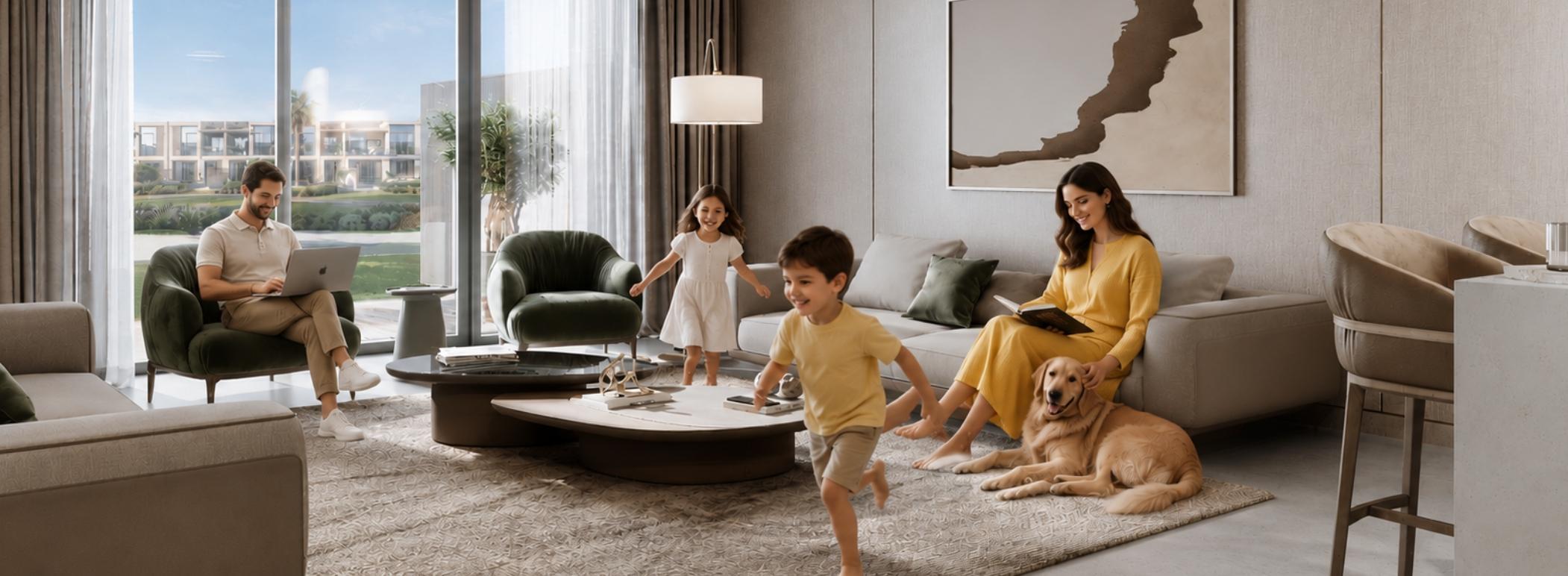
In today's fast-paced world, the home has evolved beyond a place of shelter. It is now a vital environment for restoration, productivity, and emotional balance.
Increasingly, research shows that the spaces we inhabit have a profound effect on our mental and physical wellbeing. Nowhere is this more relevant than in the Middle East, where unique cultural influences and evolving lifestyles shape how homes are designed and experienced.
Across the region, many people spend a significant portion of their time indoors due to the climate, with hybrid and remote working patterns further increasing time spent at home. This makes the quality of interior environments not just a matter of comfort, but of health.
Thoughtful home design that considers light, texture, airflow, and cultural identity can actively contribute to a sense of wellbeing, while poorly designed spaces may have the opposite effect.
Beyond Aesthetics: The Rise of Design for Wellbeing
For decades, interior design has largely been viewed through an aesthetic lens.
However, a growing body of research suggests that design can influence on mental and emotional wellbeing. Just as food fuels the body, our surroundings can nourish or deplete our mental and emotional states.
Homes that are visually engaging, culturally resonant, and rich in character can help reduce stress, improve mood, and enhance overall wellbeing. When interiors are thoughtfully curated to avoid monotony and stimulate the senses, they can foster positive emotional responses and create a stronger sense of comfort and belonging.
In this sense, design becomes more than decoration; it becomes a form of everyday support for physical and emotional health.
This shift reflects a broader movement across the real estate and design industries, where wellbeing is increasingly being considered a core component of residential planning. Architects, designers, and developers are recognising that the environments they create can influence sleep quality, cognitive performance, productivity, and long-term health outcomes.
Why Wellness-Focused Homes Are Becoming a Priority
The growing emphasis on wellbeing is transforming how people evaluate their homes.
As hybrid working arrangements become more common and people spend more time indoors, expectations around residential environments are evolving. Homeowners are no longer looking solely for attractive interiors; they are seeking spaces that actively support physical health, mental wellbeing, and daily comfort.
This trend is driving increased demand for wellness-focused homes that prioritise:
- Natural light
- Air quality
- Acoustic comfort
- Flexible living spaces
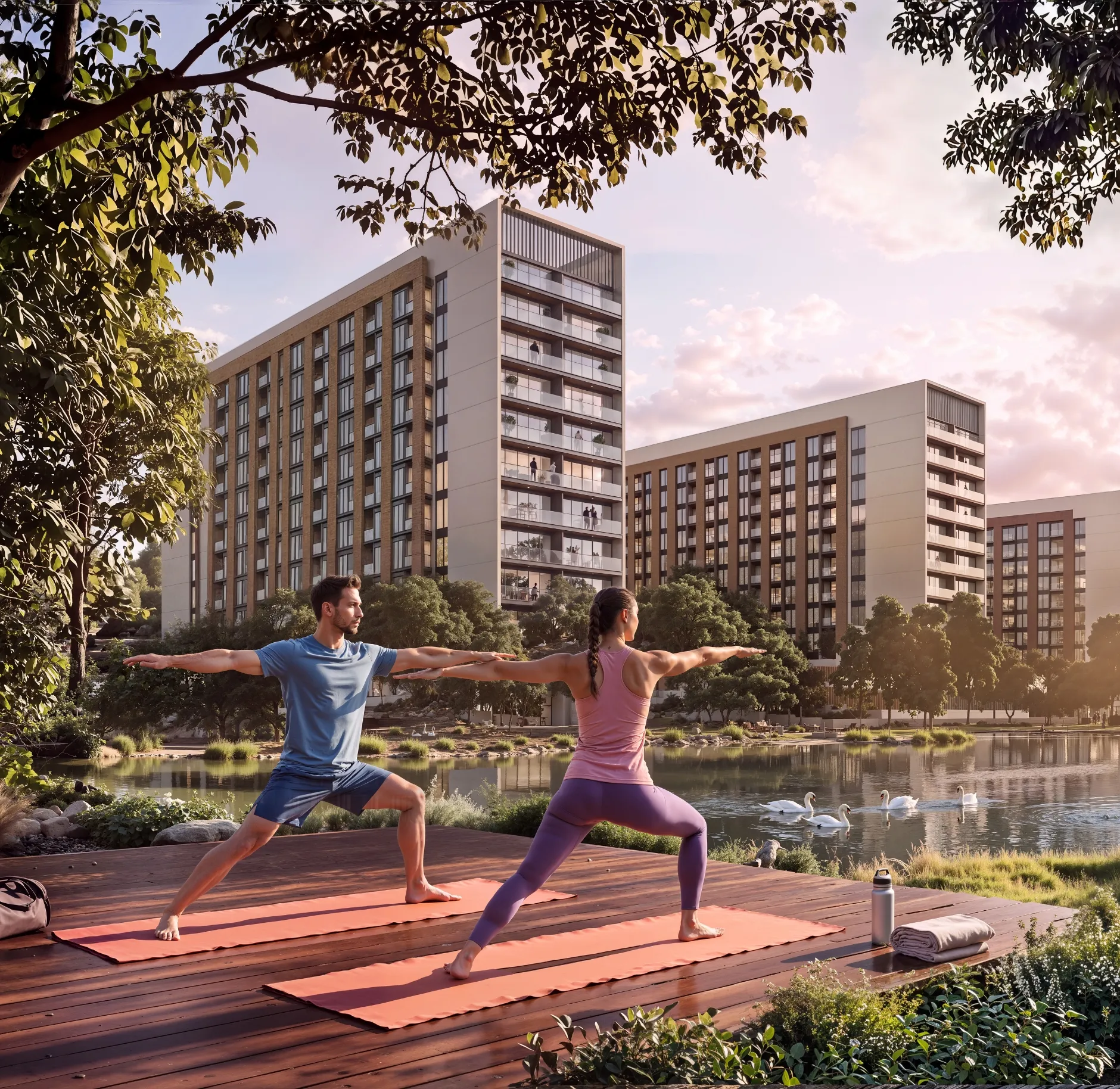
- Connection to nature
- Thoughtful interior layouts
For many buyers, a healthy home environment has become as important as location or amenities.
This shift is influencing residential design across the UAE and wider Middle East, encouraging developers to place wellbeing at the centre of the home design process.
The Middle Eastern Context: Designing for Climate and Culture
In the Gulf region, designing for wellbeing requires a nuanced understanding of both climate and culture.
High temperatures and intense sunlight mean that indoor environments must be carefully controlled to remain comfortable and liveable. Natural light, for example, plays a critical role in regulating circadian rhythms and supporting positive mental health. However, within the Middle East, this must be balanced with effective shading solutions that prevent overheating.
Similarly, ventilation and air quality are essential considerations, particularly as homes are often sealed to maintain cooling efficiency.
Cultural influences also play a significant role in shaping meaningful living environments.
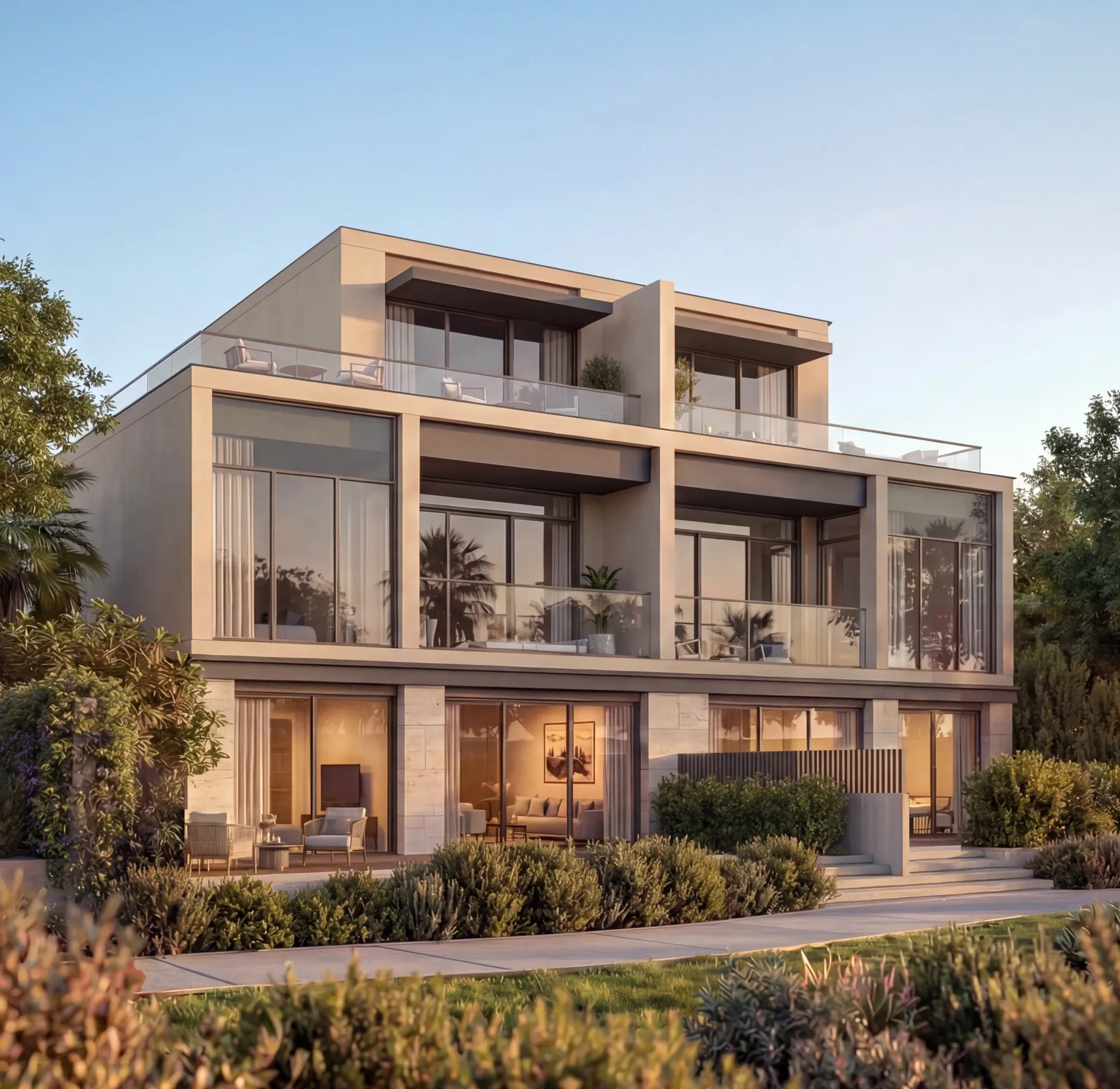
Interiors that reflect local heritage, craftsmanship, and materials can create a deeper sense of identity and belonging. Incorporating regional design cues such as intricate patterns, natural materials, and social layouts can strengthen emotional comfort while reinforcing cultural connection.
The most successful homes are therefore those that balance modern functionality with cultural authenticity.
The 'Sick Building' Trap
The idea that buildings can negatively impact health is not new.
The term "sick building syndrome" has long been used by architects and designers to describe environments that contribute to discomfort and reduced wellbeing. While the concept is often associated with poor ventilation and air quality, interior design choices can also influence how occupants feel within a space.
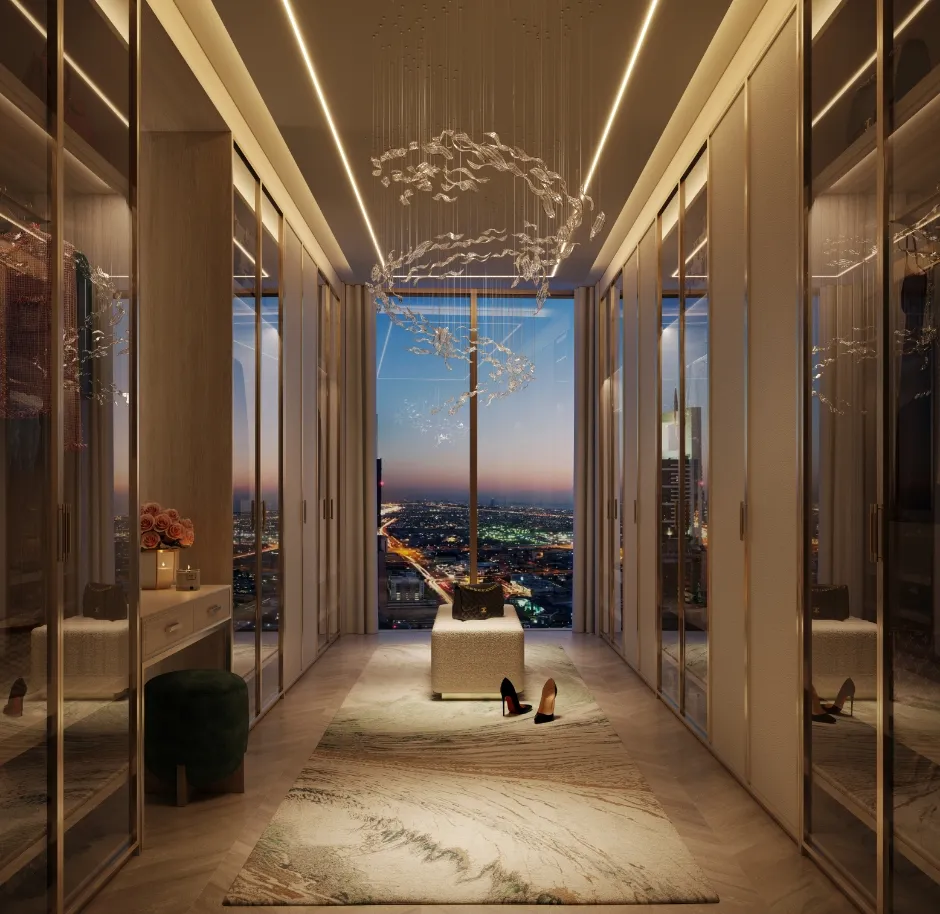
Sterile materials, lack of natural elements, and monotonous layouts can create environments that feel lifeless and emotionally draining. By contrast, spaces that incorporate warmth, texture, natural materials, and visual variation can encourage relaxation, comfort, and mental clarity.
This understanding reinforces the importance of designing homes that are not only functional but also emotionally supportive.
By avoiding overly clinical or impersonal interiors, developers can create environments that actively contribute to resident wellbeing.
Leveraging a Legacy in Interior Excellence
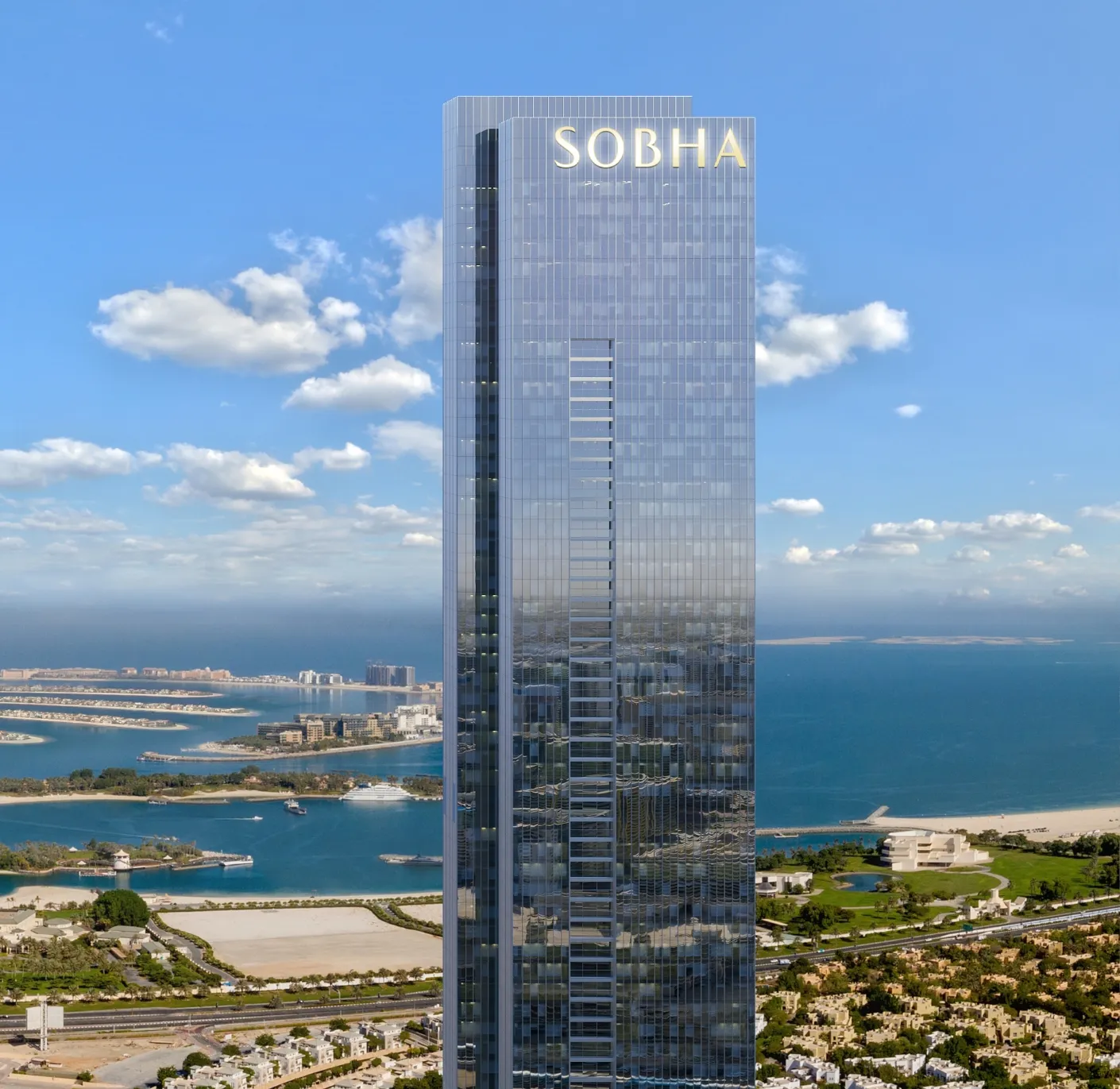
Sobha Realty's approach to design is deeply rooted in its heritage as an interiors business. With origins tracing back more than 50 years to an interior design and fit-out company established in Oman, Sobha built its reputation on exceptional craftsmanship, meticulous attention to detail, and a deep understanding of how people experience spaces. This legacy continues to shape the company's philosophy today: that exceptional homes are defined not only by their architecture, but also by the quality, functionality, and thoughtfulness of their interiors.
With decades of experience across the Gulf region, Sobha Realty has developed a strong understanding of local environmental conditions and homeowner expectations.
By integrating climate-responsive design with culturally attuned aesthetics, the company creates living environments that are both practical and enriching. This approach ensures that homes are not only visually impressive but also supportive of residents' physical and emotional wellbeing.
What Homebuyers Are Looking for Today
Today's homebuyers are increasingly making decisions based on lifestyle and wellbeing considerations.
Features that once served as differentiators are now becoming expectations.
Among the most sought-after design elements are:
- Large windows and natural light
- Improved indoor air quality
- Flexible work-from-home spaces
- Wellness-focused amenities
- Nature-integrated design
- Community-oriented environments
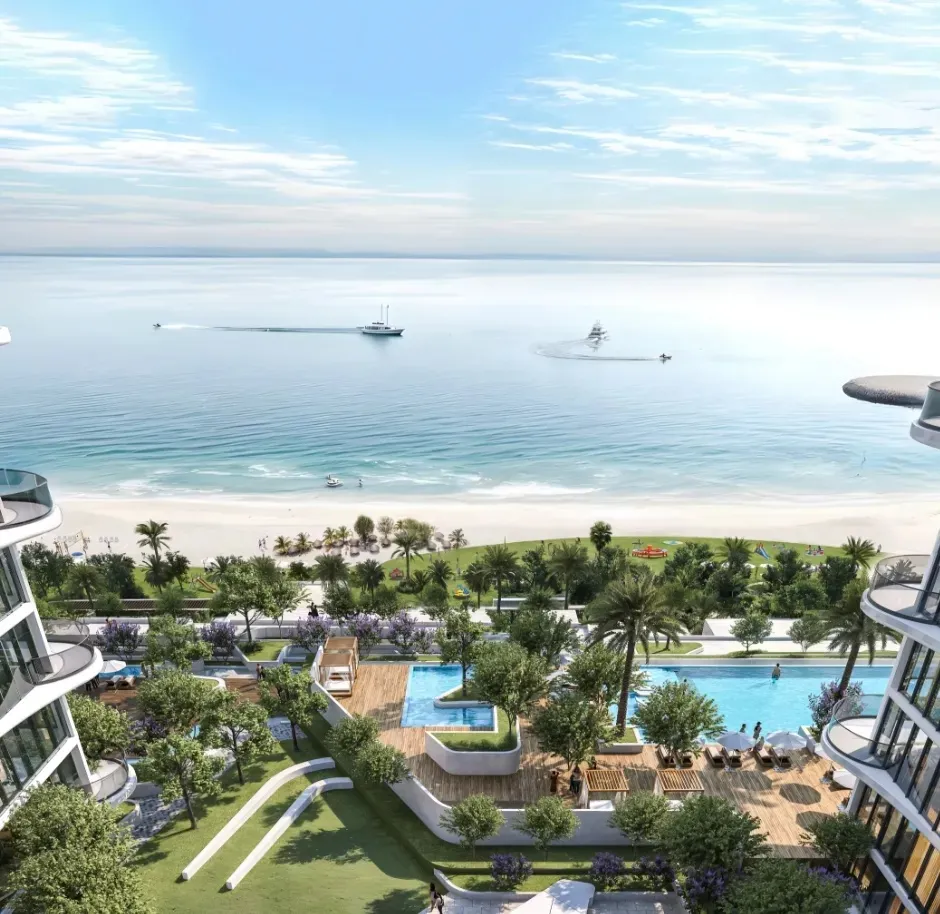
There is also growing interest in biophilic design principles, which seek to strengthen the connection between people and nature through greenery, natural materials, and outdoor integration.
These preferences reflect a broader shift in buyer behaviour, where quality of life is becoming a primary driver of purchasing decisions.
For developers, this presents an opportunity to create homes that deliver long-term lifestyle value alongside architectural excellence.
Designing Homes That Heal
As the conversation around design continues to evolve, one thing is clear: the homes we live in have the power to shape how we feel, think, and live.
By embracing interiors that are engaging, meaningful, and responsive to their environment, we can create spaces that uplift and sustain us.
Ultimately, the future of home design lies in its ability to bridge aesthetics and wellbeing, creating spaces that are as nourishing as they are beautiful.
As wellness becomes increasingly central to residential living, thoughtful design will continue to play a defining role in shaping healthier, happier communities.
Conclusion
The relationship between home design and wellbeing is becoming increasingly important.
In a world where people spend more time indoors than ever before, residential environments must do more than simply provide shelter. They must support mental clarity, emotional balance, physical comfort, and overall quality of life.
By combining thoughtful design, cultural relevance, environmental responsiveness, and a commitment to craftsmanship, developers can create homes that positively influence everyday living.
For Sobha Realty, this philosophy continues to guide the creation of spaces that are designed not only to be admired, but to be lived in and enjoyed for generations to come.
Frequently Asked Questions
1. How does home design affect mental wellbeing?
Home design influences mood, stress levels, productivity, and cognitive function. Elements such as natural light, layout, colour, airflow, and materials can either promote relaxation and positivity or contribute to discomfort and fatigue.
2. What is "sick building syndrome"?
It refers to indoor environments that negatively impact occupants' health, often due to poor air quality, lack of natural light, or uninspiring design choices such as sterile materials and monotonous layouts.
3. Why is interior design especially important in the Middle East?
Due to high temperatures, residents spend more time indoors. This makes comfortable, well-ventilated, and visually engaging interiors particularly important for supporting physical and mental wellbeing.
4. How can homeowners improve wellbeing through design?
Incorporating natural light, varied textures, natural materials, meaningful cultural elements, and visually engaging spaces can all contribute to better mental and physical health.
5. What are wellness-focused homes?
Wellness-focused homes are designed to support physical and emotional wellbeing through features such as improved air quality, natural lighting, flexible layouts, biophilic design, and healthy living environments.
6. Why are buyers prioritizing healthy home designs?
As awareness of wellbeing grows, many buyers increasingly recognize the impact that residential environments can have on quality of life, productivity, mental health, and long-term comfort.