When purchasing real estate, buyers often focus on location, price, amenities, or potential returns. While these factors remain important, one of the most important contributors to long-term value is often less visible—the quality of construction itself.
Construction quality influences far more than the appearance of a building. It affects durability, maintenance requirements, operational efficiency, resident comfort, and ultimately the long-term performance of an investment.
As Dubai's property market continues to mature, buyers are becoming increasingly discerning. Rather than evaluating properties solely on aesthetics or short-term market trends, investors are asking deeper questions about how developments are designed, built, and maintained over time.
For developers, this shift reinforces an important principle: true quality cannot simply be marketed, it must be built into every stage of the development process.
Why Construction Quality Is Becoming a Bigger Investment Consideration
The expectations of today's buyers have evolved significantly.
Investors are no longer purchasing property based solely on projected returns or attractive payment plans. They increasingly recognise that the quality of construction has a direct impact on the long-term performance of an asset.
Well-constructed developments can contribute to:
- Greater durability
- Lower maintenance costs
- Improved resident satisfaction
- Stronger resale potential
- Long-term operational efficiency
For homeowners, quality influences everyday living.
For investors, it supports confidence that an asset will continue performing well throughout its lifecycle.
As markets become more sophisticated, construction quality is increasingly viewed as a fundamental investment criterion rather than a secondary consideration.
Quality Goes Beyond What Buyers Can See
Many aspects of construction quality remain hidden long after a property is completed.
While finishes and interior design are immediately visible, equally important are the elements beneath the surface.
These include:
- Structural engineering
- Building materials
- Waterproofing systems
- Mechanical and electrical infrastructure
- Insulation
- Window performance
- Air quality systems
These components influence how efficiently a building operates and how comfortably residents experience their homes over many years.
The best developments are those where quality extends beyond appearance into every aspect of construction.
The Long-Term Value of Better Construction
High-quality construction often creates value long after handover.
Properties built to higher standards may experience:
- Reduced maintenance requirements
- Lower repair costs
- Improved building longevity
- Better operational performance
- Greater resident retention
For investors, these characteristics contribute to the overall resilience of an asset.
Rather than focusing solely on acquisition costs, experienced buyers increasingly evaluate the total cost of ownership throughout the property's lifecycle.
This broader perspective reinforces why quality should be viewed as an investment rather than an expense.
Why Craftsmanship Still Matters
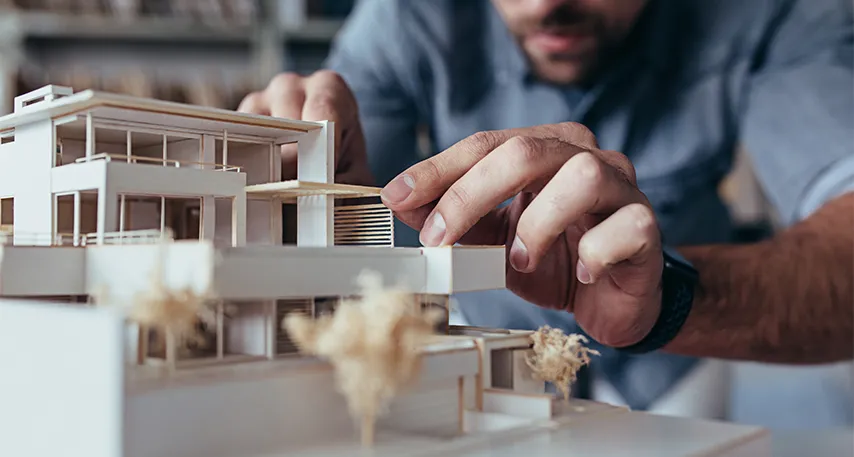
Despite rapid advances in construction technology, craftsmanship remains central to exceptional real estate.
Attention to detail influences everything from structural precision to interior finishes.
Carefully executed workmanship contributes to:
- Better functionality
- Enhanced aesthetics
- Greater durability
- Higher resident satisfaction
While technology continues to improve construction efficiency, craftsmanship ensures that every element is executed to the highest possible standard.
It is often this combination of engineering excellence and meticulous attention to detail that differentiates truly exceptional developments.
Sustainability Begins with Quality
Sustainability is frequently associated with energy efficiency and environmental performance.
However, one of the most sustainable buildings is often one that is built to last.
Durable construction reduces the need for extensive repairs, premature replacements, and resource-intensive maintenance.
Quality construction also supports:
- Improved thermal performance
- Better energy efficiency
- Enhanced indoor comfort
- Reduced lifecycle costs
For developers committed to responsible building practices, quality and sustainability are closely connected.
Buildings designed for longevity contribute to more sustainable communities while protecting long-term asset value.
Choosing the Right Developer
Perhaps the strongest indicator of construction quality is the developer behind the project.
Not all developers approach construction in the same way.
When evaluating a developer, buyers should consider:
- Delivery history
- Engineering expertise
- Construction methodology
- Material standards
- Quality assurance processes
- Long-term reputation
A consistent track record often provides greater confidence than marketing claims alone.
Developers who maintain oversight throughout the construction process are typically better positioned to deliver consistent quality.
Why Backward Integration Makes a Difference
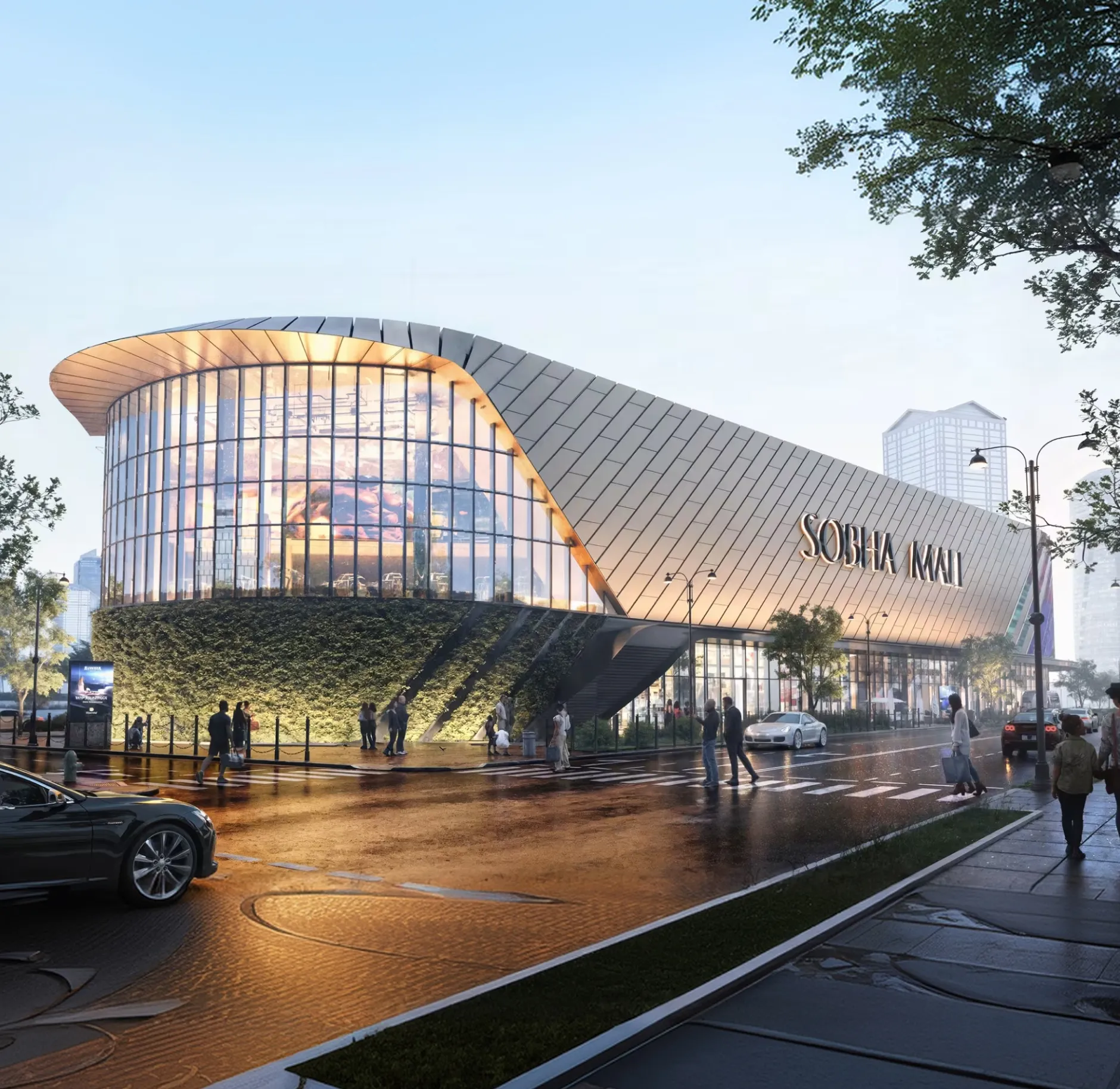
One of Sobha Realty's defining strengths is its Backward Integration model.
Rather than relying extensively on external suppliers and contractors, Sobha oversees many critical stages of development internally—from design and engineering to manufacturing, construction, and finishing.
This approach enables greater control over:
- Material quality
- Construction standards
- Craftsmanship
- Delivery consistency
- Attention to detail
By maintaining oversight throughout the development lifecycle, Sobha Realty is able to uphold the quality standards that have become central to its reputation.
For buyers and investors, this provides greater confidence that quality is embedded throughout the development process rather than introduced only at completion.
Why Quality Influences Long-Term Demand
Construction quality affects more than the physical building.
It shapes how people experience communities.
Residents are increasingly attracted to developments that offer:
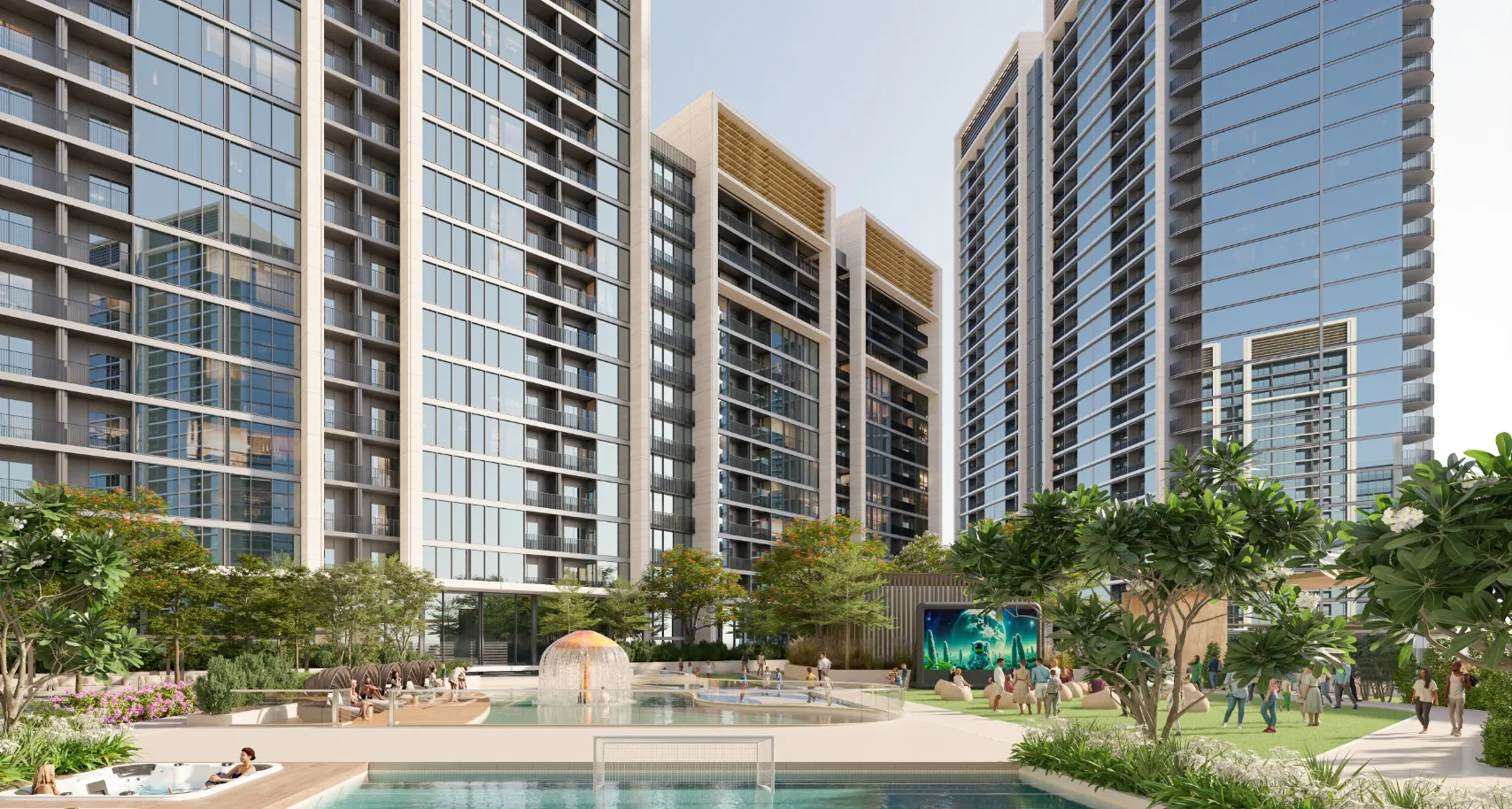
- Comfortable living environments
- Reliable building performance
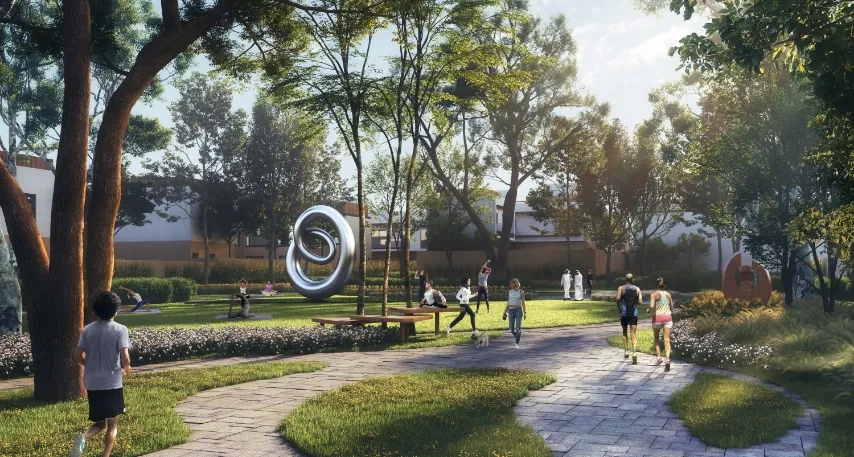
- Attractive public spaces
- High-quality finishes
- Well-maintained common areas
These factors contribute to stronger resident satisfaction and encourage longer-term occupancy.
For investors, developments that consistently deliver positive living experiences are often better positioned to maintain demand over time.
Looking Beyond Today's Purchase Price
Property investment should be viewed over decades rather than months.
While purchase price remains important, long-term ownership costs can have an equally significant influence on investment performance.
Construction quality affects:
- Maintenance expenditure
- Repair frequency
- Building performance
- Resident retention
- Long-term desirability
Considering these factors from the outset helps investors make more informed decisions and evaluate value beyond the initial transaction.
Conclusion
Quality construction has never been more important.
As buyer expectations evolve and Dubai's property market continues to mature, investors increasingly recognise that lasting value depends on more than location or market timing.
The developments most likely to stand the test of time are those built with precision, durability, and attention to detail from the very beginning.
For developers, quality is not simply a feature—it is a philosophy.
For buyers, it is one of the strongest foundations upon which long-term confidence can be built.
Frequently Asked Questions
1. Why is construction quality important when buying property?
Construction quality influences durability, maintenance costs, resident comfort, operational efficiency, and long-term investment performance.
2. Does better construction improve property value?
High-quality developments often maintain stronger long-term desirability because they deliver better resident experiences and lower lifecycle maintenance requirements.
3. What should buyers look for when evaluating construction quality?
Buyers should consider developer reputation, engineering standards, building materials, quality assurance processes, and overall craftsmanship.
4. How does construction quality affect sustainability?
Buildings constructed to higher standards often last longer, require fewer repairs, improve energy efficiency, and reduce long-term environmental impact.
5. Why is developer reputation important?
An experienced developer with a proven track record is more likely to deliver consistent quality, reliable construction, and long-term community value.
6. What is Backward Integration in real estate?
Backward Integration is a development model where a company manages multiple stages of the construction process internally, allowing greater control over quality, materials, craftsmanship, and delivery.