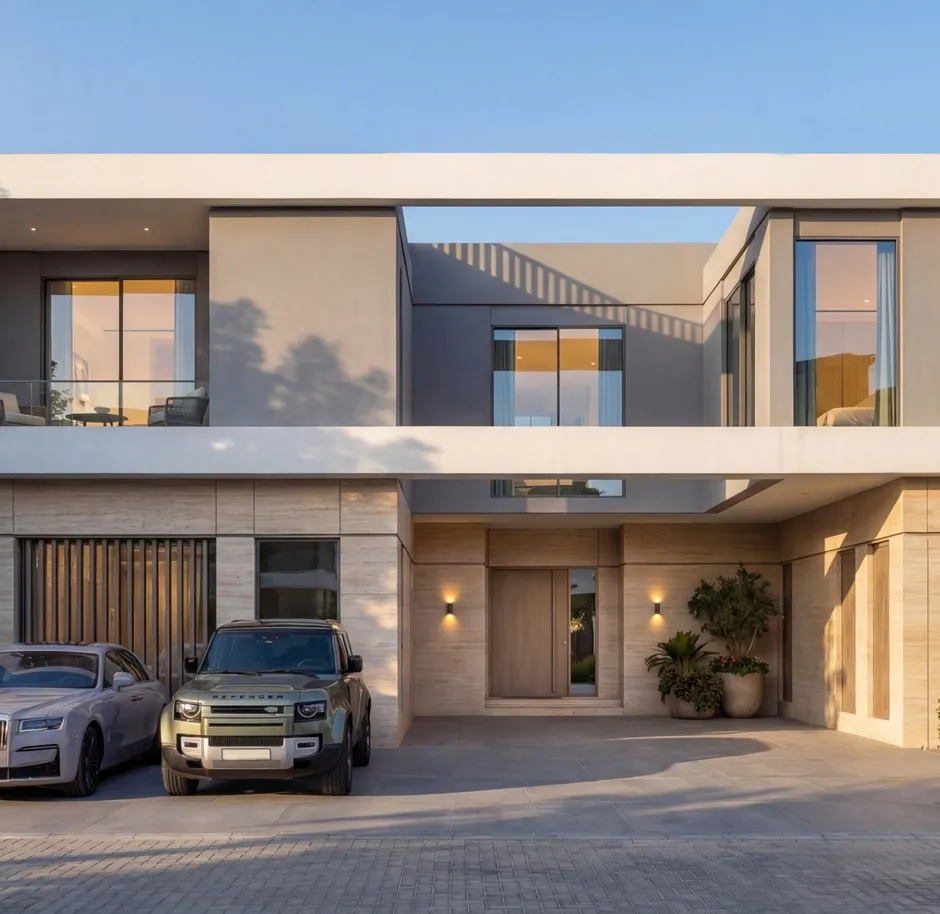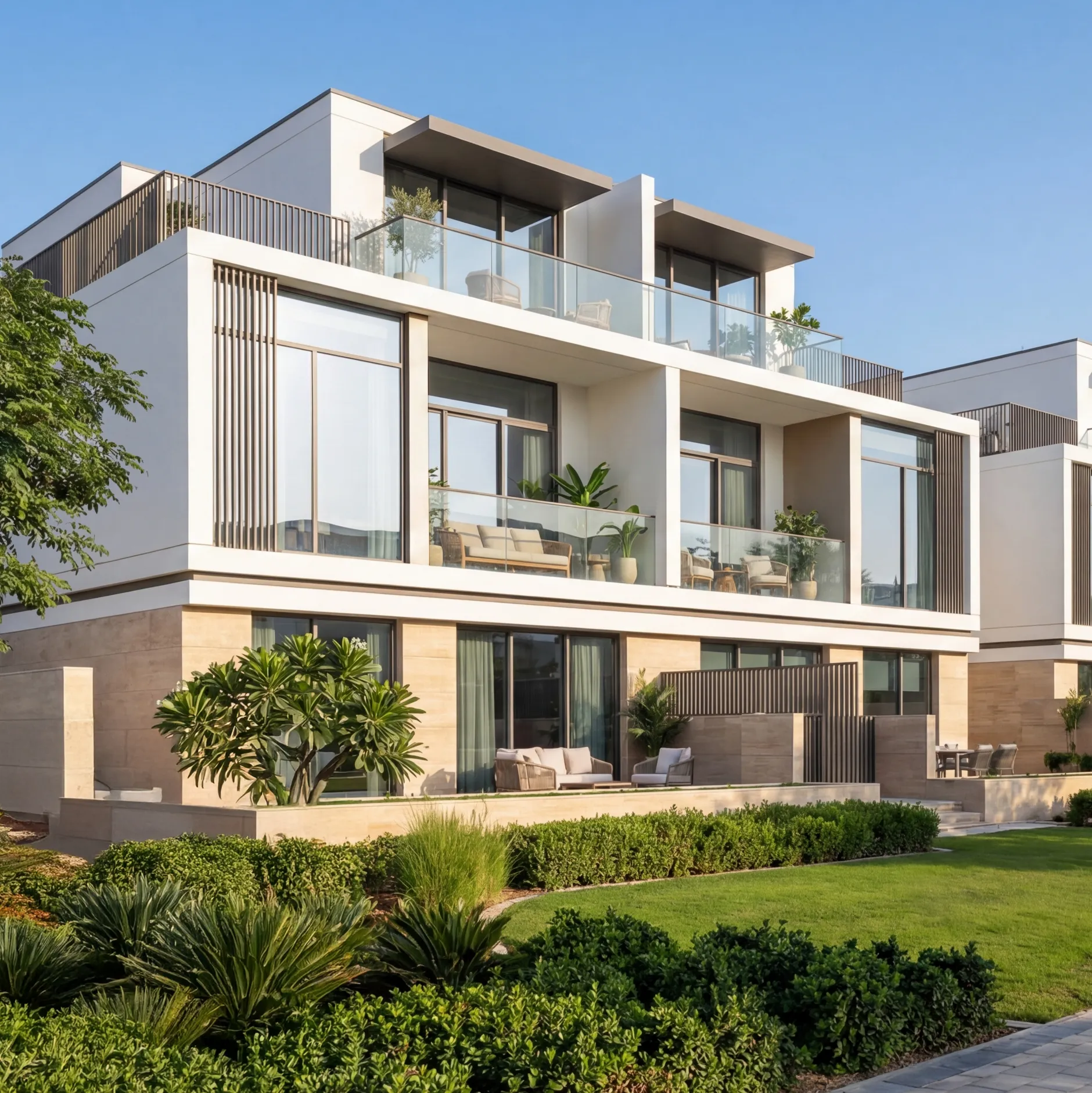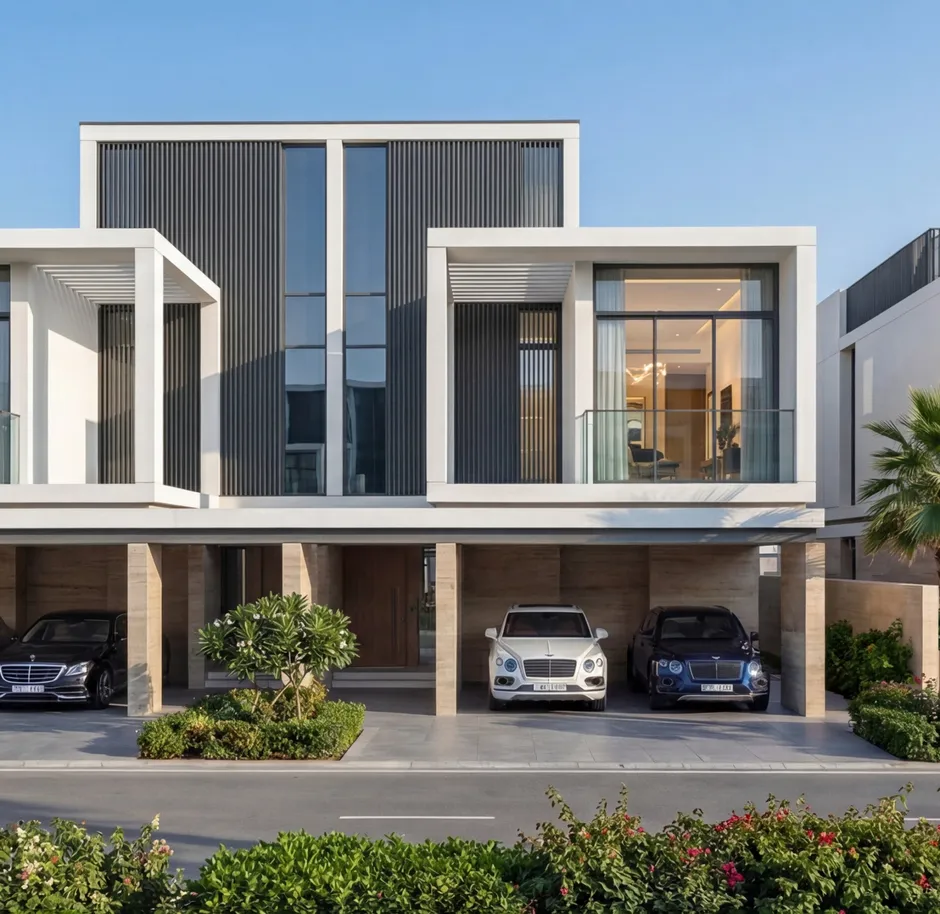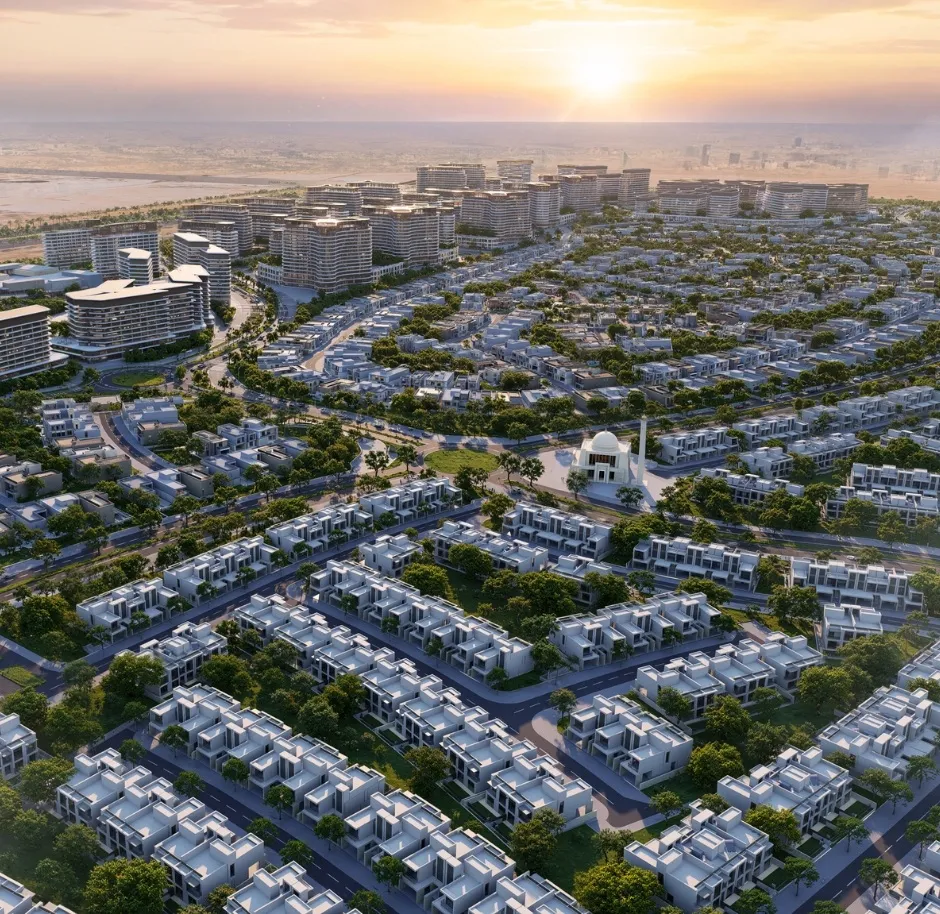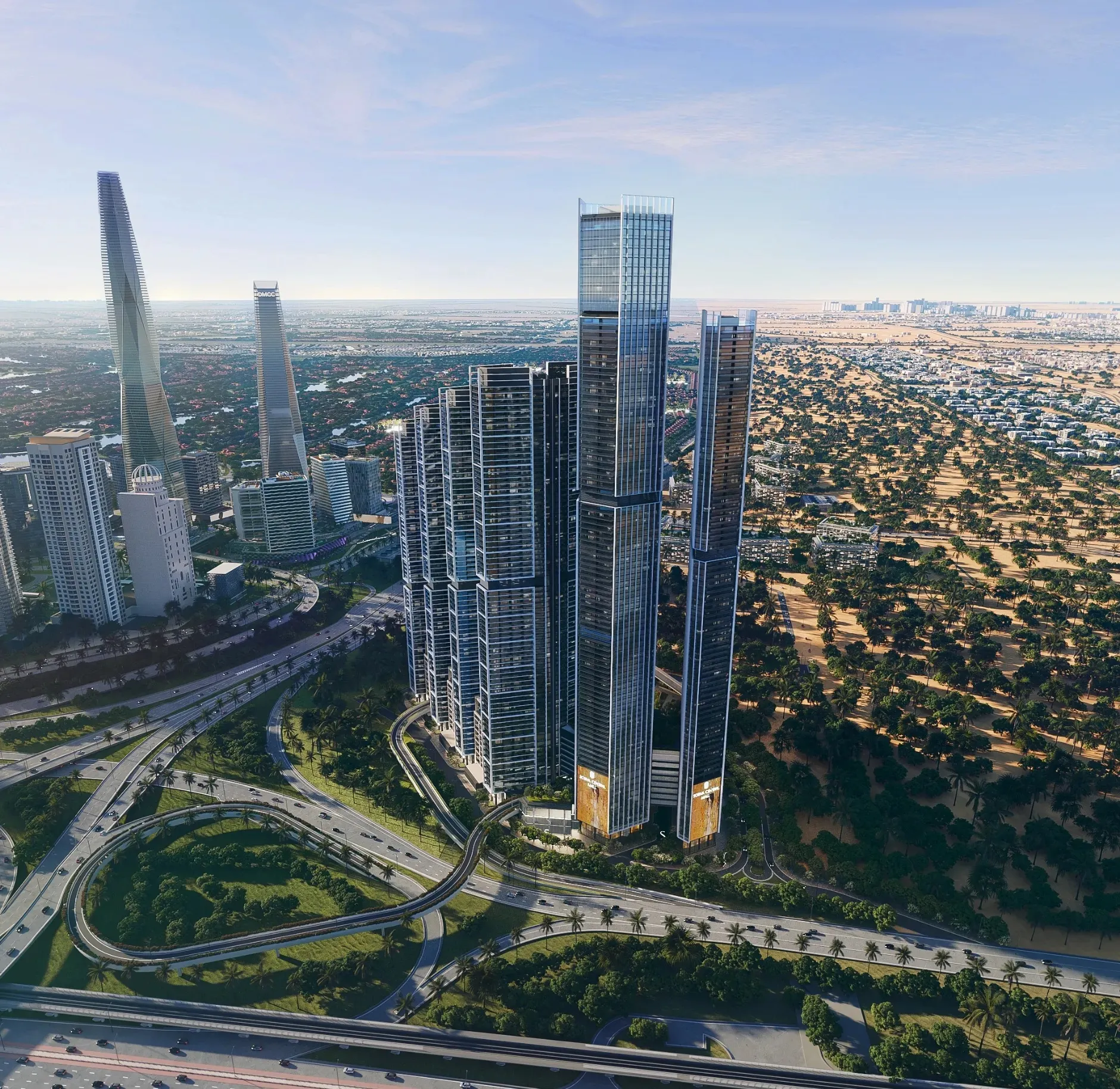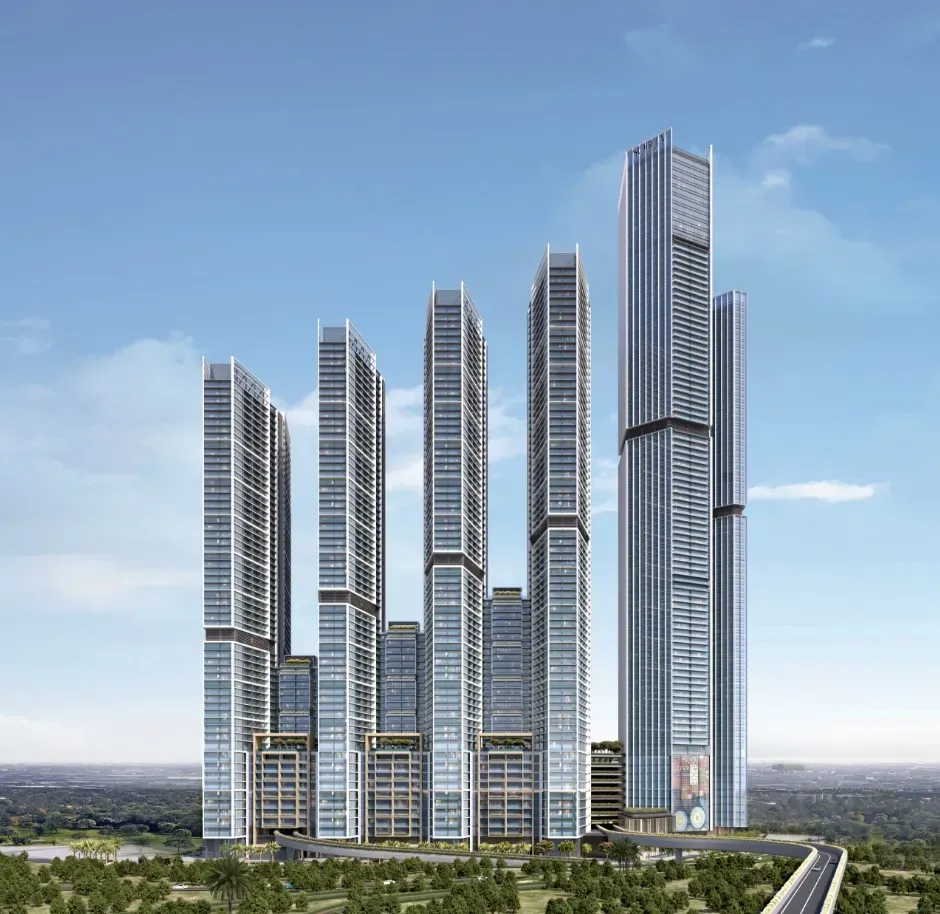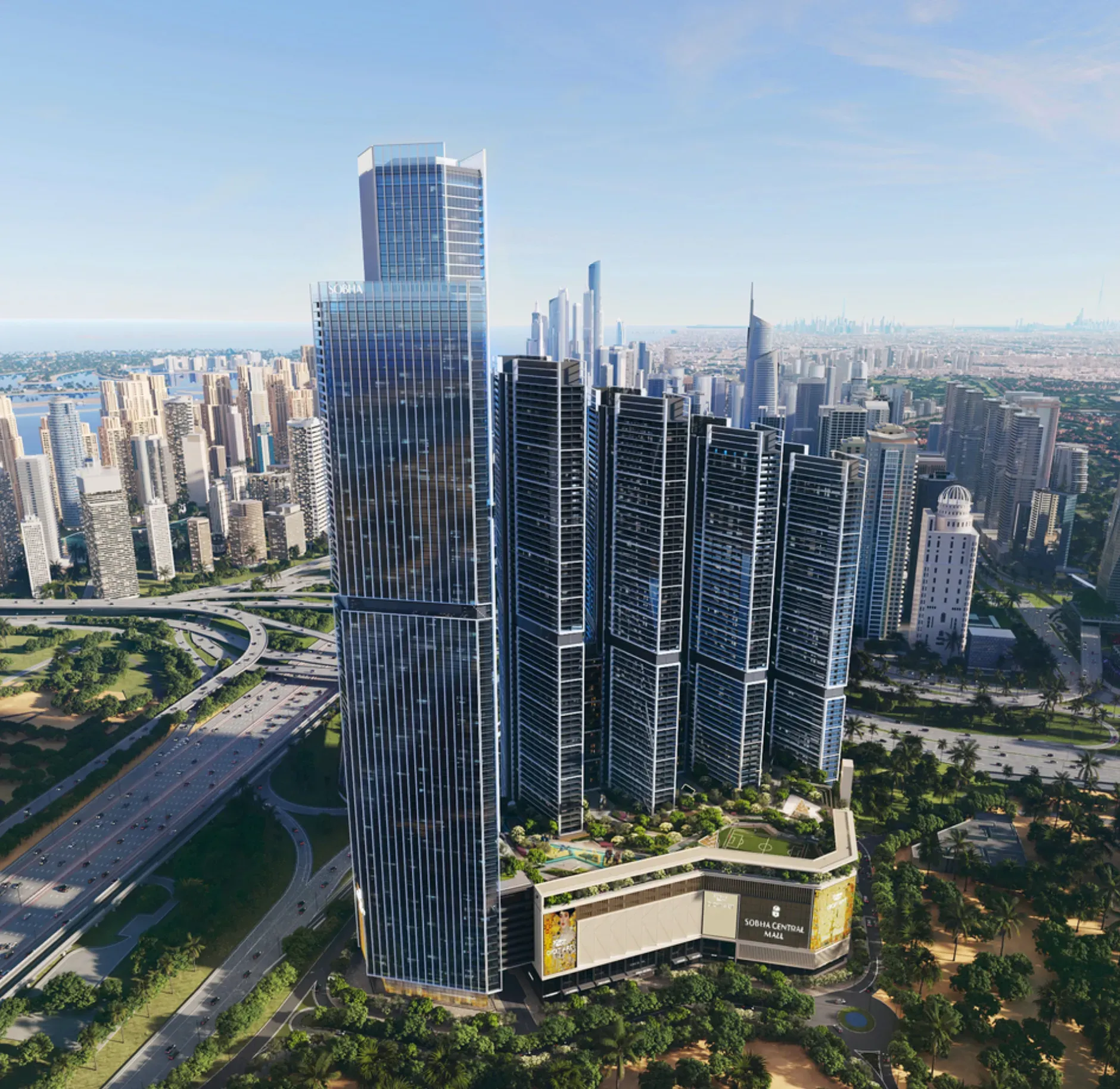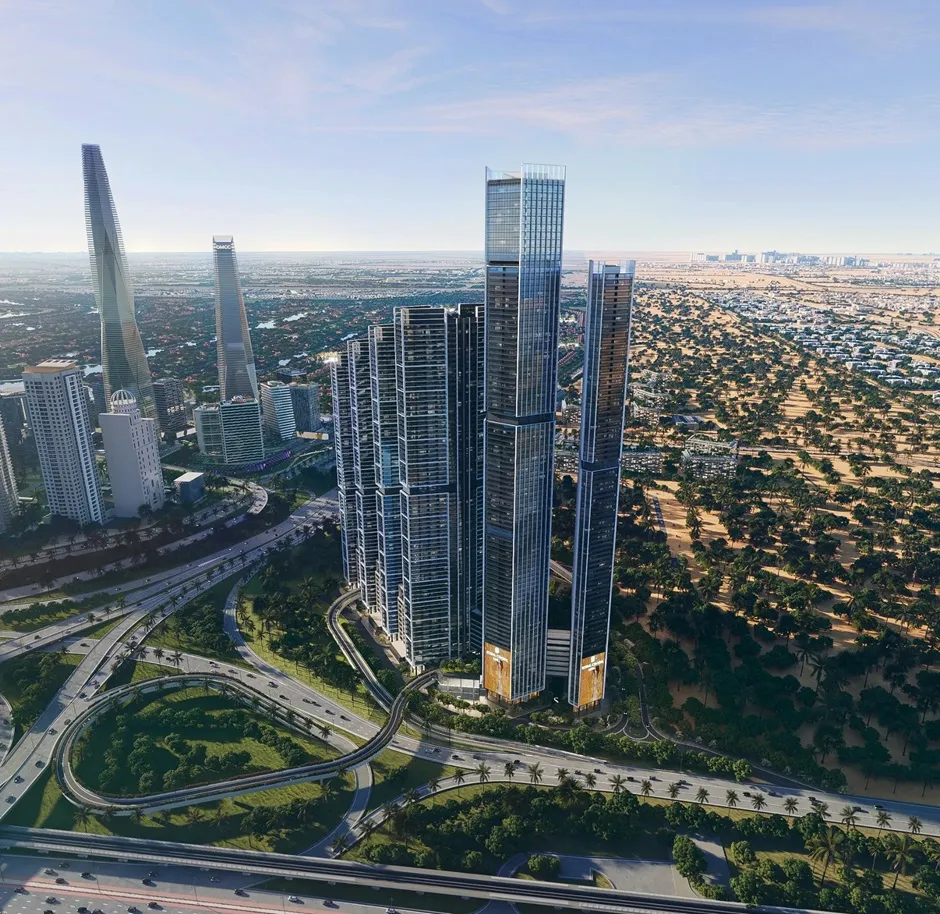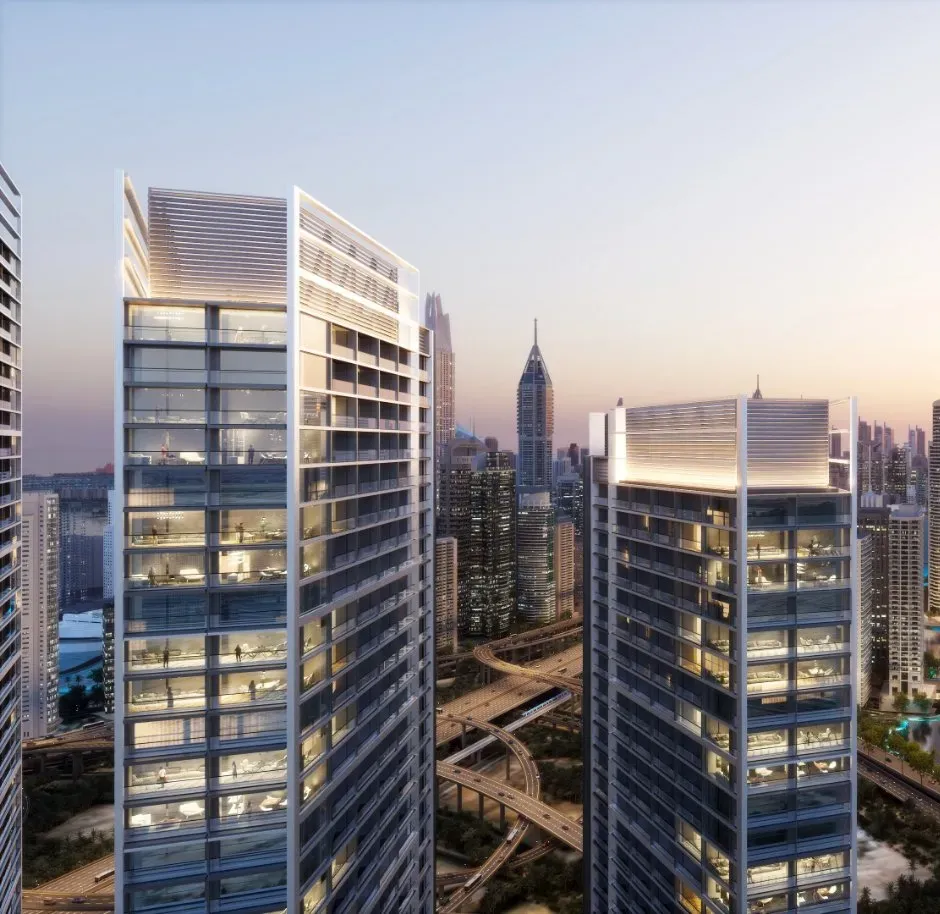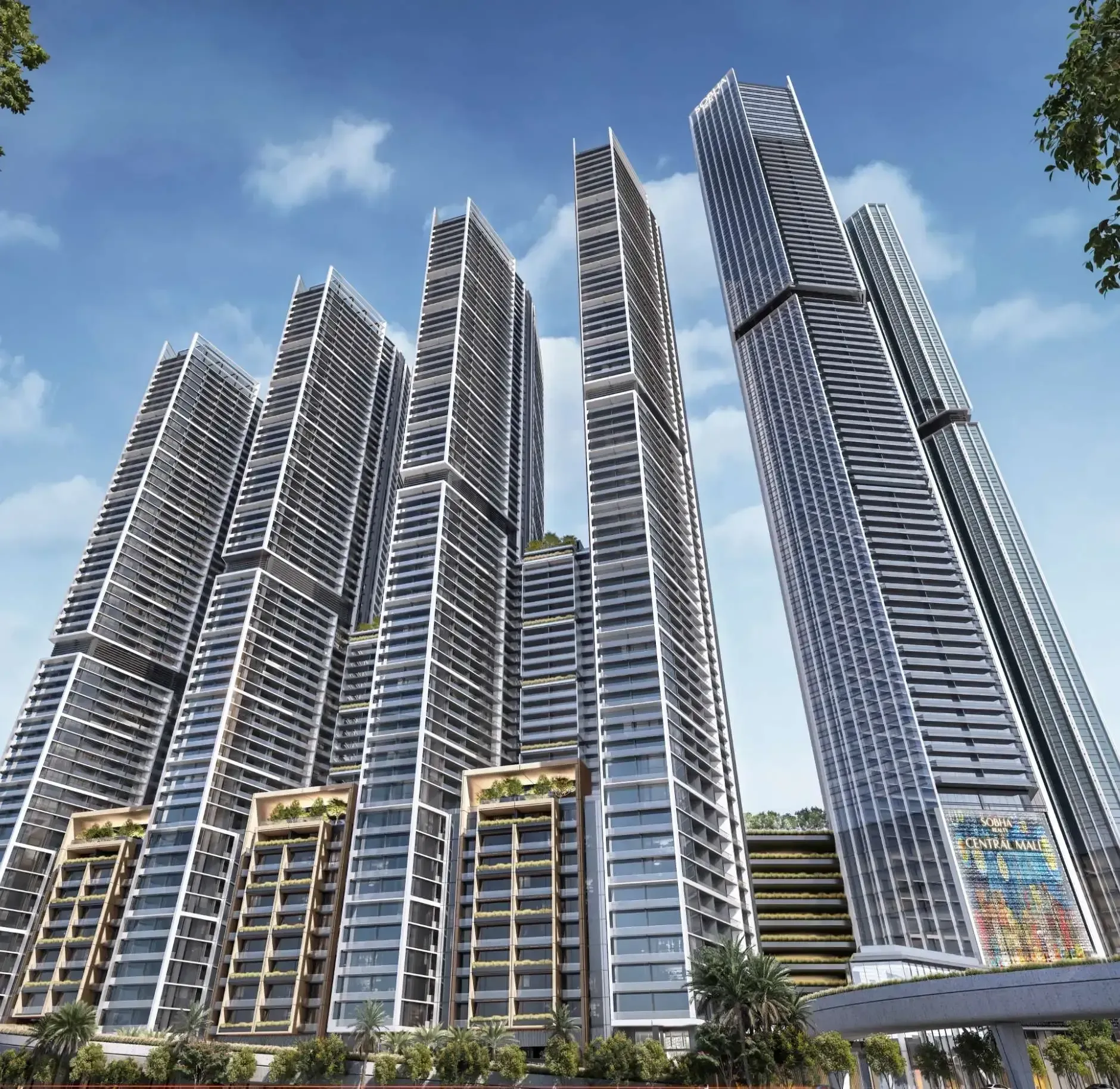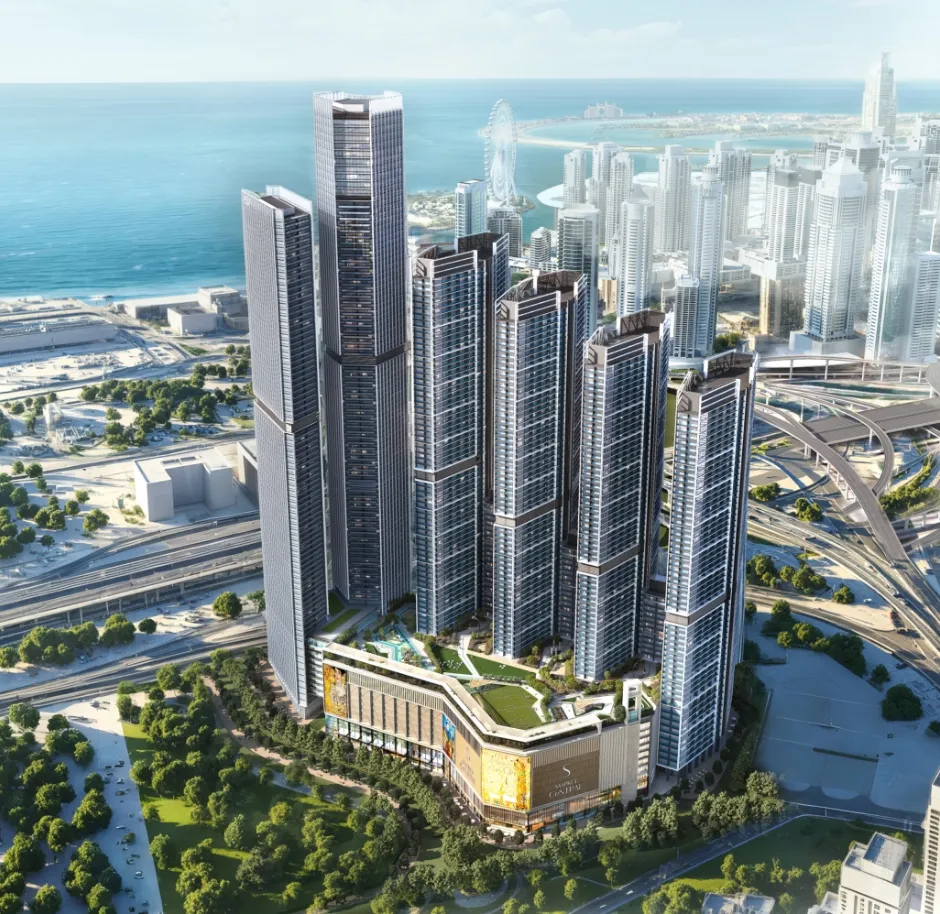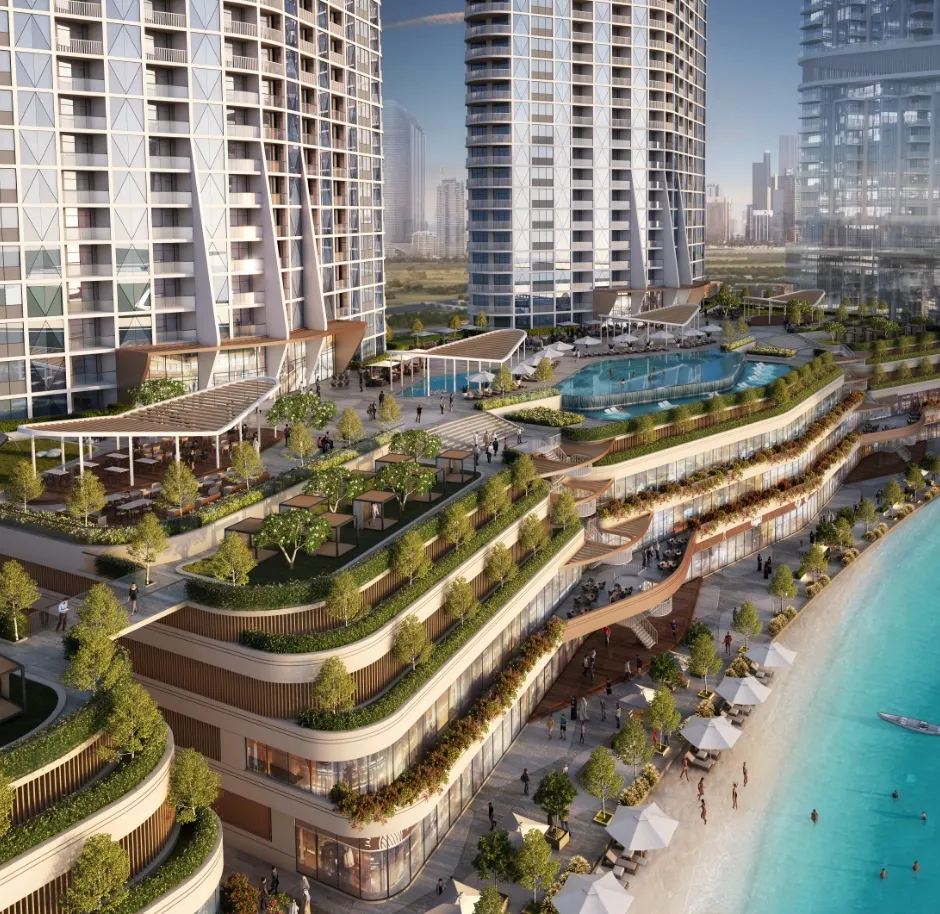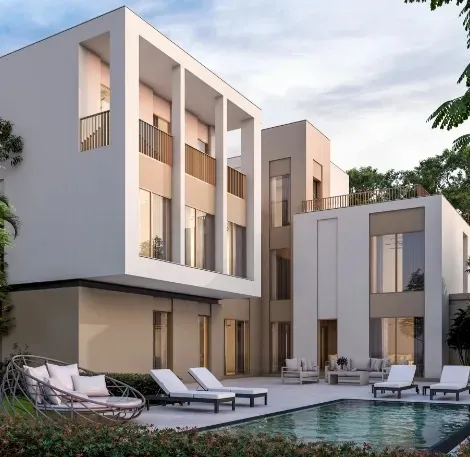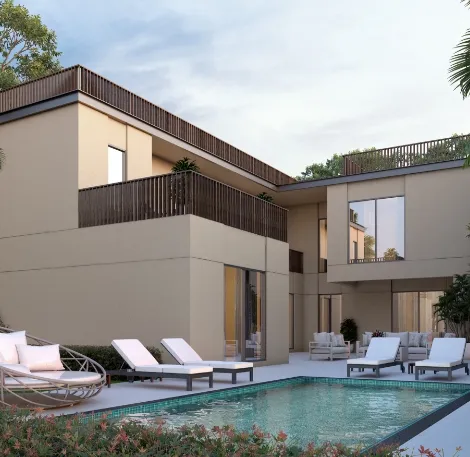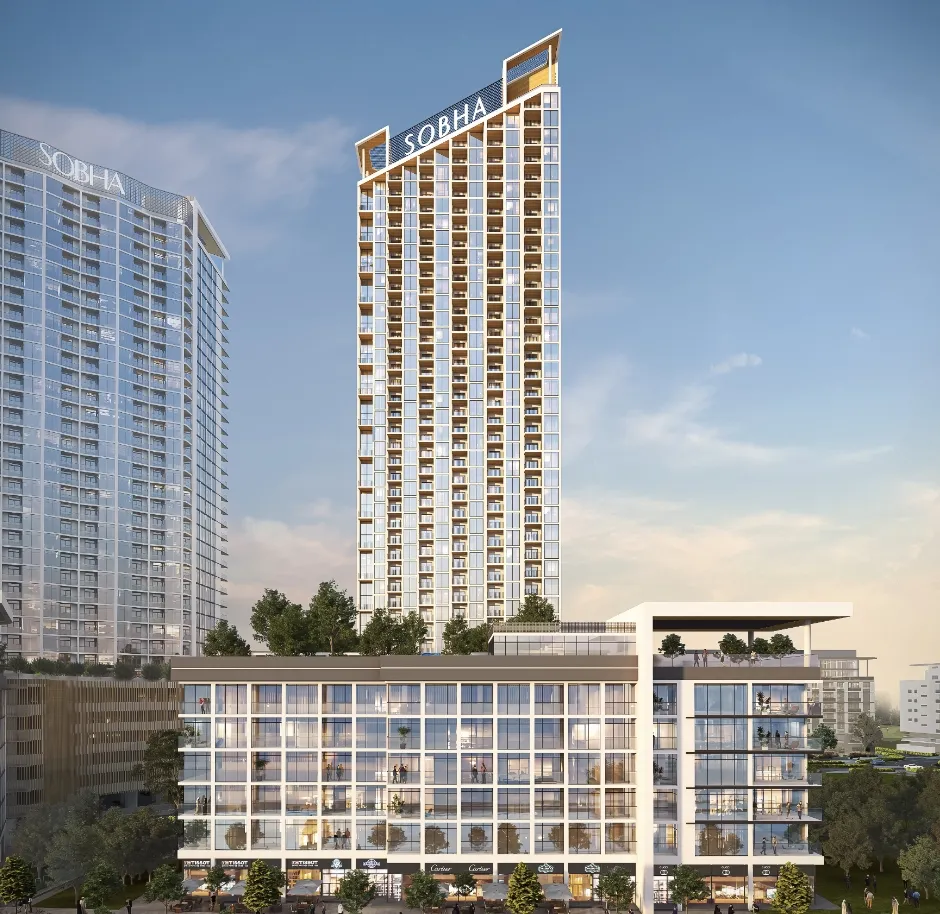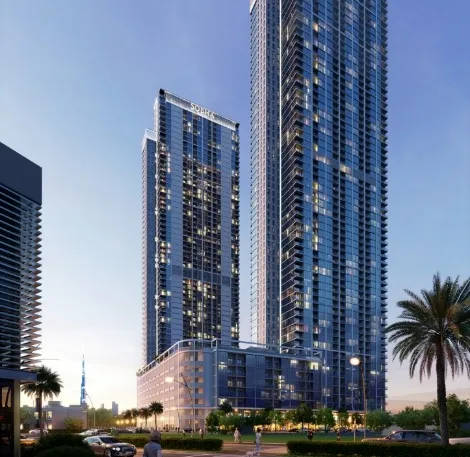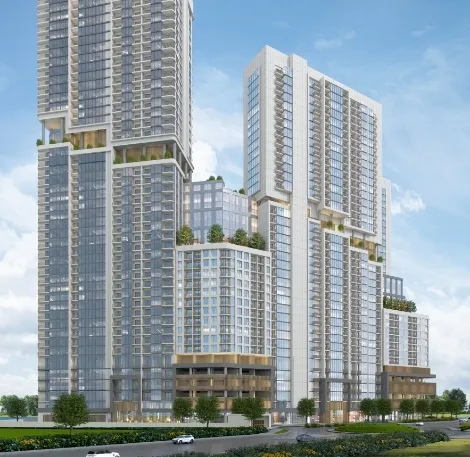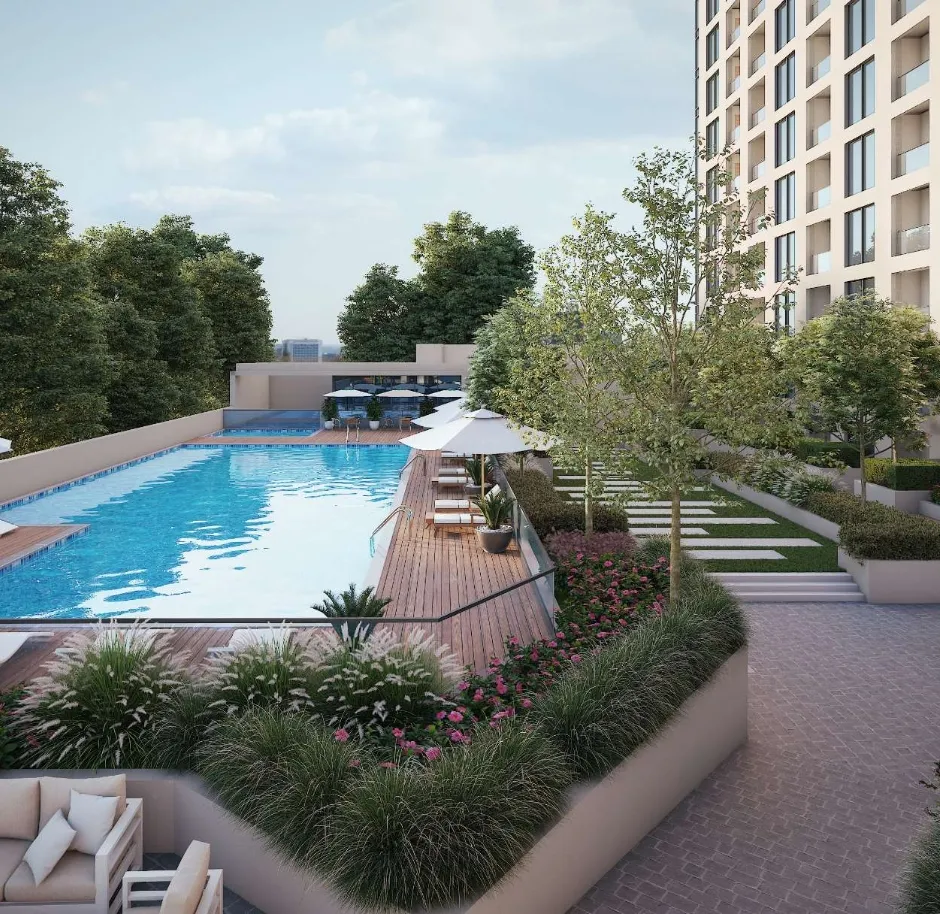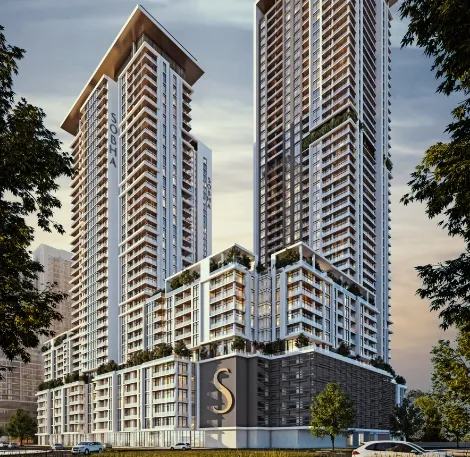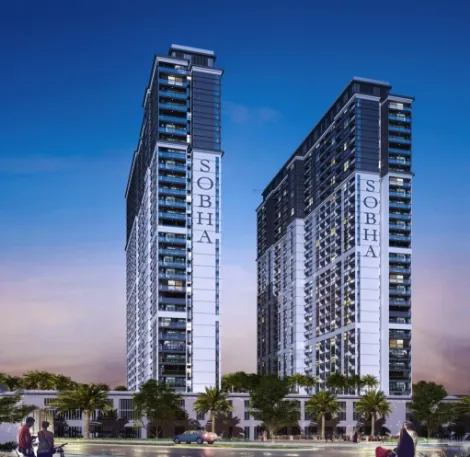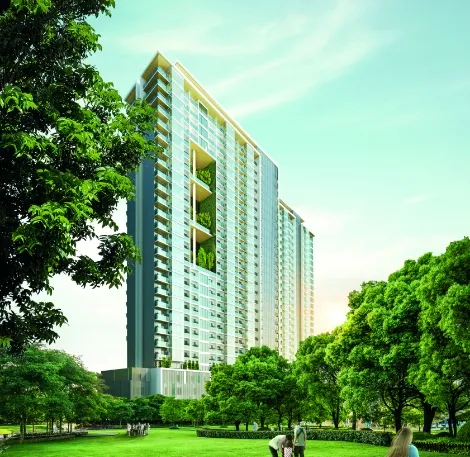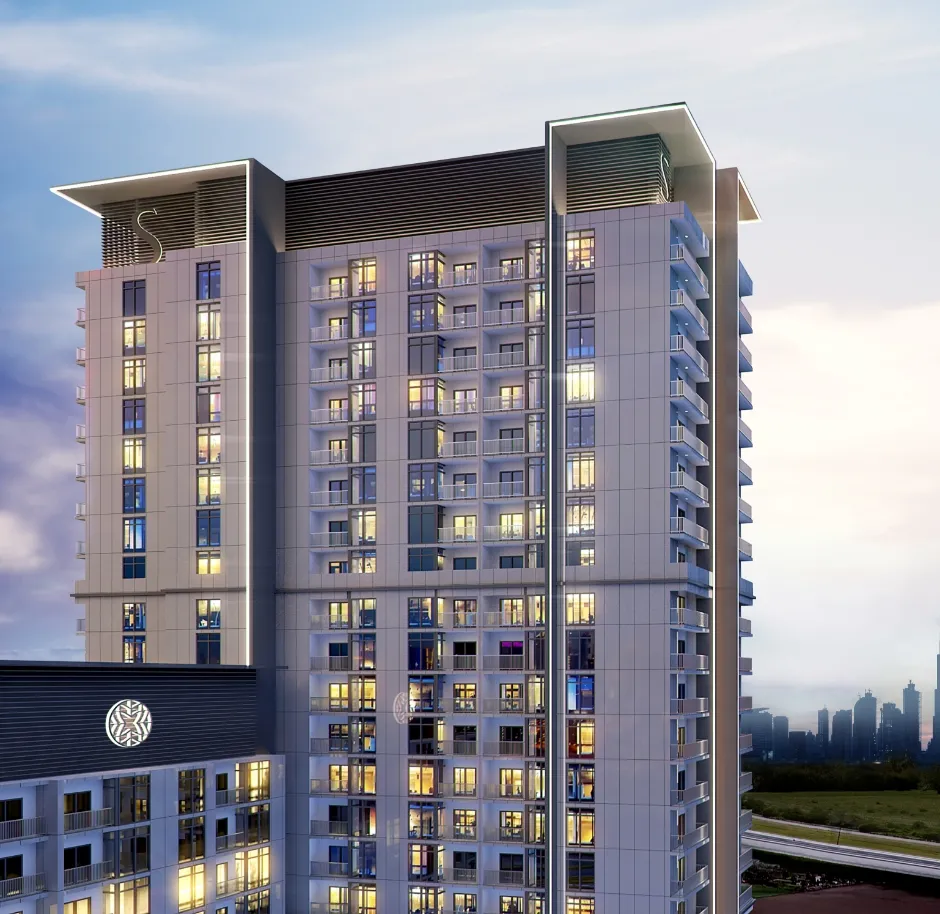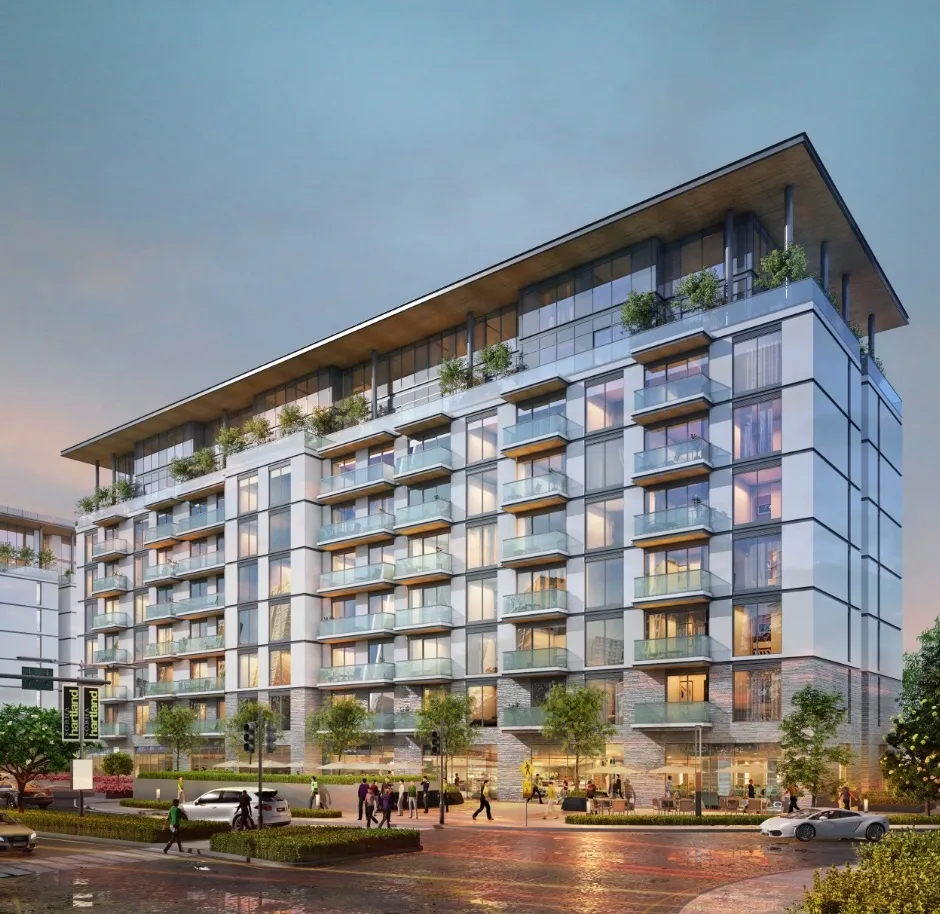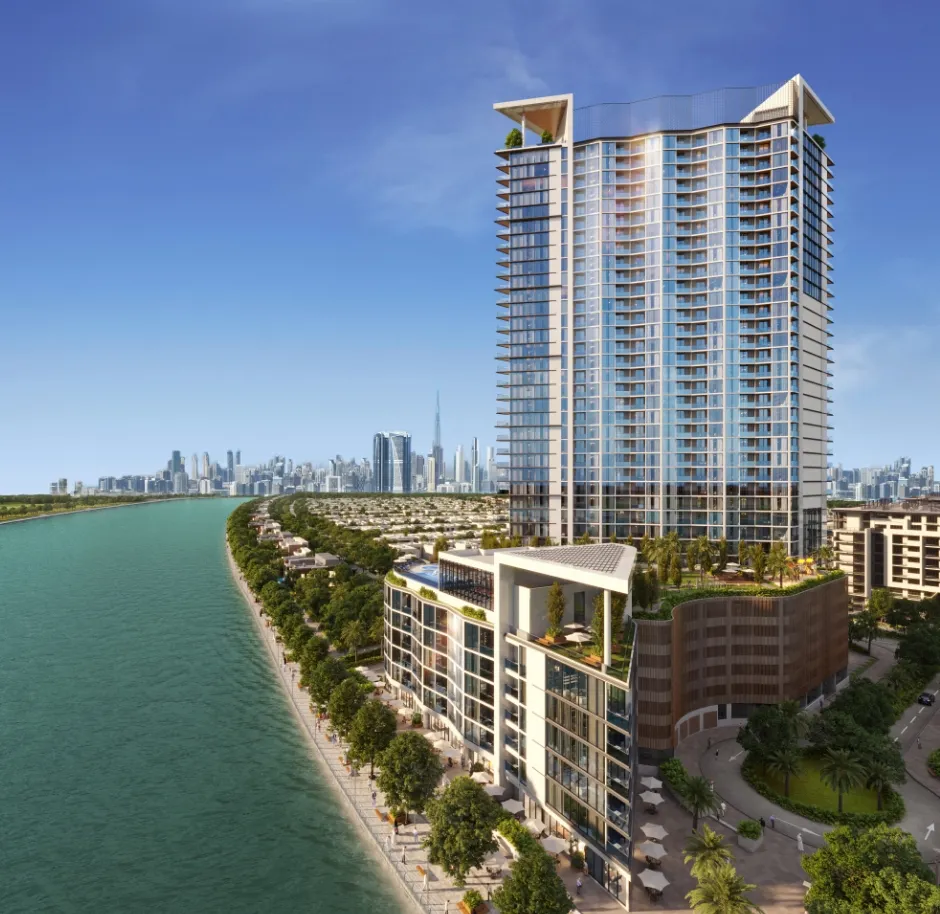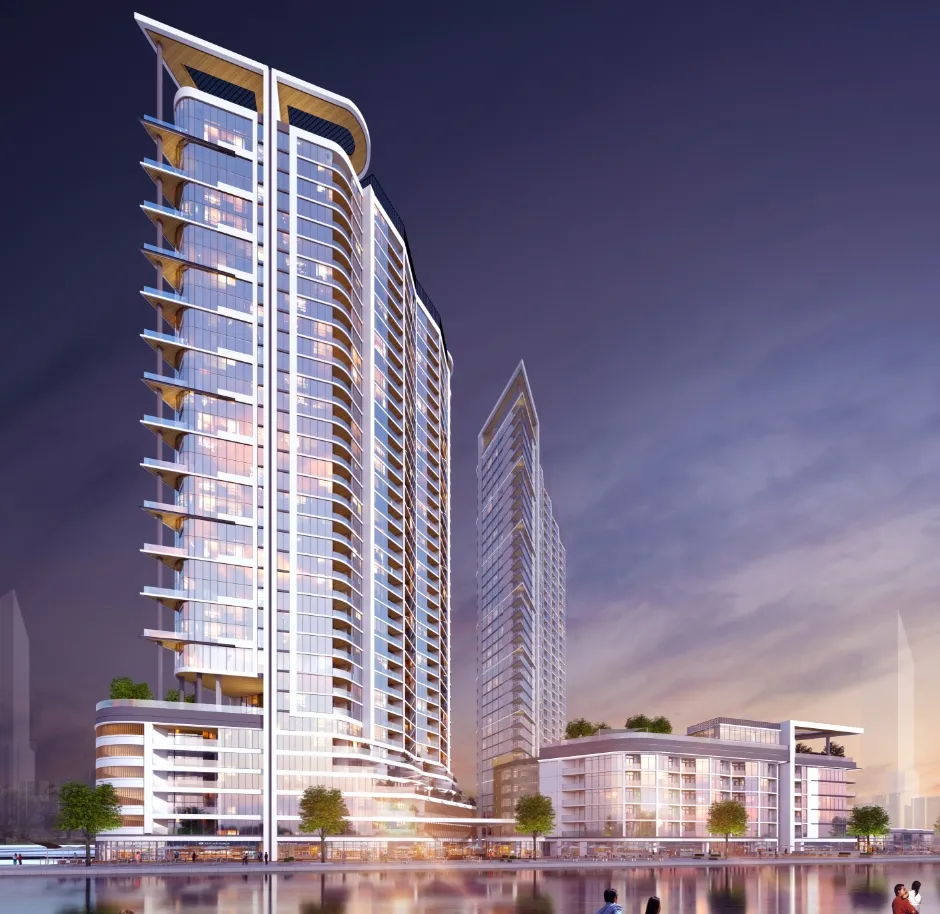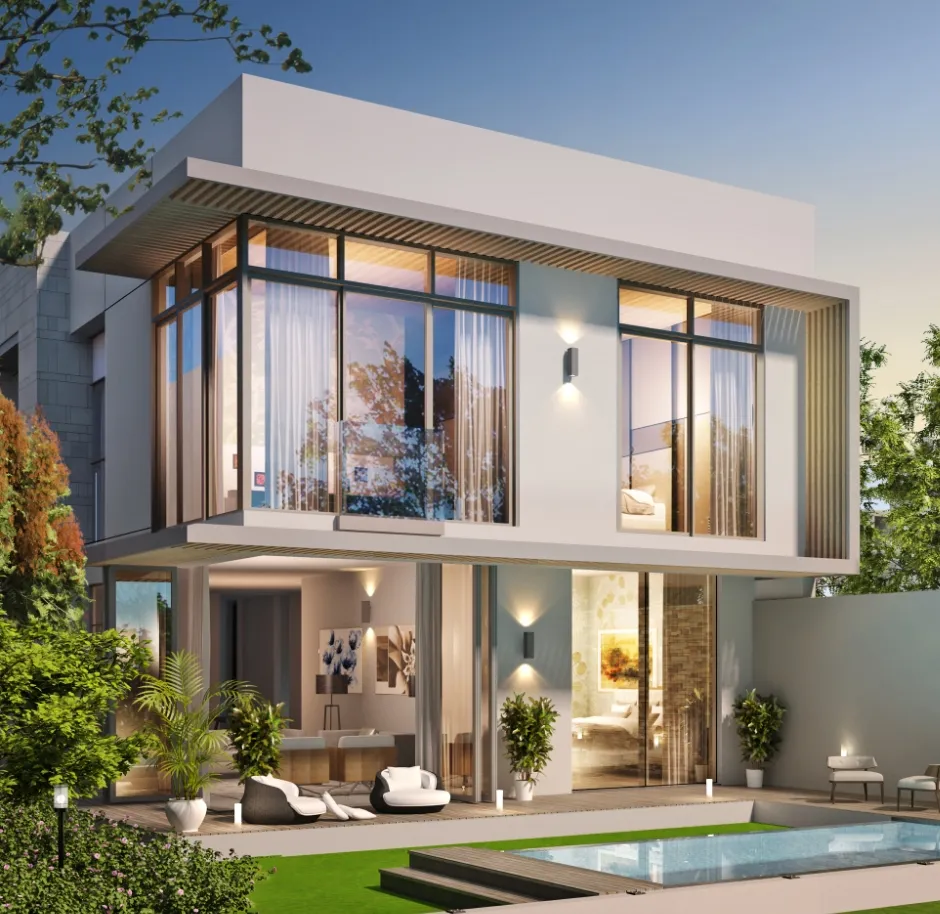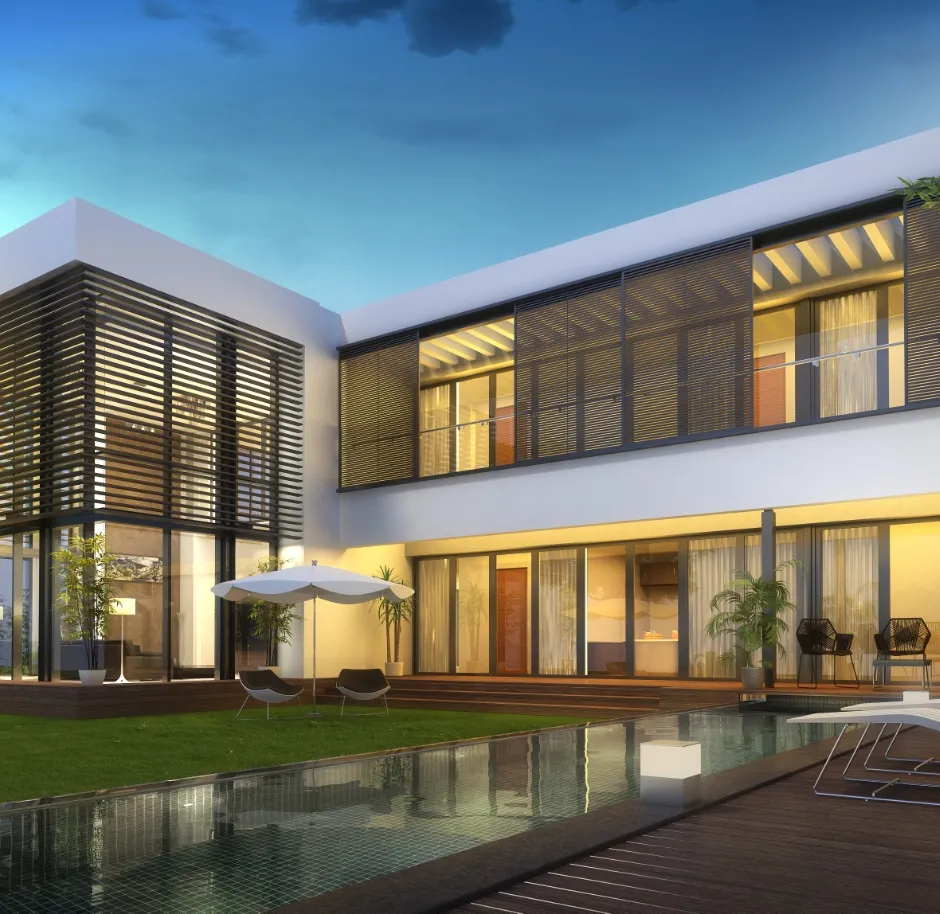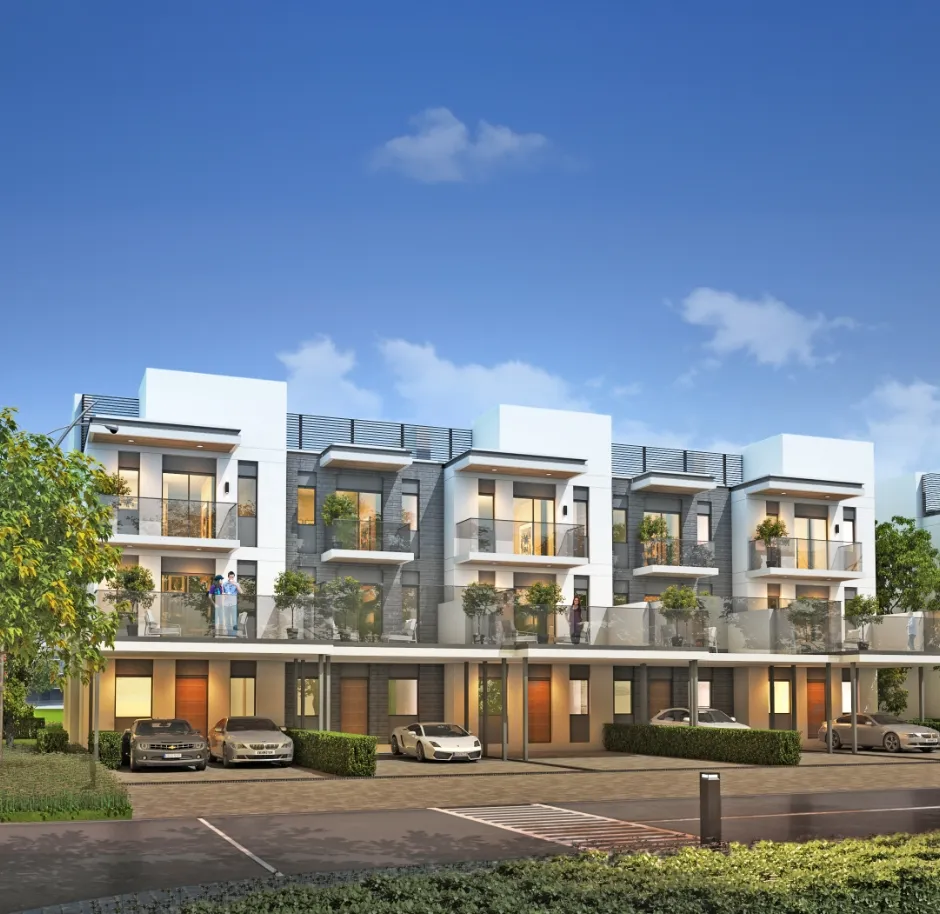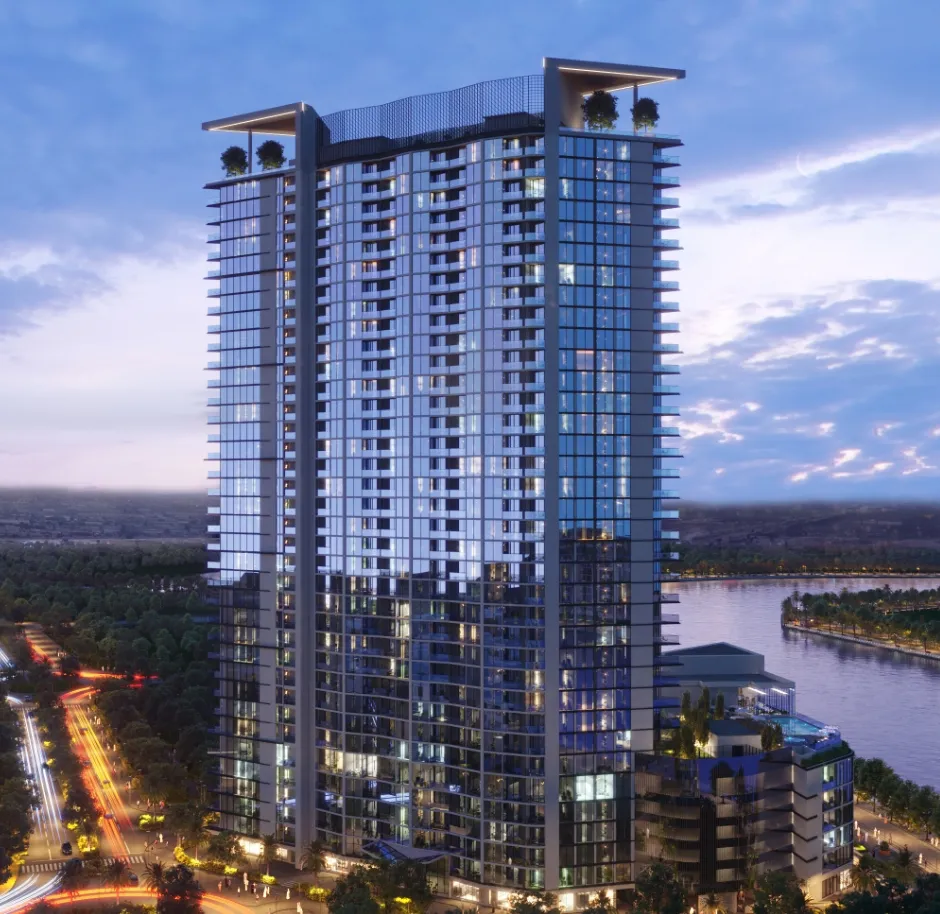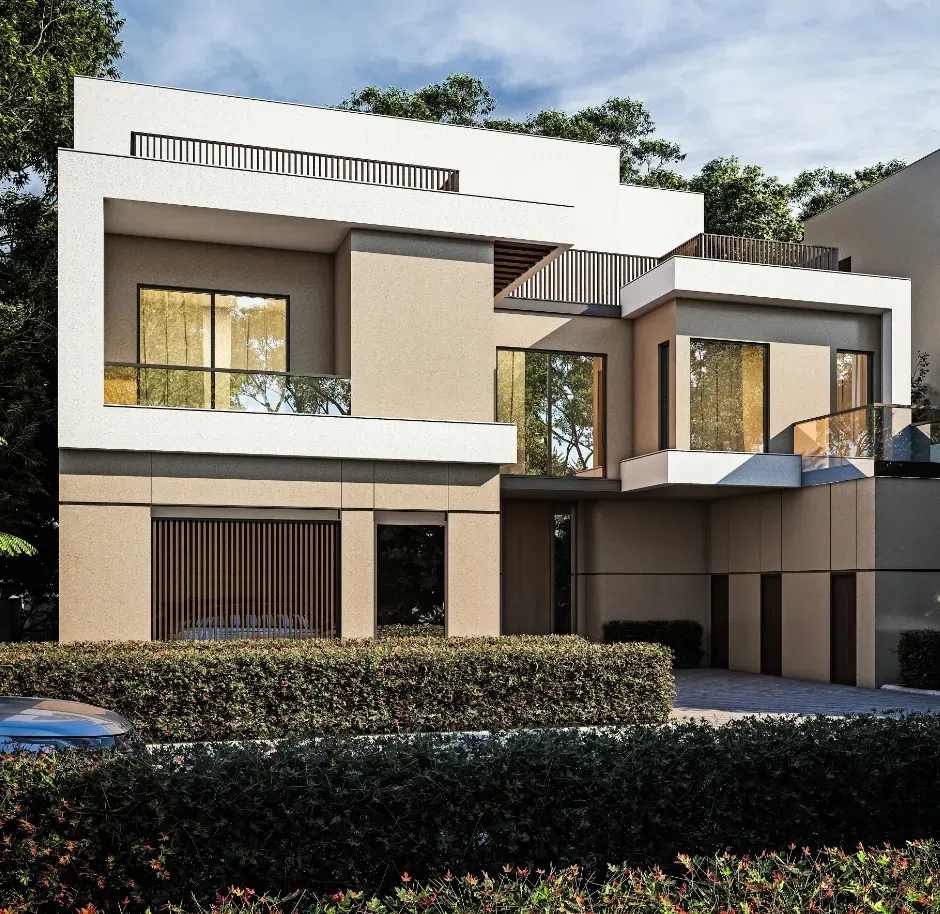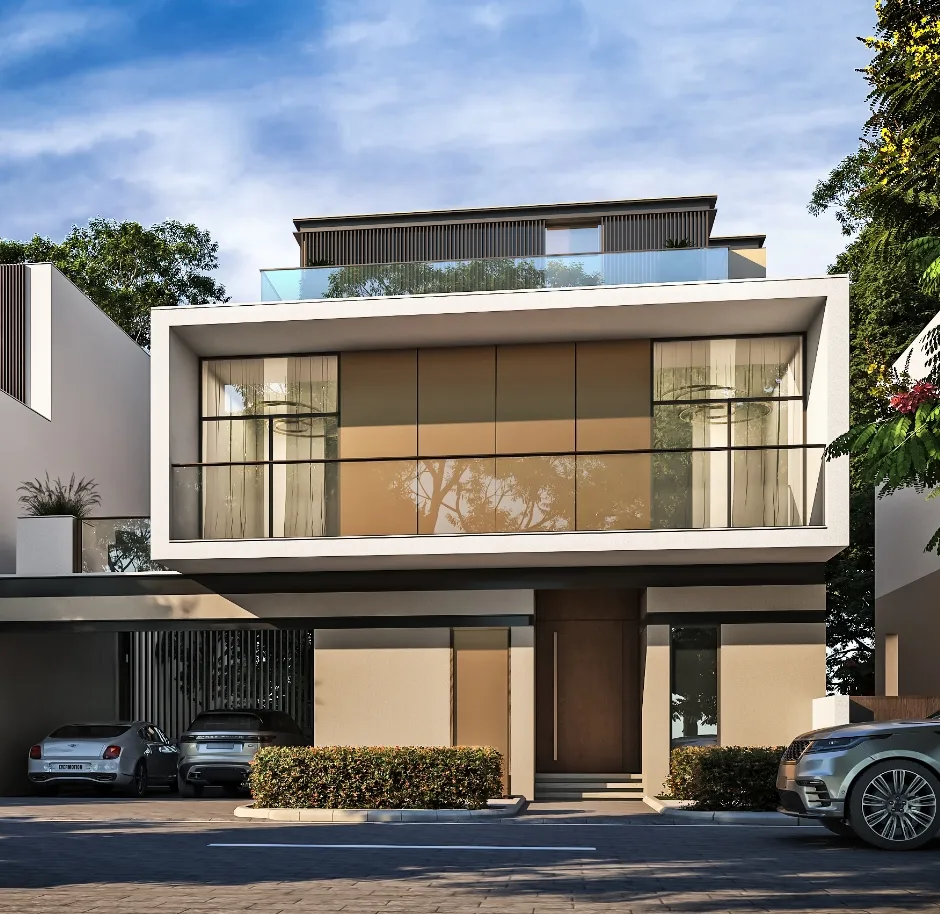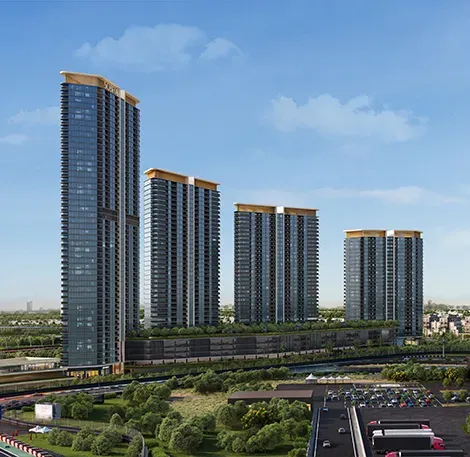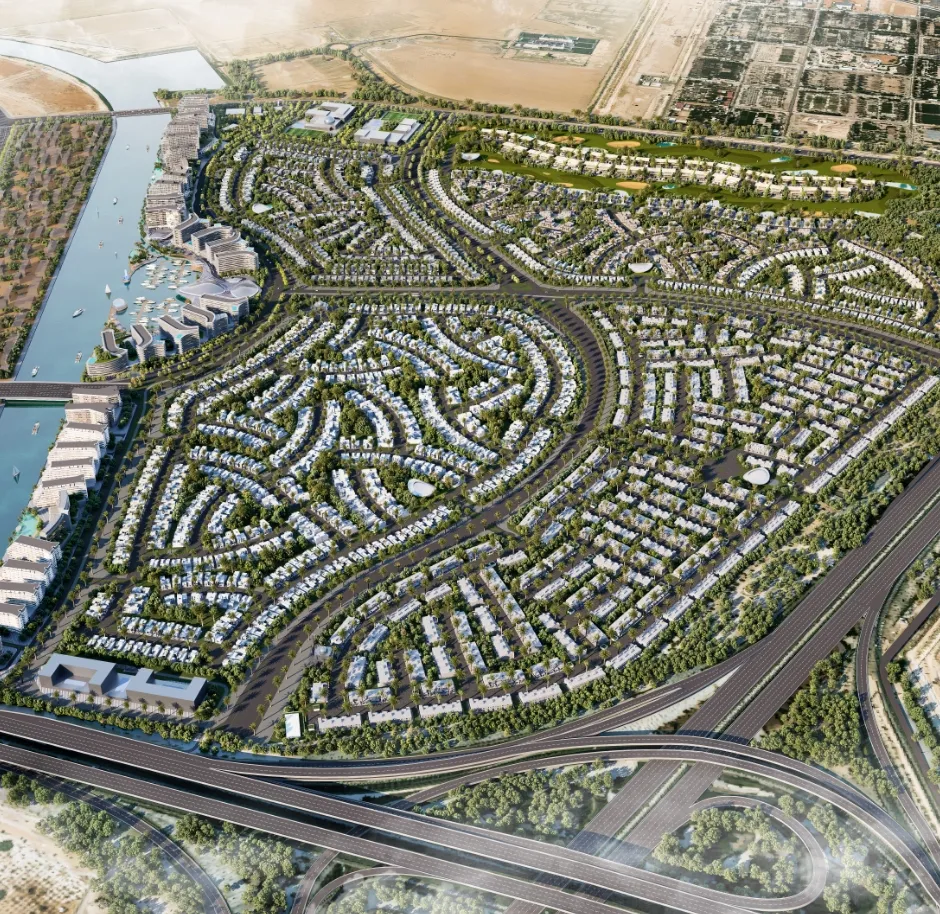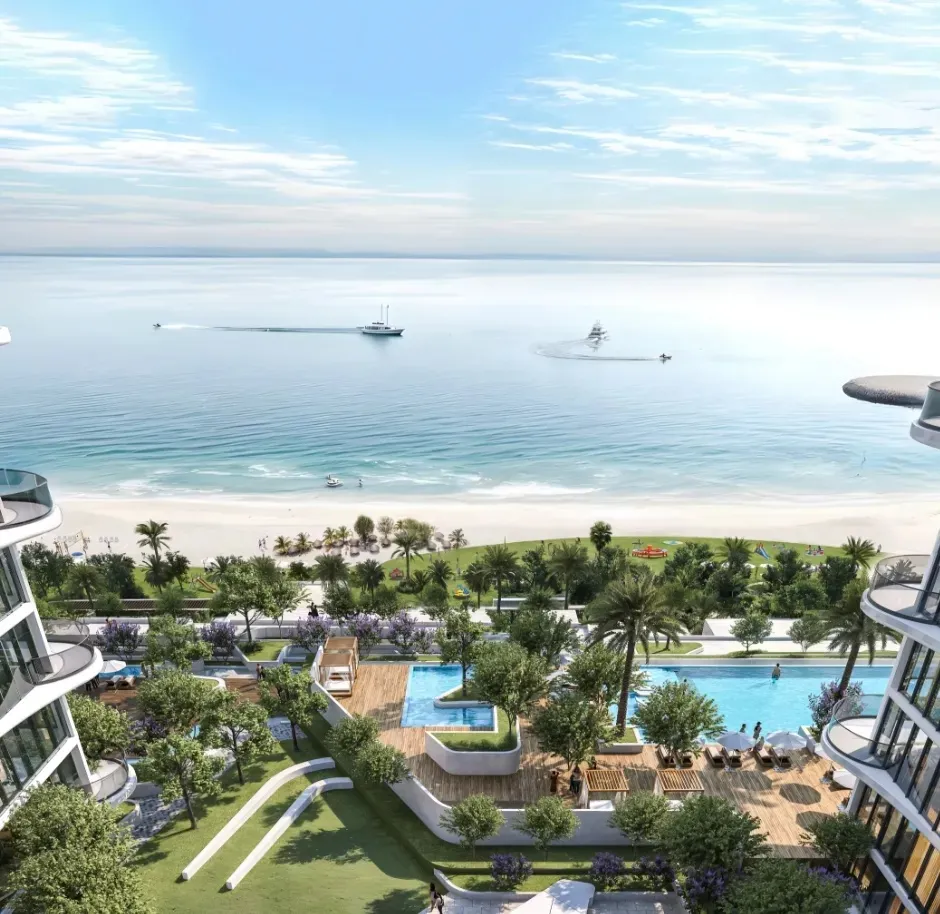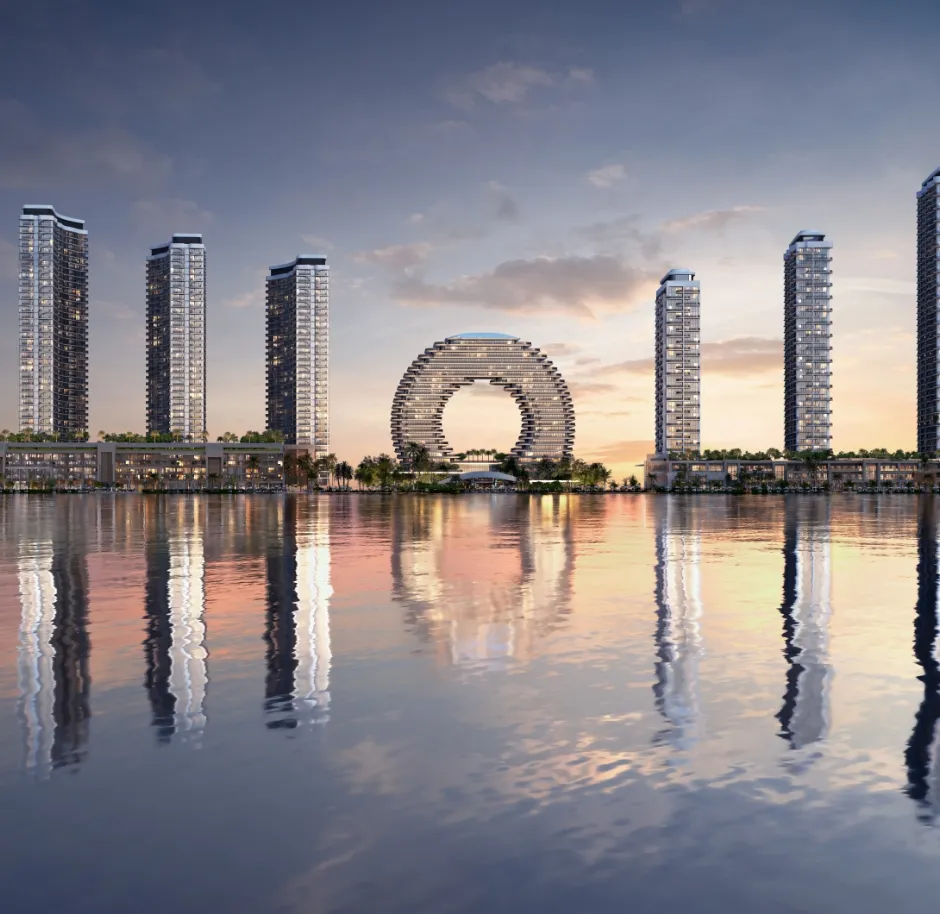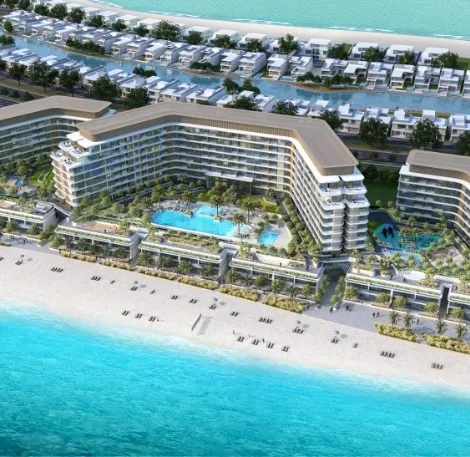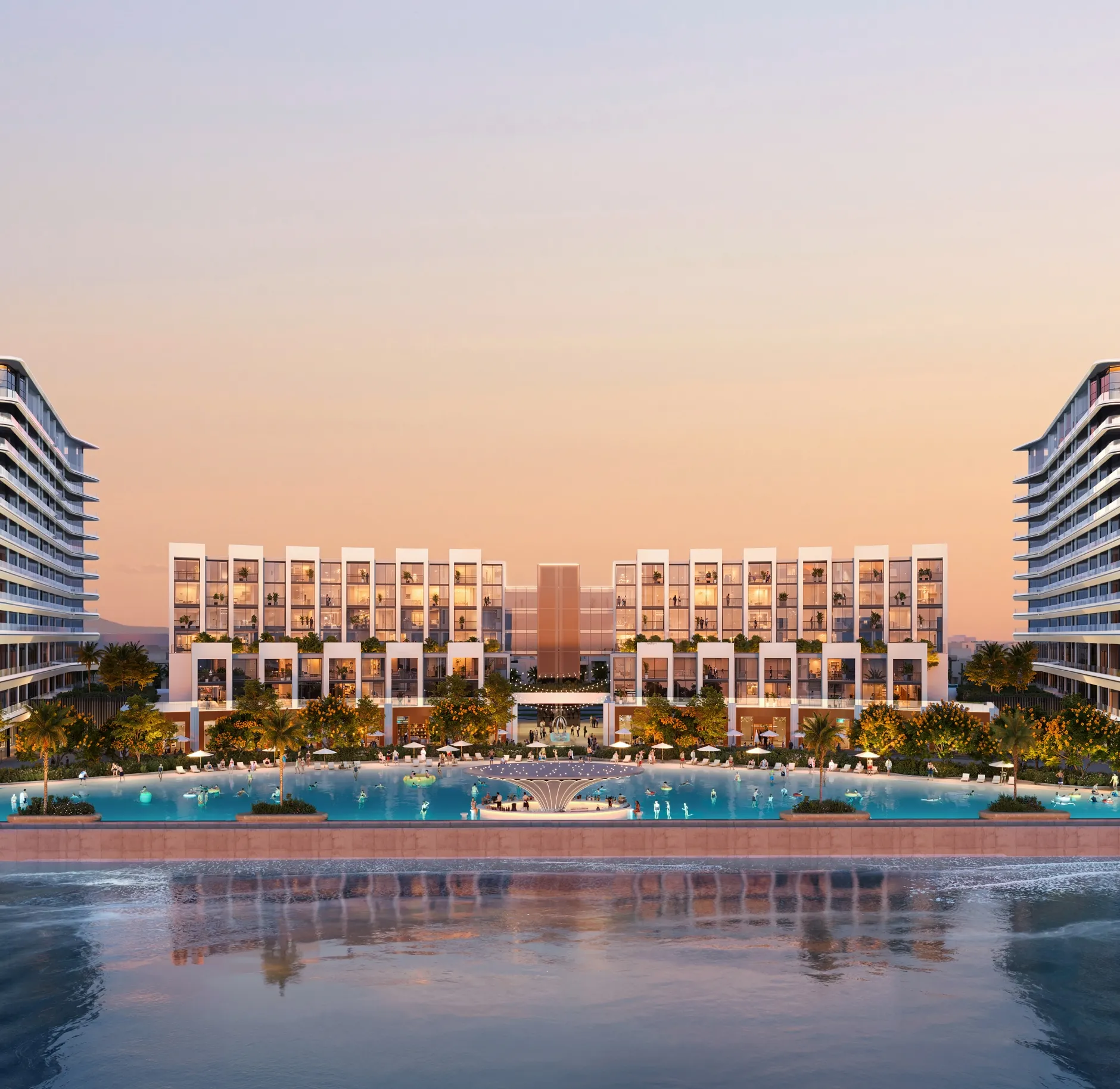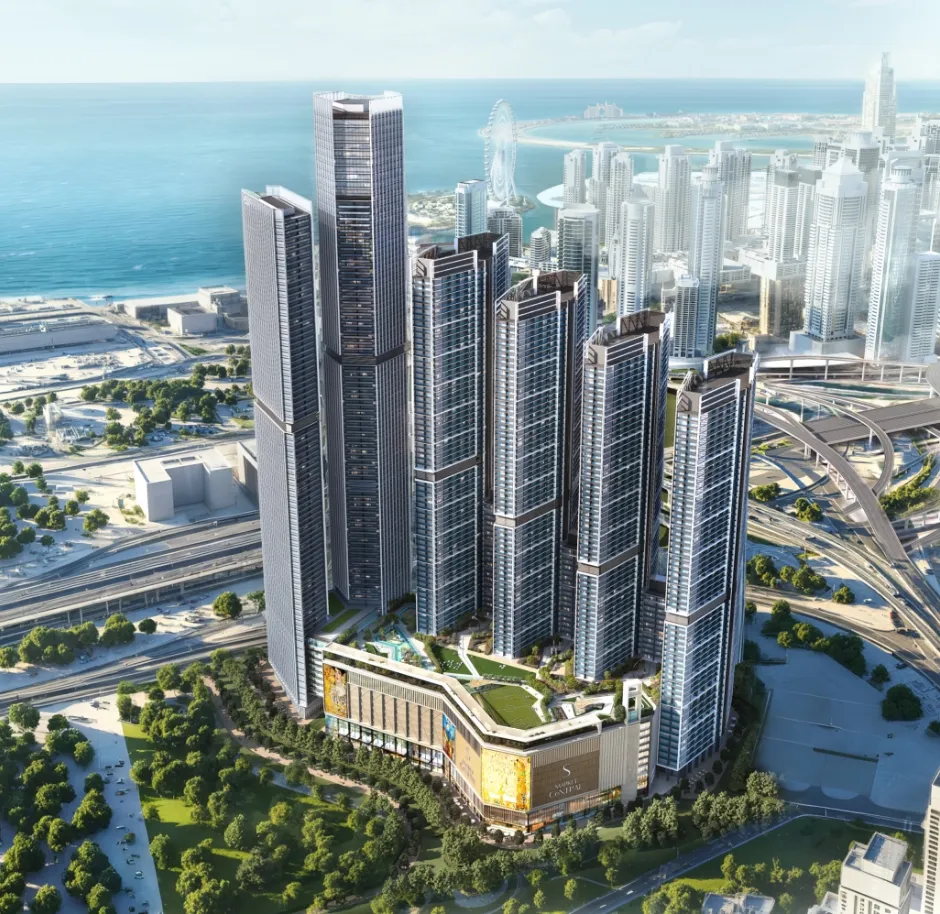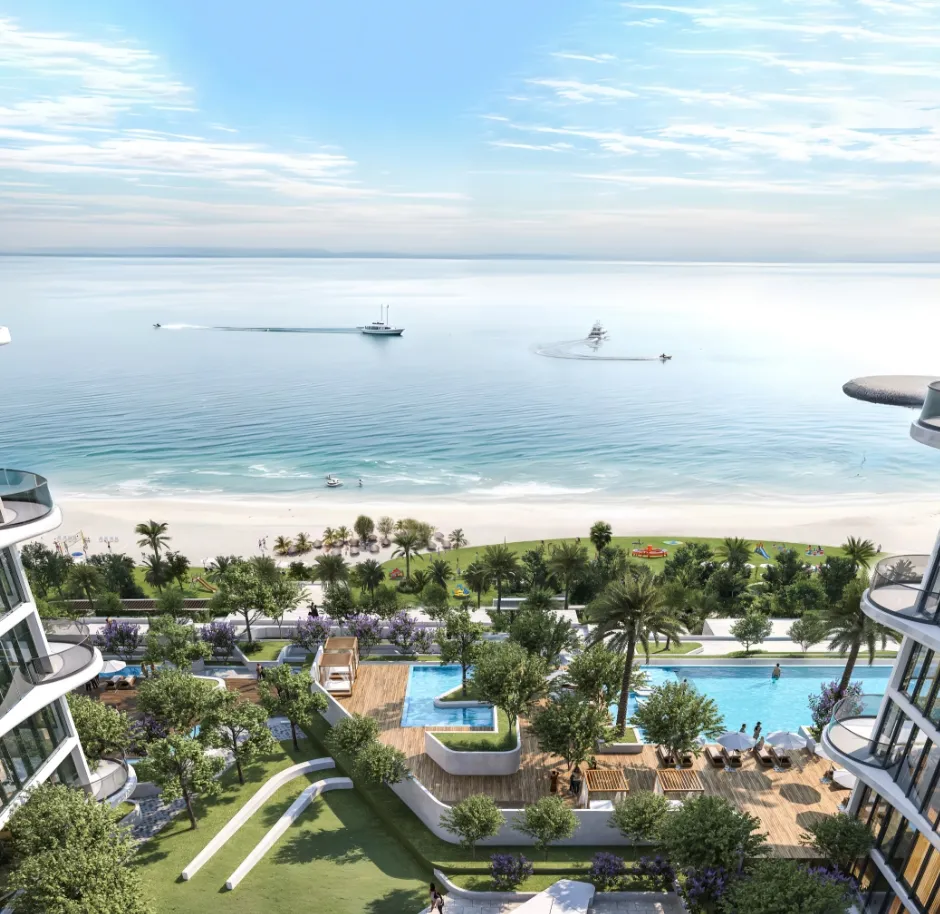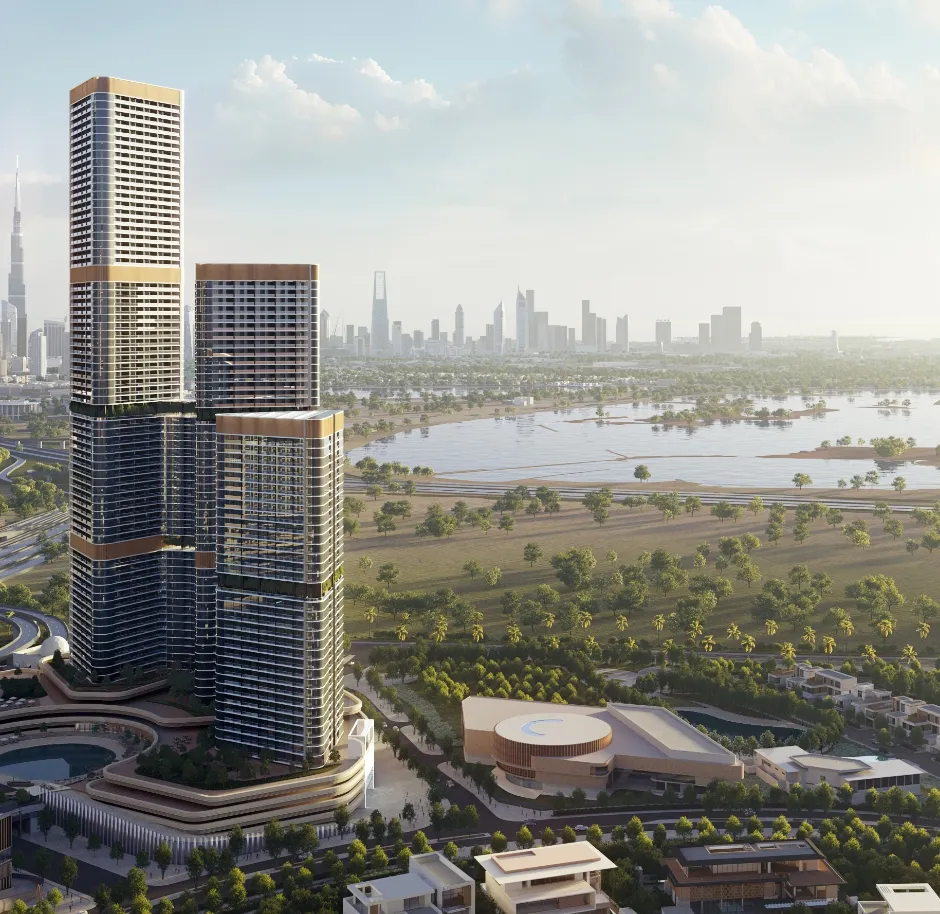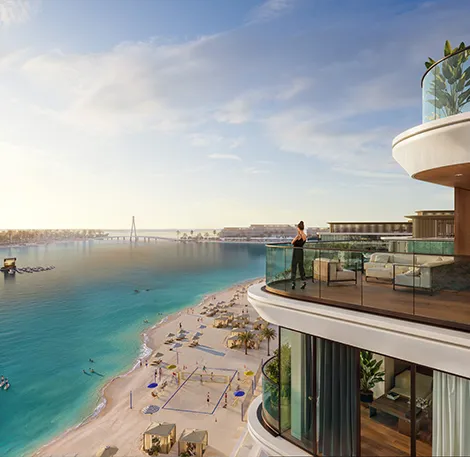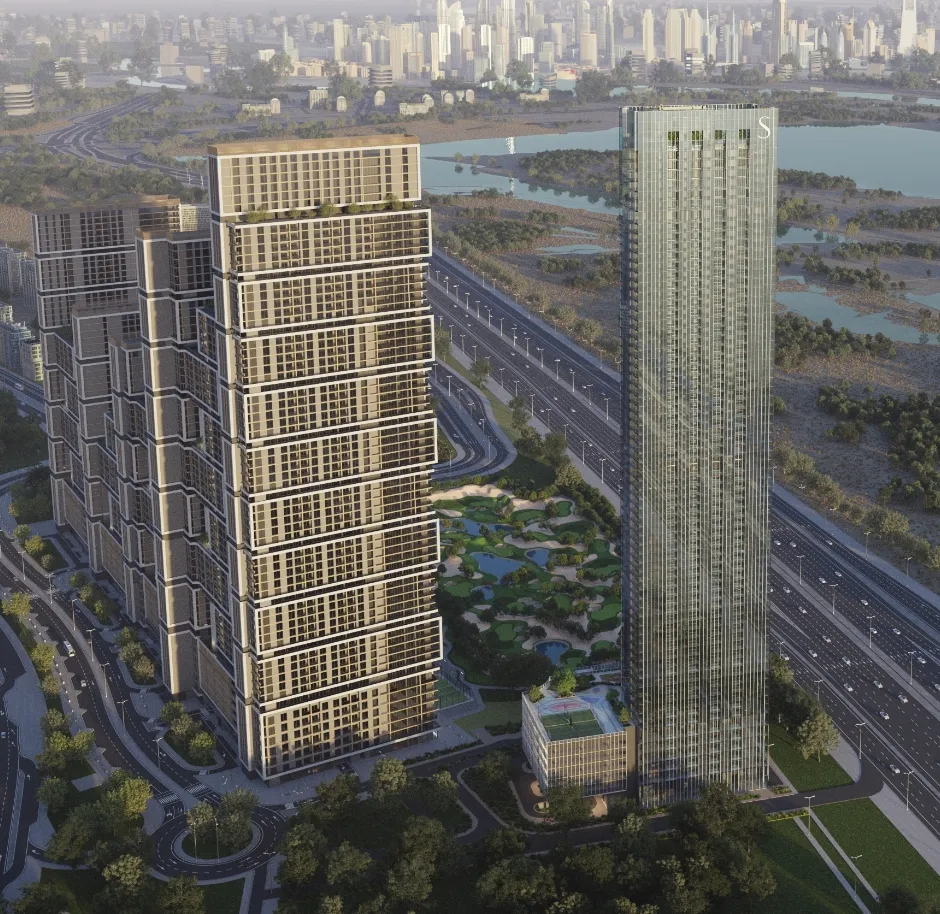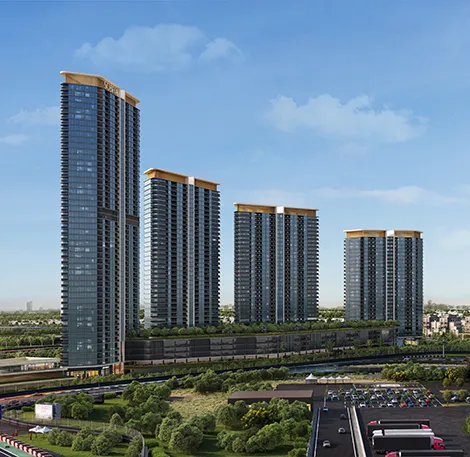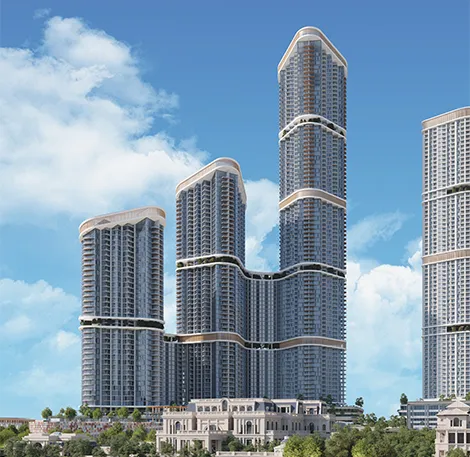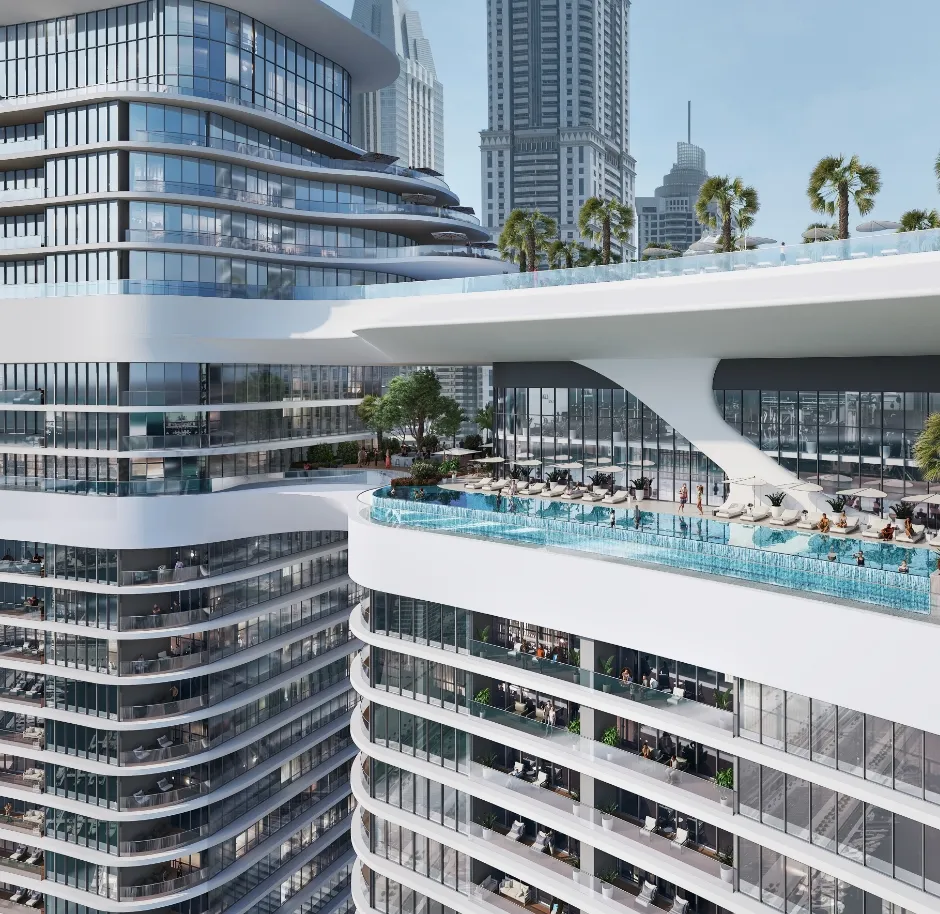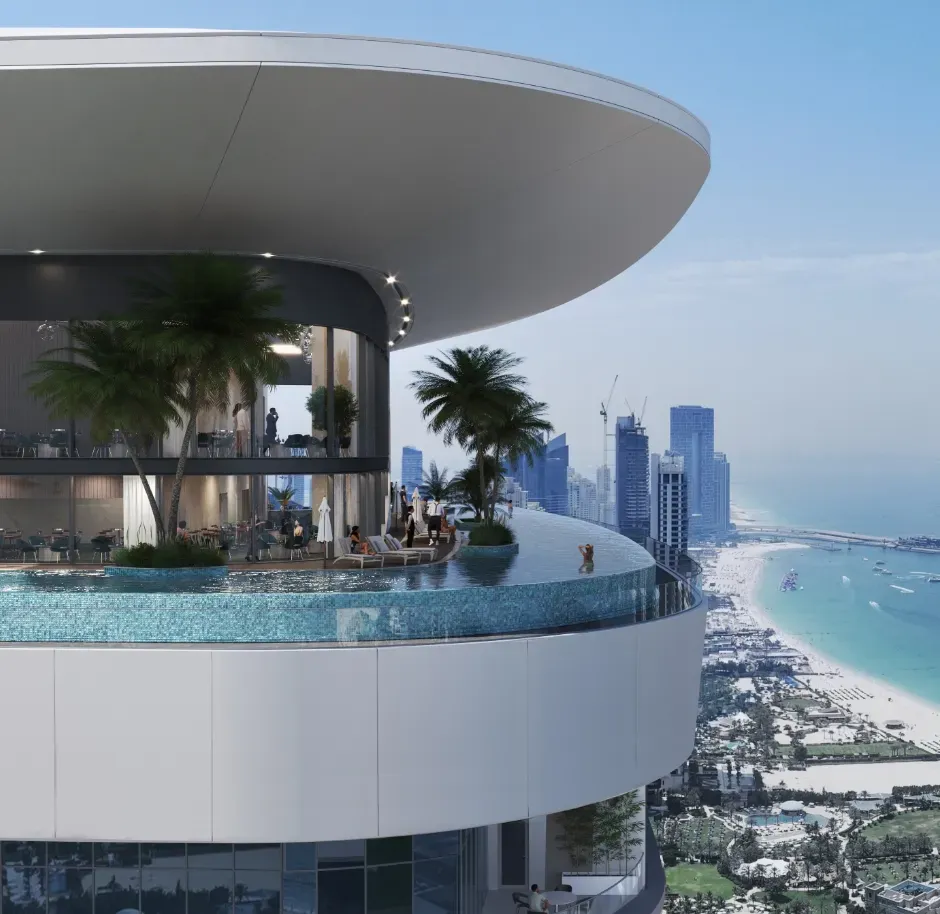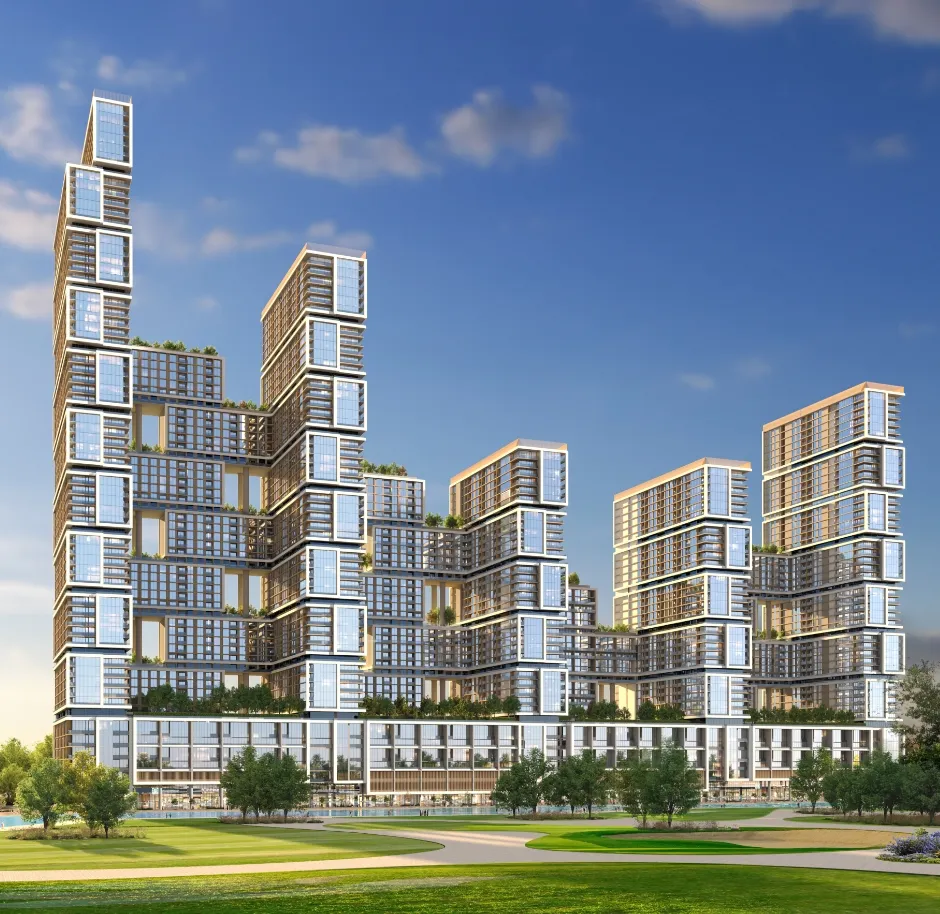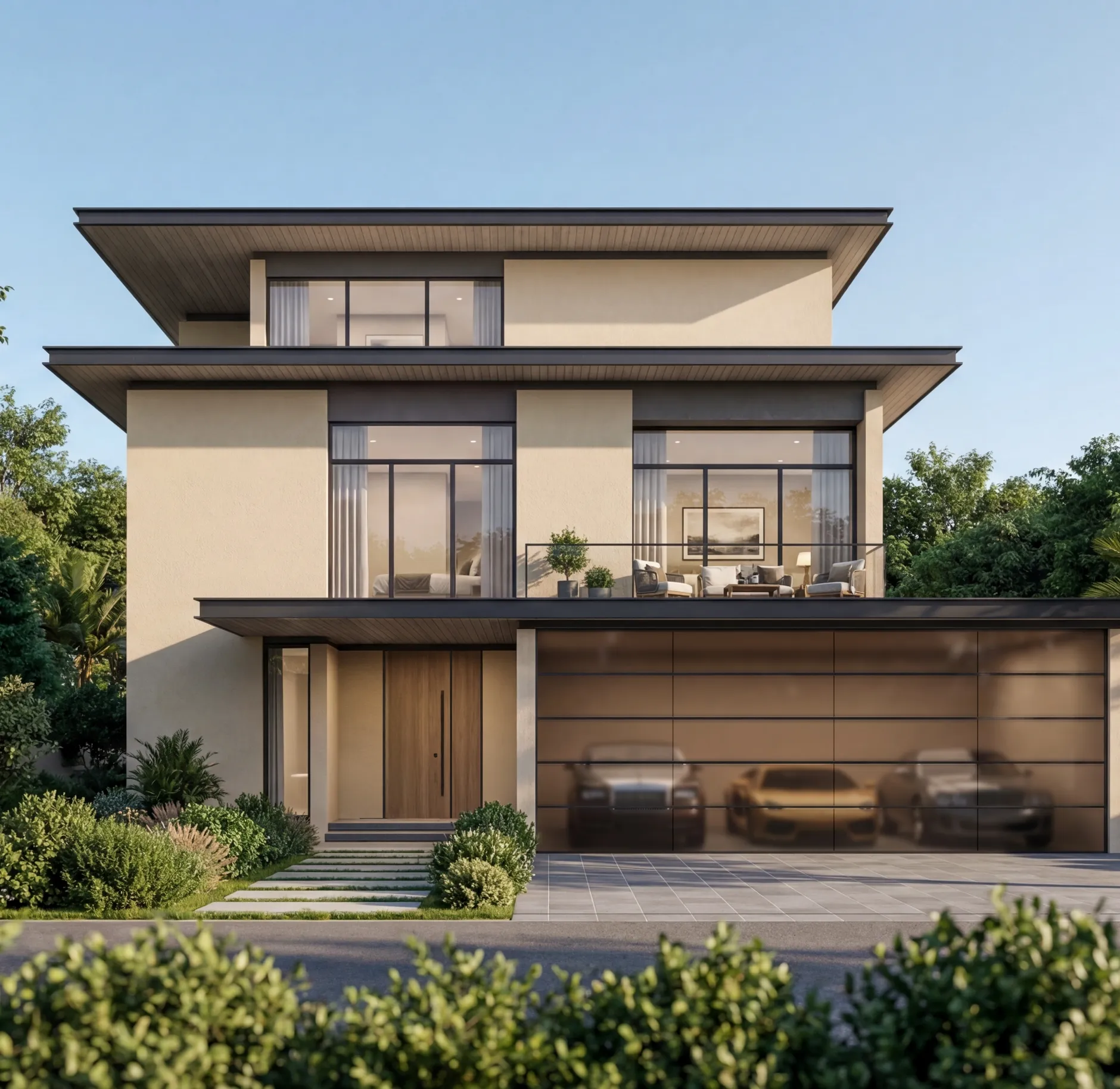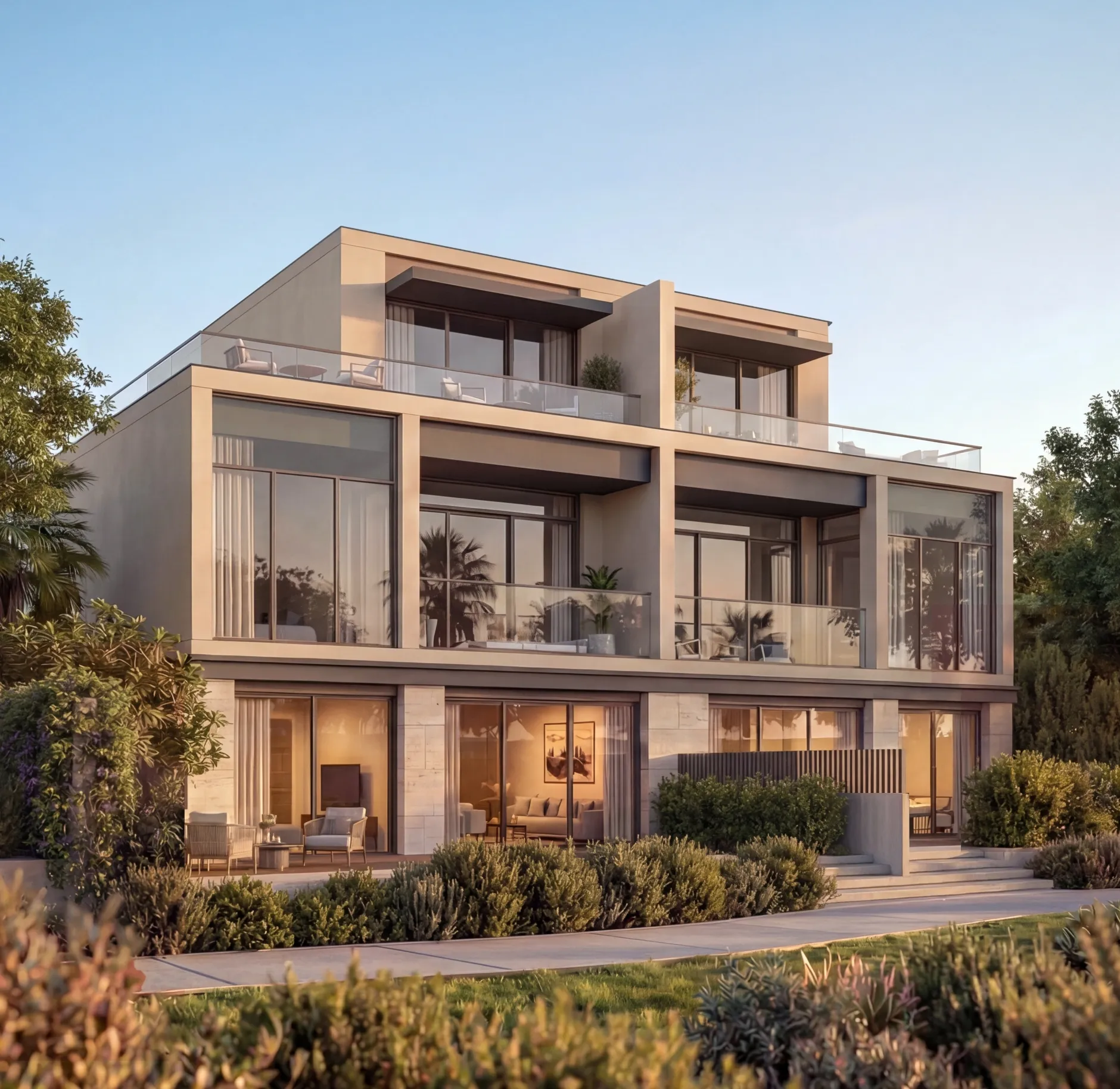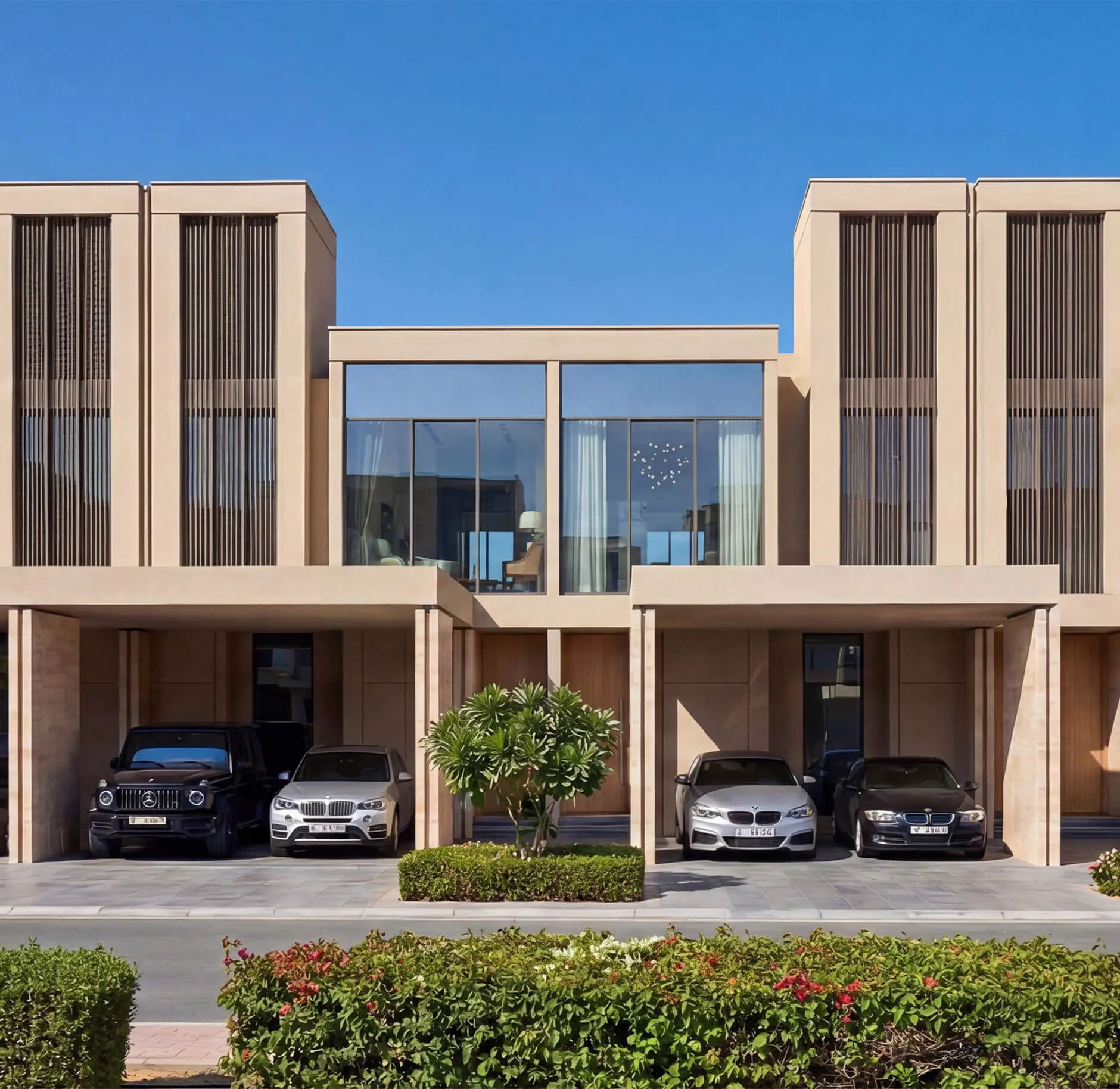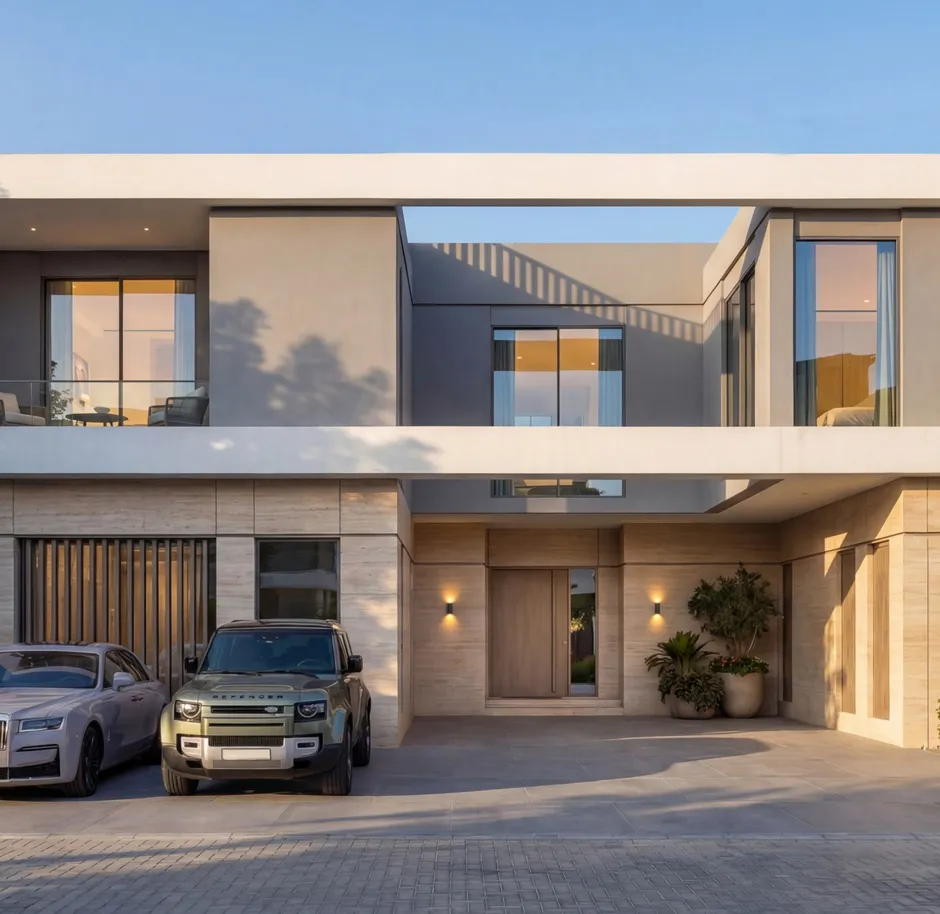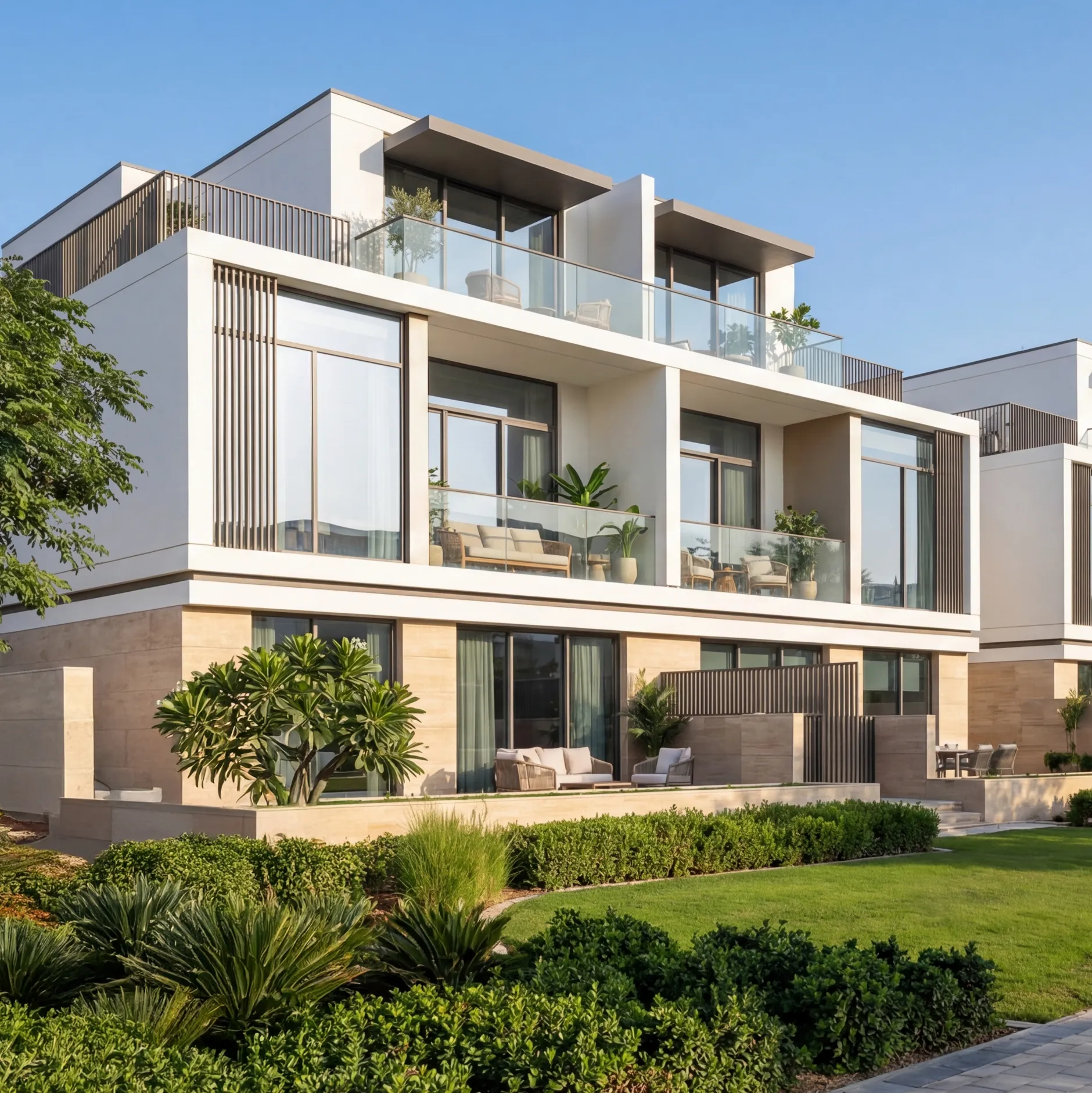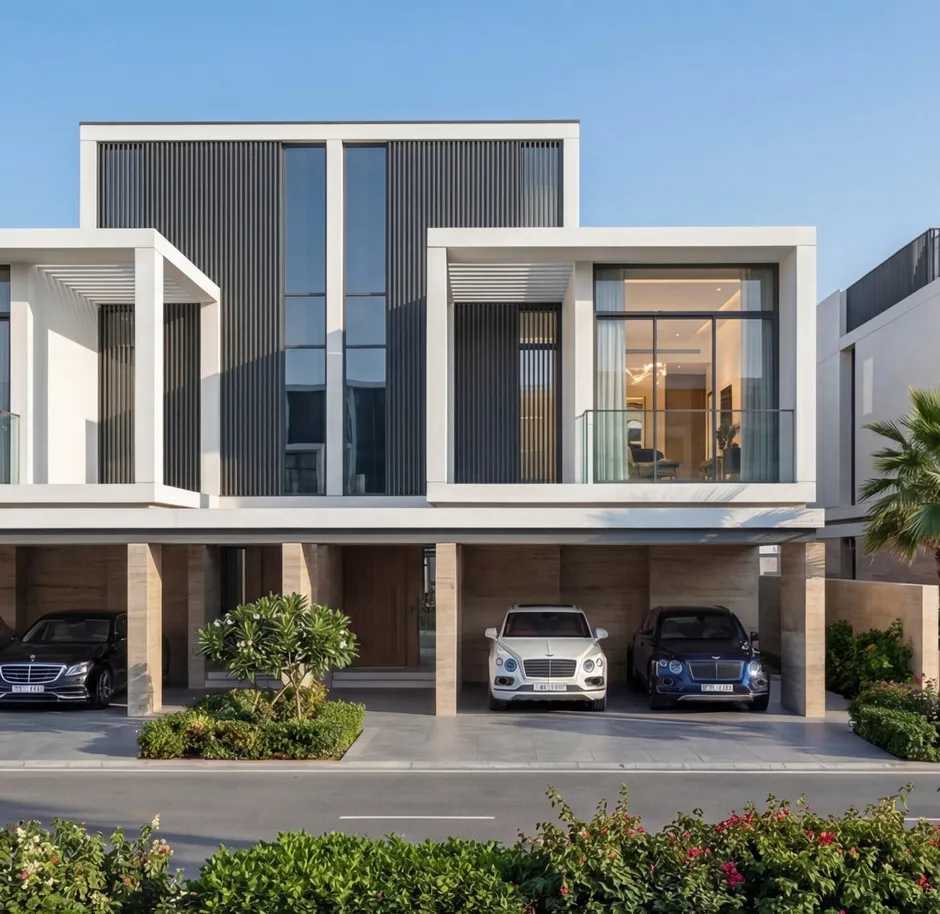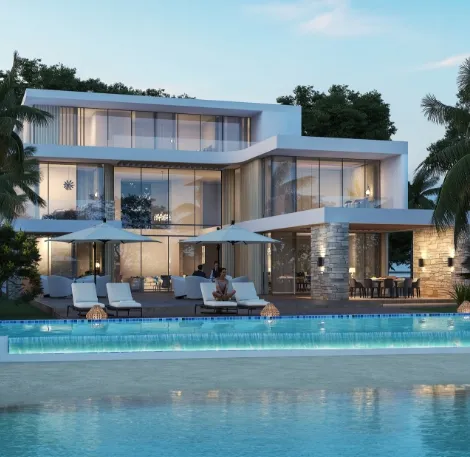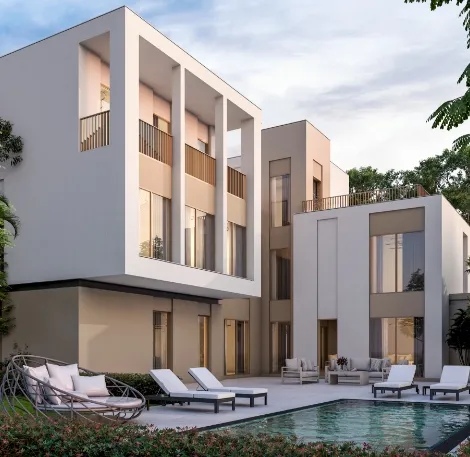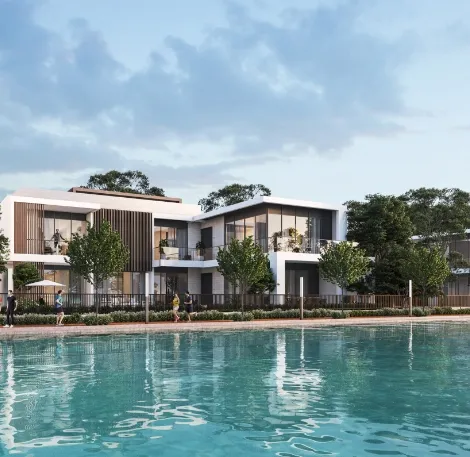
Dubai’s real estate landscape continues to evolve beyond architecture as a visual statement, into something far more influential, environments that shape how people feel, think, and perform. Today, the concept known as the ‘science of living well’ is redefining residential design across the UAE, placing wellbeing, mental clarity, and productivity at the centre of how homes are conceived.
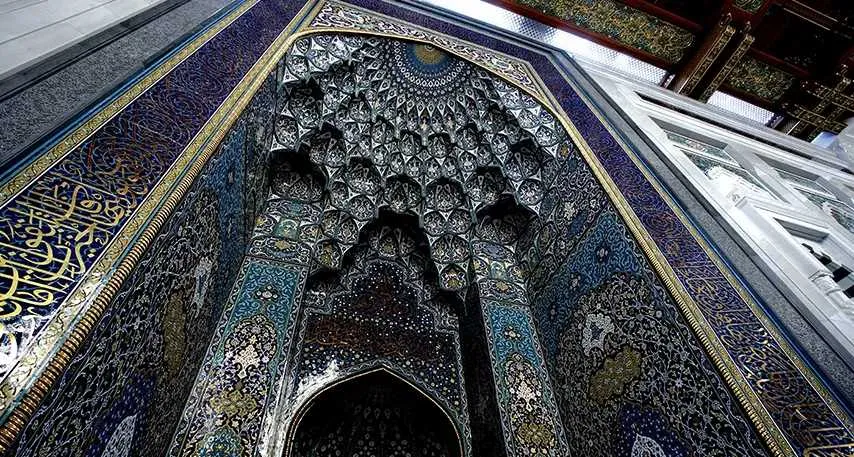
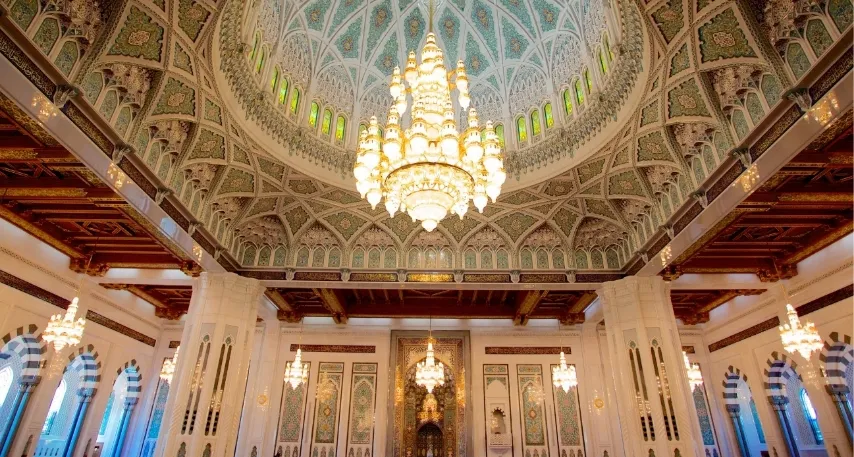
This approach is grounded in both modern research and regional heritage with global institutions continue to highlight how elements such as natural light, airflow, greenery, and spatial harmony directly influence human performance and emotional balance. Yet these principles are not new. For centuries, Middle Eastern architecture has intuitively applied these same ideas, long before they were formally studied.
As Dubai advances the next generation of luxury real estate, this legacy is being reinterpreted through contemporary design, where homes are not only built to impress, but to support the life lived within them.
What is the Science of Living Well in Home Design?
The science of living well refers to an evidence-based approach to architecture and design that enhances wellbeing, mood, and productivity through the built environment. It integrates principles such as natural light optimisation, cross-ventilation, biophilic design, spatial balance, and thermal comfort to create homes that actively support daily life.
In Dubai, these principles are increasingly embedded within modern developments, influencing everything from master planning to interior detailing, and redefining what luxury living truly means.
How Home Design Influences Mood and Productivity
The design of a home has a measurable impact on human behaviour, emotional balance, and cognitive performance. Carefully considered environments can reduce stress, improve focus, and enhance overall quality of life.
Natural Light and Visual Comfort
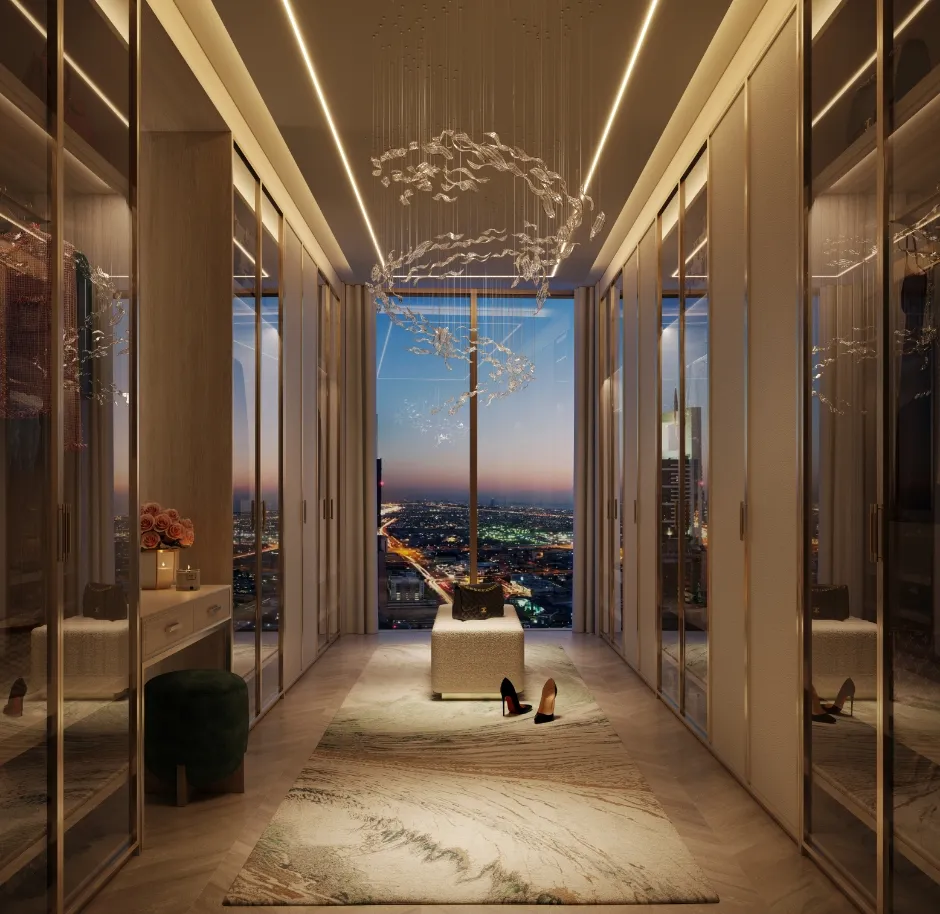
Access to natural daylight improves energy levels, regulates sleep cycles, and supports mental clarity. Homes designed to maximise light without glare create environments that are both uplifting and comfortable.
Ventilation and Airflow
Effective airflow and ventilation enhance indoor air quality, particularly important in warmer climates. This contributes to physical comfort while also supporting concentration and wellbeing.
Spatial Planning and Layout
Thoughtful layouts create a sense of balance and calm. Open yet structured spaces encourage both relaxation and productivity, allowing homes to adapt seamlessly to modern lifestyles.
Integration of Nature
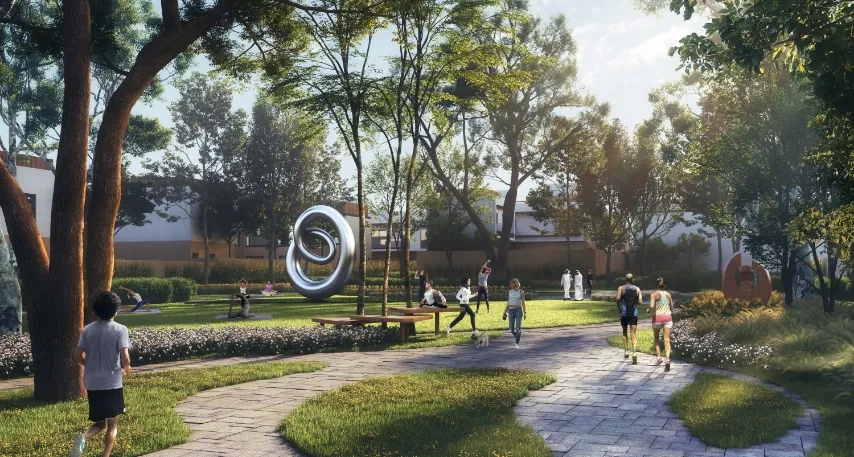
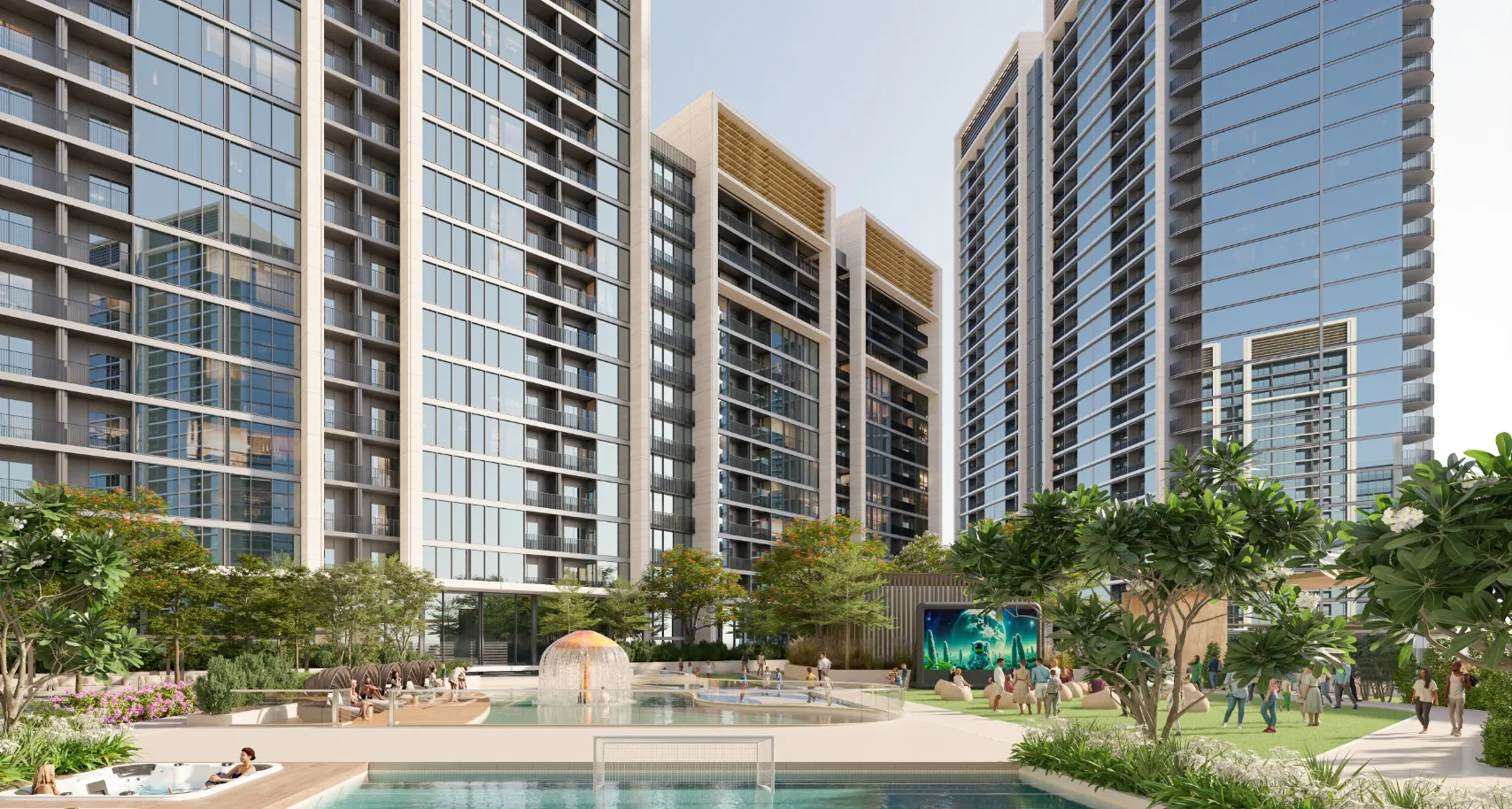
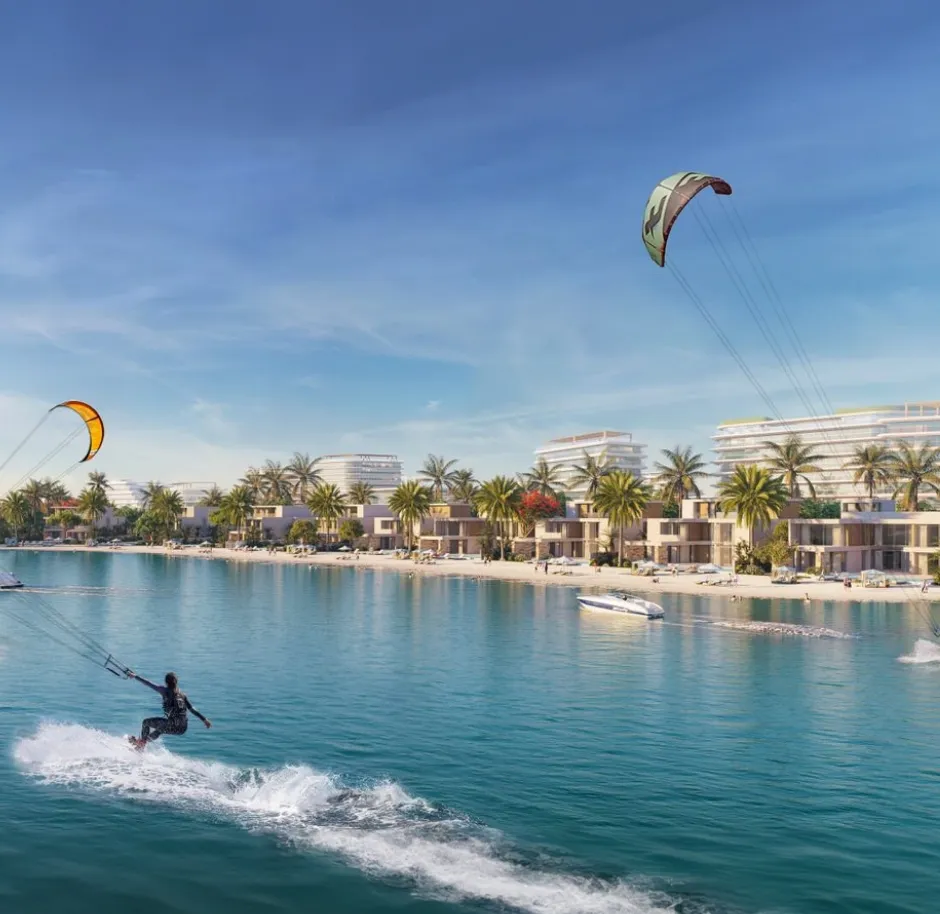
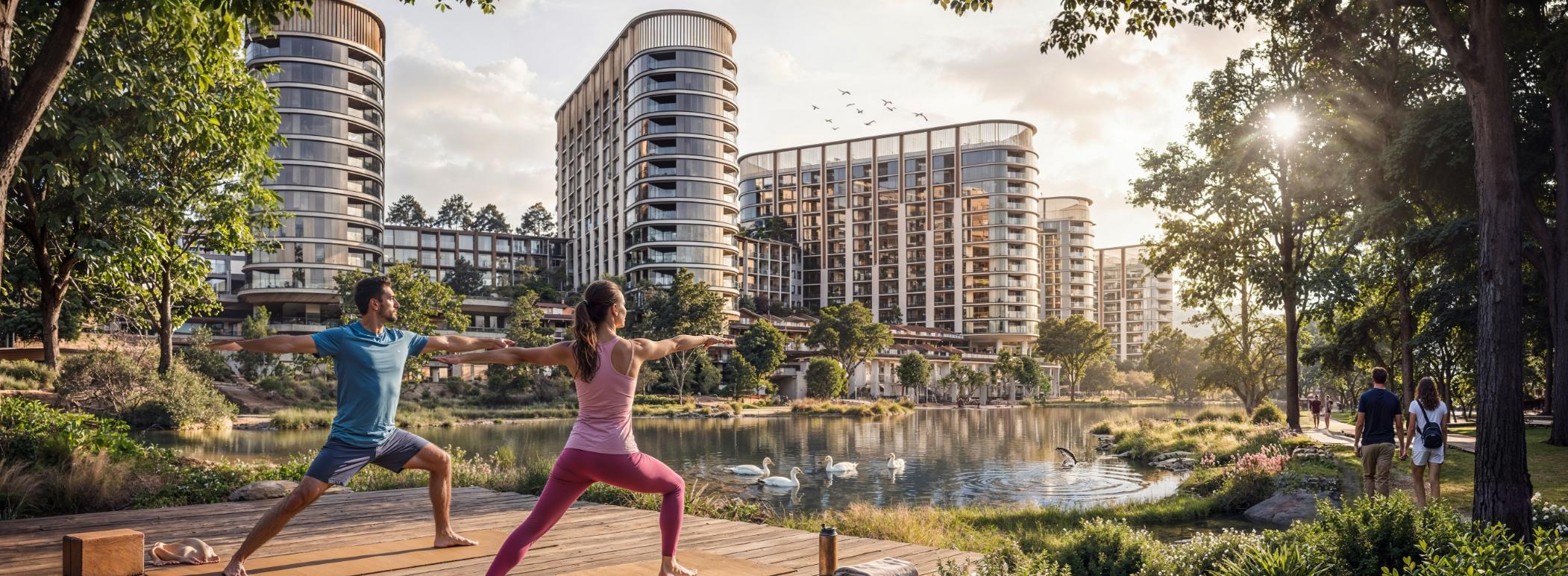
The inclusion of greenery, water features, and outdoor connections introduces biophilic benefits, helping to reduce stress and foster a deeper sense of wellbeing.
Ancient Middle Eastern Architecture: The Original Science of Living Well
Long before modern research defined wellness architecture, traditional homes across the Middle East were engineered to enhance comfort, resilience, and mental calm. These environments were carefully designed ecosystems that balanced airflow, light, privacy, and temperature.
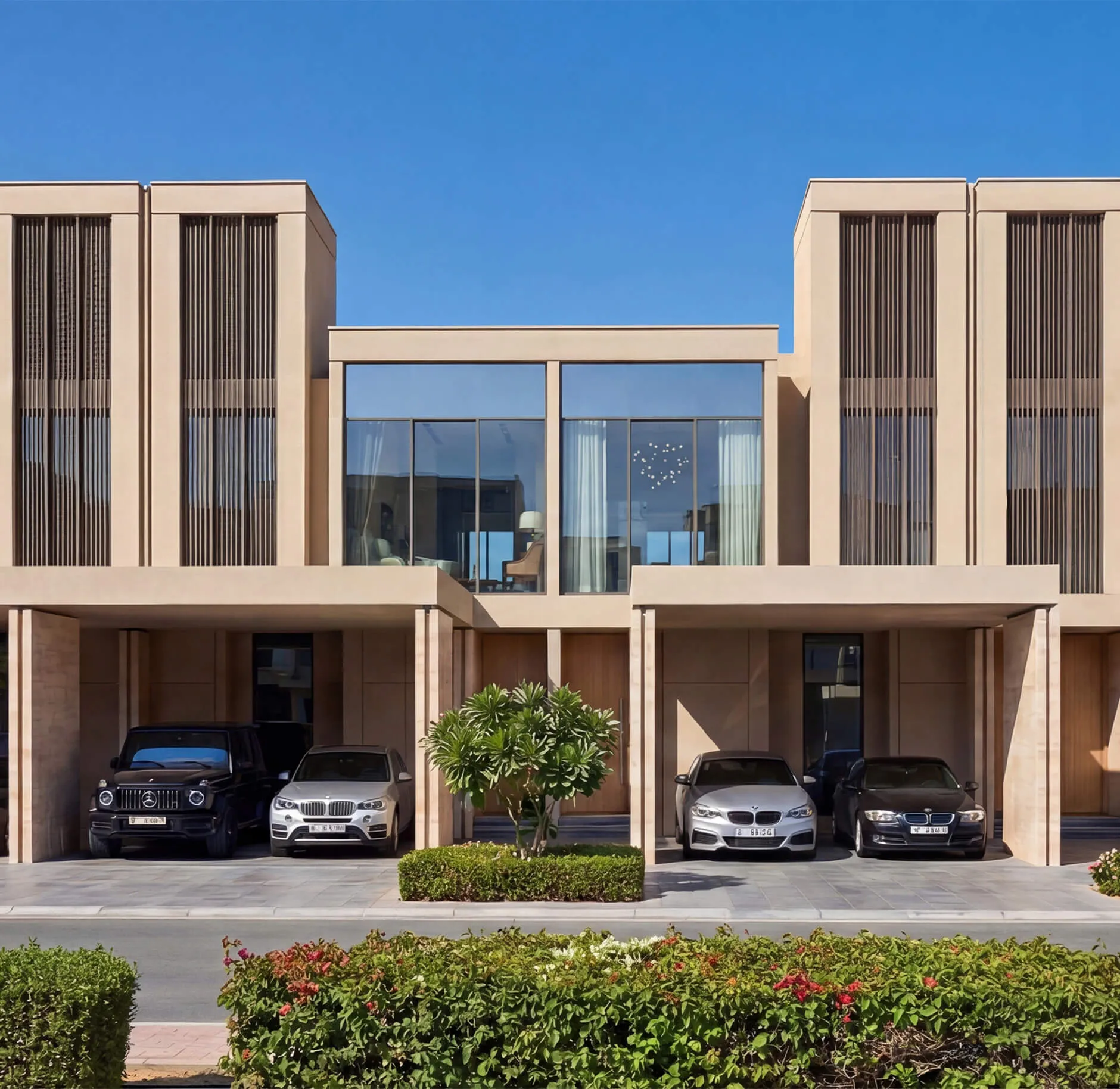
Central courtyards allowed natural light to enter while maintaining shade and privacy, creating microclimates that moderated extreme temperatures. Wind towers, known as barajeel, captured cooler air and directed it into living spaces, functioning as early forms of natural air conditioning. Thick walls provided thermal stability, while mashrabiya screens filtered sunlight and improved ventilation.
Water features and gardens added both cooling and sensory benefits, introducing sound, greenery, and tranquillity into everyday life. These elements were not aesthetic luxuries, but essential design solutions that supported wellbeing and productivity in challenging climates.
Modern Living in Dubai: A New Era of Wellness-Focused Design
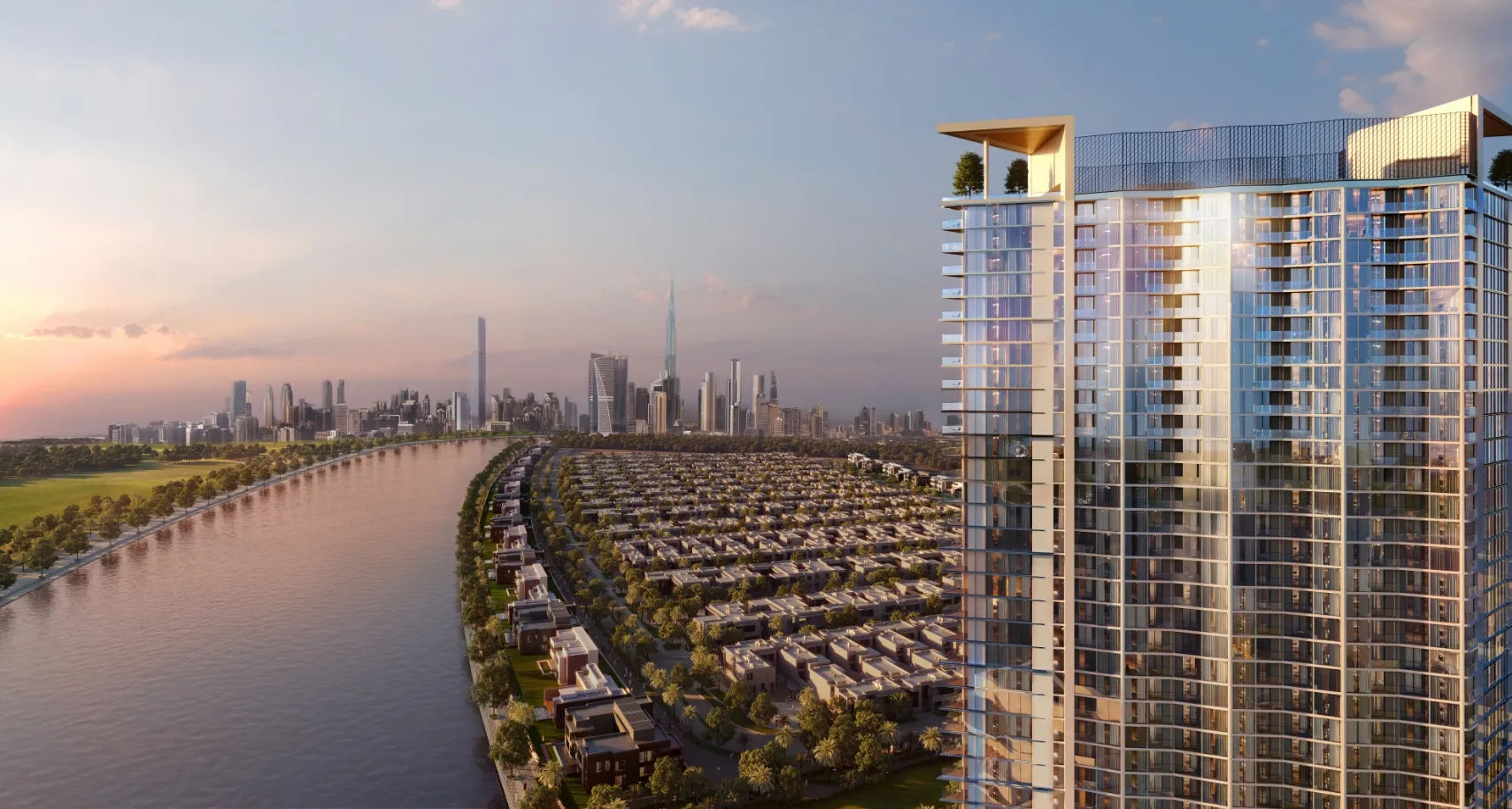
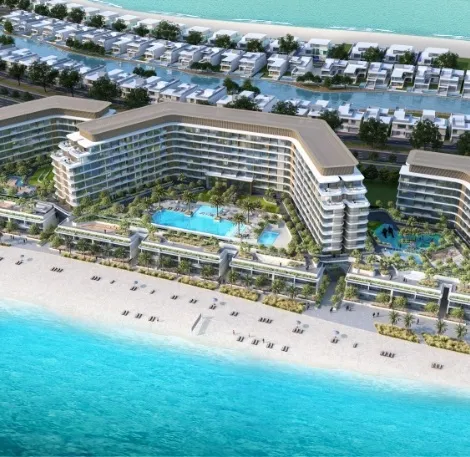
Today, Dubai continues this legacy by combining traditional design intelligence with advanced engineering and sustainable innovation. Developments across the UAE are increasingly designed to influence how residents feel and function, rather than simply how spaces appear.
Modern residential communities now prioritise natural daylight, airflow optimisation, integrated greenery, and carefully planned layouts that promote calm and connection. This reflects a broader shift in real estate, where homes are designed as environments that actively contribute to wellbeing.
Luxury Living Redefined Through Wellbeing
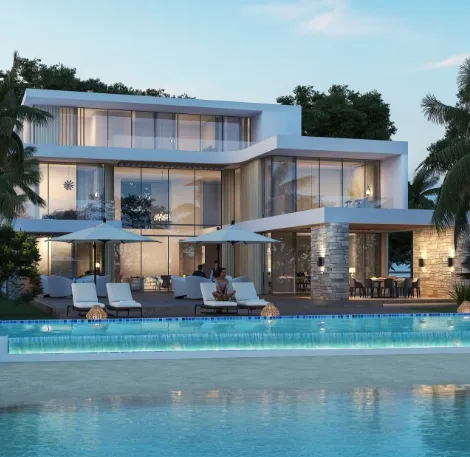
In contemporary real estate, luxury is no longer defined solely by scale or finishes, but by how a home enhances everyday life. A well-designed home creates a sense of openness, reduces stress, and supports both relaxation and productivity.
By integrating natural elements, spatial harmony, and environmental comfort, modern developments are redefining luxury as a holistic living experience — one that prioritises wellbeing as much as design.
The Future of Home Design in Dubai
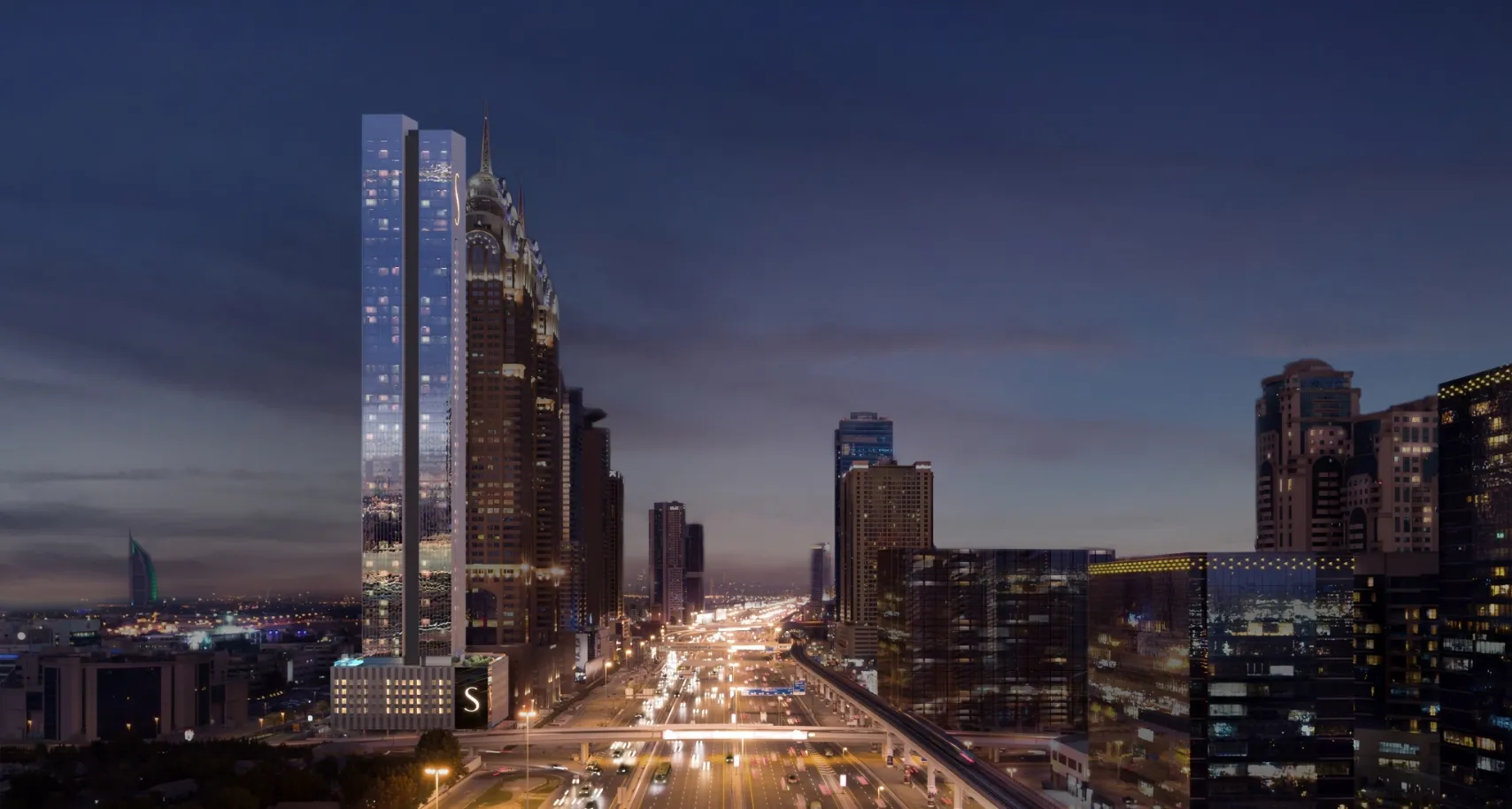
As research continues to reinforce the connection between built environments and human wellbeing, Dubai remains at the forefront of this evolution. The future of real estate in the UAE will continue to focus on human-centric design, sustainability, and integrated community living.
By blending heritage with innovation, Dubai is setting new global benchmarks for how homes can enhance not only lifestyle, but long-term quality of life.
Frequently Asked Questions (FAQs)
1. What is the science of living well in architecture?
The science of living well is an approach to design that enhances wellbeing, productivity, and emotional balance through elements such as light, airflow, and spatial planning.
2. How does home design affect mental wellbeing?
Home design influences mood and stress levels by shaping light exposure, comfort, air quality, and connection to nature, all of which impact mental clarity and emotional health.
3. Why is biophilic design important in Dubai homes?
Biophilic design integrates natural elements such as greenery and water, helping to reduce stress and improve wellbeing, particularly in urban environments.
4. How is Dubai leading in wellness-focused real estate?
Dubai combines traditional architectural principles with modern innovation to create homes that prioritise comfort, wellbeing, and quality of life, setting new global standards for residential design.