The UAE's urban story has long been defined by ambition, speed, and architectural distinction. Today, a new chapter is taking shape. The measure of a successful city is no longer based solely on what it builds, but on how well it supports everyday life.
Across the Emirates, homes, mobility, green spaces, essential services, and social infrastructure are increasingly being planned as one ecosystem. This shift in urban planning across the UAE is shaping a new generation of cities designed for growth, sustainability, and long-term liveability.
From Urban Expansion to Intentional Growth
Housing cannot be planned in isolation from transport, schools, healthcare, retail, or public spaces. The quality of urban life depends on how intuitively these components work together.
Master-planned communities in the UAE are therefore moving beyond the allocation of buildings and roads. Urban planning now considers the rhythm of a resident's day: how far people travel, whether daily needs are within easy reach, and how the built environment responds to climate and changing lifestyles.
Dubai's 20-Minute City vision reflects this direction, aiming to enable residents to access many daily services and essential destinations within approximately 20 minutes through walking, cycling, or integrated transport. It signals a broader shift towards compact, mixed-use communities where convenience is planned from the outset.
Designing Cities Around People
People-first urban planning places wellbeing and accessibility at the centre of development.
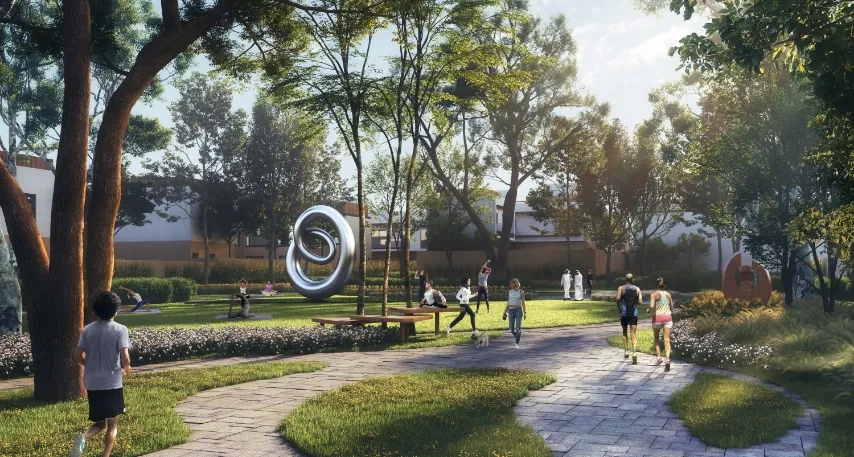
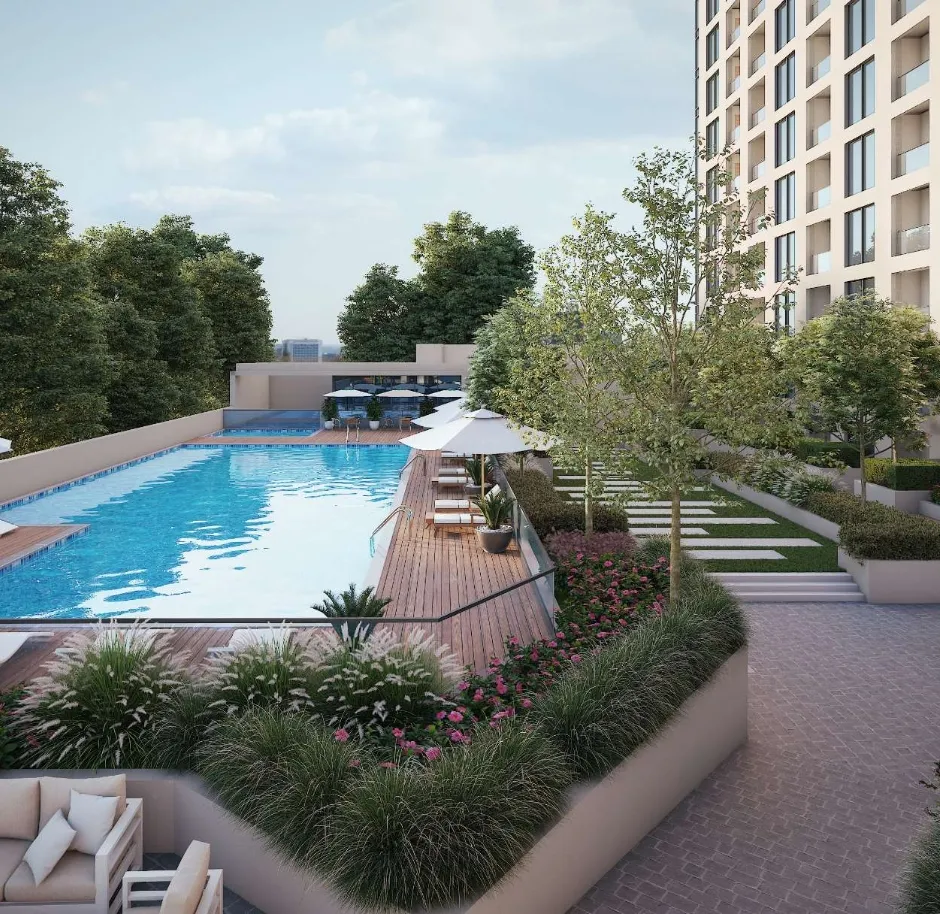
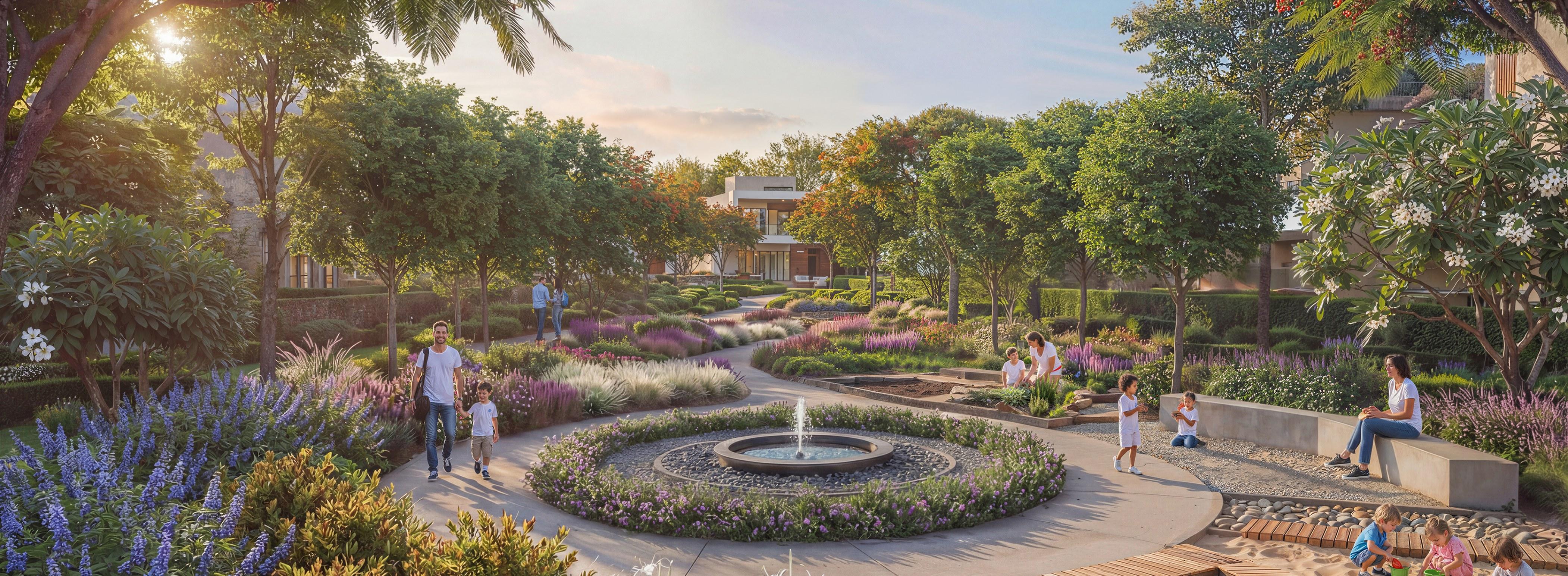
Walkable routes, shaded connections, landscaped areas, and carefully positioned amenities encourage movement while reducing dependence on cars. They also create opportunities for interaction and belonging.
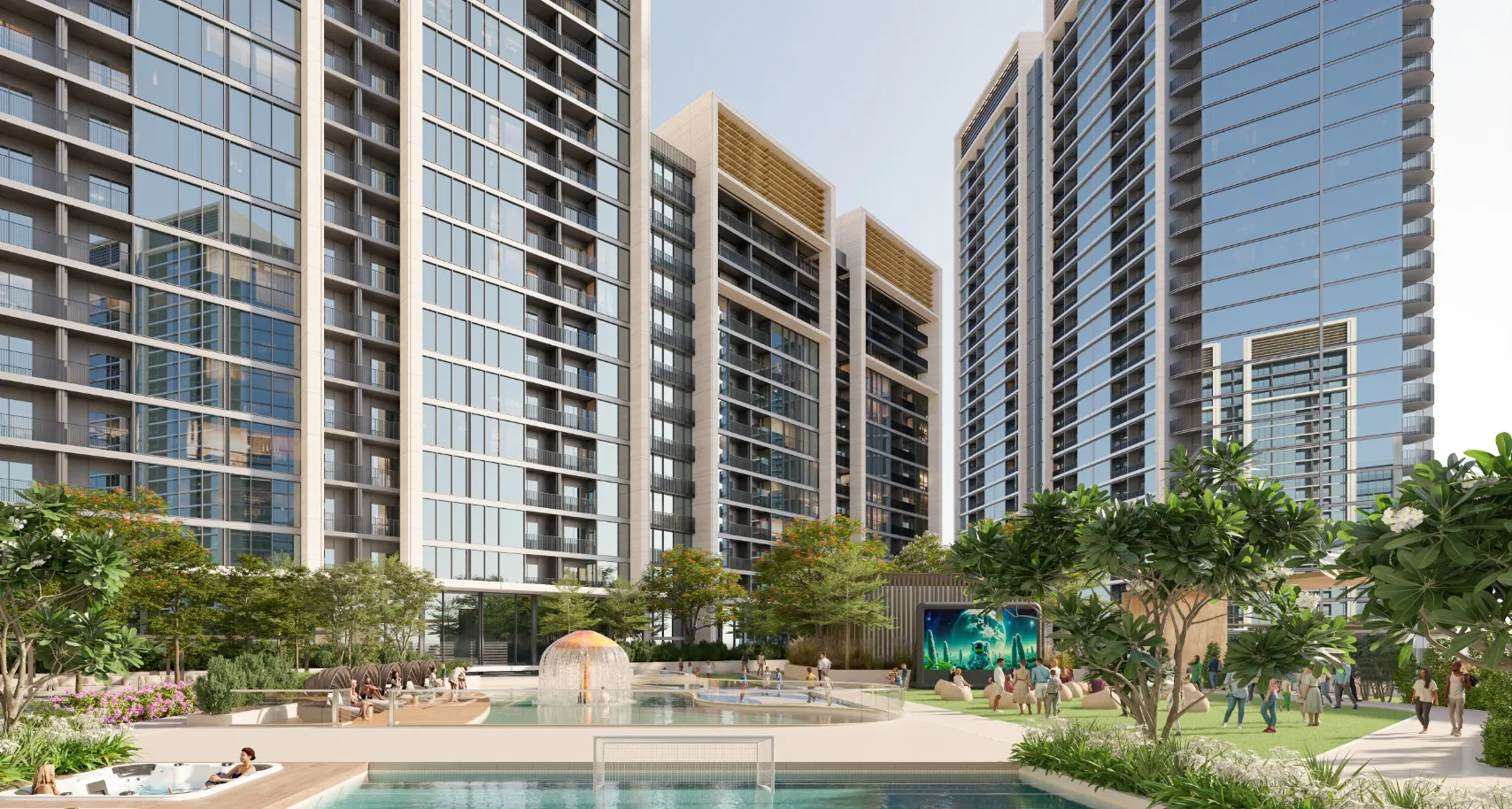
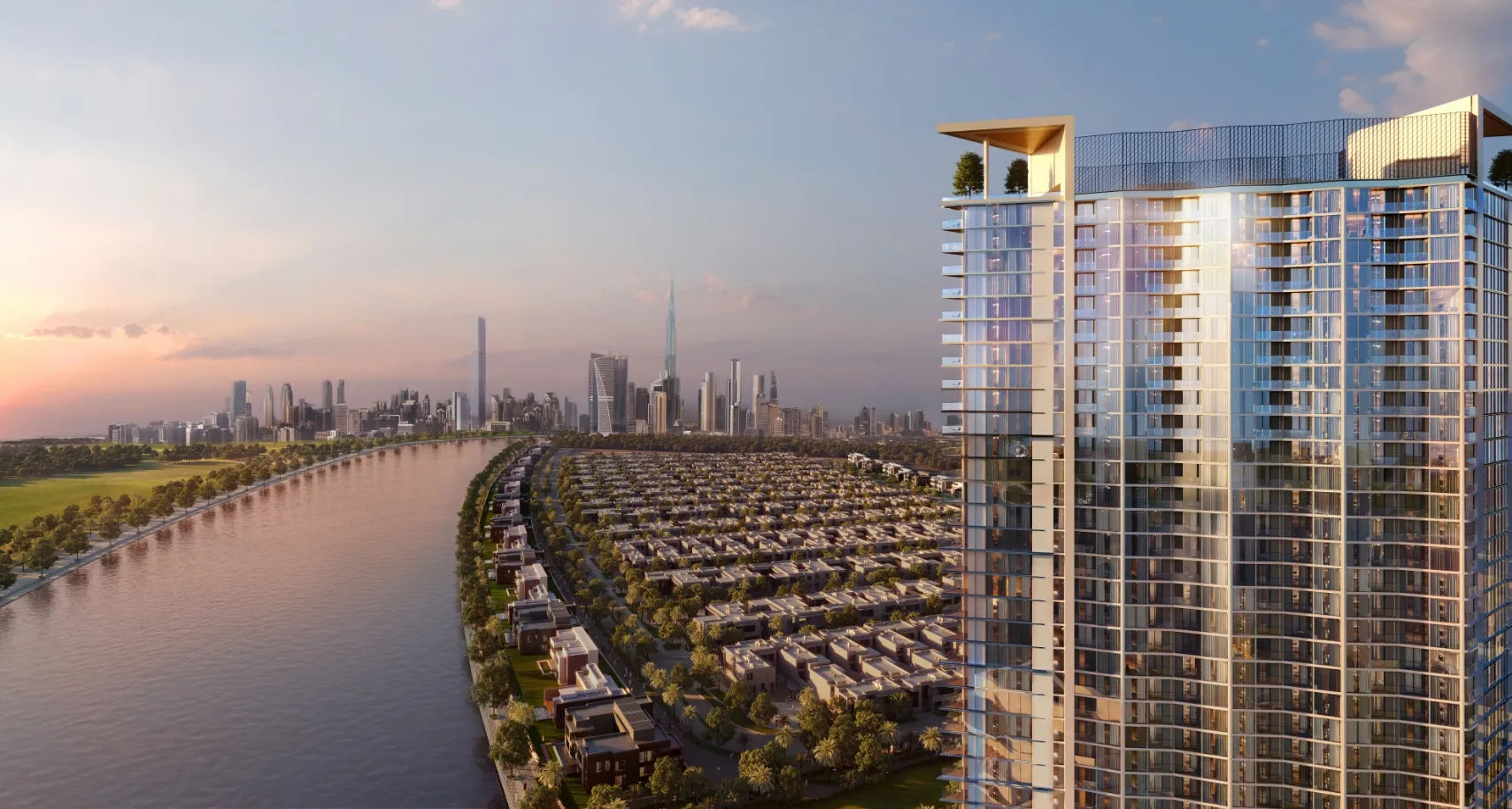
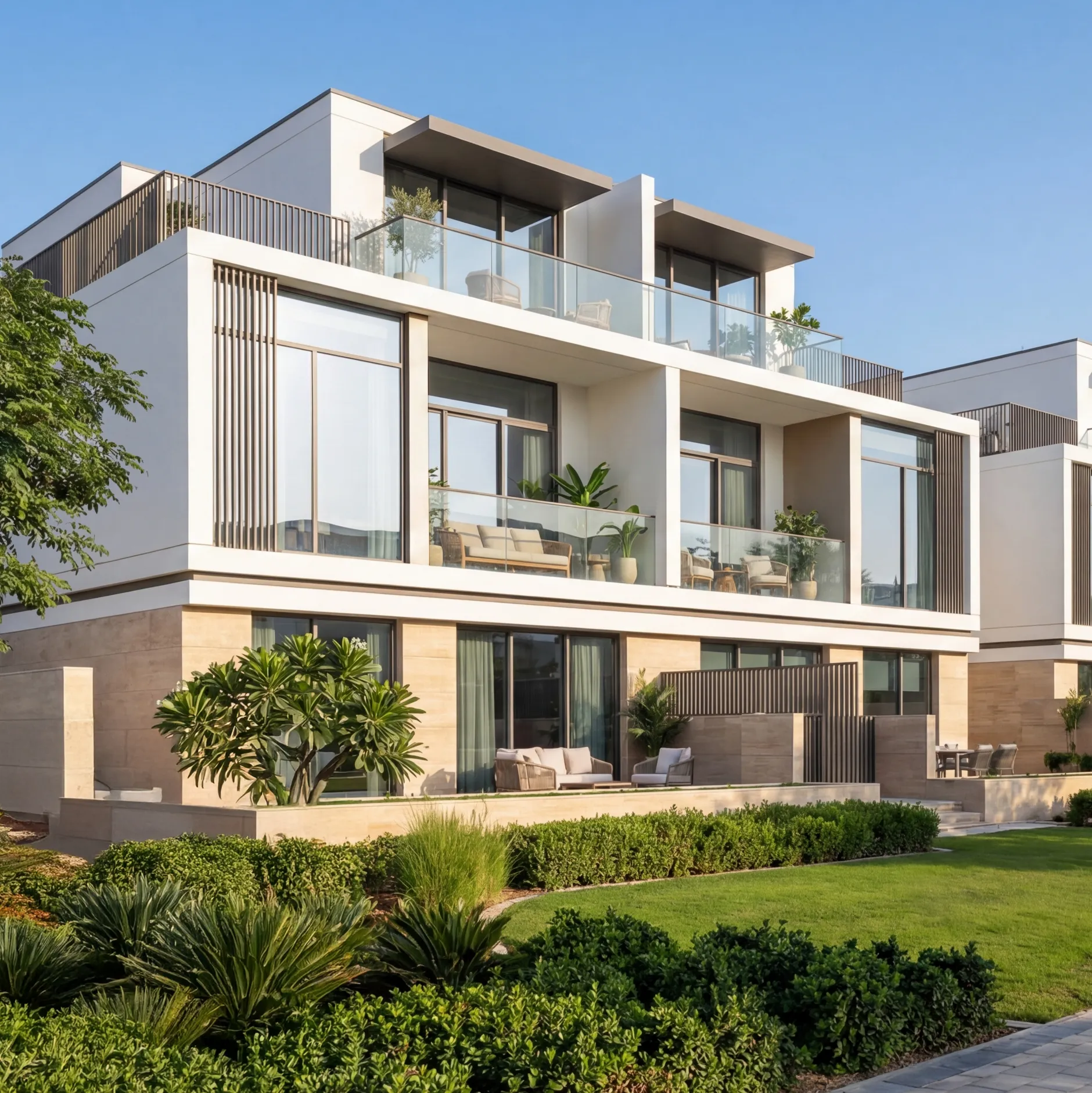
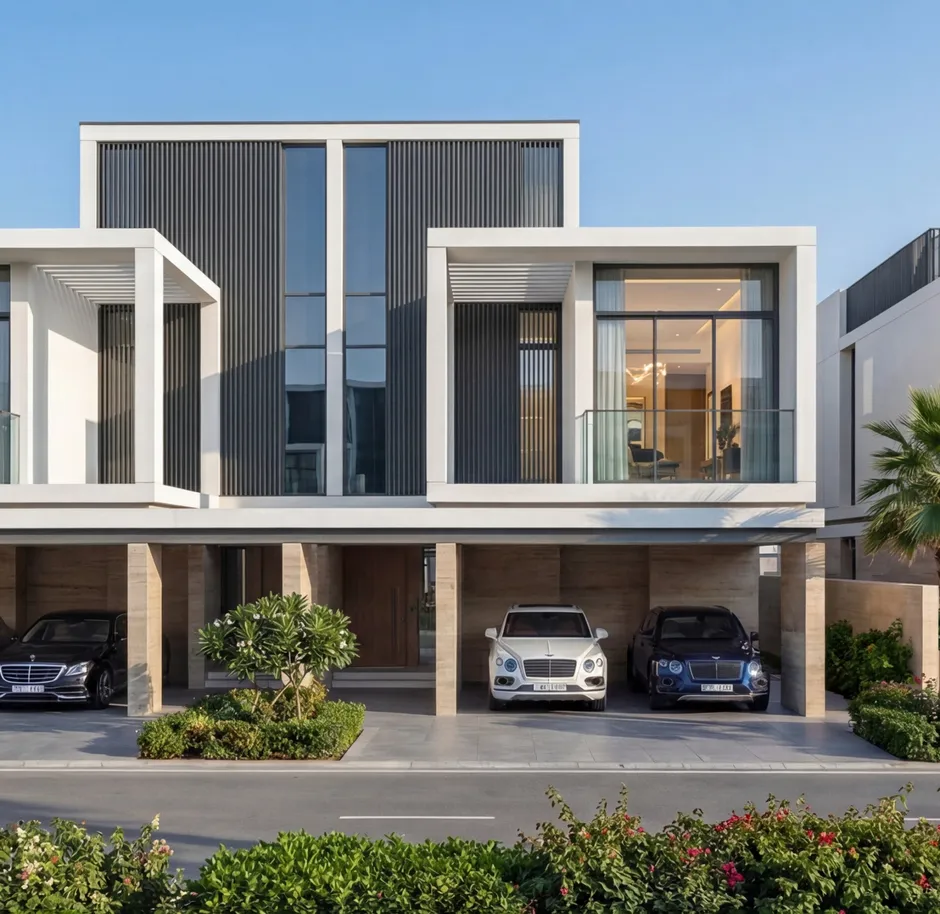
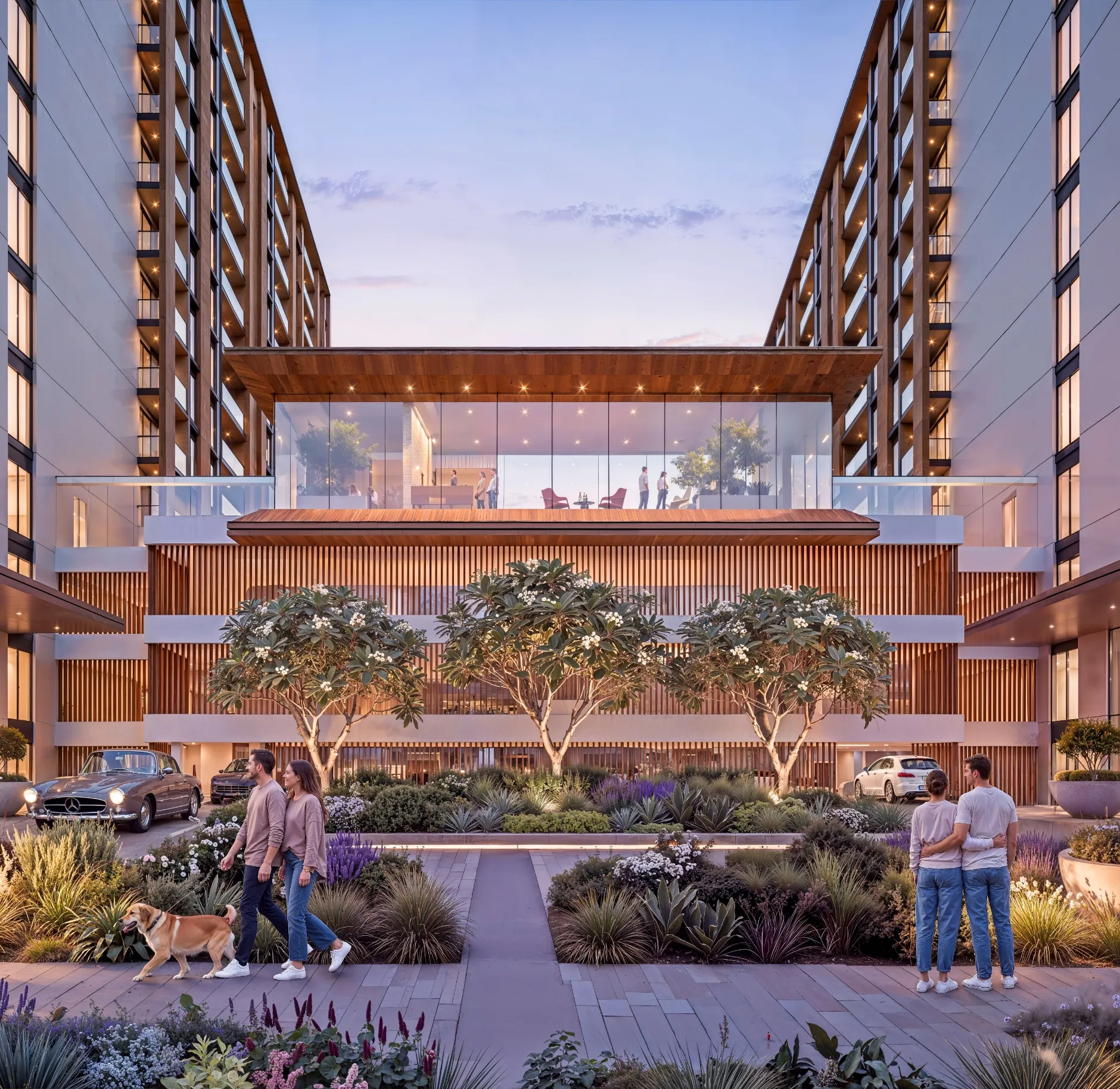
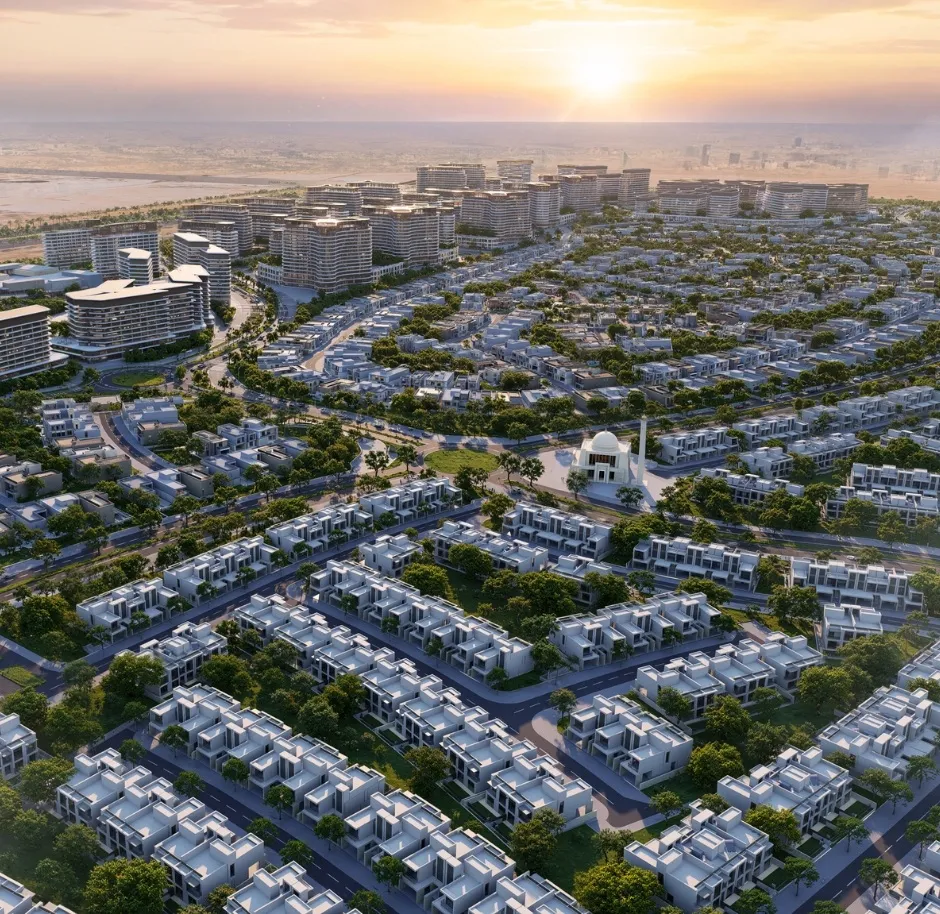
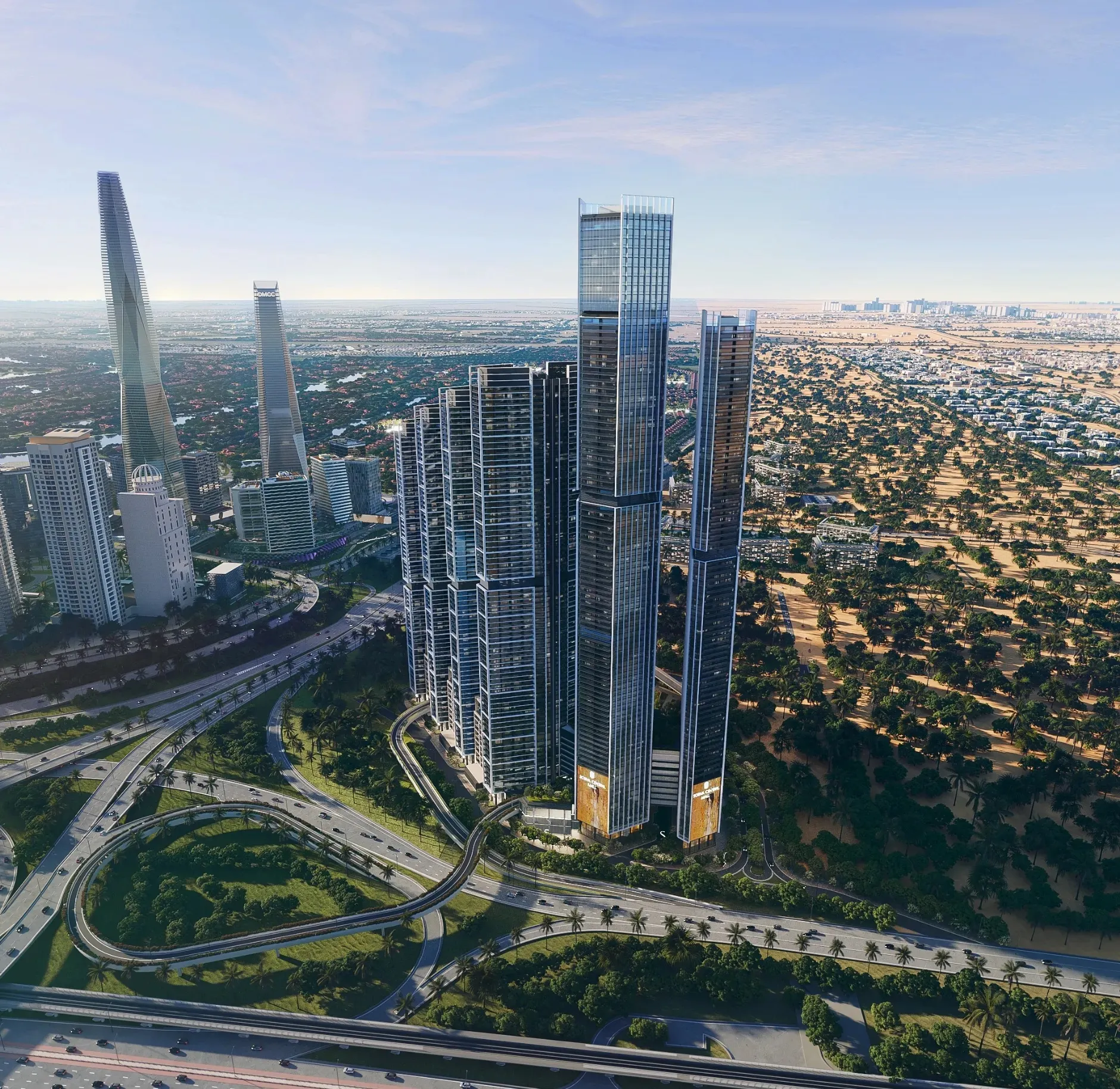
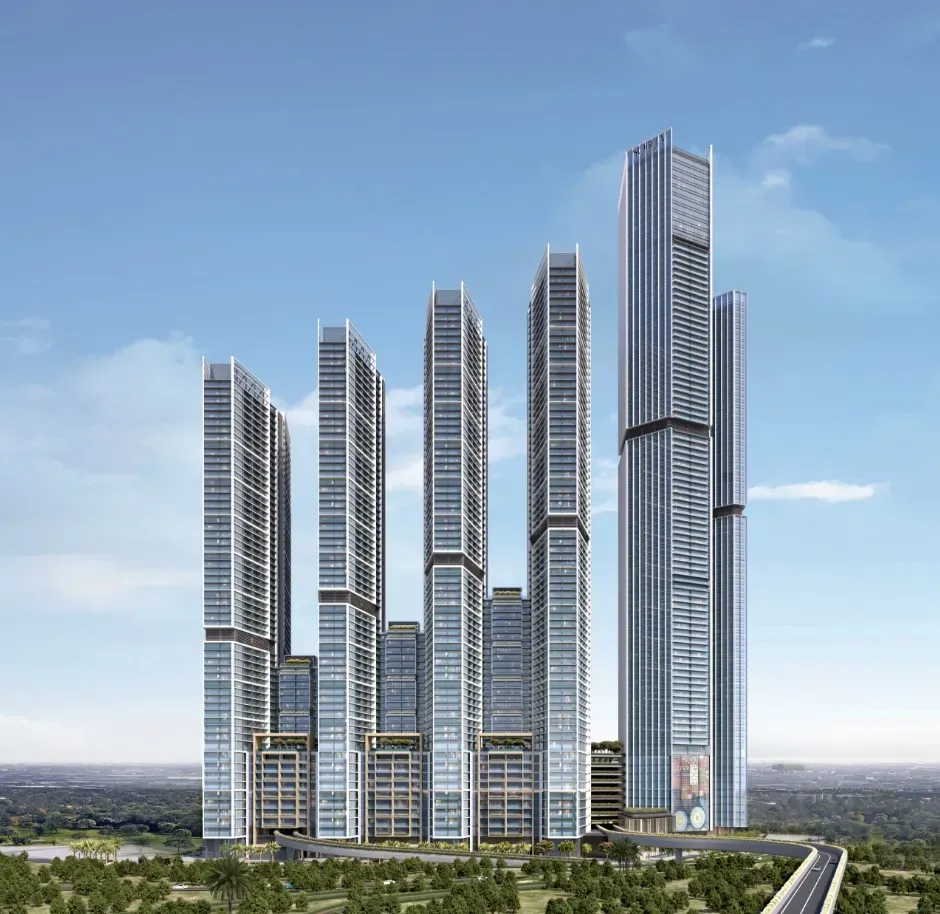
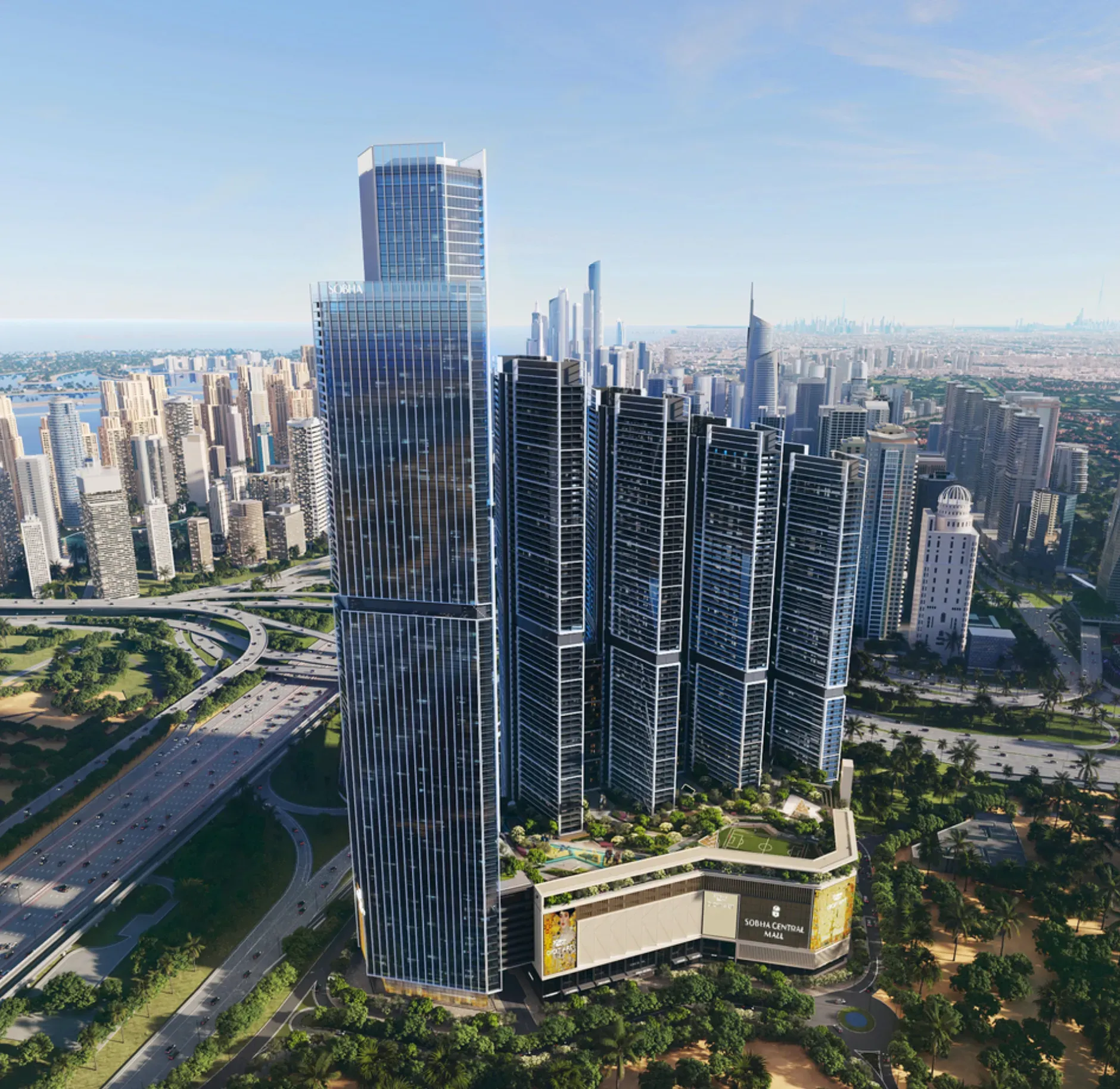
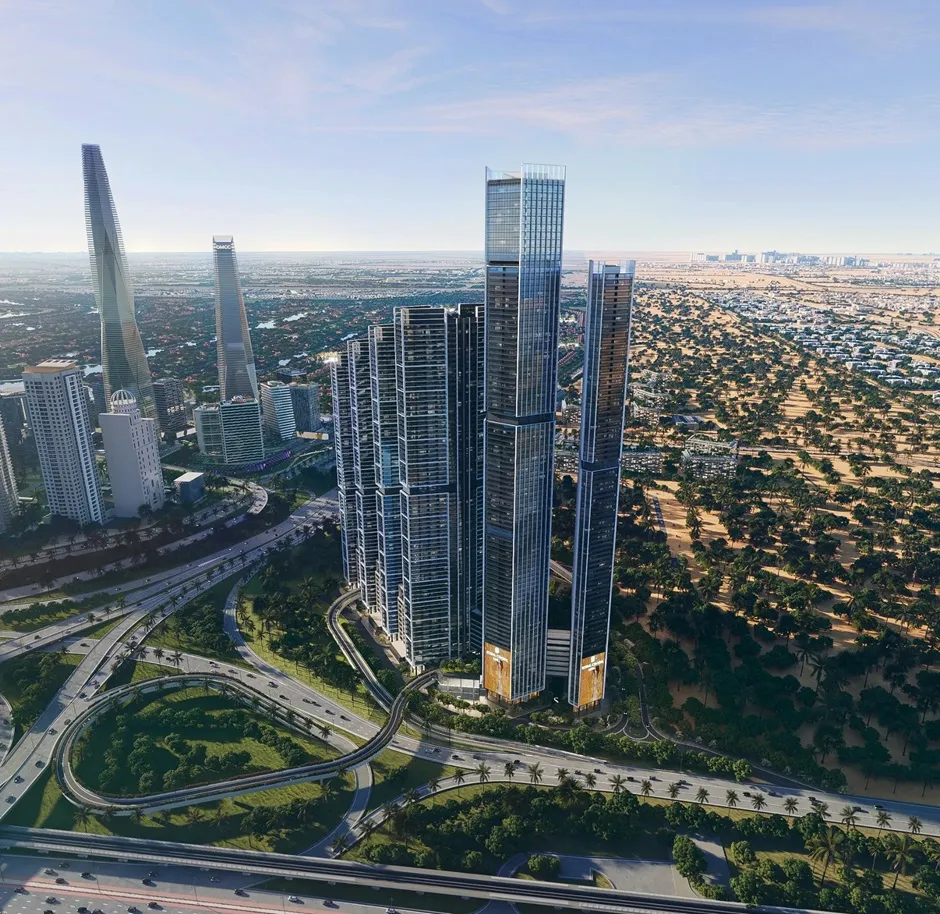
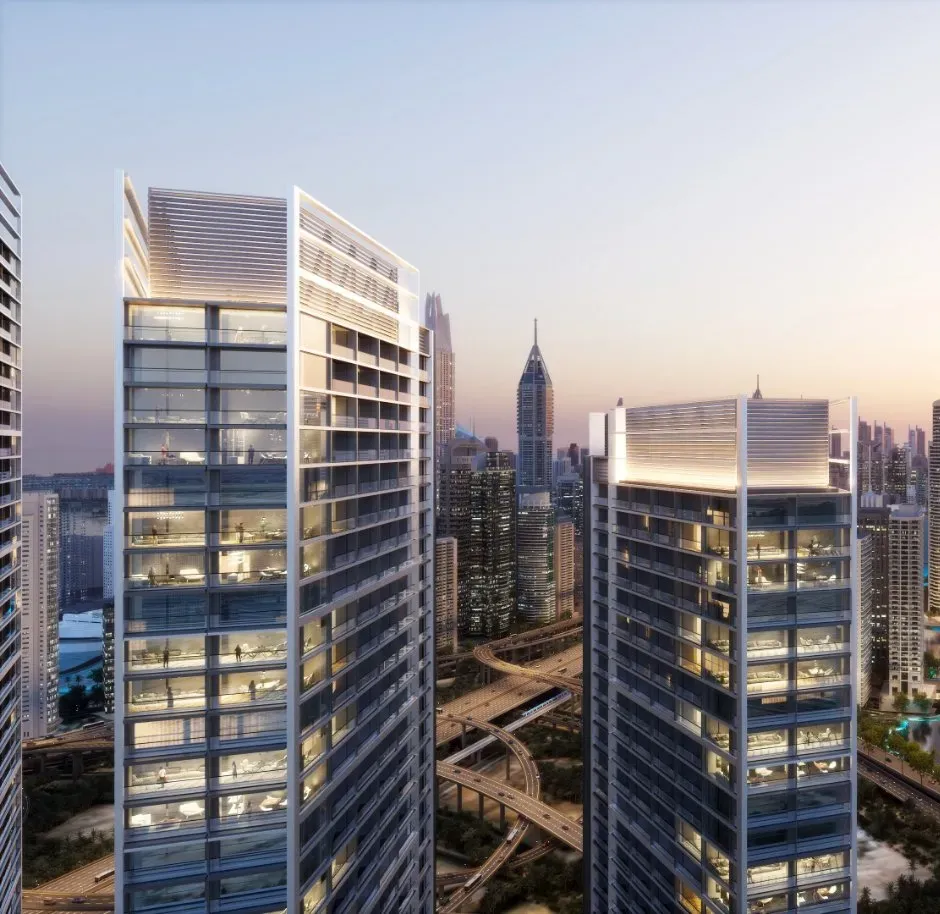
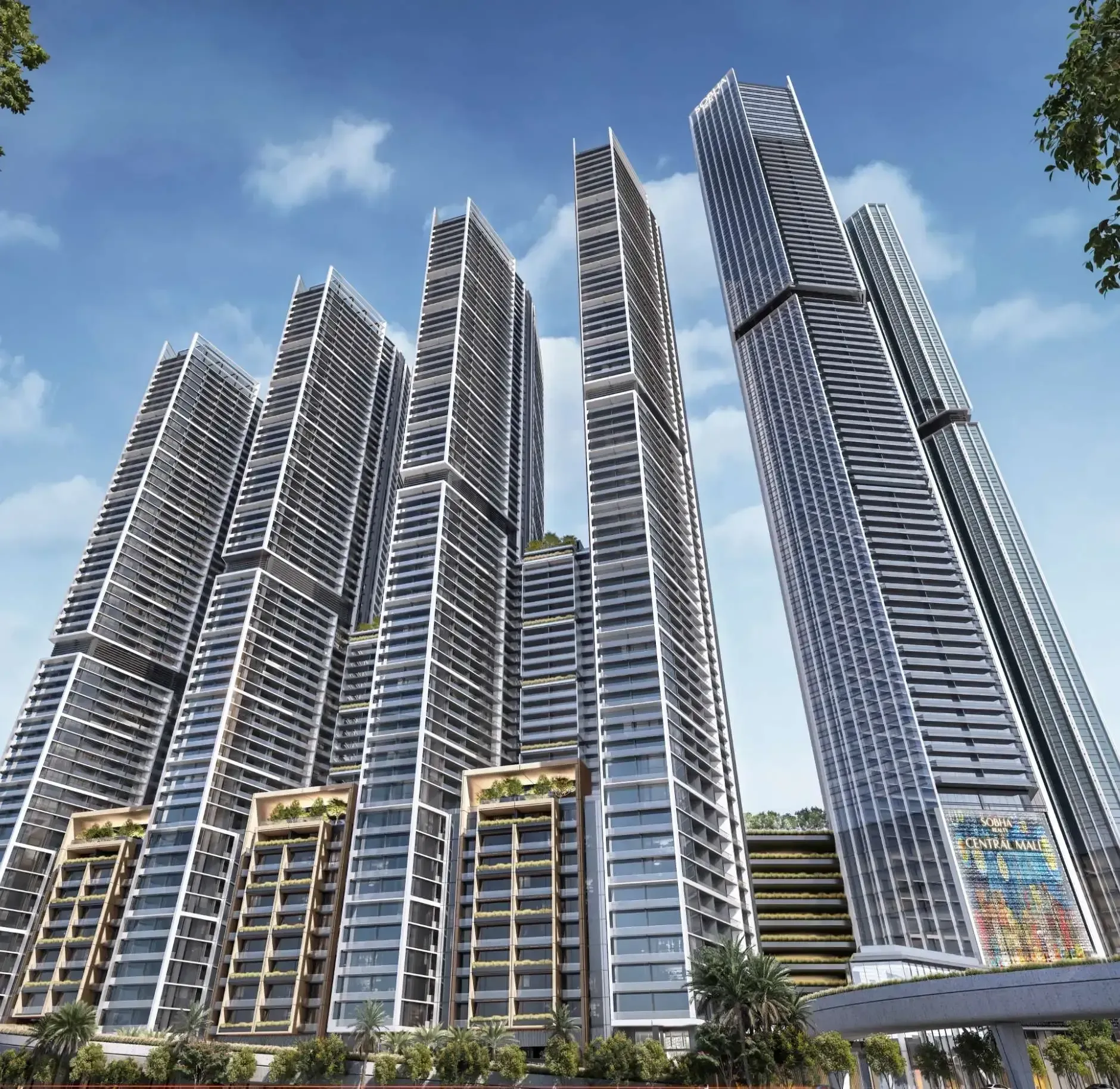
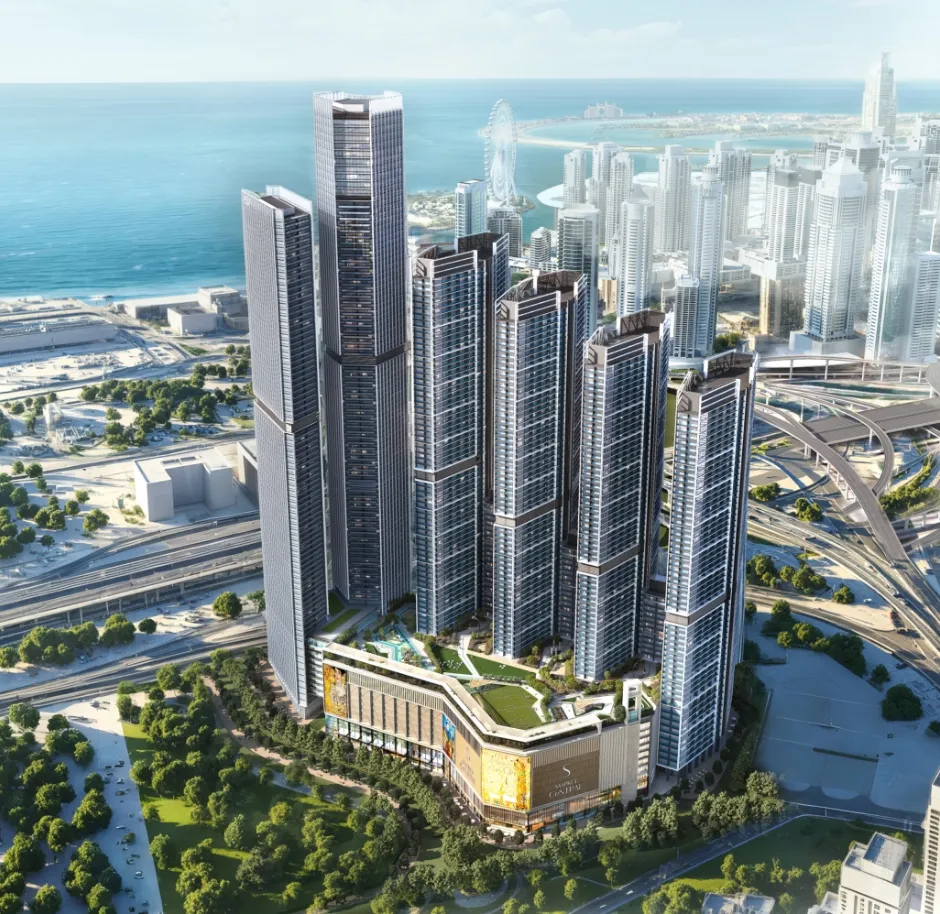
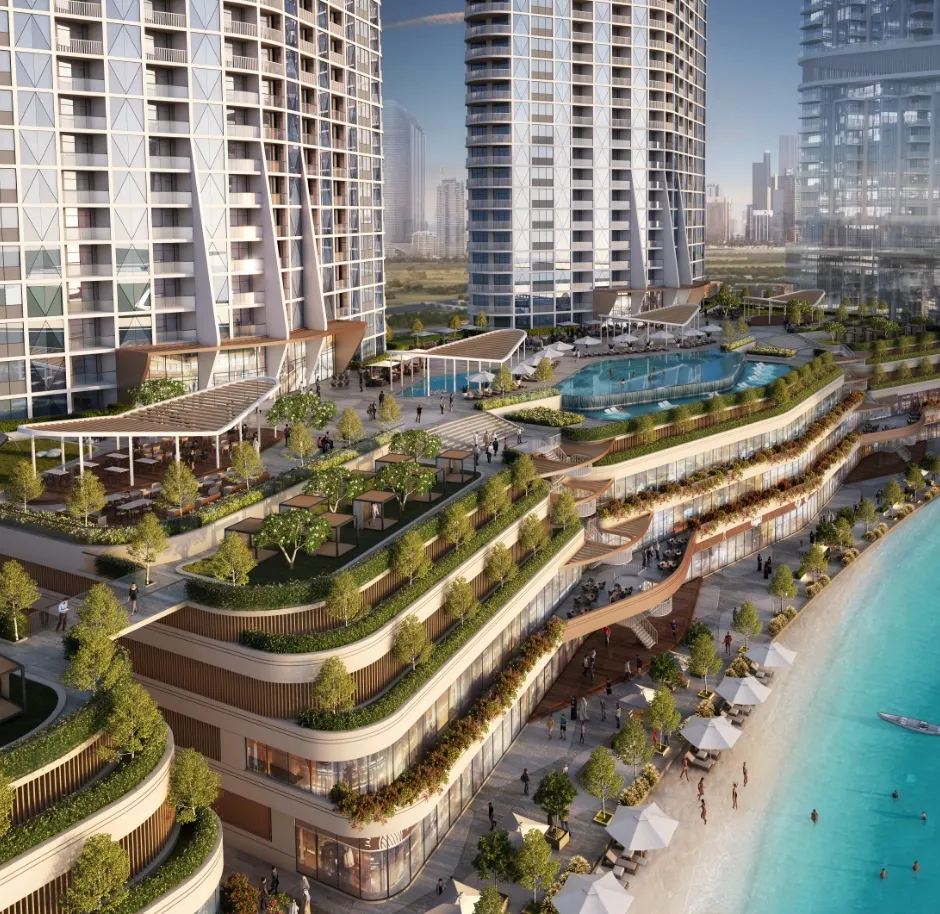
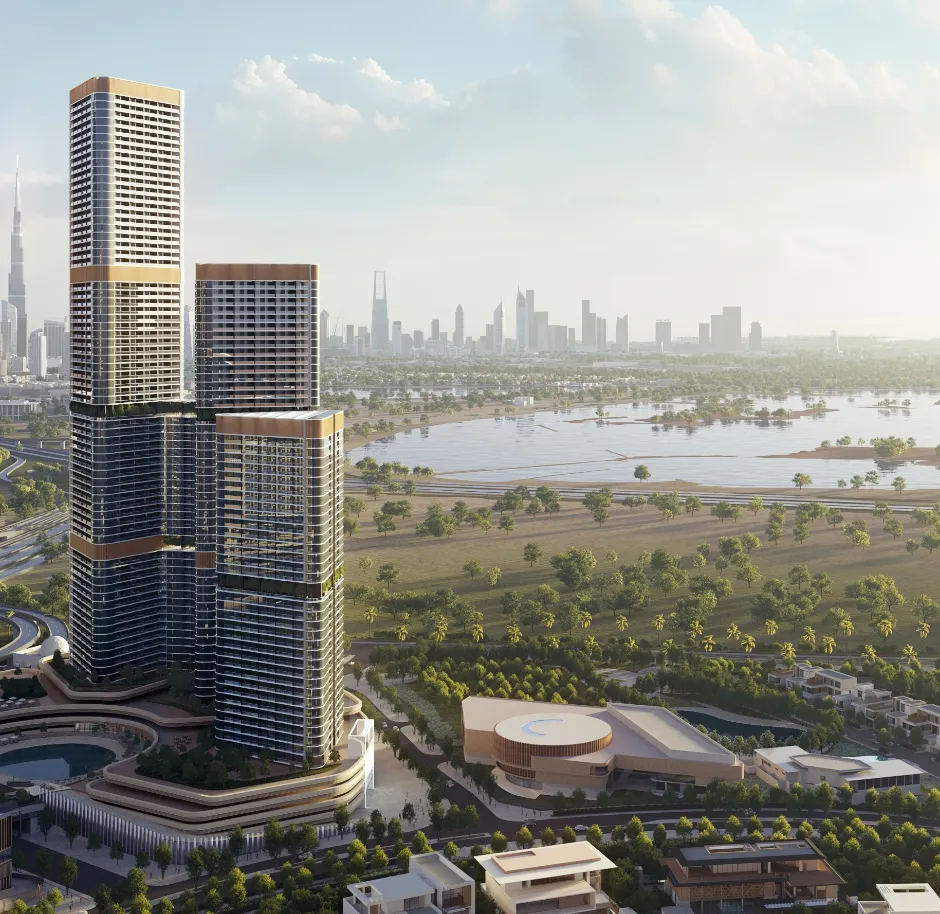
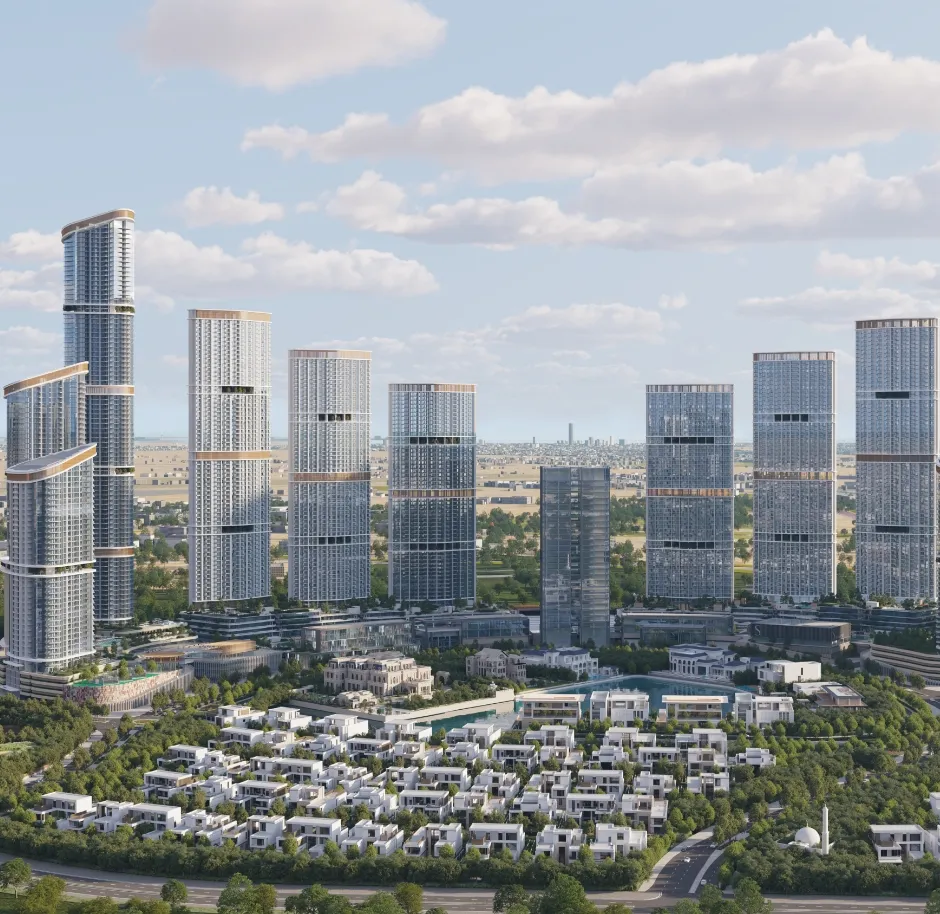
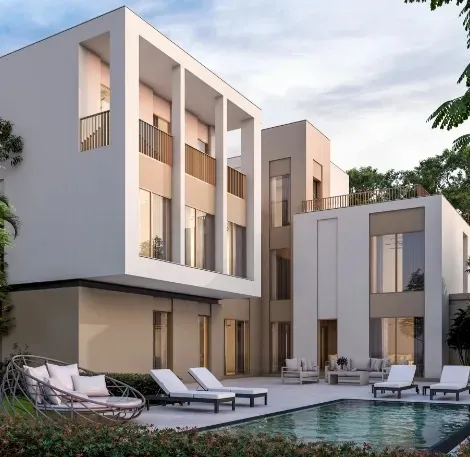
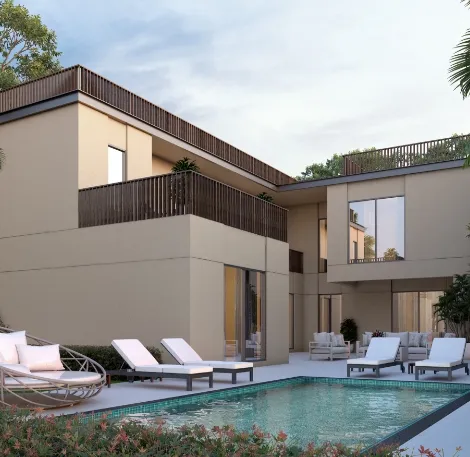
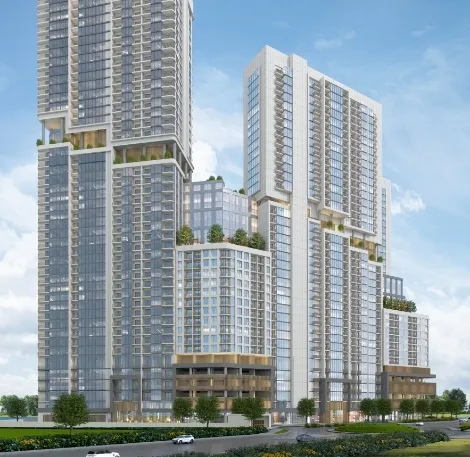
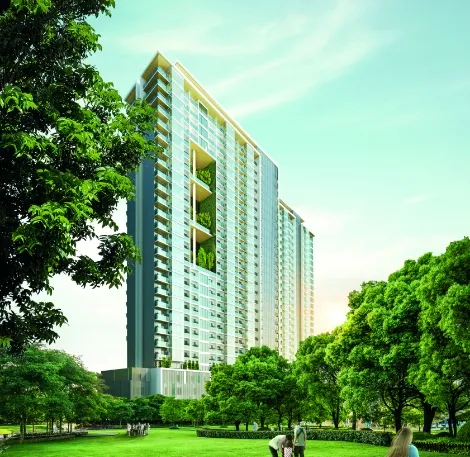
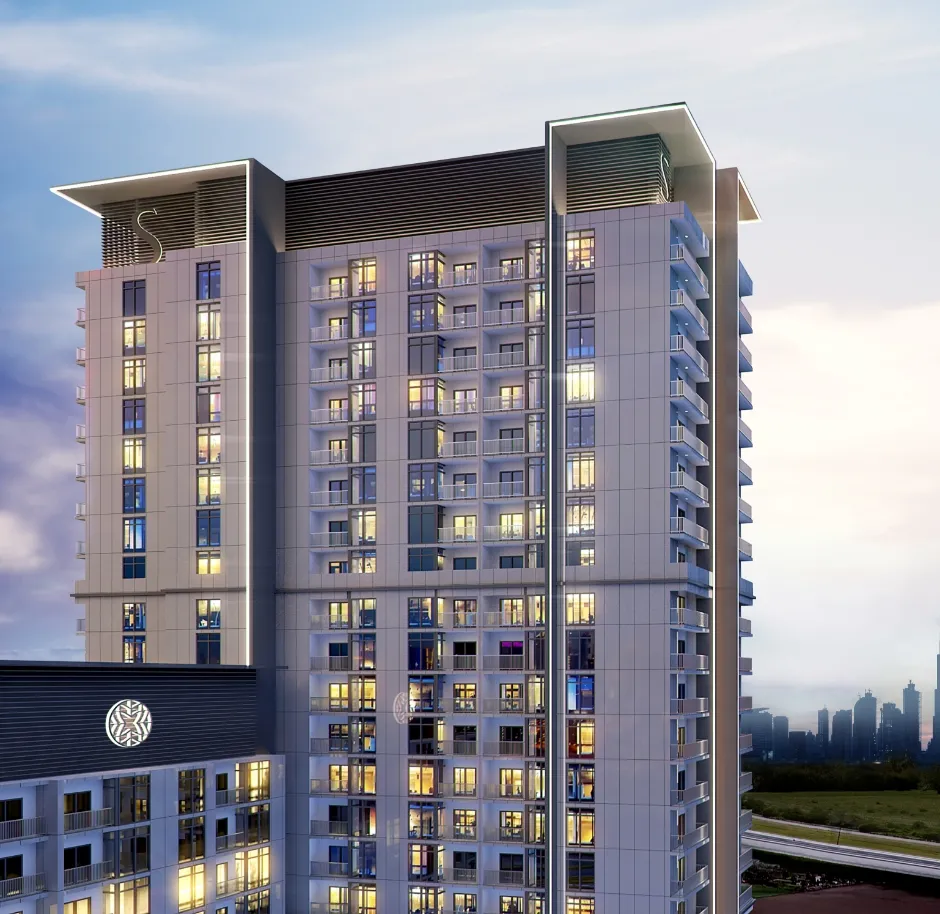
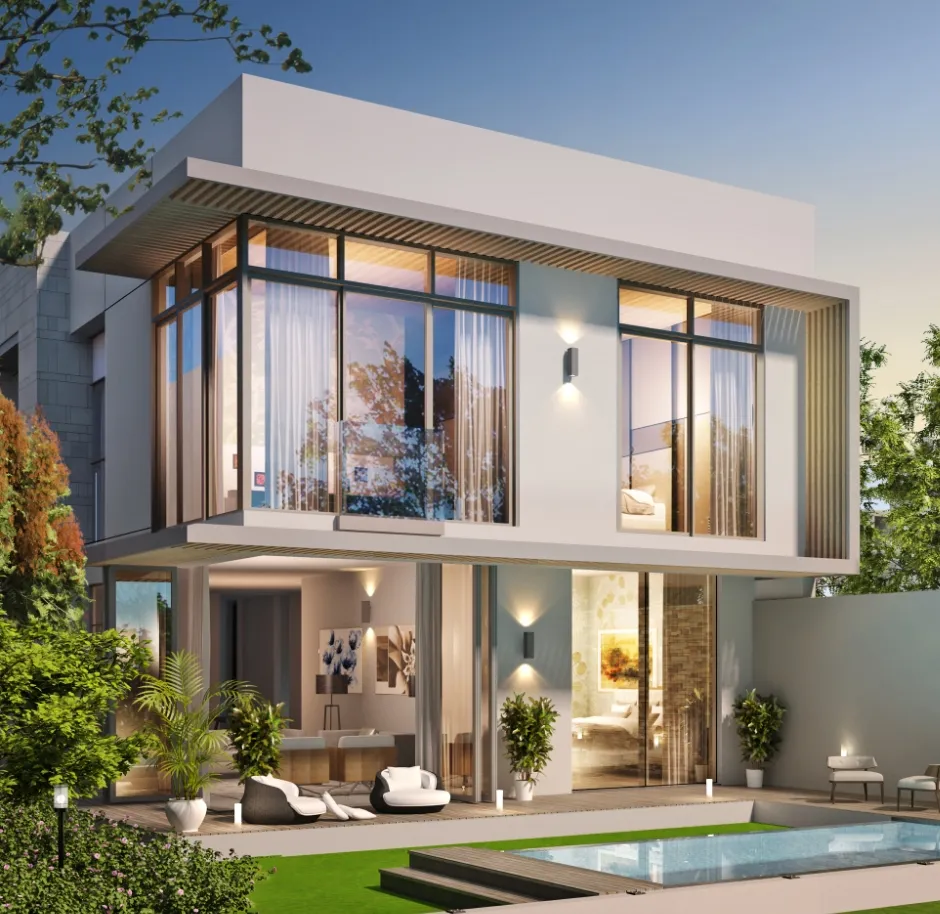
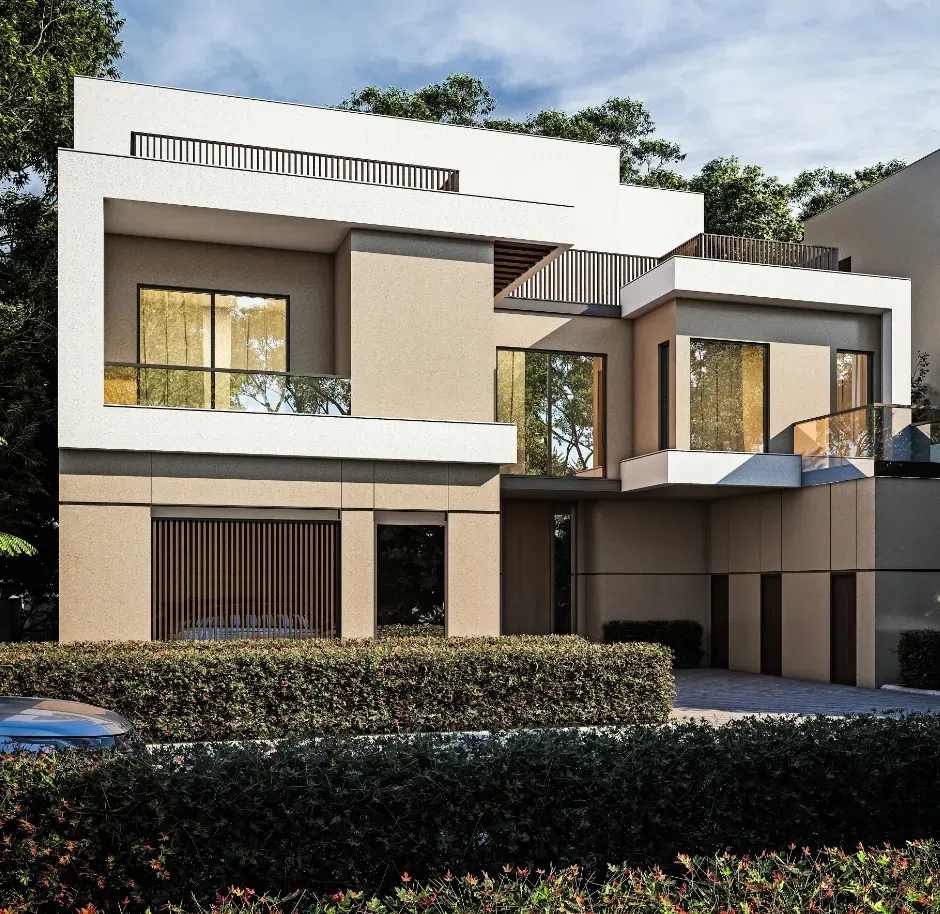
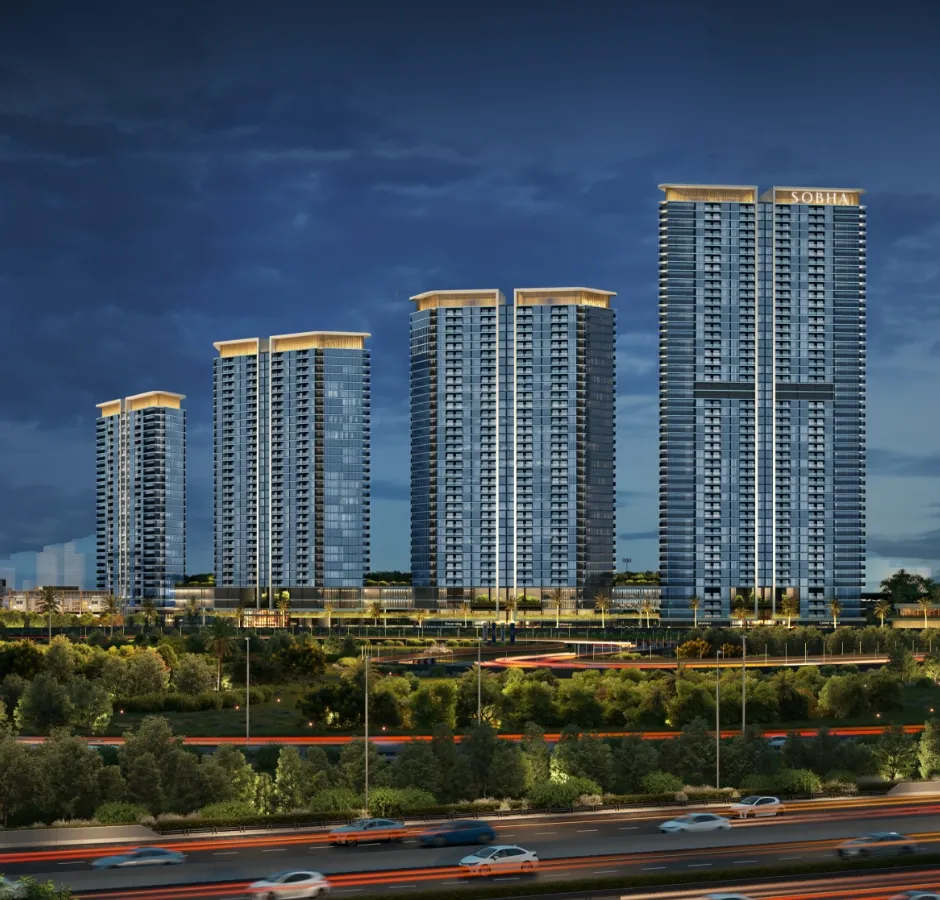
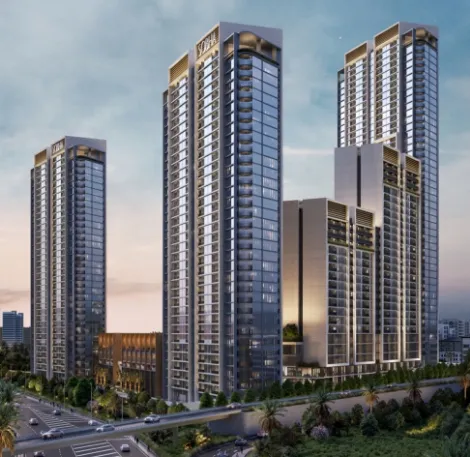
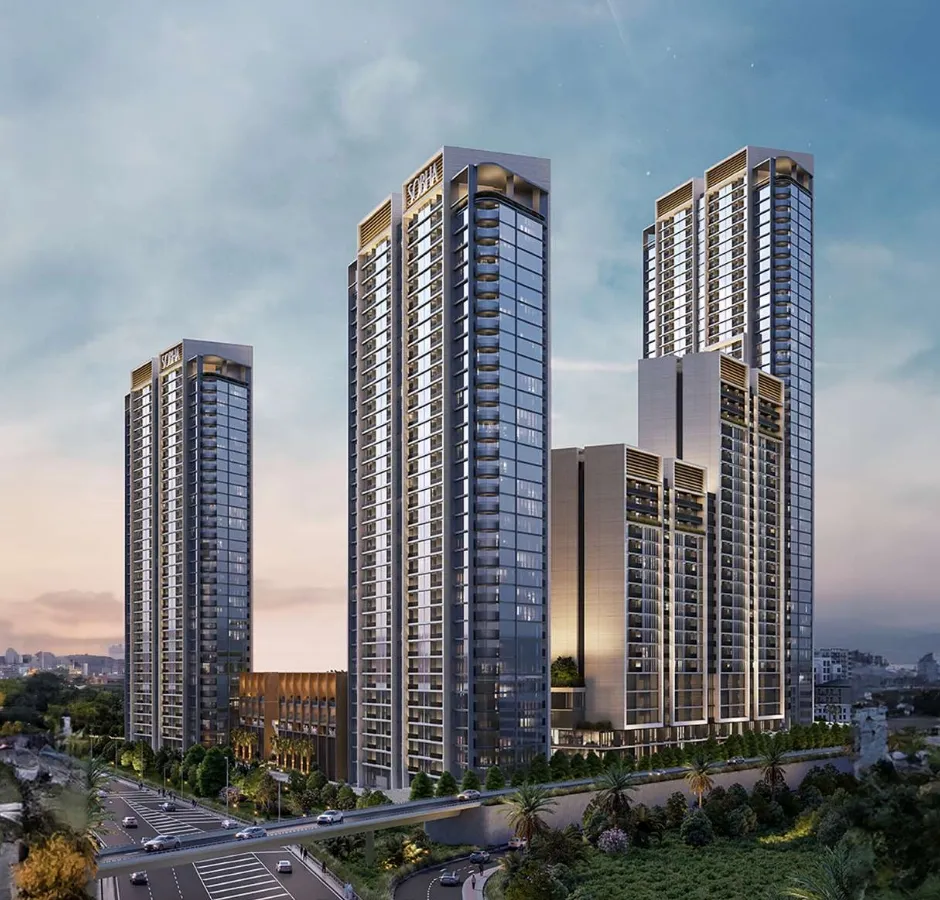
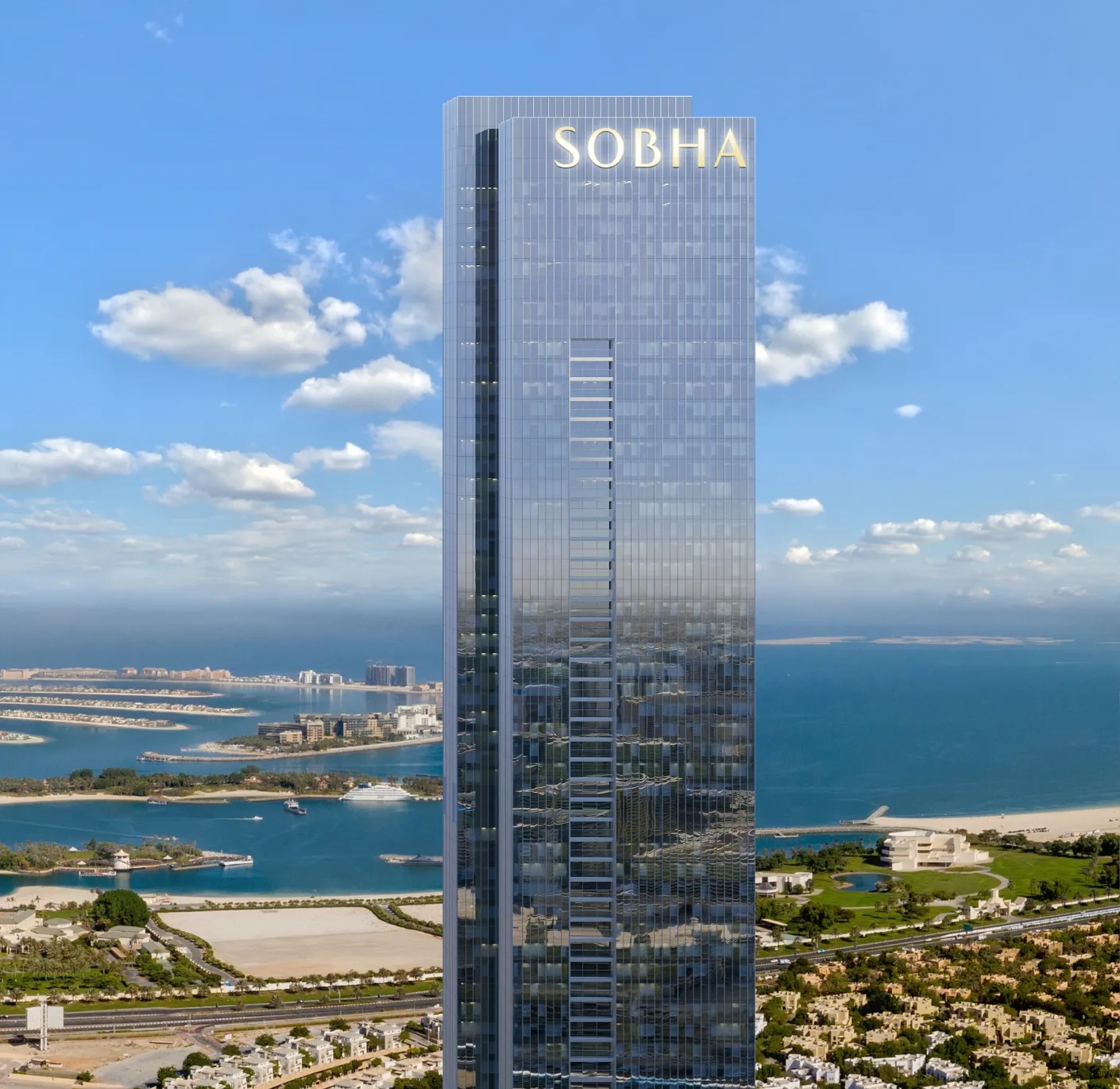
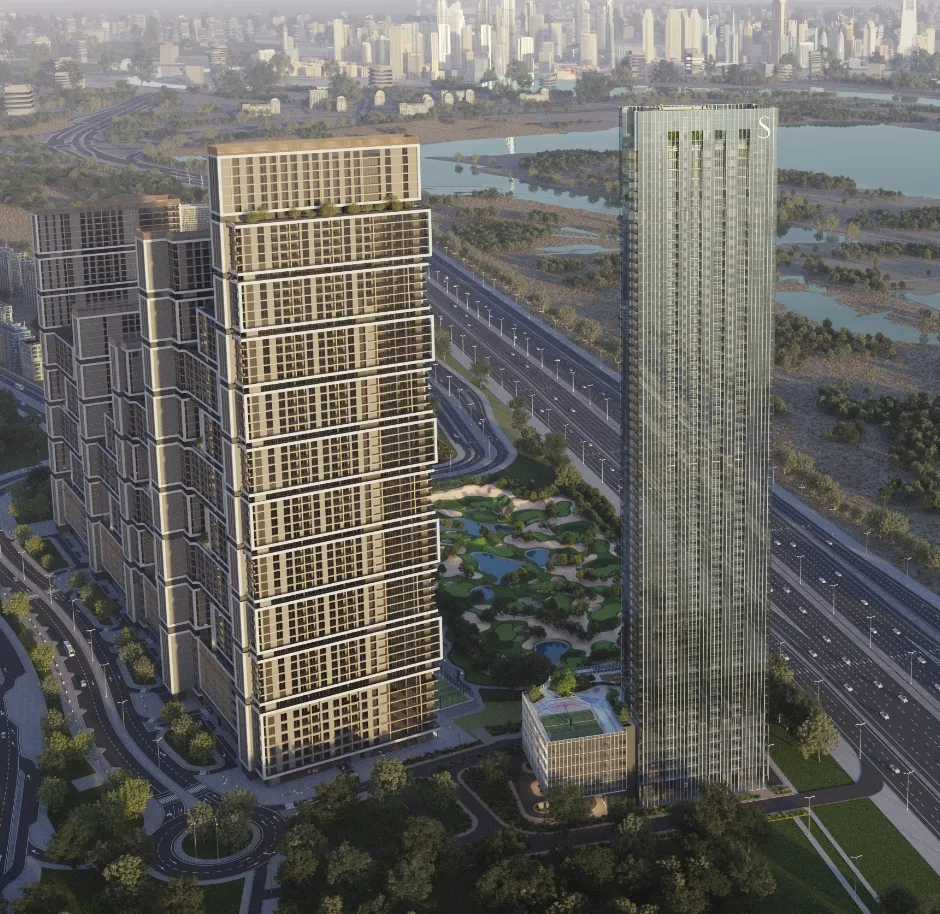
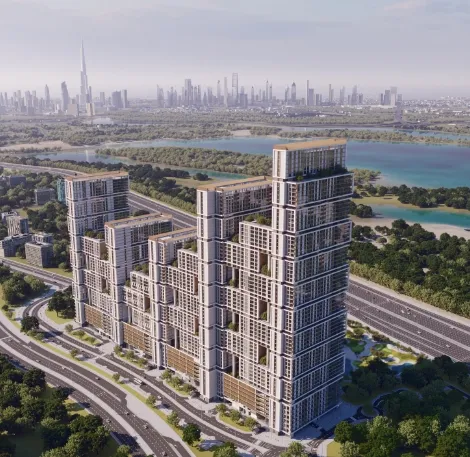
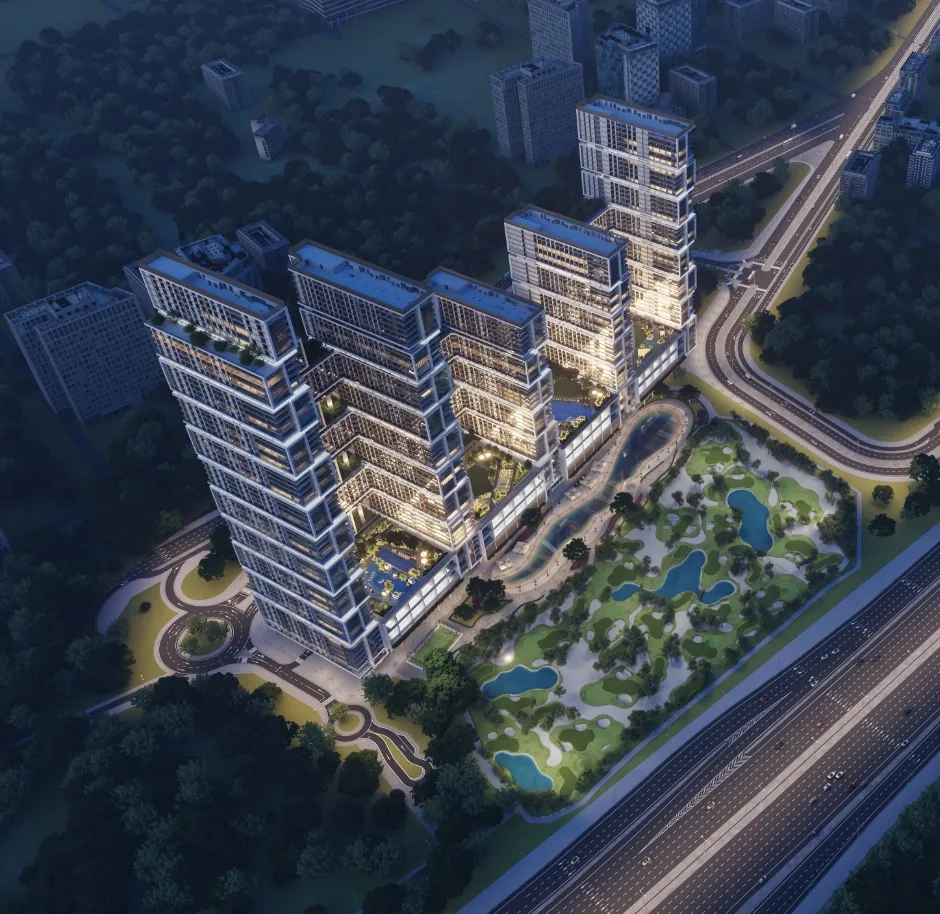
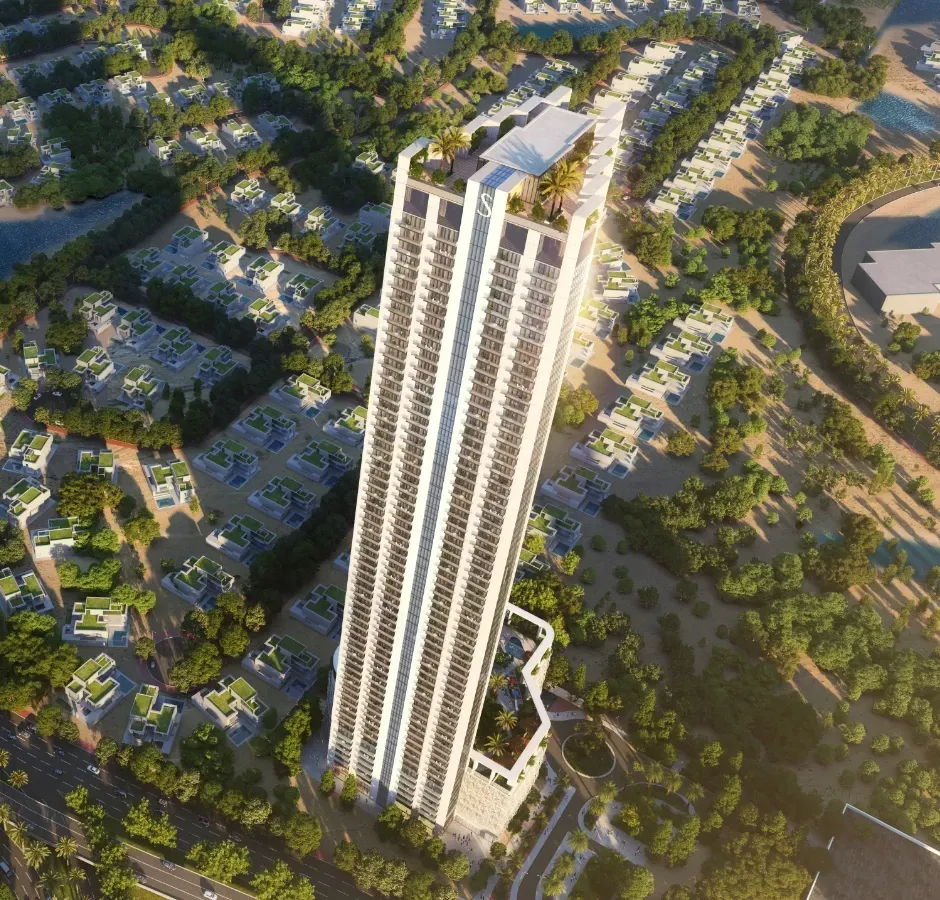
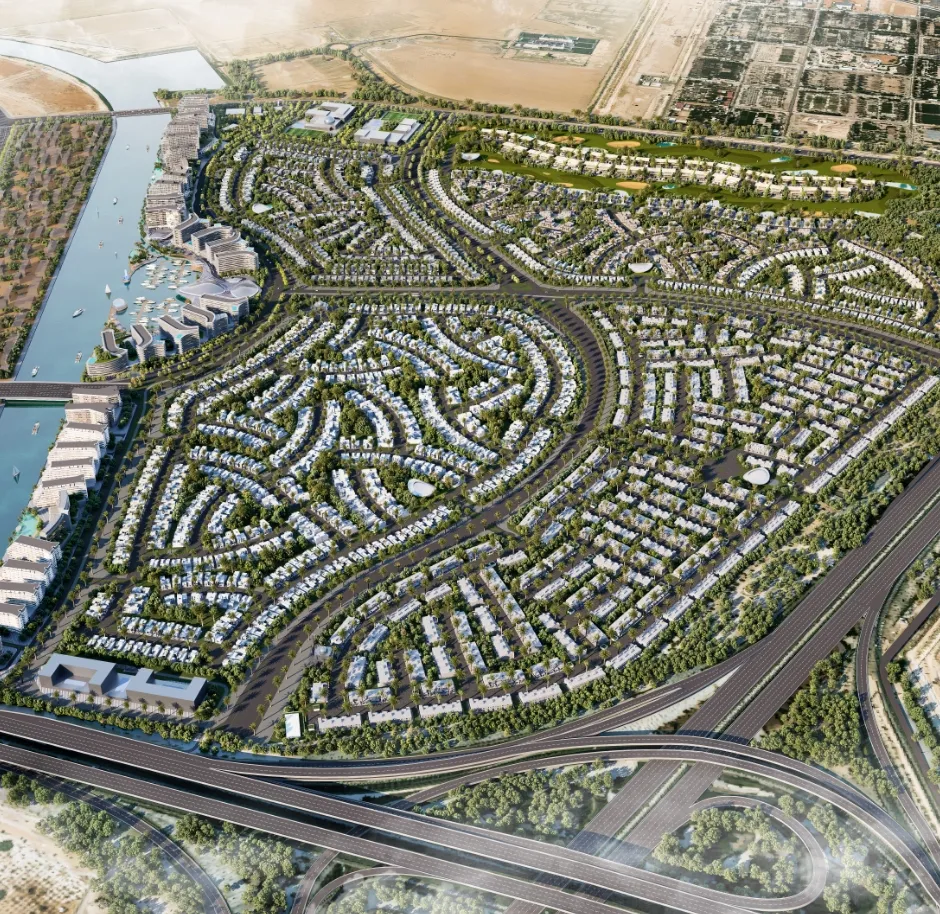
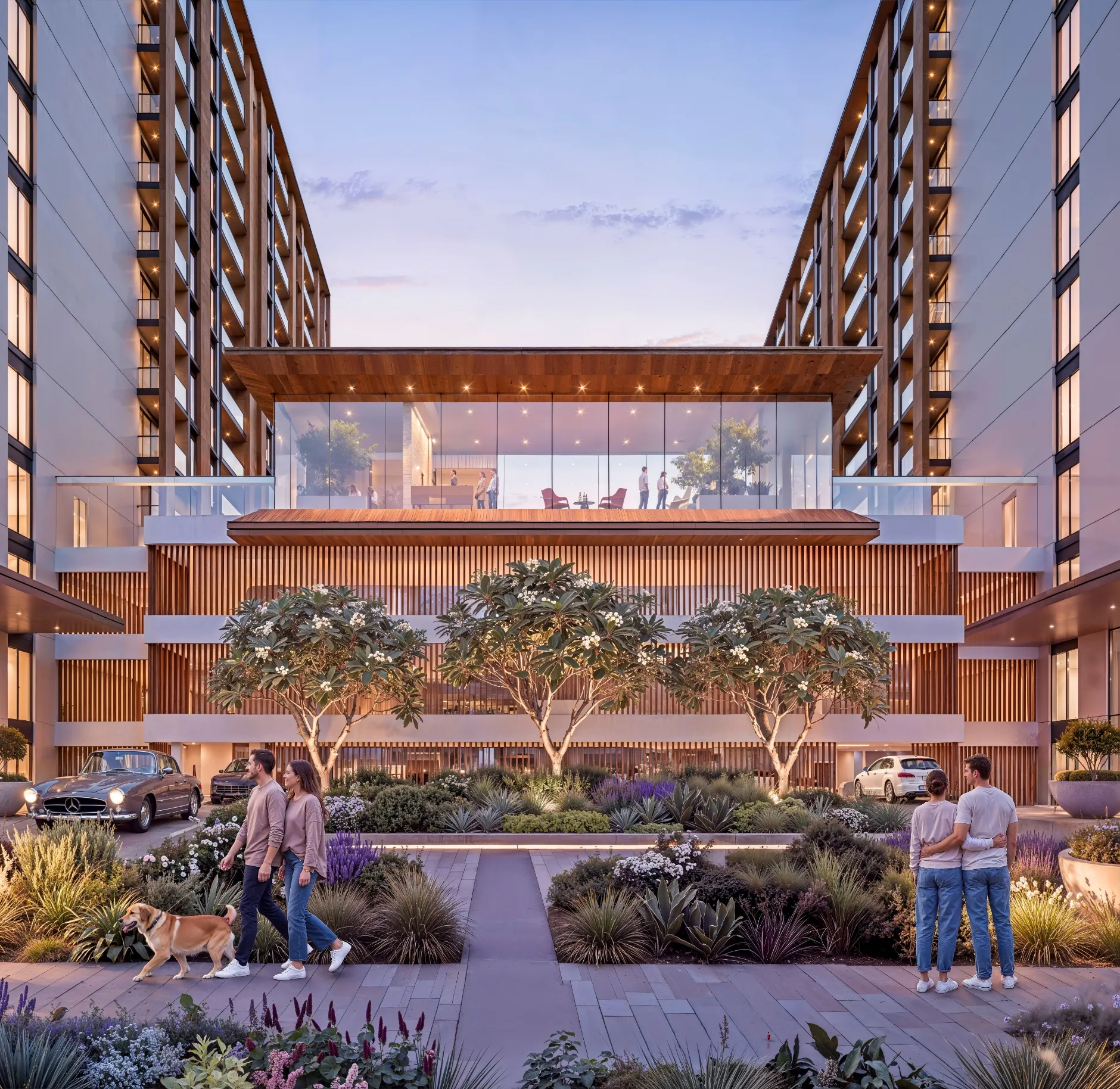
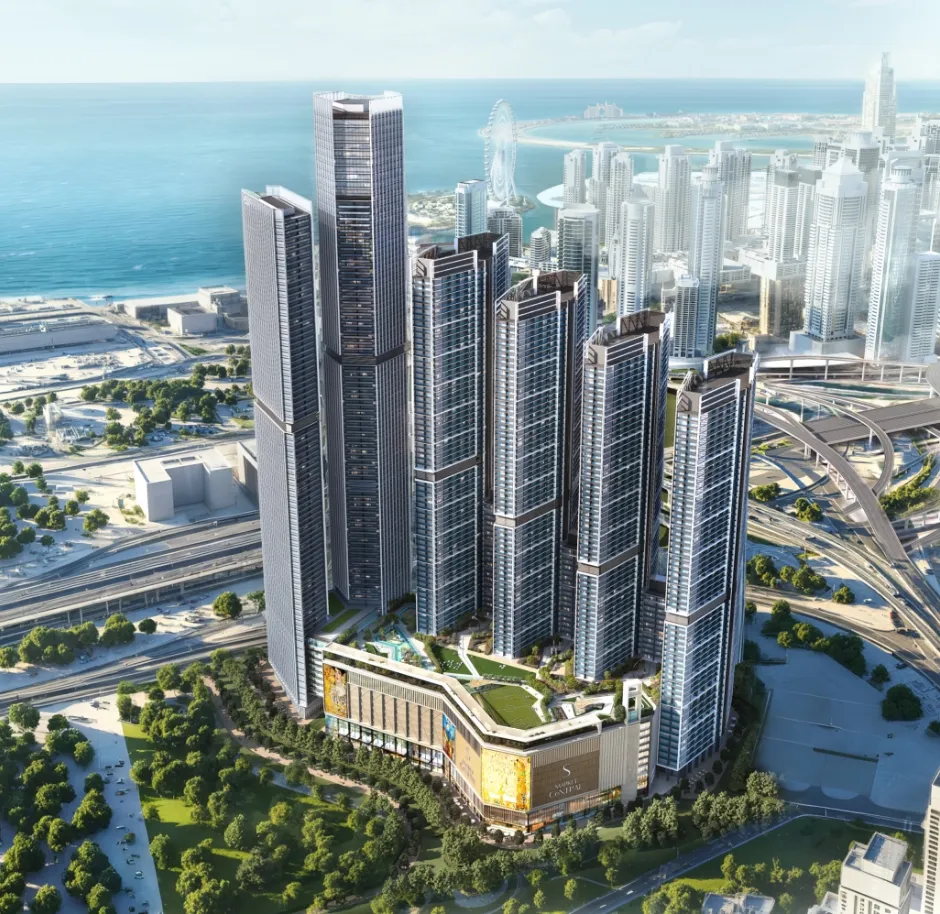
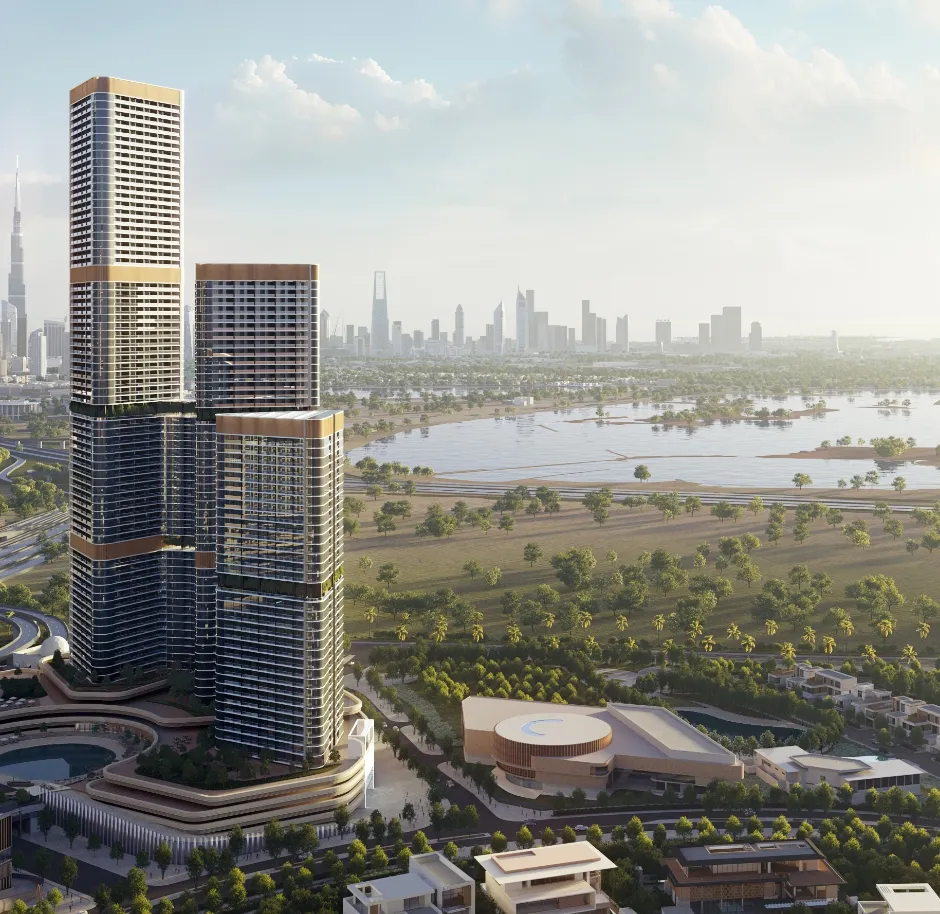
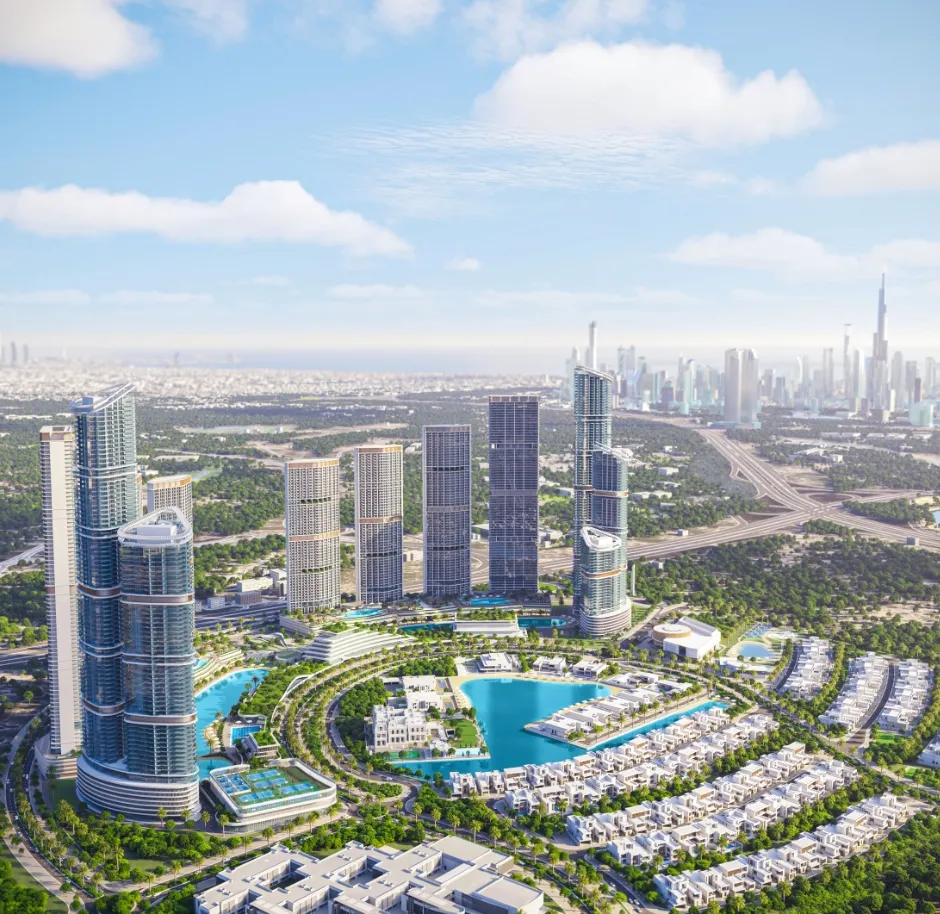
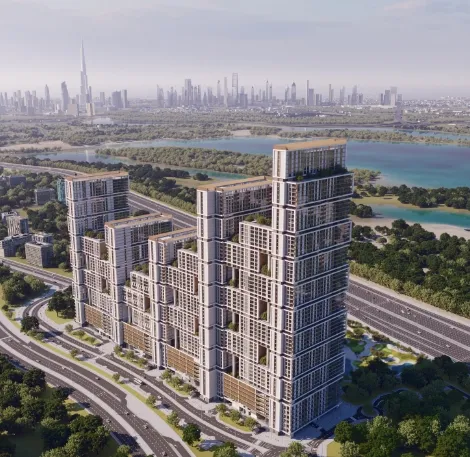
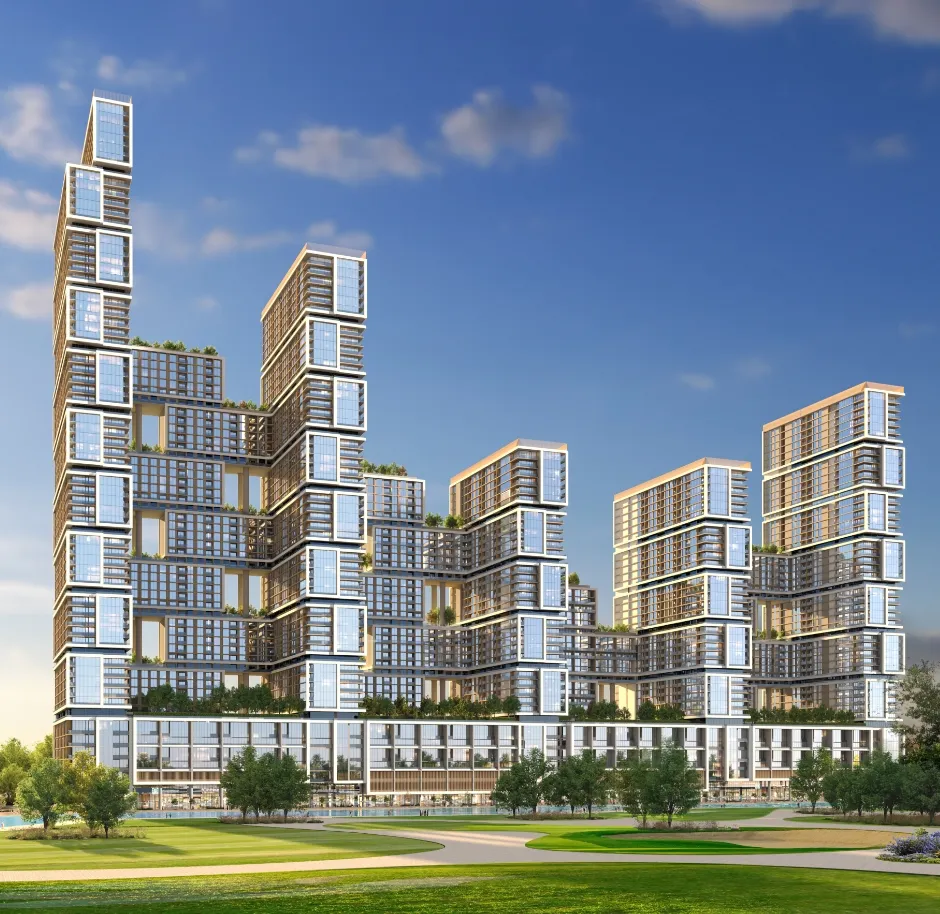
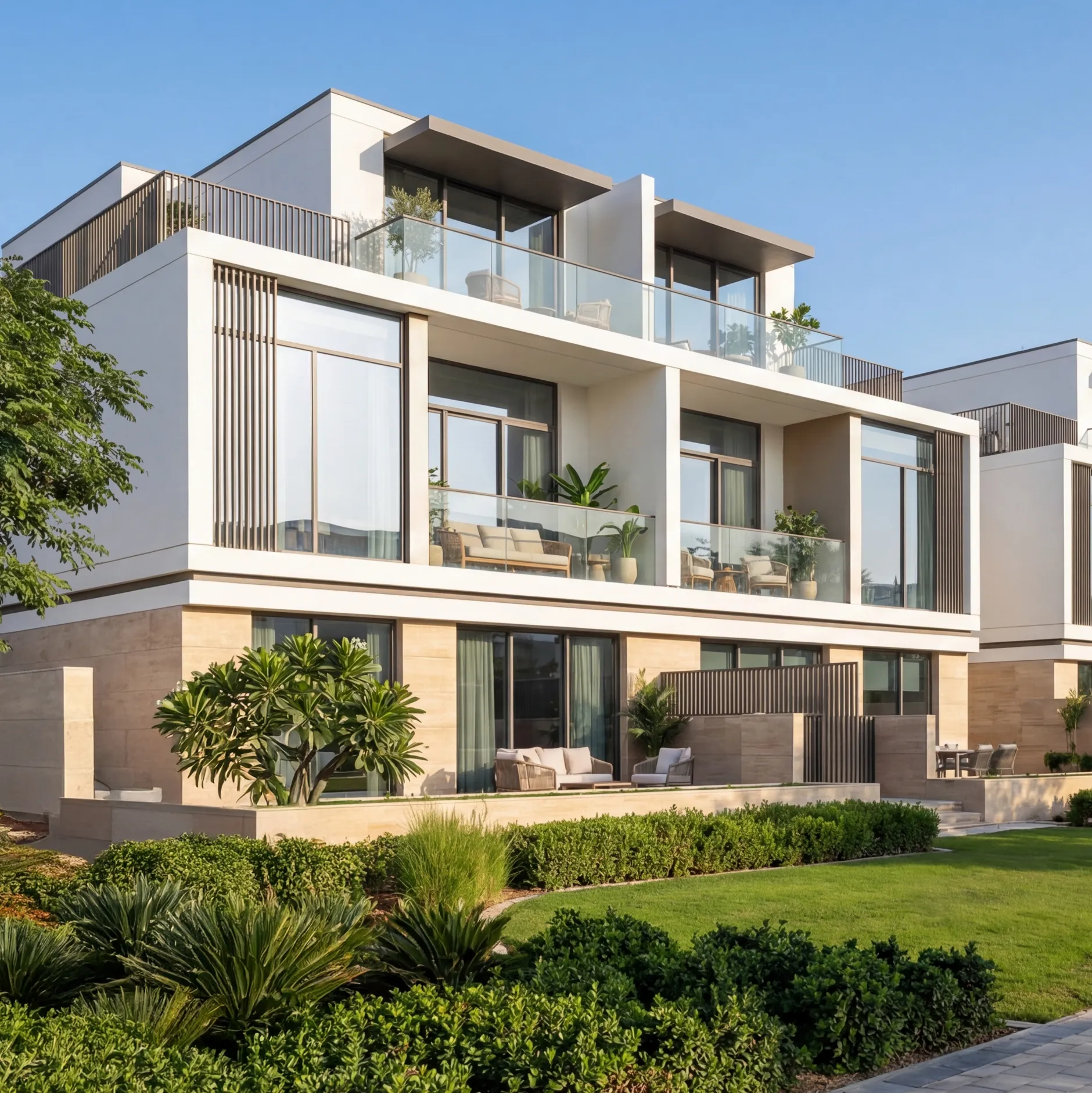
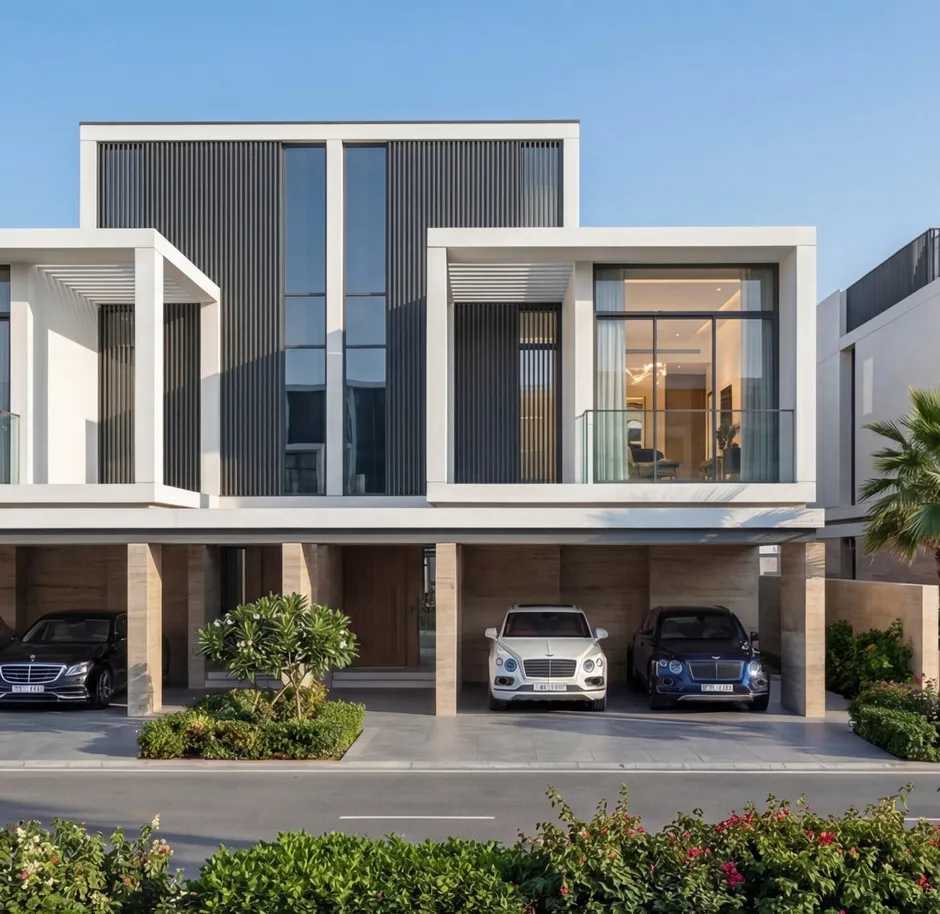
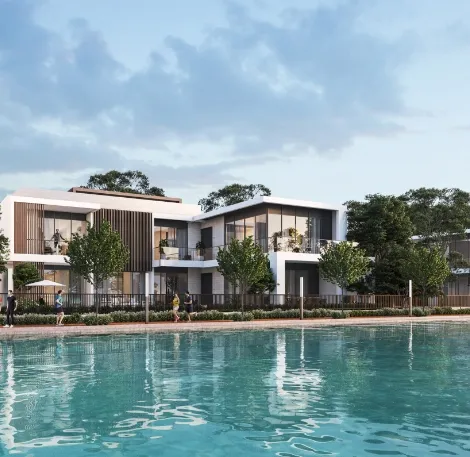
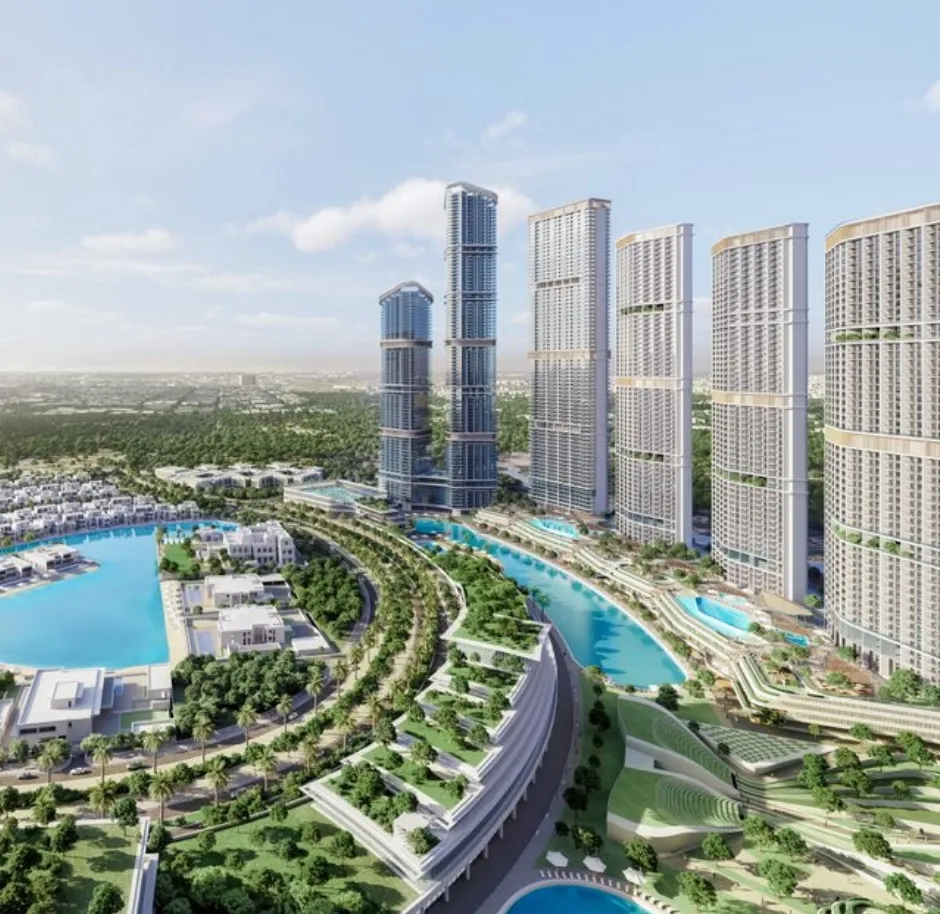
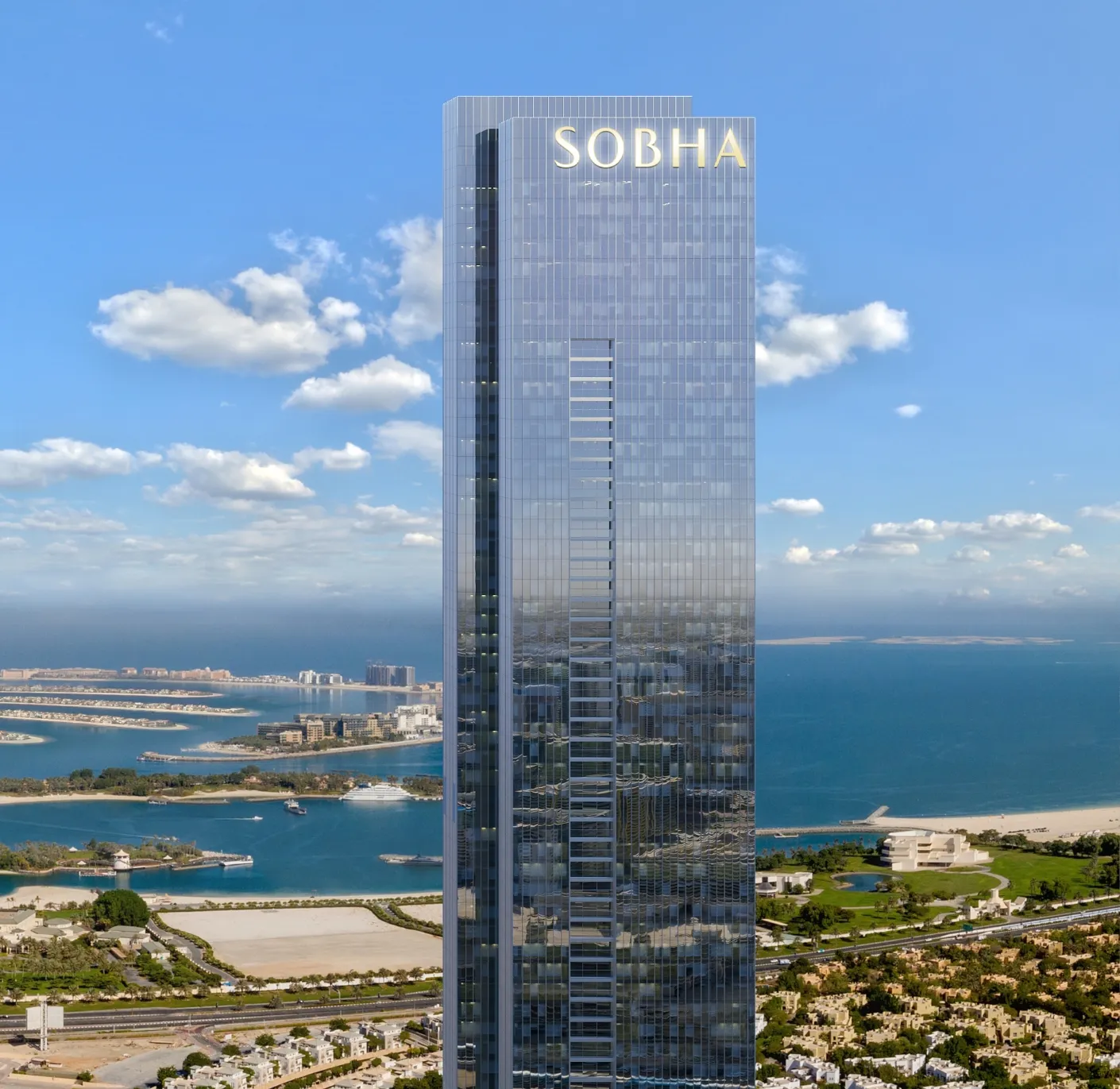
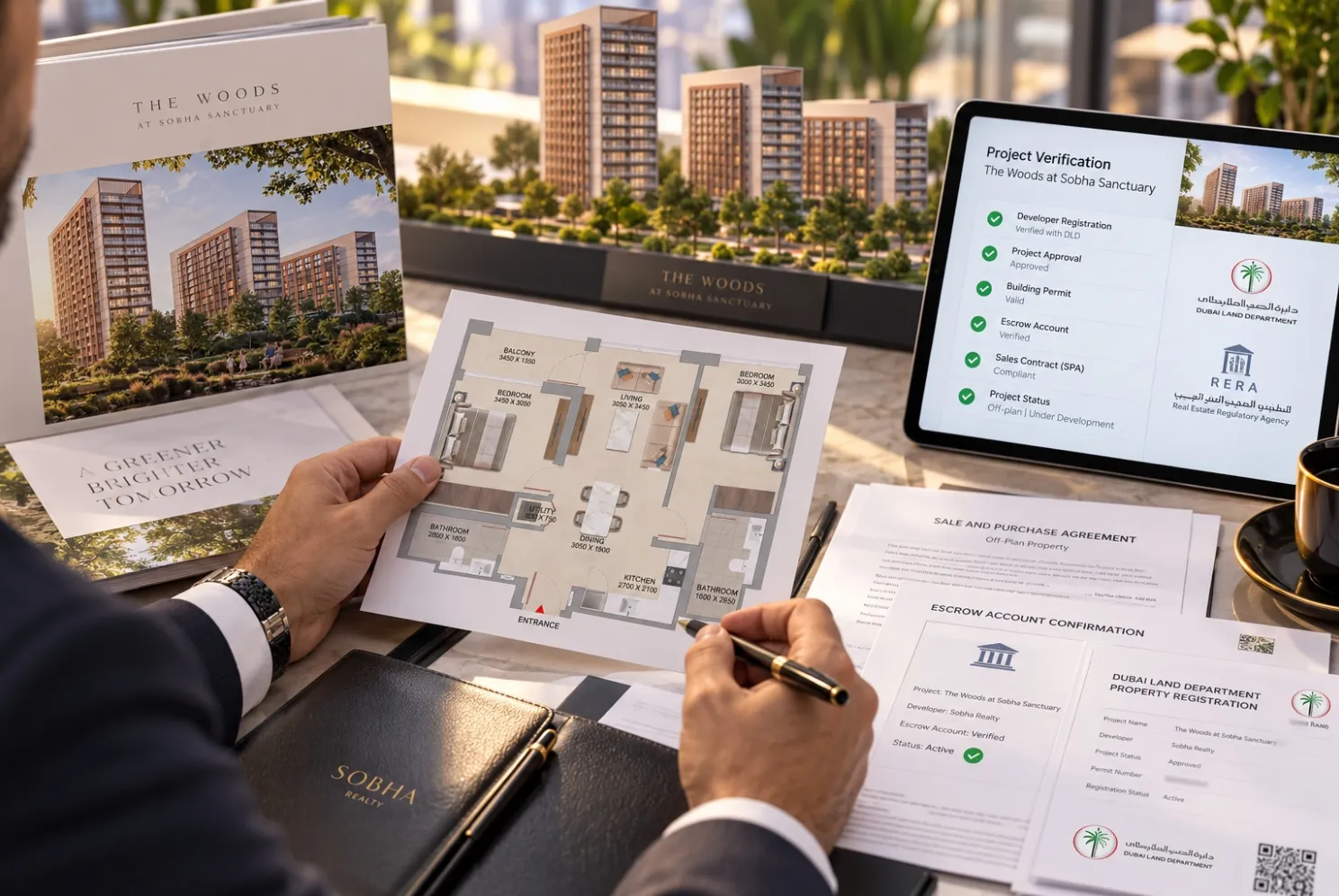
Sobha Sanctuary demonstrates how this approach can be applied at a masterplan scale in Dubai. Conceived as a city designed around wellbeing, it brings together residences, greenery, learning, dining, and shared destinations. Its planning recognises that wellbeing is physical, mental, social, and environmental, and that each dimension must be supported by the spaces residents experience every day.
Rather than treating nature and amenities as additions, the masterplan connects them to the community's movement and daily routines. The result is an environment where convenience does not come at the expense of calm or connection.
Nature as Essential Urban Infrastructure
The next generation of UAE cities will be shaped by a more purposeful relationship with nature. Green corridors, waterfronts, parks, and shaded public spaces contribute to comfort, movement, and wellbeing while responding to the region's climate.
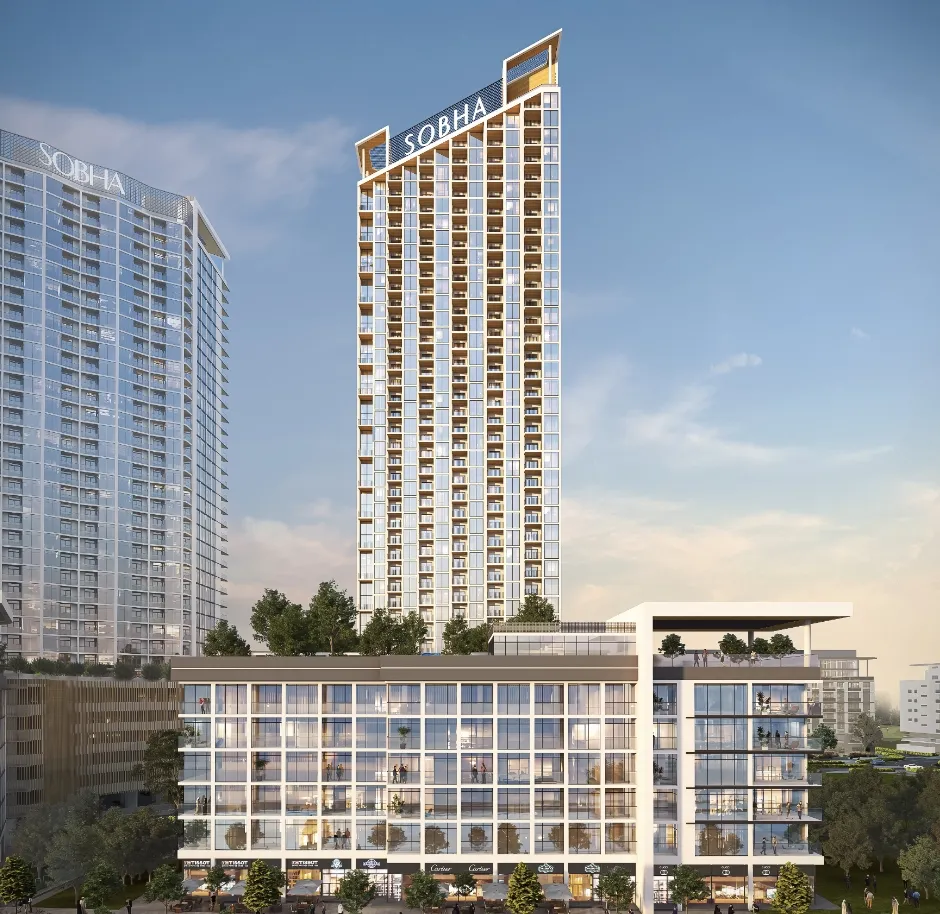
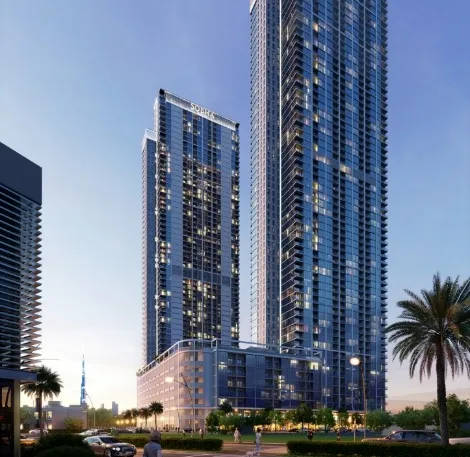
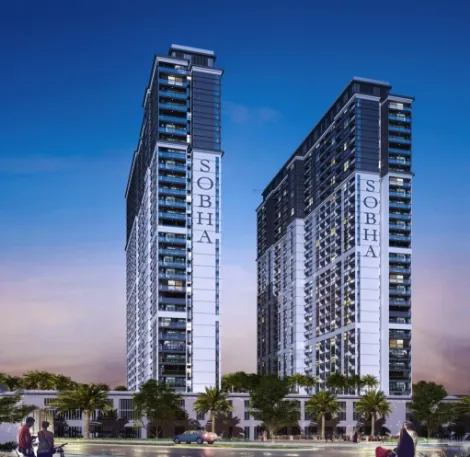
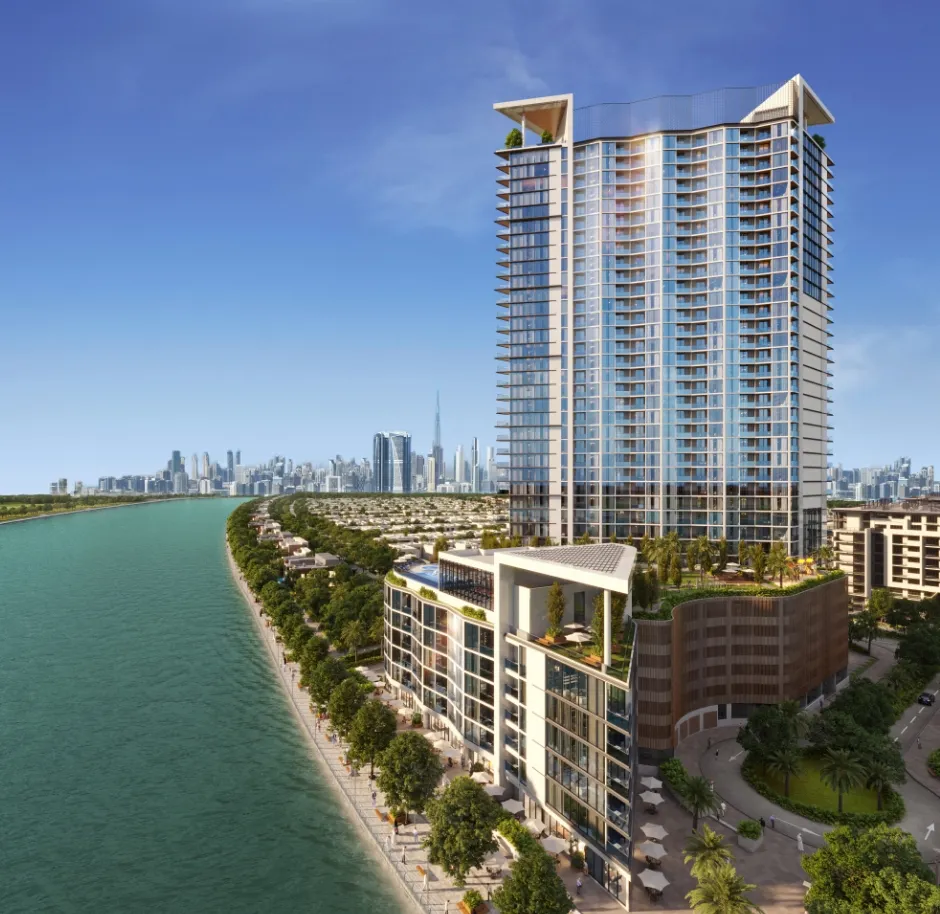
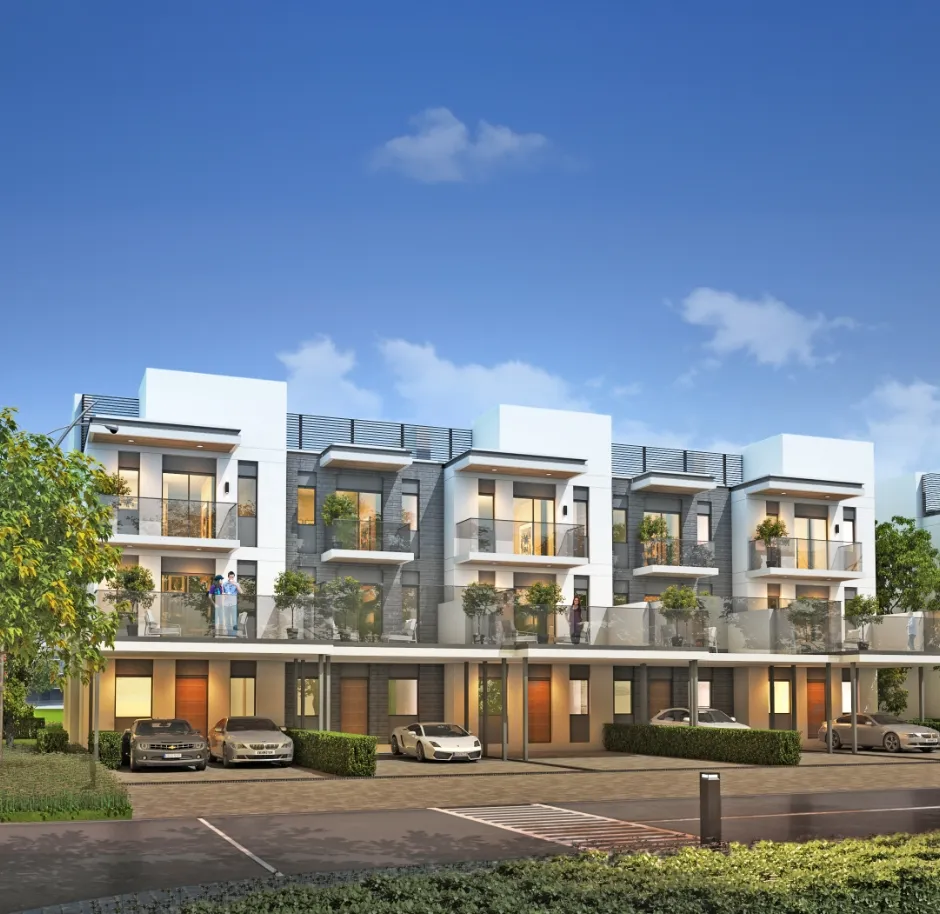
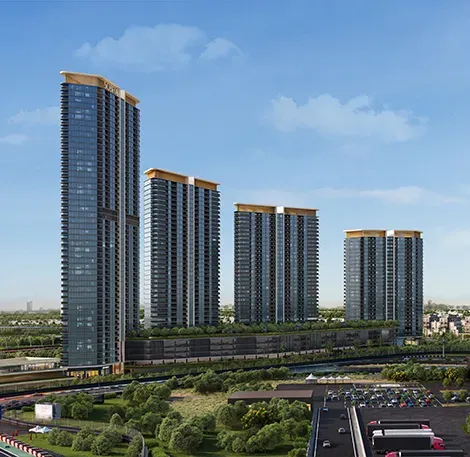
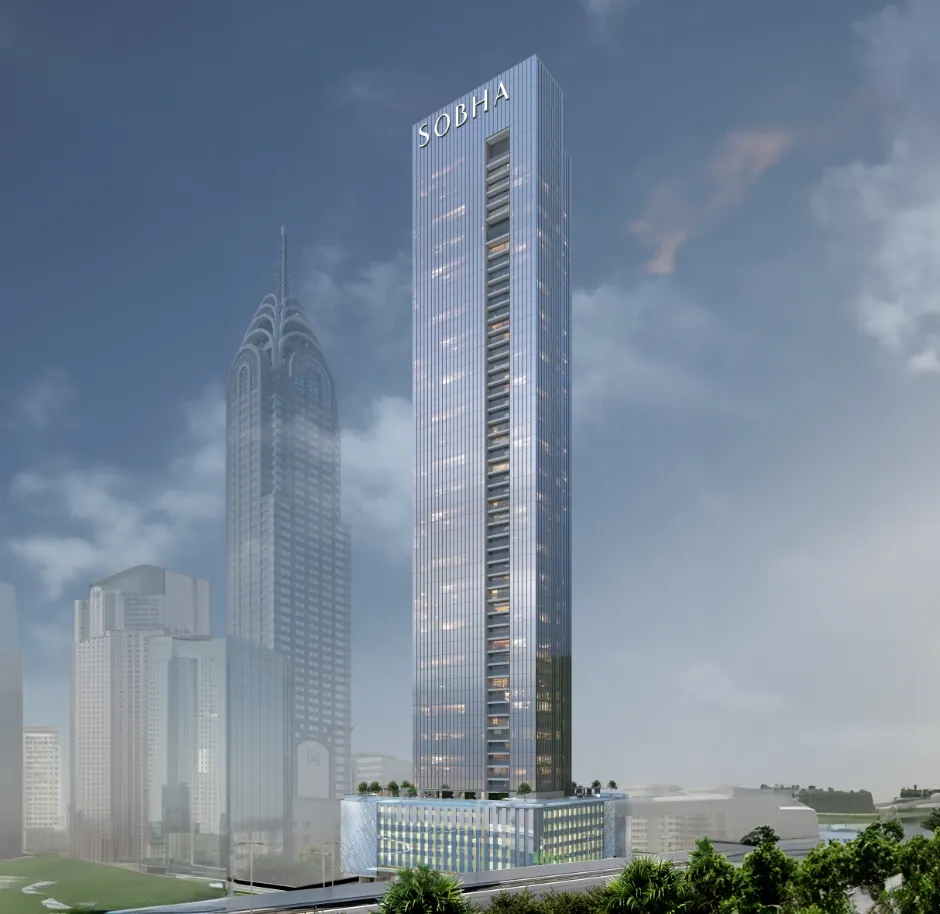
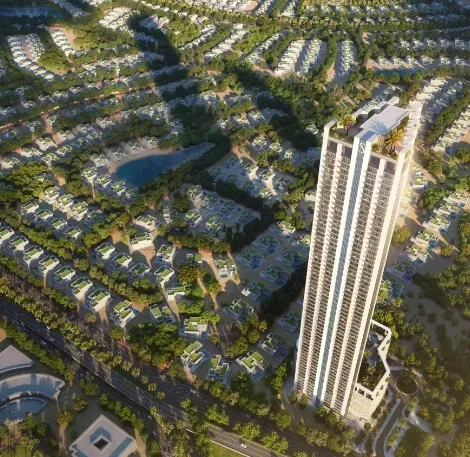
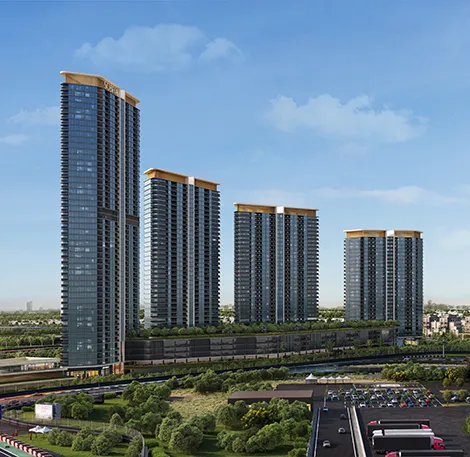
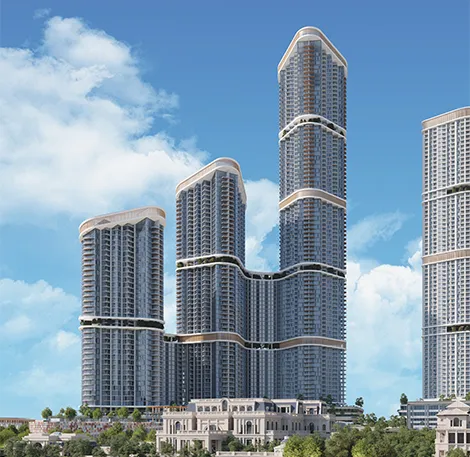
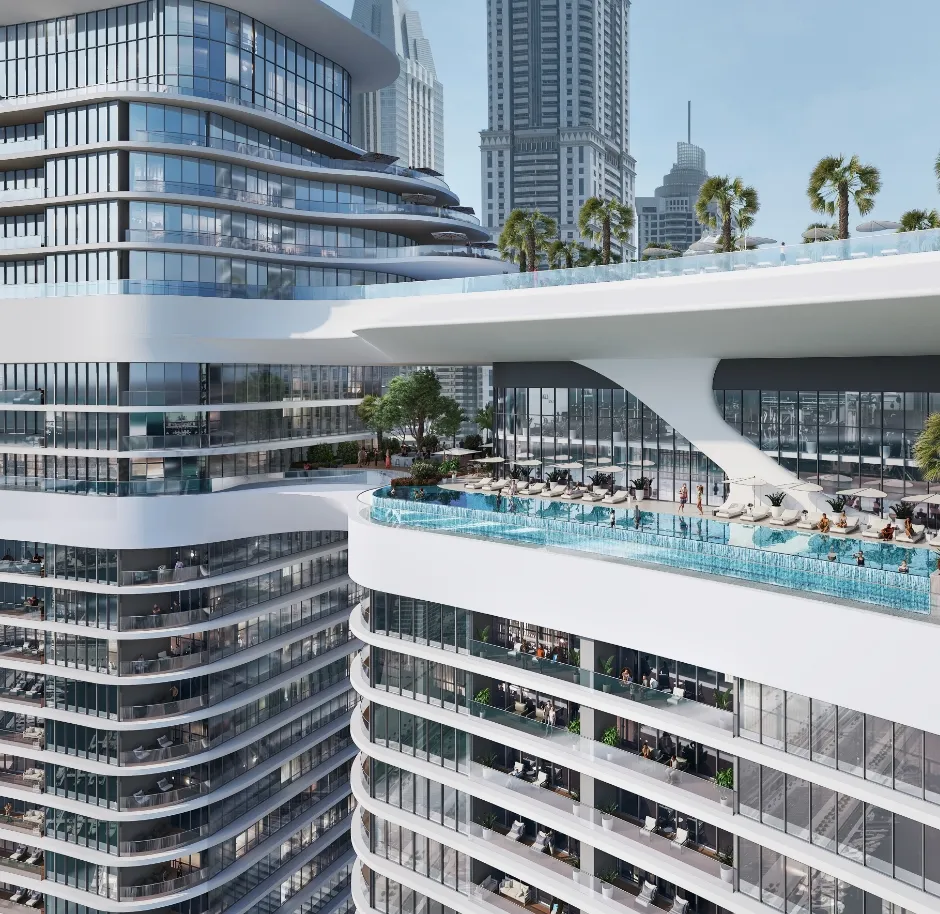
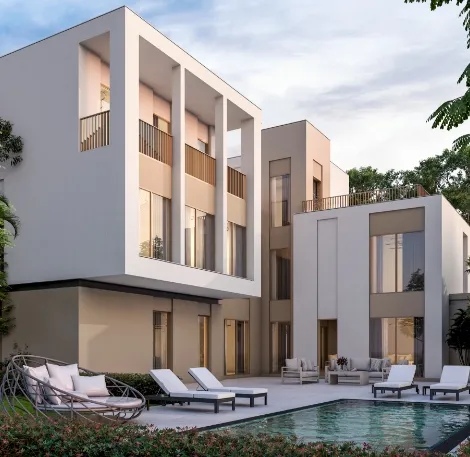
In Abu Dhabi, Sobha City reflects this nature-led community approach through a self-sustaining township that connects marina living, experiences, and forest-led neighbourhoods. Planned around walkability and choice, it combines residences with intuitively placed amenities and expansive green connections.
This model moves beyond a collection of separate properties to create a complete urban destination. Waterfront living, open landscapes, social spaces, and everyday services work together to support a balanced way of life.
New Coastal Models for Emerging Cities
Urban transformation in the UAE is not limited to its largest cities. Emerging destinations can grow through measured, context-sensitive planning, establishing their own models of liveability.
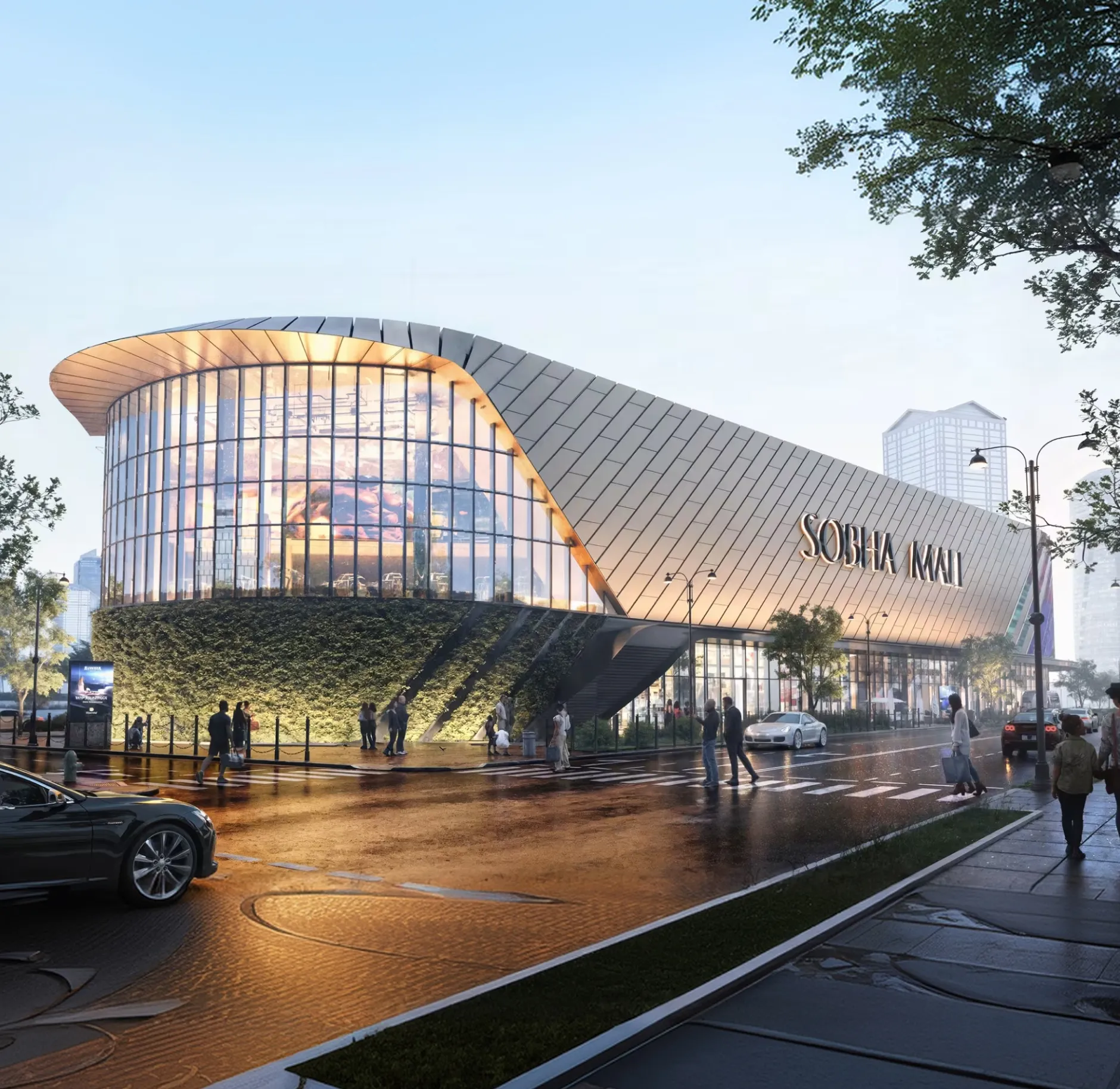
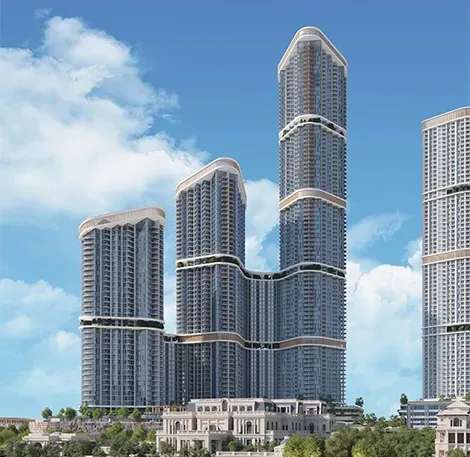
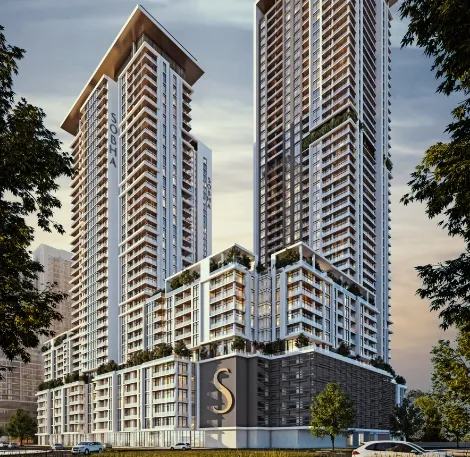
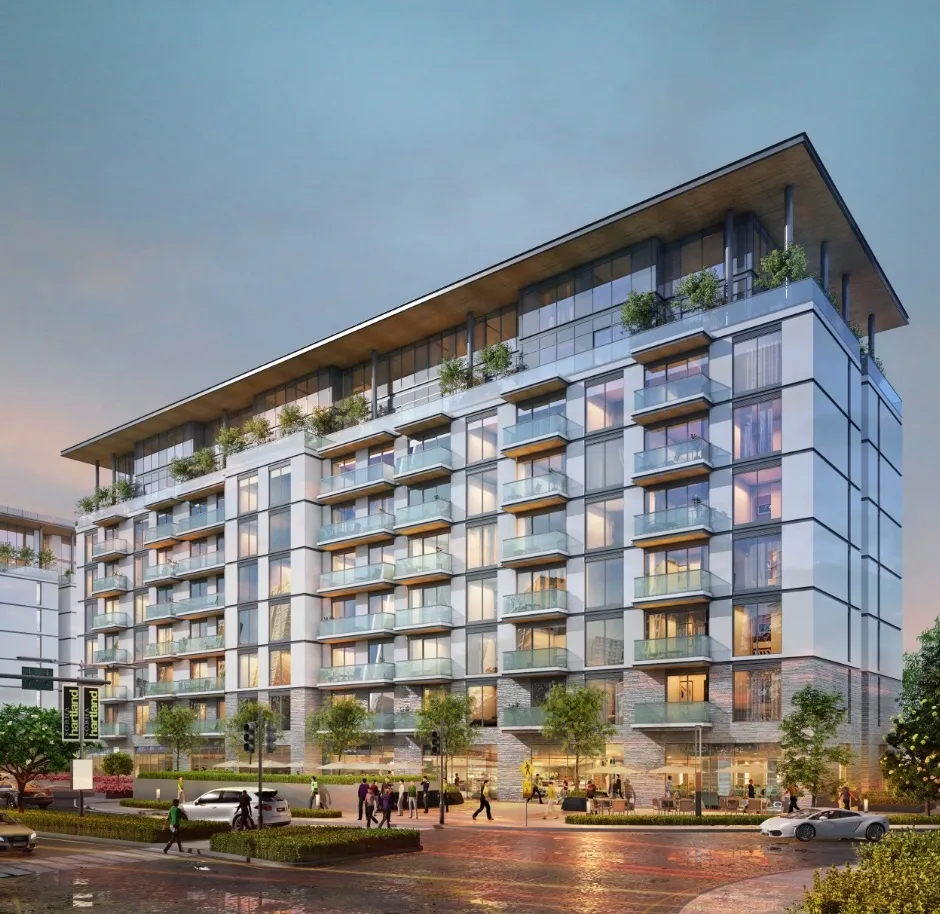
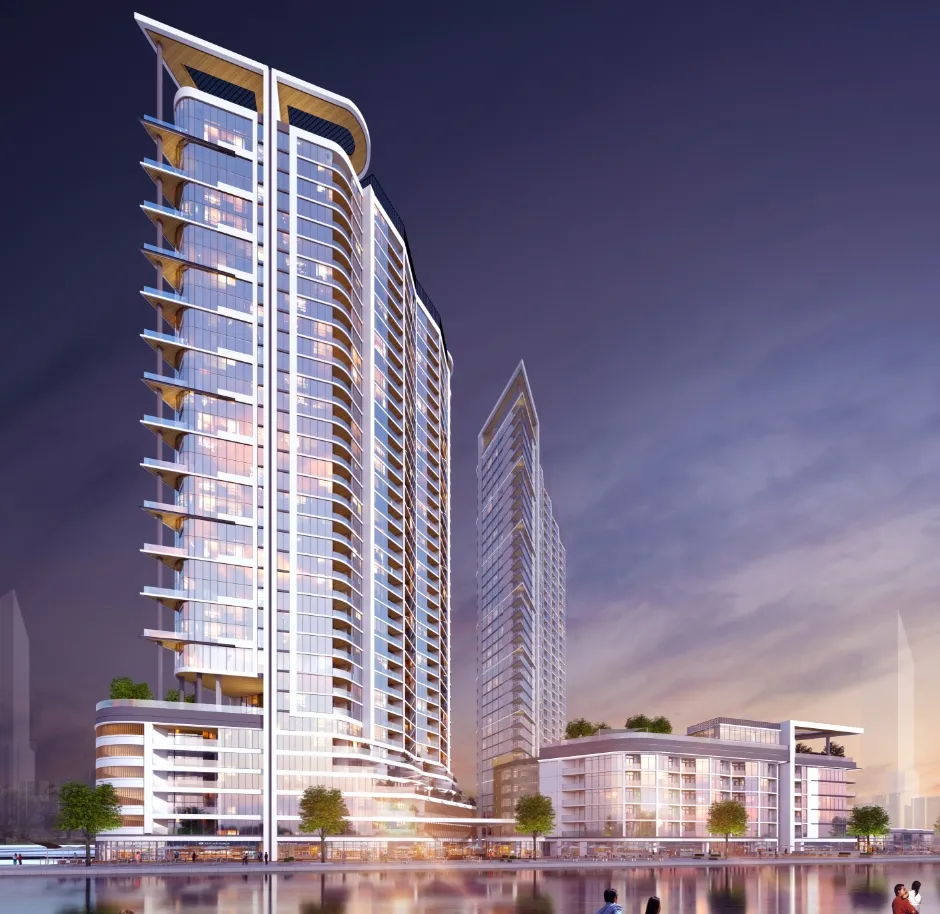
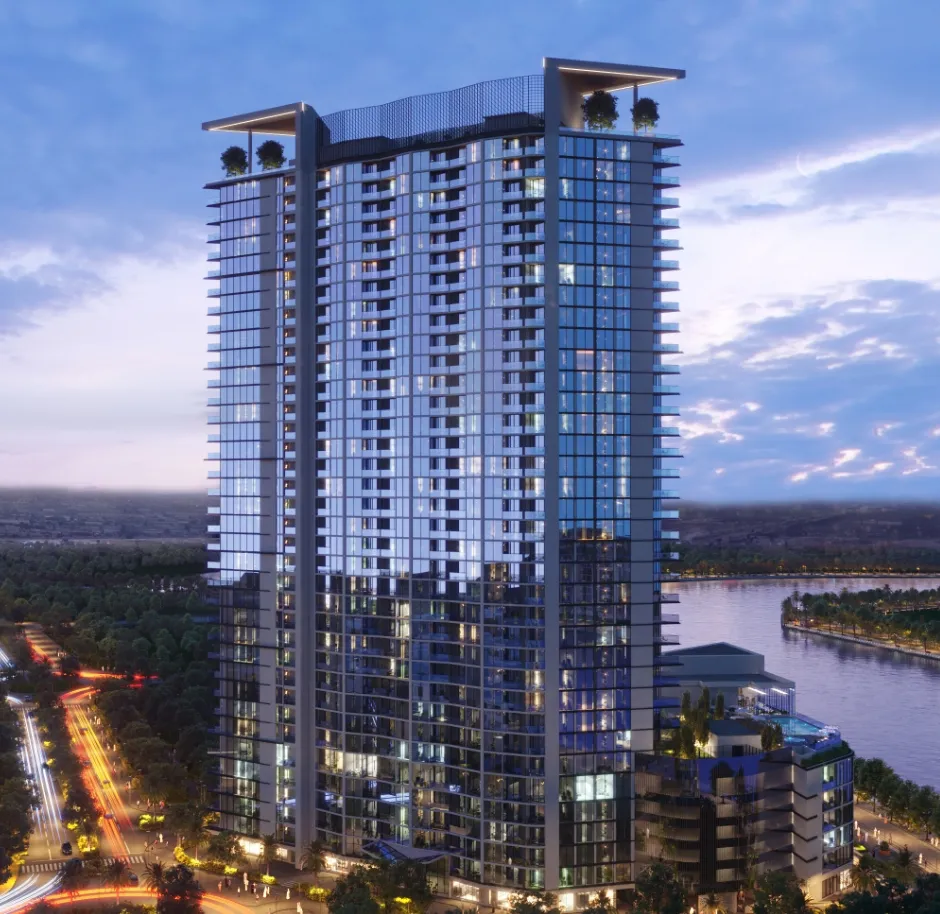
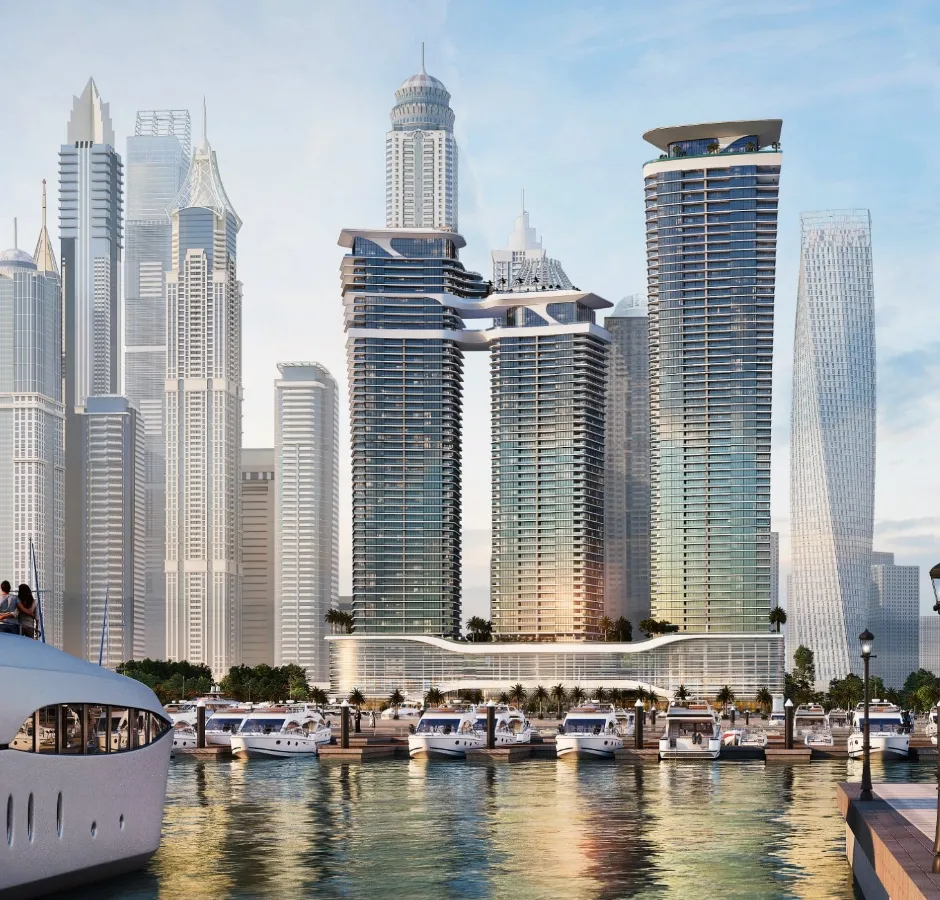
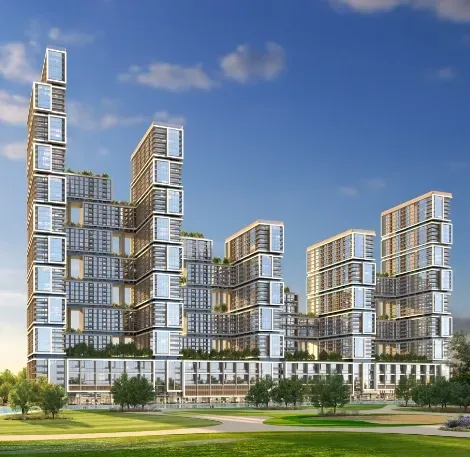
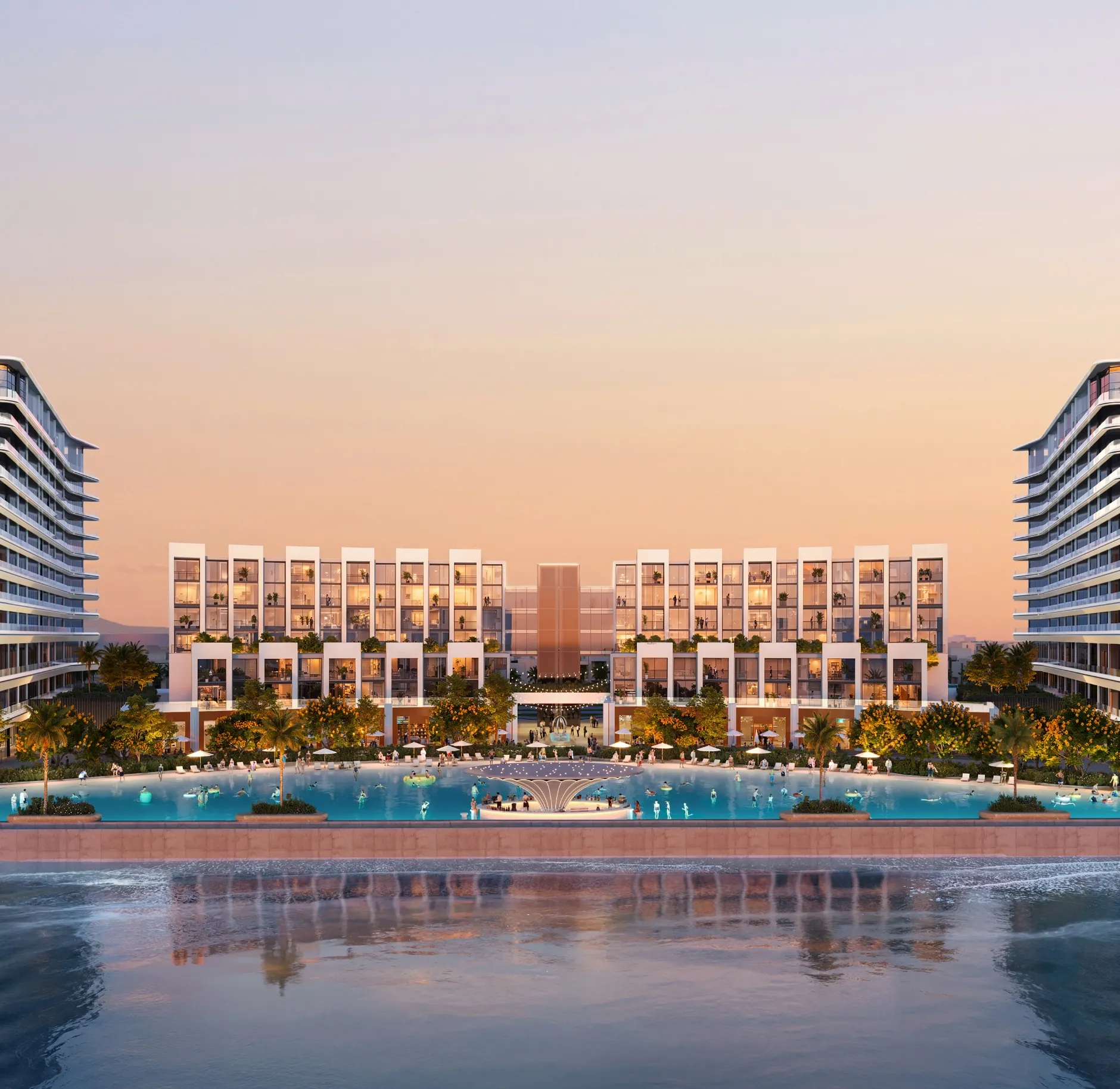
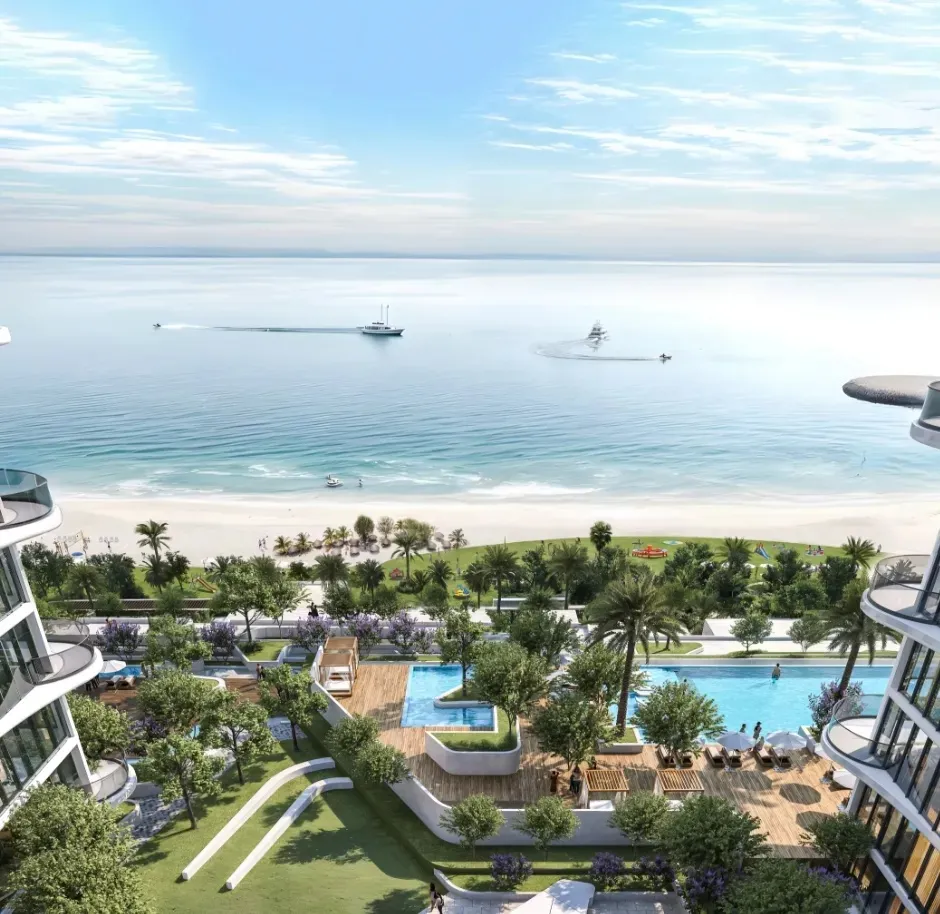
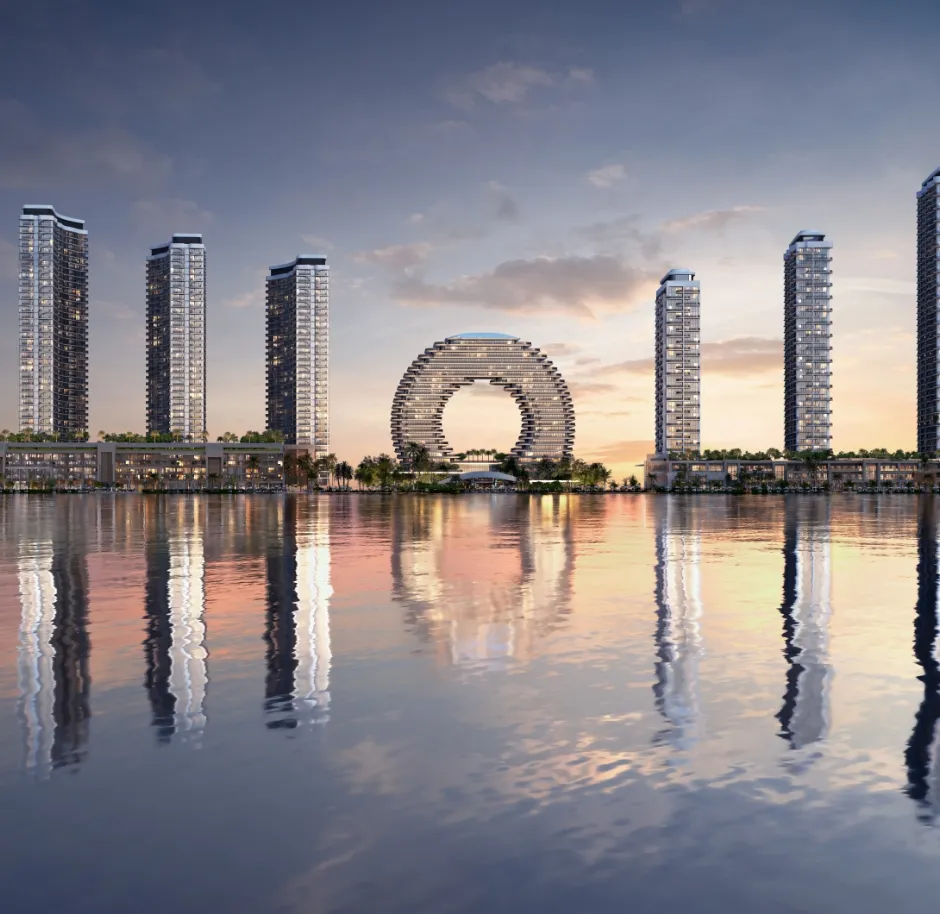
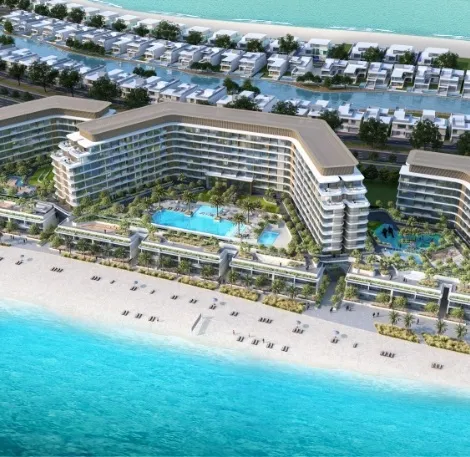
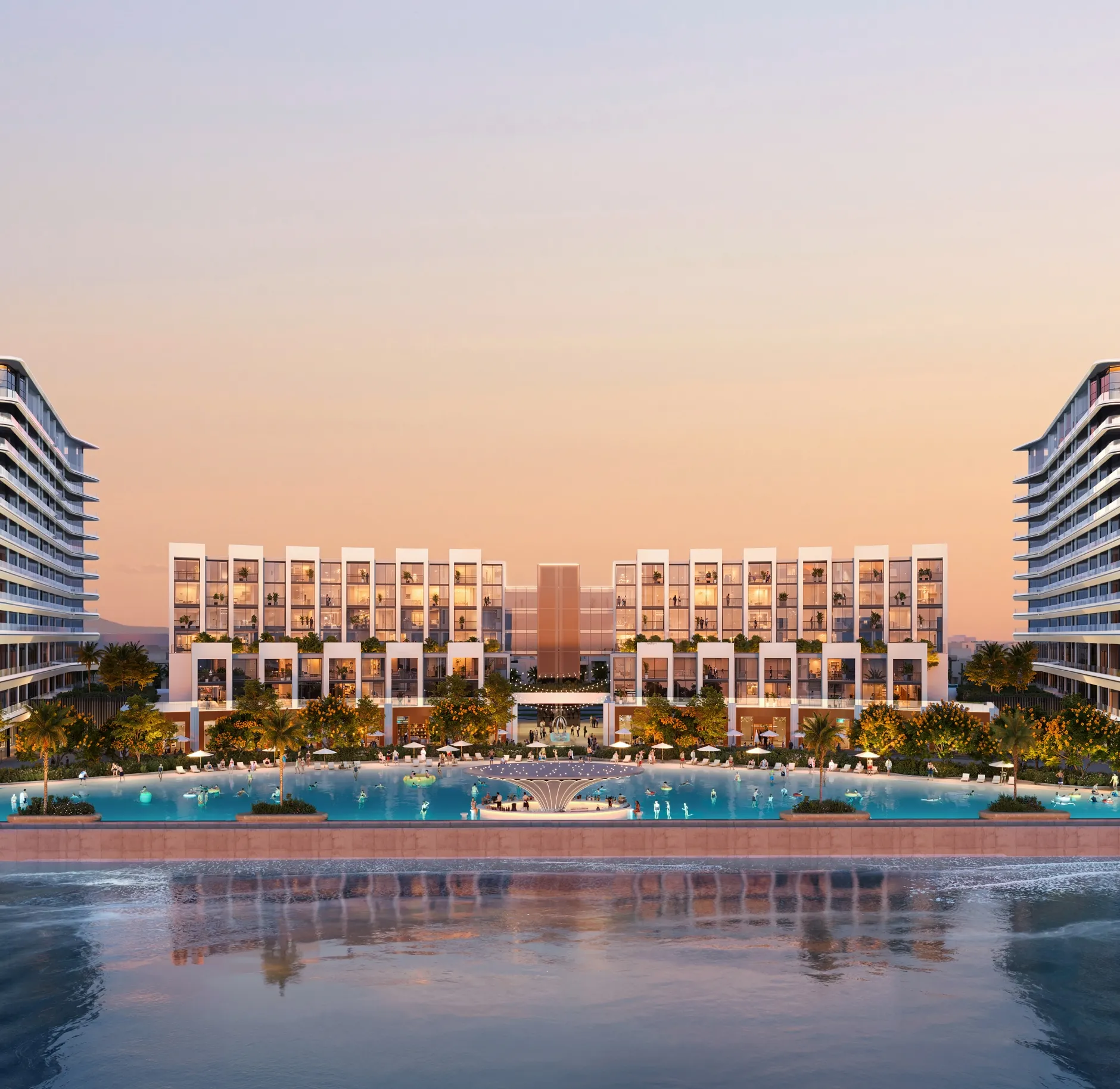
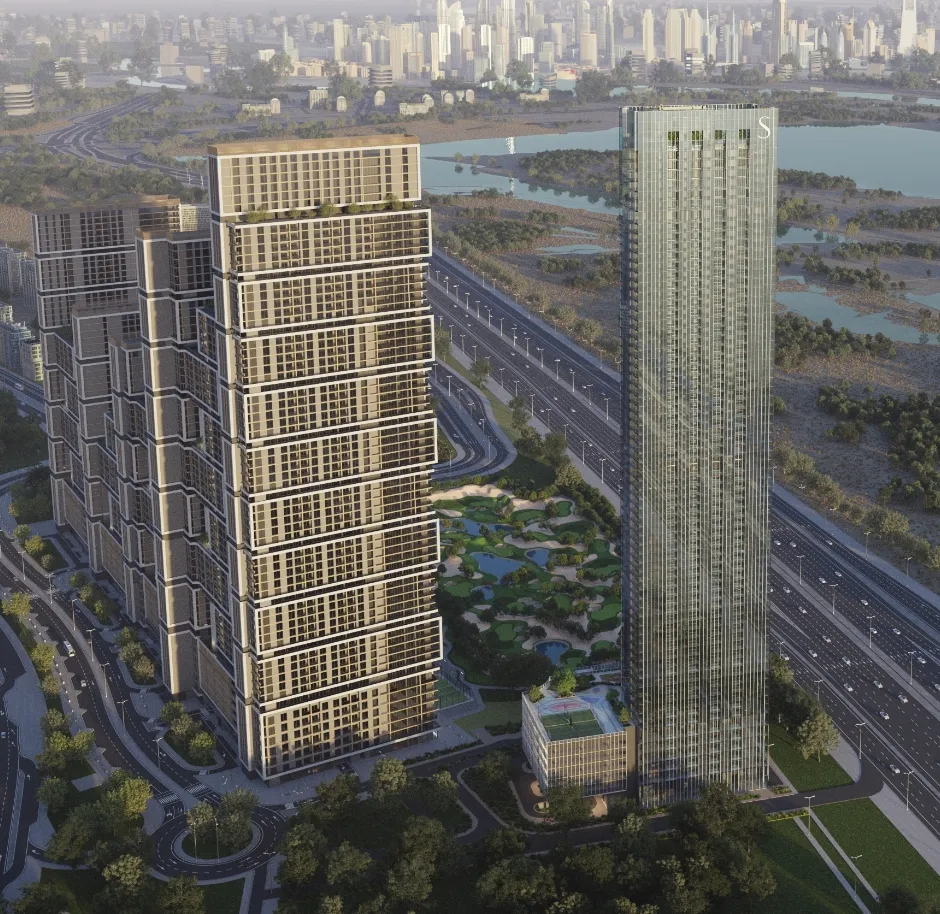
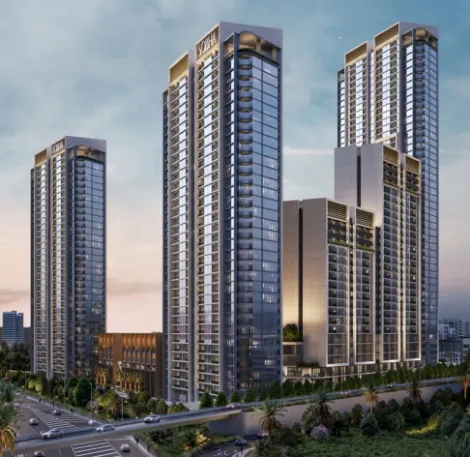
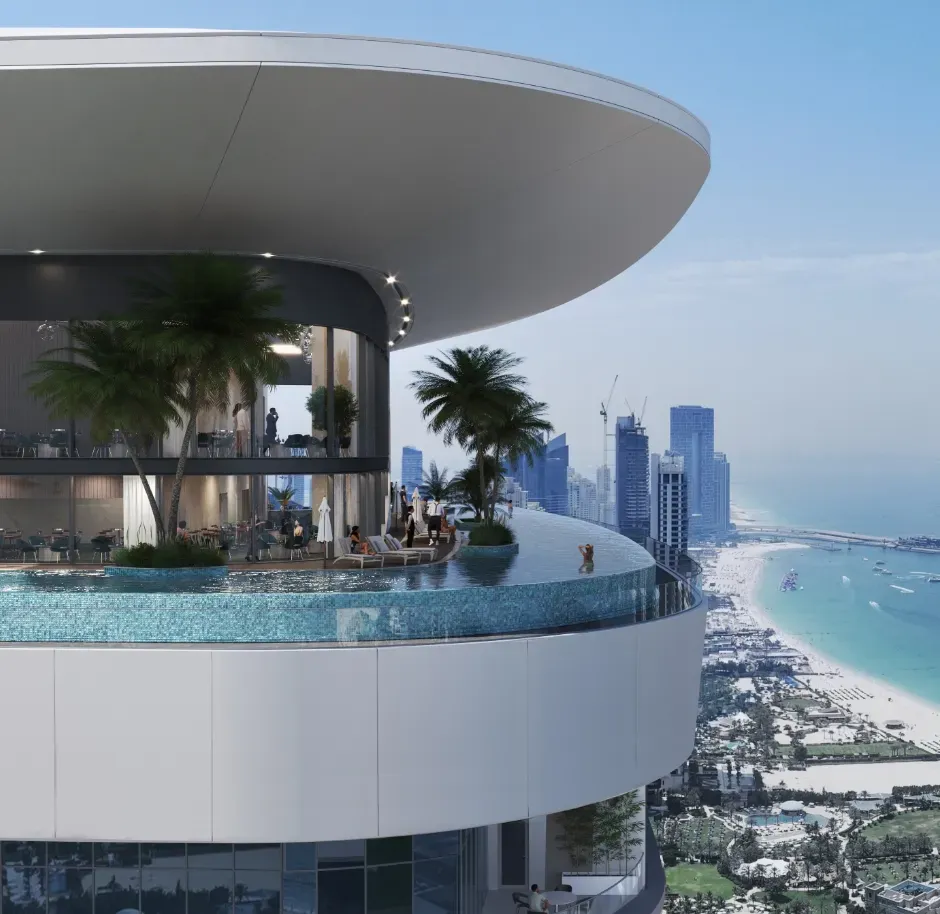
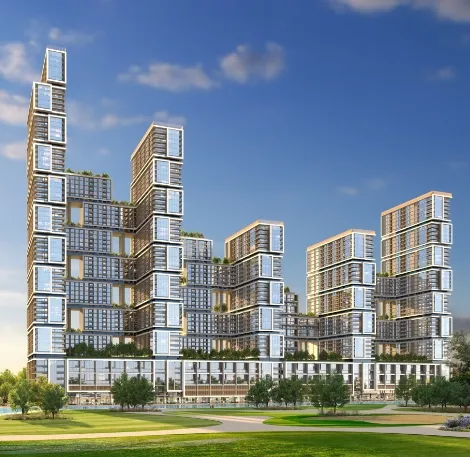
In Umm Al Quwain, Downtown UAQ | Sobha Realty and Sobha Siniya Island illustrate how two complementary urban environments can support this evolution. Downtown UAQ | Sobha Realty is envisioned as a mixed-used coastal destination where homes, retail streets, workplaces, hospitality, and public spaces are brought together within one integrated address.
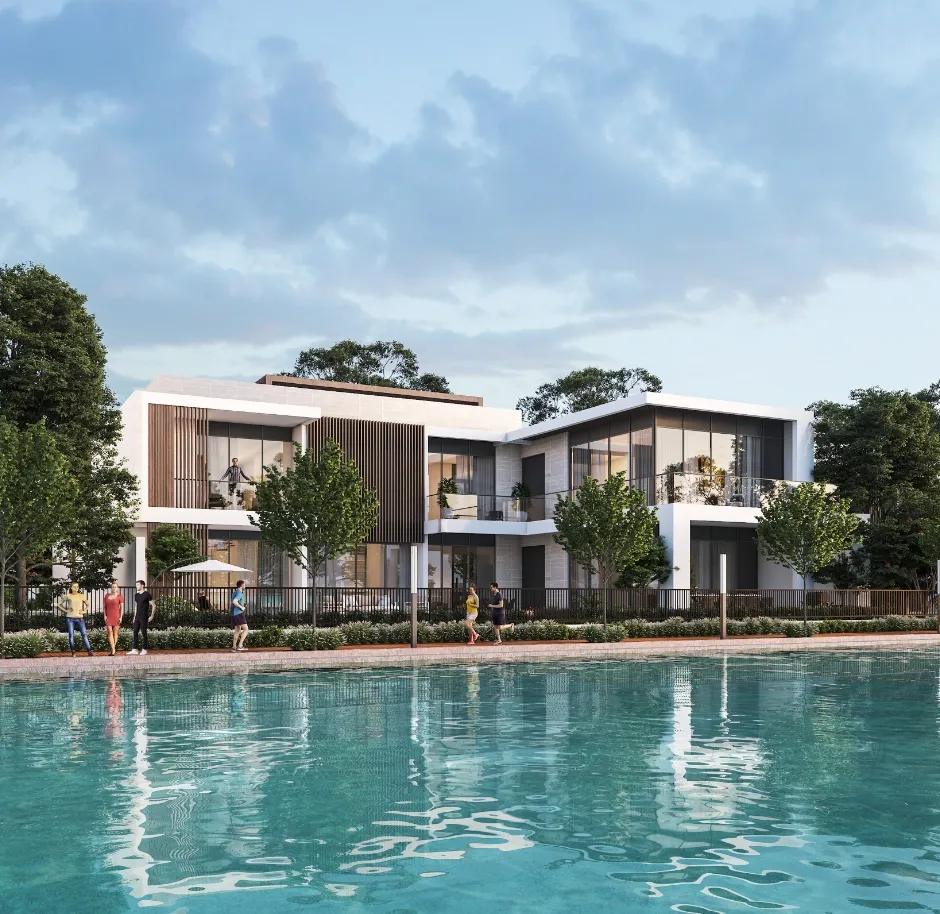
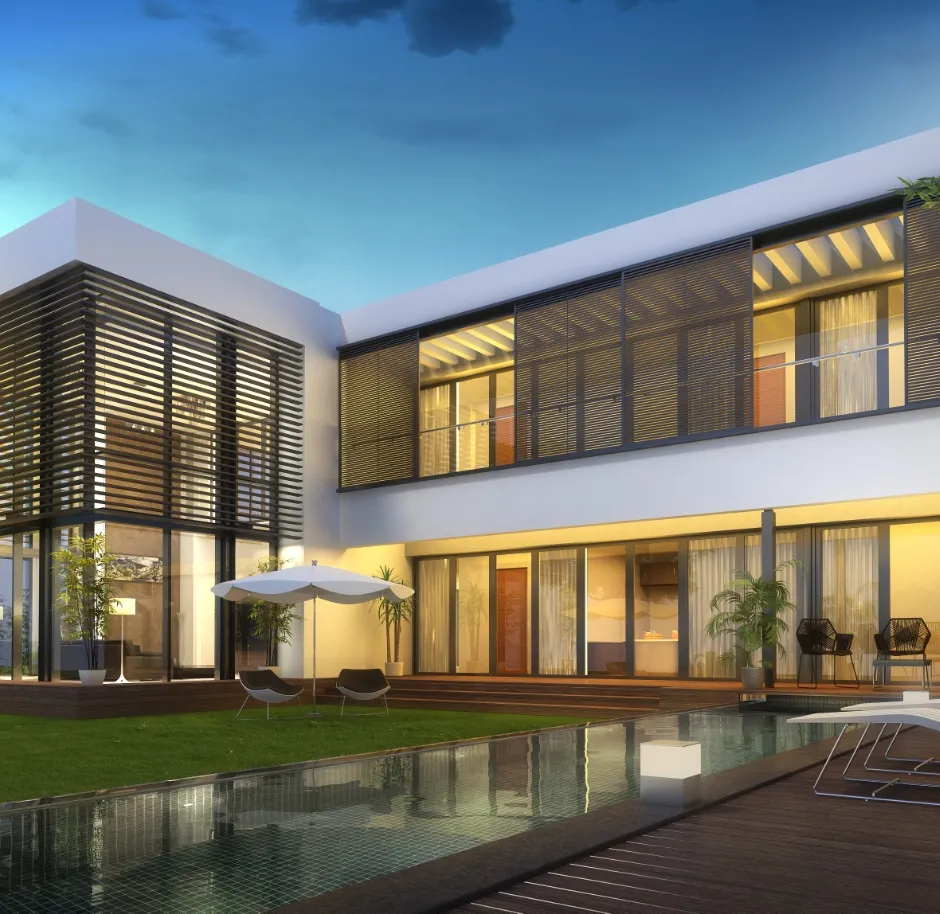
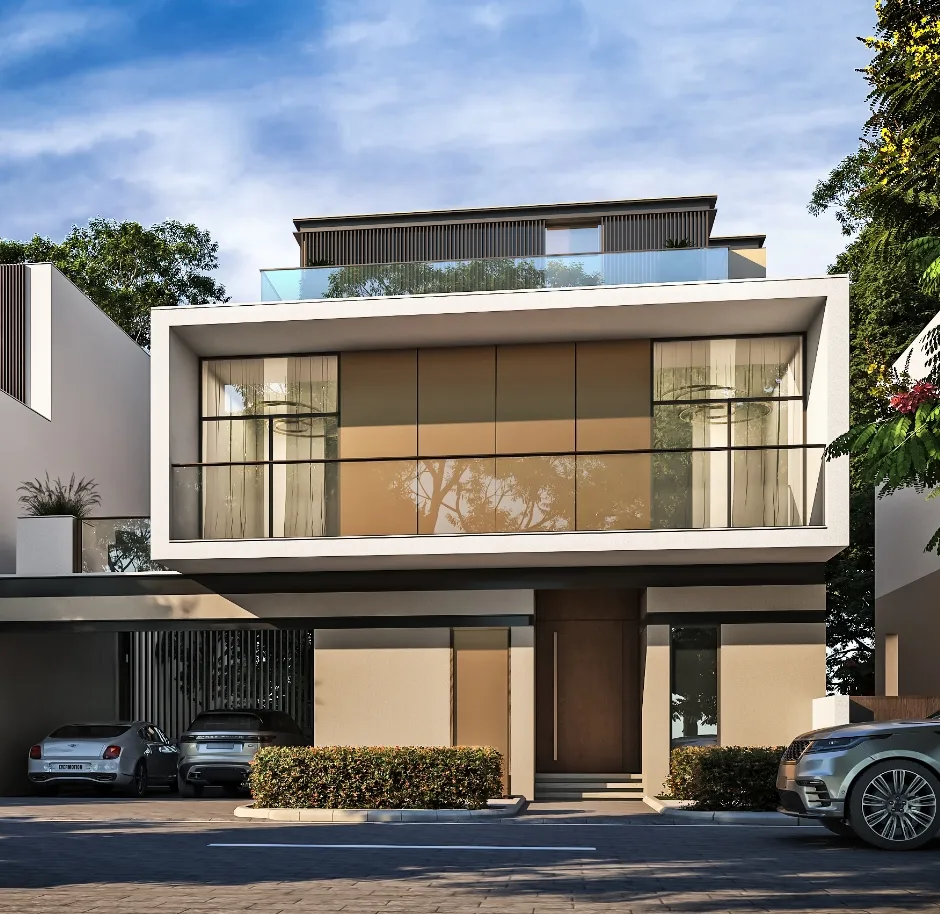
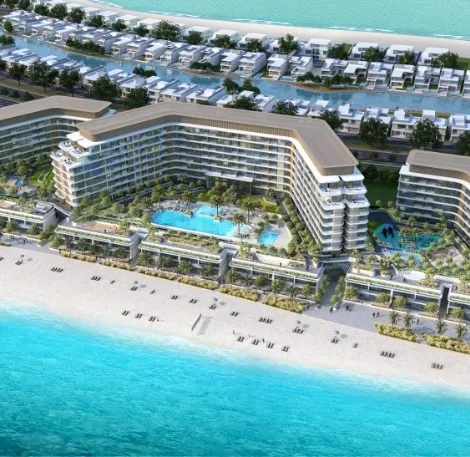
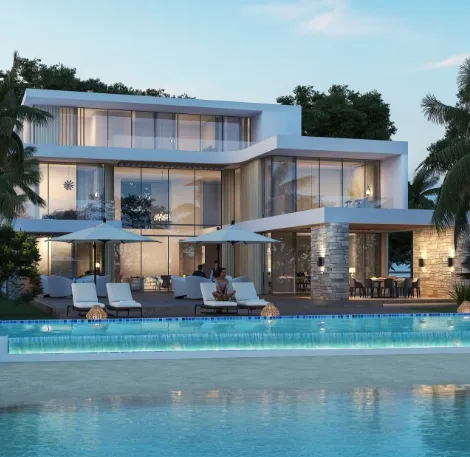
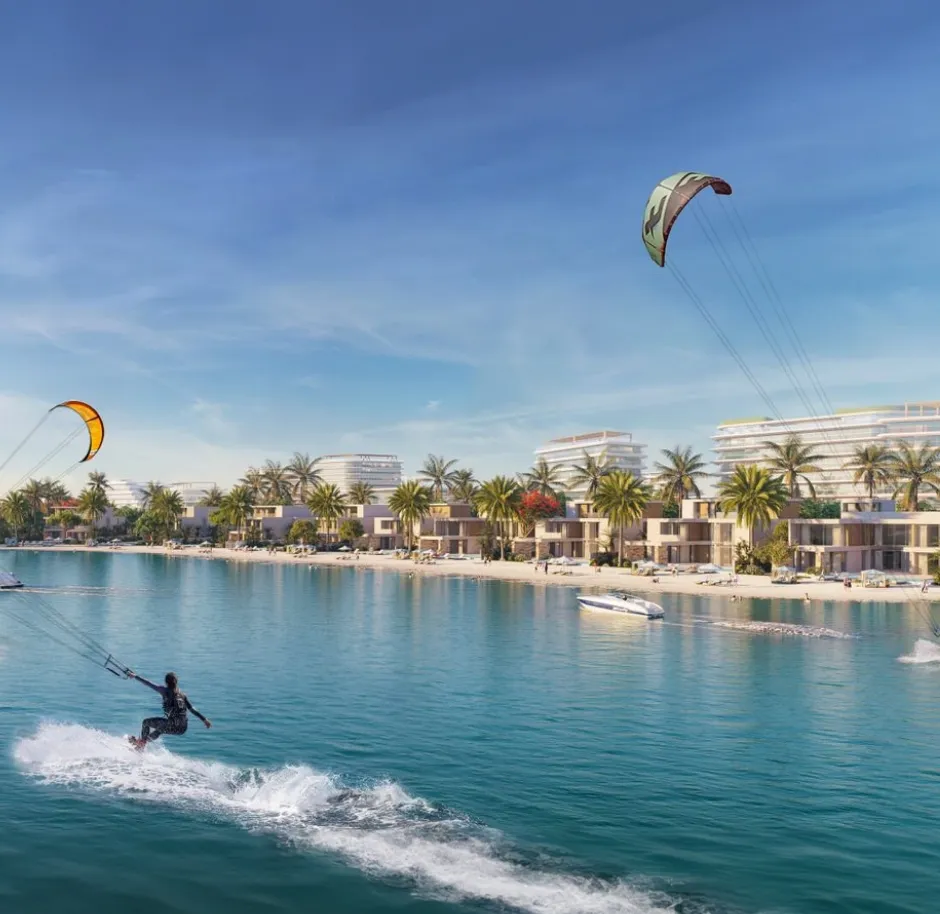
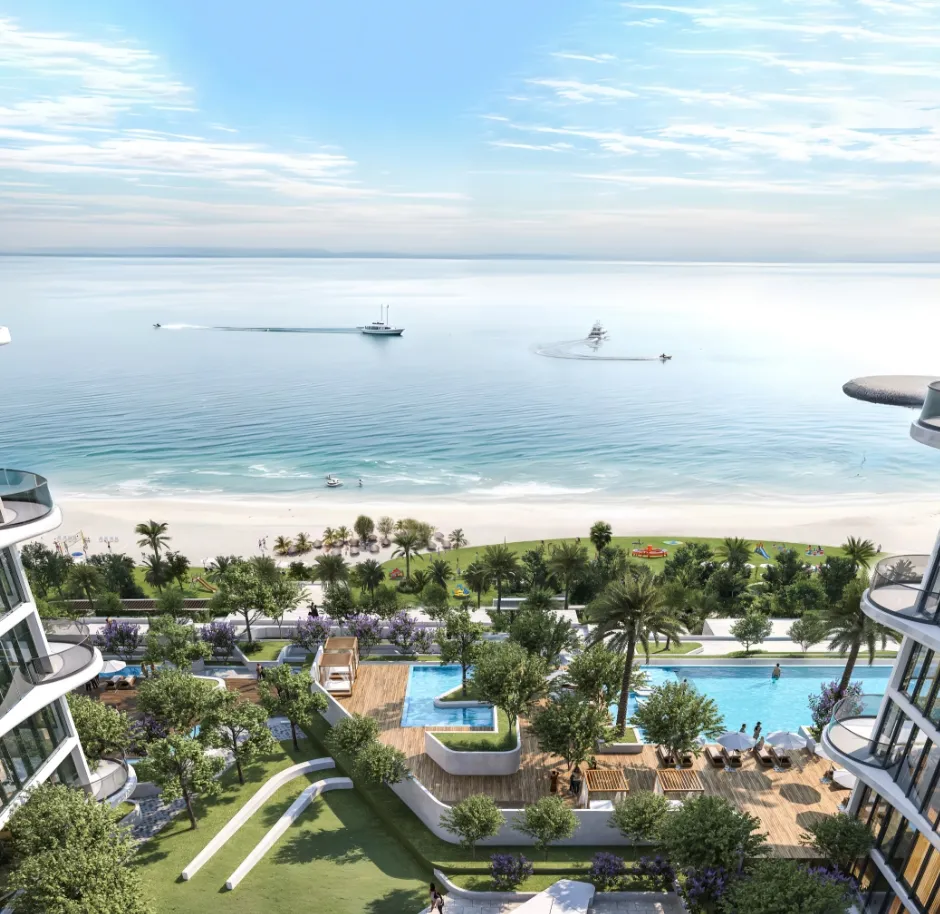
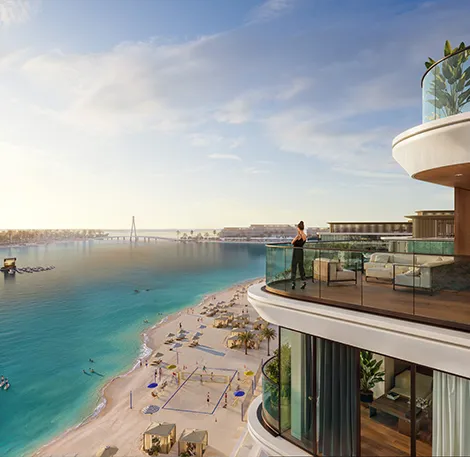
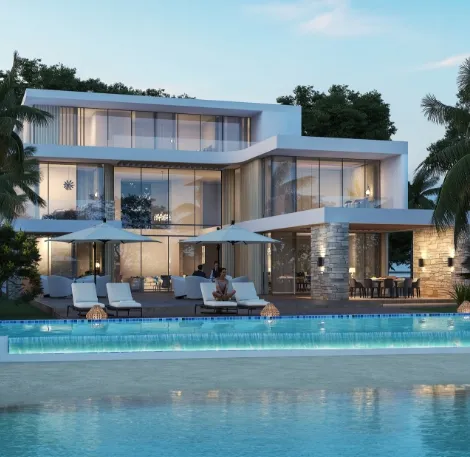
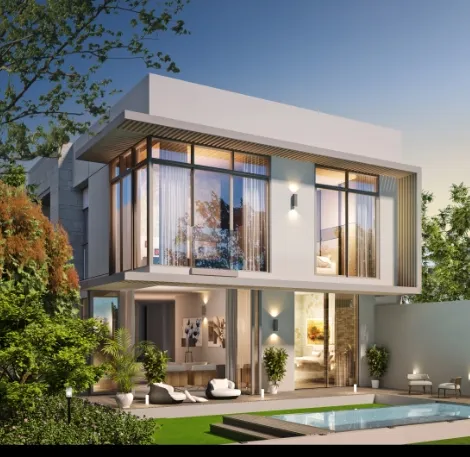
Sobha Siniya Island introduces a natural island sanctuary reimagined as a low-density master community, defined by seafront living, open landscapes, mangroves, beaches and a more elevated resort-style lifestyle. Its waterfront setting and open landscapes retain a strong relationship with the natural environment. Together, the two destinations point towards growth that balances vibrancy with tranquillity and connectivity with preservation.
Turning Planning Vision into Lasting Quality
An effective masterplan is only as strong as its execution. Streets, landscapes, buildings, and shared spaces must be delivered with consistency if the original planning intent is to endure.
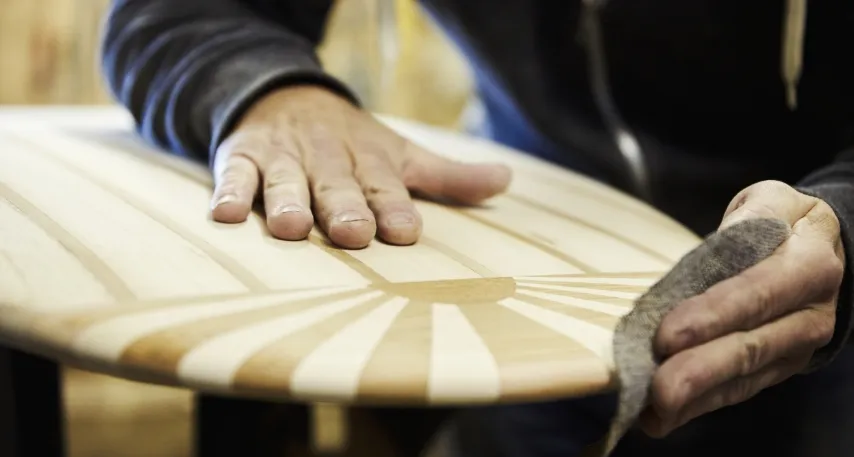
Sobha Realty's approach is guided by "The Art of Detail," a philosophy that considers how every decision contributes to the larger experience of a place. This is reinforced by its pioneering Backward Integration model, through which design, engineering, construction, and finishing are managed with direct oversight.
This control helps translate master-planned community principles into built environments with greater precision and consistency. Quality is therefore not limited to individual homes; it extends to how an entire community functions, connects, and performs over time.
Planning for Everyday Life
The next generation of UAE cities will be defined by more than scale or architectural impact. Their success will depend on how well they respond to people and place.
Through integrated mobility, accessible amenities, walkable communities, nature-led design, and carefully considered public spaces, urban planning in the UAE is creating communities that make everyday life more connected and balanced. As the UAE continues to grow, its most enduring cities will be those in which ambition is measured not only by what is built, but by the quality of life made possible.
Frequently Asked Questions
1. What is people-first urban planning?
People-first urban planning designs cities around residents' daily needs. It prioritises walkability, access to amenities, green spaces, mobility, safety, and social interaction rather than treating buildings and infrastructure as separate elements.
2. How does urban planning improve quality of life?
Thoughtful urban planning can shorten journeys, improve access to services, encourage active lifestyles, and create more opportunities for interaction and time in nature. Together, these elements support physical, mental, and social wellbeing.
3. How are Sobha Realty's communities responding to the future of urban living?
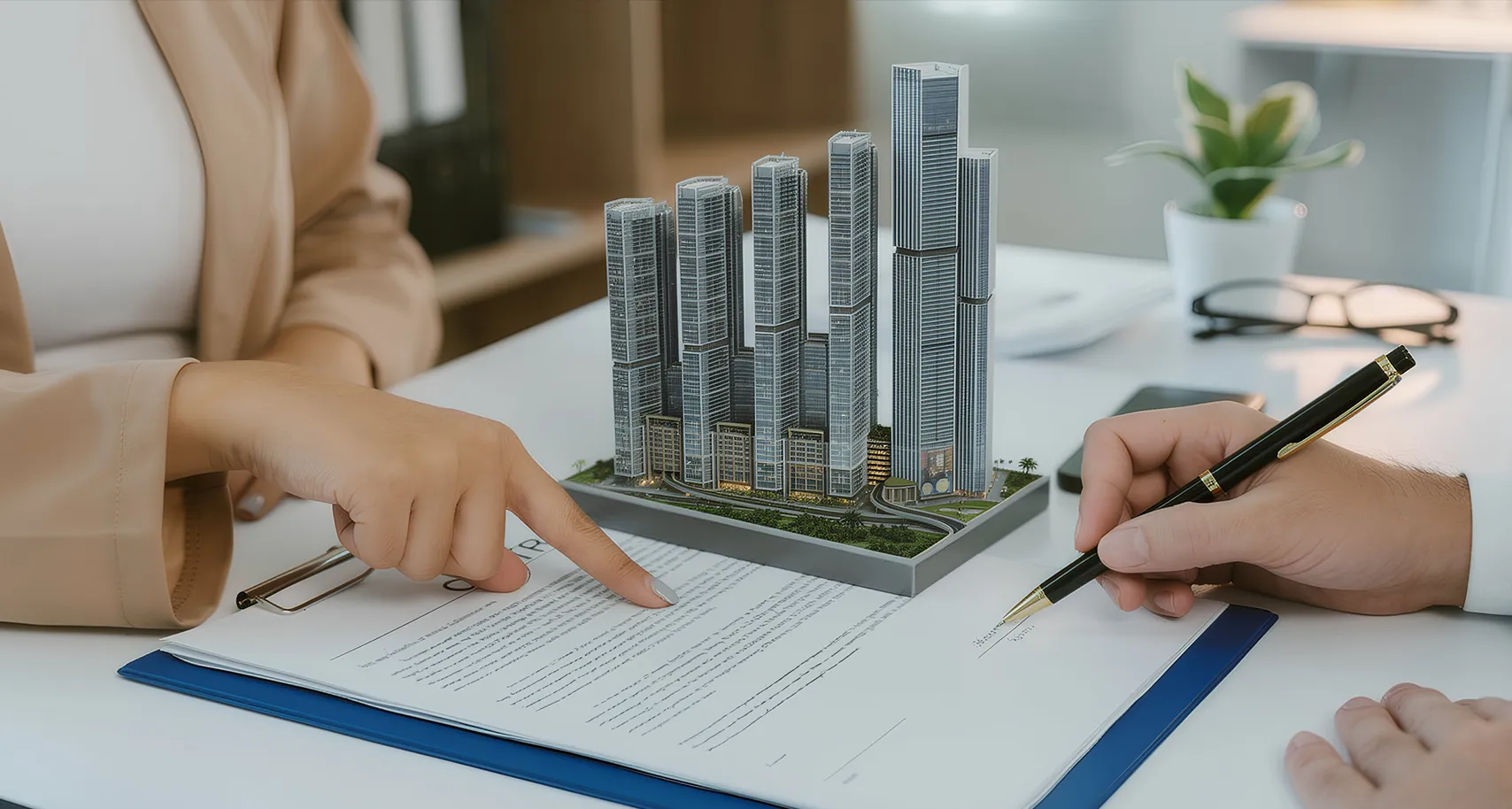
Sobha Realty develops integrated master-planned communities that combine homes with nature, mobility networks, amenities, and shared spaces. Sobha Sanctuary, Sobha City, Downtown UAQ | Sobha Realty, and Sobha Siniya Island each respond to their location while supporting connected, balanced living.
4. Why is Backward Integration important in master-planned communities?
Backward Integration provides greater oversight across design, engineering, construction, and finishing. This helps ensure that the principles established in a master-planned community are carried consistently into the completed development, supporting quality, consistency, and long-term community appeal.