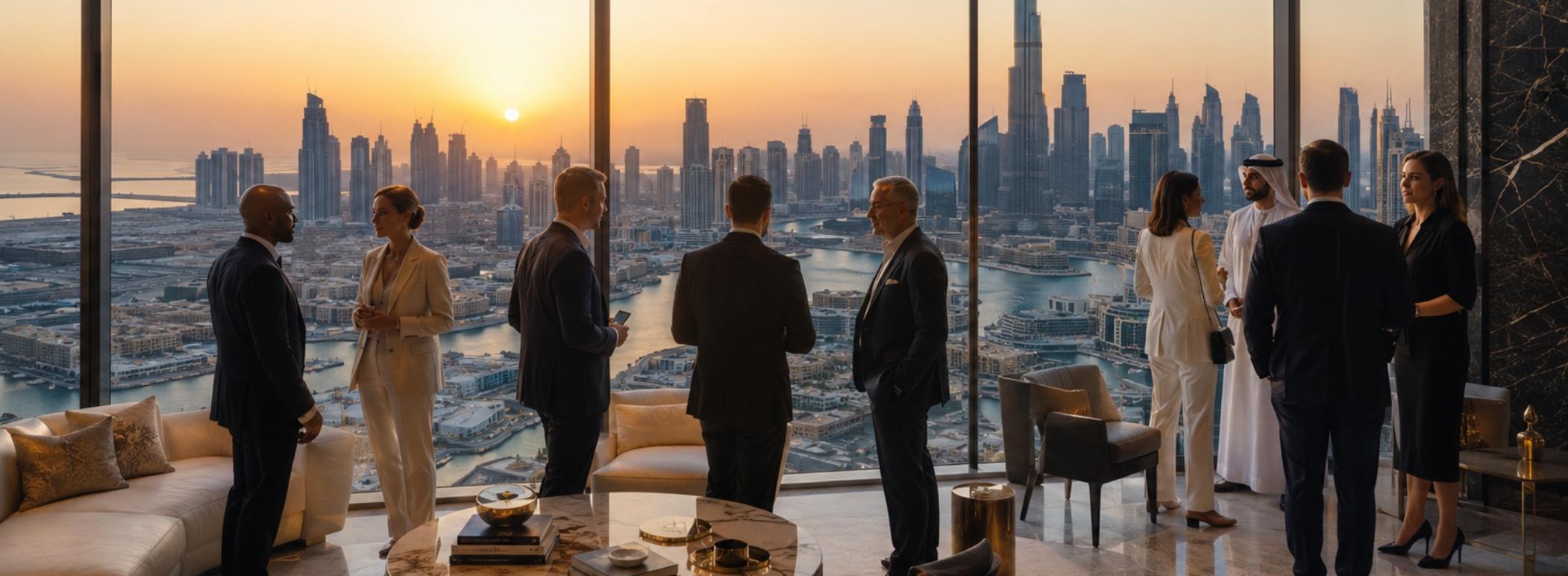
Dubai's residential market is entering a defining new chapter that industry analysts Knight Frank and Savills say is shaped not just by individual investors, but by institutional capital on a global scale.
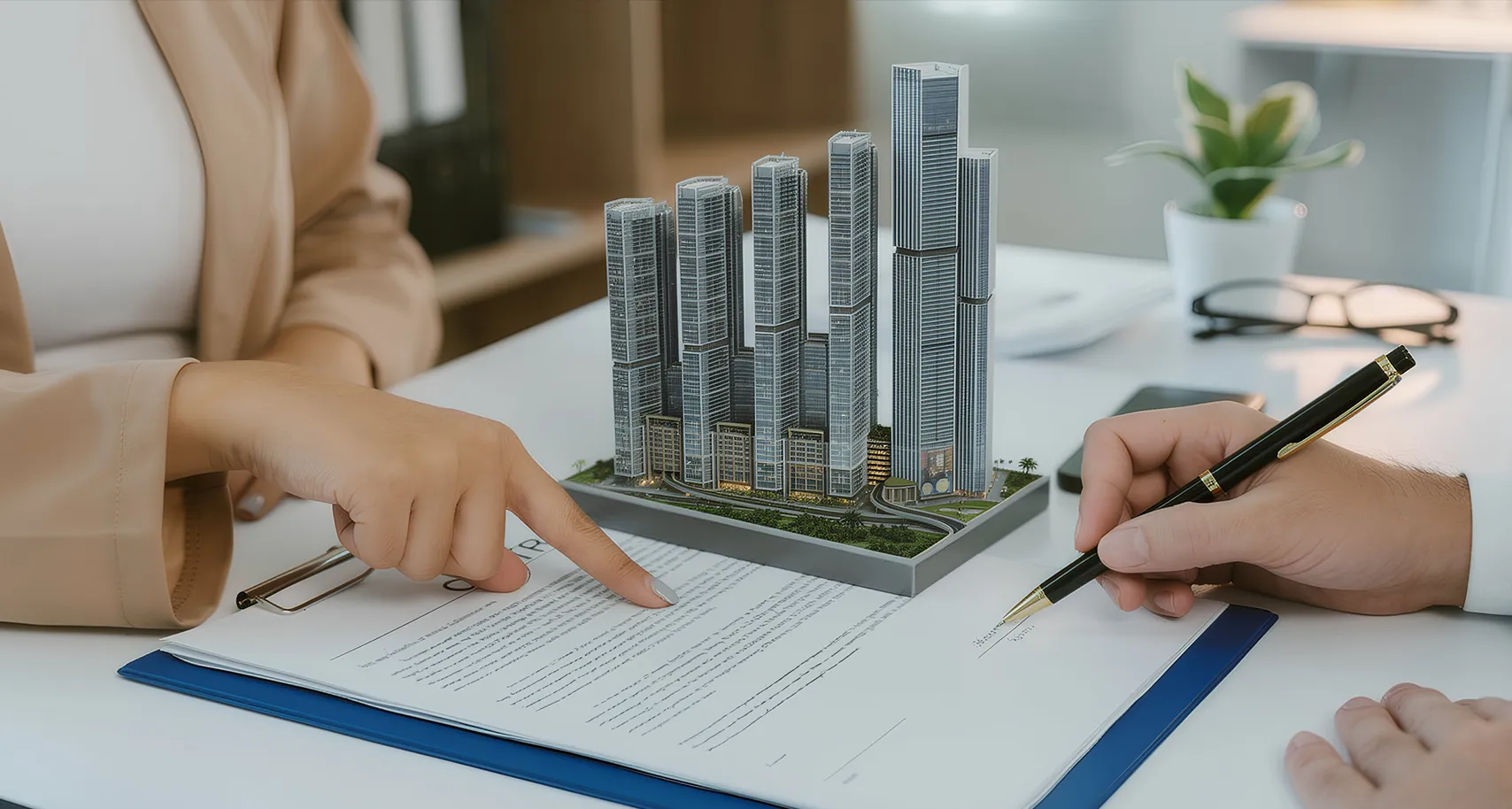
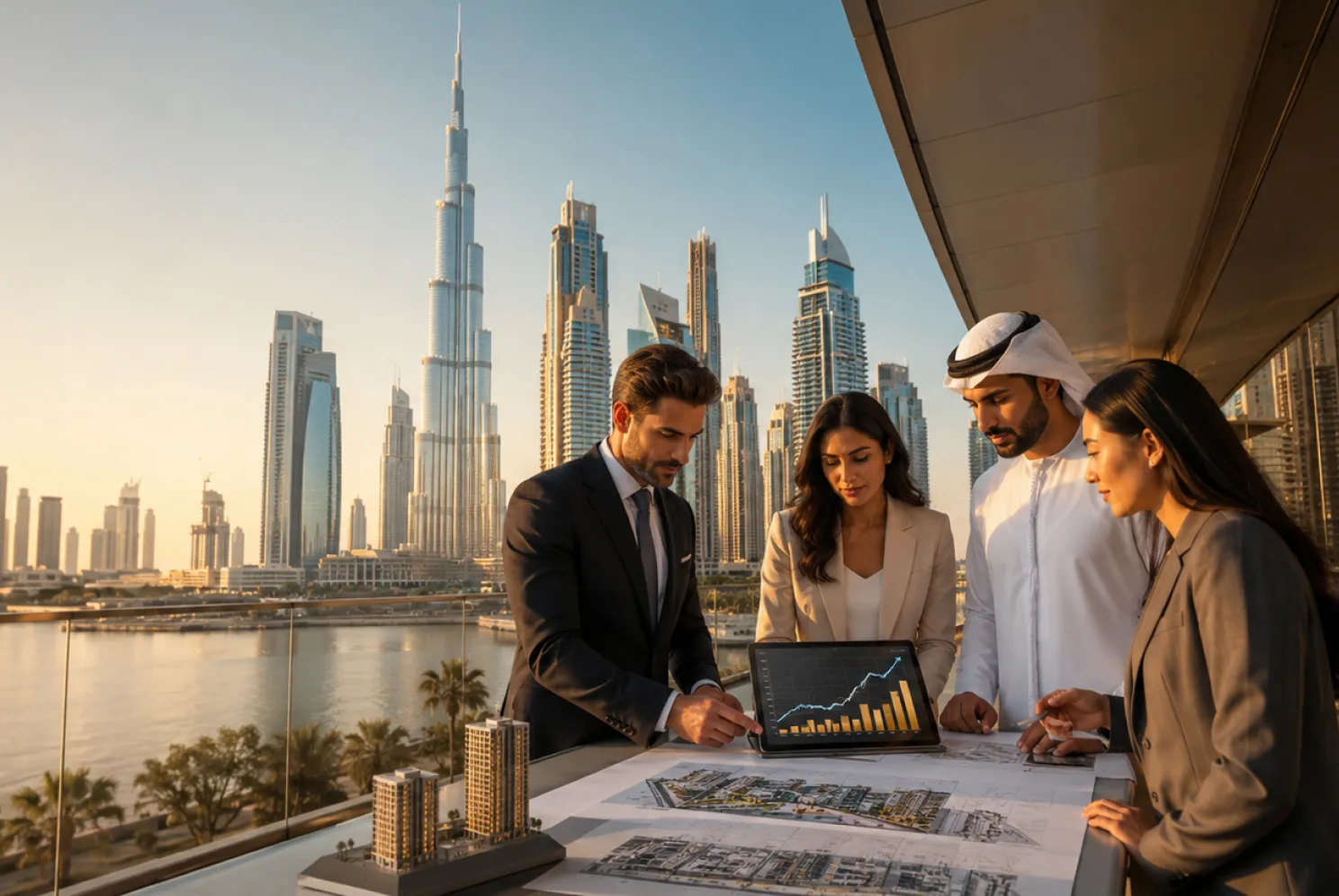
For years, Dubai's real estate sector has been primarily driven by private wealth, overseas buyers, and high-net-worth individuals seeking lifestyle opportunities and strong returns. However, a significant shift is underway. Major institutional investors and global private wealth funds are now actively entering the UAE market, signalling a new level of maturity and long-term confidence in Dubai real estate. Global investment firms are increasing their exposure to the market, helping transform Dubai into a globally recognised institutional real estate hub.
This evolution matters because institutional investors behave differently from speculative buyers. They deploy long-term capital, focus on stable asset performance, and invest based on macroeconomic fundamentals rather than short-term market cycles. Their presence is widely regarded as a major marker of confidence in the market's long-term resilience and is positioning Dubai among the world's most compelling real estate markets.
A Market Built on Long-Term Confidence
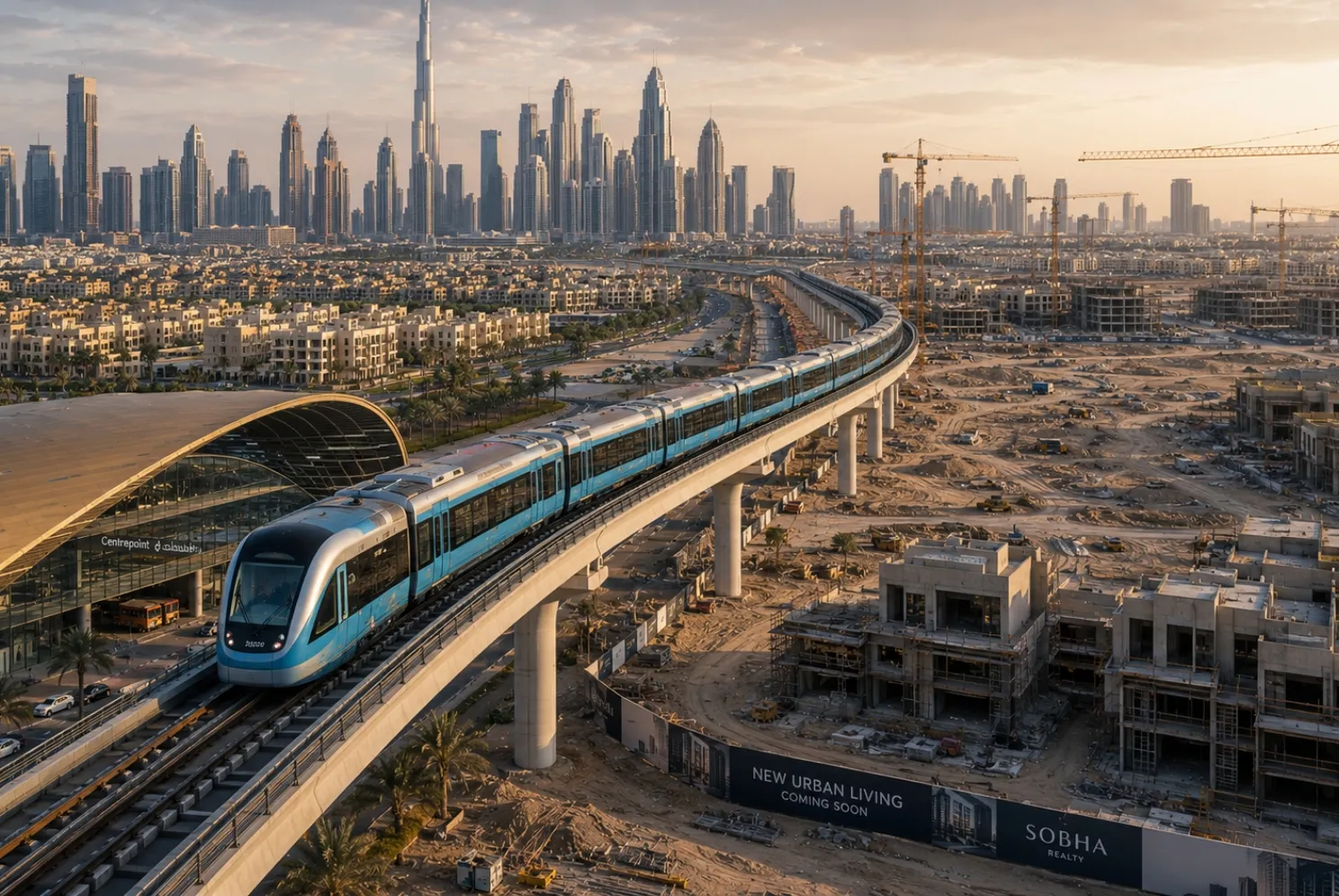
Dubai's appeal to institutional capital is rooted in structural advantages that continue to strengthen. The city offers political stability, tax efficiency, world-class infrastructure, strong population growth, and a highly diversified economy combined with investor-friendly regulations and exceptional global connectivity.
Knight Frank's Q1 2026 Dubai Residential Market Review shows that despite global uncertainty, Dubai recorded more than 45,000 residential transactions during the quarter, with transaction values reaching AED 137.3 billion — a 19.4% year-on-year increase. Meanwhile, Savills notes that the market is transitioning into a more mature phase, characterised by resilient fundamentals and increasingly deliberate investor behaviour.
This shift towards maturity is precisely what institutional investors seek. Rather than chasing rapid speculative gains, global funds are focusing on markets with long-term demand drivers, strong governance, and sustainable growth trajectories. Dubai is increasingly meeting all of these criteria.
Why Institutional Capital Is Reshaping Dubai's Property Market
One of the most important developments within the Dubai property market is the growing presence of institutional capital.
Unlike traditional speculative investors, institutional buyers often have significantly longer investment horizons. Their decisions are based on demographic growth, infrastructure investment, regulatory transparency, and long-term economic performance. For Dubai, this trend is significant.
Institutional investors bring:
- Long-term capital commitments
- Greater market stability
- Enhanced liquidity
- Increased international credibility
- Stronger focus on sustainable growth
As global pension funds, private equity firms, family offices, and sovereign wealth investors continue to allocate capital to Dubai real estate, the market's evolution towards maturity becomes increasingly evident.
This shift is helping position Dubai as a destination not only for individual investors but also for global capital seeking long-term value preservation and growth.
Europeans Continue to Dominate the Luxury Segment
Alongside institutional capital, international private wealth continues to flow into Dubai, particularly from Europe.
Knight Frank reports that Europeans account for 58% of all transactions above US$10 million in Dubai's luxury residential segment, making them the dominant demographic within the ultra-prime market. High-net-worth individuals from the United Kingdom, France, Germany, Switzerland, and Italy are increasingly relocating wealth and establishing deeper residential roots in Dubai.
This migration is being driven by a combination of factors including tax efficiency, lifestyle quality, safety and security, business flexibility, and access to premium waterfront and branded residences. In several European markets, changing tax policies and economic uncertainty have further accelerated interest in Dubai as a long-term destination.
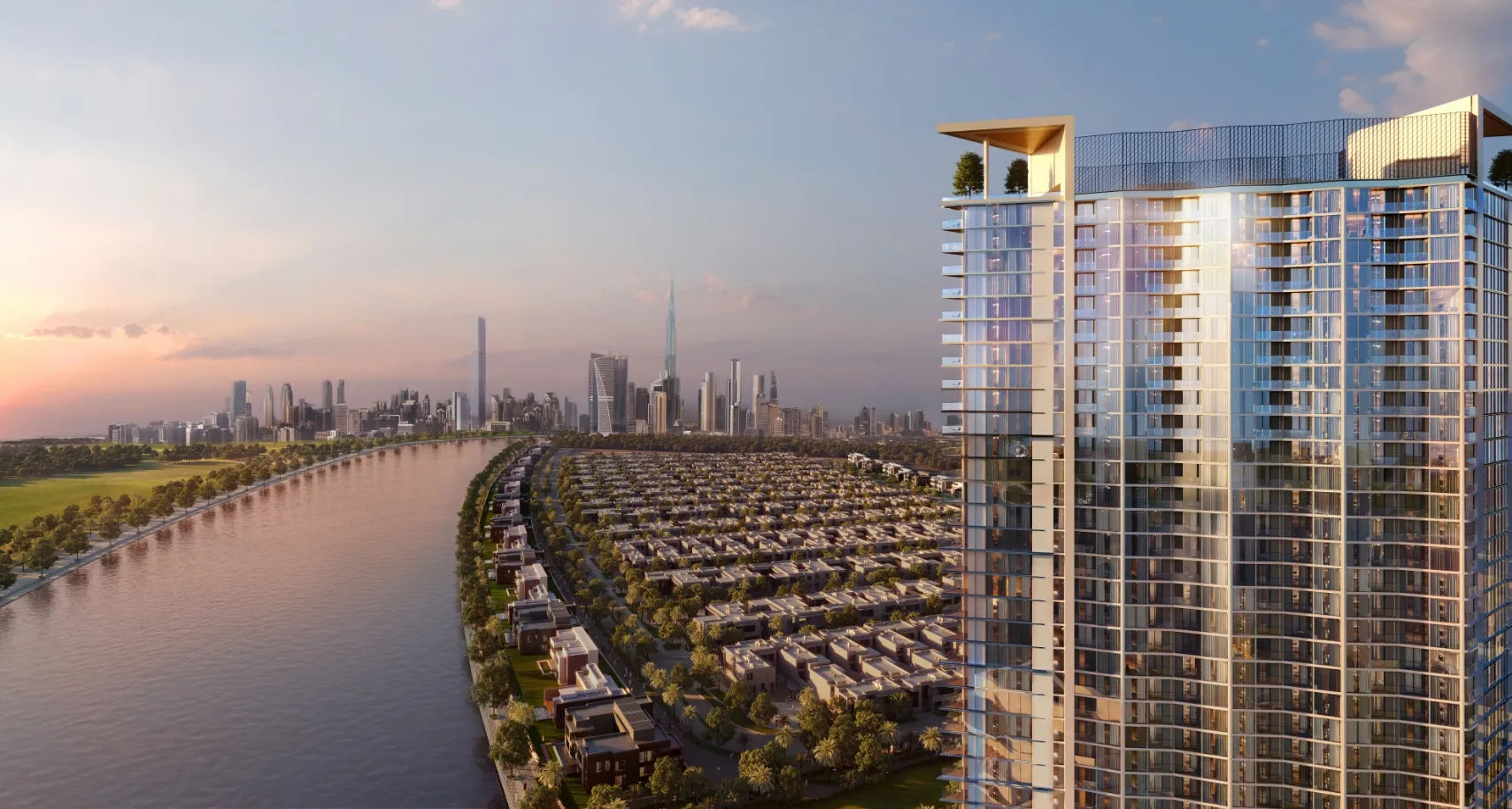
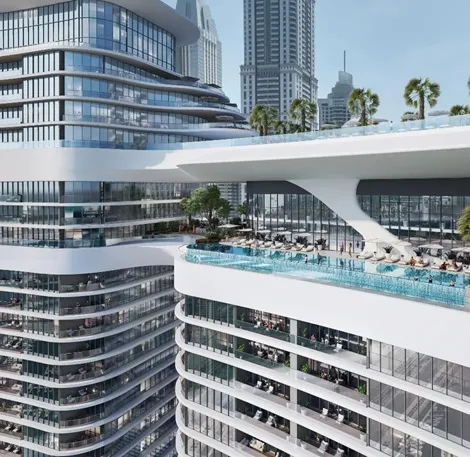
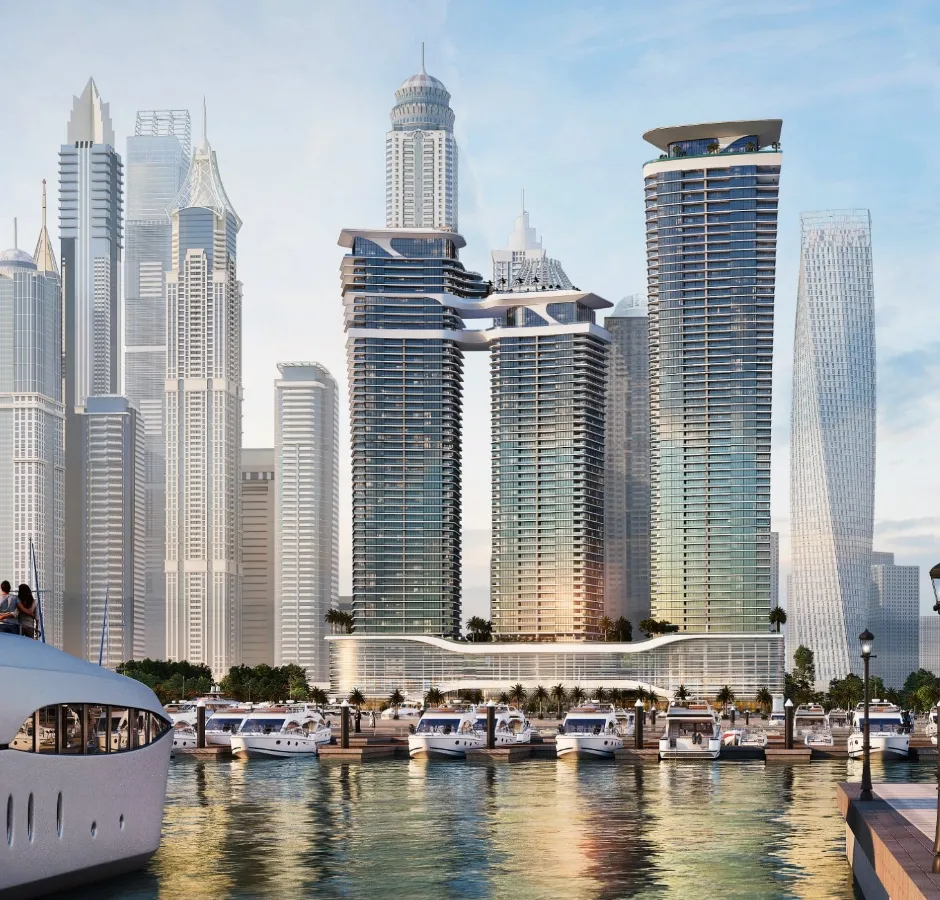
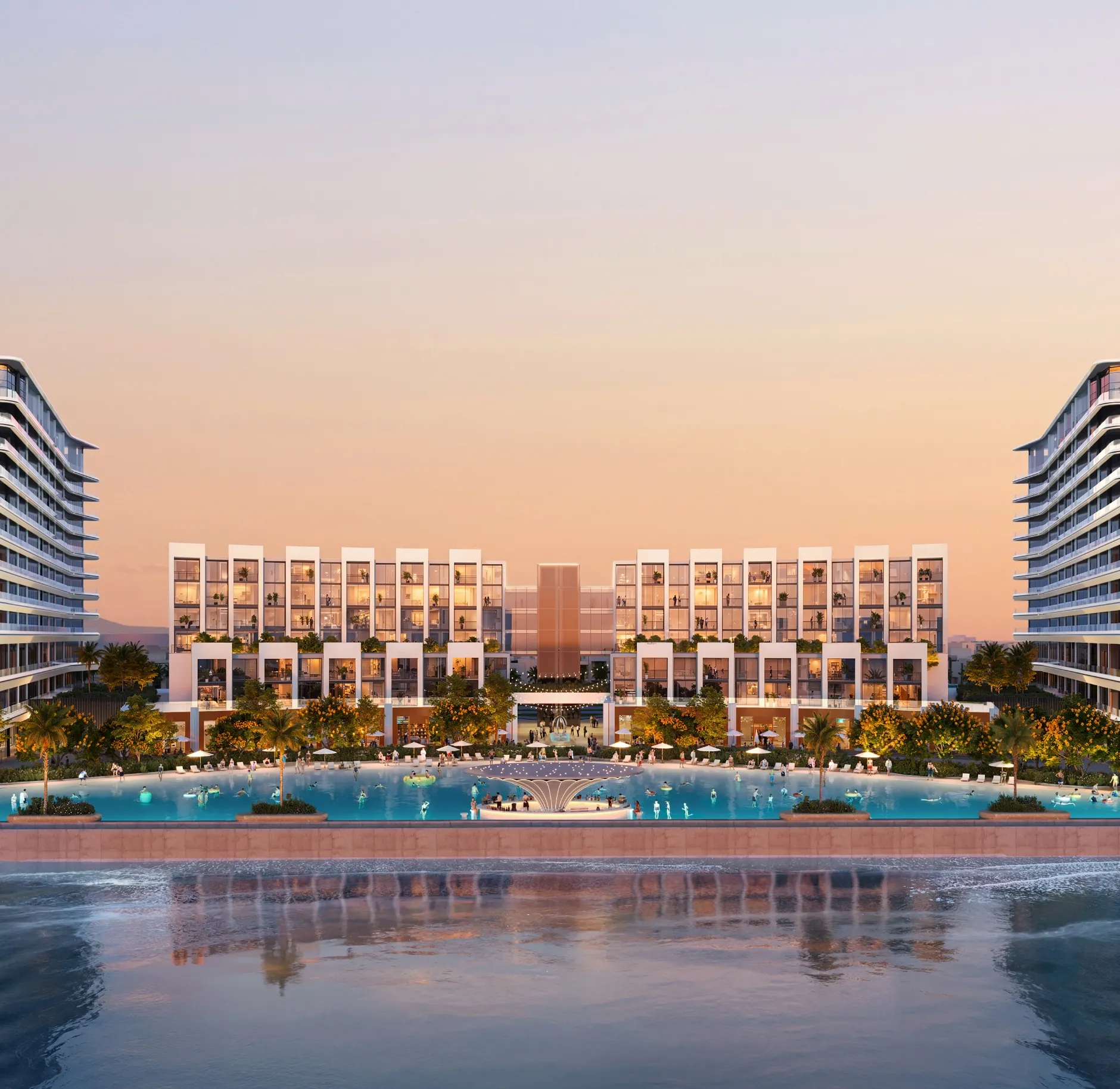
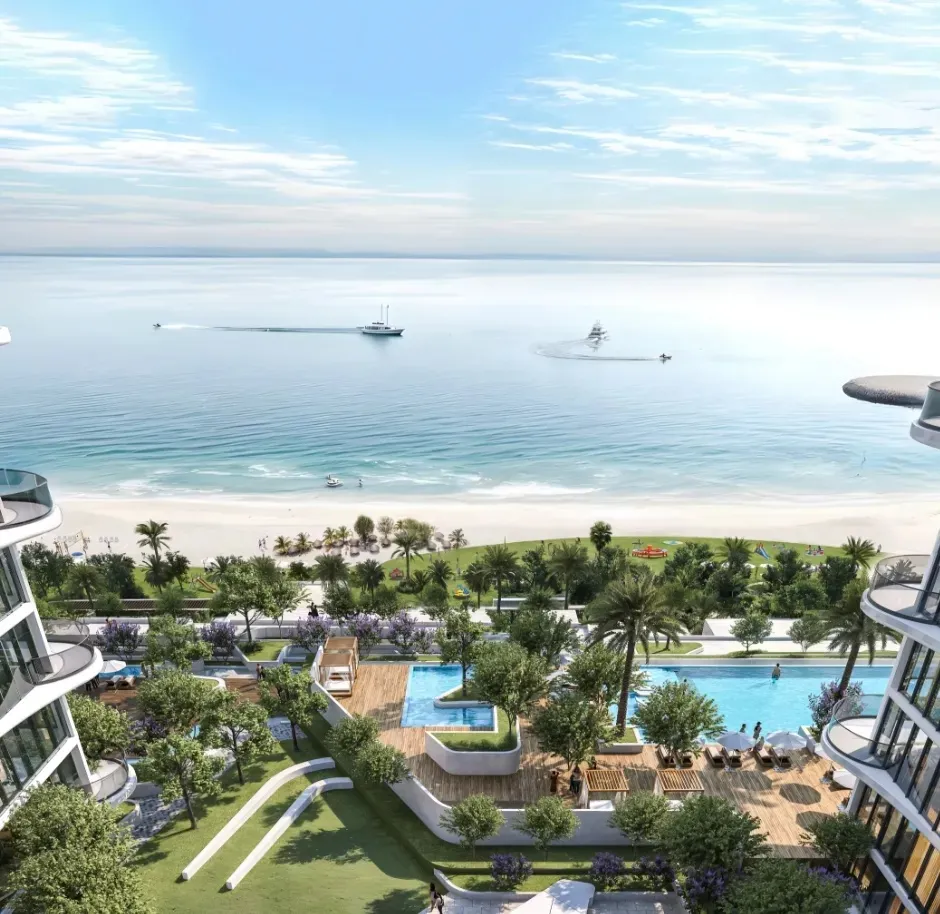
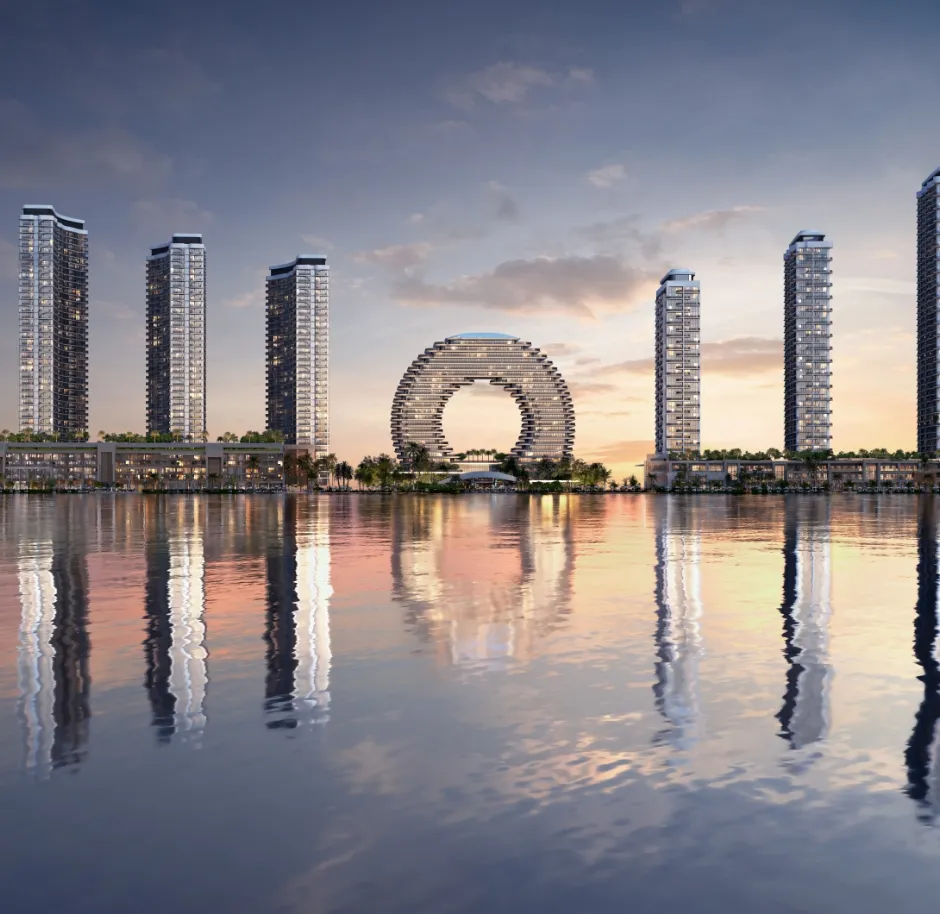
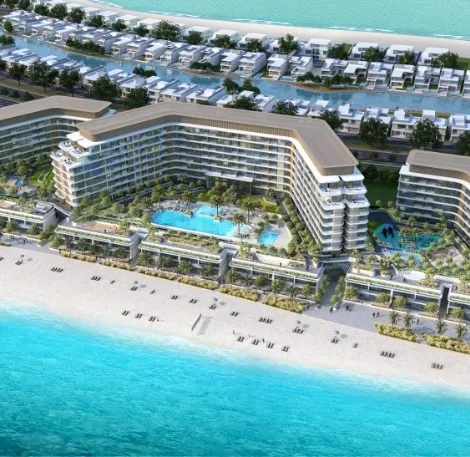
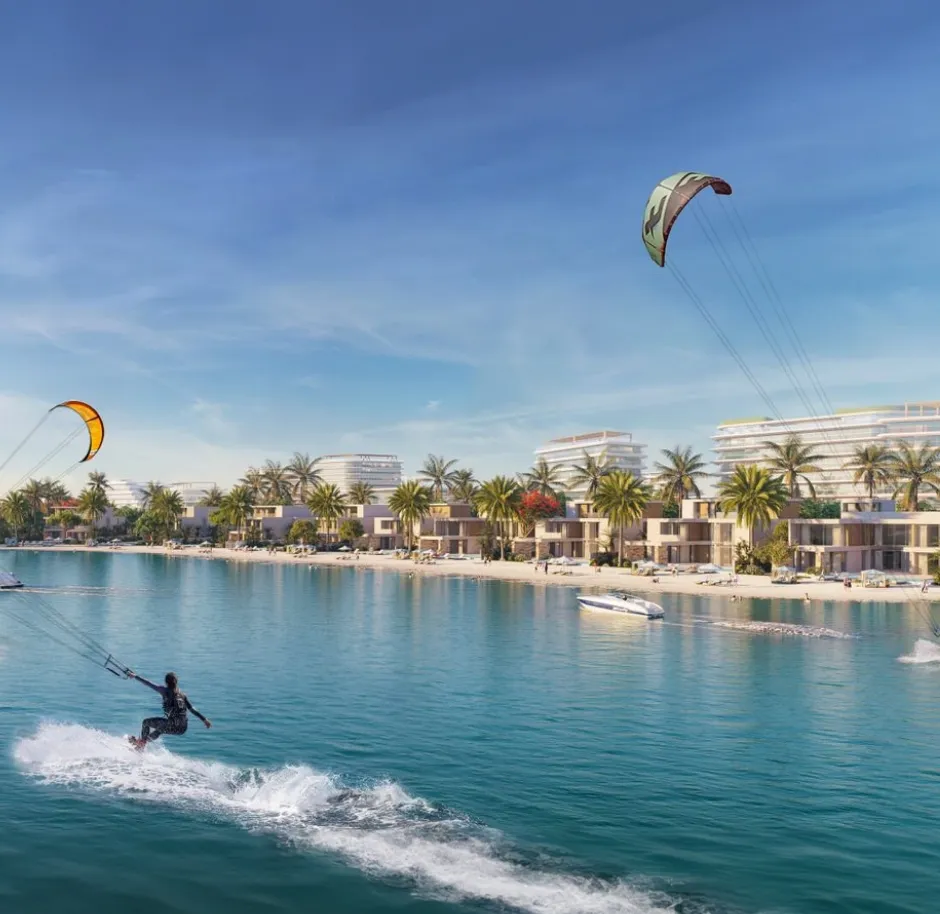
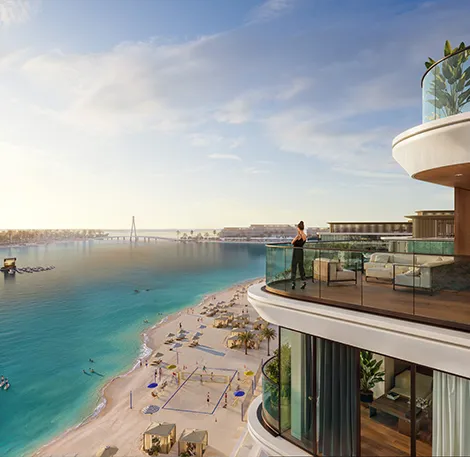
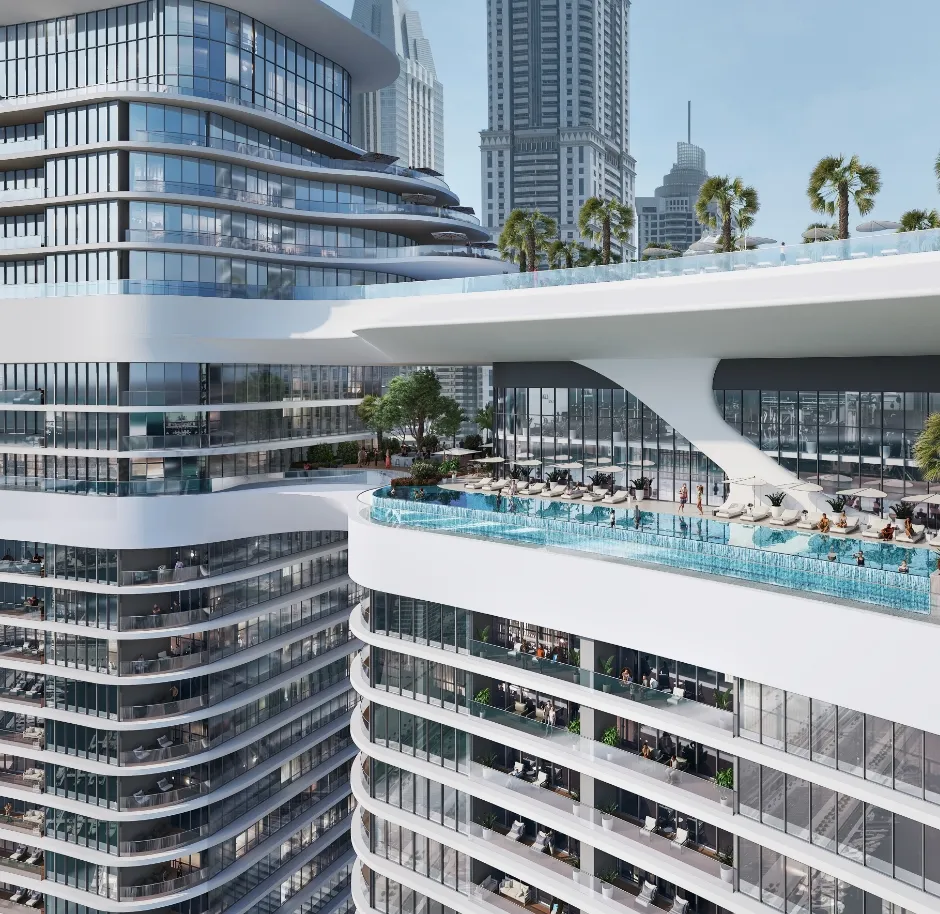
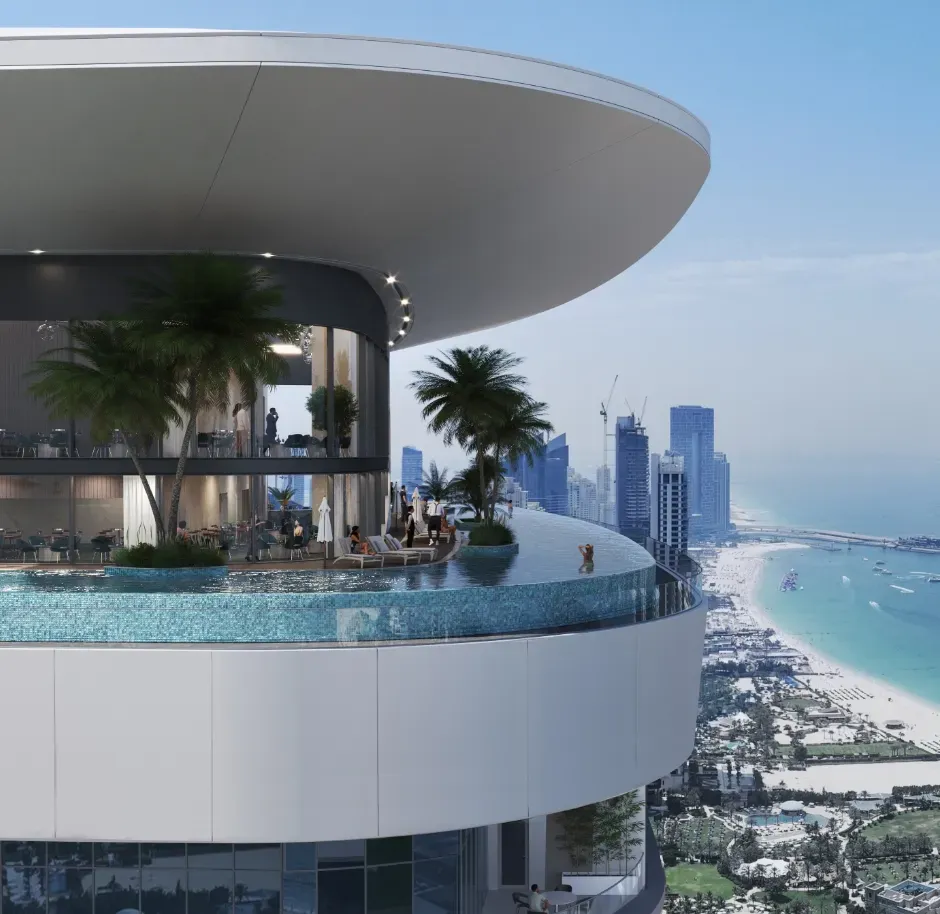
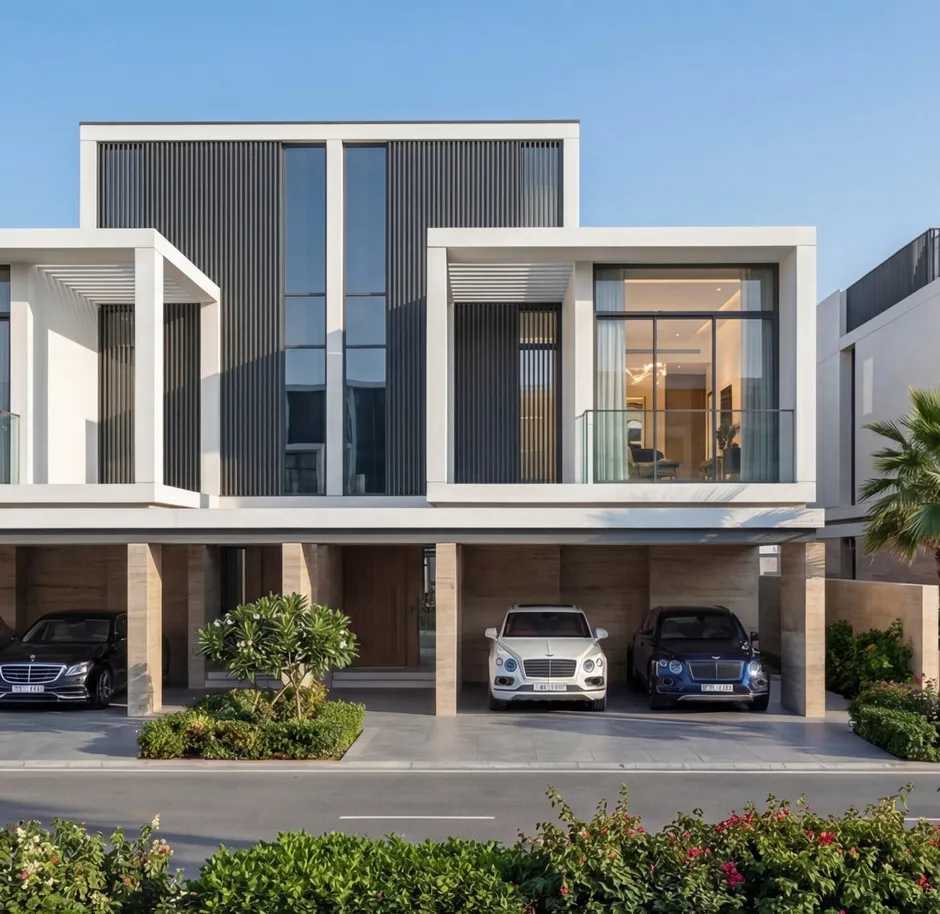
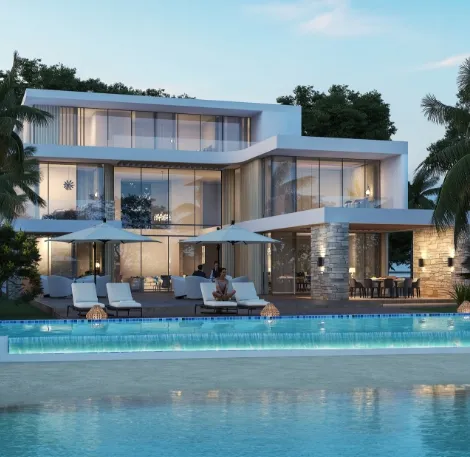
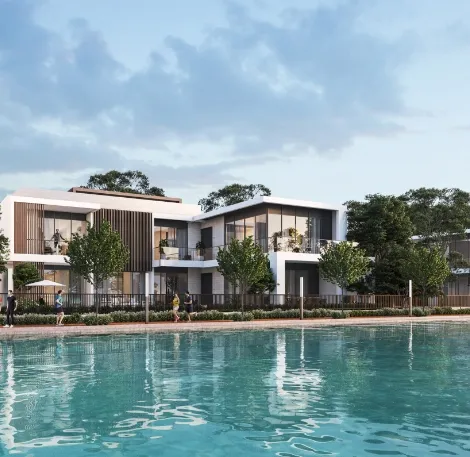
Importantly, these buyers no longer view Dubai as a temporary investment opportunity. Many are purchasing homes as primary residences or long-term family assets, reinforcing market stability and supporting demand across premium communities. Waterfront master-planned developments continue to attract strong interest from affluent European buyers seeking exclusivity, wellness-focused living, and integrated community environments.
Asian and Regional Investors Remain Deeply Active
Asian buyers remain another major force shaping Dubai's residential market.
According to Knight Frank, Asian investors represent 23% of prime transactions above US$10 million, making them the second-largest buyer cohort in Dubai's luxury sector. Investors from India, China, Singapore, and Hong Kong increasingly view Dubai as a strategic gateway city that combines international business access with attractive yields and long-term capital appreciation.
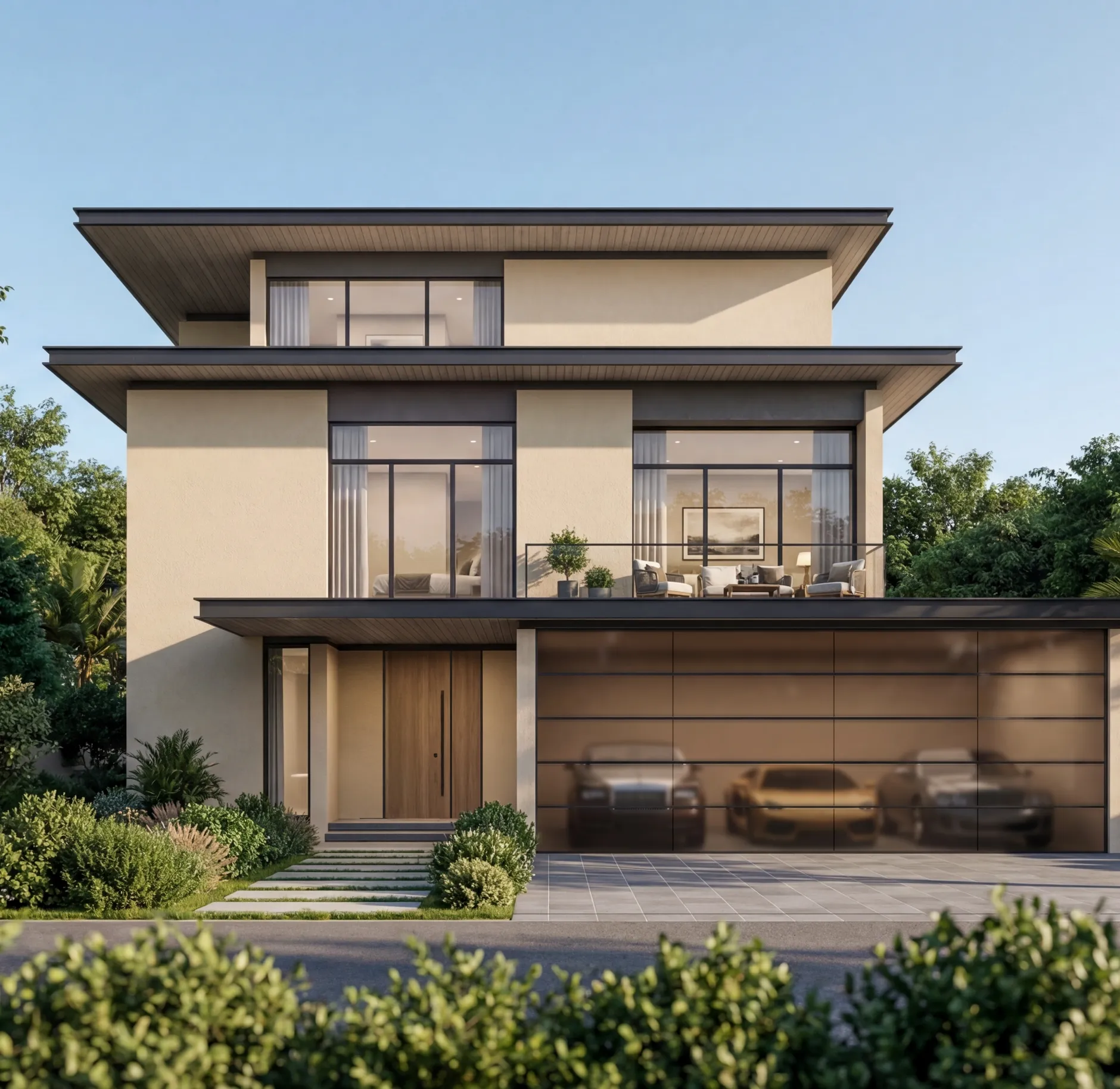
Indian investors continue to play a significant role across both mainstream and luxury residential markets, supported by long-standing commercial and cultural ties with the UAE. Meanwhile, regional buyers from Saudi Arabia and across the GCC remain highly active, particularly within villa communities and family-oriented developments that offer privacy, security, and lifestyle amenities.
The continued participation of these diverse investor groups reinforces Dubai's position as a truly global property market.
Lifestyle Is Replacing Speculation
Perhaps the most important transformation in Dubai's market is not who is buying, but why they are buying.
Both Knight Frank and Savills point to a shift away from speculative trading and toward lifestyle-led purchasing decisions. Investor sentiment increasingly indicates that the market is supported by genuine end-user demand rather than short-term speculation, with buyers prioritising certainty, quality, location, and long-term liveability.
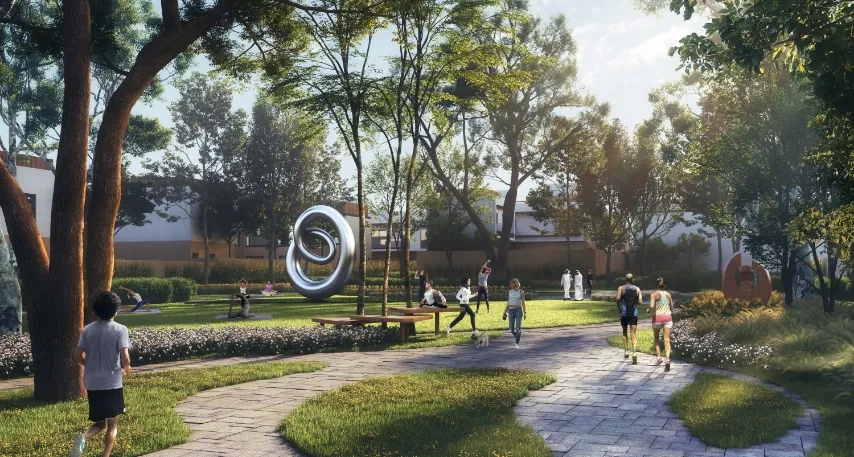
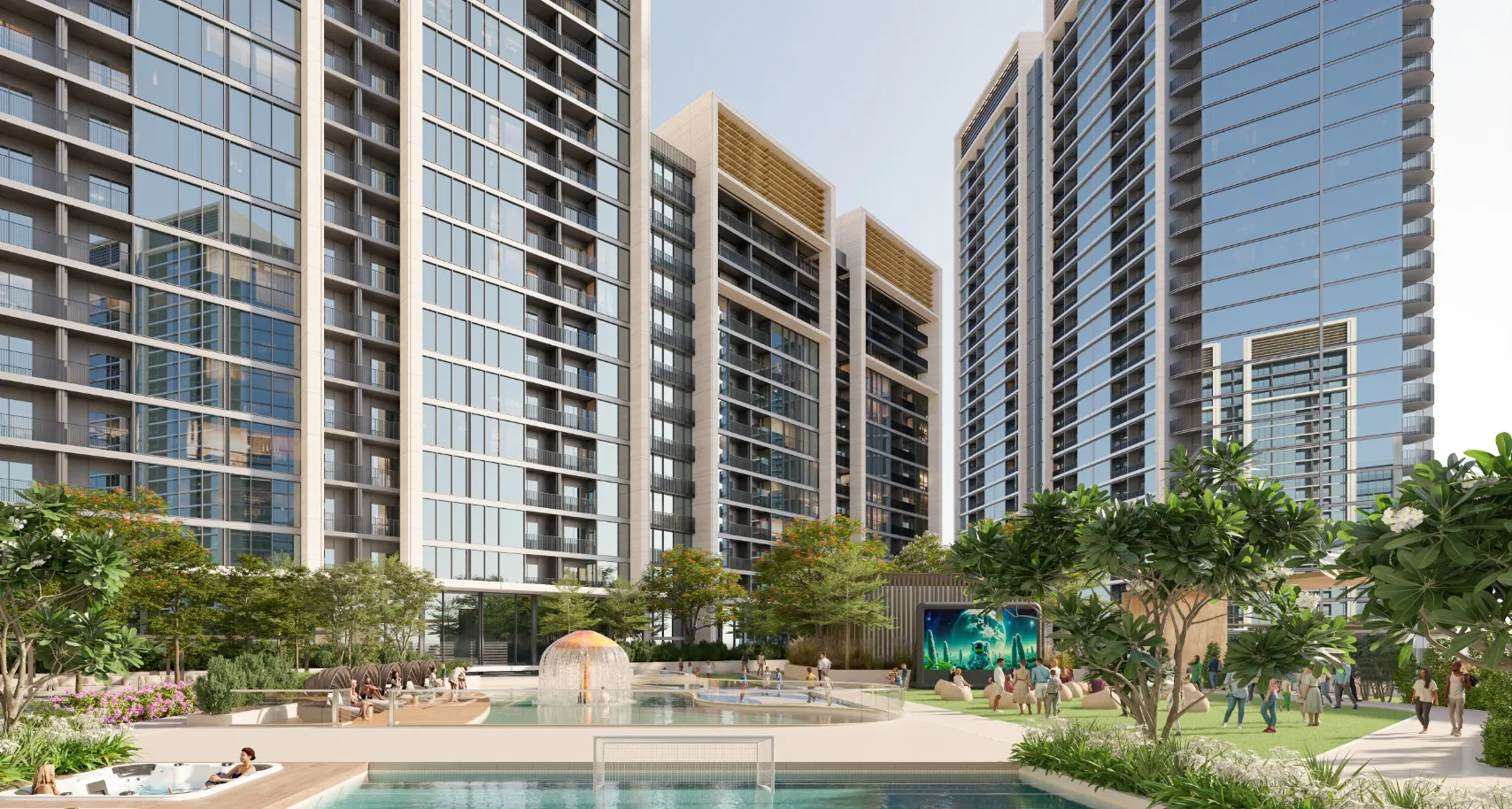
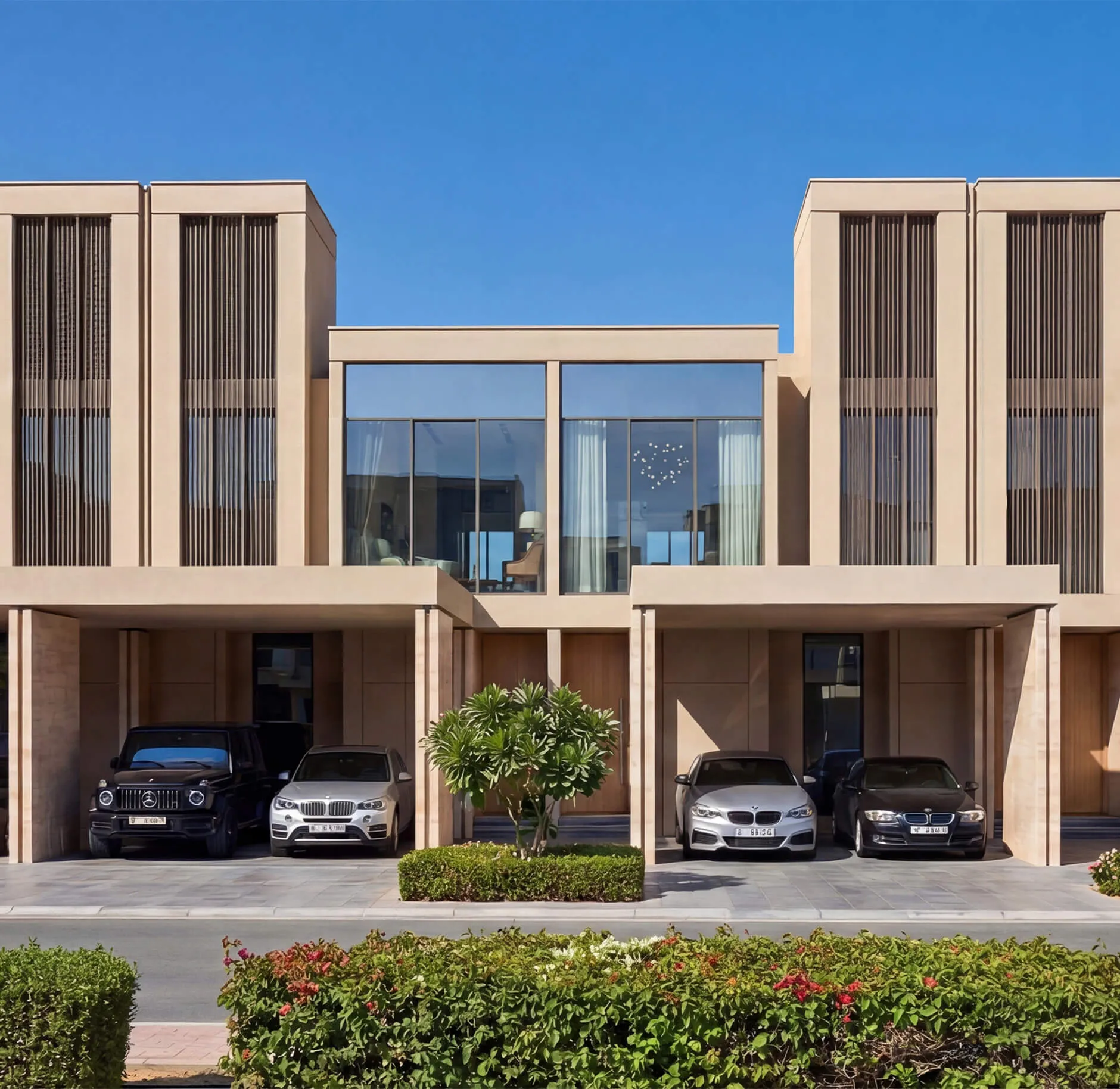
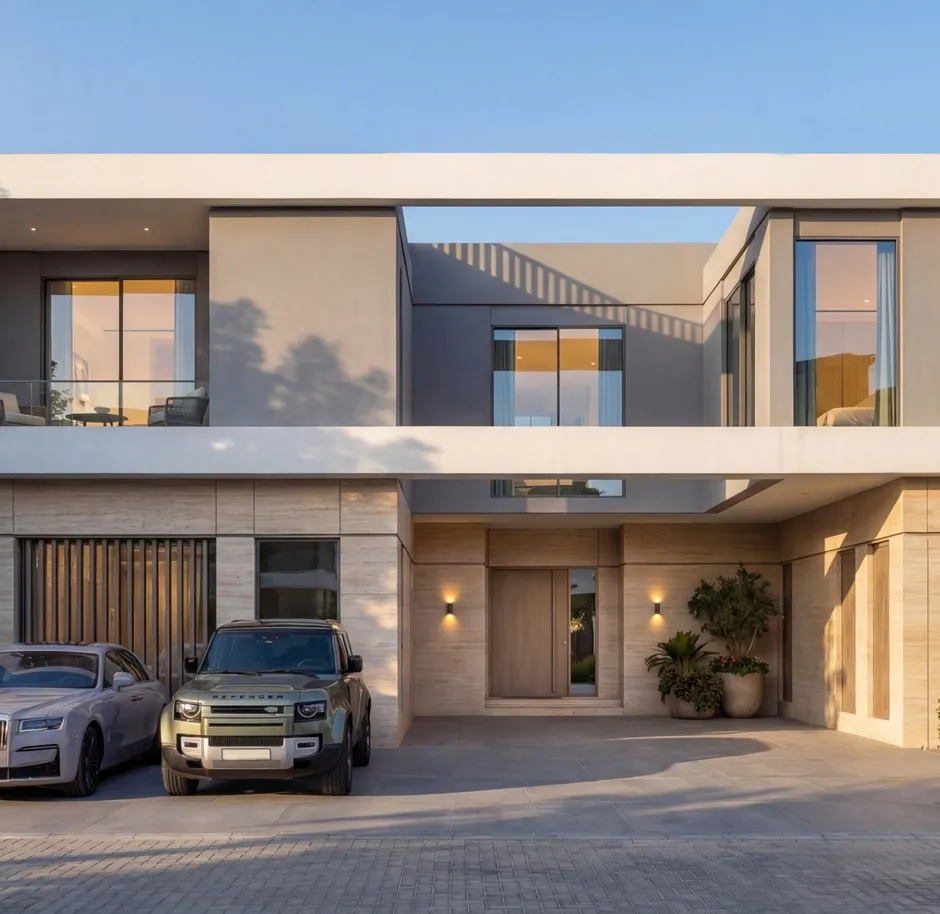
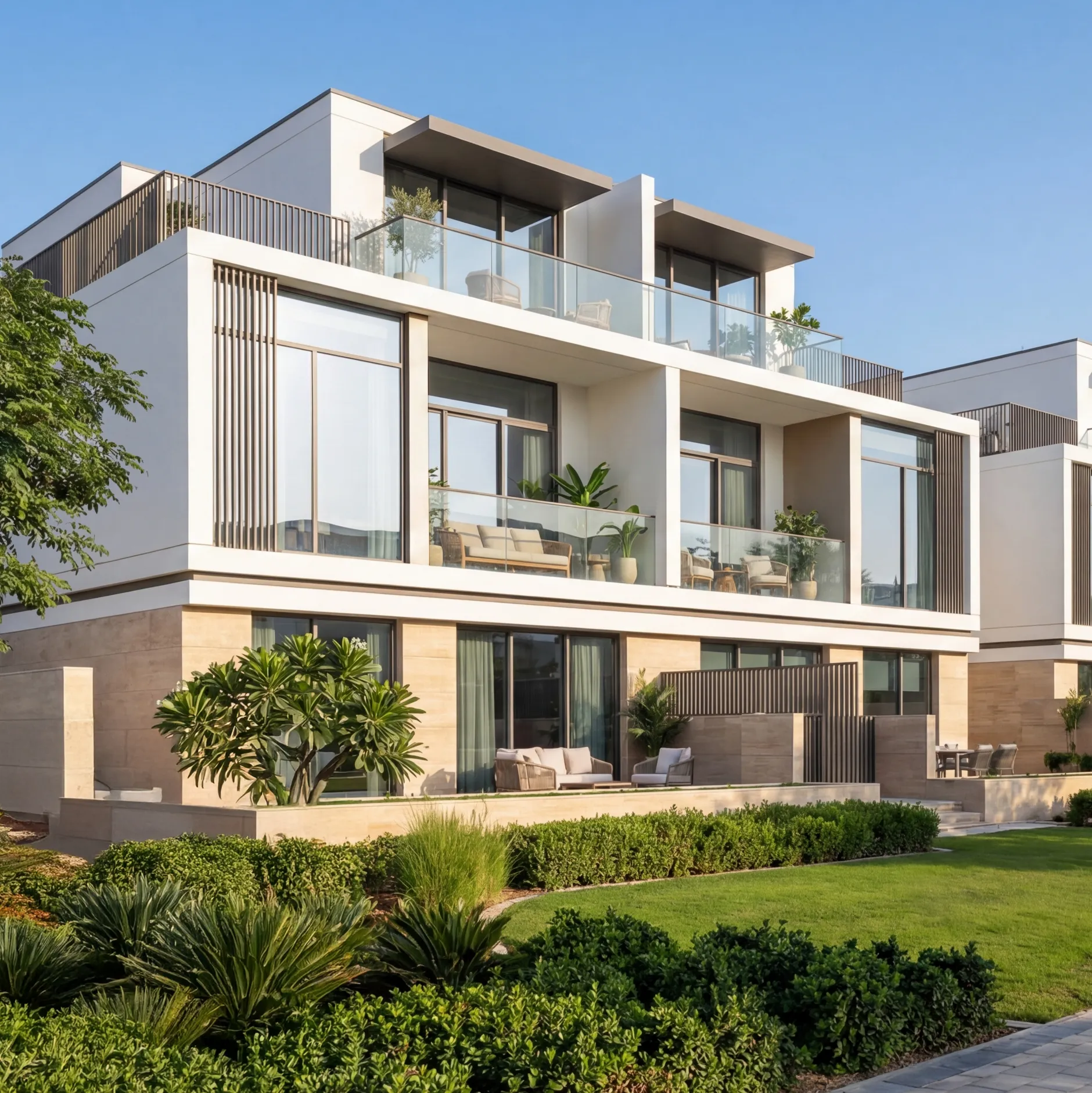
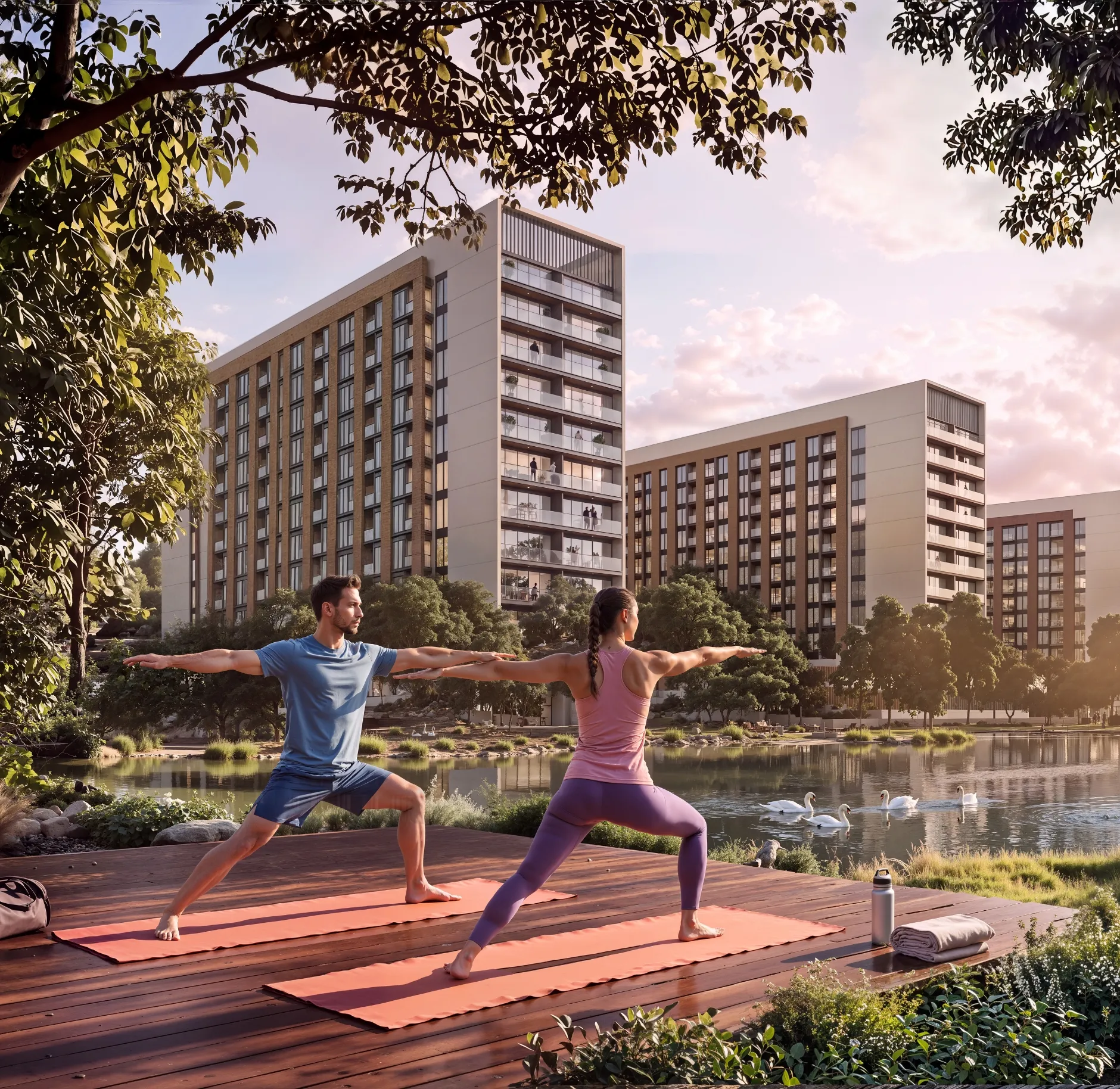
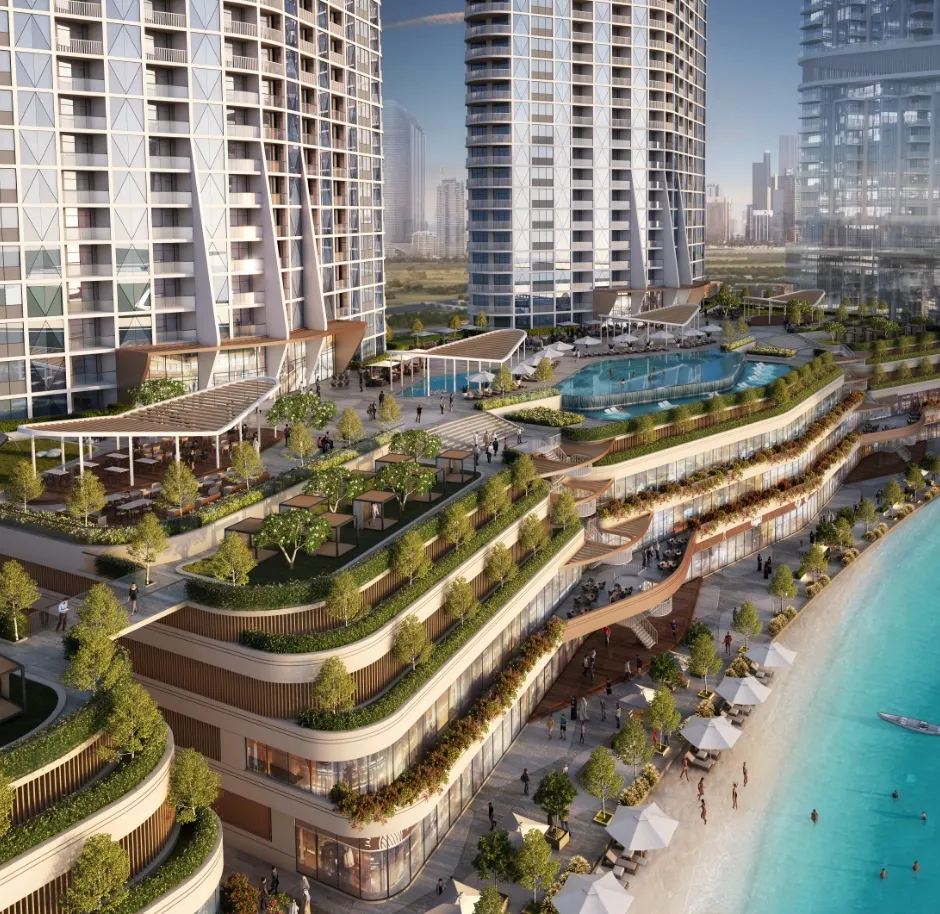
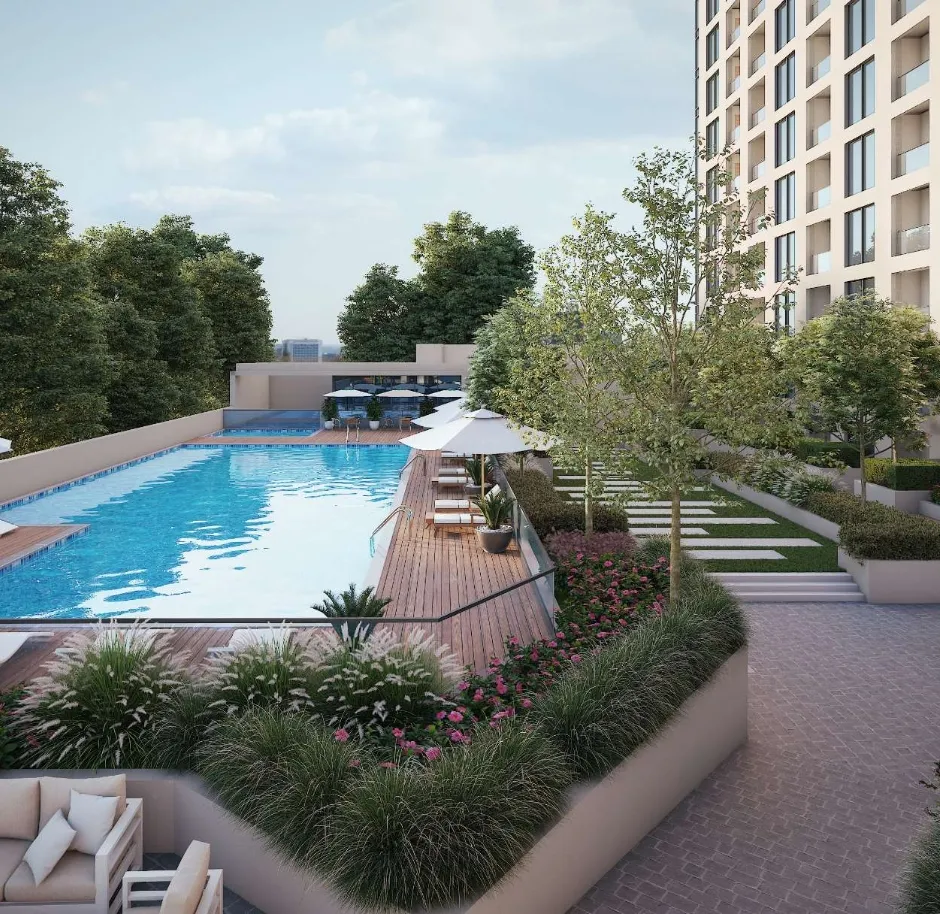
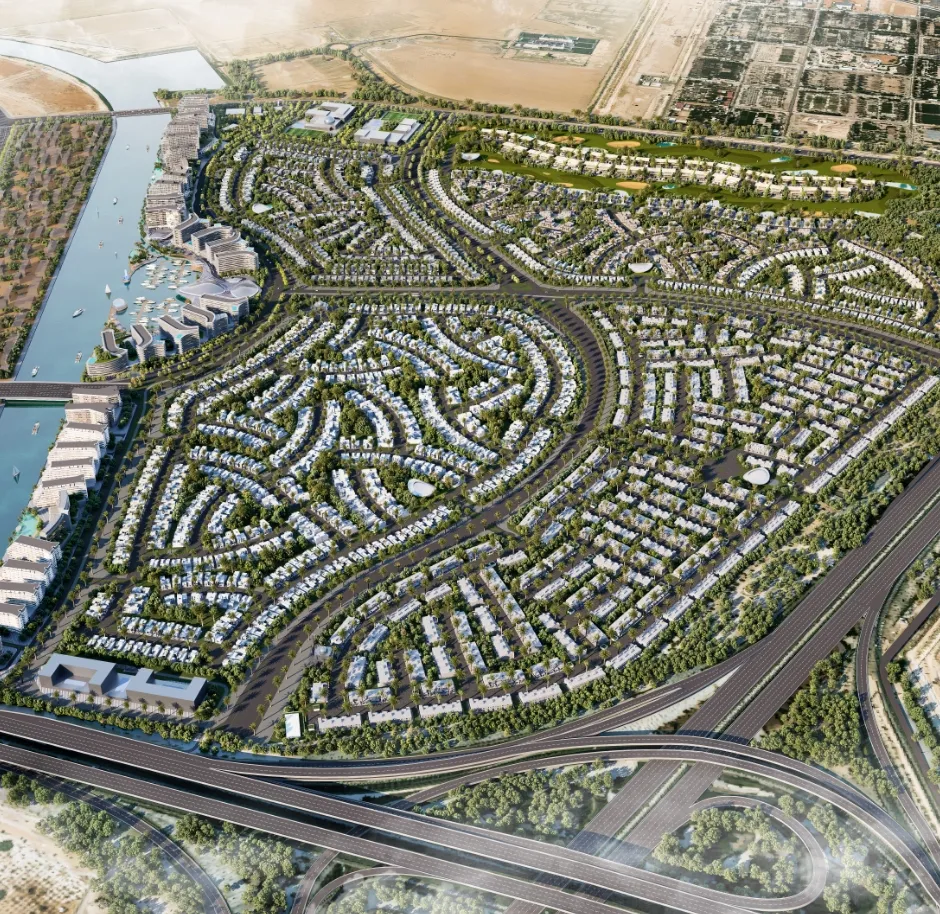
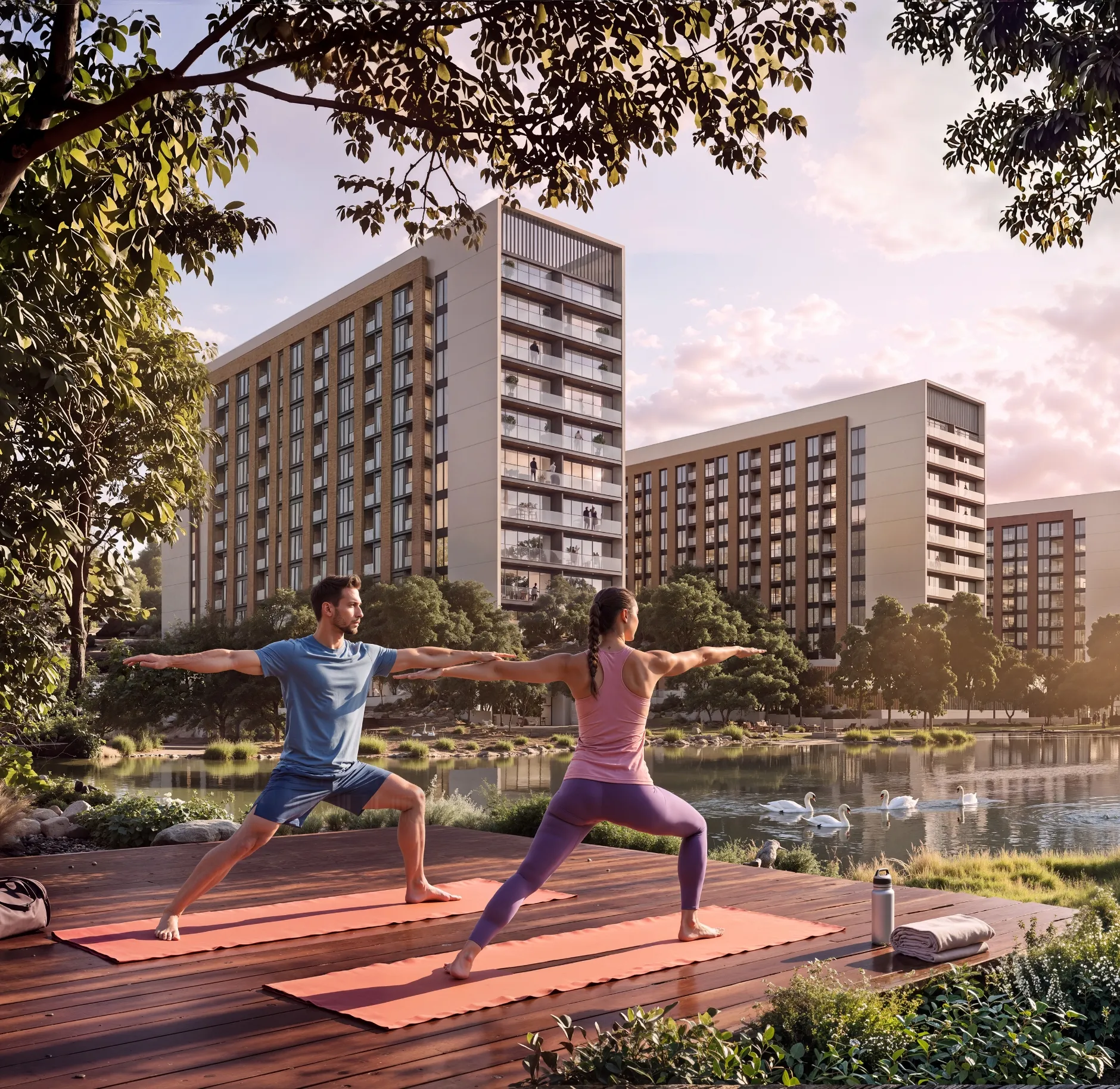
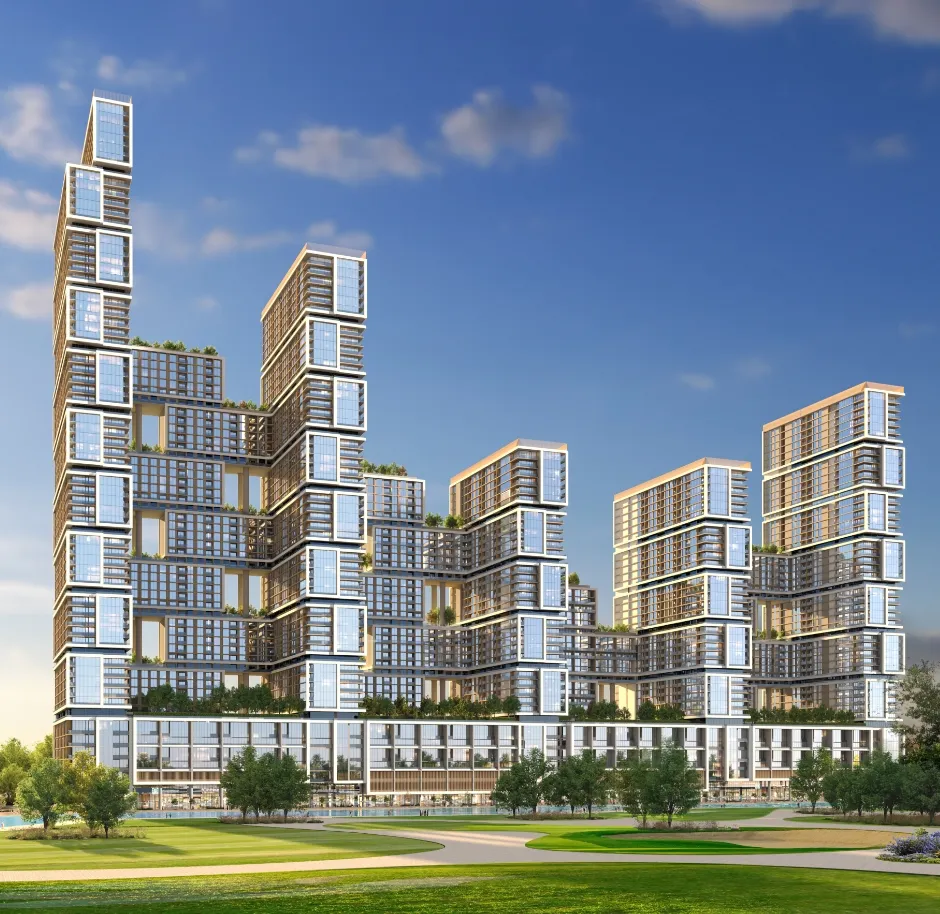
Integrated communities, wellness amenities, green spaces, schools, connectivity, and waterfront living are becoming central drivers of purchasing decisions. This behavioural shift is creating a more stable and resilient market dynamic that is less vulnerable to the volatility associated with earlier property cycles.
For developers, this represents a growing demand for communities designed around quality of life rather than short-term investment opportunities.
What This Means for Property Investors in Dubai
The evolution of Dubai's buyer profile has important implications for investors.
As institutional capital, family offices, and long-term residents continue entering the market, demand is becoming increasingly aligned with long-term fundamentals.
This benefits developments that offer:
- Strong community infrastructure
- High-quality construction
- Wellness-focused amenities
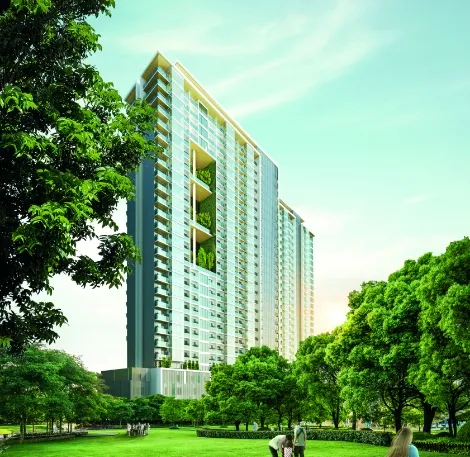
- Green spaces
- Educational facilities
- Connectivity to business hubs
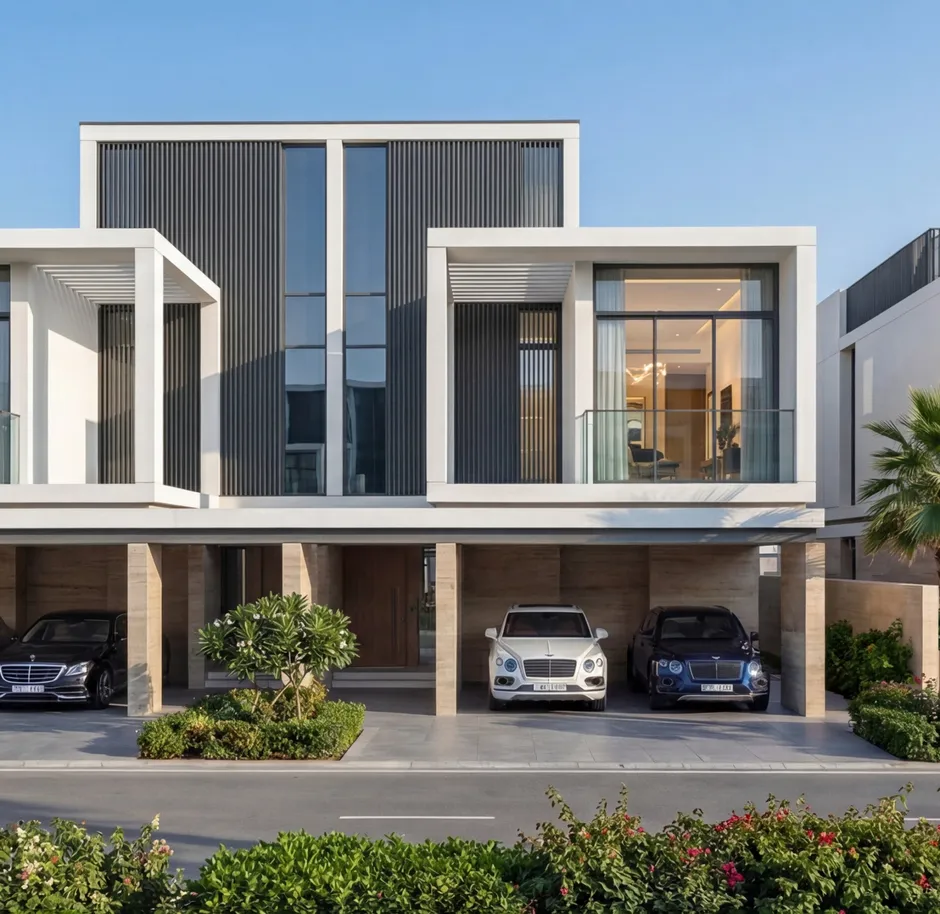
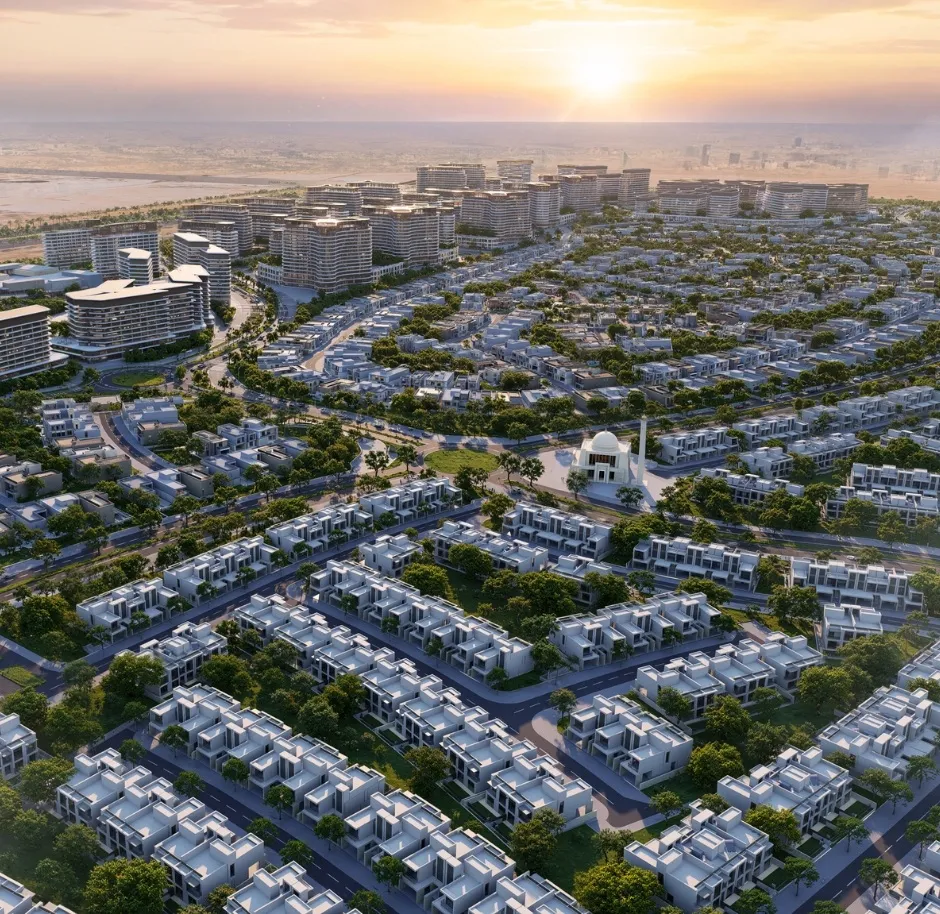
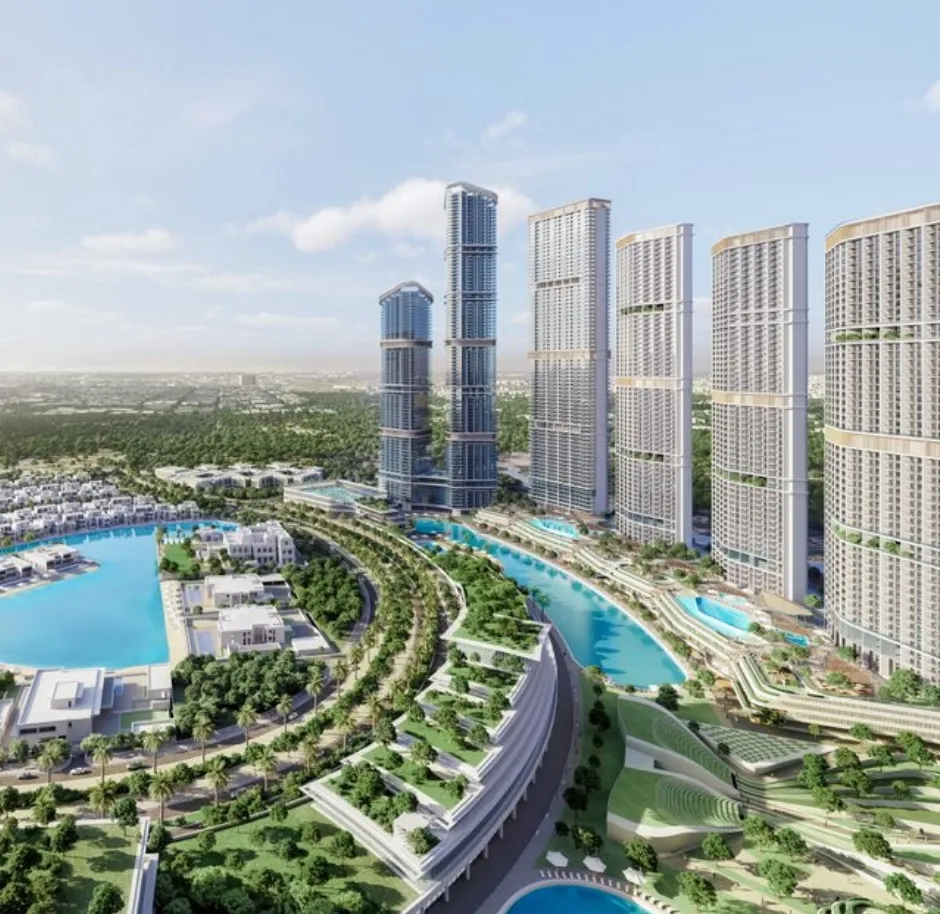
Communities that successfully combine these elements are increasingly attracting buyers who intend to live, work, and invest in Dubai over the long term.
For investors evaluating opportunities within Dubai real estate, this trend signals a market supported by genuine demand rather than speculative activity.
Dubai's Global Buyer Has Changed
Dubai's property buyer in 2026 is more diverse, sophisticated, and globally connected.
Institutional funds are entering alongside family offices and ultra-high-net-worth individuals. European and Asian investors are establishing long-term residential footprints. Regional buyers continue to anchor the market, and across every segment, lifestyle and stability are overtaking speculation as the dominant motivations.
This represents the emergence of a far more mature global property market increasingly defined by long-term confidence, strategic capital, and enduring demand.
Conclusion
Dubai's residential market is undergoing a significant transformation.
The city is no longer attracting buyers solely because of strong returns or market momentum. Increasingly, investors are drawn by the strength of its economic fundamentals, quality of life, global connectivity, and long-term growth prospects.
As institutional investors, international wealth, and end-users continue to enter the market, Dubai is establishing itself as one of the world's most mature and resilient real estate destinations.
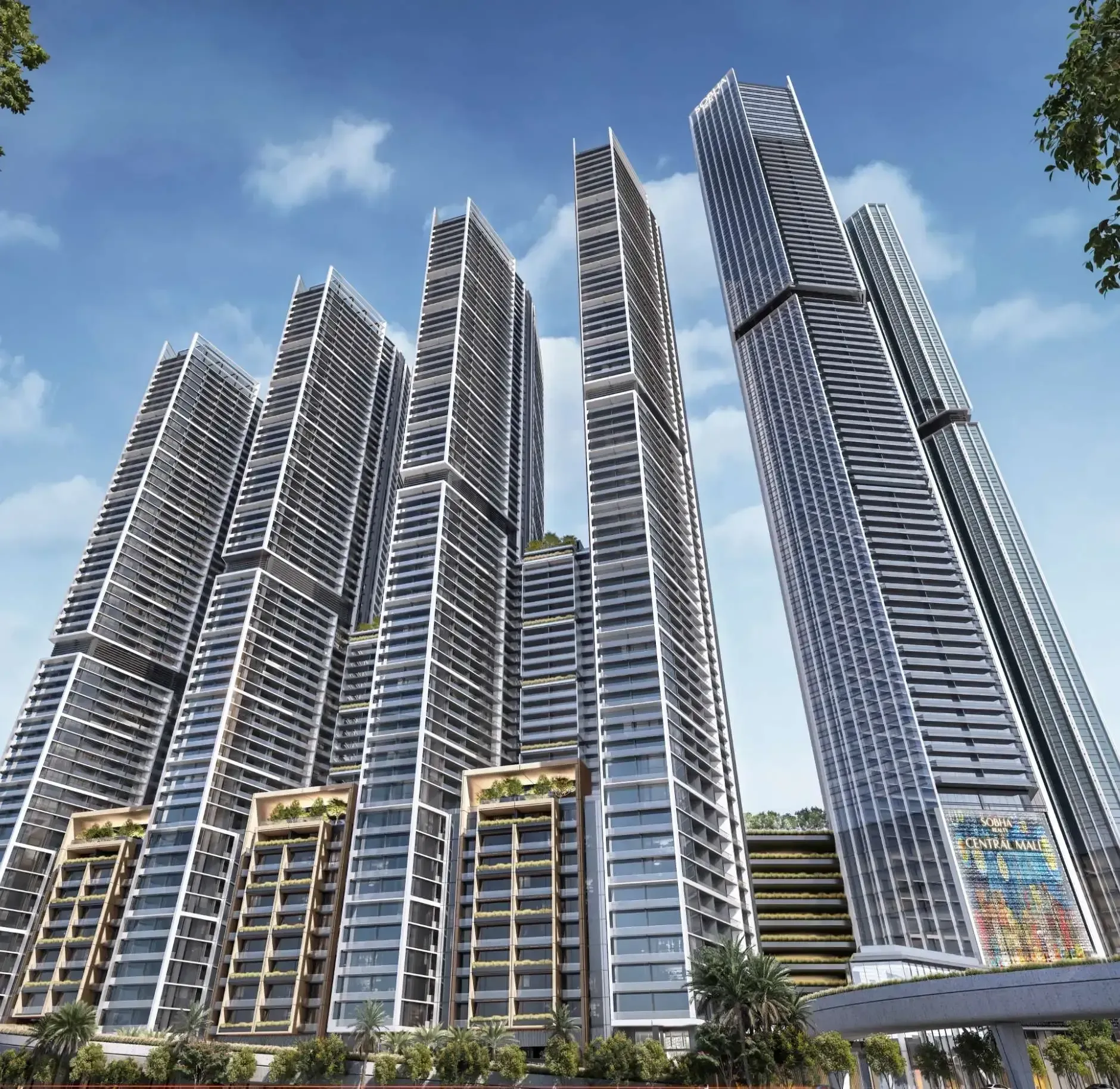
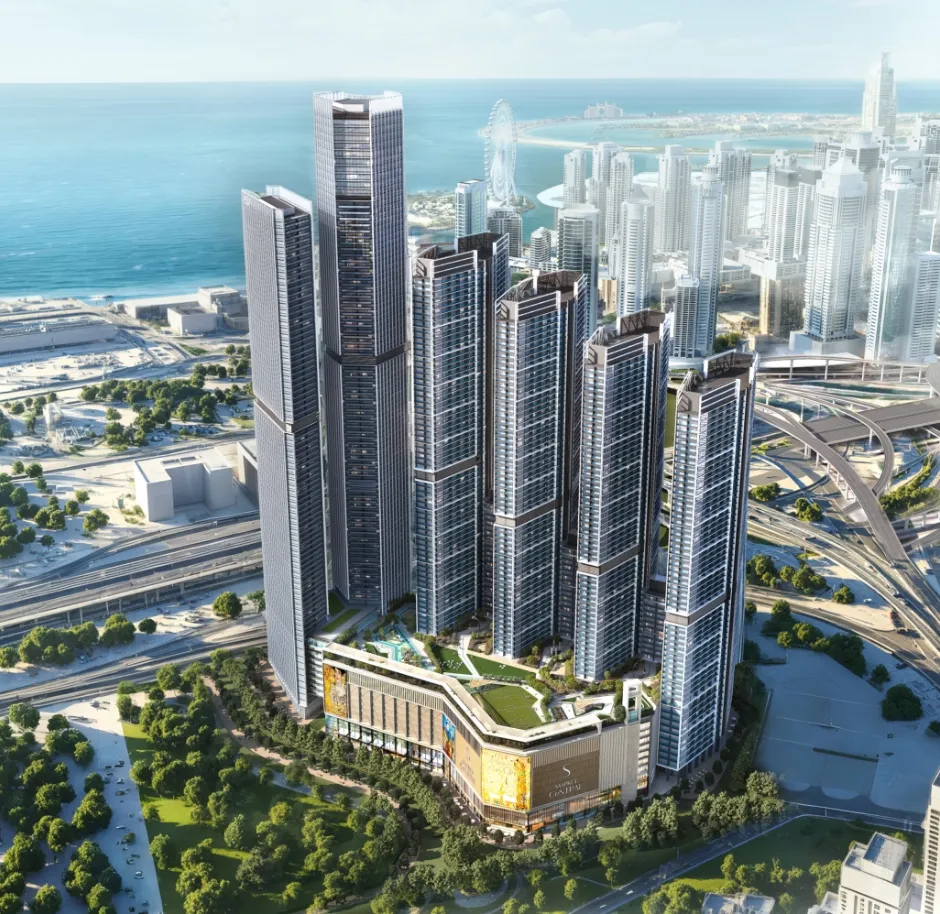
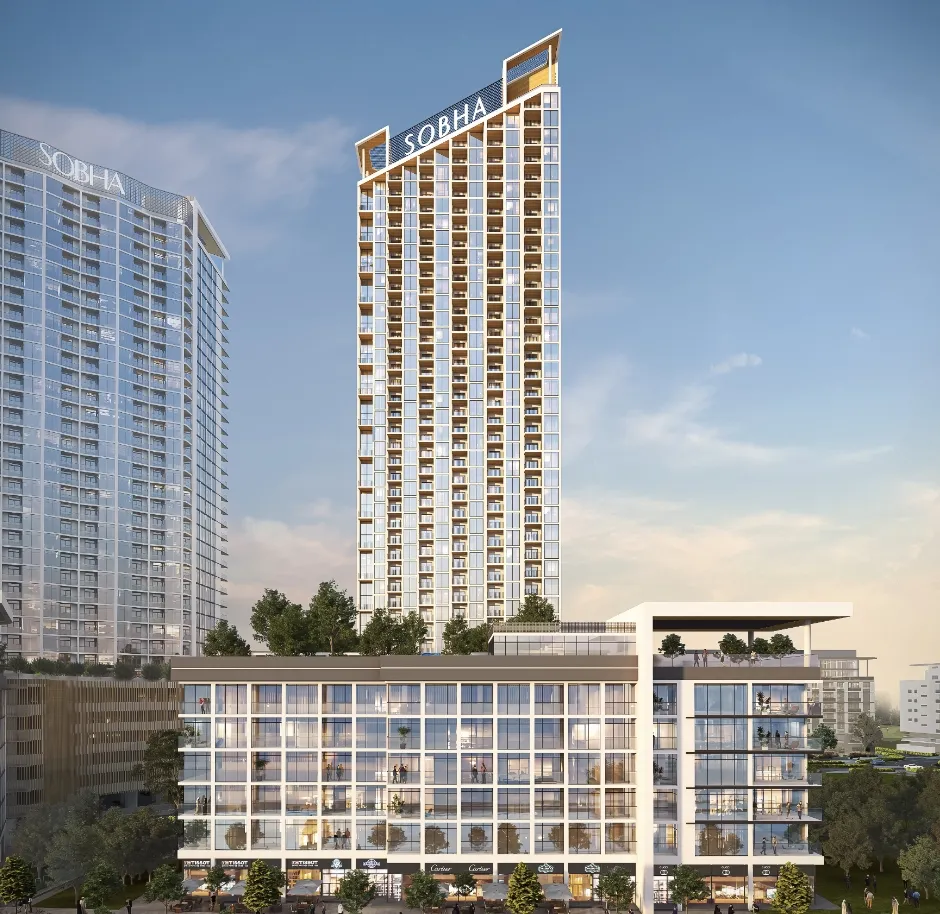
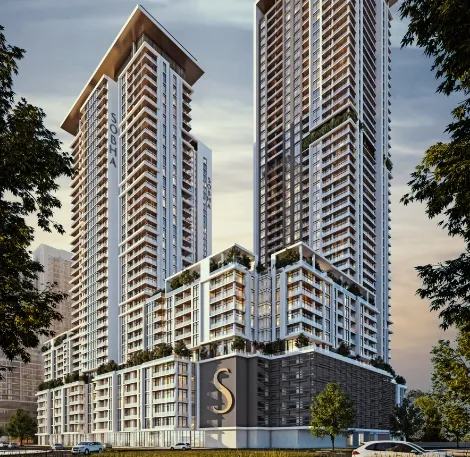
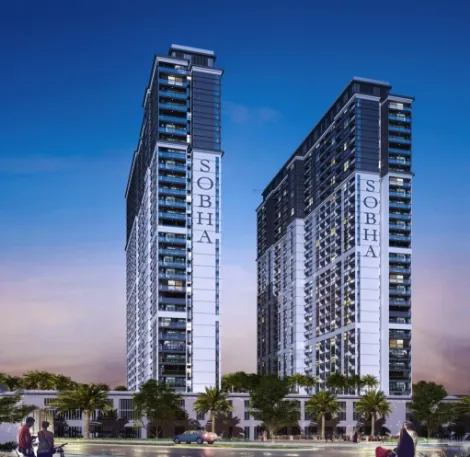
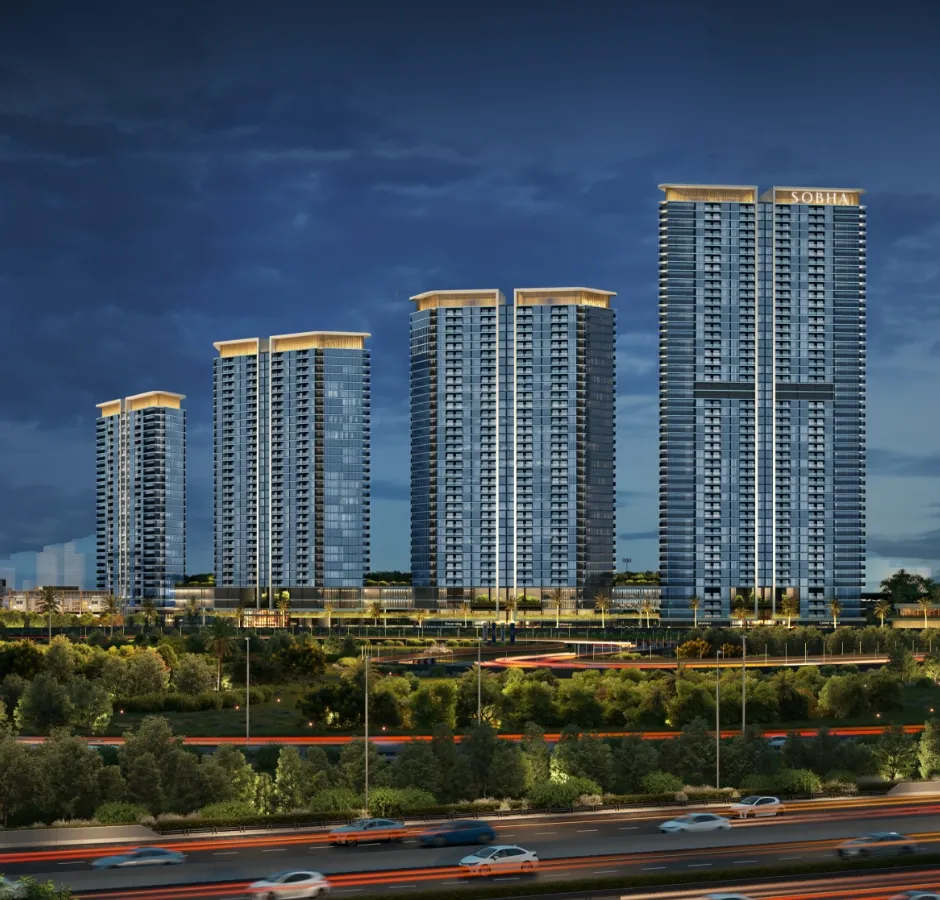
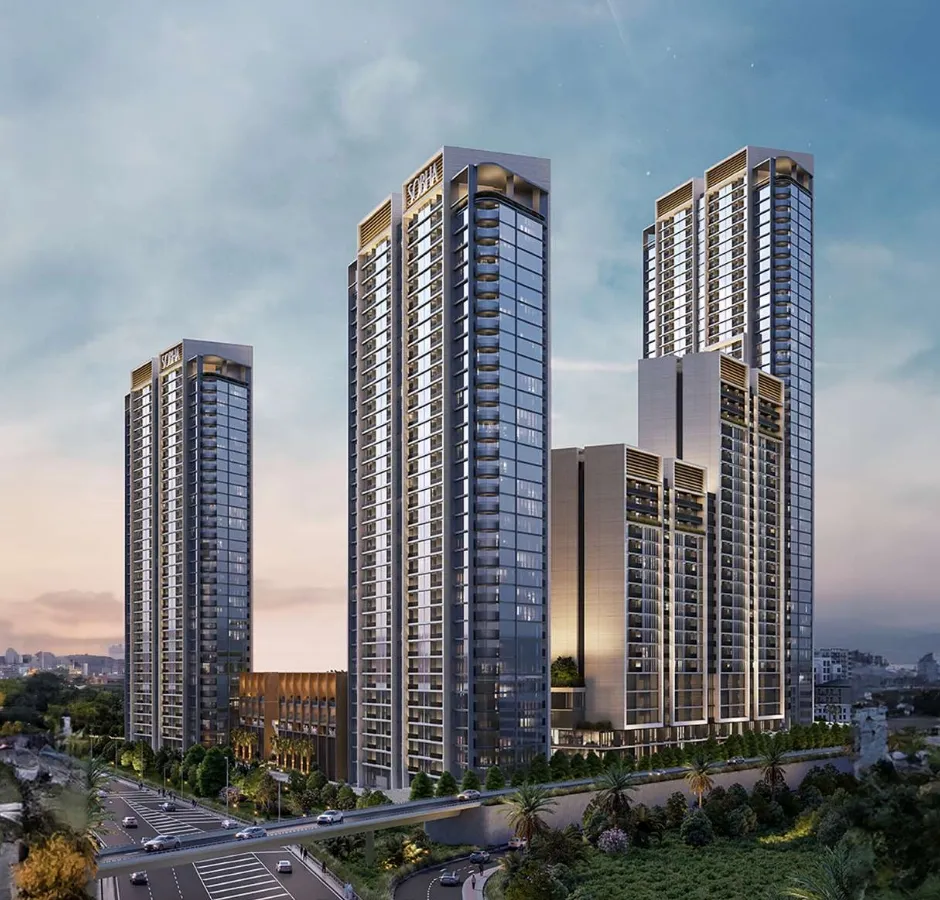
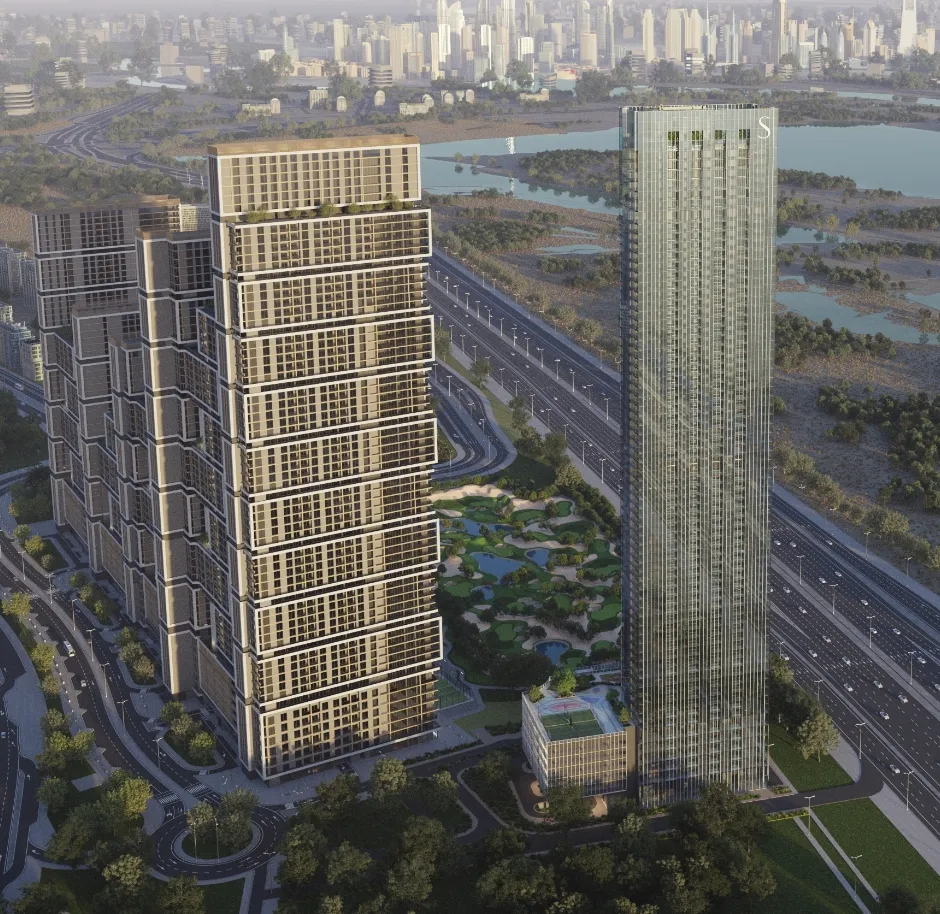
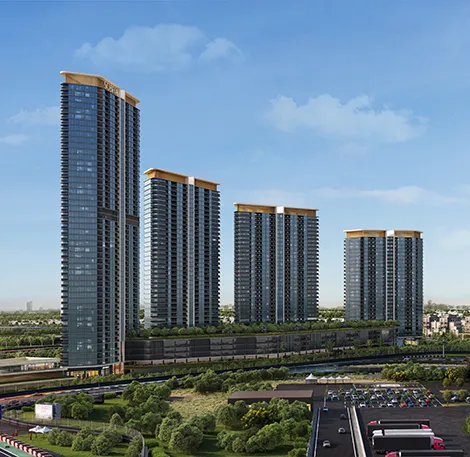
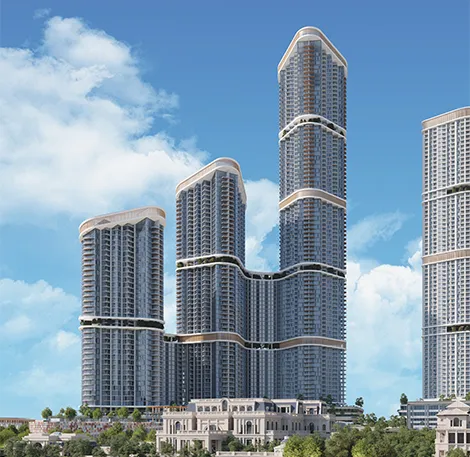
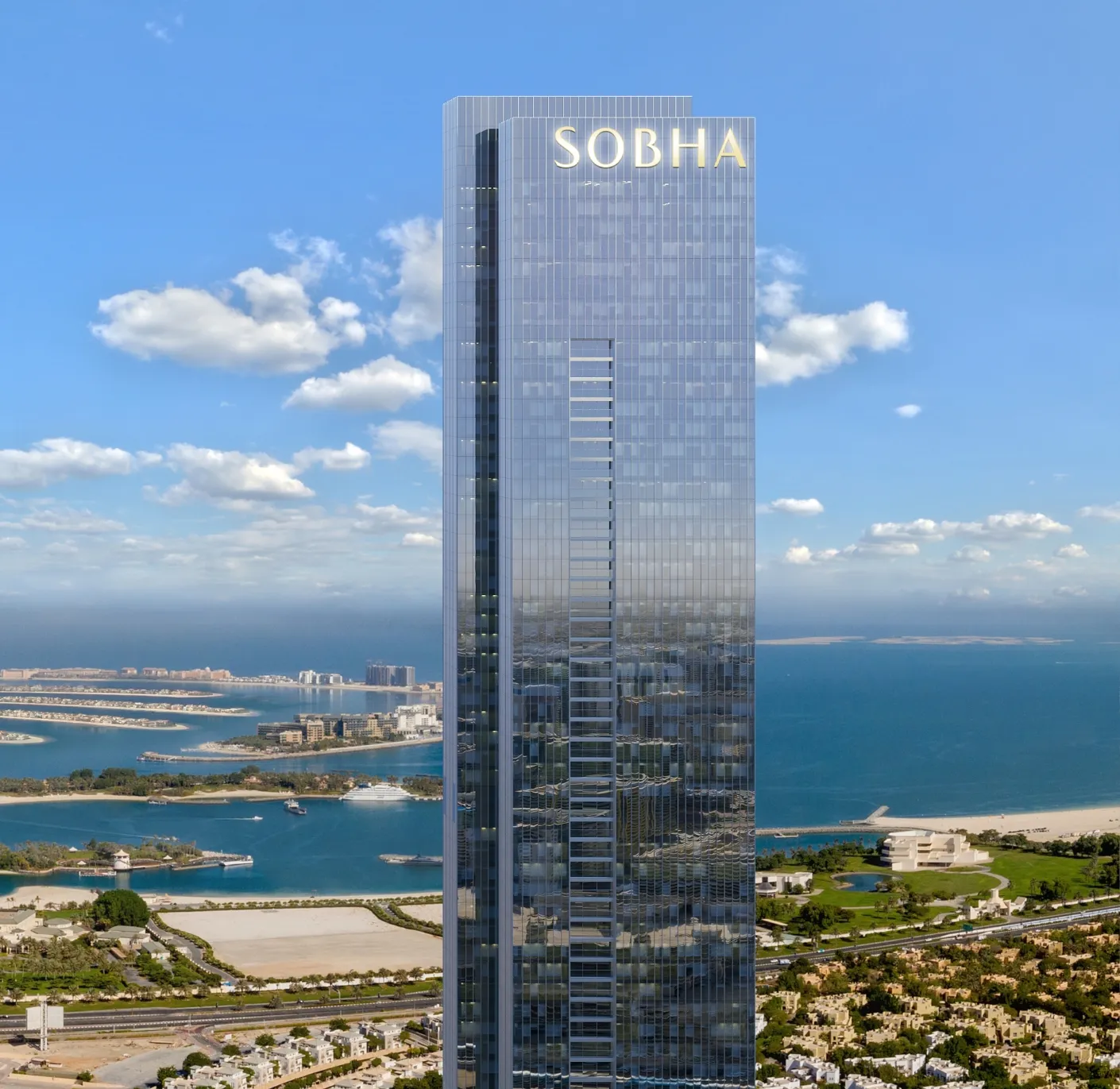
For developers such as Sobha Realty, this evolution presents an opportunity to create communities that meet the expectations of a new generation of global buyers—buyers who value quality, stability, and long-term living above short-term speculation.
Frequently Asked Questions
1. Who is buying property in Dubai today?
Dubai's buyer base is increasingly diverse, ranging from institutional investors and family offices to high-net-worth individuals from Europe, Asia, and the wider GCC.
2. Why are institutional investors entering Dubai's real estate market?
They are attracted by Dubai's long-term fundamentals, including political stability, world-class infrastructure, population growth, tax efficiency, investor-friendly regulations, and a mature regulatory environment.
3. Which international buyers are most active in Dubai's luxury market?
European buyers currently dominate Dubai's ultra-prime residential segment, while Asian investors and GCC buyers continue to play a major role across both luxury and family-oriented communities.
4. Are buyers still purchasing property for short-term returns?
Increasingly, no. Many buyers are prioritising lifestyle, quality, stability, and long-term liveability over short-term speculative gains.
5. What types of communities are attracting today's buyers?
Integrated communities offering wellness amenities, green spaces, schools, connectivity, and high-quality infrastructure are increasingly attracting both investors and end-users.
6. Why is Dubai considered a strong long-term property investment destination?
Dubai combines economic diversification, investor-friendly policies, global connectivity, population growth, and strong real estate fundamentals that support long-term demand.