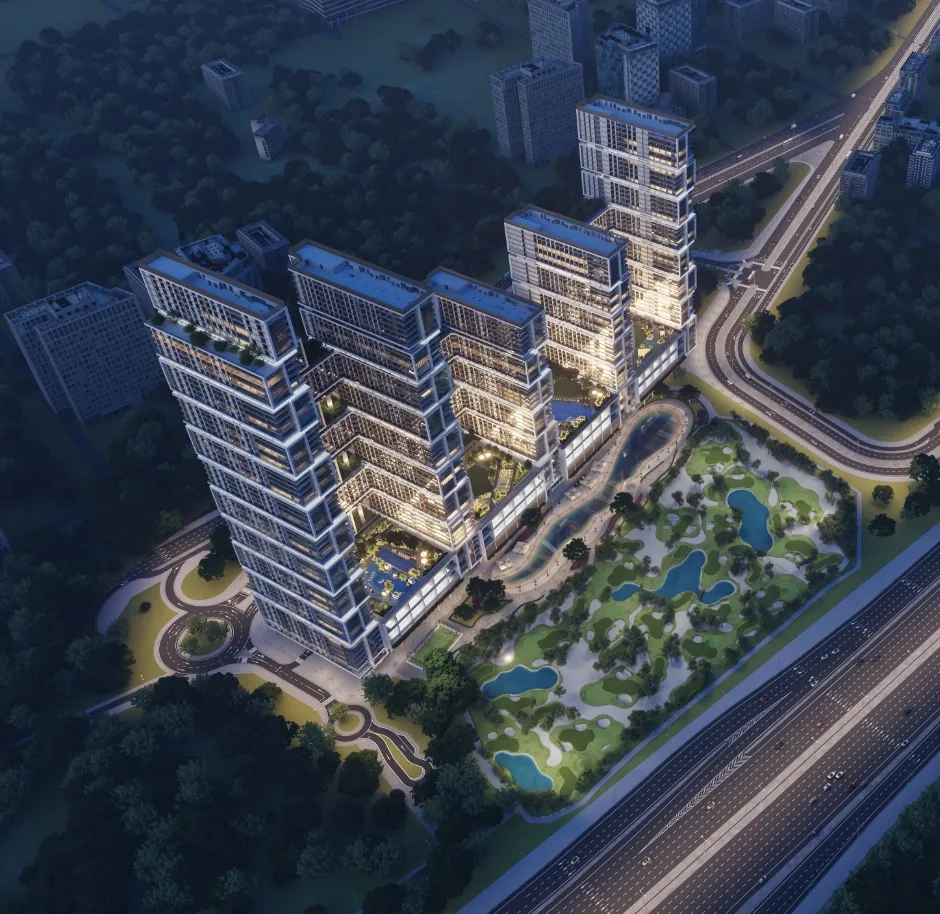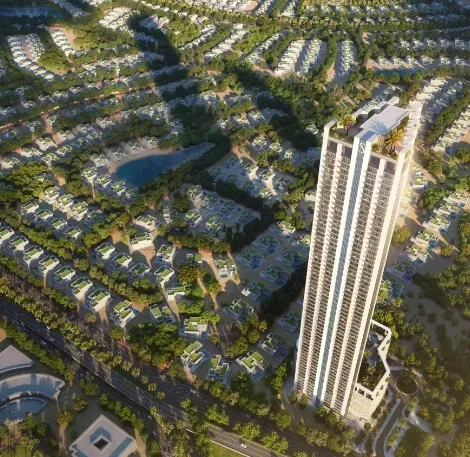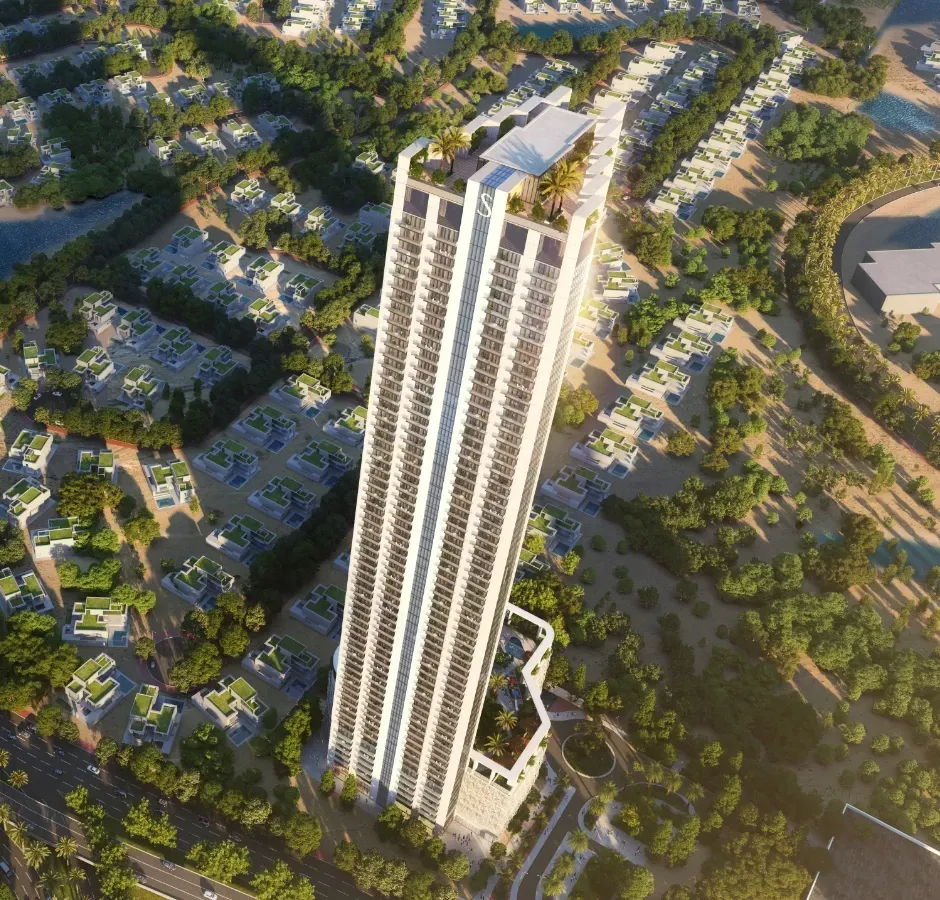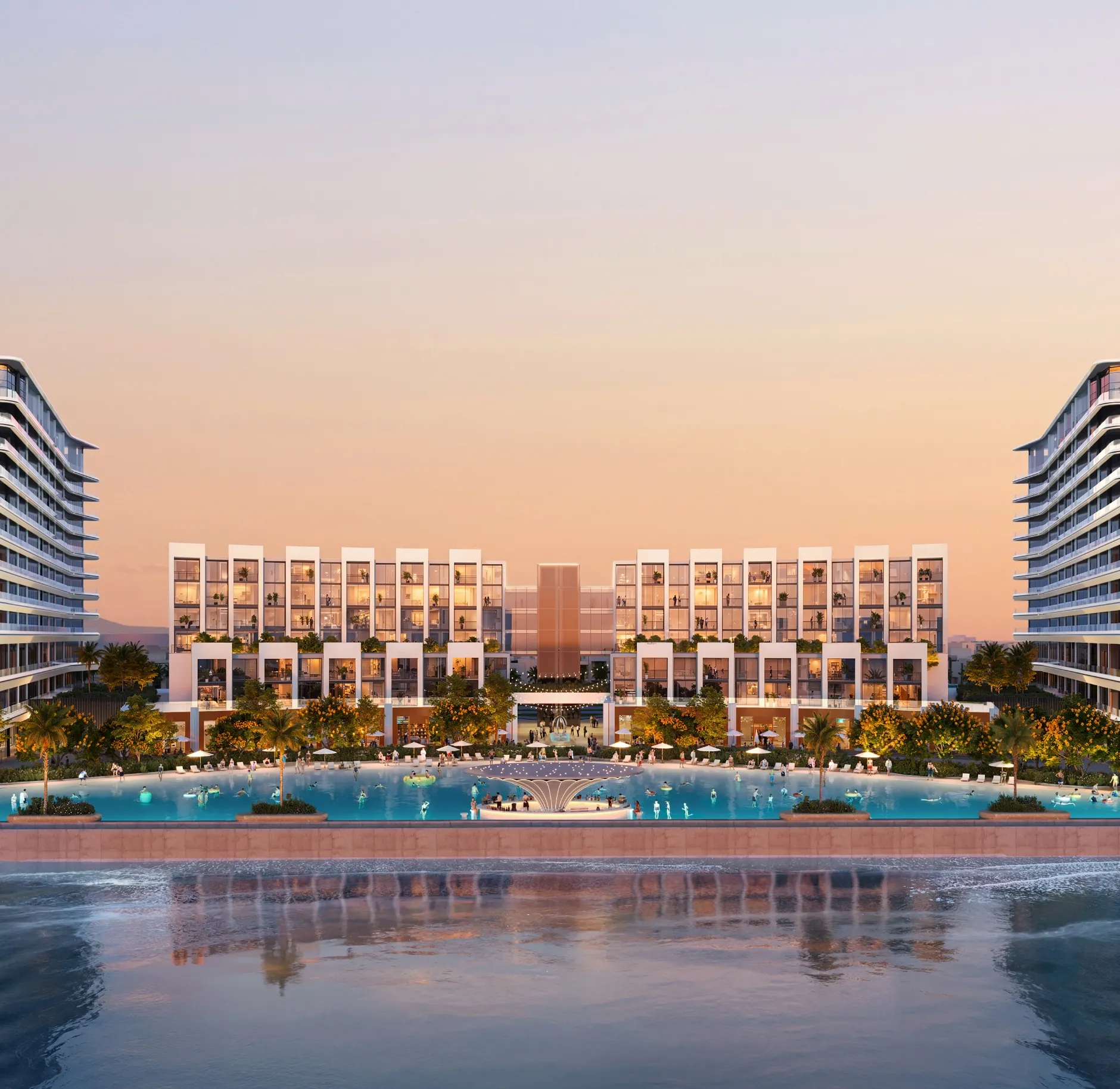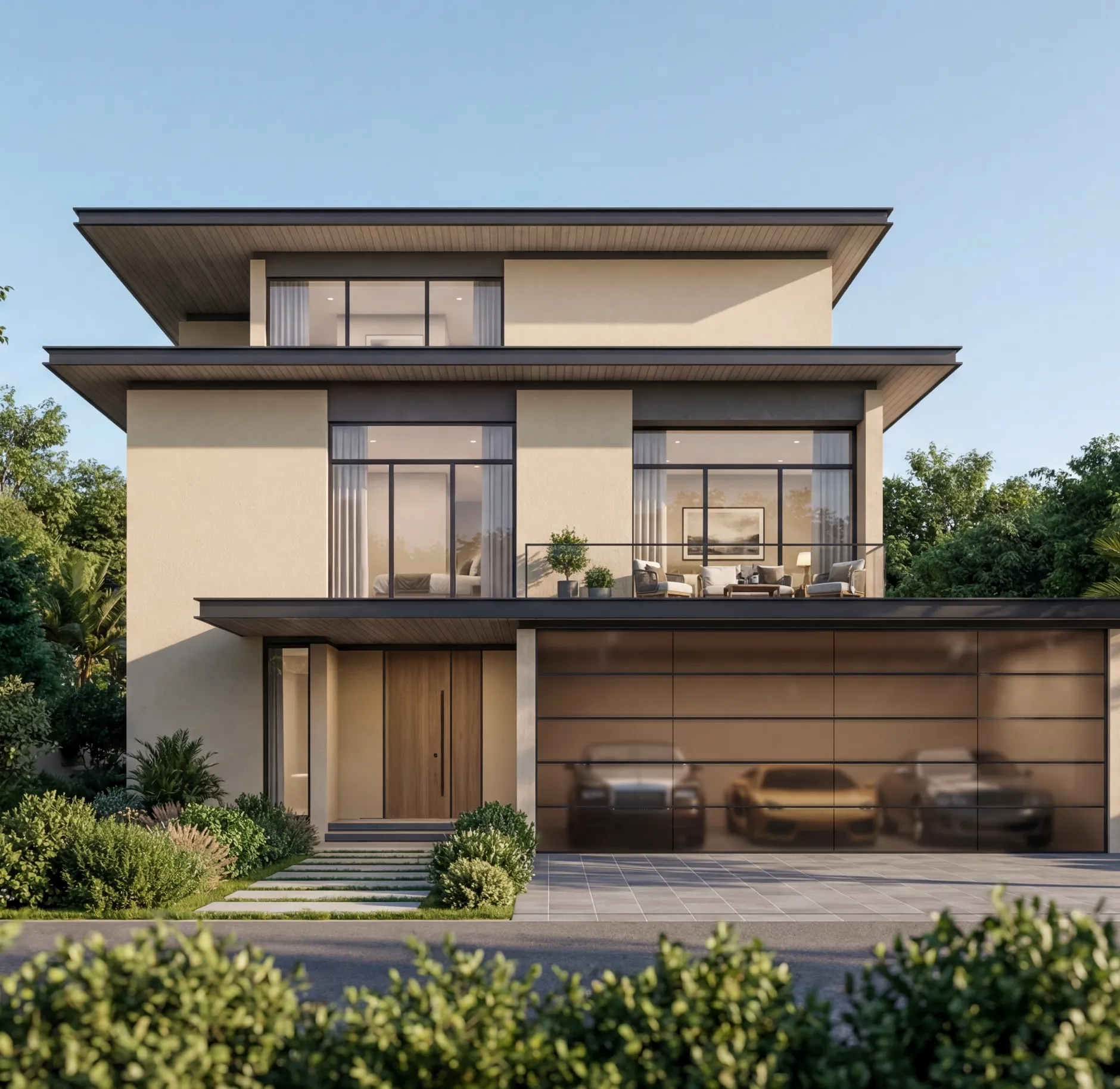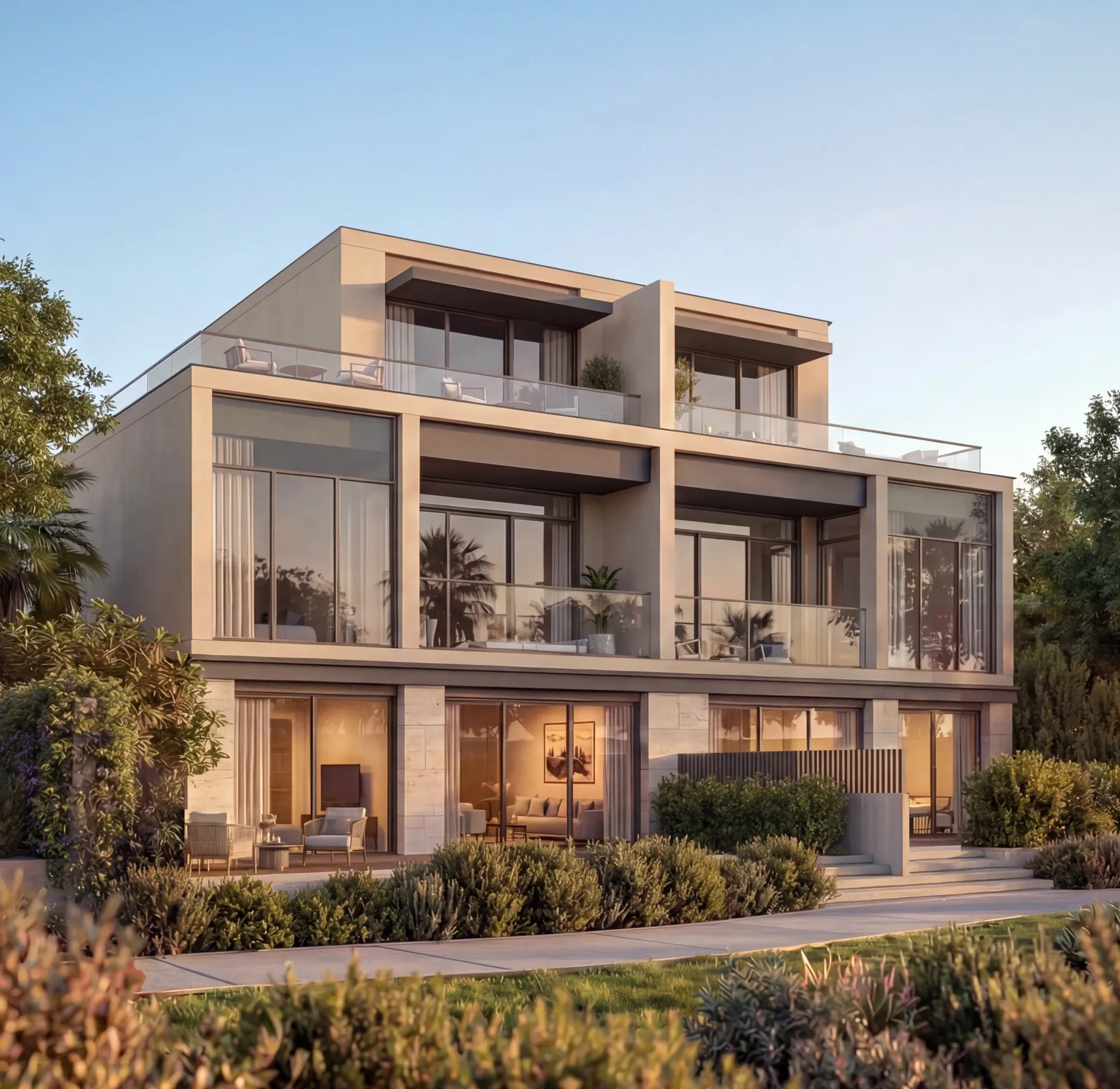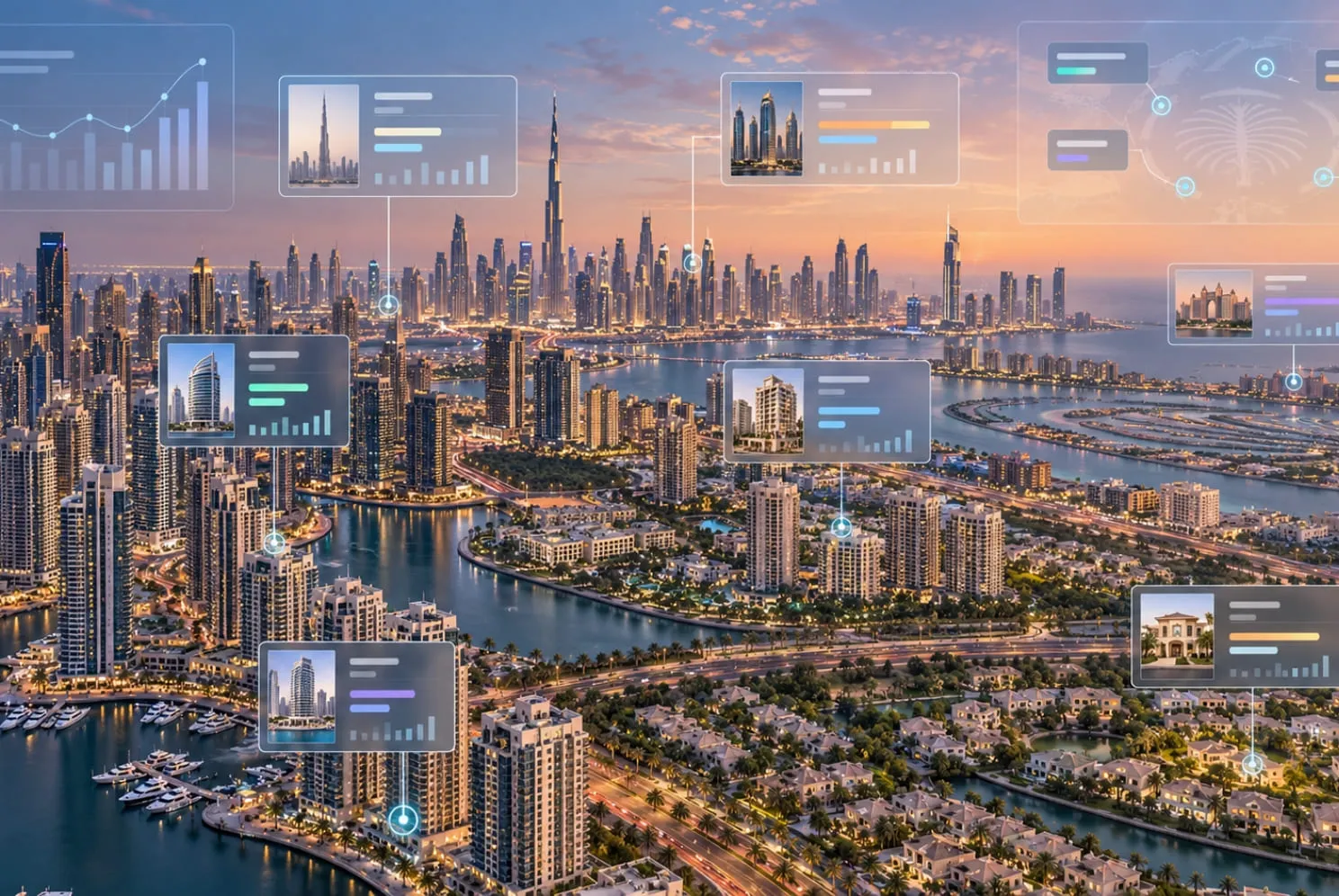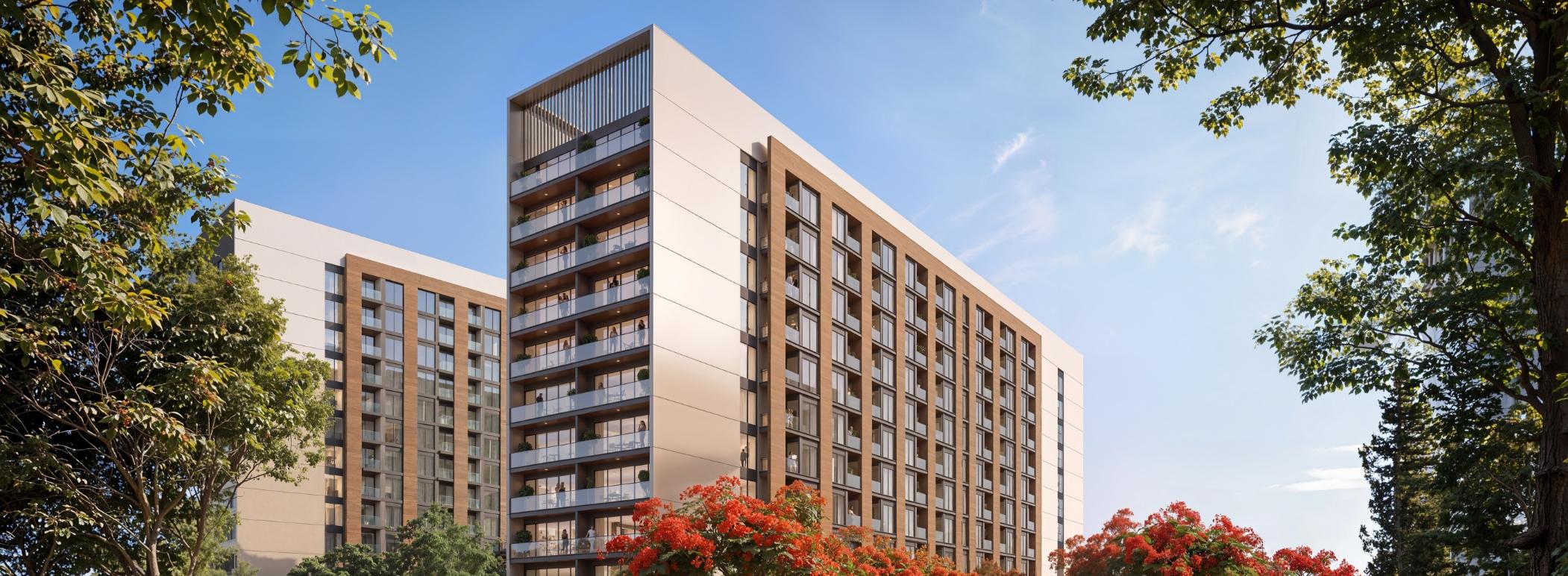
For decades, real estate decisions were largely driven by the individual property. Buyers focused on floor plans, finishes, views, and architectural design, while investors concentrated on location and potential returns.
Today, however, expectations have evolved.
People are no longer simply purchasing homes—they are choosing places to live, work, connect, and build their futures.
As cities continue to grow and lifestyles become increasingly centred around wellbeing, convenience, and community, the design of an entire neighbourhood has become just as important as the building itself.
Across Dubai and the UAE, this shift is influencing how residential developments are planned, how buyers evaluate opportunities, and how long-term value is created.
The Evolution of Modern Residential Living
Urban living has changed significantly over the past decade.
Residents now expect far more than a home within a well-located development.
Today's buyers increasingly seek environments that support every aspect of daily life, including:
- Recreation
- Wellness
- Education
- Retail
- Connectivity
- Green spaces
- Community interaction
Rather than travelling across the city for everyday needs, residents increasingly prefer integrated neighbourhoods where essential amenities are located within easy reach.
This evolution is changing how successful communities are designed.
Why Communities Matter More Than Individual Buildings
An exceptional building can provide comfort and quality, but it cannot create a complete lifestyle on its own.
The surrounding community often determines how people experience a place over the long term.
Well-designed communities encourage:
- Social interaction
- Outdoor activity
- Family living
- Walkability
- Convenience
- Healthier lifestyles
These qualities influence not only resident satisfaction but also the long-term attractiveness of the development itself.
As a result, buyers increasingly evaluate the broader neighbourhood rather than focusing exclusively on the individual property.
The Rise of Master-Planned Communities
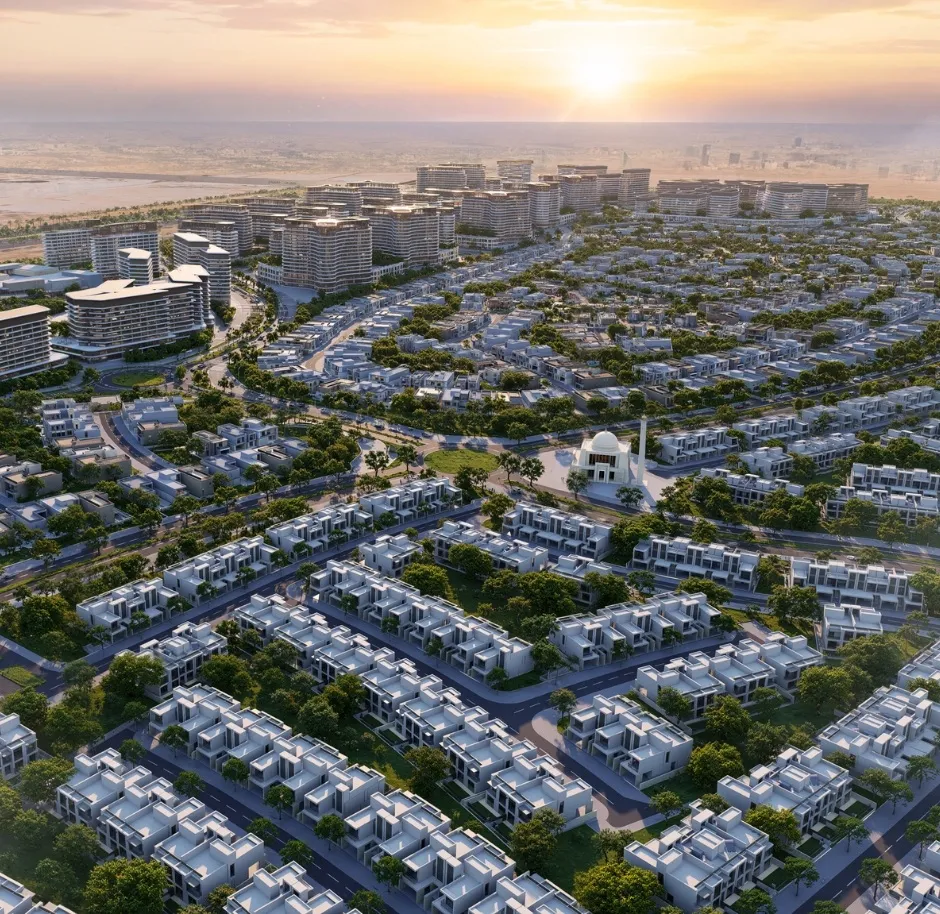
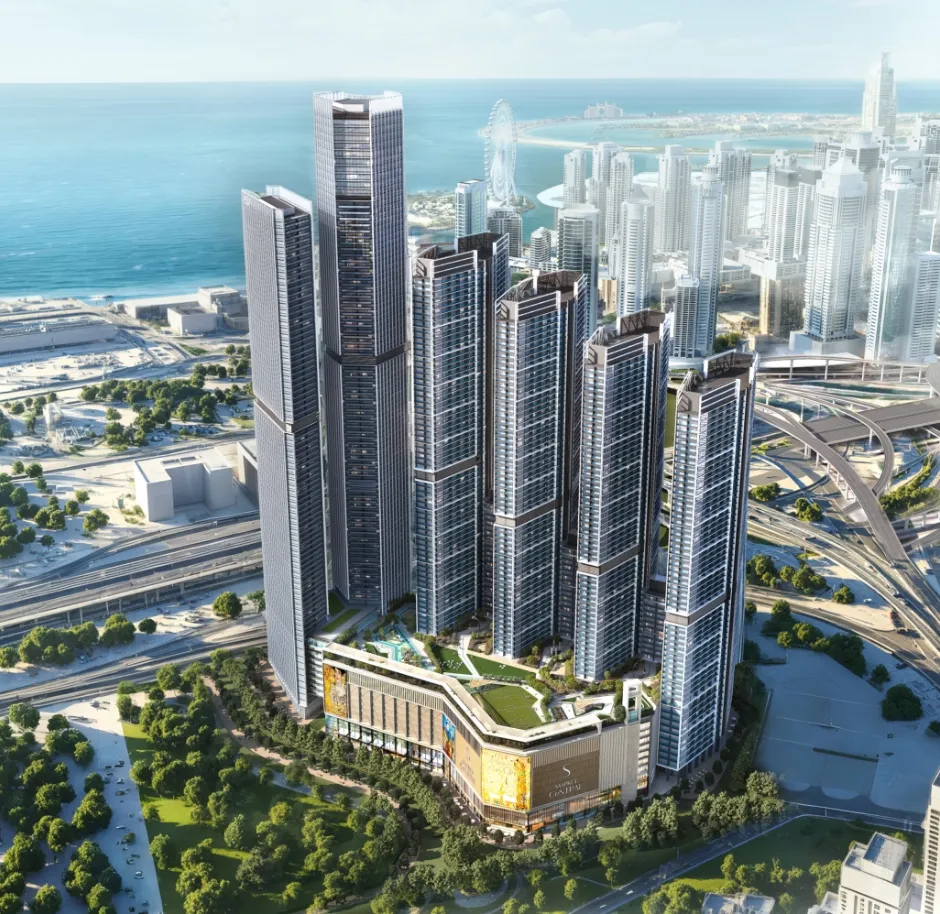
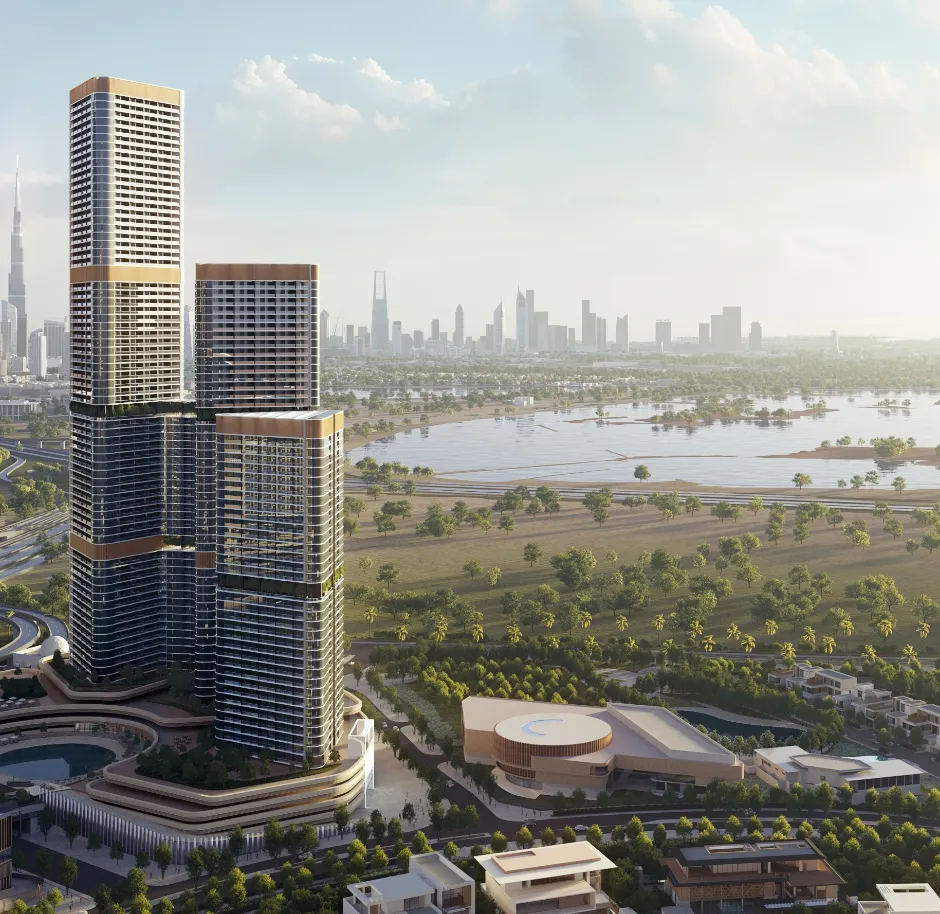
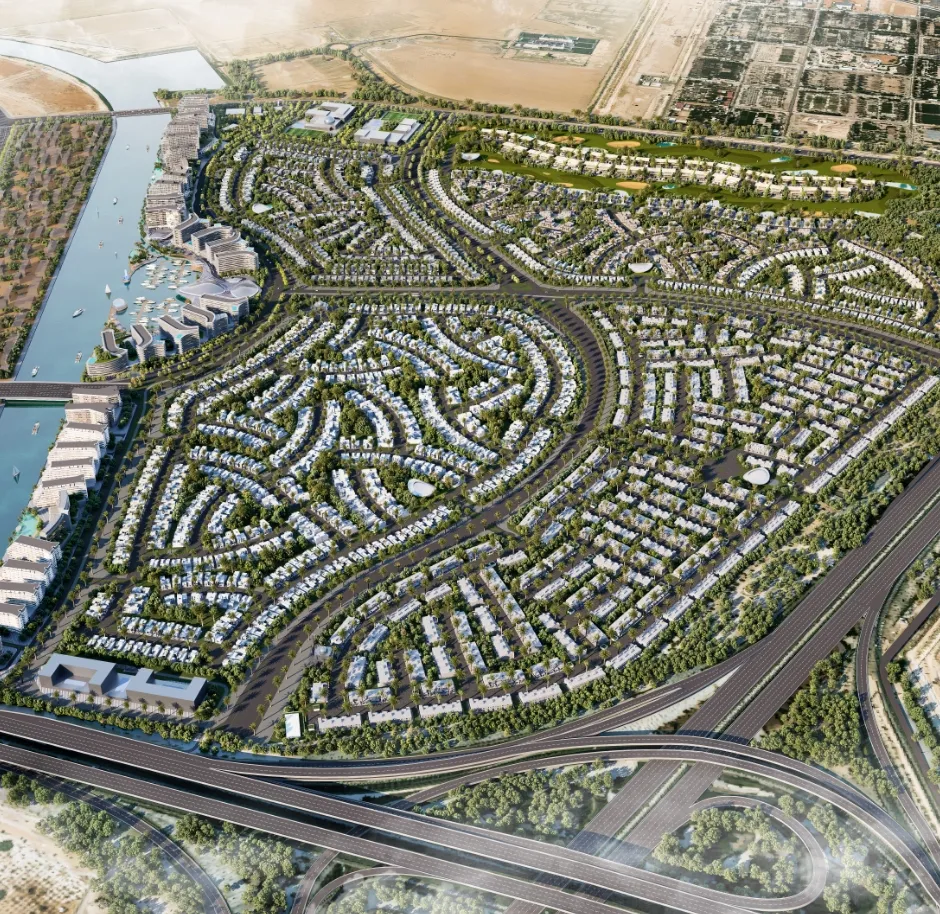
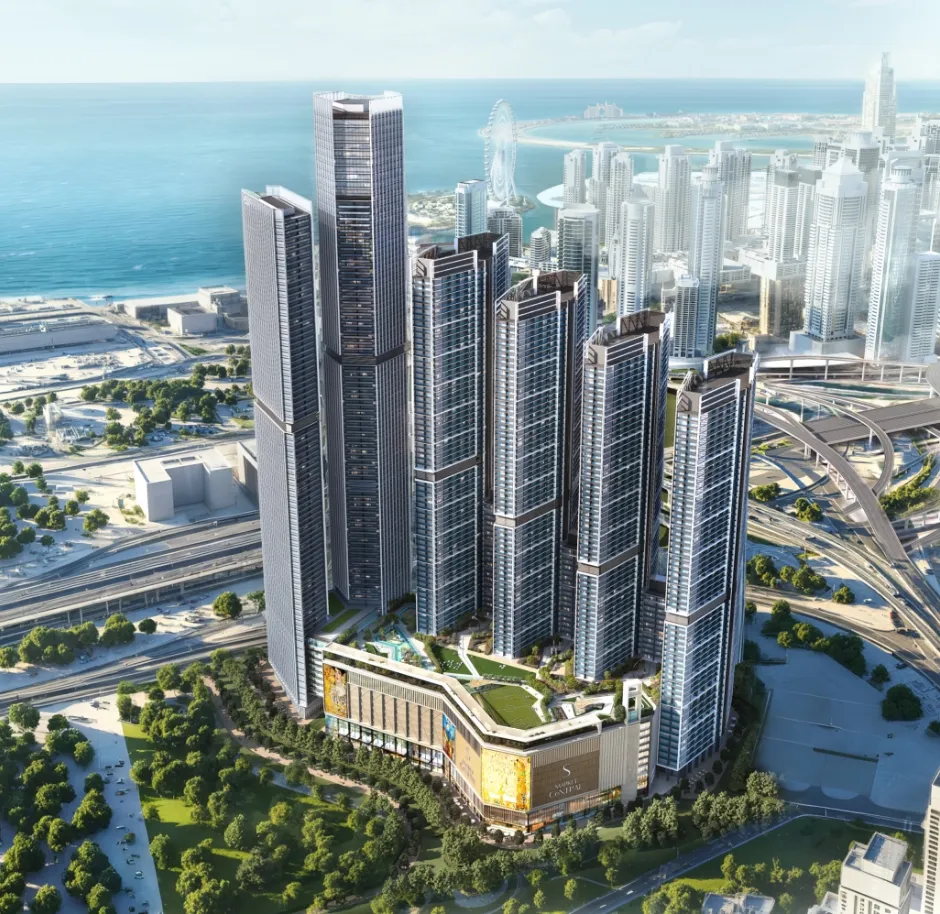
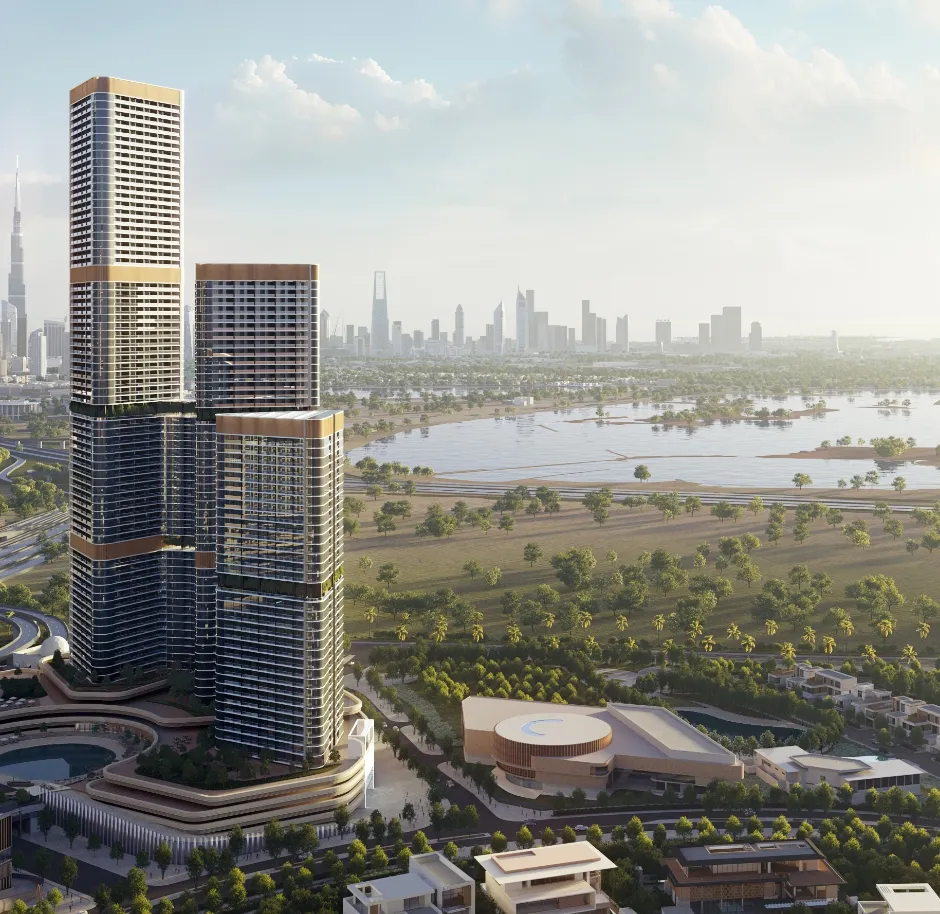
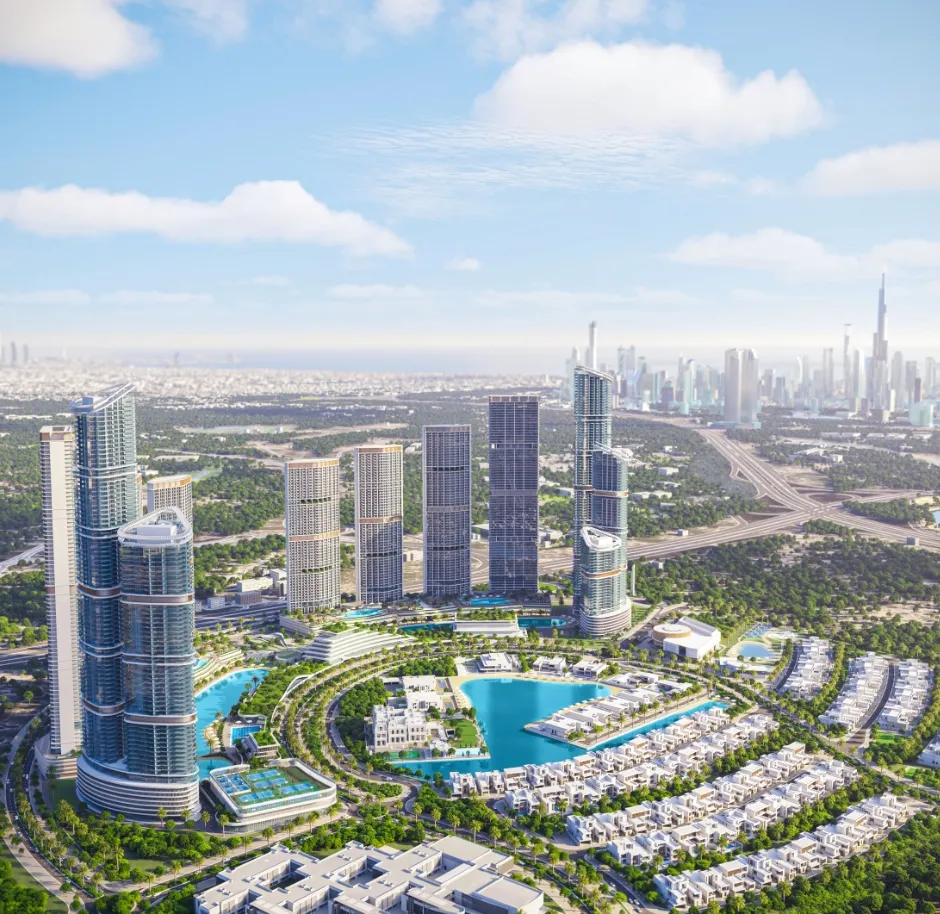
Master-planned communities have become one of the defining trends in modern real estate development.
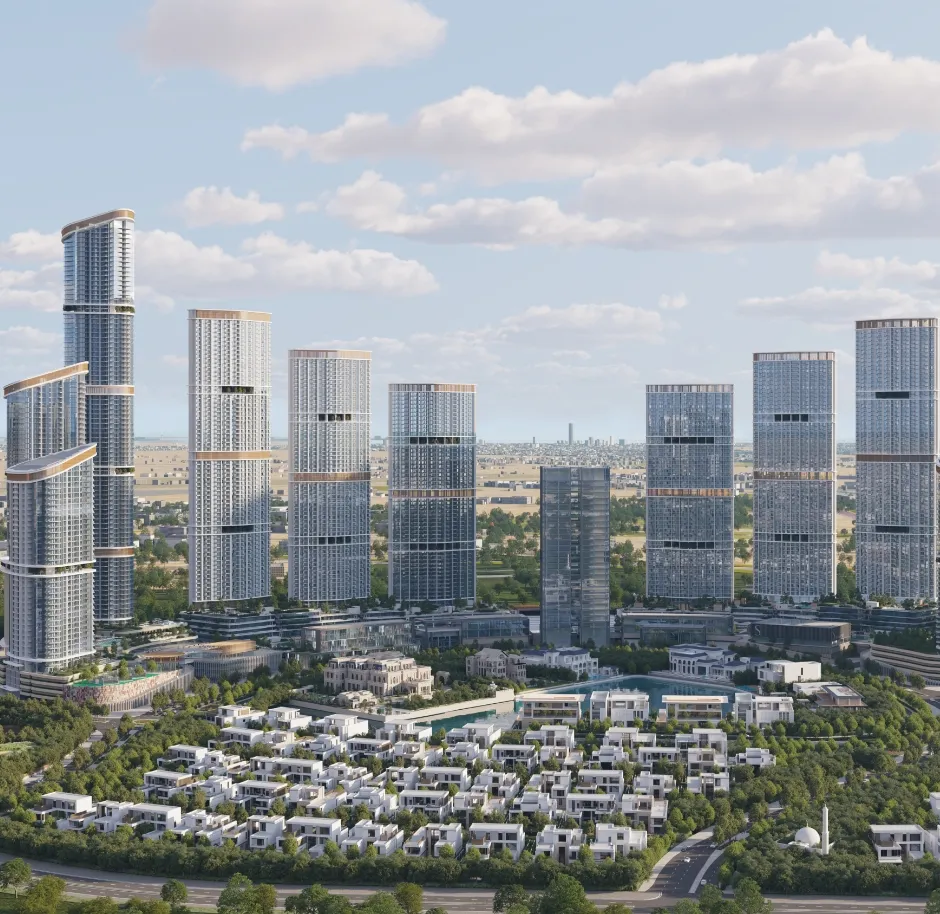
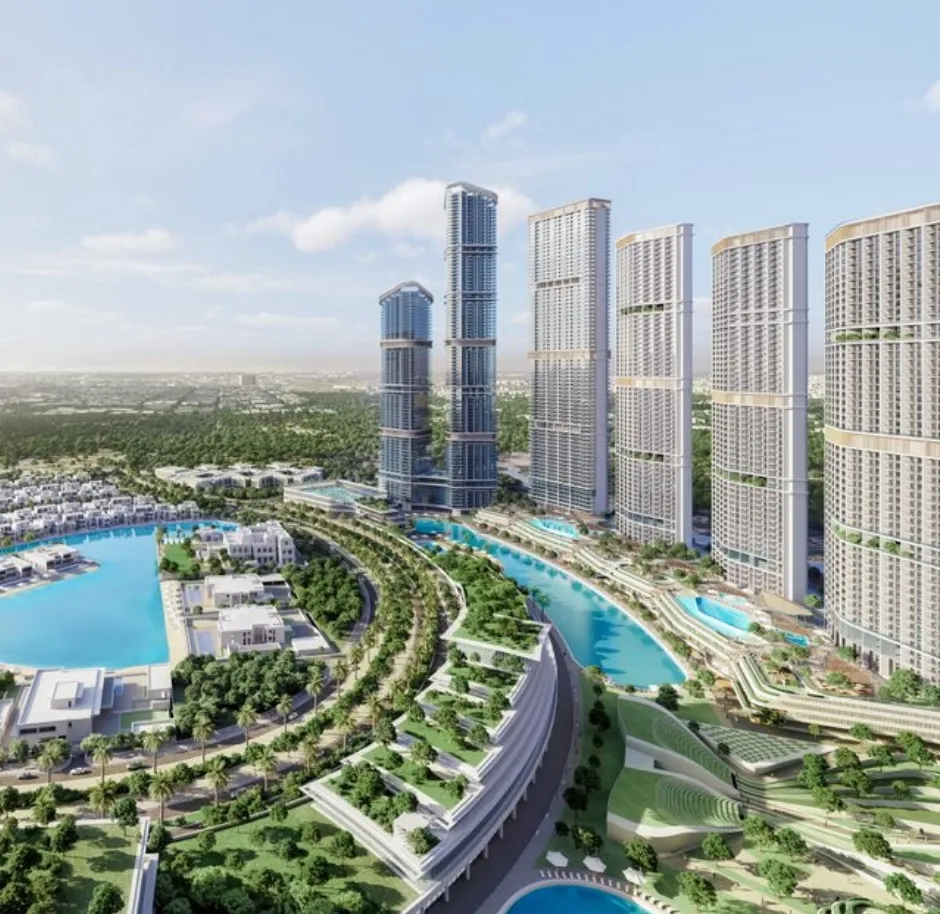
Unlike standalone residential projects, they are designed as complete environments where homes are integrated with supporting infrastructure and amenities.
A well-planned community often includes:
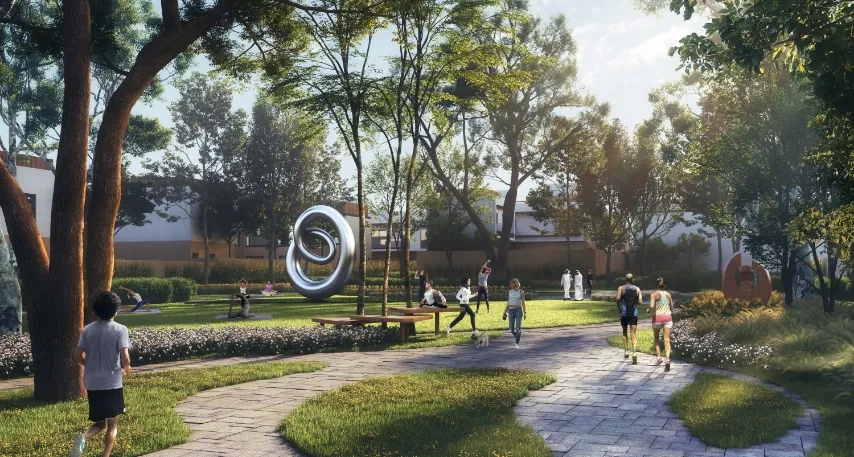
- Landscaped parks
- Schools
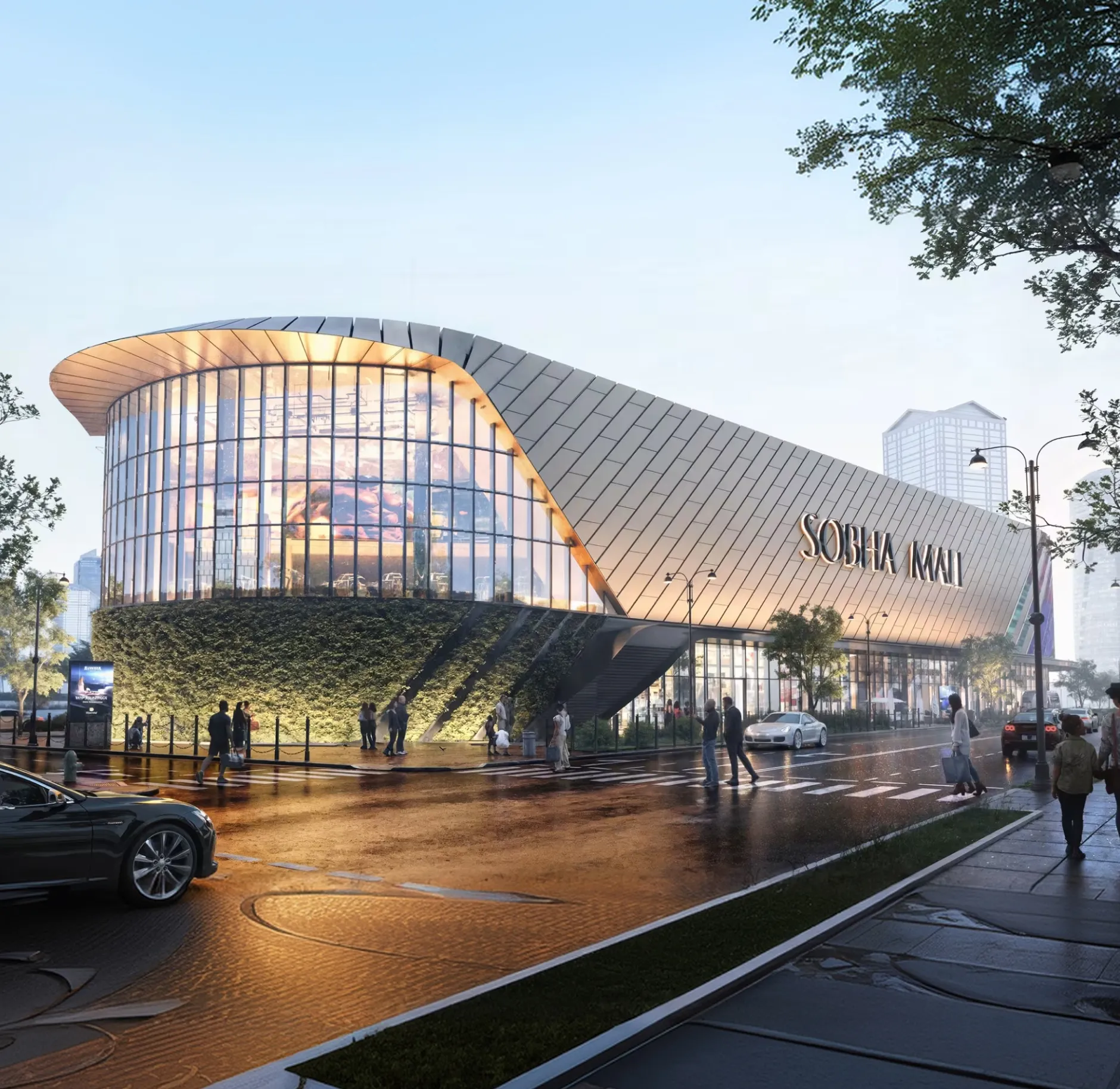
- Retail destinations
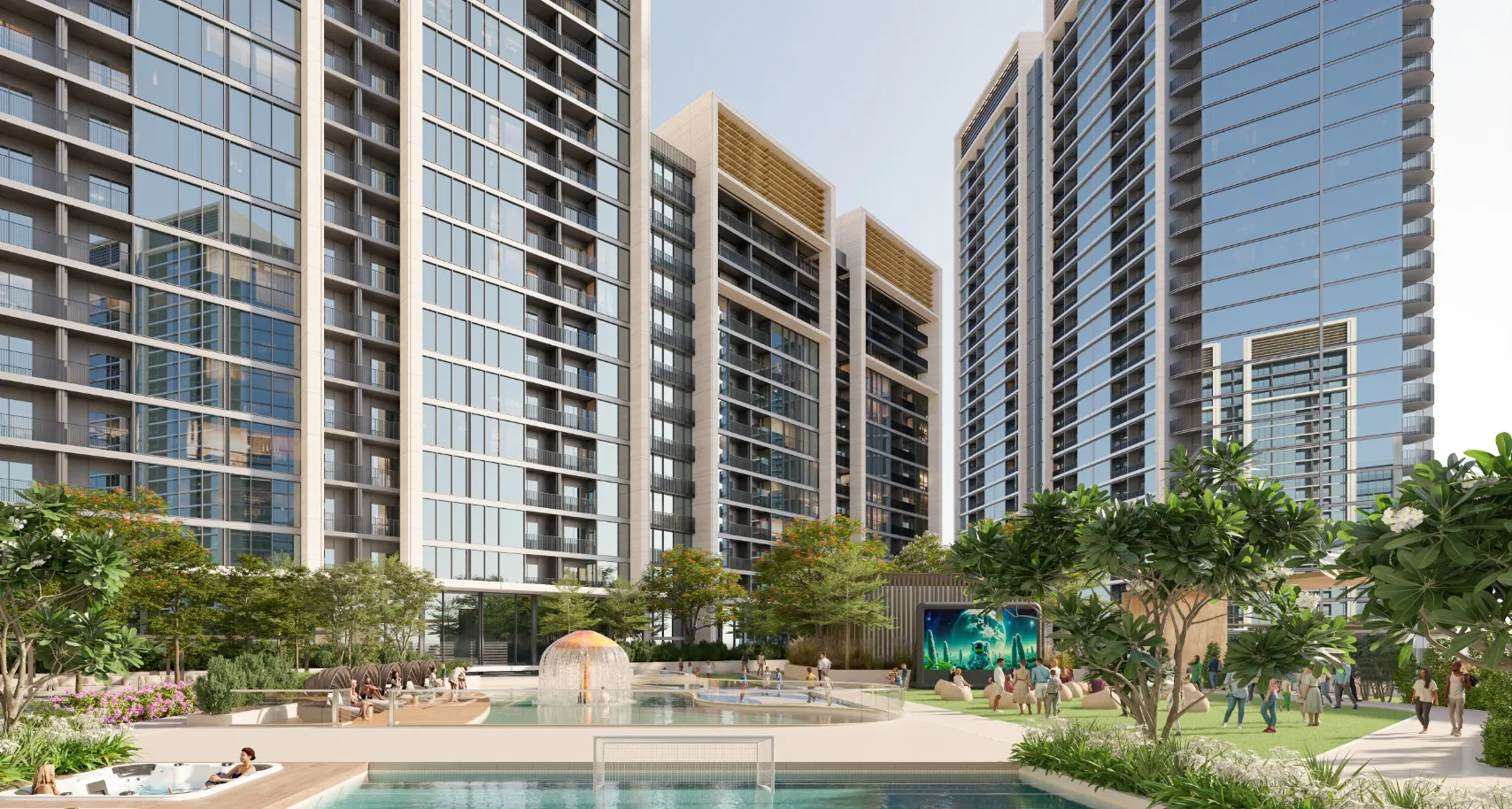
- Wellness facilities
- Cycling and walking paths
- Children's play areas
- Community gathering spaces
By bringing these elements together, developers create neighbourhoods that support both convenience and quality of life.
This integrated approach has become increasingly attractive to families, professionals, and long-term investors alike.
Walkability Is Shaping Everyday Living
One of the defining characteristics of successful communities is walkability.
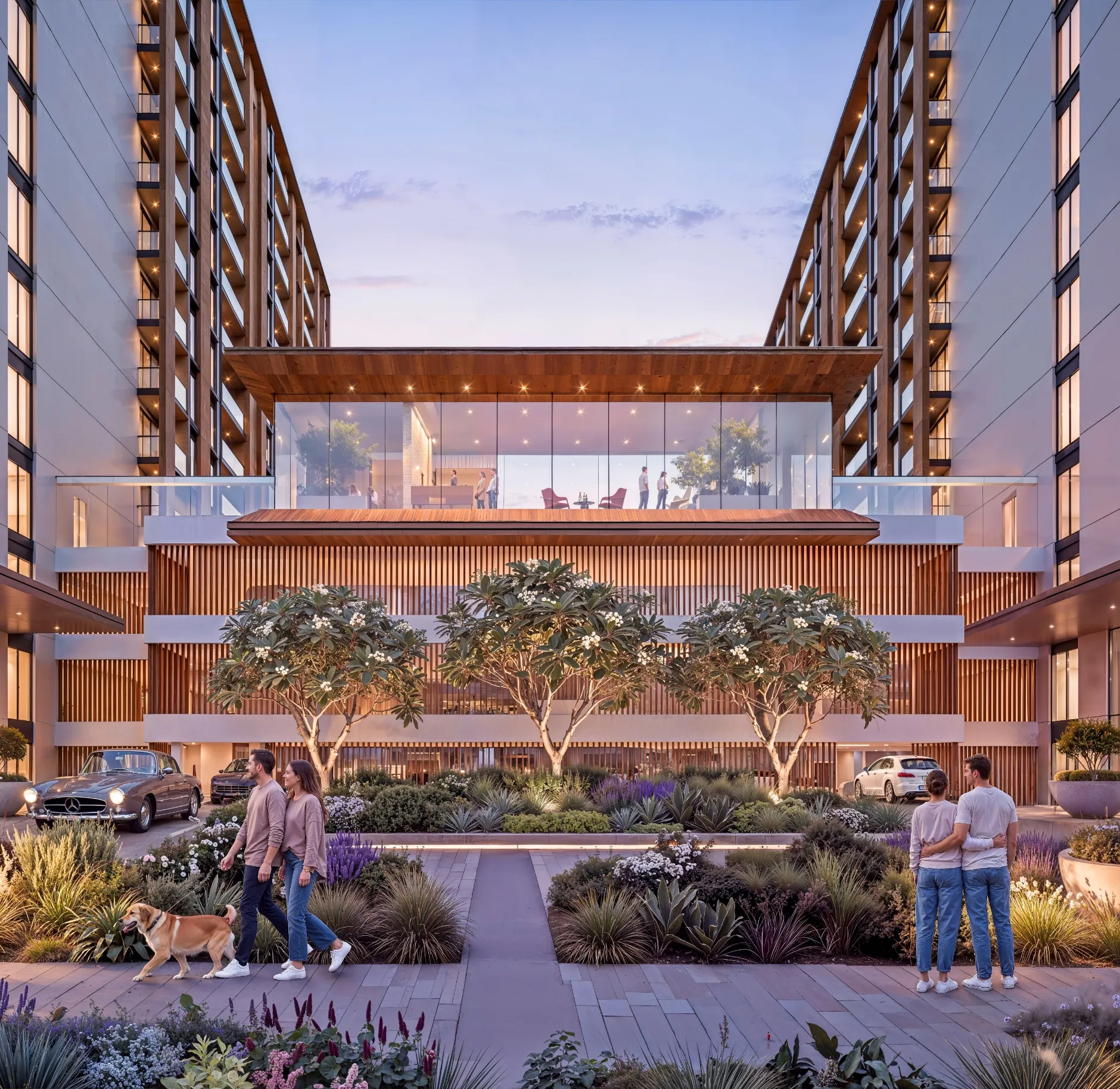
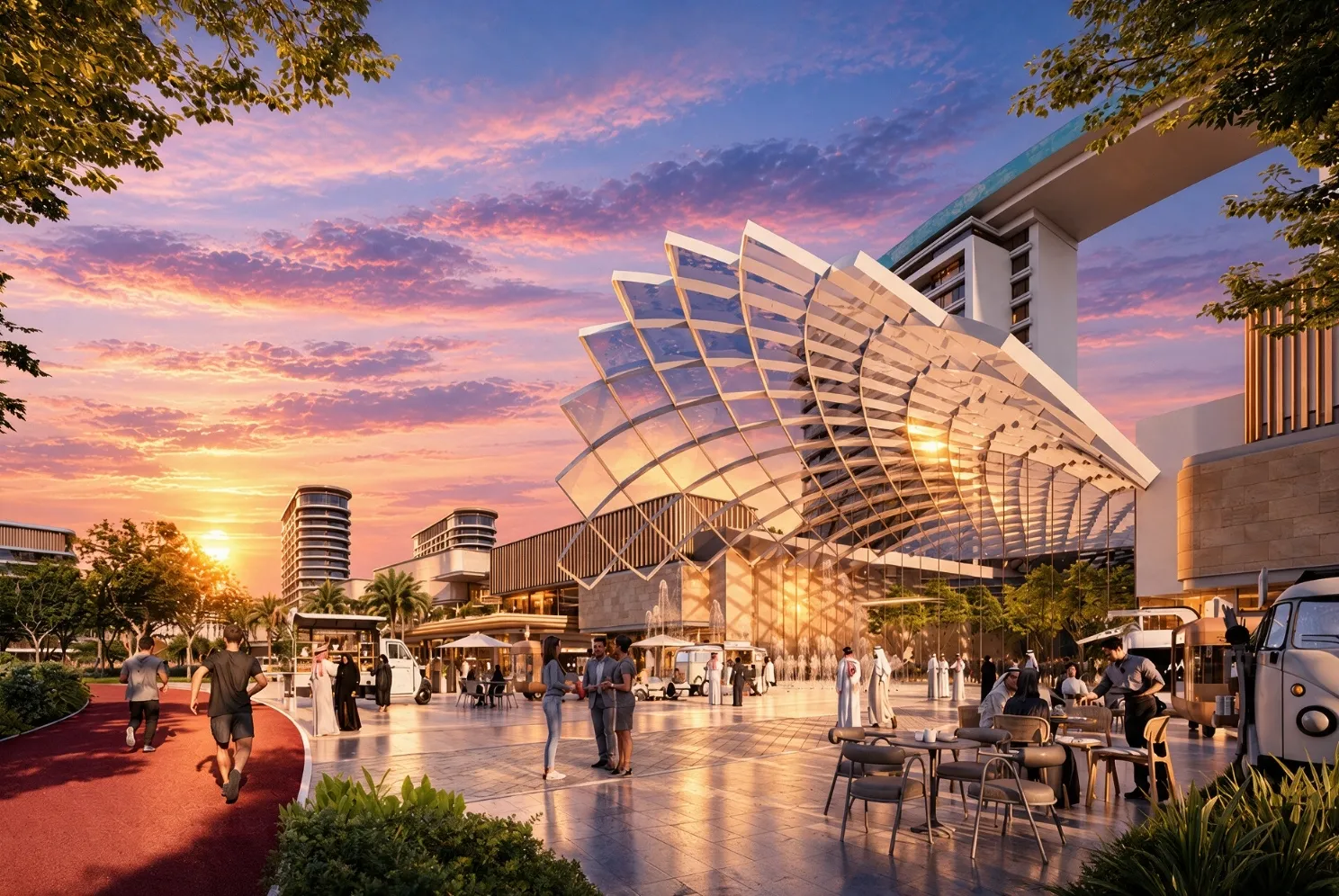
Rather than depending entirely on cars, residents increasingly value neighbourhoods where they can comfortably walk to parks, cafés, fitness facilities, retail outlets, or schools.
Walkable communities offer several advantages:
- Greater convenience
- More active lifestyles
- Increased social interaction
- Reduced commuting within the neighbourhood
- Stronger sense of place
Globally, urban planners increasingly recognise that walkability contributes to healthier and more connected communities.
Dubai’s evolving planning approach including the Dubai 2040 Urban Master Plan, reflects of these principles through its evolving approach to master planning.
Green Spaces Are Becoming Essential
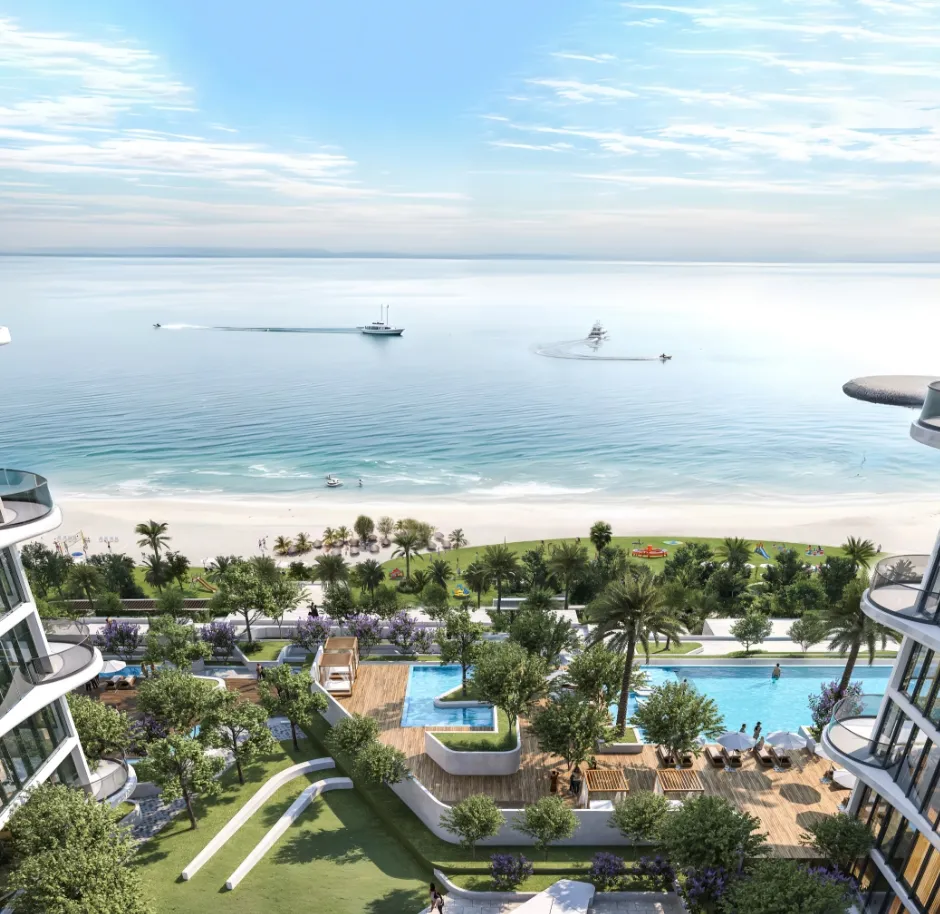
Open spaces are no longer considered optional amenities.
They have become an essential component of modern community design.
Numerous studies have highlighted the positive relationship between access to nature and overall wellbeing.
For residents, green spaces provide opportunities to:
- Exercise
- Relax
- Socialise
- Spend time with family
- Improve mental wellbeing
For communities, they enhance visual appeal while supporting environmental sustainability.
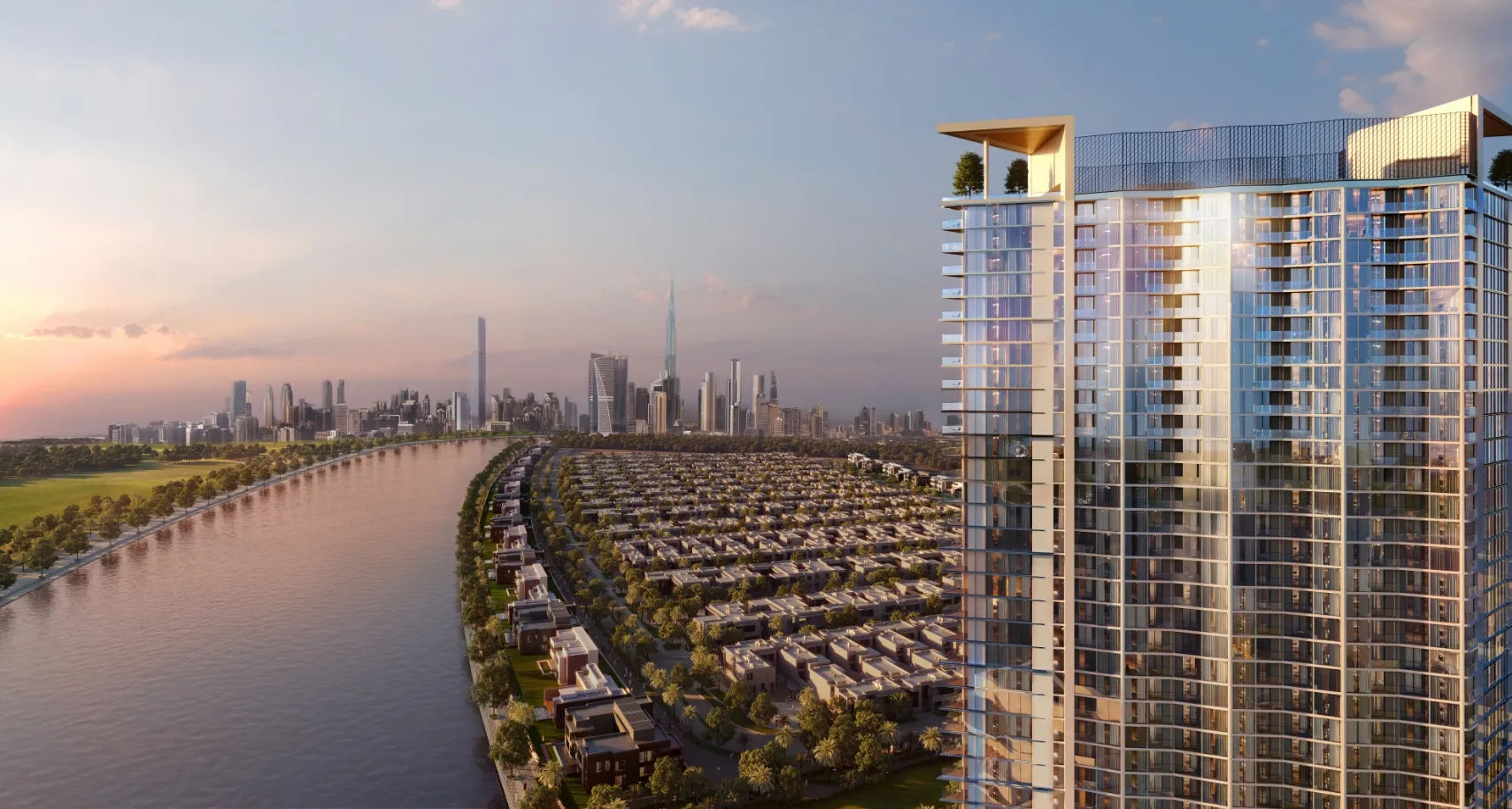
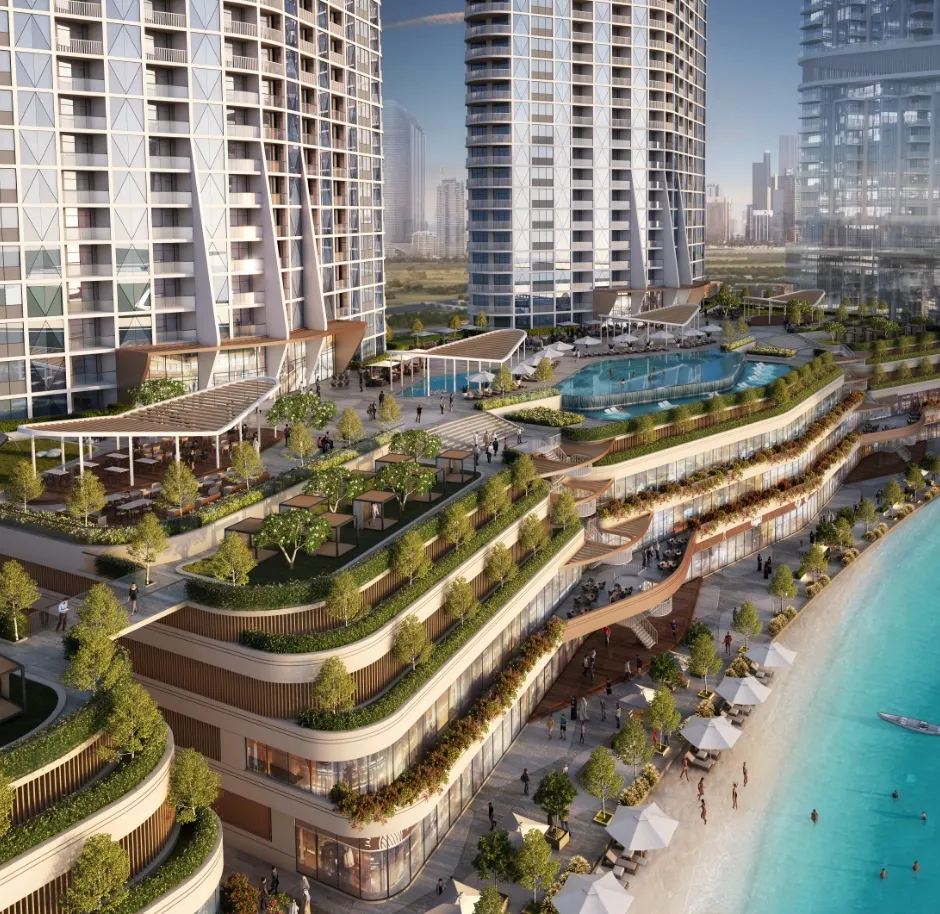
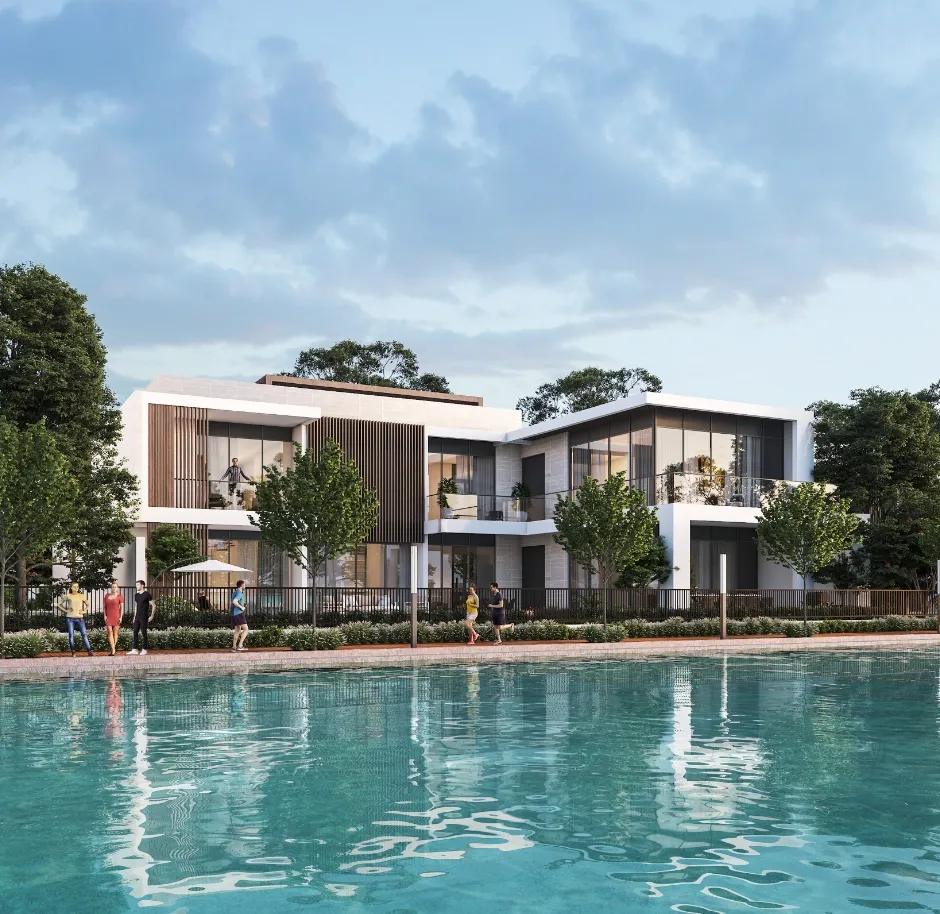
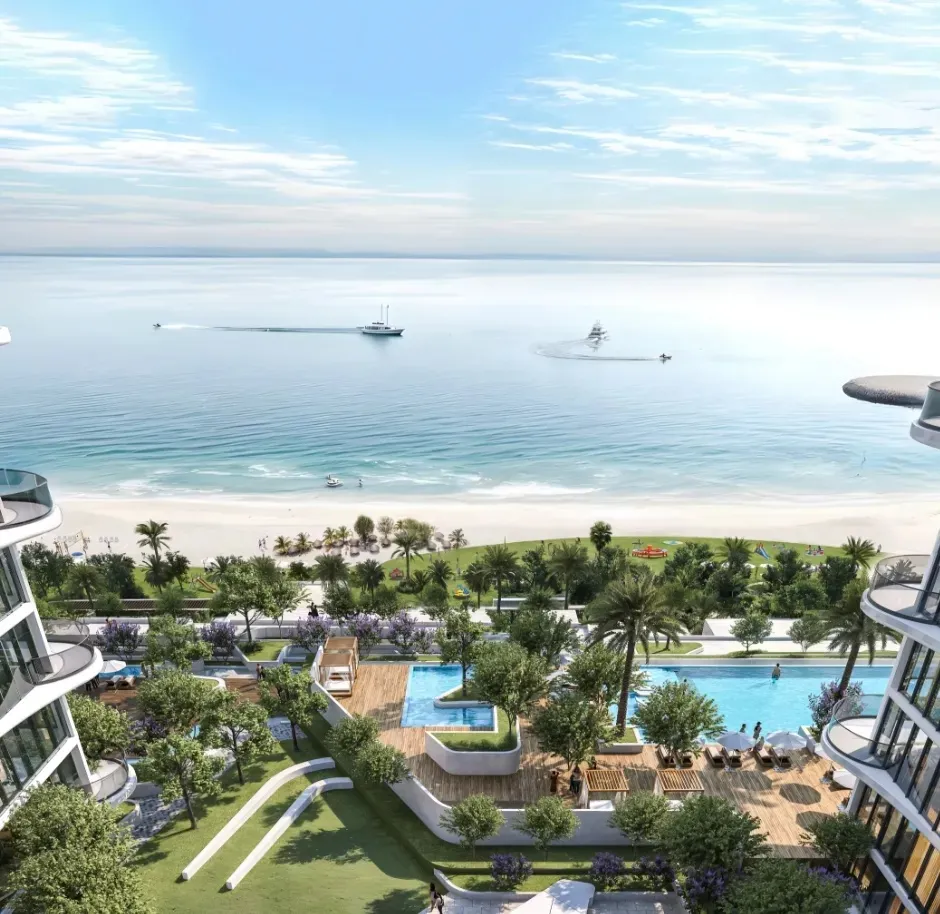
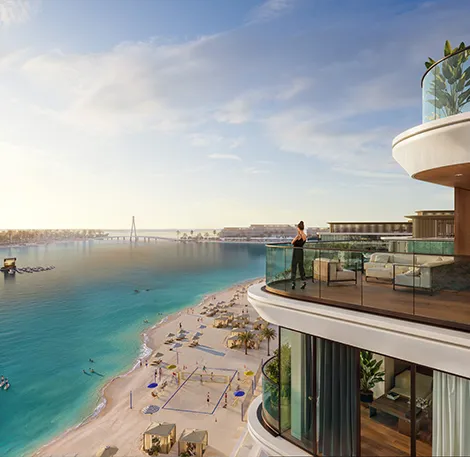
Developments that prioritise landscaped parks, tree-lined streets, waterfront promenades, and outdoor recreation increasingly attract both homeowners and long-term tenants.
Communities Designed Around Families
The strongest residential communities recognise that family needs evolve over time.
Parents increasingly evaluate developments based on factors extending well beyond the home itself.
Important considerations include:
- Nearby schools
- Safe pedestrian environments
- Children's play areas
- Healthcare facilities
- Community events
- Outdoor recreation
- Everyday convenience
Neighbourhoods designed around these principles often foster stronger resident loyalty and long-term occupancy.
This creates benefits for both homeowners and property investors.
Community Design Supports Long-Term Value
Community planning also plays an important role in long-term investment performance.
Developments offering integrated amenities often experience:
- Sustained residential demand
- Greater tenant satisfaction
- Longer occupancy periods
- stronger neighborhood appeal
- Enhanced lifestyle appeal
While market cycles naturally influence property values, communities built around quality of life are often better positioned to remain attractive over time.
For investors, this reinforces the importance of evaluating the broader development rather than focusing solely on the individual unit.
Creating Communities That Endure
Designing successful communities requires a long-term perspective.
It involves considering not only today's residents but also how neighbourhoods will evolve over the coming decades.
Thoughtful master planning balances:
- Residential density
- Green infrastructure
- Mobility
- Sustainability
- Community interaction
- Lifestyle experiences
These elements help create places that remain relevant as cities continue to grow and resident expectations change.
The most successful developments are those where people choose to stay—not simply because of the homes, but because of the community they become part of.
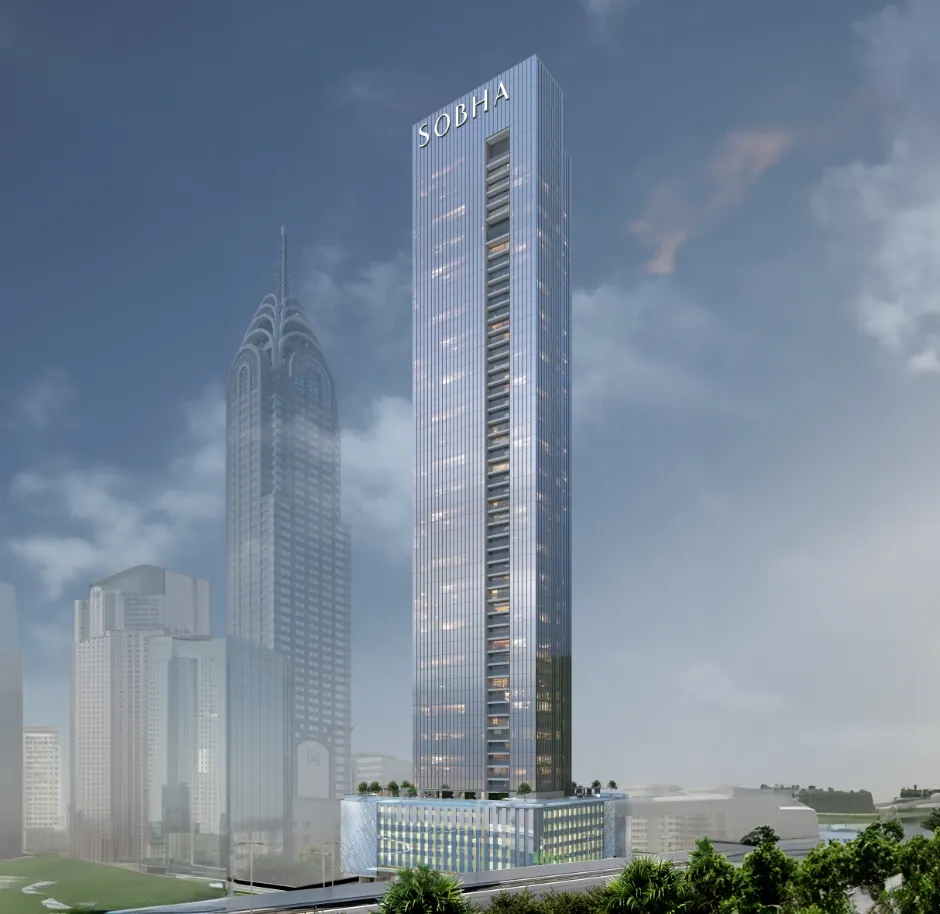
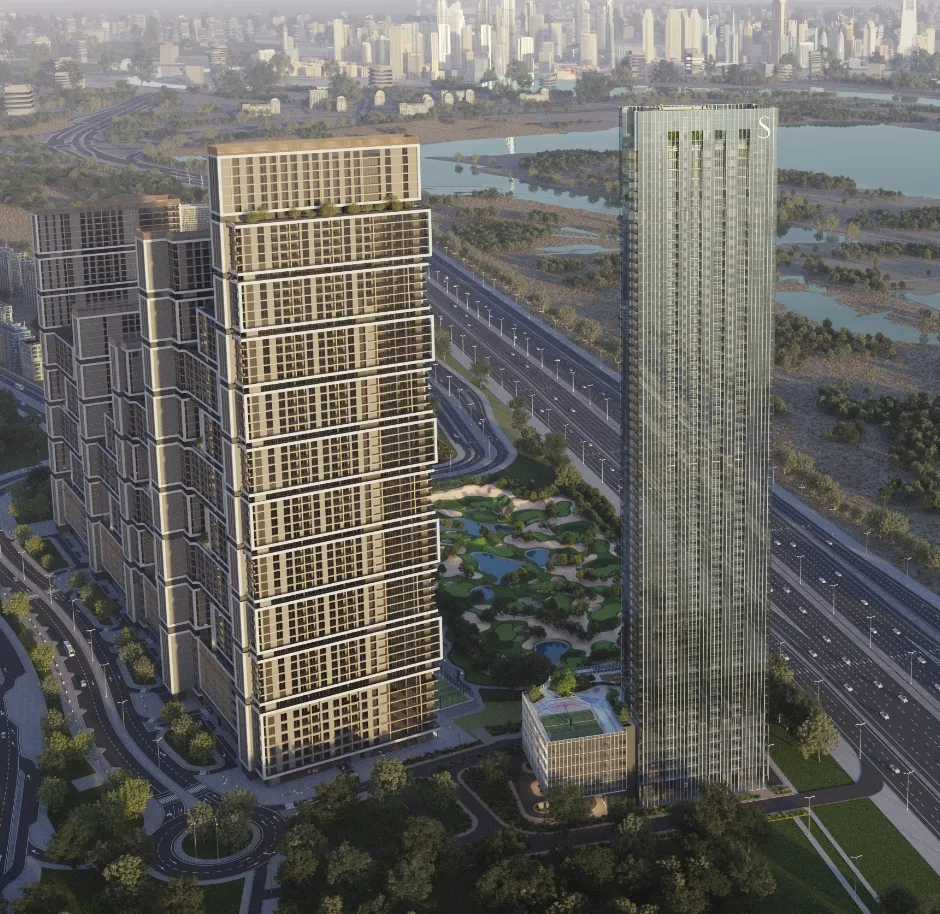
Sobha Realty's Philosophy of Community Living
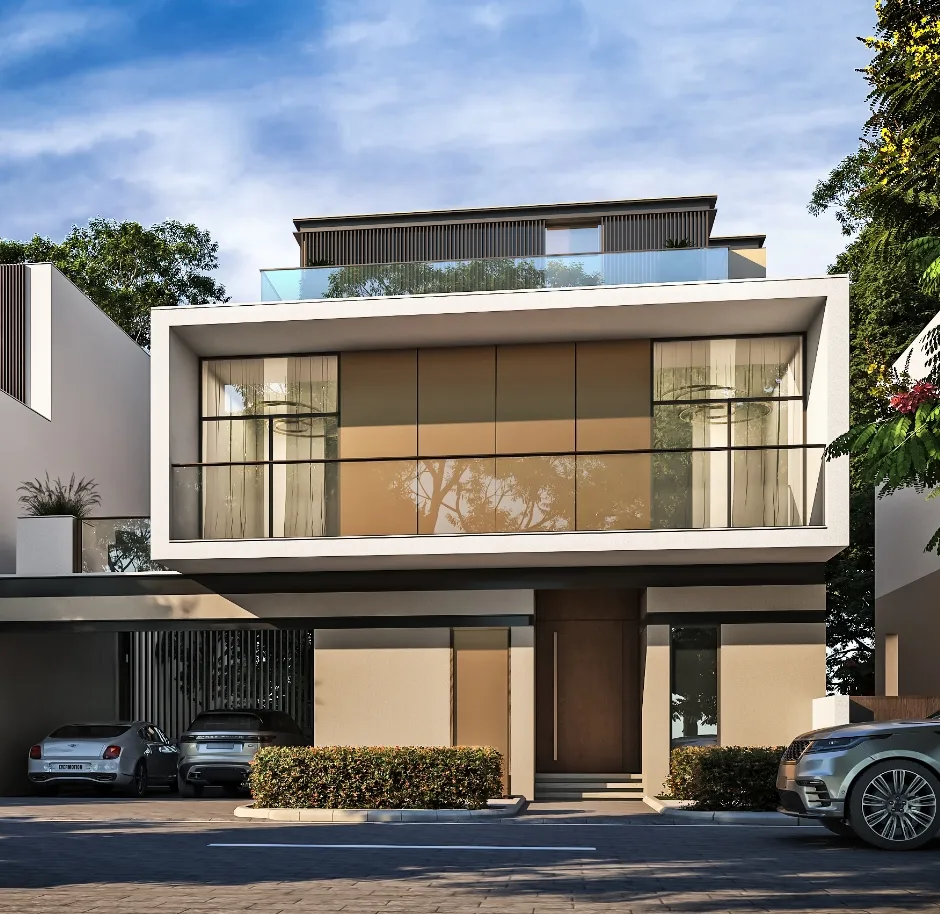
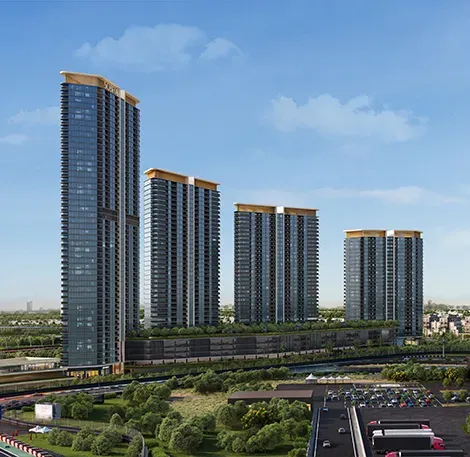
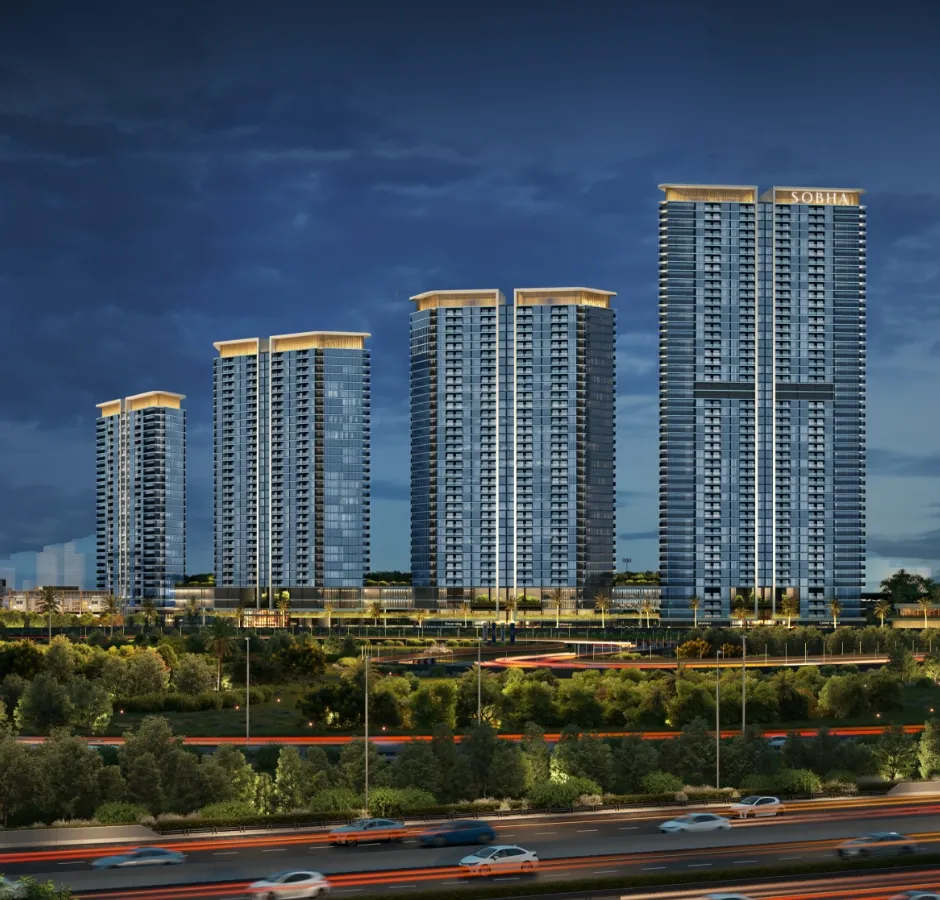
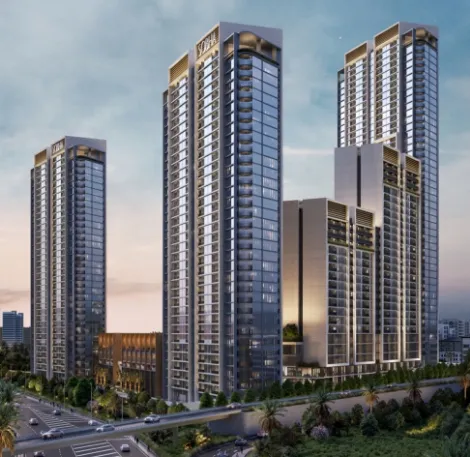
At Sobha Realty, every community is designed with the understanding that exceptional living extends far beyond individual residences.
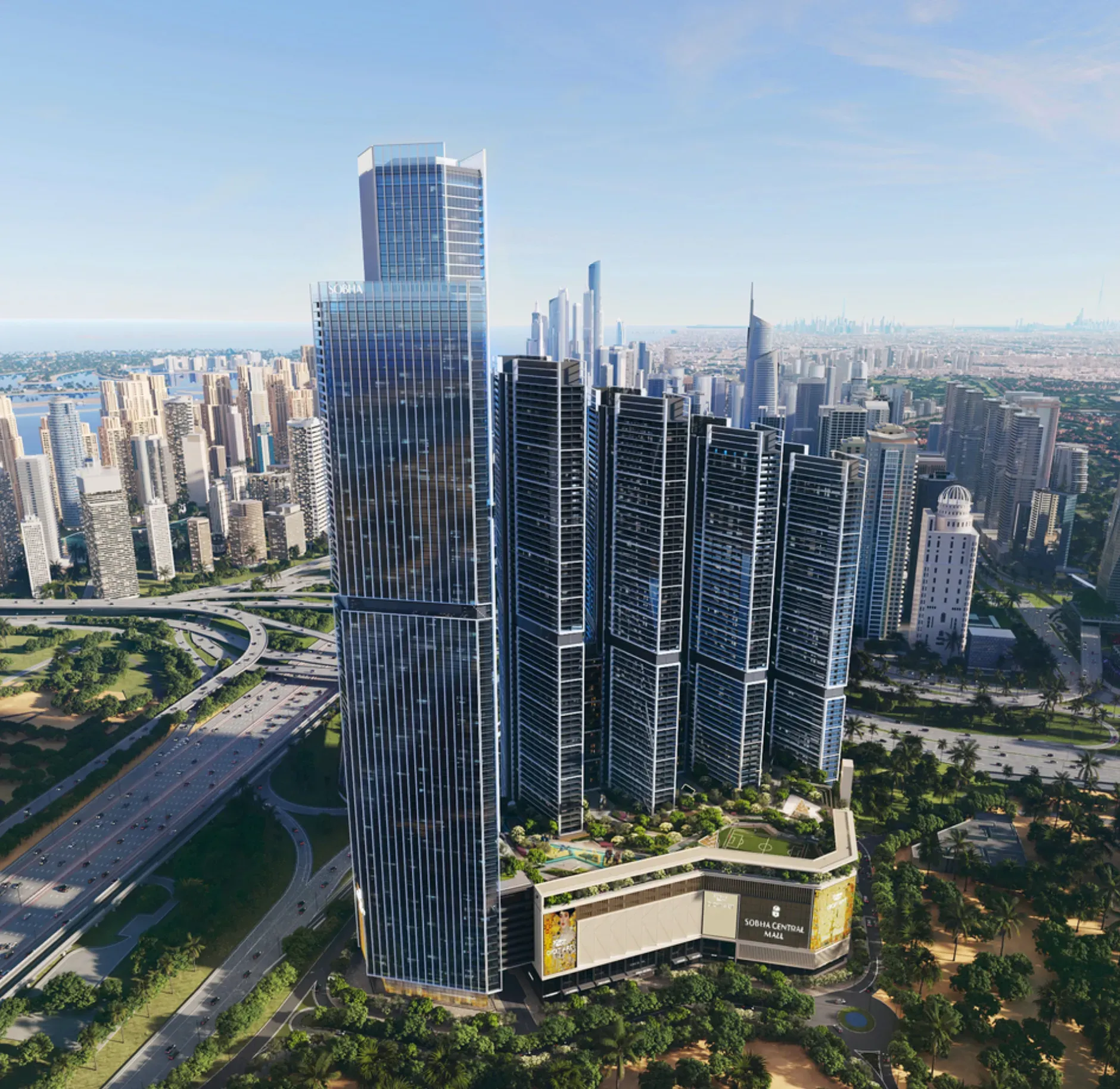
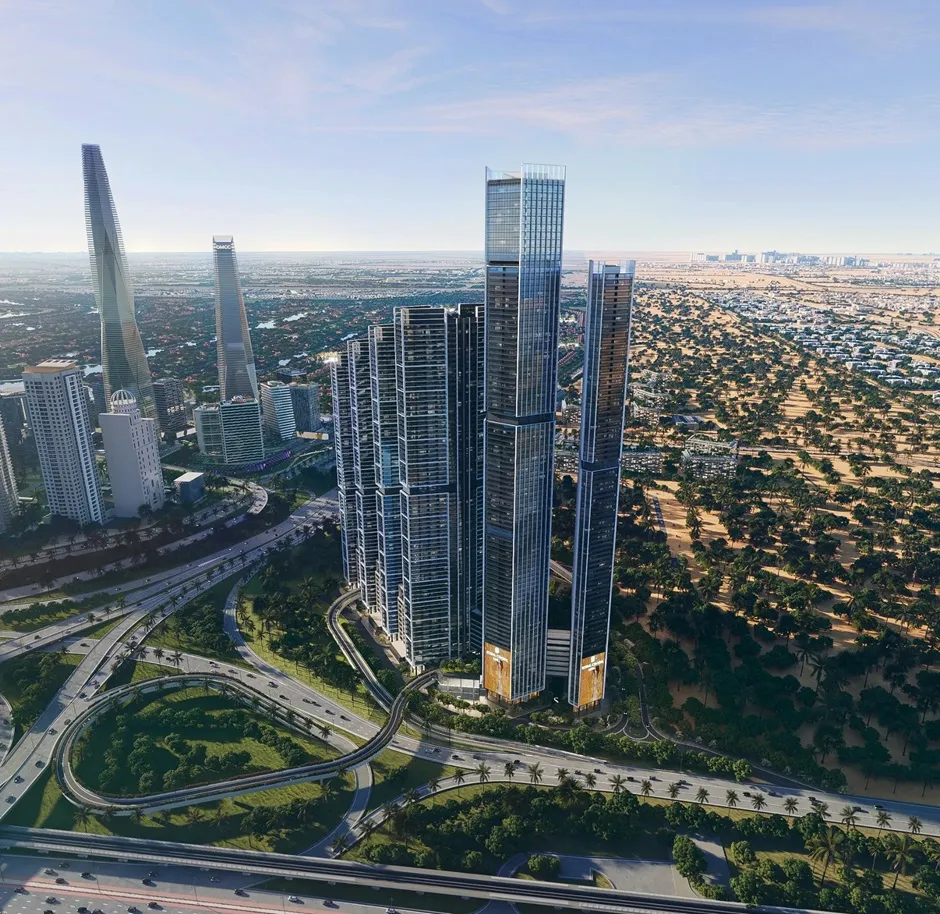
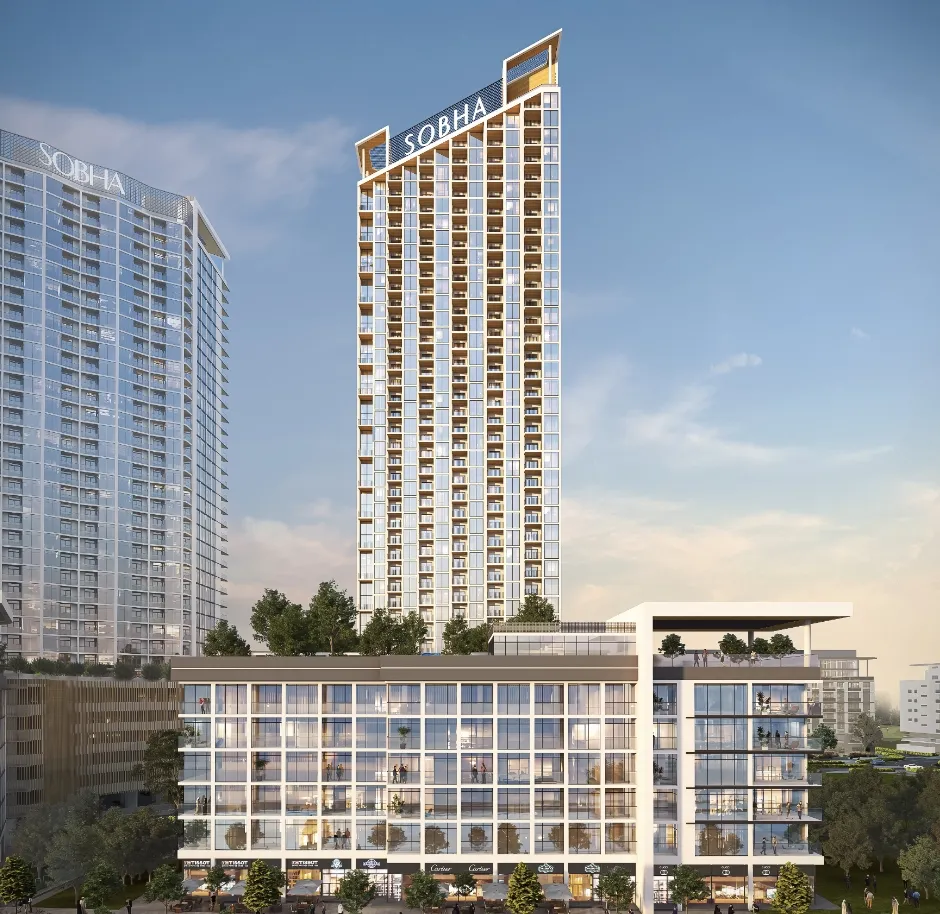
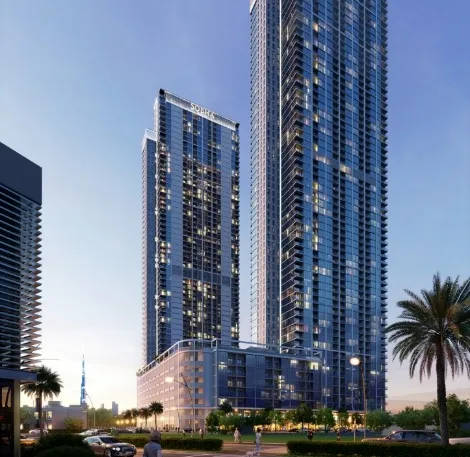
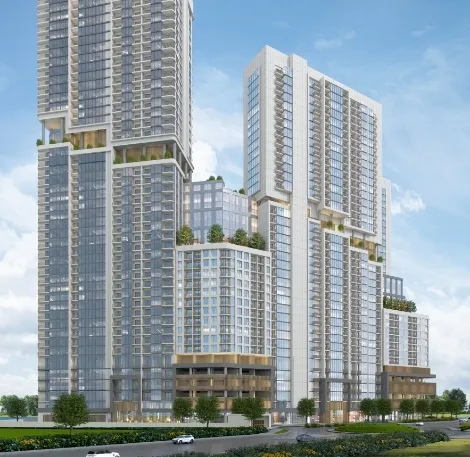
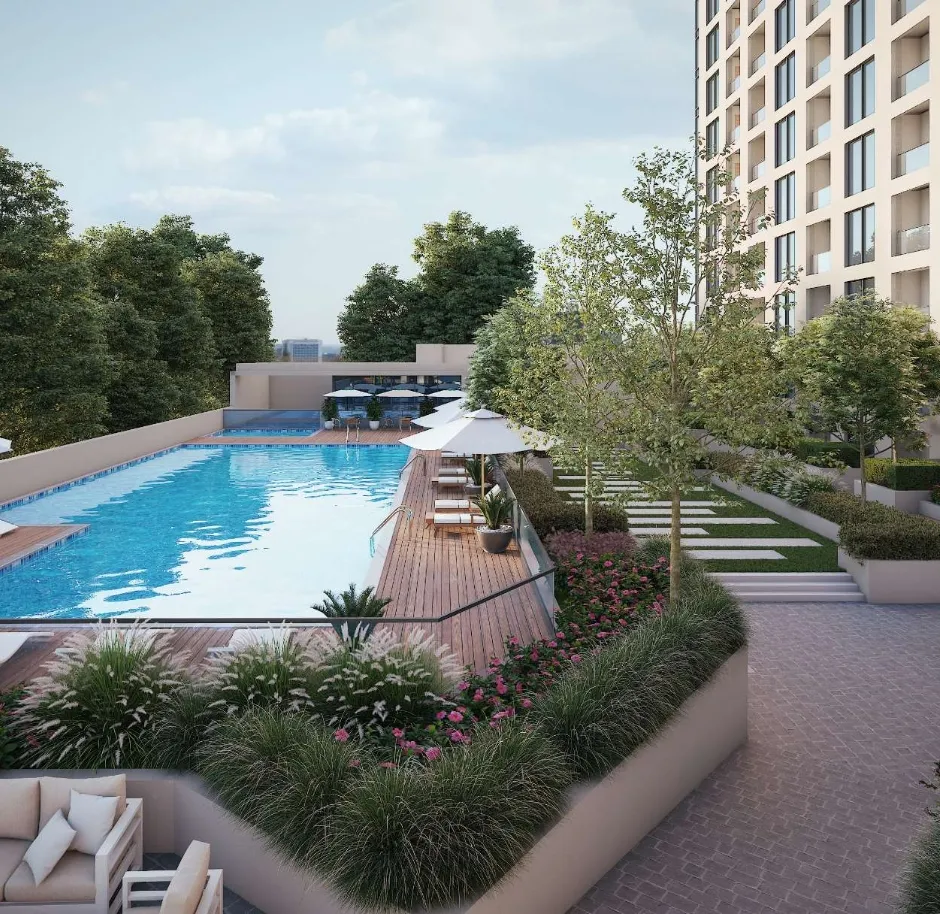
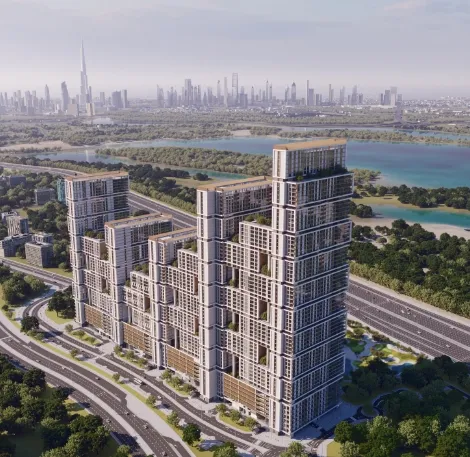
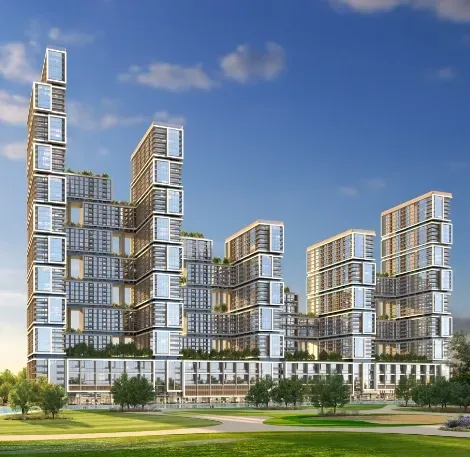
Our master-planned developments combine architecture with carefully considered public spaces, landscaped environments, wellness amenities, educational facilities, retail experiences, and pedestrian-friendly design.
This holistic approach reflects our belief that communities should support every stage of life while creating environments where residents can connect, thrive, and enjoy a genuine sense of belonging.
By combining craftsmanship with thoughtful master planning, Sobha Realty continues to create communities built for both today's lifestyles and tomorrow's aspirations.
Conclusion
The future of residential real estate is increasingly defined by communities rather than individual buildings.
As buyers seek healthier, more connected, and more convenient lifestyles, neighbourhood design has become one of the strongest indicators of long-term desirability.
For homeowners, thoughtfully planned communities enhance everyday living.
For investors, they contribute to sustained demand, stronger resident satisfaction, and lasting value.
As cities continue to evolve, developments that successfully combine quality homes with exceptional community experiences will continue shaping the next generation of residential living.
Frequently Asked Questions
1. What is a master-planned community?
A master-planned community is a large-scale residential development designed to integrate homes with amenities such as parks, schools, retail, wellness facilities, and public spaces.
2. Why are communities becoming more important than individual buildings?
Modern buyers increasingly prioritise lifestyle, convenience, wellbeing, and community experiences alongside the quality of the home itself.
3. What makes a community attractive to families?
Factors such as schools, parks, walkability, safety, healthcare, and recreational facilities contribute to long-term family appeal.
4. How does community design affect property value?
Communities offering integrated amenities and strong lifestyle experiences often attract sustained demand, supporting long-term value and resident satisfaction.
5. Why are green spaces important in residential communities?
Green spaces encourage healthier lifestyles, improve wellbeing, provide recreational opportunities, and enhance the overall quality of the neighbourhood.
6. Why do investors consider community quality?
Well-designed communities often experience stronger tenant demand, longer occupancy, greater resident satisfaction, and enhanced long-term investment performance.