Luxury real estate has evolved significantly over the past decade. While location, architecture, and exclusivity remain important, today's high-net-worth buyers increasingly seek something more: trust, identity, and a lifestyle experience that extends beyond the physical home.
This shift has contributed to the rise of branded residences, a segment that has grown rapidly across major global cities and established itself as one of the most influential trends in luxury real estate.
Dubai has become one of the world's leading destinations for branded residential developments, attracting international buyers who value the reassurance of established brands alongside exceptional design and service.
As the city's luxury property market continues to mature, branded residences are reshaping buyer expectations and redefining what luxury means in the modern era.
The Evolution of Luxury Real Estate
Luxury has traditionally been associated with scarcity, premium materials, and prestigious addresses.
While these characteristics remain important, modern luxury buyers are increasingly prioritising experiences over possessions.
Today's affluent homeowners often seek:
- Personalisation
- Convenience
- Wellness
- Service excellence
- Security
- Long-term value
This evolution has changed how luxury developments are designed, marketed, and experienced.
Developers are responding by creating environments that deliver not only exceptional homes but also carefully curated lifestyles.
As a result, luxury real estate is becoming increasingly experiential rather than purely transactional.
What Are Branded Residences?
Branded residences are residential developments associated with an established hospitality, fashion, automotive, or lifestyle brand.
These projects typically combine private homeownership with services, amenities, and design standards inspired by the brand itself.
Examples around the world include partnerships with:
- Luxury hotel groups
- Fashion houses
- Automotive brands
- Lifestyle brands
- International hospitality operators
For buyers, the appeal often lies in the association with a trusted name and the expectation of consistent quality and service.
The brand becomes part of the overall value proposition.
Why Global Buyers Are Drawn to Branded Homes
The popularity of branded residences reflects broader changes in buyer behaviour.
Today's global investors and homeowners are increasingly focused on certainty.
When purchasing property in an international market, buyers often seek reassurance regarding:
- Quality standards
- Service levels
- Design consistency
- Property management
- Long-term value preservation
An established brand can provide a degree of familiarity and confidence that supports decision-making.
For many international buyers, this is particularly important when investing outside their home markets.
The rise of branded residences therefore reflects a growing preference for trusted ecosystems rather than standalone assets.
Trust Has Become the New Luxury
One of the most significant shifts within the luxury property sector is the increasing importance of trust.
Historically, luxury was often defined by visible indicators such as size, finishes, or location.
Today, trust itself has become a premium attribute.
Buyers increasingly evaluate:
- Developer reputation
- Delivery track record
- Construction quality
- Service excellence
- Long-term reliability
This trend extends beyond branded residences.
Across the broader luxury market, purchasers are placing greater emphasis on credibility and consistency.
In many respects, trust has become one of the most valuable forms of luxury available.
How Brand Reputation Influences Value
Brand reputation can influence buyer perception in several ways.
Firstly, it often provides confidence in the expected quality of the development.
Secondly, it can contribute to stronger market recognition and international visibility.
Thirdly, it may enhance the overall resident experience through carefully curated services and amenities.
However, it is important to recognise that branding alone does not create value.
Long-term performance ultimately depends on:
- Construction quality
- Community planning
- Operational excellence
- Location
- Resident experience
A strong brand can attract attention, but sustained value requires strong fundamentals.
The Rise of Lifestyle-Led Purchasing
Another reason for the growth of branded residences is the increasing importance of lifestyle-led purchasing decisions.
Luxury buyers are no longer purchasing property solely for investment purposes.
Many are seeking homes that align with their personal values, aspirations, and preferred way of life.
Key considerations increasingly include:
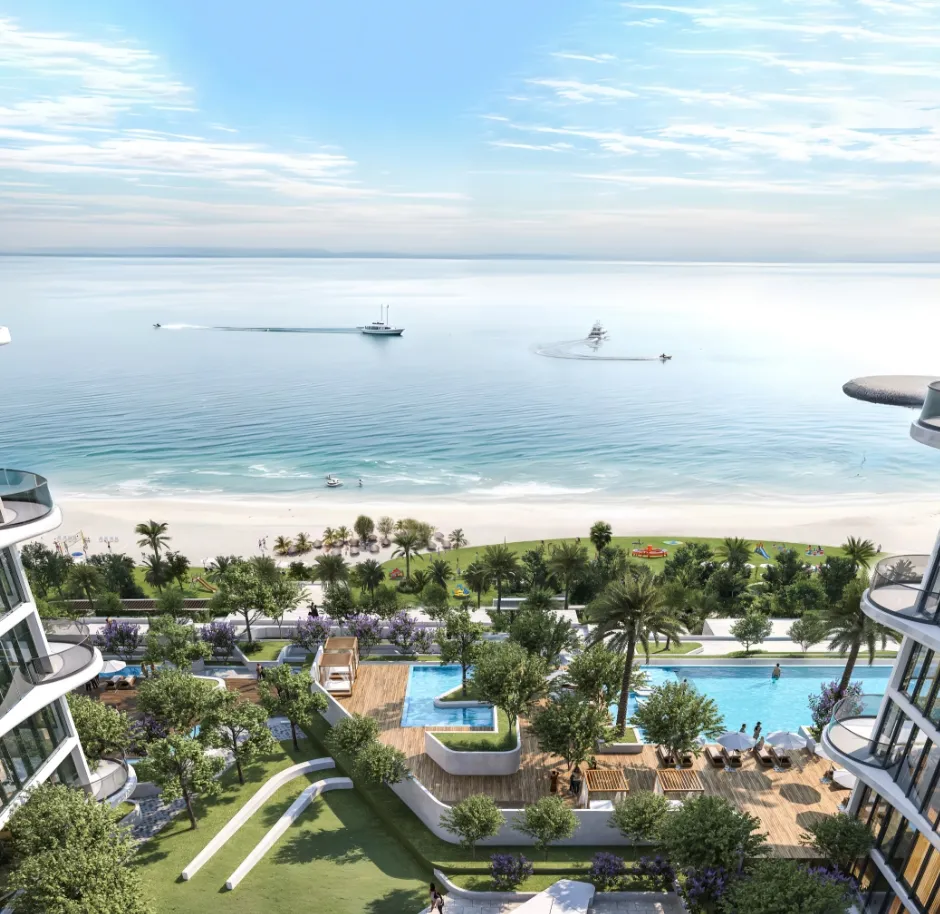
- Wellness amenities
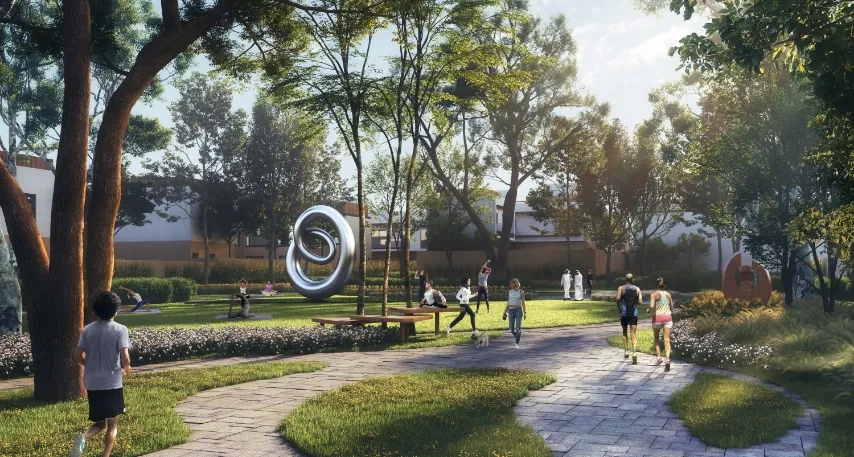
- Green spaces
- Privacy
- Community experiences
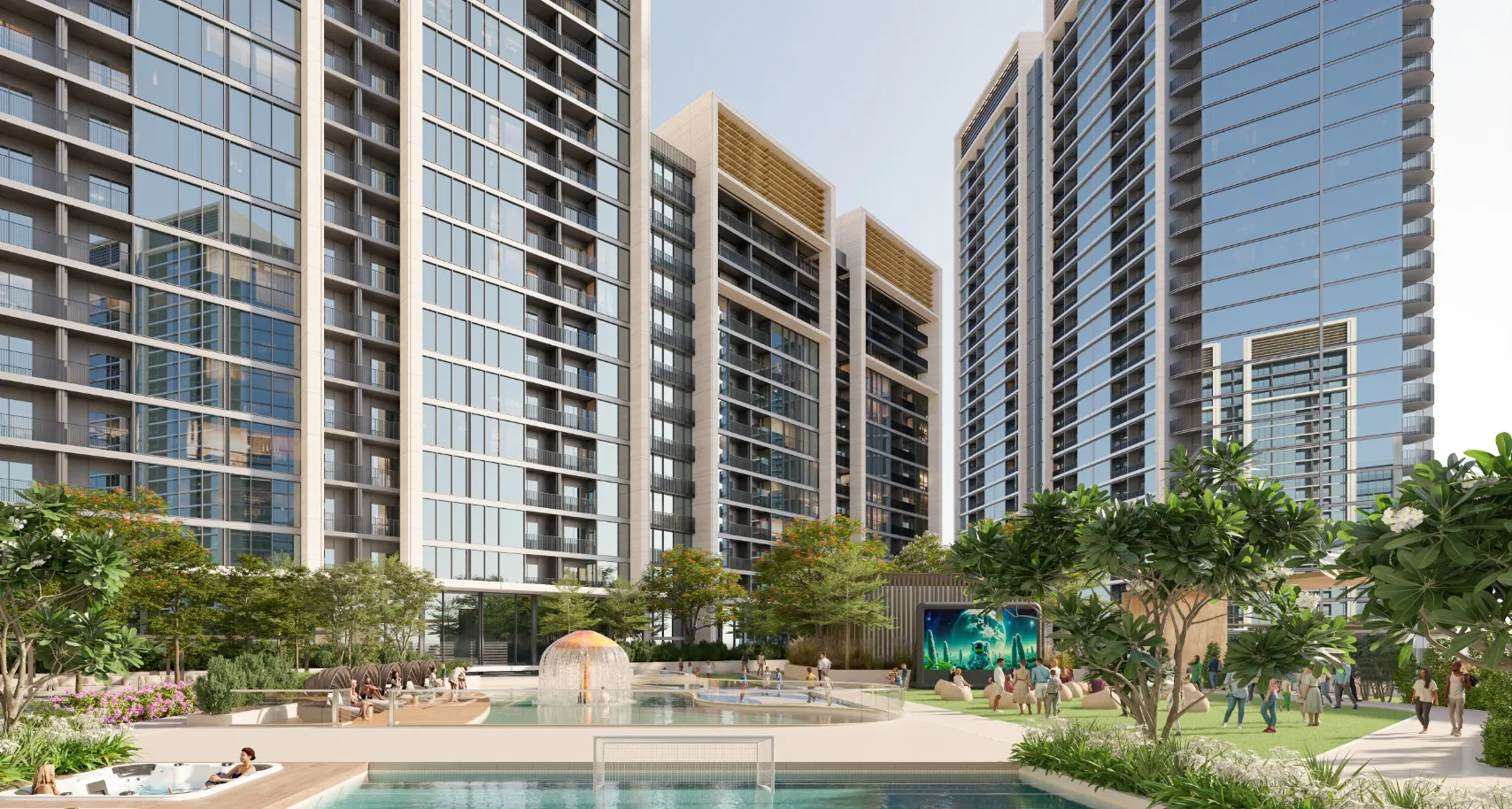
- Hospitality-inspired services
- Work-life balance
This reflects a broader transformation within the luxury real estate sector.
Properties are being evaluated not only as assets but also as environments that support everyday living.
What This Means for Dubai's Luxury Market
Dubai's luxury property market is particularly well positioned to benefit from these trends.
The city combines several characteristics that appeal to global wealth:
- International connectivity
- Economic stability
- Investor-friendly policies
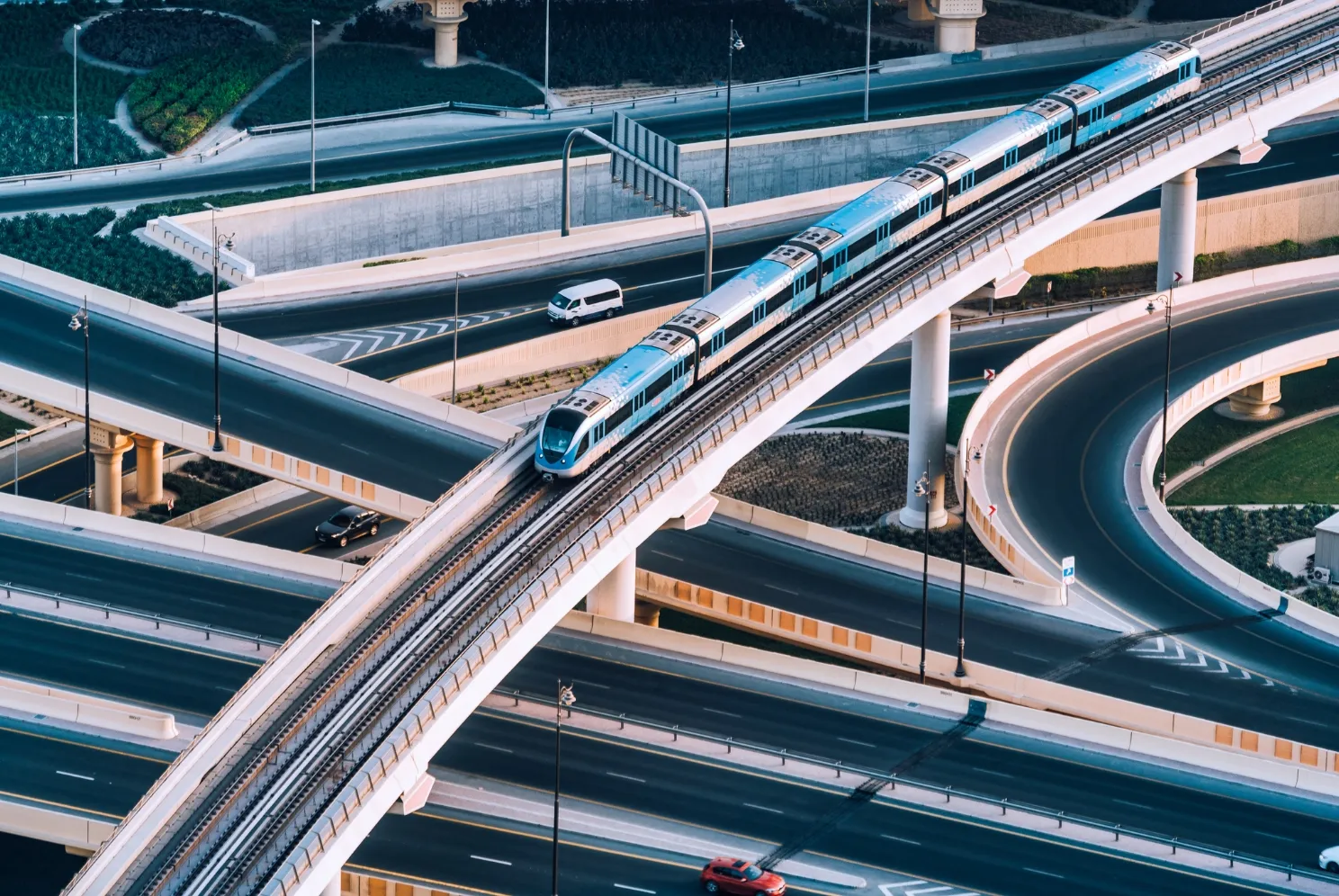
- Exceptional infrastructure
- High quality of life
- A growing luxury ecosystem
As more affluent buyers relocate capital and establish long-term residential footprints in Dubai, demand for premium living experiences is expected to remain strong.
This has helped position the city as one of the world's most dynamic luxury residential destinations.
The continued growth of branded residences reflects broader confidence in Dubai's long-term appeal.
Beyond Branding: The Importance of Development Quality
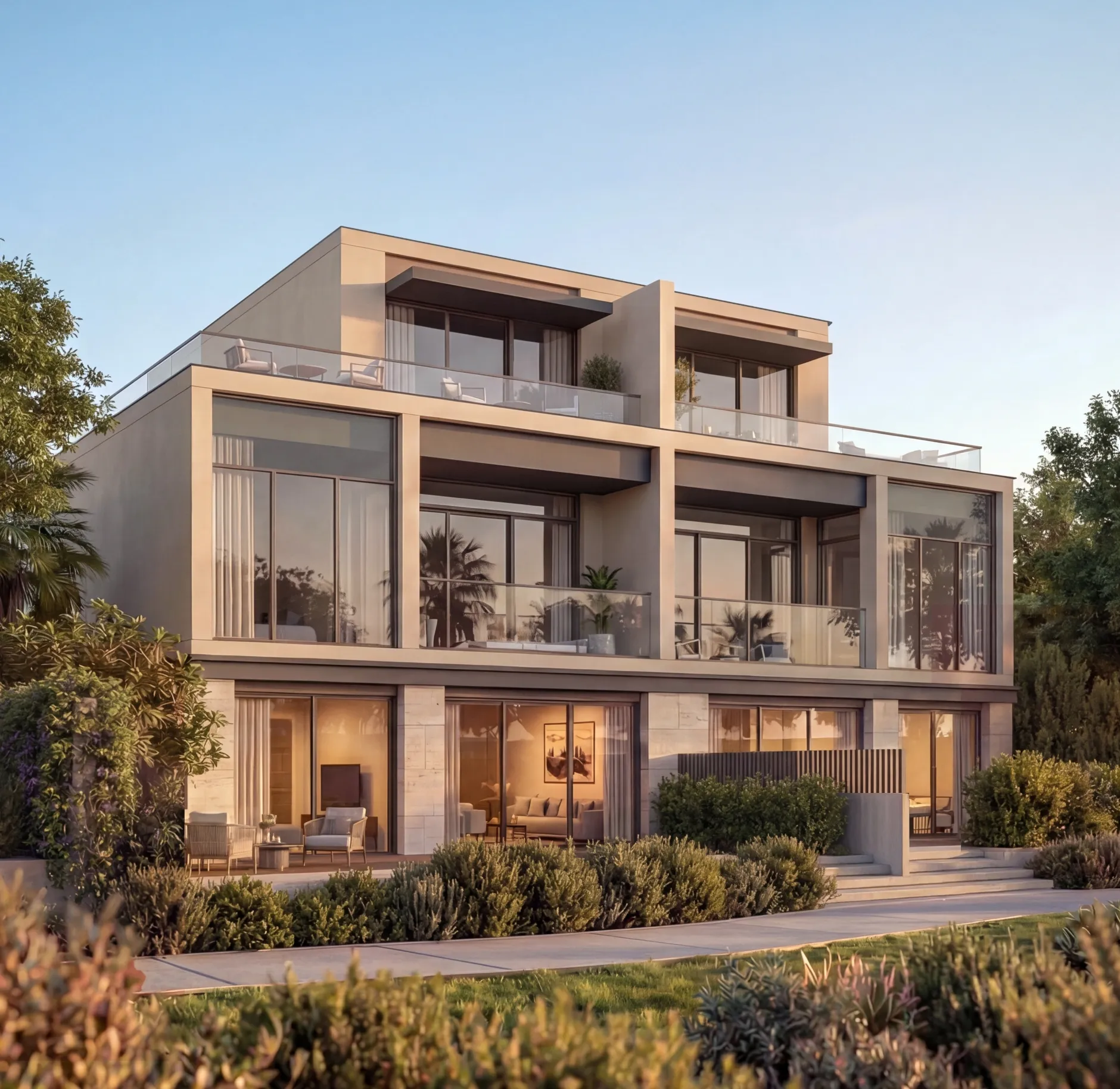
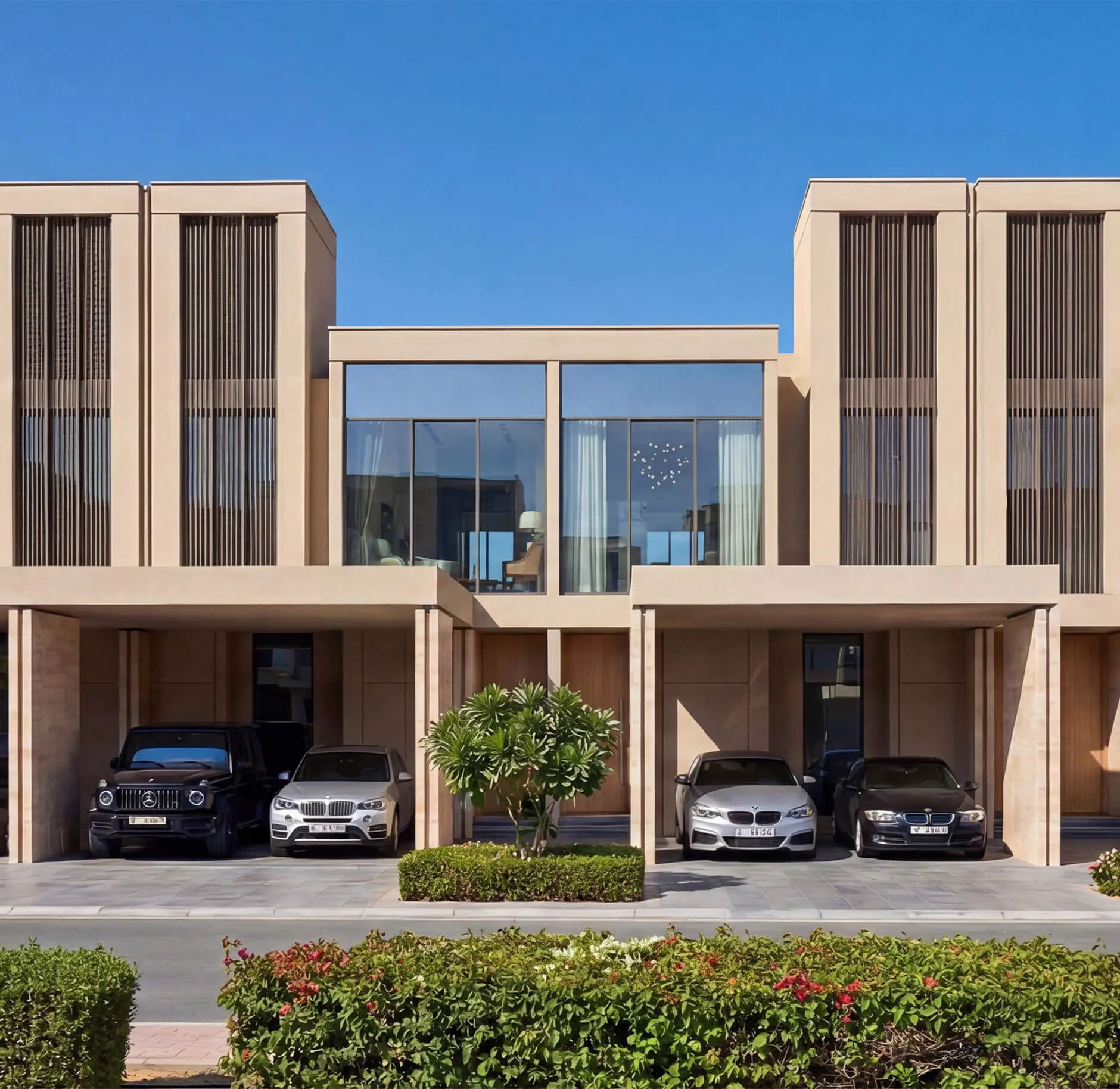
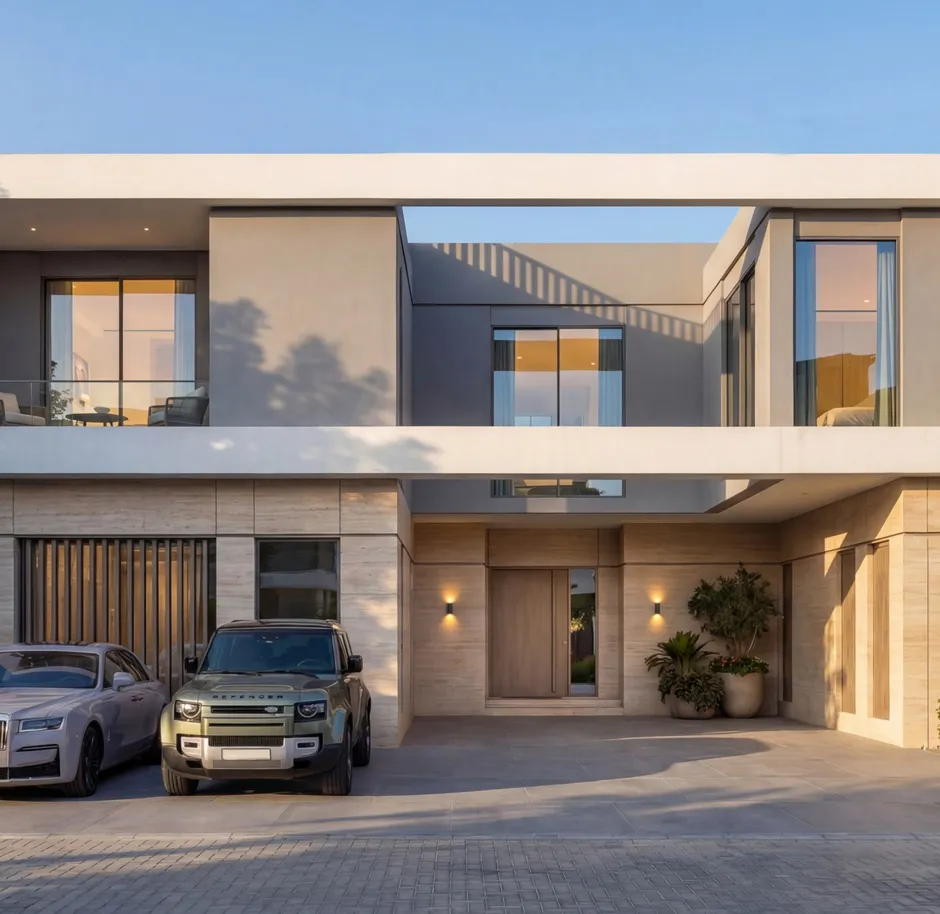
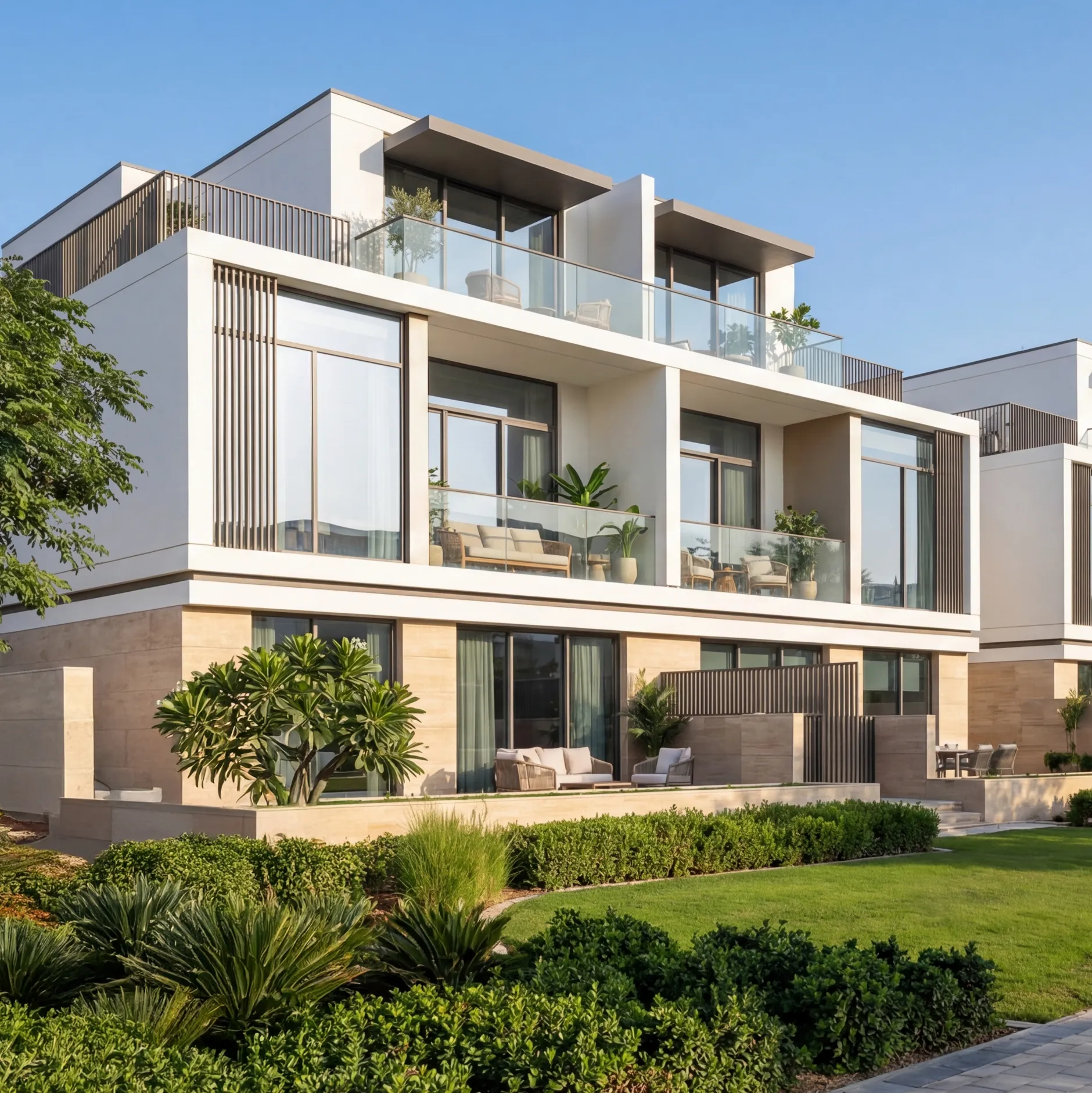
While branding can influence buyer perception, true long-term value is created through execution.
The most successful luxury developments share several common characteristics:
- Exceptional Construction Quality
Quality remains fundamental to long-term satisfaction and asset performance. - Thoughtful Community Planning
Integrated communities often provide stronger lifestyle benefits than isolated developments. - Attention to Detail
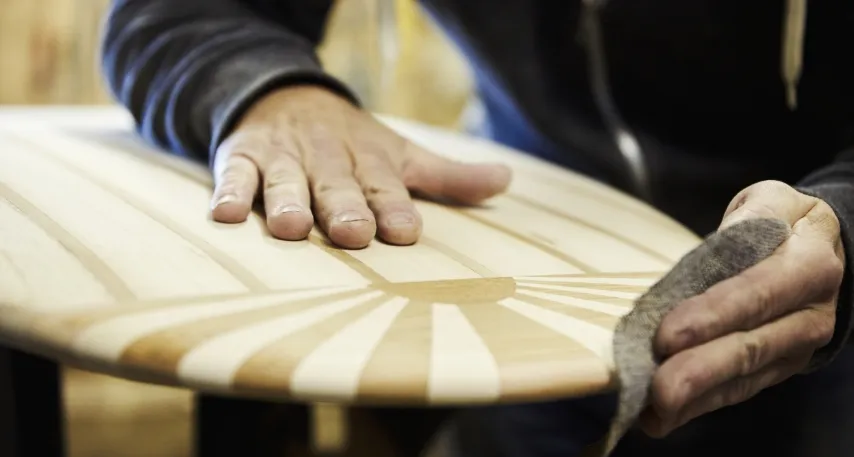
Design, craftsmanship, and resident experience continue to differentiate leading developments. - Long-Term Vision
Projects designed around future demand trends are often better positioned for sustained relevance.
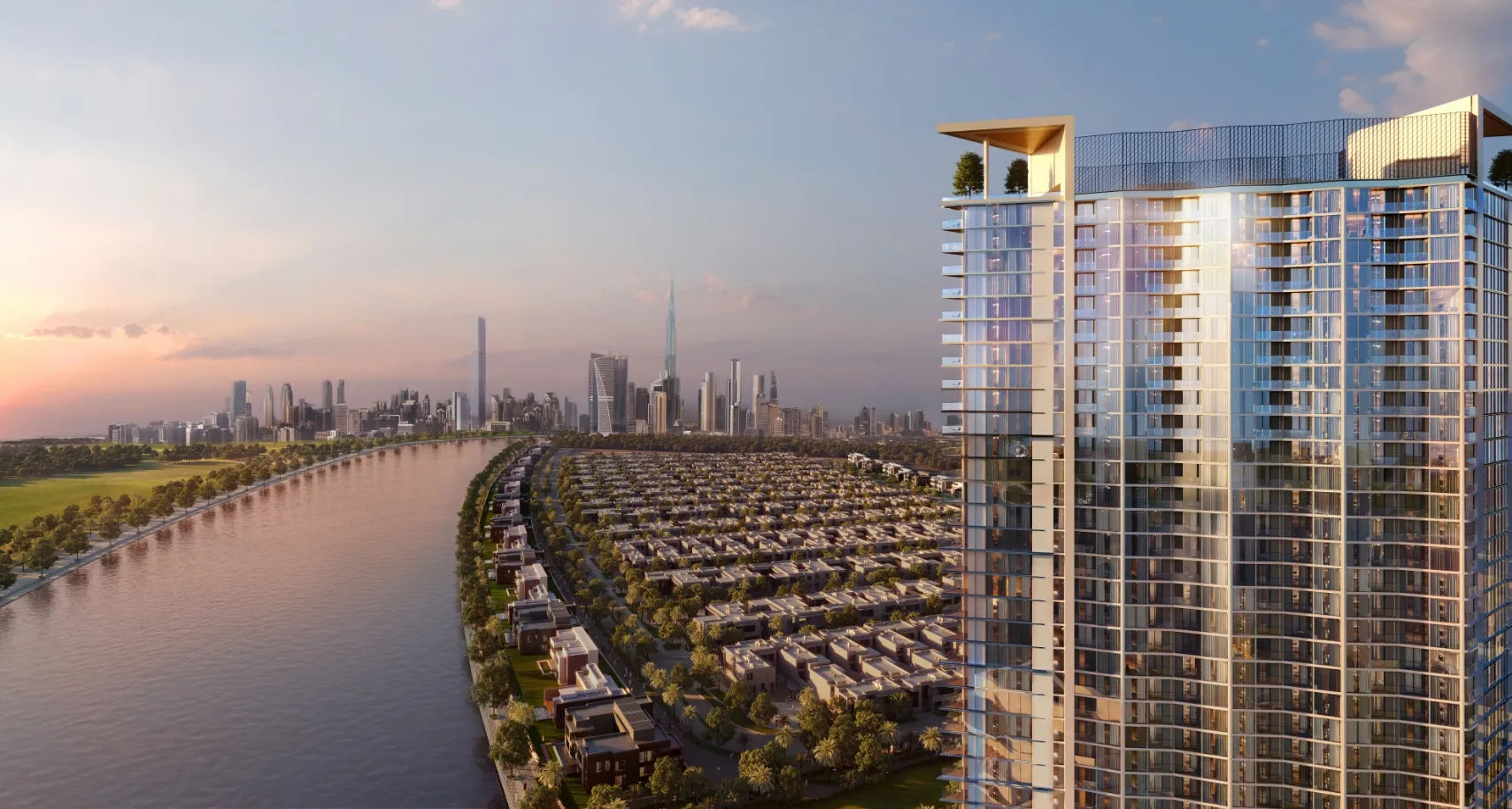
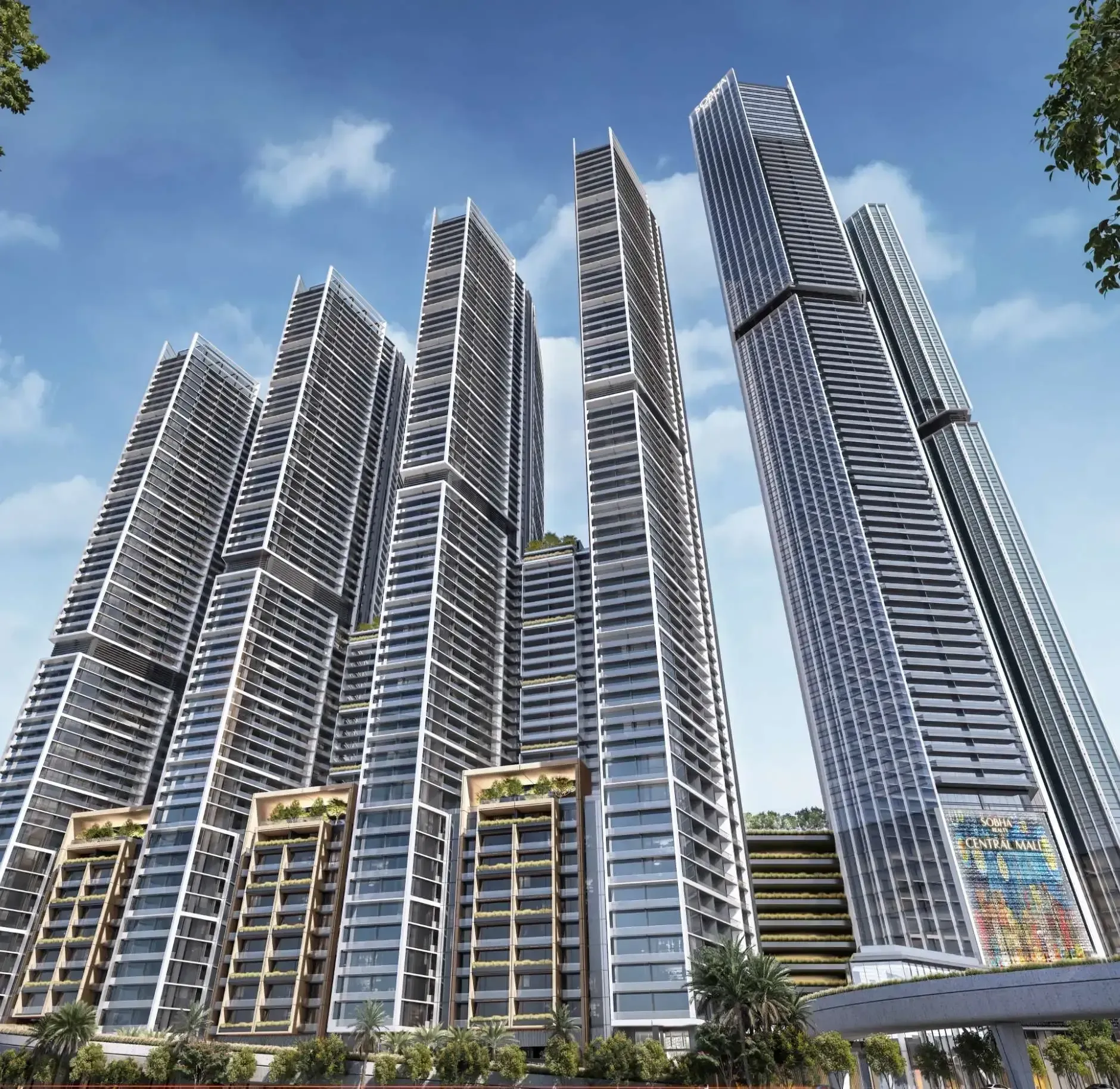
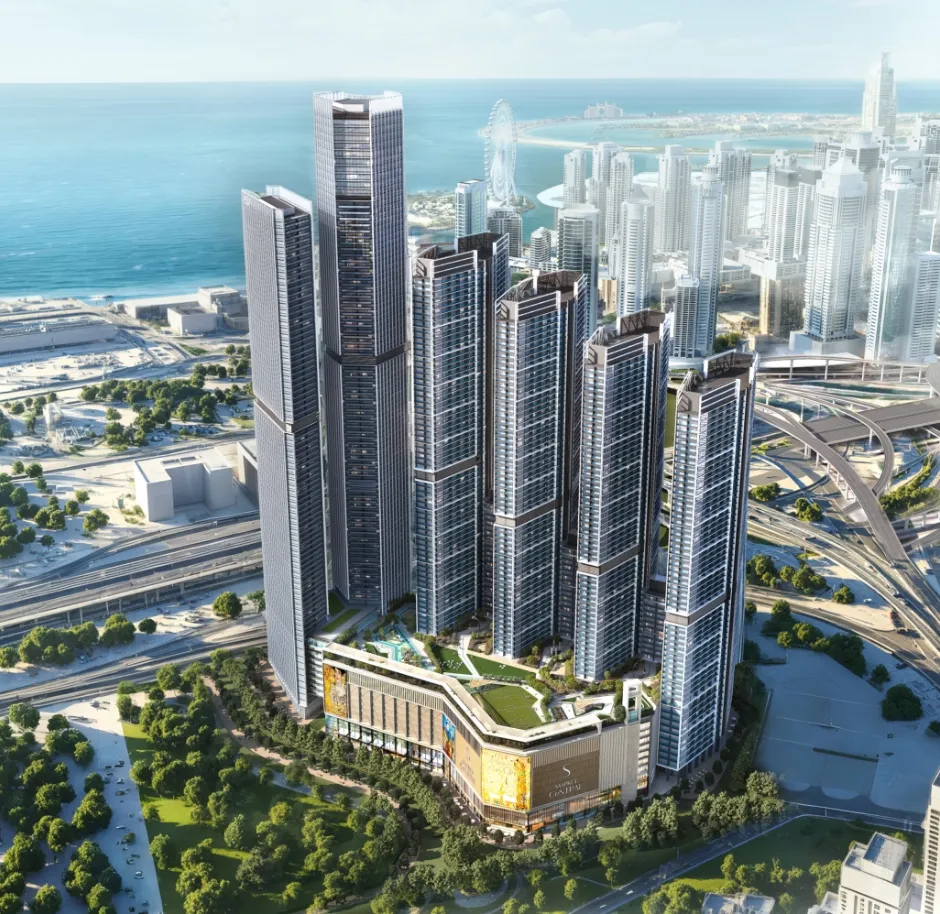
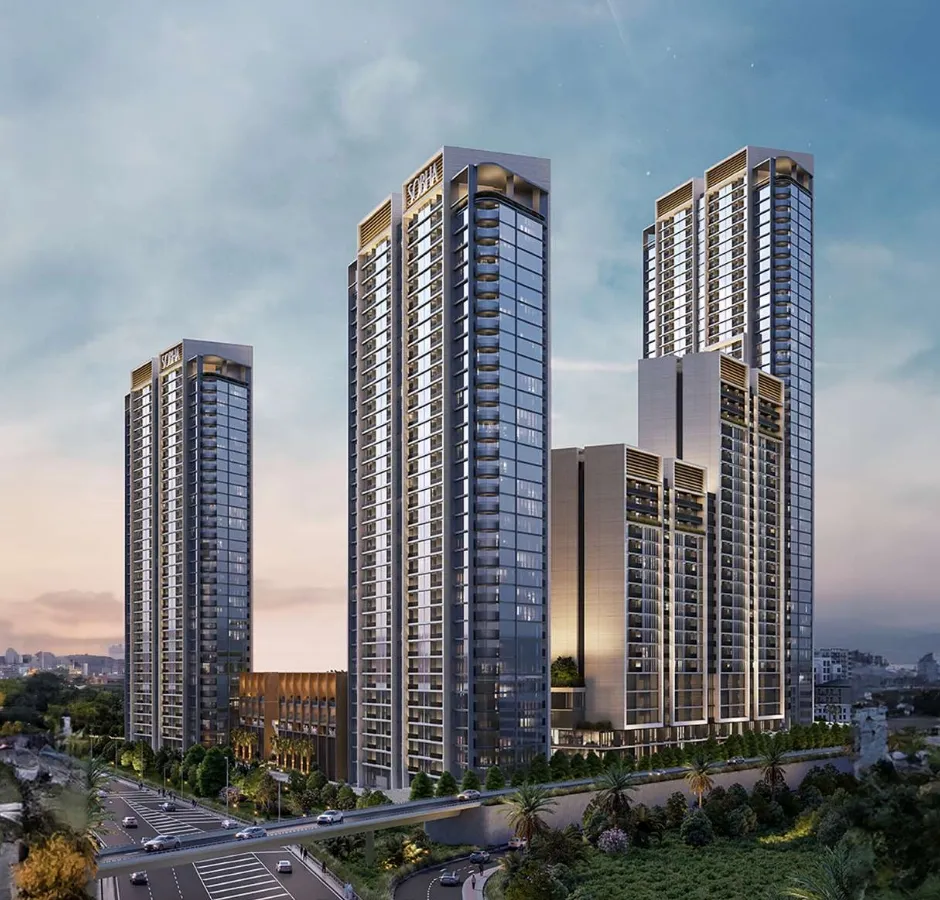
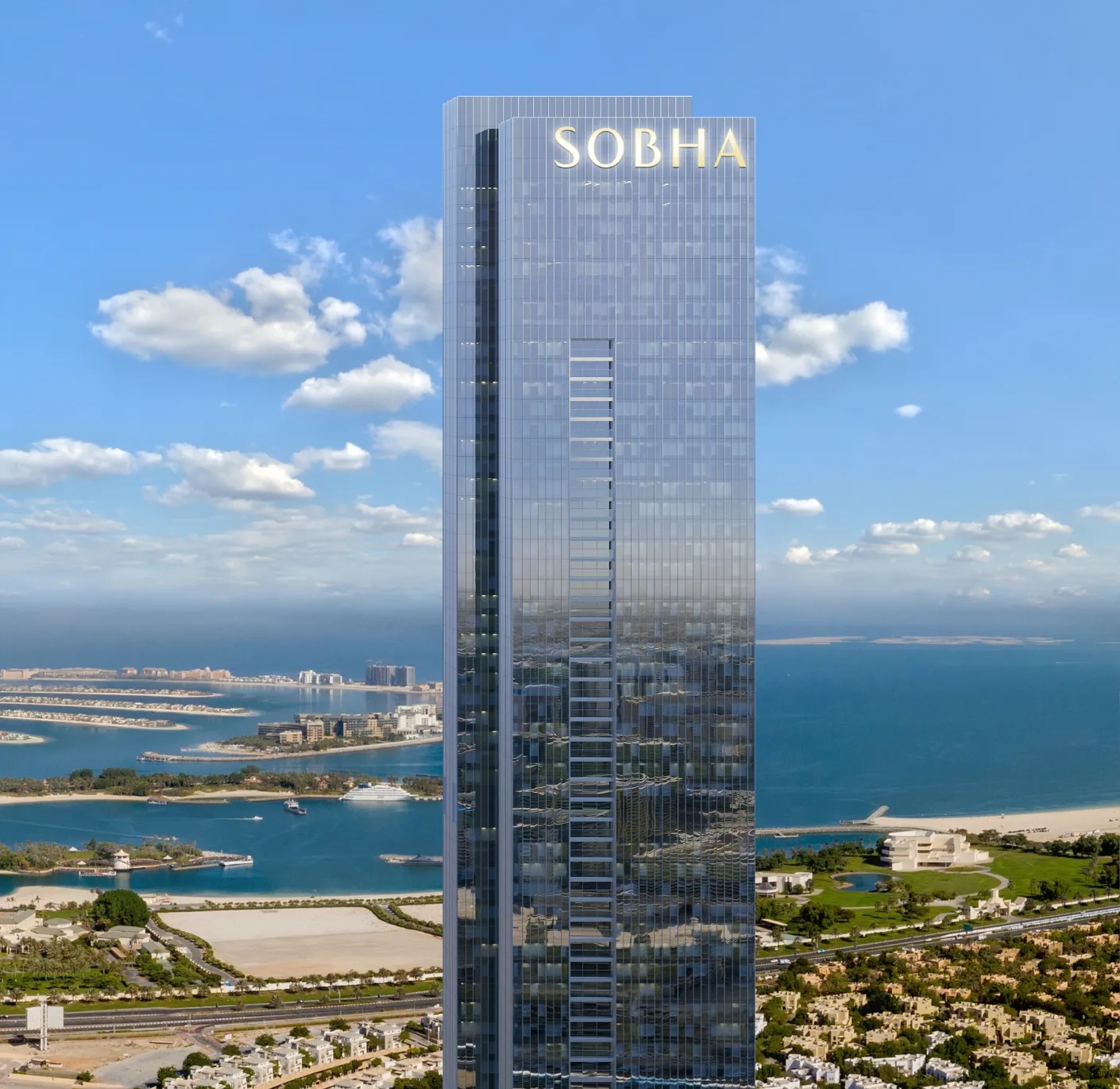
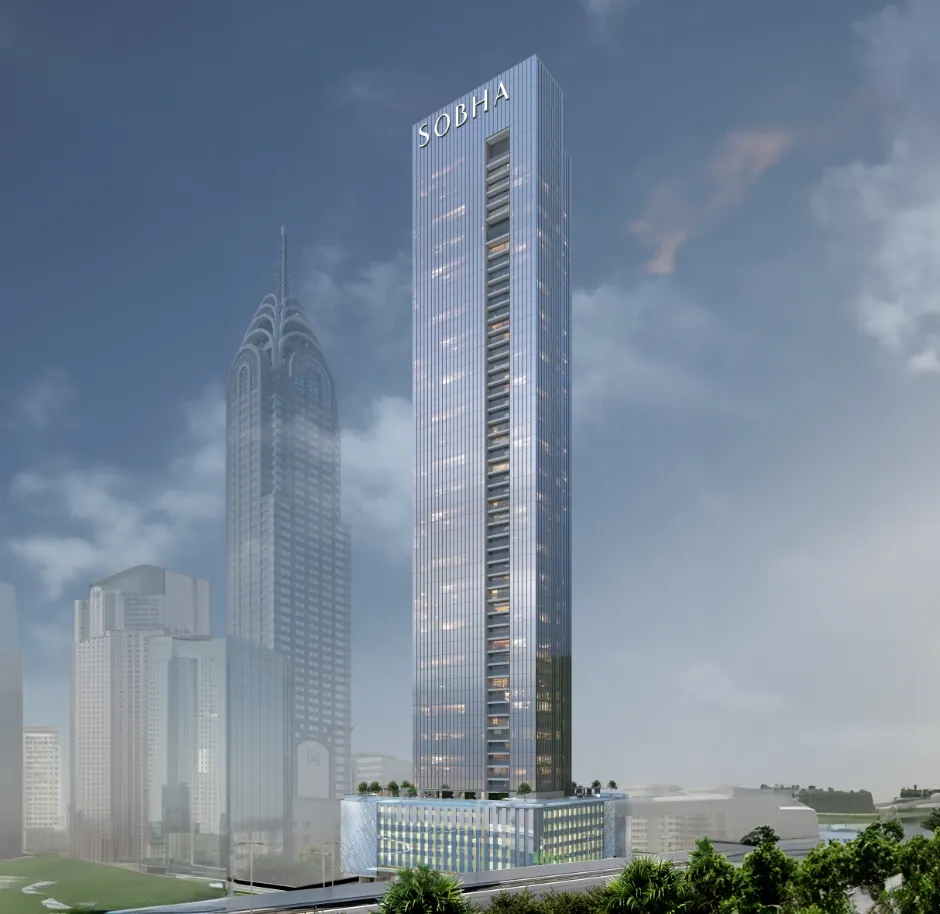
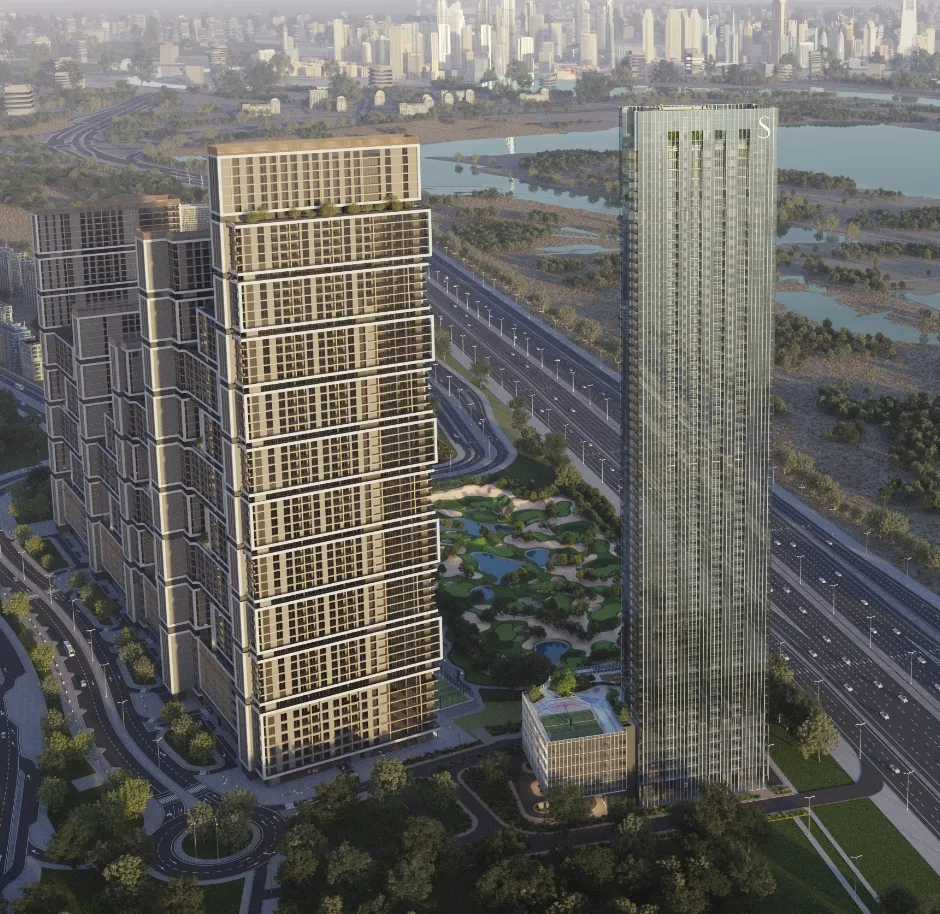
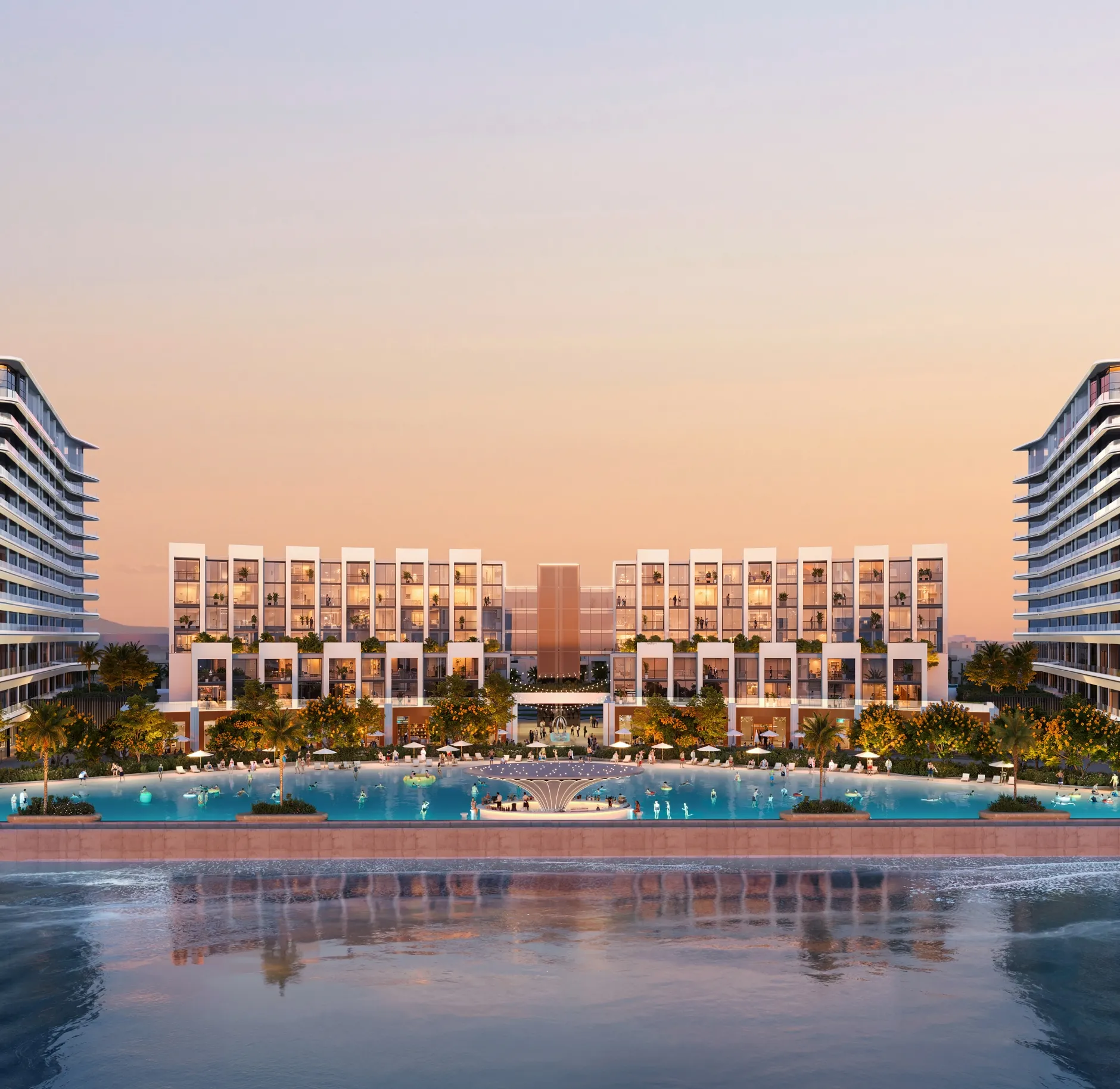
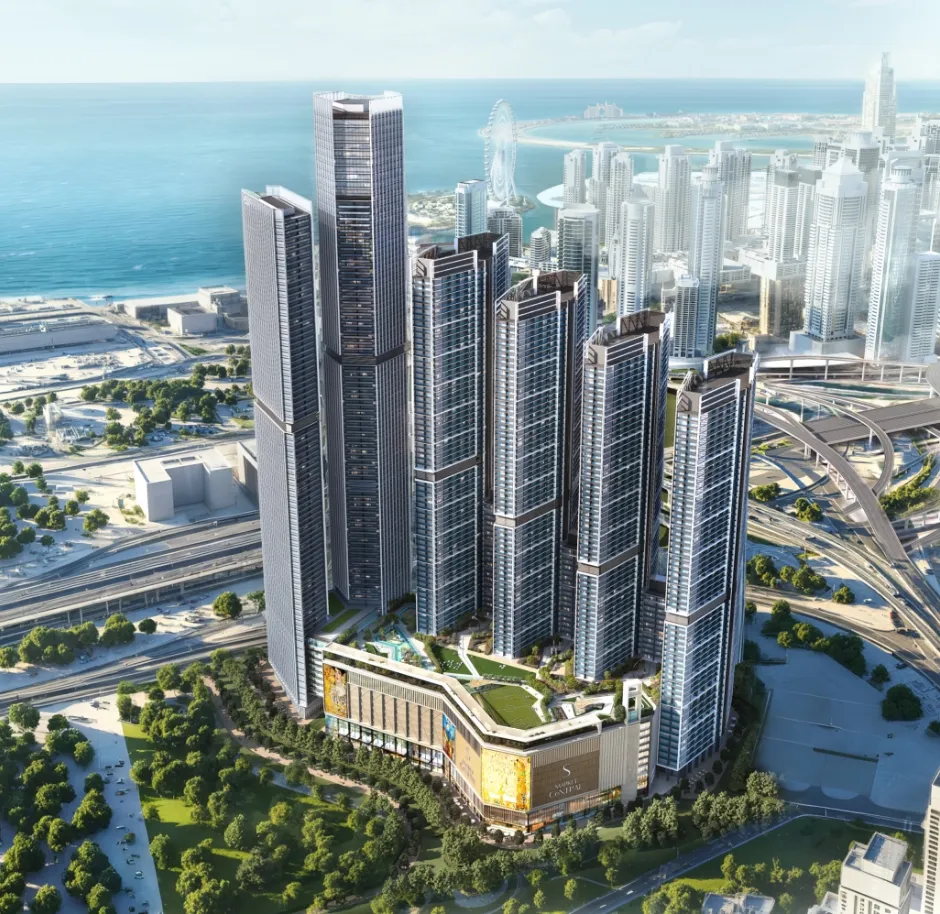
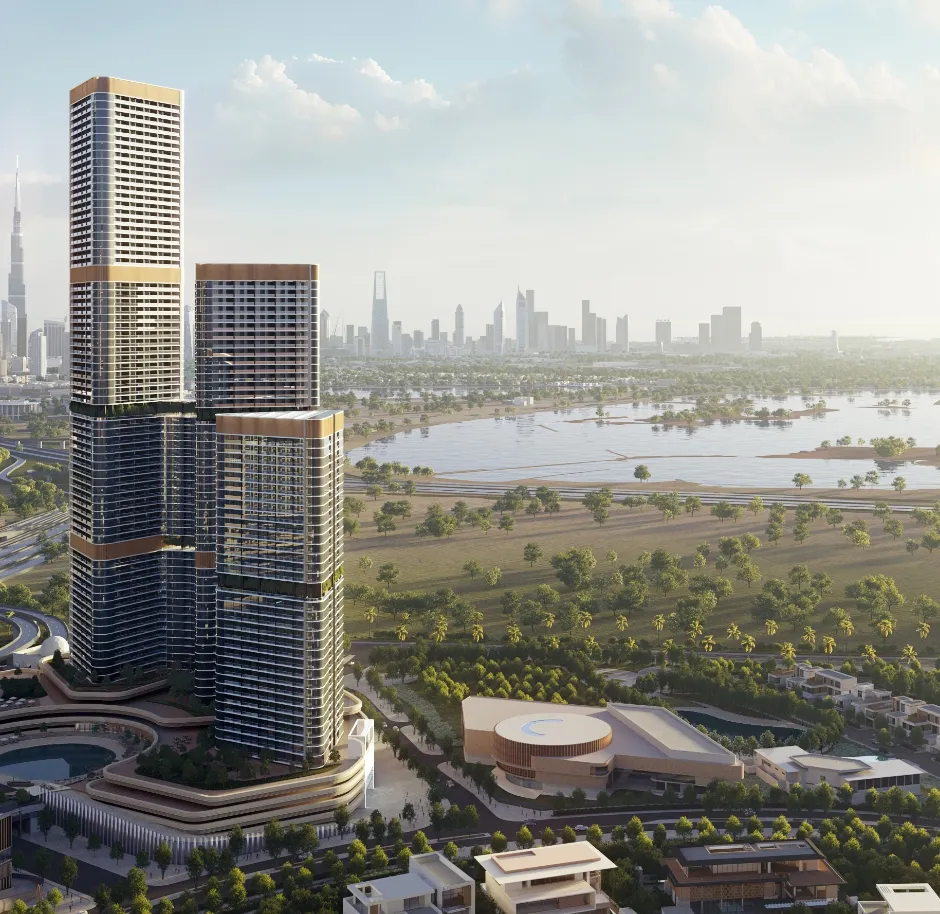
For developers such as Sobha Realty, these principles remain central to the creation of premium residential environments.
The company's Backward Integration model provides greater control over design, engineering, construction, and delivery, supporting a consistent commitment to quality.
The Future of Luxury Real Estate
As buyer expectations continue to evolve, luxury real estate is becoming increasingly sophisticated.
Future demand is likely to be shaped by:
- Wellness
- Sustainability
- Personalisation
- Technology
- Community
- Service excellence
Branded residences represent one expression of this evolution.
However, the broader trend is clear: buyers are seeking experiences, trust, and long-term value rather than luxury for its own sake.
Developments capable of delivering these qualities are likely to remain highly attractive in the years ahead.
Conclusion
The rise of branded residences reflects a deeper transformation within luxury real estate.
Modern buyers are increasingly prioritising trust, lifestyle, and long-term quality over traditional indicators of prestige alone.
For Dubai, this trend reinforces the city's position as a global luxury destination capable of attracting international wealth and sophisticated investors.
While branding may influence initial interest, long-term success ultimately depends on quality, execution, and the ability to create exceptional living environments.
As luxury real estate continues to evolve, developments that combine credibility, craftsmanship, and meaningful resident experiences will define the next chapter of the market.
Frequently Asked Questions
1. What are branded residences?
Branded residences are residential properties associated with established hospitality, fashion, automotive, or lifestyle brands that influence design, services, and resident experiences.
2. Why are branded residences popular in Dubai?
Dubai attracts international buyers seeking luxury, quality, service, and lifestyle experiences, making branded residences a natural fit within the city's premium property market.
3. Do branded residences offer better investment potential?
Investment performance depends on multiple factors, including location, quality, community planning, and market demand. Branding can enhance visibility and buyer appeal but is not the sole determinant of value.
4. Why is trust important in luxury real estate?
Buyers increasingly prioritise developer reputation, construction quality, service standards, and delivery certainty when making purchasing decisions.
5. What do luxury buyers look for today?
Many buyers seek wellness amenities, privacy, community experiences, sustainability, convenience, and long-term lifestyle value.
6. How does Sobha Realty approach luxury development?
Sobha Realty focuses on craftsmanship, quality control, thoughtful community planning, and long-term value creation through its Backward Integration model.