Infrastructure has always played a defining role in shaping the growth of cities. Roads, airports, ports, and public transportation networks influence how people move, where businesses establish themselves, and ultimately where demand for real estate emerges.
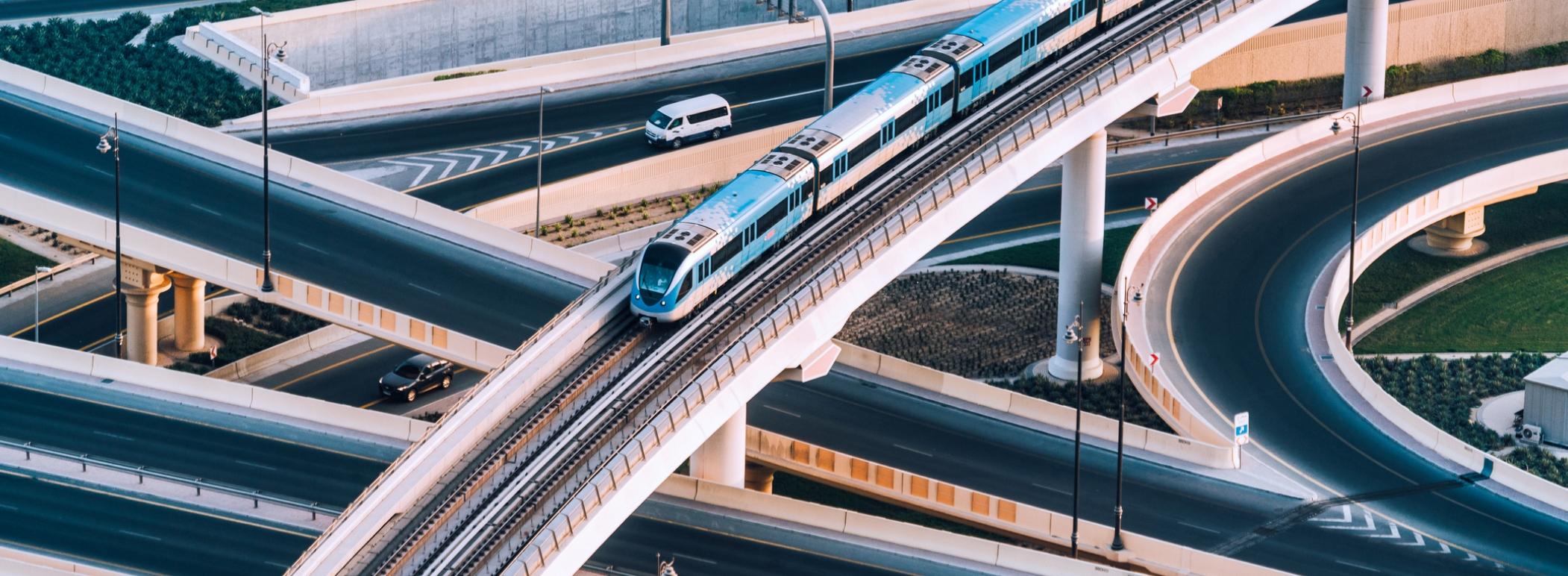
In Dubai, few infrastructure projects have had a greater impact on urban development than the Dubai Metro.
Since its launch, the Metro has transformed mobility across the city, connecting residential communities, business districts, retail destinations, and major landmarks. As Dubai continues to expand and evolve, ongoing investments in transportation infrastructure are expected to play an increasingly important role in shaping the future of the property market.
For investors, the relationship between connectivity and real estate value has become one of the most important considerations when evaluating long-term opportunities.
Why Infrastructure Drives Property Value
Throughout history, transportation infrastructure has influenced property markets around the world.
Communities with strong connectivity often experience higher demand because residents value convenience, accessibility, and reduced commuting times.
Improved infrastructure can create several benefits:
- Increased accessibility
- Stronger residential demand
- Enhanced business activity
- Improved quality of life
- Greater economic productivity
- Long-term community growth
As a result, infrastructure investments often become catalysts for real estate development.
Properties located near well-connected transport networks frequently attract both end-users and investors seeking long-term value.
Dubai's Evolving Transportation Network
Dubai has built one of the world's most advanced transportation systems.
The city's infrastructure strategy extends beyond roads and highways to include:
- Dubai Metro
- Tram networks
- Bus systems
- Marine transport
- Cycling infrastructure
- Pedestrian-friendly urban planning
This integrated approach supports Dubai's broader vision of becoming one of the world's most connected and liveable cities.
The Metro, in particular, has become a central component of this strategy by linking key residential, commercial, and leisure destinations across the emirate.
As future expansion plans continue to be explored, connectivity is expected to become even more influential in shaping urban development patterns.
How Metro Connectivity Influences Real Estate Demand
One of the most visible impacts of transportation infrastructure is its influence on buyer and tenant behaviour.
Residents increasingly prioritise accessibility when choosing where to live.
Communities with convenient access to public transportation often appeal to a broad demographic, including:
- Professionals
- Families
- Students
- International residents
- Investors
Improved connectivity reduces travel times and enhances convenience, making communities more attractive over the long term.
For property investors, this can translate into stronger occupancy levels, sustained demand, and greater resilience during market fluctuations.
The relationship between transportation and real estate is therefore not simply about mobility—it is about livability.
The Relationship Between Accessibility and Long-Term Value
Accessibility has become one of the strongest indicators of future property performance.
While many factors influence real estate values, connectivity consistently ranks among the most important.
Properties located within well-connected communities often benefit from:
- Higher demand
- Improved rental performance
- Greater liquidity
- Wider buyer appeal
- Enhanced long-term competitiveness
Importantly, accessibility extends beyond proximity to transport stations.
It includes connectivity to:
- Business districts
- Educational institutions
- Healthcare facilities
- Retail destinations
- Lifestyle amenities
Communities that successfully integrate these elements are often better positioned to support sustainable long-term growth.
The Significance of the Dubai Metro Blue Line
Dubai's recently announced Metro Blue Line represents one of the city's most significant transportation investments. Scheduled to enhance connectivity across several key residential and commercial districts, the expansion reflects Dubai's continued commitment to integrated urban growth.
While the full impact will unfold over time, major transport infrastructure projects have historically influenced residential demand by improving accessibility and supporting broader economic development.
The Blue Line is expected to strengthen connections between emerging communities, established residential districts, business hubs, and key destinations across the city. As Dubai's population continues to grow, investments in public transportation will play an increasingly important role in supporting mobility, sustainability, and quality of life.
For property investors, the significance of the Blue Line extends beyond transportation itself. Infrastructure projects of this scale often reinforce long-term confidence in surrounding areas by enhancing connectivity and supporting future development. While investment decisions should always consider multiple factors, transport accessibility remains one of the key indicators of long-term urban growth and community appeal.
The Dubai 2040 Urban Master Plan Connection
The future of Dubai's real estate market cannot be separated from the city's long-term planning vision.
The Dubai 2040 Urban Master Plan aims to create a more connected, sustainable, and people-centric city.
Key objectives include:
- Enhancing mobility
- Expanding green spaces
- Increasing walkability
- Supporting mixed-use communities
- Improving quality of life
Transportation infrastructure plays a central role in achieving these goals.
As public transport networks continue to evolve, developments aligned with these broader planning strategies may benefit from stronger long-term demand and greater relevance within the city's future urban landscape.
For investors, understanding how infrastructure supports urban planning objectives can provide valuable insight into future growth areas.
What Investors Should Look For
While infrastructure investment can support real estate performance, investors should take a broader view when evaluating opportunities.
Key considerations include:
Community Quality
Well-planned communities often provide greater long-term appeal than standalone developments.
Accessibility
Connectivity to transport networks, business hubs, and lifestyle destinations remains important.
Amenities
Schools, healthcare facilities, retail offerings, and recreational spaces contribute to resident satisfaction.
Developer Reputation
Experienced developers with strong delivery records often provide greater confidence.
Long-Term Vision
Projects designed around future growth trends may offer stronger long-term resilience.
Rather than focusing solely on proximity to transportation, investors should consider how connectivity contributes to the overall quality of the community.
Connectivity Beyond Transportation
Today's buyers increasingly evaluate connectivity through a broader lens.
Modern residents expect seamless access to:
- Work opportunities
- Education
- Wellness facilities
- Retail destinations
- Entertainment
- Nature and open spaces
This is why many of Dubai's most successful master-planned communities are designed around integrated living rather than transportation alone.
The goal is to create environments where daily needs can be met efficiently while maintaining a high quality of life.
This approach aligns closely with emerging global concepts such as the "15-minute city," where convenience and accessibility support healthier and more sustainable lifestyles.
How Master-Planned Communities Benefit
Master-planned communities are often among the greatest beneficiaries of infrastructure investment.
Because they are designed holistically, they can integrate transportation access with:
- Residential living
- Retail offerings
- Education
- Wellness
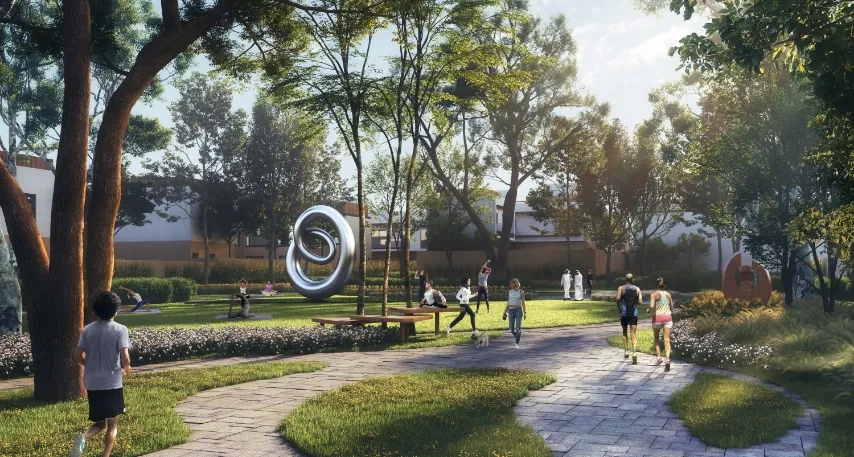
- Green spaces
- Community facilities
This creates a stronger overall value proposition for residents and investors alike.
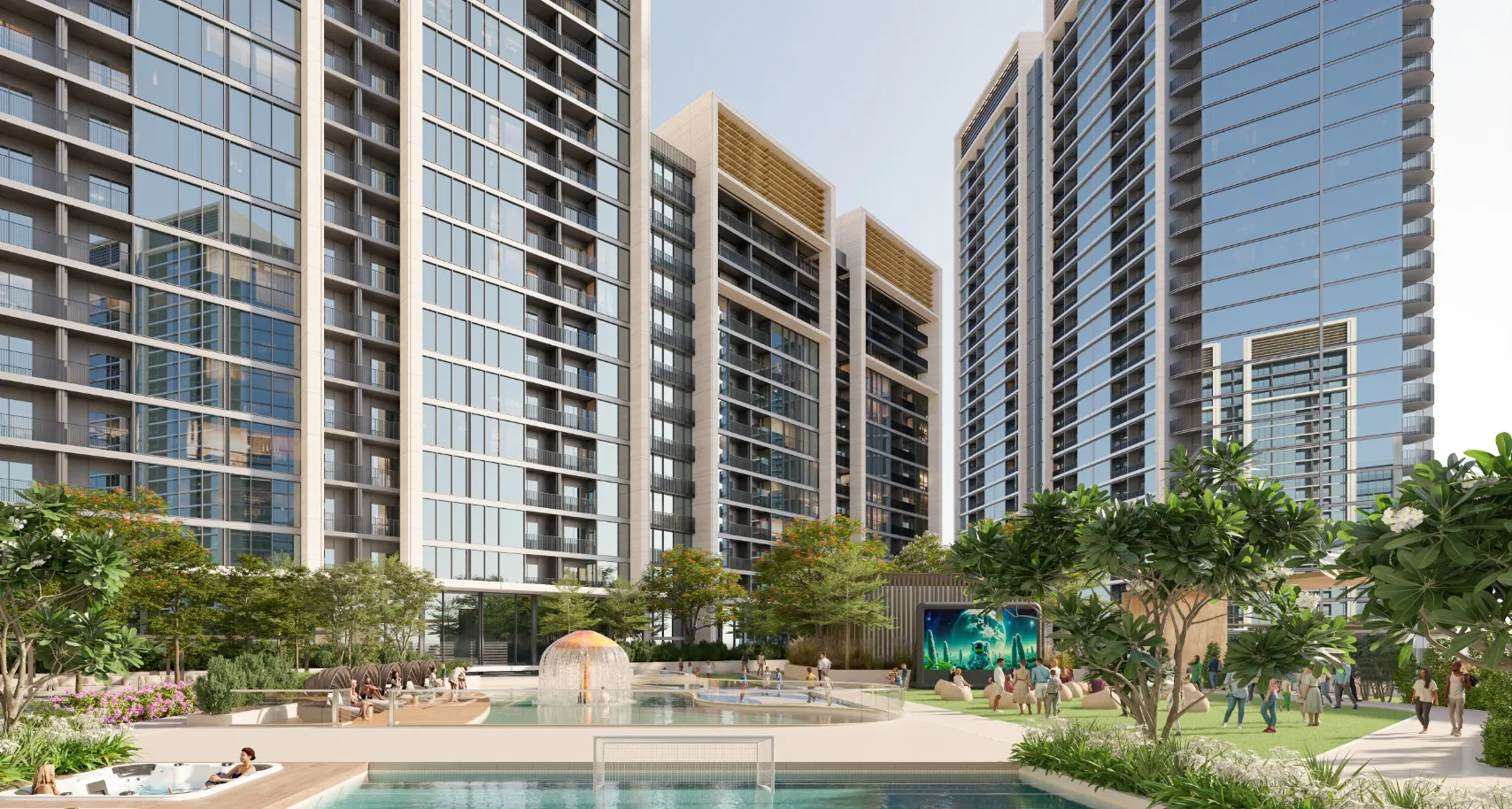
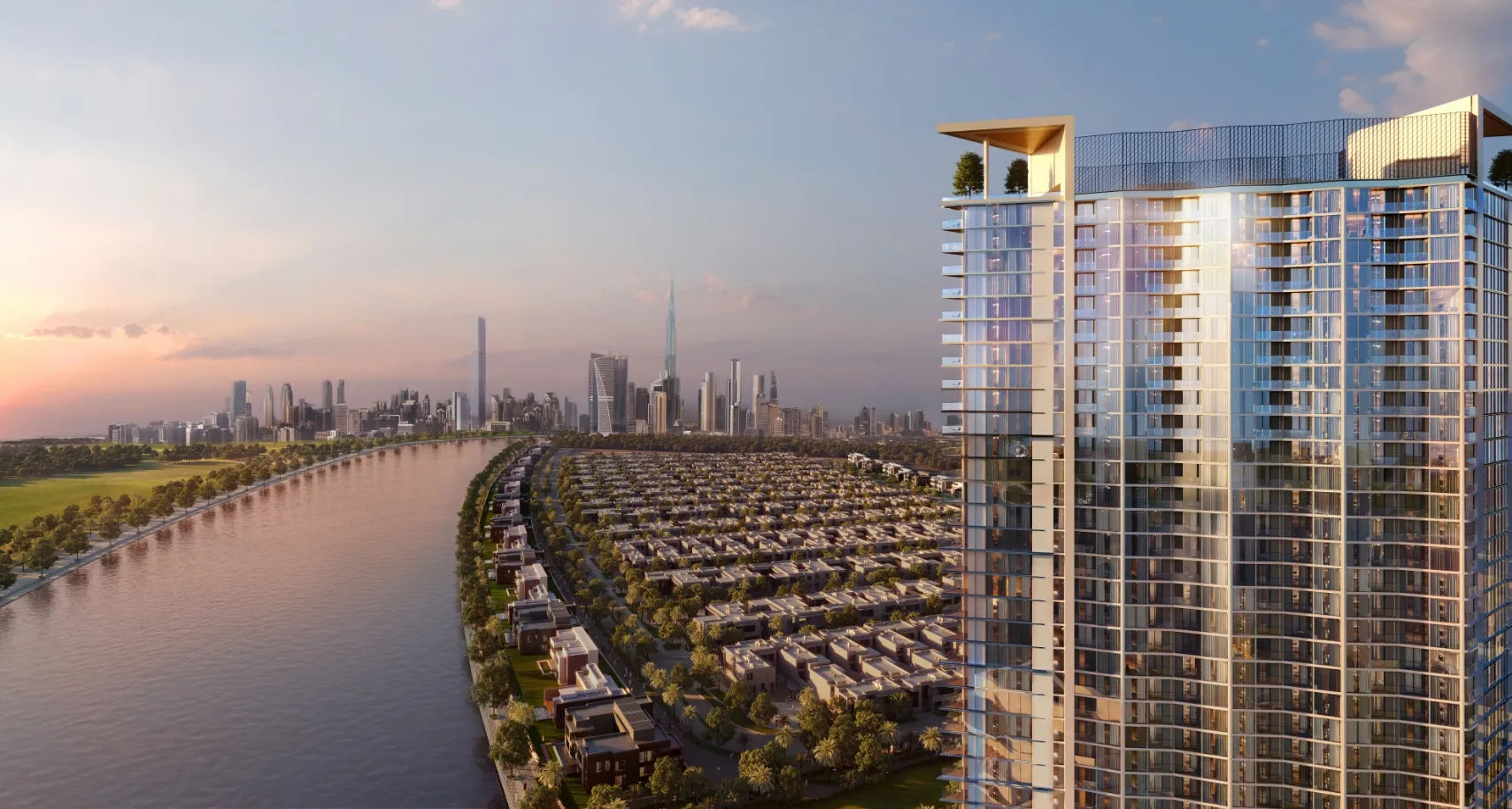
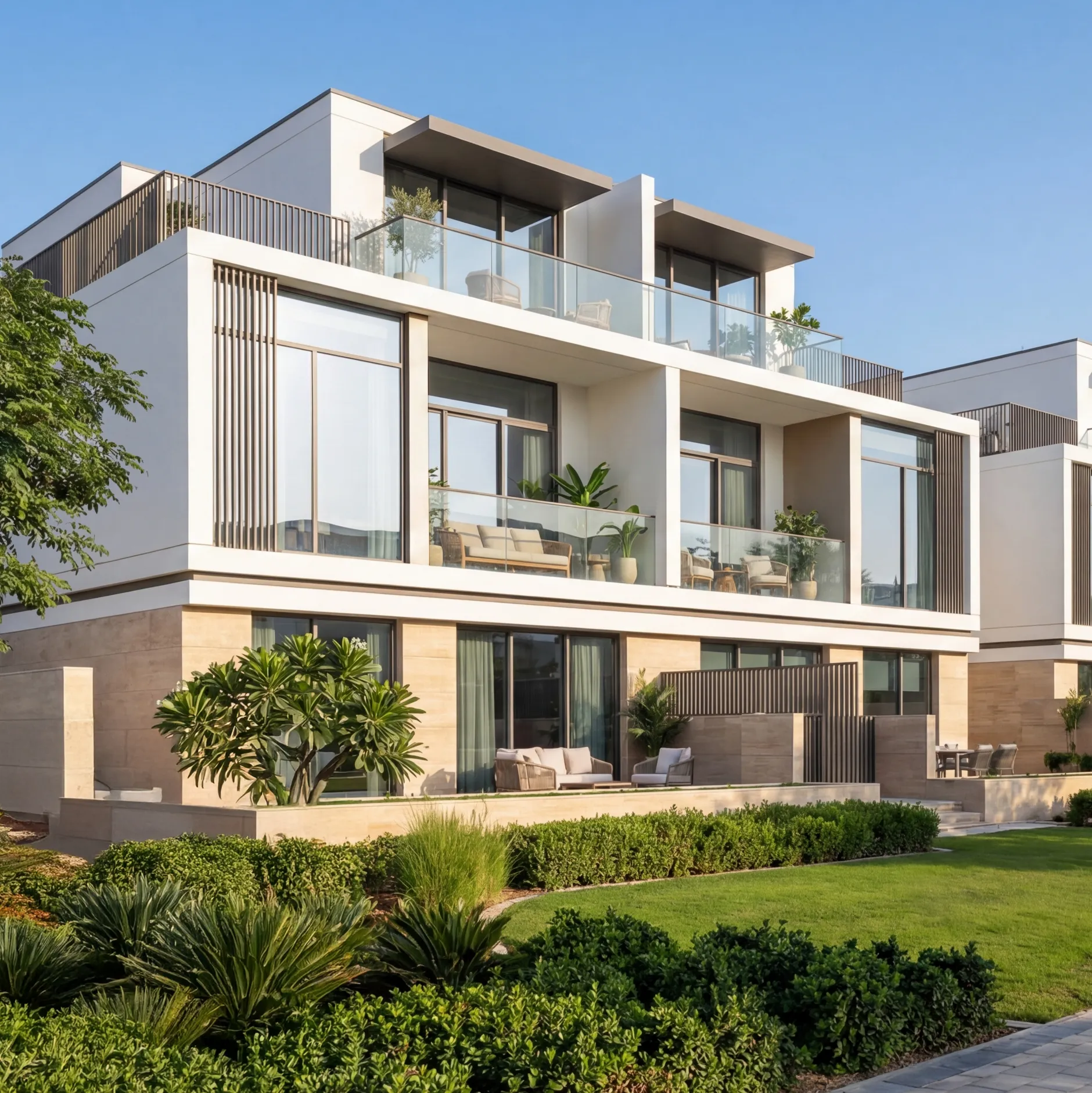
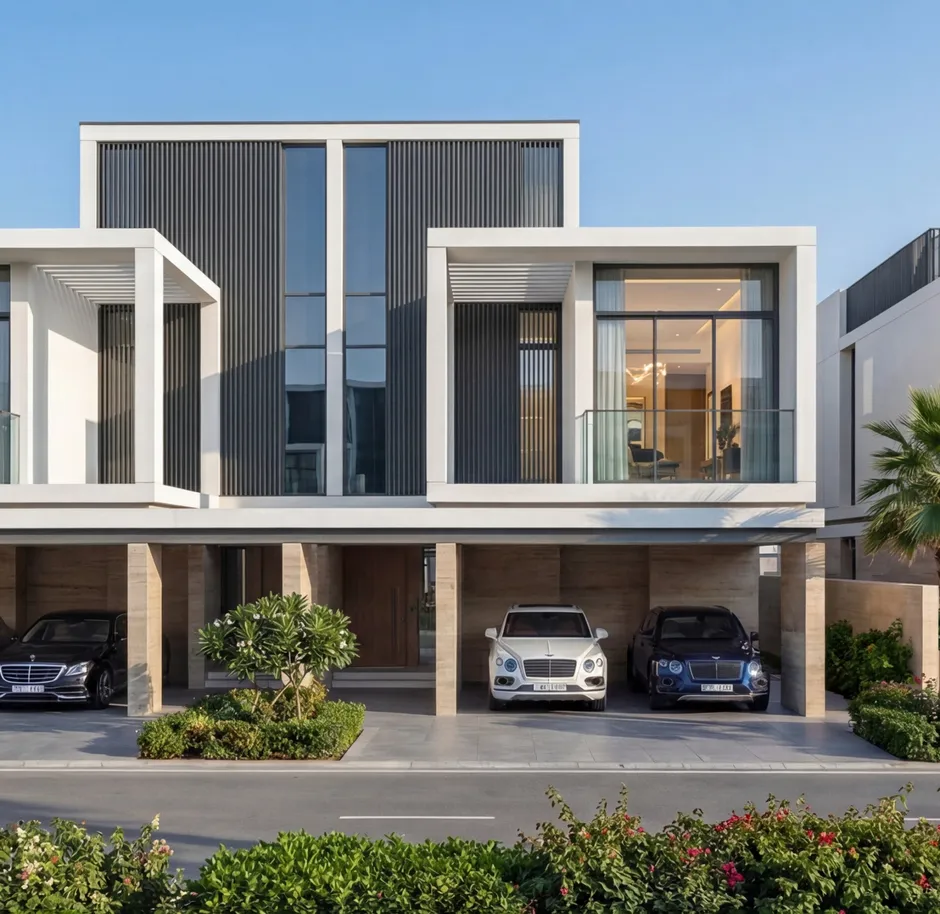
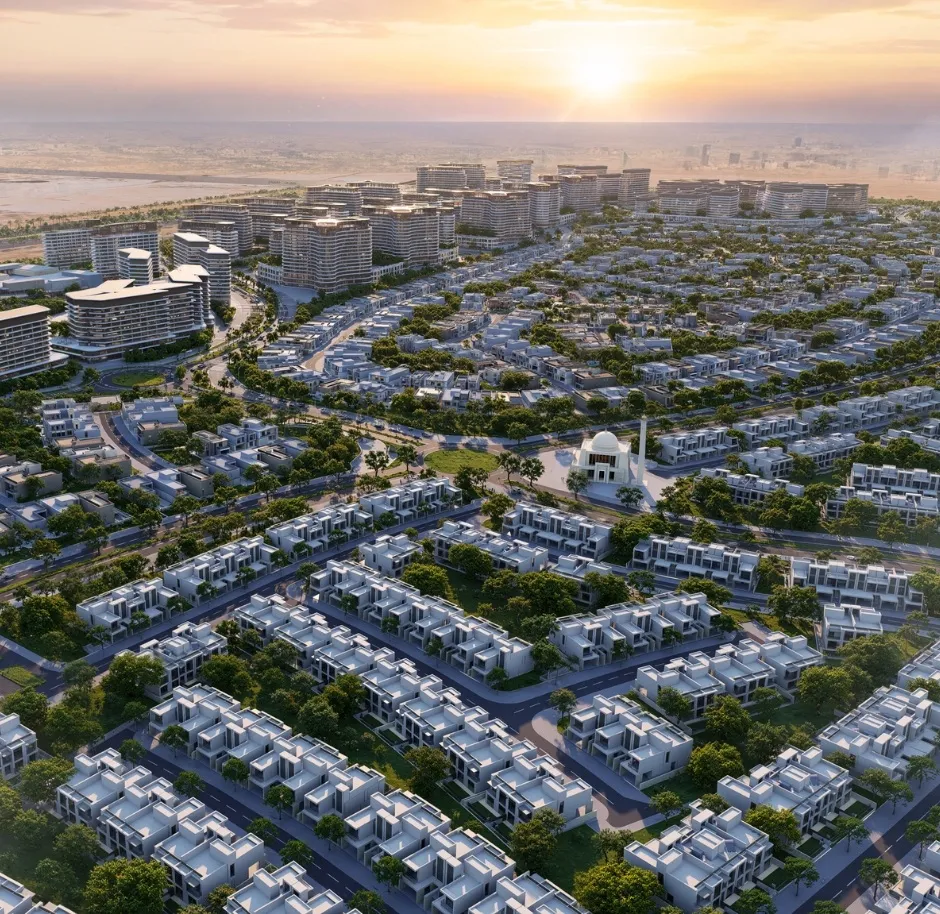
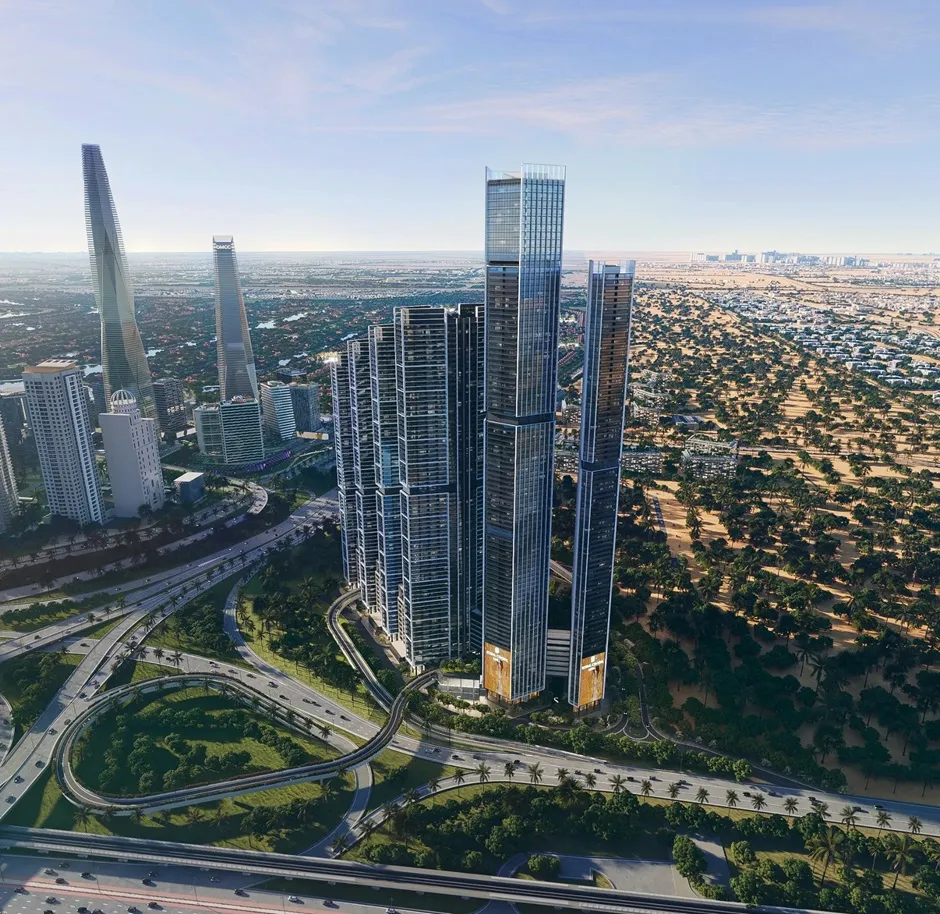
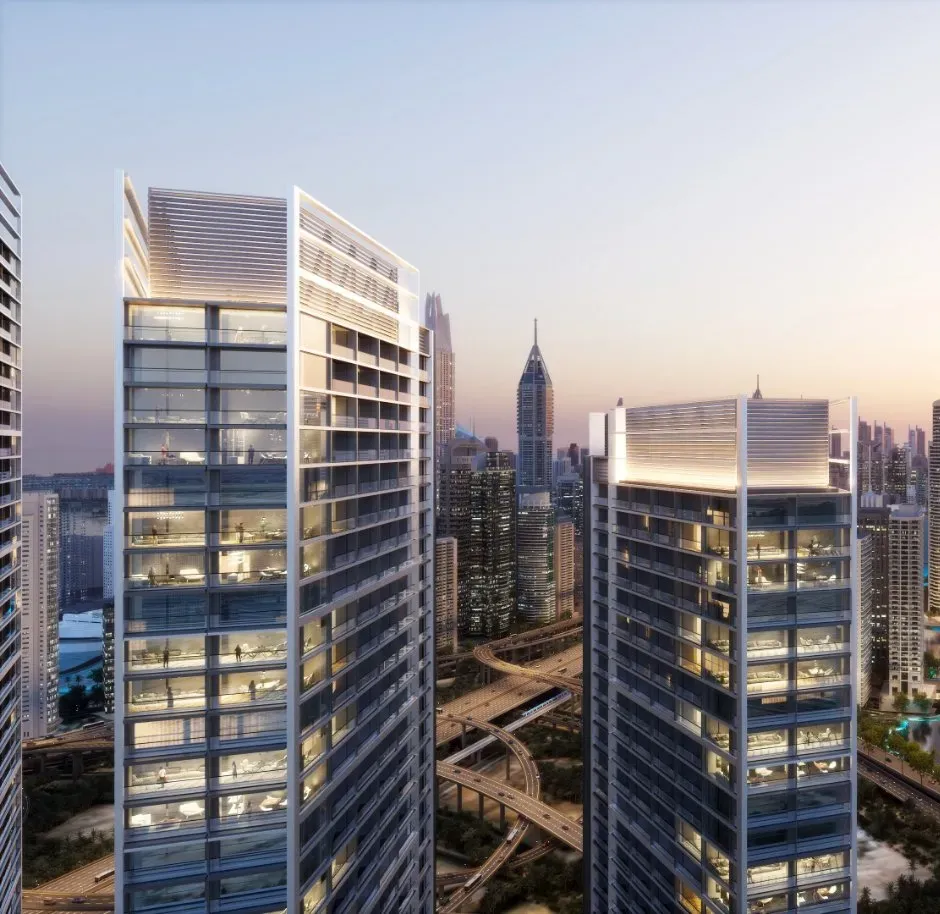
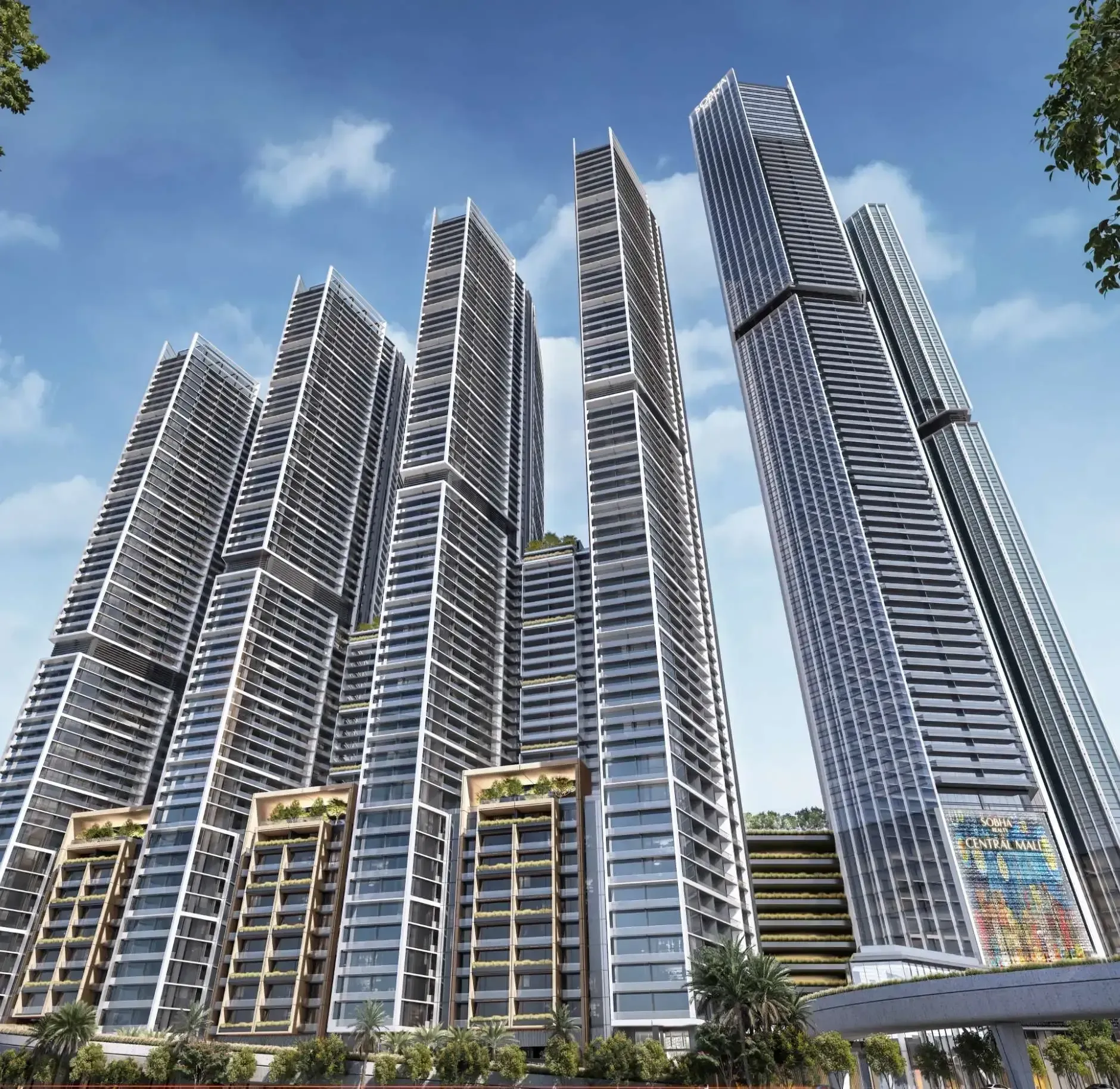
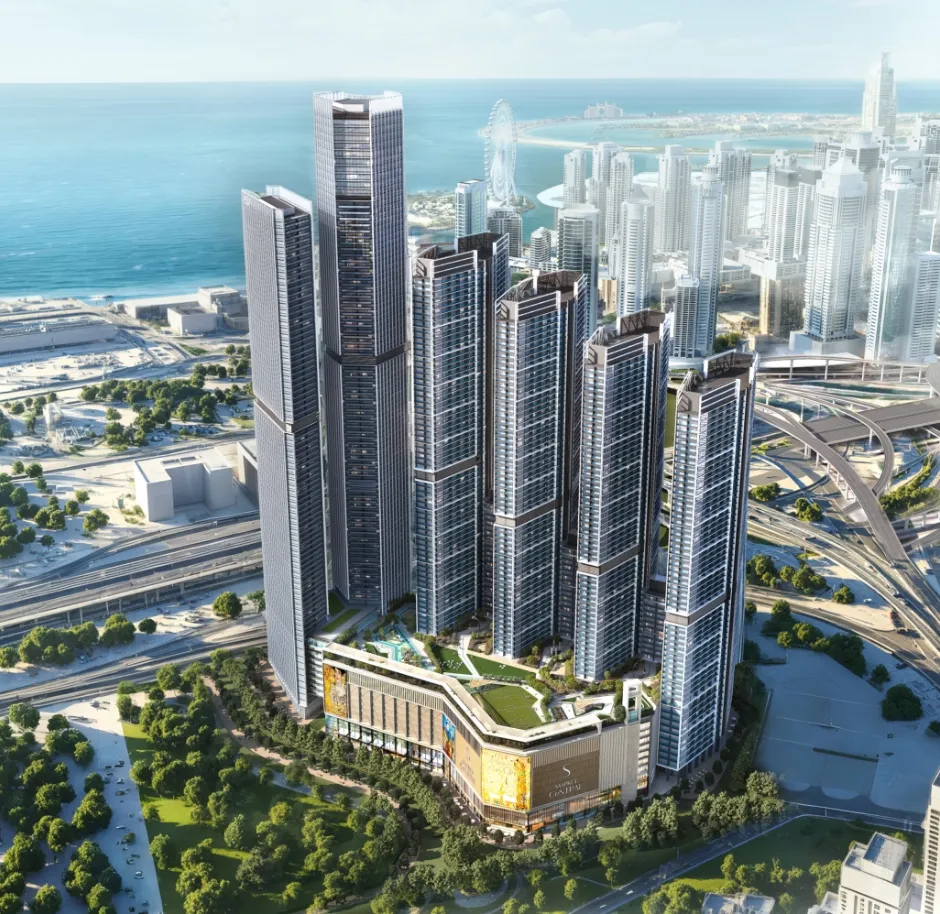
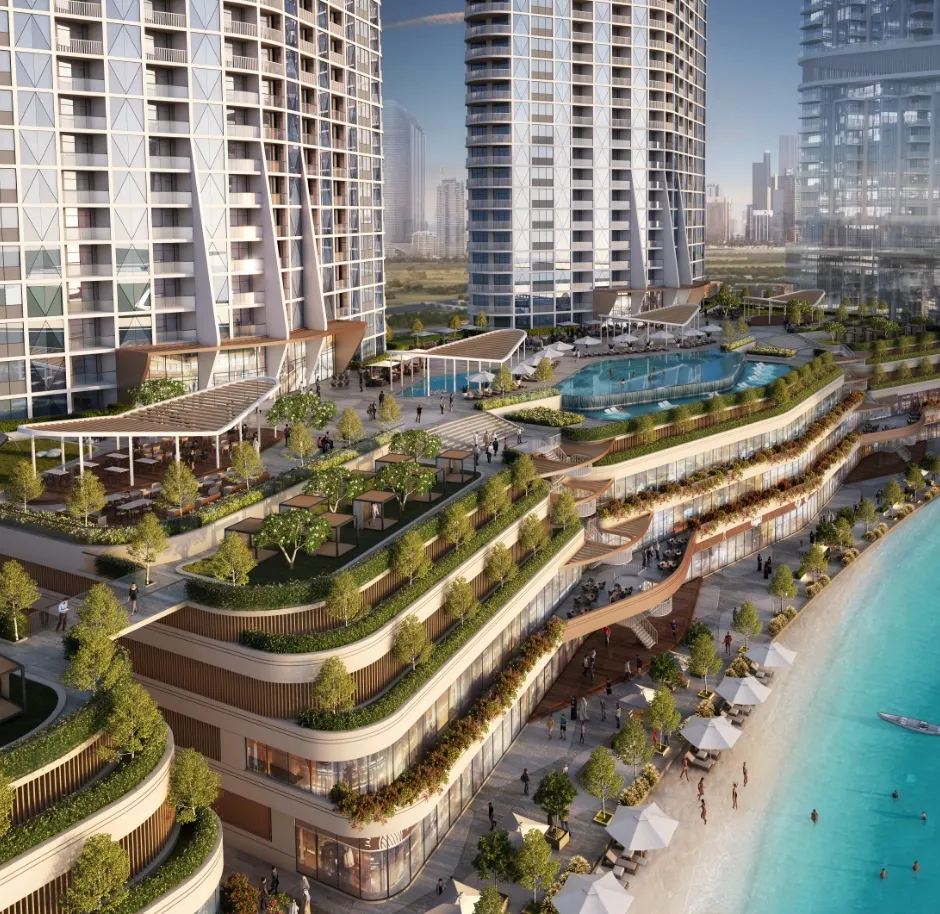
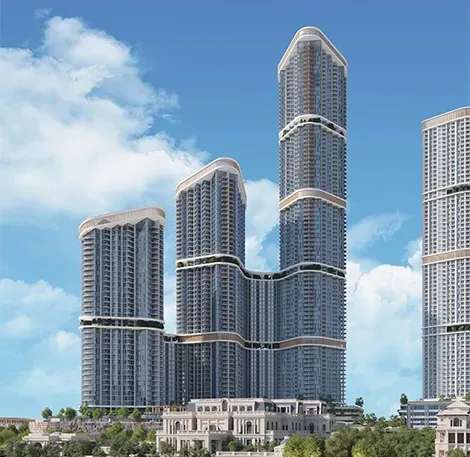
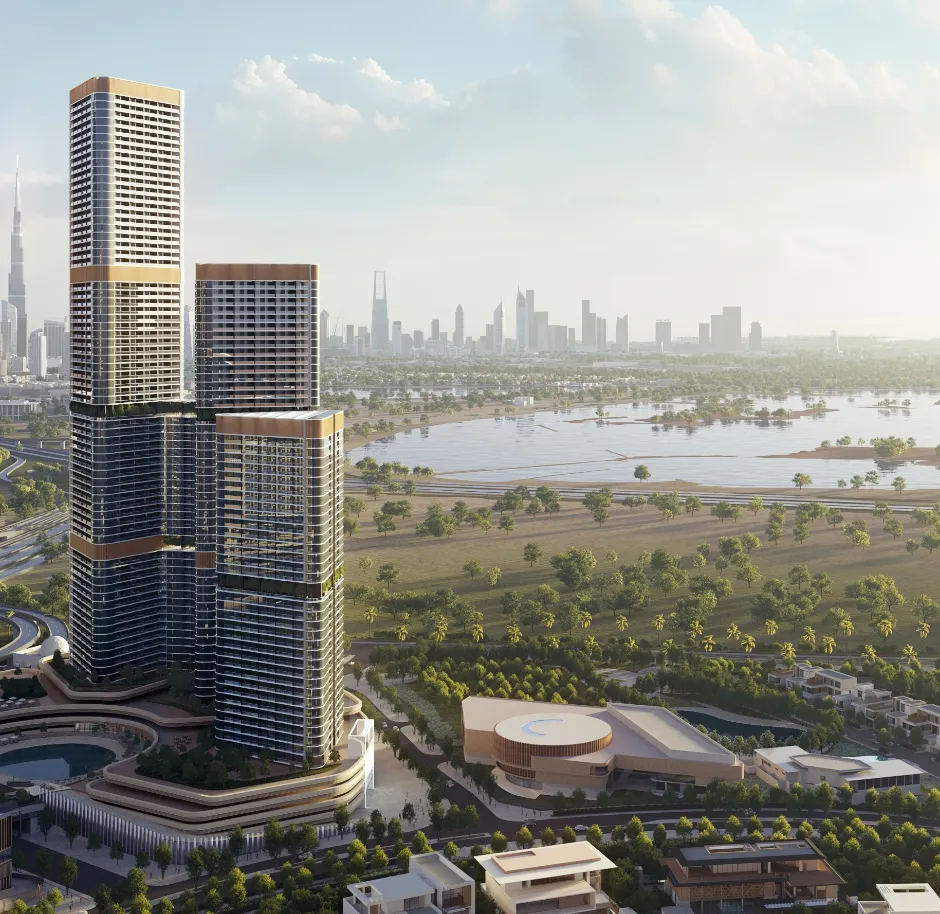
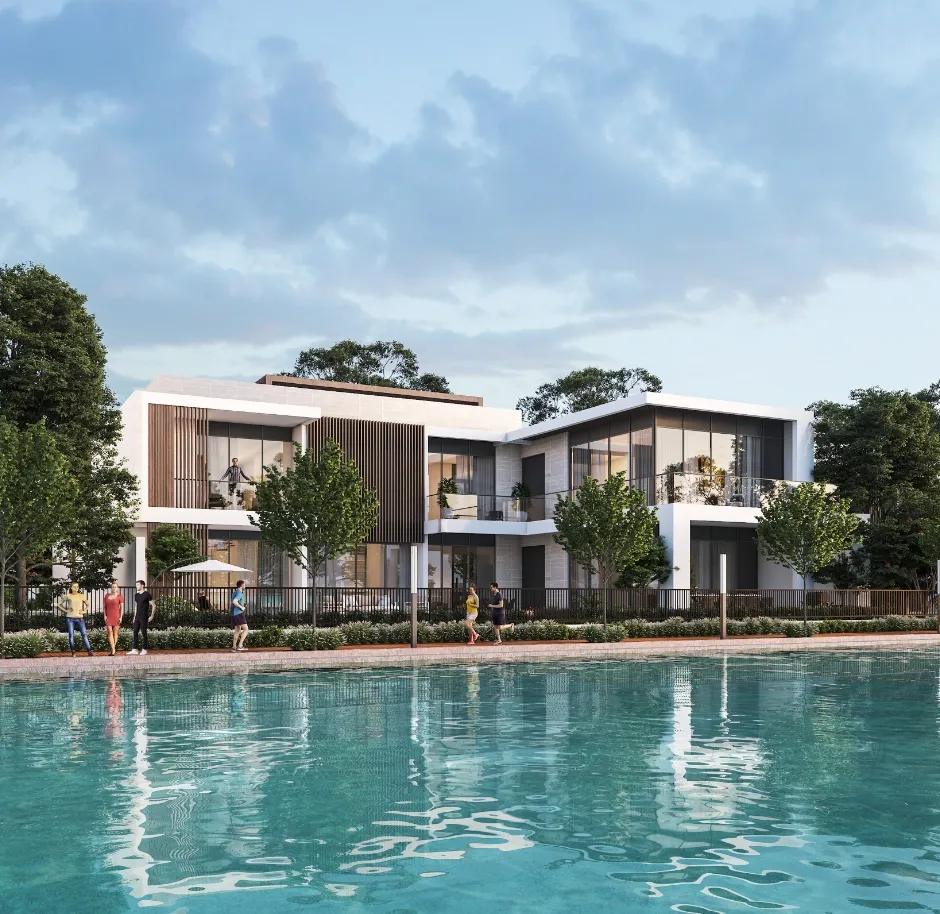
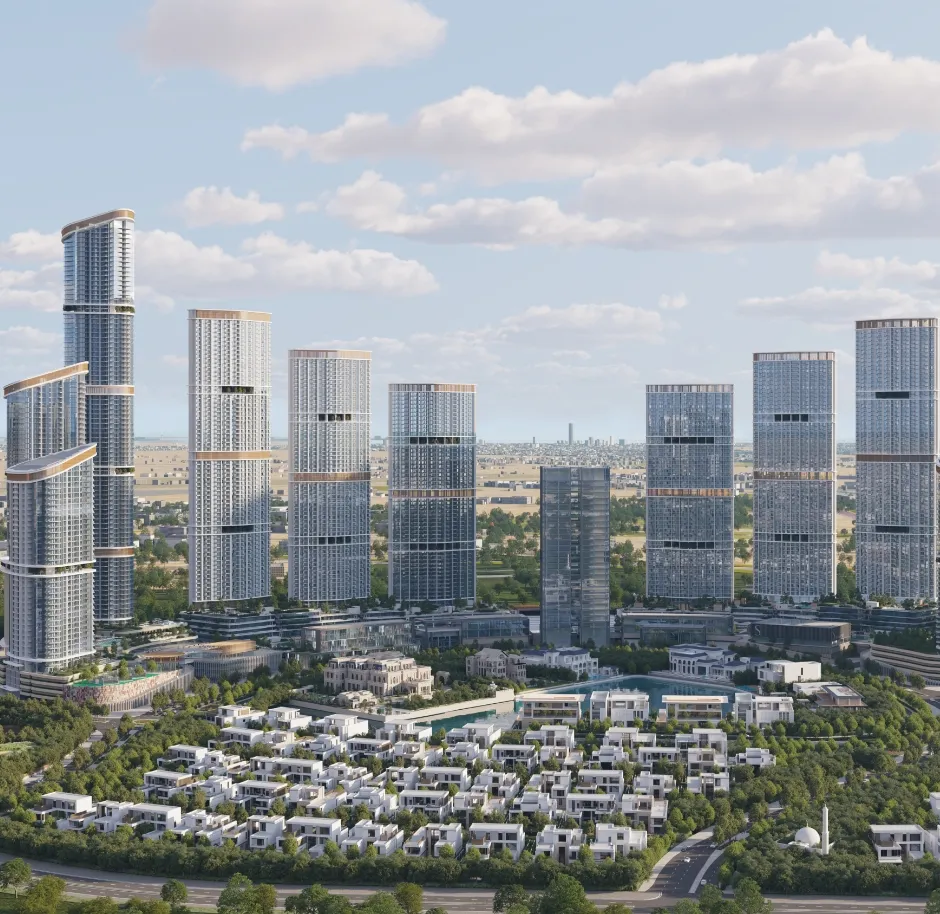
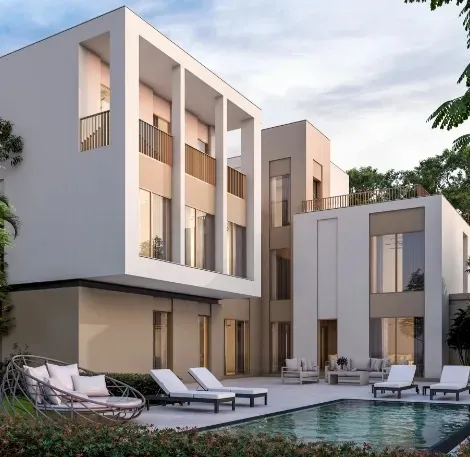
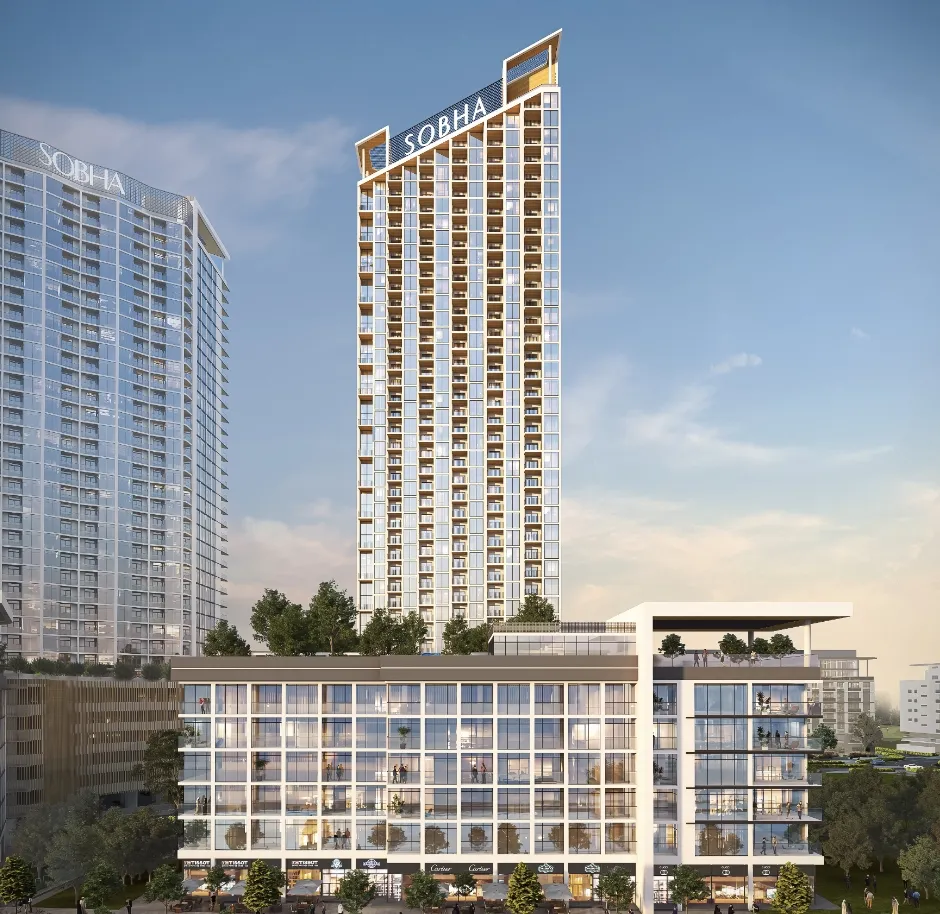
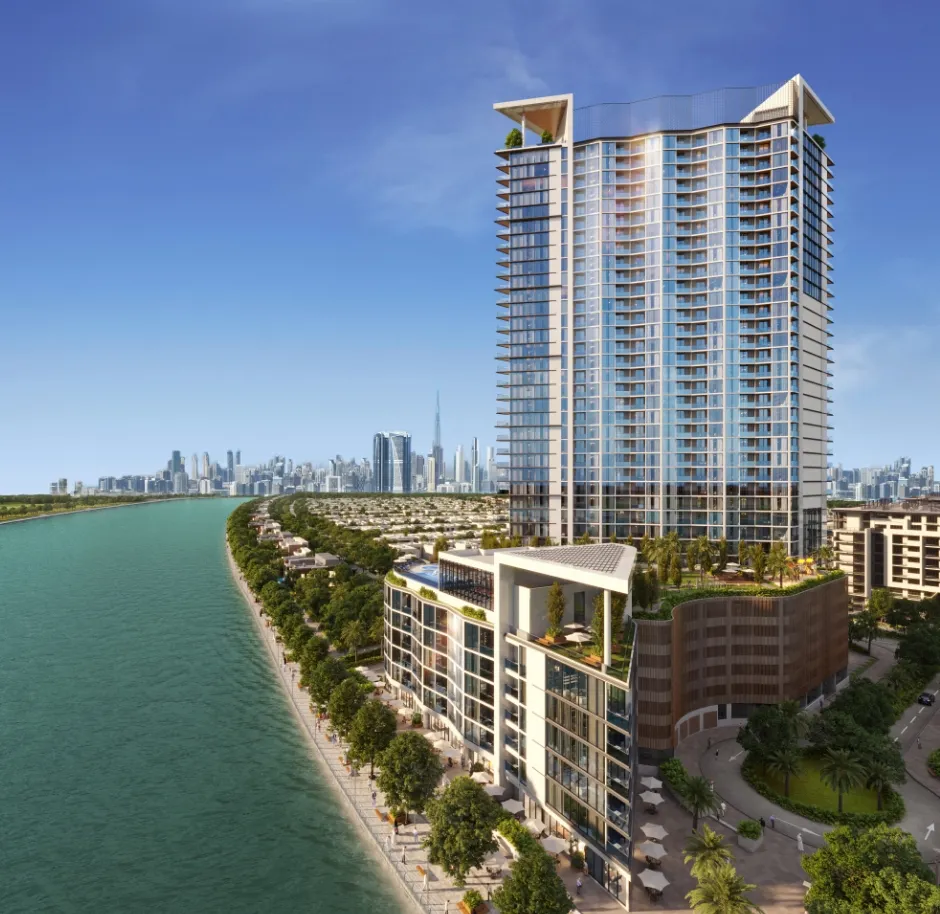
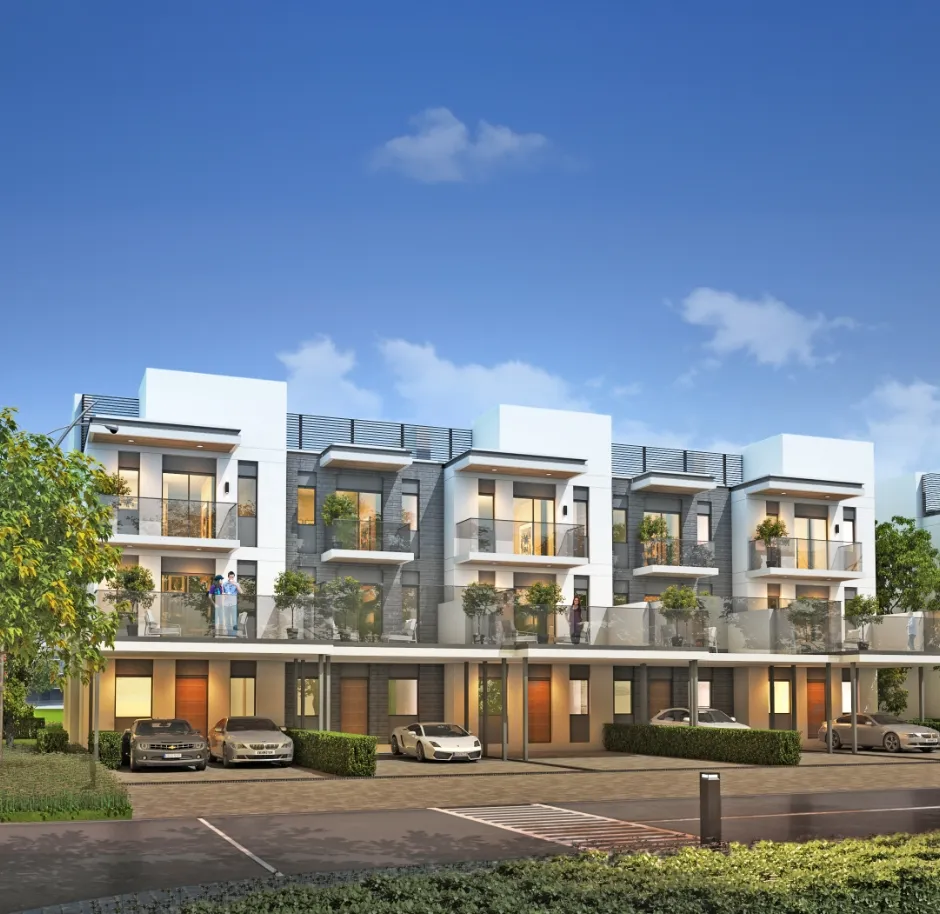
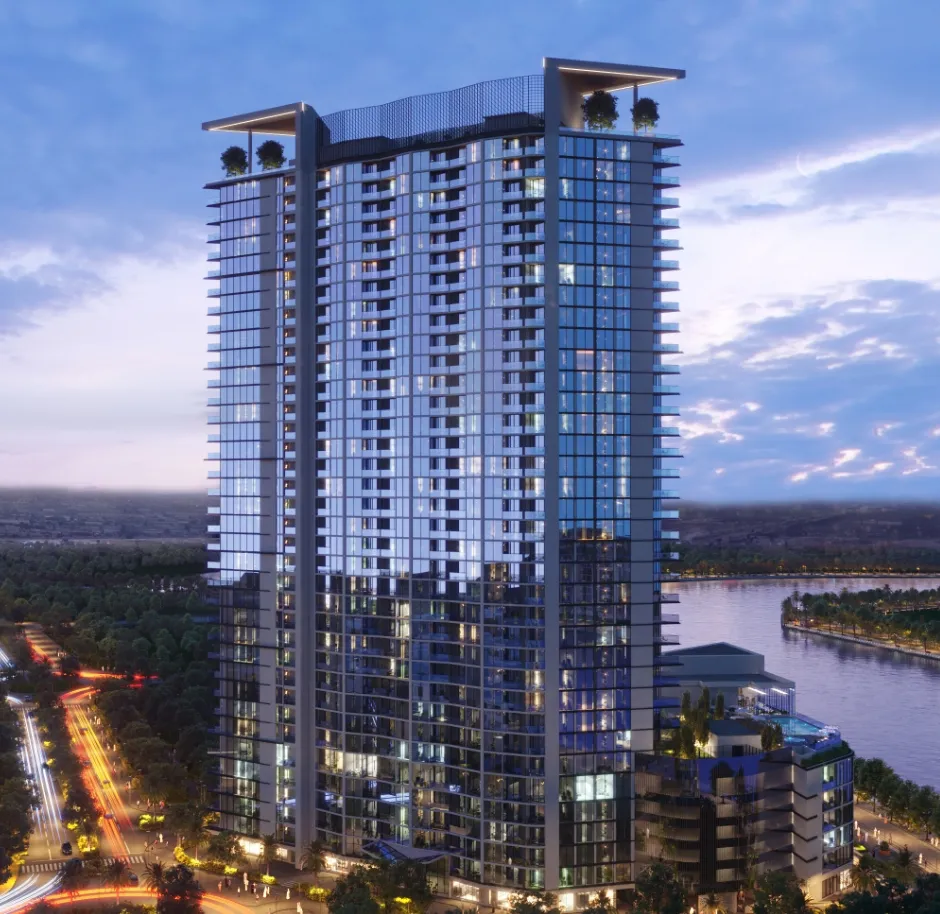
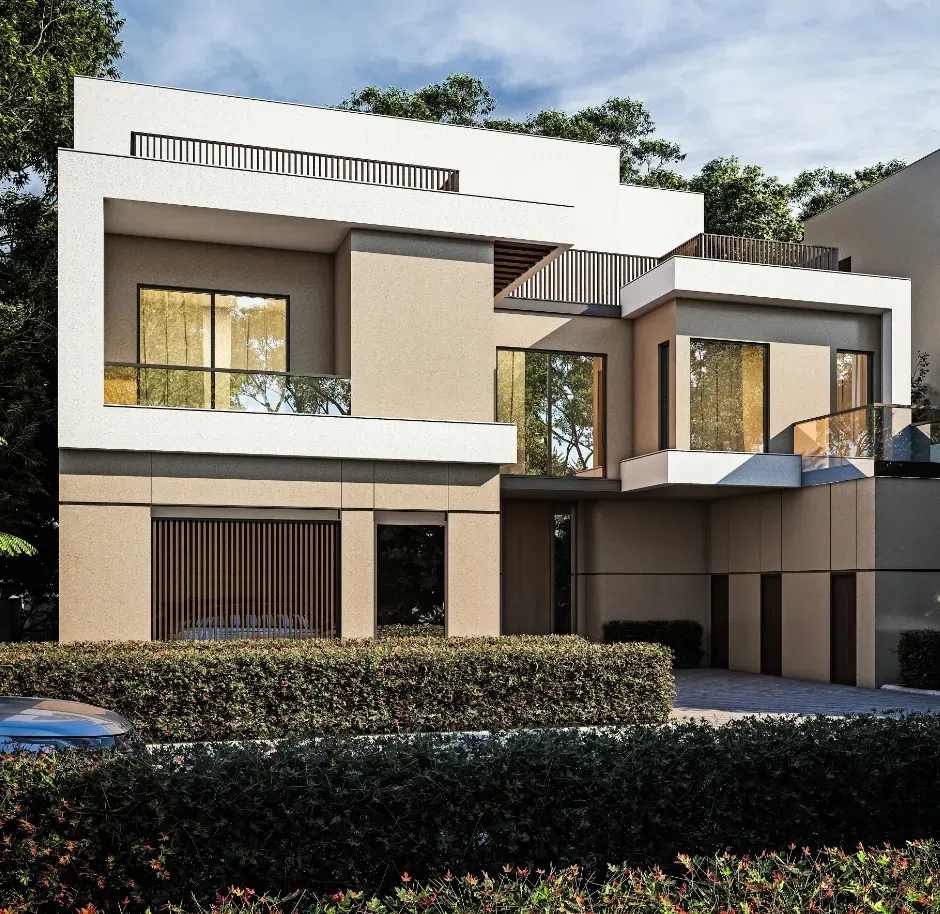
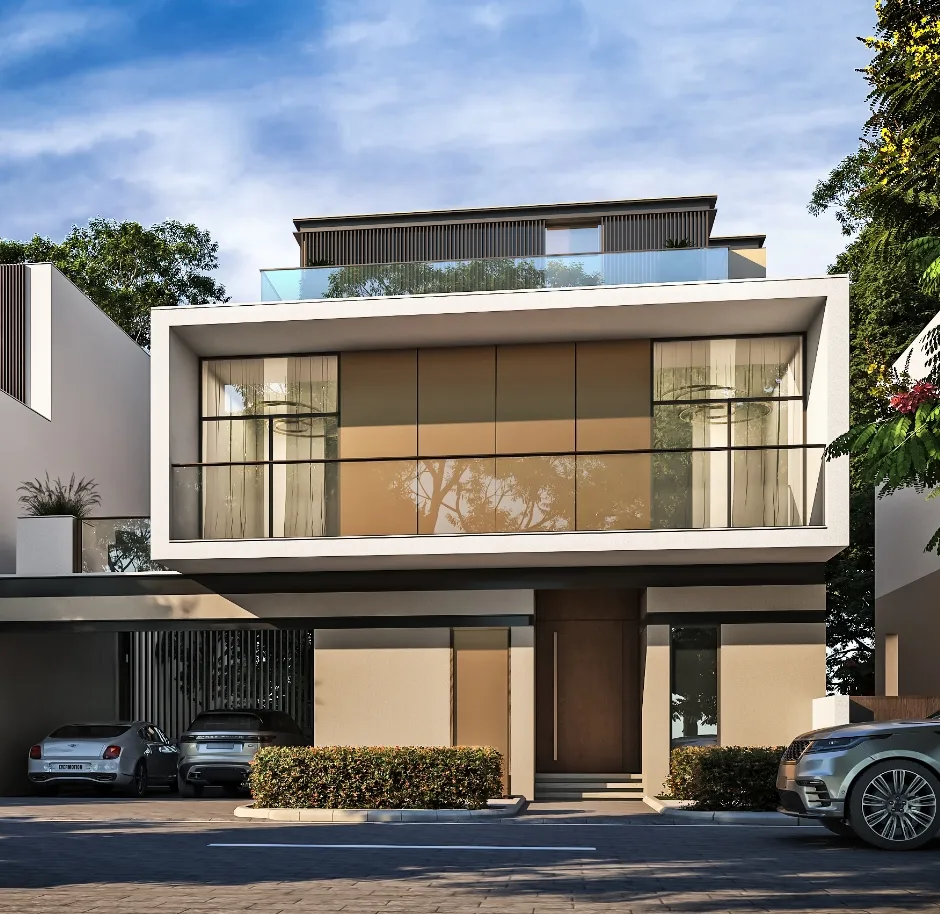
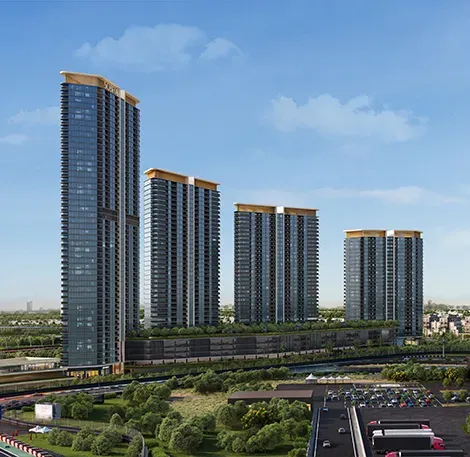
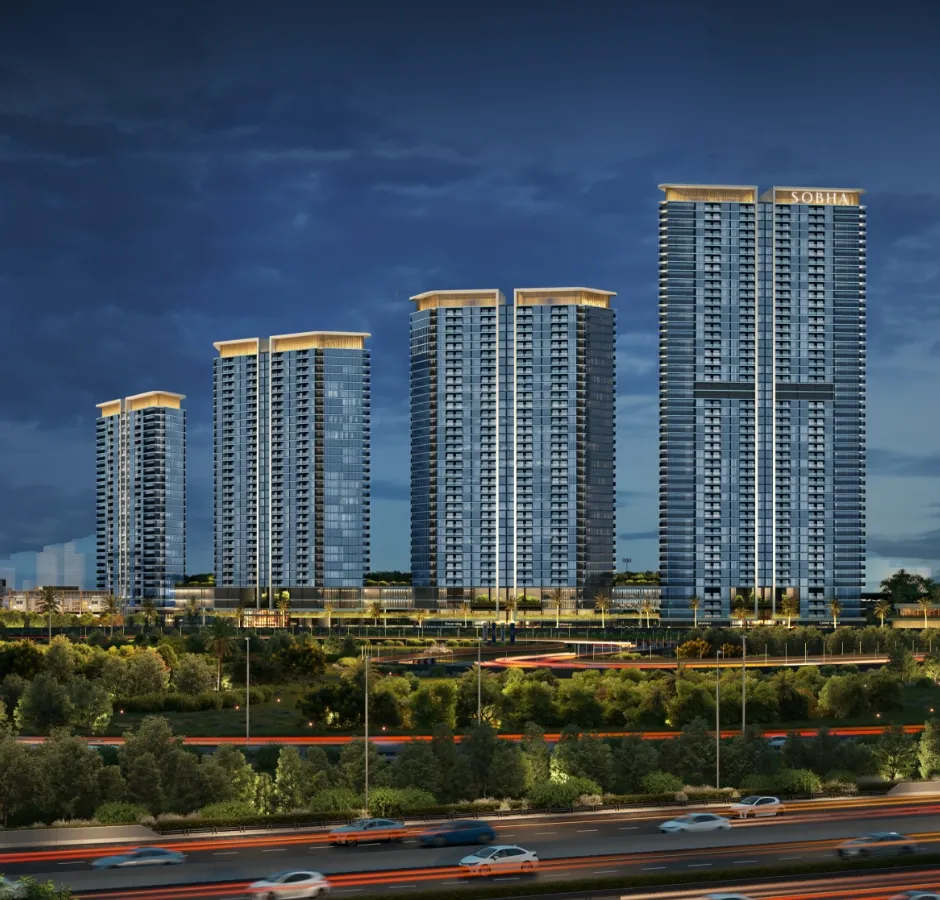
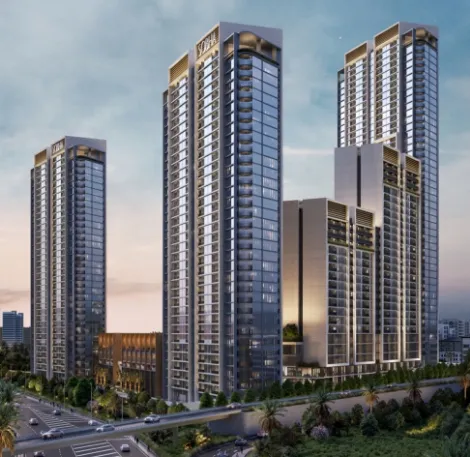
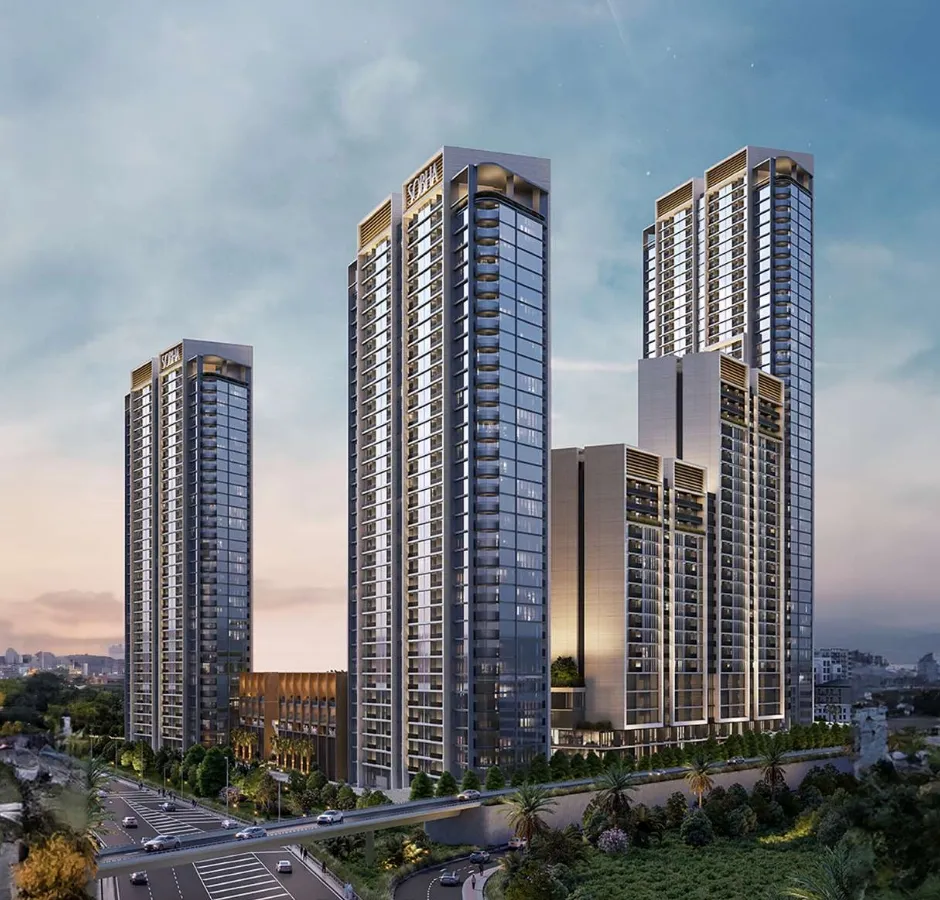
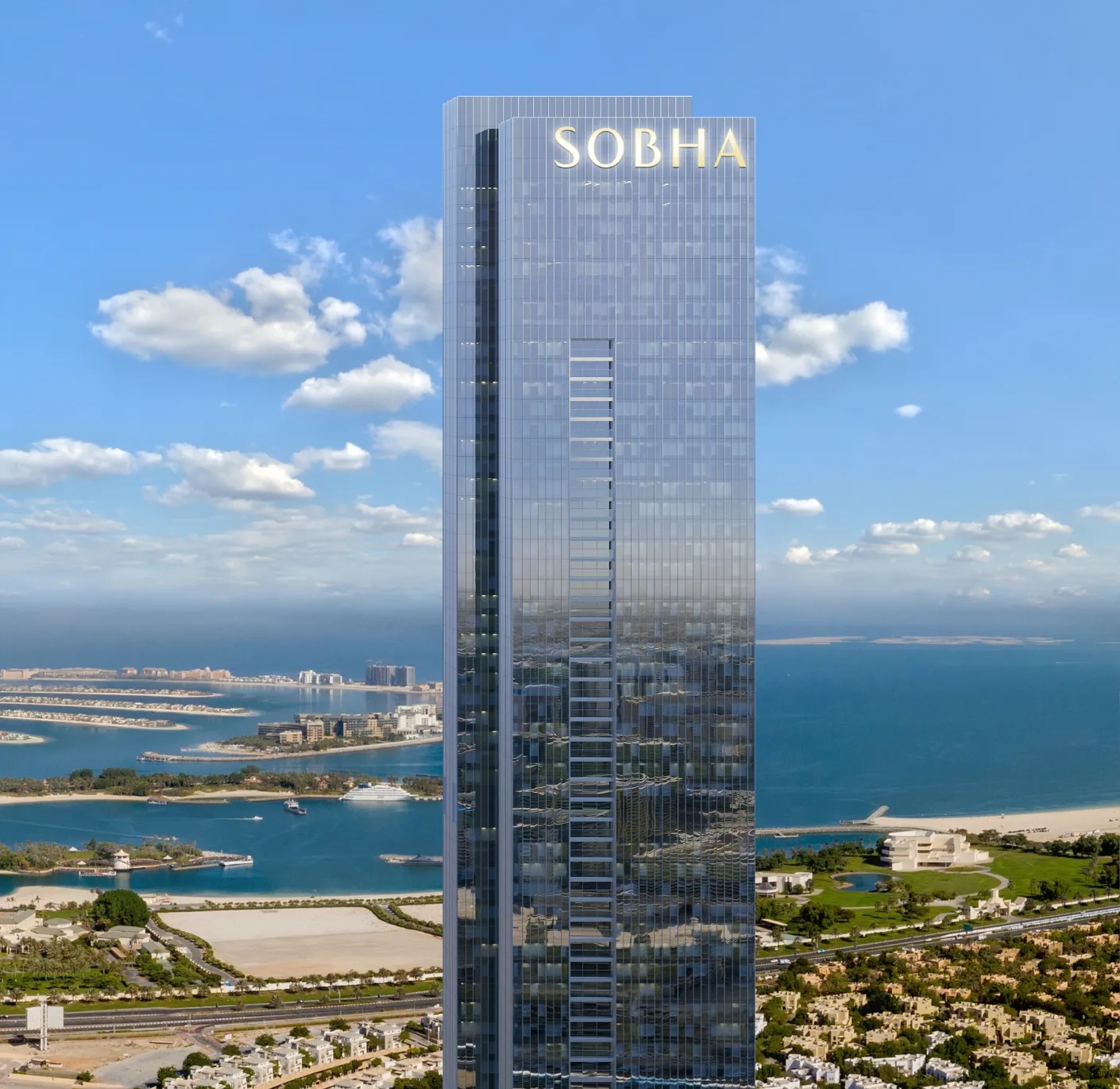
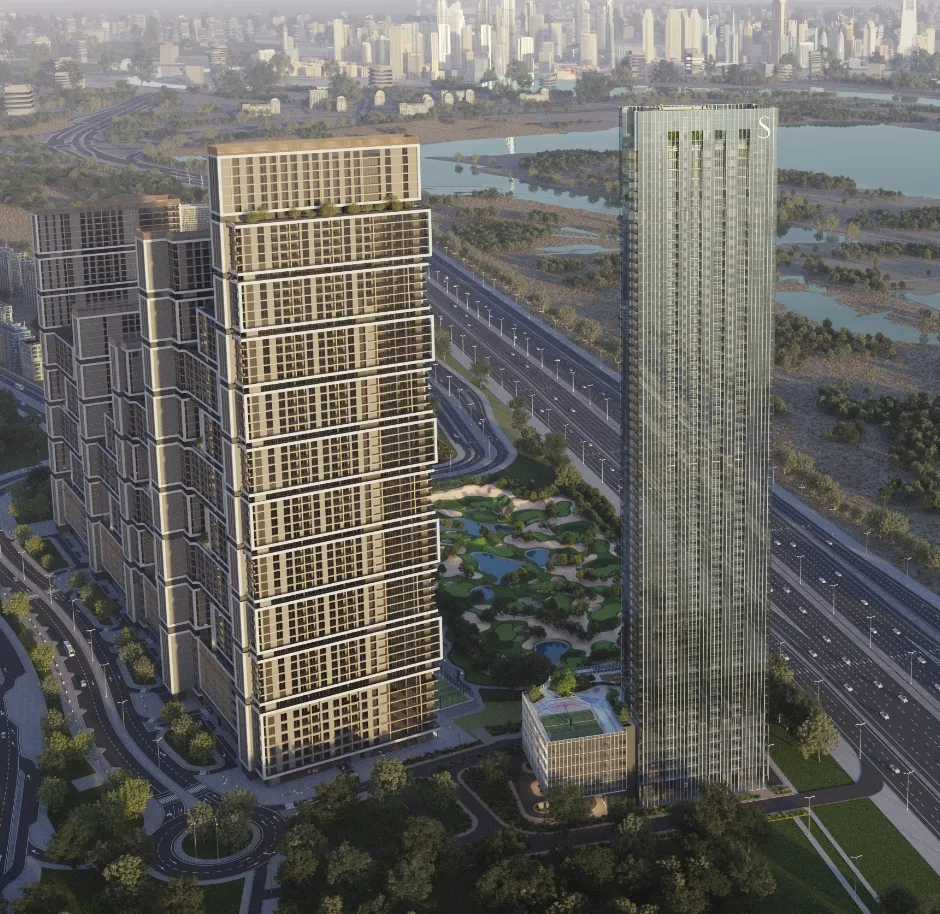
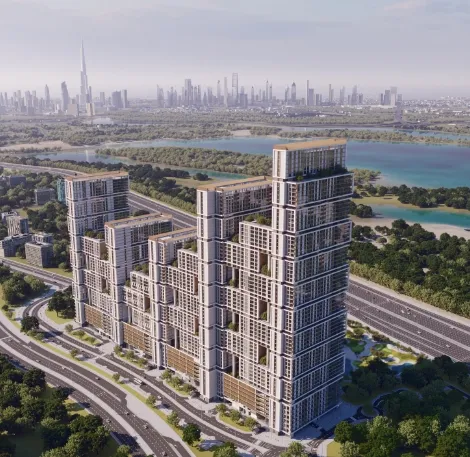
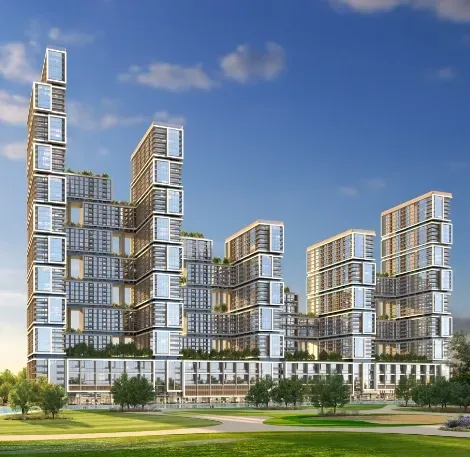
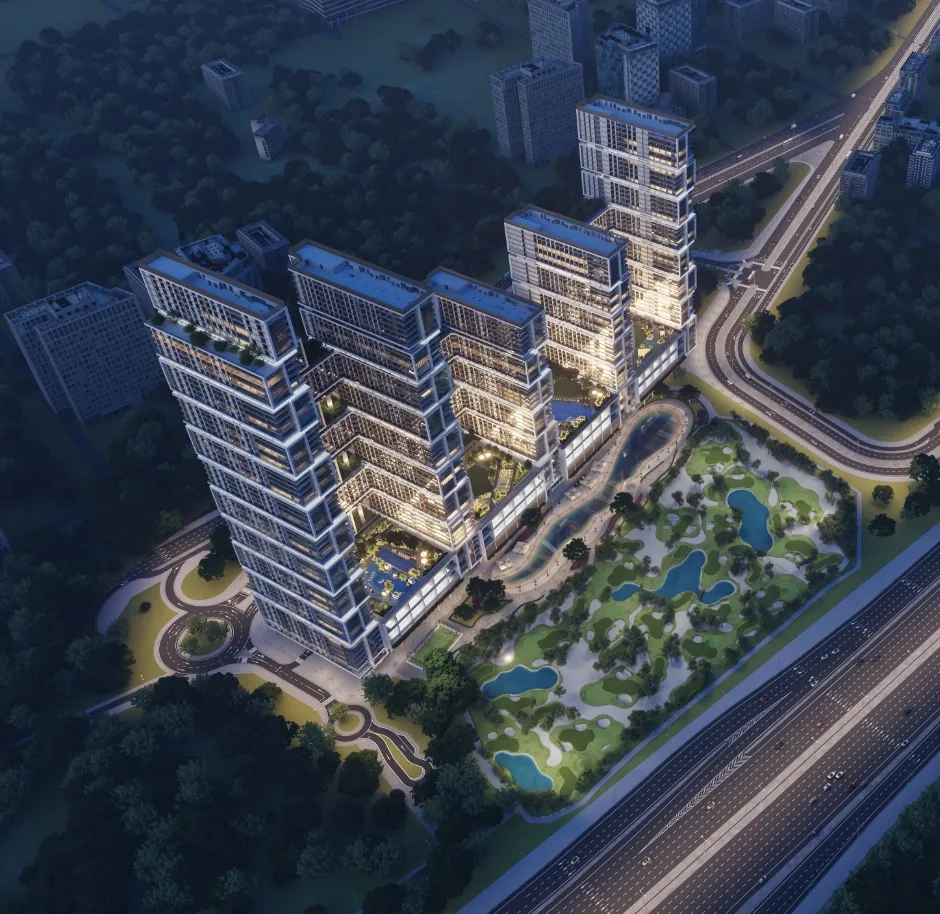
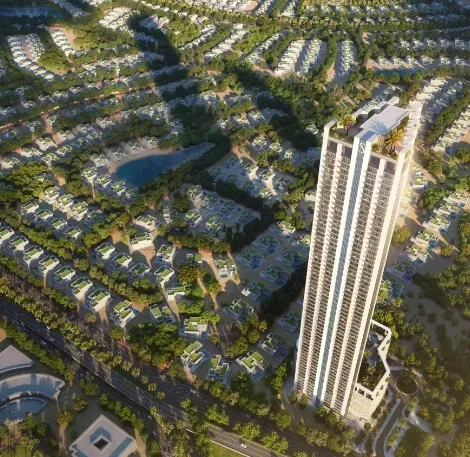
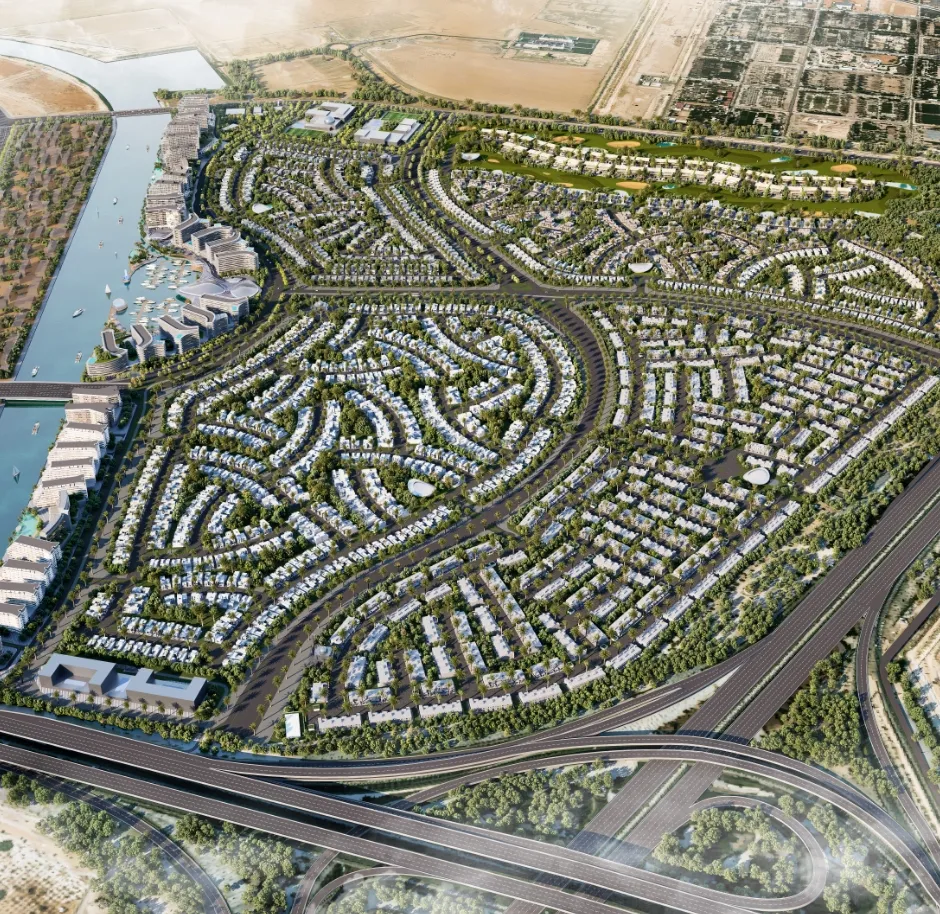
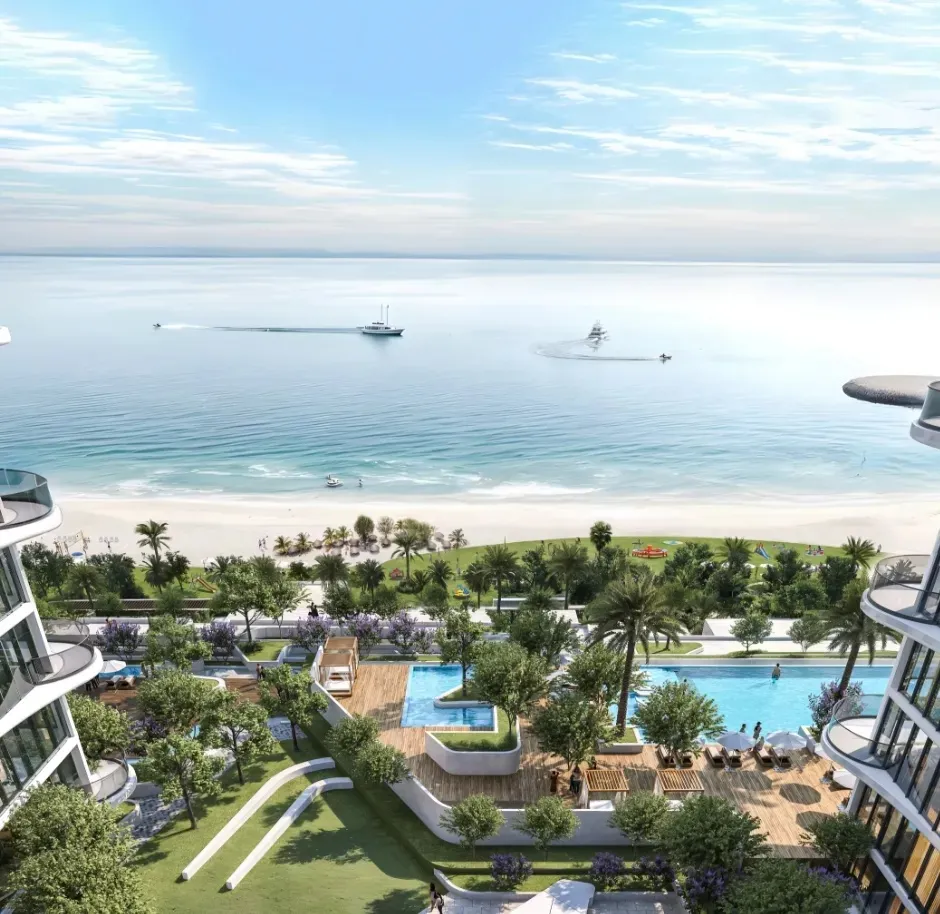
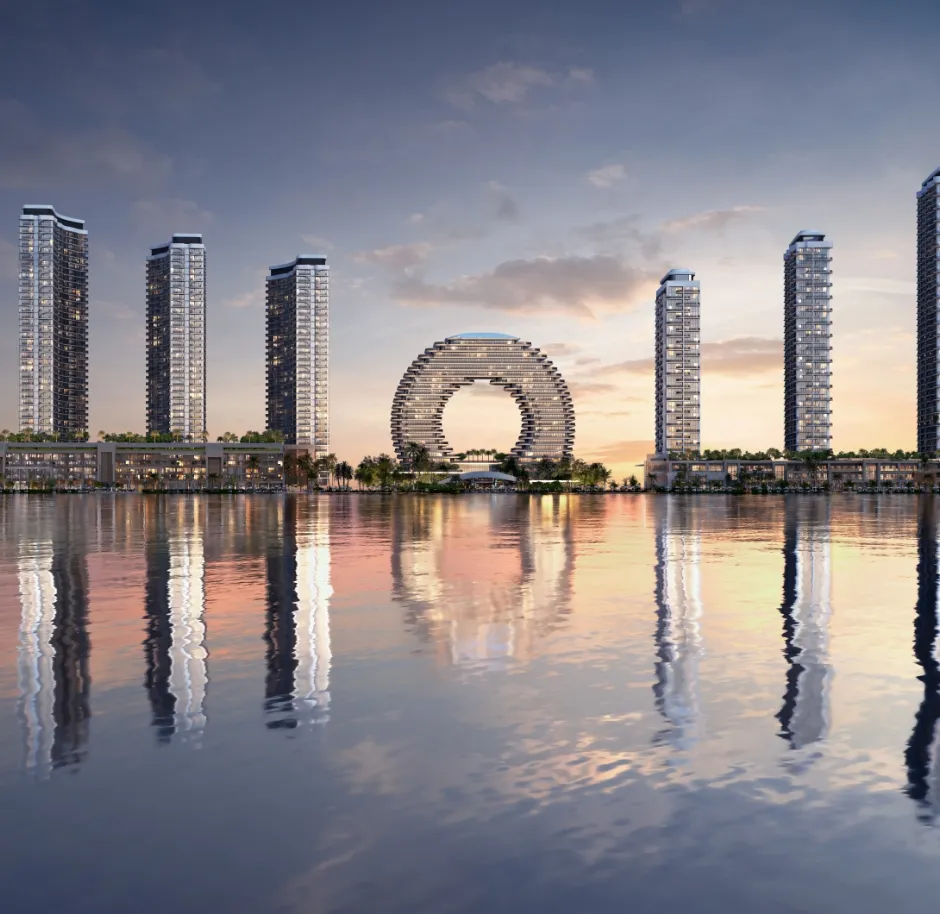
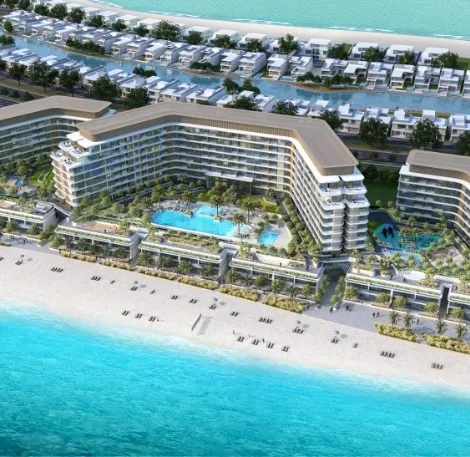
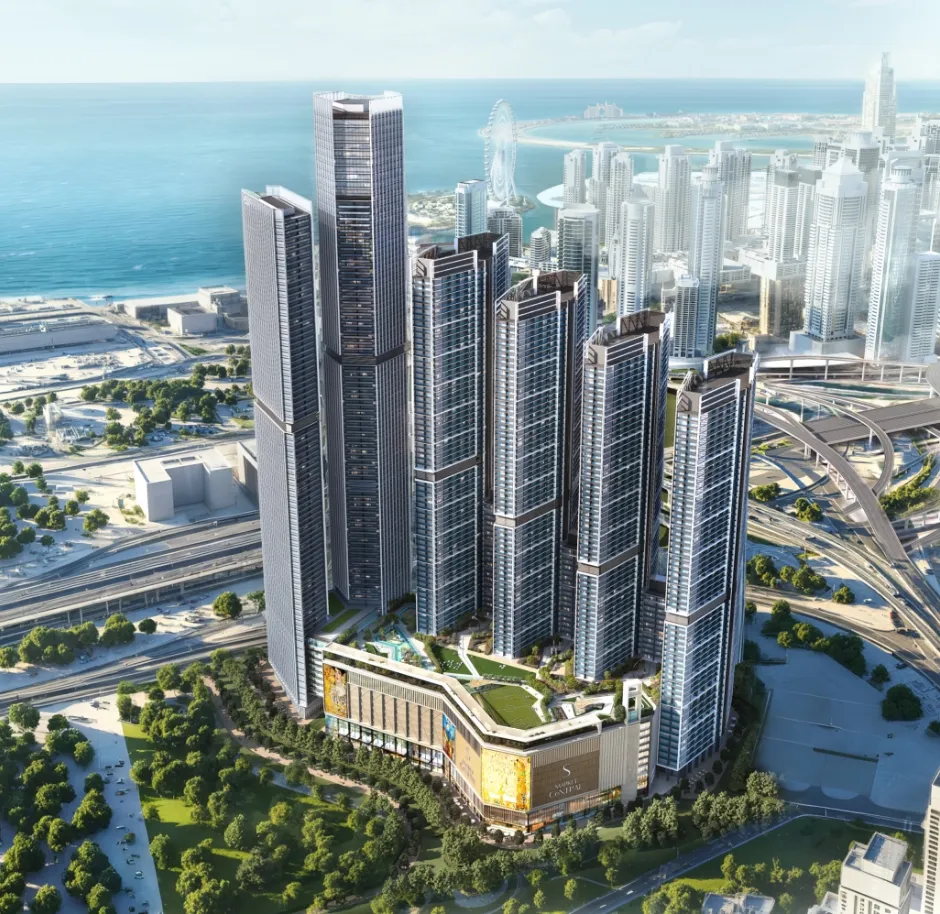
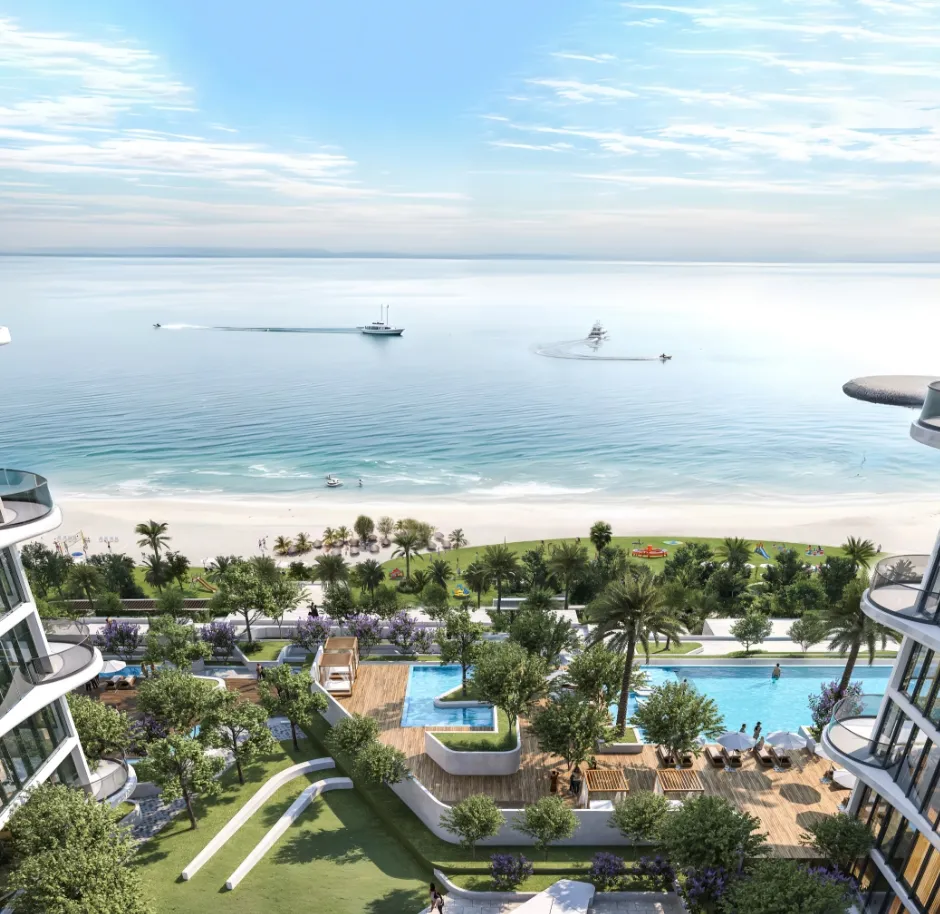
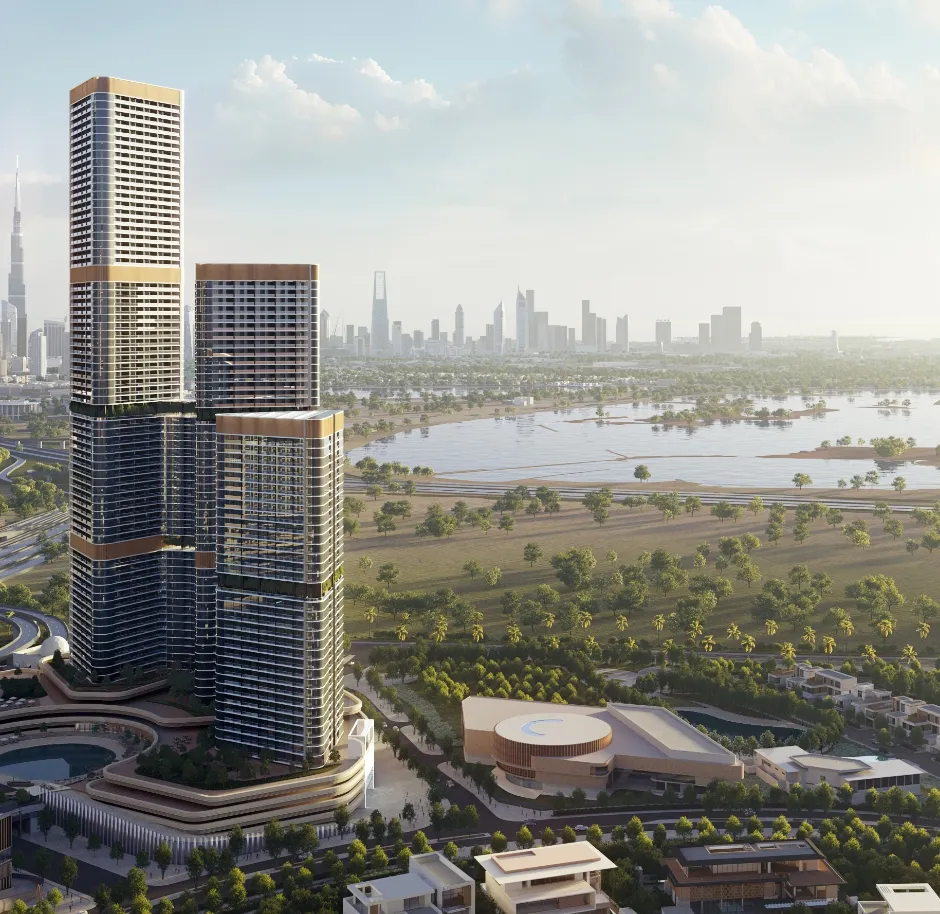
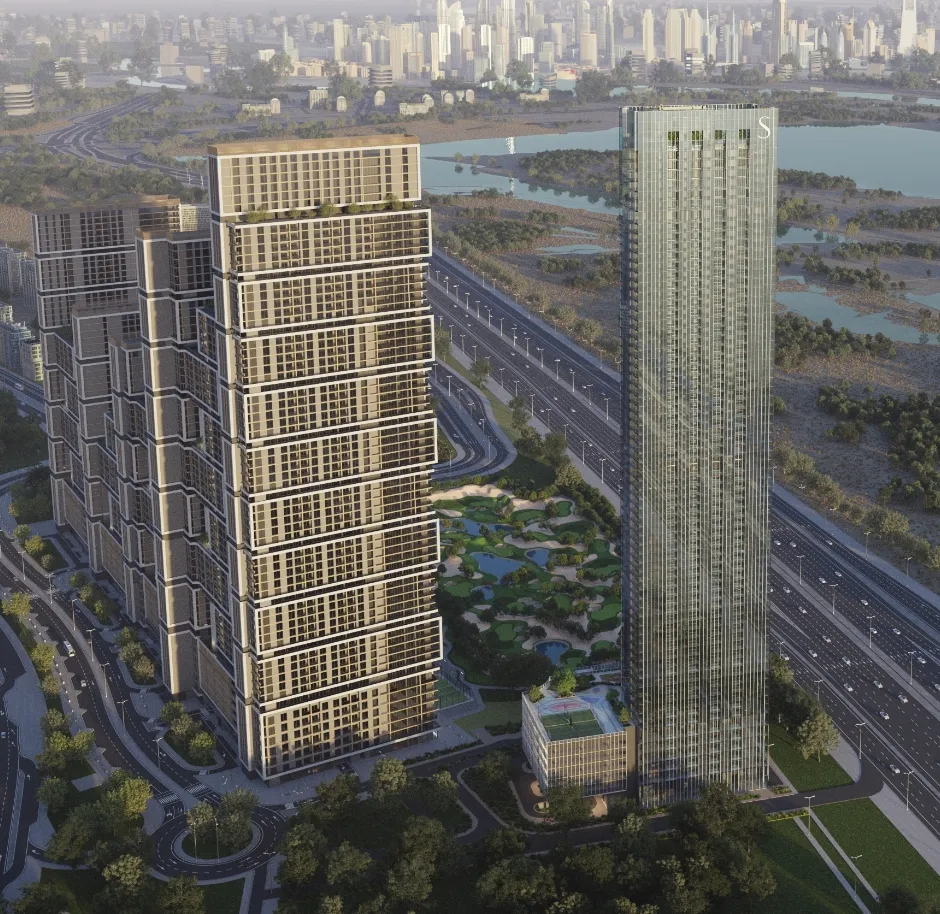
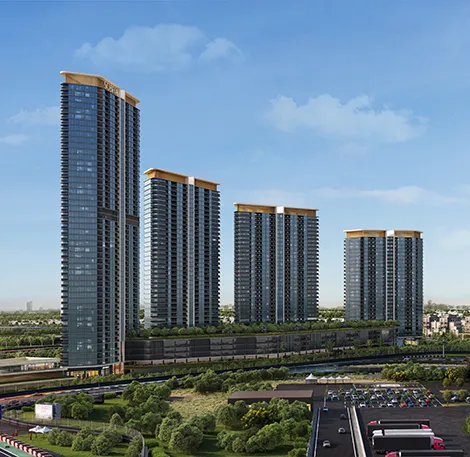
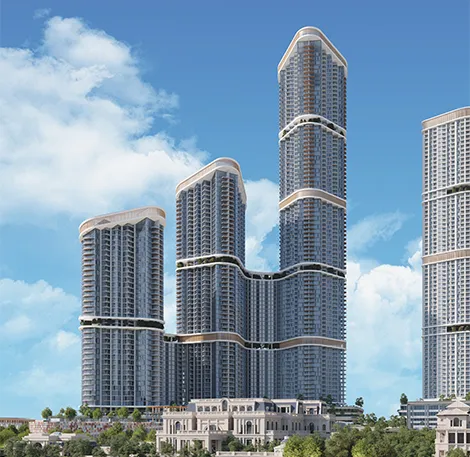
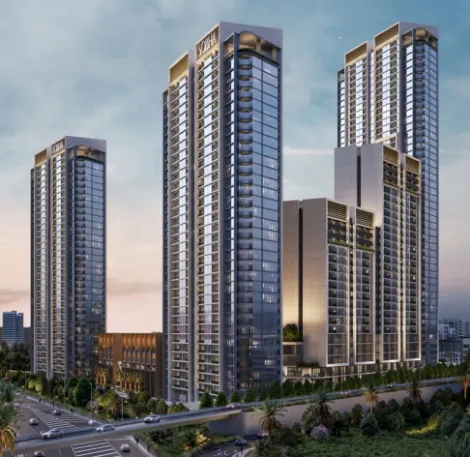
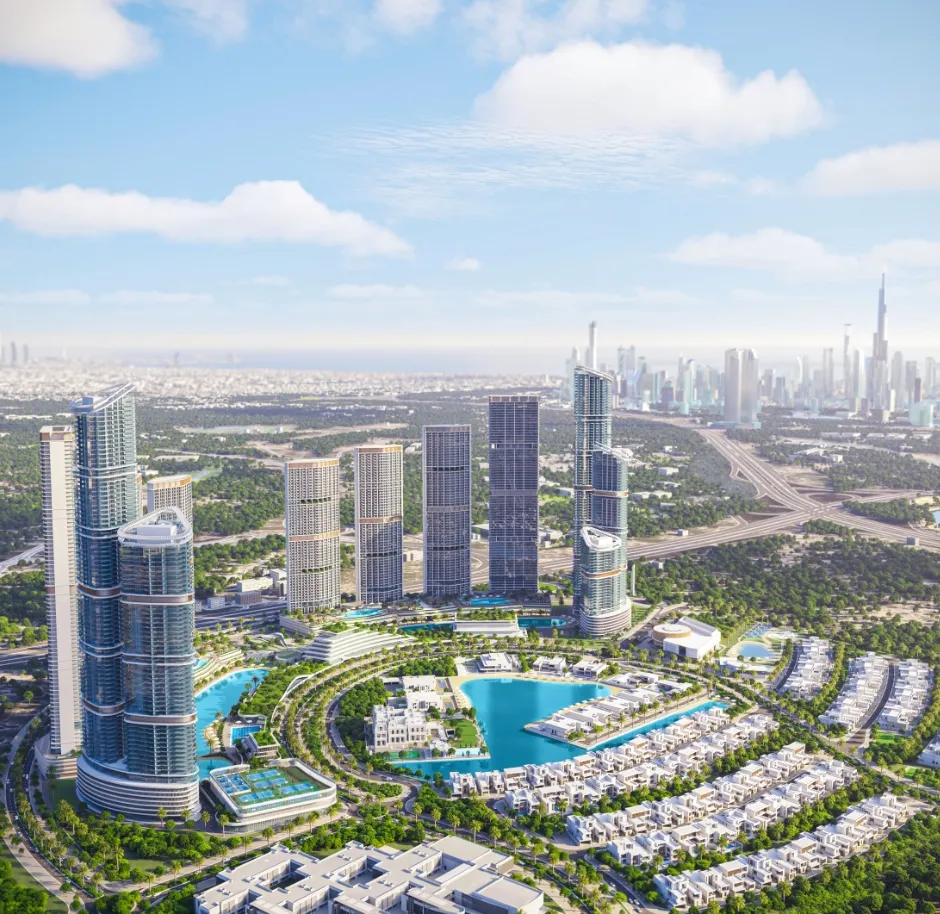
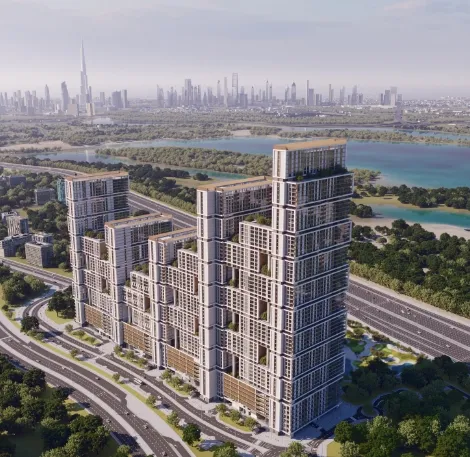
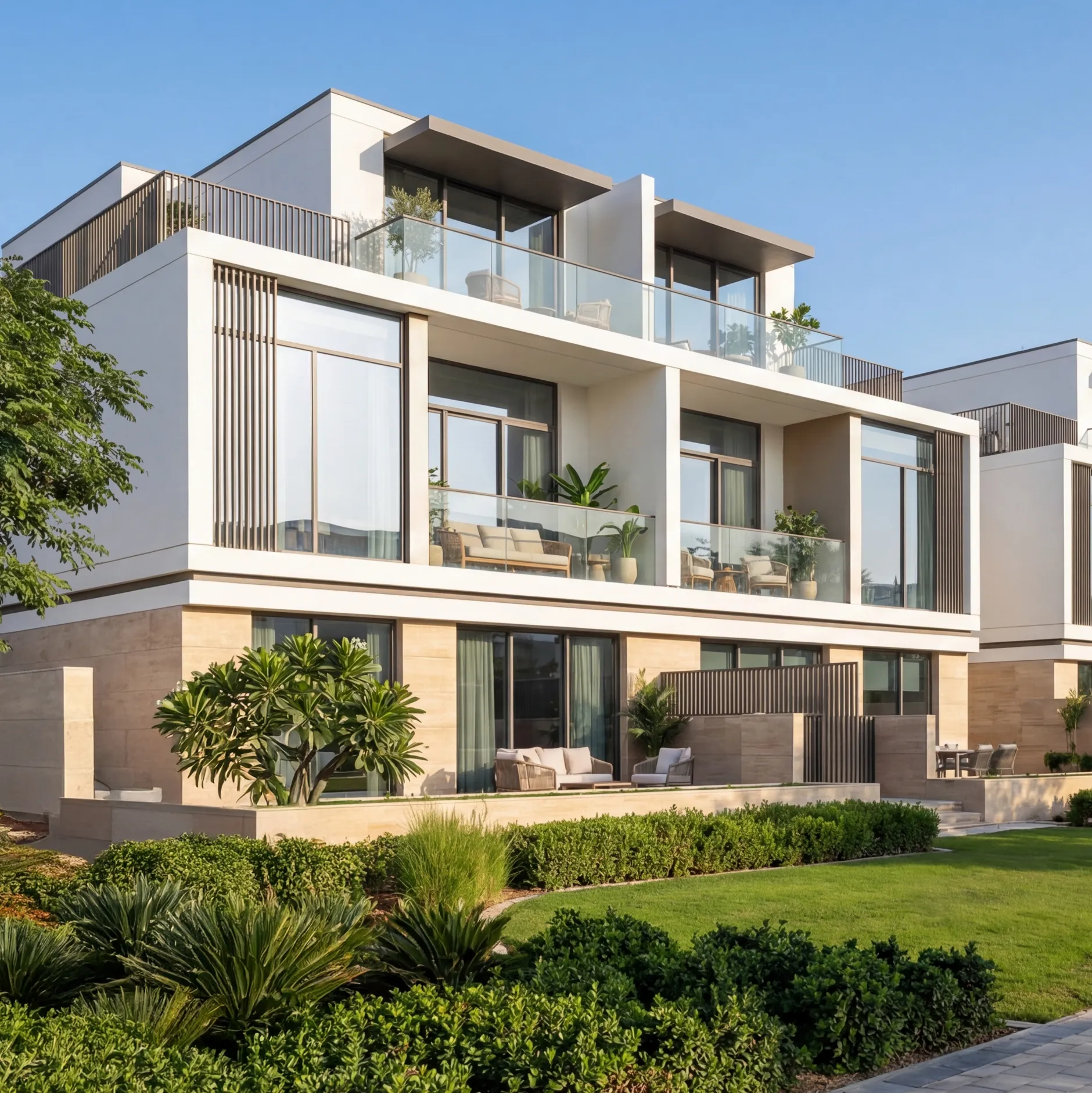
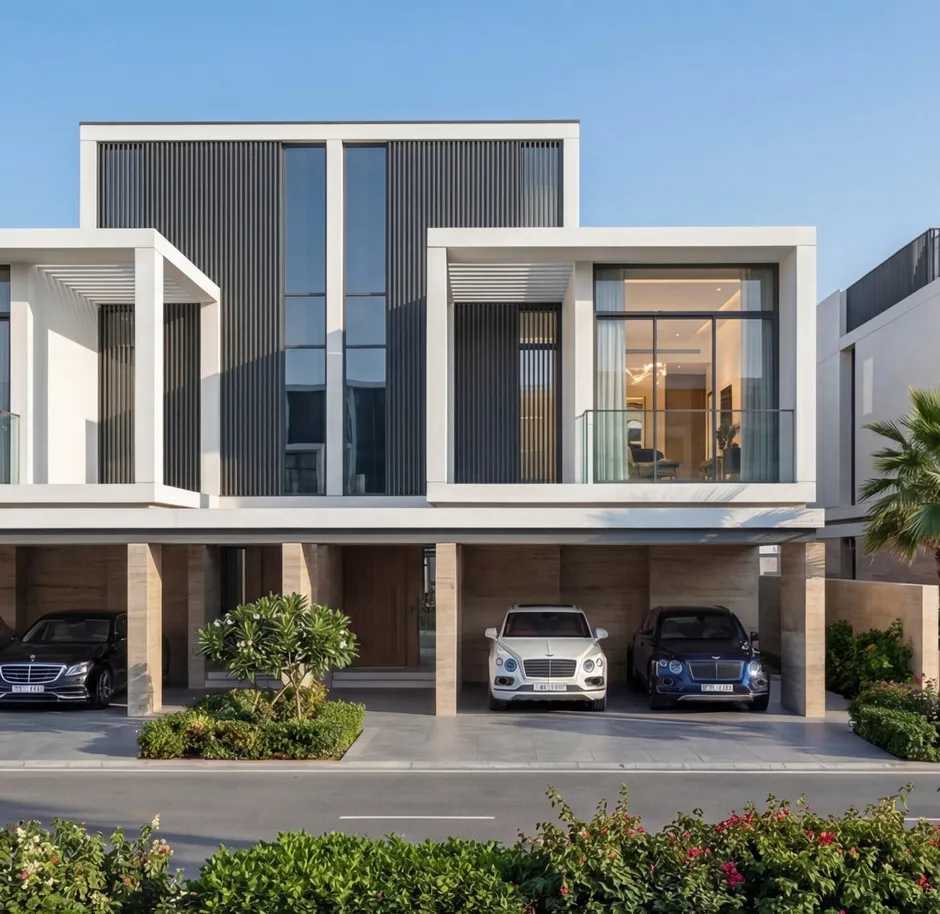
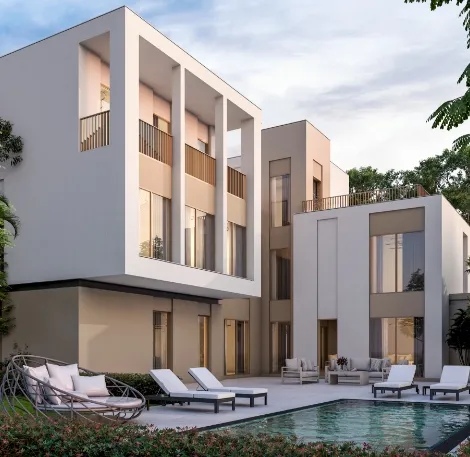
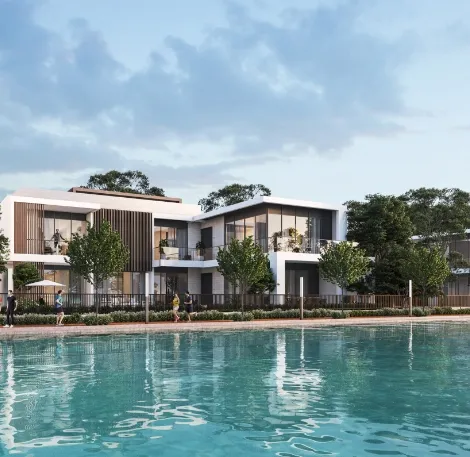
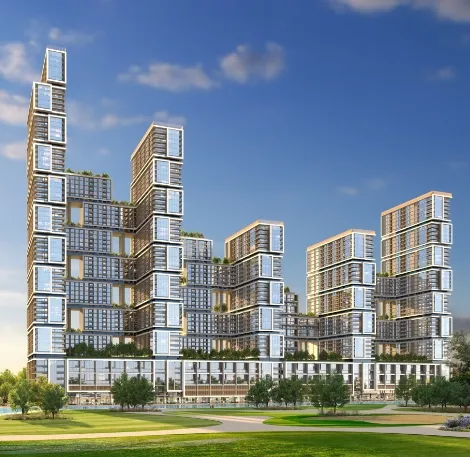
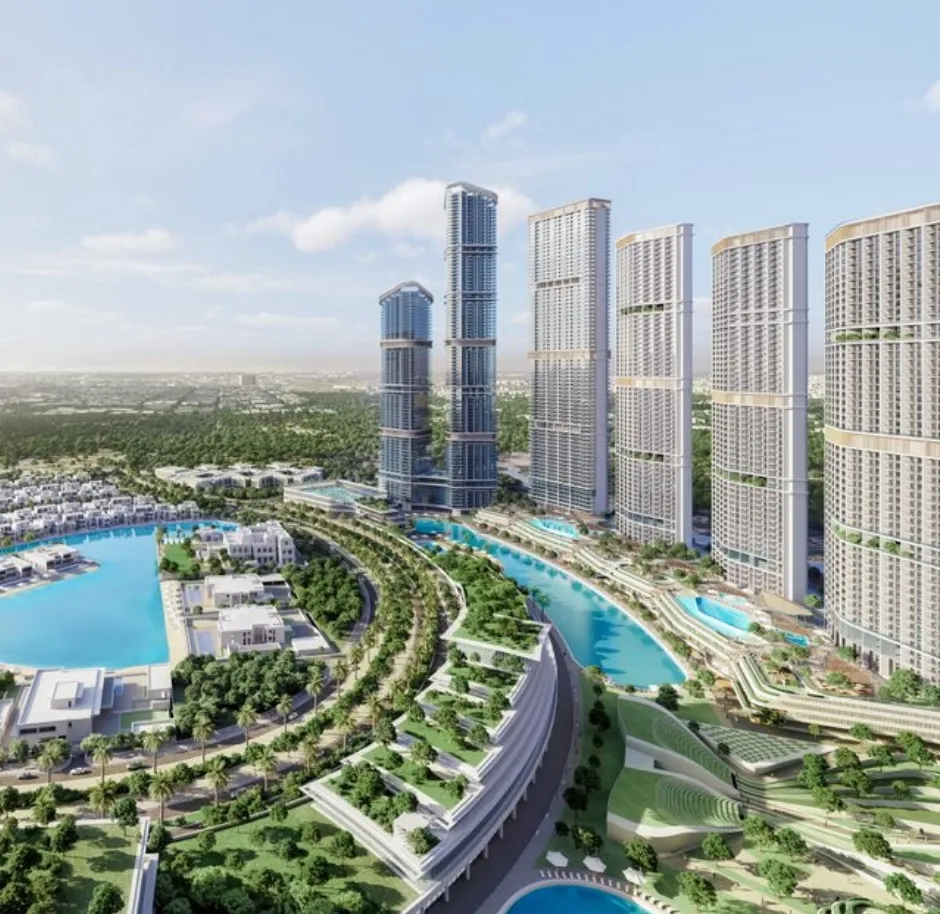
Developments such as Sobha Hartland II and Sobha Sanctuary reflect the growing importance of integrated planning, connectivity, and long-term liveability.
As Dubai continues to evolve, communities that successfully combine accessibility with exceptional living environments are likely to remain highly attractive.
Looking Beyond Today's Infrastructure
One of the most important principles of successful real estate investment is anticipating future growth rather than reacting to existing conditions.
Infrastructure projects often influence demand patterns years before their full impact becomes visible.
For this reason, many investors evaluate not only current connectivity but also future transportation plans, urban development strategies, and infrastructure investments.
Developments positioned within growth corridors and connected districts may benefit from long-term demand as cities continue to expand.
This forward-looking perspective has become increasingly relevant in a city as ambitious and dynamic as Dubai.
Conclusion
The relationship between infrastructure and real estate is both direct and enduring.
Transportation networks influence how cities grow, where people choose to live, and how communities evolve over time.
As Dubai continues investing in mobility, connectivity, and urban development, infrastructure will remain a powerful driver of long-term property demand.
For investors, the key opportunity lies not simply in identifying properties near transportation networks, but in understanding how connectivity contributes to broader community quality, liveability, and future growth.
Communities that successfully combine these elements are likely to remain among the most desirable places to live and invest in the years ahead.
Frequently Asked Questions
1. Does proximity to the Dubai Metro increase property value?
Properties located within well-connected communities often experience stronger demand due to improved accessibility and convenience.
2. Why is transportation infrastructure important for real estate investment?
Infrastructure supports accessibility, economic activity, quality of life, and long-term community growth, all of which can influence property demand.
3. What is the relationship between connectivity and real estate performance?
Communities with strong connectivity often benefit from wider buyer appeal, stronger rental demand, and greater long-term resilience.
4. How does the Dubai 2040 Urban Master Plan impact property investment?
The plan focuses on creating a more connected, sustainable, and liveable city, which may support long-term demand for strategically located developments.
5. Should investors only focus on properties near Metro stations?
No. Investors should evaluate overall community quality, amenities, accessibility, and long-term growth potential rather than transportation access alone.
6. Why are master-planned communities attractive to investors?
Master-planned communities combine residential, retail, educational, wellness, and recreational elements within a single destination, supporting long-term demand and quality of life.