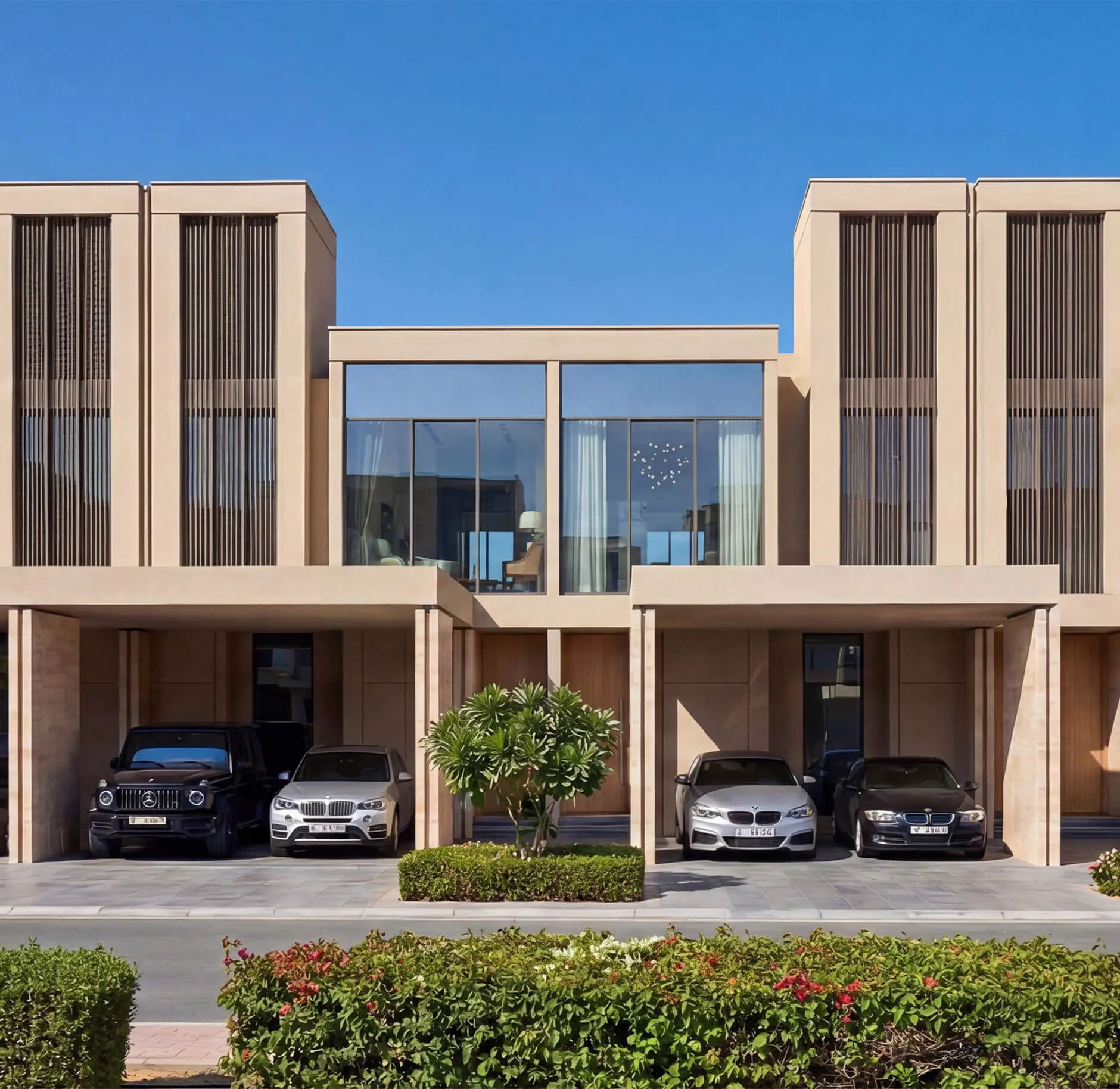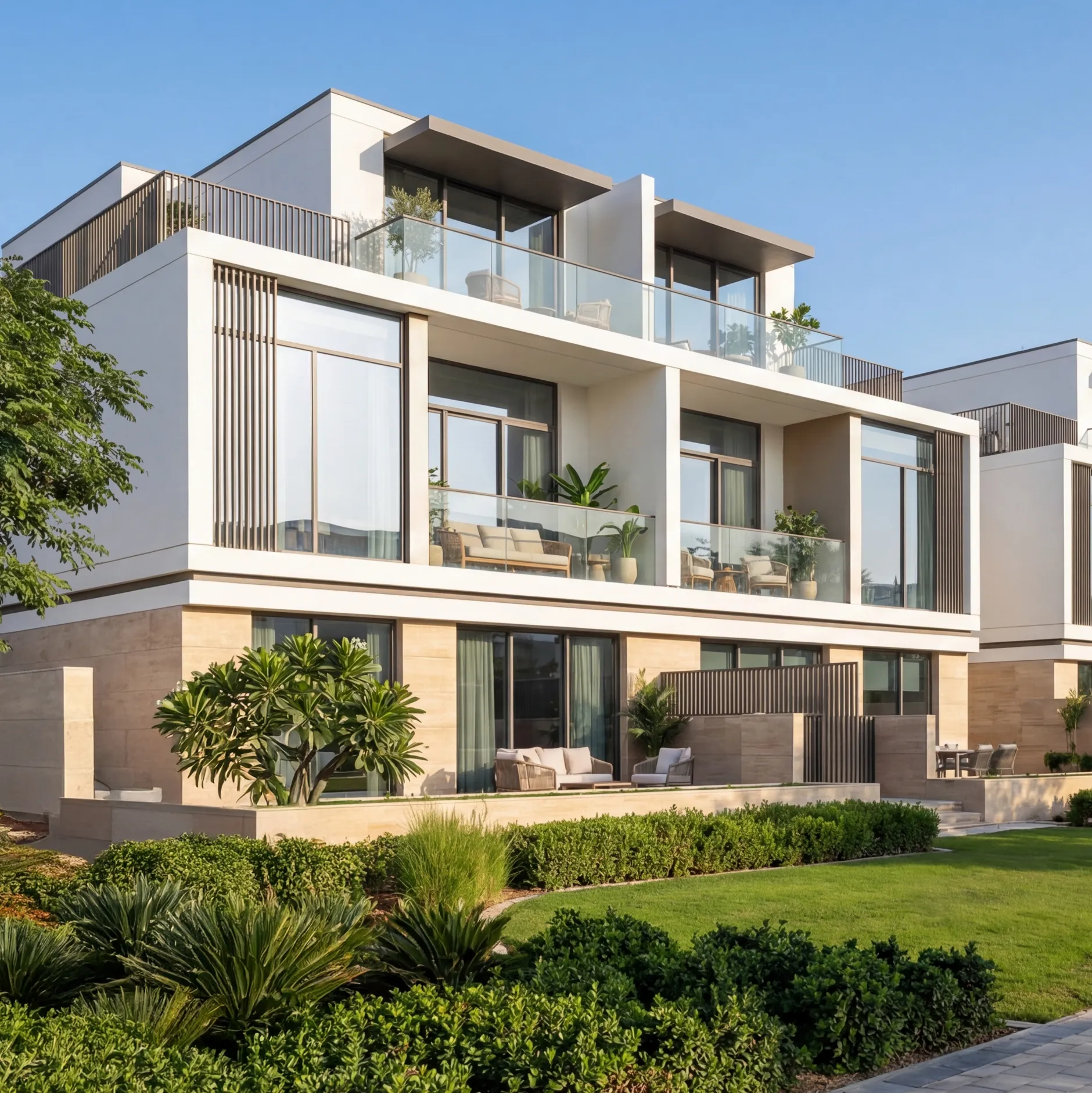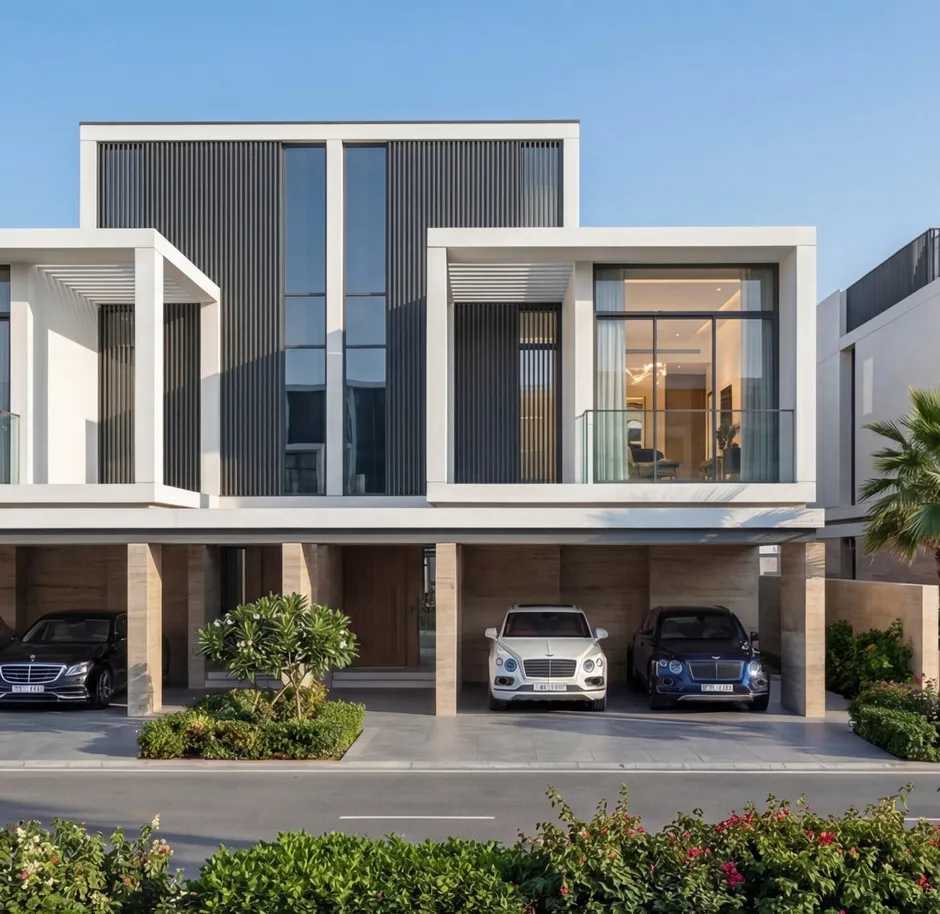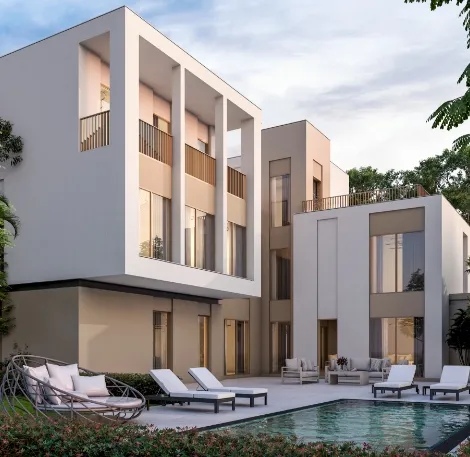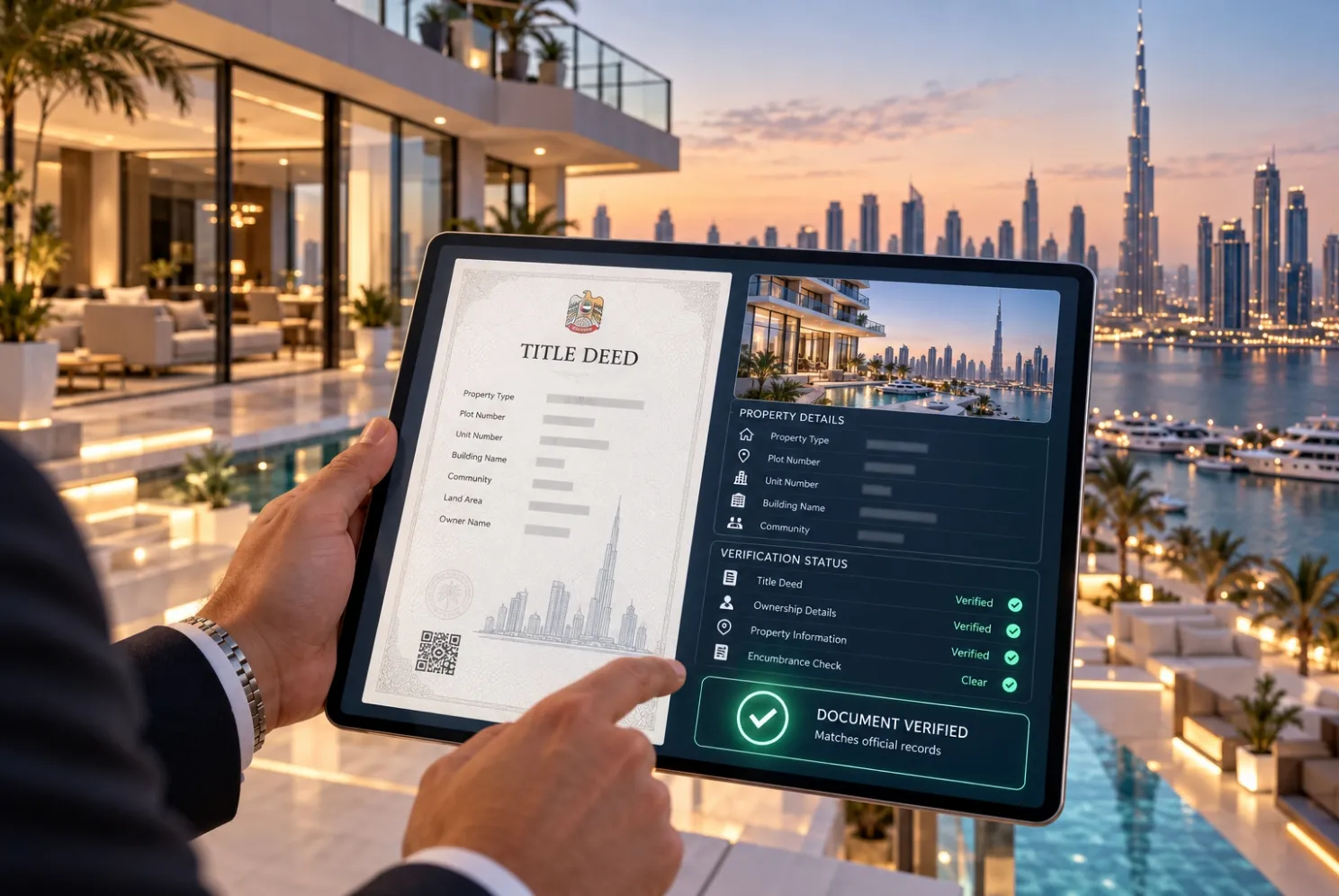
Abu Dhabi is increasingly attracting the attention of international property buyers. As the UAE capital continues to expand its residential offering, strengthen its infrastructure, and develop new lifestyle destinations, interest in Abu Dhabi property investment is growing among buyers from around the world.
One of the first questions international investors often ask is: Can foreigners buy property in Abu Dhabi?
The answer is yes. Non-UAE nationals can own and acquire property rights within designated investment areas in Abu Dhabi, subject to the emirate's applicable property laws and regulations. Changes introduced to Abu Dhabi's property ownership legislation in 2019 further expanded the rights available to foreign buyers within these areas.
For buyers considering a home, second residence, or long-term real estate investment in the UAE capital, understanding how property ownership works is an important first step.
Why Abu Dhabi Real Estate Is Attracting International Buyers
Abu Dhabi combines the advantages of a global capital with a distinctive residential proposition. World-class infrastructure, cultural destinations, waterfront communities, economic diversification, and long-term urban planning are helping create a property market with growing international appeal.
Recent market performance illustrates this momentum. Abu Dhabi Real Estate Centre (ADREC) reported that the emirate recorded AED 66 billion in real estate transactions across 13,518 deals in Q1 2026, representing a 160.7% year-on-year increase in transaction value. Sales and purchases accounted for AED 50.97 billion during the quarter.
International participation has also increased significantly. Foreign direct investment by individuals reached AED 8.27 billion in Q1 2026, with investors representing 99 nationalities. ADREC also reported that investment zones accounted for approximately 84% of total investment value during the period.
For buyers exploring Abu Dhabi real estate, these figures point to a market that is becoming increasingly international while continuing to expand its residential offering.
Can Foreigners Own Property in Abu Dhabi?
Yes. Foreign nationals can acquire property rights within designated Abu Dhabi investment zones.
Under Abu Dhabi's amended real estate legislation, non-UAE natural and legal persons may own and acquire principal and accessory real rights over properties located within investment areas and may dispose of those rights in accordance with applicable regulations.
This provides international investors with a regulated route to property ownership in designated parts of the emirate.
For buyers, however, it remains important to confirm the ownership status of the specific property and development being considered rather than assuming the same rules apply everywhere in Abu Dhabi.
What Are Abu Dhabi Investment Zones?
Abu Dhabi investment zones are designated areas in which non-UAE nationals can acquire property rights under the emirate's real estate framework.
These zones have played an important role in opening the Abu Dhabi property market to international investment and have become home to many of the capital's prominent residential and mixed-use destinations.
Official UAE guidance identifies several designated investment areas, including Yas Island, Saadiyat Island, Reem Island, Al Maryah Island, Al Raha Beach, Al Reef and Masdar City. Buyers should verify the current designation and ownership conditions of the specific development before purchasing.
Investment zones also continue to play a central role in Abu Dhabi's market growth. In Q1 2026, ADREC reported particularly strong transaction activity across areas including Hudayriyat Island, Reem Island, Saadiyat Island, and Yas Island.
Understanding Property Ownership Options in Abu Dhabi
International buyers researching property in Abu Dhabi may encounter different forms of property rights.
Understanding the distinction between them is important before committing to a purchase.
Ownership
Within designated investment areas, foreign buyers may acquire ownership and other real rights in accordance with Abu Dhabi's property legislation.
The 2019 amendment represented an important development for international investors by allowing non-UAE nationals to acquire all principal and accessory real rights over properties located within investment zones.
Usufruct
Usufruct provides the holder with the right to use and benefit from a property for an agreed period without necessarily owning the underlying property outright. The exact rights, duration, transferability, and other conditions depend on the registered agreement and applicable regulations.
Official UAE guidance states that usufruct arrangements for expatriates may extend for up to 99 years.
Musataha
Musataha is another form of property right that can provide the holder with rights to use, develop, or construct on property for an agreed period. The scope of those rights, the duration, renewal terms, and what happens at the end of the term depend on the registered agreement and applicable regulations.
Official guidance indicates that Musataha arrangements may run for up to 50 years and may be renewable by agreement between the parties.
Long-Term Lease
Long-term leasing provides another route to occupying or investing in property. Official UAE guidance describes long-term leases in Abu Dhabi as having an initial period of at least 25 years.
The appropriate structure will depend on the individual property, development, buyer objectives, and applicable regulations.
What Should Foreign Buyers Consider Before Investing in Abu Dhabi?
The legal ability to purchase property is only one part of the decision.
International buyers should also evaluate the fundamentals that influence the long-term experience and potential value of an Abu Dhabi property investment.
These include:
- Location and connectivity
- Developer reputation and delivery track record
- Construction and finishing quality
- Community master planning
- Access to schools, healthcare, retail, and leisure
- Green and open spaces
- Waterfront or lifestyle positioning
- Payment structure and ongoing ownership costs
- Long-term supply and demand
- Property management and maintenance
A property should ultimately align with the buyer's objectives, whether those involve living in Abu Dhabi, generating rental income, diversifying an international portfolio, or holding the asset over the long term.
Why Community Quality Matters in Abu Dhabi
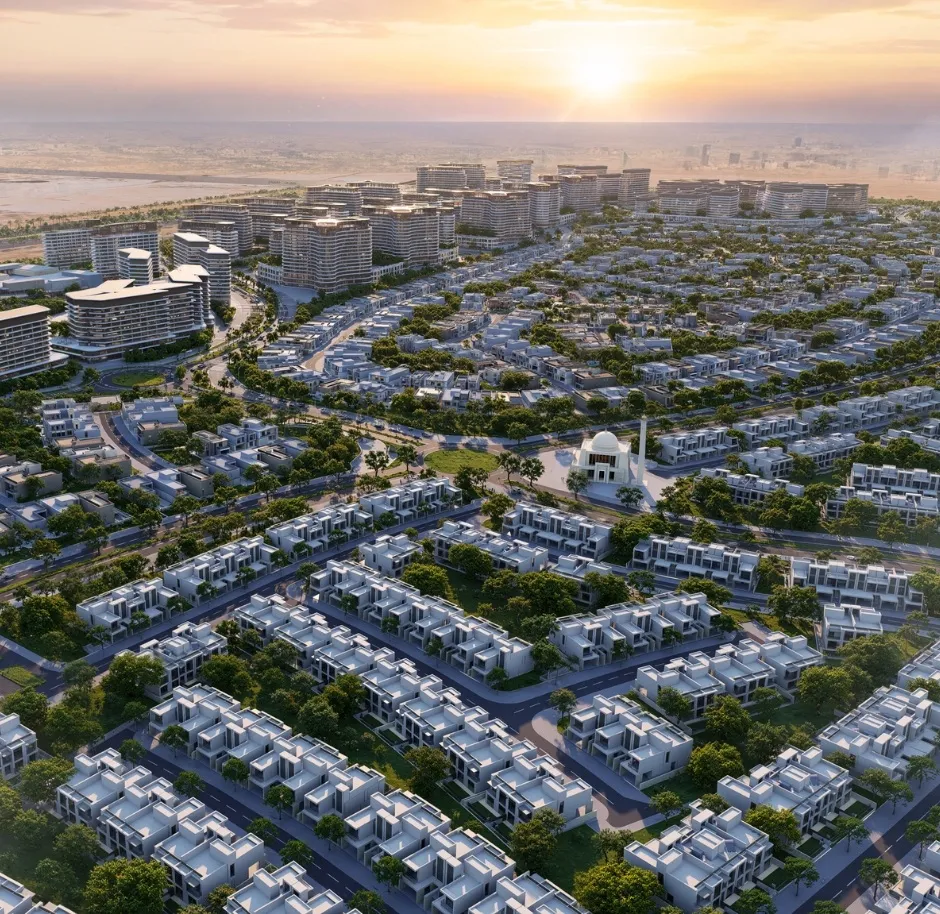
As Abu Dhabi's residential market expands, buyers are increasingly able to look beyond the individual apartment or villa and consider the quality of the entire community.
This is particularly important for long-term ownership.
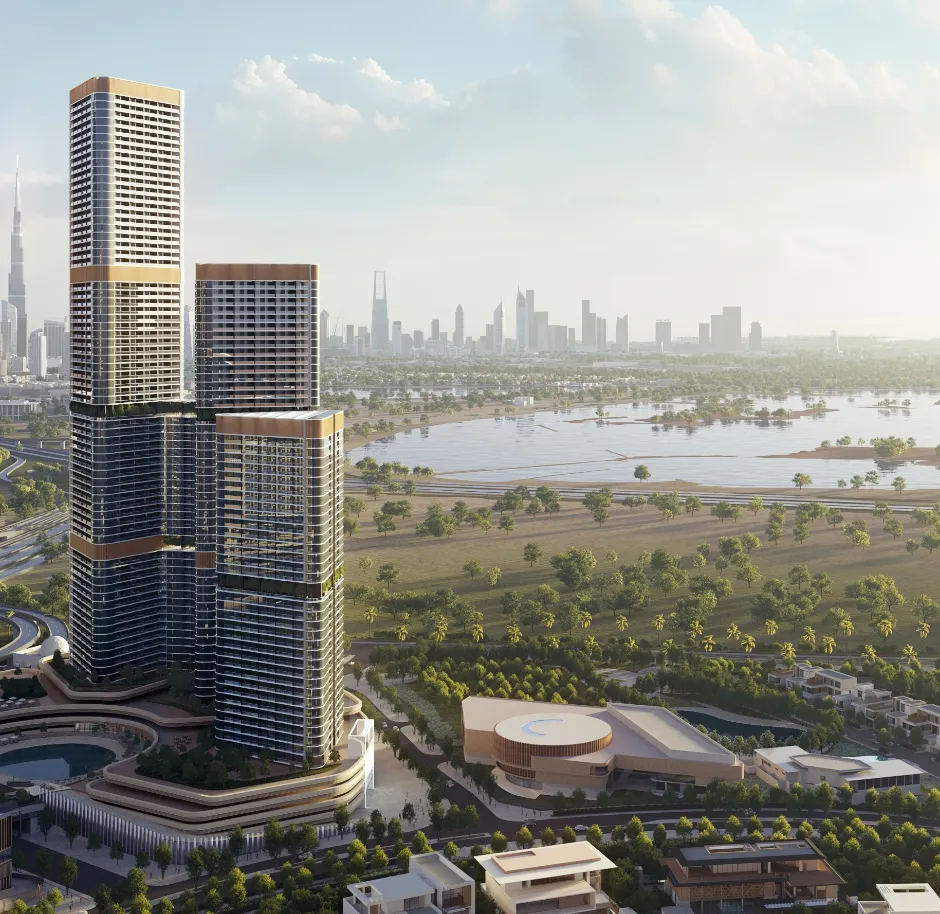
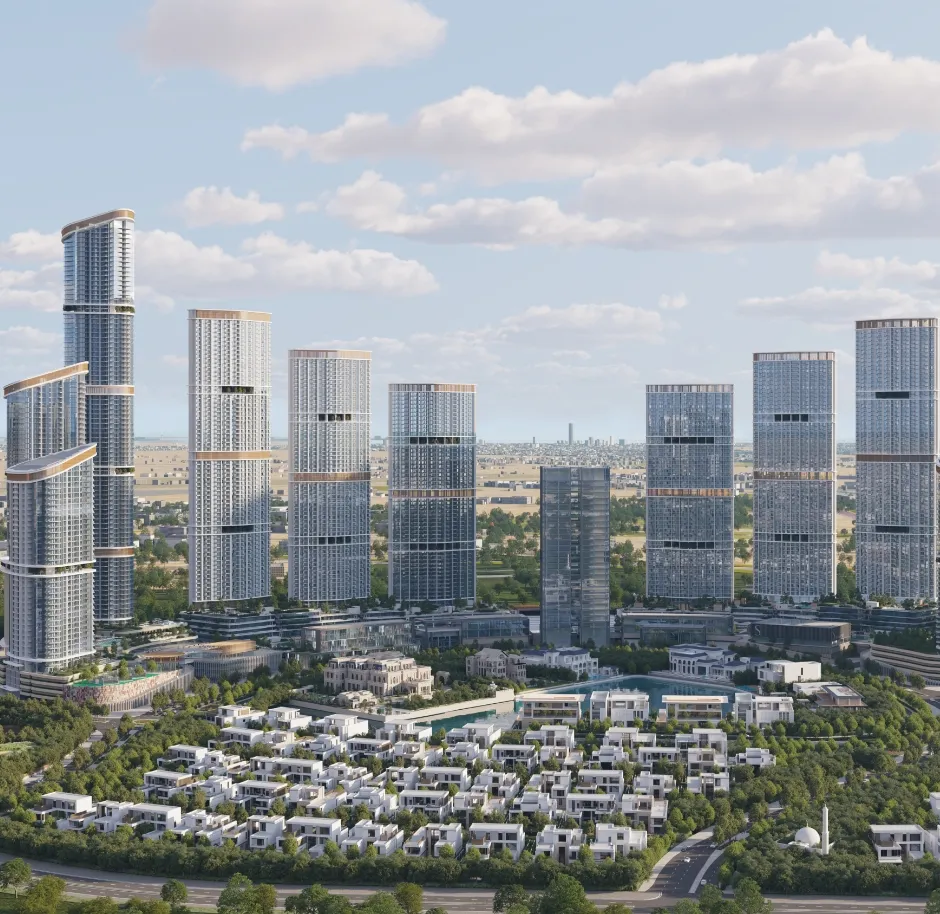
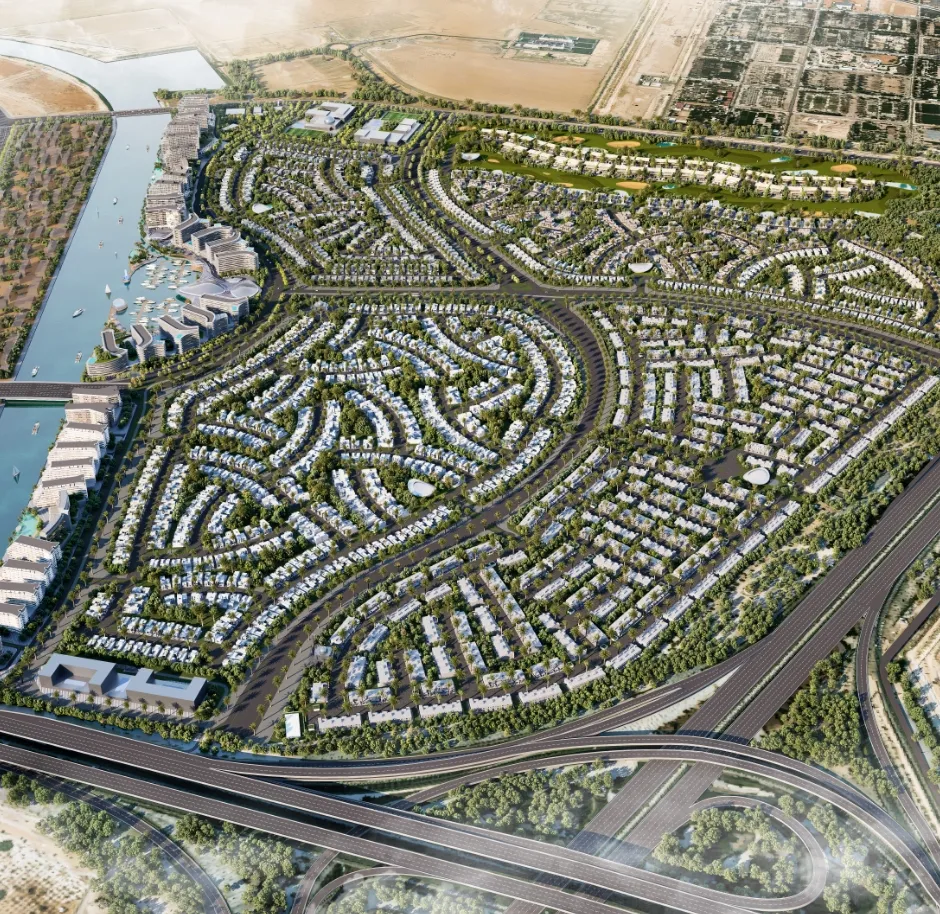
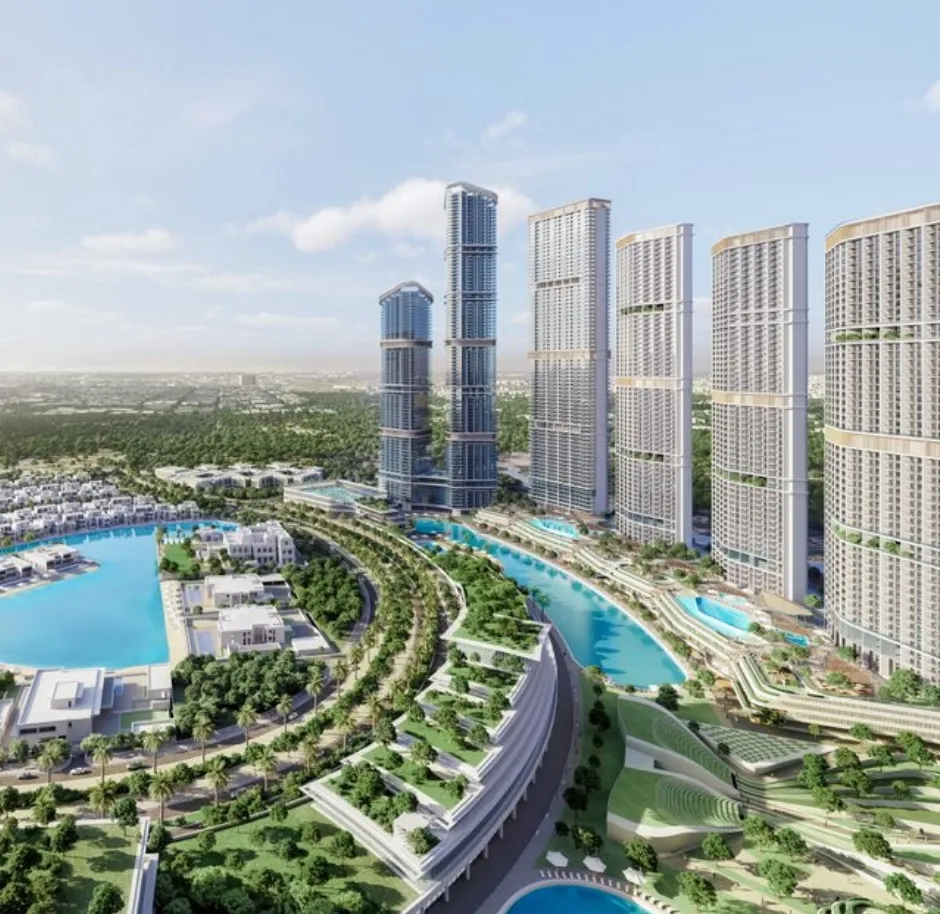
A thoughtfully planned community can bring homes together with green spaces, retail, wellness facilities, education, leisure, mobility, and social infrastructure. When these elements are considered as one ecosystem, the value proposition extends beyond the physical residence.
This direction also reflects Abu Dhabi's wider evolution towards integrated destinations that balance urban convenience with quality of life.
For international buyers unfamiliar with the market, evaluating the masterplan can therefore be just as important as evaluating the floor plan.
The Role of Nature and Waterfront Living
Abu Dhabi's geography gives its residential market a distinctive character.
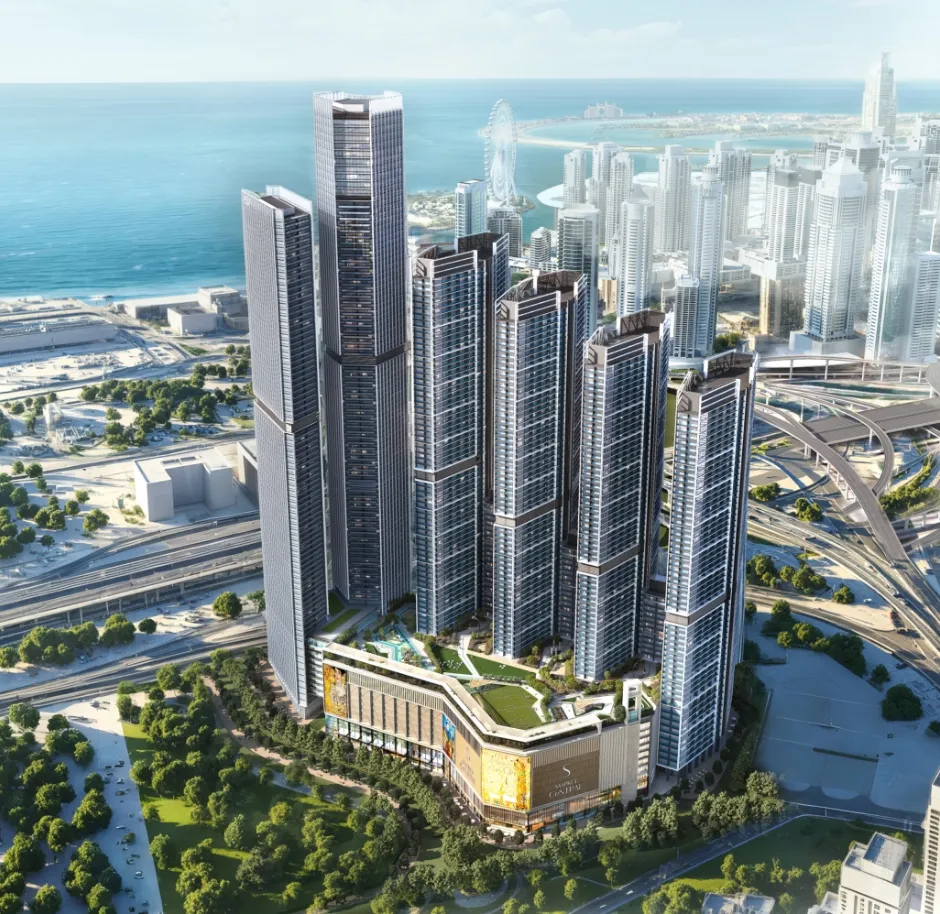
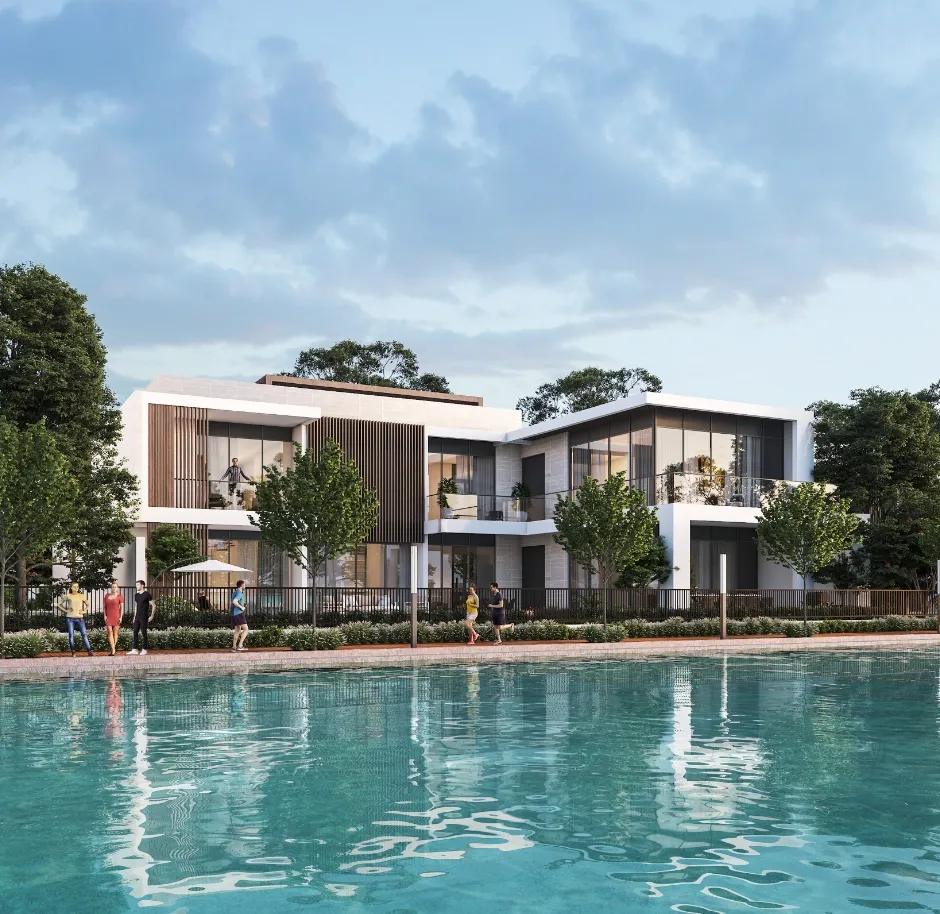
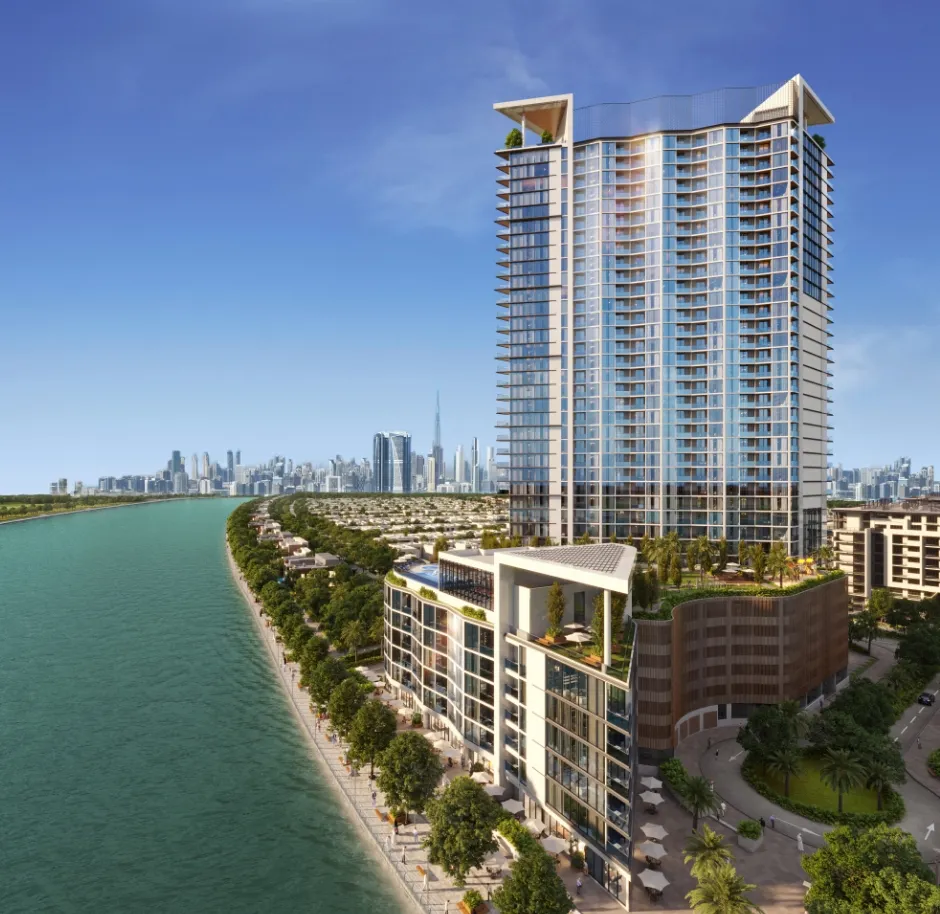
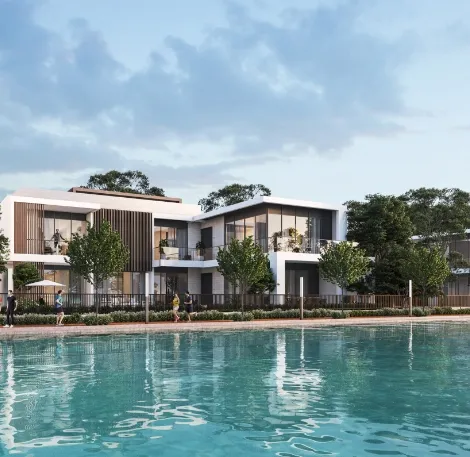
Islands, waterfronts, beaches, landscaped environments, and lower-density destinations provide opportunities for communities where nature becomes part of everyday living.
This has contributed to the prominence of island and waterfront destinations within the capital's residential market. In Q1 2026, Hudayriyat Island recorded approximately AED 11.97 billion in transactions, followed by Reem Island at AED 9.45 billion and Saadiyat Island at AED 8.8 billion. Yas Island recorded more than AED 5.5 billion.
For buyers, however, waterfront positioning should be considered alongside the fundamentals: quality, connectivity, community planning, amenities, developer reputation, and long-term maintenance.
Abu Dhabi's Growing Appeal as a Long-Term Property Market
The case for investing in Abu Dhabi real estate extends beyond short-term market performance.
The emirate is continuing to strengthen its position as a place to live, work, establish businesses, and invest over the long term. Its economic diversification, infrastructure, cultural offering, and residential development pipeline are creating a broader foundation for housing demand.
ADREC reported that demand continued to outpace supply in Q1 2026, while 16 new real estate projects were registered during the quarter. Residential supply in the Abu Dhabi region was projected to increase by 10,272 units during 2026.
This balance between growing demand and new development makes quality increasingly important. As buyers gain more choice, communities capable of delivering lasting residential value can differentiate themselves through design, execution, amenities, and the overall living experience.
Why Developer Reputation Matters for International Buyers
Buying property internationally requires trust.
For overseas purchasers in particular, a developer's reputation, construction standards, transparency, and delivery capabilities can play an important role in the decision-making process.
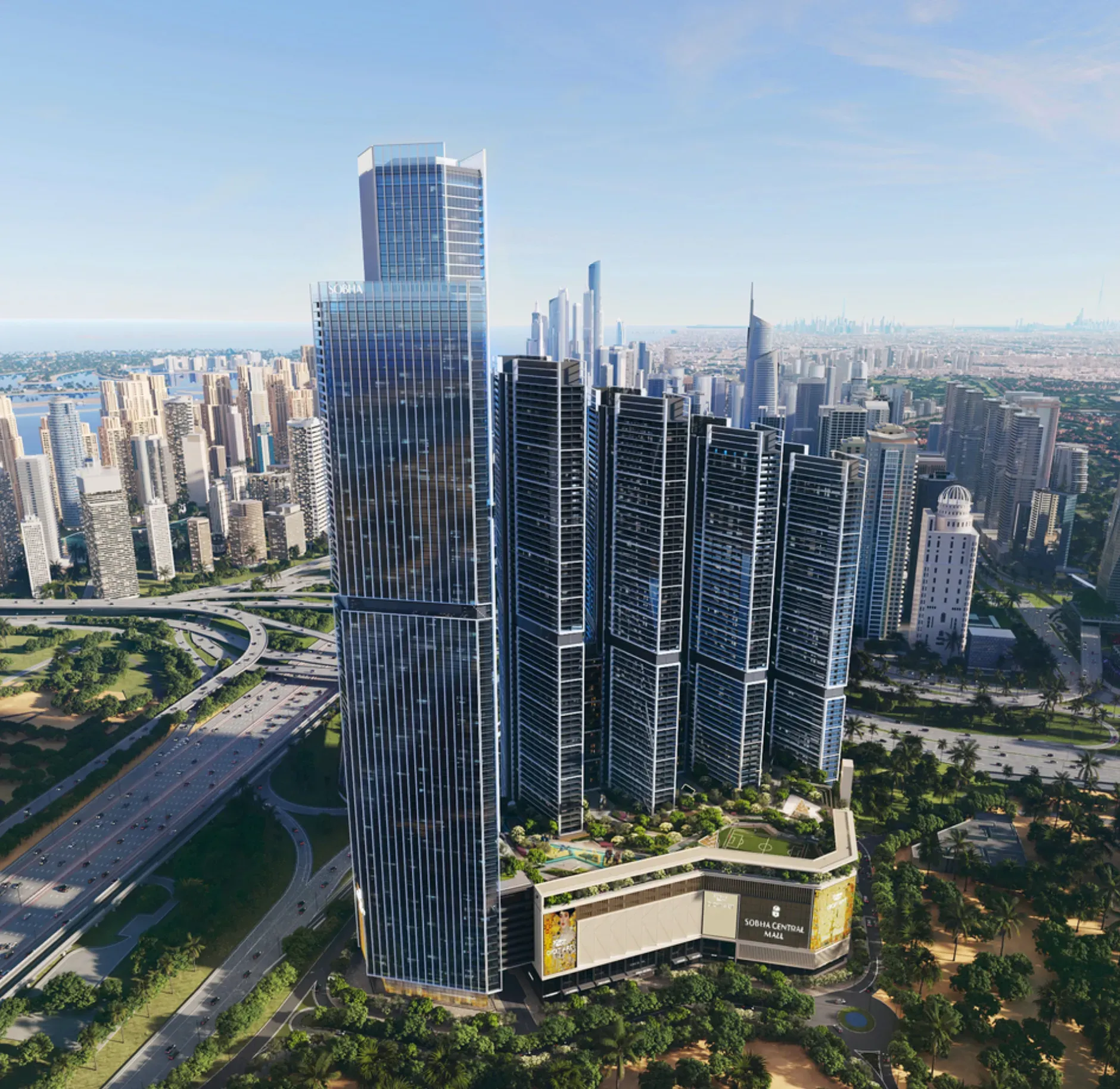
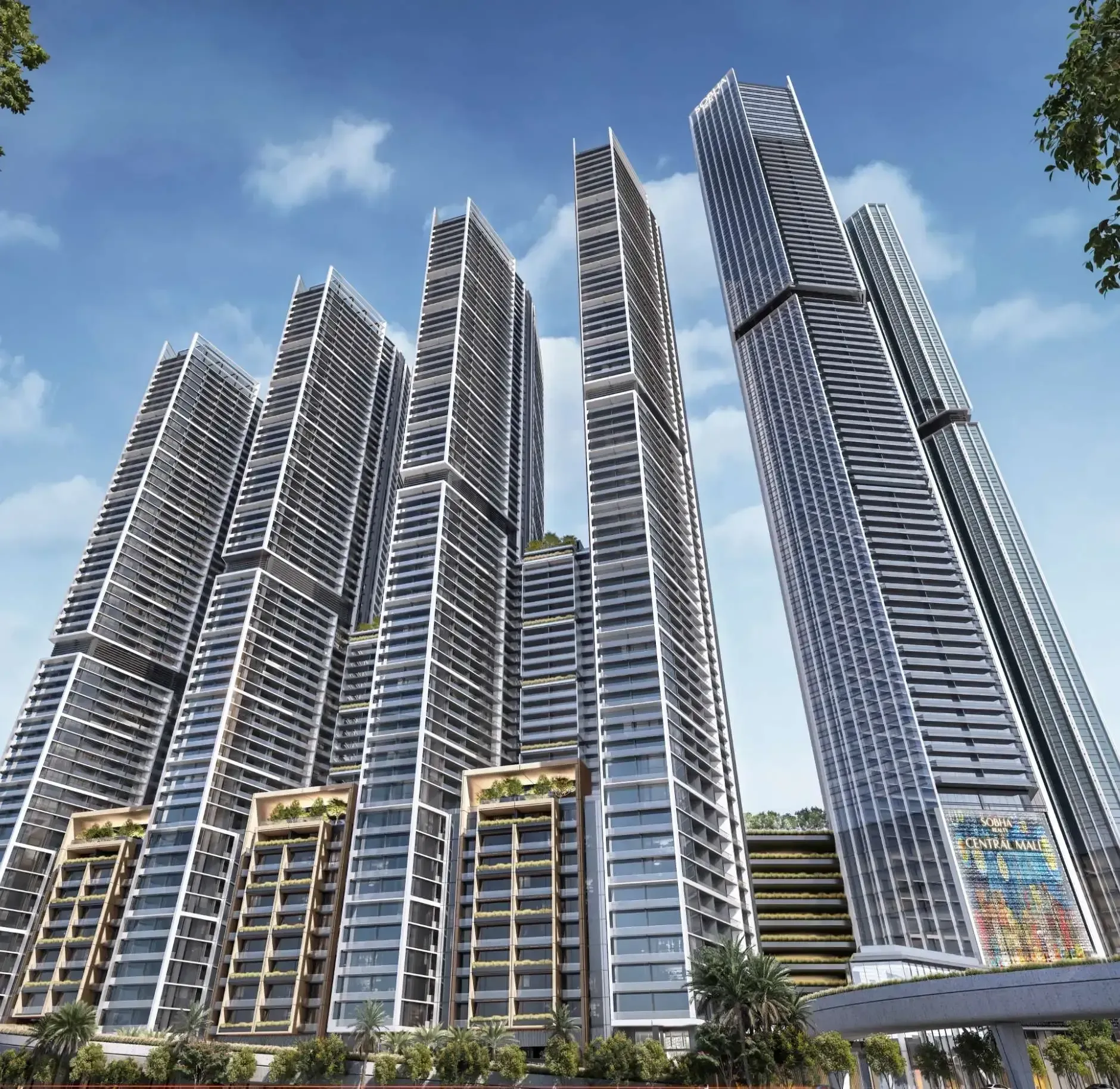
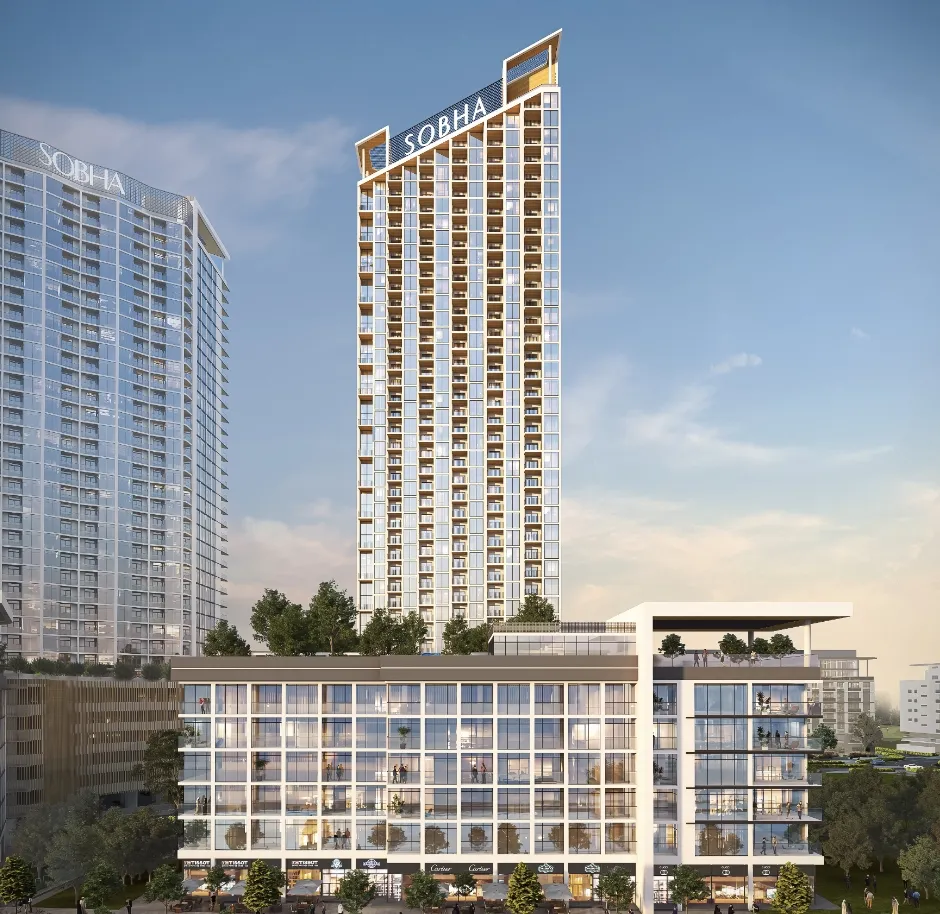
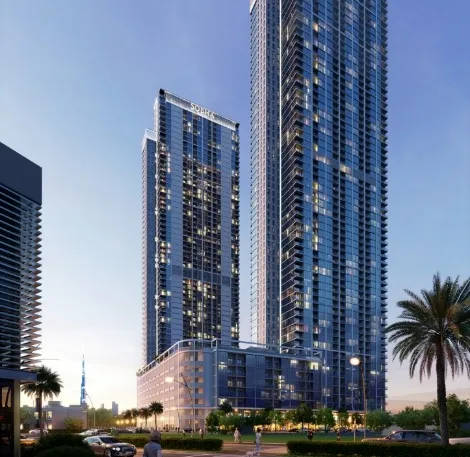
Sobha Realty's approach is built around its philosophy of "The Art of Detail", with an emphasis on precision, craftsmanship, and the quality of the complete residential experience.
Its Backward Integration model provides greater oversight across key stages of the development process, helping translate design intent into the finished environment with consistency.
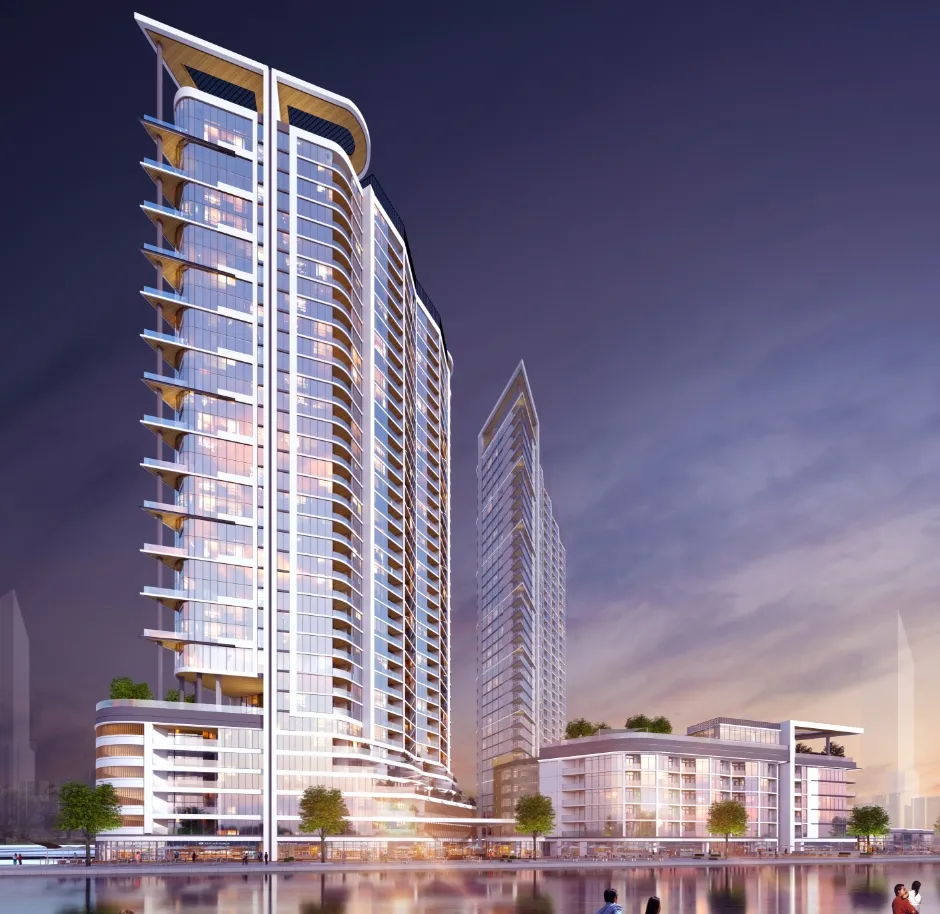
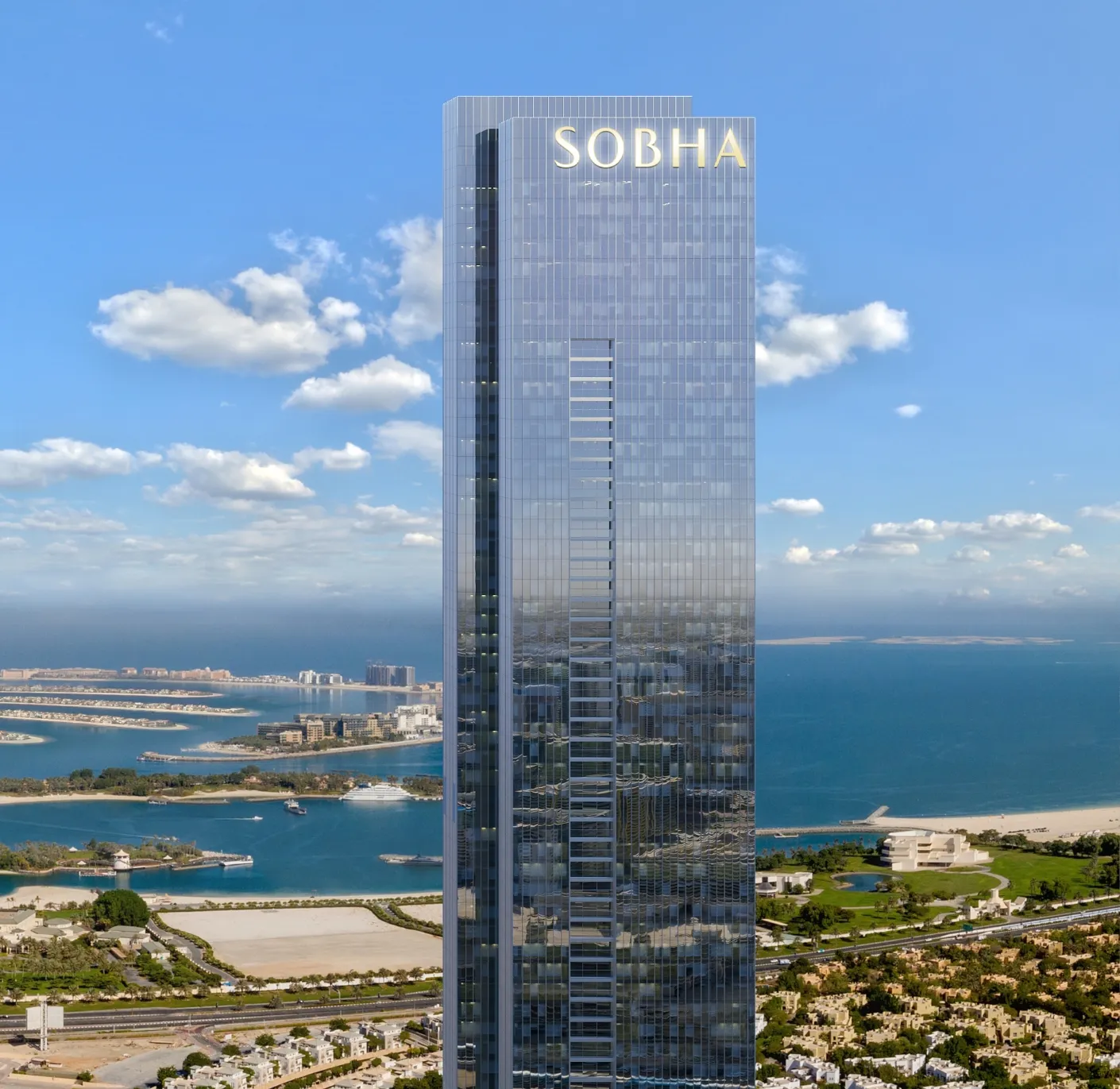
As Sobha Realty expands its presence in Abu Dhabi, this focus on quality supports a wider ambition: creating thoughtfully planned communities that respond to the capital's evolving residential landscape while maintaining the standards associated with the Sobha Realty brand.
Is Abu Dhabi Property Right for International Investors?
There is no single property market or investment strategy that is right for every buyer.
For international investors, Abu Dhabi may be particularly relevant for those seeking:
- Exposure to the UAE property market
- Long-term residential demand
- High-quality master-planned communities
- Waterfront and lifestyle-led destinations
- Portfolio diversification
- A globally connected capital city
- A regulated property environment
The decision should still be based on personal financial objectives, investment horizon, property type, location, ownership structure, and appropriate due diligence.
Rather than focusing exclusively on short-term market movements, buyers should consider how a property and its surrounding community may perform and remain desirable over time.
Conclusion
So, can foreigners buy property in Abu Dhabi? Yes, foreign nationals can acquire property rights within designated investment zones, giving international buyers access to an increasingly diverse range of residential opportunities in the UAE capital.
The timing is particularly relevant. Abu Dhabi's real estate market has entered 2026 with record transaction activity and substantial growth in international investment, reinforcing its position as an increasingly global property destination.
Yet a property purchase requires more than identifying a growing market.
Location, ownership structure, community quality, developer reputation, construction standards, connectivity, and long-term liveability all deserve careful consideration.
For international buyers taking a long-term view, Abu Dhabi offers an evolving real estate landscape where global investment, thoughtful urban development, and quality residential experiences are increasingly coming together.
Frequently Asked Questions
1. Can foreigners buy property in Abu Dhabi?
Yes. Non-UAE nationals can acquire property rights within designated investment areas in Abu Dhabi, subject to applicable laws and regulations.
2. Can foreigners buy freehold property in Abu Dhabi?
Abu Dhabi's 2019 legislative amendment allows non-UAE nationals to acquire principal and accessory real rights over properties within designated investment zones. Buyers should verify the specific ownership structure and rights attached to the property they are considering.
3. What are investment zones in Abu Dhabi?
Investment zones are areas designated by the Abu Dhabi Executive Council where non-UAE nationals can acquire property rights in accordance with the emirate's real estate legislation.
4. Which areas in Abu Dhabi allow foreign property ownership?
Official UAE guidance identifies established investment areas including Yas Island, Saadiyat Island, Reem Island, Al Maryah Island, Al Raha Beach, Al Reef, and Masdar City, among others. Buyers should check the current status of a particular development before purchasing.
5. Is Abu Dhabi attracting foreign property investors?
Yes. ADREC reported AED 8.27 billion in foreign direct investment by individuals during Q1 2026, with investors representing 99 nationalities.
6. What should international buyers look for when choosing property in Abu Dhabi?
Buyers should consider location, ownership rights, developer reputation, construction quality, community planning, connectivity, amenities, ongoing ownership costs, and their long-term investment or lifestyle objectives.
Discover Sobha Realty's vision for exceptional living in Abu Dhabi. Explore thoughtfully planned residences and communities shaped by craftsmanship, nature, connectivity, and The Art of Detail.