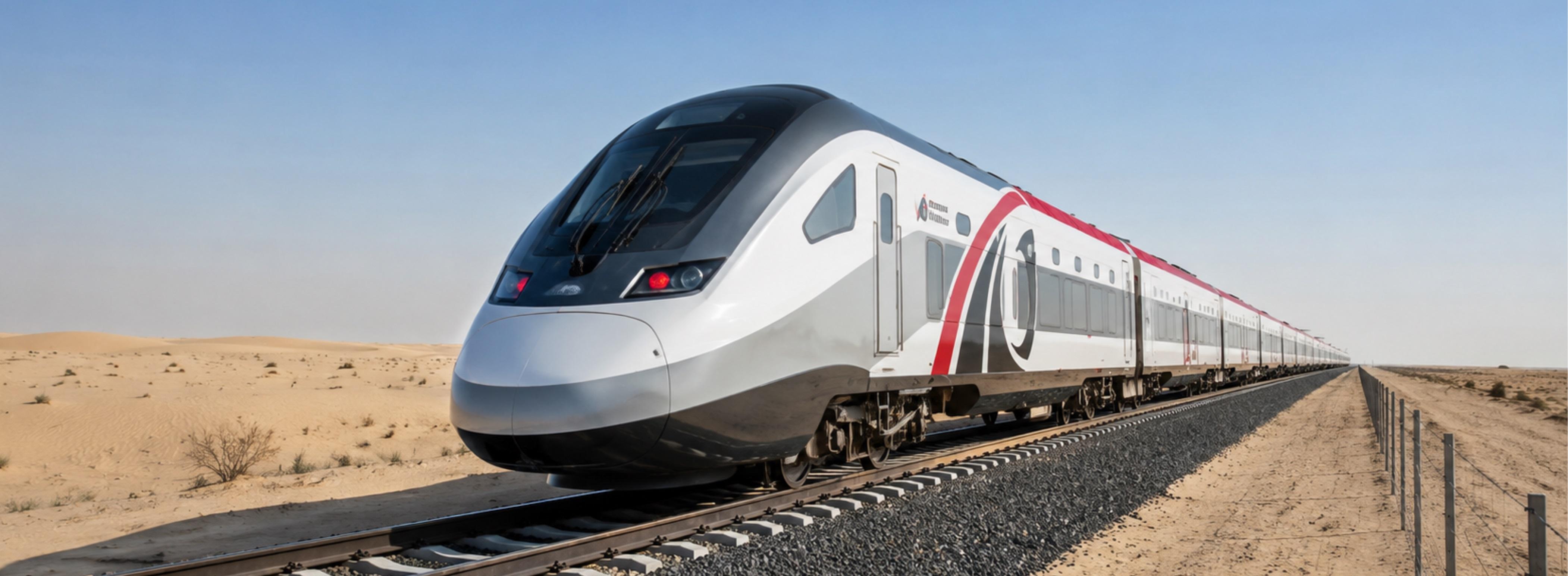
The launch of Etihad Rail passenger services marks a significant new chapter in the way people move between the UAE’s cities, communities, economic centres, and tourism destinations.
For decades, roads and private vehicles have shaped inter-emirate travel. Passenger rail introduces another option: a scheduled national service designed to improve predictability, expand mobility choices, and connect more parts of the country through a single transport network.
The first scheduled passenger service began operating between Fujairah and Abu Dhabi on 30 June 2026, completing the journey between Fujairah Station and Mohamed bin Zayed City Station in approximately one hour and 45 minutes. Dubai and Al Dhaid stations are scheduled to open on 30 September 2026, followed by Liwa and Madinat Zayed on 30 November, the remaining Al Dhafra stations on 30 December, and Sharjah Station on 30 March 2027.
For property buyers and investors, this raises an important question: what could Etihad Rail mean for UAE real estate?
Transport infrastructure alone does not determine property performance. However, improved connectivity can influence how people evaluate where to live, work, study, establish businesses, and spend their leisure time. Over the long term, this can support the growth of well-planned communities located within broader transport and economic corridors.
Etihad Rail Passenger Services Have Entered Operation
The UAE’s national passenger rail service is no longer a future concept.
Its introductory operational phase began on 30 June 2026 with scheduled services between Fujairah and Abu Dhabi. Six services operated on the first day, while more than 10,000 tickets had already been sold before operations commenced.
Early demand has continued. By 3 August 2026, Etihad Rail reported more than 70,000 tickets sold, with customers booking an average of 12 days ahead. The operator said demand had come from families, commuters, schools, leisure travellers, and visitors, suggesting that passenger rail is beginning to serve a broad range of travel needs rather than a single commuter profile.
The current service provides guaranteed seating, onboard Wi-Fi, charging points, luggage space, and Premium Class options. Integration with buses, taxis, and other mobility services is also being developed to support the complete journey beyond the railway station.
This matters for real estate because transport becomes most influential when it functions as part of a wider mobility ecosystem.
How the UAE Passenger Rail Network Will Expand
Etihad Rail’s national network extends approximately 900 kilometers, connecting cities, ports, industrial centers, and economic hubs from Ghuwaifat to Fujairah. Freight operations are already active, while passenger services are being introduced in phases.
The passenger network is expected to connect 11 cities and regions, with stations serving major urban centers and emerging destinations across the UAE. Passenger trains are designed to travel at speeds of up to 200 kilometers per hour, and annual ridership has previously been projected to reach 36.5 million passengers by 2030.
Key station locations identified through official Etihad Rail announcements include:
- Mohamed bin Zayed City in Abu Dhabi
- Jumeirah Golf Estates in Dubai
- Al Hilal City in Fujairah
- Al Dhaid
- University City in Sharjah
- Liwa and Madinat Zayed
- Additional Al Dhafra locations including Al Sila, Al Dhannah, Al Mirfa, Mezaira’a, and Al Faya
As the network expands, the significance of Etihad Rail will extend beyond individual station openings. Its broader effect will be the creation of a more connected national geography.
Why Transport Infrastructure Matters for Real Estate
Infrastructure influences real estate because it changes how people experience distance.
A location that once felt too far from an employment center, university, family network, or leisure destination may become more practical when travel is reliable, and journey times are predictable.
Improved transport can support:
- Easier access to employment
- Greater residential choice
- More convenient inter-emirate commuting
- Stronger connections between tourism destinations
- Improved access to education
- Increased business activity
- More balanced regional growth
This does not mean that every property near a station will automatically increase in value.
The relationship between transport and property is more complex. Accessibility works alongside supply, demand, community quality, infrastructure, schools, healthcare, retail, employment, and the reputation of the developer.
Rail can strengthen a location’s fundamentals, but it does not replace them.
A New Geography for Commuters and Residents
One of the most important potential effects of national passenger rail is the way it may broaden where people can realistically live.
If a resident can travel between emirates with greater predictability, the traditional relationship between home and workplace may begin to change.
Over time, improved inter-emirate connectivity may encourage some professionals working in Abu Dhabi to consider a wider range of residential locations. Families may find it easier to remain connected across emirates. Students may gain more accessible routes to educational institutions, while leisure travelers may explore destinations that previously required longer or less predictable road journeys.
The upcoming Sharjah station near University City is a clear example of this principle. Etihad Rail previously estimated that the connection could support around 14,000 weekday passengers, particularly students travelling across the emirates.
For residential real estate, this could gradually expand the catchment area of certain communities.
Instead of evaluating a home only by road distance, buyers may increasingly consider total journey time across integrated transport networks.
What Etihad Rail Could Mean for Abu Dhabi Real Estate
Abu Dhabi is already part of the operating passenger network through Mohamed bin Zayed City Station.
The current Fujairah–Abu Dhabi service demonstrates how rail can connect the capital with destinations on the country’s eastern coast in a predictable travel time. Integration with Abu Dhabi Mobility is intended to connect passengers with buses, taxis, and other local transport after they arrive.
For the Abu Dhabi property market, the long-term relevance may include:
- A broader commuter and visitor catchment
- Easier access between the capital and other emirates
- Stronger links between residential and economic centers
- Greater mobility for professionals and families
- New opportunities around integrated station districts
The station itself should not be viewed in isolation.
Its real impact will depend on last-mile connections, surrounding development, road access, public transport integration, and the quality of nearby communities.
What the Dubai Station Could Mean for Connectivity
Dubai Station is scheduled to open in Jumeirah Golf Estates on 30 September 2026. Official Etihad Rail information identifies it as part of the route linking Abu Dhabi, Dubai, and Fujairah.
Dubai’s wider transport system is also becoming increasingly integrated.
The approved Dubai Metro Gold Line is planned to connect with Etihad Rail at Jumeirah Golf Estates and Meydan, supporting future multimodal travel between the national railway and Dubai’s urban Metro network. The Gold Line is scheduled for inauguration on 9 September 2032.
For real estate, this kind of integration is particularly important.
A national station may improve inter-emirate access, but its value becomes stronger when passengers can continue efficiently to homes, offices, retail centers, and other destinations across the city.
This reinforces a wider principle: the strongest connected locations are not simply those near one form of transport, but those linked to multiple mobility options.
The Northern Emirates and More Balanced Growth
Etihad Rail may be especially significant for the Northern and eastern parts of the UAE.
Fujairah is already connected through the operating service, while Al Dhaid is scheduled to open in September 2026 and Sharjah in March 2027. This can improve access to destinations that have historically depended more heavily on road travel.
For Northern Emirates real estate, improved national mobility may support a wider shift already underway.
Buyers are increasingly considering destinations that offer:
- Lower-density living
- Coastal settings
- Nature-led communities
- Larger masterplans
- Lifestyle alternatives to major urban centers
- Emerging-market development potential
Etihad Rail could support this evolution by making inter-emirate movement more convenient.
However, it is important not to assume that all Northern Emirates locations will benefit equally. Investors should evaluate the actual station location, driving distance, connecting transport, employment base, planned infrastructure, and the quality of the development being considered.
Why Last-Mile Connectivity Matters
A railway station is only one part of a passenger’s journey.
The convenience of reaching the station and continuing from it often determines how useful the service becomes in everyday life.
Effective last-mile connectivity can include:
- Bus connections
- Taxis
- Ride-hailing services
- Metro integration
- Park-and-ride facilities
- Pedestrian routes
- Cycling infrastructure
- Community shuttle services
Etihad Rail has emphasised that passenger rail is intended to integrate with existing transport rather than replace it. Its partnership with Abu Dhabi Mobility is an example of this approach.
For property investors, this means that “near Etihad Rail” should not be judged only by straight-line distance.
A property several kilometres away with efficient road and public transport links may be more accessible than a geographically closer property with poor connections.
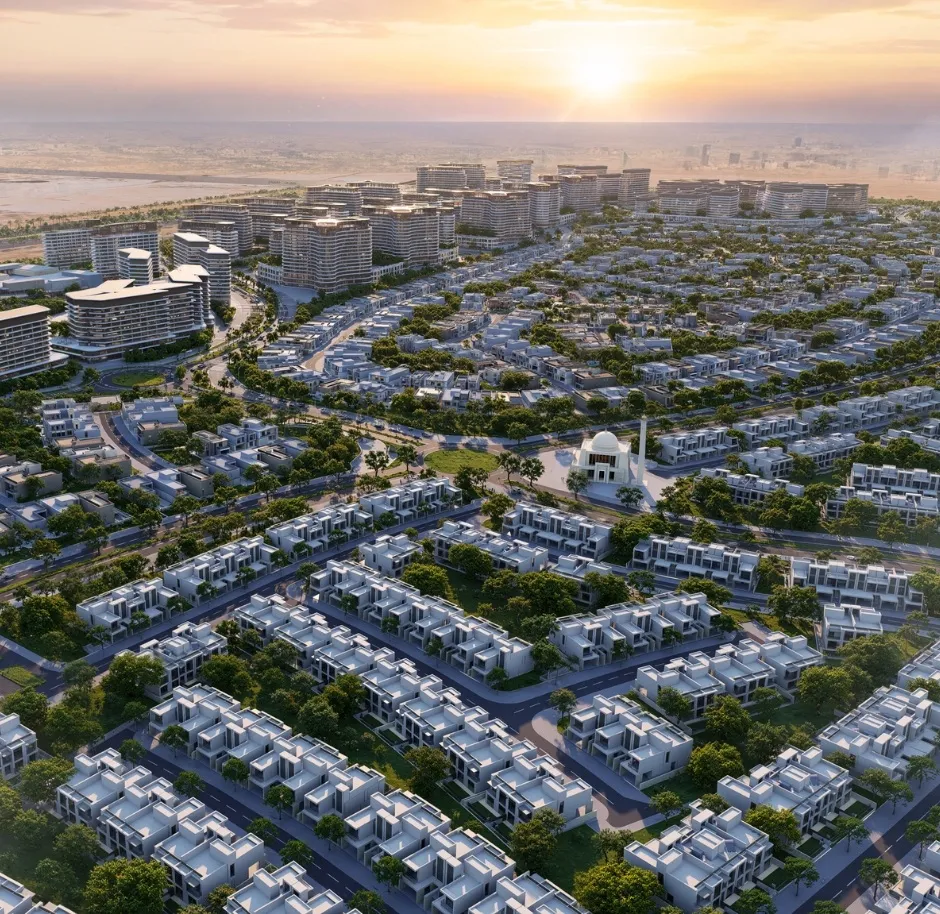
How Rail Could Influence Master-Planned Communities
Master-planned communities may be particularly well positioned to respond to national transport investment.
Unlike standalone buildings, these communities can coordinate:
- Residential neighbourhoods
- Roads and mobility
- Schools
- Retail
- Offices
- Healthcare
- Green spaces
- Leisure
- Public areas
Where rail connectivity is combined with a strong community proposition, residents may gain both easier regional access and a high-quality everyday living environment.
This is important because most buyers do not choose a home based on commuting alone.
They also consider what happens after they return home: whether the community is walkable, whether children can access schools and parks, whether retail and wellness facilities are nearby, and whether the environment supports long-term living.
Transport can bring people to a location. Community quality gives them a reason to stay.
Could Property Near Etihad Rail Increase Value?
Major transport infrastructure can influence accessibility and may affect property demand, but the scale and direction of that impact vary by location and market conditions.
However, investors should be cautious about assuming automatic price appreciation.
A station announcement does not guarantee:
- Higher rental yield
- Immediate capital growth
- Strong resale liquidity
- High occupancy
- Successful community delivery
Property performance will still depend on:
- Distance and actual journey time to the station
- Last-mile transport
- Community maturity
- Construction quality
- Developer credibility
- Residential supply
- Tenant and end-user demand
- Employment and education access
- Service charges and ownership costs
- Broader market conditions
For investors, the better question is not simply, “Is this property near Etihad Rail?”
It is, “How does Etihad Rail strengthen the complete investment case for this property?”
What Property Investors Should Evaluate
Before making an infrastructure-led property decision, investors should consider the following:
Confirm the Station and Opening Timeline
Use official Etihad Rail sources to verify the station location and scheduled opening date.
Calculate Real Door-to-Door Travel Time
Consider the journey from home to the station, the train journey itself, and the connection from the arrival station to the final destination.
Assess the Wider Community
Review schools, retail, healthcare, green spaces, amenities, and community management.
Study Local Demand
Identify who is likely to live in the property and whether rail access is relevant to their routines.
Review Future Supply
A connected area may still face pressure if a large volume of competing property is delivered.
Evaluate the Developer
Transport infrastructure cannot compensate for weak construction quality, poor planning, or unreliable delivery.
Take a Long-Term View
National infrastructure projects often shape cities and communities over many years rather than creating instant results.
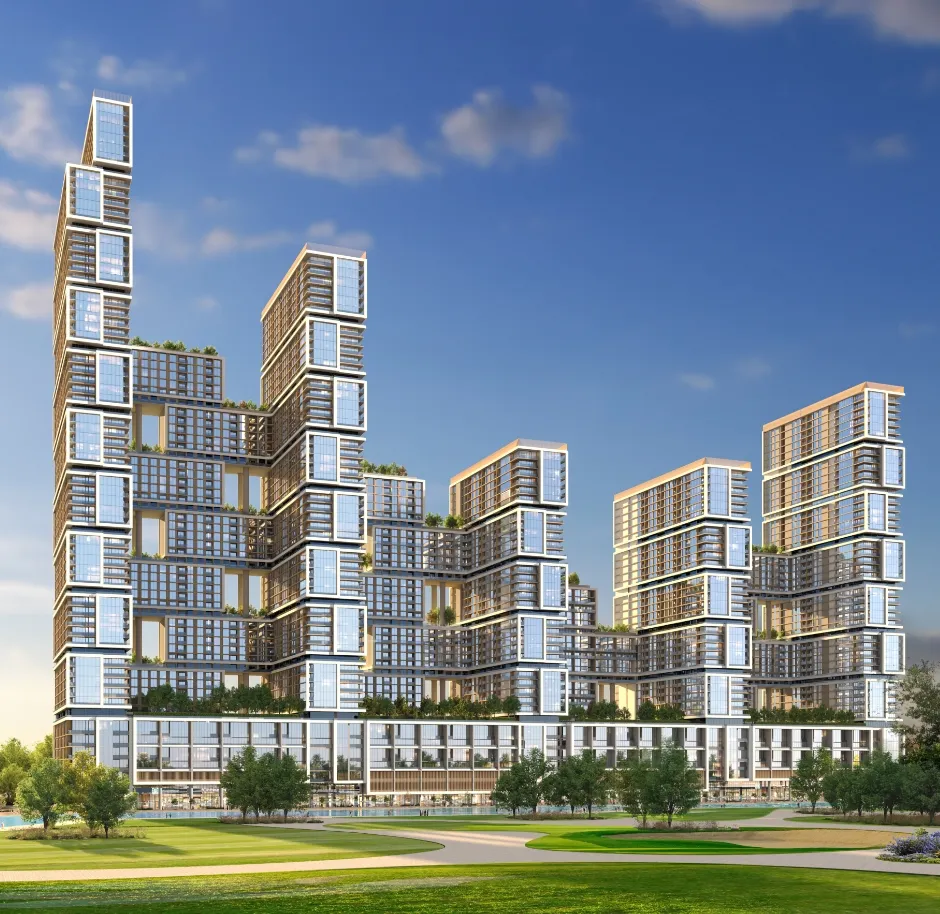
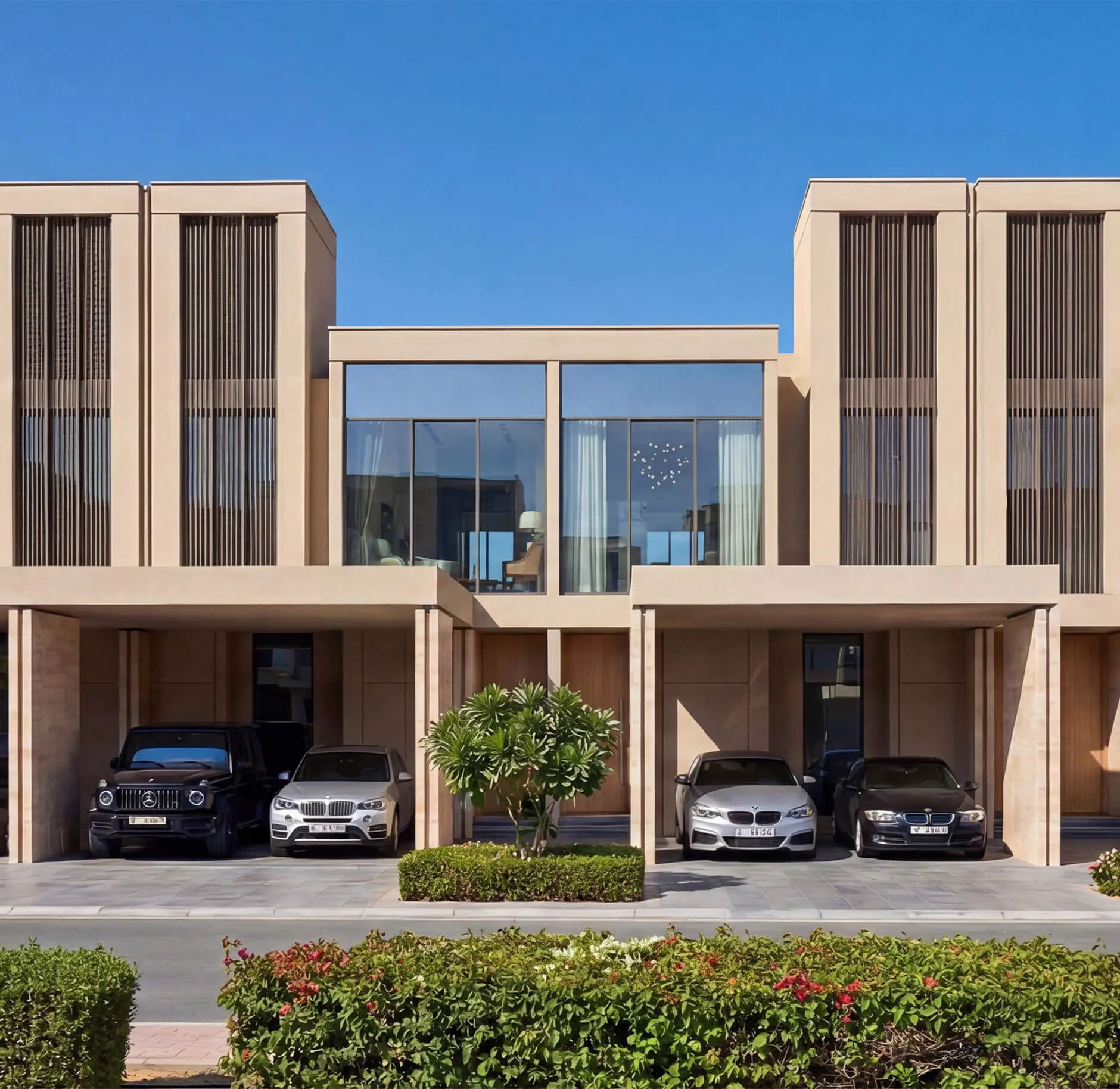
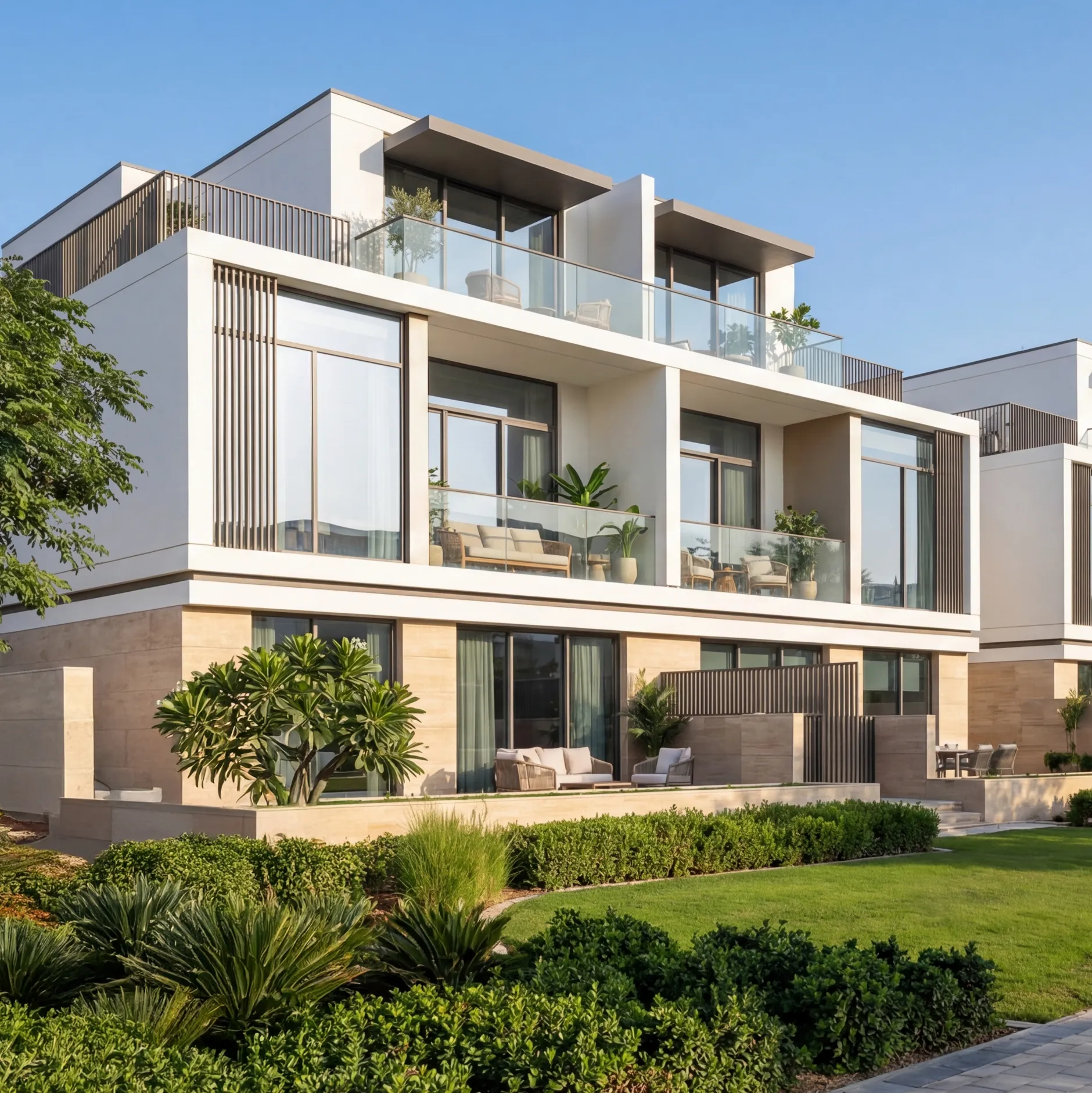
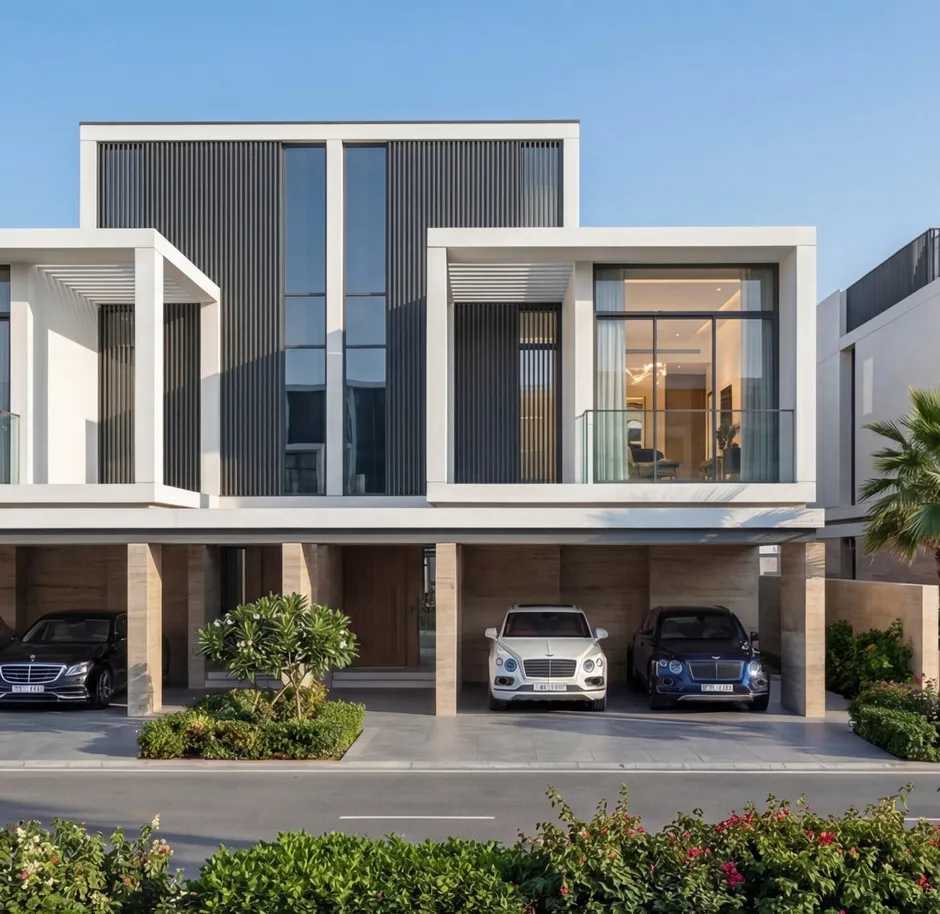
Sobha Realty’s Perspective on Connected Living
For Sobha Realty, the importance of national connectivity sits within a wider view of community development.
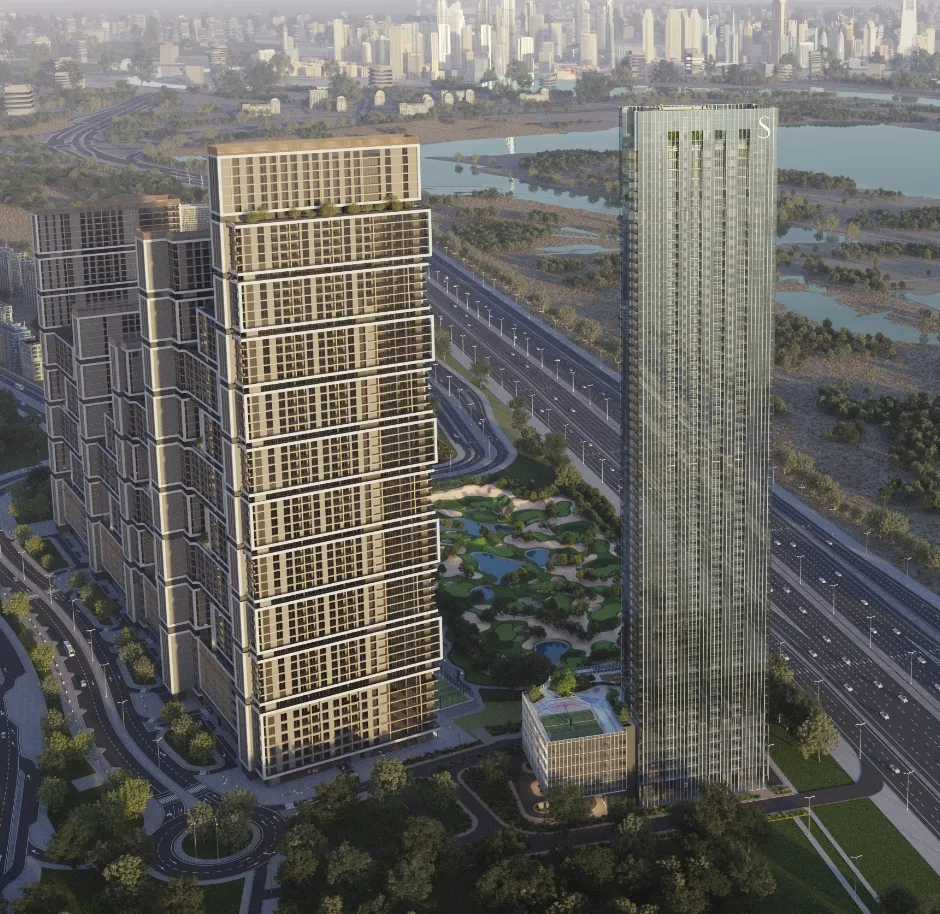
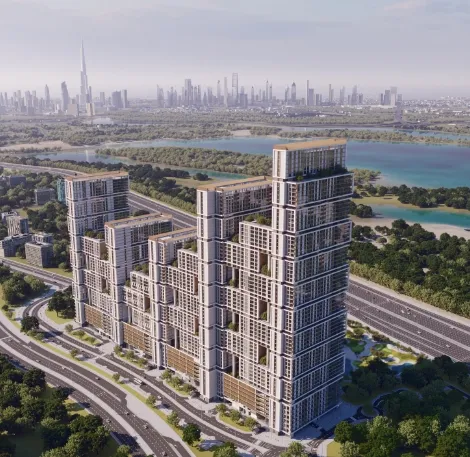
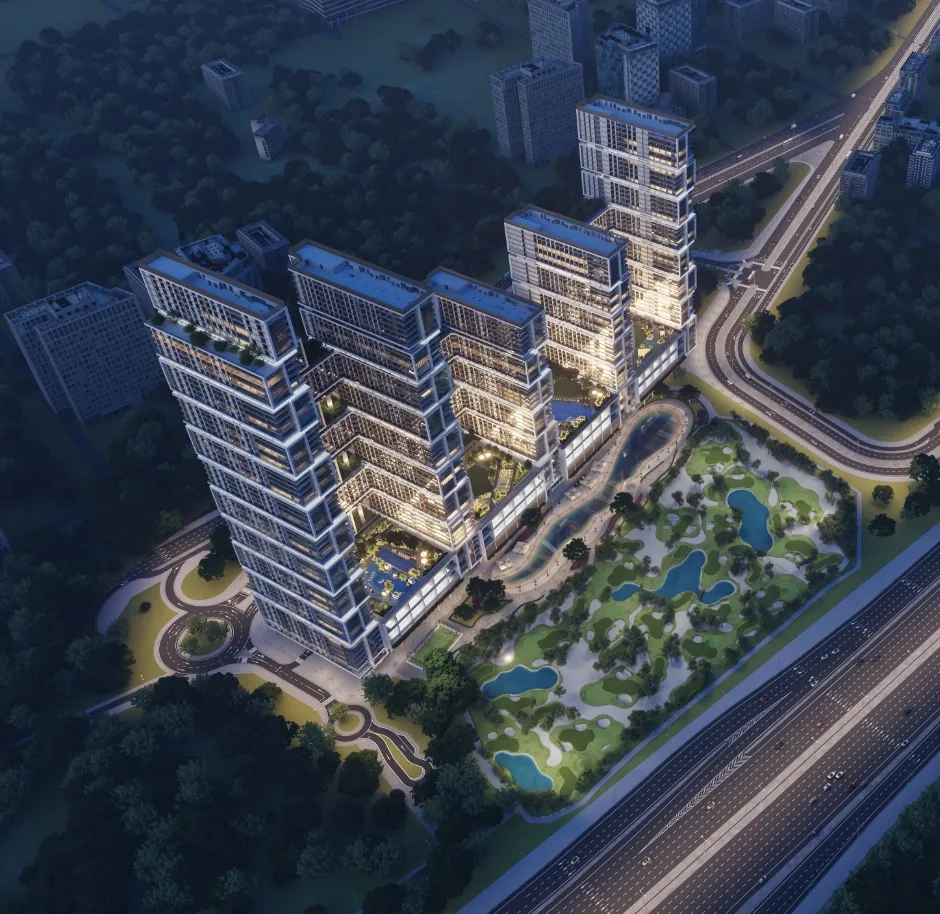
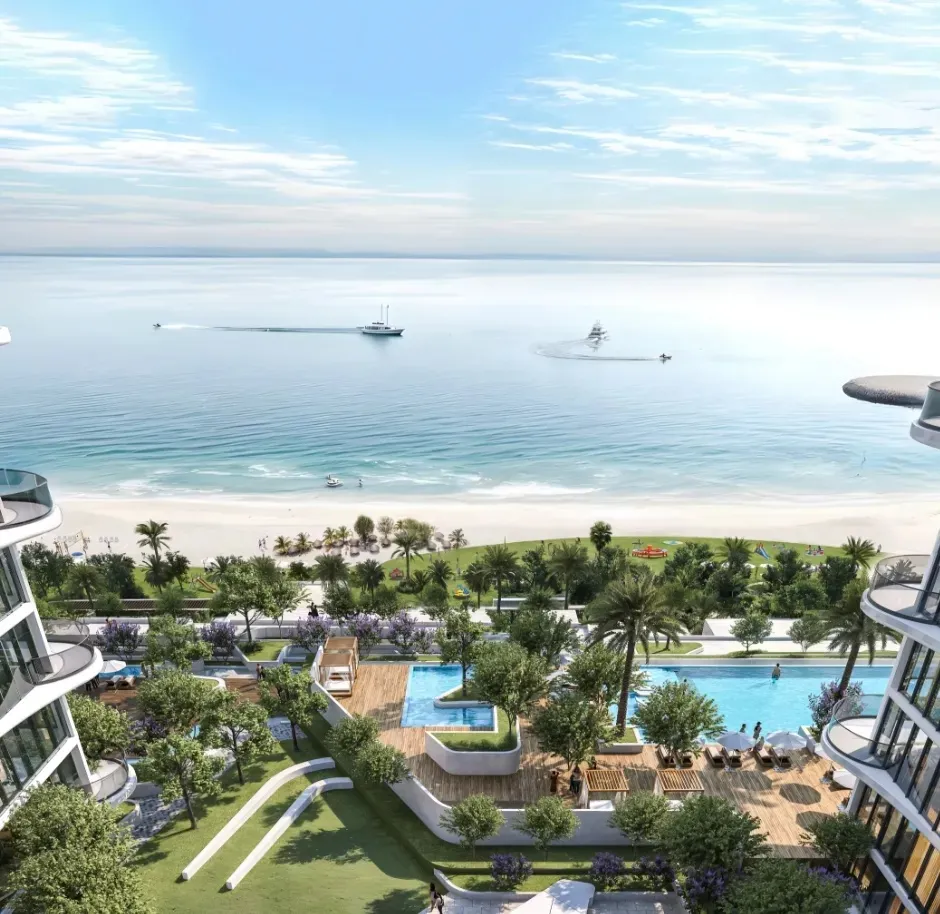
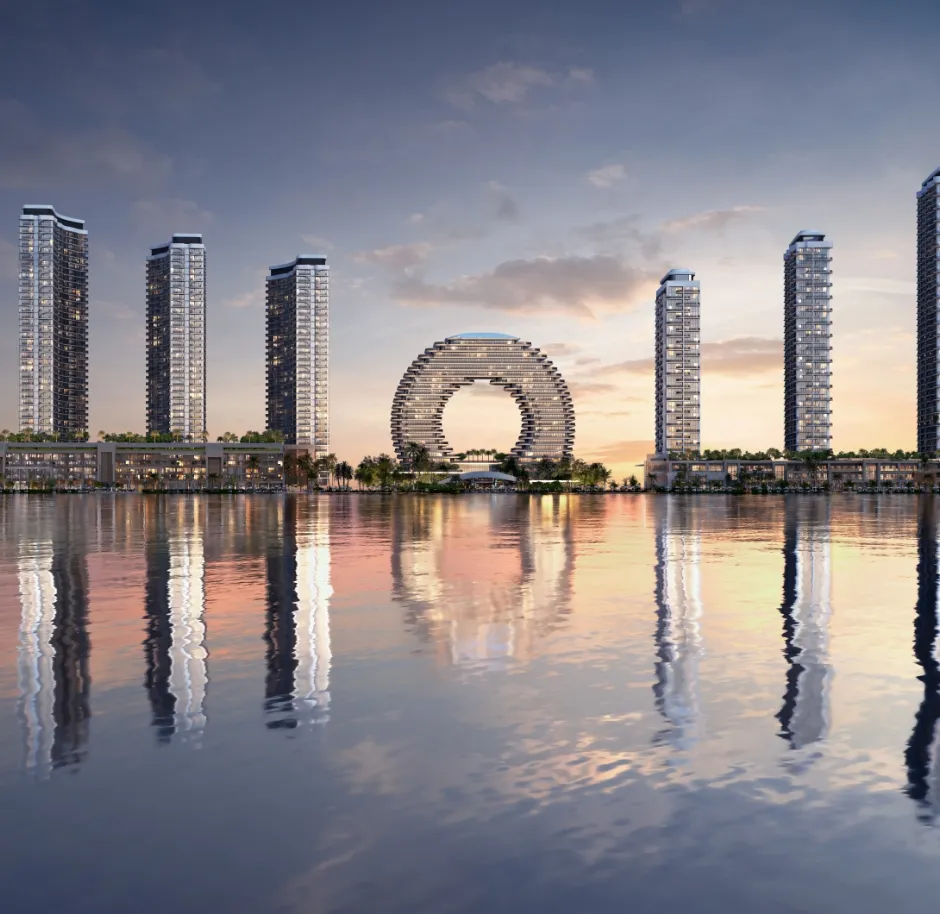
A connected community is not defined only by its access to roads, stations, or airports. It also depends on how thoughtfully the masterplan brings together homes, nature, amenities, movement, and social infrastructure.
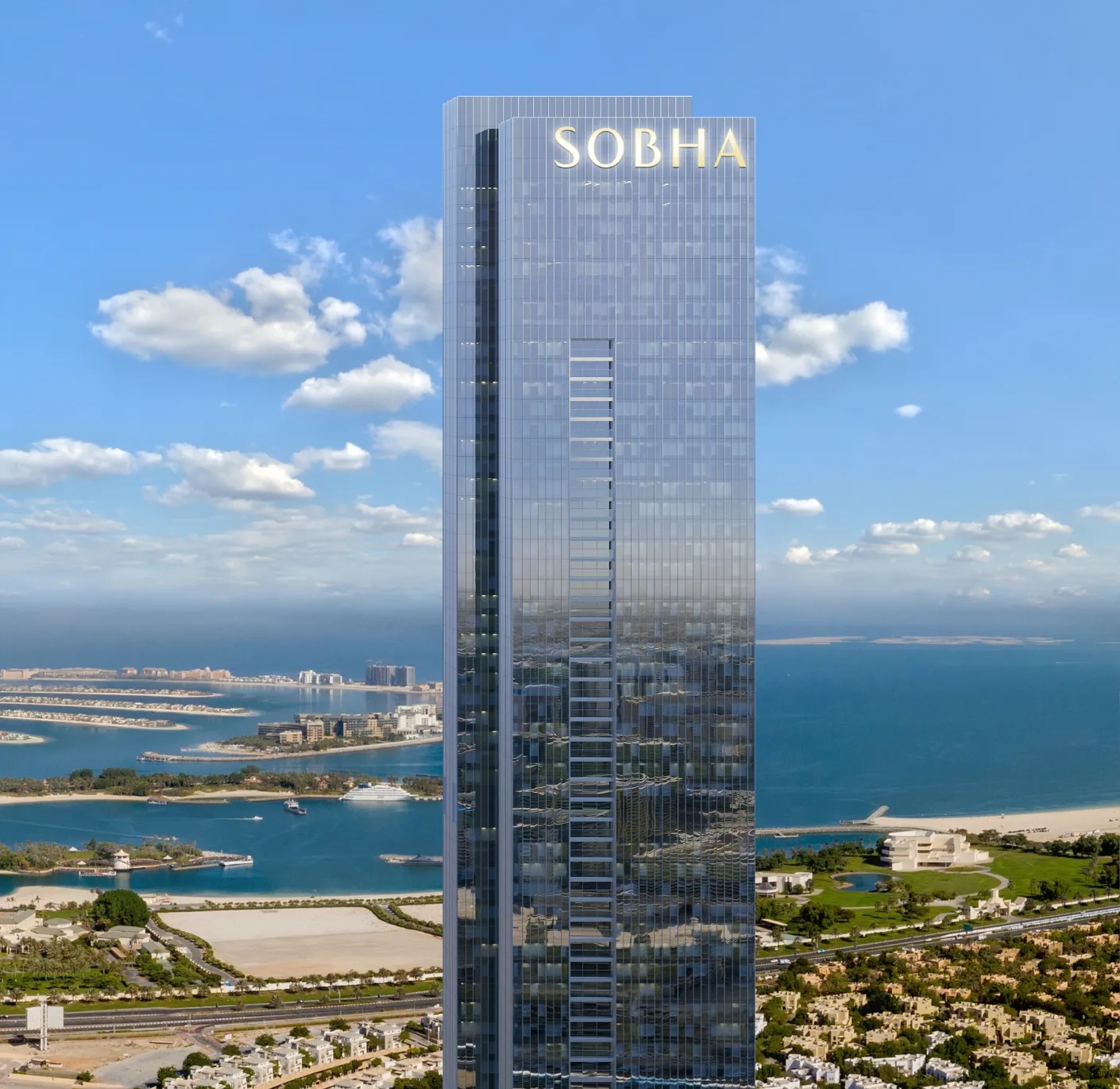
Across Dubai, Abu Dhabi, and the Northern Emirates, Sobha Realty’s approach is guided by “The Art of Detail” and its Backward Integration model, enabling direct oversight across design, engineering, construction, and finishing.
As Etihad Rail strengthens mobility across the UAE, communities that combine wider connectivity with craftsmanship, liveability, and quality may become increasingly relevant to buyers evaluating long-term residential choices.
Conclusion
Etihad Rail passenger services represent one of the UAE’s most important recent infrastructure developments.
The operating Abu Dhabi–Fujairah route has already introduced a new way to travel between emirates, while the scheduled opening of Dubai, Al Dhaid, Al Dhafra, and Sharjah stations will progressively expand the network. Early demand, with more than 70,000 tickets sold by early August 2026, suggests that passengers are already beginning to incorporate rail into their travel planning.
For UAE real estate, the long-term opportunity lies in what this connectivity may enable:
- Wider residential choice
- More predictable inter-emirate journeys
- Stronger links between economic centres
- Improved access to emerging destinations
- More balanced regional growth
- Greater integration between transport and master planning
Yet Etihad Rail should not be treated as a shortcut to investment performance.
Property decisions should continue to consider a combination of location, community quality, demand, infrastructure, construction standards, developer reputation, and long-term liveability.
Rail can make places more accessible. Thoughtful development can help translate improved accessibility into a stronger residential proposition.
Frequently Asked Questions
1. When did Etihad Rail passenger services begin?
Scheduled passenger services began on 30 June 2026 with an introductory route connecting Fujairah and Mohamed bin Zayed City in Abu Dhabi.
2. When will Etihad Rail’s Dubai station open?
Dubai Station and Al Dhaid Station are scheduled to open on 30 September 2026.
3. Where is Etihad Rail’s Dubai passenger station?
Official Etihad Rail information identifies the Dubai passenger station at Jumeirah Golf Estates.
4. Can Etihad Rail affect property prices?
Improved transport connectivity can support residential demand and accessibility, but it does not guarantee property-price growth. Community quality, supply, location, last-mile connections, and market demand remain important.
5. Is buying property near Etihad Rail a good investment?
Rail access may strengthen the case for a property where it materially improves connectivity and aligns with local demand. Buyers should verify the station location, actual travel time, local demand, development quality, ownership costs, and future supply before purchasing.
6. Which emirates will Etihad Rail passenger services connect?
The phased network includes passenger connections across Abu Dhabi, Dubai, Sharjah, Fujairah, Al Dhaid, and Al Dhafra, with the broader network designed to connect 11 cities and regions across the UAE.
7. How long is the Etihad Rail journey from Fujairah to Abu Dhabi?
The scheduled journey between Fujairah and Mohamed bin Zayed City in Abu Dhabi takes approximately one hour and 45 minutes.
Explore Sobha Realty’s thoughtfully planned communities across the UAE and discover how exceptional craftsmanship, integrated living, and long-term connectivity come together to create places designed for enduring value.