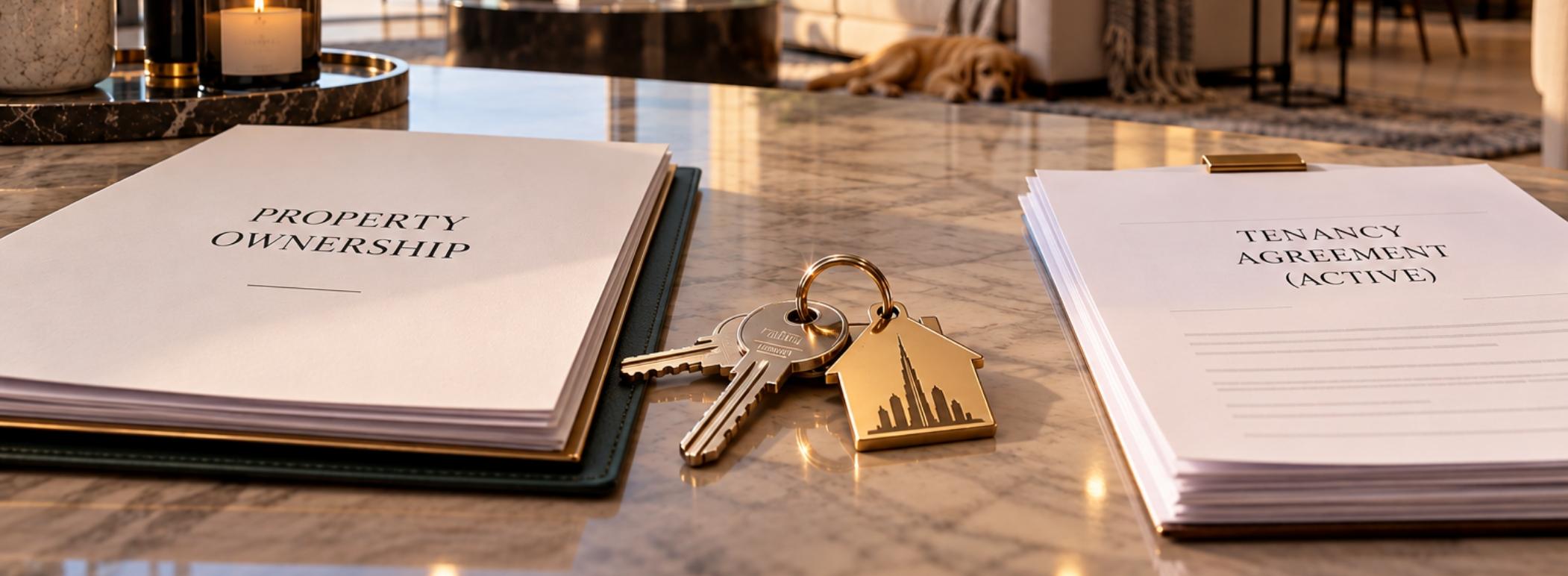
Buying a property with an existing tenant can offer several advantages.
For an investor, it may provide rental income from the date of transfer, reduce the likelihood of an initial vacancy period, and provide an existing rental history for the property.
For an end-user, however, an existing tenancy can affect when the property becomes available for personal occupation.
The most important point is that a property sale does not automatically end a valid fixed-term tenancy. Dubai’s tenancy law states that transferring ownership to a new owner does not affect the tenant’s right to continue occupying the property under the lease agreed with the previous owner.
Anyone considering buying a tenanted property in Dubai should therefore review the tenancy with the same care as the title deed, sale price and physical condition of the home.
The buyer is acquiring both a property and an existing contractual relationship.
What Is a Tenanted Property?
A tenanted property is a home that is occupied under an active lease at the time it is marketed or sold.
It may be:
- An apartment leased to an individual or family
- A villa occupied under a residential tenancy
- A property managed by a licensed property-management company
- An investment unit producing rental income
- A home where the tenant has received notice but has not yet vacated
- A property whose tenancy is approaching renewal or expiry
The property may still be sold while occupied.
However, the buyer should understand the tenancy status before signing the sale agreement or committing funds.
Does the Tenancy End When the Property Is Sold?
No.
Article 28 of Dubai Law No. 26 of 2007 states that transferring ownership of a property to a new owner does not affect the tenant’s right to remain under a fixed-term lease entered into with the previous owner.
This means a buyer cannot assume that:
- The tenant must leave on the transfer date
- The lease becomes invalid when the title deed changes
- The rent can immediately be reset
- New commercial terms can be imposed automatically
- The property will be available for personal occupation after purchase
Unless vacant possession has been lawfully secured and clearly documented, the buyer generally purchases the property subject to the existing tenancy.
Review the Tenancy Contract and Ejari
The buyer should request a complete copy of the signed tenancy contract and its Ejari registration certificate before proceeding.
Check:
- Tenant’s full name
- Landlord’s name
- Property and unit details
- Contract start and expiry dates
- Annual rent
- Payment schedule
- Number and status of rental cheques
- Security deposit
- Maintenance obligations
- Renewal provisions
- Special conditions
- Occupancy or subletting clauses
- Notice correspondence
- Ejari contract number
The information in the tenancy contract should match the property being purchased.
Dubai Land Department has emphasized Ejari registration as an important part of protecting landlord and tenant rights and maintaining transparency in the rental market.
A change of ownership does not automatically replace or cancel the existing registered tenancy. The buyer, seller, and authorized property manager should confirm through DLD or the relevant Ejari channel how the ownership information and future administration of the tenancy will be handled after transfer.
Check the Current Rent and Payment Status
A buyer should not focus only on the annual rental amount.
The timing and status of payments are equally important.
Confirm:
- How much rent has already been paid
- Which rental instalments remain outstanding
- Whether payments were made by cheque, transfer or another method
- Whether any cheques are still held by the seller
- Whether any rent is overdue
- Whether the tenant has a history of late payment
- Whether the rent includes utilities, maintenance or other services
- Whether the contract is expected to renew before or after transfer
The buyer and seller should prepare a clear financial settlement showing how rental income is allocated before and after the transfer date.
If rent has been prepaid, the parties should agree on how the portion relating to the buyer’s ownership period will be treated.
If post-dated cheques are held by the seller, the treatment of those cheques should be documented carefully. Buyers should not assume that cheques can be transferred, replaced or deposited without the appropriate agreement and banking arrangements.
Understand the Security Deposit
The tenancy documents should identify:
- The original security-deposit amount
- Who currently holds it
- Whether any deductions have already been agreed
- Whether a receipt was issued
- How the deposit will be transferred or accounted for at completion
Dubai tenancy law permits a landlord to collect a security deposit for maintenance at the end of the tenancy and requires the landlord to refund the deposit, or the remaining balance, when the lease expires.
When ownership changes, the seller and buyer should document how the deposit is handed over so the new owner can manage the end-of-tenancy obligation properly.
The completion statement or sale agreement should confirm:
- The amount being transferred
- The date of transfer
- Whether any amount remains with the seller
- Which party will be responsible for refunding it
- Whether the tenant has been informed
The deposit should not be treated as additional sale proceeds.
Can the Buyer Obtain Vacant Possession Immediately?
Not simply because the property has been sold.
A valid tenancy continues after transfer, and the tenant remains entitled to occupy the property during the lease term.
Where an owner intends to rely on a statutory ground for eviction, including sale or personal use, the applicable notice requirements and legal conditions should be verified carefully. Current DLD guidance refers to a 12-month notice period for these grounds, subject to the required form and circumstances.
Where notice has been issued, the buyer should review the documentation carefully and confirm how it may affect vacant possession expectations.
A buyer should not assume that:
- An informal email is sufficient
- A WhatsApp message creates vacant possession
- A notice issued shortly before transfer allows immediate occupation
- A previous notice can automatically be relied upon in every circumstance
- The tenant is required to leave before the notice period and legal process are complete
Where vacant possession is essential, obtain transaction-specific legal advice and make the requirement clear in the sale agreement.
If the seller has already issued a notice, review:
- The stated reason
- The date of service
- The method of service
- The requested eviction date
- Proof of delivery
- Whether the notice complies with the law
- Whether any dispute has been filed
- Whether the buyer can lawfully rely on that notice after transfer
The legal effect of a notice issued before transfer may depend on the specific facts, timing, and current legal framework and should not be assumed.
Buying for Investment vs Buying to Occupy
The existing tenancy may be an advantage or a limitation depending on the buyer’s objective.
Buying as an Investor
A tenanted property may provide:
- Immediate rental income
- An established payment history
- Reduced likelihood of an immediate vacancy period
- An existing tenancy history for the property
- Greater visibility over operating costs
- A known renewal date
However, the current rent may be below the latest asking rents in the community.
The buyer should calculate returns using the actual registered rent rather than an assumed future rent.
Buying as an End-User
A buyer intending to live in the property should focus on:
- Remaining tenancy term
- Existing notices
- Legal vacant-possession timeline
- Tenant cooperation
- Alternative accommodation until the property is available
- Whether completion should be conditional on vacancy
A tenanted property may not be suitable for a buyer who needs to move in immediately.
Can the New Owner Increase the Rent?
A change of ownership does not automatically allow the rent to be increased or reset.
Rent changes remain subject to the existing tenancy framework, the applicable rental index and proper notice.
Dubai’s tenancy law states that, unless otherwise agreed, a party wishing to amend the lease terms must notify the other party at least 90 days before expiry.
DLD’s Smart Rental Index framework also confirms that an increase may apply only where:
- The index indicates that the property qualifies
- The required notice was served at least 90 days before contract expiry
If the index indicates a potential increase, but the required notice was not provided, the increase is not applied for that renewal.
The buyer should therefore check:
- Current rent
- Contract expiry date
- Whether a 90-day notice was issued
- The latest Smart Rental Index result
- Any renewal correspondence
- Whether the tenant agreed to amended terms
The sale itself does not create a new rent benchmark.
Review Maintenance Responsibilities
Dubai tenancy law generally places maintenance and repair obligations affecting the tenant’s use of the property on the landlord, subject to the tenancy agreement and any lawful allocation of responsibilities between the parties.
Before purchasing, review:
- Open maintenance requests
- Outstanding repairs
- Air-conditioning issues
- Plumbing or water damage
- Appliance responsibilities
- Developer warranties
- Property-management records
- Previous tenant complaints
- Any recurring building defects
A buyer should understand whether unresolved maintenance issues exist before becoming the owner.
The physical inspection should also distinguish between:
- Tenant-caused damage
- Normal wear and tear
- Landlord maintenance obligations
- Building or common-area issues
- Developer defects
Check Service Charges and Community Obligations
The buyer should review the latest service charge position for the property.
Confirm:
- Current service-charge balance
- Any unpaid amounts
- Reserve-fund contributions
- Community or master-community fees
- Cooling charges where applicable
- Building-access obligations
- Parking allocation
- Owner-association requirements
- Planned major maintenance
Dubai Land Department’s Mollak system enables owners to monitor and pay service charges for jointly owned properties.
The current rent may appear attractive, but high ownership costs can materially affect net returns.
Investors may estimate net rental income by considering:
Rental income − service charges − maintenance − management − insurance − vacancy allowance − financing costs = estimated net income
Inspect the Property While It Is Tenanted
A tenanted property should still be inspected before purchase.
However, access should be coordinated respectfully and in accordance with the tenancy agreement.
The inspection should assess:
- General condition
- Walls, floors and ceilings
- Kitchens and bathrooms
- Doors and windows
- Plumbing
- Air-conditioning
- Electrical systems
- Appliances included in the sale
- Balcony, terrace or garden
- Signs of leakage or damp
- Maintenance history
- Furniture, if included
- Common areas and amenities
The tenant’s belongings can make a detailed inspection more difficult.
Where possible, the buyer should document which items belong to:
- The owner
- The tenant
- The building or community
Photographs should be taken only with appropriate permission and used responsibly.
Review the Tenant and Rental History
For an investment purchase, the tenant’s payment and occupancy history may provide useful context.
Subject to privacy and consent requirements, request appropriate evidence covering:
- Rent-payment record
- Returned or replacement cheques
- Outstanding balances
- Maintenance requests
- Complaints or disputes
- Renewal history
- Security-deposit receipt
- Notice correspondence
- Property-management statements
The objective is not to intrude into the tenant’s private affairs.
It is to understand the contractual and financial position being acquired.
Check for Rental Disputes or Notices
Ask the seller to disclose whether there is:
- An active Rental Disputes Center case
- A pending eviction claim
- A rent-deposit case
- A maintenance dispute
- A disagreement over renewal
- A security-deposit dispute
- A notice of non-renewal
- A notice for sale
- A tenant complaint
- An unpaid-rent claim
Any ongoing dispute may affect timing, income, vacant possession, and future legal costs.
The sale agreement should explain how existing claims, notices, and liabilities will be handled.
Verify the Property Ownership and Restrictions
Before transfer, buyers should verify the title deed and ownership status.
Dubai Land Department offers:
- Title-deed verification
- Detailed property reports
- Mortgage and restriction information
- Property-sale registration services
A detailed property report can include information on the owner, property, mortgage, seizure, suspension, and project status.
The tenancy review should therefore form part of a broader due-diligence process covering:
- Ownership
- Mortgage
- Restrictions
- Service charges
- Developer NOC
- Property condition
- Tenancy
- Seller authority
Understand the Property Transfer Process
For a standard completed-property sale, DLD’s current requirements include valid identification for the buyer and seller and an electronic No Objection Certificate from the developer for properties in freehold areas.
The parties typically complete the transfer through an authorized Real Estate Registration Trustee Centre, unless the transaction qualifies for another approved digital route.
At completion, the parties should have a written settlement covering:
- Purchase price
- Deposit
- Mortgage settlement
- Rental income allocation
- Post-dated rent cheques
- Security deposit
- Service charges
- Utilities
- Property-management fees
- Keys and access cards
- Tenancy documents
- Tenant communication
The buyer should receive the new electronic title deed after registration.
Buying a Tenanted and Mortgaged Property
A property may be both tenanted and mortgaged.
In that case, the buyer must assess two continuing relationships:
- The landlord–tenant relationship
- The seller–lender relationship
DLD provides a dedicated process for the sale of mortgaged property. It includes obtaining a bank liability letter, settling the outstanding debt, securing a mortgage-release letter, and completing the sale-registration process.
The buyer should coordinate the transaction with:
- Seller
- Broker
- Existing lender
- Buyer’s lender, if applicable
- Developer
- Registration trustee
- Property manager
- Qualified legal adviser where required
The tenant’s lease remains a separate issue from the mortgage settlement.
Questions to Ask the Seller
Before purchasing, ask:
- Is the tenancy registered in Ejari?
- When does the contract expire?
- What is the current annual rent?
- Has all rent been paid?
- Who holds the remaining cheques?
- Is the tenant expected to renew?
- Has any rent-increase notice been issued?
- Have any eviction or non-renewal notices been served?
- Is there an active dispute?
- How much security deposit is held?
- Are there outstanding maintenance requests?
- Are service charges paid?
- Is the property managed by an agent?
- Does the tenant have access cards and parking permits?
- Will the buyer receive all tenancy records at completion?
Questions to Ask the Tenant
Where communication is appropriate and coordinated through the seller or broker, the buyer may wish to confirm:
- Whether the tenant recognizes the tenancy documents provided
- Current rent-payment status
- Contract expiry date
- Maintenance concerns
- Whether any notice has been received
- Whether the tenant expects to renew
- Preferred communication channel after transfer
- Whether any disputes are unresolved
The tenant should not be pressured to agree to new terms before the buyer legally becomes the owner.
Common Buyer Mistakes
Assuming the Tenant Must Leave After Sale
The lease continues despite the ownership transfer.
Valuing the Property Using Market Rent Instead of Actual Rent
Investment calculations should begin with the registered contractual income.
Ignoring the Security Deposit
The deposit must be accounted for clearly between the seller and buyer.
Failing to Review Notices
A claimed vacant possession timeline should be supported by valid documentation.
Not Checking Remaining Rent Cheques
The buyer should understand who holds them and how future payments will be managed.
Forgetting the 90-Day Renewal Notice Rule
A new owner cannot assume an immediate rent increase at renewal.
Overlooking the Value of an Existing Tenancy
An existing tenant with a consistent payment history may be beneficial for some investment buyers.
Failing to Condition the Sale on Vacant Possession
Where personal occupation is essential, the contractual position must be clear before transfer.
Tenanted Property Buyer Checklist
Before signing:
- Verify the title deed
- Review the tenancy agreement
- Review the current Ejari
- Check rent and payment status
- Review notices and disputes
- Inspect the property
- Assess maintenance history
- Confirm the security deposit
- Calculate net rental income
- Review service charges
- Check mortgage and restrictions
- Clarify vacant-possession expectations
Before transfer:
- Obtain the developer e-NOC
- Prepare a rent-apportionment statement
- Document the security-deposit transfer
- Agree treatment of remaining cheques
- Collect tenancy and management records
- Notify the tenant through an appropriate documented channel
- Confirm the new owner’s contact and payment instructions
- Complete transfer through the authorized route
After transfer:
- Introduce the new landlord or property manager
- Keep the existing tenancy terms
- Update relevant administrative records
- Respond to maintenance requests
- Track renewal and notice dates
- Retain all payment and communication records
Why Community and Property Quality Still Matter
Immediate rental income may be one consideration, but it should not be the only factor in a purchase decision.
Future property performance can also be influenced by:
- Construction quality
- Property condition
- Community planning
- Maintenance
- Amenities
- Connectivity
- Service charges
- Tenant experience
- Developer reputation
- Future supply
A well-built home in a professionally managed community may support tenant satisfaction, property condition and future marketability.
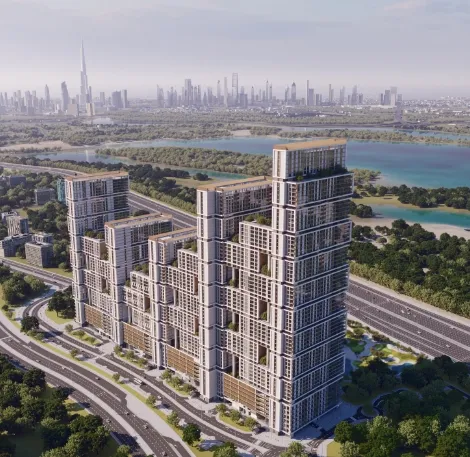
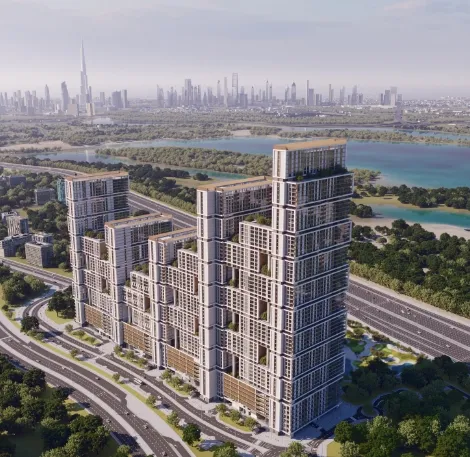
Sobha Realty’s approach is guided by “The Art of Detail” and its Backward Integration model, providing direct oversight across design, engineering, manufacturing, construction and finishing.
A tenanted property investment should be assessed on both its current rental position and the underlying quality, costs and market characteristics of the asset.
Conclusion
Buying a tenanted property in Dubai can provide immediate rental income and reduce the uncertainty of finding a first tenant.
However, the transaction requires careful due diligence.
The buyer should understand:
- The lease continues after the property is sold
- The registered rent and payment status
- The contract expiry date
- Rent cheques and income allocation
- Security-deposit arrangements
- Maintenance obligations
- Existing notices and disputes
- Vacant-possession limitations
- Service charges and ownership costs
- The physical condition of the property
The most important legal principle is clear: transferring ownership does not terminate a valid fixed-term tenancy.
For investors, that continuity can be an advantage.
For end-users, it can affect when the property becomes available.
A well-informed purchase depends on understanding which of those situations applies and documenting the financial, contractual and practical responsibilities before transferring.
Frequently Asked Questions
1. Can you buy a property with a tenant in Dubai?
Yes. A tenanted property can be sold and transferred, but the existing fixed-term lease continues after the ownership changes.
2. Does the tenant have to leave when the property is sold?
No. The sale itself does not terminate the tenancy. The tenant retains the right to occupy the property under the existing fixed-term lease.
3. Can a landlord evict a tenant because the property is being sold?
The availability of any eviction ground and the applicable notice requirements depend on the current legal framework and the specific circumstances. Buyers and sellers should verify the latest requirements and review any existing notices carefully before assuming vacant possessions will be available.
4. Can the new owner increase the rent immediately?
No. A sale does not automatically permit an immediate increase. Rental changes remain subject to the tenancy agreement, applicable Smart Rental Index and required notice.
5. What happens to the security deposit after the property is sold?
The buyer and seller should document the amount held and how it will be transferred or accounted for. The landlord is responsible for refunding the deposit or remaining balance at the end of the tenancy.
6. What happens to post-dated rent cheques?
The sale agreement or completion statement should explain how remaining payments will be treated. The parties should coordinate with the tenant and relevant banks rather than assuming the cheques transfer automatically.
7. Is buying a tenanted property a good investment?
Whether it is a suitable investment depends on the registered rent, tenant payment history, ownership costs, property condition, tenancy terms, demand, and the buyer’s objectives. Buyers should still review the lease, costs, conditions, tenant demand, and future supply.
8. Can I move into a tenanted property immediately after buying it?
Not unless the tenancy has lawfully ended and vacant possession has been delivered. Buyers requiring immediate occupation should make vacant possession a clear condition of the transaction and obtain legal advice.
9. Do I need to review Ejari before buying?
Yes. The Ejari certificate helps confirm the registered tenancy details, including the property, contract period, and rental relationship.
10. Who handles maintenance after the transfer?
The new owner generally assumes the landlord role. Dubai tenancy law generally places responsibility for maintenance affecting the tenant’s intended use on the landlord, subject to the terms of the tenancy agreement and any agreed allocation of responsibilities.
Explore Sobha Realty’s thoughtfully designed communities across Dubai and discover homes shaped by craftsmanship, considered community planning and attention to long-term quality. Before purchasing a tenanted property, review the tenancy, financial records and ownership documentation with qualified transaction professionals.