Knowing what a property is worth is important at almost every stage of ownership.
A seller needs a realistic price before listing. A buyer may want to understand whether an asking price reflects current market conditions. An investor may review a property’s performance, while a bank may require an independent valuation before approving mortgage finance.
Dubai Land Department, or DLD, provides an official property valuation service in Dubai for residential units, villas, land, commercial buildings, major project sites, hotel properties and other real estate assets. The resulting electronic valuation certificate can be requested through Dubai REST, Dubai Now or a Real Estate Services Trustee Centre.
However, an official DLD valuation is not the same as:
- A broker’s suggested listing price
- An online property estimate
- A bank mortgage valuation
- The final price a buyer may agree to pay
Each serves a different purpose.
Understanding these differences can help owners set more realistic expectations and make better-informed property decisions.
What Is a Property Valuation?
A property valuation is a professional assessment of the estimated value of a real estate asset at a particular point in time.
The valuation may be used to support:
- A property sale
- Mortgage lending
- Refinancing
- Gifting or transfer
- Estate or legal planning
- Company or investment-fund requirements
- Auction proceedings
- Portfolio reporting
- General ownership decisions
A valuation does not guarantee the price at which a property will sell.
The final transaction price is ultimately determined by the terms agreed between the buyer and seller and may also reflect demand, financing, timing, and transaction-specific circumstances.
A valuation instead provides a structured reference based on the property, available evidence, and the purpose for which the assessment is being prepared.
When Might a Dubai Property Owner Need a Valuation?
Not every owner requires an official valuation certificate before selling.
However, a formal or independent valuation may be useful or required in several situations.
Preparing to Sell
A valuation can help an owner understand the property’s likely market position before setting an asking price.
Applying for a Mortgage
Banks require property valuations as part of mortgage-risk assessment. UAE Central Bank rules require mortgage providers to obtain an independent on-site valuation from a suitably qualified third party before making an irrevocable lending commitment.
Refinancing
An updated valuation may be required where an owner wants to refinance, release equity or transfer a mortgage to another lender.
Gifting Property
Dubai Land Department’s property-gift registration process uses property valuation in calculating applicable charges and may require a valuation request depending on the property type.
Property Auctions
DLD requires a valuation certificate for property sold through authorized auction procedures. For auction-related purposes, the certificate must generally be no more than six months old.
Investment or Corporate Reporting
Companies, funds, or professional investors may require an official valuation for governance, asset reporting, or regulatory purposes.
The correct valuation route depends on why the assessment is required.
What Types of Property Can DLD Value?
Dubai Land Department’s official valuation service covers a broad range of property categories, including:
- Residential apartments
- Residential villas
- Vacant residential land
- Commercial and industrial land
- Agricultural land and buildings
- Commercial or industrial buildings
- Villa compounds
- Labor accommodation
- Land allocated for major real estate projects
- Hotel buildings and the land on which they are constructed
The required documents, fee, and processing time can vary according to the asset type.
For most individual homeowners, the relevant categories will be residential apartments and villas.
DLD Valuation vs Broker Appraisal vs Bank Valuation
Property owners may receive different value estimates from different sources.
That does not necessarily mean one is incorrect.
The purpose and methodology can differ.
| Key Point | Typical User | Main Purpose | Valuation Type |
|---|
| Issued electronically through DLD | Owner, company, legal representative | Official administrative or transaction-related valuation | DLD Valuation Certificate |
| Often considers current buyer demand and competing listings | Seller or landlord | Advising on listing price and market positioning | Broker Market Appraisal |
| Prepared independently for lending and risk purposes | Mortgage lender | Assessing property as loan security | Bank Mortgage Valuation |
| Useful for initial research but not a formal valuation | Buyer, seller or researcher | Providing an indicative price range | Online Property Estimate |
A broker may suggest a price designed to generate market interest.
A bank valuation is prepared for lending and collateral-risk purposes and may therefore differ from a seller’s market-facing appraisal.
An online tool may rely primarily on available data and may not fully reflect the property’s condition, upgrades or exact view.
A DLD certificate provides an official valuation of output for the stated purpose.
How to Apply for a DLD Property Valuation
DLD currently provides three main application channels:
- Dubai REST
- Dubai Now
- Real Estate Services Trustee Centers
Applying Through Dubai REST
The general process is:
- Log in to Dubai REST.
- Select the property value service.
- Complete the required information.
- Upload the supporting documents.
- Pay the service fee.
- Submit the request.
- Receive the valuation certificate electronically after review and approval.
Applying Through Dubai Now
Through Dubai Now, the applicant submits the valuation request, pays the relevant fee and receives the electronic certificate through the application.
Applying Through a Trustee Centre
At a Real Estate Services Trustee Centre:
- Visit an authorized center.
- Submit the required documents.
- The employee reviews and enters the request.
- Pay the service and partner fees.
- Receive the electronic valuation certificate by email.
The most suitable channel may depend on the property, ownership structure, and applicant.
What Documents Are Required?
DLD lists documents that may be required for property-valuation applications, including:
- Property valuation request form
- Letter from the property owner
- Valid passport or Emirates ID copy
- Municipality map valid for one year, or planning map
- Recent photographs of the property
Additional documents may be required depending on the asset.
For example, a major real estate project or phase may require:
- No Objection Certificate from the master developer or bank
- Sales and Purchase Agreement
Built properties, commercial assets, hotel properties and income-producing buildings may require additional information covering areas such as:
- Built-up area
- Number of units
- Rental contracts
- Property expenses
- Operating income
- Management agreements
Applicants should review the current DLD requirements for the specific property category before submitting.
How Much Does Property Valuation Cost in Dubai?
The fee depends on the type of property being valued.
For a residential apartment or a single residential villa with its land, DLD currently lists:
- AED4,000 valuation fee
- AED10 Knowledge Fee
- AED10 Innovation Fee
Where the application is submitted through a Real Estate Services Trustee Centre, an additional service-partner fee of AED230 plus VAT applies.
Other published fees include:
- AED2,000 for certain vacant residential, commercial or industrial land valuations
- AED6,000 for certain agricultural, commercial, industrial or villa-compound assets
- AED10,000 for vacant land allocated to a major real estate project or project phase
- AED15,000 for a hotel building with its land
Fees can change, and the correct amount should always be confirmed through the latest DLD service page before applying.
How Long Does a DLD Property Valuation Take?
DLD currently states that valuation of residential units and attached villas can be completed instantly, subject to the application being complete and suitable for the service.
Other property types may take up to seven working days.
Processing can take longer where:
- Documents are incomplete
- Property information requires clarification
- Additional technical review is required
- The asset is complex
- A site visit or further evidence is needed
Owners should apply early where the valuation is required for a time-sensitive transaction.
How Long Is a Dubai Property Valuation Certificate Valid?
DLD’s certificate-verification service indicates that a valuation certificate is no longer valid once more than six months have passed from the valuation date.
Auction-related DLD services also require a certificate issued within the previous six months.
An owner should therefore confirm:
- The valuation date
- The purpose for which it was issued
- Whether the receiving bank, authority or institution accepts it
- Whether an updated valuation is required
A valuation reflects the property and available market evidence at a particular point in time.
If market conditions change materially, an older certificate may no longer provide a useful current reference even before an administrative expiry requirement is considered.
How Can You Verify a DLD Valuation Certificate?
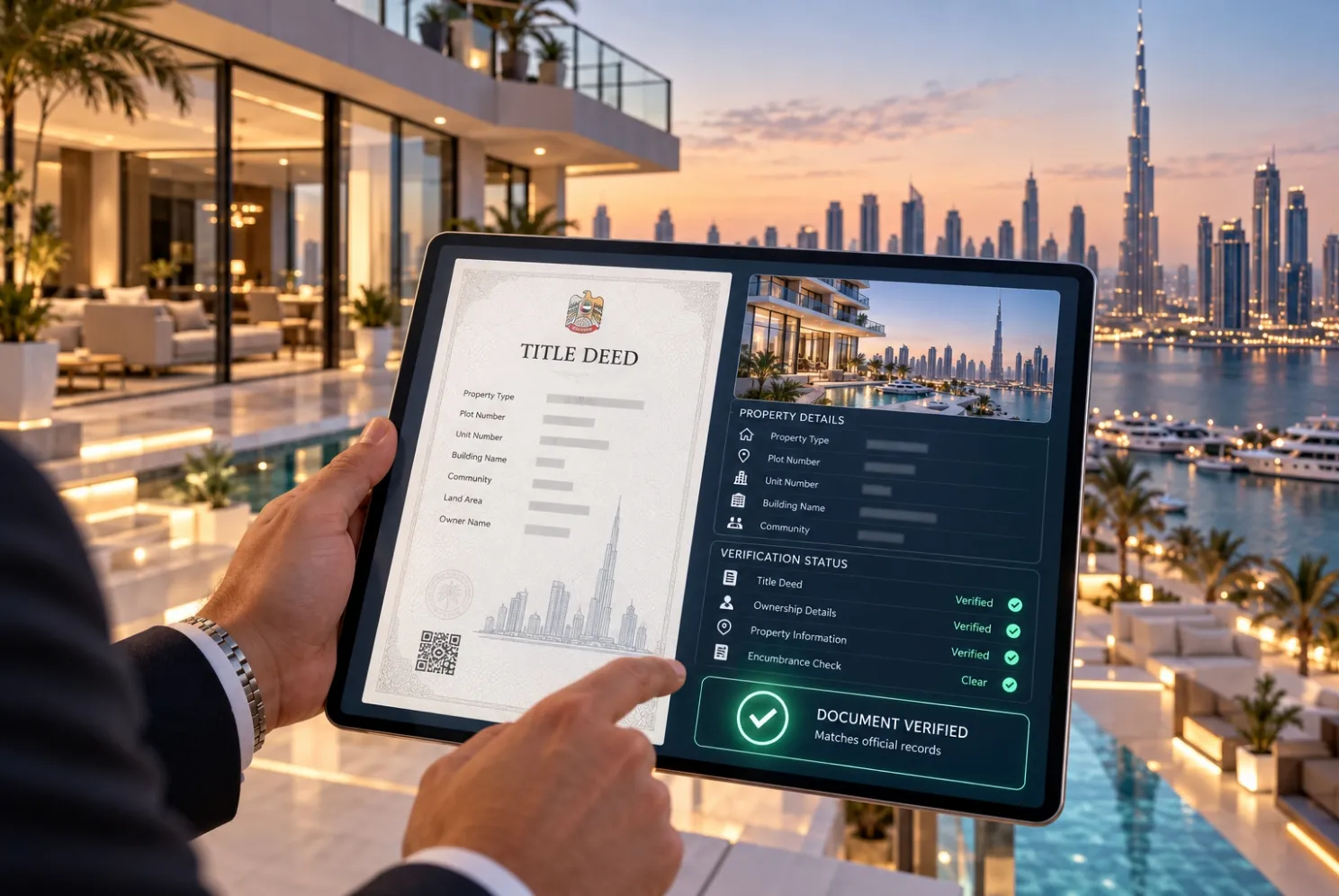
Dubai Land Department provides an online verification service through:
The user enters the certificate number, certificate year, and property type to check the valuation certificate. The service is available immediately.
DLD’s digital certificate verification page also indicates that valuation certificates are digitally validated through blockchain.
This allows users to verify the certificate through DLD’s official digital system.
What Factors Affect Property Value in Dubai?
The value of a Dubai property is influenced by multiple factors.
No single feature determines the outcome.
Location
Access to business districts, schools, public transport, retail, healthcare, airports and leisure destinations can influence demand.
Community
A property within a mature, well-maintained master-planned community may be assessed differently from a similar unit in an incomplete or poorly serviced area.
Property Type and Size
Studios, family apartments, townhouses, villas, and mansions attract different buyer and tenant segments.
Layout
Efficient layouts, usable rooms, storage, and practical circulation can affect buyer interest.
Floor and View
Floor height, privacy, natural light, orientation and view can influence how two otherwise similar apartments are perceived.
Property Condition
Maintenance, renovations, defects, damage, and overall presentation affect the property’s market position.
Construction Quality
Materials, finishing, mechanical systems, insulation, windows, joinery, and long-term building performance can influence desirability.
Amenities
Pools, gyms, parks, schools, waterfronts, retail and wellness facilities can strengthen the overall community proposition.
Service Charges
High recurring ownership costs can affect investor returns and buyer affordability.
Comparable Transactions
Recent sales of similar properties within the same building, community, or nearby area can provide important valuation evidence.
Supply and Demand
A large pipeline of similar units may increase competition, while more limited availability can influence pricing dynamics.
Why Two Similar Properties May Have Different Values
Two apartments in the same building may not have the same value.
Differences in valuation or achievable sale price can arise from:
- Floor
- View
- Orientation
- Internal area
- Balcony size
- Layout
- Parking
- Condition
- Upgrades
- Tenancy status
- Furnishing
- Payment position
- Urgency of the seller
The same applies to villas.
Corner plots, park-facing locations, waterfront positions, larger gardens, renovated interiors, or quieter streets may result in different market perceptions.
Owners should be cautious about valuing a property only by multiplying its area by an average price per square foot.
The comparison must account for the property’s specific characteristics.
DLD Valuation vs Asking Price
A property’s asking price is the amount the owner hopes to achieve.
The valuation is an assessment of estimated value.
The final sale price is the amount a buyer agrees to pay.
These figures may be different.
An asking price may be above valuation where:
- The owner is willing to wait
- The property has rare characteristics
- Supply is limited
- Demand for comparable properties in the community is relatively high
- The seller includes furniture or upgrades
It may be below valuation where:
- The seller requires a quick transaction
- The property is tenanted below market rent
- Maintenance is required
- The owner has urgent financial commitments
- A direct or bulk transaction is involved
Sellers should use valuation as an evidence-based reference rather than treating it as a guaranteed sale price.
DLD Valuation vs Mortgage Valuation
A mortgage valuation is prepared for the lender.
The purpose is to assess the property as security for the proposed loan.
CBUAE rules require mortgage providers to ensure property appraisals are realistic and substantiated. They must obtain an independent on-site valuation from a suitably qualified third party before making an irrevocable lending commitment, and valuation reports should not include expected future property-price appreciation.
The bank may lend based on the lower of:
- Agreed purchase price
- Bank valuation
The exact lending calculation depends on the bank and mortgage product.
If the bank values the property below the agreed price, the buyer may need to contribute more equity.
This is why mortgage buyers should avoid assuming that the bank will finance a percentage of any price they agree with the seller.
Can an Online Estimate Replace a Formal Valuation?
Online tools can be useful for initial research.
They may help users:
- Review broad market trends
- Compare neighborhoods
- Estimate a possible range
- Monitor portfolio movements
- Identify recent asking or transaction patterns
However, an online estimate may not fully account for:
- Property condition
- Renovations
- Exact view
- Internal layout
- Floor
- Noise
- Maintenance
- Tenancy status
- Unique plot position
- Current demand for that exact asset
An online estimate should therefore be treated as an indicative starting point, not as a substitute for an official or lender-required valuation.
How Service Charges Affect Property Value
Service charges influence the ongoing cost of ownership.
For investors, they affect net rental yield.
For end-users, they influence annual affordability.
A property with more extensive amenities may carry higher service charges while offering a different level of resident facilities and services.
The more useful question is not simply whether charges are high or low.
It is whether they are appropriate for:
- Facilities
- Maintenance
- Landscaping
- Security
- Building systems
- Community quality
- Reserve-fund requirements
Poor maintenance can affect property condition, buyer perception, and future marketability even where annual charges appear low.
Owners preparing for valuation should ensure that outstanding service charges are understood and that the property’s ongoing costs can be explained clearly.
How Tenancy Status Can Affect Value
A tenanted property may appeal to some investors because rental income is already in place.
However, the tenancy may also influence valuation and buyer demand.
Relevant factors include:
- Current annual rent
- Contract expiry date
- Ejari registration
- Payment history
- Security deposit
- Notice status
- Whether the property can be viewed
- Whether the rent is above or below the current market
- Whether the buyer wants to occupy the property
Some investment buyers may prefer an existing tenancy, while owner-occupiers may prefer vacant possession depending on their plans.
Owners should provide accurate tenancy records when obtaining a valuation or preparing to sell.
How Property Owners Can Prepare for Valuation
Owners can improve the efficiency of the process by preparing the property and documentation in advance.
Organize Ownership Documents
Have the title deed, property map, Emirates ID or passport and other required documents ready.
Prepare Recent Property Photographs
DLD’s valuation service lists recent photographs among the core documentation requirements.
Complete Basic Maintenance
Address avoidable issues such as leaks, broken fittings, damaged paint or missing fixtures.
Provide Rental Information
Where the property is income-producing, prepare tenancy and rental details.
Record Upgrades
Keep invoices, approvals, and documentation for material renovations or improvements.
Provide Access
If an on-site inspection is required, ensure the valuer can access the property and relevant areas.
Be Accurate
Do not overstate size, upgrades, views, rental income or included features.
A valuation can be more effectively assessed when the supporting information is complete and reliable.
Common Property Valuation Mistakes
Relying Only on Listing Prices
Asking prices does not confirm completed transaction values.
Comparing Different Property Types
A renovated waterfront unit should not be compared directly with an older inland unit solely because their sizes are similar.
Ignoring Condition
Maintenance and defects can influence buyer demand and ownership costs.
Overvaluing Renovations
Not every improvement adds its full cost to the property’s market value.
Using an Outdated Valuation
Market conditions and certificate validity can change.
Assuming the Bank Will Match the Purchase Price
The lender relies on its own independent valuation process.
Confusing Valuation with Guaranteed Sale Price
A valuation is an estimate, not a binding buyer offer.
How Property Quality Can Influence Market Appeal
Property value is influenced by market conditions, but the quality of the underlying asset also matters.
Construction quality can influence factors such as:
- Maintenance
- Durability
- Resident satisfaction
- Energy performance
- Tenant appeal
- Resale marketability
- Long-term ownership costs
Community quality also plays a role.
Landscaping, amenities, public spaces, connectivity, maintenance, and resident services influence how a property is experienced over time.
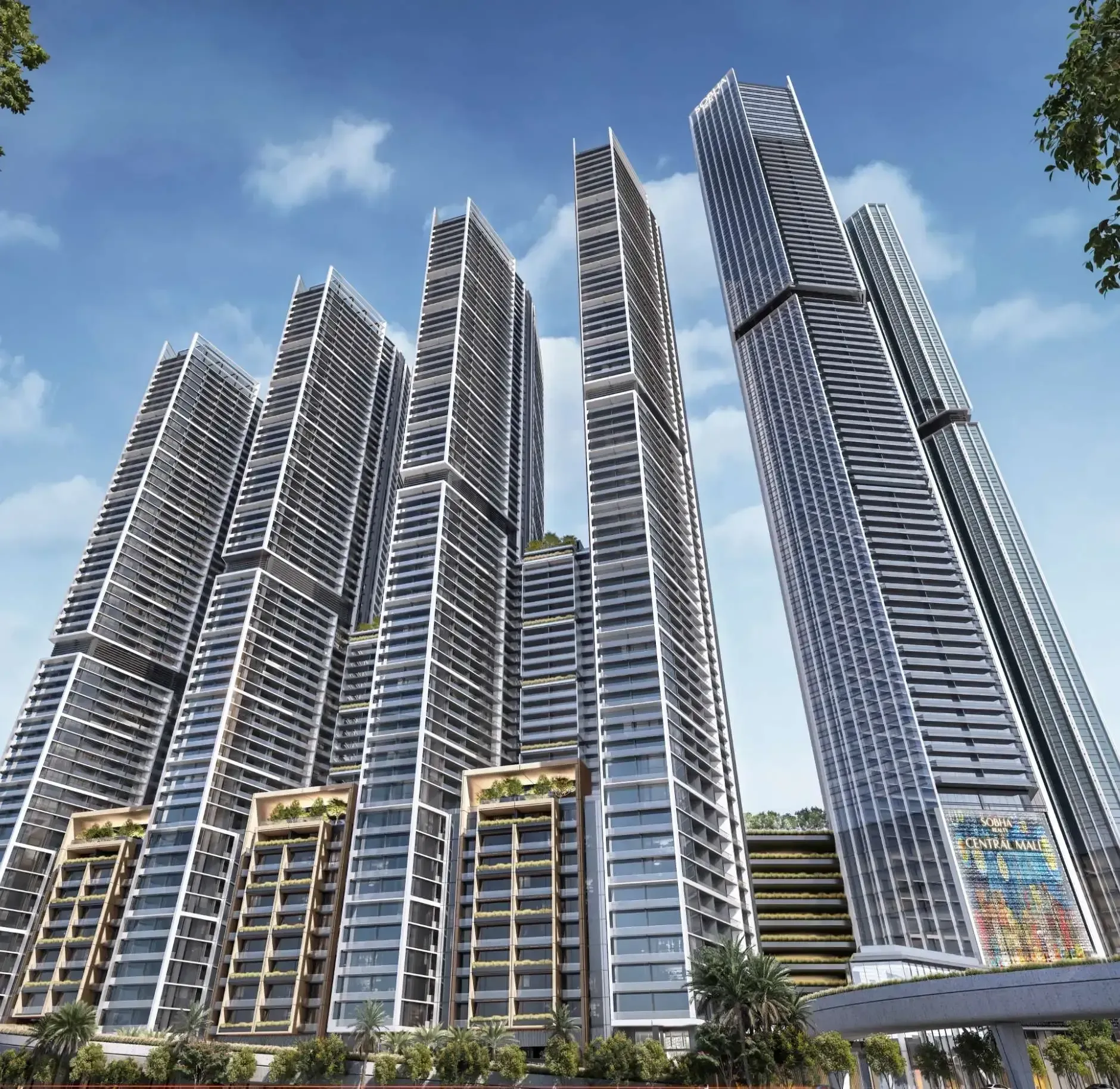
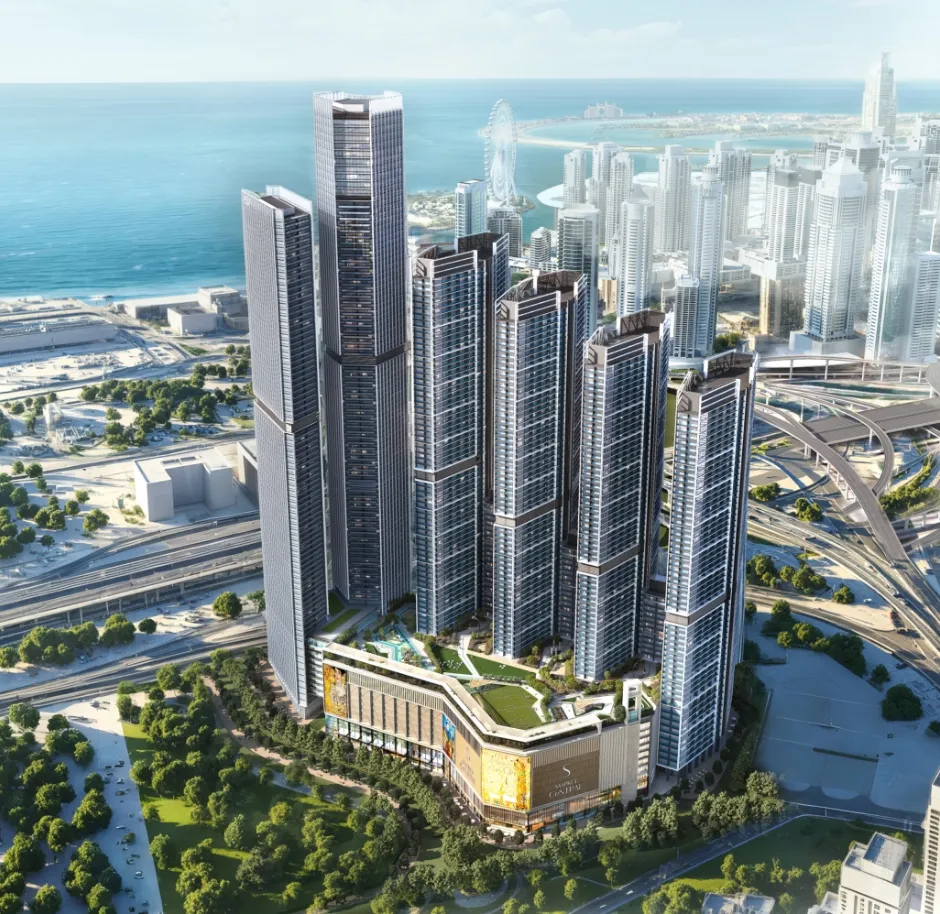
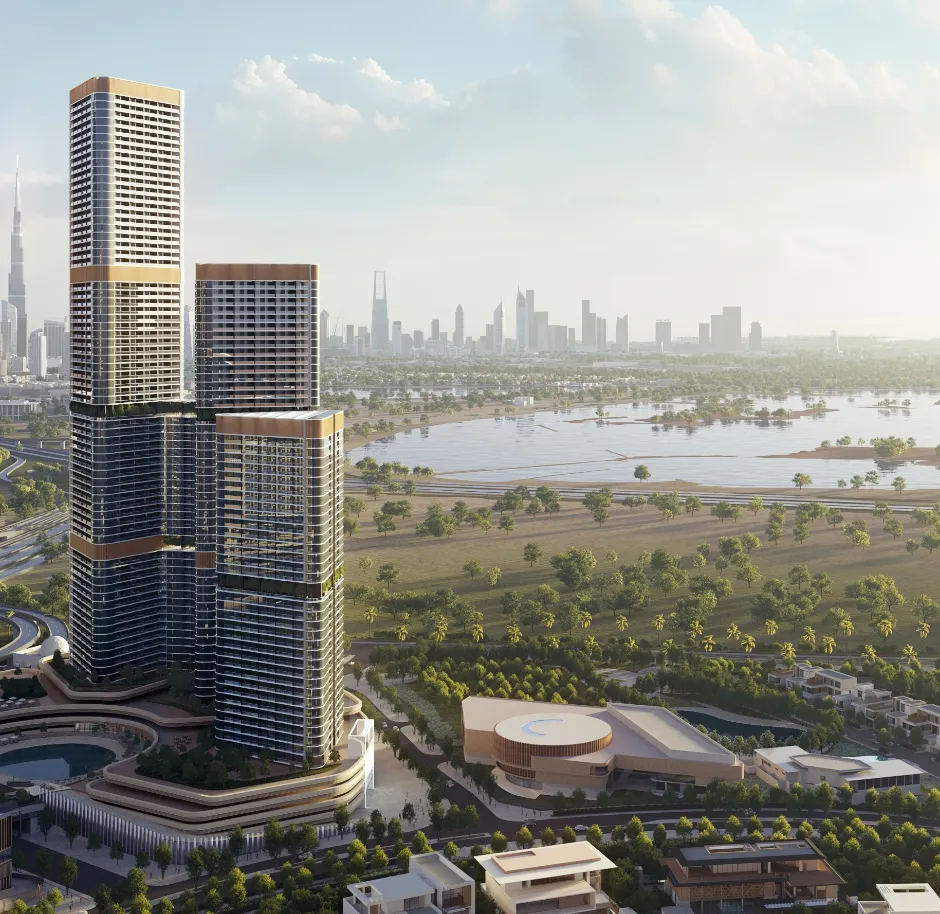
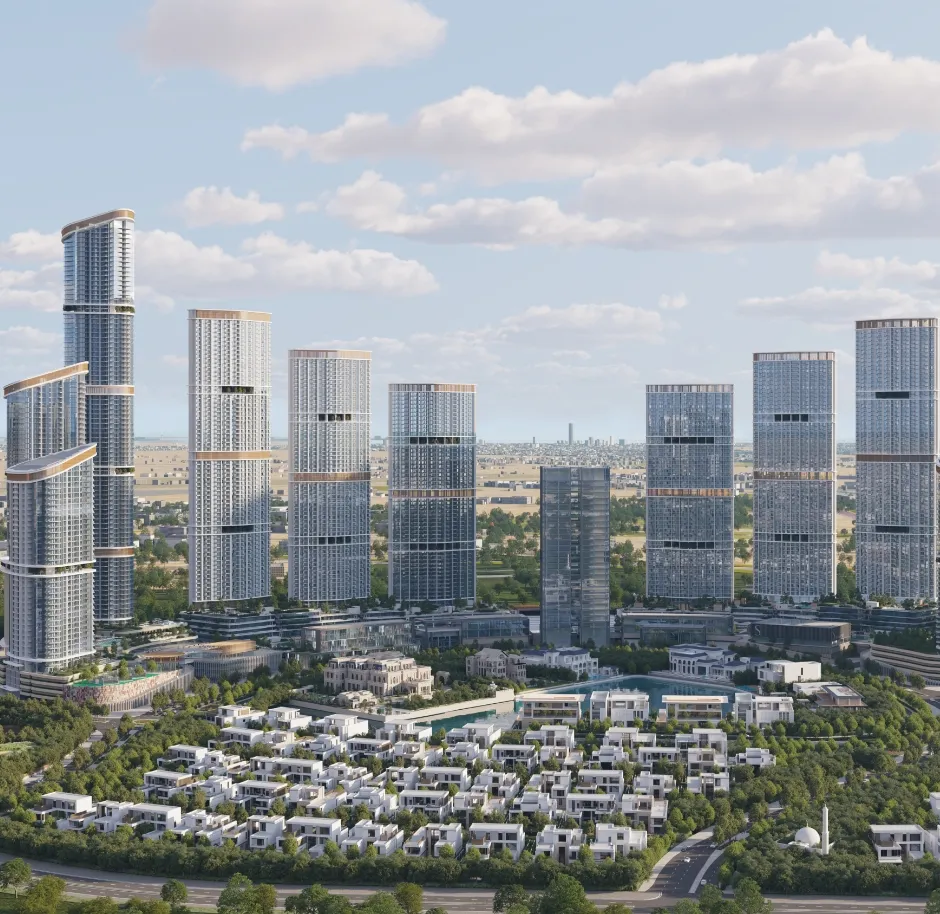
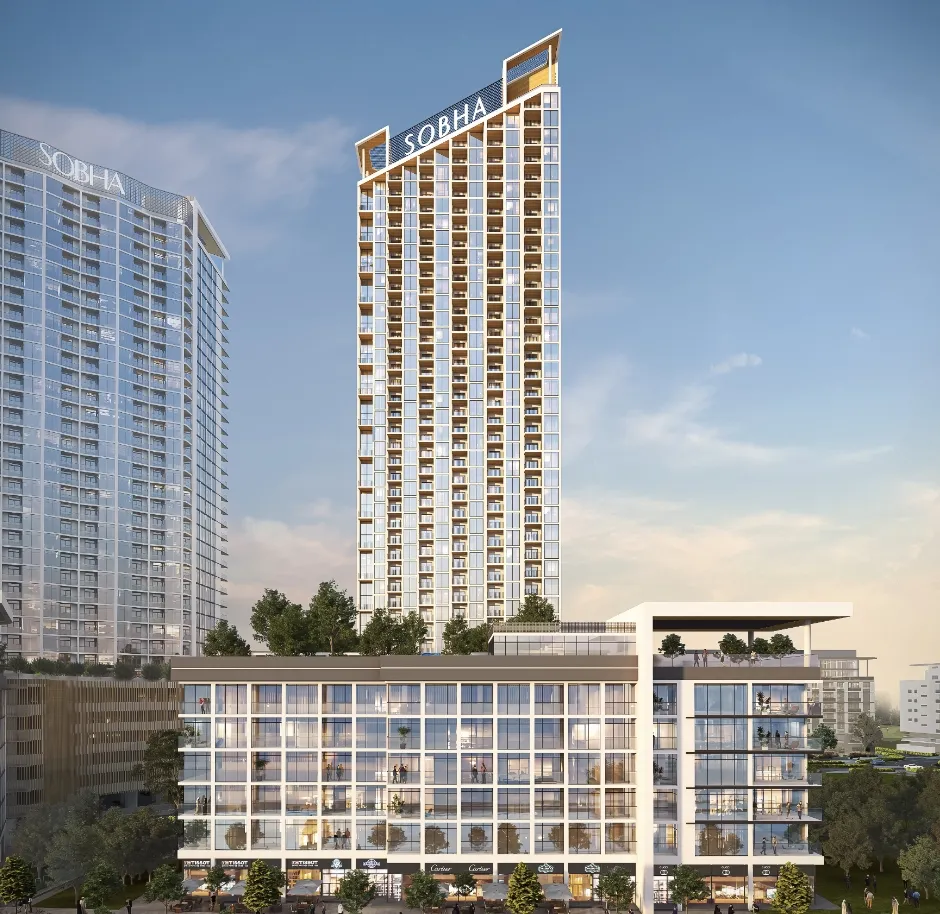
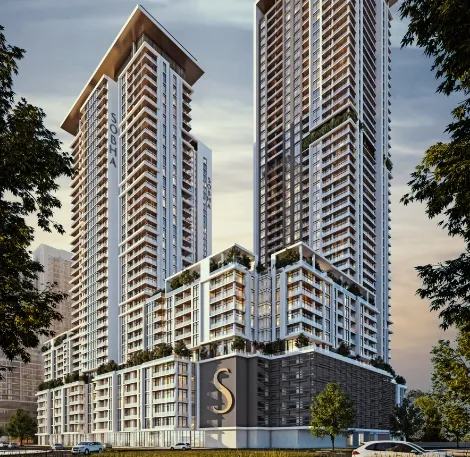
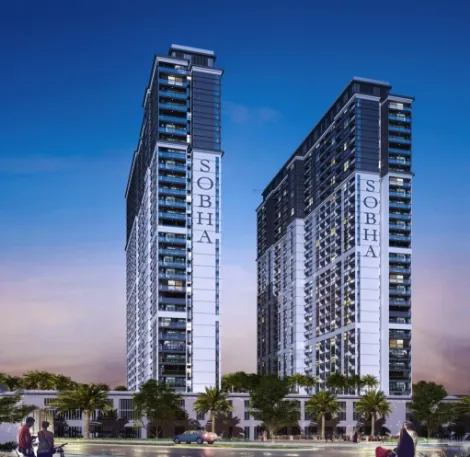
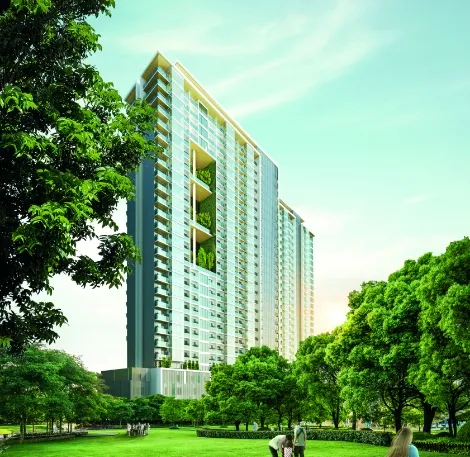
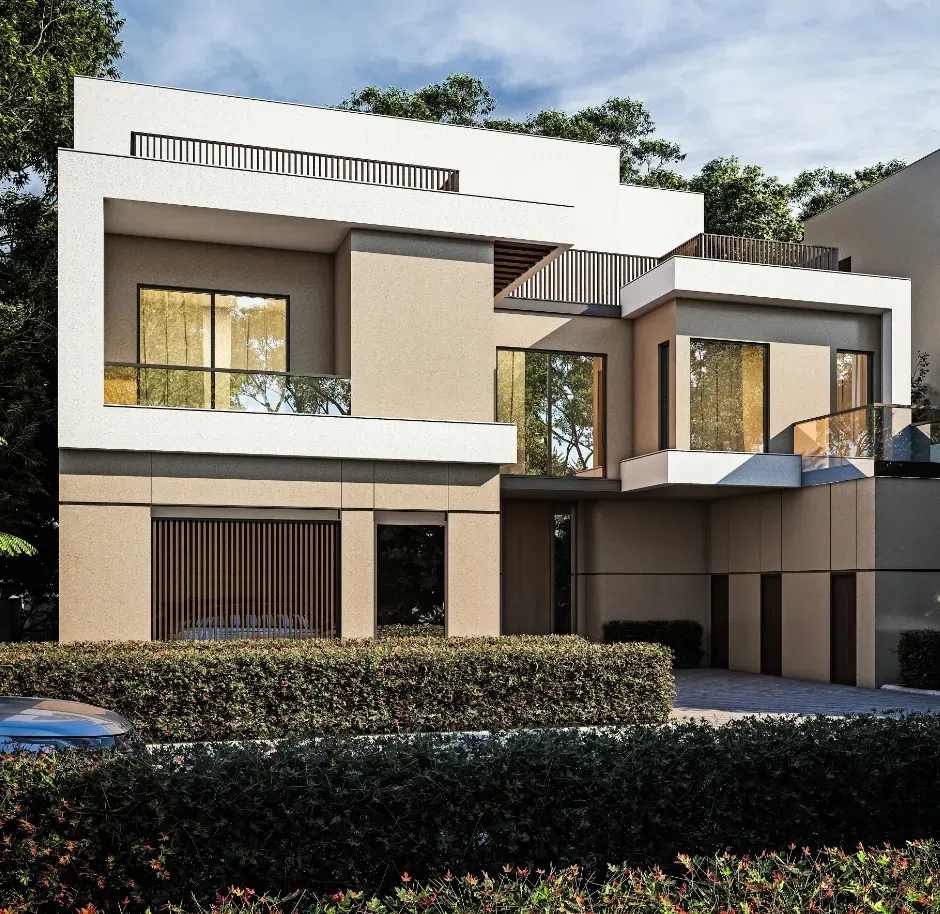
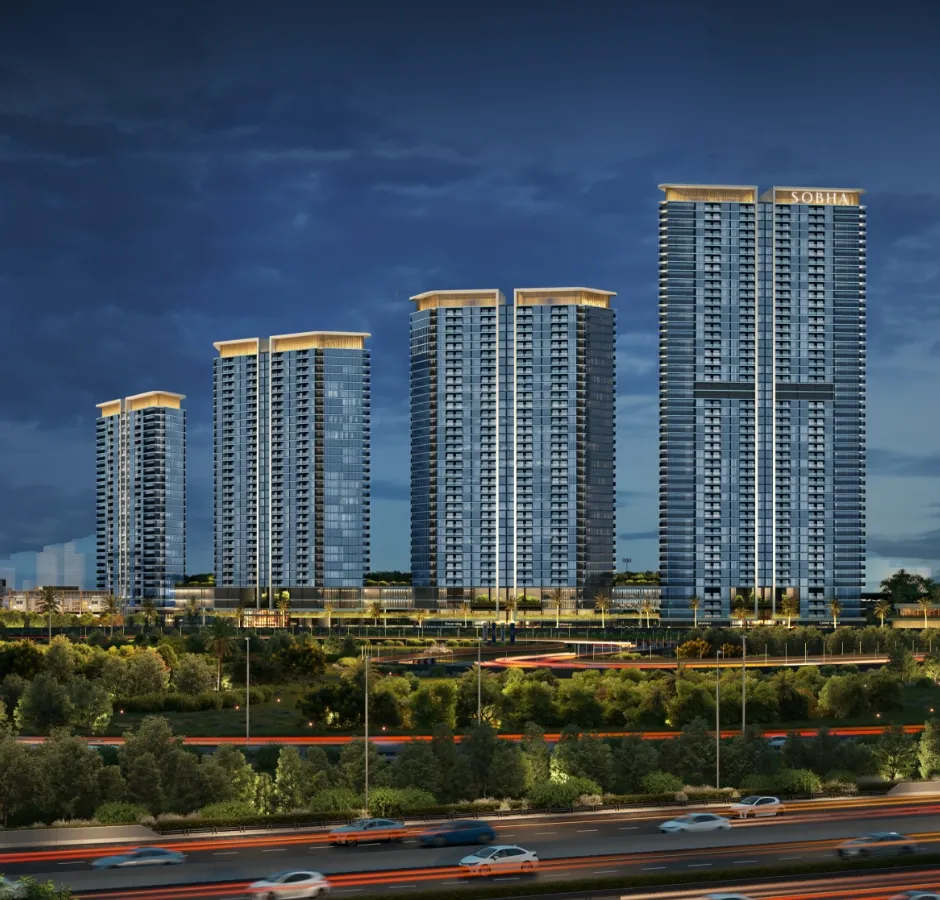
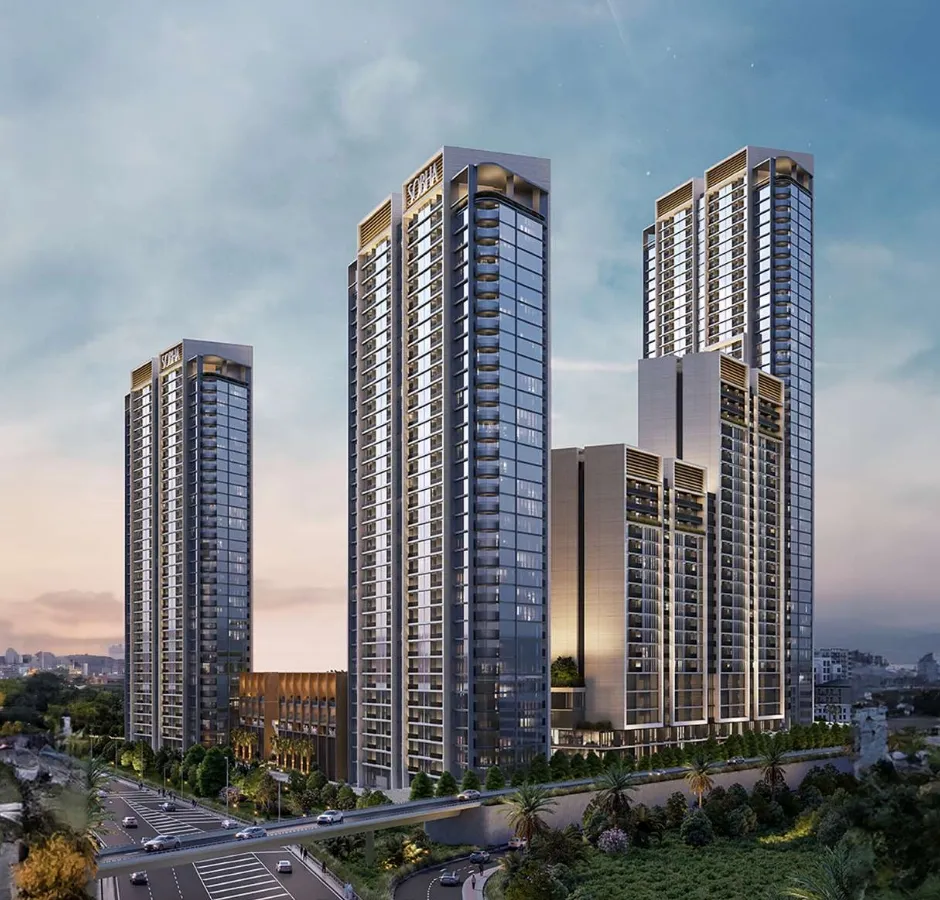
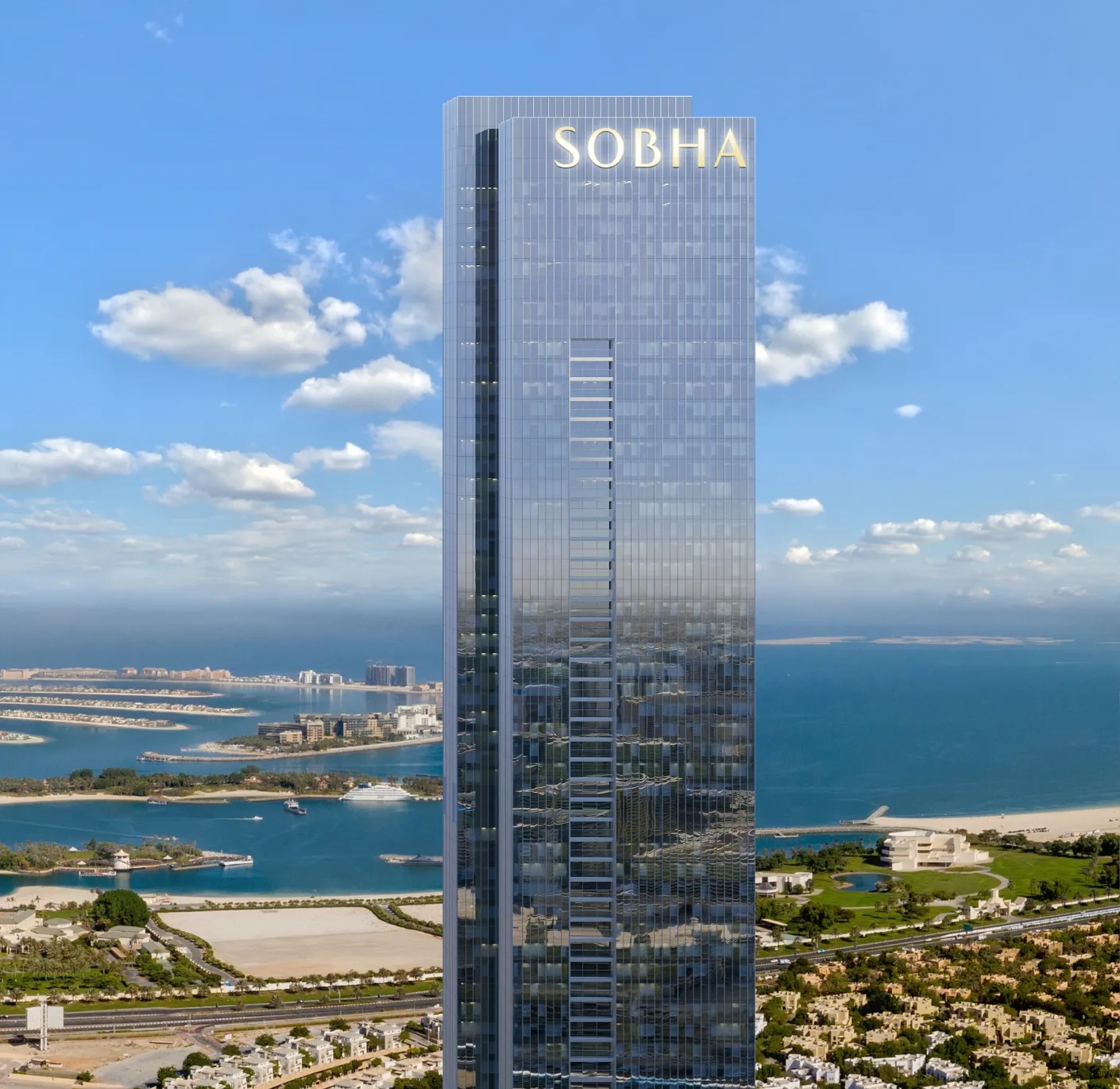
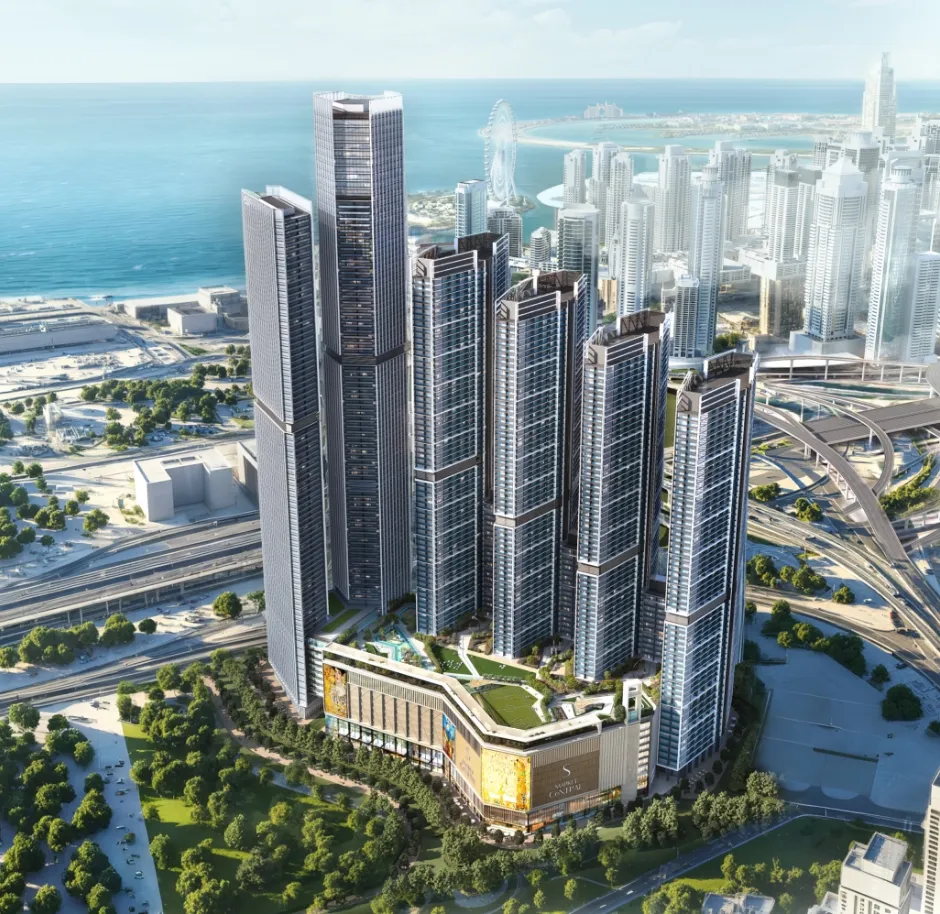
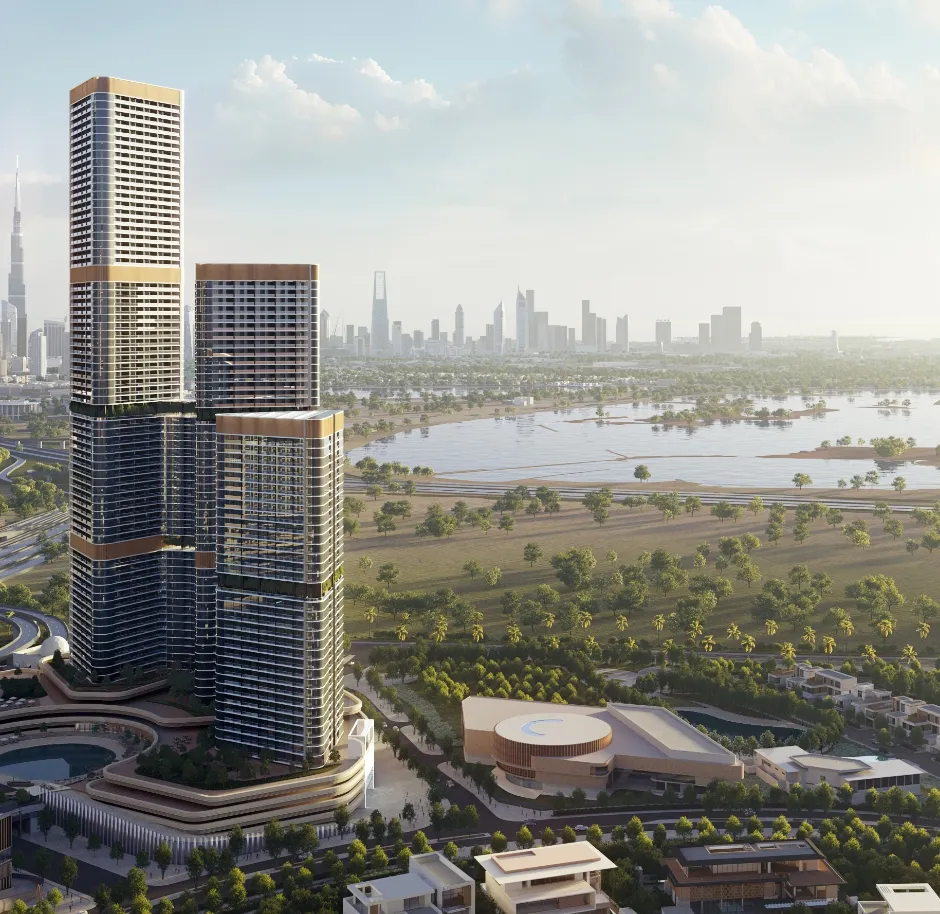
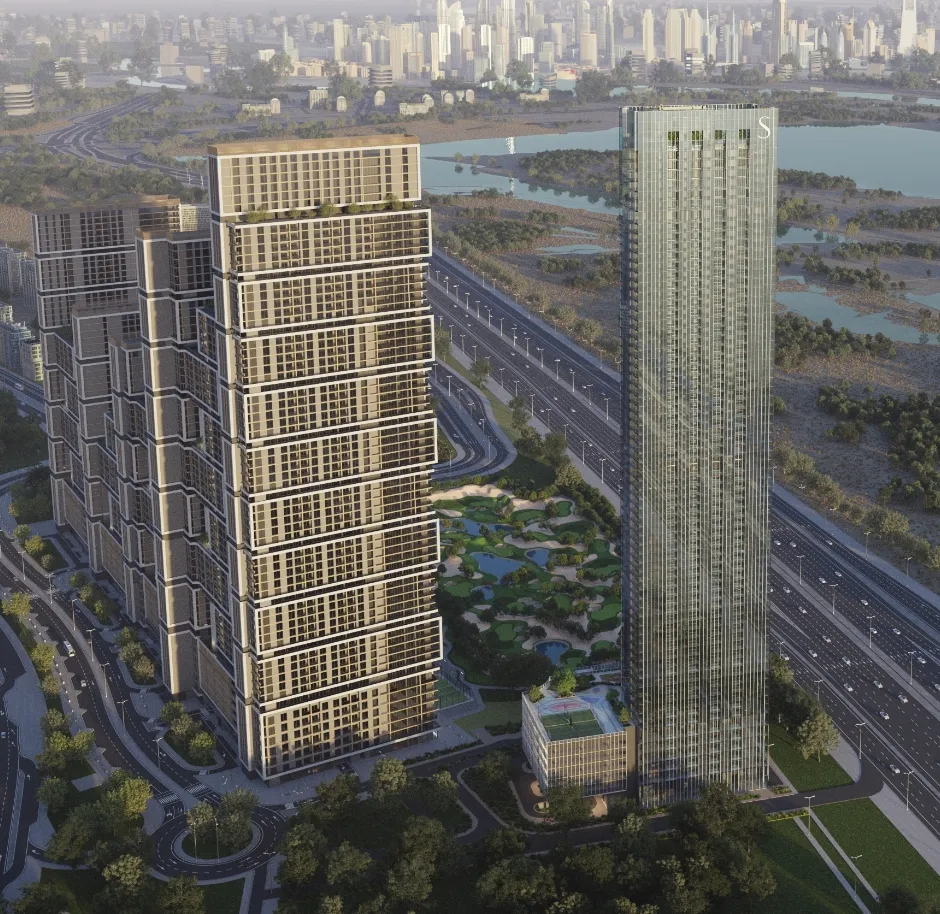
Sobha Realty’s approach is guided by “The Art of Detail” and its Backward Integration model, providing direct oversight across design, engineering, manufacturing, construction and finishing.
Quality does not create a guaranteed valuation.
It can influence how a property is experienced, maintained, and differentiated within the market over time.
A Dubai Property Valuation Checklist
Before applying for or relying on a valuation, confirm:
- Why the valuation is required
- Whether an official DLD certificate is necessary
- Whether the bank requires its own appraisal
- Which property category applies
- Which documents are required
- The current fee
- The expected processing time
- Whether a site visit is required
- The certificate date
- How long the receiving institution will accept it
- Whether the certificate can be verified online
- Whether recent comparable transactions support the estimate
- Whether the property condition has been represented accurately
- Whether tenancy and income information is complete
Conclusion
A property valuation in Dubai provides an evidence-based assessment of what a property may be worth at a specific point in time.
It can support:
- Sale planning
- Mortgage applications
- Refinancing
- Legal and administrative transactions
- Portfolio reviews
- Gifting
- Auctions
Dubai Land Department provides an official valuation service through Dubai REST, Dubai Now and Real Estate Services Trustee Centers. For residential apartments and villas, the current published valuation fee is AED4,000, plus Knowledge and Innovation fees, with additional trustee-partner charges where applicable.
Residential units and attached villas may qualify for instant processing, while other property types may require up to seven working days.
Owners should remember that:
- A broker appraisal is not the same as a DLD valuation
- A bank valuation serves the lender’s mortgage assessment
- An online estimate is indicative
- A valuation is not a guaranteed sale price
- Certificates more than six months old may no longer be accepted as valid
Property decisions based on valuation should consider official documentation, relevant market evidence, and the specific characteristics of the property.
Understanding property value requires looking beyond a single figure to the factors supporting the valuation.
Frequently Asked Questions
1. How do I get a property valuation in Dubai?
You can apply through Dubai REST, Dubai Now or a Real Estate Services Trustee Centre. Submit the required details and documents, pay the fee and receive the electronic valuation certificate after approval.
2. How much does a residential property valuation cost in Dubai?
DLD currently lists AED4,000 for a residential apartment or single residential villa valuation, plus AED10 Knowledge Fee and AED10 Innovation Fee. Trustee-centre applications also carry a service-partner fee and VAT.
3. How long does a DLD property valuation take?
DLD lists residential units and attached villas as instant, subject to complete documentation and service eligibility. Other property categories may take up to seven working days.
4. What documents are required for a Dubai property valuation?
Core documents include the valuation request form, an owner letter, Emirates ID or passport copy, a valid municipality or planning map, and recent property photographs. Additional documents may be required depending on the property.
5. How long is a Dubai property valuation certificate valid?
DLD’s verification service indicates that a certificate becomes invalid once more than six months have passed from the valuation date.
6. Can I verify a DLD valuation certificate online?
Yes. DLD provides an immediate verification service through its website and Dubai REST using the certificate number, year, and property type.
7. Is a bank mortgage valuation the same as a DLD valuation?
No. A mortgage valuation is prepared independently for the lender to assess the property as loan security. A DLD valuation certificate is an official valuation issued through the Dubai Land Department’s service.
8. Can an online property estimate replace an official valuation?
No. Online estimates are useful for initial research but may not consider the property’s exact condition, floor, view, layout, tenancy or upgrades.
9. Why might a bank value a property below the purchase price?
The bank’s valuer assesses the property for lending and collateral purposes. If the independent valuation is below the agreed price, the lender may calculate finance using the lower figure.
10. Does renovation always increase property value?
Not always by the full amount spent. The effect depends on quality, buyer demand, design, approvals, condition and whether the improvement suits the property and community.
Understanding property value begins with accurate information, quality fundamentals, and a clear view of the market. Explore Sobha Realty’s thoughtfully designed communities and discover homes shaped by craftsmanship, considered planning and enduring quality.