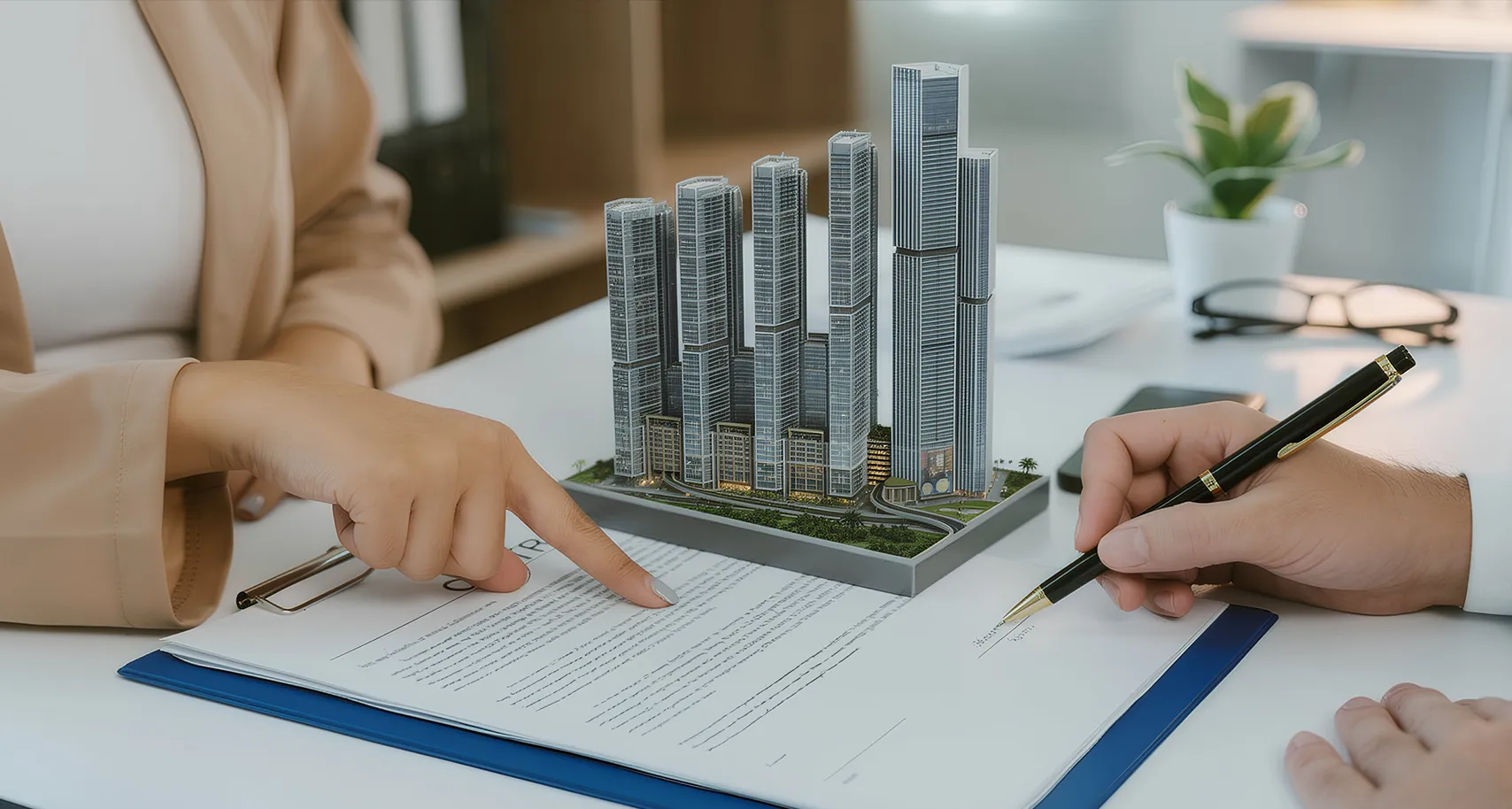
Selling a property in Dubai involves more than finding a buyer and agreeing on a price.
The transaction may include property valuation, broker appointment, advertising permits, buyer negotiation, a sale agreement, developer approval, mortgage settlement, service-charge checks and final ownership transfer through Dubai Land Department.
The exact process depends on the property.
A mortgage-free apartment owned by one individual may follow a different route from a mortgaged villa, a company-owned asset, a tenanted property or an off-plan unit that has not yet reached completion.
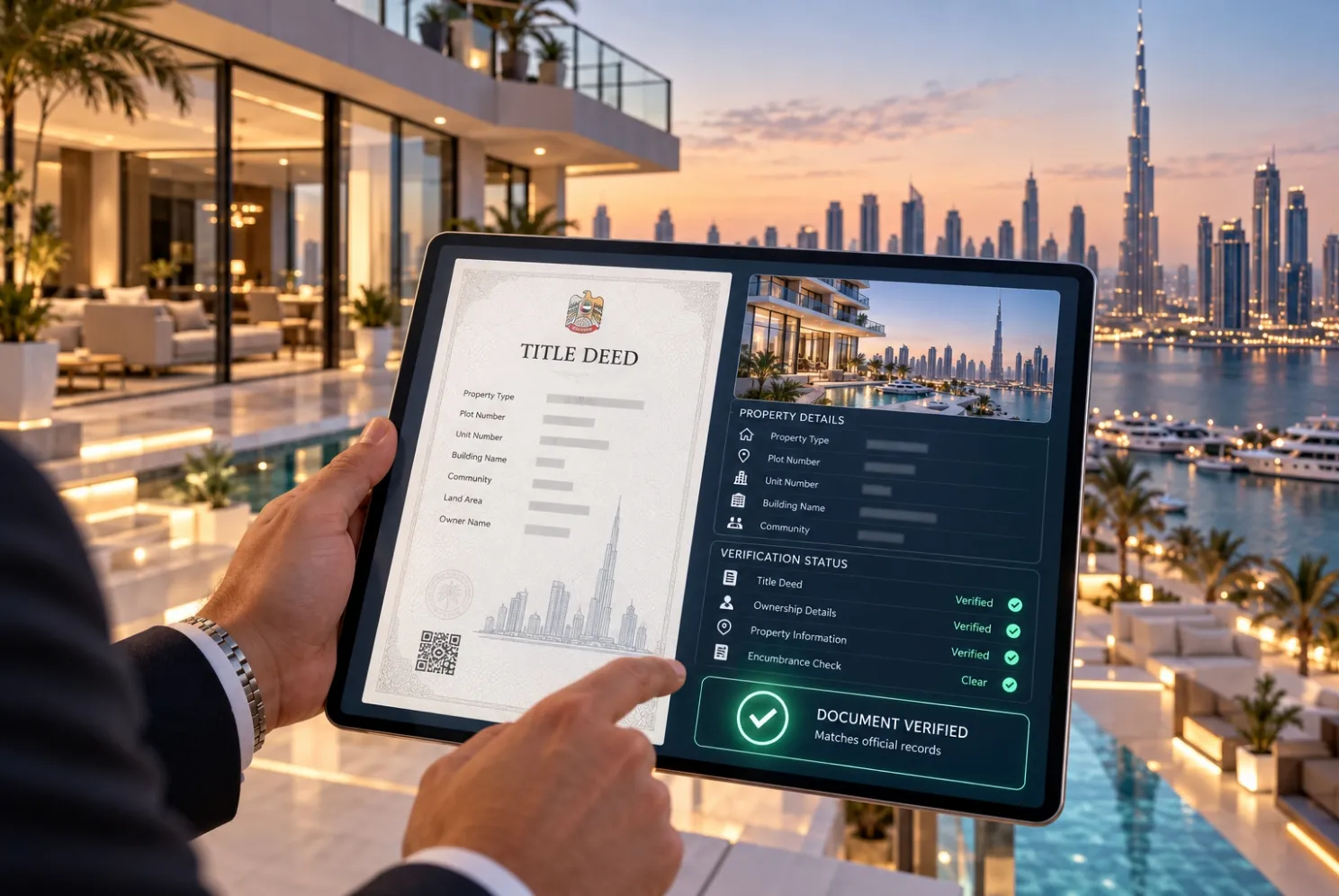
Dubai now also offers digital sale options for qualifying properties. Through Dubai Now, eligible buyers and sellers can create and sign a sale agreement, transfer the purchase amount and fees through an approved escrow account and receive the new electronic title deed remotely.
For owners asking how to sell property in Dubai, a well-prepared sale usually begins with organising the property, documents and financial obligations before marketing starts.
Step 1: Define Why and When You Want to Sell
Before appointing a broker or listing the property, clarify the purpose of the sale.
Common reasons include:
- Releasing capital
- Moving to another property
- Restructuring an investment portfolio
- Relocating outside the UAE
- Selling after project completion
- Taking advantage of buyer demand
- Reducing financing commitments
- Moving from a smaller to a larger home
Your objective can influence the pricing and timing strategy.
An owner who needs to sell quickly may approach the market differently from someone prepared to wait for a specific price.
Consider:
- Whether the property is vacant or tenanted
- When the tenancy expires
- Whether a mortgage remains outstanding
- Whether the property is ready for transfer
- How much comparable supply exists
- Whether upcoming handovers may create competition
- The minimum net amount required after all costs
The asking price should support the seller’s objective while remaining realistic within the current market.
Step 2: Establish a Realistic Property Value
One of the most common seller mistakes is setting the asking price according to personal expectations rather than market evidence.
A useful pricing review should consider:
- Recent comparable transactions
- Current competing listings
- Property condition
- Floor, view and orientation
- Layout
- Building age
- Community maturity
- Tenancy status
- Service charges
- Furnishing
- Planned future supply
- Developer and project reputation
A broker appraisal can help estimate a market-facing asking price.
Where an official certificate is required, Dubai Land Department also provides a property-valuation service covering residential units, villas, land, commercial properties and other asset types. Applications may be submitted through Dubai REST, Dubai Now or Real Estate Services Trustee Centres, depending on the property and applicant.
An official valuation and a broker appraisal serve different purposes.
- A broker appraisal generally supports listing and sale strategy.
- A DLD valuation certificate is an official valuation output.
- A bank valuation is prepared for mortgage and lending decisions.
These figures may differ because they are produced for different purposes and may use different assumptions.
Step 3: Prepare the Property for Sale
Presentation can influence both buyer interest and negotiation.
Before photography or viewings, sellers should consider:
- Completing minor repairs
- Repainting damaged walls
- Fixing visible leaks or broken fittings
- Deep cleaning
- Removing unnecessary personal items
- Organising storage
- Improving lighting
- Preparing access cards and keys
- Confirming that appliances included in the sale are operational
- Making balconies, gardens and terraces presentable
The objective is not necessarily to renovate the entire property.
It is to ensure that buyers can assess it clearly and that avoidable defects do not weaken confidence.
For tenanted properties, coordinate access with the tenant in line with the tenancy agreement and applicable notice requirements.
Step 4: Gather the Required Documents
Preparing documents early can reduce delays later.
Depending on the transaction, sellers may need:
- Emirates ID
- Passport for non-resident owners
- Title deed or ownership certificate
- Property map
- Tenancy and Ejari documents where applicable
- Mortgage liability letter
- Power of attorney where a representative is acting
- Company documents for corporate ownership
- Developer e-NOC
- Service-charge statements
- Bank-account information
- Original SPA or supporting purchase documents
- Access cards, keys and parking information
For a standard completed-property sale registered through a Real Estate Registration Trustee Centre, DLD currently requires identity documents for the buyer and seller and an electronic NOC from the developer for properties in freehold areas.
Requirements may vary where the property is mortgaged, company-owned, jointly owned or subject to another restriction.
Step 5: Choose and Verify a Real Estate Broker
A licensed and experienced broker can support pricing, marketing, buyer screening, negotiation and transaction coordination.
Before appointing a broker, assess:
- Experience within the specific community
- Knowledge of recent comparable transactions
- Marketing plan
- Buyer database
- Photography and listing quality
- Communication frequency
- Commission
- Exclusivity terms
- Contract period
- Cancellation conditions
The broker should hold a valid RERA professional card.
Dubai Land Department provides an e-card verification service through Dubai REST, allowing customers to check a real estate practitioner’s card by card type and number.
Do not appoint a broker solely because they promise the highest price.
A realistic pricing and marketing strategy is usually more valuable than an inflated valuation that leaves the property unsold.
Step 6: Sign the Seller–Broker Agreement
A seller working with a broker should have a clear written agreement covering the broker’s appointment.
In Dubai market practice, the seller-side broker agreement is commonly referred to as Form A.
The agreement should clearly identify:
- The seller
- The broker and brokerage
- The property
- Asking price
- Commission
- Listing period
- Marketing authority
- Exclusive or non-exclusive appointment
- Seller and broker responsibilities
- Cancellation terms
Read the full agreement before signing.
Where more than one broker is involved, avoid inconsistent prices and duplicated listings, as these can create buyer confusion and weaken the property’s market positioning.
Step 7: Ensure the Advertisement Is Properly Permitted
Property advertising in Dubai is regulated.
Real estate companies must obtain the appropriate advertising permit and include the Madmoun QR code on advertisements.
The QR code allows users to verify authorised details associated with the advertisement, including the advertising company, permit and property information. DLD advises customers to engage only with property advertisements carrying the code.
Sellers should confirm that:
- The listing displays a valid QR code
- The property information is accurate
- The asking price is consistent
- Images represent the property honestly
- The correct brokerage is named
- The property has not already been sold or withdrawn
- Old listings are removed when the appointment ends
Accurate advertising protects the seller as well as the buyer.
Step 8: Review Offers Beyond the Headline Price
The highest offer is not always the most suitable offer for the seller.
A seller should evaluate:
- Offered price
- Buyer financing status
- Mortgage pre-approval
- Deposit amount
- Proposed completion date
- Conditions attached to the offer
- Whether the buyer must first sell another property
- Requested furniture or inclusions
- NOC and transfer timelines
- Risk of delay or withdrawal
Depending on the seller’s priorities, a lower offer with fewer financing or completion conditions may sometimes provide a simpler route to completion than a higher, more conditional offer.
Before accepting, ask the broker to explain the buyer’s position and the expected route to completion.
Step 9: Sign the Buyer–Seller Sale Agreement
Once the commercial terms are agreed, the buyer and seller enter into a formal sale agreement.
In broker-led Dubai transactions, this agreement is commonly known as Contract F.
The agreement should address:
- Property details
- Agreed price
- Deposit
- Completion date
- Included fixtures and furniture
- Mortgage status
- Developer NOC
- Default provisions
- Transfer process
- Outstanding payments
- Vacant-possession or tenancy terms
- Any agreed special conditions
Dubai Land Department publishes a broker journey for creating Contract F, and the DLD-linked eMart platform also references the contract within its transaction resources.
The agreement should reflect the actual transaction.
Avoid relying on verbal assurances for important conditions.
Step 10: Obtain the Developer e-NOC
For a standard sale in a Dubai freehold area, DLD requires an electronic No Objection Certificate from the developer through Dubai REST.
The e-NOC confirms that the relevant developer has no objection to the transfer proceeding.
Before requesting it, the owner should ask the developer what is required.
Depending on the property, this may involve:
- Confirming ownership details
- Providing sale documentation
- Settling applicable developer charges
- Resolving service-charge balances
- Returning or updating access details
- Paying the NOC fee, where applicable
- Arranging an inspection, if required by the developer
The exact process, cost and validity period can vary.
Sellers should request project-specific guidance rather than assume that every developer follows the same procedure.
Step 11: Clear Outstanding Property Obligations
Unresolved property costs can delay the transfer.
Before completion, confirm the status of:
- Service charges
- Community charges
- Utility accounts
- District-cooling accounts
- Mortgage balance
- Developer payments
- Property-management fees
- Tenant-related obligations
- Penalties or restrictions
Dubai’s Mollak system supports the monitoring and payment of service charges in jointly owned properties.
A seller should retain receipts and clearance confirmations.
The commercial agreement should also explain how any amount covering the period after transfer will be treated between buyer and seller.
Step 12: Selling a Mortgaged Property in Dubai
A mortgaged property can be sold, but the lender’s security must be addressed before the transfer is completed.
DLD’s mortgaged-property sale service requires a liability letter from the bank or a developer letter stating the outstanding amount.
The official process provides for amounts to be allocated through manager’s cheques, including:
- A cheque to the bank or developer for the debt
- A cheque to the seller for any remaining balance
- A cheque for the DLD registration fees
After the outstanding amount is dealt with, the bank issues a mortgage-release letter, after which the applicable mortgage-release and sale-registration procedures can be completed.
Mortgaged transactions can involve:
- Seller’s existing bank
- Buyer’s bank
- Liability letter validity
- Property valuation
- Mortgage-release documentation
- Additional registration steps
- Longer completion timelines
The parties should coordinate closely with the lenders and the Real Estate Registration Trustee Centre.
Step 13: Complete the Property Transfer
For a standard completed-property sale, the parties or their legally authorised representatives can complete registration through a Real Estate Registration Trustee Centre.
The current DLD process includes:
- Attending the trustee centre
- Submitting the required documents
- Verification and entry of transaction details
- Payment of applicable fees
- Completion of the registration
- Electronic issuance of the new title deed and property map where applicable
DLD currently lists the standard sale-registration fee as:
- Seller: 2% of the sale value
- Buyer: 2% of the sale value
Additional title-deed, map, knowledge, innovation and trustee-service fees may also apply. For transactions of AED500,000 or more, the published trustee-service fee is AED4,000 plus VAT; for lower-value transactions, it is AED2,000 plus VAT.
The parties should confirm current fees and who will bear them before transfer.
Can You Sell Property Digitally Through Dubai Now?
Yes, qualifying property sales can be completed digitally through the Dubai Now application.
The current DLD digital sale journey includes:
- Creating a sale request and sale agreement
- Electronic signing through UAE Pass
- Transferring the purchase price and service fees into the approved escrow account
- Receiving the electronic title deed and receipt
The current service terms state that:
- The parties must be individuals holding UAE IDs
- The property must be in a freehold area
- It must be free from mortgages and other restrictions
- It must be a qualifying subdivided unit, such as an apartment, office or townhouse
- Payment must move through the approved escrow account
- The process may be cancelled before digital signing
- An unsigned process is automatically cancelled after seven days
DLD’s launch announcement also identified active UAE Pass accounts, UAE bank accounts and single ownership among the requirements for the initial service phase.
Properties that do not meet the digital-sale criteria may follow another approved registration route.
Can a Non-Resident Sell Property in Dubai?
Non-resident foreign owners can sell property in Dubai.
For standard sale registration, DLD accepts a valid passport for non-resident foreign buyers and sellers where Emirates ID is not available.
Where the owner cannot attend personally, an appropriately drafted and legally valid power of attorney may be required.
Non-resident sellers should prepare early for:
- Identity verification
- Power-of-attorney requirements
- UAE banking arrangements
- Developer NOC
- Original documents
- Mortgage settlement
- Transfer scheduling
- Potential tax obligations in their country of residence
Cross-border tax treatment depends on the seller’s circumstances and jurisdiction. Independent tax and legal advice may therefore be appropriate.
Selling a Tenanted Property
A rented property can be sold, but the tenancy does not simply disappear when ownership changes.
Before listing, sellers should organise:
- Tenancy contract
- Ejari certificate
- Rental payment record
- Security-deposit details
- Tenant contact information
- Notice records
- Maintenance history
- Current rent and expiry date
The advertisement and buyer documentation should state whether the property is:
- Vacant
- Owner-occupied
- Tenanted
- Subject to a notice
- Expected to be transferred with the tenancy in place
Some buyers may prefer a property with an existing tenancy, while others may prefer vacant possession depending on their intended use.
Clarity at the beginning can prevent disputes later.
Selling an Off-Plan Property Before Handover
Reselling an off-plan property usually follows a different process from selling a completed home.
The seller should confirm:
- Whether assignment or resale is permitted
- The minimum payment threshold
- Developer approval requirements
- Applicable NOC or administration fees
- Oqood registration status
- Outstanding instalments
- Payment-plan transfer
- Buyer eligibility
- Transfer timeline
The original SPA should be reviewed carefully.
A buyer should not assume that an off-plan unit can be resold at any time or under the same conditions as a completed title-deed property.
How Much Does It Cost to Sell Property in Dubai?
The total cost varies by transaction.
Potential seller costs may include:
- Broker commission
- Developer NOC fee
- Mortgage liability and release charges
- DLD sale-registration fee
- Trustee-service fee
- Outstanding service charges
- Conveyancing or legal support
- Power-of-attorney costs
- Property preparation
- Photography or staging
- Bank-transfer and payment costs
For standard DLD sale registration, the official service page currently lists the seller’s registration portion as 2% of the sale value.
However, sellers should calculate their expected net proceeds, not only the agreed sale price.
A simplified estimate of net proceeds may be expressed as:
Sale price − mortgage balance − commission − transfer and NOC expenses − outstanding charges − other transaction costs = estimated net proceeds
Common Seller Mistakes to Avoid
Overpricing the Property
An unrealistic price can reduce enquiries and leave the listing on the market too long.
Managing Multiple Broker Appointments Poorly
Duplicated listings with inconsistent pricing or information can create confusion and weaken market positioning.
Using Unverified Brokers
Always verify the broker’s RERA e-card through Dubai REST.
Advertising Without the Required Permit
Listings should carry the Madmoun QR code and match the authorised details.
Delaying the Mortgage Liability Letter
Mortgage-sale timelines depend on current bank documentation.
Ignoring the Developer NOC
The e-NOC is a required document for standard freehold-area sale registration.
Failing to Calculate Net Proceeds
The headline sale price is not the amount the seller ultimately retains.
Leaving Documents Until the Transfer Date
Expired identification, unresolved ownership details or missing authority documents can delay completion.
Hiding Material Information
Tenancy, mortgage, property-condition and payment information should be communicated accurately.
Dubai Property Seller Checklist
Before listing:
- Define your selling objective
- Review current market evidence
- Estimate net proceeds
- Confirm mortgage balance
- Organise the title deed and identity documents
- Review tenancy status
- Address visible maintenance issues
- Verify the broker
- Sign a clear broker agreement
- Confirm the advertising permit and QR code
After accepting an offer:
- Review the sale agreement
- Confirm deposit and completion conditions
- Apply for the developer e-NOC
- Settle applicable service and community charges
- Coordinate with the bank if mortgaged
- Prepare transfer funds and documents
- Confirm the registration route
- Arrange key, access-card and property handover
At completion:
- Verify receipt of funds
- Complete transfer through the approved channel
- Retain the transaction receipts
- Provide agreed keys and documents
- Close or transfer relevant utility and property accounts
- Maintain a complete transaction record
Why Property and Community Quality Affect Resale
The resale market evaluates what has actually been delivered.
Buyers can compare:
- Finishing quality
- Layout
- Building condition
- Amenities
- Landscaping
- Maintenance
- Service charges
- Community management
- Connectivity
- Resident experience
A well-designed property within a mature, professionally maintained community may be more appealing to some resale buyers.
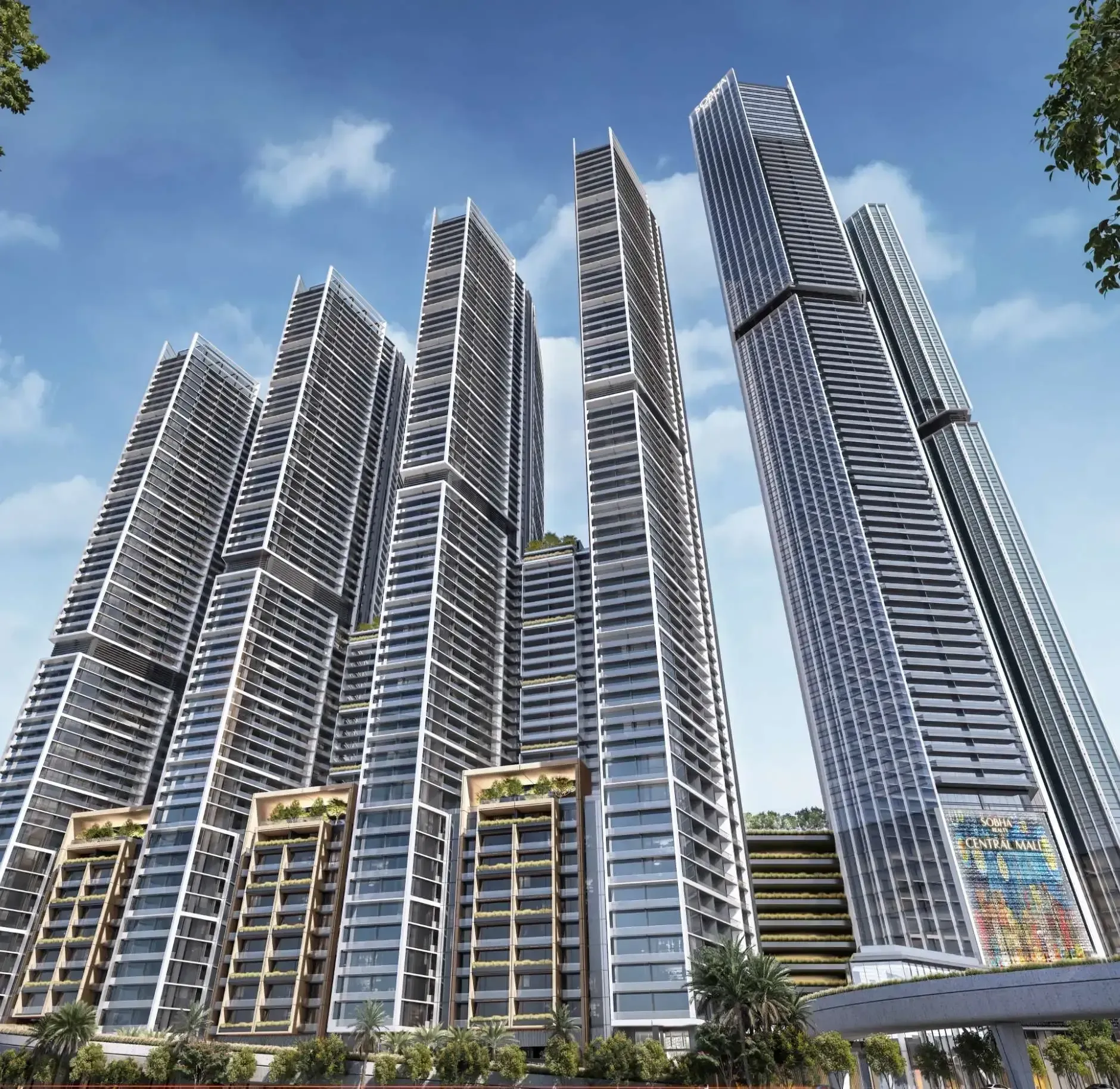
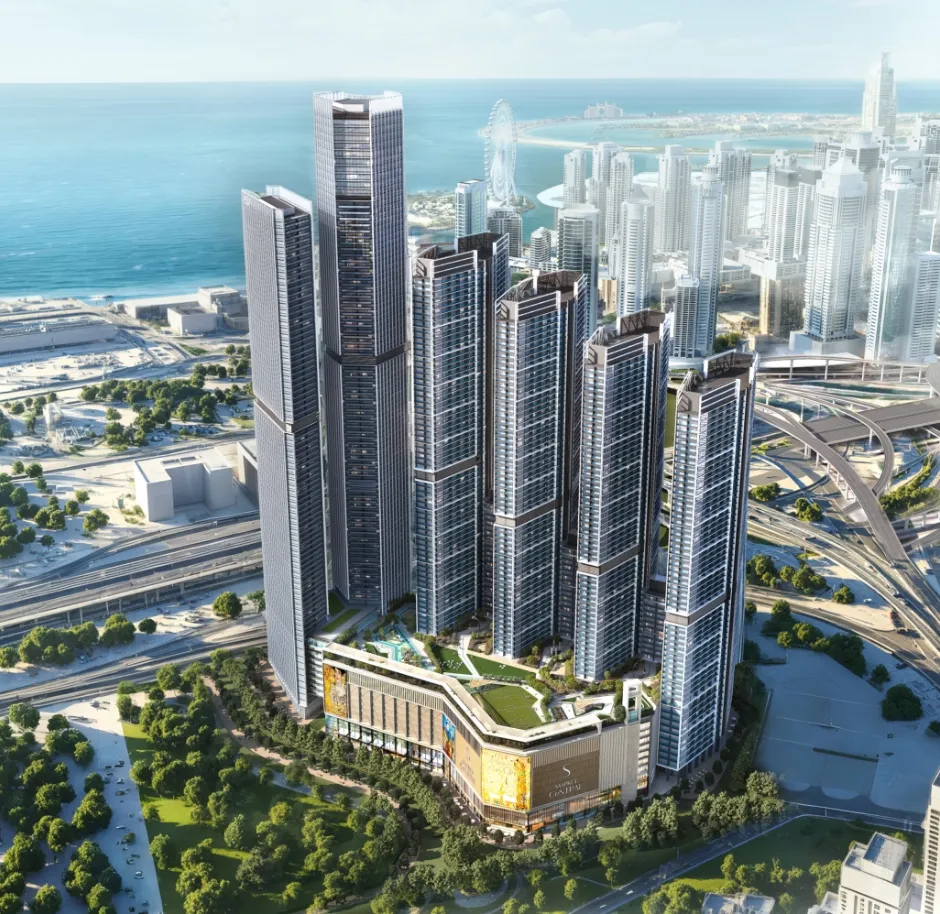
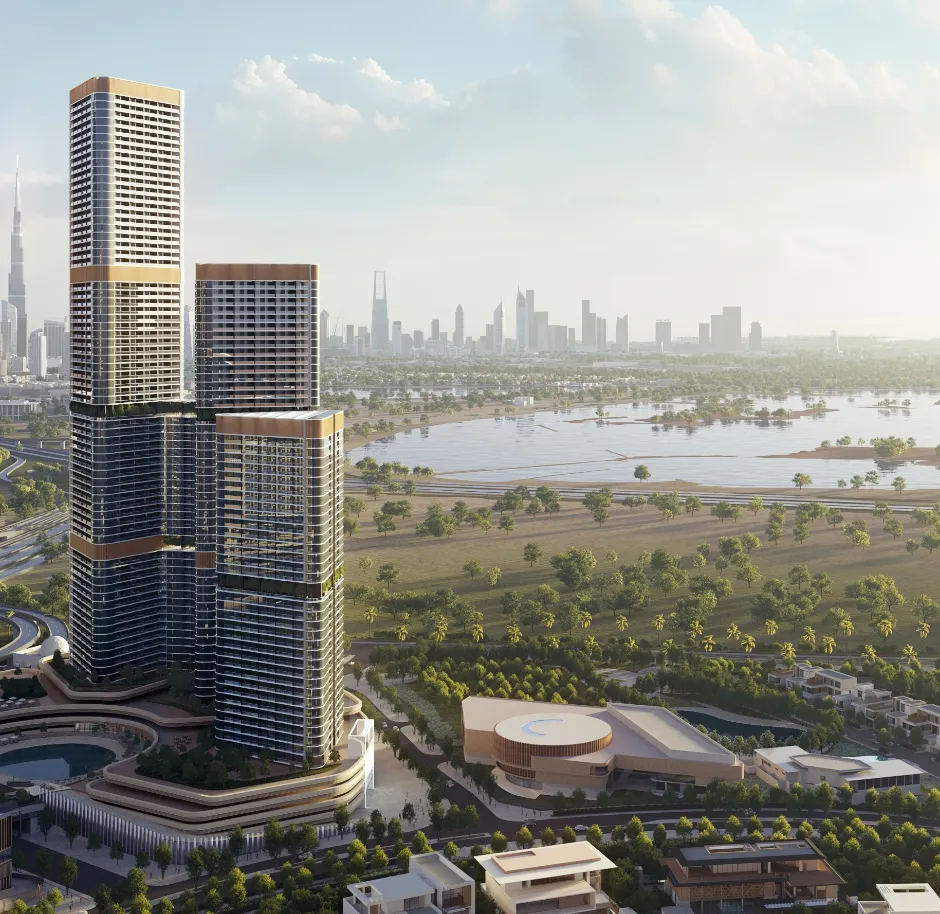
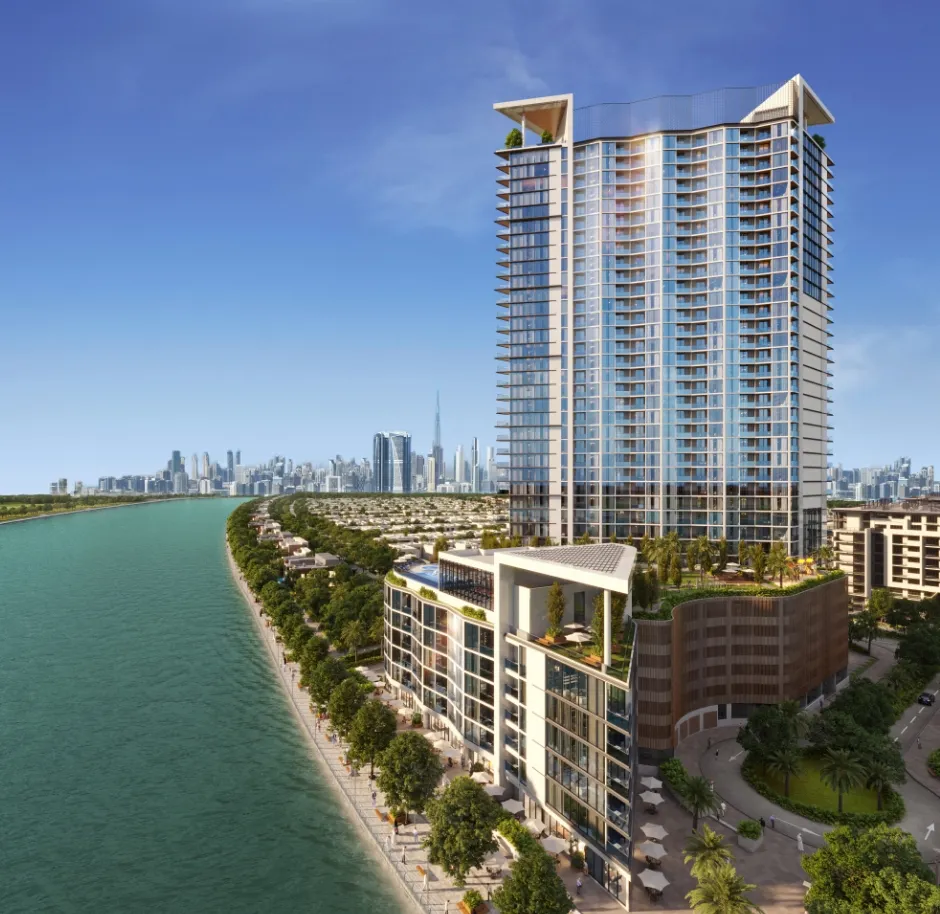
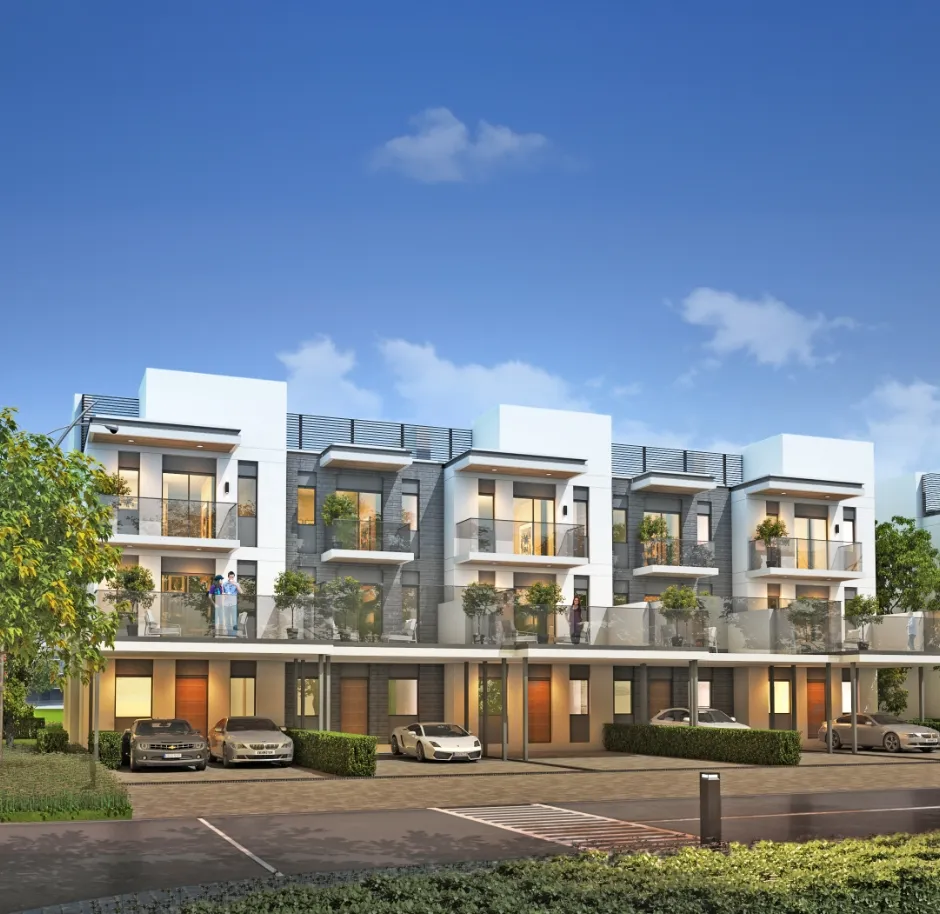
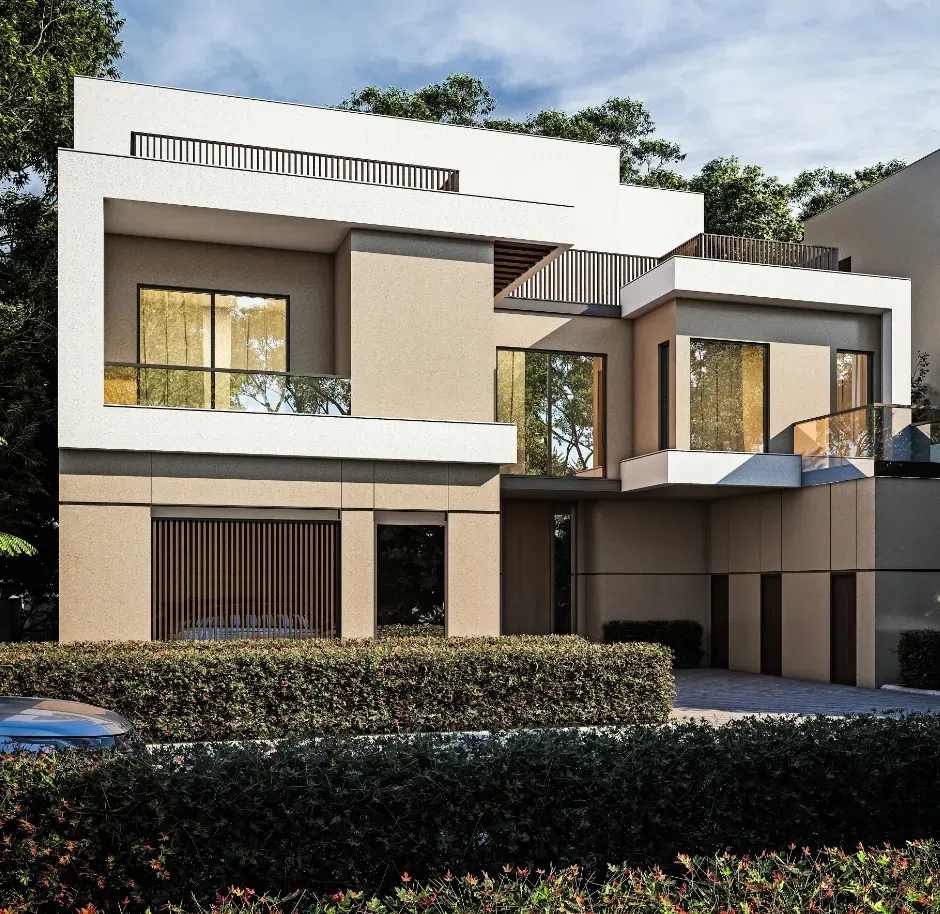
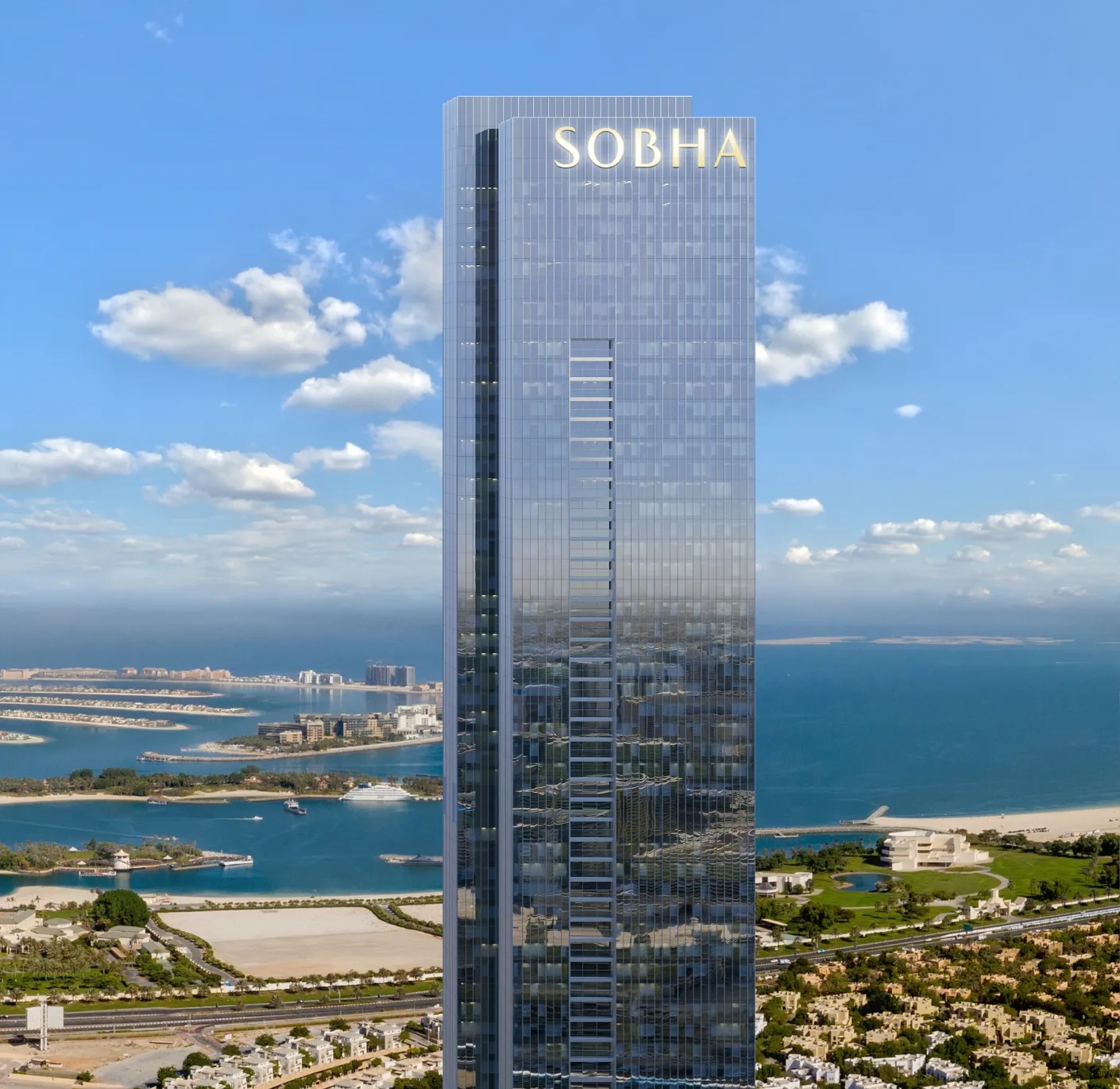
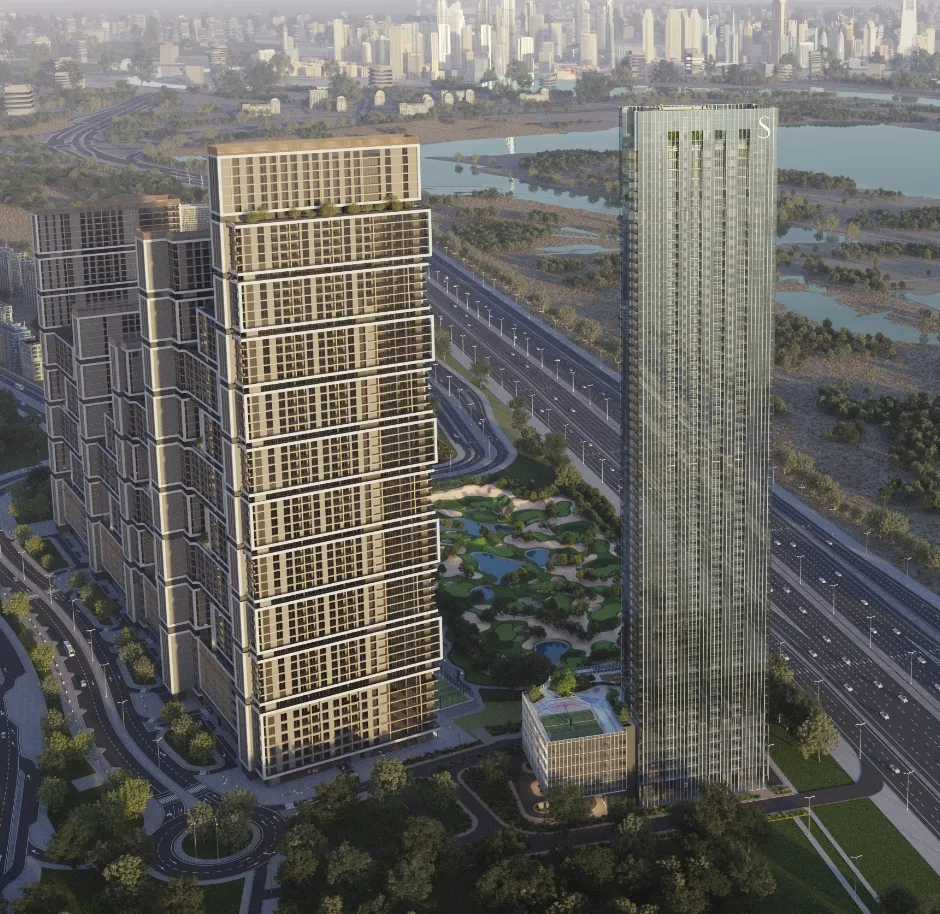
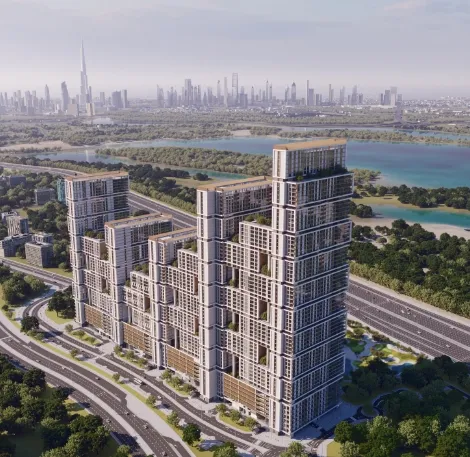
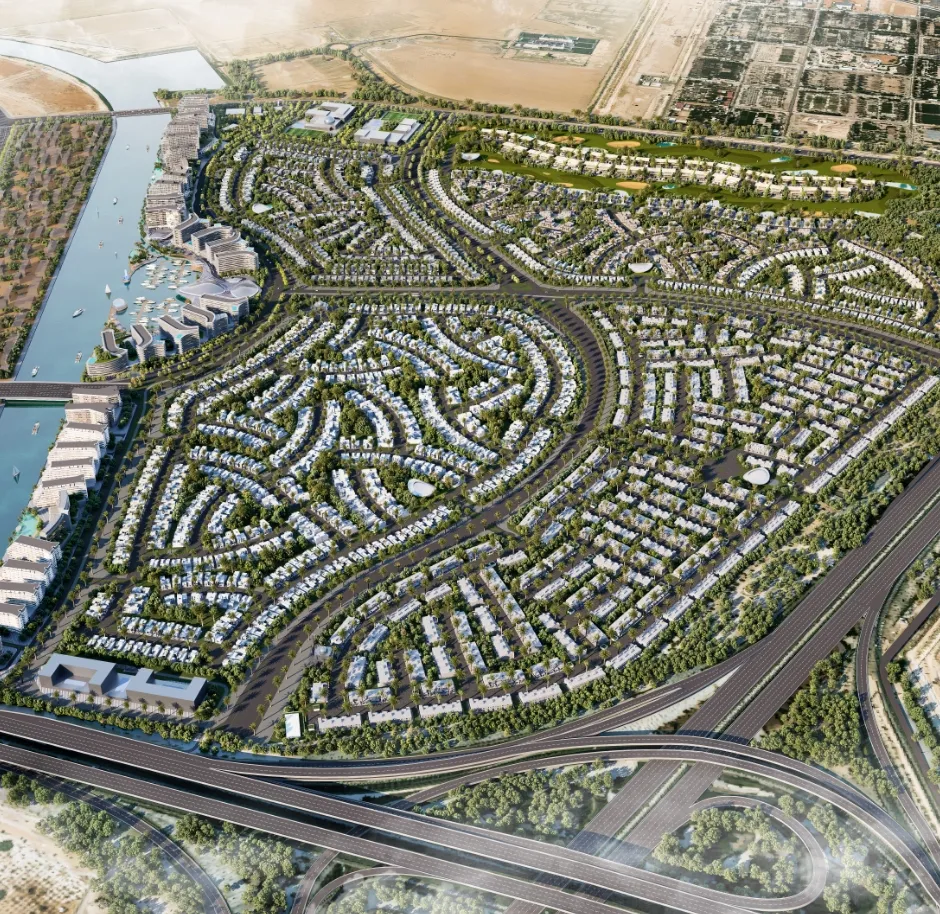
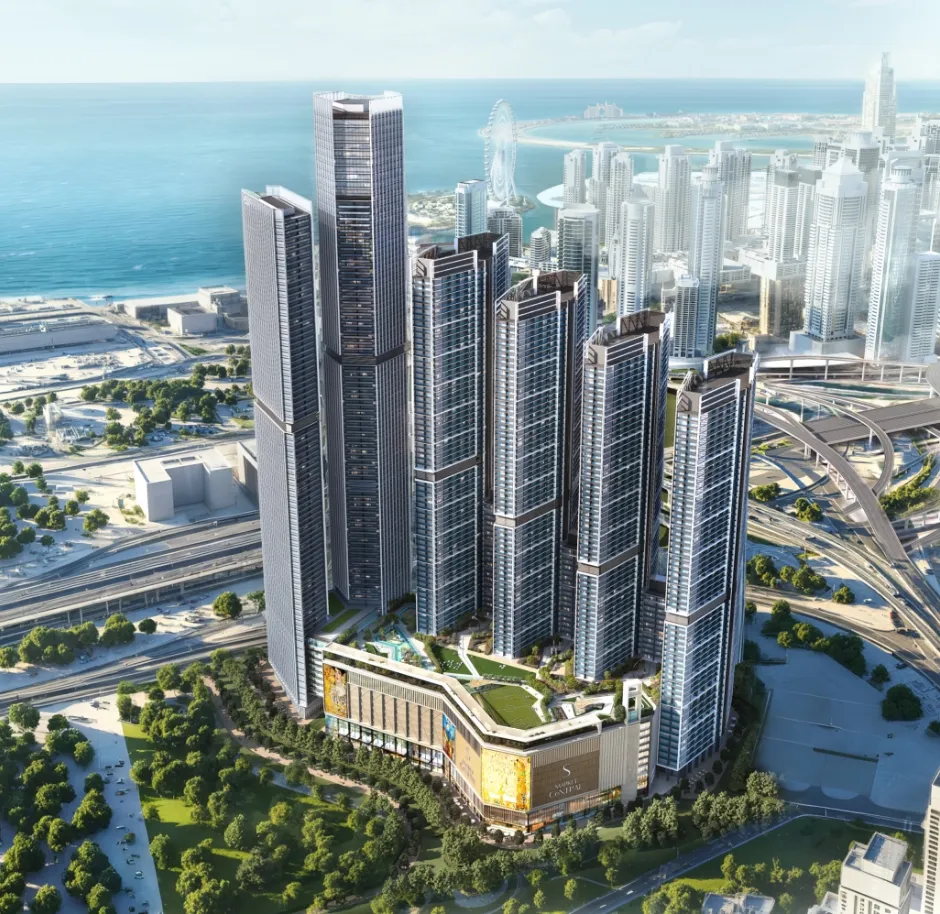
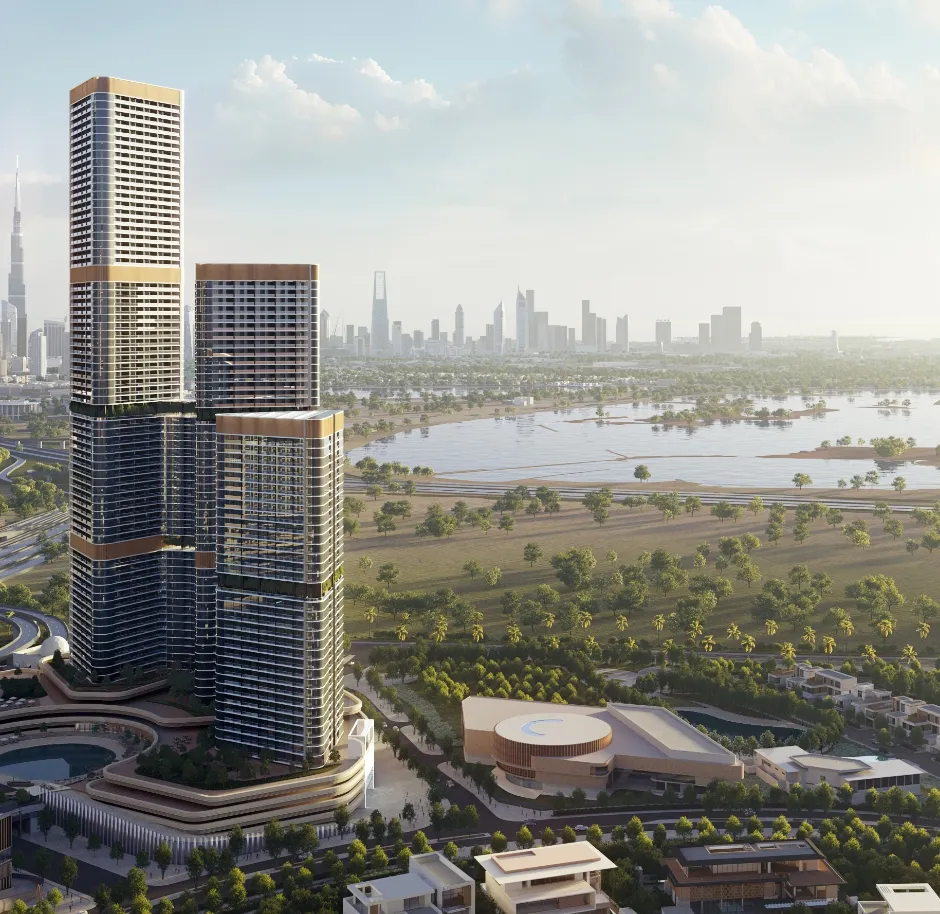
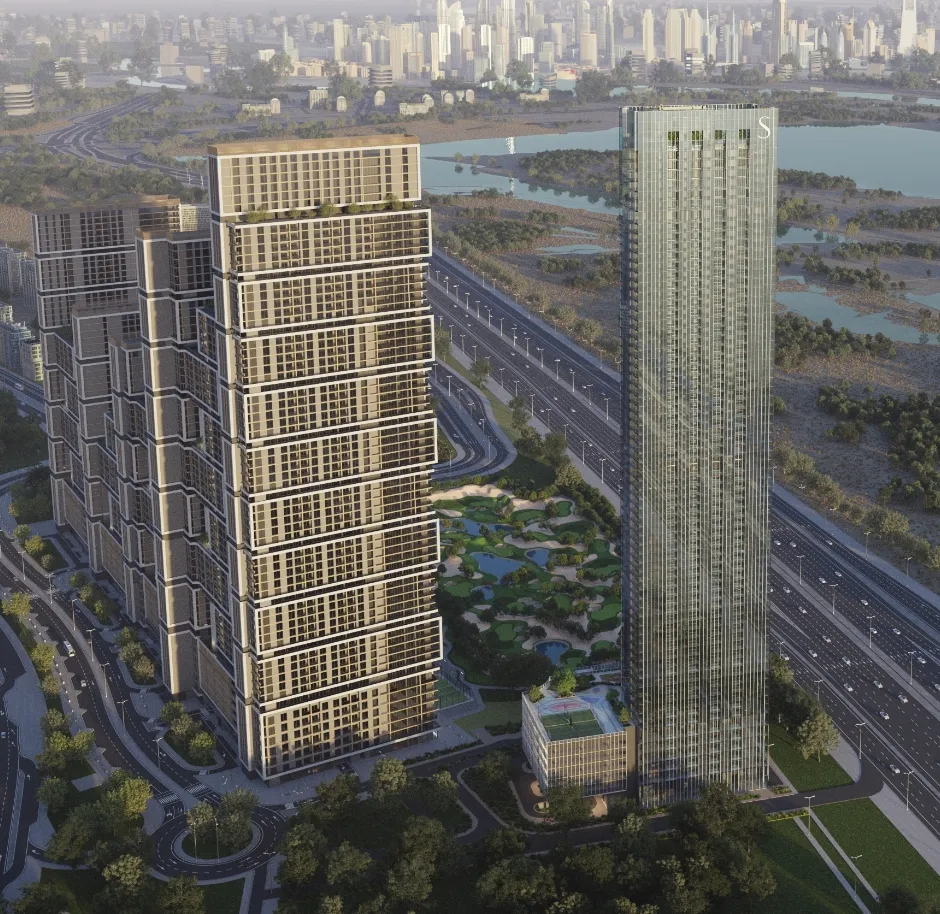
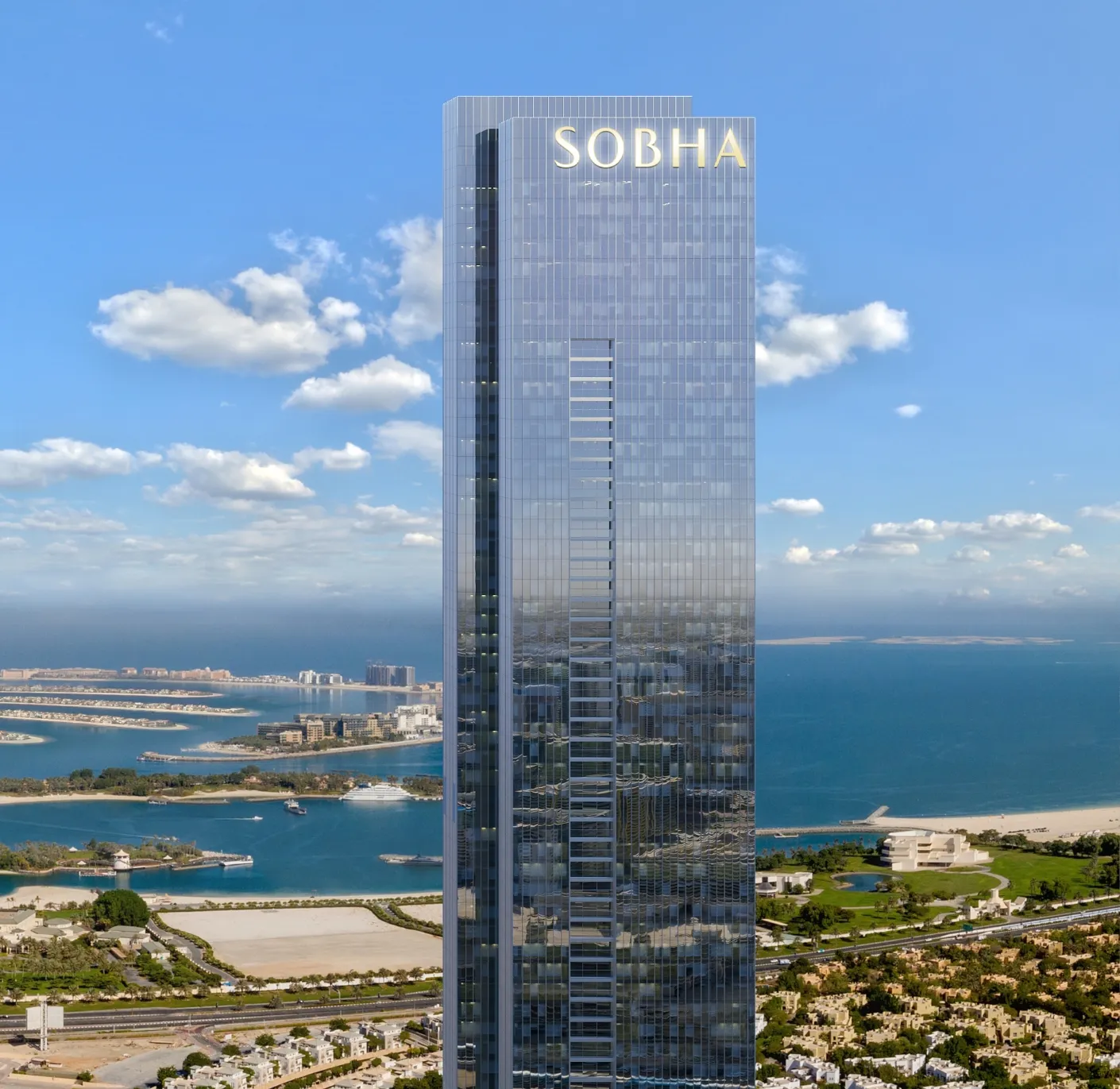
For Sobha Realty, its approach to design and construction is guided by “The Art of Detail” and its Backward Integration model, providing direct oversight across design, engineering, manufacturing, construction and finishing.
Quality does not guarantee a particular resale price.
It can, however, influence how a property is experienced, maintained and differentiated over time.
Conclusion
Understanding how to sell property in Dubai can make the transaction more efficient and reduce avoidable delays.
The typical seller journey includes:
- Establishing a realistic value
- Preparing the property
- Verifying and appointing a broker
- Obtaining an advertising permit
- Reviewing offers
- Signing a sale agreement
- Securing the developer e-NOC
- Settling any mortgage or outstanding obligations
- Completing ownership transfer through an approved DLD channel
For qualifying mortgage-free properties, Dubai Now can also enable qualifying property sales to be completed digitally using UAE Pass and an approved escrow account.
A successful sale is not determined by the headline offer alone.
Sellers should also consider:
- A realistic price
- Buyer readiness
- Clear documentation
- Accurate disclosure
- A workable completion timeline
- Proper regulatory procedures
- Expected net proceeds
Good preparation can reduce uncertainty and help the parties coordinate the transaction more efficiently.
Frequently Asked Questions
1. What documents do I need to sell property in Dubai?
For a standard completed-property transfer, sellers generally require valid identification and an electronic NOC from the developer in freehold areas. Other documents may be needed depending on mortgage, ownership, company or representation status.
2. Do I need a developer NOC to sell property in Dubai?
For standard property-sale registration in a freehold area, DLD currently lists an electronic developer NOC through Dubai REST as a required document.
3. Can I sell a mortgaged property in Dubai?
Yes. DLD provides a mortgaged-property sale process involving a bank liability letter, debt settlement, a mortgage-release letter and completion of the sale registration.
4. What is Contract F in Dubai?
Contract F is the commonly used buyer–seller sale agreement in broker-led Dubai property transactions. It records the agreed property, price, deposit, completion and transaction conditions. DLD publishes a broker journey for creating the contract.
5. What are the DLD fees when selling property?
For standard sale registration, DLD’s current service page lists 2% of the sale value for the seller and 2% for the buyer, plus applicable title, map, knowledge, innovation and service-partner fees.
6. Can I sell my Dubai property online?
Qualifying transactions can be completed through Dubai Now where the property and parties meet DLD’s digital-sale requirements.
7. Can a non-resident sell property in Dubai?
Yes. DLD accepts valid passports for non-resident foreign sellers within the standard registration process. Representation may require a legally valid power of attorney.
8. Can I sell a tenanted property?
Yes. The seller should provide accurate tenancy and Ejari information and make the buyer aware of the existing lease and occupancy conditions.
9. How do I verify a property broker?
Ask for the broker’s RERA card number and use DLD’s e-card verification service through Dubai REST.
10. How long does a Dubai property transfer take?
DLD lists an estimated processing time of approximately 25 minutes for the standard sale-registration step at a Real Estate Registration Trustee Centre once the required parties, documents and payments are ready. The wider sale process may take longer depending on NOC, mortgage, banking and documentation requirements.
A successful property sale begins with accurate information, thoughtful preparation and a clear understanding of the ownership journey. Discover how Sobha Realty’s focus on craftsmanship, community quality and long-term value supports homes and communities designed with long-term quality, functionality and resident experience in mind.